
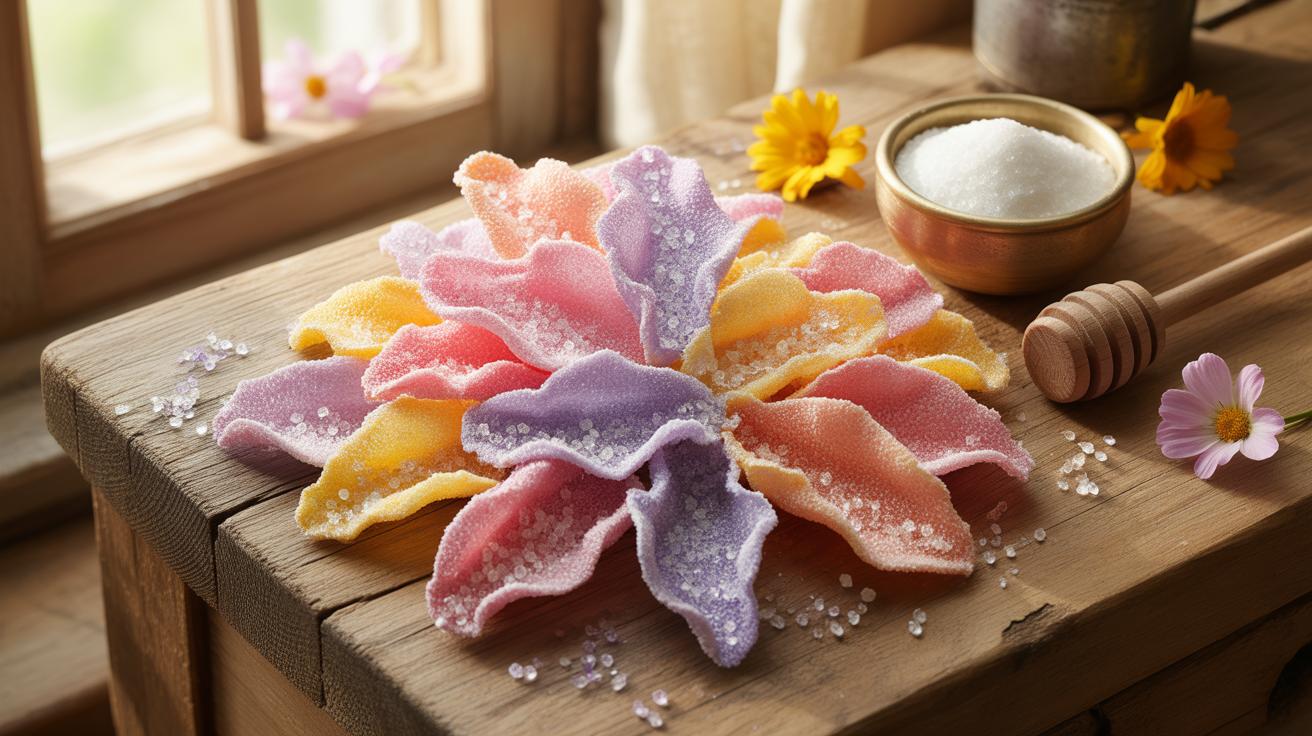
What Are Candied Flower Petals And Why Are They So Popular
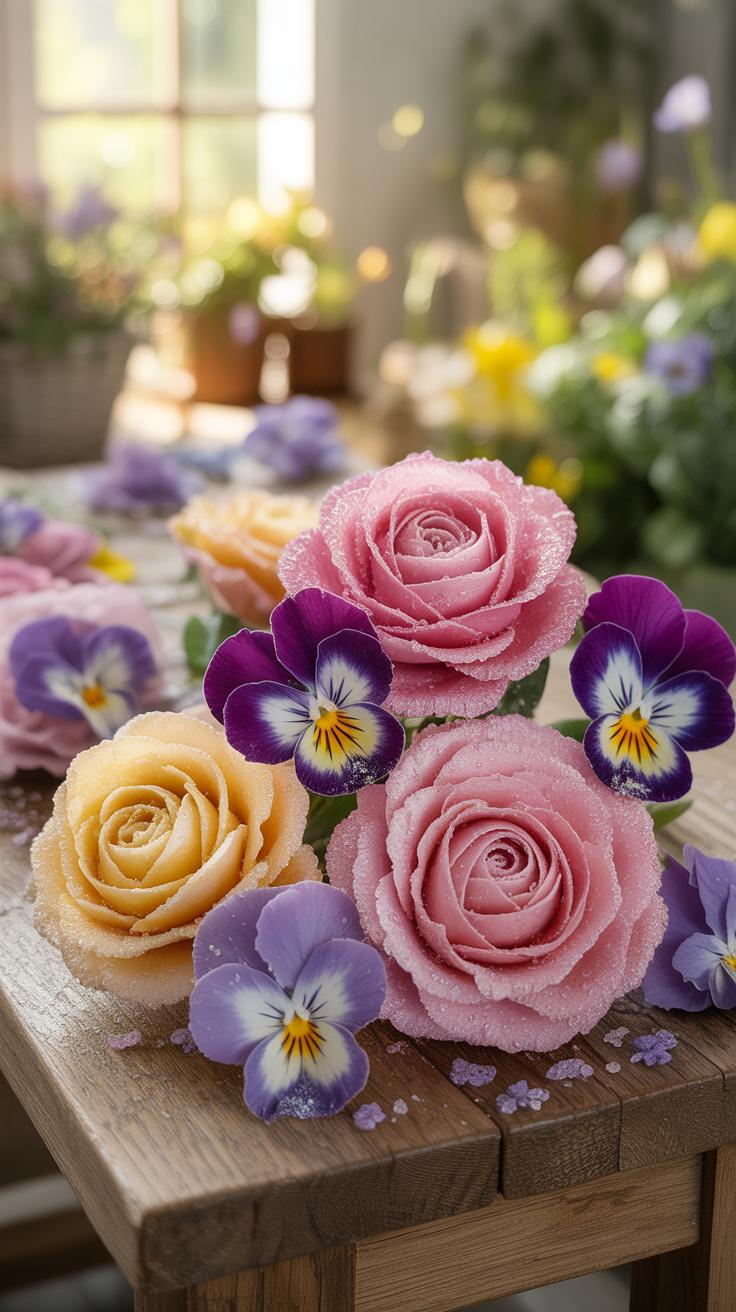
The History And Tradition Behind Sugared Flowers In Culinary Arts
The practice of preserving flowers in sugar dates back to medieval Europe and the Middle East. Chemists and early confectioners used sugar as a preservative for delicate botanicals. These items were originally expensive medicinal treats or displays of wealth for the elite. By the Victorian era, crystallized flowers became a standard element of high tea culture and formal French pastry work.
Traditional crystallizing methods involved brushing petals with egg whites and coating them in fine sugar. This process removed moisture while keeping the petal structure intact. Ancient cooks appreciated flowers for their flavor and scent. Today, chefs use these techniques to bridge the gap between historical preservation and modern food art. This method ensures that seasonal blooms remain edible and visually striking for months.
Why Candied Rose Petals Have Become A Staple In Modern Cake Decorating
Modern decorators use candied rose petals because they solve a major functional problem. Fresh petals wilt quickly under hot kitchen lights or in dry air. A crystallized petal maintains its rigid shape and deep color for long periods. This stability allows bakers to transport cakes without worrying about the decor collapsing. It is a tactical choice for professionals who need reliabilty.
Rose petals specifically offer a universal aesthetic that fits many design themes. They provide a natural texture that synthetic gum paste cannot replicate. Many consumers now demand organic and edible garnishes over plastic or wired decorations. Candied petals meet this demand by being fully food-safe and biodegradable. They add a sophisticated crunch and a concentrated floral taste that enhances the overall flavor profile of high-end desserts.

Which Flowers Are Safe To Use When Making Sugared Rose Petals
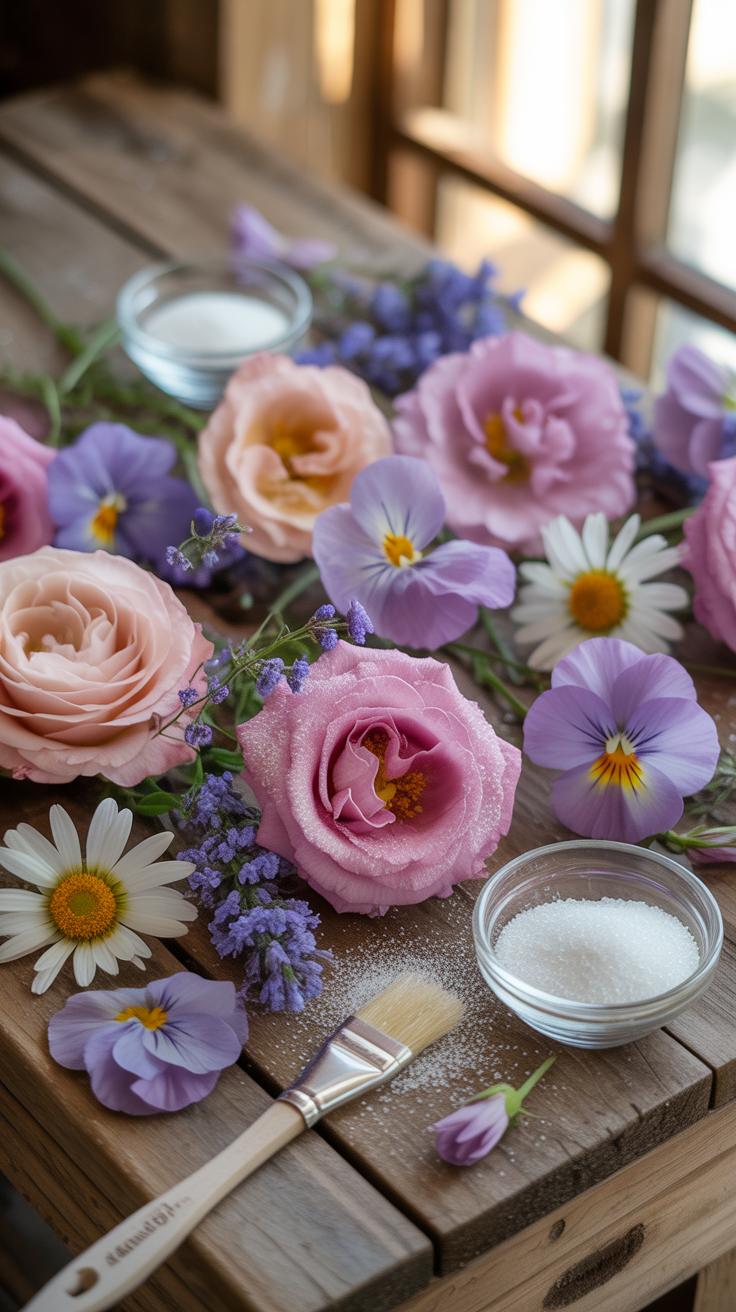
Identifying Edible Flowers That Are Safe For Consumption
Identification starts with the botanical name to avoid toxic lookalikes. Not every bloom is safe for the gut. You must confirm the species is non-toxic before processing. Use a reputable field guide or a verified database. If you cannot identify the flower with total certainty, discard it immediately. Mistakes here lead to physical illness. Stick to proven varieties like violas or pansies.
The history of edible flowers dates back to Roman times. They used roses and violets in heavy syrups. Modern safety requires knowing the specific variety and its chemical profile. Some flowers contain natural resins that cause stomach upset. Never eat flowers from florist shops or communal parks. These areas often contain high levels of lead or chemical runoff. Verification is your first line of defense.
How To Source Pink Edible Rose Petals That Are Free From Pesticides
Commercial roses from flower shops are dangerous for consumption. Growers spray these plants with systemic fungicides and heavy pesticides to preserve their appearance. These chemicals do not wash off with water. You must buy roses specifically labeled as culinary grade. These are grown under food safety standards. Check local organic farms or specialized online vendors. High quality sourcing ensures your final product is safe.

Growing your own roses is the most reliable method. Choose heirloom varieties for better flavor and stronger petals. Avoid using any synthetic fertilizers or bug sprays on your garden. Use only organic compost and natural pest control methods. Harvest the petals early in the morning when the moisture content is highest. This timing preserves the cell structure of the petal. Quality control starts at the soil level.
Essential Ingredients And Tools For Making Sugar Coated Rose Petals
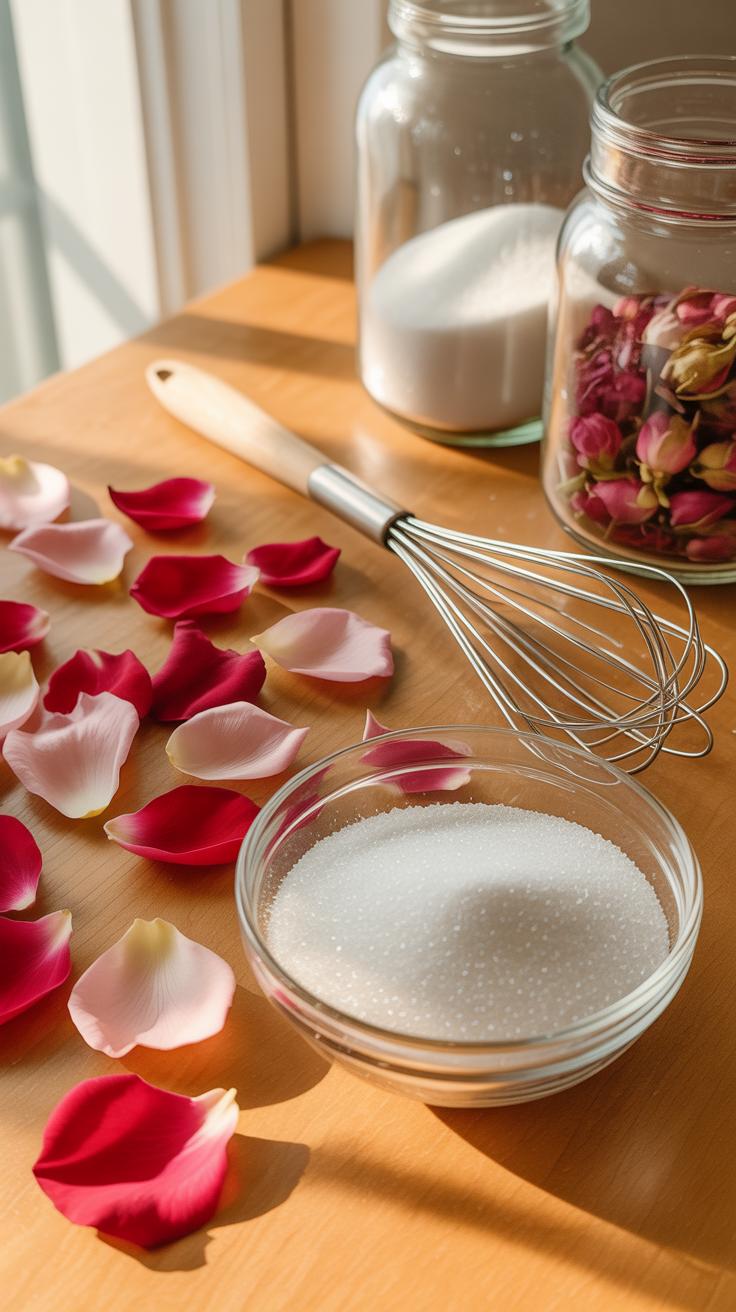
The Core Ingredients You Need To Make Perfect Rose Petals With Sugar
Candied flower petals require specific food grade components to ensure safety and shelf stability. You must select rose varieties that grow without systemic pesticides or chemical fertilizers. Culinary roses like Rosa damascena or Rosa centifolia provide the best structure and flavor profile. Using the wrong sugar or binder will result in a clumpy texture or rapid spoilage of the delicate organic matter.
- Fresh Culinary Roses: Use pesticide free roses harvested in the morning when moisture content is highest. Ensure the petals are completely dry after cleaning to prevent the sugar from turning into a wet slurry during application.
- Superfine Granulated Sugar: Caster sugar features smaller crystals than standard table sugar. This fine grit provides even coverage and a delicate crunch without weighing down the thin petal walls or creating unsightly lumps on the surface.
- Egg Whites or Meringue Powder: Protein acts as the primary adhesive for the sugar crystals. Use pasteurized egg whites to eliminate salmonella risks or substitute with reconstituted meringue powder if you need a shelf stable alternative for commercial distribution.
- Distilled Water: Thin the protein binder with a few drops of pure water to achieve the correct viscosity. This ensures the coating remains thin and transparent rather than thick and opaque which hides the natural color of the rose.
- Vodka or Lemon Juice: Some decorators add high proof alcohol or acid to the binder to speed up the evaporation process. This tactic reduces the drying time and helps preserve the vibrant pigments found in dark red or pink rose petals.
Purity determines the success of the preservation process. You must match the quality of your sugar to the delicacy of the flora. High moisture environments will ruin your ingredients during the curing phase. Always store your raw materials in an airtight environment before you begin the assembly. This precision prevents the sugar from clumping and ensures a professional finish on every single petal you process.
Must Have Kitchen Tools For Coating And Drying Flower Petals Properly
You need precision tools to handle fragile organic tissues without bruising them. Small tweezers allow you to manipulate individual petals without transferring oils from your skin to the sugar. Use a soft bristled nylon brush to apply the protein binder. Natural hair brushes shed fibers that stick to the adhesive and ruin the visual quality. A small bowl for dipping ensures you do not waste expensive superfine sugar.
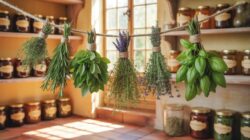
Proper drying requires airflow and elevation. Use a wire cooling rack covered with parchment paper or a fine mesh screen to prevent sticking. Placing petals on a flat solid surface traps moisture underneath and leads to browning. You may also use a dehydrator set to the lowest temperature to accelerate the process. Accurate temperature control prevents the sugar from melting or the petals from losing their natural shape during the final cure.
How To Make Crystallized Rose Petals Step By Step
Preparing And Cleaning Your Rose Petals Before The Sugaring Process
Select organic roses that have never touched systemic pesticides or chemical fertilizers. Pick the flowers in the early morning after the dew evaporates but before the sun reaches its peak. This timing ensures the petals contain maximum moisture and oil content. Remove the petals carefully from the base of the flower head. Discard any petals with brown spots, tears, or insect damage to ensure a uniform final product.
Rinse the petals in a bowl of cold water to remove dust and small insects. Use a gentle touch to avoid bruising the delicate plant tissue. Lay the damp petals in a single layer on a clean lint-free towel or paper sheets. Pat them dry with another towel until all surface moisture vanishes. Residual water will dilute the egg white and prevent the sugar from adhering properly to the surface.
Applying Egg White And Sugar To Create A Crisp Even Crystallized Coating
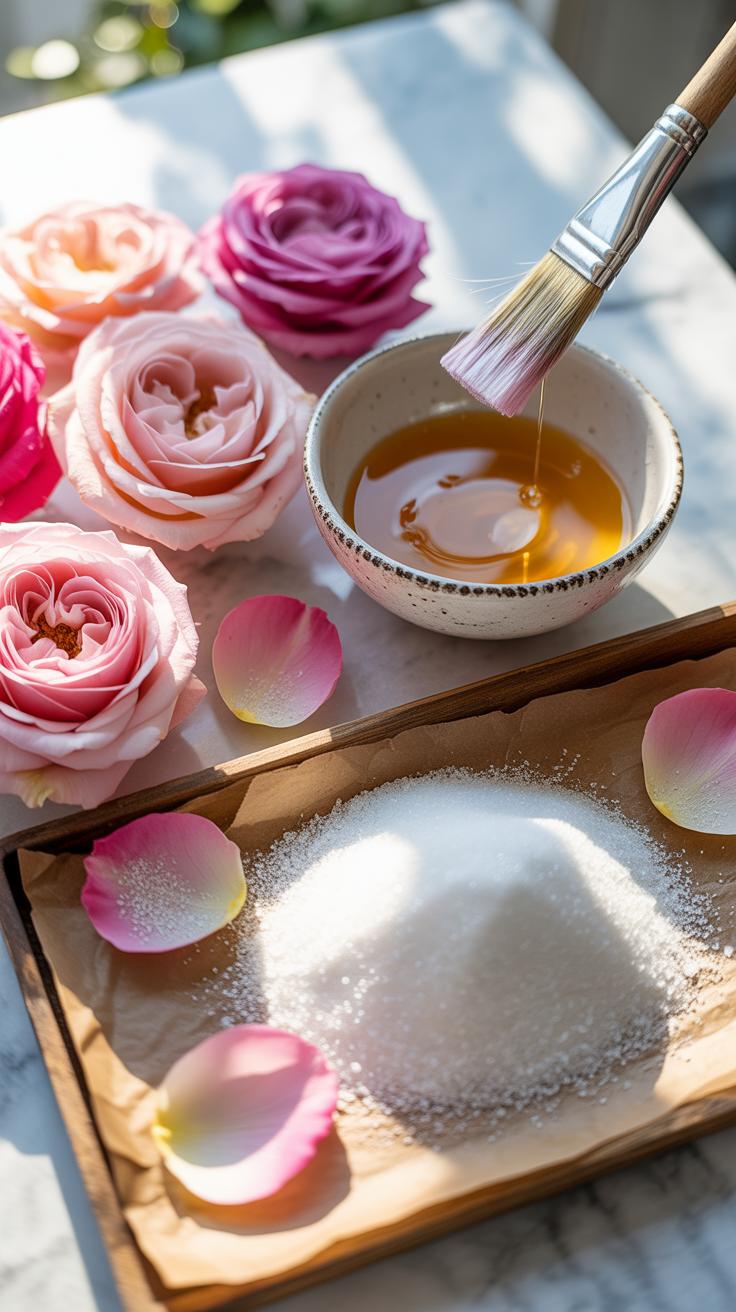
Prepare a small bowl of fresh egg white and whisk it until the foam breaks down into a thin liquid. Use a small soft-bristled brush to apply a micro-layer of egg white to both sides of each petal. Excess moisture causes the sugar to become clumpy and ruins the texture. Work on one petal at a time to keep the coating from drying before you apply the sugar grains.
- Uniform Egg Coating: Apply the egg white sparingly to avoid pooling. A thick layer creates a rubbery texture instead of a crisp shell. Ensure you cover the entire surface including the edges to prevent the petal from wilting or oxidizing during the drying phase.
- Superfine Sugar Selection: Use baker’s sugar or caster sugar for the best results. The small crystal size creates a delicate sparkle and coats the petal more evenly than standard granulated sugar. Heavier crystals often fall off or overwhelm the thin petal structure.
- Precise Dusting Technique: Hold the damp petal over a clean bowl and spoon the sugar over it. Ensure the sugar hits every part of the egg white coating. Shake the petal gently to remove any loose grains that did not bond with the protein layer.
- Proper Drying Surface: Place the coated petals onto a wire cooling rack lined with parchment paper. The rack allows air to circulate around the entire petal. This airflow is necessary to harden the egg white and sugar mixture into a stable shelf-stable crust.
- Optimal Drying Environment: Store the petals in a cool dry place with low humidity for twenty-four to forty-eight hours. High humidity will cause the sugar to melt and turn the petal into a sticky mess. The petals are ready when they feel completely stiff and brittle.
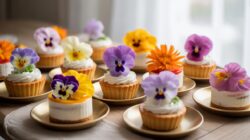
Transfer the finished petals to an airtight container once they are fully dry. Line the container with parchment paper to prevent sticking and maintain the crisp texture. Store these crystallized roses in a cool dark pantry rather than a refrigerator to avoid moisture contamination. These petals will remain shelf-stable for several months if you keep them dry and away from direct sunlight or heat sources.
Understanding Crystallized Rose Petals And Leaves As Decorative Elements
How Crystallized Leaves Differ From Petals In Texture And Drying Time
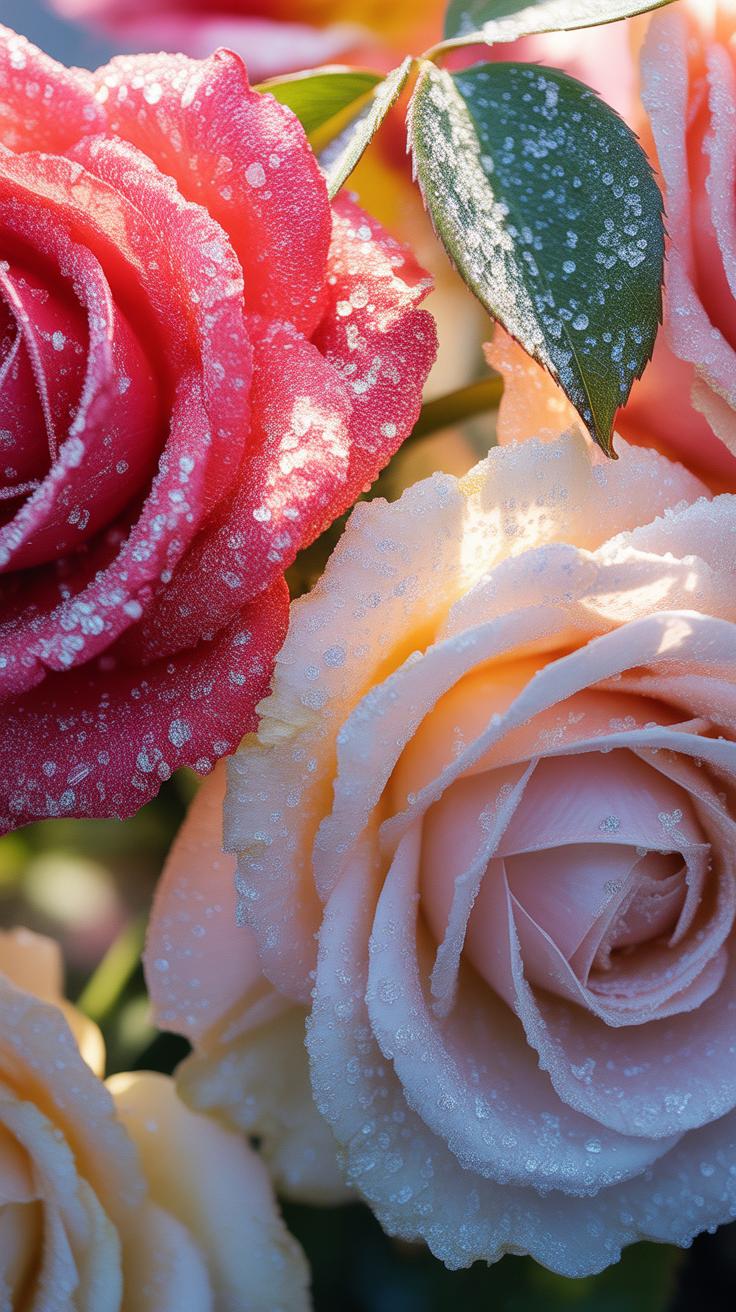
Leaves possess a thicker cuticle and more cellulose than rose petals. This structural difference means leaves take longer to dry during the crystallization process. Petals often dry in twelve to twenty-four hours due to their thin cell walls. Leaves require up to forty-eight hours to achieve a brittle state. You must ensure the egg white coating is thin on leaves to prevent trapping moisture.
Texture varies significantly once the sugar sets. Petals become light and fragile like thin parchment paper. Leaves remain sturdy and maintain their shape even under the weight of heavy frosting. Use mint or rose leaves to add a verdant contrast to the floral sugar. The leaf provides a firm crunch while the petal melts quickly on the tongue. Adjust your storage timing based on these separate drying rates.
Creative Ways To Use Crystallized Rose Petals And Leaves On Desserts
Apply crystallized elements to provide height and color to plain cakes. Use the contrast between pink rose petals and dark green sugar coated leaves to mimic a garden. Place petals in a circular pattern to rebuild the look of a whole flower. This technique works best on buttercream or ganache surfaces where the sugar can grip the fat. Do not let the sugar touch wet fruit glazes.

Utilize the structural integrity of the leaves to support smaller garnishes. Prop a petal against a crystallized leaf to create a three dimensional effect on top of tarts. These edible decorations serve as a hallmark of Victorian era confectionary styling used for formal tea. The sugar coating acts as a preservative and keeps the colors vibrant for service. Always place these items just before serving to maintain their crisp texture.
Common Beginner Mistakes When Making Candy Roses And How To Avoid Them
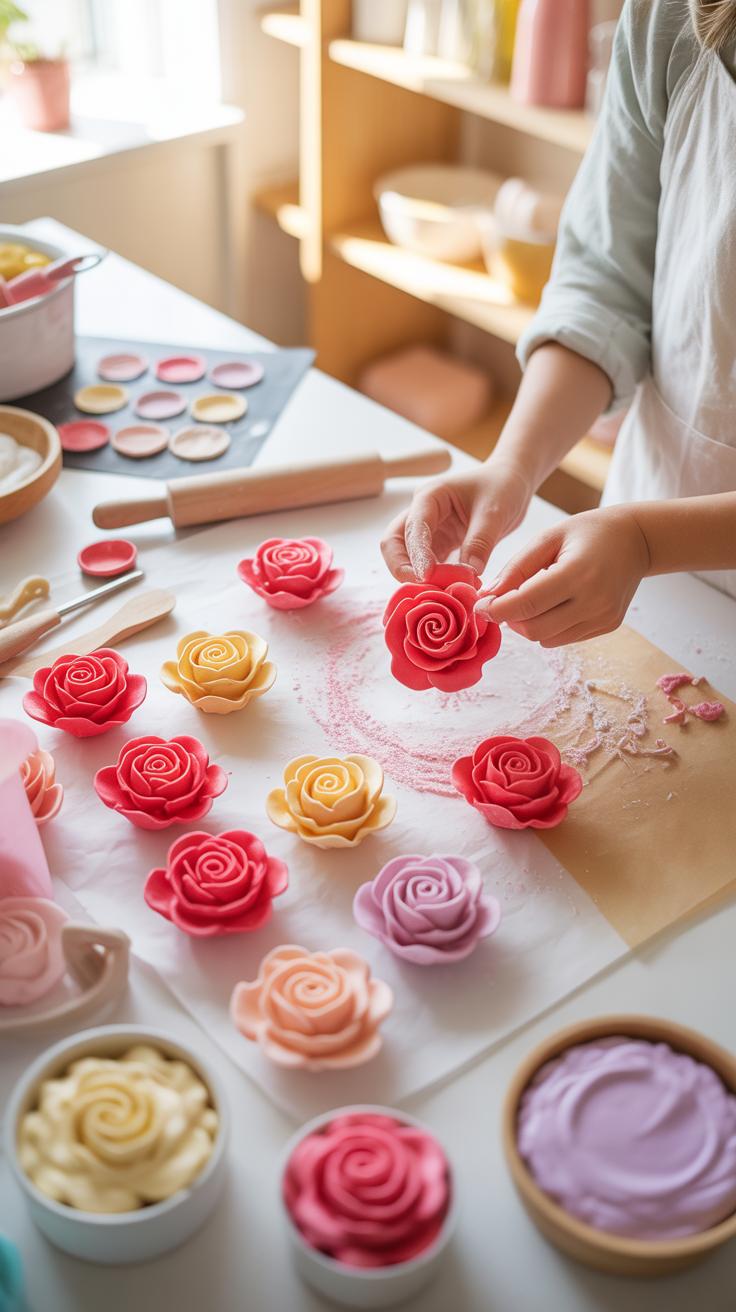
Why Humidity And Temperature Affect The Quality Of Your Candy Roses
Humidity is the primary enemy of sugar stabilization. Sugar is hygroscopic, meaning it pulls moisture from the surrounding air. High humidity levels prevent the egg white or mucilage binder from drying. This results in a limp petal that will not hold its shape. You must work in a cool, dry environment. Avoid making candied flowers on rainy days or in kitchens with high steam levels from cooking.
Temperature also dictates how fast the proteins in the binder set. If the room is too warm, the liquid coating stays fluid for too long. This causes the sugar crystals to dissolve rather than sit on the surface. Proper crystallization requires a steady, room temperature environment. Use a dehydrator on the lowest setting or a pilot light in a conventional oven to maintain a consistent dry heat source.
How To Fix Petals That Are Too Sticky Or Have An Uneven Sugar Coating
Sticky petals usually result from using too much liquid binder. Beginners often dip the entire rose head into the egg white. This traps liquid between the petals and prevents airflow. Use a small, dry brush to apply a thin, even layer to each surface. If the petals feel tacky after twelve hours, place them near a fan. Moving air helps evaporate residual moisture and sets the sugar shell.

Uneven coating occurs when you apply sugar to wet spots rather than a tacky surface. Large clumps of sugar create a heavy, unattractive finish. Use superfine or caster sugar to achieve a professional look. If you see bare spots, do not re-dip the petal. Lightly paint the specific area with a damp brush and sprinkle more sugar. Shake off the excess immediately to ensure a uniform and thin protective layer.
Egg Free Alternatives For Making Vegan Sugared Flowers At Home
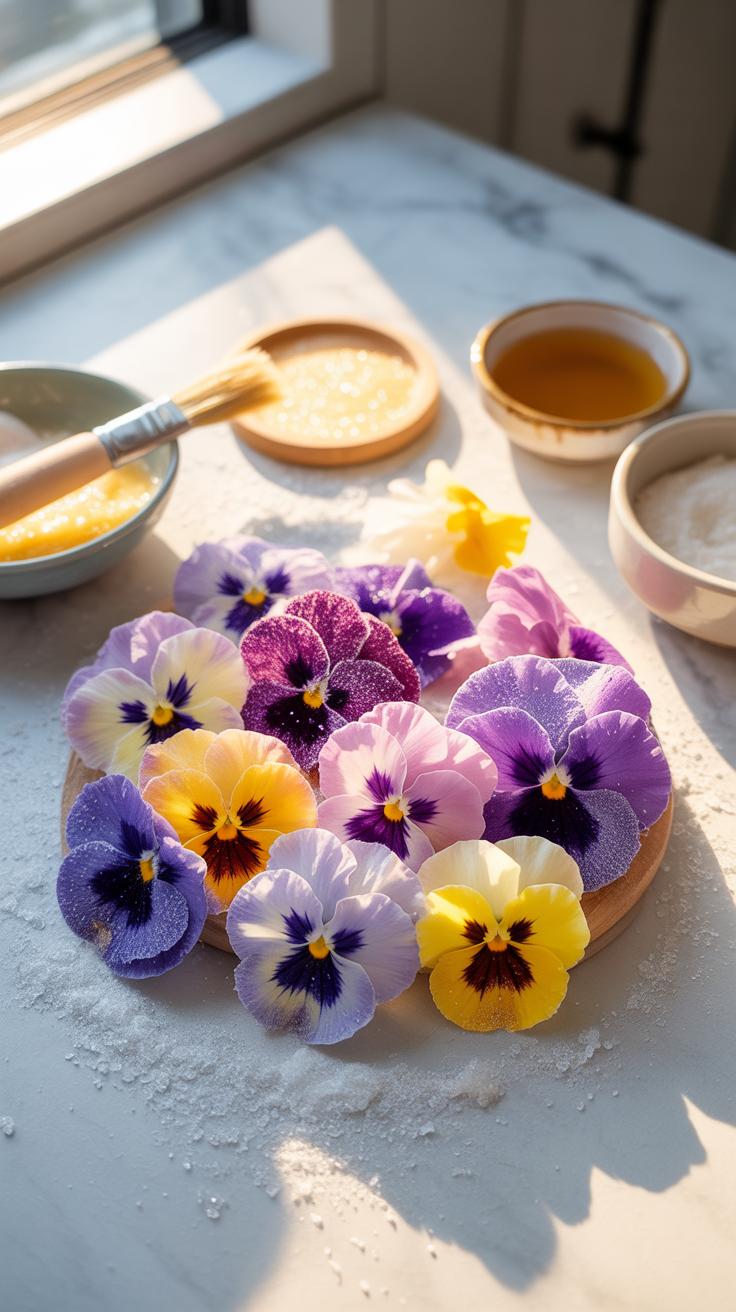
Using Aquafaba As A Plant Based Substitute In Vegan Sugared Flowers
Aquafaba consists of the viscous liquid found in canned chickpeas. This substance mimics the protein structure of egg whites through its unique combination of starches and solids. It acts as a high-performance binder for granulated sugar on delicate petals. You do not need to cook it before use. Simply strain the liquid from any can of chickpeas and use it as a direct replacement.
Apply the liquid with a small brush to create a thin coating on the flower surface. Do not over-saturate the petal or it will wilt from the weight of the moisture. Dust the sugar immediately after application to ensure a strong mechanical bond. Use a light touch to prevent tearing the plant tissue. This method provides a neutral flavor and excellent shelf stability for decorations.
How Gum Arabic Solution Works As A Food Safe Binding Agent For Petals
Gum Arabic is a natural resin harvested from acacia trees. It has served as a food stabilizer for centuries due to its high solubility and adhesive properties. To use it, mix the powder with warm distilled water until it reaches a thin syrup consistency. This solution creates a glass-like finish once it dries on the flower. It offers a professional result for high-end confectionary work.

This medium provides a stronger bond than simple fruit juices or sugar syrups. It seals the petal and prevents the natural moisture of the plant from dissolving the sugar coating. Paint the solution onto both sides of the flower for the best structural support. This technique ensures the dried flowers stay crisp in humid environments. It is a reliable choice for professional bakers and hobbyists alike.
How To Store And Preserve Candied Rose Petals To Extend Their Shelf Life
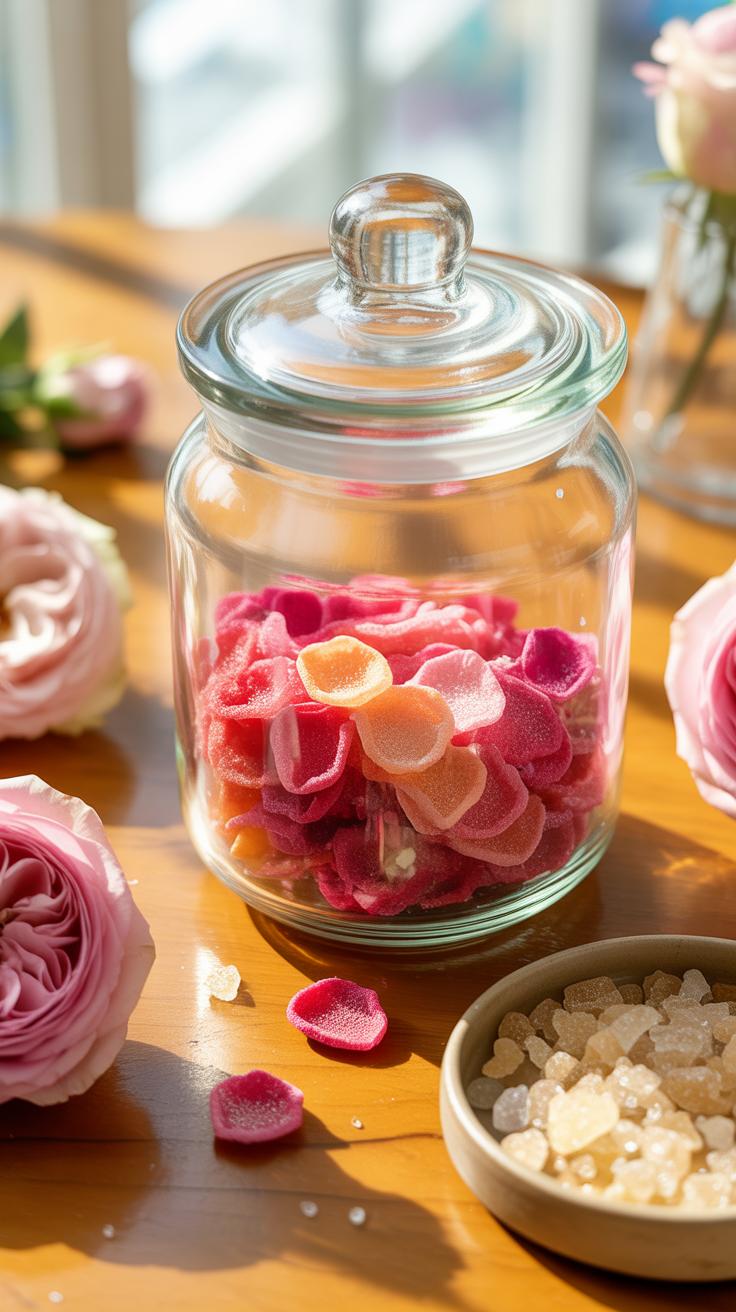
The Best Storage Conditions To Keep Candied Rose Petals Crisp For Weeks
Moisture is the enemy of candied rose petals. High humidity dissolves the sugar coating and turns the petals into a sticky mess. You must store them in an airtight container immediately after they dry completely. Glass jars or plastic bins work best for this task. Place a layer of parchment paper between each row of petals. This prevents them from sticking together or breaking during transit.
Keep your container in a cool and dark place. Sunlight fades the natural pigments of the rose petals over time. Avoid the refrigerator because the cooling process creates condensation when you open the jar. This extra moisture ruins the crunch of the sugar shell. A pantry or a kitchen cabinet away from the stove provides the stable environment needed for a shelf life of several weeks.
Preserving the fleeting sweetness of a garden is a simple act of magic that anyone can master. With just a bit of sugar, you can capture the essence of spring to enjoy long after the blossoms have faded.
Signs That Your Candied Petals Have Gone Bad And Should Not Be Used
You can easily identify spoiled candied petals by their appearance and texture. If the sugar looks wet or syrupy, the petals have absorbed too much water. This often leads to mold growth which appears as fuzzy spots on the surface. Check for any discoloration that looks dull or brownish. Throw away any petals that lose their structural integrity and become limp or sagging rather than crisp.
Smell the container before using the petals for decoration. Fresh candied roses should have a faint floral scent or no smell at all. A sour or musty odor indicates bacterial growth or fermentation. This happens when the original petal still held internal moisture before you applied the sugar. Never consume petals that show these signs. Proper drying and airtight sealing are the only ways to ensure safety.
Inspiring Ways To Use Candied Flower Petals Beyond Cake Decoration
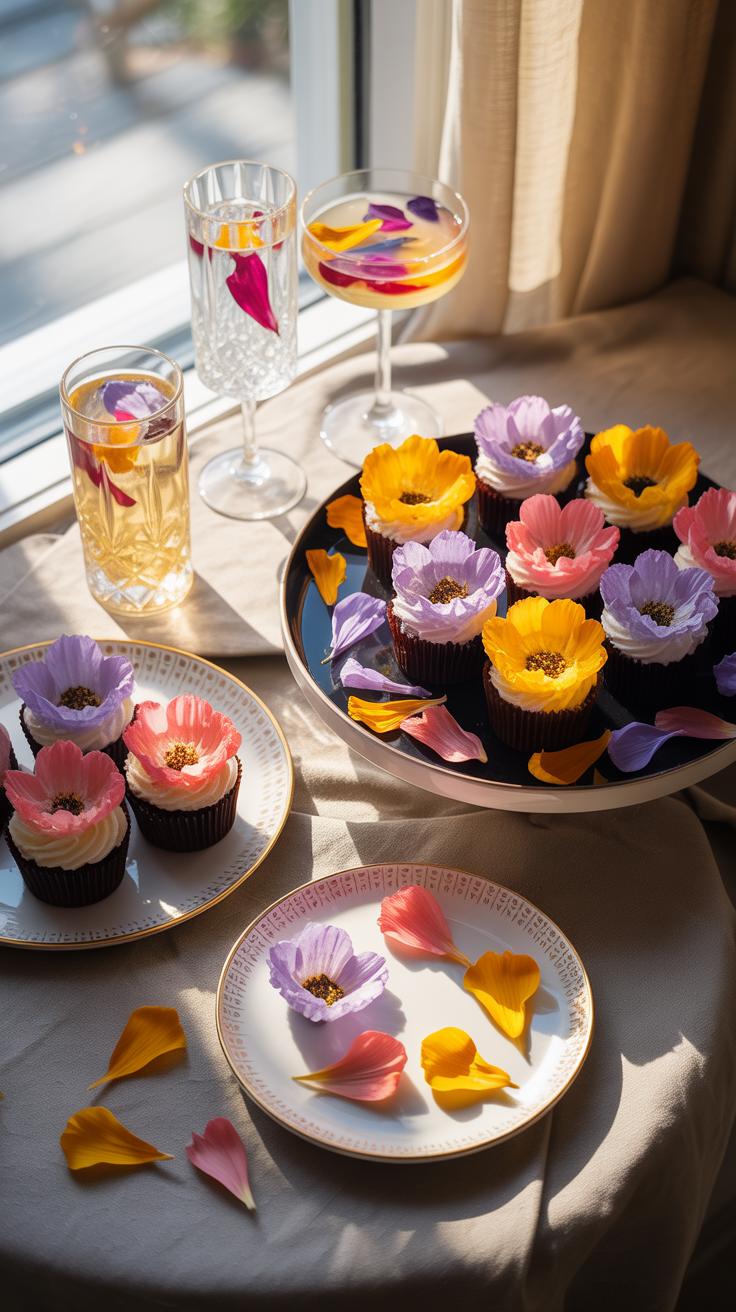
Adding Candied Petals To Cocktails, Teas, And Gourmet Dessert Platters
Candied flower petals offer more than visual appeal. They provide a structural and flavor upgrade to beverages. Drop a crystallized hibiscus or rose petal into a champagne flute. The sugar coating reacts with carbonation to create a steady stream of bubbles. In hot tea, the sugar dissolves slowly. This process releases the light floral aroma of the flower directly into the drink.
Use these petals to balance salt on gourmet dessert platters. Pair crystallized violets with dark chocolate or sharp cheeses. The crunchy texture creates a necessary contrast to soft ganache or creamy brie. Place petals next to fruit leather or honeyed nuts. This adds value to the plate without requiring extra cooking time. Focus on edible varieties like pansies or lavender for safety.
Gifting And Packaging Handmade Candied Flower Petals As An Artisan Treat
Proper packaging preserves the crunch and prevents spoilage. Use airtight glass jars or food-grade tin containers for long-term storage. Place parchment paper between layers of petals to avoid sticking. Moisture ruins the sugar crust quickly. Keep the containers in a cool and dark place. Heat and sunlight will cause the natural colors to fade and the sugar to melt.
Artisan gifting requires clear labeling and safety information. List the specific flower species to inform customers about potential allergies. Use minimalist tags to emphasize the handmade nature of the product. These petals serve as a high-end alternative to standard candy. They work well in wedding favors or luxury gift baskets. Reliable seals ensure the product stays professional and fresh for the recipient.
Frequently Asked Questions

What are the best types of flowers for a beginner to use?
When making your first batch of candied flower petals, it is best to start with hardy, edible varieties like pansies, violas, or rose petals. These options are sturdy enough to handle the egg white coating without wilting instantly. Always ensure your blooms are organic and free from pesticides. Starting with these larger, flatter surfaces makes the preservation process much more manageable for those new to this delicate floral craft.
How do I store candied flower petals to keep them from getting sticky?
To keep your candied flower petals crisp and beautiful, store them in an airtight container lined with parchment paper. Keep the container in a cool, dry place away from direct sunlight or humidity, which can cause the sugar to melt. When stored correctly at room temperature, these botanical treats can last for several weeks, making them a perfect make-ahead decoration for topping elegant cakes, cupcakes, or seasonal dessert platters.
Do I need expensive specialty equipment to make these at home?
Not at all! Making these treats is incredibly budget-friendly because you likely already have the supplies in your kitchen. All you need is a small paintbrush, a bowl of whisked egg whites, and fine granulated sugar. Since you can harvest many edible varieties from a home garden or find them affordably at local organic markets, creating stunning decorations is an accessible way to elevate your baking without investing in professional pastry tools.