
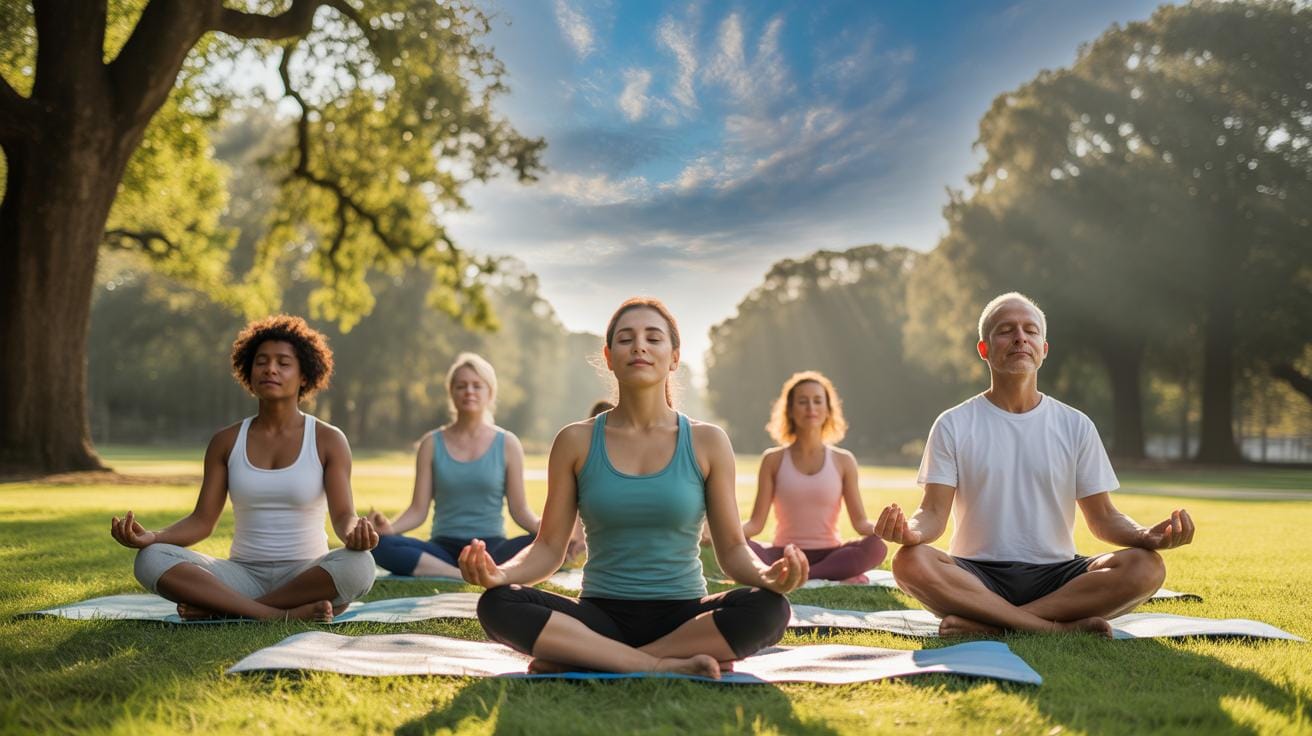
Breathing Exercises and Techniques for Better Fitness
Breathing exercises influence your fitness in many ways. They help strengthen your diaphragm and improve lung function. In fitness activities, using breath control can give better energy, endurance, and focus. This article explains how breathing exercises and breath techniques relate to fitness and wellbeing.
You will read about popular breath methods used in martial arts, yoga, and meditation. Also, we show simple ways for you to practice these techniques. This guide can help you add breath control to your daily fitness routine to improve your stamina and recovery.
Science Behind Breathing For Fitness

Breathing deeply affects your fitness, even if it feels like second nature. The process shapes how oxygen gets to your muscles, which is central to keeping you going during exercise. Your lungs pull in air; this air carries oxygen that travels via your blood to muscles, supporting their work and stamina.
Oxygen is the fuel for your muscles’ energy-making machinery. Without enough oxygen, muscles get tired faster, which holds you back. Good breathing helps keep muscles fed and working longer, especially during intense workouts.
Inside your body, the diaphragm sits below your lungs like a dome-shaped muscle. It contracts and flattens to pull air in and relaxes to push air out. Strengthening this muscle can make each breath stronger and more efficient, giving muscles more oxygen and delaying fatigue.
Understanding basic breathing anatomy like this helps you realize why breath control and exercises matter in fitness routines. Breathing isn’t just automatic background noise; it’s a key player in how well your body performs and recovers.
Choose Breathing Exercises For Fitness
Picking the right breathing exercises for fitness can be quite the task, especially with such a variety to choose from. Let’s start with some notable ones from martial arts like tai chi and qigong. These use techniques like reverse breathing, where you contract the abdomen while inhaling—quite the opposite of natural diaphragmatic breathing. This method may help strengthen the diaphragm and protect internal organs, especially during intense moves or punches.
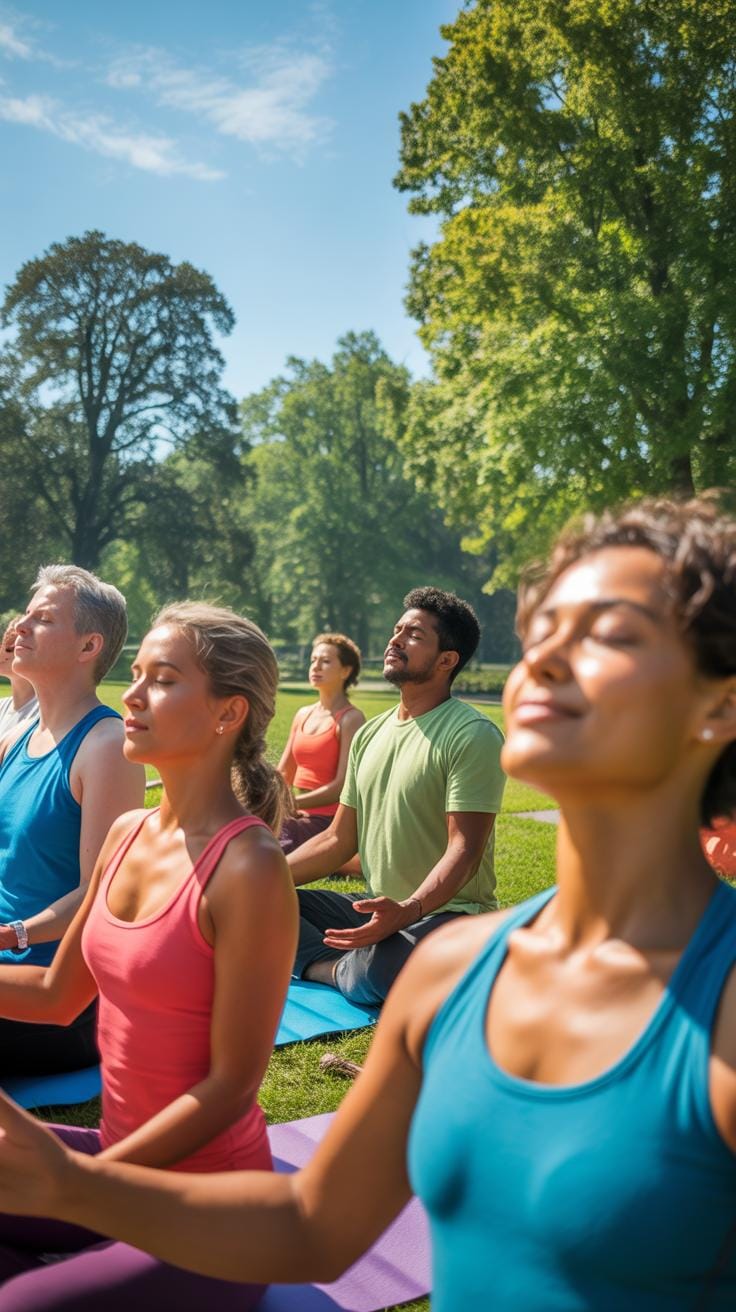
Then, there’s yoga’s pranayama, which is more than just slow breathing. It involves controlling the breath’s length, holding it, and even alternating nostrils to balance your energy. Many find it helps boost endurance and mental focus—useful when you’re pushing through those last reps or a tiring run.

Meditative breathing, often centered on mindfulness like in Buddhist traditions, promotes calm and can lower your heart rate. While it’s less about direct physical improvement, its stress-relief benefits can indirectly support your fitness journey by helping recovery.
Compare Breathing Methods For Fitness Benefits
Martial arts breathing tends to be more dynamic, focusing on protecting the body and powering movement. The breath is often engaged actively with muscle control, which might feel a bit sudden or intense if you’re new. Yoga breath control, meanwhile, has a steady, rhythmic quality that combines breath with movement, promoting not just strength but mental steadiness.
Meditation breathing falls on the calmer end of the spectrum. It’s subtle and slow, focusing on relaxation and mindfulness rather than powering physical actions. You could argue each method fills different niches: martial arts breathing for explosive power, yoga for balance and stamina, and meditation for mental clarity and recovery support.
Key Steps To Practice Breathing Exercises
Starting simple is key. Begin seated comfortably with a straight spine—slouching can mess with your airflow. Close your eyes if you want to focus better. Now, try this basic exercise:
- Inhale deeply through your nose for about four counts, filling your belly first, then your chest.
- Hold the breath for a couple of seconds—but don’t strain yourself.
- Exhale slowly through your mouth for six counts, letting your belly contract.
- Pause briefly before the next inhale.
Repeat this cycle five to ten times. Timing can vary, but longer exhales tend to activate your parasympathetic response (rest and digest). Pay attention to your posture—keep your shoulders relaxed and avoid tensing up. In martial arts styles, the breath is often tied to movement phases, so it’s okay if the timing feels a little off at first.
Over time, you might experiment with holding breaths for longer or incorporating nostril control from yoga breathing. The main goal is control—getting comfortable directing your breath to support your fitness, not just reacting to tiredness. It’s a subtle skill but can make a big difference in endurance, focus, and recovery.
Measure Progress With Breathing Metrics
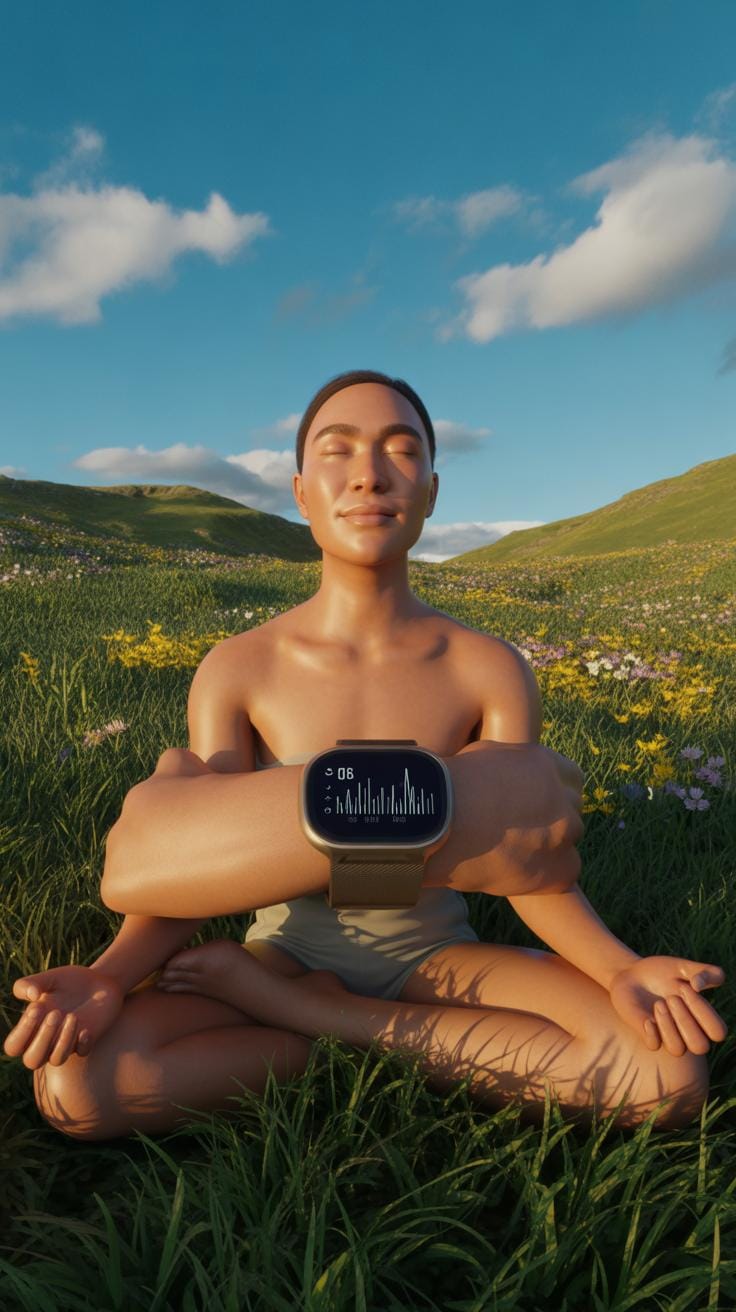
Tracking how your breathing improves can feel a bit tricky at first. But there are a few signs to look for that hint your lung strength and breath control are getting better. For example, you might notice you can hold your breath a bit longer each time you try, or that your lungs don’t feel so tight during exercise. Sometimes, you just feel less out of breath after a hard workout. That’s a pretty clear signal your endurance is picking up.
Some simple tests can give you clues about your lung capacity. Holding your breath against a timer feels basic, but it can reveal a lot. You might also explore spirometry, which sounds fancy but means measuring how much air you can blow out in one go—just using tools you can find online or from a sports store. Keeping track of these numbers over weeks or months shows if you’re actually making progress or if something needs adjusting.
Noticing how your breath feels during and after exercise is useful too. If your recovery time—the moments you spend catching your breath—shortens, that’s a hint your lungs and overall fitness benefit from breath control training. Jotting down these experiences in a notebook or app, alongside the test results, creates a simple record to reflect on. Over time, you might find, little by little, your workouts demand less effort and you can push harder without gasping for air. That slow improvement is exactly what you want.
Avoid Common Breathing Mistakes
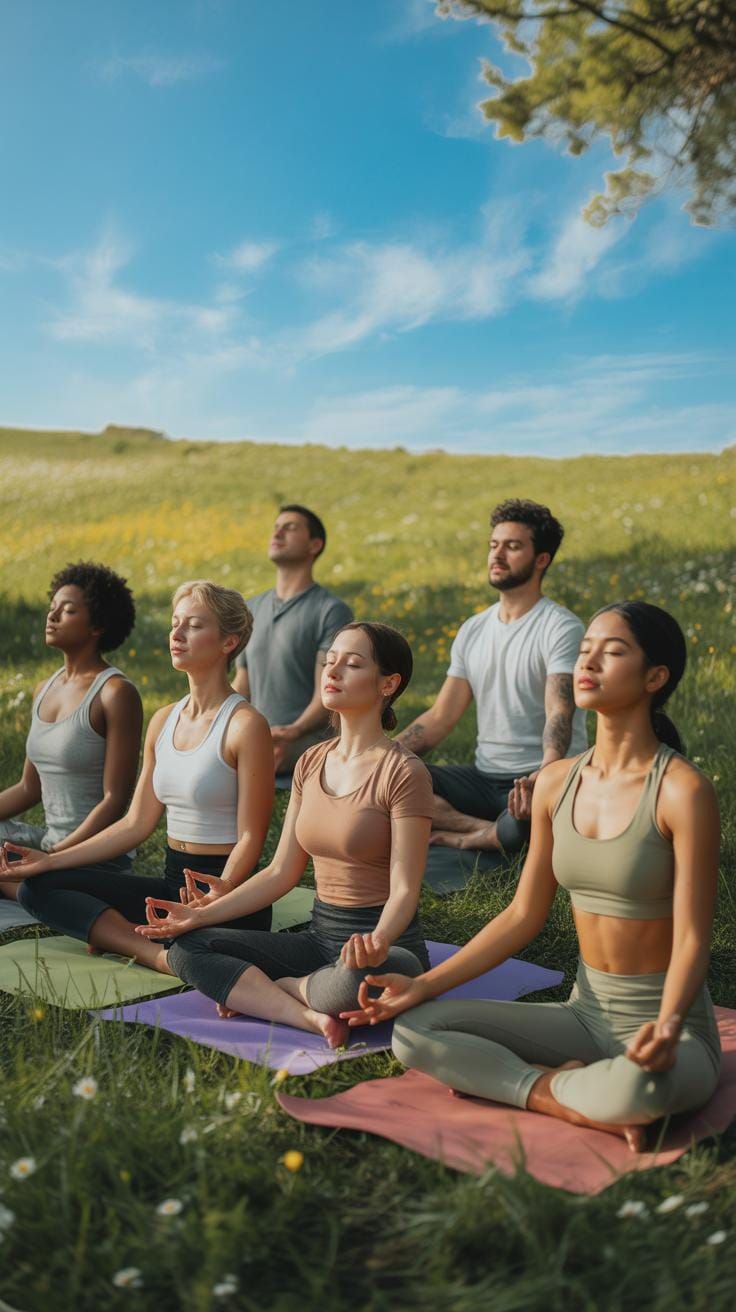
Why Shallow Breathing Reduces Performance
Shallow breathing is more common than you might think, especially during intense exercise. When you breathe shallowly, you mostly use your chest muscles and barely engage your diaphragm. This limits oxygen intake because shallow breaths do not fill the lungs completely. You might feel like you’re getting enough air, but your body is actually starved for oxygen.
This oxygen deficit can quickly bite into your fitness gains. Imagine sprinting or lifting weights with limited oxygen supply to your muscles—fatigue sets in sooner, recovery slows, and your overall performance drops. I’ve noticed this myself during workouts; when I catch myself taking shallow breaths, my stamina drops almost instantly. Simply put, shallow breathing means less oxygen is delivered to your muscles and brain, and that means less power and focus.
Correct Posture For Better Breaths
Posture is surprisingly important for breathing. Slouching compresses your lungs and diaphragm, making it tougher to take deep breaths. You might not even realize your posture is affecting your breath control until you consciously straighten up and suddenly breathe easier.
Good posture involves standing or sitting tall, keeping your shoulders relaxed but back, and aligning your head so your neck is straight. For example:
- Keep your chest open to allow the lungs space to expand.
- Avoid leaning forward or hunching over, as this restricts breathing.
- Practice breathing exercises while standing or sitting with this posture to build the habit.
Even simple changes, like adjusting your workstation ergonomics, can help train better posture and improved breathing over time. I’ve found that when I pay attention to my posture during exercises, my breath feels fuller and more controlled, often allowing me to push harder. So, maybe next time you feel breathless, check your posture before blaming your lungs.
Incorporate Breathing Into Your Workouts

Including breathing exercises in your fitness routine is something that can really shift your experience, though it’s often overlooked. Think of it like adding a layer beneath your exercise—sometimes subtle, sometimes quite pronounced. You might start with just a few minutes of focused breathing before jumping into your workout. This can be done during warm-ups or as part of your cool-down, helping the body prepare and recover. Try rhythmic breathing exercises, such as inhaling for four counts, exhaling for four, or slower patterns on rest days to enhance relaxation.
Sometimes fitting breathing exercises mid-session feels tricky but consider brief pauses between sets to practice controlled breathing. It doesn’t have to be long—perhaps 30 seconds of deep, steady breaths can reset your focus and energy. The key is to be intentional with breath timing and depth, tuning into how it affects your body’s rhythm.
Experiment with formats like guided breathing sessions using apps or simple timers, but don’t hesitate to just listen to your own body instincts. The timing and style that work best can vary widely depending on your fitness level and goals, so be open to adjustment and exploration.
Breath Control During Cardio Exercise
During cardio workouts—whether running, cycling, or rowing—the way you breathe can directly influence your stamina. Many people find that a steady inhale-exhale rhythm helps maintain endurance over longer periods. For example, runners often benefit from a 3:2 breathing pattern, inhaling for three steps and exhaling for two. It might feel a bit odd at first, but it can reduce the breathlessness that sneaks in mid-run.
Paying attention to nasal versus mouth breathing can also make a difference. Nasal breathing tends to be more efficient and promotes better oxygen exchange, but it might require training to maintain during high-intensity efforts. You might notice that switching to mouth breathing naturally happens as your pace increases—something to be aware of and control when possible.

Rhythmic breath control not only supports stamina but can also help with focus, tuning out distractions by centering on your breath’s cadence. This has a surprising calming effect when cardio becomes challenging, even if only temporarily.
Using Breath To Aid Strength Training
The role of breath in strength training often gets ignored, yet it’s key for both power output and safety. You probably know to breathe out during exertion, like when lifting a heavy weight. This helps stabilize your core and supports muscle engagement. Inhale before the lift, hold just slightly as you exert (called the Valsalva maneuver by some), then exhale during the effort. But caution: it’s a fine balance—holding breath too long might spike blood pressure, so be mindful.
On lighter lifts or higher repetitions, maintaining a steady, controlled breathing pace tends to work better. Avoid breath-holding which can cause premature fatigue or dizziness. Instead, sync your breathing rhythm to your movement speed—inhale before the effort, exhale during the push or pull.
I’ve found that consciously practicing these patterns with manageable weights first ingrains the habit. It’s a simple step that leads to noticeable differences in lift quality and overall workout safety. You could feel more controlled, less rushed, and ironically, perhaps even stronger just by tuning into your breath.
Breathing For Recovery And Relaxation


Breathing exercises can play a subtle yet meaningful role in your recovery after workouts. You might not realize it, but how you breathe post-exercise impacts muscle tension and overall relaxation. When muscles are tight and the body buzzes from physical effort, simple breath control can calm the nervous system, encouraging a smoother transition to rest.
Think about how you feel after a tough run—your chest might be heavy, and your mind racing. By consciously slowing your breath, you help your body to switch gears, easing muscle tightness and reducing that restless energy. Techniques such as deep diaphragmatic breathing promote oxygen flow to your muscles, speeding up the calming process.
There’s no need to overcomplicate these exercises. Even just mindful, slow inhaling through the nose followed by a gentler exhale through the mouth can make a difference. The rhythm itself sends a message to your brain—it’s time to relax, recover, and let go of tension.
Simple Breathing For Post Workout Calm
After exercise, your nervous system tends to be on high alert, which can keep muscles tense and delay recovery. To counter this, basic breathing exercises that focus on gentle, even breaths can really help.
- Breathe in slowly through your nose for a count of four. Let your belly rise—not just your chest.
- Pause briefly, holding the breath comfortably.
- Exhale slowly through your mouth, for a count of six, slightly longer than the inhale.
- Repeat this pattern several times, noticing the gradual softening of muscle stiffness.
This method calms the sympathetic nervous system, reducing the “fight or flight” response often triggered by intense workouts. You don’t need fancy equipment or a special spot—just your awareness and a few moments.
Breath Techniques To Lower Stress
Stress isn’t only mental; it shows itself physically, and controlling your breath can address both sides. At night, especially, this can become a powerful tool to improve sleep quality, which in turn supports better fitness outcomes.

One useful practice is the “4-7-8” breathing:
- Inhale quietly through the nose for 4 seconds.
- Hold the breath for 7 seconds (as comfortably as you can).
- Exhale forcefully through the mouth for 8 seconds.
This pattern might feel awkward at first, but it naturally shifts the body into relaxation mode, helping quiet the mind and release physical tension.
Regular use can ease mental stress, making it easier to wind down. Even if you don’t always do this before sleep, the habit can spill over and reduce your daily stress levels. It’s encouraging to find a practice so simple can have such a steady impact—it makes you wonder why we overlook breath control more often.
Case Studies Of Breathing Benefits

Real-life examples and research have shown that disciplined breathing exercises can improve fitness levels in notable ways. Studies on qigong, a practice blending breath control with movement and meditation, highlight improvements in balance, stamina, and stress reduction. For example, practitioners often report increased energy and endurance after regular sessions, though this can depend on consistency and technique.
One interesting angle is how breathing exercises work quietly behind the scenes—enhancing oxygen uptake and calming the nervous system. This doesn’t always translate immediately into raw power but reflects in endurance and recovery. Maybe that’s why athletes who focus on breath control seem to bounce back faster. It raises a question: are traditional training methods overlooking the slow but steady power of breath?
Martial Arts Use Of Breath Control
Martial artists have historically used breath techniques not only to boost stamina but also to protect their bodies. Reverse breathing, for instance, involves expanding the chest while inhaling and contracting the abdomen, which is opposite to natural breathing. This practice, seen in styles like tai chi and baguazhang, supports inner-organ protection against impacts.
Years of training in breath control allow fighters to synchronize movements with breathing, maximizing power and endurance. It’s more than breath—it’s about command over your body’s energy, or “qi” in Chinese tradition. It’s interesting, though, that breath techniques sometimes contrast with modern sports science teachings, which often prioritize straightforward oxygen efficiency over these traditional methods.
Yoga Breathing And Endurance
In yoga, pranayama, or controlled breathing, has been linked to enhanced endurance and mental focus. Studies suggest practitioners experience increased lung capacity and better oxygen use. Pranayama techniques include breath retention, alternate nostril breathing, and prolonged exhalations. These methods aim to regulate prana, or life energy, which some say translates to improved stamina.
Findings also reveal improved concentration during physical effort, possibly due to calming of the mind. That mental edge might be as important as the physiological benefits. It’s worth wondering if such benefits could be more widely applied in other endurance sports. Yet, some practitioners observe gains only after long-term commitment, indicating it’s no quick fix but more of a gradual strengthening tool.
Simple Breath Exercises To Try Today
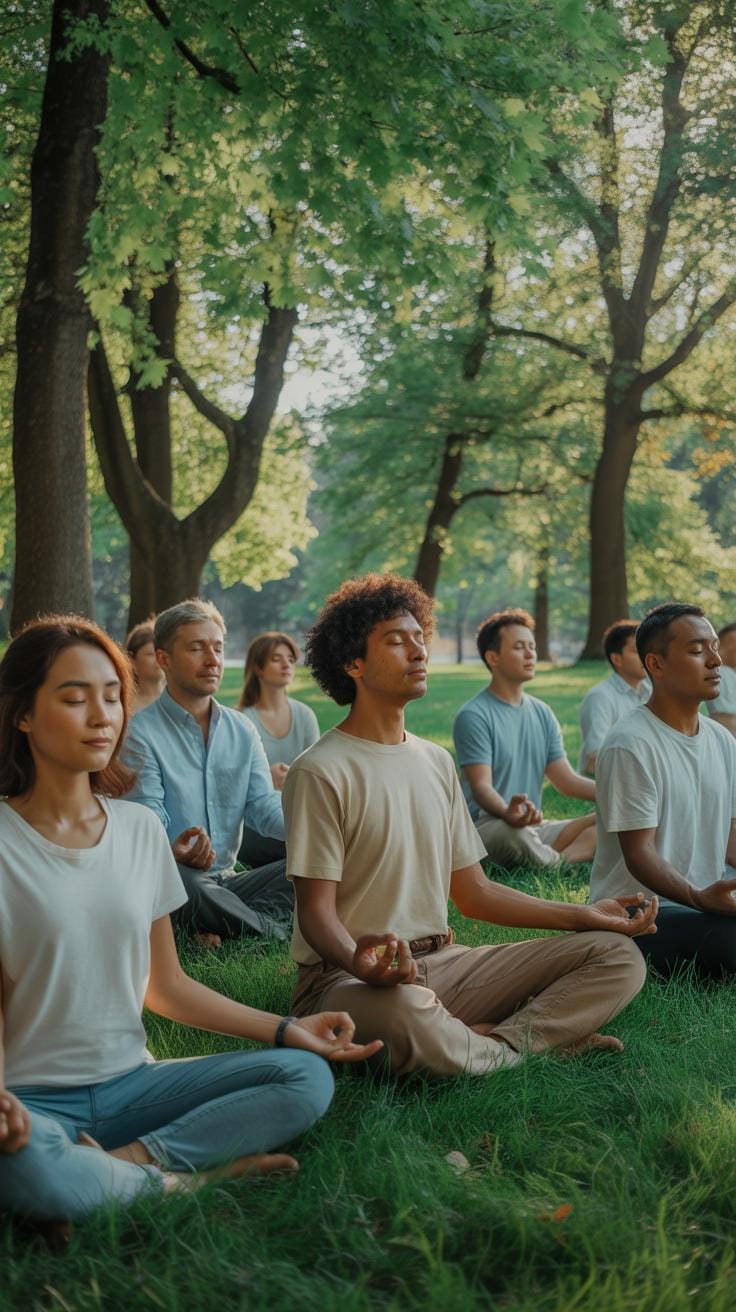
Breathing exercises can be surprisingly straightforward. You don’t really need gear or a special place—just a bit of quiet and your own breath. Here are a few easy ones to start with, if you’re wondering what to do first:
- Box Breathing: Breathe in for 4 seconds, hold your breath for 4 seconds, breathe out for 4 seconds, then pause holding empty lungs for another 4 seconds. Repeat. It’s simple but can feel oddly calming, like resetting your mind.
- Alternate Nostril Breathing: Close one nostril, breathe in through the other, switch nostrils, then breathe out. This goes back and forth and is thought to balance your nervous system.
- Gentle Humming Breath: Breathe in naturally; on the out-breath, hum softly. The vibrations might soothe your throat and bring a small sense of ease.
Try these lying down or sitting comfortably, with your focus gently on your breath. Don’t worry about doing them perfectly—the point is to just engage your breath and notice what happens. It’s okay to feel a bit awkward at first. Breath work is a skill, after all, and if you keep it simple, it’ll feel more natural over time.
Step By Step Diaphragm Strength Exercise
Developing your diaphragm’s strength helps your breathing become deeper and more controlled, which is great for fitness. Here is a way to practice diaphragmatic breathing, step by step:
- Lie on your back with one hand on your chest and the other on your belly. This helps you feel the movement of your breath.
- Breathe in slowly through your nose, directing the air down toward your belly. Your belly should rise while your chest barely moves.
- Exhale gently through pursed lips, feeling your belly fall. Let your chest relax completely.
- Repeat this cycle for about 5 to 10 minutes, keeping your focus on the belly’s motion.
The key is minimizing chest movement to get the diaphragm doing the work. You might notice your belly sticking out more than usual, which is exactly right here. It’s a bit tricky at first, as many people breathe shallowly from the chest but persist, and it becomes second nature eventually.
Timed Breaths For Lung Increase
Breath-holding exercises can help increase lung capacity gradually. It’s best to start carefully:
- Take a deep breath in, filling your lungs comfortably.
- Hold your breath for a count that feels challenging but safe—try 10 to 15 seconds initially.
- Exhale slowly and return to normal breathing.
- Rest for a normal breath or two, then repeat, slowly increasing the hold time as you feel ready.
Don’t push yourself into discomfort or dizziness—this isn’t a test. The idea is to gently expand what your lungs can handle over weeks of practice. Timing your hold with a stopwatch or quiet counting can help monitor progress. I used to find it a bit scary holding my breath longer, but with practice, it became easier—and oddly satisfying to notice more air coming in each time.
Plan Your Breathing Exercise Routine

Creating a breathing exercise routine that fits your lifestyle and goals isn’t always straightforward. You might wonder how often you should practice or at what time of day. The trick is to start simple—perhaps just five minutes daily—and adjust as you get more comfortable.
Think about your fitness goals first. Are you aiming for stress relief, endurance, or better lung capacity? Each goal might require tweaking your routine slightly. For example, morning sessions can energize you before workouts, while evening sessions might help with relaxation.
Checklist To Build Your Routine
When setting up your breathing schedule, consider these points:
- Choose a consistent time that you can stick to regularly.
- Find a quiet and comfortable spot where you can maintain good posture.
- Set clear, achievable goals to keep motivated.
- Decide the duration and type of breathing exercises that suit your fitness level.
- Allow flexibility—you can shorten or lengthen your sessions based on daily energy levels.
Don’t worry if your schedule feels patchy at first; routines evolve.
Monitor Progress With Simple Logs
Keeping track doesn’t have to be complicated. A simple journal or a notes app works fine. Record the date, duration, type of exercise, and how you felt before and after. Over time, patterns might emerge—like what times of day work best or which techniques boost your energy most.
Seeing gradual improvements can be encouraging, but be mindful not to get overly focused on numbers. Sometimes progress is subtle—feeling calmer, sleeping better, or breathing more deeply without thinking about it.
Conclusions
Breathing exercises offer practical ways to boost your fitness. Regular practice can strengthen muscles, increase oxygen flow, and improve your overall performance. Understanding different breath techniques lets you find the best fit for your goals and preferences.
Using breath control in fitness is a useful tool you can apply immediately. Begin with simple exercises and increase the challenge as you progress. Consistent practice helps you gain better control, endurance, and calm during both exercise and everyday life.