What Makes Edible Flower Food Safe And Delicious To Use In Desserts
Which Flowers Are Truly Safe To Eat And Which To Avoid
Identification is the first step in food safety. You must distinguish between culinary specimens and toxic lookalikes. Never source flowers from commercial florists or roadsides because they contain systemic pesticides and heavy metals. Use only organic flowers grown specifically for human consumption. Botanical accuracy ensures your dessert does not cause illness. Always remove pistils and stamens before serving to reduce pollen and improve texture.
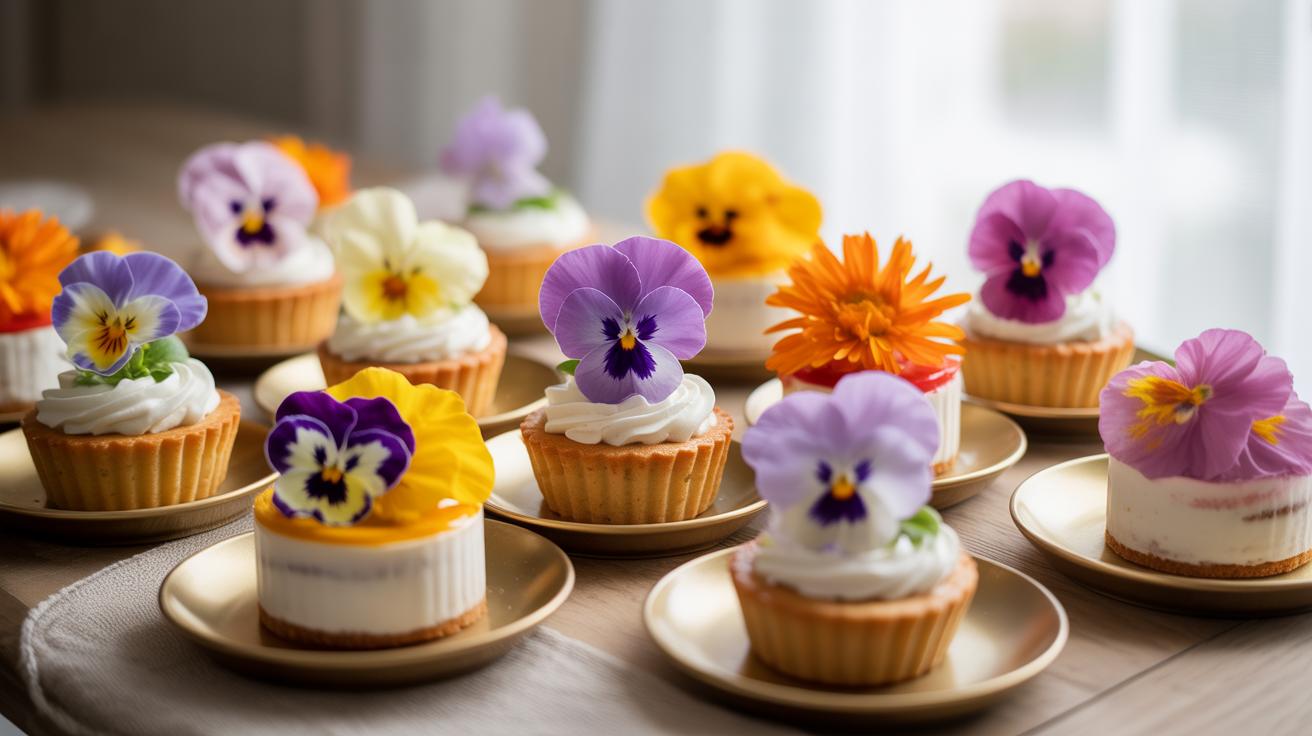
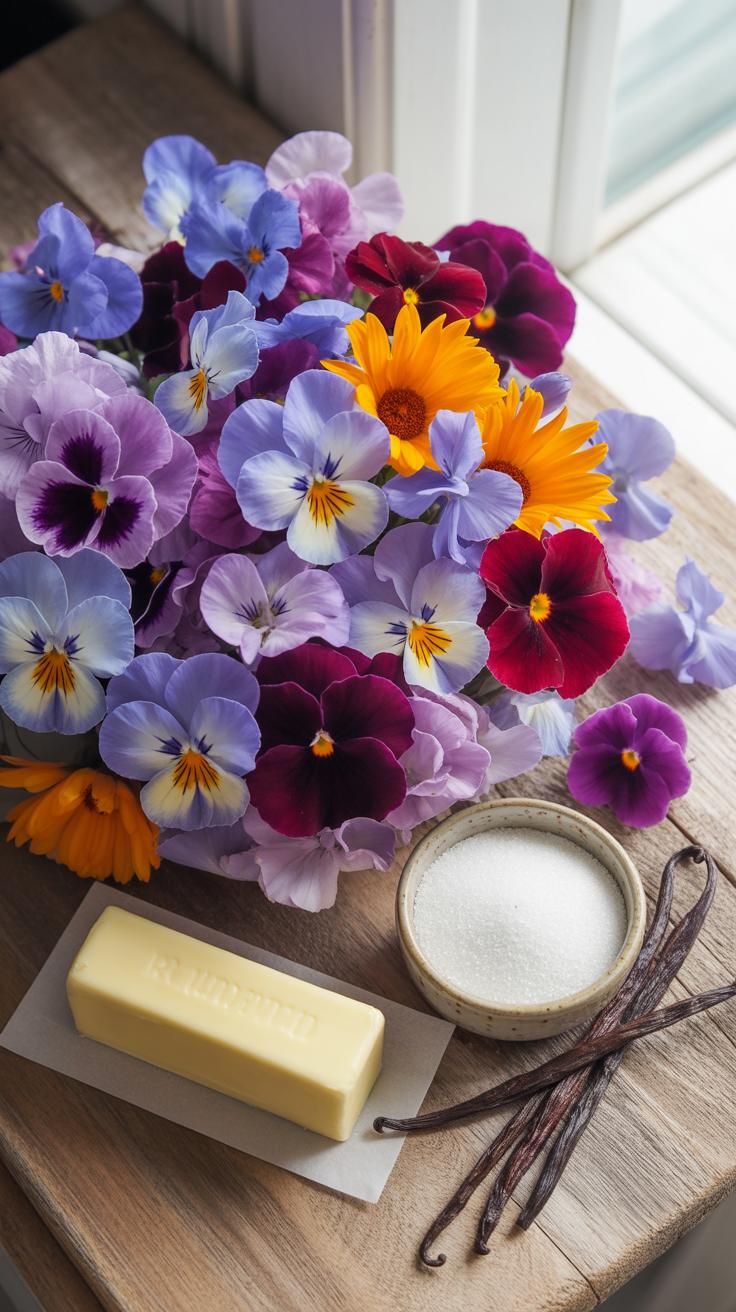
- Pansies and Violas: These are the most versatile flowers for plating. They are entirely edible and offer a mild, grassy flavor. They withstand sugar crystallizing techniques well and come in various colors.
- Calendula: Often called poor man’s saffron, these petals provide a vibrant yellow or orange hue. They have a slightly bitter taste that balances very sweet creams or custards effectively in modern pastry.
- Borage: These small blue star-shaped flowers taste remarkably like cucumber. They provide a refreshing contrast to heavy fatty desserts. They are historically significant in European syrups and garnishes for chilled summer sweets.
- Nasturtiums: These blooms deliver a sharp peppery kick similar to watercress. Use them to cut through the richness of dark chocolate or savory-leaning desserts. Both the petals and the leaves are safe for consumption.
- Toxic Lookalikes: Avoid Lily of the Valley, Foxglove, and Oleander at all costs. These plants contain cardiac glycosides that are poisonous if ingested. Never assume a flower is safe just because it looks like a known edible variety.
Sourcing determines the safety of your final product. Trusted suppliers provide food-grade blossoms free from chemical residues. If you forage, use a reliable botanical guide to verify the species. Many common garden plants like Sweet Peas are toxic, while garden peas are safe. Always introduce new flowers into your diet in small amounts to check for potential allergic reactions or digestive sensitivities.
How Flavor Profiles Vary Across Common Edible Flower Varieties
Edible flowers provide distinct chemical compounds that change the taste of a dish. Essential oils within the petals dictate the flavor intensity. Roses and lavender offer heavy floral notes that can become soapy if overused. In contrast, citrus-toned flowers like lemon verbena blooms or citrus blossoms provide acidity. You must match the flower’s chemical profile to the base ingredients of your dessert for a balanced result.
Texture also plays a role in how flavor is perceived on the palate. Thicker petals like those found on carnations have a crunchy feel and a clove-like spice. Delicate petals like hibiscus dissolve quickly and release a tart, cranberry-like flavor. High-fat components like butter or cream absorb these volatile oils efficiently. Strategic pairing ensures the flower enhances the dessert rather than just acting as a decorative after-thought.
A BeginnerS Guide To Sourcing And Preparing Edible Flowers Dessert Ingredients
Guidance On Where To Buy Or Grow Food Grade Edible Flowers For Baking
Sourcing requires precision to avoid toxic chemicals. Never buy flowers from standard florists or garden centers for consumption. These plants often contain systemic pesticides not approved for human ingestion. Instead, purchase from certified organic produce suppliers or specialized culinary herb farms. Look for the food grade label to ensure safety. Reputable online vendors ship fresh or dried blossoms specifically grown for professional pastry chefs and bakers.
Growing your own flowers offers the highest level of quality control. Start with organic seeds and untreated soil to prevent contamination. Focus on easy varieties like violas, pansies, and nasturtiums. These plants thrive in containers and produce high yields quickly. Avoid using synthetic fertilizers or chemical bug sprays near your edible crops. Local farmers markets are also reliable sources if the grower confirms organic practices and zero pesticide use.
How To Properly Clean And Store Fresh Edible Flowers Before Use
Cleaning edible flowers requires a gentle touch to maintain structural integrity. Do not run them under a heavy tap. Submerge the blooms in a bowl of cold water to loosen debris or small insects. Shake them lightly and place them on a clean paper towel. Air dry away from direct sunlight to prevent wilting. Remove the bitter green sepals and stamens from larger flowers before adding them to your desserts.
Storage determines the shelf life of your ingredients. Place cleaned, dry flowers in an airtight glass container or a plastic bag filled with slight air. Line the container with a damp paper towel to maintain humidity levels. Store them in the warmest part of your refrigerator, usually the door or top shelf. Most fresh blossoms last two to five days under these conditions. Use them immediately after removal for the best visual impact.
Pressed Flower Shortbread Cookies A Classic Floral Bake Done Simply
What Makes Shortbread The Ideal Base For Pressed Edible Flower Decoration
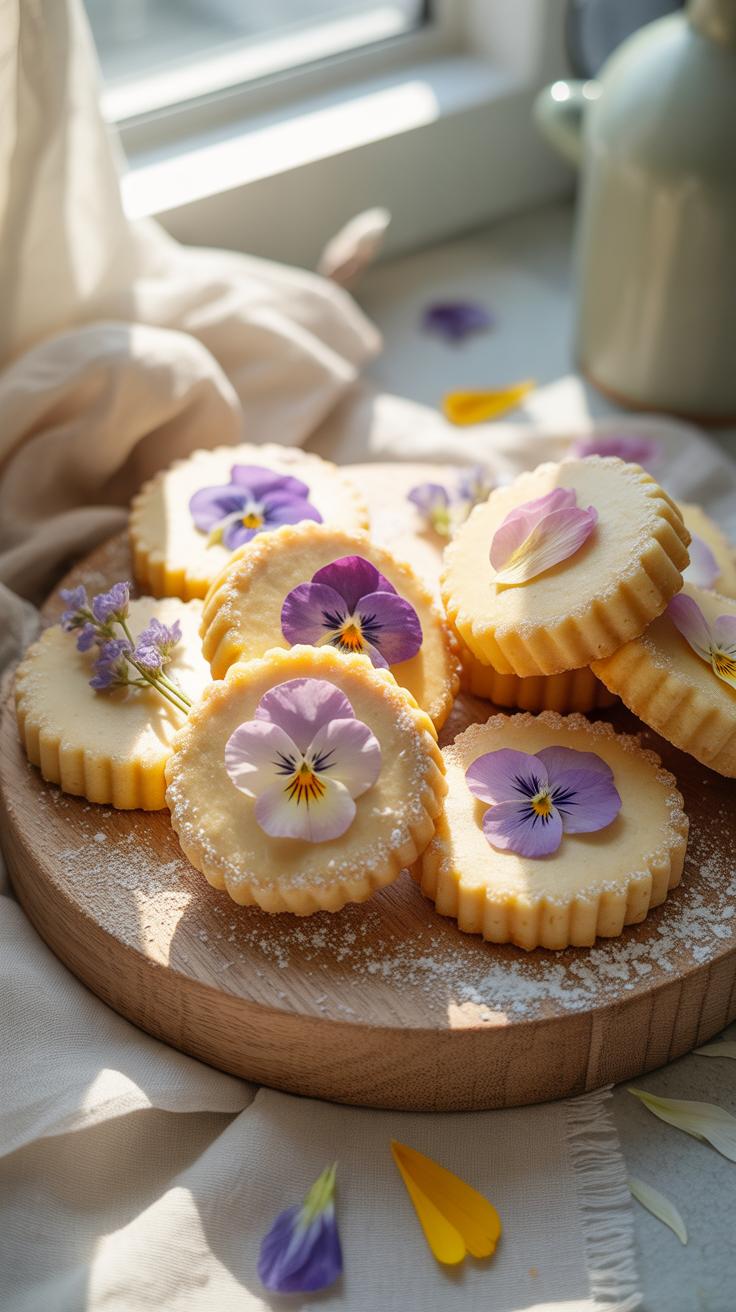
Shortbread provides a flat and stable surface for botanical work. Its high fat content prevents the dough from rising or spreading significantly during the baking process. This structural integrity keeps the flower shape intact without warping. The light color of traditional shortbread creates a neutral background. This contrast makes the natural pigments of the petals stand out clearly for a professional visual result.
The lack of moisture in shortbread is a tactical advantage for flower preservation. Low hydration in the dough stops the flowers from wilting too quickly or bleeding color into the cookie. You do not need complex glazes or frostings to attach the flora. The natural sugars in the dough act as a binder during the heat cycle. This simplicity ensures the floral notes remain the primary focus.
Step By Step Technique For Embedding Flowers Into Shortbread Cookies
Prepare your shortbread dough and roll it to a uniform thickness of one quarter inch. Cut the dough into desired shapes and place them on a lined baking sheet. Chilling the dough before adding flowers is a critical step to ensure a firm surface. Select thin, flat blooms such as pansies or violas for the best adhesion. Avoid thick buds that create uneven baking.
- Surface Preparation: Lightly brush the surface of the chilled dough with a thin layer of egg white or simple syrup. This acts as a food safe adhesive to hold the delicate petals in place before they enter the oven.
- Flower Placement: Position the flower face down or face up on the dough surface. Press firmly with your fingertip to remove air pockets. Ensure the entire bloom makes contact with the dough to prevent the edges from curling during baking.
- Par-Baking Strategy: Bake the cookies for two-thirds of the total required time before adding fragile flowers if you want to preserve bright colors. Adding flowers halfway through the baking process prevents the heat from browning the organic pigments too quickly.
- Protective Covering: Place a sheet of parchment paper over the cookies and weigh them down with a second baking tray for the final minutes. This physical pressure flattens the flowers into the dough, creating a smooth and professional finish.
- Cooling Protocol: Transfer the cookies to a wire rack immediately after removing them from the oven. Residual heat can continue to cook the delicate petals and turn them brown. Fast cooling preserves the vibrant natural aesthetic of the edible flora.
Monitor the oven temperature closely to avoid scorching the organic material. Most edible flowers lose their vibrant color if the heat exceeds three hundred fifty degrees Fahrenheit. A lower temperature and longer bake time produce the best visual results. Once the cookies are cool, store them in an airtight container. Use wax paper between layers to prevent the pressed flowers from sticking or tearing.
Spring Floral Cookie Recipe Ideas That Celebrate The Season
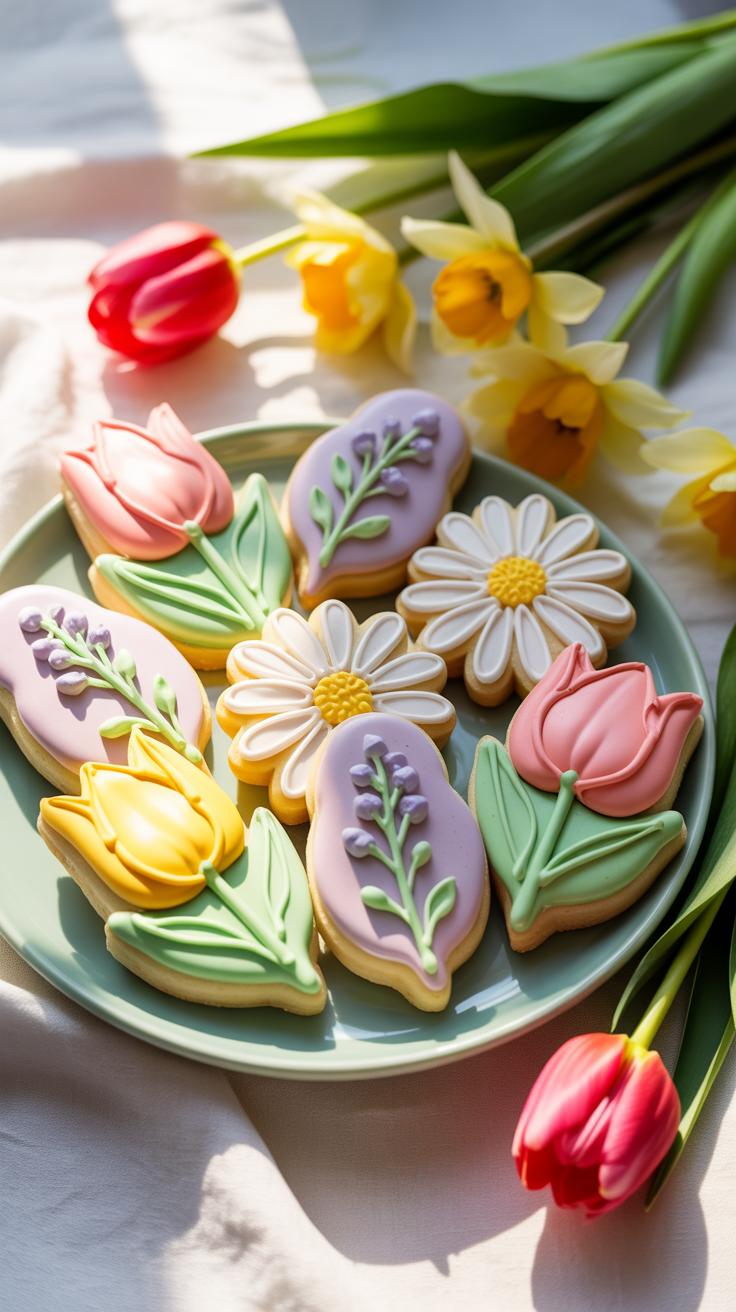
How To Use Violets, Pansies, And Lavender In Spring Cookie Recipes
Violets and pansies work best for surface application. These flowers contain high water content and thin petals. Press them directly onto shortbread or sugar cookie dough before baking. Use a light egg pent wash to glue the petals down. This prevents the flowers from curling or blowing away in the oven. Choose organic flowers to avoid harmful pesticide residue.
Lavender requires a different approach due to its potent oils and tough texture. Do not use the whole stem. Strip the dried buds and grind them into a fine powder. Mix this powder into the dry flour base. This even distribution prevents soapy pockets of flavor. Use a ratio of one tablespoon of buds per two cups of flour. This ensures a balanced botanical profile.
Decorating Spring Cookies With Floral Arrangements That Hold Their Shape
Structural integrity depends on low moisture levels. High heat often browns delicate petals or turns them gray. Use a low baking temperature around 300 degrees Fahrenheit. This slow process dehydrates the flower while setting the dough. It preserves the natural pigment of the pansies and violets. Cover the cookies with parchment paper halfway through the bake to block direct heat.
Sugar glazing offers a secondary method for shape retention. Brush a thin layer of corn syrup or royal icing on a cooled cookie. Place a fresh flower on top and press firmly. This technique avoids heat damage entirely. It allows for more complex floral arrangements that stay vibrant. Use a food-safe sealant to keep the petals from wilting within four hours of service.
DIY Edible Flower Ideas For Cakes Cupcakes And Tarts
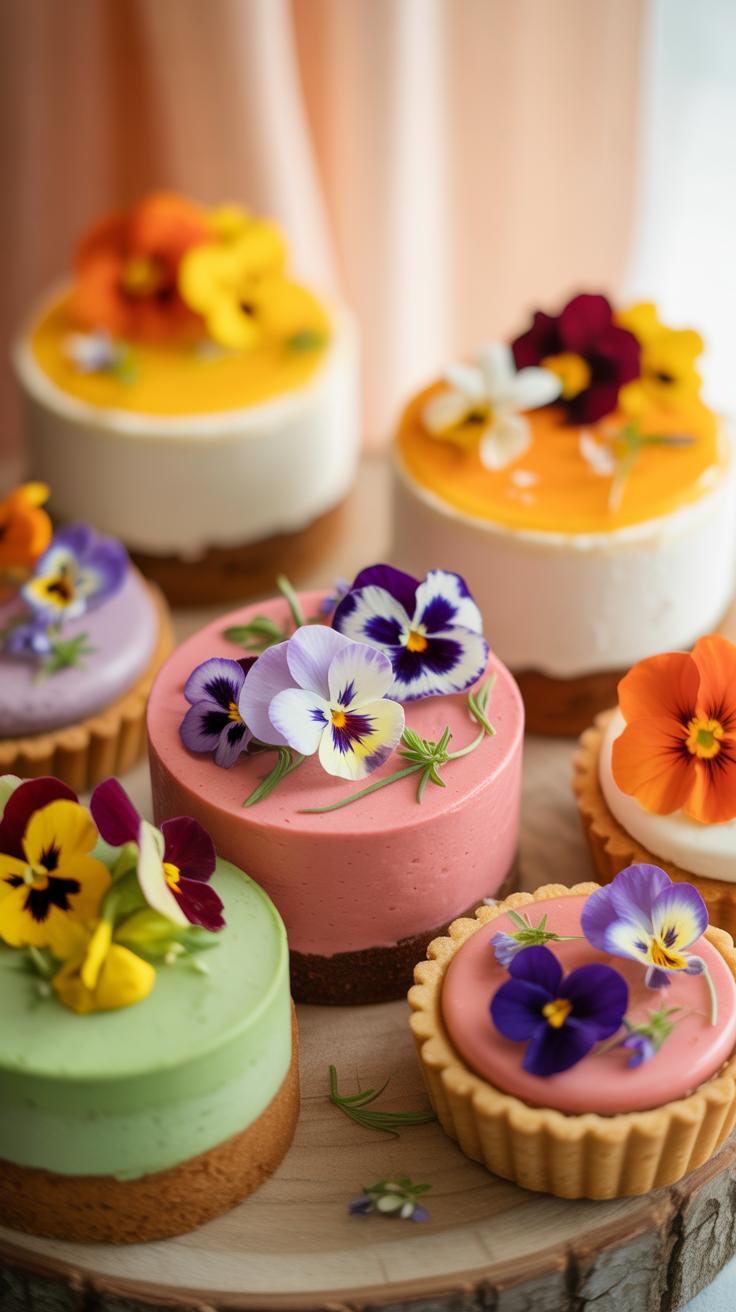
How To Press And Apply Edible Flowers Onto Frosted Cakes Without Damage
Pressing flowers requires dry heat and pressure to remove moisture. Place fresh pansies or violas between parchment paper. Weight them with a heavy book for twenty-four hours. This process flattens the petals and prevents wilting on the cake. Moisture kills the structural integrity of the bloom. Proper pressing ensures the flower stays vibrant and attached to the icing without bleeding colors.
Apply pressed flowers to cold buttercream or fondant surfaces. Use tweezers for precision to avoid tearing the delicate petals. Lightly press the flower into the frosting until it sticks. Do not move it once it touches the grease. For hard royal icing, use a small dot of corn syrup as adhesive. This technique creates a flat, botanical look similar to vintage herbarium samples.
Creating Stunning Floral Tarts Using Seasonal Blooms And Simple Custard Fillings
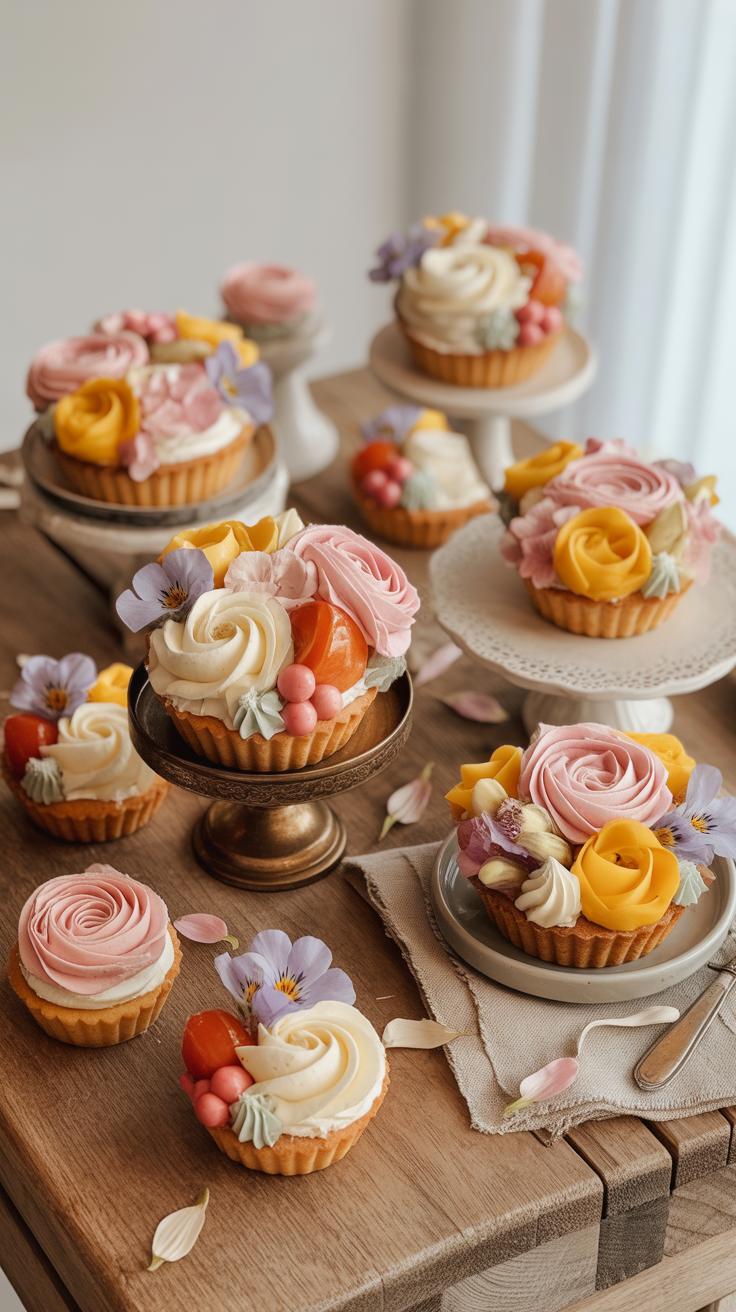
Mastering floral tarts starts with a stable base. Use a shortcrust pastry shell to support the weight of the filling. Fill the cooled crust with a stiff pastry cream or lemon curd. These thick fillings hold the flowers in place better than runny sauces. Choose seasonal blooms like lilacs in spring or marigolds in summer. High-contrast colors between the filling and flowers maximize visual impact.
Arrange the flowers right before serving to maintain freshness. Natural oils in the curd can cause thin petals to dissolve over time. Use borage or cornflowers for a clean, professional aesthetic. Avoid using flowers from commercial florists due to pesticide risks. Source only food-grade plants or home-grown varieties. This method ensures the dessert remains safe for consumption while looking like a high-end pastry piece.
Floral Dessert Recipes Using Lavender Rose And Elderflower
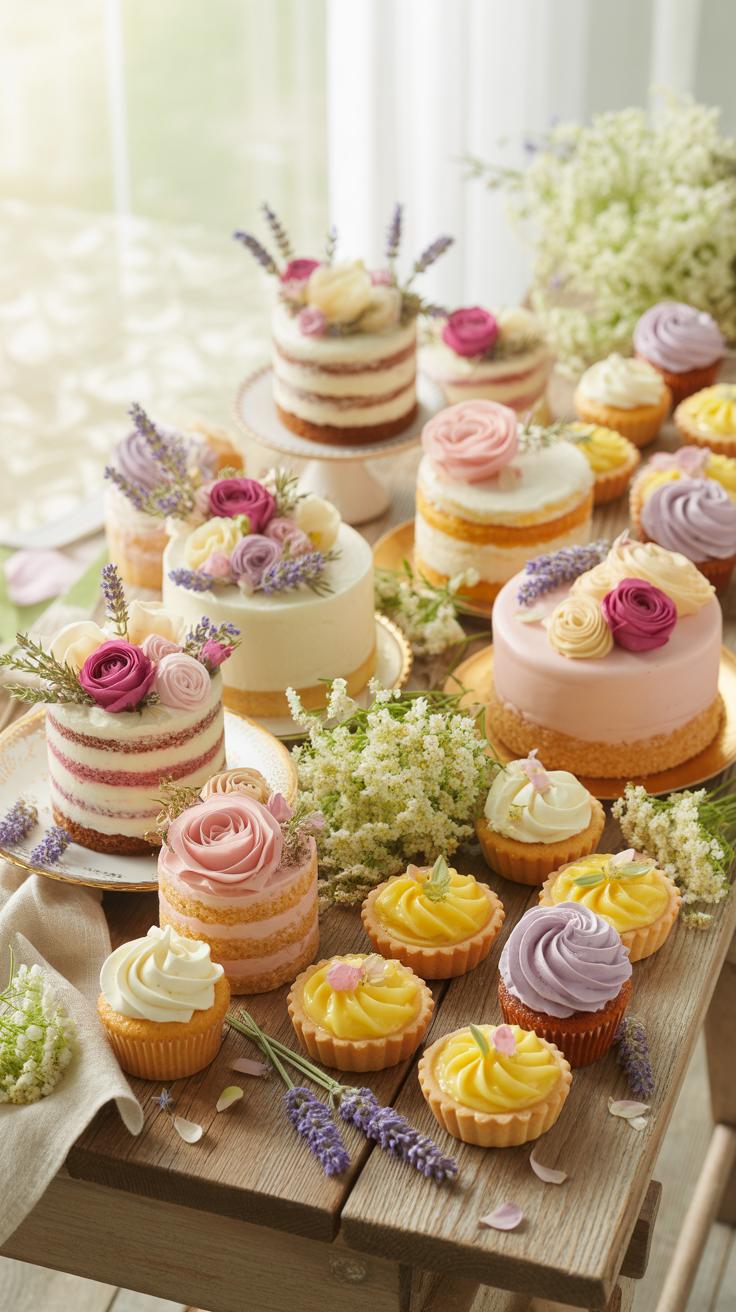
How Lavender And Rose Have Been Used In Culinary Traditions Historically
Lavender and rose have deep roots in Middle Eastern and European culinary history. Medieval cooks used lavender to flavor stews and preserves because of its strong antiseptic properties. They treated it as an herb rather than a garnish. Rose water became a staple in Persian cuisine during the 9th century. Traders then brought these floral essences to Europe through established spice routes.
In the Victorian era, rose and lavender became standard ingredients for flavoring sugar and syrups. Confectioners used these flowers to scent delicate sponges and creams. They prioritized the flowers for their distinct flavor profiles rather than visual appeal. This period established the framework for modern floral baking. Cooks relied on dried buds and distilled waters to ensure consistent taste across different seasons and harvests.
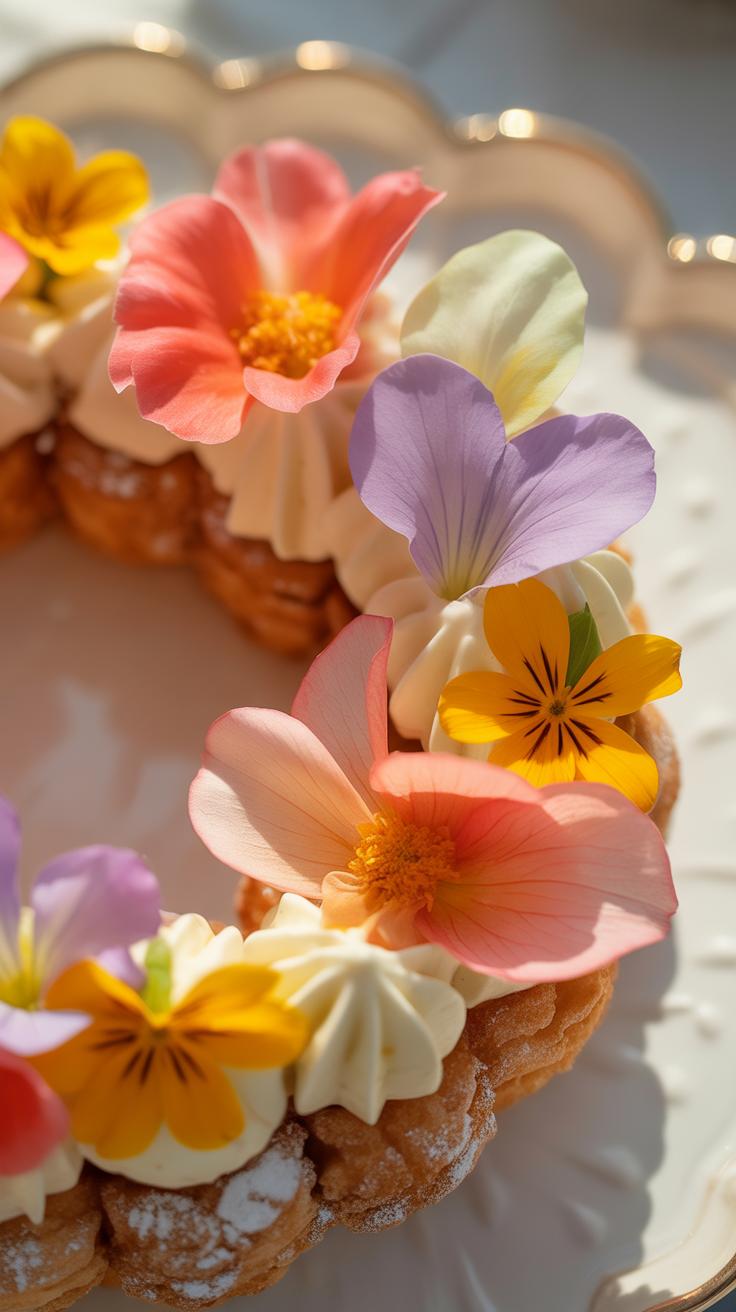
There is something so magical about a dusting of pansies or rose petals upon a simple cake, turning a humble kitchen moment into a garden party. A few blossoms are all you need to bring the beauty of the meadow to your table.
Simple Elderflower And Rose Dessert Recipes That Require Minimal Equipment
Standard elderflower fritters require only a whisk and a frying pan. You coat fresh elderflower blossoms in a simple flour and sparkling water batter. Fry them in hot oil for less than one minute until they turn crisp. This technique utilizes the natural structure of the flower stem as a handle. It delivers a concentrated floral flavor without the need for specialized pastry tools or machines.
Rose infused yogurt bark is a fast alternative to traditional baked goods. Mix honey and rose water into thick Greek yogurt. Spread the mixture onto a flat tray lined with parchment paper. Strew dried rose petals across the surface and freeze for three hours. Once firm, snap the sheet into irregular pieces. This method avoids the oven entirely. It provides a chilled floral dessert with minimal active preparation time.
Summer Solstice Cookies And Seasonal Floral Cookie Recipes For Warm Weather
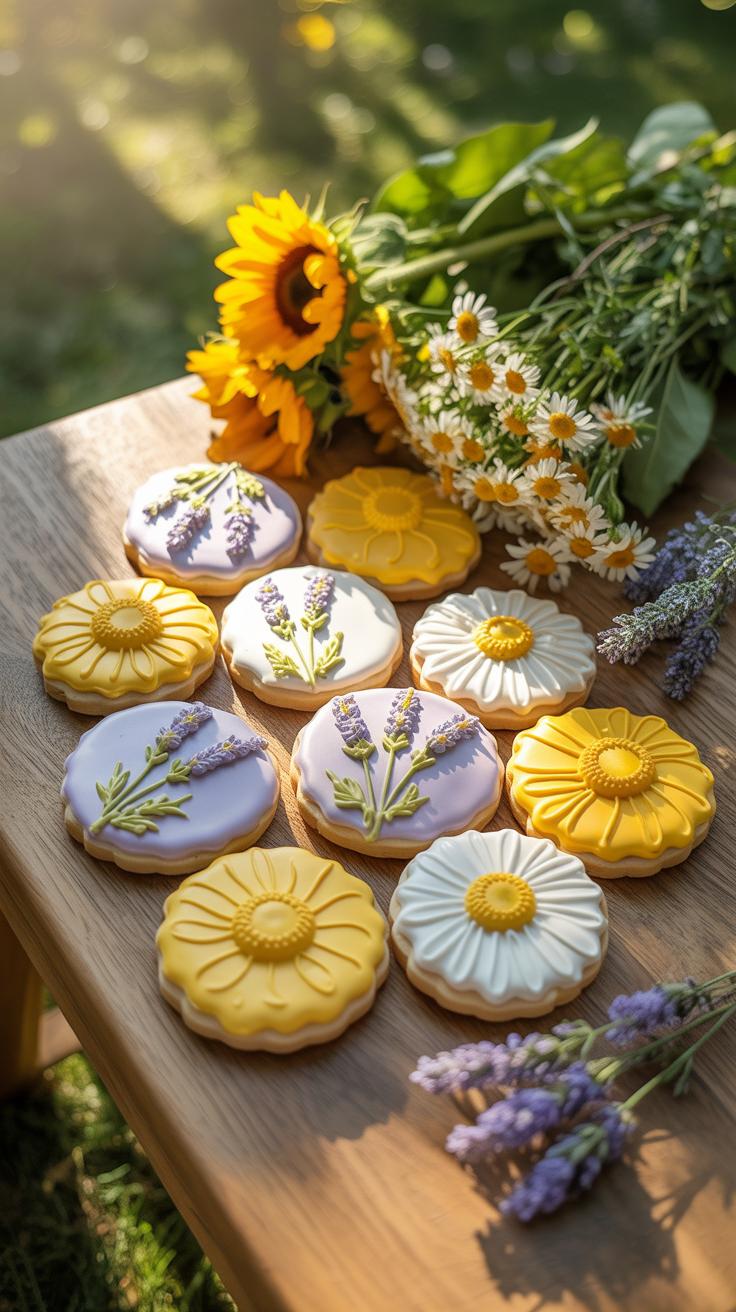
Why The Summer Solstice Inspires Floral Baking And Seasonal Dessert Traditions
The Summer Solstice marks the peak of the solar cycle and the longest day of the year. Historically, agrarian societies celebrated this period because many edible plants reached full bloom simultaneously. This abundance made flowers a practical and immediate ingredient for celebratory foods. Incorporating blossoms into cookies allowed communities to preserve the fleeting flavors of the season through a standardized, portable medium.
Baking during the solstice focuses on heat management and ingredient stability. Shortbread and sugar cookies are the standard choice because they have low moisture content. These doughs do not spread excessively in the oven, which keeps the delicate shape of the pressed flowers intact. Sturdy doughs also withstand the higher ambient temperatures of summer kitchens better than soft, high-fat batters that melt or lose structure quickly.
Best Edible Flowers To Feature In A Midsummer Floral Cookie Recipe
Viola and Pansies are the most effective flowers for summer cookie recipes. These species have flat profiles that adhere easily to dough surfaces. They also retain their vibrant colors after exposure to oven heat. Marigolds and Calendula offer a different tactical advantage. Their petals are hardy and provide a spicy, saffron-like flavor profile that survives the dry heat of a standard convection oven without turning bitter.
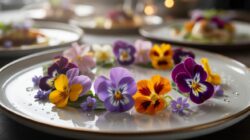
Choose blossoms with thin stems and minimal bulk to ensure even baking. Lavender buds work well when mixed into the dough, but use them sparingly to avoid a soapy taste. Rose petals require careful preparation. Remove the white base of the petal to eliminate bitterness before pressing them onto the cookie. Applying a light egg wash before baking acts as a natural adhesive to keep the floral elements secured.
Edible Flowers Dessert Ideas For Gifting Entertaining And Everyday Indulgence
How To Package And Present Floral Desserts As Thoughtful Homemade Gifts
Packaging floral desserts requires temperature control and structural support. Use rigid boxes to prevent crushing delicate petals. Place parchment paper between layers of cookies or bark. This stops moisture transfer and keeps colors sharp. Clear lids allow the natural beauty of the flowers to serve as the primary decoration. Fasten lids securely to prevent air exposure which wilts fresh garnishes and softens candied blooms quickly.
Choose glass jars for liquid-heavy gifts like floral syrups or honey. Sterilize all containers to ensure food safety and shelf stability. Label each item with the specific flower species used. This step protects people with pollen allergies and provides necessary botanical context. For shipping, use cold packs with insulated liners. Heat degrades the pigment and structure of edible flowers. High quality presentation relies on maintaining the physical integrity of the plant.
Adapting Edible Flower Dessert Ideas For Dietary Restrictions And Allergies
Modify floral recipes for dietary needs by replacing traditional bases with neutral alternatives. Use aquafaba instead of egg whites for vegan candied violets. Substitute coconut oil for butter in shortbread to accommodate dairy sensitivities. These swaps preserve the floral flavor profile without compromising texture. Ensure all substituted ingredients lack strong scents. Strong almond or coconut aromas can easily overpower delicate notes of rose or hibiscus during the baking process.
Prioritize safety when serving guests with hay fever or asthma. Some edible flowers like chamomile belong to the Asteraceae family and trigger reactions. Always verify the source of your blooms to confirm they are pesticide free. Do not use flowers from commercial florists. Those plants contain systemic chemicals not safe for human consumption. Use only food grade petals grown specifically for culinary use. Clear communication about ingredients prevents medical emergencies during social events.
Frequently Asked Questions

Which flowers are safest for beginners to use in desserts?
If you are new to making edible flower desserts, start with common, easy-to-identify varieties like pansies, violas, and marigolds. These blooms are widely available and offer mild, pleasant flavors that won’t overwhelm your palate. Always ensure you are using culinary-grade petals specifically grown for consumption rather than decorative flowers from a florist, which may contain harmful pesticides. Pansies are particularly great because their flat shape makes them very easy to press into frosting.
How do I prepare and clean fresh flowers before adding them to my sweets?
To prepare flowers for your edible flower desserts, gently submerge them in a bowl of cool, clean water to remove any dust or small insects. Carefully pat them dry with a lint-free paper towel or let them air dry completely on a cooling rack. To maximize freshness, keep the stems in water until you are ready to decorate. Handle them by the base to avoid bruising the delicate petals before placing them onto your treats.
Can I make beautiful floral treats on a budget without a garden?
Absolutely! You don’t need a professional garden to enjoy these botanical treats. Many local grocery stores now stock small containers of edible blooms in the fresh herb section for just a few dollars. Alternatively, dried culinary lavender or hibiscus petals are very affordable and shelf-stable, allowing you to experiment over time. Using these budget-friendly options ensures you can create stunning, high-end looks without spending a fortune on specialty gourmet ingredients.