
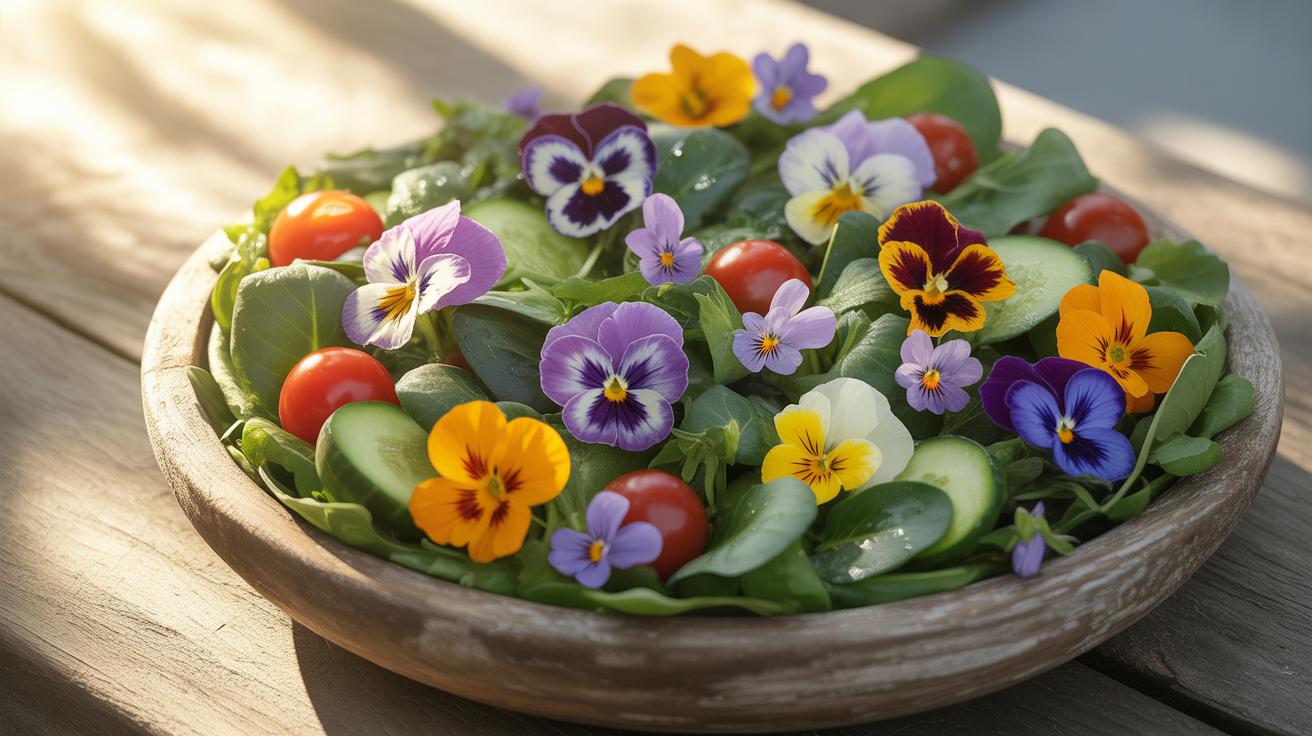
What Is A Healthy Salad With Edible Flowers And Why It Matters
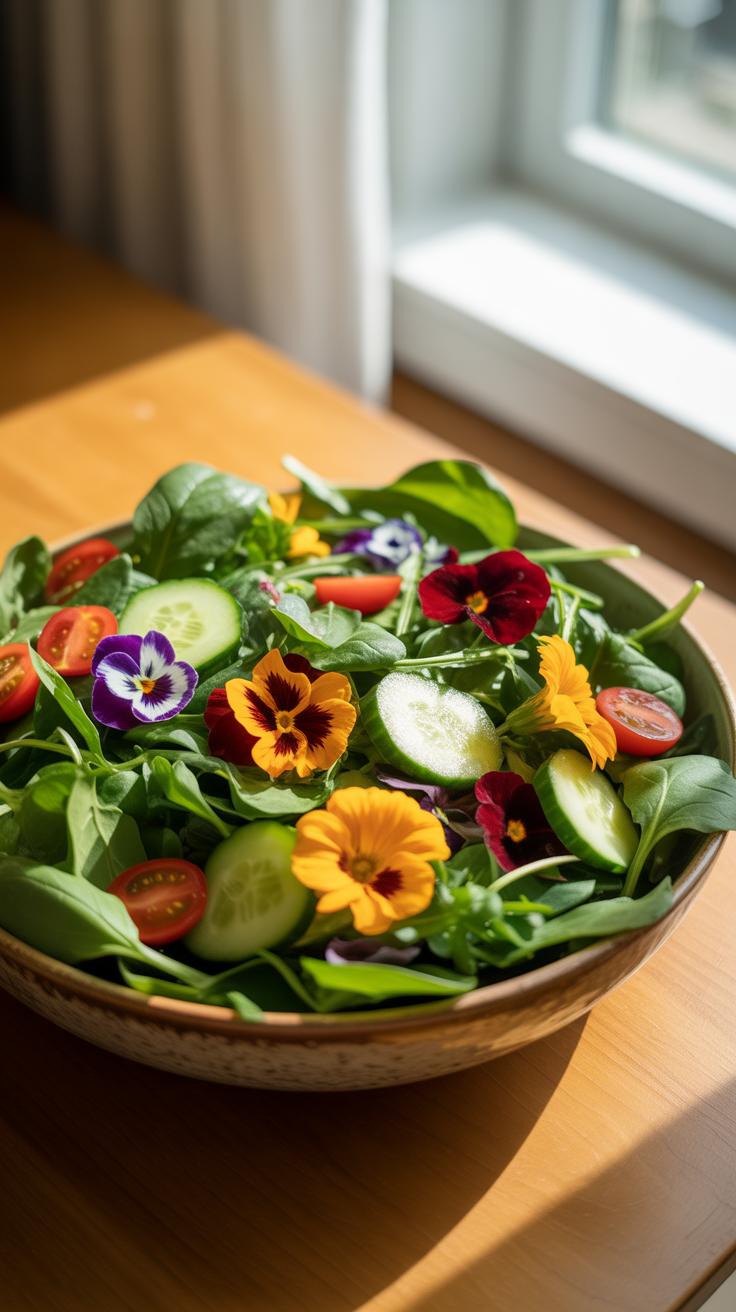
The Nutritional Value Behind Edible Flowers In Salads
Edible flowers provide more than just visual appeal. They contain essential vitamins and minerals that boost the nutrient profile of your salad. These plants often carry high concentrations of vitamin C and vitamin A. Marigolds and nasturtiums offer significant amounts of lutein. This compound supports eye health. You get real physiological benefits from adding these blooms to your daily meals.
Many edible flowers contain polyphenols and flavonoids. These act as antioxidants in the human body. They help reduce inflammation and protect cells from damage. Dandelions provide potassium and iron to the consumer. Violets contain high levels of vitamin C. Choosing the right flowers adds functional value to your plate. You turn a standard side dish into a powerful tool for wellness.
How Edible Flowers Elevate Both Taste And Wellness
Edible flowers provide specific flavor profiles that enhance raw vegetables. Nasturtiums offer a peppery kick similar to watercress. Pansies have a mild grassy flavor that blends well with leafy greens. These additions remove the need for heavy dressings or extra salt. You improve the taste of the dish while keeping the calorie count low. This strategy builds a better meal through natural ingredients.
Aesthetic presentation impacts the psychological experience of eating. Bright colors signal freshness and variety to the brain. This encourages higher consumption of raw vegetables and fiber. Using borage provides a cooling cucumber taste. Squash blossoms add a rich and savory texture. You create a complex sensory experience that satisfies hunger more effectively. Smart ingredient selection leads to a more disciplined and healthy diet.

A Guide To The Best Edible Flowers For Salad Ideas
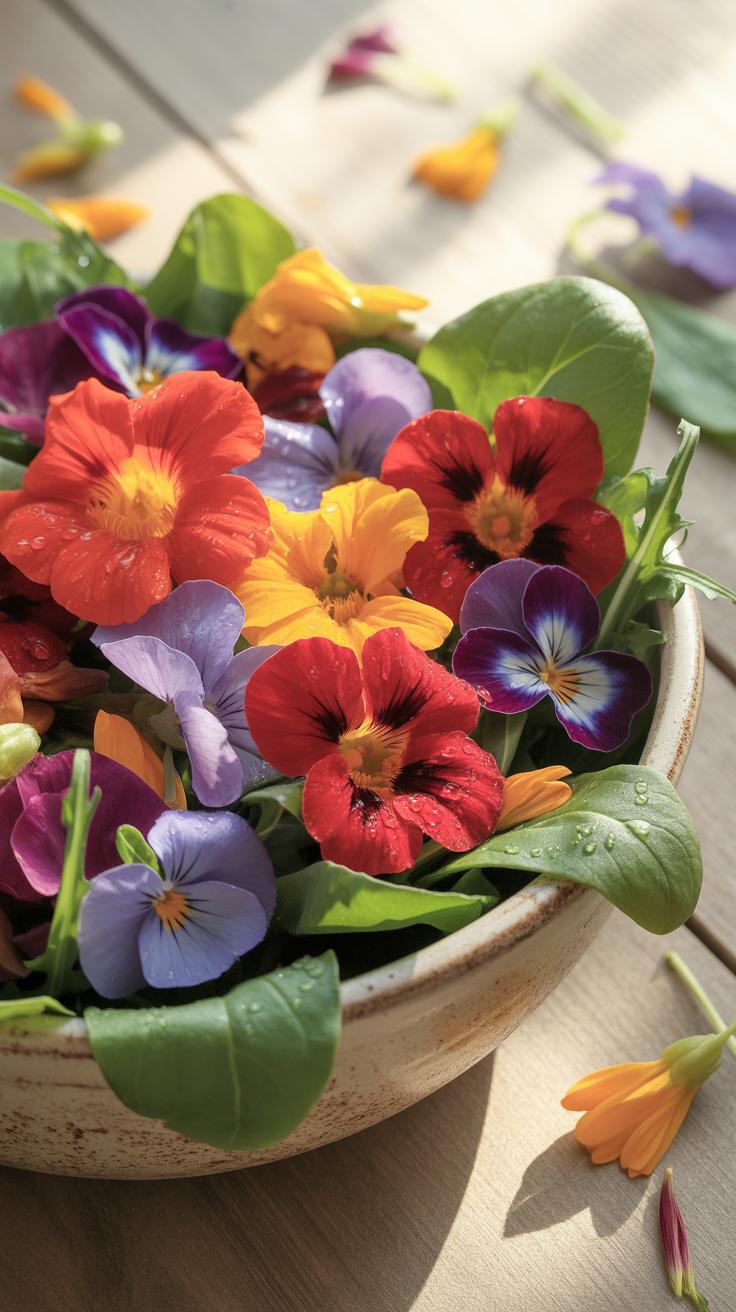
Popular Edible Flowers Commonly Used In Culinary Salads
Professional chefs select edible flowers based on flavor profiles and structural integrity. Nasturtiums provide a peppery bite similar to watercress. Pansies offer a mild, grassy taste and maintain their shape when plated. Borage flowers contribute a clean cucumber flavor. Calendula petals, often called poor man’s saffron, add intense color. Marigolds introduce citrus notes. Choose flowers that complement your greens rather than just adding visual flair.
- Nasturtiums: These vibrant blooms deliver a distinct peppery heat. Both the petals and leaves are edible. They contain high levels of Vitamin C. Use them to add a sharp contrast to mild butter lettuce or spinach bases in savory salad preparations.
- Pansies: These flowers are highly versatile due to their wide range of colors. They have a subtle, minty flavor. Their flat petals lay well on top of composed salads. They are the most common choice for high-end restaurant garnish due to reliability.
- Borage: These small blue star-shaped flowers taste exactly like cucumber. They provide a cooling effect in summer salads. Remove the fuzzy green sepals before serving to ensure a better mouthfeel. They pair perfectly with lemon vinaigrettes and seafood-based salad additions.
- Calendula: Use only the petals of this flower. They have a slightly bitter, tangy flavor profile. Historically, people used them to color butter and cheese. In modern salads, they provide a golden hue. They stand up well to heavier dressings without wilting quickly.
- Chive Blossoms: These purple globes offer a concentrated onion flavor. Break the flower head apart to scatter individual florets across the dish. They provide a savory punch that balances sweet fruit elements in complex salads. They are a staple in classic French country cooking.
Freshness determines the success of these ingredients. Harvest flowers in the cool morning hours when moisture content is highest. Store them between damp paper towels in an airtight container. Refrigerate immediately to prevent wilting. Inspect every bloom for small insects hidden in the petals. Use organic sources to avoid systemic pesticides. Proper handling ensures the flowers remain crisp and pungent until the moment of service.
How To Identify Safe Versus Unsafe Flowers For Consumption
Identification requires absolute certainty to prevent toxicity. Never eat a flower unless you know its exact botanical name. Many poisonous plants look like edible ones. Sweet peas are toxic, while garden peas are safe. Digitalis and Lily of the Valley contain dangerous alkaloids. Use a reputable field guide or consult a botanist. If you cannot verify the source or the species, exclude it from the plate.
Avoid flowers from florists, nurseries, or roadsides. These plants often contain heavy pesticides and chemical fertilizers not approved for food. Only use flowers grown specifically for human consumption. People with severe pollen allergies should exercise caution when eating certain Asteraceae family blooms. Documented history of culinary use provides the safest benchmark. Stick to established edible varieties to ensure diner safety and maintain professional standards.
How To Use Edible Flowers In Salads Like A Professional Chef
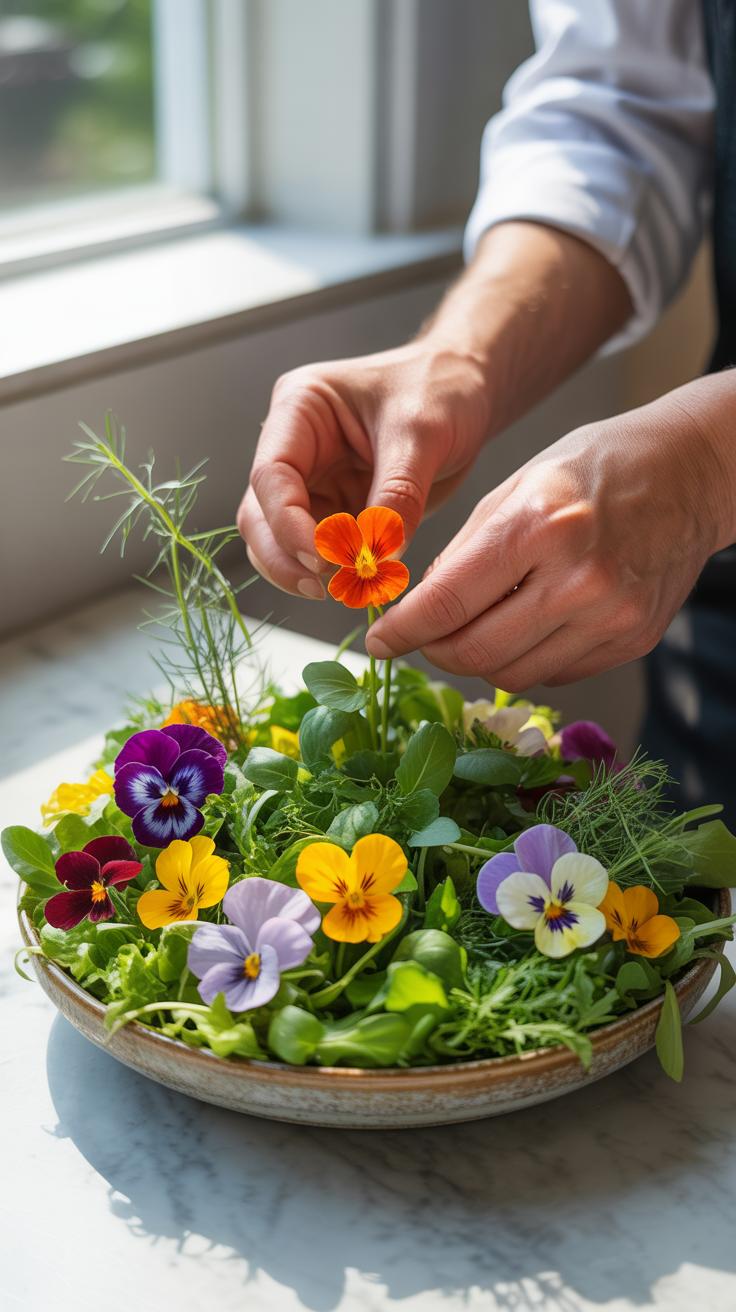
Preparing And Cleaning Edible Flowers Before Adding Them To Salads
Professional chefs treat edible flowers as delicate produce. You must clean them immediately before service to prevent wilting. Submerge flowers in a bowl of ice-cold water to remove grit and insects. Do not use high-pressure tap water because it bruises the petals. Agitate the water gently with your fingers to loosen debris. This process ensures the flowers stay crisp for the final plating.
Dry the flowers using a spin dryer lined with paper towels. Speed is essential to avoid moisture buildup which causes rot. Lay the flowers in a single layer on a dry tray after spinning. Remove the bitter green sepals and pistils from larger flowers like hibiscus or squash blossoms. Only keep the colorful petals for the best flavor profile. Proper cleaning preserves the visual integrity of the ingredient.
Techniques For Layering Flowers Into Salads For Maximum Visual Impact
Tactical plating requires you to treat flowers as the final structural element. Never toss flowers with the greens and dressing in a mixing bowl. This action coats the petals in oil and acid which causes immediate transparency and wilting. Instead, dress and plate your greens first. Place the flowers on top of the established mound. This technique keeps the colors vibrant and ensures the flowers remain visible.
Focus on color theory and balance when positioning each bloom. Contrast dark purple violas against bright green arugula to create a focal point. Use smaller petals to fill gaps and larger blossoms to ground the composition. Professional presentation relies on intentionality rather than random scattering. Ensure the flowers align with the flavor profile of the dish. This method creates a cohesive aesthetic that looks planned and high-profile.
Creating The Perfect Summer Salad With Edible Flowers
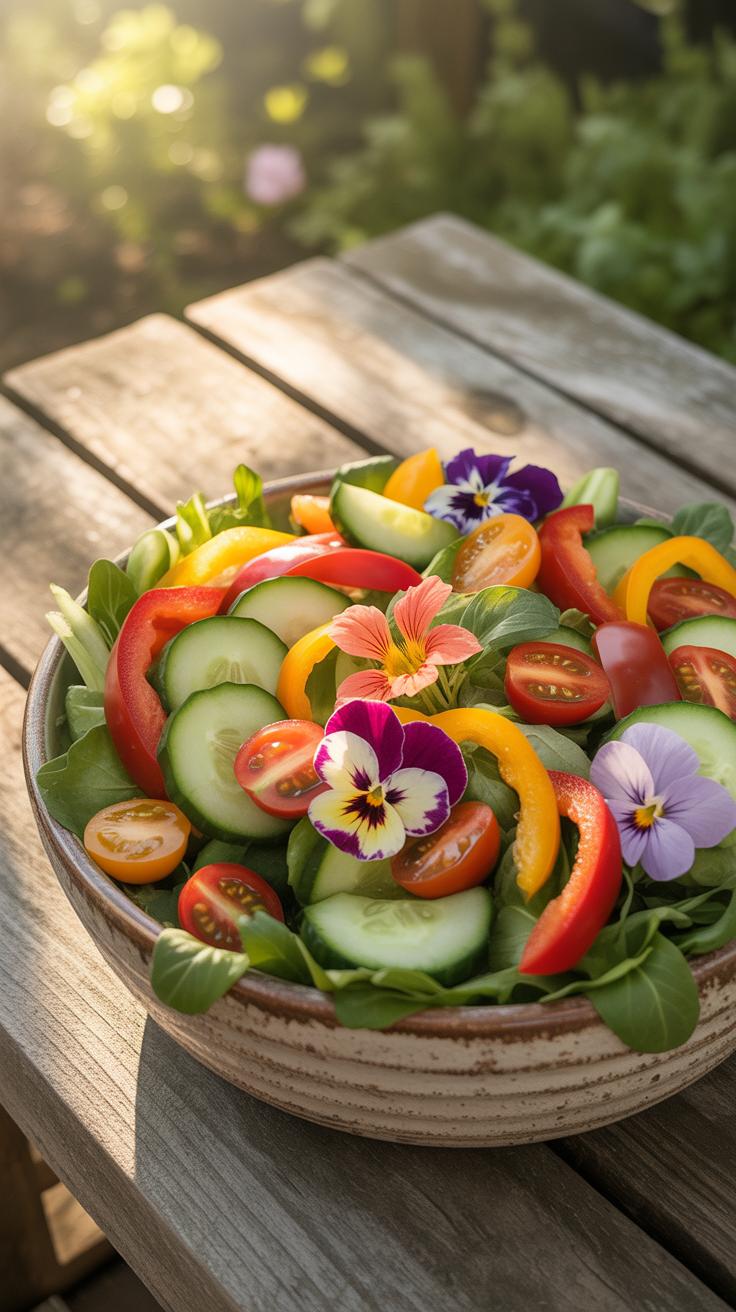
Seasonal Ingredients That Pair Beautifully With Summer Edible Flowers
Summer produce provides the structural base for edible flower salad ideas. High water content vegetables like cucumbers and radishes offer a crisp texture that supports delicate petals. Stone fruits such as peaches or nectarines add natural sugars that balance the peppery bite of nasturtiums. Creamy components like goat cheese or avocado create a fat barrier. This coating helps fragile flowers adhere to the leaves during plating.
Proper ingredient selection requires matching flavors to floral profiles. Use citrus segments to mirror the sour notes of begonias or hibiscus. Incorporate toasted pine nuts or sunflower seeds to provide a necessary textural contrast to soft floral tissues. Avoid heavy grains that crush thin blossoms. Stick to light greens like arugula or butter lettuce. These foundations allow flowers like borage or violas to remain visible and intact throughout service.
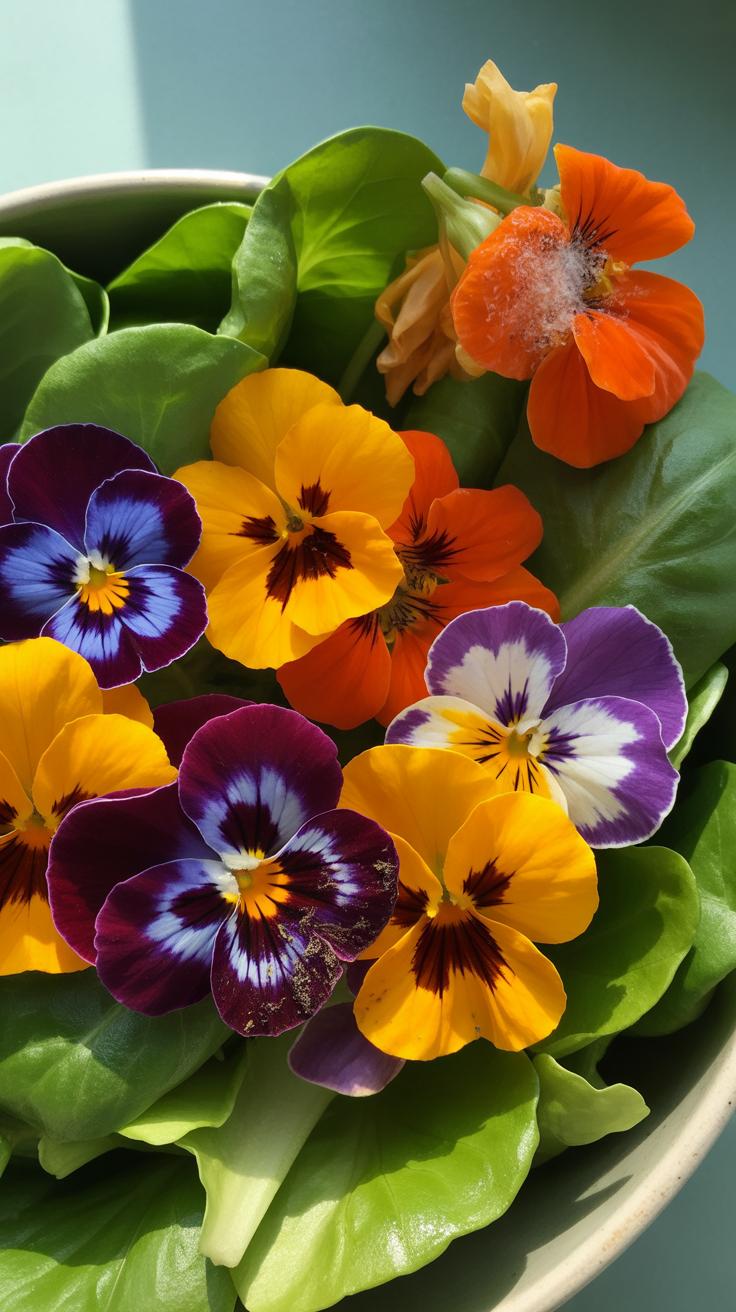
Like a summer field captured on a plate, adding blossoms to your salad turns a simple meal into a memory of sun-drenched gardens. Every petal is a tiny brushstroke of color that reminds us how beautiful and simple nature’s gifts can be.
Light Dressing Ideas That Complement A Summer Floral Salad
Heavy cream or mayonnaise based dressings destroy the visual appeal of floral salads. Use clear acid based vinaigrettes to preserve the color of your blossoms. Lemon juice or white balsamic vinegar prevents the petals from wilting prematurely. A standard three to one oil to acid ratio provides enough coverage without drowning the ingredients. Cold pressed oils like walnut or avocado oil add subtle nutty undertones.
Apply the dressing to the greens and vegetables before adding the flowers. Tossing flowers in a bowl causes them to bruise and tear. Drizzle a small amount of oil over the final assembly to add a professional sheen. High acid dressings can change the pigment of certain flowers due to pH sensitivity. Stick to neutral oils and mild vinegars to keep the floral hues bright and natural on the plate.
Building A Colorful Vegetable Salad With Flowers For Any Occasion
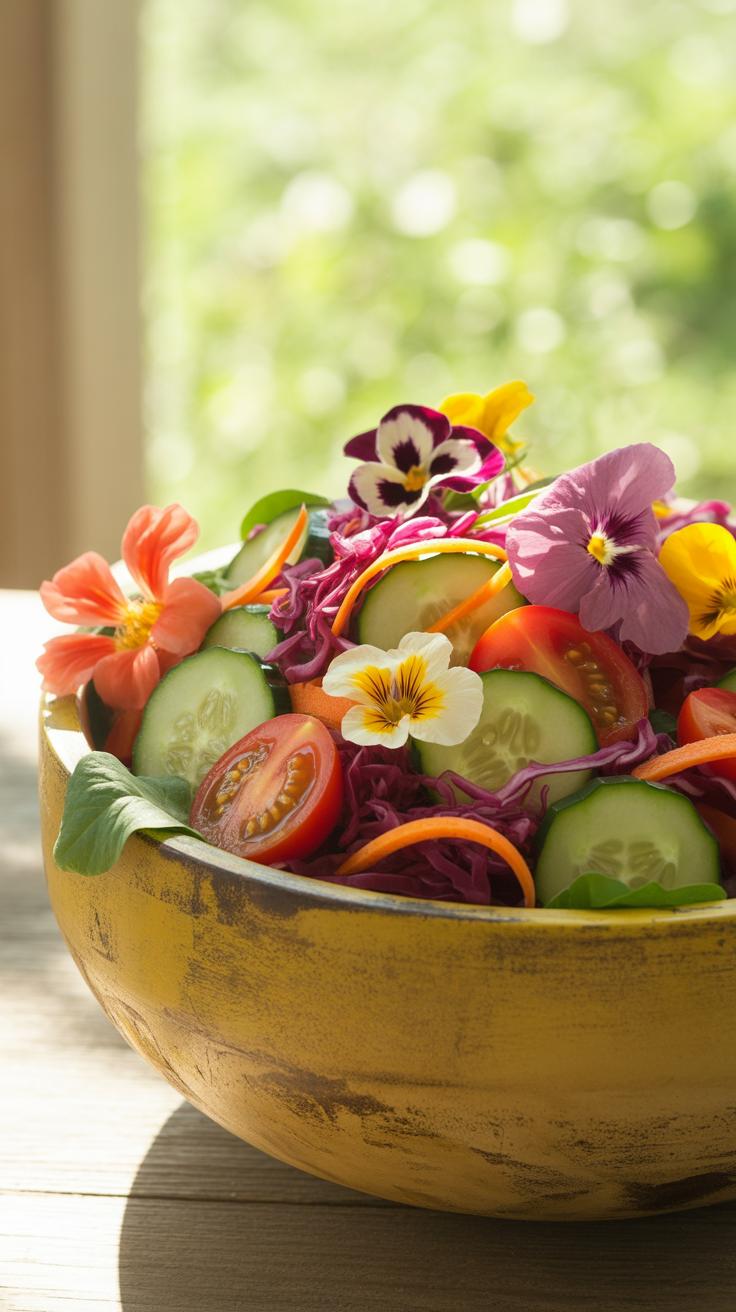
Choosing Vegetables That Complement The Colors Of Edible Flowers
Color theory dictates the visual success of your salad. Use green bases like spinach or kale to make warm colors pop. Orange nasturtiums and yellow calendula stand out against dark leafy greens. If you use purple borage or pansies, pair them with pale vegetables. Shaved fennel or white radishes provide a neutral backdrop. This contrast ensures the flowers look intentional rather than lost in the bowl.
Select vegetables based on their pigment stability. Red beets can bleed and stain delicate petals. Use golden beets or carrots to keep the color palette clean. Match the intensity of the flower to the vegetable. Bold blossoms need hearty greens. Small flowers like alyssum work best with microgreens. Always place the flowers last to prevent them from bruising. This method maintains the integrity of each specific color.
Balancing Texture And Flavor Between Vegetables And Floral Elements
Texture determines how the palate perceives the dish. Flowers usually have soft or velvety petals. Pair them with crunchy vegetables like cucumbers, snap peas, or radishes. This creates a functional contrast that improves the eating experience. Do not bury delicate flowers under heavy vegetable layers. The floral elements should sit on top. This protects their fragile structure and ensures they provide a distinct mouthfeel during consumption.

Flavor profiles must work together without competing. Most flowers have subtle peppery, citrus, or nutty notes. Nasturtiums are spicy and mimic the heat of radishes or arugula. Squash blossoms are mild and suit creamy textures like avocado. Avoid heavy dressings that wilt petals and mask subtle flavors. Use light vinaigrettes or oils. Ensure the vegetable flavors do not overwhelm the floral notes. Balance spicy flowers with sweet or neutral vegetable bases.
Designing A Gourmet Salad With Edible Flowers For Special Events
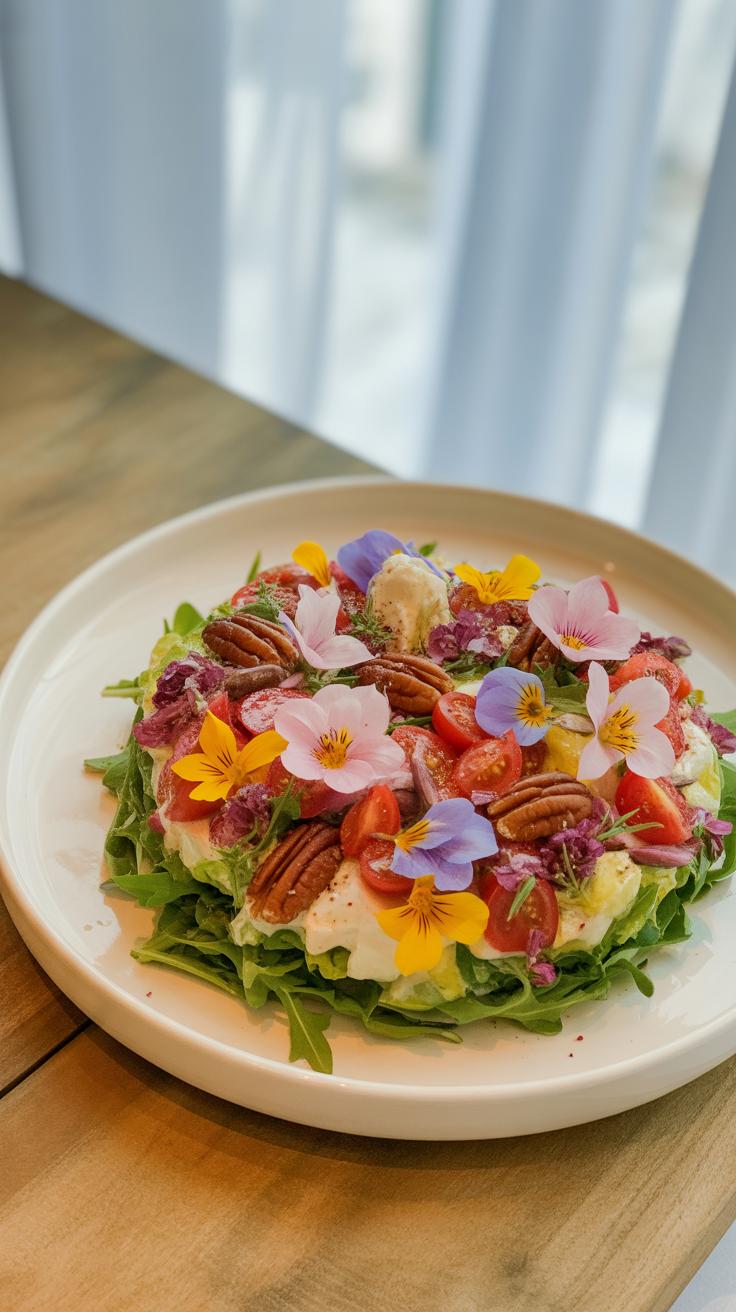
Plating Strategies That Turn An Edible Flower Salad Into Fine Dining
High-end plating requires negative space and architectural height. Use wide-rimmed white ceramic plates to make colors pop. Place greens in a tight vertical mound using a ring mold or tweezers. This creates a focal point for the eye. Avoid burying flowers under heavy leaves. Position them on top at the very end. This prevents wilting from residual heat or moisture from the greens.
Apply dressing only to the base leaves before assembly. Never pour vinaigrette over the delicate petals. Liquid weight flattens the blossoms and ruins the visual structure. Use odd numbers for floral accents to create asymmetrical balance. This technique mimics natural growth patterns found in Japanese minimalist design. Proper spacing ensures each ingredient remains distinct. This allows the guest to appreciate the individual textures and colors effectively.
Premium Ingredients That Pair Well With Edible Flowers In Gourmet Salads
Luxury salads require ingredients that stabilize the floral notes. Use creamy fats like goat cheese or burrata to coat the tongue. This fat helps carry the volatile oils found in lavender or rose petals. Pair bitter greens like radicchio with sweet violets to balance the palate. Acidic citrus segments provide a sharp contrast to earthy nasturtiums. Texture is the primary goal for every component choice.
Include toasted pine nuts or pepitas for a firm crunch. These provide a necessary structural contrast to soft petals. Marinated heirloom beets add weight and deep color to the plate base. Prosciutto or smoked duck offers a salty element that highlights floral scents. High-quality extra virgin olive oil acts as a neutral binder for these diverse flavors. Select ingredients based on their ability to support the flower without masking its unique profile.
The History And Cultural Roots Of The Floral Salad Tradition
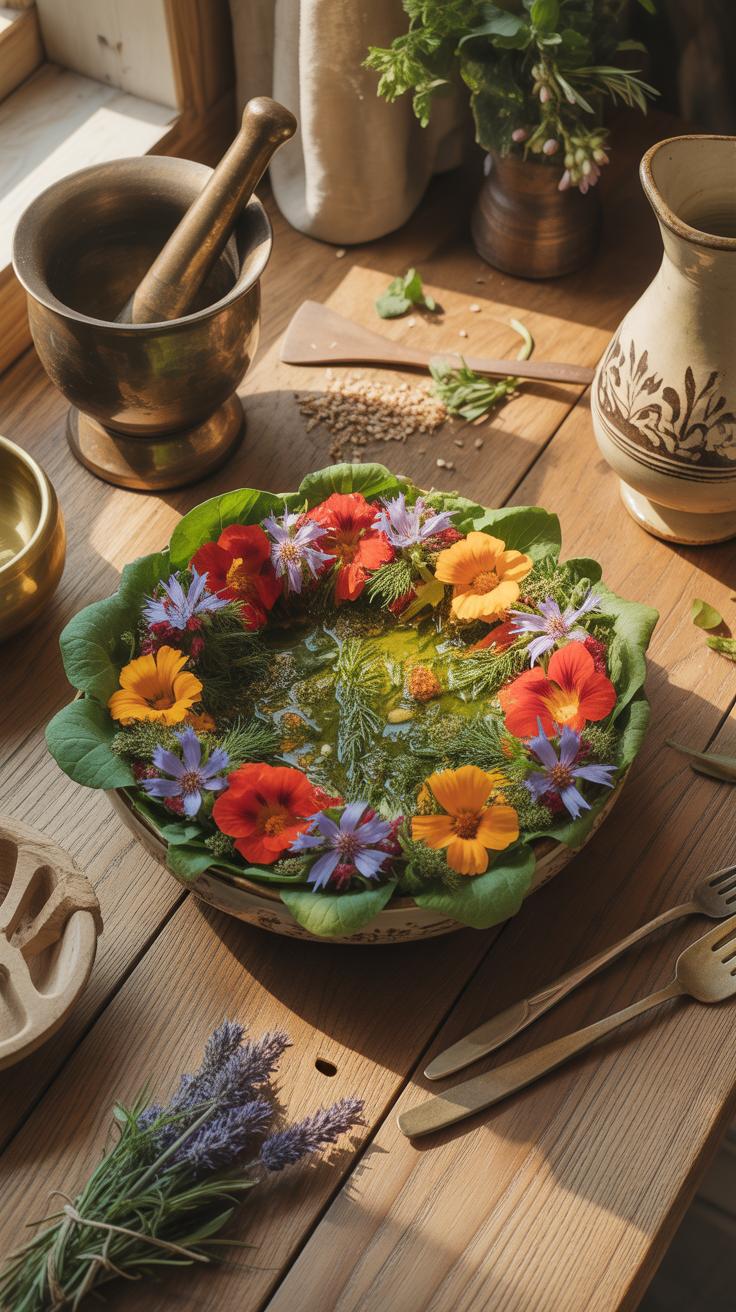
How Ancient Civilizations Used Edible Flowers In Food And Salads
Ancient cultures integrated flowers into meals for functional reasons. Romans used mallow and roses in salads to improve digestion and flavor. They believed these plants offered specific health benefits during long feasts. Middle Eastern tribes utilized orange blossoms and hibiscus in cold dishes to provide cooling effects. These groups prioritized the nutritional and medicinal value of the blooms over their visual appeal in daily cooking.
Chinese records from the Han dynasty show chefs used lilies and chrysanthemums in savory broths and cold vegetable mixes. These floral additions signaled status and seasonal awareness. In the Americas, Aztecs consumed squash blossoms as a primary food source. They often paired these flowers with chillies and wild greens. This practice proves that edible flowers were tactical dietary staples rather than decorative afterthoughts in early human history.
The Renaissance Revival Of Edible Flowers In European Cuisine
The Renaissance shifted floral use toward complex visual presentation and sensory variety. European chefs rediscovered Greek and Roman texts on botany. They began adding borage, violets, and primroses to grand salad bowls. These salads often contained over thirty different herbs and blooms. This era marked a change where elite households used flowers to demonstrate wealth and knowledge of the natural world during formal banquets.
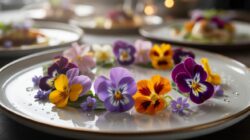
The 17th-century Still Life movement influenced how people plated these salads. Chefs treated the salad bowl like a canvas. They selected gillyflowers and nasturtiums for their sharp, peppery taste. This period established the standard for modern floral salads. It combined the medical knowledge of herbalists with the creative demands of royal courts. This strategic fusion turned simple greens into high-status culinary assets that showcased both flavor and precision.
Sourcing And Growing Your Own Flowers For An Edible Flower Salad
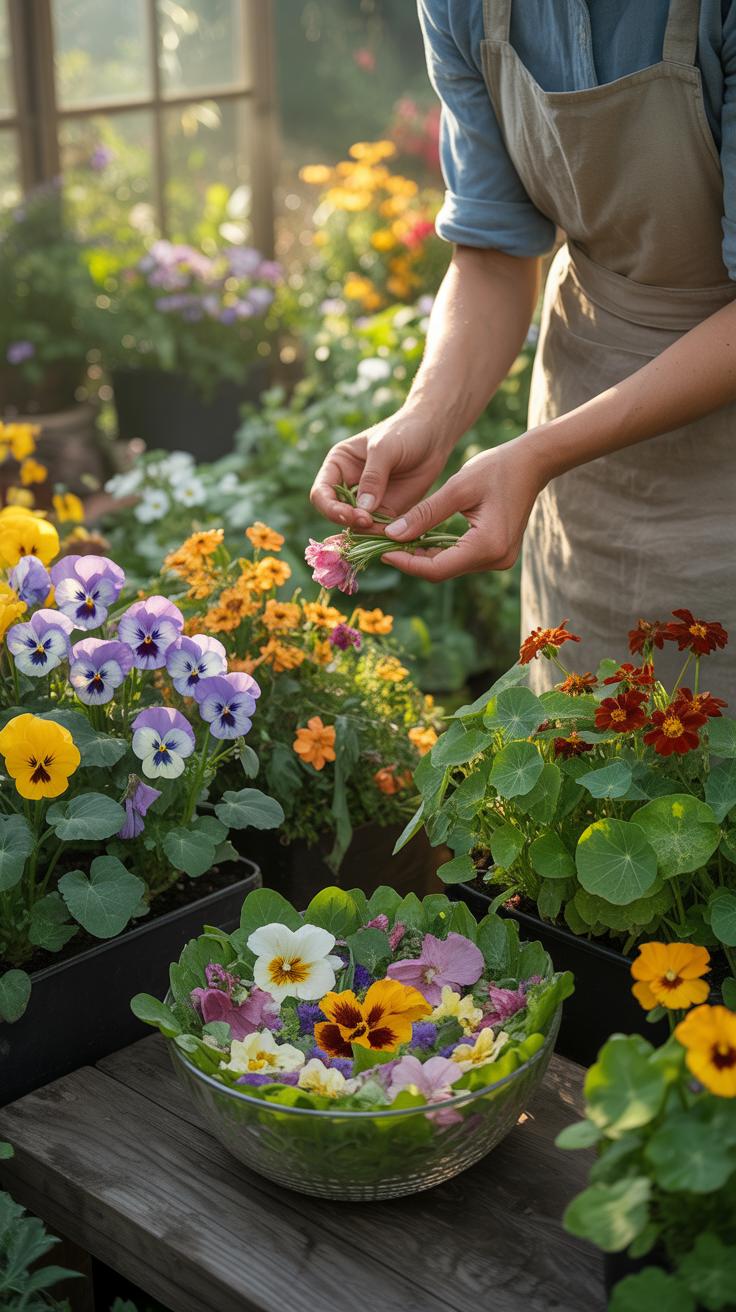
Where To Source Food Grade Edible Flowers Safely And Responsibly
Buy flowers only from vendors who certify products for human consumption. Standard florist shops and nursery plants often contain systemic pesticides. These chemicals stay in the plant tissues and do not wash off with water. Seek out specialty produce suppliers or farmers markets. Ask the grower directly about their chemical use. Look for organic certification tags to ensure the soil and plants remain free from toxic synthetic sprays.
Avoid harvesting flowers from roadsides or public parks. These areas often absorb heavy metals from vehicle exhaust. Landscapers also treat public grass with herbicides that contaminate low-growing blooms. Verify the botanical name of every flower before eating it. Many toxic plants look like edible varieties. Use high-quality field guides to confirm the identity of the plant. If you cannot identify the species with total certainty, do not eat it.
Beginner Tips For Growing Edible Flowers At Home For Salad Use
Growing your own flowers gives you total control over the production process. Start with hardy varieties that thrive in containers or small garden beds. Use organic potting soil and avoid synthetic fertilizers. Most edible blooms require at least six hours of direct sunlight. Water the plants at the base to prevent fungal growth on the petals. Harvest morning blooms for the highest moisture content and best texture.
- Pansies and Violas: These plants tolerate cool weather and produce flat blooms. They have a mild wintergreen flavor. Plant them in early spring or fall. They thrive in pots with well-draining soil and partial sun.
- Nasturtiums: These flowers grow quickly and offer a peppery taste. Both the leaves and petals are edible. They tolerate poor soil and do not need heavy fertilization. Use them to add a spicy kick to green salads.
- Calendula: Often called poor man’s saffron, this flower has golden petals with a slightly bitter taste. It grows easily from seeds in sunny locations. Harvest the individual petals rather than using the whole flower head for better mouthfeel.
- Borage: This plant produces small blue star-shaped flowers. They taste exactly like cucumber. Bees love this plant, which helps your garden ecosystem. Use the delicate flowers fresh because they wilt quickly once you pick them from the stem.
- Chives: The purple pom-pom blossoms provide a concentrated onion flavor. Break the flower head apart into individual florets before adding them to your salad. They are perennials and will return every year with minimal maintenance or effort.
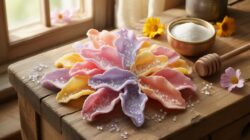
Space your plants according to the seed packet instructions to ensure proper airflow. Crowded plants develop mold and attract pests. If insects appear, use neem oil or insecticidal soap labeled for food crops. Remove faded blooms regularly to encourage the plant to produce more flowers. This process is called deadheading. It extends your harvest season and provides a steady supply of fresh ingredients for your edible flower salad ideas.
Creative Salad With Flowers Recipes To Inspire Your Next Meal
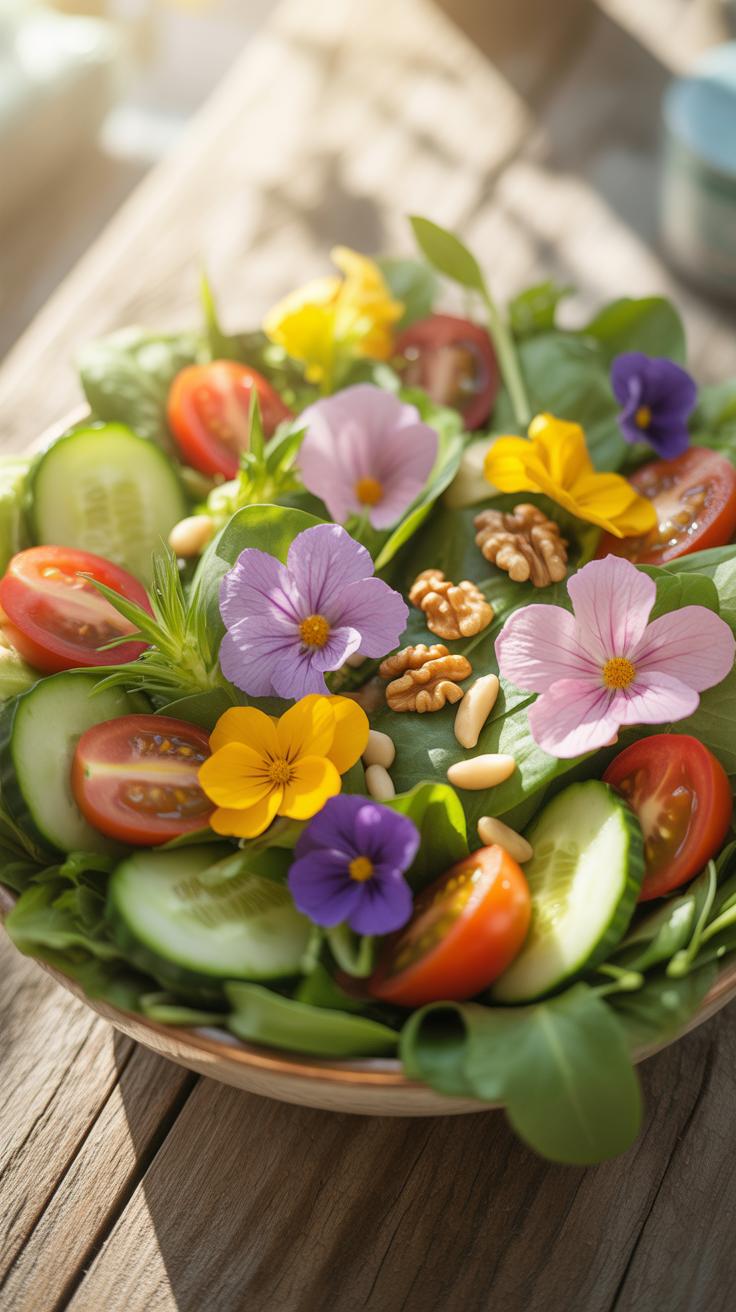
A Simple Yet Elegant Nasturtium And Mixed Greens Salad Recipe
Nasturtiums provide a distinct peppery bite similar to watercress or radish. Start with a base of tender butter lettuce and arugula to balance the heat. Wash the flowers carefully to remove small insects from the deep spurs. Pat them dry to ensure the dressing adheres properly. Use whole blooms for visual impact and smaller leaves for added texture and spice.
Use a light vinaigrette made from champagne vinegar and olive oil to avoid wilting the delicate petals. Drizzle the dressing over the greens first and toss gently. Place the flowers on top at the very last second before serving. This prevents the acidic dressing from bruising the vibrant orange and red petals. Serve immediately to maintain the crisp texture of the greens.
A Vibrant Pansy And Citrus Salad That Bursts With Color And Flavor
Pansies offer a mild and slightly sweet flavor with a velvety texture. They work best when paired with acidic components like grapefruit and blood orange segments. The citrus juices brighten the floral notes without overpowering them. Use a mix of spinach and frisée to provide a sturdy structure for the fruit. Choose pansies with high color contrast for the best presentation.
Layer the citrus rounds at the bottom of the plate to create a stable base. Scatter the greens over the fruit and top with fresh pansies. Avoid heavy creamy dressings that weigh down the petals or obscure their patterns. A simple squeeze of lime and a pinch of sea salt enhances the natural profile. This recipe delivers high visual impact for formal lunches or events.
Common Mistakes To Avoid When Making An Edible Flower Salad
Why Using Pesticide Treated Flowers Is A Serious Health Risk
Never harvest flowers from commercial florists or roadsides. Florists treat ornamental blooms with systemic pesticides not approved for human consumption. These chemicals penetrate the plant tissue and do not wash off with water. Roadsides contain heavy metals and exhaust runoff that contaminate the soil and petals. Consuming these toxins leads to immediate digestive distress or long term health complications for guests.
Stick to organic sources or home gardens using food safe fertilizers. Professional chefs verify the source of every blossom to ensure safety. You must identify the exact species before serving. Many lookalike flowers contain natural alkaloids that act as poisons. Only use flowers grown specifically as food. This practice eliminates the risk of chemical poisoning and protects the integrity of your edible flower salad ideas.
Flavor Pairing Errors That Can Overwhelm A Delicate Floral Salad
Strong dressings ruin the subtle notes of most edible blossoms. Heavy balsamic glazes or thick creamy dressings mask the peppery taste of nasturtiums or the citrus profile of begonias. High acidity levels in vinegars can also wilt fragile petals instantly. This chemical reaction turns a vibrant visual display into a limp brown mess. Use light oils and mild acids to preserve the texture.
Balance the flavor profiles of the greens and the flowers. Do not pair bitter radicchio with bitter marigolds. This creates a harsh palate used poorly in professional plating. Match sweet violets with mild butter lettuce to create contrast. Aim for a functional balance where the flower acts as a seasoning. Thoughtless pairing wastes expensive ingredients and confuses the diner. Focus on simple combinations to let the floral notes shine.
Frequently Asked Questions

Which common garden flowers are safe to include in a salad?
When exploring edible flower salad ideas, safety is paramount. Popular and safe choices include nasturtiums, which offer a peppery kick, and pansies, known for their mild, grassy flavor and vibrant hues. Violets, calendula petals, and borage are also excellent for beginners. Always ensure you are using organic blooms that haven’t been treated with pesticides, and verify the identity of each species before adding them to your culinary creations.
How do I prepare and clean edible flowers without damaging the delicate petals?
To maintain the beauty of your edible flower salad ideas, handle the blooms with care. Gently submerge them in a bowl of cool water to remove any tiny insects or dust, then drain them on a soft paper towel. Avoid using a heavy spray of water, as this can bruise the petals. For the best presentation, pluck the petals or whole heads just before serving to ensure they remain crisp and vibrant.
Can I find edible flowers on a budget if I don’t have my own garden?
Absolutely! You don’t need a private garden to enjoy high-end garnishes. Many local farmers’ markets sell small clamshells of food-grade blooms at affordable prices. Alternatively, you can grow easy varieties like marigolds or nasturtiums in small windowsill pots for just the cost of a seed packet. This allows you to experiment with various edible flower salad ideas throughout the spring and summer months without breaking the bank at specialty grocers.