
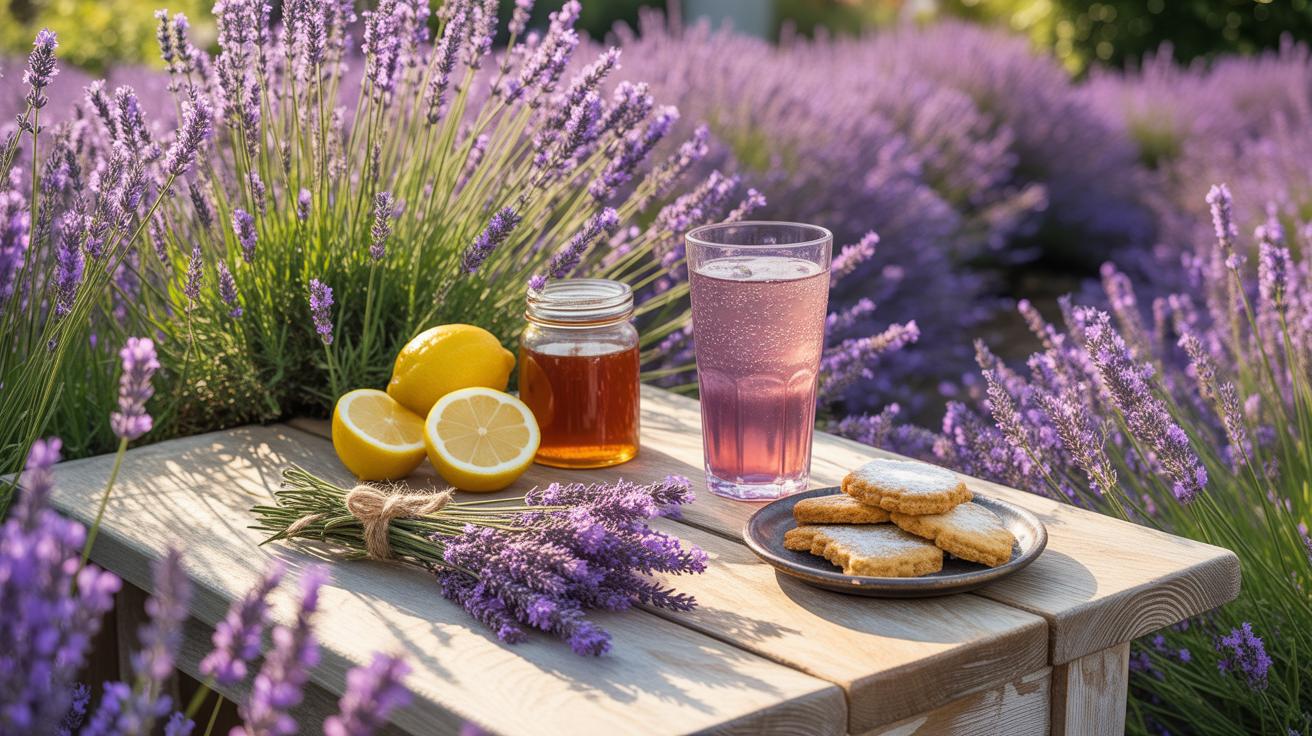
What Makes Garden Lavender So Special For Lavender Recipes
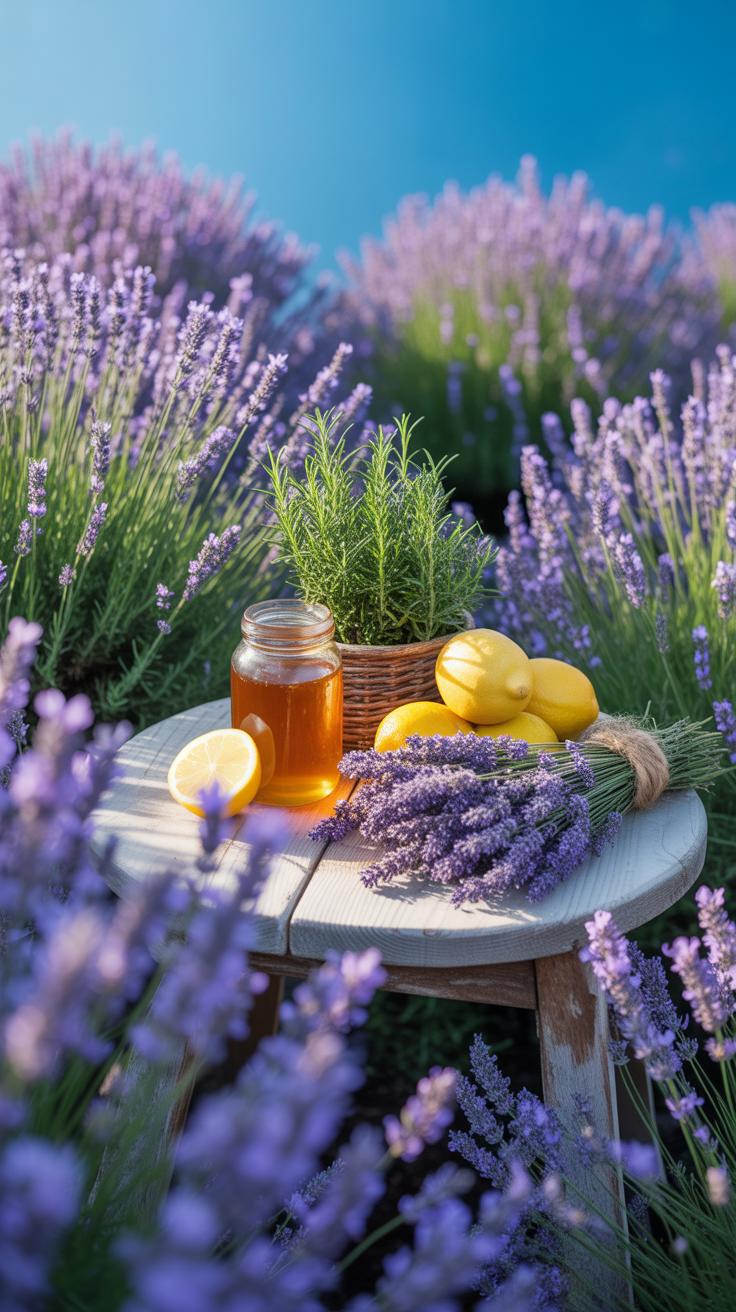
The Culinary Varieties Of Lavender Worth Growing At Home
English lavender or Lavandula angustifolia is the primary choice for home cooks. Growers select this species because it contains the lowest concentration of camphor. Other varieties like French or Spanish lavender possess high oil content that tastes like soap or medicine. Stick to cultivars like Munstead or Hidcote for the best results. These plants produce a sweet scent and a clean finish on the palate.
Homegrown lavender provides a freshness that store-bought jars cannot match. Commercial dried lavender often sits in warehouses for months. This delay causes the essential oils to oxidize and lose their potency. When you harvest from your garden, you control the timing. Cutting the buds just as they open ensures the highest quality. This direct access allows you to use the plant at its peak.
Understanding The Flavor Profile Of Lavender Before You Cook With It
Lavender belongs to the mint family and shares many chemical compounds with rosemary and sage. Its flavor is highly concentrated and herbaceous. You must treat it like a potent spice rather than a garnish. Overuse will ruin a dish by making it taste bitter. A small amount adds a floral note that mimics citrus and pine. Balance is the key to successful application.
Thermal processing changes how lavender interacts with other ingredients. High heat can release bitter tannins quickly. Infusing the buds in warm liquids like milk or simple syrup is a safer method. This technique extracts the floral essence without the harsh aftertaste. Always crush the dried buds slightly before use to release the oils. Understanding these chemical properties prevents most common mistakes in the kitchen.

How To Harvest And Prepare Culinary Lavender From Your Garden
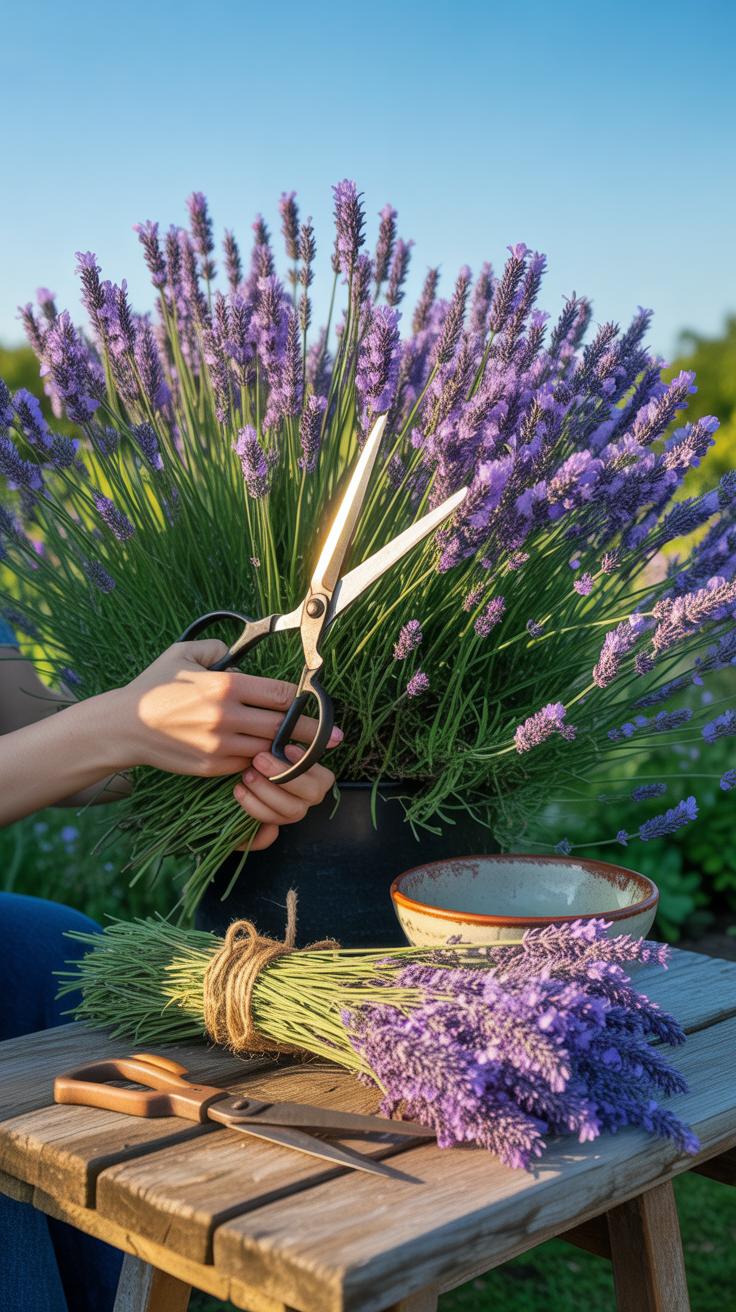
The Right Time To Pick Lavender For The Best Flavor And Aroma
Timing determines your final product quality. Harvest lavender just as the bottom blossoms on the flower spike begin to open. This stage captures the peak concentration of essential oils before they turn bitter or dissipate. Cut the stems in the early morning after the dew evaporates but before the sun gets hot. Heat causes the volatile oils to rise and evaporate.
Select specific varieties for the best culinary results. English lavender or Lavandula angustifolia contains less camphor than French or Spanish varieties. This makes it sweeter and better for food recipes. Avoid harvesting older woody stems. Focus on the green, pliable new growth. Younger stems support more flavor and dry faster. Proper timing prevents your dishes from tasting like soap or perfume.
Step By Step Guide To Drying And Storing Culinary Lavender At Home
Drying lavender preserves the flavor profile for long term use. You must remove moisture quickly to prevent mold growth. Bundle stems together with twine or rubber bands. Hang these bundles upside down in a dark, well ventilated area. Darkness preserves the purple color. Light causes the oils to break down. Ensure the air is dry to speed up the dehydration process.
- Bundle Stems: Gather ten to fifteen stems and secure them tightly at the base. Use rubber bands because stems shrink as they lose water. This prevents the bundle from falling apart during the drying process.
- Hang Upside Down: Suspend the bundles from a hook or rack in a cool room. Gravity keeps the stalks straight and directs the oils toward the flower heads. Maintain high air circulation to avoid fungal issues.
- Strip the Buds: Remove the dried flower buds from the stems once they feel brittle. Rub the spikes between your palms over a clean bowl. Sift the material to remove any small leaf or stem fragments.
- Use Glass Storage: Place the clean buds into airtight glass jars immediately. Glass does not react with the oils like plastic might. Store the jars in a cool, dark cabinet to extend the shelf life for one year.
- Label and Date: Mark each jar with the harvest date and the specific lavender variety. Different varieties have unique flavor strengths. Digital records help you track which plants produced the best results for your specific recipes.
Test the buds for dryness before final storage. Flowers should crumble easily when pressed between your fingers. Any remaining moisture will cause rot inside a sealed container. Keep the buds whole until you are ready to cook. Grinding them too early releases the oils and weakens the taste. Proper storage keeps your garden harvest fresh for many months.
Fresh Lavender Recipes Simple Syrups And Drinks To Try First
How To Make A Classic Lavender Simple Syrup With Fresh Garden Blooms
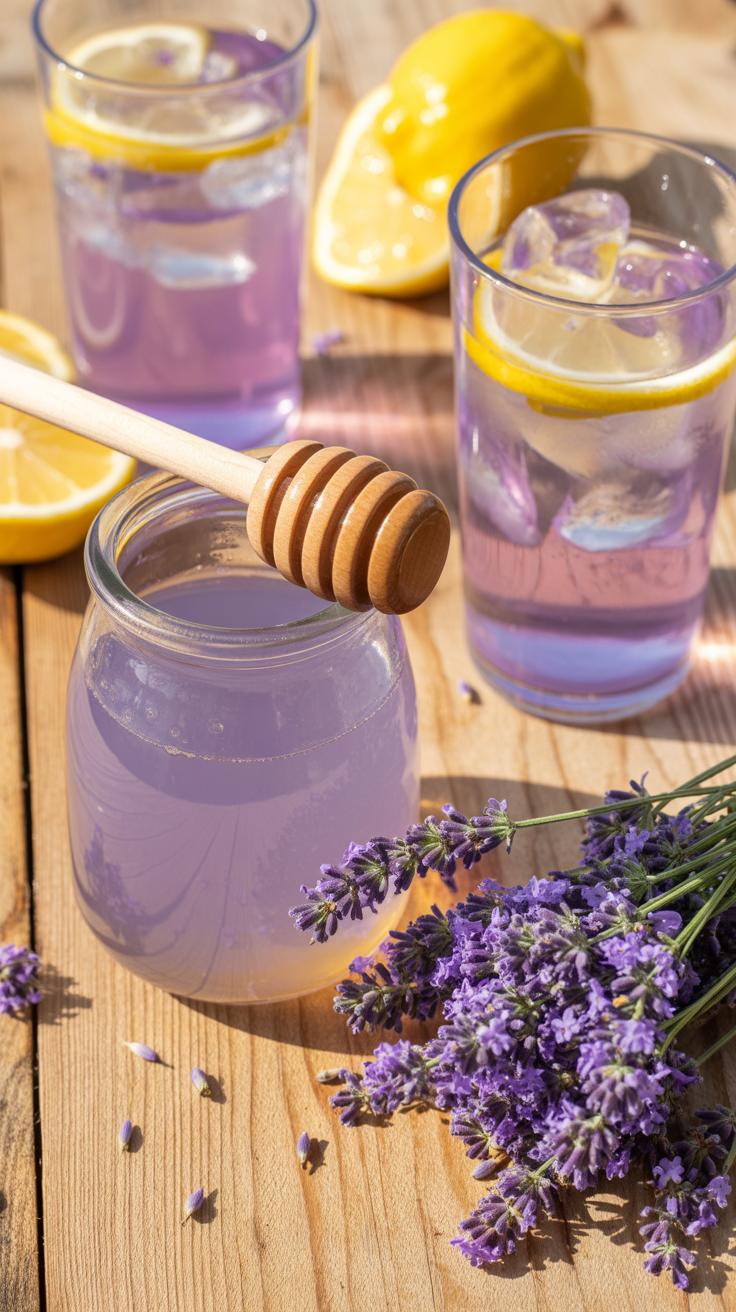
Lavender syrup serves as the foundation for most floral beverages. You must use culinary varieties like Lavandula angustifolia to avoid a soapy taste. High oil concentrations in fresh buds require precise timing to prevent bitterness. Heat water and sugar in equal parts until the crystals dissolve completely. Preparation takes less than ten minutes but provides a potent base for weeks of use.
- Harvesting Buds: Select fresh flowers that have just opened for the highest oil content. Rinse them in cold water to remove garden debris or insects before cooking. Use two tablespoons of fresh buds per cup of liquid to ensure a balanced flavor profile.
- Sugar Dissolution: Combine one cup of granulated sugar with one cup of filtered water in a small saucepan. Heat the mixture over medium heat while stirring constantly. Do not let the liquid reach a rolling boil as high heat can scorch the delicate sugars.
- Infusion Process: Add the fresh lavender buds once the sugar dissolves and remove the pan from the heat source. Cover the pot with a tight lid to trap the volatile aromatic oils. Let the flowers steep for at least twenty minutes for a light floral finish.
- Straining Liquid: Place a fine mesh strainer over a glass jar or bowl. Pour the mixture through the sieve to remove all botanical particles. Press the buds lightly with a spoon to extract every drop of concentrated lavender essence before discarding the solids.
- Cooling and Storage: Transfer the finished syrup into a sterilized glass bottle with a tight seal. Label the container with the date of production for safety. Store the syrup in the refrigerator to maintain freshness for up to four weeks without spoilage.
Cool the syrup completely before adding it to cold drinks to prevent ice from melting too fast. This liquid integrates better than dry sugar in iced preparations. For a deeper color effect, add a few blueberries during the simmering stage. Professionals use this technique to achieve a purple hue without using artificial chemical dyes or additives.
The air is heavy with the scent of lavender and the simplest recipe from the garden can bring the sweetness of a summer afternoon into your home. There is a gentle magic in turning these purple blooms into something shared at the table.
Lavender Lemonade And Herbal Teas That Highlight Garden Fresh Flavor
Lavender lemonade relies on the chemical reaction between acidic citrus and floral esters. Mix fresh lemon juice with water and your prepared syrup. The citric acid brightens the heavy floral notes of the lavender. Serve this drink over plenty of ice to keep the flavors crisp. It is a standard tactical choice for high volume summer hosting because it scales easily.
Herbal tea blends require a different approach to temperature and timing. Steeping fresh lavender leaves or flowers in boiling water for too long releases tannins. These tannins create an unpleasant astringent mouthfeel. Keep steep times under five minutes for a clean extraction. Combine lavender with mint or chamomile to add complexity. This method highlights the raw botanical profile directly from your garden harvest.
Lavender Dessert Ideas That Are Easy Enough For Any Home Baker
Lavender Honey Shortbread Cookies: A Simple And Elegant Treat
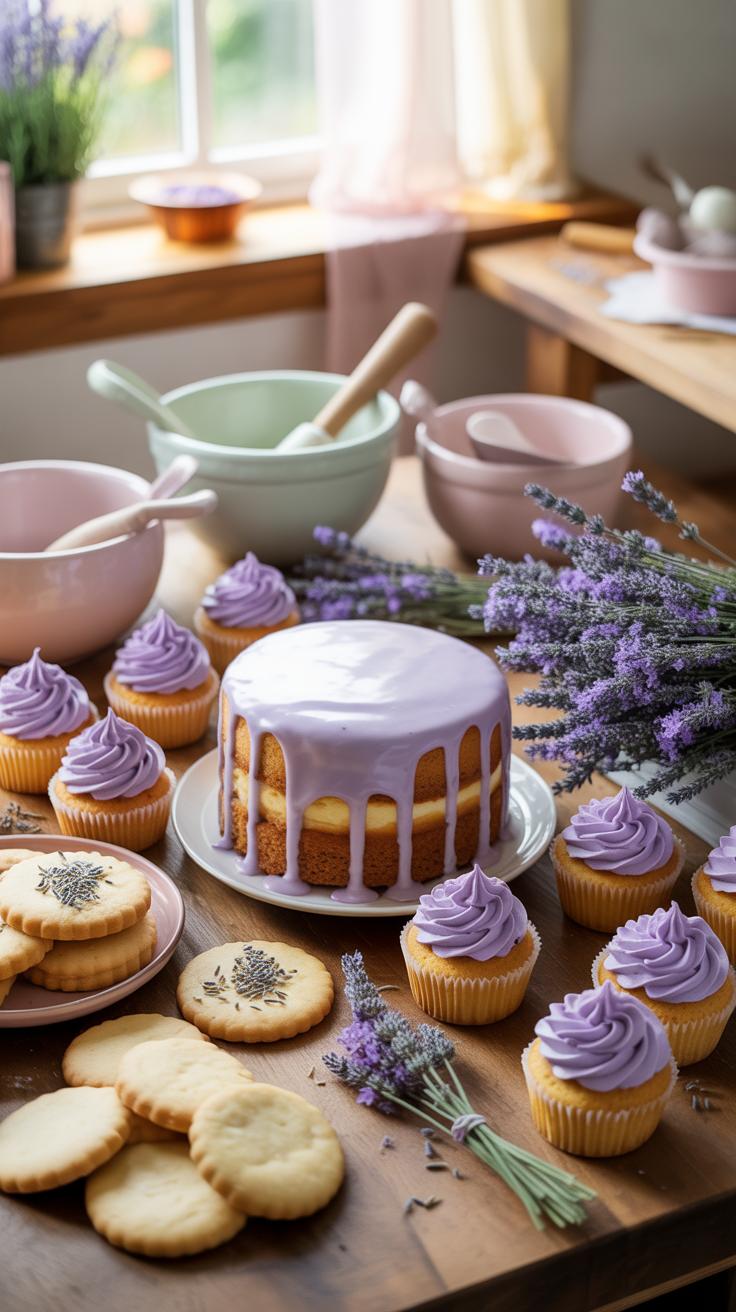
Shortbread relies on a high fat content to carry floral flavors. You must use dried English lavender buds for this recipe. French lavender tastes like soap and ruins the dough. Grind the buds with sugar before adding them to the butter. This releases the essential oils and prevents a gritty texture. Use high quality butter with low water content for the best snap.
Chill the dough for at least thirty minutes before baking. This prevents the cookies from spreading and losing their shape. Bake at 325 degrees Fahrenheit until the edges turn pale gold. Overbaking destroys the delicate scent of the flowers. Pair these cookies with local honey to enhance the herbal notes. Store them in an airtight container to keep the moisture out and maintain crispness.
Lavender Panna Cotta And Other No Fuss Floral Desserts Worth Trying
Panna cotta is the most efficient way to use lavender in the kitchen. You simmer cream with dried buds to extract the flavor through infusion. Strain the mixture carefully to remove every solid piece. Use gelatin sheets or powder to set the liquid into a firm mold. This dessert requires zero baking skills and delivers a consistent texture every time you make it.
Steep the lavender for exactly ten minutes in hot cream. Leaving the buds in longer creates a bitter and medicinal aftertaste. Use honey or mild sugar as a sweetener to avoid masking the floral profile. Serve the chilled cream with fresh berries or a lemon zest garnish. The acidity of the fruit cuts through the heavy fat of the cream. This balance makes the lavender taste clean and bright.
How To Bake A Classic Lavender Pound Cake Using Garden Lavender
Why Lavender Pound Cake Is One Of The Most Beloved Floral Bakes
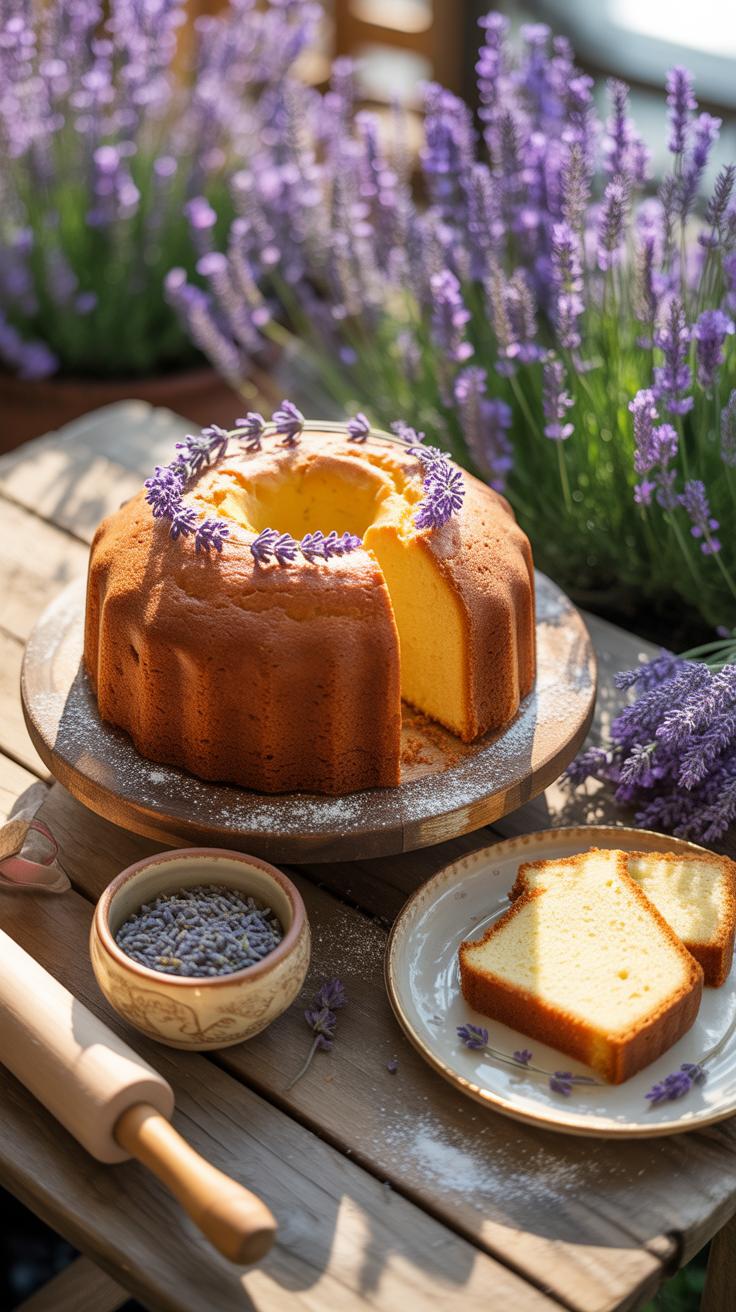
Lavender pound cake remains a staple in floral baking due to its structural integrity. The dense crumb of a traditional pound cake supports the potency of the dried buds. This pairing prevents the floral oils from dissipating during the long bake time. Historically, European bakers used lavender to mask the heavy scent of lard or butter. Today, it serves as a sophisticated flavor profile that bridges the gap between savory herbs and sweet desserts.
Garden lavender provides a freshness that store-bought extracts cannot replicate. High concentrations of linalool in the plant create a distinct aromatic experience when heated. The cake requires minimal decoration because the flavor carries the entire dish. Using your own harvest ensures you know the source of the botanicals. This control is vital for food safety and flavor consistency. Most bakers prefer this recipe because it showcases the harvest without requiring complex culinary techniques or expensive equipment.
Tips For Balancing Lavender Flavor So Your Pound Cake Shines
Overuse of lavender turns a cake into a medicinal or soapy mess. To avoid this, you must grind the dried buds into a fine powder. Mix this powder directly into the sugar before creaming the butter. This mechanical action releases the essential oils and distributes them evenly throughout the batter. Consistent distribution prevents flavor hot spots that can ruin the palate. Use only English lavender varieties for the best culinary results in high-fat bakes.
Fat content plays a critical role in how the tongue perceives lavender. The high butter and egg volume in pound cake coats the mouth. This coating slows down the absorption of the floral notes. It transforms a sharp herbal hit into a smooth and lingering aftertaste. Always use room temperature ingredients to ensure the emulsion holds. A broken batter will cause the lavender to sink to the bottom. Proper technique ensures the floral aroma integrates fully with the vanilla and citrus notes.
Lavender Tea Loaf A Floral Twist On A Timeless Afternoon Classic
What Is A Tea Loaf And Why Lavender Makes It Even Better
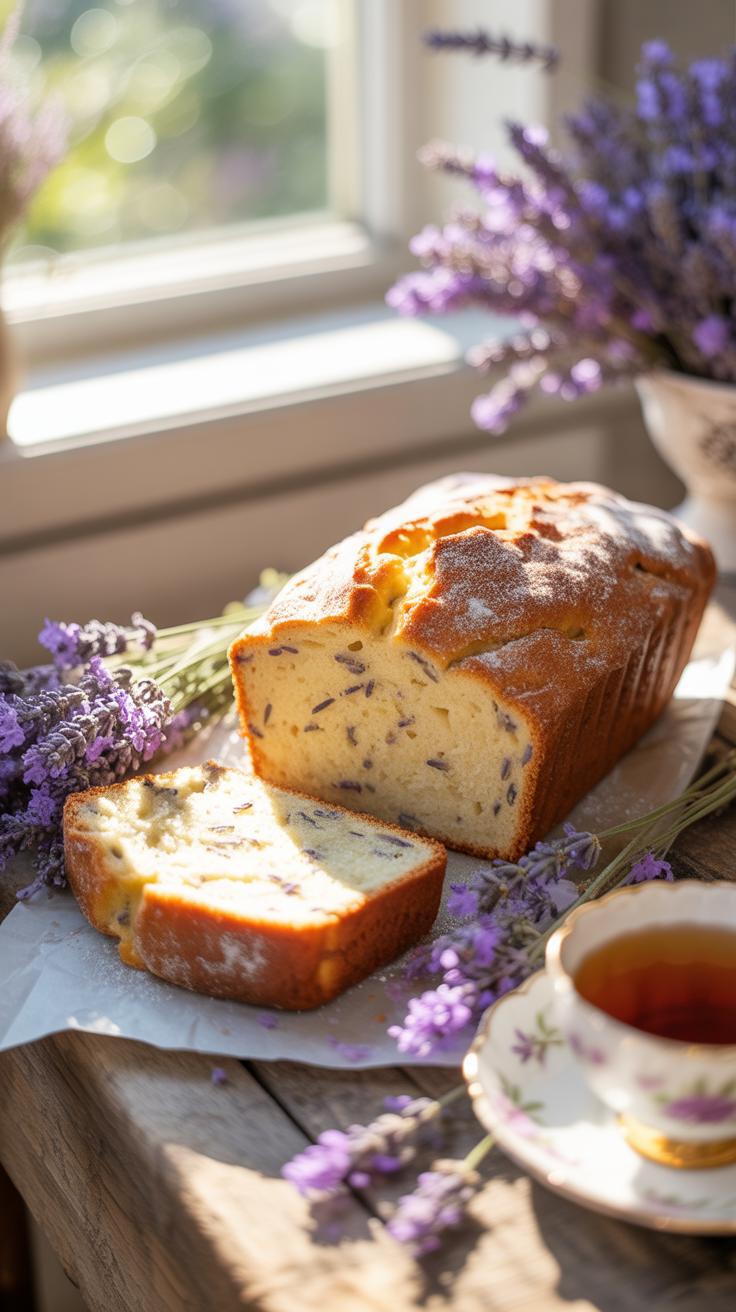
A tea loaf is a dense quick bread traditionally served during British afternoon tea. Unlike sponge cakes, this loaf relies on a tight crumb structure and subtle sweetness. It provides a sturdy base for spreading salted butter or fruit preserves. Historically, bakers used dried fruits soaked in hot tea to provide moisture and flavor. This method creates a reliable shelf-stable baked good.
Lavender improves this classic by adding a distinct camphoraceous and citrus profile. Most tea loaves lean heavily on sugar or spice for character. Lavender introduces a sophisticated herbal note that cuts through the richness of the butter. When you use English lavender from your garden, you achieve a balanced floral aroma. This addition transforms a basic pantry staple into a high-end culinary product.
How To Infuse Dried Lavender Into Your Tea Loaf Batter For Maximum Flavor
Maximum flavor extraction requires heat or mechanical action. You must grind dried lavender buds into a fine powder before adding them to your dry ingredients. This prevents a soapy texture and ensures even distribution throughout the loaf. Alternatively, you can steep the buds in warm milk or melted butter used in the recipe. This chemical process releases essential oils directly into the fats.

Precision is critical when working with lavender. Too much herb makes the bread taste like perfume or medicine. Use one teaspoon of dried culinary lavender for a standard nine-inch loaf pan. Combine the lavender with lemon zest to brighten the floral notes. Always cream the infused fat with sugar first. This technique traps the aromatic compounds within the structure of the batter for a consistent taste.
Edible Flowers Recipes How Lavender Pairs With Other Garden Blooms
Common Edible Flowers That Complement Lavender In The Kitchen
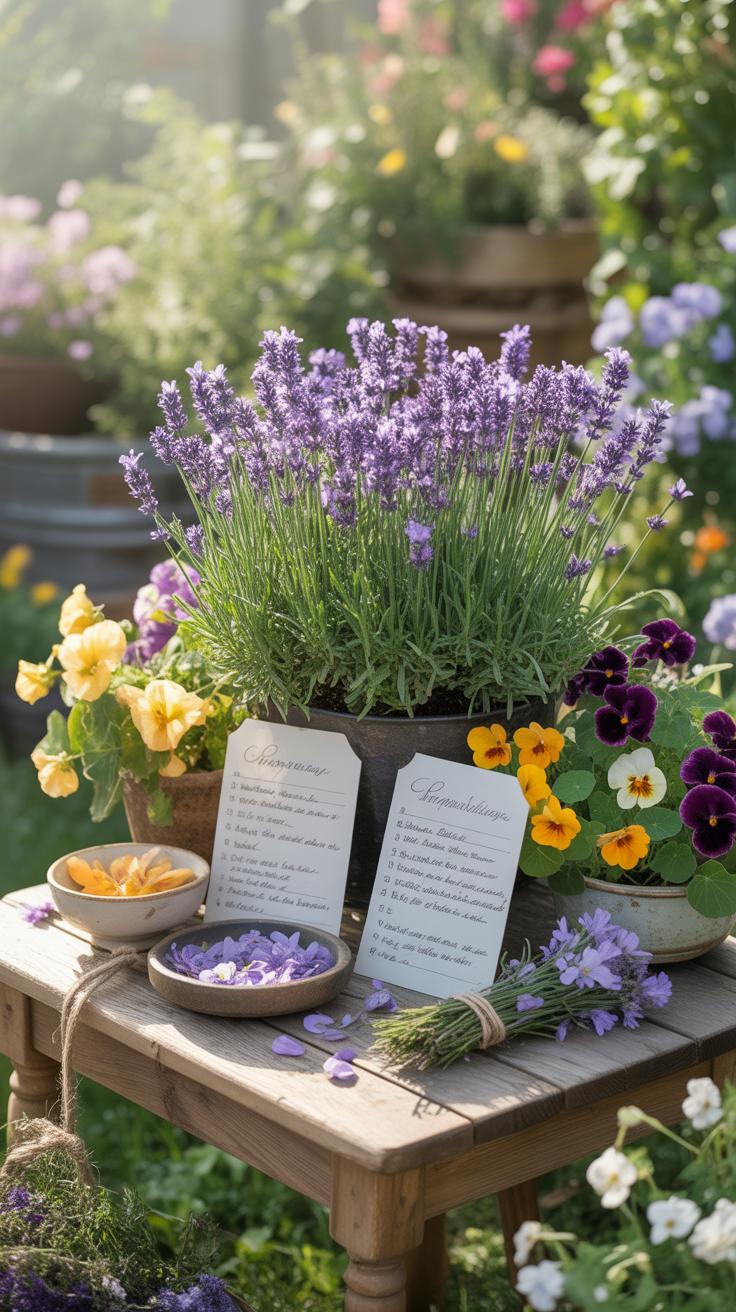
Lavender has a potent, camphor-like profile that easily overwhelms other ingredients. To balance this, pair it with flowers that offer distinct contrast. Roses provide a soft floral depth that softens the sharp notes of lavender. Violas and pansies contribute a mild wintergreen or grassy flavor. These combinations prevent a single flower from dominating the palate. Use fresh blooms to ensure the strongest flavor profiles in your dishes.
Citrus-scented blooms like marigolds and nasturtiums work well with lavender in savory applications. Nasturtiums provide a peppery kick that cuts through the floral perfume of English lavender. Calendula adds a saffron-like hue and subtle bitterness to the mix. Borage offers a cooling cucumber taste that balances the warmth of dried lavender buds. Always verify the plant species before consumption to ensure they are safe for culinary use.
How To Create A Simple Edible Flower Salad Featuring Garden Lavender
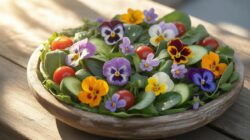
Construct a base of neutral greens like butter lettuce to support the intense floral notes. Scatter culinary lavender sparingly over the leaves. Add rose petals and nasturtiums for color and flavor variety. The lavender provides the primary aroma while other blooms add texture and visual appeal. Avoid using too much lavender as it can make the salad taste like soap. Keep the ratios balanced for the best results.
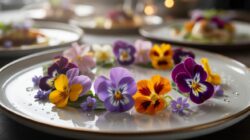
Dress the salad with a simple vinaigrette made of lemon juice and light oil. Acid helps break down the oils in the lavender and releases its flavor. Avoid heavy creamy dressings that coat the flowers and mask their delicate taste. Toss the salad gently just before serving to prevent the petals from wilting. This technique ensures the flowers remain crisp and vibrant on the plate. Use only organic flowers grown without chemical pesticides.
Edible Lavender Recipes For Savory Dishes You May Not Have Considered
Lavender As A Savory Herb: Rubs, Marinades, And Compound Butters
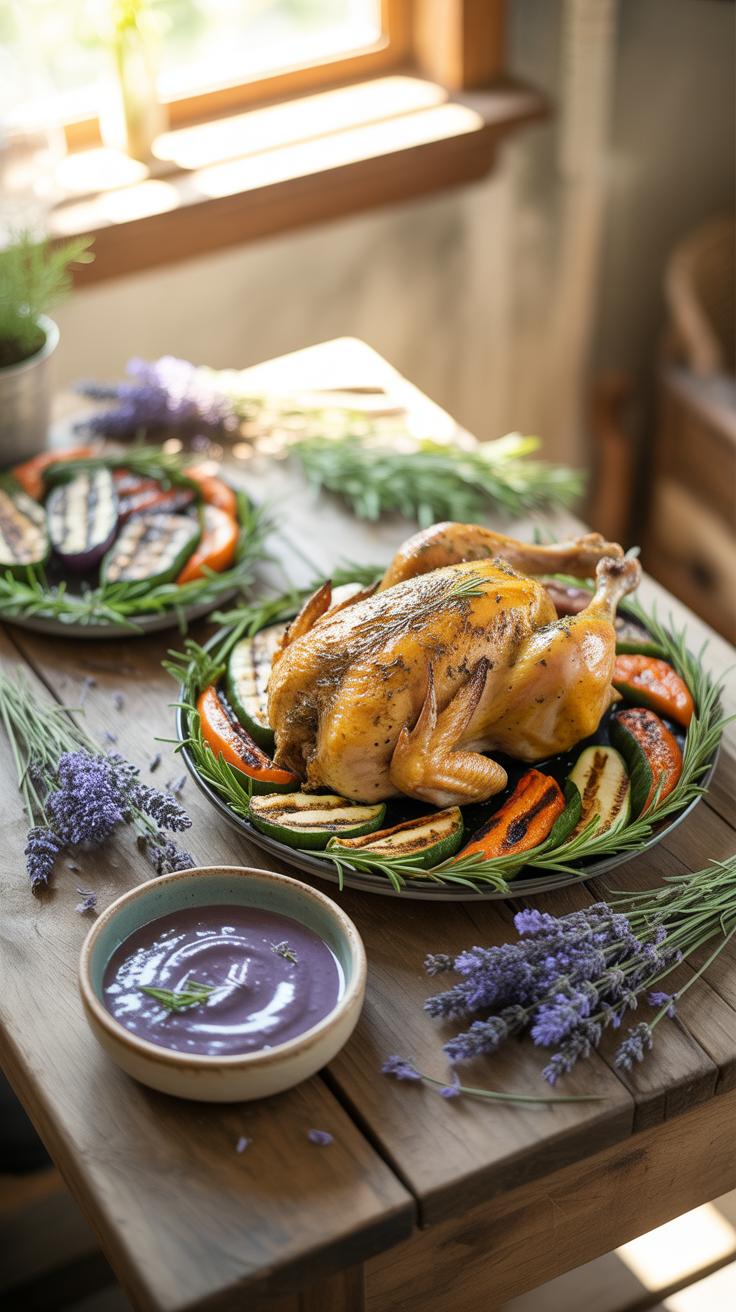
Lavender belongs to the mint family. This makes it a natural partner for fatty meats like lamb and duck. You must use Lavandula angustifolia for the best results. It has less camphor than other varieties. Grind dried buds with black pepper, kosher salt, and thyme to create a powerful dry rub. This mixture breaks down tough proteins while adding a clean scent.
Compound butter offers a high return on effort. Fold minced fresh lavender and minced garlic into softened unsalted butter. Wrap the mixture in parchment paper and chill until firm. Add a slice to grilled steaks or roasted chicken immediately after cooking. The residual heat releases the oils. This technique mimics French culinary traditions where lavender often appears in Herbs de Provence blends for savory Balance.
Lavender Infused Olive Oil And Vinegar For Everyday Cooking
Infusing oils and vinegars extends the life of your harvest. Use high-quality extra virgin olive oil as your base. Warm the oil slightly to about one hundred degrees Fahrenheit before adding dried lavender. Do not boil the oil or you will ruin the flavor profile. This infusion works well for roasting root vegetables like carrots and potatoes. It adds a sophisticated edge to simple sheet pan dinners.
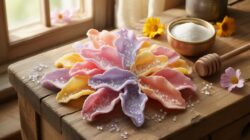
Vinegar infusions require a different approach. Use white wine vinegar or apple cider vinegar for the best chemical reaction. Place dried lavender buds in a glass jar and cover with room temperature vinegar. Let it sit in a dark place for two weeks then strain. This liquid serves as a sharp base for salad dressings. It cuts through heavy fats and cleanses the palate during multi-course meals.
Frequently Asked Questions

Can I use any type of lavender from my garden for cooking?
While most varieties are safe, English lavender (Lavandula angustifolia) is the best choice for these lavender recipes from the garden because it has a sweet, delicate flavor. Avoid using French or Spanish varieties in large quantities, as they contain higher levels of camphor and can taste soapy or medicinal. Always ensure your plants are grown organically and remain free from chemical pesticides before incorporating them into your favorite dishes or drinks.
How do I properly harvest and dry lavender for use in recipes?
To get the best results, harvest your lavender just as the lowest buds on the stem begin to open. Cut the stems in the morning after the dew has evaporated but before the sun is too hot. Tie them in small bunches and hang them upside down in a cool, dark place with good airflow. Once fully dry, your lavender recipes from the garden will benefit from the concentrated floral oils and vibrant aroma.
Is it expensive to start making my own lavender-infused products at home?
Not at all! Making your own infusions is incredibly budget-friendly because many recipes require only a few blossoms and basic pantry staples like sugar, honey, or olive oil. Growing a single plant is an affordable investment that provides a continuous harvest for years. By using these simple lavender recipes from the garden, you can create high-quality syrups, salts, and sachets for a fraction of the price of store-bought specialty items.