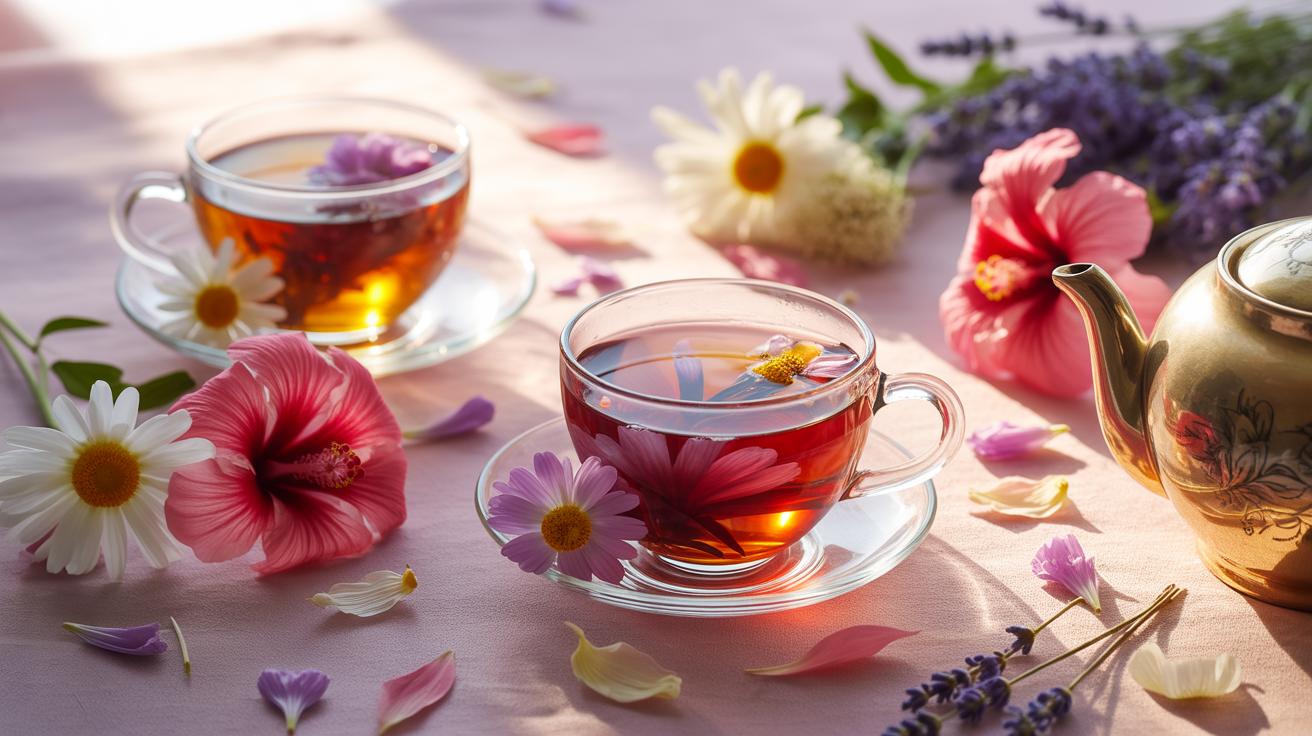
What Are Flower Infused Teas And Why Are They Perfect For Special Occasions
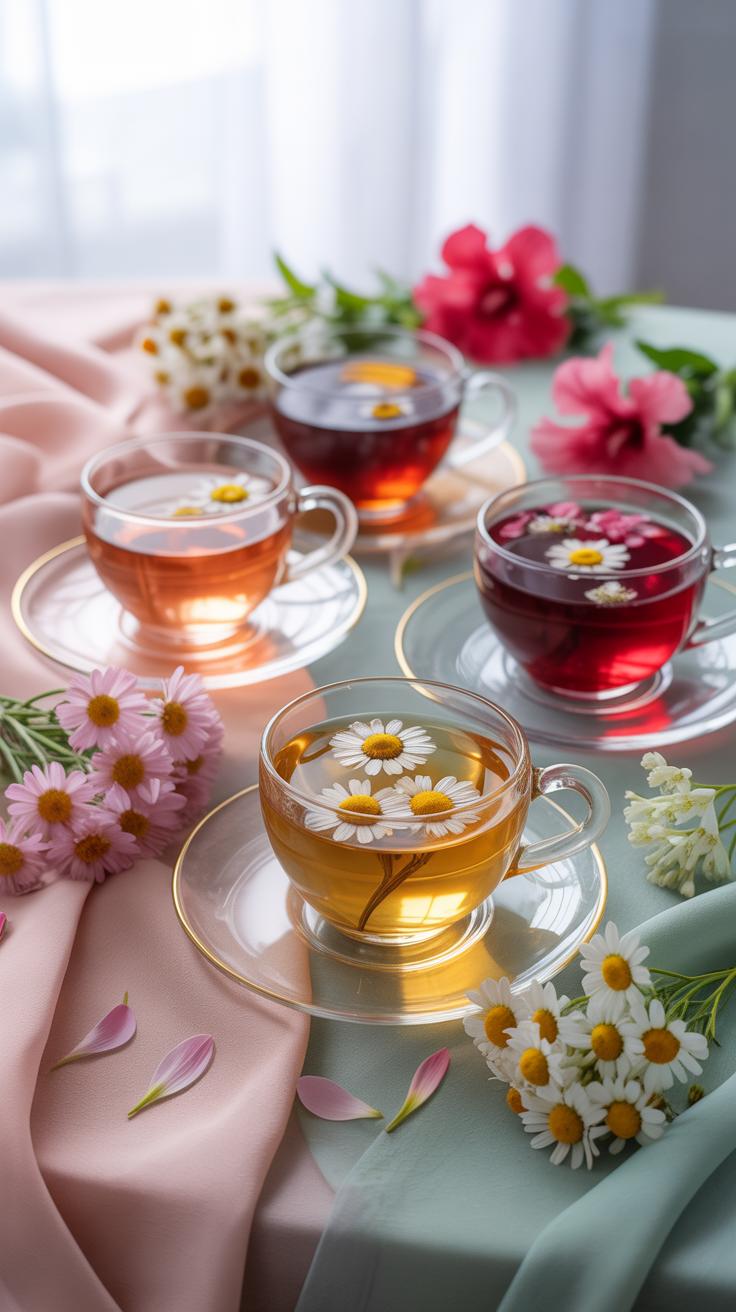
Understanding The Art Of Flower Tea And Its Historical Roots
Flower infused teas combine dried botanicals with Camellia sinensis leaves or serve as standalone herbal tisanes. This practice dates back to the Song Dynasty in China. Back then, processors used jasmine flowers to scent green tea for the imperial court. This method required precise layering to transfer essential oils from petals to tea leaves. It was a technical process used to enhance flavor profiles.
The Tang Dynasty also documented floral infusions for medicinal and social purposes. In the Middle East, rose water and dried buds became staples for hospitality. These cultures used flowers to signal status and respect during formal gatherings. Today, producers use modern dehydration techniques to preserve floral integrity. Understanding these roots helps you select authentic blends. Focus on traditional pairings like jasmine, rose, and chrysanthemum for historical accuracy.
Why Floral Aromas And Visual Appeal Make Tea Infusion A Celebration Centerpiece
Floral infusions target the sensory experience of a guest immediately. The scent hits the olfactory system before the first sip. This creates a psychological shift in the room. Aromatic compounds like linalool in lavender or geraniol in roses promote relaxation. You use these teas to set a specific mood for an event. High quality flower teas turn a simple drink into a functional tool for guest comfort.
Visual appeal provides the tactical advantage of a live display. Many flower teas, like blooming jasmine or butterfly pea flower, change color or shape when hitting hot water. This creates an active performance at the table. You do not need expensive decor when the beverage serves as the focal point. Guests value the transparency of seeing whole ingredients in their cups. It proves quality and adds a layer of sophistication to the service.
The Most Popular Edible Flowers Used In Herbal Teas For Festive Blends
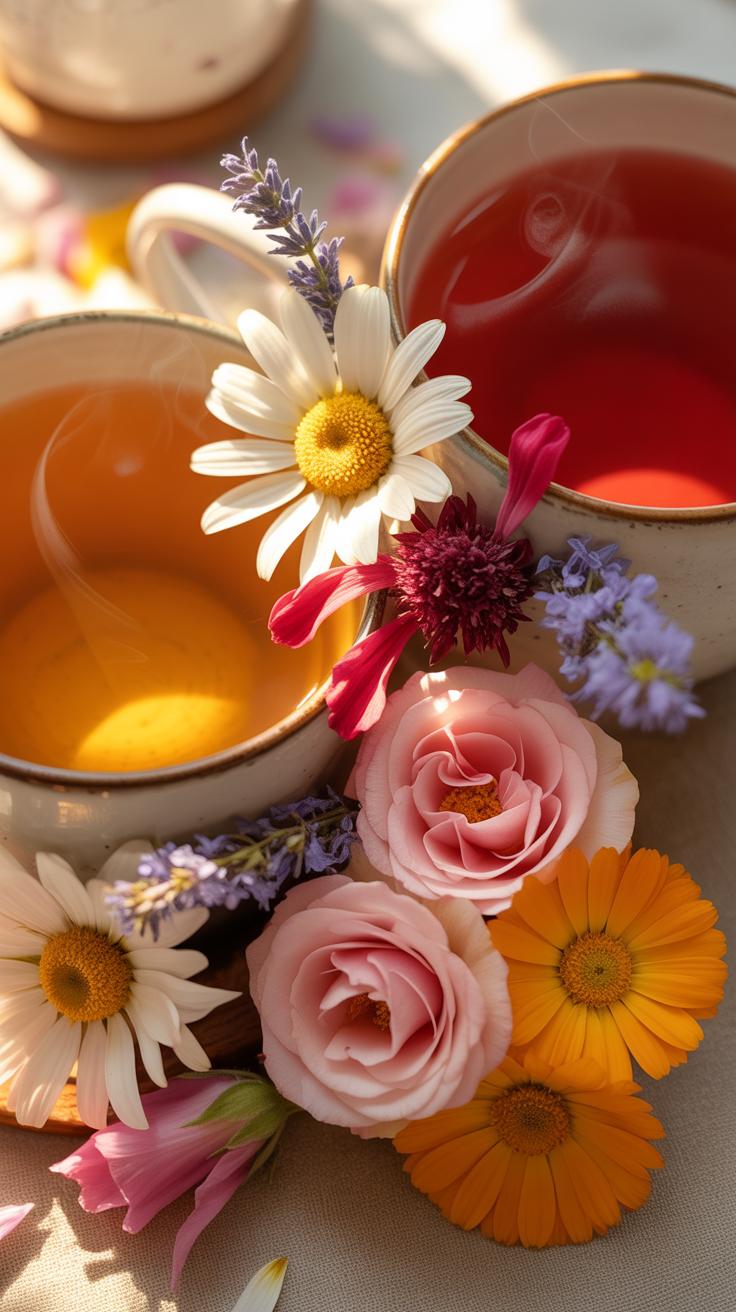
Lavender, Rose, And Hibiscus: Classic Tea Flower Choices With Proven Flavor Profiles
Rose and hibiscus serve as the backbone for most festive flower infused teas. Hibiscus provides a sharp tartness and deep red color. This makes it a primary choice for punch style blends. Rose petals offer a subtle floral scent and mild sweetness. These flowers have high tannin compatibility. They blend well with black or green tea bases without overpowering the natural tea leaf flavor.
Lavender requires precise dosing due to its high camphor content. Too much lavender makes a drink taste like soap. Small amounts add a distinct herbal note that cuts through heavy holiday foods. These three flowers dominate the market because they dry well and retain their color. They provide visual appeal in clear glass tea pots. This makes them highly effective for service at special events.
To brew a tea infused with flowers is to capture the fleeting memory of a garden in a single, celebratory cup. Steep your special moments in the fragrance of a blooming petal.
Lesser Known Edible Blooms Like Chamomile, Elderflower, And Calendula Worth Exploring
Chamomile and elderflower offer different functional profiles for event planning. Chamomile provides a heavy apple like aroma and serves a calming purpose. It works best in late evening blends. Elderflower adds a creamy and honey like scent to a brew. It was a staple in Victorian era cordials and remains popular in modern high end tea service. These flowers provide a sophisticated flavor without the sharpness of hibiscus.
Calendula functions mainly as a visual enhancer in tea blends. It has a very mild bitter taste that most drinkers do not notice. Its bright orange petals stay intact in boiling water. This adds significant aesthetic value to loose leaf displays. Use these blooms to differentiate a tea menu from standard offerings. They provide a unique experience for guests who are tired of basic rose or peppermint blends.
How To Craft Your Own Tea Blends Recipes Using Fresh And Dried Flowers
Selecting And Sourcing Food Safe Flowers For Your Homemade Tea Blends Recipes
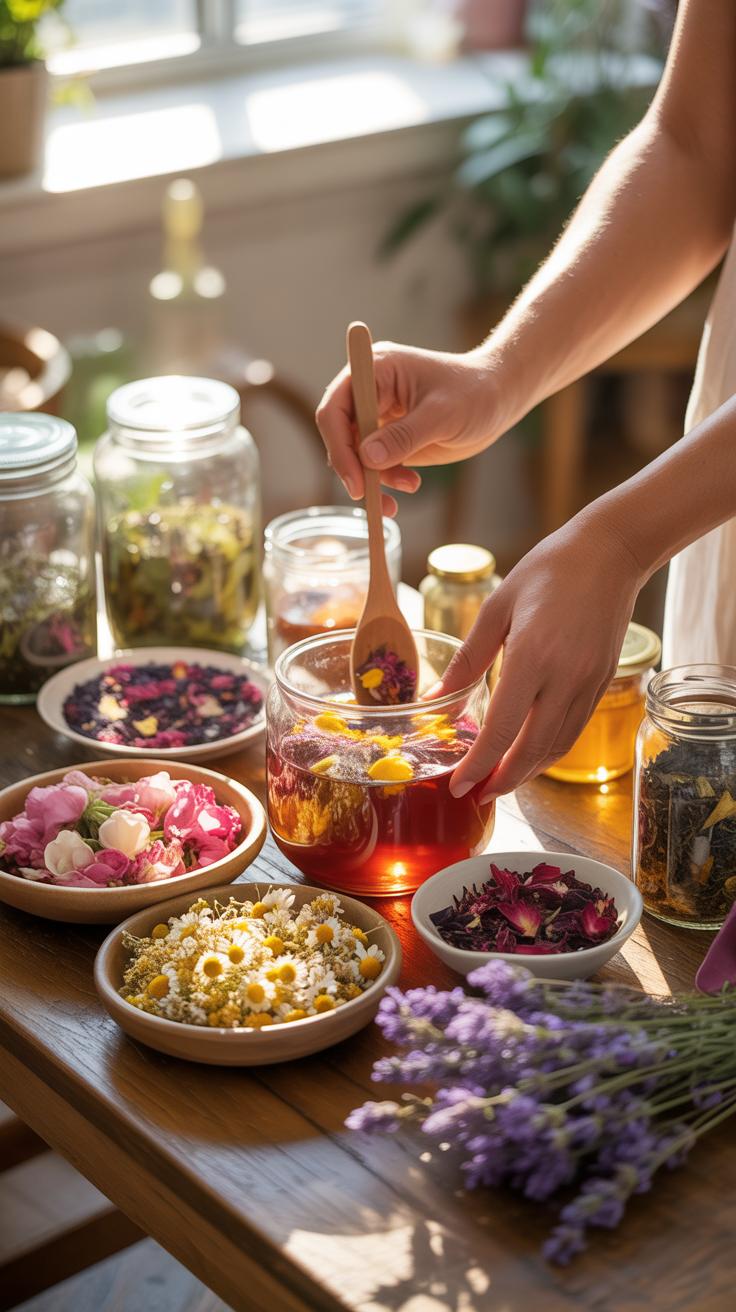
Sourcing flowers requires strict adherence to safety standards. Only use botanical species labeled for human consumption. Avoid flowers from commercial florists or nurseries. These businesses often use systemic pesticides and chemical fertilizers. These substances are toxic when ingested or steeped in hot water. Identify the exact scientific name of any plant before use to ensure it lacks natural alkaloids or irritants.
Freshness determines the concentration of essential oils in your blend. Harvest flowers in the early morning after the dew dries but before the sun is at its peak. This timing preserves the highest volatile oil content. If buying dried stock, verify the source is organic and culinary grade. High quality flowers retain their natural color. Dull or brown petals indicate age or poor storage which reduces flavor impact.
Step By Step Guide To Drying, Measuring, And Blending Flowers For The Perfect Cup
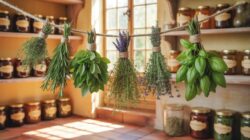
Proper processing converts raw botanicals into stable tea components. You must dry fresh flowers completely to prevent mold during storage. Use a dehydrator on the lowest heat setting or hang bundles in a dark area with high airflow. Moisture ruins the shelf life of any blend. Once dry, handle the petals gently. Rough handling breaks down the cell walls and causes the aroma to dissipate prematurely.
- Moisture Removal: Arrange petals in a single layer on a screen. Keep them out of direct sunlight to prevent bleaching and oil loss. Ensure they are brittle to the touch before moving to storage.
- Ratios and Scale: Use a digital scale for consistency. A standard starting ratio is two parts tea base to one part flower. This balance prevents the floral notes from overpowering the primary tea leaves during the steeping process.
- Batch Mixing: Combine ingredients in a large glass bowl. Toss them by hand or with a sterile wooden spoon. Avoid metal tools that might react with the plant tannins and alter the intended flavor profile.
- Curing Time: Store the mixture in an airtight glass jar for forty eight hours before drinking. This rest period allows the natural oils of the flowers to permeate the tea leaves for a more cohesive taste.
- Storage Standards: Keep finished blends in a cool and dark pantry. Light and heat are the primary enemies of tea quality. Use opaque containers or dark glass to extend the potency of your homemade floral infusions.
Measuring by weight is more accurate than measuring by volume. Petals vary in density and size. A gram of lavender occupies much less space than a gram of whole hibiscus calyxes. Consistent weighing ensures every cup tastes the same. Record your exact measurements in a log. This data allows you to replicate successful blends and troubleshoot batches that do not meet your quality expectations.
Elegant Tea Drink Recipes Featuring Flowers For Weddings And Bridal Showers
Rose And Jasmine Iced Tea Drink Recipes That Impress Wedding Guests
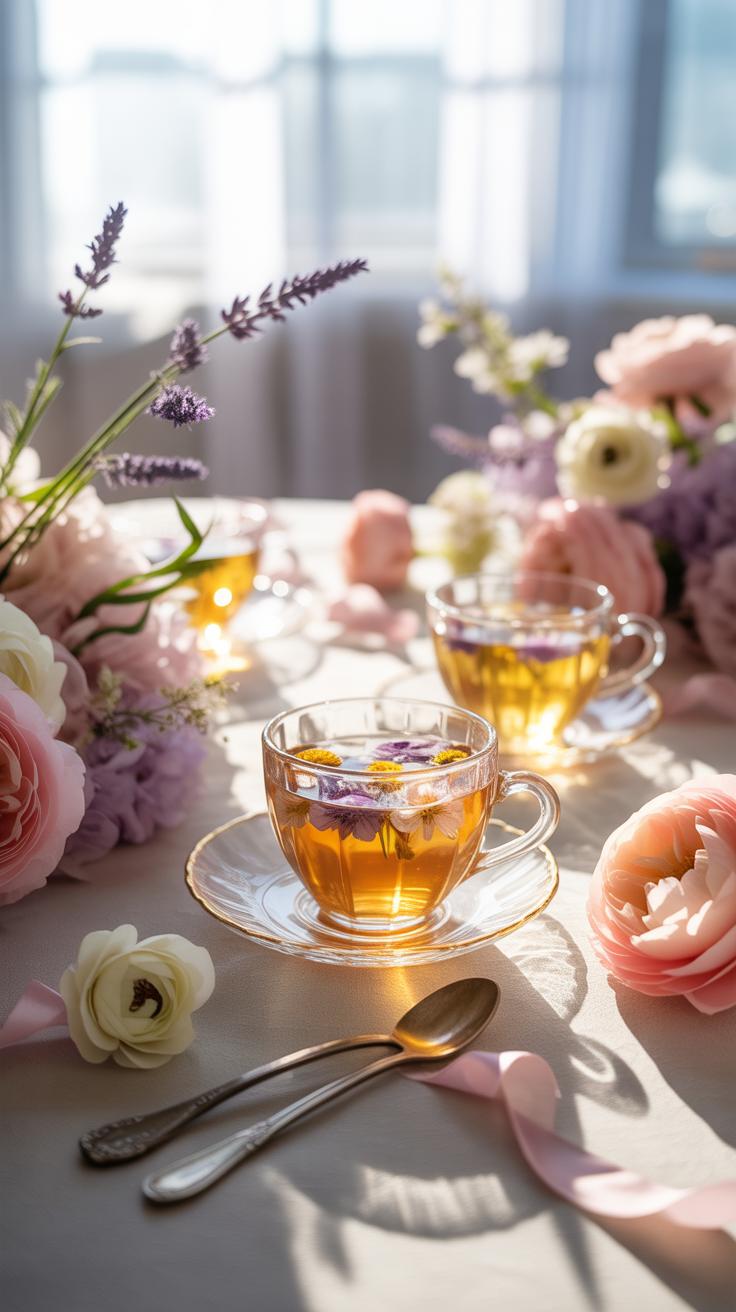
Professional caterers use rose and jasmine to satisfy large crowds. These flowers provide a high-end profile without clashing with food. Brew a strong base of silver needle white tea or light green tea. High heat ruins jasmine petals and creates bitterness. Steep at 175 degrees Fahrenheit for three minutes. This extraction method preserves the delicate scents and ensures a crisp finish for guests.
Serve the tea over large ice blocks to prevent dilution during long receptions. Add dried culinary rosebuds after the tea cools to maintain their color. For jasmine, use a cold-brew method for twelve hours to get a deeper flavor profile. This approach reduces tannins and keeps the drink refreshing. Avoid using sugary syrups. Use a small amount of honey to balance the natural floral astringency.
Lavender Lemon Sparkling Floral Tea: A Bridal Shower Showstopper
Lavender and lemon create a sharp and clean flavor profile for morning events. Use English lavender varieties like Munstead or Hidcote for the best culinary results. These types have less camphor and taste better in drinks. Steep the dried buds in hot water for five minutes to create a concentrated floral base. This concentrate serves as the foundation for the final sparkling beverage.
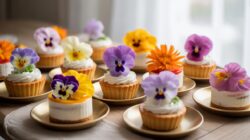
Combine the lavender concentrate with fresh lemon juice and chilled carbonated water. Use a ratio of one part concentrate to three parts sparkling water. This ensures the lavender does not overwhelm the palate. Garnish each glass with a fresh sprig of lavender to provide an olfactory cue. The carbonation lifts the floral oils and carries the scent directly to the nose of the guest.
Healing Tea Blends That Double As Thoughtful Gifts For Special Milestones
Chamomile And Lemon Balm Healing Tea For Stress Relief During Life Transitions
Chamomile contains apigenin. This compound binds to benzodiazepine receptors in the brain. It reduces anxiety and induces sleep. Lemon balm is a member of the mint family. Research shows it increases GABA levels in the central nervous system. Combining these two plants creates a drink that physically lowers stress. This blend serves as a functional tool for people facing major life changes.
Precision in sourcing matters. Use dried Matricaria chamomilla flowers for the best results. These provide a high concentration of essential oils. Add dried Melissa officinalis leaves to the mix. The ratio should favor chamomile by two to one. Steep this blend in water at 200 degrees Fahrenheit for seven minutes. Do not boil the delicate flowers. This method ensures maximum extraction of the calming chemical compounds.
Packaging And Presenting Healing Tea Blends As Personalized Occasion Gifts
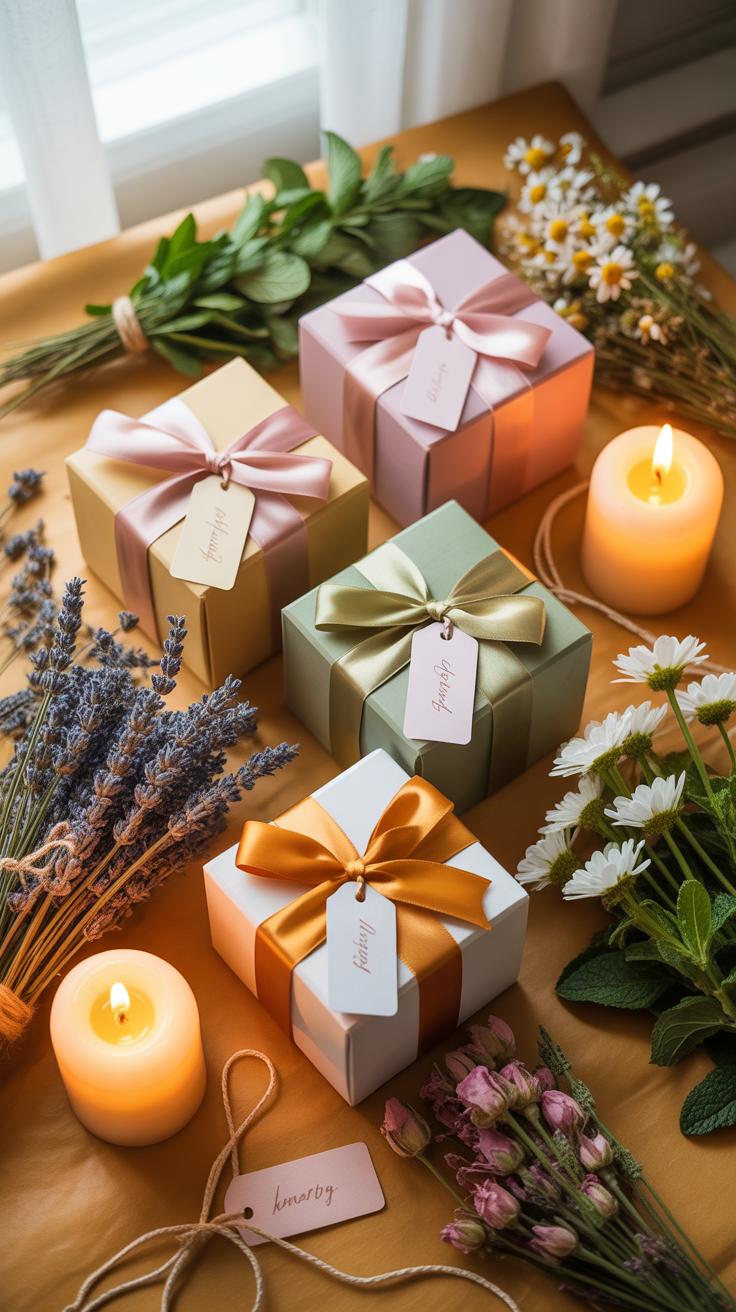
Effective packaging preserves the chemical integrity of the herbs. Ultraviolet light and oxygen degrade flower infused teas quickly. Use airtight amber glass jars or metal tins to block light. These materials prevent the oxidation of volatile oils. Proper storage ensures the recipient gets the full health benefits. Label each container with the specific harvest date and steeping instructions. This adds professional value to the gift.
Presentation should reflect the Bauhaus design principle of form following function. Use clean lines and high-quality paper labels. Avoid plastic bags that leach chemicals into the tea. Include a small stainless steel mesh infuser with the jar. This makes the gift immediately useful. High-quality packaging signals that the contents are a serious health tool. Proper sealing maintains the aroma and potency for up to twelve months.
Herbal Remedies Recipes Rooted In Floral Teas For Wellness Celebrations
The Science Behind Hibiscus And Elderflower As Herbal Remedies Recipes For Wellness
Hibiscus flowers contain high levels of organic acids and anthocyanins. These compounds give the tea its deep red color. Clinical studies show hibiscus acts as a natural diuretic. It also helps manage blood pressure by inhibiting ACE enzymes. This process relaxes blood vessels. Use dried calyces for the strongest chemical extraction. Keep water temperatures below boiling to protect sensitive antioxidants.
Elderflower offers distinct therapeutic properties. The blooms contain flavonoids and triterpenes that support the immune system. Historically, people used elderflower to treat respiratory issues and fever. The science confirms its diaphoretic effect. It promotes sweating to help cool the body during illness. Research also indicates mild anti-inflammatory benefits. Harvest the flowers in late spring for maximum potency. Dry them quickly to avoid browning.
Hosting A Wellness Themed Tea Ceremony With Floral Herbal Remedy Blends
A wellness tea ceremony focuses on biological benefits. Start by selecting flowers based on their active ingredients. Use clean, filtered water to avoid mineral interference with the plants. Serve the tea in glass vessels to show the natural colors. This visual element signals the presence of specific phytochemicals. Maintain a quiet environment to lower cortisol levels. High stress ruins the impact of herbal remedies.
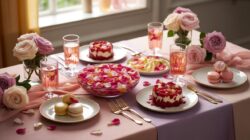
Control the steeping time precisely. Over-steeping releases bitter tannins that mask the floral benefits. Provide guests with small cards explaining the specific health properties of each blend. Use active verbs to describe how the tea works in the body. Limit sweeteners like honey to keep the glycemic index low. Professional ceremonies prioritize the chemical purity of the brew. This approach ensures guests receive the full physiological reward.
Tea Herbs That Pair Beautifully With Flowers For Complex And Balanced Blends
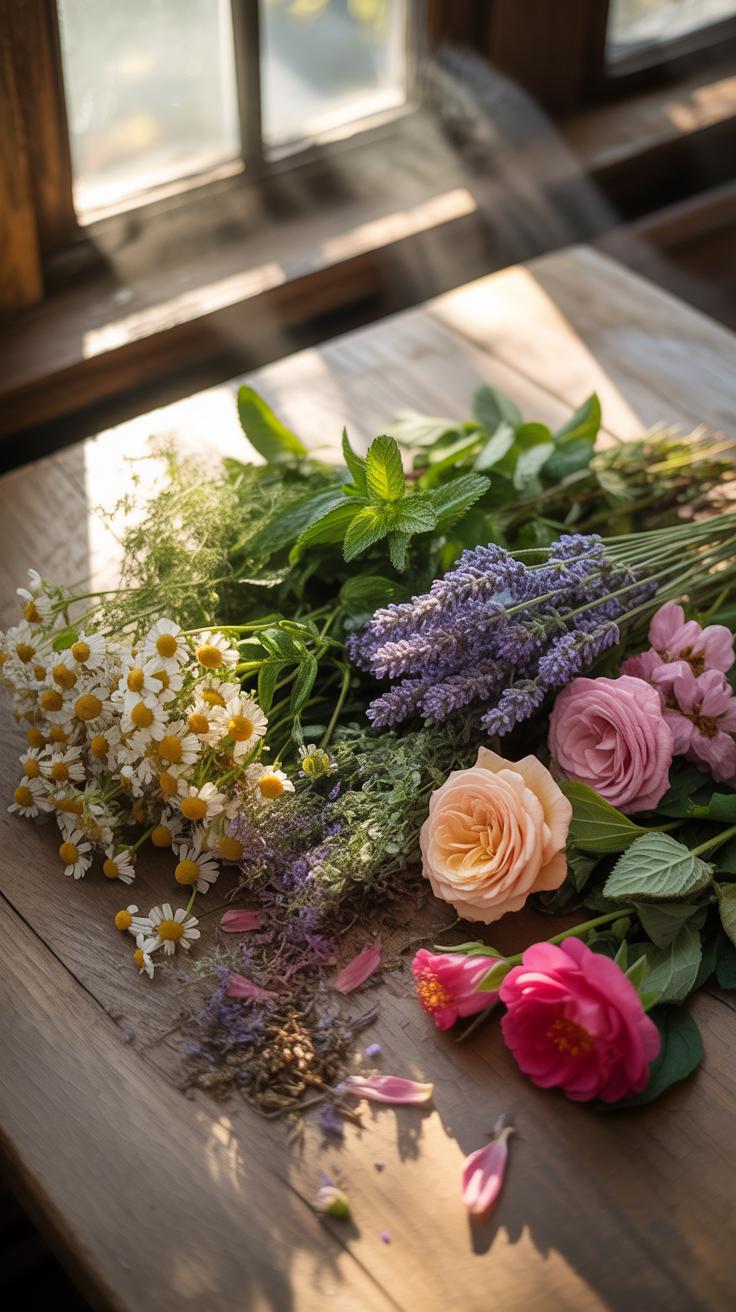
How Classic Tea Herbs Like Mint Lemongrass And Tulsi Complement Floral Notes
Mint and lemongrass provide a sharp contrast to soft floral notes. Peppermint contains menthol which cuts through the heavy sweetness of jasmine or rose. This interaction clears the palate and prevents the floral scent from becoming cloying. Lemongrass offers a citrus profile without the acidity of true lemons. It lifts the earthy undertones of dried hibiscus or lavender to create a brighter beverage.
Tulsi acts as a bridge between green tea leaves and delicate petals. This herb has a spicy and clove-like profile that stabilizes volatile floral oils. It adds body to thin infusions like chamomile. Using these herbs allows you to build a structured flavor profile. The herbs provide a solid base while the flowers provide the aromatic finish. This combination ensures the tea tastes as good as it smells.
Flavor Pairing Principles Balancing Sweet Earthy And Floral Tea Herbs In One Cup
Successful blending requires balancing three distinct flavor pillars. Sweet herbs like licorice root or stevia leaf enhance the natural sugars in rosebuds. Earthy herbs like stinging nettle or raspberry leaf provide a grounded foundation. These heavy notes prevent the high floral scents from floating away. You must measure proportions carefully to avoid one element dominating the others. A balanced cup hits every part of the tongue.
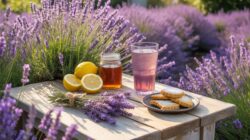
Floral notes are often delicate and easily overwhelmed. Research shows that earthy herbs should make up the bulk of the dry weight. Use flowers as the accent or top note to maintain clarity. For example, pair earthy rooibos with lavender to create depth. This method ensures the tea feels complete and professional. Proper balancing creates a functional drink that appeals to many different tastes at special events.
Seasonal Flower Infused Herbal Teas Tailored To Holiday And Festive Gatherings
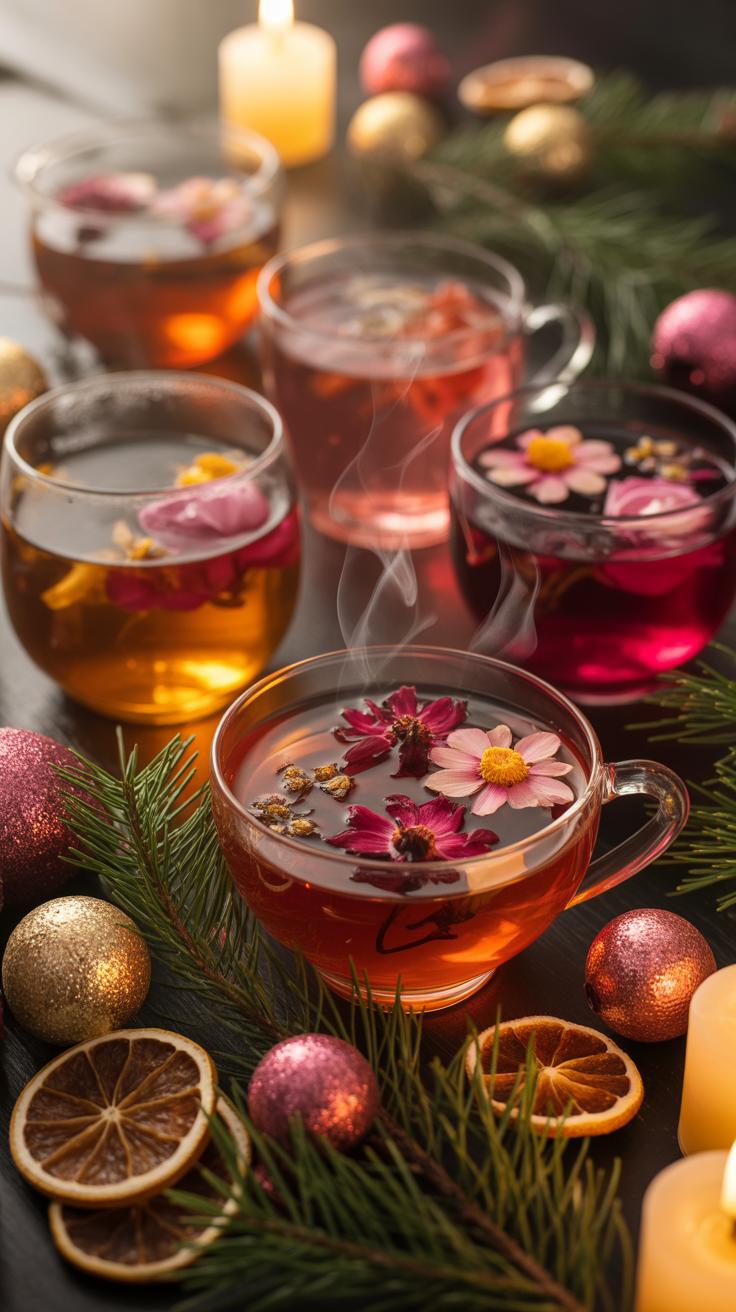
Spring And Summer Floral Herbal Teas Perfect For Garden Parties And Outdoor Events
Spring events require light infusions that utilize fresh floral profiles. Use chamomile and elderflower to create crisp flavor bases. These flowers contain natural oils that release quickly in hot water. Stop the brewing process after three minutes to avoid bitter tannins. Serve these teas over ice for outdoor gatherings. This method preserves the delicate aromatic compounds and keeps the beverage refreshing.
Summer tea strategies focus on hydration and heat management. Hibiscus and rose petals provide tartness and cooling properties. Use the cold brew method for these tougher floral elements. Submerge the dried flowers in room temperature water for six hours. This technique extracts deep pigments without the astringency of high heat. It creates a vibrant visual presentation that suits modern garden party aesthetics and tastes.
Warming Autumn And Winter Herbal Teas With Dried Flowers For Cozy Celebrations
Cold weather gatherings demand robust infusions with heavy aromatic profiles. Dried flowers like osmanthus and lavender hold their flavor against strong spices. You must pair these florals with woody bases to sustain heat during service. Use boiling water to break down the dense cell walls of dried buds. This ensures the tea maintains its chemical potency and warmth when served in large ceramic vessels.
- Osmanthus: These small yellow flowers provide a natural apricot scent and creamy mouthfeel. They withstand high temperatures without turning sour. Use them in late autumn gatherings to complement stone fruit desserts or savory nutty snacks.
- Lavender: This flower yields a strong camphor note that cuts through heavy holiday meals. Use English lavender varieties for culinary safety and better flavor. Limit steeping time to prevent a soapy aftertaste in the final brew.
- Calendula: Known as the poor man’s saffron, these petals add a bright gold hue to winter cups. They provide a mild earthy flavor that grounds lighter herbal blends. They serve as a vital visual substitute for fresh summer blooms.
- Dried Jasmine: High quality jasmine pearls release intense floral oils when exposed to sustained heat. This flower aids digestion after large festive dinners. Ensure the water stays below the boiling point to protect the delicate white flower scent.
- Chrysanthemum: Common in East Asian lunar celebrations, these flowers offer a cooling counterpoint to spicy winter foods. The petals expand in water to create a striking visual centerpiece. Choose grade-A dried heads for the best flavor extraction.
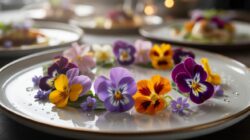
Control the infusion strength by measuring flower weight rather than volume. Dried flowers lose mass but retain concentrated oils. Use precise ratios of one gram of floral material per one hundred milliliters of water. This technical approach ensures consistency across large batches for holiday crowds. Always store your dried floral inventory in airtight glass containers away from direct light to prevent oxidation before the event.
How To Set Up A Stunning Flower Tea Bar For Parties And Social Gatherings
Essential Tools, Vessels, And Accessories For A Beautiful Flower Tea Infusion Station
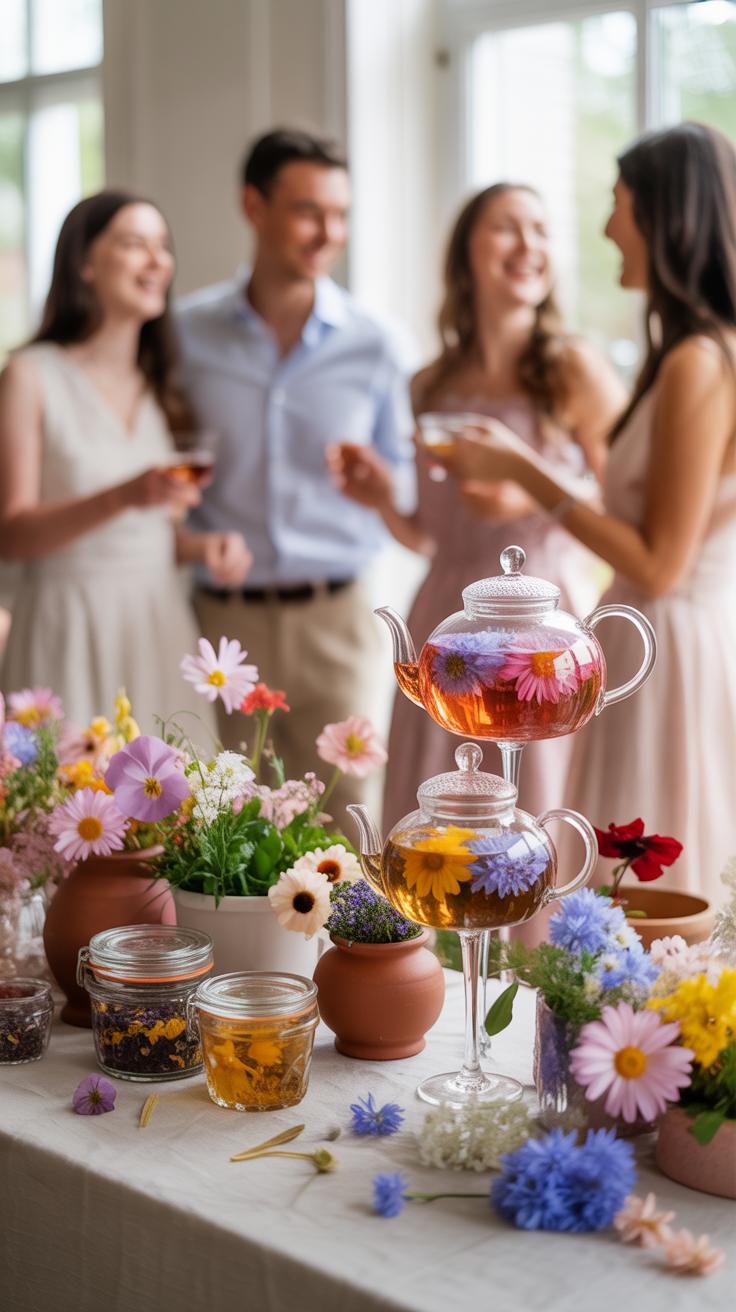
Select clear borosilicate glass teapots to showcase the visual expansion of the flowers. This material handles high heat and allows guests to see the infusion process. Use glass warmers with tea lights to maintain a constant temperature of 175 to 190 degrees Fahrenheit. Proper heat management prevents the tea from turning bitter. Presentation requires transparency so guests can identify the floral structures during the steeping cycle.
Source precision bamboo tongs and stainless steel strainers for clean service. Bamboo tools prevent metallic taste interference during delicate floral brewing. Set out individual glass cups to maintain the visual theme across the station. Use tiered slate or wood risers to create different levels for jars. This layout improves guest flow and prevents crowding. Small digital timers help guests avoid over-steeping sensitive blossoms like jasmine or hibiscus.
Curating A Self Serve Floral Tea Menu That Suits Diverse Guest Preferences
Offer a range of flavor profiles to accommodate different palates. Include at least one caffeine-free herbal option like dried chamomile or butterfly pea flower. Provide a light caffeinated base such as silver needle white tea to pair with rosebuds. This variety ensures that every guest finds a suitable drink. Categorize the menu by effect or flavor intensity. Use simple labels to describe the taste as sweet, tart, or earthy.
Balance the menu with functional ingredients like dried lavender for relaxation or hibiscus for a tart profile. Offer honey and lemon slices as natural enhancers. Avoid heavy syrups that mask the natural floral volatiles. Keep the botanical components visible in sealed glass jars to preserve freshness and aroma. Proper storage prevents the delicate oils in the flowers from oxidizing before the event. Clear signage helps guests navigate the brewing instructions for each specific bloom.
Food Pairings And Presentation Tips To Elevate Your Flower Infused Tea Experience
Light Bites And Desserts That Harmonize With Floral Tea Flavors At Special Events
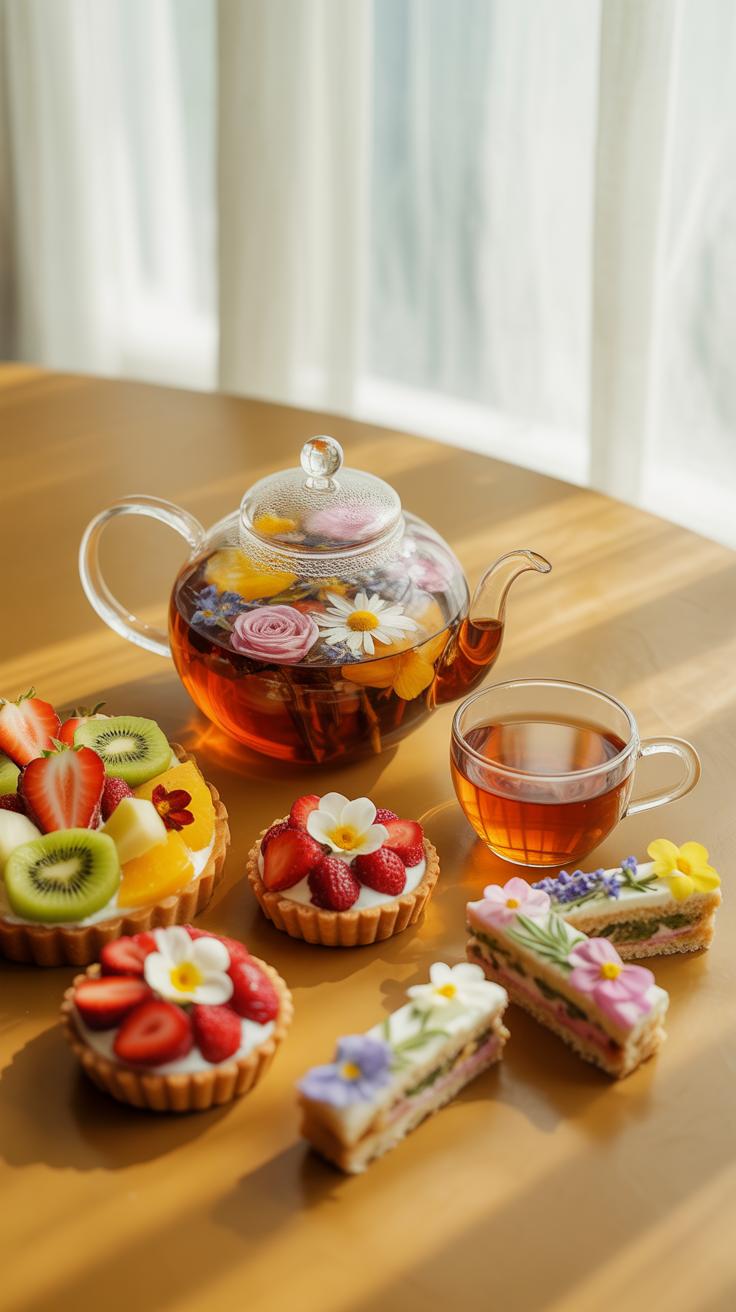
Pairing food with flower infused teas requires balancing sweetness and acidity. Delicate blossoms like jasmine and chamomile fail when matched with heavy fats or spices. Choose shortbread or almond cakes for these light infusions. The dry texture of buttery biscuits clears the palate between sips. This allow the subtle oils from the flowers to remain prominent. Avoid dark chocolate as it masks the floral notes.
More robust floral teas like hibiscus or rose demand sour and creamy profiles. Goat cheese tartlets or lemon curd tarts provide the necessary contrast. The acid in citrus cuts through the tannins in rose petals. For hibiscus, use savory snacks like salt-crusted nuts. Salt reduces the perception of bitterness. This strategy ensures the tea serves as a functional beverage rather than just a flavored water.
Styling And Garnishing Your Floral Tea Service For An Instagrammable Occasion Spread
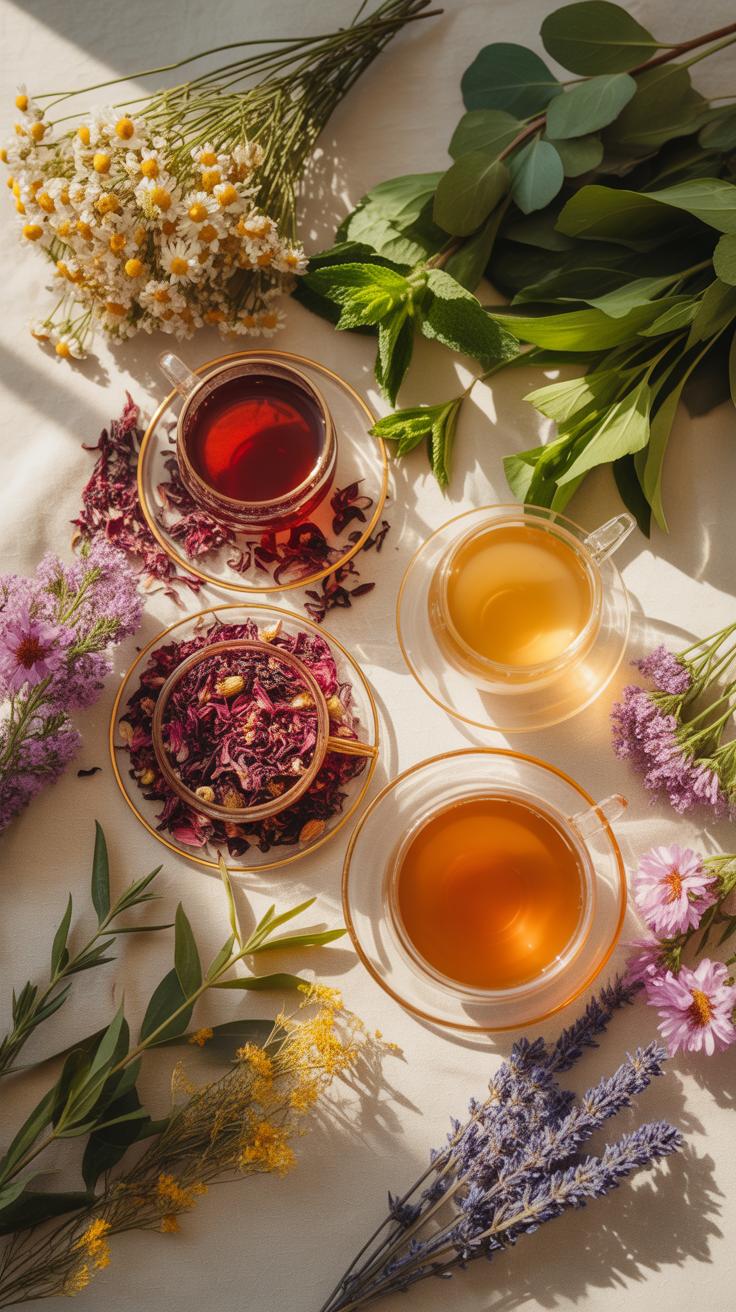
Visual presentation relies on high-quality materials and color theory. Use borosilicate glass teapots to showcase the expansion of dried blooms. This material withstands high temperatures while remaining perfectly clear. Place white linen tablecloths underneath to make the natural pigments of the tea pop. Contrast deep red hibiscus tea with gold-rimmed porcelain. Minimalist aesthetics focus the eye on the tea itself rather than the table clutter.
Effective garnishing uses the same botanicals found in the infusion. Do not use random greenery. If you serve lavender tea, place a single dried lavender sprig on the saucer. This alerts the guest to the flavor profile before they taste it. Use stainless steel or glass stirrers to maintain a clean look. Avoid wooden sticks which leach flavors into the beverage. Keep the layout geometric and organized for a professional look.
Frequently Asked Questions

What exactly are flower infused teas and are they safe to drink?
Flower infused teas are delightful beverages created by steeping edible blossoms like lavender, hibiscus, or rose buds in hot water, often blended with traditional tea leaves. They are generally safe and health-conscious choices, provided you ensure the flowers are culinary-grade and free from pesticides. These botanicals add a sophisticated floral aroma and natural sweetness to your special occasion, making every guest feel pampered and refreshed.
How do I brew the perfect cup of flower infused tea for a party?
To master flower infused teas, start by choosing a high-quality base like white or green tea. Use water just below boiling to avoid scorching the delicate petals. Steep about one tablespoon of dried edible flowers per teapot for three to five minutes. For a stunning visual impact at your event, consider using a clear glass teapot so guests can watch the colorful blossoms unfurl and dance as they release their essence.
Can I make these elegant floral teas using ingredients from a grocery store?
Absolutely! You don’t need an expensive specialty shop to enjoy these brews. Many local grocery stores stock dried chamomile, hibiscus, and even culinary lavender in the spice or organic tea aisles. Simply look for products labeled as food-grade to ensure they are safe for consumption. Mixing these affordable pantry staples with your favorite loose-leaf tea is a budget-friendly way to create a luxurious and memorable drink menu for any celebration.