
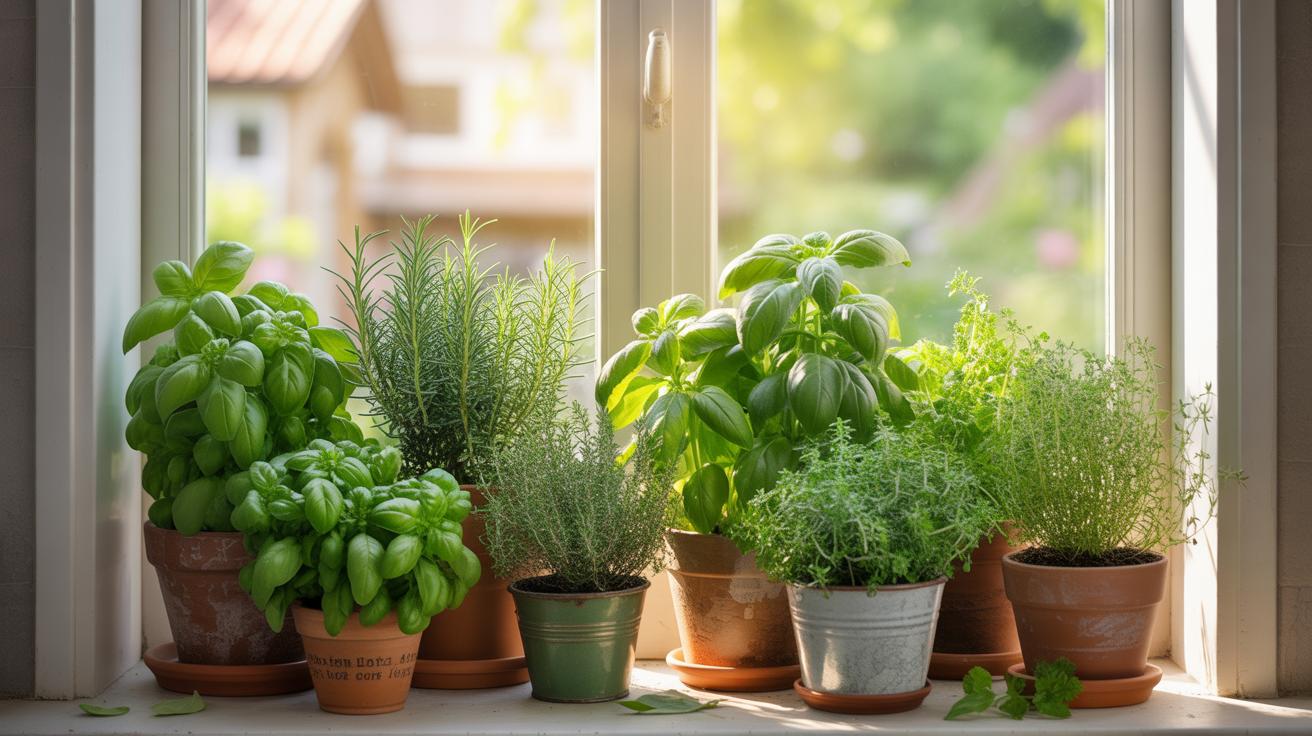
Why Herbs To Grow For Cooking Belong In Every Home Garden
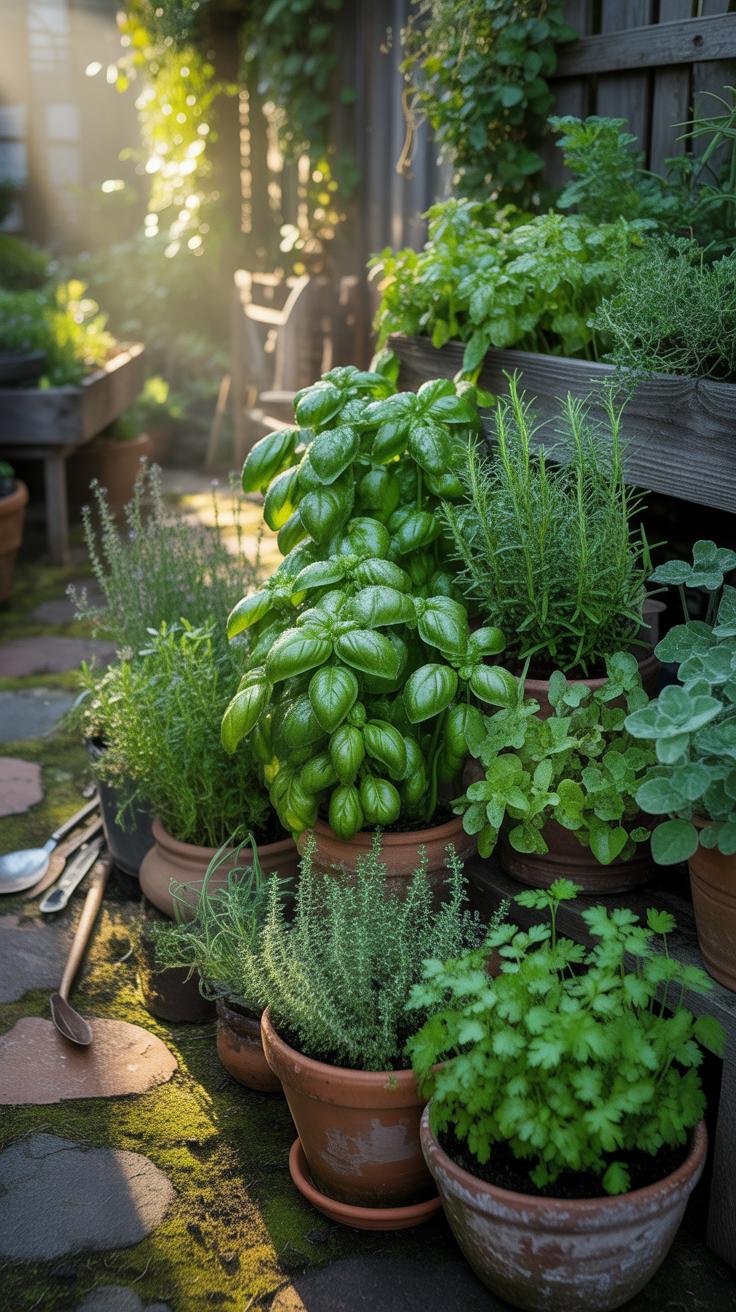
The Real Benefits Of Growing Your Own Culinary Herbs At Home
Growing your own herbs provides an immediate supply of fresh ingredients. You stop paying high retail prices for plastic containers of wilted greens. Most culinary herbs require very little space or specialized gear. You can grow them in small pots on a windowsill or in a backyard plot. This accessibility makes them the most efficient entry point for home food production.
Homegrown herbs offer better quality than store-bought options. Commercial herbs often travel long distances before reaching shelves. This travel time causes essential oils to evaporate and nutrients to break down. When you harvest from your garden, you capture the peak potency of the plant. This control ensures your ingredients are free from synthetic pesticides and commercial cooling waxes used in shipping.
How Homegrown Herbs Elevate The Flavor And Nutrition Of Your Meals
Fresh herbs contain volatile oils that provide intense aroma and taste. These oils dissipate rapidly once a plant is cut. By harvesting seconds before use, you maximize the chemical compounds responsible for flavor. This intensity allows you to use less salt and fat in your cooking. Professional chefs prioritize fresh herbs because they provide a brightness that dried or aged versions cannot replicate.
Culinary herbs also provide concentrated doses of antioxidants and vitamins. Basil and parsley offer high levels of Vitamin K and Vitamin C. Oregano and rosemary contain polyphenols that help fight inflammation. These nutritional benefits stay intact when the plant remains alive until consumption. Adding these fresh greens to your daily diet supports long-term health through simple, bioavailable nutrients found in the leaves.

How To Plan A Productive Herb Garden From The Ground Up
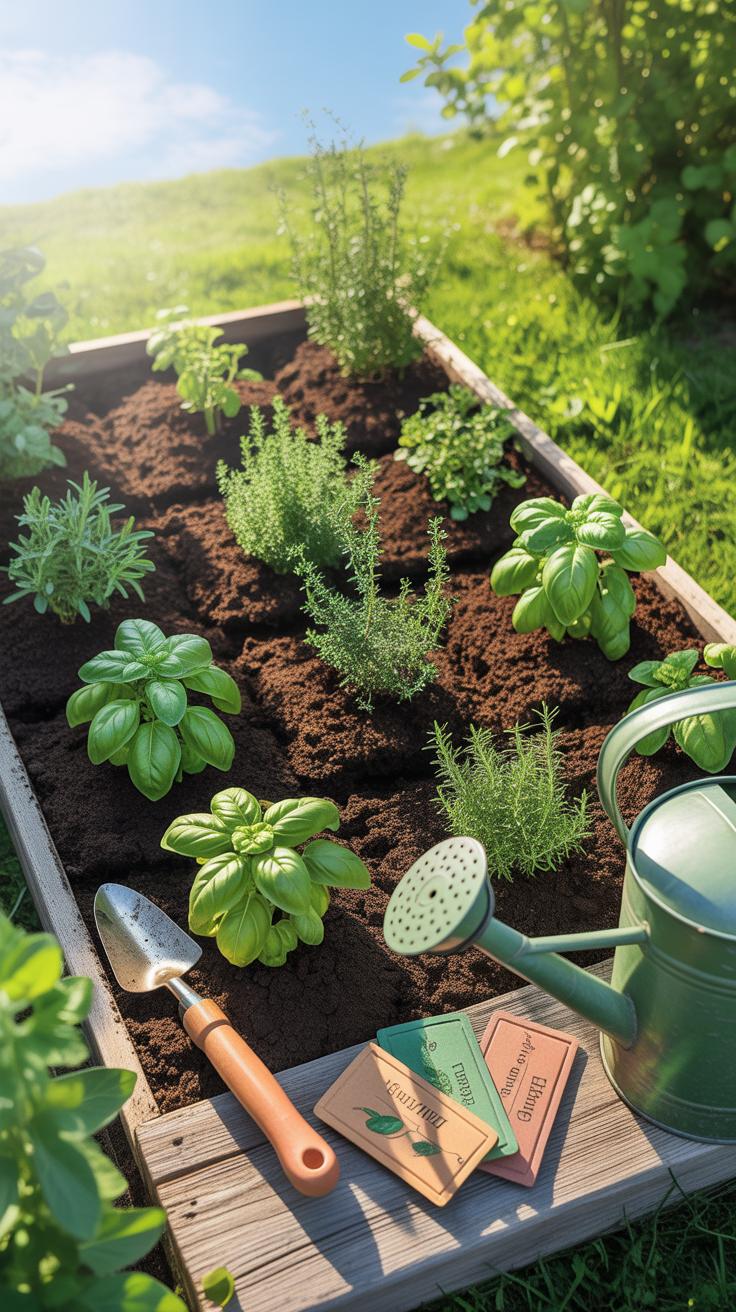
Choosing The Right Location, Sunlight, And Soil For Your Herb Garden
Most culinary herbs require at least six hours of direct sunlight daily to produce essential oils. These oils provide the flavor and aroma you need for cooking. Mediterranean varieties like rosemary and thyme thrive in full sun and heat. Locate your garden plot or containers in a south-facing position. This ensures maximum light exposure during the peak growing season for the best results.
Soil quality dictates the health of your herbs. Use well-draining soil to prevent root rot. Most herbs prefer a neutral pH between 6.0 and 7.0. Sandy loam works best because it allows oxygen to reach the roots while holding some moisture. Avoid heavy clay that compacts and traps water. Poor drainage kills herbs faster than underwatering. Test your soil before planting to ensure proper nutrient levels.
The greatest gift of the garden is the restoration of the five senses. There is something deeply grounding in brushing your hand against fresh rosemary and knowing you nurtured that fragrance yourself.
Understanding Spacing, Container Vs. In Ground Options For Your Herb Garden
Herb spacing depends on the mature size of the plant. Small herbs like chives need only six inches of space. Larger shrubs like rosemary require three feet of room to grow. Crowding plants limits airflow and increases the risk of fungal diseases. Good airflow keeps leaves dry and prevents mold. Always check the specific growth habits of each herb species before you start digging.
Choose your planting method based on your available space and soil control. Containers offer mobility and total control over the soil mix. This is vital for invasive plants like mint which spread rapidly through underground runners. In-ground beds provide more stable root temperatures and hold moisture longer. Use raised beds if your ground soil is poor or drains slowly. Select the method that fits your physical environment and maintenance time.
Understanding The Types Of Culinary Herbs Before You Plant
Annual Vs. Perennial Culinary Herbs: What Every Gardener Should Know
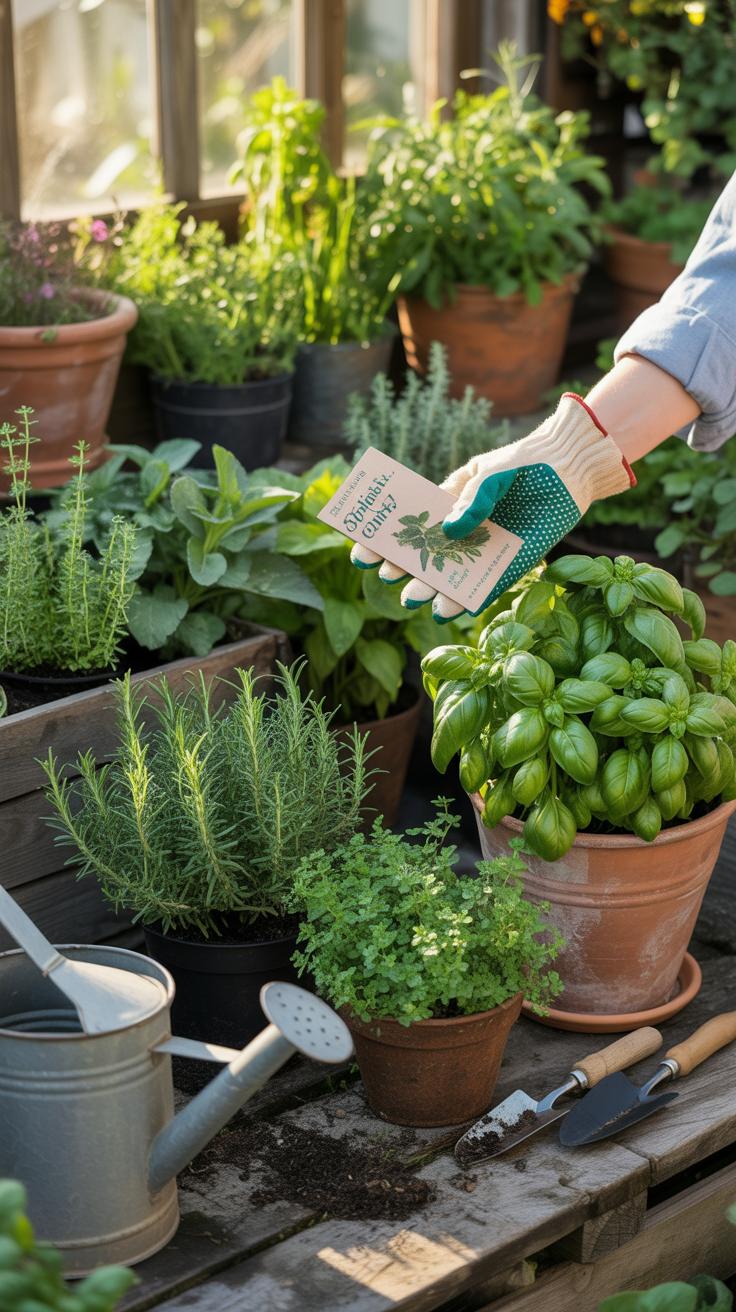
Classification dictates your long-term garden strategy. Annual herbs complete their life cycle in one season. You must replant basil, cilantro, and dill every year. These plants focus energy on rapid leaf production and early seed sets. They offer high yields for short periods. Strategic growers stagger plantings of annuals. This ensures a constant supply throughout the warm months.
Perennial herbs survive for multiple years. Sage, rosemary, and thyme establish deep root systems. They enter dormancy during winter and return each spring. Woodier perennials require permanent placement in your garden layout. Choose locations that accommodate their growth over time. Proper drainage is vital for perennial survival. These plants represent a permanent investment in your kitchen inventory. They provide structure to your landscape.
Mediterranean Vs. Tropical Types Of Culinary Herbs And Their Growing Needs
Mediterranean herbs evolved in rocky soils with high sun exposure. Rosemary, oregano, and lavender require excellent drainage and low humidity. Overwatering these plants causes root rot quickly. They prefer lean soil over heavy fertilizers. High nitrogen levels actually reduce the essential oil concentration in their leaves. Plant these in raised beds or sandy soil to mimic their native dry coastal environments.
Tropical herbs like ginger, lemongrass, and Thai basil need consistent moisture. They thrive in heat and high humidity levels. Unlike Mediterranean types, these plants require nutrient-rich soil to support fast growth. They often fail in arid or cold climates without protection. Mulching helps retain the soil moisture they demand. Understand your local humidity levels before selecting these varieties. Match the plant to your specific regional climate.
How To Set Up A Thriving Cooking Herbs Garden At Home
Essential Tools And Materials Needed To Start Your Cooking Herbs Garden
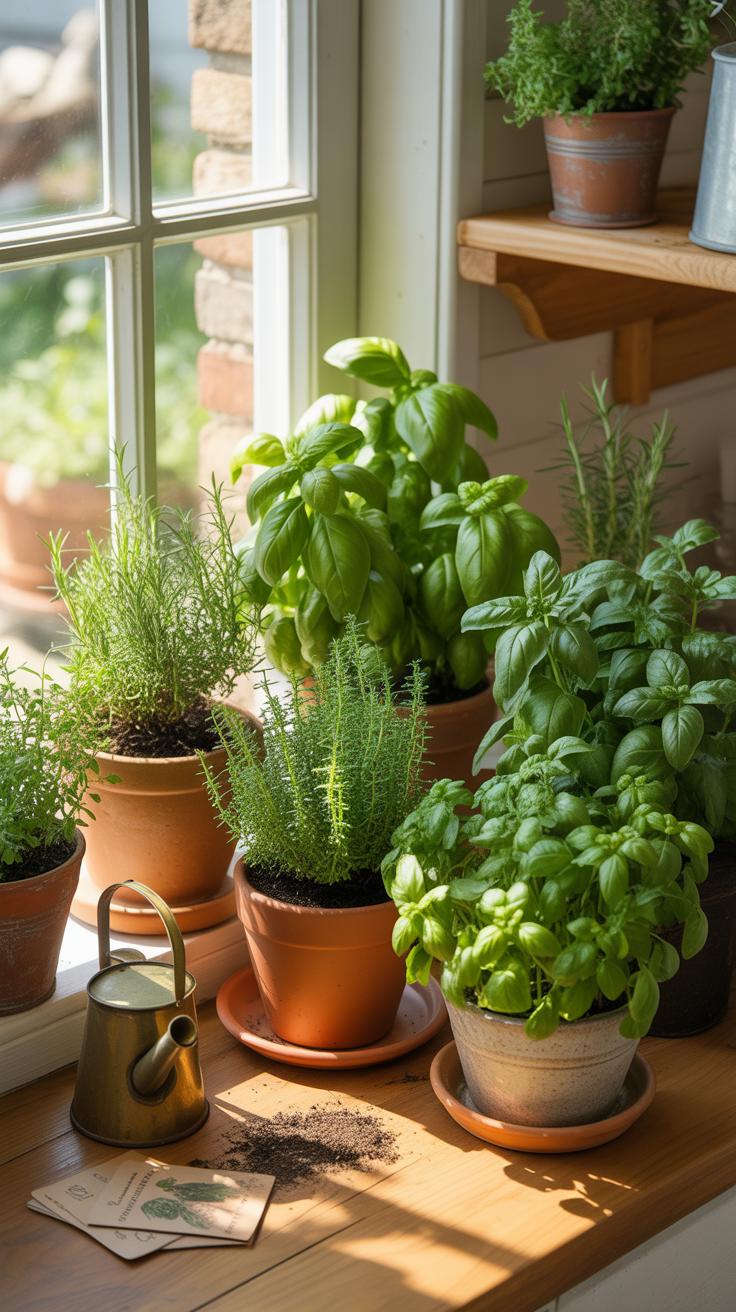
Success begins with quality hardware and the right environment. You must select containers with drainage holes to prevent root rot. Use a high-quality potting mix instead of garden soil to ensure proper aeration. Hand trowels and sharp pruning shears are necessary for maintenance. These tools allow you to manage growth without damaging the plant tissues. Preparation prevents failure in the early stages.
- Pruning Shears: Sharp blades are vital for clean cuts. Dull tools tear the herb stems and leave the plant open to disease. Use bypass pruners for soft herbs like basil and cilantro to keep growth patterns manageable and productive.
- Well Draining Containers: Ceramic or terra cotta pots work best for many Mediterranean herbs. These materials allow the soil to breathe. Ensure every pot has at least one large drainage hole to avoid standing water at the root level.
- Potting Mix: Avoid heavy backyard dirt which compacts easily. A light mix containing peat moss, perlite, or vermiculite facilitates oxygen flow. This setup ensures roots can expand quickly. Proper drainage is the most critical factor for indoor and outdoor herb health.
- Hand Trowel: A narrow trowel helps you transplant seedlings into small spaces. It allows for precision when moving delicate root balls into new containers. Look for stainless steel options to prevent rust and ensure long term durability in wet soil conditions.
- Watering Can: Use a long neck watering can for targeted application. Directing water at the base of the herb prevents leaf spotting and fungal growth. Controlled flow helps you avoid overwatering, which is the primary cause of death for most home gardens.
Lighting and nutrition round out the physical requirements. Place your containers in a spot that receives six hours of sunlight daily. Use LED grow lights if natural light is insufficient. Consistent light levels regulate growth and flavor intensity. High quality materials reduce the time you spend fixing avoidable problems later. Invest in durable tools to save money and effort over the coming seasons.
Watering Schedules And Fertilizing Routines For A Healthy Cooking Herbs Garden
Most herbs fail because owners apply too much water too often. You must check the soil moisture with your finger before adding water. Only water when the top inch of soil feels dry. Drench the soil until water runs out of the drainage holes. This method encourages deep root growth. Shallow watering creates weak plants that cannot handle heat or stress effectively.

Fertilize sparingly to maintain high oil content and flavor. Overfed herbs grow quickly but lose their culinary punch. Use a balanced organic liquid fertilizer at half strength every four weeks during the growing season. Woody herbs like rosemary and thyme require less food than leafy herbs like basil. Stop fertilizing during the winter months when plant growth slows down naturally. Monitor leaf color to adjust your routine.
The Top Herbs To Grow For Maximum Flavor In Your Kitchen
A Curated List Of The Top Herbs To Grow For Beginner And Experienced Gardeners
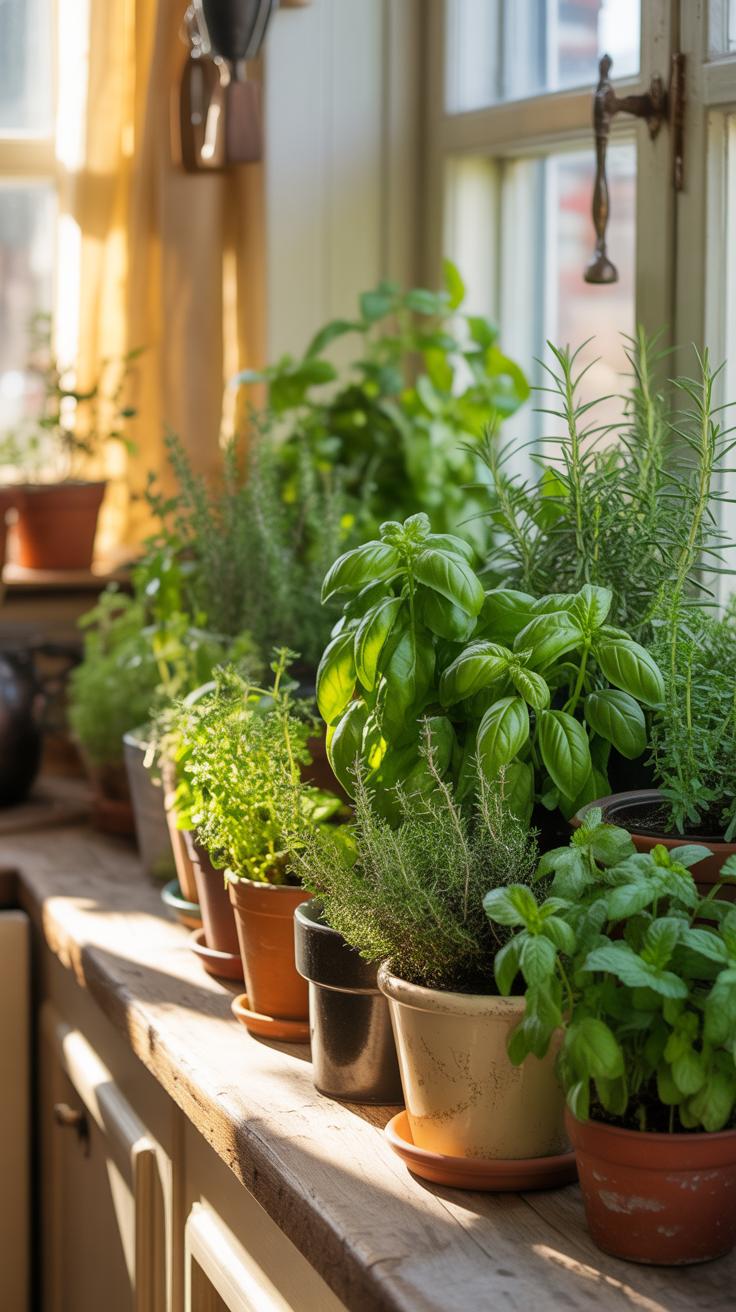
Successful herb gardening starts with selecting high-yield varieties that tolerate common mistakes. Beginners should prioritize hardy perennials and fast-growing annuals that offer immediate culinary utility. Experts can focus on balancing diverse oil content and growth habits. Selecting these specific plants ensures a consistent supply of fresh oils and aromatics for any professional or home kitchen setup.
- Basil: This annual requires heavy sun and consistent moisture to produce large leaves. It offers high concentrations of essential oils like linalool. Use it for sauces and fresh applications. Pinch off flowers to prevent the leaves from turning bitter and to encourage bushier growth patterns throughout the summer season.
- Rosemary: A woody perennial that survives harsh conditions and poor soil once established. It needs excellent drainage and full sun exposure to thrive. Its pine-like aroma comes from cineole and camphor. It works best for roasting meats and flavoring oils because the needles hold their structure during high-heat cooking.
- Thyme: This low-growing groundcover is extremely drought-tolerant and requires very little maintenance. It thrives in rocky or sandy soil with minimal fertilization. Use it as a foundational herb for stews, stocks, and marinades. Its small leaves contain thymol, which provides a powerful earthy flavor profile that complements most savory dishes.
- Mint: Known for its aggressive growth, this plant spreads through underground runners and fills space quickly. It performs well in partial shade and damp soil. The menthol content provides a cooling sensation in drinks and salads. Always grow mint in contained areas or separate pots to prevent it from overtaking your entire garden bed.
- Italian Flat-Leaf Parsley: This biennial offers superior flavor compared to curly varieties. It acts as a natural flavor enhancer rather than a primary taste. High levels of vitamins and minerals make it a nutritional powerhouse. It prefers cooler temperatures and rich soil. Harvest the outer stems first to allow the center to continue producing new growth.
Experienced gardeners often rotate these selections based on the season to maximize garden output. Use crop rotation to prevent soil-borne diseases and manage nutrient depletion. Proper spacing prevents fungal issues like powdery mildew in humid climates. Harvesting correctly by cutting above the leaf nodes will trigger dormant buds to grow. This technique doubles your yield without requiring additional garden space or resources.
Which Of The Top Herbs To Grow Are Best Suited For Small Spaces And Pots
Container gardening requires species that tolerate restricted root zones and dry out quickly. Chives and cilantro perform well in smaller vessels due to their shallow root systems. You must use high-quality potting mix instead of garden soil to ensure proper aeration. Small pots lose moisture rapidly, so choose herbs that do not wilt immediately under heat stress or inconsistent watering schedules.
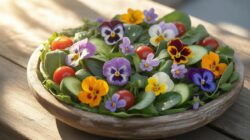
Strategic vertical planting allows you to grow multiple varieties in a single square foot of floor space. Use tiered planters for oregano and sage, which prefer the drainage provided by elevated containers. Place thirstier plants like basil at the bottom where water collects. Proper pot selection and placement near a light source ensure maximum flavor density. These tactics turn tiny balconies or windowsills into highly productive food sources.
Growing Herb Garden Fresh Oregano And Its Best Companion Herbs
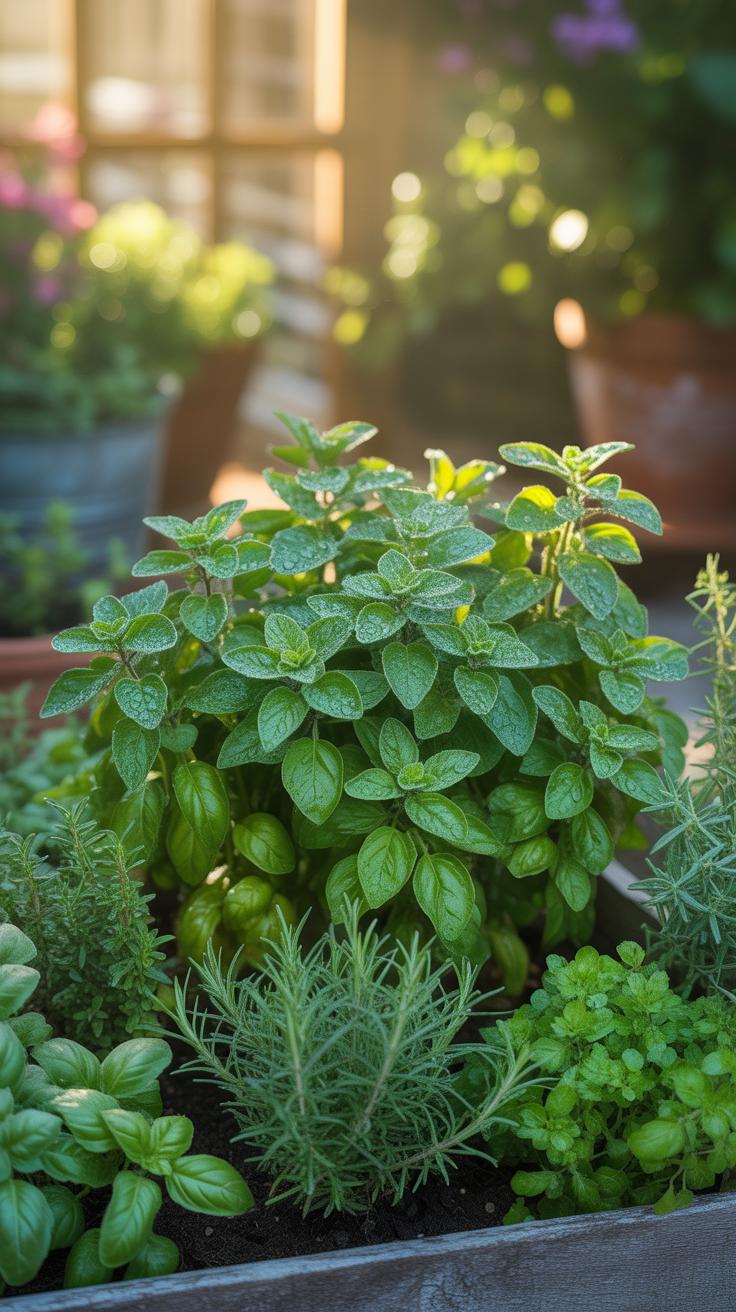
How To Successfully Grow Herb Garden Fresh Oregano From Seed Or Cutting
Oregano requires full sun and well-drained soil to thrive. Start seeds indoors six weeks before the last frost. Do not cover the seeds because they need light to germinate. Mist the soil surface to keep it moist but never soggy. Move seedlings outside once they reach six inches in height. Space plants twelve inches apart to ensure proper air circulation and growth.
Cuttings offer a faster way to establish plants. Take a four-inch stem cutting from a healthy Greek or Italian oregano plant. Remove the lower leaves and place the stem in water or moist potting mix. Roots will form within two weeks. Transplant the new growth into sandy soil with a neutral pH. Prune the stems regularly to encourage bushy growth and prevent woody stems.
Best Companion Plants To Grow Alongside Herb Garden Fresh Oregano
Strategic planting improves garden health and flavor. Plant oregano near rosemary and thyme. Researchers know these Mediterranean herbs share similar water and sun requirements. They all prefer dry conditions and nutrient-poor soil. This grouping makes irrigation management simple and efficient. Oregano also acts as a living mulch. It covers the ground and keeps moisture in the soil for taller neighbors like peppers.

Oregano protects vegetable crops from invasive pests. It attracts hoverflies and lace wings that eat aphids. Plant it around tomatoes and cabbage to deter damaging insects. Avoid placing it near chives or cilantro. Those plants need much more water than oregano can tolerate. Keeping oregano with the right partners reduces labor. It creates a self-sustaining ecosystem that requires fewer pesticides and less maintenance.
Your Complete Kitchen Herb Guide For Harvesting And Storing
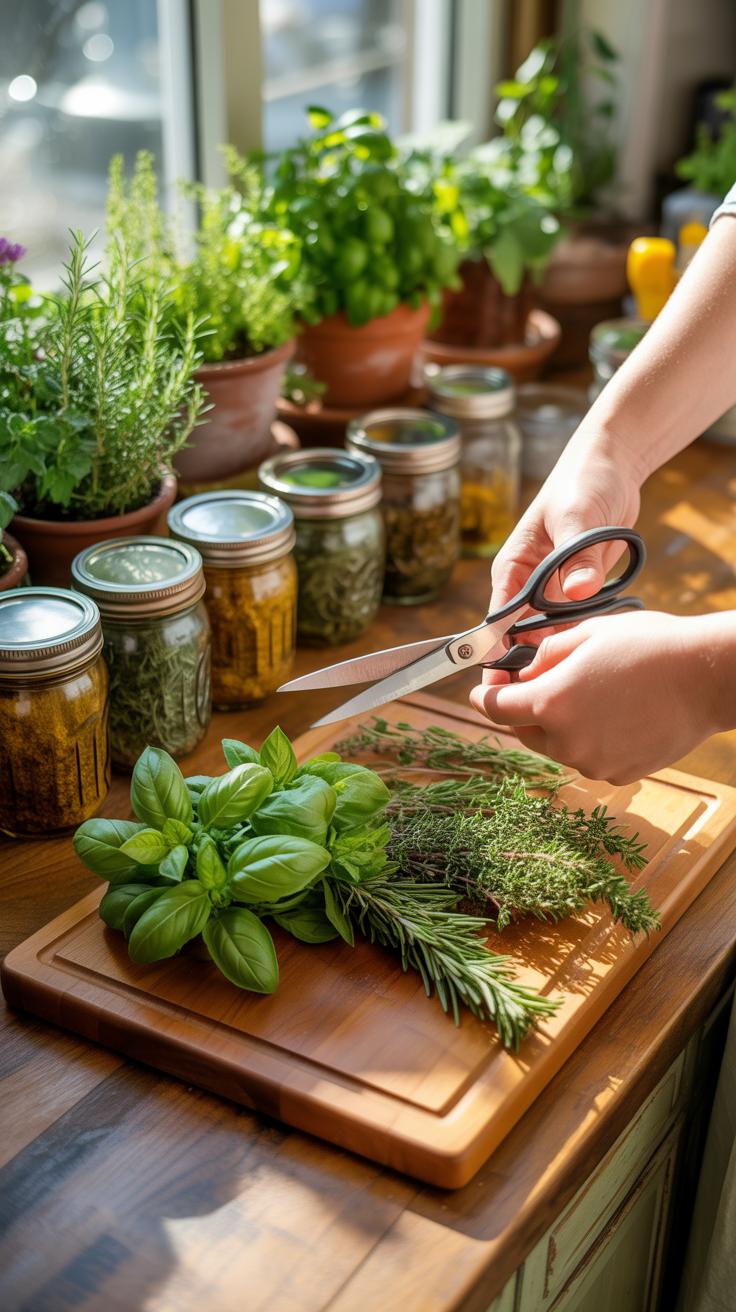
When And How To Harvest Herbs According To This Kitchen Herb Guide
Harvest herbs in the morning after dew evaporates but before the sun gets hot. This timing ensures the highest concentration of essential oils in the foliage. Use sharp shears to prevent crushing the plant tissue during the cut. For leaf crops like basil, pinch stems just above a leaf node. This practice encourages branching and prevents the plant from becoming leggy or weak.
Never remove more than one third of a perennial herb plant at once. Taking too much foliage shocks the root system and can kill the plant. Annual herbs like cilantro require frequent harvests to prevent bolting. Once flowers appear, the flavor of the leaves changes and often becomes bitter. Consistently removing the top growth keeps the plant in a vegetative state and extends your harvest window.
Storing Fresh And Dried Herbs The Right Way Using This Kitchen Herb Guide
Treat soft herbs like parsley and cilantro like fresh cut flowers. Place the stems in a glass of water and cover the tops with a plastic bag. Store this setup in the refrigerator to maintain crispness for up to a week. For woody herbs like rosemary or thyme, wrap them in a damp paper towel. Place the bundle inside a sealed bag to prevent the leaves from drying out.

Dry herbs in a cool and dark place with good airflow. Avoid direct sunlight because UV rays break down the flavorful oils and fade the color. Store the finished dry product in airtight glass jars. Keep these containers away from the stove or heat sources. Heat accelerates the degradation of the herb quality. Label every jar with the date to track freshness and potency over time.
How To Use Culinary Herbs To Transform Everyday Cooking
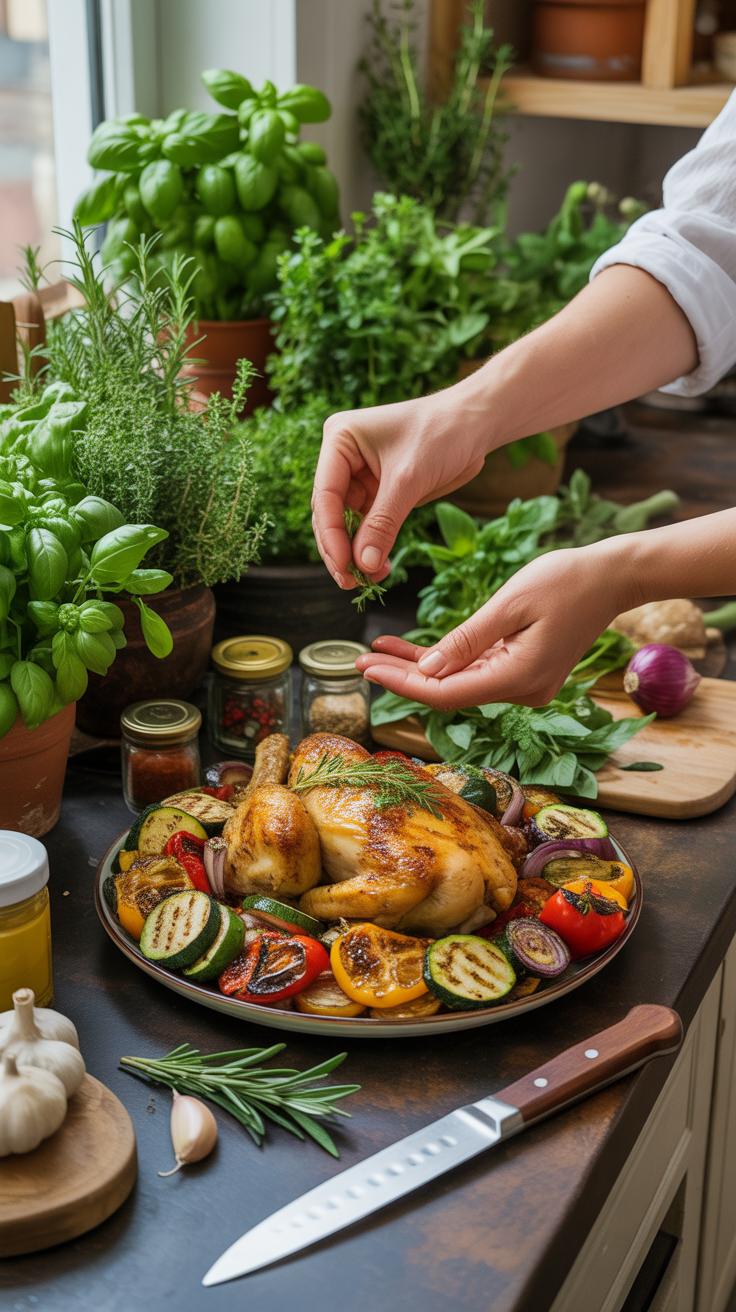
Pairing Principles: How To Use Culinary Herbs With Meats, Vegetables, And Grains
Hard herbs like rosemary and thyme withstand high heat. They pair best with fatty meats like beef or lamb. These herbs release oils slowly during roasting. This process flavors the fat and penetrates the protein. You must add them early in the cooking cycle. This ensures the heat breaks down the tough plant fibers. It creates a deep and savory flavor profile.
Soft herbs like basil and parsley cannot handle intense heat. Add them to grains or vegetables just before serving. This preserves their bright color and volatile oils. Use mint to cut through the sweetness of peas or carrots. Pair cilantro with lime for rice dishes. These combinations balance heavy salts and fats. Fresh herbs provide the necessary acidity to lift a flat dish without adding extra calories.
Making Infused Oils, Butters, And Sauces: Practical Ways How To Use Culinary Herbs
Infusing fats is the most efficient way to preserve herb flavor. Combine softened butter with minced chives or tarragon to create a compound butter. This technique traps the flavor compounds in fat molecules. You can freeze these logs for later use. Use them to finish steaks or steam vegetables. This method prevents the herbs from oxidizing or turning brown. It keeps the flavor sharp and potent.

Infused oils require a different approach for safety and taste. Blanch fresh herbs in boiling water for ten seconds. Shock them in ice water to lock in green pigment. Blend them with a neutral oil and strain the mixture through a fine cloth. This creates a vibrant green oil for drizzling. Always store fresh herb oils in the refrigerator. Use them within one week to avoid risk of foodborne illness.
Troubleshooting Common Problems When Growing Herbs In Your Garden
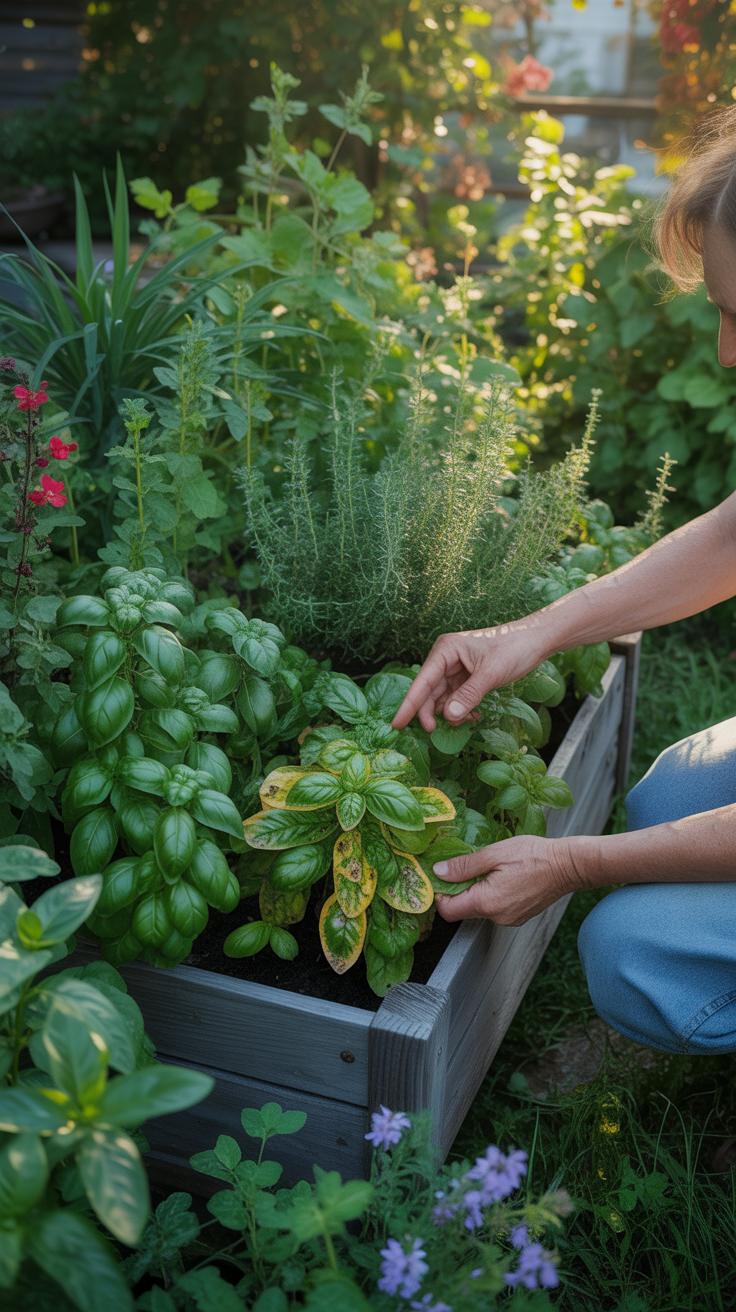
Identifying And Treating Pests And Diseases That Affect Growing Herbs
Pests like aphids and spider mites target soft herb stems. These insects suck sap and weaken the plant foliage quickly. Identify them by checking the underside of leaves for sticky residue or webbing. Blast small infestations with a sharp stream of water. Use organic insecticidal soap for larger outbreaks. Avoid heavy chemical pesticides on herbs you intend to eat or dry for cooking.
Fungal diseases like powdery mildew often strike during humid weather. Look for white spots or gray fuzz on the leaves of rosemary and sage. Improve airflow by thinning out crowded branches. Water plants at the base to keep foliage dry. Remove and destroy infected leaves immediately to stop the spread. Proper spacing prevents most soil-borne pathogens from ruining your entire herb crop.
How To Revive Struggling Herbs And Keep Them Thriving Season After Season
Yellow leaves usually signal overwatering or poor drainage. Check the soil moisture levels before adding more water. Most Mediterranean herbs like lavender and thyme prefer dry feet. If the soil is waterlogged, transplant the herb to a raised bed or a pot with better drainage holes. Prune back dead or woody growth to encourage new green shoots to emerge from the base.
Herbs can lose their flavor if the soil contains too much nitrogen. Excessive fertilizer produces lush foliage but weak essential oils. Use a balanced organic compost once a year to provide steady nutrients. Pinch off flower buds to keep the plant focusing its energy on leaf production. Regular harvesting prevents herbs from becoming leggy and woody. This cycle keeps the plants productive through the frost.
Frequently Asked Questions

Which herbs are the easiest for beginners to start with indoors?
If you are new to growing culinary herbs, start with hardy varieties like basil, mint, and chives. These plants are incredibly resilient and adapt well to windowsill environments. Basil thrives with plenty of sunlight, while mint is vigorous enough to handle less-than-perfect conditions. Beginning with these options ensures a quick harvest, giving you the confidence to expand your indoor garden as you master the basics of plant care and light requirements.
How do I properly harvest my herbs to encourage new growth?
To keep your plants productive, always use sharp shears to snip stems just above a leaf node. For most leafy varieties, never remove more than one-third of the plant at a time. This method of growing culinary herbs stimulates the plant to branch out, resulting in a bushier, more aesthetic appearance. Regularly harvesting the top leaves prevents the plant from flowering, which ensures the essential oils and flavors remain concentrated in the foliage.
Can I grow a culinary herb garden on a tight budget?
Absolutely! Growing culinary herbs is very cost-effective if you start from seeds rather than buying mature plants. You can repurpose household items like cleaned yogurt containers or tin cans as pots, provided you poke drainage holes in the bottom. Using high-quality potting mix is your only essential investment. By propagating cuttings from grocery store bundles in water, you can even grow a lush, stunning herb display for just a few dollars.