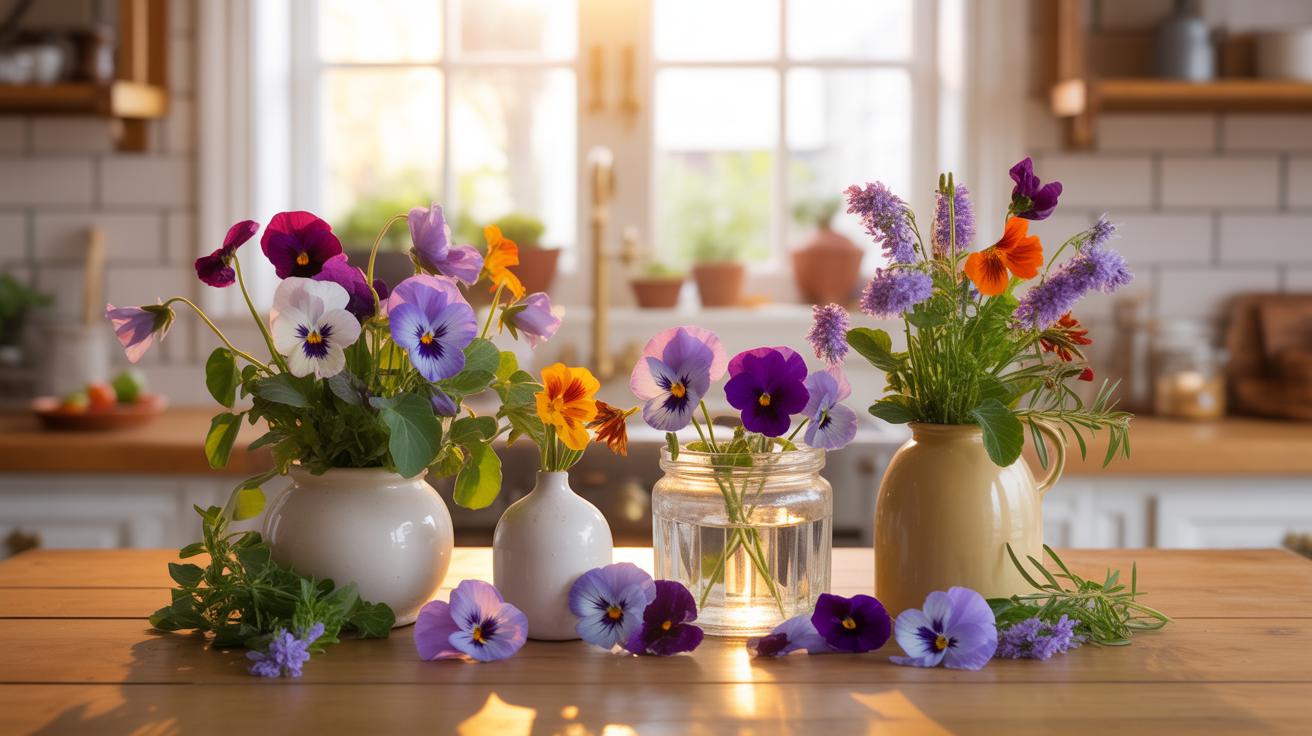
What Is An Edible Flowers Guide And Why Every Home Cook Needs One
The Growing Popularity Of Edible Flowers In Modern Home Kitchens
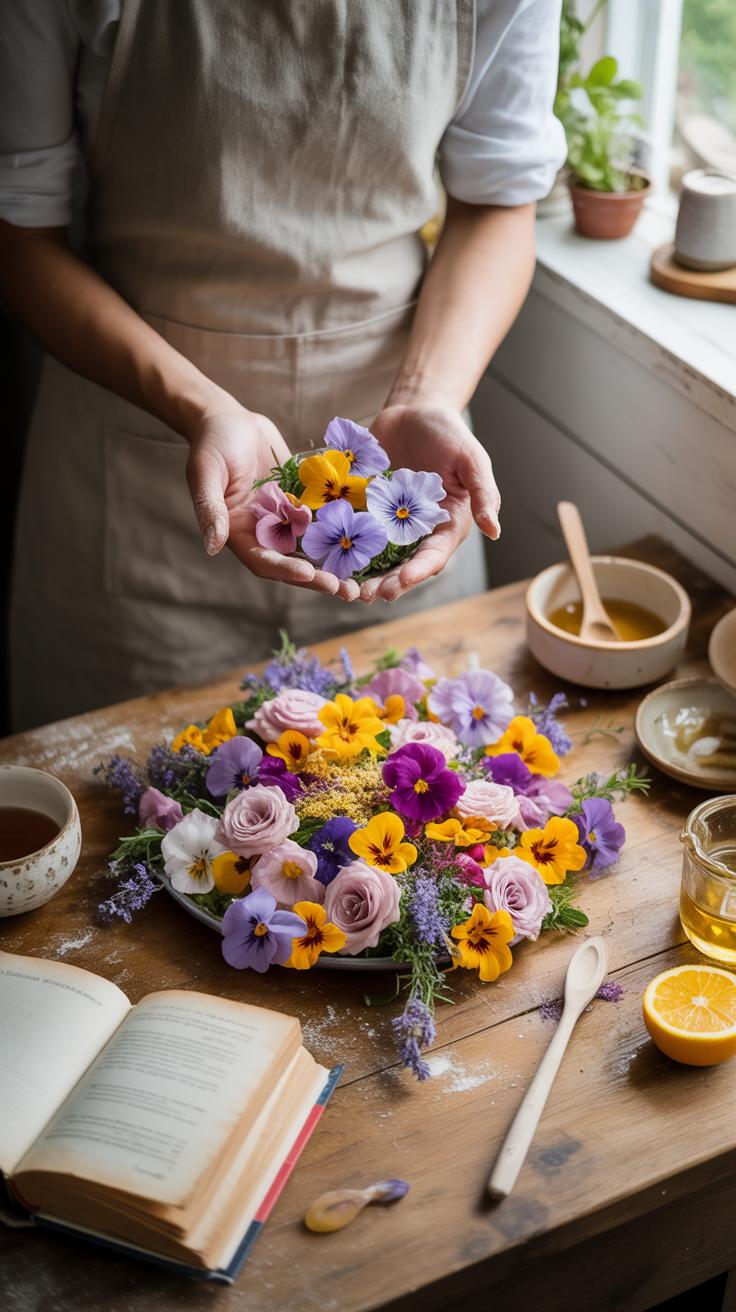
Home cooks now use edible flowers to elevate daily meals. This shift follows high-end restaurant trends where chefs use flora for flavor and visual impact. Modern kitchens prioritize fresh and organic ingredients. Flowers fit this demand perfectly. They offer a unique way to style food without using synthetic dyes or processed garnishes. This movement treats the plate like a design canvas.
Culinary history shows that people ate flowers for centuries. Victorians used rose petals in desserts and violets in syrups. Today, growing interest in gardening and self-sufficiency drives this trend. People want to know where their food originates. Staging a meal with homegrown blooms connects the cook to the earth. It creates a high-end experience at home. This practice combines horticulture with advanced culinary skills.
How An Edible Flowers Guide Bridges Beauty And Culinary Function
An Edible Flowers Guide serves as a technical manual for the kitchen. It moves beyond aesthetics to focus on safety and flavor profiles. Identifying species correctly is the primary goal. Many common garden flowers are toxic if ingested. A guide provides the necessary data to distinguish between an edible pansy and a poisonous sweet pea. It ensures every decorative choice is safe.
Strategic cooking requires understanding how botanical notes affect a dish. Some petals taste like pepper while others resemble citrus or clover. A guide helps the cook balance these flavors against proteins and fats. It also covers proper cleaning and storage techniques. You cannot treat delicate blooms like standard produce. Using a guide ensures the flowers stay fresh and vibrant until the point of service.
Edible Flowers List Of The Most Popular Varieties Found In Home Gardens
Nasturtiums, Violets, And Roses: Household Favorites Worth Knowing
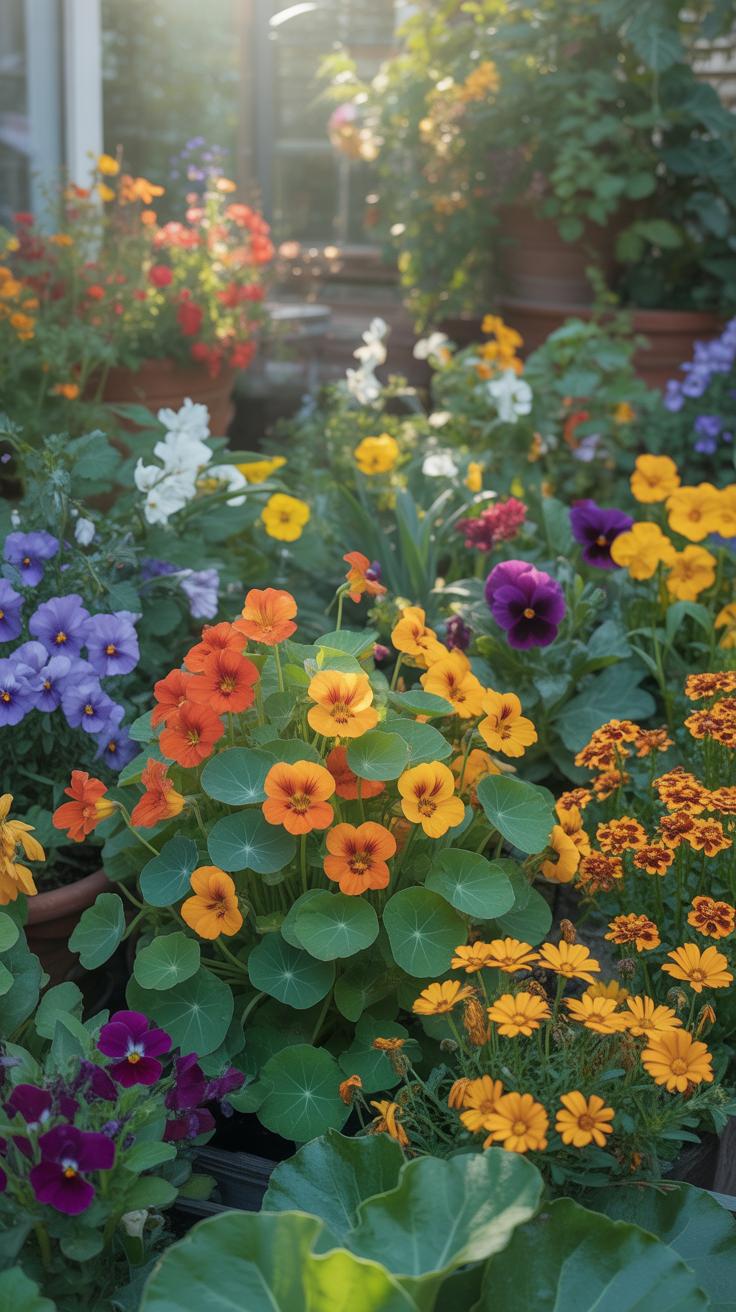
Nasturtiums dominate home gardens because every part above the ground is edible. The petals offer a peppery profile similar to watercress. Chefs use them to add sharp flavor and bright color to plates. These plants grow fast in poor soil and require little maintenance. They provide a high yield for minimal effort. You can also pickle the seed pods as a substitute for capers.
Roses and violets offer different utility. Rose petals have a floral, metallic taste that changes based on the variety and soil pH. Violets contain salicin and provide a mild, sweet flavor. Victorian confectioners used these flowers for garnishing cakes and desserts. Ensure you remove the white base of the rose petal before consumption. That specific area often tastes bitter and ruins the flavor profile of your dish.
Lesser Known Edible Blooms That Deserve A Spot In Your Garden
Borage and calendula serve specific tactical roles in the garden and kitchen. Borage flowers taste exactly like cucumber. They work well in chilled summer drinks or gin-based cocktails. Calendula is often called the poor man’s saffron. It adds a distinct yellow tint to rice and butter. The petals have a slightly salty taste. These plants also attract beneficial insects to your vegetable patches.
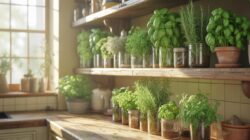
Squash blossoms and chive flowers provide heavy savory notes. Squash blossoms are large enough to stuff with cheese and fry. You must harvest the male flowers to avoid reducing your vegetable yield. Chive flowers offer a concentrated onion aroma and a spicy bite. Use them to infuse vinegars or finish grilled meats. These blooms bridge the gap between ornamental gardening and serious culinary production.
How To Read An Edible Flower Chart For Safe And Confident Identification
Key Columns And Categories Found In A Reliable Edible Flower Chart
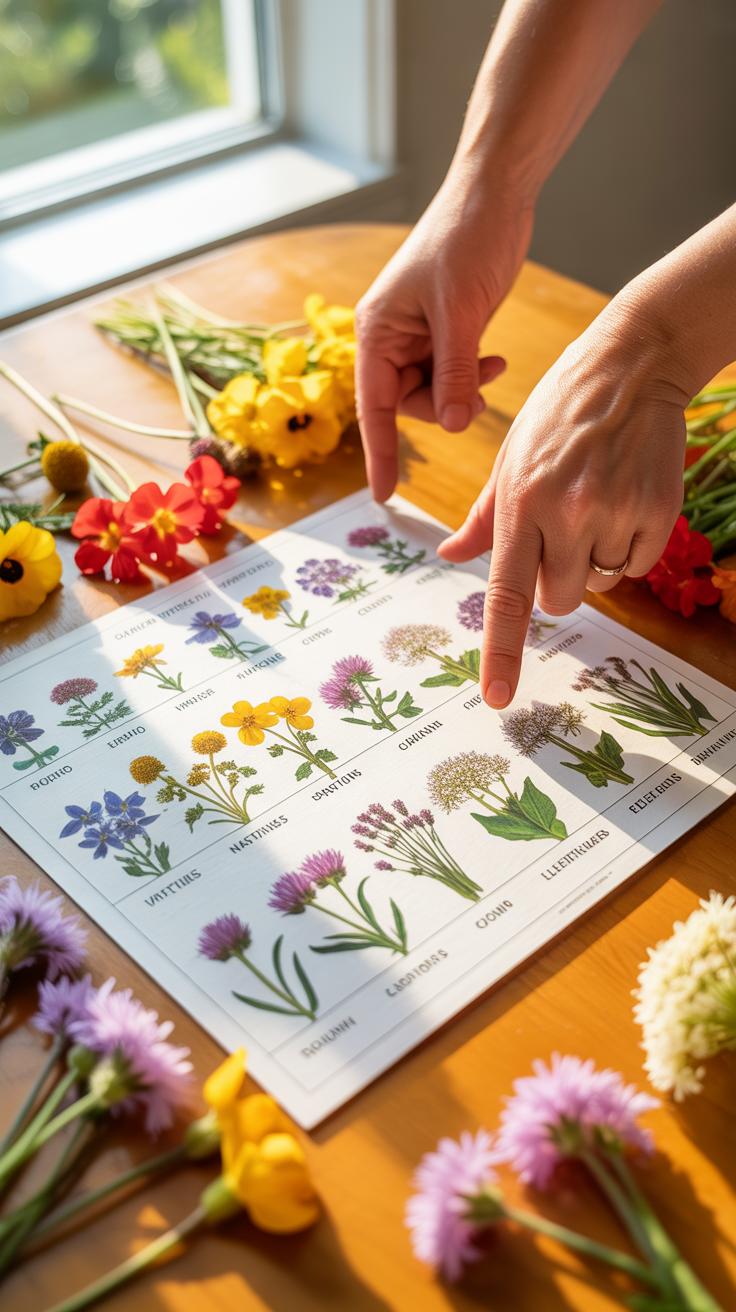
Professional edible flower charts prioritize botanical accuracy over visual appeal. A high-quality chart includes the common name and the full Latin name. It lists the specific edible parts such as petals or whole blooms. You will find a distinct column for flavor profiles like sweet, spicy, or bitter. This data helps you match the flower with the correct culinary application or flavor profile.
Check the chart for a dedicated safety or toxicity column. Reliable charts clearly state if parts of the plant are harmful. They often include a cultivation status column to distinguish between wild and garden-grown varieties. Look for icons that indicate seasonal availability. This information ensures you select flowers that are both safe to eat and currently in season for your specific design needs.
How To Cross Reference A Flower Chart With Botanical Sources For Safety
Never rely on a single chart for identification. Use the Latin name from your chart to search an authoritative botanical database. Organizations like the Royal Horticultural Society provide verified plant data. Compare the visual descriptions of leaves and stems across multiple sources. This step prevents the consumption of toxic lookalikes. Detailed botanical records provide more safety data than a simplified culinary chart can offer.
Verify if the plant requires specific soil conditions to remain safe. Some flowers absorb heavy metals or pesticides from the ground. Check botanical guides for historical usage in food. If the plant has no record of human consumption, do not eat it. Consult local agricultural extensions for regional toxicity warnings. Cross-referencing ensures your stylish floral displays do not pose a health risk to your guests or family.
Types Of Edible Flowers Grouped By Flavor Profile And Culinary Use
Sweet, Spicy, And Herbal: Understanding The Flavor Spectrum Of Edible Blooms
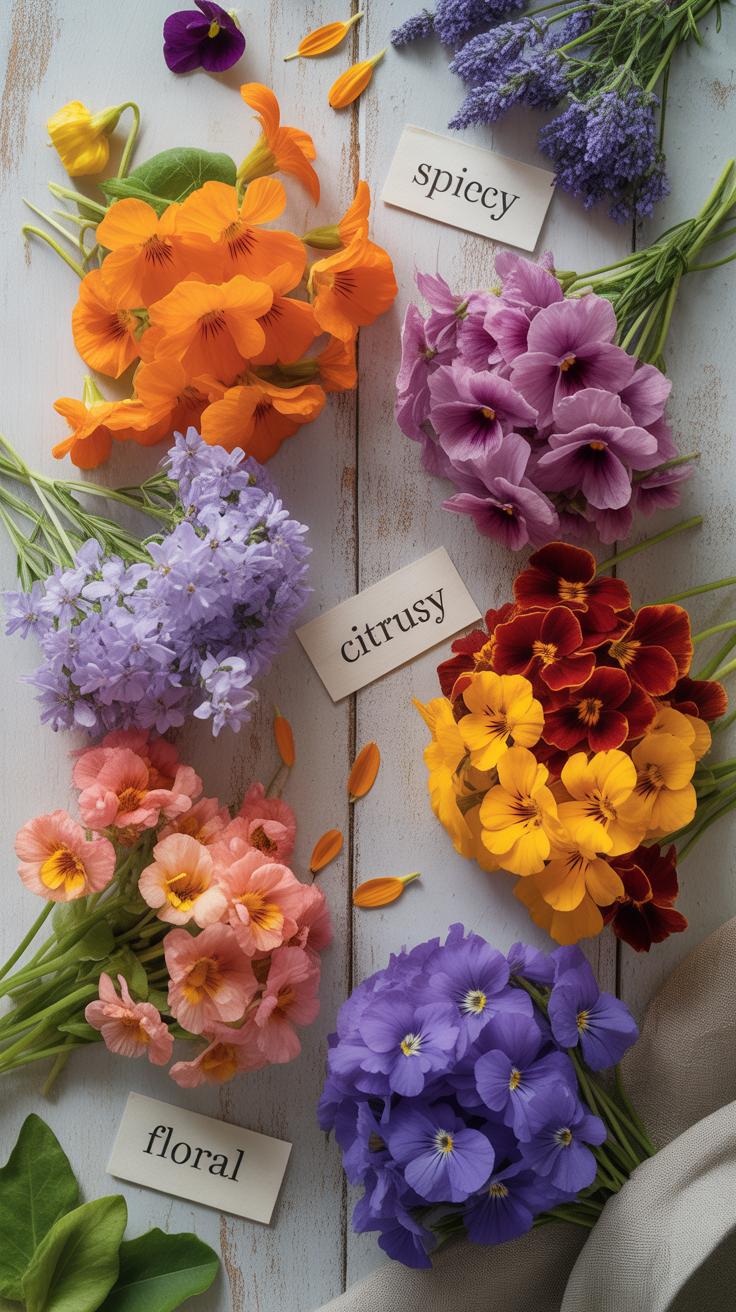
Edible flowers possess distinct chemical compounds that define their taste. Violets and pansies offer mild sweetness suitable for desserts. In contrast, nasturtiums contain mustard oils that produce a sharp peppery heat. Roses provide a floral perfume while dianthus offers a clove-like spice. You must identify these profiles before adding them to any recipe. Testing a single petal prevents flavor imbalance.
Herbal profiles mirror the parent plant foliage. Borage flowers taste like cucumber and provide a cooling effect. Lavender and rosemary blooms carry concentrated essential oils that can become soapy if overused. Marigolds offer a bitter citrus note often used as a saffron substitute. Understanding these profiles ensures the flower enhances the dish rather than distracting the palate. Proper identification is critical.
Matching Flower Types To The Right Dishes For The Best Culinary Results
Precision matching creates professional culinary results. Use delicate sweet flowers like primroses for garnishing pastries and fruit salads. Their soft texture integrates well with sugars. Use spicy blooms like nasturtiums or chive blossoms in savory contexts. These work best in vinegars, salads, or topped on grilled meats. Heat deactivates many subtle flavors so add most flowers just before serving.
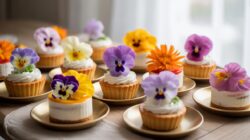
Structural integrity dictates the application method. Thick petals from zucchini blossoms or daylilies withstand stuffing and frying. Delicate petals from borage or cornflowers wilt quickly and require cold applications. Use these in ice cubes or as dry garnishes. Matching the flower density to the cooking technique prevents a messy presentation. Always remove bitter green sepals and stamens to ensure the best flavor.
What Flowers Are Edible And What Flowers Should You Absolutely Avoid
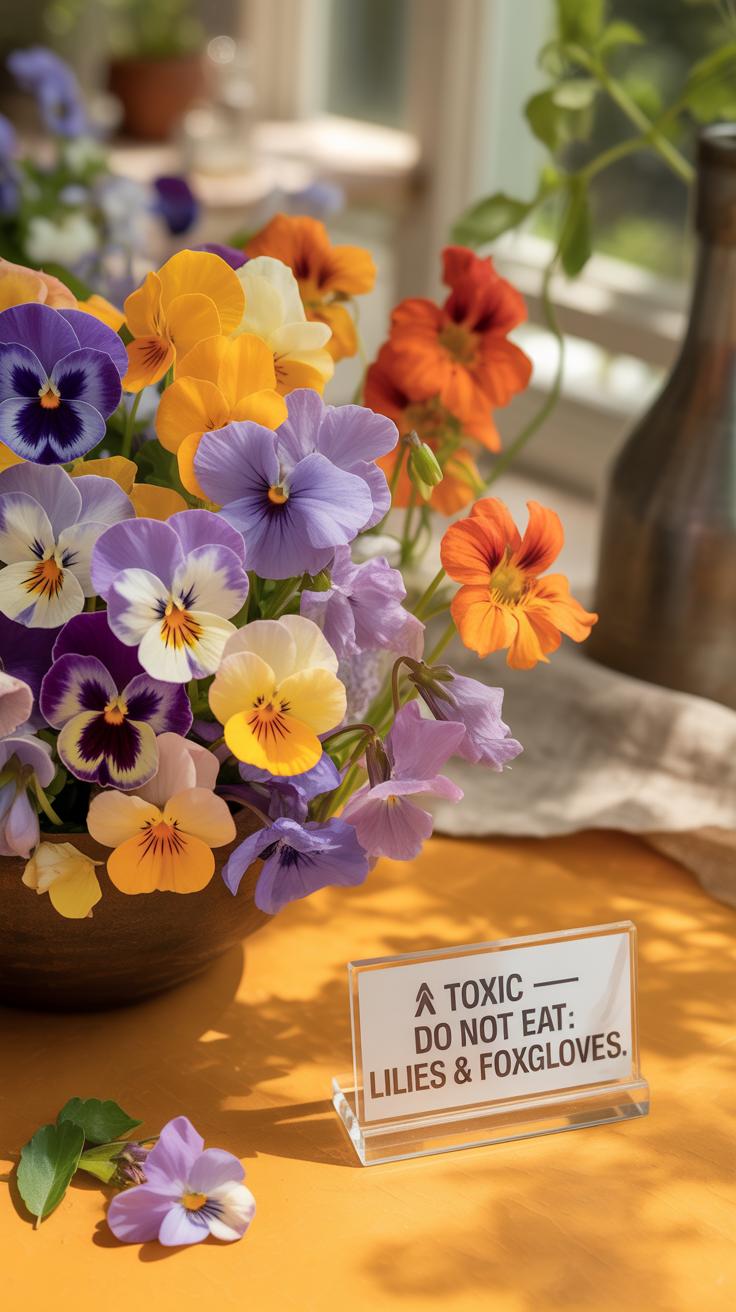
Confirmed Safe Edible Flowers Backed By Botanical And Culinary Research
Culinary tradition dictates which flowers offer safe consumption and flavor profiles. You must identify species by their scientific names to avoid ingestion of lookalikes. Chefs use these variants for garnish, infusions, and textural elements. Historical use in European and Asian tea cultures confirms their safety. Always source from organic growers to ensure the plants lack harmful systemic pesticides or synthetic fertilizers.
- Viola Tricolor: Commonly known as Pansies or Heartsease. They offer a mild grassy or minty flavor. These flowers work well for decorating cakes or salads. They contain high levels of antioxidants and remain a staple in high-end plating across modern culinary design.
- Calendula Officinalis: often called Pot Marigold. Use only the petals for a peppery and tangy taste. Historically used as a poor man’s saffron, these petals add deep golden hues to rice and soups. They possess documented anti-inflammatory properties and thrive in domestic garden settings.
- Tropaeolum Majus: Known as Nasturtiums. Every part of this plant is edible. The flowers provide a bold peppery kick similar to watercress or radish. They contain high amounts of Vitamin C. Their vibrant colors and sharp flavor profile make them essential for savory appetizers.
- Lavandula Angustifolia: Culinary Lavender provides a strong floral scent and flavor. You must use this sparingly to avoid a soapy taste. It pairs effectively with citrus, chocolate, and shortbread. Ancient Romans used it in cooking and water purification rituals for its antiseptic qualities.
- Borago Officinalis: Borage or Starflower. These blue blossoms have a distinct cucumber flavor. They are traditional additions to cocktails like the Pimm’s Cup. The flowers are rich in gamma-linolenic acid. They add a refreshing cooling effect to summer drinks and light seafood dishes.
Botanically verified edible flowers provide specific chemical compounds like anthocyanins and flavonoids. These substances benefit human health. You should harvest flowers in the early morning for peak moisture content. This timing ensures the best texture for raw applications. Remove the pistils and stamens before serving to eliminate pollen. Pollen can cause allergic reactions and often carries a bitter or dusty taste profile.
Common Toxic Flowers Often Mistaken For Edible Varieties At Home
Identifying toxic plants is a survival skill for any home designer. Many popular landscape flowers contain alkaloids and glycosides that trigger severe cardiac or gastrointestinal distress. Visual similarity to edible species causes most accidental poisonings. For example, the toxic Sweet Pea looks nearly identical to the edible garden pea flower. Always verify the species with a physical botanical guide before processing.
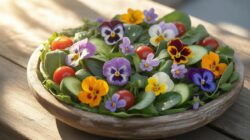
Never assume a flower is safe because it grows near vegetables. Foxglove and Lily of the Valley contain digitalis and other toxins that stop the heart. These plants often appear in the same garden beds as herbs. Professional foragers follow a strict rule of zero doubt. If you cannot identify the plant with one hundred percent certainty, discard it. Safety in edible gardening requires clinical precision and zero tolerance for guesswork.
Edible Flowers Foraging Guide How To Responsibly Forage Blooms In The Wild
Best Seasons And Locations For Foraging Edible Flowers Safely
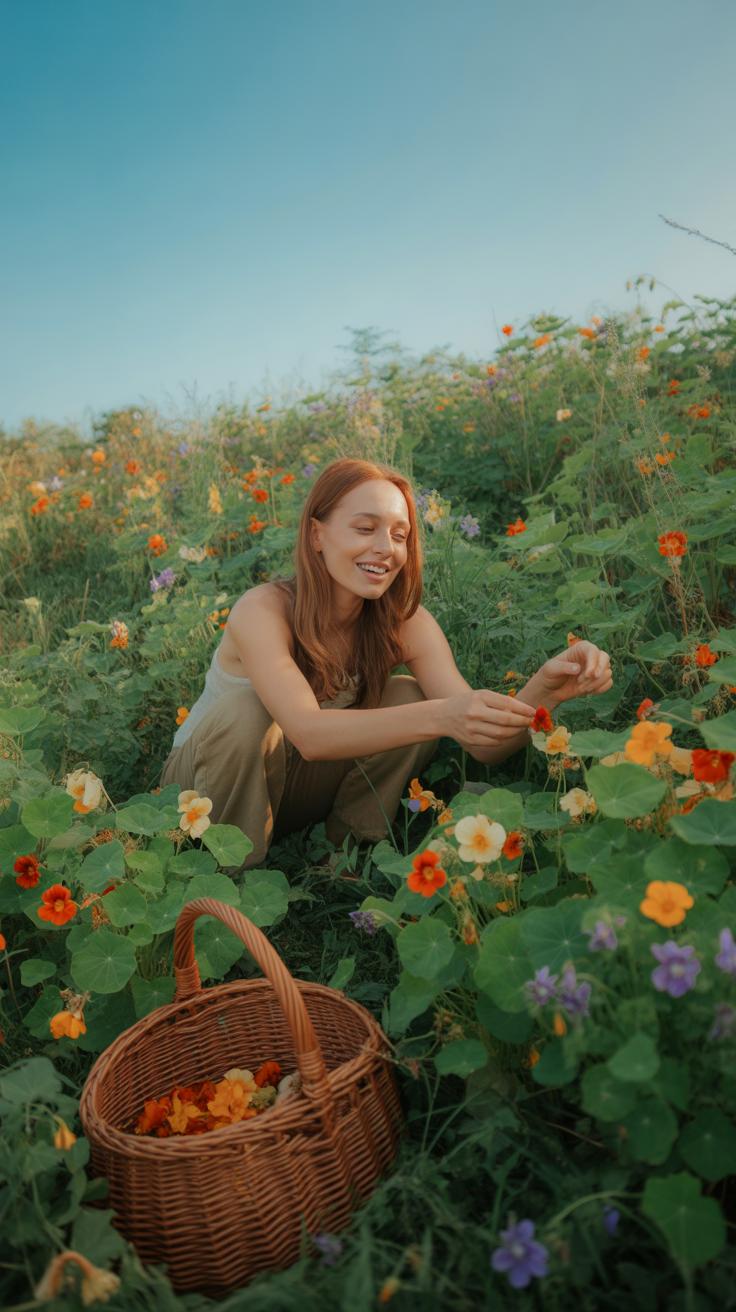
Timing dictates your success and safety in the wild. Primary foraging occurs between mid spring and late summer. Early spring offers violets and dandelions in moist meadows. Mid summer provides daylilies and elderberry blossoms in forest clearings. You must monitor local weather patterns closely. Heavy rain washes away nectar and pollen. High heat causes delicate petals to wilt and lose their chemical potency quickly.
Location choice prevents chemical poisoning. Avoid roadsides due to heavy metal runoff from vehicles. Steer clear of industrial zones and commercial farms. These areas often use systemic pesticides that contaminate the entire plant structure. Seek out organic land or deep wilderness areas. Always verify land ownership before entering. Focus on edges where sunlight hits the soil. These transition zones produce the highest density of diverse flowering specimens.
A garden of edible blooms is a living pantry for the soul, turning every simple meal into a graceful celebration of home.
Ethical Foraging Practices That Protect Both You And The Environment
Ethical foraging ensures future harvests and ecosystem health. Follow the one third rule at all times. Take one third of the blooms for yourself. Leave one third for the local wildlife. Keep the final third to allow the plant to go to seed. Overharvesting kills local populations and disrupts natural cycles. Use sharp shears to make clean cuts. This prevents tearing and reduces the risk of plant disease.
Positive identification is the only way to stay alive. Many edible flowers have toxic lookalikes that cause severe organ failure. Never consume a bloom unless you are one hundred percent certain of its genus. Carry a physical field guide to cross reference leaf shapes and stem structures. Avoid foraging rare or endangered species listed in your region. Protecting the biodiversity of the land maintains the food chain for everyone.
What Kind Of Flowers Are Edible When Grown At Home Versus Bought At A Store
Why Home Grown Edible Flowers Are Often Safer Than Store Bought Varieties
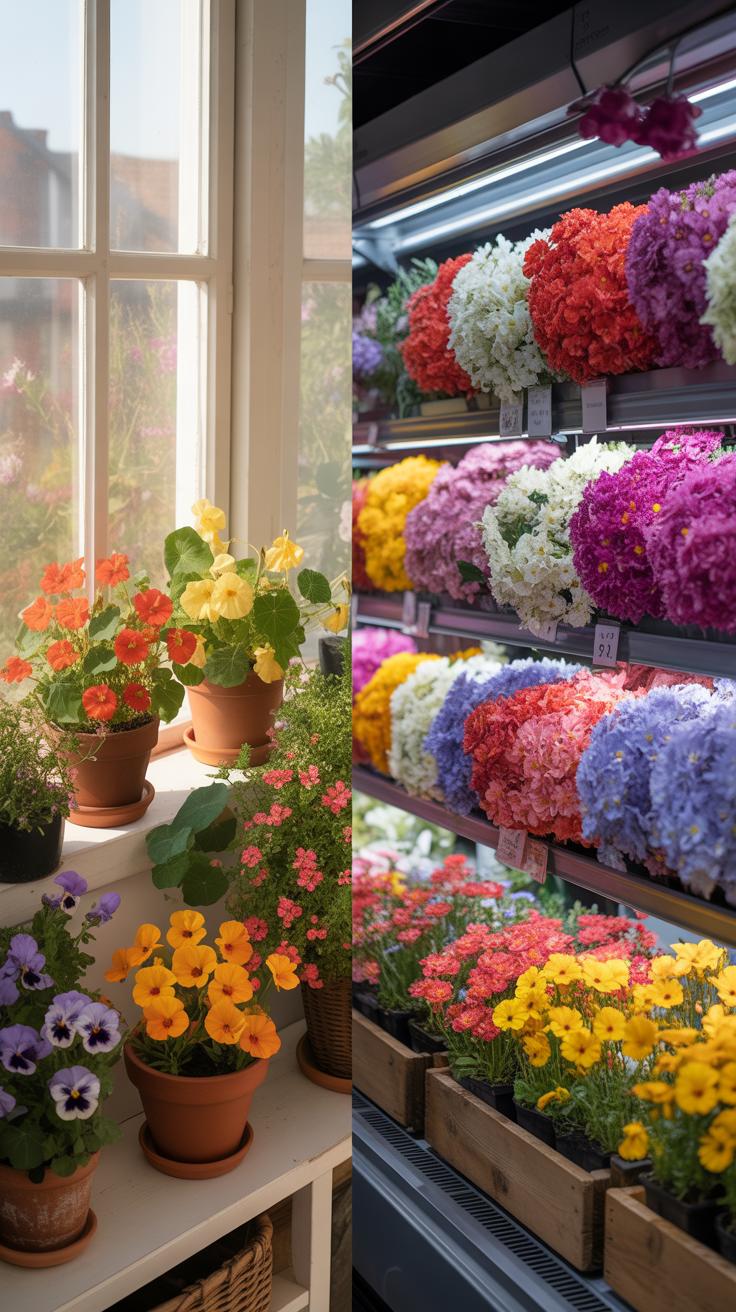
Home cultivation gives you total control over the chemical environment. Commercial growers often use systemic pesticides to keep plants looking perfect for retail. These chemicals soak into the plant tissues and remain toxic even after washing. When you grow your own pansies or nasturtiums, you eliminate these synthetic risks. You know exactly what enters the soil and what touches the petals before consumption.
Safety depends on accurate identification and clean soil. Many people mistake toxic lookalikes for edible varieties when foraging or buying from general nurseries. Home gardening allows you to track the plant from seed to harvest. This process ensures the specimen is true to its species. You can also avoid heavy metal contamination by using tested potting soil. Growing at home remains the most reliable method for sourcing clean flowers.
What To Look For When Purchasing Edible Flowers From Markets Or Florists
Never eat flowers from a standard florist or a landscaping nursery. These businesses treat plants as decorative objects rather than food. They use heavy doses of fungicides and growth regulators not approved for human ingestion. Only buy flowers labeled specifically for culinary use. These are usually found in the produce section of high-end grocery stores. Check for vibrant colors and turgid stems to ensure the product is fresh.
Verify the source of any market flowers before you buy them. Ask the vendor if they use organic practices or integrated pest management. You want to avoid any blooms treated with synthetic fertilizers. Examine the petals for wilting or brown spots which indicate bacterial breakdown. Cold storage is vital for maintaining safety and flavor. Only purchase flowers that have been kept under refrigeration. Proper handling prevents spoilage and preserves the chemical integrity of the bloom.
Common Edible Flowers That Add Instant Elegance To Your Home Aesthetic
Using Pansies, Lavender, And Borage To Style Tablescapes And Entertaining Spreads
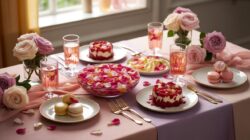
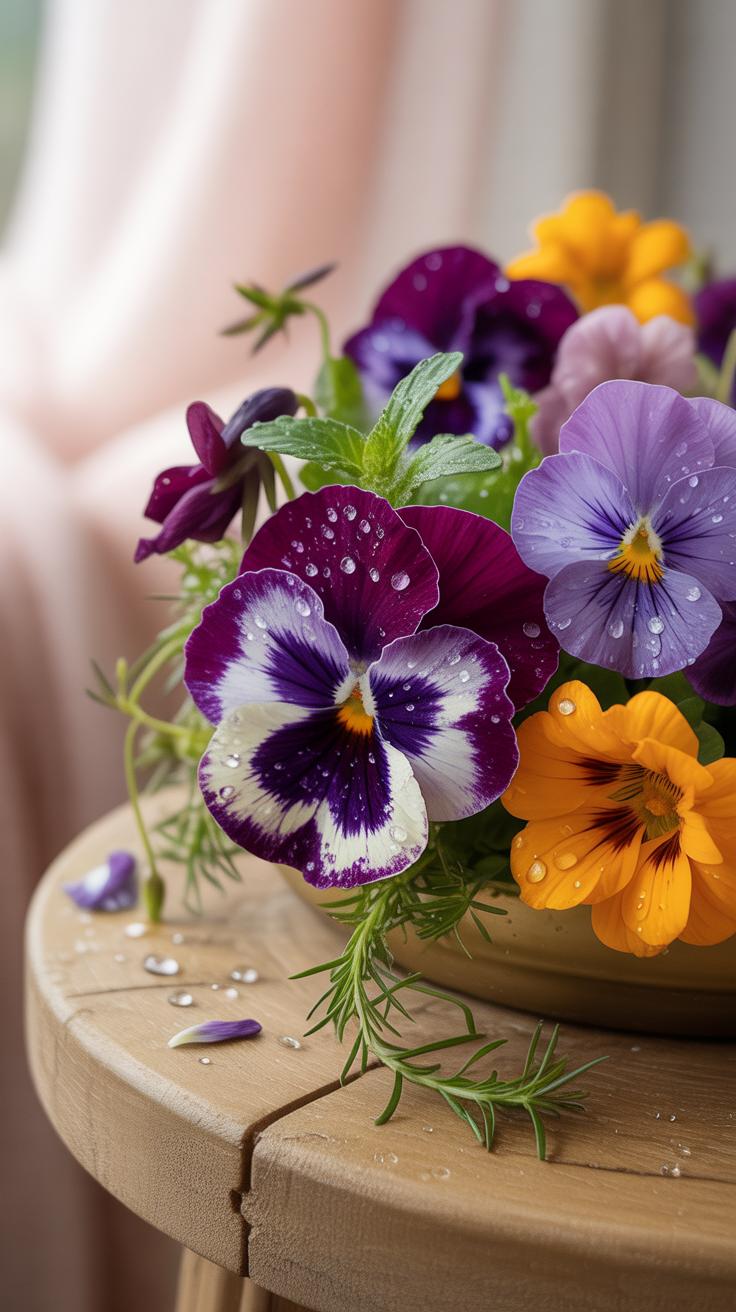
Pansies offer a wide color range for modern tablescapes. Use their flat faces to decorate small plates or float them in shallow glass bowls. Their mild flavor does not interfere with savory or sweet dishes. They work best when placed directly on top of white linens or light wood surfaces. This contrast highlights their natural patterns.
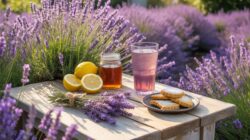
Lavender provides structural height and a strong scent profile. Place dried or fresh sprigs in narrow vases for a minimalist look. Use the buds to garnish clear glassware or cocktail rinds. Borage contributes a distinct blue hue and cucumber flavor. Freeze these star shaped flowers into large ice cubes. This keeps drinks cold without diluting the visual impact of the spread.
How To Dry And Press Edible Flowers For Long Lasting Home DéCor Displays
Pressing edible flowers preserves their shape and color for framed art or menu cards. Use parchment paper to prevent sticking and moisture buildup. Place flowers face down between heavy boards or within a dedicated flower press. Tighten the straps to apply even pressure across the petals. This process takes two to three weeks depending on the local humidity levels.
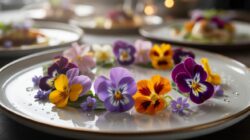
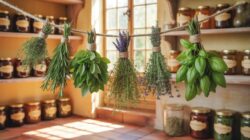
Drying flowers requires different tactics to maintain structural integrity. Hang bunches of lavender upside down in a dark and dry room. Use silica gel for fragile blooms like pansies to keep their vibrant colors. Avoid direct sunlight during the drying phase to prevent fading. Store the finished products in airtight containers. Use these preserved elements to decorate spice jars or seasonal home displays.
Flower Recipe Ideas And How To Use Flowers That Are Edible In Everyday Cooking
Simple Flower Recipe Techniques: Candying, Infusing, And Garnishing With Blooms
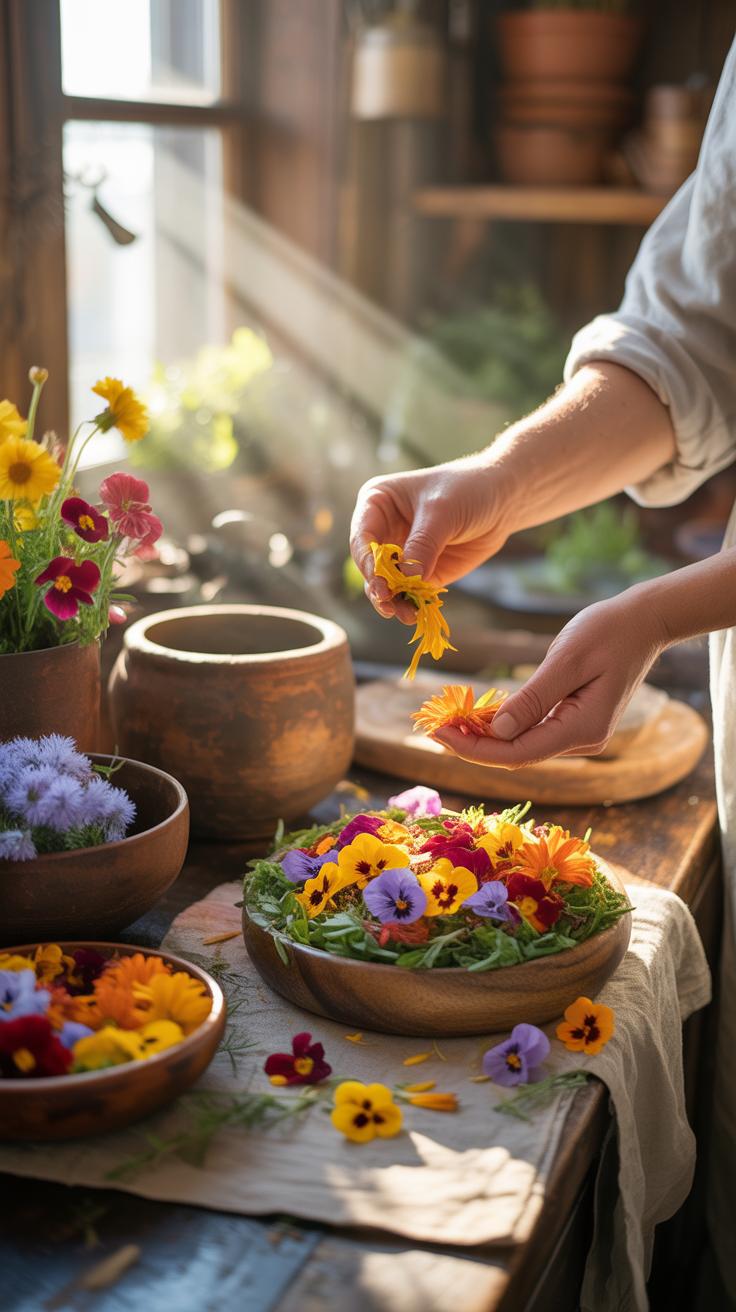
Candying preserves blooms for long-term use. Brush petals with egg white and coat them in fine sugar. Historically, Victorian chefs used this method for violets and roses. It adds texture and sweetness to desserts. Infusing involves steeping petals in liquids like honey, oil, or vinegar. This extracts essential oils and flavor profiles. Heat allows the chemical compounds to release quickly into the base liquid.
Garnishing requires immediate application before serving. Fresh petals lose turgor pressure quickly and wilt under heat. Place them on cold dishes like salads or iced drinks to maintain structural integrity. Use bold colors to create visual contrast on the plate. Balance flavors by pairing spicy nasturtiums with creamy cheeses. Avoid over-handling the blooms to prevent bruising delicate tissues. These techniques transform raw botanical material into culinary components.
Step By Step Tips For Preparing And Storing Edible Flowers Before Use
Proper preparation ensures food safety and flavor quality. Harvest flowers in the cool morning hours when moisture levels are highest. Remove the pistils and stamens. These parts often carry bitter pollen that ruins the taste. Wash individual petals gently in cold water to remove insects or dirt. Dry them thoroughly on paper towels. Moisture causes rapid bacterial growth and decay in stored botanicals.
- Cold Storage: Place cleaned flowers in an airtight container lined with damp paper towels. Store them in the vegetable crisper drawer of your refrigerator. This maintains humidity levels and prevents the petals from drying out or becoming limp over time.
- Stem Hydration: Keep whole flowers like pansies or snapdragons in a small glass of water. This mimics a vase environment and extends freshness for forty-eight hours. Change the water daily to prevent microbial buildup and ensure the stems can still draw up necessary hydration.
- Ice Cubes: Freeze small blossoms in distilled water to use in drinks. Use a two-step freezing process to center the flower in the cube. Fill the tray halfway, freeze, add the bloom, and then fill the rest. This technique preserves the color and shape perfectly.
- Drying Method: Air dry sturdy flowers like lavender or marigolds by hanging them upside down in a dark room. Ensure high airflow to prevent mold. Once the petals feel like paper, transfer them to glass jars. Store these in a cool spot away from light.
- Pest Inspection: Blow gently into the center of the flower to dislodge hidden insects. Submerge the blooms in a bowl of salt water for thirty seconds if you suspect deeper infestation. Rinse immediately with fresh water to remove any salt residue before you start cooking.
Organize your storage by flower type and expiration date. Delicate petals like borage last only one day under refrigeration. Sturdier options like carnations remain viable for up to a week. Label every container clearly to avoid confusion during meal service. Check the condition of your stock daily. Discard any items showing signs of brown spots, slime, or off-putting odors to maintain high culinary standards.
Frequently Asked Questions

Which flowers are safest for beginners to start with at home?
If you are new to using botanicals, nasturtiums, pansies, and marigolds are the perfect starting point. These varieties are incredibly hardy and produce vibrant blooms that provide a peppered or minty flavor profile. Following a basic edible flowers guide ensures you select non-toxic petals that are free from harmful pesticides. Always double-check the scientific names before consumption to guarantee you are using culinary-grade blossoms that are safe for your family.
How do I properly clean and store edible flowers for my meals?
To maintain freshness, gently dip your blooms in a bowl of cold water to remove dust or small insects. Shake them dry very carefully or use a salad spinner on a low setting. Place the clean petals on a damp paper towel inside an airtight container. This comprehensive edible flowers guide recommends keeping them in the refrigerator, where most varieties will stay crisp and stylish for up to three to five days.
Can I grow edible flowers on a budget if I have limited space?
Absolutely! You don’t need a sprawling garden to enjoy fresh blooms. Most culinary flowers, like violas and chives, thrive in small windowsill pots or balcony containers. Starting from seeds is an extremely cost-effective way to brighten your home without spending much. By growing your own, you save significantly compared to buying expensive pre-packaged blossoms at high-end grocery stores, making organic garnishes accessible for any household budget or living situation.