What Makes Flower Photography Backgrounds So Timeless And Universally Loved
The Emotional Connection Between Flowers And Human Well Being
Flowers trigger immediate positive responses in the human brain. Scientific studies show that viewing floral patterns reduces cortisol levels and lowers blood pressure. This biological reaction makes flower photography backgrounds an effective tool for creating calm environments. People gravitate toward these images because they simulate a connection to nature. This psychological link improves mood and increases long-term life satisfaction in residential and professional settings.
Tactical use of floral imagery leverages biophilic design principles. These principles state that humans possess an innate tendency to seek connections with nature. By using flowers as a backdrop, photographers tap into deep-seated evolutionary preferences for fertile and healthy ecosystems. This connection remains consistent across different cultures and age groups. It provides a reliable way to evoke comfort and safety without using complex or polarizing visual metaphors.
Why Flowers Have Been A Central Subject In Art And Photography Throughout History
Flowers served as essential subjects since the Dutch Golden Age of painting. Artists used floral arrangements to demonstrate technical skill and symbolize life cycles. Early photographers adopted these subjects because plants do not move during long exposure times. This practical advantage allowed pioneers like Anna Atkins to document botanical structures with high precision. These historical foundations established flowers as a standard for technical and aesthetic excellence.
The transition from film to digital photography solidified the role of flowers in visual media. Modern macro lenses allow photographers to capture details invisible to the human eye. This capability keeps floral backgrounds relevant in contemporary interior design and digital marketing. The mathematical symmetry found in petals and seeds follows the Golden Ratio. This geometric perfection ensures that floral compositions always look balanced and professional to the viewer.
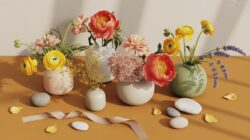
Choosing The Right Flower Background Wallpaper For Your Living Space
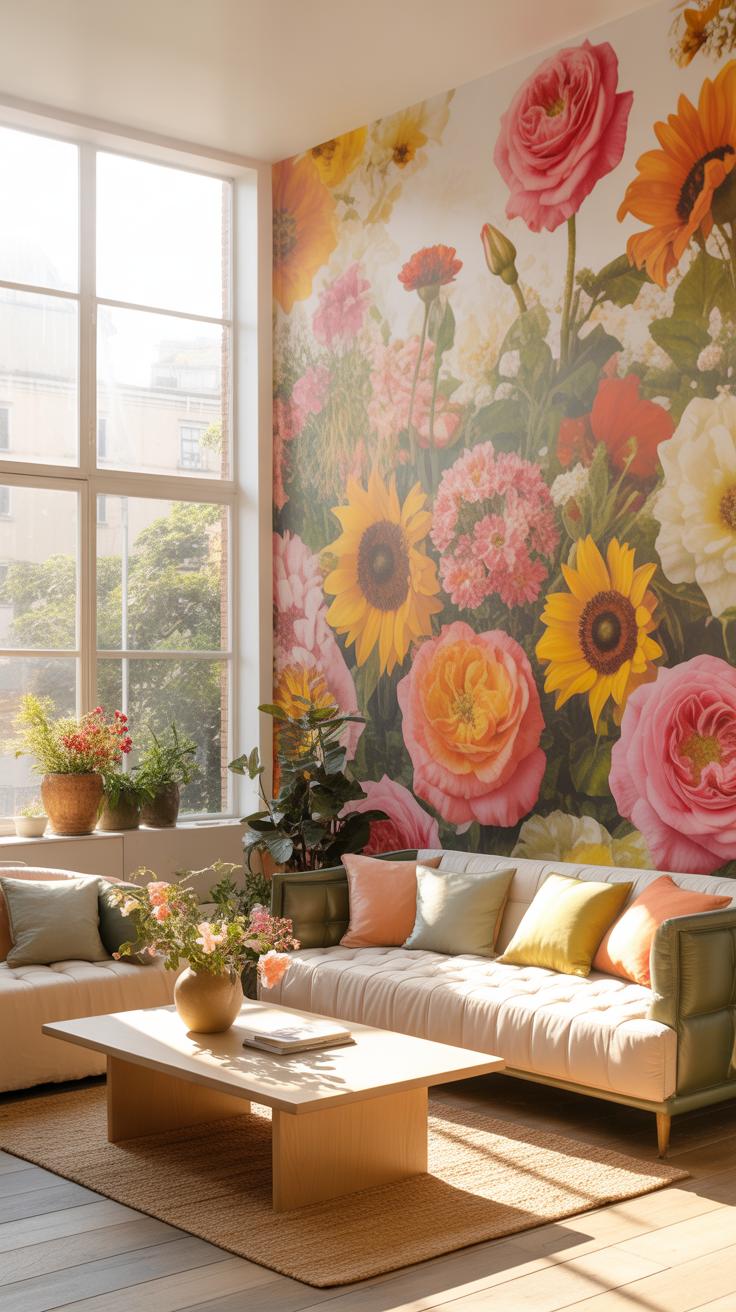
How To Match Flower Wallpaper Styles With Your Interior Design Theme
Modern minimalist spaces require macro photography backgrounds with high negative space. Focus on single stems or neutral tones to maintain a clean aesthetic. These images work best in rooms with industrial or Scandinavian furniture. Large scale floral patterns can overwhelm small rooms if the colors clash with existing upholstery. You must align the primary petal color with your accent pieces.
Traditional interiors benefit from Dutch Golden Age styles. These backgrounds feature deep shadows and rich, moody tones like burgundy and forest green. They complement dark wood furniture and classic architecture. Use botanical illustrations for a vintage look in studies or dining rooms. Correct scaling ensures the flower photography backgrounds enhance the room without creating visual clutter or distracting from the furniture.
The Difference Between Printed Wallpaper And Digital Flower Photography Backgrounds
Printed wallpaper serves as a permanent architectural element in a home. Manufacturers use vinyl, non-woven fibers, or traditional paper to create these physical products. These materials require professional installation and offer tactile texture. The resolution depends on the printer dots per inch and the base material quality. You cannot change these backgrounds easily once you apply the adhesive to the wall surface.
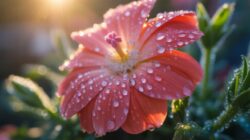
Digital flower photography backgrounds function as virtual assets for content creation or digital displays. Users project these images onto screens or use them in post-production software. They offer higher flexibility than physical wallpaper. You can swap colors and lighting setups in seconds. This technology allows for perfect exposure and sharp focus that printed media often loses. These backgrounds serve photographers and digital creators who need instant variety.
Exploring Aesthetic Flower Pics That Work Beautifully As Wall Art And Backdrops
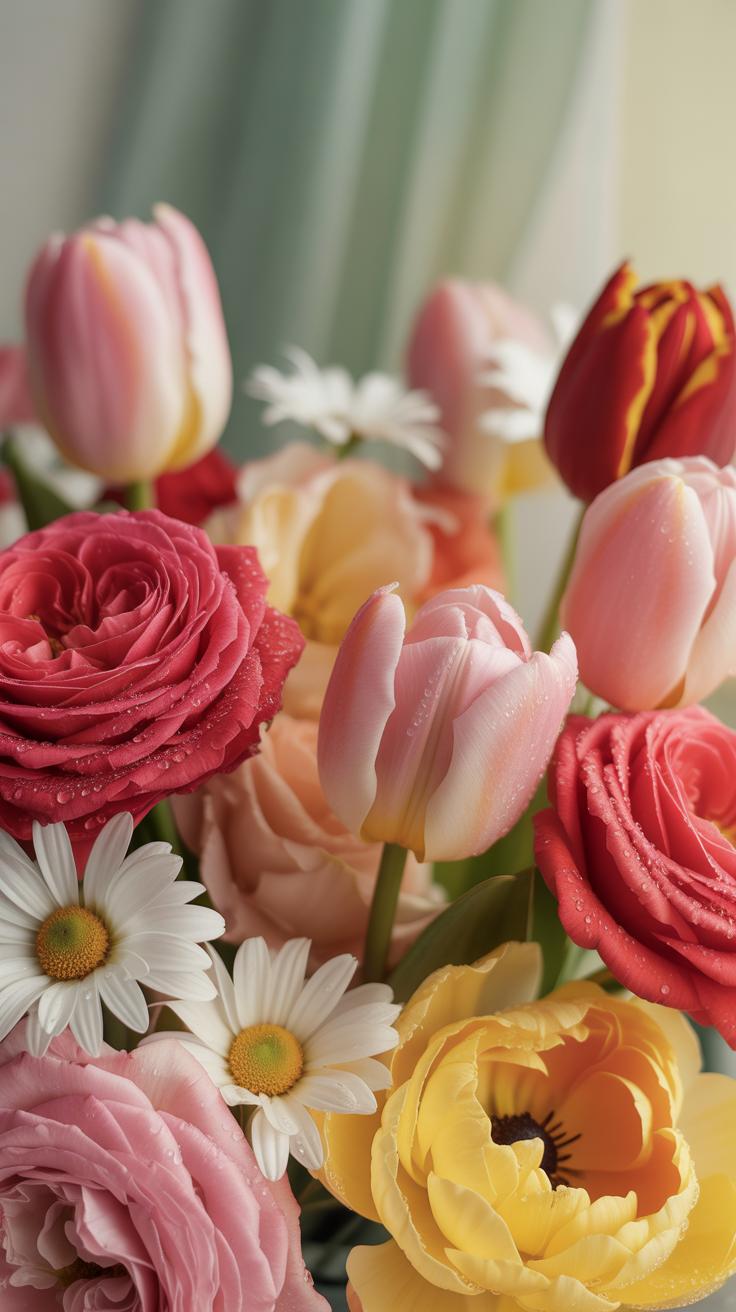
What Defines An Aesthetic Flower Photo And How Composition Plays A Role
Aesthetic flower photography focuses on visual balance and intentional space. Successful wall art requires a clear focal point. Use the rule of thirds to place the bloom off-center. This creates movement and leads the eye across the frame. High-contrast lighting defines the edges of petals. Sharp focus on the reproductive organs of the plant provides a necessary anchor for the viewer.
Backgrounds must remain uncluttered to serve as effective backdrops. Use a wide aperture to create a shallow depth of field. This technique blurs distracting elements into a smooth wash of color. Negative space allows the subject to breathe and prevents the image from feeling cramped. Proper composition ensures the photo functions as a design element rather than just a simple scientific record.
Top Flower Varieties That Photograph Exceptionally Well For Wall Display
Certain species offer superior structural integrity for large-scale prints. Peonies and garden roses provide dense layers of petals that catch light and shadow effectively. These flowers have a high petal count. That volume creates deep textures that translate well into printed media. Their heavy heads create natural curves. This adds a sense of grace to a vertical or horizontal wall layout.
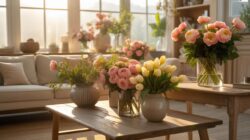
Proteas and lilies offer sharp lines for modern interior styles. The geometric shapes of the King Protea provide a rugged look for industrial spaces. Calla lilies offer smooth surfaces and clean silhouettes. These flowers maintain their form even under close-up macro photography. Select these varieties when you need bold shapes. Choose them to ensure your background has a strong and clear presence.
Understanding Flower Background Design Principles For A Polished Home Look
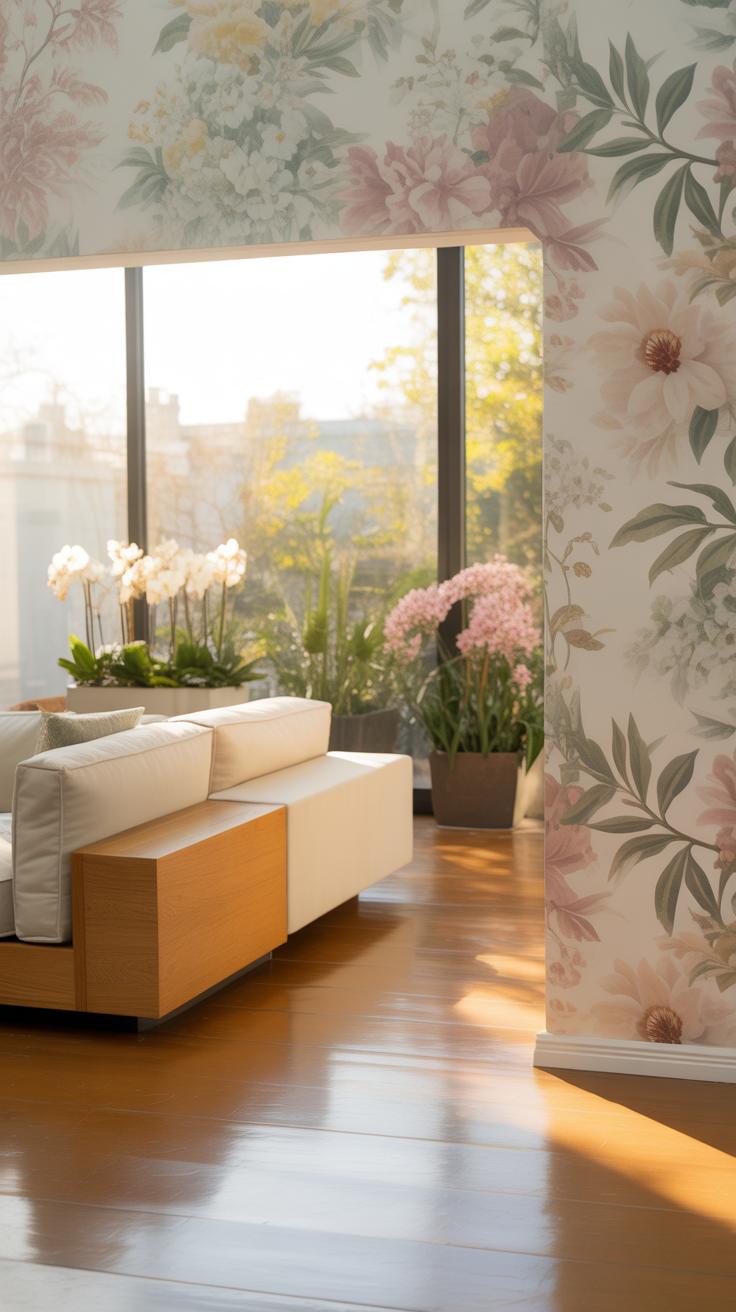
How Color Theory Applies To Flower Background Design Choices
Color choices dictate the mood and clarity of your shot. Use a color wheel to select a background that provides enough contrast for the subject. Complementary colors sit opposite each other on the wheel and create high impact. For example, a blue background makes yellow flowers pop. Monochromatic schemes use different shades of one color to create a calm and professional look.
Analyze the temperature of your lighting before choosing a background. Warm light from a window requires backgrounds that do not muddy the petals. Neutral grays and whites reflect light back onto the flower to show true colors. High-contrast colors help the camera lens focus faster on the edges of the plant. Avoid busy multi-colored backdrops that distract the eye from the main floral subject.
Balancing Floral Patterns With Negative Space In Background Design
Negative space is the empty area around your flower. This space gives the viewer a place to rest their eyes. Professional photographers use a ratio of two-thirds negative space to one-third subject. This technique draws immediate attention to the texture of the flower. A plain wall or a solid fabric works best to eliminate visual noise in a home setting.

Large patterns in the background often compete with the natural lines of a plant. If you use a patterned background, keep it out of focus. This creates a soft blur known as bokeh. This blur separates the flower from the wall. Proper spacing between the flower and the background is essential. Move the plant at least three feet away from the surface to create depth.
The Enduring Appeal Of Pink Pretty Flower Wallpaper In Modern Home DCor
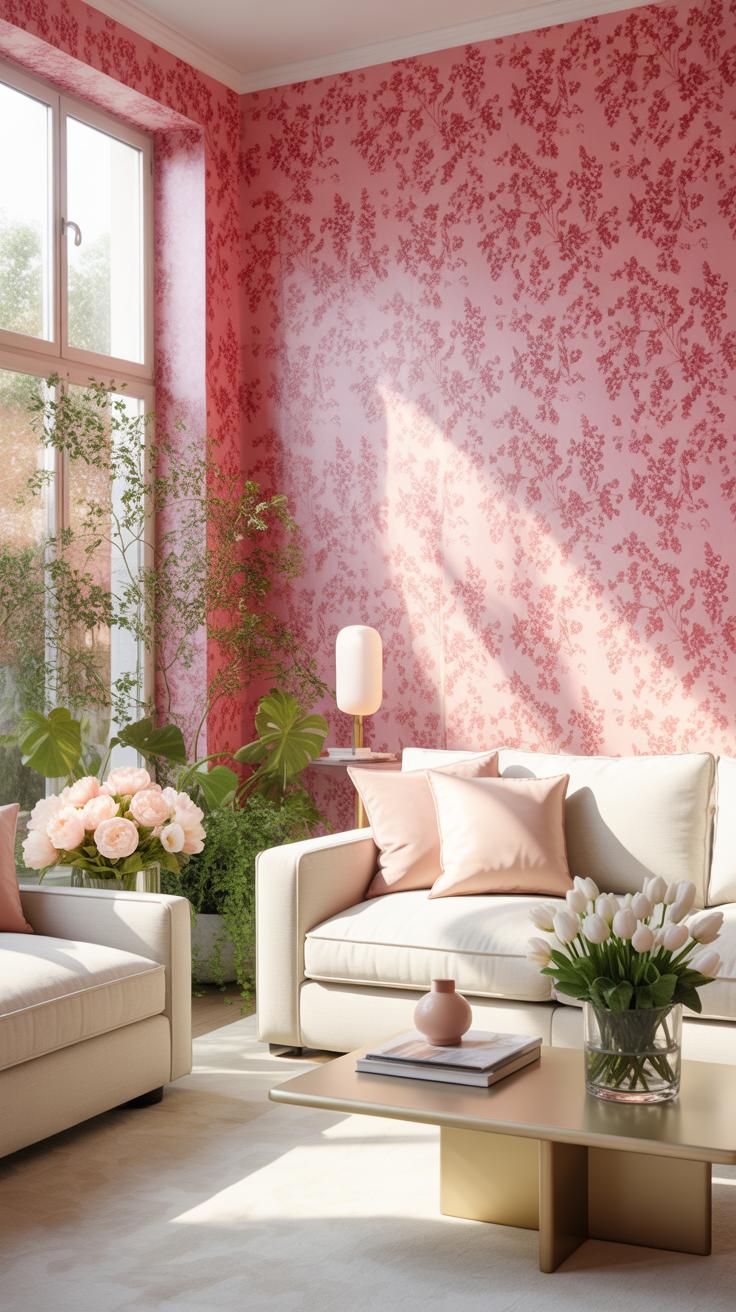
Why Pink Floral Tones Create A Warm And Inviting Atmosphere In Any Room
Pink sits on the warm side of the color wheel. This placement triggers a physiological sense of comfort and ease. Professional designers use these tones to soften the harsh lines of modern furniture. Pink photography backgrounds diffuse light differently than cooler colors. This diffusion fills a room with a soft glow. It makes a space feel occupied and lived in rather than sterile.
Color psychology proves that specific shades of pink lower heart rates. Medium pink tones bridge the gap between high-energy reds and calm whites. This balance provides a stable visual anchor for interior design projects. Using floral patterns adds organic texture to flat walls. This combination of color and shape creates a grounded environment. It yields a welcoming space that encourages guests to relax and stay longer.
Popular Pink Flowers Used In Photography Backgrounds And What They Symbolize
Peonies and roses dominate the pink floral photography market. The peony represents prosperity and honor in Eastern traditions. Its large, ruffled petals create depth in digital backgrounds. Cherry blossoms offer a different look with small, delicate clusters. These flowers symbolize the fleeting nature of life and renewal. Photographers choose these species to convey specific moods. High-resolution captures preserve these details for large-scale wallpaper applications.
Tulips and carnations provide structured silhouettes for minimalist décor. The pink tulip stands for affection and care. It offers a clean line that works well in modern homes. Carnations represent gratitude and have been used in art for centuries. Each flower type carries a distinct historical meaning. Selecting the right bloom ensures the wallpaper matches the room’s purpose. Strategic selection of floral species makes the background more than just a decoration.
How To Display Flowers Wallpaper HD 4K Images For Maximum Visual Impact
What HD 4K Resolution Means For Flower Photography Print Quality
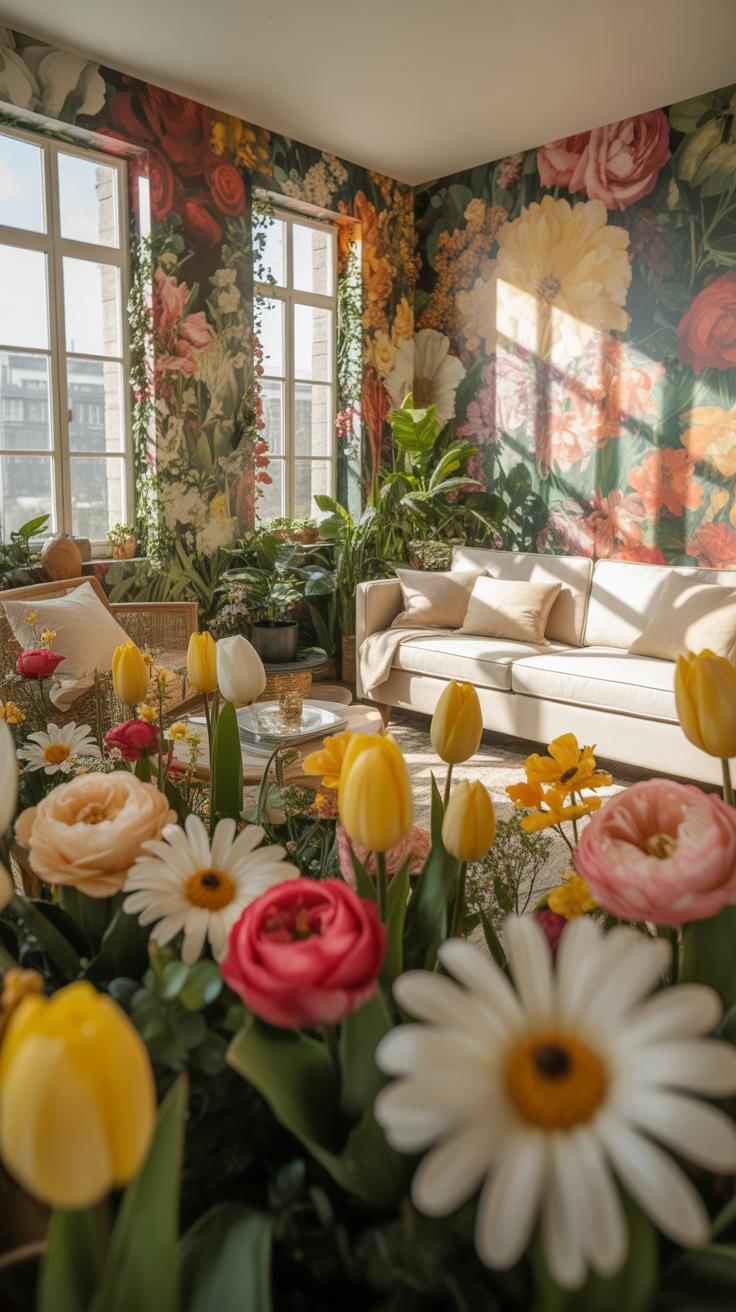
HD 4K resolution refers to a horizontal pixel count of approximately 4,000 pixels. For flower photography backgrounds, this density is critical. High resolution allows for large-scale printing without visible pixelation. Sharpness remains consistent even when viewers stand close to the image. Professional photographers use these files to preserve fine details in petals and textures. High-resolution files ensure that every transition in color looks smooth and natural on the wall.
Printing flower images requires a high dots per inch count for clarity. A 4K image provides enough data to produce a clean print at thirty inches or larger. Lower resolution files fail at this scale. They create blurry edges and muddy colors. Detail is lost in the shadows and highlights. Using 4K source files ensures the final product looks like a professional photograph rather than a digital recreation. High quality starts with the source file.
Best Display Methods For High Resolution Flower Photography In The Home
Proper display methods enhance the technical quality of high-resolution flower photography. Lighting and material choice dictate how the viewer perceives the 4K detail. Glossy finishes reflect light and can obscure fine patterns. Matte or satin finishes reduce glare and keep the focus on the floral subject. Large formats work best for 4K images because they utilize the high pixel count effectively. Proper placement ensures the artwork anchors the room design.
- Acrylic Mounting: This method uses a thick layer of acrylic glass over the print. It enhances the depth and vibrancy of floral colors. The edges catch light and create a modern look. It protects the image from UV rays and moisture damage over time.
- Aluminum Sublimation: Printers infuse ink directly into specially coated metal sheets. This creates a durable and waterproof display. The colors appear vivid and the high-resolution details stay crisp. It works well for large-scale flower photography in minimalist or industrial home interiors.
- Giclee Canvas Wraps: Professional inkjets apply pigment-based inks to high-quality canvas. This method provides a classic texture that mimics fine art. The matte surface eliminates reflections from windows or lamps. It is a cost-effective way to display 4K images at a massive scale.
- Backlit LED Frames: These frames use interior light strips to illuminate the image from behind. This technique makes flower petals appear translucent and alive. It mimics the natural way light passes through real plants. High-resolution files are necessary here to prevent the light from exposing digital artifacts.
- Museum-Grade Framing: Traditional framing uses acid-free mats and anti-reflective glass. This preserves the print for decades. It adds a physical border that focuses the eye on the center of the floral composition. This method suits traditional or transitional home decor styles perfectly.
Select the display material based on the lighting conditions of your room. Bright rooms with many windows require non-reflective glass or matte canvas. Darker hallways benefit from backlit frames or high-gloss acrylic prints. Ensure the scale of the image matches the wall size. A small 4K print loses its impact, while a wall-sized mural fully utilizes the high resolution. Every choice should serve the clarity of the original photograph.
Using Flower IPhone Wallpapers As Inspiration For Real Home DCor Themes
How Popular Flower IPhone Wallpaper Trends Reflect Broader Interior Design Movements
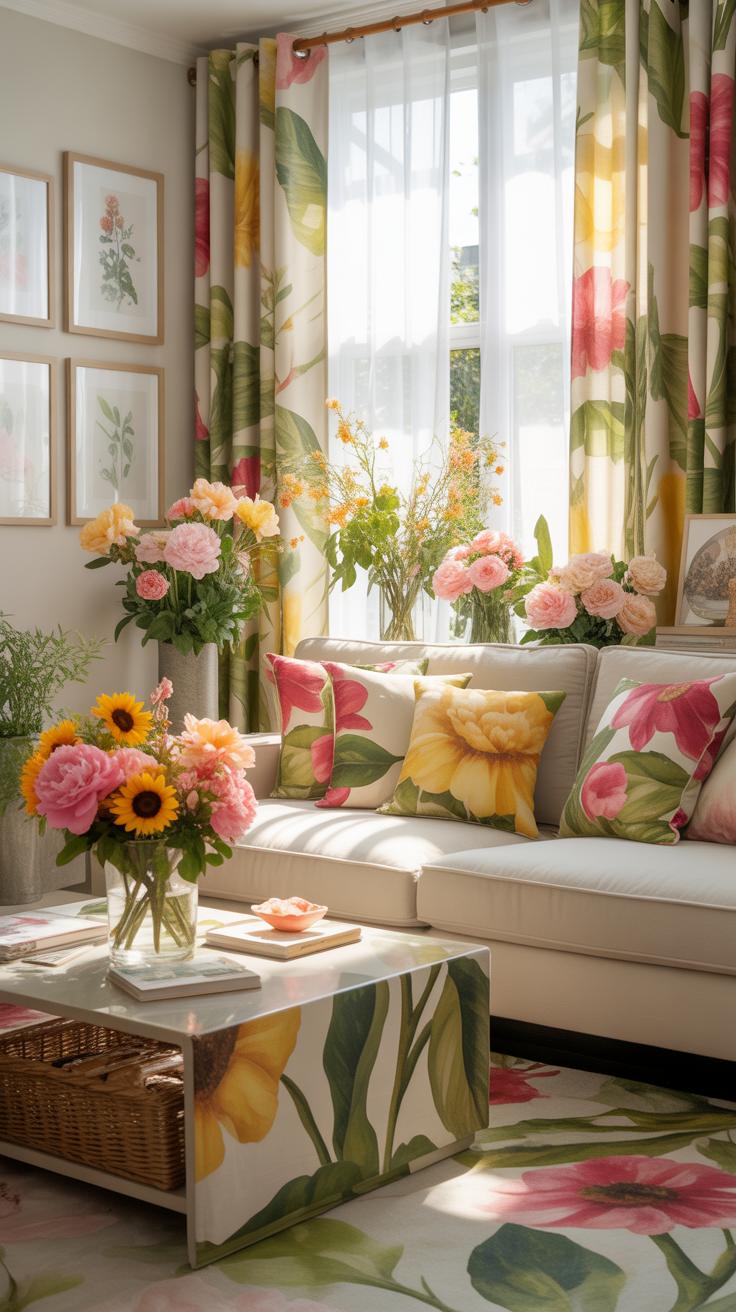
Flower iPhone wallpapers track current global design shifts. High contrast floral images against dark backgrounds mirror the Modern Gothic and Dark Academia movements. These styles emphasize mood and depth. Light and airy floral images reflect the Scandinavian and Minimalism trends. These movements focus on natural light and simplicity. Users download these images because they align with established visual languages used by top interior designers today.
Digital trends influence physical spaces through color theory and texture. Macro photography wallpapers highlight organic patterns seen in Biophilic design. This movement integrates nature into human environments to reduce stress. A wallpaper featuring soft peonies aligns with the Grandmillennial aesthetic. This style Revitalizes traditional patterns for modern homes. Understanding these links helps you choose a theme that stays relevant. Data shows digital aesthetics often predict physical furniture sales.
Translating A Digital Flower Wallpaper Aesthetic Into A Physical Room Concept
Start with the dominant color in your favorite floral wallpaper. This color becomes your primary paint or textile choice. Use the secondary colors in the image for accents like pillows or vases. Matching the lighting in the digital image is critical for success. If the wallpaper uses harsh sunlight, use bright bulbs. If the image has soft shadows, use floor lamps with warm tones to replicate that feel.

Materials must match the photography style to create a cohesive look. A sharp and glossy digital image requires glass and polished metal surfaces in the room. A matte or grainy floral wallpaper pairs better with linen and reclaimed wood. These textures ground the digital inspiration in reality. Focus on the scale of the flowers in the image. Large prints create a focal point. Small repeating patterns provide a quiet background.
Finding The Perfect Beautiful Flower Picture To Anchor A Feature Wall
What To Look For When Selecting A Beautiful Flower Picture For A Feature Wall
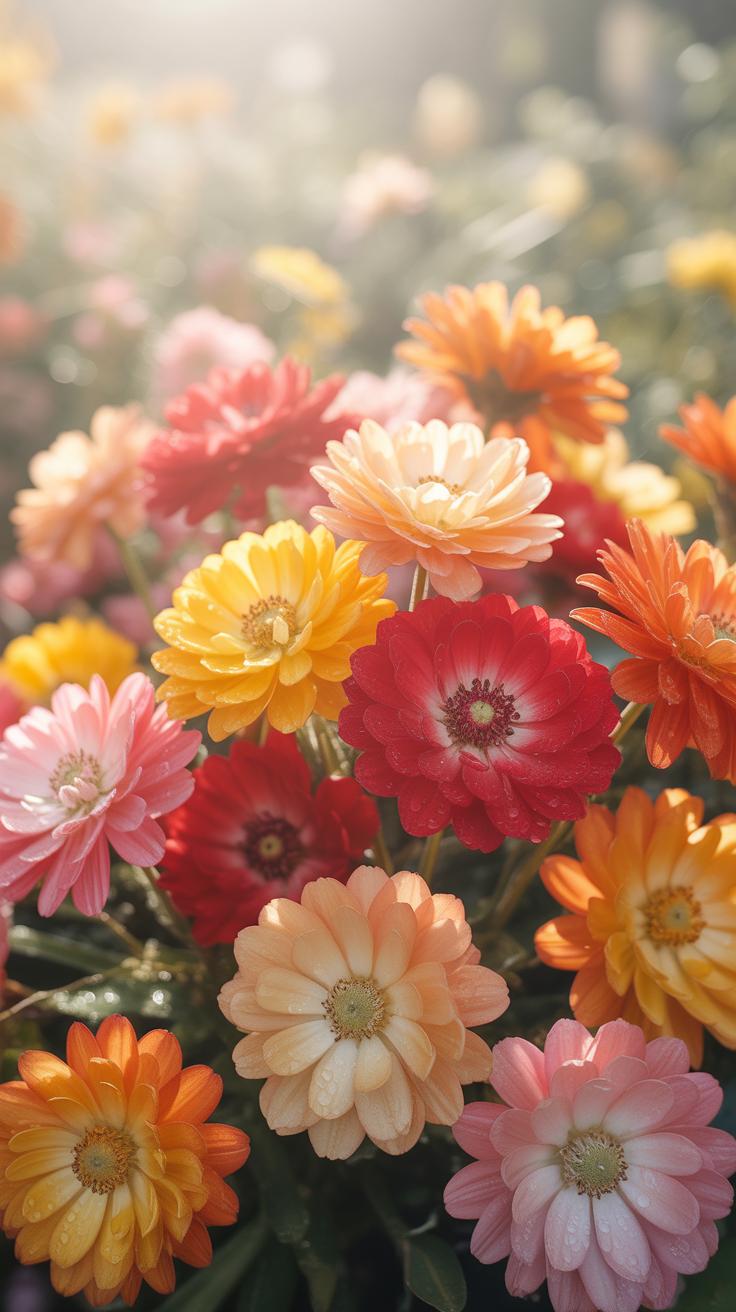
Selecting a flower picture for a feature wall requires focus on visual weight and color theory. A large-scale macro shot acts as a strong anchor for any room. Choose images with high contrast to create a clear focal point. Ensure the flower colors complement your existing wall paint. Neutral backgrounds in the photograph allow the bloom to stand out without clashing with decor.
Sharpness and resolution determine the final quality of a wall installation. Low-resolution files appear blurred or pixelated when enlarged for a feature wall. Verify the source file size before printing. Look for a shallow depth of field to separate the subject from its background. This technique draws the eye directly to the center of the image. Precision in these technical details ensures a professional look.
Every flower is a soul blossoming in nature, and bringing that beauty into your home preserves a timeless memory of grace.
Tips For Framing And Mounting Flower Photography To Elevate Any Room
Effective framing protects the print and provides a finished look for your space. Traditional gallery frames use clean lines to keep the focus on the floral subject. Use archival materials to prevent yellowing or fading over time. Professional mounting techniques ensure the photograph sits flat against the wall. Consider the room lighting to minimize glare on the glass surface.
- Acid-Free Matting: Use museum-grade matting to create a physical border around the print. This prevents the photograph from touching the glass. It also provides a visual break between the frame and the artwork. Material quality prevents chemical damage.
- Anti-Reflective Glass: Install museum glass or high-end acrylic to eliminate distracting reflections. This is critical for rooms with large windows or heavy artificial light. It ensures viewers see the colors clearly from any angle in the room.
- Diasec Face Mounting: Bond the print directly to acrylic for a sleek and modern appearance. This process eliminates the need for a traditional frame. It creates a vibrant look that is common in contemporary art galleries and high-end residential designs.
- Float Mounting: Secure the image so it appears to hover inside a shadow box frame. This depth adds a three-dimensional effect to the wall display. It works best for thick papers or prints with hand-deckled edges for extra texture.
- Linen Liners: Add a fabric liner inside the frame for a classic and sophisticated touch. This technique is often used in traditional design to add texture. It helps bridge the gap between a modern photograph and a more classic interior style.
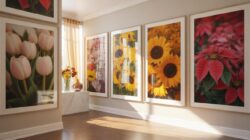
Placement height is the final step in anchoring your feature wall. Aim for eye level, which is roughly sixty inches from the floor to the center of the image. Align the frame with major furniture pieces like sofas or sideboards to create a cohesive layout. Strategic lighting, such as a dedicated picture light, can further highlight the botanical details. Follow these steps for a polished result.
Celebrating Beautifull Flowers Through Macro And Close Up Photography Backgrounds
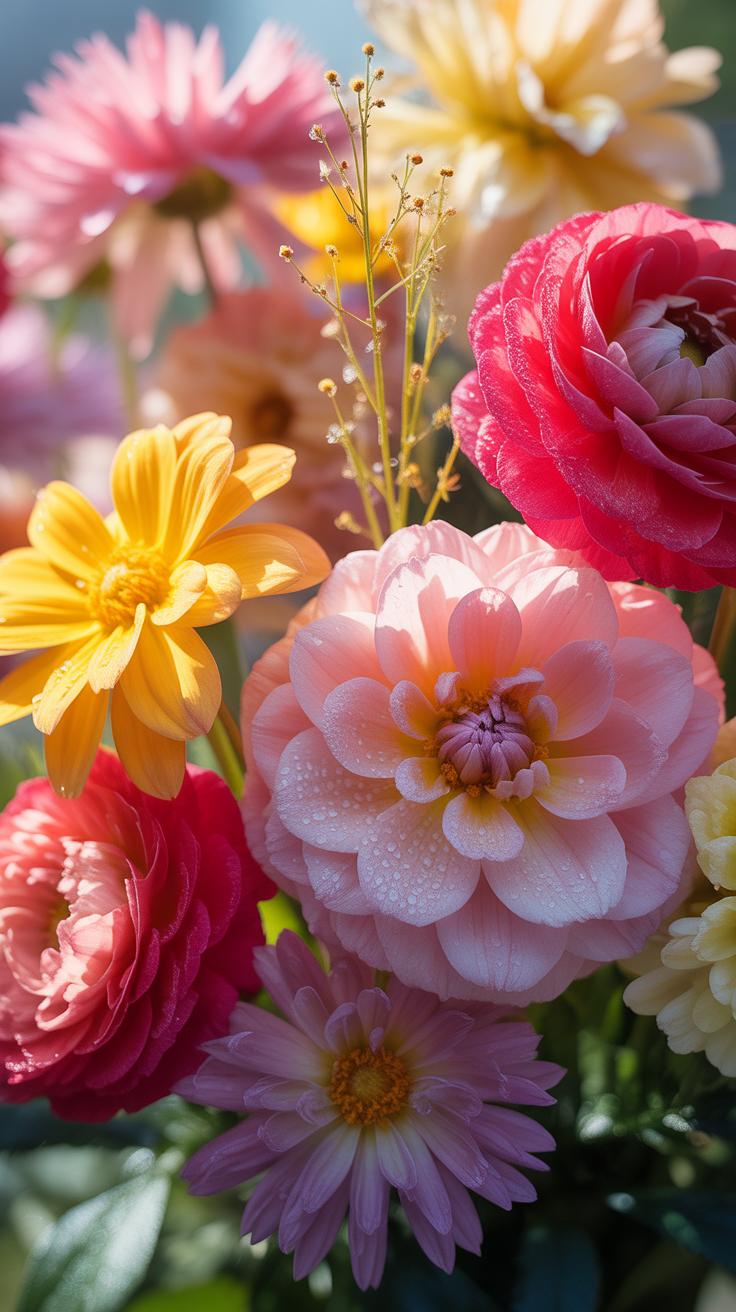
How Macro Flower Photography Reveals Hidden Details That Elevate A Background
Macro photography uses specialized lenses to achieve a one to one magnification ratio. This technical approach captures textures like pollen grains and vein patterns in petals. These minute details transform a standard flower into a complex landscape. High magnification creates a narrow depth of field. This effect isolates the subject and turns the immediate surroundings into a smooth color wash that removes distracting household clutter.
Strategic focus on botanical structures creates professional backgrounds. Sharp edges on a stamen contrast against soft bokeh to pull the eye toward the center. This technique works best when you align the camera sensor parallel to the flower face. Proper alignment ensures the most critical details stay within the thin plane of focus. Accurate macro work highlights structural geometry that remains invisible to the naked eye during casual viewing.
The Science Behind Why Close Up Flower Shots Are So Visually Captivating
Human vision prioritizes high contrast and edge detection. Close up photography emphasizes these elements by enlarging small features until they fill the frame. This scale shift triggers a physiological response known as the novelty effect. The brain processes familiar objects in unfamiliar sizes with higher levels of engagement. Vivid colors and repetitive natural patterns found in flora create strong visual cues that hold the viewer attention for longer periods.
Symmetry and the Fibonacci sequence naturally occur in flower heads. When a camera captures these mathematical patterns at close range, it creates a sense of balance. This visual harmony reduces cognitive load. Simple compositions rely on the rule of thirds to place the flower heart at a focal point. This placement guides the eye through the image naturally. Standard lighting enhances these shapes and adds depth through subtle shadows on the petal surfaces.
Using Flower Lock Screen Wallpaper As A Daily Mood Lifting Design Ritual
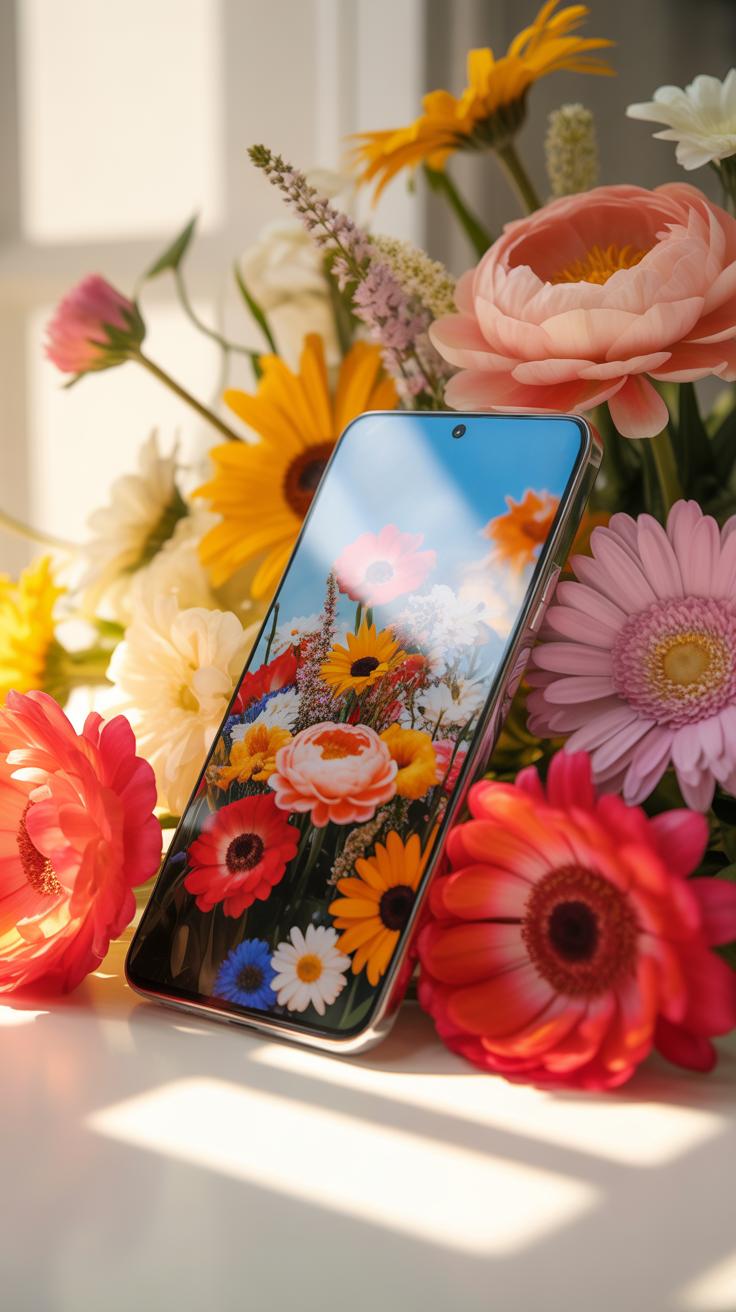
The Psychological Benefits Of Surrounding Yourself With Floral Imagery Every Day
Visual exposure to floral patterns triggers positive emotional responses. Research shows that looking at flowers reduces cortisol levels and lowers blood pressure. This reaction stems from biophilia, the human tendency to seek connections with nature. Your phone screen acts as a constant touchpoint throughout the day. Viewing high-quality flower photography backgrounds provides a micro-break for your brain and improves your overall focus and mental clarity.
Digital floral imagery serves as a functional tool for stress management. Regular interaction with nature-based photography stimulates the parasympathetic nervous system. This process helps regulate your mood during high-stress work periods. By selecting specific colors, you control your environmental stimuli. Blue flowers promote calmness while yellow petals increase energy. Using a lock screen as a visual anchor keeps you grounded in a fast-paced digital environment.
How To Coordinate Your Flower Lock Screen Wallpaper With Your Home’S Floral Theme
Effective design requires visual consistency between your physical and digital spaces. If your home uses Minimalist design with white lilies, your lock screen should reflect that same palette. This repetition creates a seamless transition as you move through your living areas. Use the same lighting style in your wallpaper that exists in your room. Soft natural light in photos complements bright spaces while moody shadows suit darker interiors.
Professional decorators use color theory to link mobile devices with room decor. Match the primary hue of your lock screen to the secondary accent color in your floral arrangements. If you have Dutch Master style bouquets, choose high-contrast photography for your phone. This alignment reinforces your design theme across all platforms. Tactical coordination prevents visual clutter. It ensures your digital habits support your home aesthetic instead of distracting from it.
Frequently Asked Questions

What are the best flower photography backgrounds for a beginner to use at home?
For those just starting out, simplicity is key to making your florals pop. Neutral-colored poster boards, rustic wooden tabletops, or even a simple linen tablecloth serve as excellent flower photography backgrounds. These understated textures ensure that the focus remains entirely on the intricate details and vibrant colors of your petals without creating distracting visual clutter in your final composition.
What lighting setup works best for photographing flowers indoors?
Soft, indirect natural light from a north-facing window is ideal for flower photography, as it avoids harsh shadows and blown-out highlights. If natural light isn’t available, a diffused artificial light source, like a lamp with a sheer fabric cover, mimics the same soft effect. Avoid direct overhead lighting, which tends to flatten the colors and texture of the petals.
How do I keep flower colors looking accurate in photos?
Camera white balance settings can shift flower colors unexpectedly, especially with warm-toned backgrounds. Setting a custom white balance using a neutral gray card, or shooting in RAW format so you can correct colors afterward, keeps your blooms looking true to life. Shooting in consistent lighting throughout a session also prevents color shifts between shots of the same arrangement.