
What Is A Floral Arrangement Workshop And Why Should Beginners Try One
Understanding The Basics Of A Floral Arrangement Workshop
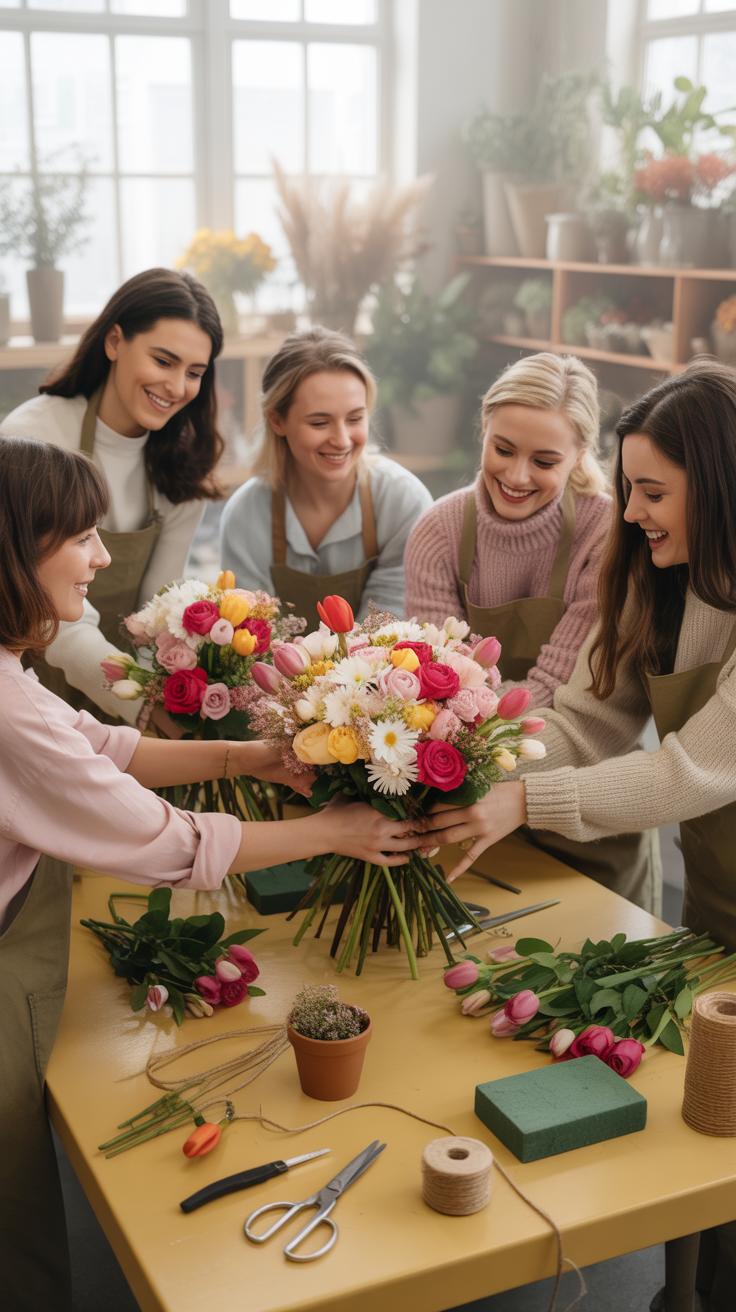
A floral arrangement workshop is a structured session where participants learn to design with live plant materials. Instructors provide professional tools like floral shears, tape, and chicken wire. You work with specific stem types including thrillers, fillers, and mass flowers. These classes teach the mechanics of hydration and stem placement. You follow a specific design style such as the Dutch Golden Age or modern minimalism.
These workshops focus on technical skills rather than just aesthetic choices. You learn how to cut stems at an angle to increase water uptake. Instructors demonstrate how to build a grid for support without using non-biodegradable floral foam. This training ensures your arrangement stays stable and survives for several days. Understanding these core mechanics is the primary goal of any entry-level session.
Why Floral Workshops Are A Perfect Creative Outlet For Beginners
Beginners find success in floral workshops because the medium is forgiving but follows clear rules. The structured environment eliminates the fear of making mistakes with expensive inventory. You receive immediate feedback on color theory and proportions. This hands-on practice builds muscle memory for handling delicate blooms. It removes the guesswork from a hobby that often feels overwhelming when attempted alone at home.
These sessions teach you to see nature through a geometric lens. You learn to balance negative space with dense focal points. Working with seasonal flowers connects you to local growth cycles and professional sourcing methods. Most beginners leave with a finished product and the confidence to replicate the process. It is a practical way to gain a new skill while producing a tangible result in under two hours.

Essential Tools And Materials To Prepare For Your Floral Design Workshop
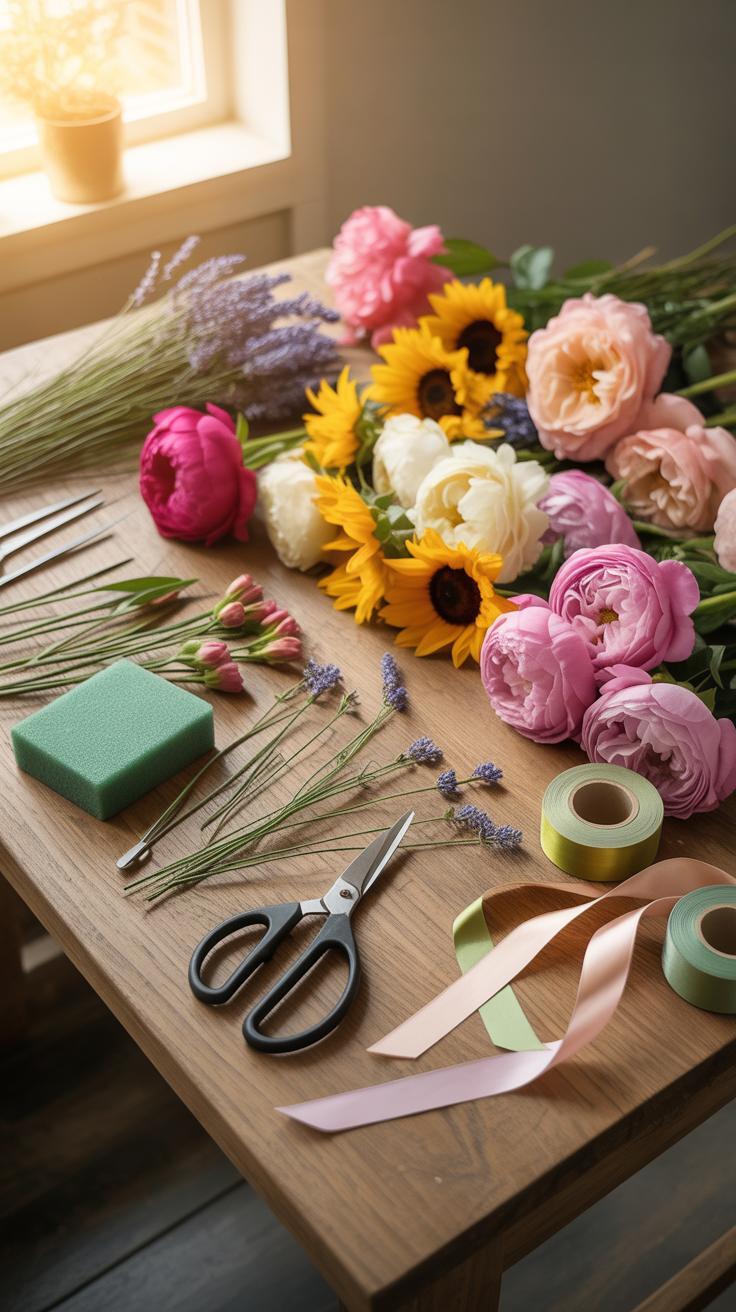
Must Have Tools Every Beginner Needs Before Starting A Floral Design Workshop
Successful workshops depend on professional equipment. Poor tools crush stems and prevent water uptake. You must provide sharp instruments to ensure flower longevity. Beginners often lack these items at home. Providing the right kit sets a high standard for the event. It also prevents injury from dull blades. Focus on utility and durability when selecting your workshop inventory.
- Floral Snips: These lightweight cutters handle soft stems with precision. Beginners find them easier to use than heavy shears. They provide clean cuts that do not pinch the vascular tissue. High quality steel blades stay sharp longer through repetitive use.
- Floral Tape: This wax coated paper stretching tape becomes sticky when pulled. It is vital for binding stems together or securing foam. It allows designers to create structural grids on vases. Use green or clear tape to remain discreet in the final design.
- Waterproof Floral Foam: Traditional foam blocks hold water and provide a firm base for stems. This material allows for complex shapes and precise angles. It is a staple of 20th century design movements. Ensure users soak the foam completely before they start their work.
- Wire Cutters: Designers use these to cut gauge wire and chicken wire. Do not use floral snips on metal because it ruins the blades. These tools prevent damage to expensive cutting equipment. They are necessary for creating structural supports and intricate bridal work.
- Thorn Strippers: These tools remove thorns and excess foliage from rose stems quickly. Hand stripping is slow and can cause skin irritation or puncture wounds. A metal or plastic stripper improves safety for students. Clean stems prevent bacterial growth in the water supply.
Organize these tools at individual workstations before students arrive. Preparation reduces chaos during the instructional phase. Keep a sharpening stone nearby to maintain blade edges between sessions. Clean tools with isopropyl alcohol to prevent the spread of plant pathogens. Proper maintenance extends the life of your gear. Professional tools lead to professional results for every participant in the room.
Where flowers bloom, so does hope. Let your hands rediscover the simple joy of tucking a stem into place, just as nature intended.
Choosing The Right Flowers And Foliage For Your First Workshop Project
Standard workshops require hardy flowers that can survive handling by novices. Choose varieties with thick, sturdy stems like carnations or chrysanthemums. These species tolerate temperature changes and stay hydrated longer than delicate field flowers. Avoid wilting varieties like hydrangea or sweet peas for initial projects. You want students to focus on placement rather than keeping fragile blooms alive during the class.
Incorporate foliage to provide texture and structural mass. Eucalyptus and ruscus are reliable choices for their longevity and flexible stems. Use greens to establish the shape of the arrangement before adding focal flowers. This technique follows traditional design principles used in commercial floristry for decades. Teaching students to build a green base ensures their final projects look professional and full regardless of their skill level.
Top Floral Workshop Ideas For Absolute Beginners To Try At Home Or In A Class
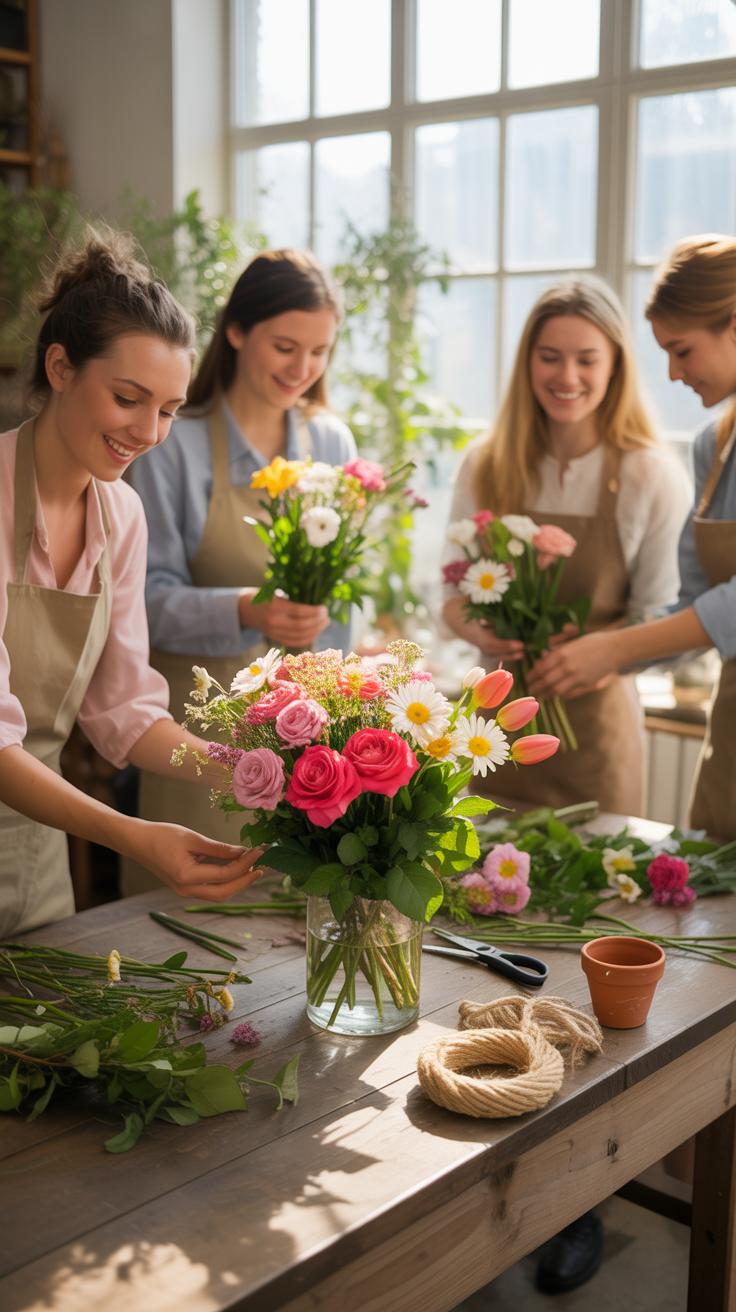
Simple Hand Tied Bouquet Projects That Build Core Arranging Skills
Hand-tied bouquets teach beginners the spiral technique. This method involves placing stems in a single direction to create a structural vortex. It prevents crushing the flower heads and allows the bouquet to stand on its own. Professionals use this technique to ensure even distribution of color and texture throughout the arrangement. It is the most critical skill for any aspiring florist to master before moving to complex designs.
Students start by stripping all foliage from the bottom half of the stems. This keeps the water clean and prevents bacterial growth. You hold the bundle in one hand and add stems at an angle with the other. This project builds hand strength and coordination. Once the spiral is complete, you tie the bundle with twine at the binding point. This simple project demonstrates how to control volume and shape effectively.
Mason Jar And Vase Arrangements As Approachable Starter Workshop Projects
Vase arrangements provide a fixed boundary for beginners. Using a mason jar or a standard glass cylinder simplifies the design process. The vessel walls support the stems while students learn how to scale height. Beginners focus on the ratio of the arrangement to the container. A standard rule is that the flowers should be one and a half times the height of the vase for visual balance.

Teachers often use the grid method with waterproof floral tape for these projects. You create a tic-tac-toe pattern over the vessel opening. This grid holds stems in place and prevents them from flopping to the sides. It allows students to place focal flowers and greenery with precision. Using clear glass also helps beginners monitor water levels and stem health. This project emphasizes immediate success and provides a functional piece for the home.
Seasonal Flower Arranging Workshop Ideas To Keep Your Projects Fresh Year Round
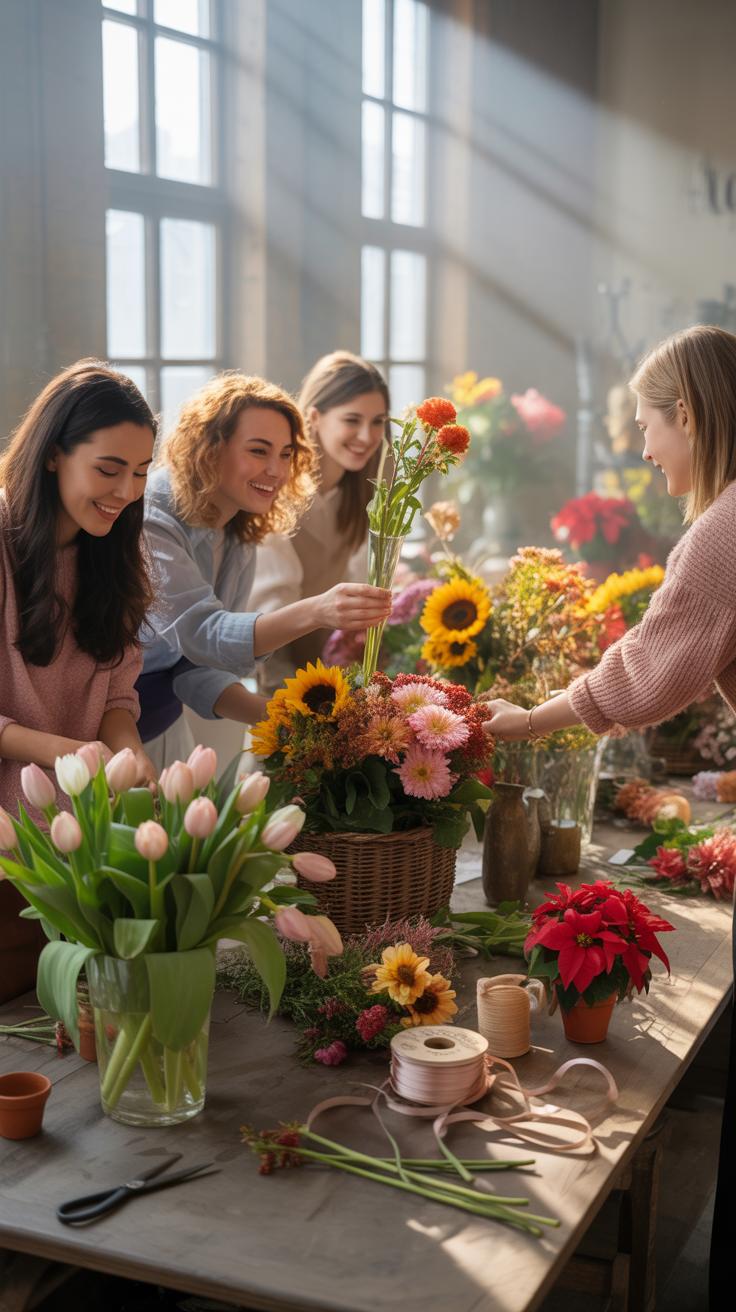
Spring And Summer Seasonal Arrangement Ideas For Beginner Workshop Participants
Spring workshops focus on bulb flowers like tulips and ranunculus. Instructors must teach students how to handle soft stems. These stems crush easily under pressure. Use clean water and sharp snips to prevent rot. Focus on the English Garden Style which emphasizes natural growth patterns. This technique teaches beginners to group flowers by variety. It mimics how plants grow in a real landscape.
Summer sessions shift toward heat-tolerant blooms like zinnias and sunflowers. These stems are woodier and more durable for new students. Teach the spiral hand-tied bouquet technique during these months. This method relies on a single bind point to hold the structure. It allows for high volume and large flower heads. Students learn mechanical tension and balance. This skill is a core foundation for all future floral design work.
Autumn And Winter Floral Themes That Work Beautifully In A Workshop Setting
Autumn workshops incorporate dried elements and textured foliage. Use preserved oak leaves and seeded eucalyptus to add depth. Beginners should focus on color theory using warm tones. Integrate hard goods like pumpkins or wooden crates as vessels. This move removes the need for complex internal mechanics like floral foam. It lets students focus on the transition of color and texture rather than structural engineering.

Winter projects center on evergreen boughs and woody branches. Use cedar, pine, and fir for a long-lasting base. This season is the best time to teach grid mechanics using waterproof tape. A tape grid provides a stable framework for heavy branches. Teach students to layer textures from largest to smallest. This systematic approach ensures the final piece remains stable and proportional. It builds confidence in structural design.
Creative Workshop Ideas Using Dried And Pressed Flowers For A Unique Twist
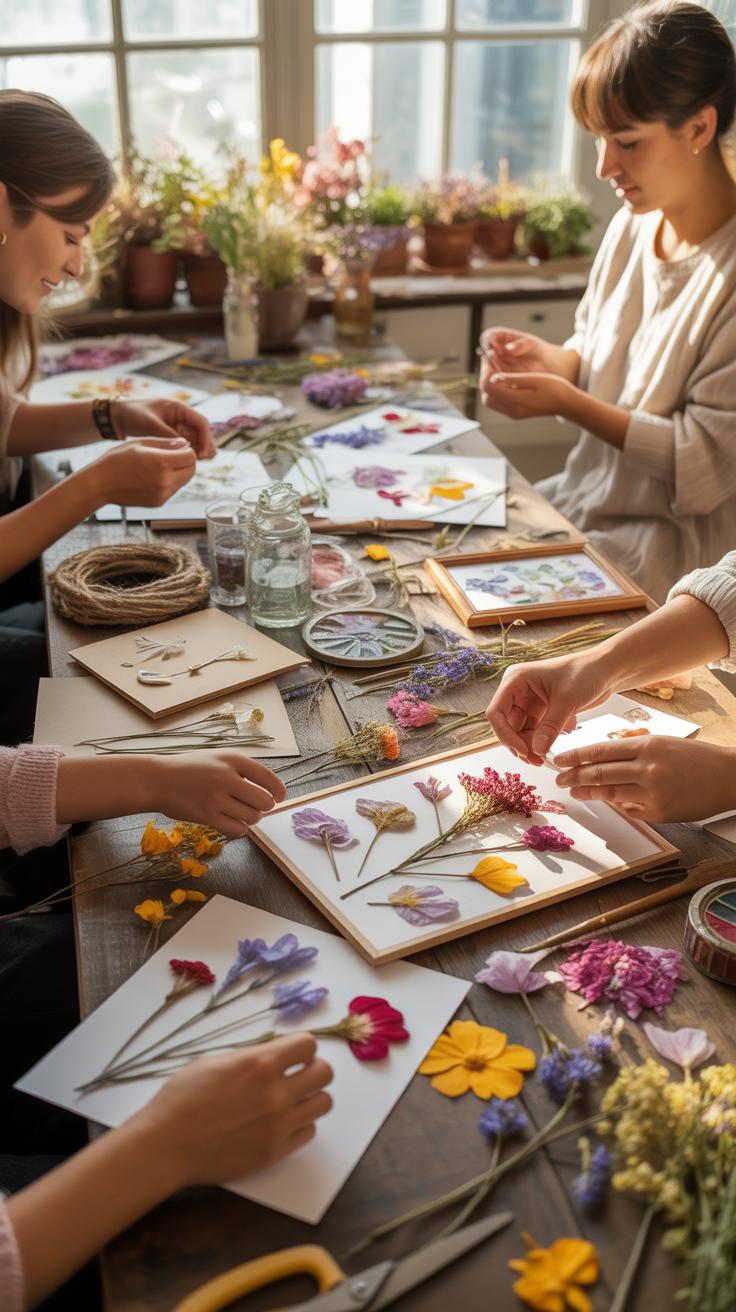
How To Use Dried Flowers In Beginner Friendly Floral Workshop Projects
Dried flowers offer a high success rate for beginners because they do not wilt. These materials require no water and allow students to work slowly. Instructors should focus on the mechanics of brittle stems. Use floral tape and fine gauge wire to reinforce delicate pieces. This approach prevents breakage during the assembly process. It ensures the final product lasts for years rather than days.
Tactical dried flower projects focus on texture and longevity. Move beyond simple bunches by teaching cloche arrangements or wreath building. These methods use a sturdy base to support the weight of preserved blooms. Professionals choose air-dried or silica-gel treated stems for maximum color retention. Explain how light exposure fades pigments over time. Proper storage and handling techniques are the most valuable skills for any novice student.
Pressed Flower Art As An Accessible And Creative Workshop Activity
Pressed flower art removes the difficulty of three-dimensional spatial awareness. Students arrange flattened botanical specimens on a 2D surface. This technique dates back to the Victorian era when collectors documented plant species. Modern workshops use glass frames or heavy cardstock to display these items. The process requires precision tools like tweezers and pH-neutral adhesive. Clear glue prevents staining and ensures the artwork remains stable inside the frame.

Focus the workshop on composition and negative space. Beginners often overcrowd their designs which leads to visual clutter. Teach them to layer thin petals to create depth without adding bulk. Use pre-pressed materials to save time during the session. Explain the moisture removal process using wooden presses or heavy books. This knowledge allows students to continue the craft at home. Quality outcomes depend on using completely dry specimens to avoid mold.
Flower Arrangement Workshop Ideas For Adults Focused On Relaxation And Mindfulness
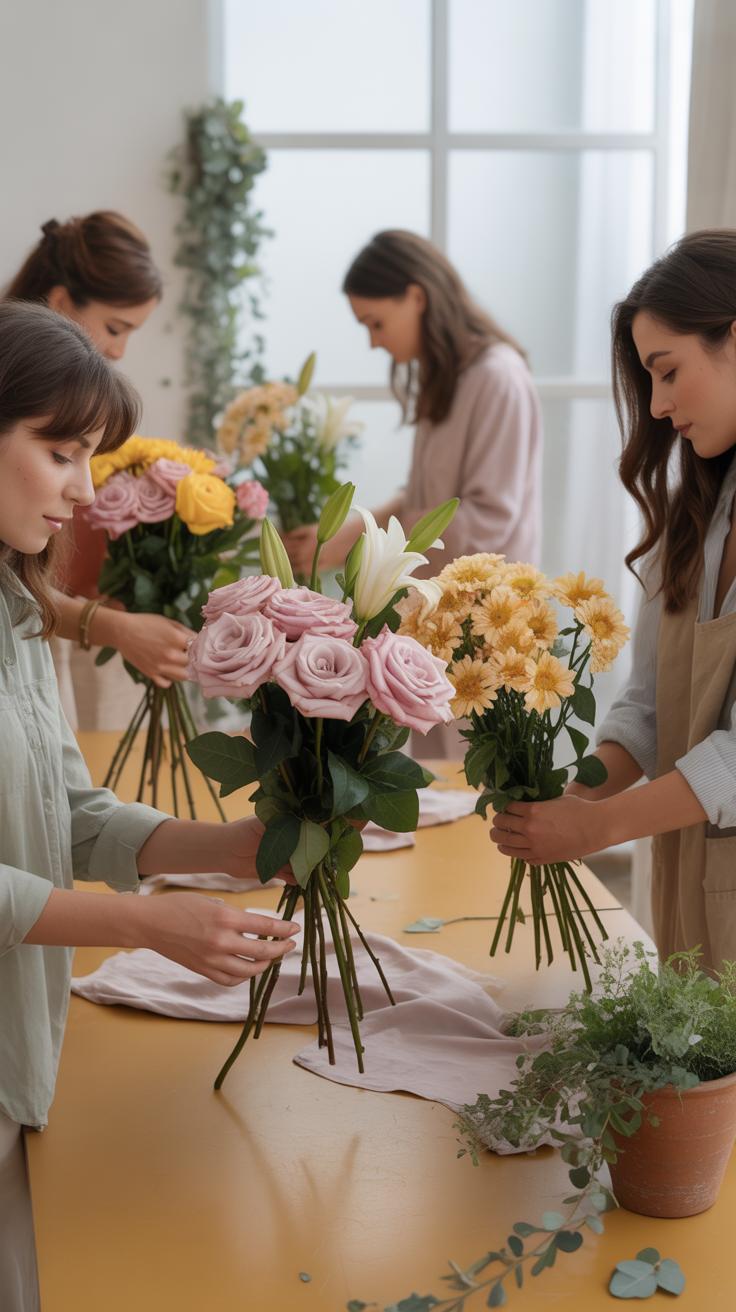
Why Floral Design Has Been Linked To Stress Relief And Mental Wellbeing In Adults
Working with flowers lowers cortisol levels in the human body. Research shows that natural scents and colors trigger the release of dopamine. Floristry requires fine motor skills. This forces the brain to focus on the present moment. Practitioners experience a state called flow. This mental state reduces anxiety by stopping repetitive negative thoughts. Tactile engagement with plants provides a necessary break from digital screens.
Scientific studies link the presence of flowers to improved mood and long term memory. Biophilia describes the innate human connection to nature. Bringing organic materials into an indoor space satisfies this biological need. The process of arranging stems creates a predictable structure. This control helps people feel safe and calm. It is a form of sensory therapy. Physical contact with soil and water grounds the nervous system.
Designing A Calming And Social Flower Arrangement Workshop Experience For Grown Ups
A successful workshop must remove all pressure to perform. Use a limited color palette to prevent sensory overload. Soft blues, whites, and greens work best for relaxation. Provide pre-cleaned stems to reduce manual labor. This allows students to focus solely on the creative process. Seating should be circular to encourage low-stress social interaction. Avoid loud background music. Use natural light whenever it is possible.
Instructors should teach the Ikebana style for maximum mindfulness. This Japanese art form emphasizes space and minimalism. It teaches students to appreciate the individual character of every branch. Set clear time limits but do not rush the students. Provide high quality tools like carbon steel shears. Good tools make the work feel effortless. End the session by asking students to study their work in total silence.
How To Host Your Own Flower Arranging Workshop At Home On A Budget
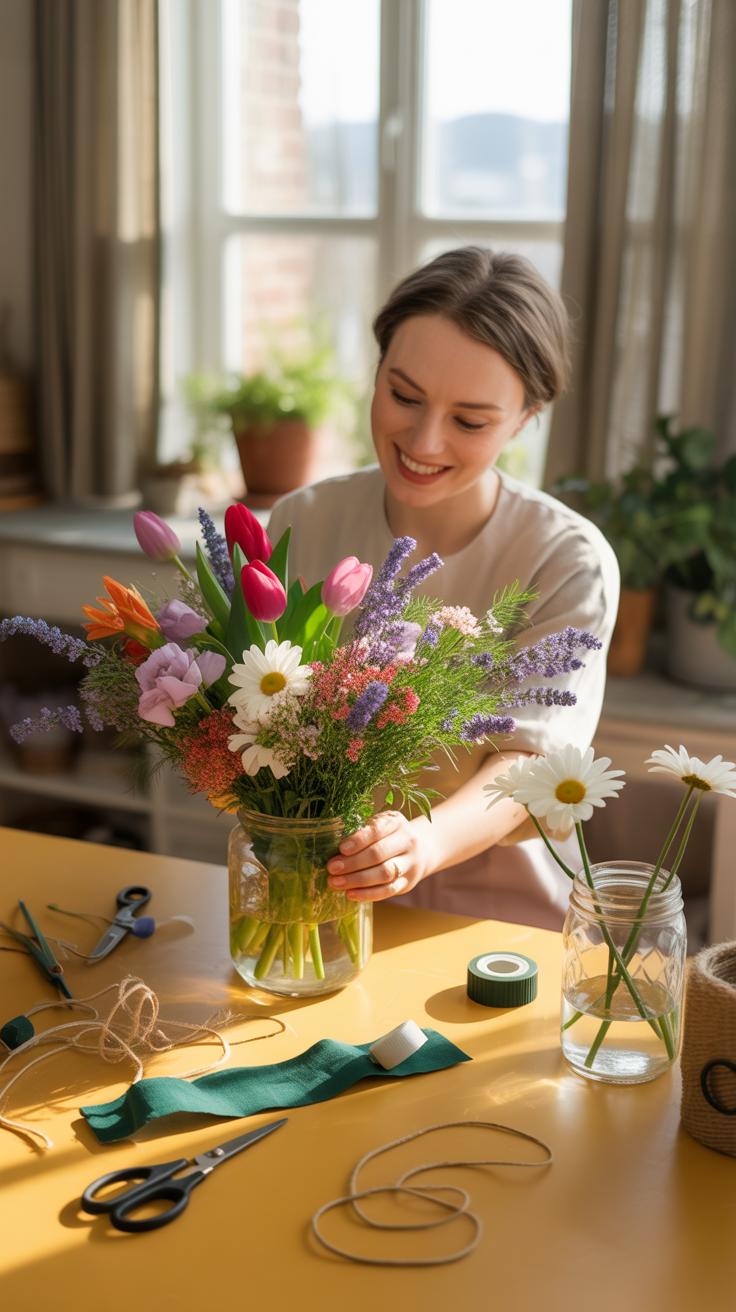
Step By Step Tips For Planning And Setting Up A Home Based Flower Arranging Workshop
Clear planning ensures your workshop runs efficiently and stays within budget. Start by defining the workspace. Kitchen tables or folding utility benches provide the flat, stable surfaces required for floral design. You must gather basic tools like bypass pruners and floral tape before guests arrive. Prepare your vessels by filling them with water and floral preservative to save time during the live demonstration.
- Workspace Preparation: Clear all clutter from a large table to provide each guest with at least three feet of lateral space. Use plastic tablecloths to protect surfaces from water damage and sap stains during the stem cutting process.
- Essential Tool Kits: Provide each participant with sharp floral shears or bypass pruners. Dull scissors crush stems and block water intake. Include a bucket for debris to keep the workspace clean and safe for everyone involved.
- Vessel Selection: Use standard glass cylinders or recycled jars to keep costs low. Ensure every container is scrubbed clean. Bacteria in dirty vases will kill fresh flowers quickly by clogging the hydraulic system of the stems.
- Mechanical Foundation: Use waterproof floral tape to create a grid across the mouth of each vase. This grid holds stems in place without the need for expensive floral foam. It allows beginners to achieve professional looking height and balance easily.
- Instructional Flow: Demonstrate one technique at a time. Show how to strip lower leaves first to prevent rot in the water. Explain the “thriller, filler, and spiller” method to give guests a simple structural framework for their individual designs.
Manage your guest list to suit the size of your home. Group sizes of four to six allow for personalized instruction and manageable cleanup. Provide small buckets for organic waste beneath the table. This keeps the work area professional and prevents slips on wet leaves. After the session, offer simple transport boxes so guests can safely carry their heavy, water-filled arrangements home in their cars.
Budget Friendly Flower Sourcing Strategies For Your DIY Workshop At Home
Smart sourcing relies on timing and volume. Purchase flowers from local wholesale markets or big box club stores to secure lower per-stem prices. These outlets provide bulk bunches that reduce the total cost of materials. Focus on sturdy, affordable varieties like carnations, alstroemeria, and spray roses. These flowers offer high petal counts and long vase lives, ensuring guests feel they received great value.
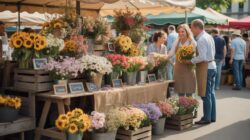
Supplement professional blooms with seasonal greenery from your own backyard or local grocery stores. Foraging for branches, herbs, or evergreen clippings provides free texture and volume for the arrangements. Look for filler foliage like lemon leaf or eucalyptus, which are often sold in large, inexpensive bundles. Mixing expensive Focal flowers with high volumes of cheap greens keeps the average cost per person low while maintaining visual impact.
Floral Design Workshop Styles From Around The World To Inspire Your Practice
Ikebana: The Japanese Art Of Flower Arrangement And Its Beginner Friendly Principles
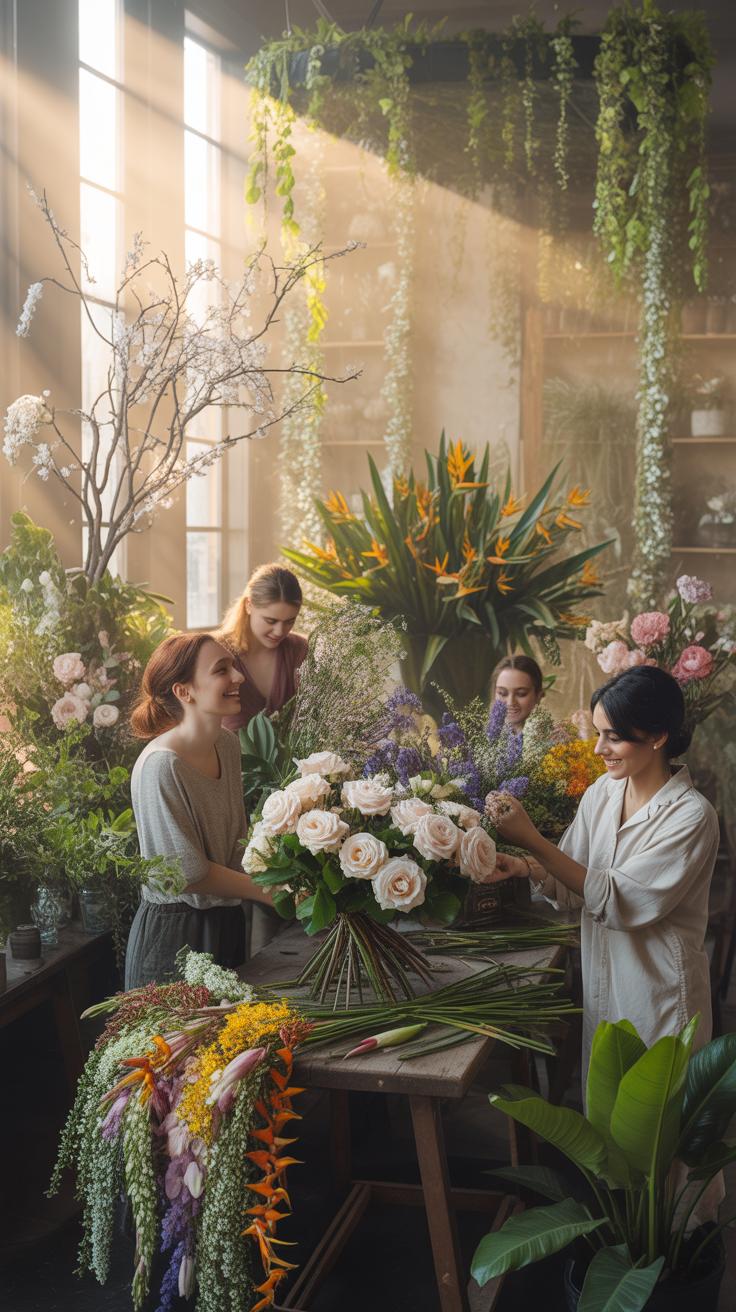
Ikebana focuses on structure, space, and minimalism. Unlike Western styles that pack many flowers together, this Japanese method uses few materials. It emphasizes the line of the stems and the shape of the branches. Beginners learn the concept of heaven, man, and earth. These three points create a scalene triangle in the arrangement. You must use a kenzan to hold stems in place.
Kenzan are metal spiked plates that sit at the bottom of shallow containers. These tools allow for precise angles that would be impossible in a standard vase. Students should focus on negative space. The empty areas are just as important as the flowers. This style teaches patience and discipline. It forces the designer to look at the natural curve of every single branch.
Western And European Floral Design Traditions Worth Exploring In A Workshop Setting
Western floral design often prioritizes mass, color, and symmetry. Most European traditions use a high volume of blooms to create a lush look. Dutch and Flemish styles mimic 17th-century paintings with overflowing fruit and flowers. Modern German styles focus on craftsmanship and technical construction. These workshops teach students how to build large focal points. You will use color theory to blend different flower varieties.

Technique is the core of European design. Beginners learn how to spiral stems in a hand-tied bouquet. This method ensures the bouquet can stand on its own. You also learn about water mechanics and hydration. English garden styles use seasonal flowers to look natural and loose. These traditions require an understanding of texture and layering. You must balance heavy flowers with light, airy fillers.
How To Turn Your Workshop Ideas Into A Small Floral Design Business Or Side Hustle
Turning Your Floral Workshop Skills Into A Teachable Class Or Community Event
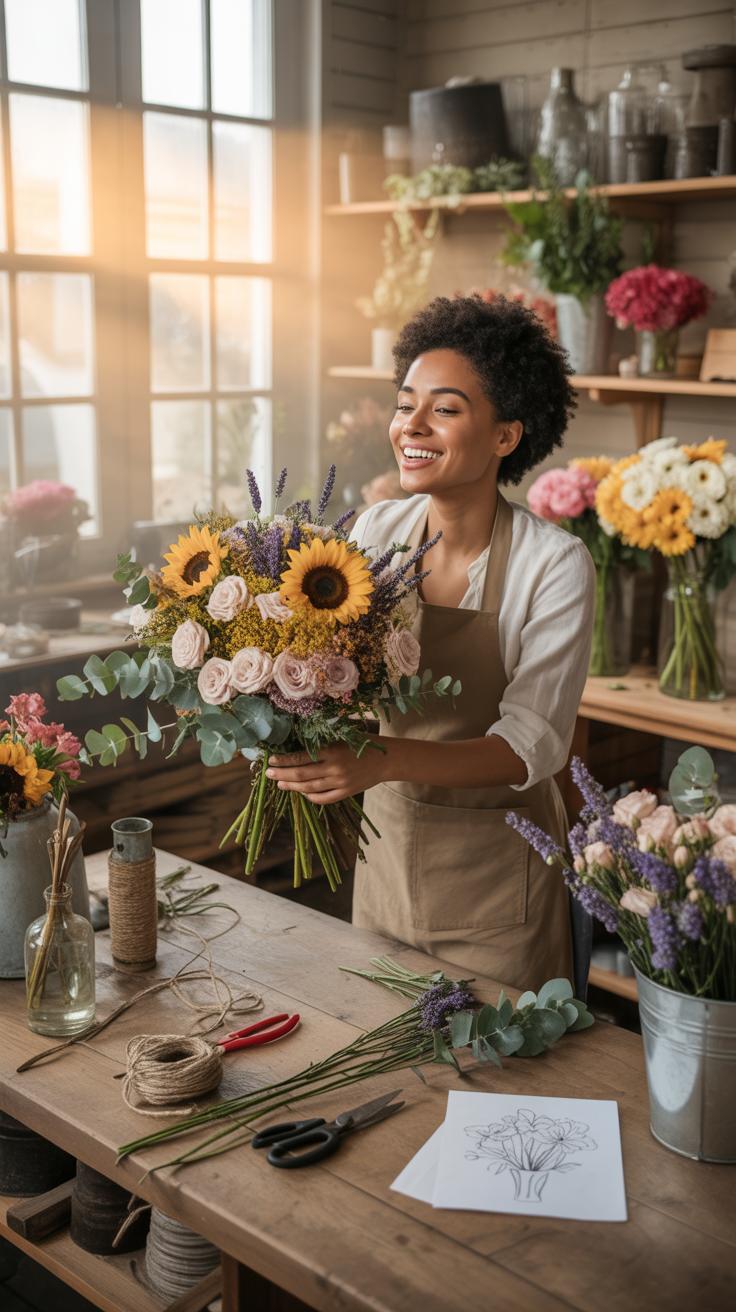
Transitioning from hobbyist to instructor requires a shift in focus from execution to education. You must master the mechanics of floral foam, chicken wire, and taped grids to explain them clearly. Identify a specific niche such as seasonal centerpieces or sustainable hand-tied bouquets. Research local zoning laws and insurance needs before booking a space. Public libraries and community centers offer low-cost venues for your first pilot classes.
Structure your curriculum around foundational techniques like the radial point of growth. Clear communication on flower care and stem processing adds value for students. Calculate your COGS including stems, mechanics, and venue rental to set a profitable ticket price. Use a simple registration system to manage attendance and collect payments upfront. Successful events rely on organized tool kits and pre-conditioned botanical materials to ensure student success and positive word of mouth.
Building A Simple Portfolio And Online Presence To Showcase Your Floral Work
A professional portfolio proves your technical ability to prospective clients and students. Take high-quality photos of your arrangements using natural light and neutral backgrounds. Focus on capturing various angles and close-up details of your mechanics. Documenting different styles like the Biedermeier or the English Garden style shows versatility. Organize these images into a digital gallery to demonstrate your range and consistency over time.
Create a streamlined online presence on platforms where visual content thrives. Use a dedicated business profile to separate your professional work from personal posts. Post consistently to show active engagement with the floral industry. Include a clear call to action and contact information in your bio. A simple website or social media page serves as your digital storefront. High-quality visuals and clear service descriptions build trust with your target audience quickly.
Frequently Asked Questions

What are the best floral workshop ideas for someone with no experience?
If you are new to floristry, the best floral workshop ideas focus on simple structures and hearty blooms. A wonderful starting point is a mason jar arrangement or a seasonal bud vase class. These projects teach you how to clean stems and balance colors without the pressure of complex mechanics. Starting small allows beginners to build confidence while creating something beautiful and professional-looking for their home in under an hour.
How do I choose the right flowers for a beginner-friendly arrangement?
When planning your floral workshop ideas, prioritize sturdy flowers that are easy to handle and stay fresh longer. Roses, hydrangeas, and carnations are excellent choices because they have thick stems and provide significant visual volume. I recommend mixing these focal flowers with approachable greenery like eucalyptus. This combination ensures that even those with a shaky hand can achieve a lush, full look while learning basic placement and layering techniques.
Can I host a DIY flower workshop on a tight budget?
Absolutely! You can keep costs low by sourcing seasonal blooms from local farmers’ markets or using greenery foraged from your own backyard. Another budget-friendly tip is to ask guests to bring their own recycled glass jars to use as vases. By focusing on minimalist floral workshop ideas, such as single-variety bouquets or dried flower crowns, you can host a stylish, memorable event without spending a fortune on high-end supplies.