
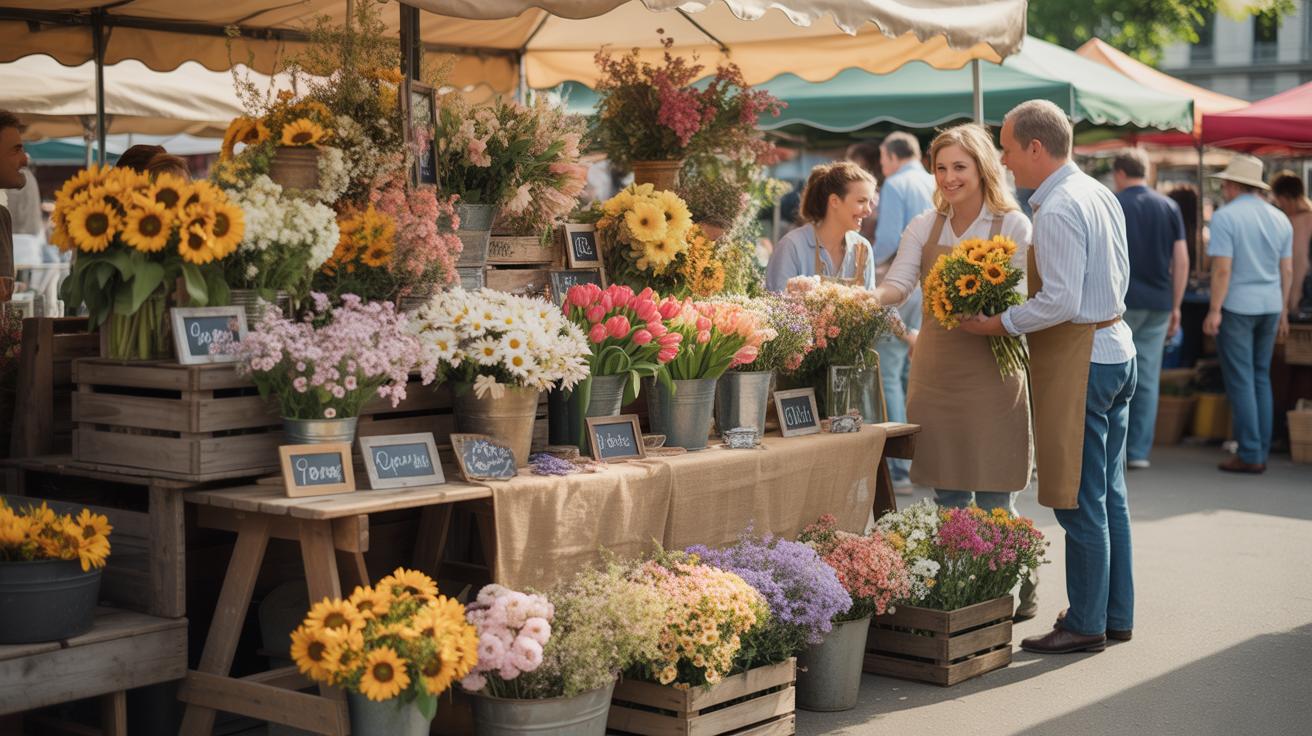
Understanding The Basics Of A Successful Farmers Market Flower Stand
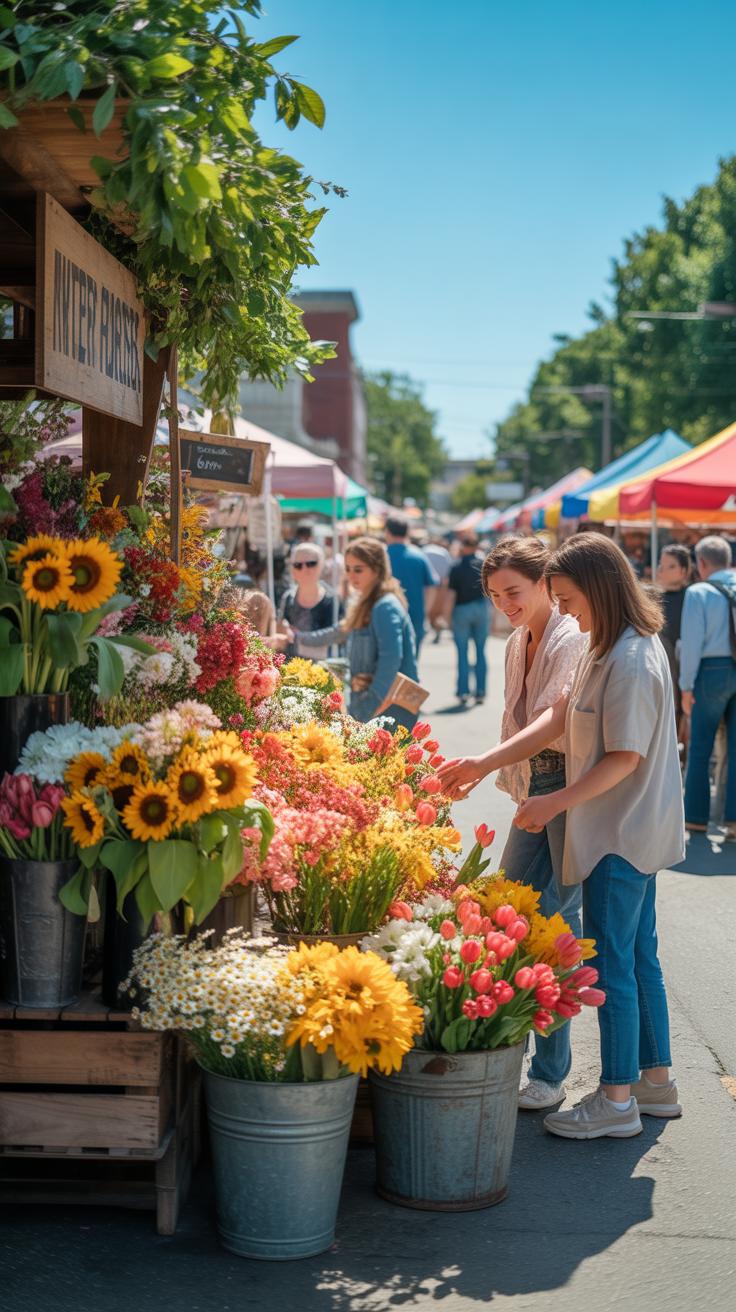
What Makes A Farmers Market Flower Stand Profitable And Appealing
High profitability in a flower stand relies on volume and freshness. Customers buy based on visual impact and immediate accessibility. You must present flowers at eye level to capture foot traffic. Fast turnover prevents waste and maintains your reputation for quality. Use vertical shelving to maximize limited square footage. Proper hydration and shade keep inventory sellable for the full duration of the market hours.
Tactical appeal comes from consistent branding and clear pricing. Shoppers avoid booths where they have to ask for a price. Use bold signage and uniform containers like galvanized buckets. Standardize your bunch sizes to simplify transactions and speed up service. Offer diverse price points to capture both casual buyers and gift seekers. Profit margins increase when you focus on high-yield varieties that tolerate heat without wilting.
Key Differences Between A Flower Stand And A Traditional Flower Store
A flower stand operates under high-pressure environmental and time constraints. Unlike a climate-controlled store, a stand faces wind, heat, and direct sun. You must select hardy species like zinnias or sunflowers that survive outdoor exposure. Inventory is finite and must be moved within a few hours. There is no backroom stock. Every stem on display must be ready for immediate sale and transport.
Labor and overhead structures differ significantly between these two models. A brick-and-mortar store pays for permanent utilities and rent. A market stand pays daily fees and transport costs. You do not offer custom arrangements or delivery services on-site. Speed is the priority over complex floral design. Customers expect pre-made bunches they can carry away instantly. Efficiency in setup and teardown determines your true hourly wage.

Planning Your Flower Market Stall Design From The Ground Up
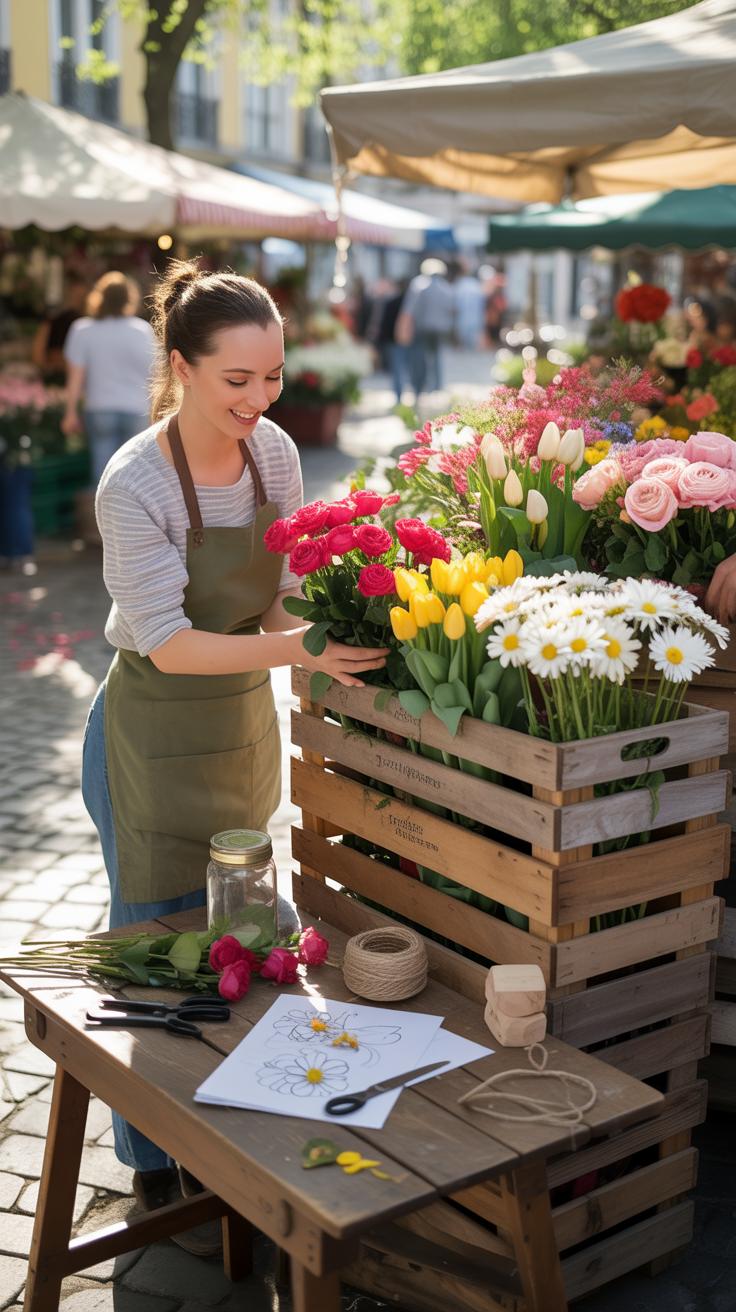
Mapping Out Your Stall Layout For Maximum Foot Traffic And Visual Flow
Efficiency dictates your stall layout. Position your highest demand blooms toward the back to pull customers through the entire space. Use a U-shaped configuration to create a walkthrough experience. This keeps buyers out of the main aisle and inside your sales zone. Clear entry and exit points prevent bottlenecking during peak morning rushes. A central checkout station allows you to monitor the whole floor.
Visual flow relies on height variations. Place tall sunflowers or gladiolus at the rear and low succulents at the front. This tiered approach mimics natural eye movement and prevents customers from missing smaller items. Keep your price signs clear and consistent throughout the space. Do not block sightlines to neighboring stalls. Open corners increase visibility from multiple directions. This strategy captures traffic from every possible angle.
Choosing The Right Size And Structure For Your Flower Market Stall Design
Standard market plots usually measure ten feet by ten feet. Utilize a heavy-duty steel frame canopy for structural integrity. Commercial grade polyester tops provide UV protection and keep flowers from wilting in direct sun. Use sandbags or concrete weights on every leg to prevent wind damage. A sturdy frame supports hanging baskets and overhead signage. Choose neutral colors like white or black to prioritize bloom colors.

Select tables that fold flat for easy transport. Use industrial risers and galvanized buckets to create vertical depth. Wood crates offer a rustic aesthetic but aluminum stands provide better durability and lower weight. Ensure every surface is waterproof and easy to sanitize. Avoid flimsy plastic tables that sag under the weight of water buckets. High quality materials reduce long term replacement costs and improve the professional look.
Top Flower Market Stand Ideas To Make Your Booth Stand Out
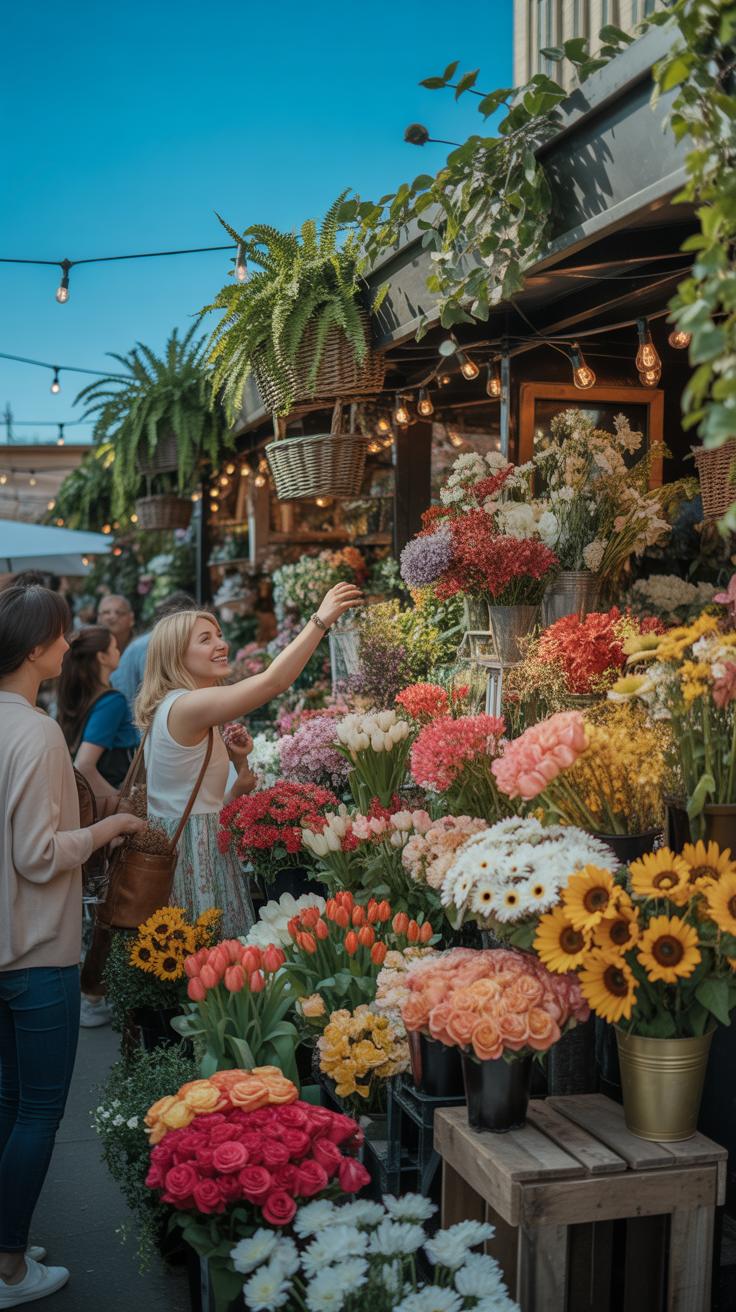
Creative Display Concepts That Draw Customers In And Encourage Purchases
Verticality dictates visibility in high traffic settings. Customers scan stalls from a distance. Use tiered shelving to create a wall of color. This method mimics the Dutch flower market style which uses steep bleacher displays. It maximizes every square foot of your footprint. Plumb lines and sharp angles keep the look professional. Proper height placement ensures customers see blooms at eye level.
Color blocking creates immediate psychological impact. Group flowers by hue rather than variety to simplify the buying process. This technique draws the eye to specific areas of the booth. It reduces decision fatigue for the customer. Massing similar colors creates a bold visual statement that acts as a beacon. Modern retail science confirms that organized color palettes increase time spent browsing your floral inventory.
Essential Materials And Props That Bring Your Flower Market Stand Ideas To Life
Successful vendors select materials based on durability and weight. Transportable infrastructure must withstand wind and heavy crowds. Use galvanized steel buckets to prevent tipping. These containers regulate water temperature better than plastic alternatives. Wooden crates provide structural height and a stable base for heavy greenery. Every prop must serve a functional purpose while maintaining a cohesive look for the stand.
- Galvanized Steel Buckets: These containers provide weight at the base to prevent spills. Steel keeps water cooler than dark plastic bins in direct sunlight. This temperature control extends the life of cut stems during long market days.
- A-Frame Chalkboards: Professional signage communicates pricing and variety names clearly. Place these at the entrance of your stall to direct traffic. High visibility signs reduce repetitive questions and allow you to focus on processing sales transactions.
- Step Display Risers: Specialized shelving allows you to stack buckets vertically. This maximizes vertical space in a small ten by ten tent. Risers ensure that flowers in the back rows remain visible to people walking past your booth.
- Canvas Side Walls: Neutral fabric walls block wind and reduce visual clutter from neighboring vendors. This creates a controlled environment for your flowers. It helps maintain higher humidity levels inside the booth which helps prevent your floral stock from wilting.
- Floral Snips and Holsters: Keep tools accessible but organized in leather or heavy canvas holsters. Visible professional tools signal expertise to the buyer. Sharp snips allow for quick stem trims at the point of sale to ensure maximum water uptake.

Lighting and floor coverings define the boundaries of your retail space. Use heavy duty rubber mats to cover uneven pavement or grass. This prevents tripping and makes the space more comfortable for standing hours. Battery powered LED spotlights highlight premium arrangements during early morning or overcast market days. Tactical material choices increase your efficiency and protect your floral investment from environmental stress and physical damage.
How To Build A Unique Farmers Market Booth That Reflects Your Brand
Developing A Cohesive Visual Identity For Your Unique Farmers Market Booth
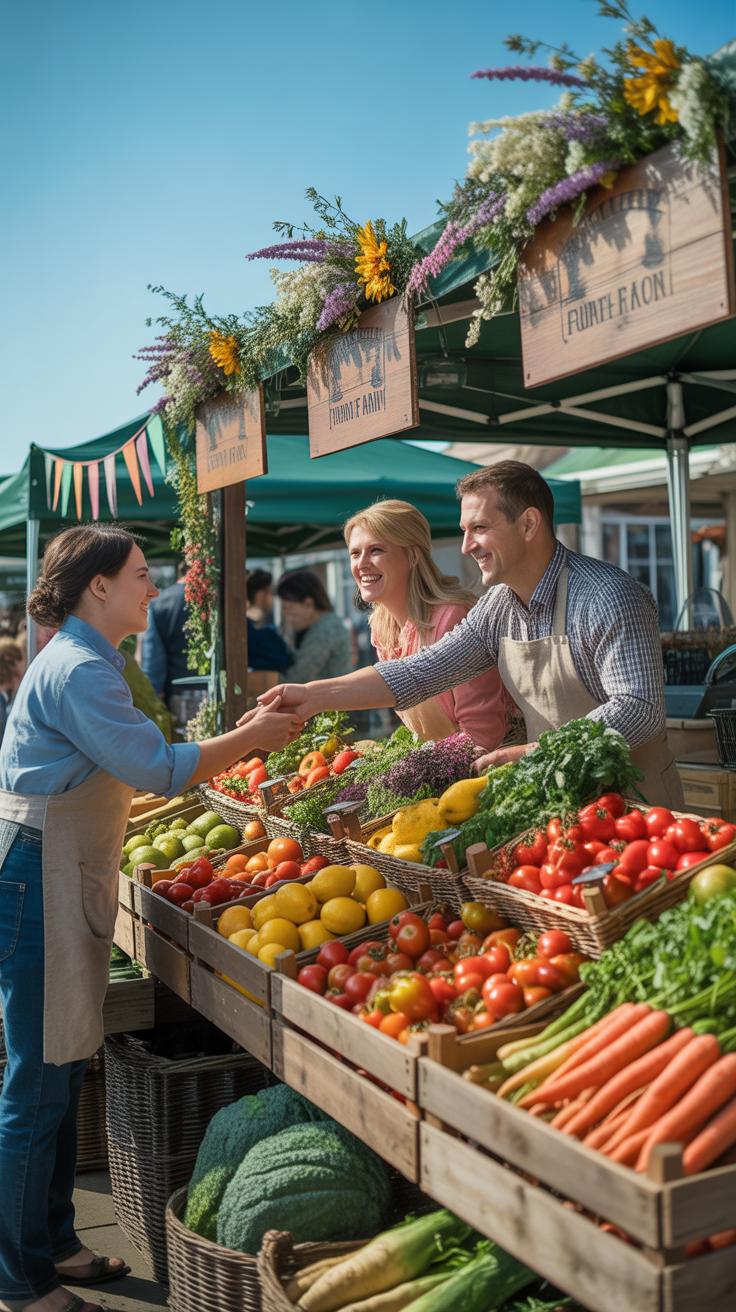
Visual identity starts with a physical layout that matches your floral style. Formal arrangements require structured shelving with clean lines and sharp corners. Wildflower bouquets work best on tiered wooden steps or mismatched crates. You must choose a focal point like a central workbench or a high floral arch. This structure tells customers exactly what to expect from your flower quality.
Consistency across all touchpoints builds trust with shoppers. Use the same materials for your tables that you use for your packaging. If you use galvanized steel buckets, use metal clips for your pricing. If you use wooden crates, use kraft paper wraps. Match your booth height to your customer interaction style. High tables encourage standing browsing while low tables invite people to lean in.
Using Color, Signage, And Texture To Tell Your Brand Story At The Market
Color serves as a silent salesman at your booth. Pick one primary neutral color for your backdrops to make the flowers pop. Excessive colors in your tent or tablecloths distract from the product. Use chalkboards for a hand-drawn look or acrylic signs for a modern feel. Signage must be legible from ten feet away. Use high contrast colors like black ink on white paper.

Texture adds depth to your display without adding clutter. Natural linen cloths provide a soft finish that absorbs light and highlights petal details. Industrial metal surfaces reflect light and create a sterile, high-end environment. Layer these textures to guide the eye toward your most expensive arrangements. Every surface must feel intentional to the brand. Avoid cheap plastic bins as they lower the perceived value of your flowers.
Sourcing And Selecting Flowers For Your Farmers Market Stand
How To Choose Seasonal And Locally Grown Flowers That Sell Well At Markets
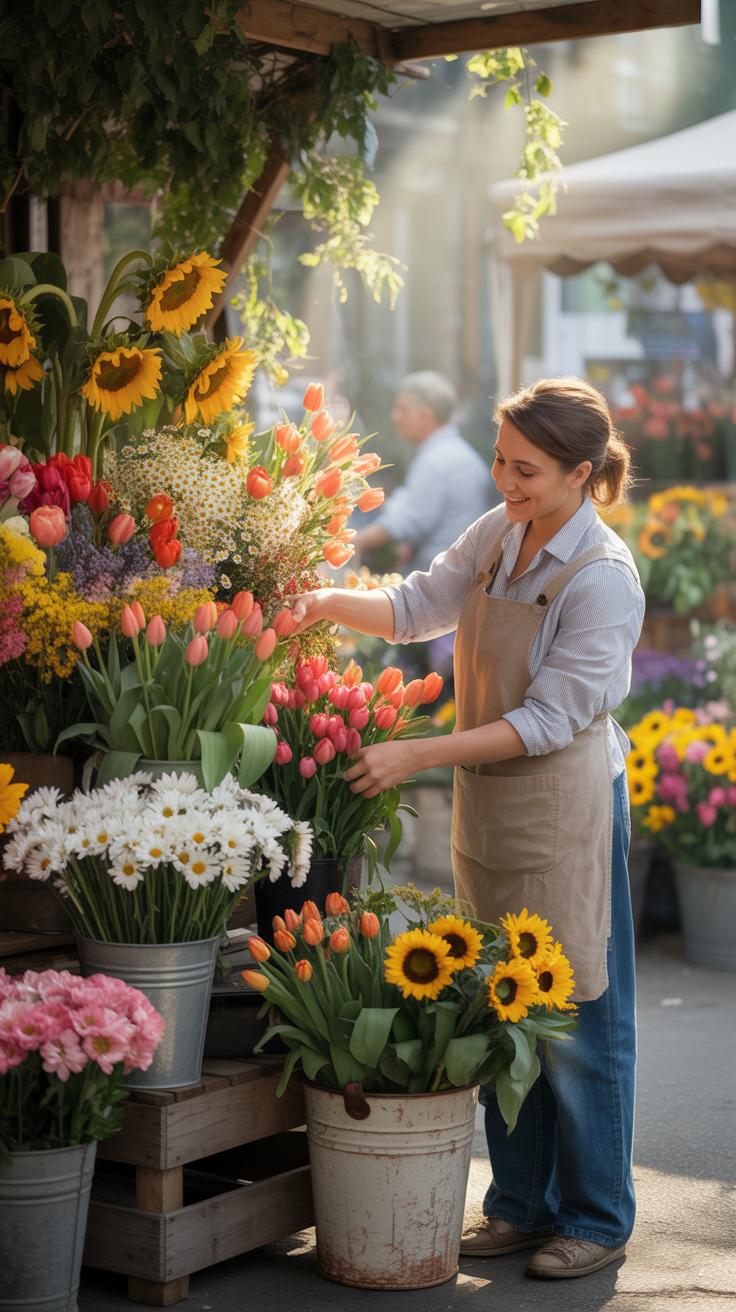
Seasonality dictates your profit margins and stock quality. Local flowers last longer than imports because they skip long transit times. Focus on high-impact blooms like dahlias in late summer or ranunculus in spring. These varieties often transport poorly in global supply chains. This gives local sellers a massive competitive edge. Customers prioritize freshness and scent which imported flowers often lack due to refrigeration needs.
Success depends on monitoring local bloom schedules. You must match your inventory to the current climate conditions of your region. Heat resistant varieties like zinnias succeed in mid-summer markets. Early season shoppers look for cool weather crops like sweet peas and tulips. Proper selection reduces waste from wilting. It ensures your stand remains vibrant throughout the entire market day. Strategic timing keeps your cost of goods sold low.
Building Relationships With Growers And Wholesalers To Keep Your Inventory Fresh
Reliable supply chains prevent empty shelves. You must visit local farms to inspect growing practices and quality standards. Establish clear communication channels with multiple growers to mitigate crop failures. Consistent volume commitments earn you better pricing and first pick of the harvest. Professionalism in these partnerships ensures you receive the highest grade stems. Strong ties with growers provide early access to unique or trending floral varieties.

Wholesale accounts supplement gaps in your seasonal production. Identify reputable wholesalers who source from local cooperatives or domestic farms. Check delivery schedules to sync with your market days. Freshness degrades every hour after cutting. Aim for a maximum forty eight hour window between harvest and sale. Precise logistics management reduces shrink and increases customer satisfaction. Effective sourcing turns your flower stand into a destination for quality and reliability.
Exploring Floral Shop Ideas To Elevate Your Market Presence
Borrowing The Best Floral Shop Ideas And Adapting Them For An Outdoor Market Setting
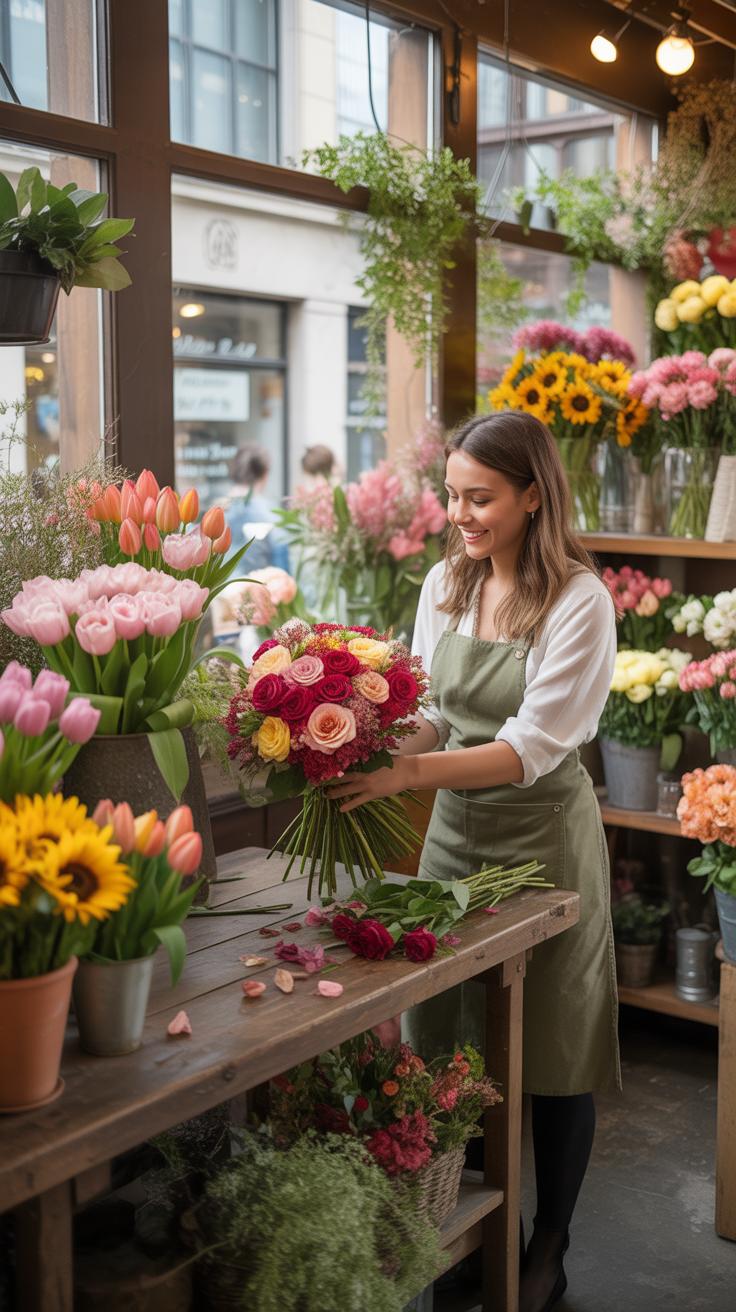
High-end floral shops use vertical space and tiered displays to create visual depth. You must replicate this at your Farmers Market Flower Stands using sturdy shelving or vintage wooden crates. Angled buckets allow customers to see the flower heads clearly from several feet away. This mimics the storefront experience in a compact footprint. Use black buckets to make the colorful blooms stand out.
Lighting is a critical shop element often ignored by market vendors. Use battery-operated LED spotlights to highlight your premium arrangements under a dark canopy. Keep your workspace clean and organized just like a professional studio. Shoppers trust vendors who handle their inventory with care and precision. Professional signage should clearly state flower names and prices to reduce friction and encourage quick sales decisions.
Arranging a flower stand is like painting with the season’s own palette, inviting every passerby to take a piece of the garden home. Each bouquet is a bridge between the soil and the soul, held together by a simple piece of twine.
Offering Value Added Services Like Custom Bouquets And Wrapping To Boost Sales
Traditional shops thrive on customization and you should too. Offer a “Build Your Own” station where customers select stems based on a fixed price per stalk. This creates an interactive experience that justifies a higher price point. Your staff must work fast to assemble these orders to prevent bottlenecks. Customization turns a simple commodity purchase into a personalized service that builds customer loyalty.

Boutique wrapping techniques add significant perceived value for minimal cost. Use high-quality brown kraft paper or reusable fabric wraps instead of thin plastic sleeves. Secure the bundles with natural twine or branded ribbons to create a signature look. This professional finish makes your flowers ready for gifting immediately. High-quality packaging protects the delicate blooms during the walk home and serves as a mobile advertisement for your brand.
How A Flower Truck Can Complement Or Replace A Traditional Market Stand
The Rise Of The Flower Truck As A Mobile Retail Alternative At Farmers Markets
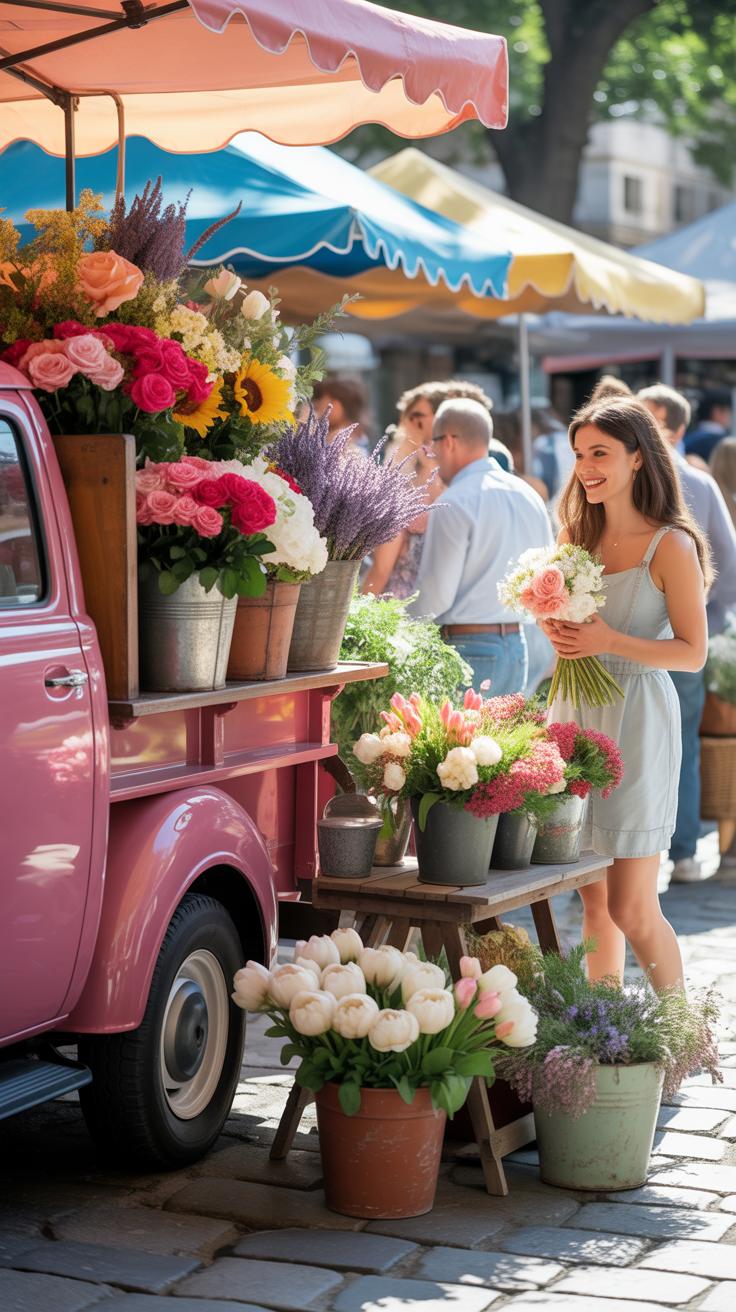
Mobile flower trucks transform floral retail from a static booth into a rolling billboard. These vehicles use vintage aesthetics or modern conversions to attract customers without relying on prime market foot traffic. A truck allows a florist to move inventory between different markets or private events on the same day. This flexibility reduces the physical labor of hauling heavy buckets and tables from a separate transport vehicle to a designated booth space.
The truck serves as both transport and display. Most owners use customized shelving or pull-out drawers to optimize every square inch of the vehicle bed. This setup creates an immediate visual impact that sets the vendor apart from standard canvas tents. Strategic lighting and signage integrated into the vehicle frame increase visibility during low-light hours. This mobile model lowers overhead costs by eliminating the need for a permanent brick and mortar storefront or expensive storage.
Pros And Cons Of Operating A Flower Truck Versus A Stationary Market Booth
A flower truck offers superior branding and speed. You arrive at the market and open the rear door to start selling immediately. This eliminates the hour-long setup process required for traditional stands. However, mechanical reliability is a major risk factor. If the vehicle breaks down, your entire retail operation stops. You also face limitations on display size based on the vehicle dimensions. You cannot expand your footprint like a tent vendor can.

Stationary booths allow for more creative layout control and higher inventory volumes. You can spread out across multiple tables to manage heavy crowds. However, you must move every bucket by hand twice daily. Weather poses a bigger threat to tents than to solid metal vehicles. Trucks provide better protection for delicate blooms against wind and sudden rain. Deciding between the two depends on your mechanical skills and your specific goals for brand mobility and speed.
Smart Flower Business Ideas To Grow Beyond The Weekend Market
Turning Your Farmers Market Presence Into A Scalable Flower Business
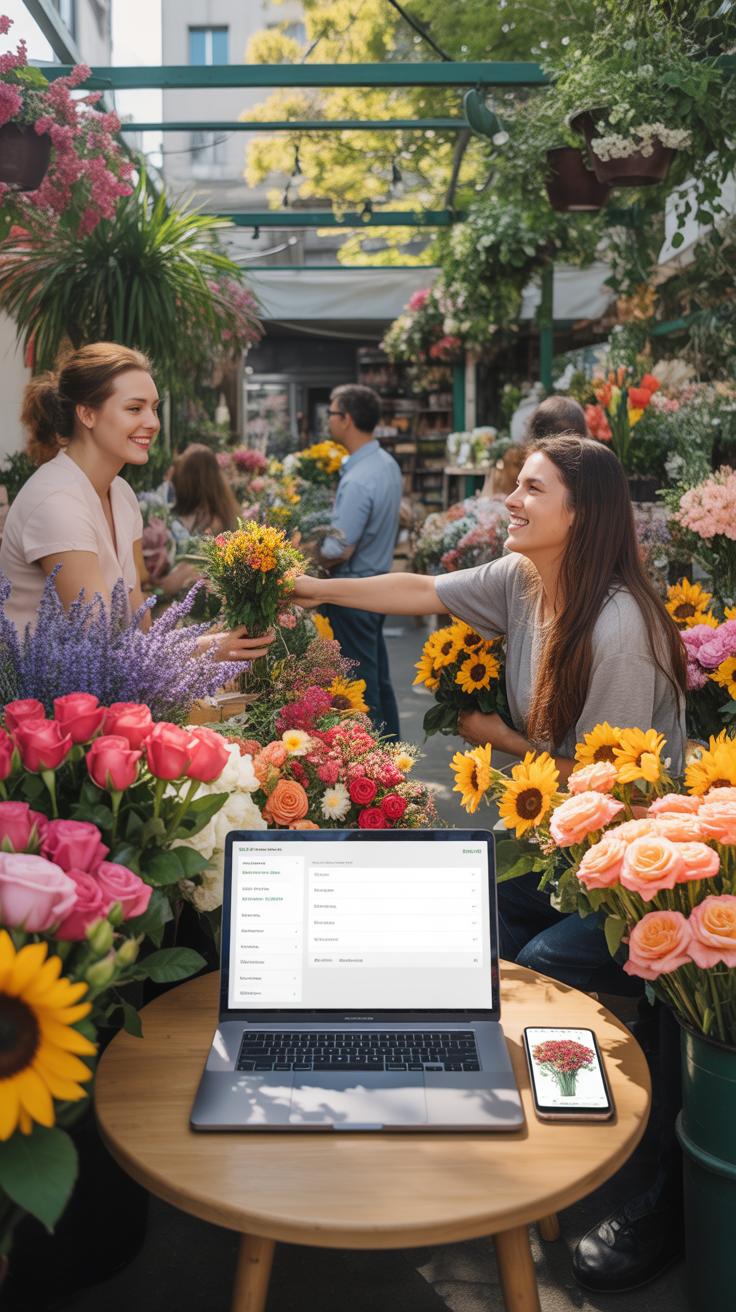
A market stand serves as a low-cost testing ground for consumer preferences. You gain direct data on which varieties sell and what price points the local market bears. Use this data to build a brand identity that exists outside the physical stall. Scalability requires moving from labor-intensive single sales to systems that generate revenue throughout the week. You must treat the market as a marketing channel.
Transitioning to a scalable model involves diversifying your sales outlets based on proven demand. Establish a central hub for processing orders and managing inventory. This move reduces your reliance on foot traffic and weather conditions. Track your production costs and labor hours to ensure every new channel maintains a high profit margin. Professional growth depends on your ability to replicate success across multiple sales platforms efficiently.
Online Ordering, Subscriptions, And Events As Extensions Of Your Market Stand
Digital platforms allow customers to buy from you every day. Use your market stand to collect email addresses and direct customers to an online shop. Offering pre-orders ensures guaranteed sales before you even set up your booth. This strategy reduces waste and stabilizes your weekly income. A simple website handles the transactions while you focus on harvest and logistics. This system builds long-term customer loyalty.

Flower subscriptions provide recurring revenue through the growing season. Deliver bouquets to local homes or set up pickup points at partner businesses. These Community Supported Agriculture models fund your seed and tool purchases early in the year. Small events and local weddings offer high-margin opportunities compared to individual stems. Use your market display as a living portfolio to book these lucrative contracts. Diversified revenue streams protect your farm business.
Pricing Permits And Practical Setup Tips For Your Farmers Market Stand
How To Price Your Flowers Competitively While Maintaining Healthy Profit Margins
Calculate your cost of goods sold before setting prices. Factor in seeds, fertilizer, water, and labor. Most successful vendors use a markup of three times the production cost. Research local competitors to ensure your rates fit the market. High prices drive away volume while low prices kill profits. Use round numbers like five or ten dollars to speed up transactions during busy hours.
Track your weekly sales data to identify which stems perform best. Adjust prices based on seasonal availability and demand. Offer tiered pricing to encourage larger purchases. A single bunch might cost fifteen dollars but two bunches sell for twenty five dollars. This strategy increases your average transaction value. Always display clear price signs so customers do not have to ask. Transparency builds trust and speeds up the buying process.
Permits, Licenses, And Market Vendor Requirements You Need To Know Before Setup
Operating a flower stand requires legal compliance at local and state levels. Most jurisdictions demand a general business license to sell any goods. You must also register for a state sales tax ID to collect and remit taxes. Check specific market rules regarding insurance and space dimensions. Failure to hold the correct paperwork results in immediate removal from the venue and potential legal fines.
- General Business License: This document allows you to operate legally within your city or county limits. Most local governments require this before you can apply for specific market spots. It ensures you follow local zoning and commercial laws.
- Sellers Permit: You need this state issued permit to collect sales tax on your floral products. It also allows you to buy supplies like vases and ribbons at wholesale prices without paying tax. Keep a digital copy on your phone at all times.
- Liability Insurance: Most markets require vendors to carry a minimum of one million dollars in liability coverage. This protects you if a customer trips over your display or has an allergic reaction. Companies offer specific policies designed for small scale farm vendors.
- Nursery Stock Certificate: Many states require a special license if you sell perennial plants or certain cut flowers. Inspectors check your stock for pests and diseases to prevent agricultural spread. Contact your state Department of Agriculture to verify if your specific crops require this.
- Market Application: Each farmers market has its own set of internal rules and fees. You must submit an application that often includes photos of your setup and a list of what you grow. Markets prioritize local producers over resellers to maintain authenticity.
Organize all your documents in a single binder for every market day. Inspectors or market managers may ask to see your permits without prior notice. Keep your insurance policy current and set reminders for renewal dates. Professionalism starts with administrative accuracy. Clear legal standing allows you to focus on selling instead of worrying about fines. Verify all local requirements at least two months before the season starts.
Marketing Your Farmers Market Flower Stand To Build A Loyal Customer Base
Using Social Media And Local Community Boards To Drive Awareness And Repeat Visits
Social media acts as a digital storefront. Use high-contrast photos of current harvests to show product freshness. Post your market location and hours forty-eight hours before the event. Use location tags and local hashtags to appear in neighborhood feeds. This helps residents find your stand among many vendors. Real-time updates on inventory levels create urgency and drive earlier foot traffic.
Local community boards provide direct access to neighborhood residents. Post physical flyers in coffee shops and libraries within a five-mile radius of the market. Join digital neighborhood groups to share weekly bloom schedules. Answer questions about flower care and availability promptly. This builds trust before the customer arrives. Direct communication on these platforms establishes you as a reliable local expert and increases weekend visitor numbers.
Word Of Mouth Strategies And Loyalty Perks That Keep Customers Coming Back Each Week
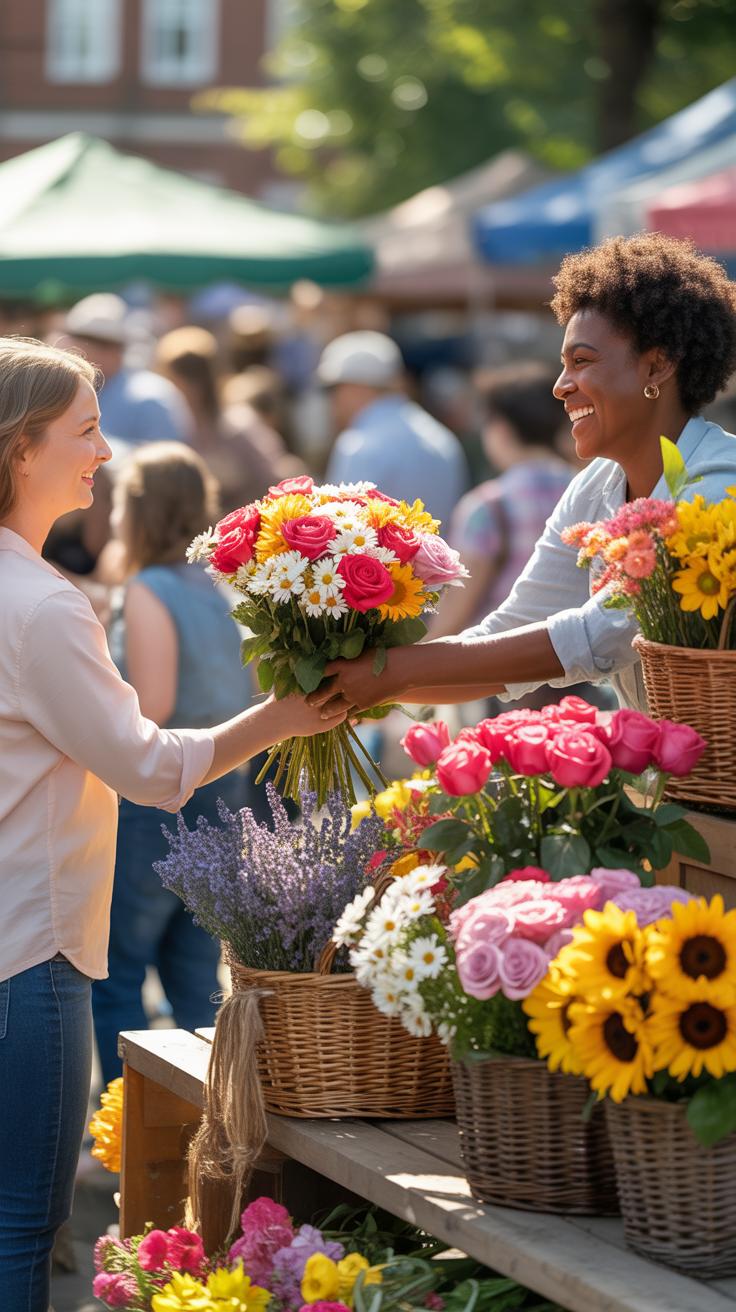
Word-of-mouth marketing relies on consistent quality and visible branding. Use branded paper wraps or tags on every bouquet. This turns every customer into a walking advertisement within the market. Provide clear care instructions to ensure flowers last longer at home. Success with your product leads to direct recommendations. Direct referrals remain the most effective way to acquire high-value customers without spending money on ads.
Loyalty perks incentivize repeat spending and stabilize weekly revenue. Implement a simple punch card system where the tenth bouquet is free. This small investment secures nine previous sales. Offer a small discount to customers who return with your branded glass jars for refills. This reduces your packaging costs and encourages a weekly habit. Frequent buyers appreciate recognition and will prioritize your stand over competitors when supplies run low.
Frequently Asked Questions

What are the essential elements needed to start a successful flower stall?
To begin, you need a sturdy focal point like a wooden table or a mobile cart. Focus on creating height using tiered shelving or vintage crates to make your display eye-catching from a distance. High-quality signage and clear pricing are also vital. Most importantly, successful farmers market flower stands prioritize freshness by keeping stems hydrated in clean, aesthetically pleasing buckets that complement your overall brand color palette.
How can I arrange blooms to make my display look more professional?
Design your farmers market flower stands using the “thriller, filler, and spiller” technique to create depth. Place tall, dramatic blooms toward the back, lush greenery in the middle, and trailing vines at the edges. Grouping flowers by color creates a sophisticated ombre effect that draws the eye. Always ensure your arrangements are held at different elevations so every bouquet gets the spotlight, making the entire display feel abundant and curated.
Is it possible to build an attractive flower display on a tight budget?
Absolutely. You can create high-end appeal by repurposing items like galvanized metal buckets, old step ladders, or mismatched glass jars found at thrift stores. Focus on high-impact, low-cost details like kraft paper wrapping and twine bows to give your bouquets a professional finish. Using seasonal, locally-grown wildflowers is another cost-effective way to fill your space while maintaining a charming, rustic aesthetic that shoppers naturally gravitate toward.