What It Really Means To Become A Florist In Todays World
The Role And Responsibilities Of A Professional Florist
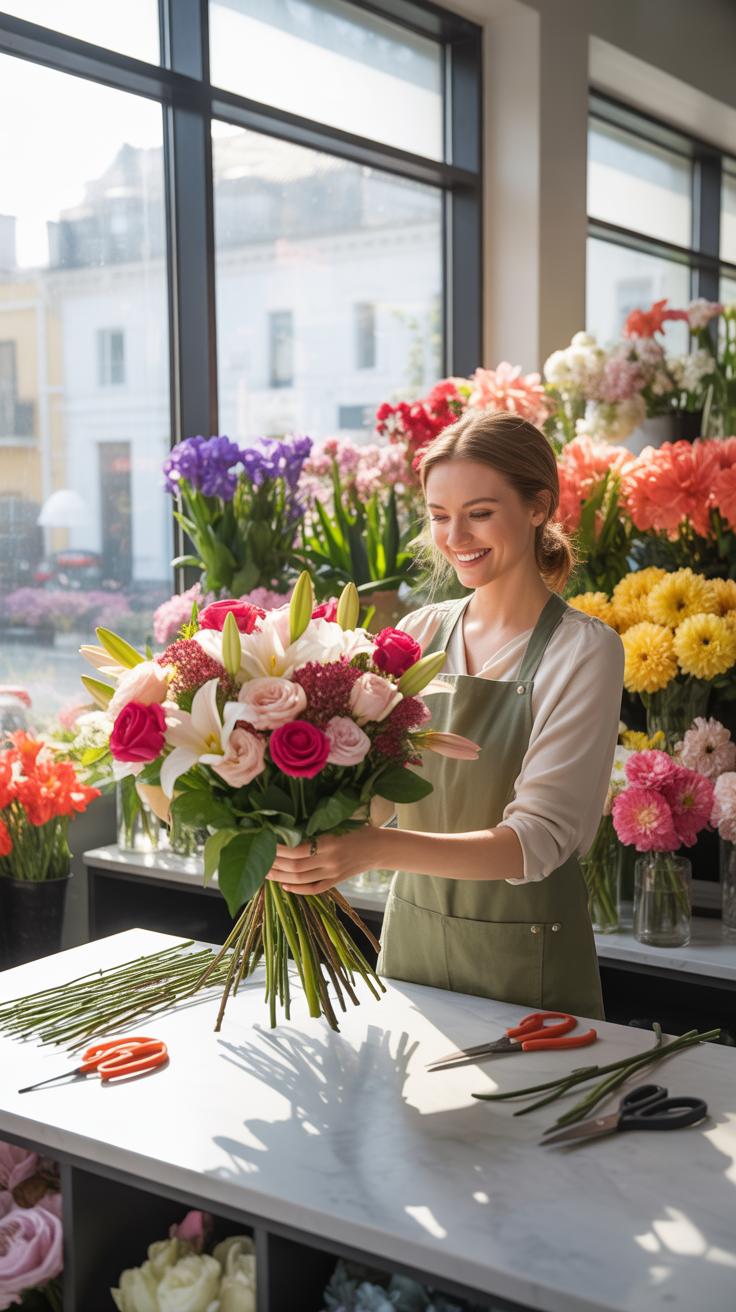
Modern florists manage perishable inventory and execute complex design math. You must understand botanical nomenclature to source the correct species from wholesalers. Procurement involves tracking seasonal availability and global supply chains. You manage cold storage temperatures to stop ethylene gas from rotting your stock. This job requires physical stamina for processing bulk shipments and cleaning heavy buckets daily.
Technical skill goes beyond basic aesthetics. You must master mechanical foundations like chicken wire armatures and floral foam use. Professional florists calculate stem counts against budget constraints to ensure profitability. You apply color theory and structural balance to create stable arrangements. Client management is also critical. You translate vague requests into specific floral recipes that survive transport and varying environmental conditions.
Why Floristry Is A Rewarding Creative Career And Home Skill
Floristry offers a direct connection to nature through tactile work. Mastering this craft allows you to manipulate scale and texture in any environment. You gain the ability to transform a residential space using principles from the Dutch Golden Age or modern minimalism. High-level floristry skills reduce waste by extending the life of your materials through proper hydration and cutting techniques.
This career path builds a unique intersection of art and commerce. You learn to solve spatial problems using organic materials. For the home, these skills ensure your decor is professional and structurally sound. You stop relying on pre-made grocery store bundles. Instead, you gain the technical authority to select premium blooms and arrange them with intent, precision, and architectural impact.

How To Learn To Be A Florist Education And Training Pathways
Formal Floristry Courses, Certifications And Apprenticeships
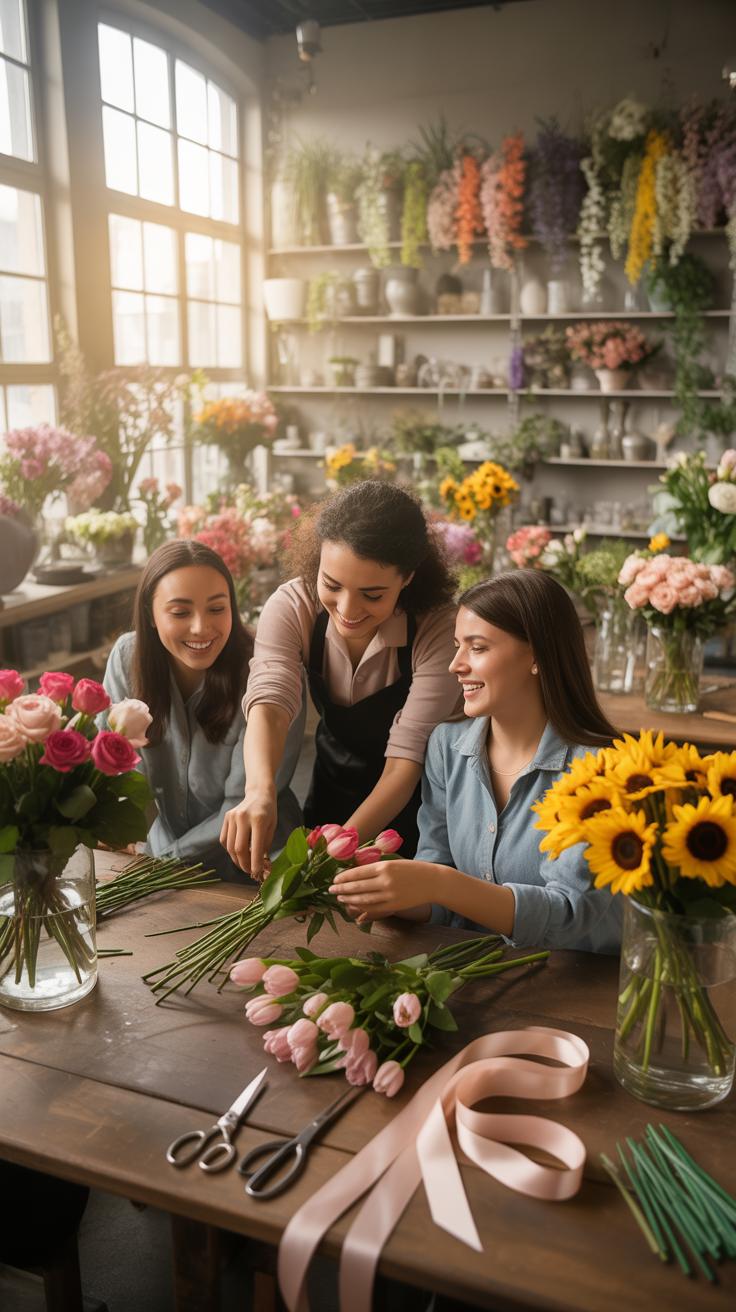
Formal education provides a structured foundation in botanical science and design theory. Local community colleges and specialized vocational schools offer certificate programs. These courses cover essential mechanics like wiring, taping, and foam management. You learn to handle delicate stems and maintain cold chain protocols. Professional certification through organizations like the American Institute of Floral Designers sets a high standard. This path ensures you understand color theory and spatial balance.
Apprenticeships solve the gap between theory and real-world speed. Working under a master florist teaches you inventory management and high-volume production. You see how to process bulk shipments and manage waste. Retail shops often hire entry-level helpers for seasonal peaks like Valentine’s Day. Success in this environment requires physical stamina and the ability to follow strict design recipes. Hands-on experience is the fastest way to master commercial floral assembly techniques.
Self Teaching And Online Resources To Build Your Floral Skills
Self-teaching requires discipline and access to professional-grade tools. Online platforms offer video modules focused on specific styles like Dutch Masters or modern minimalism. You must buy your own cutters, shears, and floral tape. Practice by deconstructing grocery store bouquets to understand stem placement. Watch tutorials that explain the physics of weighted bases and structural armatures. This method allows you to develop a unique personal style without academic constraints.
Digital resources provide instant access to global design trends. Follow industry leaders who demonstrate sustainable practices like foam-free mechanics. Use social media to study color palettes and seasonal availability charts. You need to document your work through high-quality photography to track your progress. Building a portfolio is the main goal of self-directed study. Consistent practice with various textures and foliage types builds the muscle memory needed for professional-level floral work.
Essential Skills You Need To Know How To Be A Florist
Core Design Principles Every Aspiring Florist Must Master
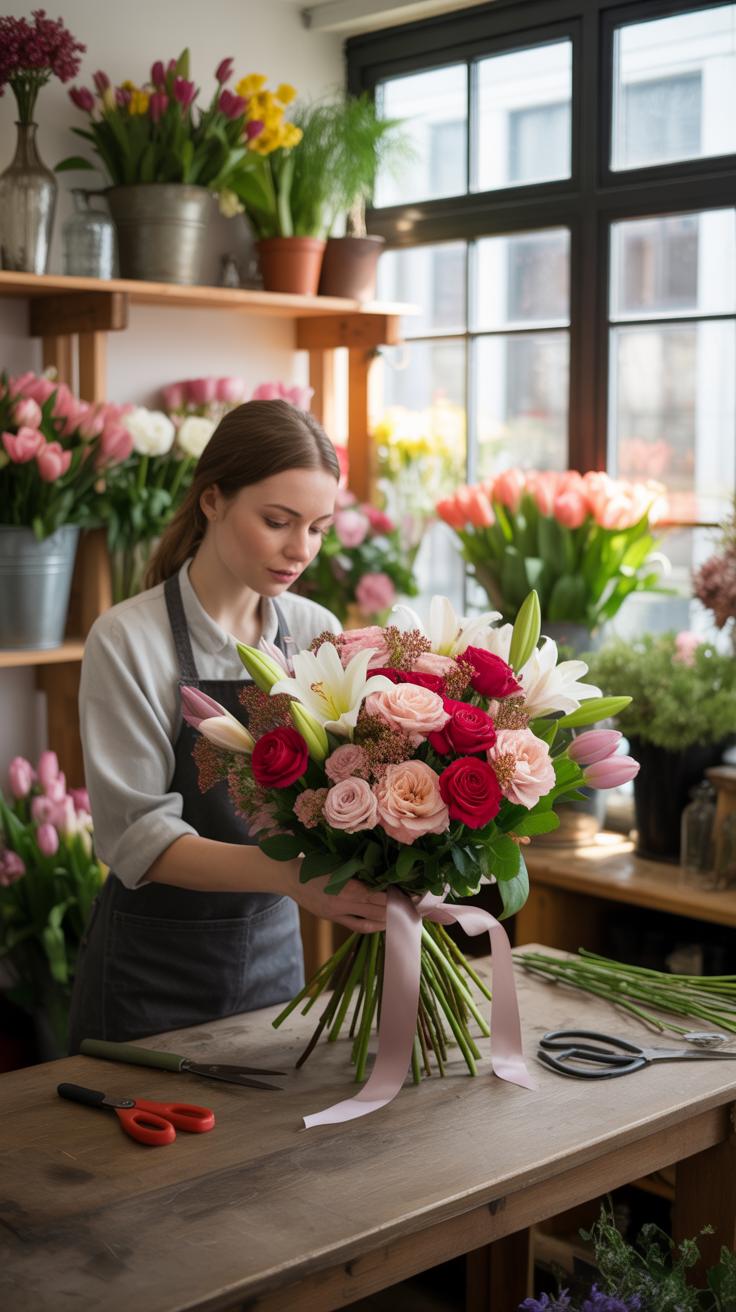
Professional floral design relies on the golden ratio and classical geometry. You must understand balance to ensure the arrangement does not tip over or look lopsided. Symmetrical balance offers formal stability often seen in traditional glass vase work. Asymmetrical balance creates movement and visual interest for modern installations. Mastering these proportions ensures your work looks structural rather than cluttered or unintentional.
Color theory is your most powerful tool for setting a mood. You need to distinguish between monochromatic, analogous, and complementary palettes. Using different textures prevents a flat appearance in monochromatic designs. Focal points guide the eye through the arrangement. You create these by placing larger blooms or darker colors at the base. Controlling negative space allows individual flowers to stand out instead of getting lost.
Practical Tips For Handling, Conditioning And Caring For Fresh Flowers
Flower longevity depends on immediate hydration and temperature control. You must remove all foliage below the water line to prevent bacterial growth. Bacteria clog the stems and kill the flowers prematurely. Sharp tools are mandatory for clean cuts. Dull blades crush the vascular system and block water uptake. Always use clean buckets and fresh water treated with professional floral preservatives.
- Stem Cutting: Cut stems at a forty-five degree angle using sharp shears or a floral knife. This angle increases the surface area for water absorption. Perform this task under water or immediately before placing the flower into a bucket to prevent air bubbles from blocking the stem.
- Hydration Solutions: Use commercial floral foam or flower food to extend vase life. These mixtures contain carbohydrates for energy and biocides to kill bacteria. Acidifiers lower the water pH to help the stem pull moisture up to the head of the bloom.
- Temperature Management: Store most cut flowers in a dedicated floral cooler at thirty-four to thirty-eight degrees Fahrenheit. High humidity levels prevent the petals from drying out. Keep flowers away from ripening fruit like apples or bananas. These fruits release ethylene gas which causes flowers to wilt and drop petals rapidly.
- Leaf Removal: Strip every leaf that will sit below the water surface. Decaying organic matter creates a toxic environment for the plant. Use a dedicated stem stripper for roses to remove thorns and leaves quickly without damaging the outer bark of the flower stem.
- Re-cutting Stems: Trim a half-inch off the bottom of the stems every two days. This removes any calloused tissue or bacterial buildup that has formed. Change the water entirely at this time to maintain a sterile environment. Clean water is the single most important factor for success.

Conditioning requires patience and specific knowledge of different species. Some woody stems like hydrangea need boiling water treatments or alum powder to stay hydrated. Other delicate bulbs prefer cold water to slow down their opening process. You must learn the unique requirements for every flower you buy. Proper processing reduces waste and saves money. Reliable florists prioritize the health of the plant over the aesthetics of the design.
How To Find Florist Jobs And Gain Real World Experience
Where To Look For Florist Jobs In Shops, Studios And Event Companies
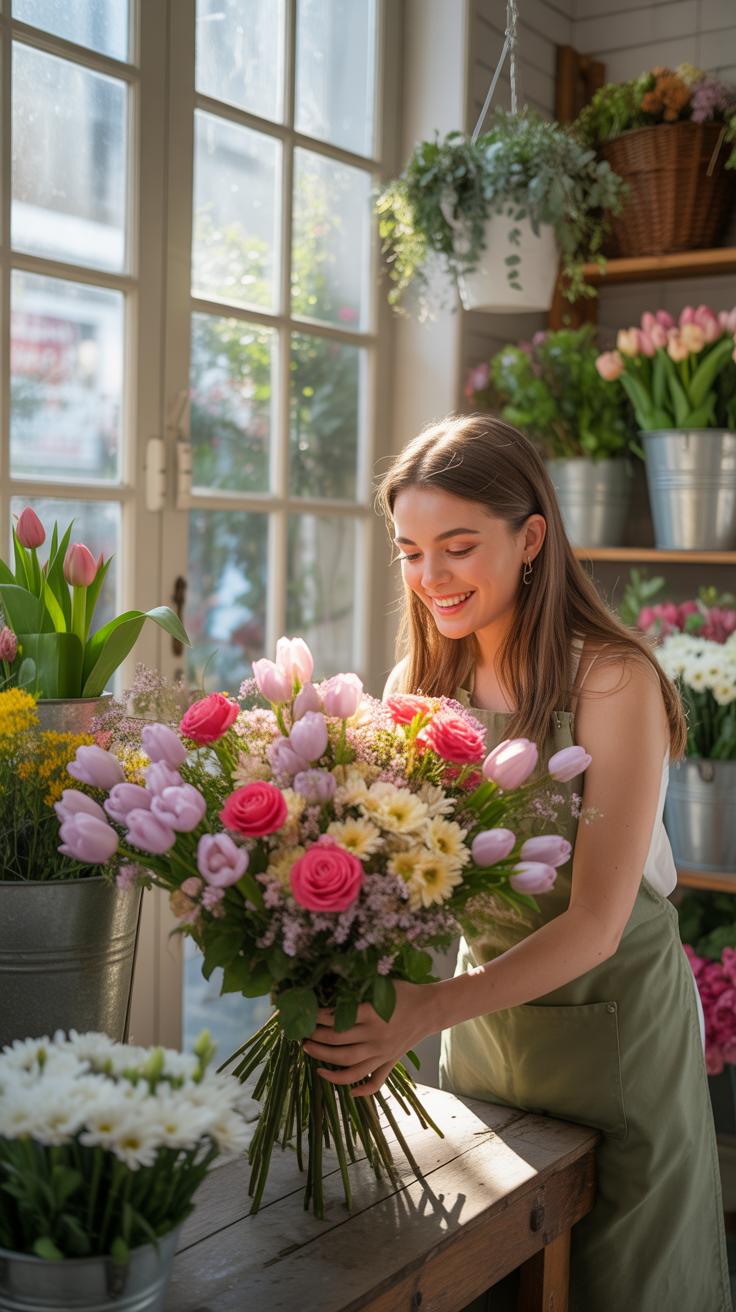
Traditional retail flower shops offer the most consistent entry points for beginners. You must target local businesses during peak flower holidays like Valentine Day or Mother Day. Owners need extra hands for processing stems and cleaning buckets during these rushes. Show up in person with a resume rather than emailing. Direct contact proves you can handle the fast pace of a physical storefront environment.
Event design companies operate differently than retail shops. These studios focus on weddings and large corporate galas. They often hire freelance labor for weekend installations. Search for production houses and event florists in your city. Check their social media for hiring calls or email their studio manager directly. Real experience comes from assisting on site. You will learn how to build large structures and manage cold chain logistics.
How To Build A Portfolio That Gets You Hired As A Florist
A professional portfolio must showcase your technical skills and range. Include clear photos of basic arrangements like round posies and front facing sprays. Use natural lighting to capture the true color of the blooms. Employers want to see clean stem placements and proper mechanics. Do not hide your work behind filters or distracting backgrounds. Focus on showing that you understand color theory and balance in your designs.
Document your process to prove your value as a worker. Take photos of your organized workspace and properly stripped stems. Show that you can follow a specific design brief or replicate a historic style. Include shots of larger installations if you assisted on a project. This evidence proves you understand the physical demands of the job. A digital portfolio on a simple website or social media page works best for quick sharing.
How To Become A Freelance Florist And Work On Your Own Terms
Setting Up Your Freelance Floristry Services And Client Base
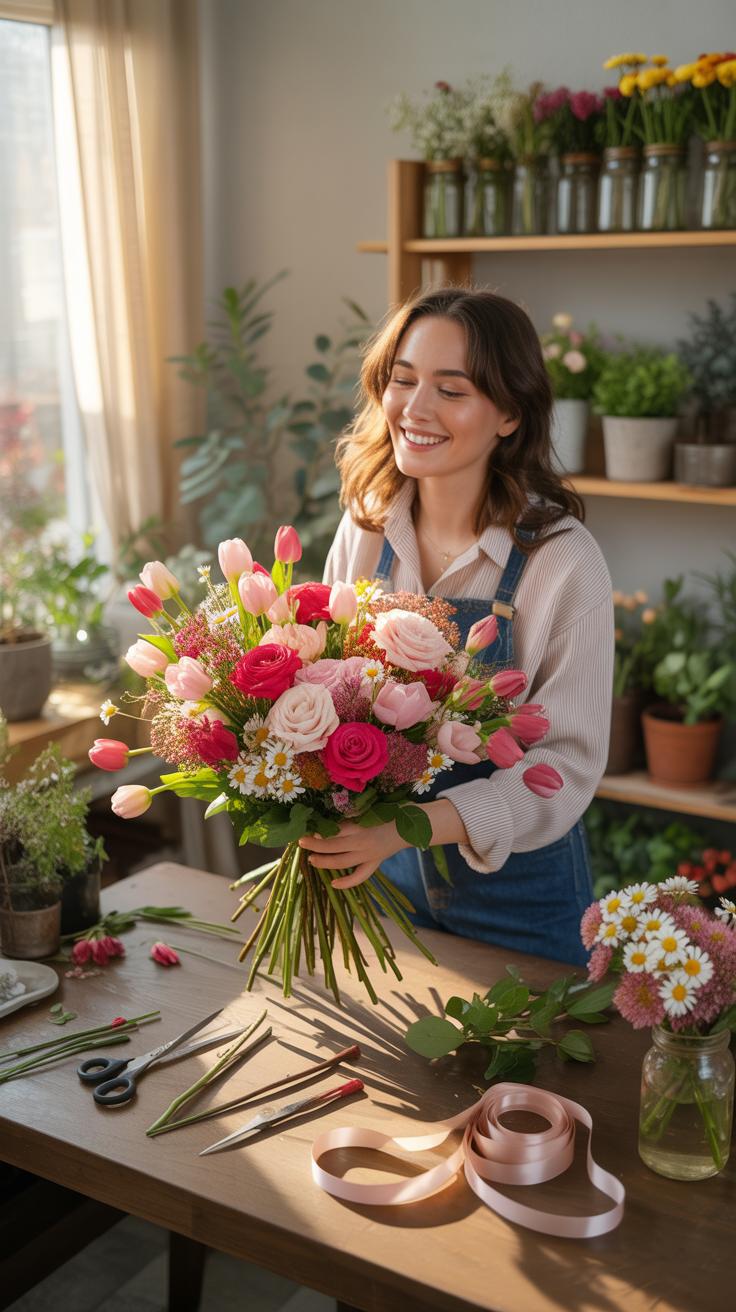
Freelance florists focus on two primary revenue streams. You can assist larger studios during busy event seasons or serve private clients directly. To start you must build a digital portfolio that demonstrates your technical skill. Clean photography of centerpieces and bouquets proves your capability to potential contractors. You do not need a retail storefront but you must have a dedicated cold space.
Networking with event planners and local flower shops is the most effective way to secure steady work. Design a simple website and use social media to show your behind the scenes process. This transparency builds trust with clients who value craftsmanship. Focus on local SEO to capture neighborhood demand. Reliable delivery and physical stamina are essential because freelance work often requires long hours on your feet.
Managing Pricing, Contracts And Seasonal Demand As A Freelancer
Pricing for freelancers must account for all hidden costs including labor, transport, and waste. Use the industry standard markup of three times the wholesale cost for materials. Add an hourly design fee to cover your specialized expertise. You must require a non refundable deposit to book a date. This protects your income if a client cancels. Always use written contracts to define the scope of work clearly.

Seasonal demand creates extreme peaks and valleys in your income. You will earn most of your profit during wedding season and holidays like Valentine’s Day. Plan your personal budget to survive the slow winter months. Diversify by offering home subscriptions or workshops during quiet periods. Monitor wholesale market prices closely as they fluctuate weekly. Staying updated on availability prevents you from promising flowers that are out of season or overpriced.
How To Start A Flower Business From Home The Right Way
Legal Requirements, Licenses And Setup Costs For A Home Flower Business
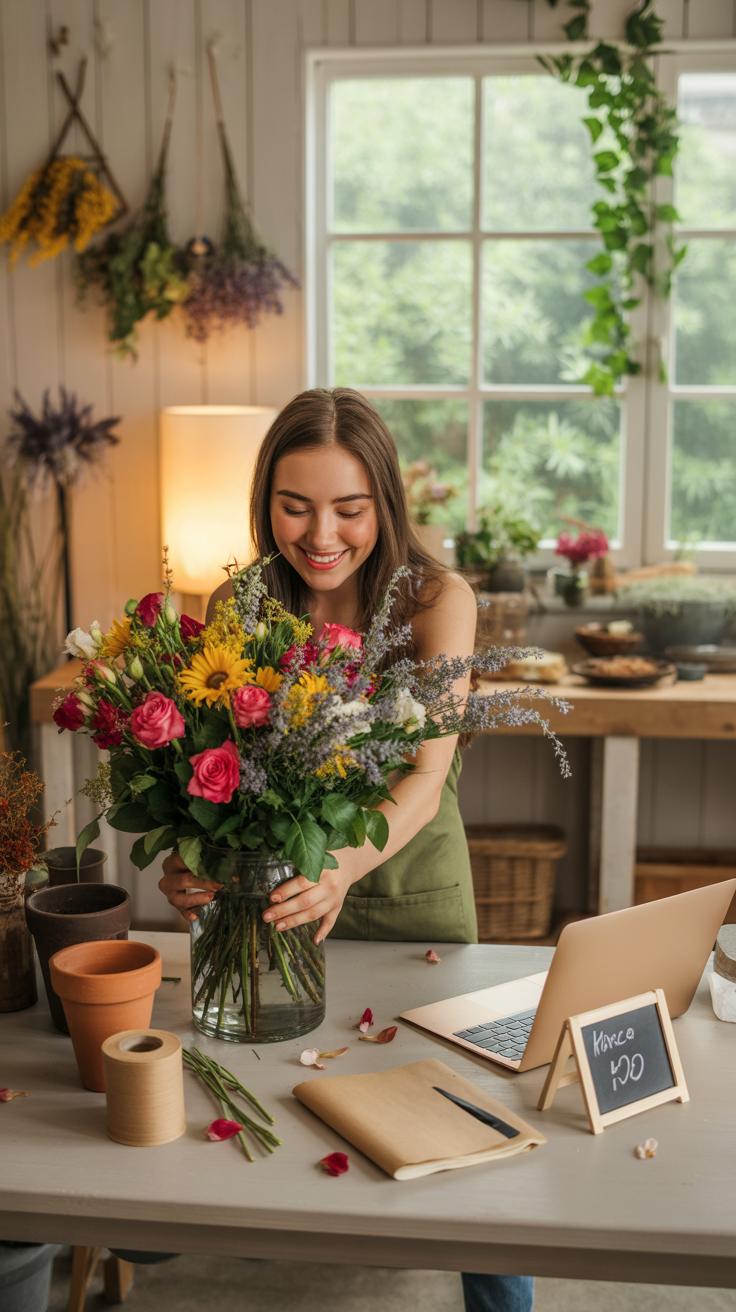
Most states require a general business license even for home operations. You must check local zoning laws before processing orders. Some residential areas prohibit commercial traffic or deliveries. Register your business name with the state to secure a tax identification number. You need this number to purchase flowers at wholesale prices. Wholesale markets do not sell to the general public.
Initial setup costs range from five hundred to two thousand dollars. You must invest in a commercial grade refrigerator or a cool basement space. Standard home fridges lack the humidity control flowers need. You also need business liability insurance to cover property damage or accidents. High quality insurance protects your personal assets if a client sues. Keep your personal and business finances separate by opening a dedicated bank account.
Earth laughs in flowers, and learning to arrange them is like capturing a piece of home’s soul. To be a florist for your own sanctuary is to weave nature’s quiet elegance into the memories of your everyday life.
Essential Tools And Supplies To Launch Your Home Floral Studio
Professional florists rely on high quality hardware to ensure stem longevity and structural integrity. Cheap scissors crush stems and block water intake. You must buy specialized bypass pruners and floral knives for clean cuts. High quality tools prevent the spread of bacteria between plants. These supplies form the backbone of your daily workflow and determine the shelf life of your finished arrangements.
- Professional Floral Snips: Standard household scissors damage delicate plant tissue. Buy Japanese steel snips for precise cuts without crushing the vascular system. Clean tools prevent stem rot and extend the life of your flowers significantly.
- Waterproof Floral Tape: This adhesive maintains its grip even when submerged in water or refrigerated. Use it to create grids on vase tops for structural support. It is essential for securing foam or frog pins in your containers.
- Floral Chicken Wire: Modern designers prefer coated chicken wire over green floral foam for environmental reasons. It provides a sturdy internal skeleton for large arrangements. You can reuse this material multiple times to reduce your overhead costs and waste.
- Stem Strippers: Manual leaf and thorn removers save hours of labor during the processing phase. Clean stems prevent bacterial growth in the vase water. This tool keeps your hands safe from punctures when working with roses or berries.
- Hydration Solutions: Commercial flower food and hydrating treatments are non negotiable for professional results. These chemicals balance the water pH and provide necessary nutrients. Proper hydration ensures your designs stay fresh for five to seven days after delivery.

Organization is critical in a small home studio. Use tiered shelving to store vases by size and color. Clear plastic bins keep your dry goods like ribbons and wires free from dust. Maintain a dedicated cleaning station with bleach to disinfect buckets after every use. Clean environments prevent fungal outbreaks that can destroy your entire inventory. Efficiency in your workspace directly impacts your hourly profit margins.
Growing Your Flower Business Through Marketing And Social Media
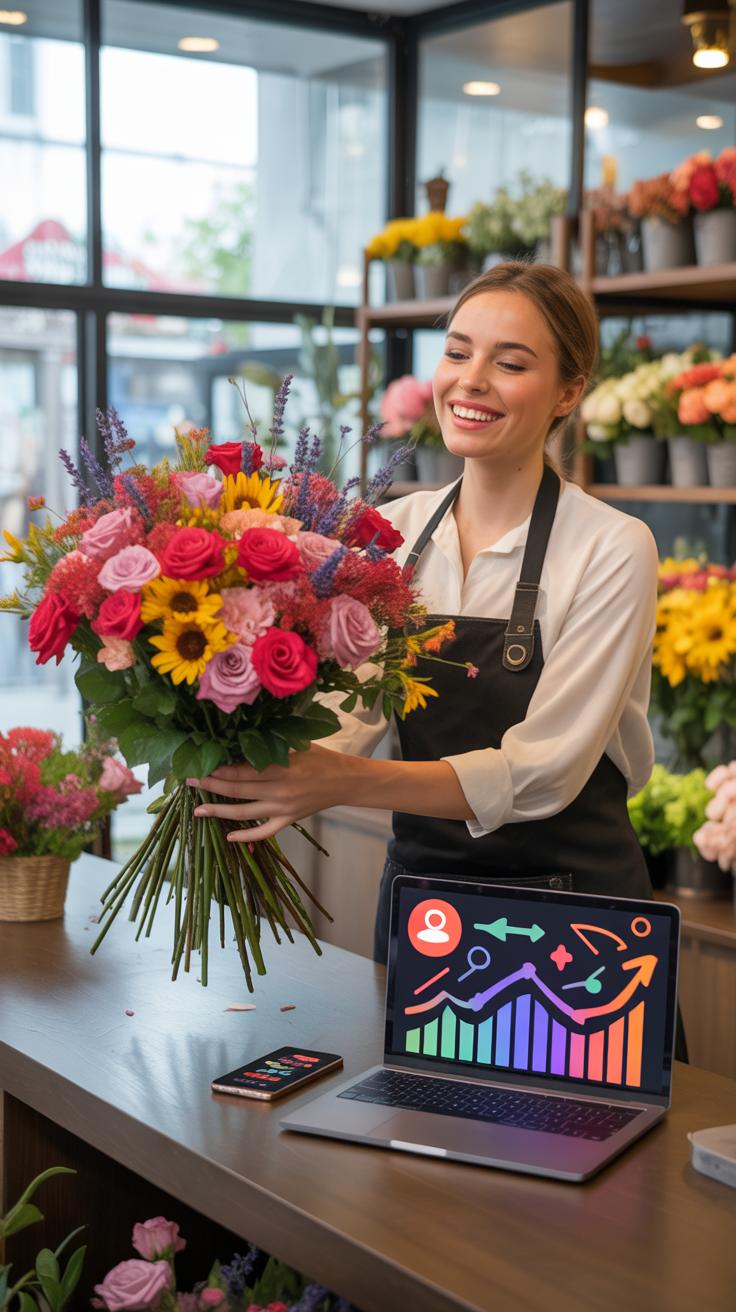
Using Instagram And Pinterest To Showcase Your Floral Arrangements
Visual platforms are the primary tools for floral marketing. High-quality photography translates floral skill into digital currency. You must prioritize lighting and color accuracy to show your work. Natural light reveals the true texture of petals and foliage. Use Instagram to show the daily life of a designer. Post finished bouquets and behind the scenes footage. This builds trust and shows your technical process to clients.
Pinterest serves as a search engine for design inspiration. Users save images to mood boards for weddings and home styling. Upload high-resolution vertical pins of your best arrangements. Use descriptive titles and keywords focused on floral types and color palettes. This drives long term traffic back to your website or portfolio. Consistency on these platforms ensures your brand stays visible to homeowners seeking seasonal decor or event services.
Building Local Partnerships And Word Of Mouth Referrals For Your Florist Brand
Local networking stabilizes your income. Partner with high-end interior designers and real estate agents. They need fresh arrangements for home staging and client gifts. Offer to provide small weekly displays for local cafes or boutiques. These acting as live advertisements for your work. Put your business cards near every display. This strategy puts your flowers in front of people who already value aesthetics and home styling.
Word of mouth remains the most effective sales tool for florists. Create a referral program that rewards existing customers for bringing in new business. Ask satisfied clients to leave reviews on Google and Yelp. High ratings improve your local search visibility. Direct communication with your community builds deep roots. Hand out quality bouquets to local influencers or business owners. These personal connections turn a one-time purchase into a recurring professional relationship.
Choosing The Right Flowers And Arrangements To Style Your Home Like A Florist
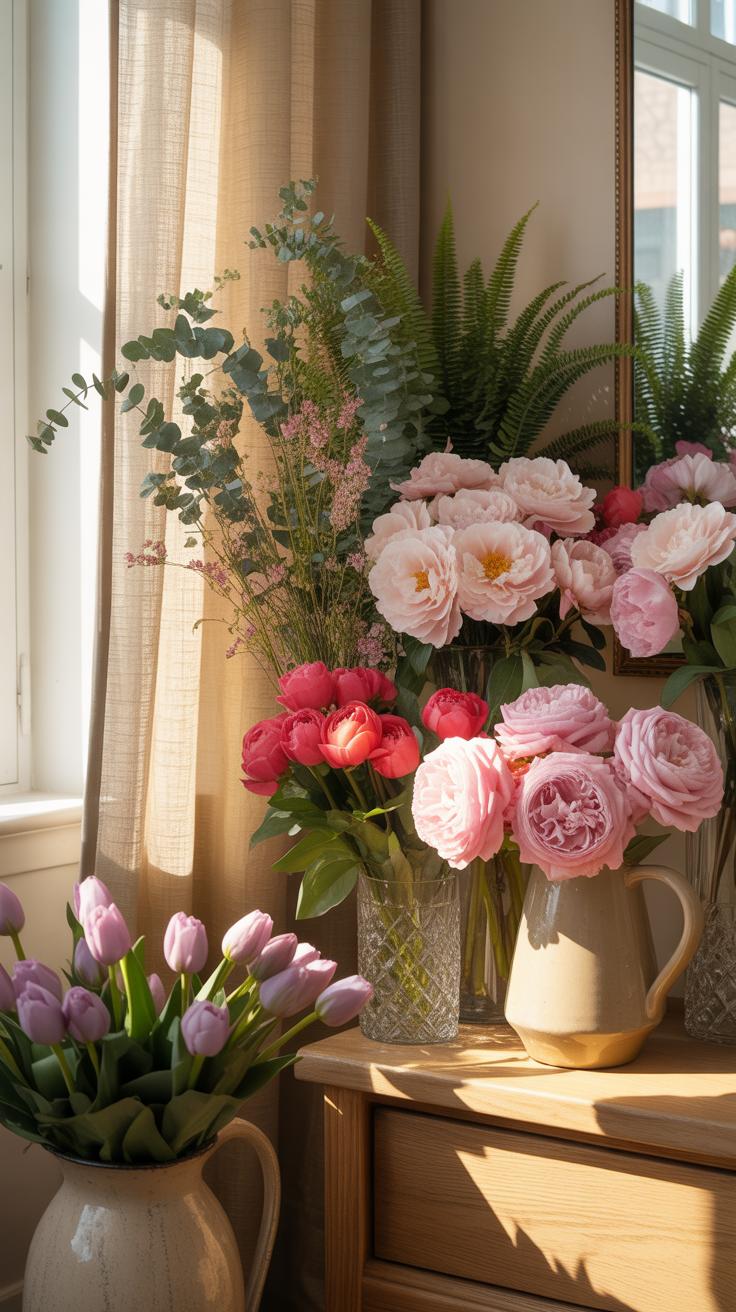
Matching Flower Varieties And Color Palettes To Different Home Interiors
Modern minimalist interiors require clean lines and structural focus. Use monochromatic palettes to maintain a sleek look. Select Calla Lilies or Monstera leaves for high-contrast visual impact. These choices emphasize form over bulk. Avoid busy mixed bouquets in these spaces. Stick to one species per vase to respect the architectural intent of the room. Neutral tones provide the best backdrop for bold greenery.
Traditional homes benefit from the Flemish style of dense, multi-colored arrangements. Use Garden Roses, Hydrangeas, and Peonies to create a sense of abundance. These spaces handle complex textures and deep jewel tones well. Match the flower height to the ceiling scale. Scale is critical for balance. Use classic ceramic or glass vessels to ground the arrangement. This approach creates a focal point that feels permanent and intentional.
Seasonal Flower Selections That Keep Your Home Looking Fresh Year Round
Professional florists follow the natural growing cycle to ensure longevity and quality. In spring, prioritize bulb flowers like Tulips and Narcissus. These varieties thrive in cooler indoor temperatures. Summer requires heat-tolerant stems such as Zinnias and Dahlias. These flowers produce vibrant pigments that withstand bright sunlight near windows. Buying in season reduces costs and guarantees the strongest stems for your home displays.
Autumn and winter demand a shift toward woody textures and hardy blooms. Use Chrysanthemums and berries during the fall to mirror the changing landscape. For winter, integrate evergreens and Amaryllis for structural endurance. These plants survive lower humidity levels inside heated homes. Always trim stems at a forty-five-degree angle before placing them in water. Use tepid water to improve local intake and extend the life of each arrangement.
Turning Your Florist Passion Into A Sustainable Long Term Career Or Hobby
How To Stay Inspired And Keep Evolving Your Floral Design Style
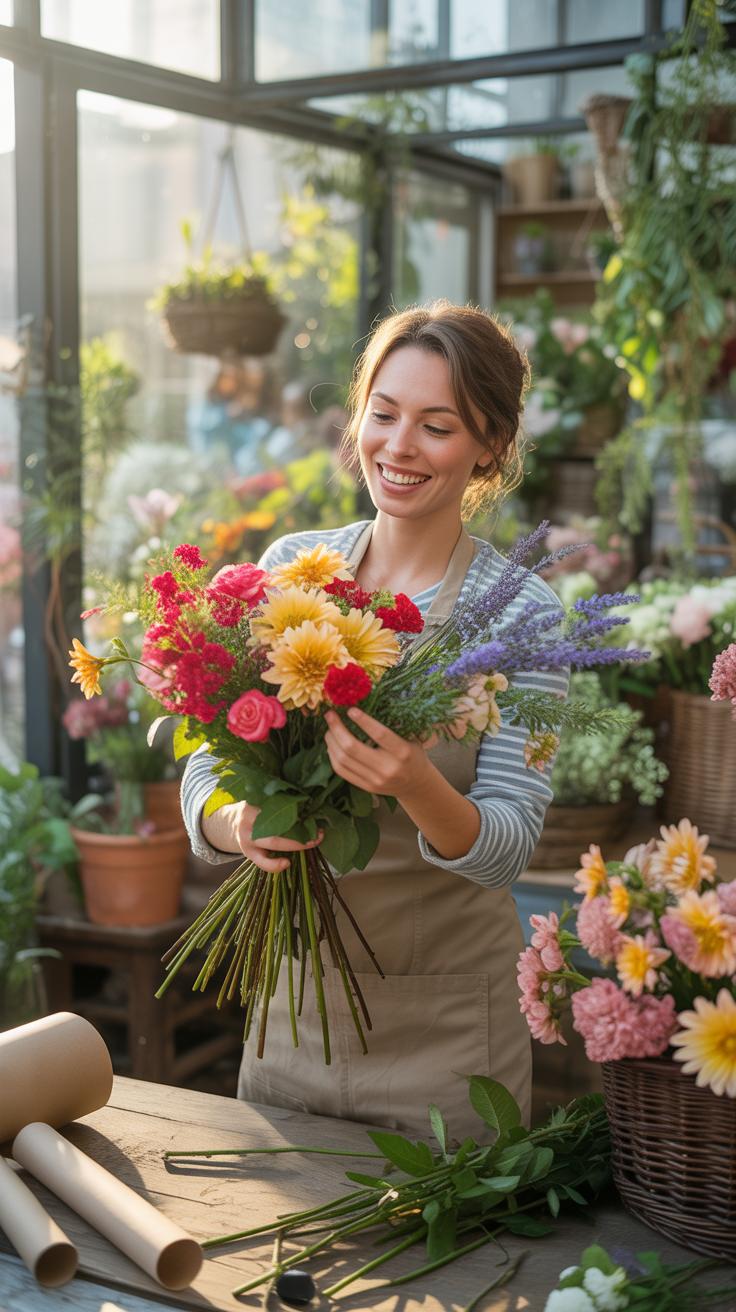
Floral design styles shift as consumer tastes change. You must study historical movements like the Dutch Golden Age or Japanese Ikebana to build a strong foundation. Modern trends often pull from these classic roots. Subscribe to trade publications and attend seasonal flower markets. Observe how high-end designers use Negative space and structural depth. Constant observation prevents your work from becoming stale or repetitive over time.
Experiment with new materials to keep your skills sharp. Use non-traditional elements like dried seed pods, branches, or metal armatures. This technical practice expands your range beyond standard grocery store arrangements. Set aside time each week for personal projects without client constraints. Document your progress through photos to track your growth. Consistent practice and study ensure you remain relevant in a competitive and fast-moving visual industry.
Balancing Creativity And Business Mindset For Long Term Florist Success
Creative talent is useless without profit margins. You must track every stem and leaf to maintain a sustainable business. Calculate your labor costs and overhead before setting prices. Use a standard markup for hard goods and perishables. Successful florists treat flowers as inventory that expires quickly. Minimal waste is the key to staying in business. Professional florism requires high discipline and strict inventory management.
Streamline your workflow to increase efficiency. Standardize your ordering process and build strong relationships with reliable wholesalers. Use cooling equipment to extend the life of your stock. Marketing requires consistent effort even during busy holiday seasons. Invest in high-quality photos of your work to build a professional portfolio. Balancing art and commerce ensures you can afford to keep creating. Long-term success depends on your ability to manage money.
Frequently Asked Questions

Do I need professional certification to start arranging flowers at home?
You do not need a formal degree to begin your journey. Many people learn how to become a florist through hands-on practice, online workshops, and studying floral design books. While certification can help for commercial work, developing an eye for color theory and seasonal textures is the most important first step for creating a stylish, professional-looking atmosphere within your own living space.
What are the essential steps to master floral design for my interior decor?
To understand how to become a florist for your home, start by investing in quality shears and floral foam or frogs. Learn how to process stems by cutting them at an angle and removing submerged foliage. Practice layering textures by choosing a focal flower, filler blooms, and airy greenery. Consistent experimentation with different vessel shapes will help you master proportions that complement your specific furniture and room layout.
Is it possible to create high-end floral arrangements on a limited budget?
Absolutely! Achieving a high-end look doesn’t require expensive exotic blooms. You can elevate your home by foraging local greenery, using supermarket bunches creatively, or focusing on monochromatic palettes which naturally look more expensive. By learning the techniques of a professional, you can make affordable carnations or dried stems look sculptural and sophisticated. Focus on clean lines and intentional placement to achieve a luxury aesthetic without the boutique price tag.