
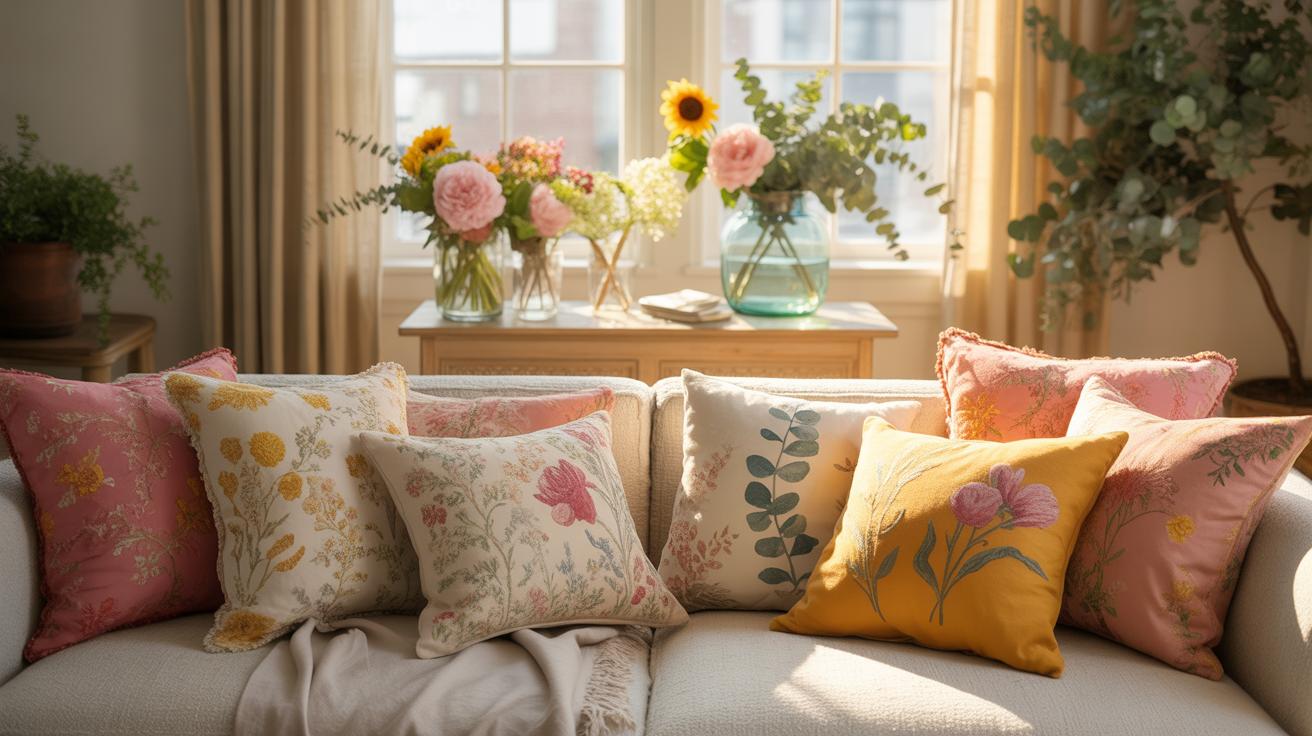
Why Floral Pillows Are A Timeless Choice For Home DCor
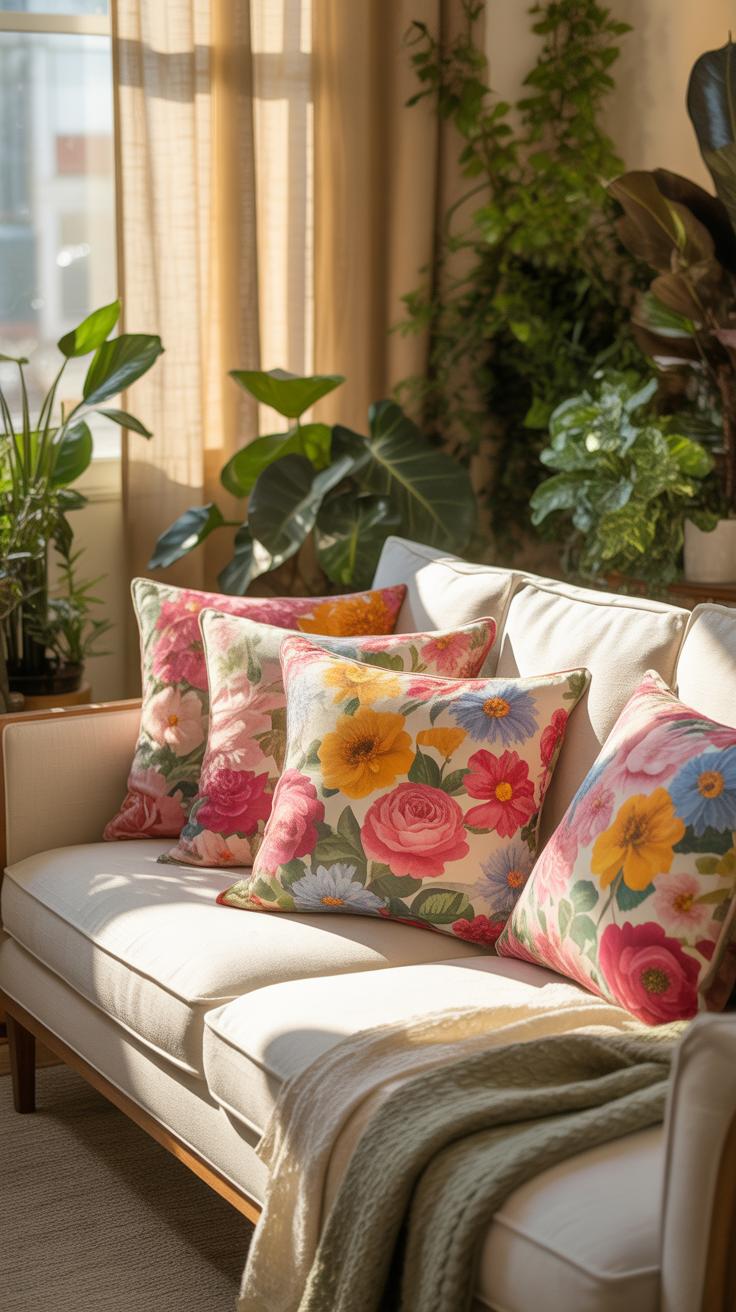
The Enduring Appeal Of Floral Patterns In Interior Design
Floral patterns have dominated interior design since ancient civilizations first used botanical motifs on textiles. The Arts and Crafts movement of the 19th century reinforced this trend by emphasizing nature based designs. Designers like William Morris created intricate floral prints that remain popular today. These patterns bridge the gap between traditional and modern styles. They provide a reliable way to connect indoor spaces with the natural world.
The longevity of floral prints stems from their versatility across different cultures and eras. From French Chintz to English Country styles, florals adapt to changing tastes without losing their relevance. They represent growth and vitality in a domestic setting. High quality floral textiles often utilize durable weaving techniques like jacquard or screen printing. This historical staying power makes them a safe investment for homeowners looking for lasting aesthetic value.
How Floral Pillows Add Color, Texture, And Visual Interest To Any Room
Floral pillows serve as a primary tool for introducing specific color palettes into a living space. One pillow can contain multiple shades that tie together different furniture pieces. Designers use these items to break up the monotony of solid colored sofas or bedding. The varying scale of flower prints helps manage the visual weight of a room. Small prints appear neutral while large scale blooms create a bold focal point.
Texture plays a critical role in the impact of floral pillows. Techniques like embroidery and crewelwork add physical depth to the fabric surface. These raised patterns create shadows and highlights that attract the eye. Velvet or linen bases change how light interacts with the floral design. Mixing these textures prevents a room from looking flat. Strategic placement of these pillows improves the overall sensory experience of the interior environment.

How To Choose The Right Living Room Decor Pillows With Floral Prints
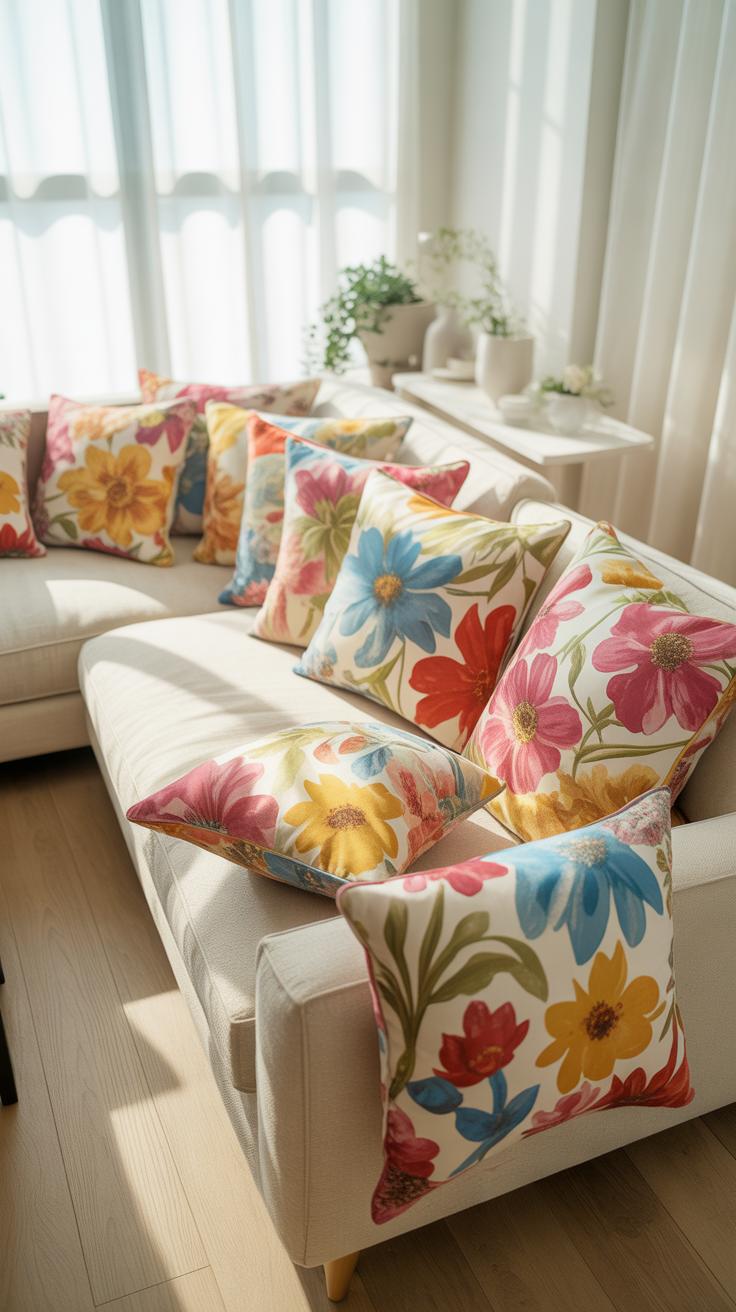
Matching Floral Pillow Scale And Color To Your Existing Furniture
Scale determines the visual weight of your floral patterns. Large furniture pieces like deep sofas require oversized botanical prints to maintain balance. Small delicate patterns get lost on big couches. Match the print size to the furniture surface area. Use small ditsy florals for armchairs or benches. This strategy ensures the pillows do not overwhelm the room. Stick to one dominant scale per piece of furniture.
Color matching requires identifying the undertones of your upholstery. Use the color wheel to find complementary shades for your floral accents. For a blue velvet sofa, select pillows with orange or warm yellow floral elements. Ensure the base fabric of the pillow matches the weight of your furniture material. Heavy wool pillows suit leather sofas. Lightweight linen florals work best on cotton or linen slipcovers.
Balancing Bold Florals With Neutral Tones For A Cohesive Look
Bold florals act as the primary focal point in a living room. You must surround these intense patterns with neutral blocks to prevent visual clutter. Use beige, grey, or cream solids on adjacent seating. This creates a resting place for the eye. The neutral tones should pull from the background color of the floral print. This technique anchors the bold design and makes the space feel professional.
Avoid using multiple loud floral patterns in a single small area. Layer one bold floral with two neutral textured pillows. Choose textures like chunky knits or smooth silk to add depth without adding more patterns. Modern design relies on this ratio to maintain a clean aesthetic. Keep the walls and rugs in muted tones when using high-contrast botanical prints. This discipline ensures your floral throw pillow ideas remain sophisticated.
Top Floral Throw Pillows Styles To Consider For Your Sofa
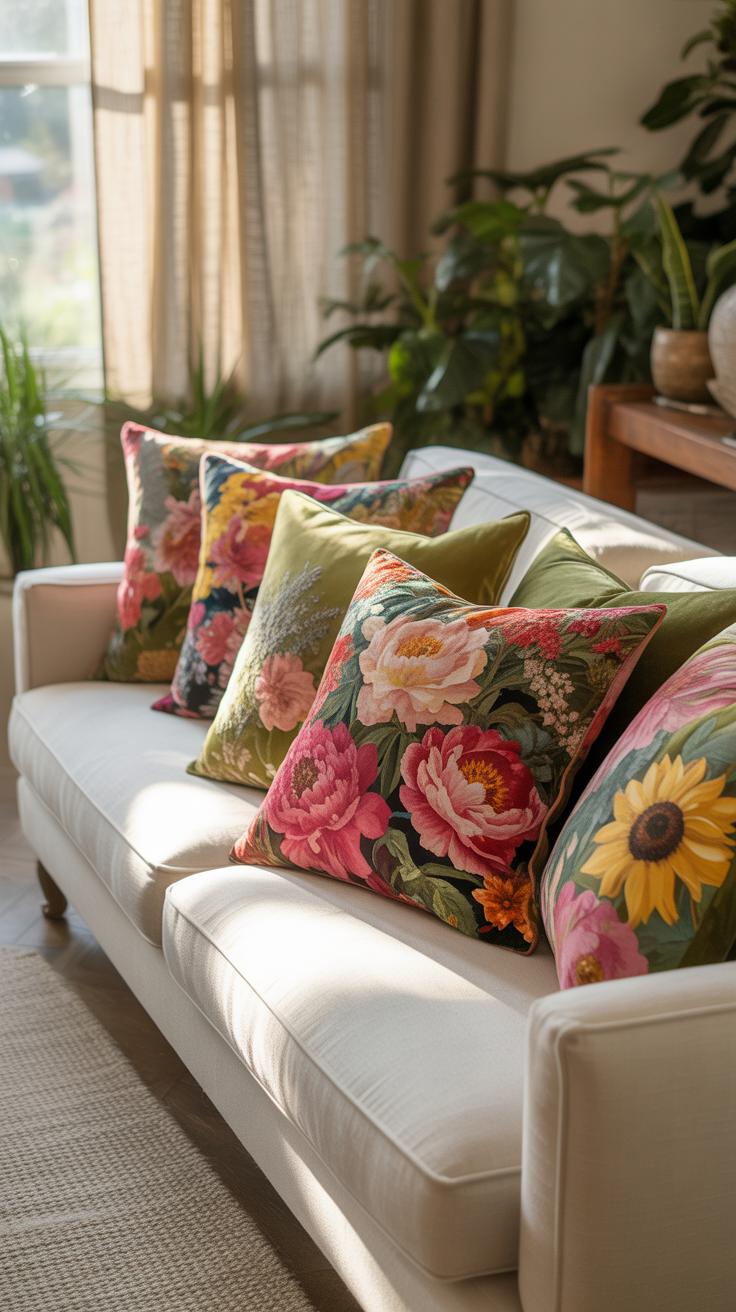
Classic Botanical Prints Vs. Modern Abstract Floral Designs
Classic botanical prints use precise illustrations to replicate real plant species. These designs prioritize scientific accuracy and symmetry. Designers often print these images on heavy cotton or linen fabrics. This style works best in traditional or farmhouse living rooms. It provides a formal and grounded look for neutral sofas. Use these prints if you want a timeless and disciplined aesthetic.
Modern abstract florals focus on shape and color rather than realistic detail. These designs use bold lines and distorted proportions to create visual energy. This style fits well in contemporary and minimalist spaces. Abstract patterns hide stains more effectively than white-based botanical prints. Choose this option for high-traffic sofas. It adds a focal point without requiring a specific color match to real flowers.
Watercolor Floral Throw Pillows: A Soft And Artistic Touch For Any Sofa
Watercolor floral designs use blended pigments to create a fluid look. This technique allows colors to bleed together without harsh borders. Most manufacturers use digital printing to preserve the delicate transparency of the original paint. These pillows work well on light grey or white sofas. The soft edges reduce visual clutter in small rooms. They provide a relaxed feel compared to rigid patterns.

Digital printing on polyester or cotton blends ensures the watercolor effect lasts through washing. Ensure the fabric has a high thread count to maintain the gradient details. Lay these pillows against solid textured fabrics like velvet or wool. This contrast highlights the artistic nature of the print. Avoid over-patterning the sofa when using this style. Focus on one or two dominant colors within the watercolor wash.
Best Fabrics For Floral Cushion Covers Comfort Meets Style
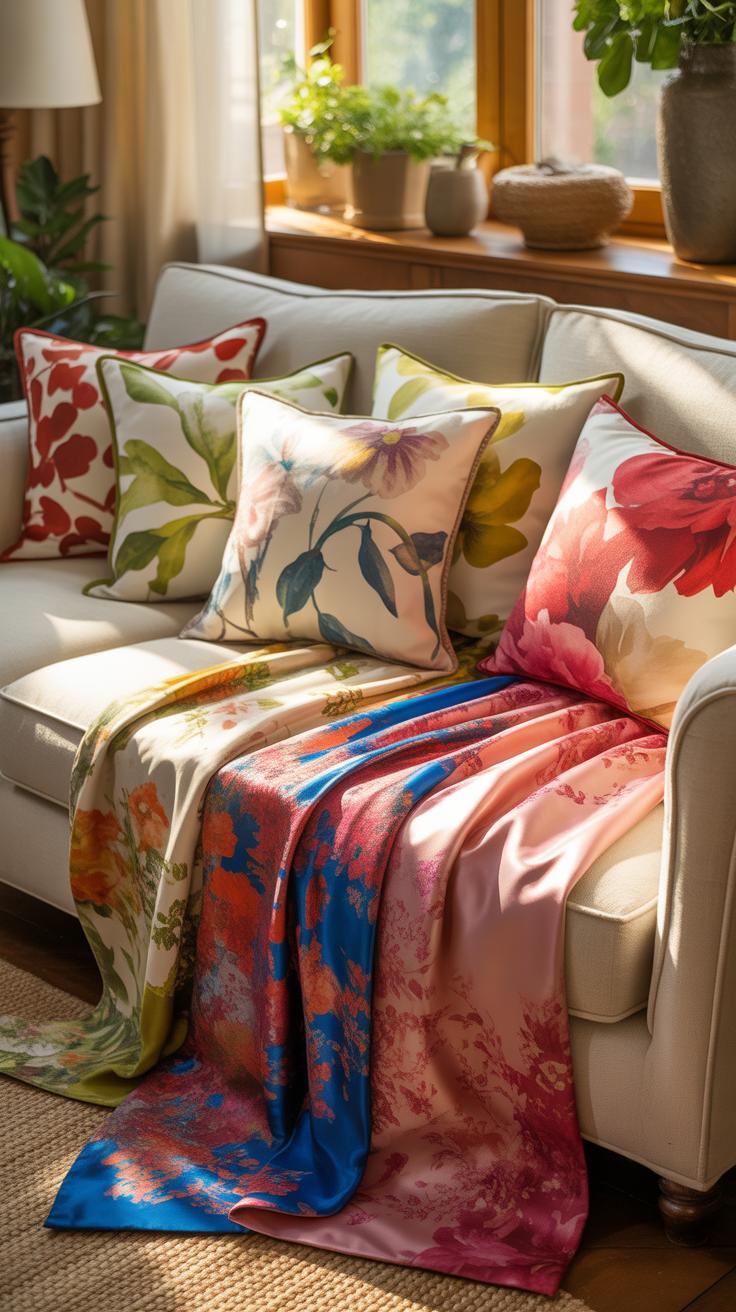
Natural Fabrics Like Cotton And Linen For Breathable Floral Cushion Covers
Cotton and linen provide the most practical foundation for everyday floral throw pillows. These plant-based fibers offer high breathability and heat regulation. Cotton is a versatile choice because it handles complex digital floral prints with precision. It stands up to frequent washing and heavy use in high-traffic areas. This makes it ideal for family rooms where comfort and durability are the primary requirements.
Linen offers a distinct structural look with a visible weave. It naturally resists pests and remains one of the strongest natural fibers available. The fabric becomes softer after every wash without losing its shape. Use linen for large-scale floral patterns in bright rooms. Its moisture-wicking properties prevent the fabric from sticking to skin in warm climates. These materials ensure your floral designs look sharp and feel cool.
Velvet And Jacquard Floral Cushion Covers For A Luxurious Finish
Velvet provides a heavy weight and deep texture for formal floral designs. Manufacturers weave this fabric with a short, dense pile that reflects light differently across the surface. This creates a multidimensional look for printed or embossed floral patterns. High-quality velvet floral pillows work best as accent pieces in bedrooms or formal lounges. The material adds immediate warmth and visual depth to any furniture arrangement.
Jacquard fabrics use a special loom to weave the floral pattern directly into the material. This creates a raised, tactile effect that does not fade like printed designs. Historically, this technique allowed for complex botanical details in heavy tapestries and upholstery. Jacquard is highly durable and resists wrinkles better than light fabrics. It serves as a superior choice for traditional or maximalist interiors that require heavy, ornate textures.
Refreshing Your Space With Spring Decor Living Room Throw Pillows
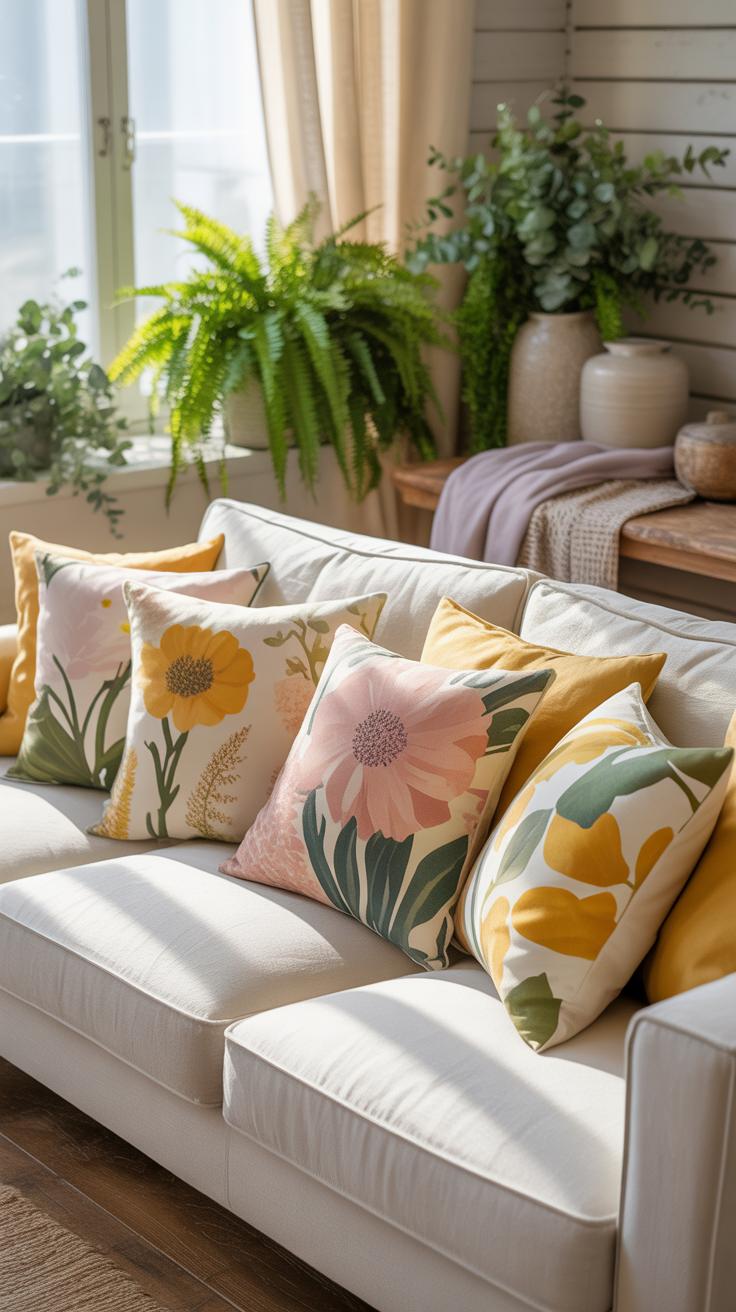
Seasonal Color Palettes That Work Best For Spring Floral Throw Pillows
Spring design requires a transition from heavy winter tones to high-reflectance colors. Successful palettes utilize pastels like sage green, dusty rose, and pale sky blue. These hues mimic the early bloom cycle of natural flora. Avoid neon shades which distract the eye. Instead, select desaturated tones that coordinate with natural light levels. This creates a cohesive look that feels intentional and calm.
Ground your floral patterns with neutral base colors like cream or oatmeal. Use these tones to balance vibrant botanical prints. High-contrast pairings like navy and soft yellow also work well for a traditional aesthetic. Focus on three primary colors to avoid visual clutter. This strategy ensures the pillows serve as focal points without overwhelming the room. Proper color selection improves the perceived brightness of your living area.
Pairing Spring Floral Throw Pillows With Light Fabrics And Seasonal Accents
Material choice dictates the physical comfort and visual weight of the room. Replace heavy velvet and wool with breathable linens and cotton blends. These natural fibers regulate temperature and reflect the lightness of the season. Use plain linen pillows to frame your floral patterns. This technique prevents the patterns from clashing. Stick to high-quality weaves that resist pilling and maintain their structural integrity during daily use.
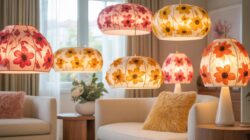
Coordinate your pillows with other seasonal textures like light wood and woven seagrass. Place a thin cotton throw over the sofa to complement the floral theme. This layer adds depth without adding heat. Keep the surrounding decor minimal to let the floral designs stand out. Clear glass vases and fresh greenery reinforce the spring theme. Strategic pairing ensures your throw pillows look integrated rather than like an afterthought.
Creative Ways To Style Spring Cushions Throughout Your Home
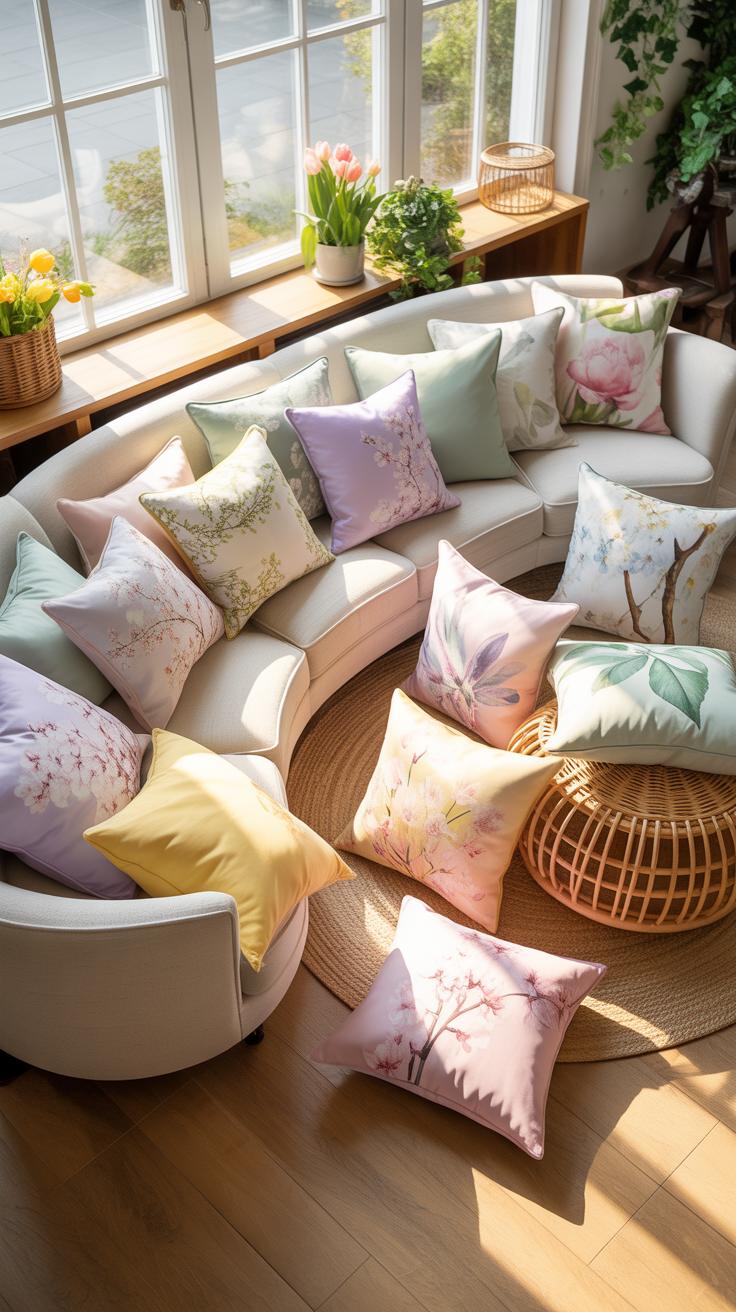
Layering Spring Cushions On Sofas, Armchairs, And Window Seats
Layering requires a clear hierarchy of size and pattern. Start with the largest cushions at the back of the sofa. Use solid colors or large scale floral prints for these base pieces. Place medium sized cushions with tighter floral patterns in front. This creates depth and prevents the arrangement from looking flat. Proper layering ensures the eye moves naturally across the seating area.
Window seats and armchairs need a different scale. Use a single large floral cushion on an armchair to avoid cluttering the seat. For window seats, line up cushions of varying heights to follow the frame of the window. Mix linen fabrics with cotton prints to add texture. This tactile variety improves the room feel without relying on bright colors. Consistent spacing maintains a professional look.
Quick Tips For Arranging Spring Cushions For Maximum Visual Impact
Arrangement techniques dictate the final aesthetic of the room. A symmetrical layout offers a formal look suitable for traditional living rooms. Asymmetrical groupings work better for modern styles or casual window nooks. You must balance the weight of the floral patterns across the furniture. Use odd numbers for a natural feel. Three or five cushions usually create the most stable visual composition.
- The Rule of Three: Group three cushions together using different sizes. Place a large solid, a medium floral, and a small lumbar pillow. This trio creates a triangle shape that pleases the human eye.
- Pattern Scaling: Mix large floral prints with smaller geometric patterns. Using only large florals makes the space feel crowded. Scale your patterns so they do not compete for the viewer’s attention.
- Color Pulling: Select one minor color from the floral print. Use that exact shade for the solid cushions in the back. This ties the entire collection together and makes the floral design stand out.
- Texture Contrast: Pair smooth silk floral covers with rough burlap or heavy linen solids. High contrast in fabric texture adds sophistication. It prevents the spring theme from looking too basic or cheap.
- The Karate Chop: Hit the top center of feather-filled cushions to create a soft crease. This technique shows the quality of the insert. It creates a lived-in yet curated look found in high-end showrooms.
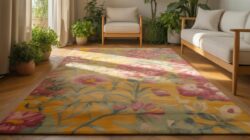
Effective styling depends on the quality of the cushion inserts. Always use down or high-quality synthetic fills that hold their shape. Flat cushions ruin even the best floral designs. Rotate your cushions weekly to prevent uneven wear on the prints. This maintenance keeps the spring theme looking fresh throughout the season. Proper care and smart placement turn simple pillows into tactical design tools.
Styling Spring Cushions In Living Rooms From Minimalist To Maximalist
Using Spring Cushions In Living Rooms With A Minimalist Design Aesthetic
Minimalist design requires careful selection to maintain a clean look. Choose one or two floral pillows as focal points. Select patterns with significant negative space. White or cream backgrounds help the floral motifs blend into a neutral room. Focus on botanical illustrations rather than dense patterns. This approach respects the Bauhaus principle of functional simplicity while adding organic texture to the space.
Limit your color palette to two tones. Match the flower color to an existing element in the room like a rug or painting. Use high-quality natural fabrics like linen or organic cotton. These materials provide a tactile experience without visual clutter. Position the pillows at the ends of the sofa to maintain symmetry. A single well-placed cushion communicates intent and prevents the living area from feeling crowded.
Earth laughs in flowers, and a home filled with their bloom always keeps the heart in spring. Bringing these petals into your sanctuary reminds us that beauty is a silent language of love.
Embracing A Maximalist Approach With Mixed Floral And Pattern Cushions
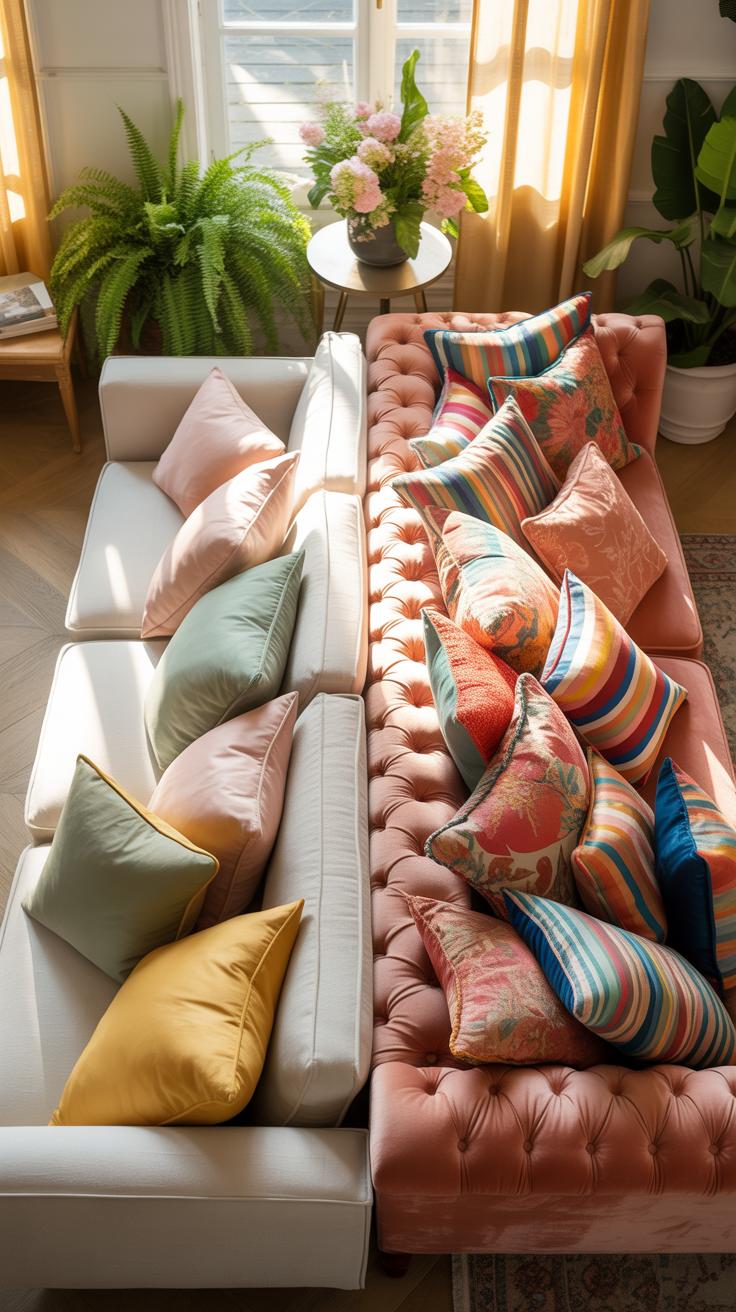
Maximalism thrives on the intentional layering of diverse patterns and textures. Combine large-scale floral prints with smaller ditsy patterns to create visual depth. Apply the rule of three by mixing florals, geometric stripes, and solid textures. This technique draws from the English Country House style where abundance is the primary goal. Ensure a common color thread binds the different patterns together to avoid visual chaos.

Vary the size and shape of your pillows to build a rich landscape on the furniture. Use bolsters, rounds, and standard squares together. Contrast soft velvet floral covers against crisp cotton jacquards. This contrast creates a sensory experience that feels curated rather than accidental. High-density placement is key. Fill the entire length of the seating area. Boldness works when you commit fully to the density of the arrangement.
How To Mix And Match Floral Cushions With Other Decorative Pillows
Combining Floral Cushions With Stripes, Geometrics, And Solid Colors
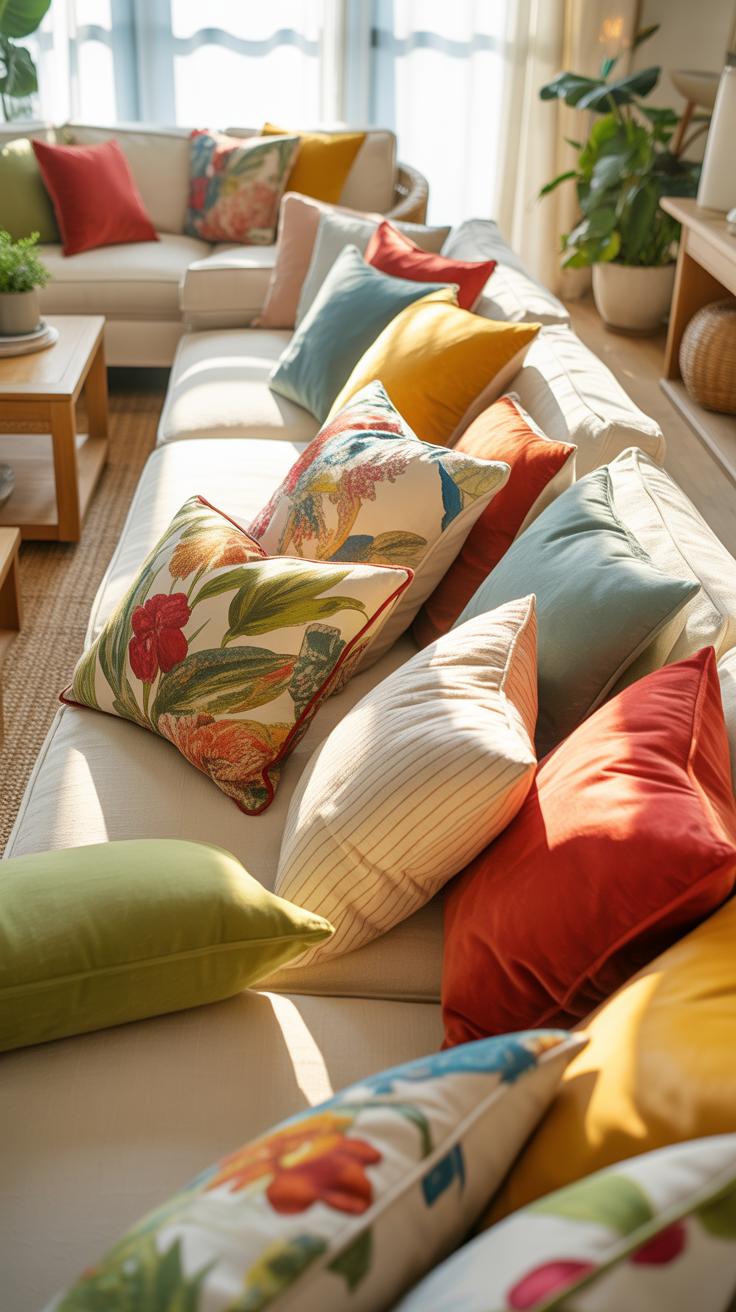
Successful coordination requires a clear hierarchy of scale. Use a large-scale floral print as your anchor piece. Pair it with a mid-sized geometric pattern like a Greek key or trellis design. Add a small-scale stripe or dot to create visual balance. This method prevents patterns from competing for attention. It creates a structured look that feels intentional rather than cluttered or random.
Solid colors provide a necessary visual break between busy patterns. Choose one dominant color from the floral print. Reinforce that color with a solid velvet or linen pillow. This grounding technique draws the eye to the floral details. It allows the complex organic shapes of the flowers to stand out against the clean lines of the stripes and solids. Stick to three distinct patterns max.
The Rule Of Odd Numbers: Why Three Or Five Cushions Work Best Together
The human brain finds odd numbers more natural and visually appealing. An arrangement of three or five pillows creates a central focal point. Symmetry often feels formal and static. Asymmetry suggests movement and life. For a standard sofa, three pillows provide enough variety without overwhelming the seating area. This layout forces a primary, secondary, and tertiary weight in your design scheme.
Large furniture requires five cushions to maintain proper proportions. Place the largest floral pillows at the ends of the sofa to frame the space. Layer smaller geometric and solid pillows toward the center. This layered approach adds depth and dimension. It avoids the flat look of paired sets. Strategic placement ensures every pillow serves a specific visual purpose. Stick to this rule to achieve a professional designer aesthetic.
Exploring Unique Cushion Cover Designs Inspired By Nature And Florals
Hand Embroidered And Printed Cushion Cover Designs With Floral Motifs
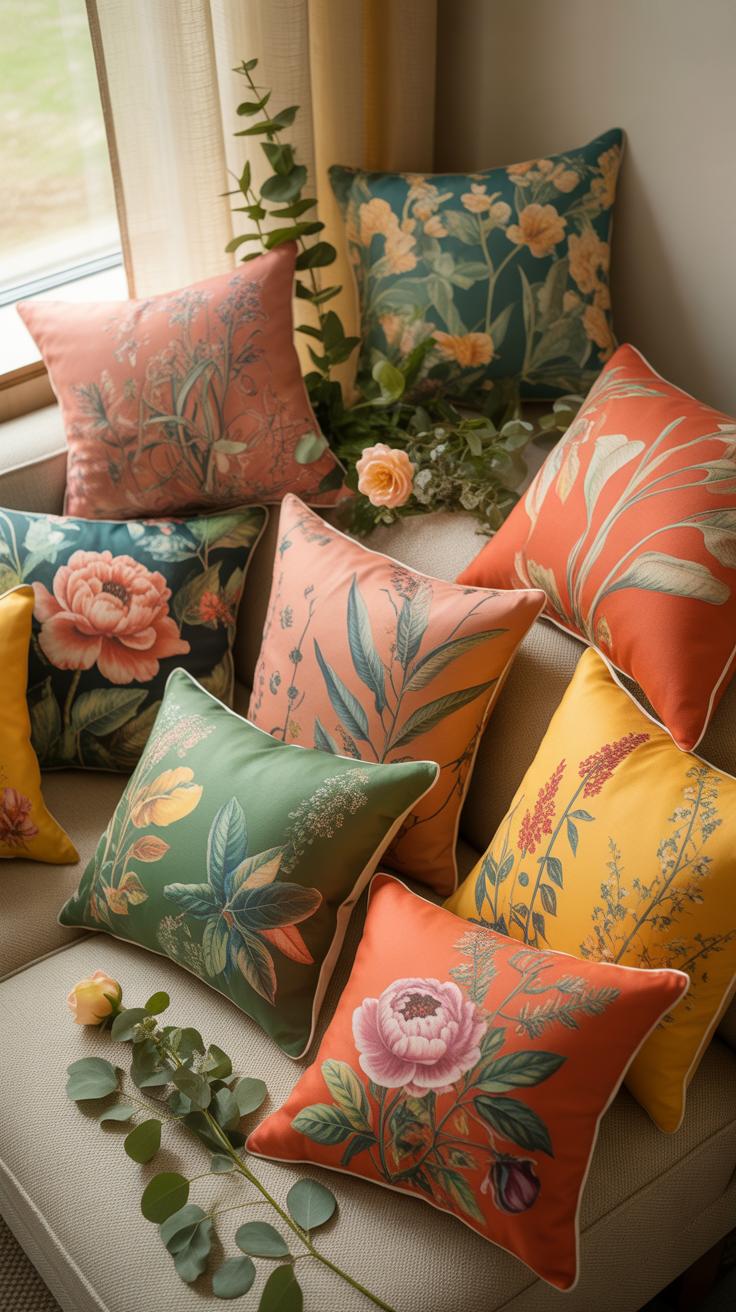
Hand-embroidery provides texture that digital printing cannot replicate. Artisans use techniques like crewel work and French knots to create three-dimensional floral patterns. These methods use wool or silk threads on linen and cotton bases. Raised stitching catches the light differently than flat designs. This physical depth adds high-end value to a room. Use these pieces as focal points on neutral furniture to maximize visual impact.
Digital and screen printing offer high precision for complex botanical illustrations. Modern textile printers reproduce fine lines and color gradients found in actual plants. This technology allows for realistic depictions of petals and leaves. Manufacturers often use reactive dyes to ensure color fastness on natural fibers. Printed covers work best for high-traffic areas because they withstand regular washing better than delicate hand-stitched items. Choose high-thread-count cotton for the best print clarity.
Best Sources And Styles To Shop For Distinctive Floral Cushion Cover Designs
Strategic sourcing requires looking beyond big-box retailers to find high-quality floral designs. Collectors often seek out specific historical styles to ground a room in a particular era. Look for heritage brands that hold archives of 19th-century botanical prints. These established companies provide consistent quality and authentic color palettes. Small-batch textile studios offer unique hand-painted designs that ensure your space does not look like a showroom.
- William Morris Patterns: These designs come from the 19th-century Arts and Crafts movement. They feature dense, symmetrical foliage and stylized floral repeats. Use these for a traditional or maximalist look. They work best on heavy cotton or velvet.
- Chintz Fabrics: This style originated in India and gained fame in Europe. It features glazed cotton and large-scale multicolored flowers. These covers add a formal and classic feel to a living room. Look for high-sheen finishes for authenticity.
- Japanese Ikebana Prints: These designs focus on minimalism and negative space. They feature sparse branches and single blossoms rather than dense patterns. Use these for modern or Zen-inspired interiors. They emphasize clean lines and calm environments.
- Block-Printed Indian Florals: Artisans use hand-carved wooden blocks to stamp patterns onto fabric. This creates small irregularities that show human craftsmanship. These pillows use natural dyes like indigo and madder root. They fit well in bohemian or global decors.
- Art Nouveau Botanicals: This style uses long, organic, flowing lines and curved shapes. These designs mimic the natural growth patterns of vines and flowers. They provide a sophisticated vintage aesthetic. Choose these to soften the sharp angles of modern furniture.
Evaluate the fabric weight before purchasing floral covers. Linen and heavy cotton canvas offer the best durability for daily use. Check the zipper construction for reinforced stitching to prevent tearing during insert changes. High-quality designs always feature a hidden zipper to maintain a clean silhouette. Prioritize covers with piped edges for better structural integrity. These technical details separate luxury textiles from cheap mass-produced options.
Budget Friendly Floral Throw Pillow Ideas That Still Look Luxurious
Affordable Ways To Refresh Your Space With New Floral Pillow Covers
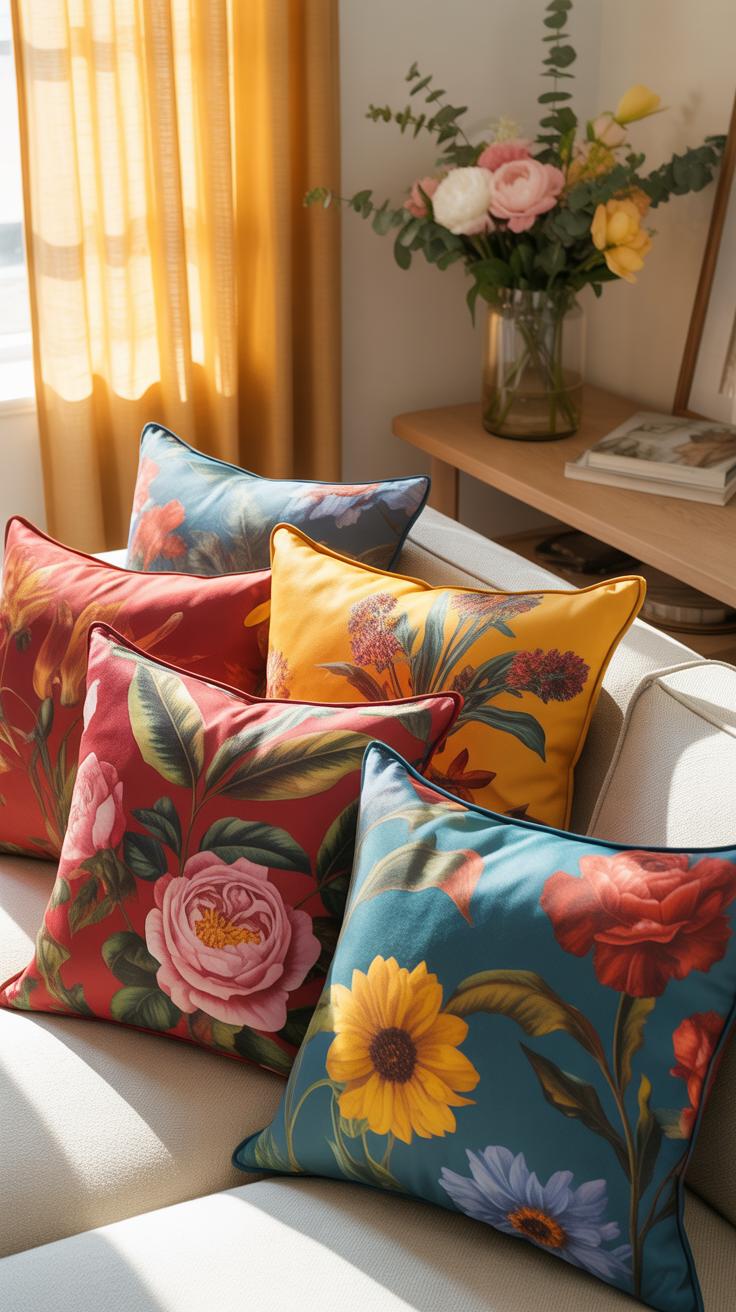
Stop buying entire pillows to change your decor. Buy covers instead. This tactic reduces unit costs by 60 percent. It also saves storage space in your home. Target covers made from cotton canvas or linen blends. These materials mimic high end fabrics at a lower price point. Look for hidden zippers. They create a seamless look that mimics custom upholstery.
Achieve a high end look by mixing print scales. Pair one large floral print with two smaller geometric patterns. This creates visual balance without extra cost. Use feather or down alternative inserts. Cheap foam inserts look flat and lower the rooms quality. A firm insert makes a ten dollar cover look like fifty dollars. Focus on neutral base colors to ensure long term versatility.
DIY Floral Throw Pillow Ideas: How To Customize Covers For A Personal Touch
Use block printing to create custom floral designs. Buy plain cotton covers and fabric ink. Carve a simple flower shape into a linoleum block. Press the ink onto the fabric in a repeating pattern. This technique mirrors the Arts and Crafts movement styles. It provides a high end handmade look for very little money. Block printing allows you to control the exact color palette.
Add trim to basic store bought floral pillows to increase their value. Sew velvet piping or fringe along the edges. These small details signal luxury craftsmanship. Use heavy duty heat bond tape if you cannot sew. This method secures the trim permanently. It mimics expensive designer pillows found in high end showrooms. Focus on contrasting colors for the trim to make the floral pattern pop.
Frequently Asked Questions

How do I choose the right floral pattern if I am new to decorating?
For beginners, the best approach is to start with a consistent color palette. Choose a base color already present in your room and look for floral throw pillow ideas that incorporate that hue. If your space is neutral, try a single oversized botanical print to create a focal point without overwhelming the senses. Matching the scale of the flowers to your furniture size ensures a balanced, professional look every time.
How can I mix floral pillows with other patterns without them clashing?
Mixing patterns is all about varying the scale. Pair large-scale floral throw pillow ideas with smaller geometric prints like stripes or polka dots to create visual layers. To keep the look cohesive, ensure all pillows share at least one common color. Using solid-colored cushions between different patterns provides a visual “rest” for the eye, making your sofa look curated and stylish rather than cluttered or disorganized.
Is it possible to update my home with floral accents on a tight budget?
Absolutely! You don’t need to buy brand-new pillows to refresh your space. To save money, look for high-quality floral covers that fit over your existing inserts. Shopping seasonally at discount home stores or searching for vintage botanical fabrics can also yield unique results. Swapping just two covers for bold floral designs is a cost-effective way to transform your entire room’s aesthetic without a major financial investment.