
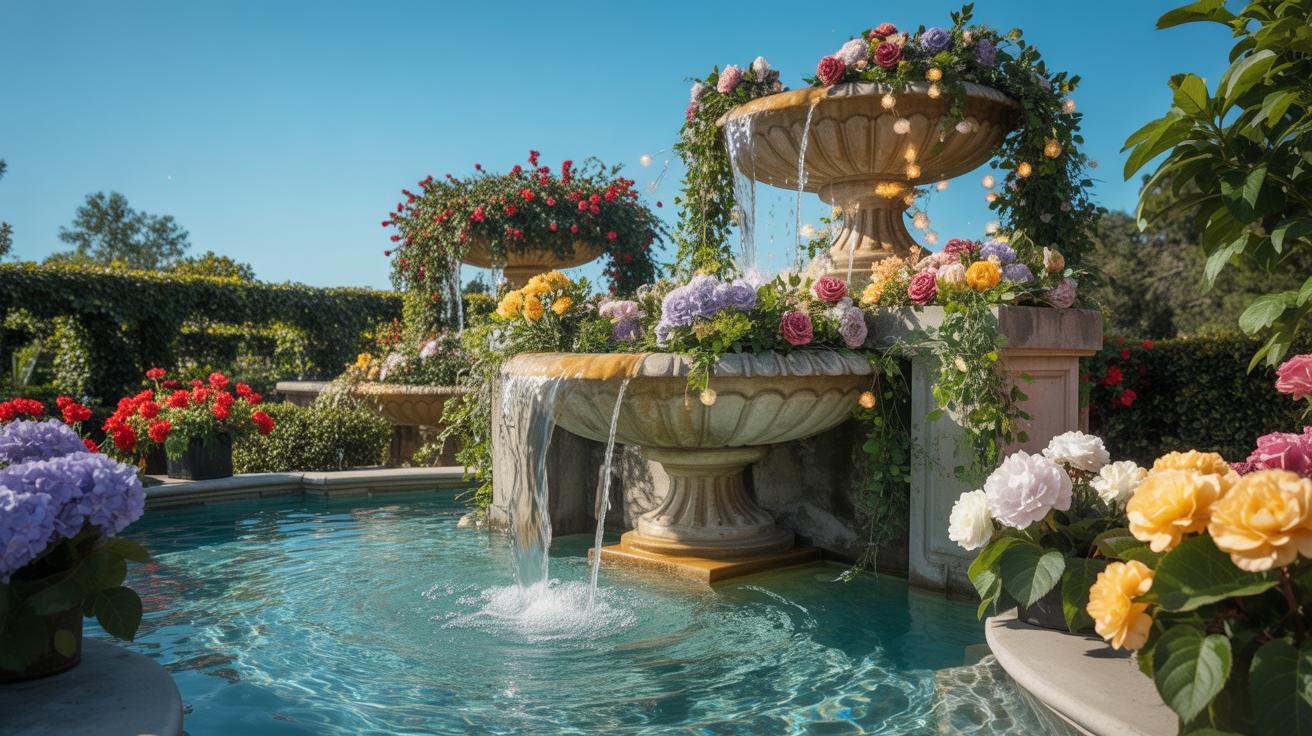
Why Garden Water Features Elevate Special Occasions
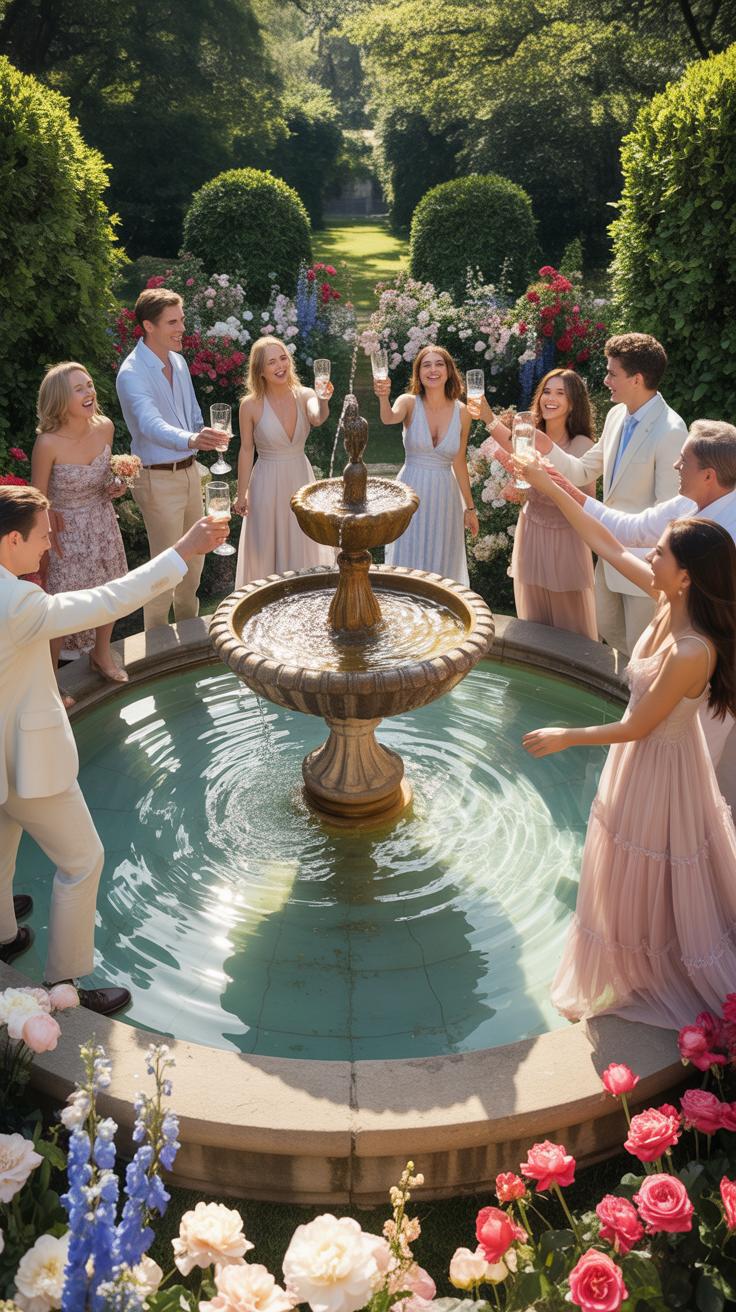
The Ambiance Effect: How Moving Water Transforms Outdoor Gatherings
Moving water provides a strategic acoustic layer for outdoor events. It generates white noise that masks unwanted sounds like traffic or distant neighbors. This auditory boundary creates a sense of privacy for guests. Falling water also produces negative ions. These ions physically refresh the air near the feature. This effect improves the comfort of the microclimate during crowded garden parties or summer celebrations.
Reflective surfaces on still water expand the visual size of a garden. Moving water adds dynamic light patterns as sun or artificial lamps hit the ripples. These light reflections provide natural movement that catches the eye. Designers use these focal points to direct guest traffic and anchor seating areas. A well-placed fountain or rill stabilizes the energy of an event. It gives attendees a central location to gather and interact.
A Brief History Of Decorative Water Features In Garden Design
Ancient civilizations used water features to show power and engineering skill. Persian gardens utilized gravity-fed channels called qanats to bring water into courtyards. These systems provided cooling and irrigation in arid climates. Spanish Moorish gardens later refined these techniques. They used narrow runnels to connect different outdoor rooms. This style focused on the sound of thin streams hitting stone basins to create calm environments.
The Italian Renaissance shifted the focus toward hydraulic grandeur and complex statues. Engineers built large fountains to demonstrate wealth and control over nature. Later, the English Landscape Movement favored natural ponds and serpentine lakes. These features looked like part of the original terrain. Modern garden design combines these historical elements. We now use recirculating pumps and durable liners to make high-end water aesthetics accessible for any private event or property.

Garden Waterfall Designs That Make A Stunning Focal Point
Tiered Garden Waterfall Structures For Weddings And Milestone Celebrations
Tiered waterfalls create a formal and symmetrical look for high-end events. Designers use pre-cast concrete or carved stone to build these systems. The structured drops produce a consistent sound that masks background noise. This creates a private atmosphere for guests during ceremonies. Large tiers serve as a visual anchor for photography. Use white or cream masonry to ensure the structure pops in evening lighting.
Focus on flow rate and pump selection to maintain water clarity. Choose a pump that can cycle the total volume of the reservoir every hour. This prevents stagnant water and algae growth before the event. Align the tiers with the main sightline of the seating area. Integrated LED lighting at the base of each spillway keeps the feature visible after sunset. Professional installers use waterproof liners to prevent soil erosion.
The music of a fountain is the spirit of a garden brought to life, turning any gathering into a memory of timeless beauty.
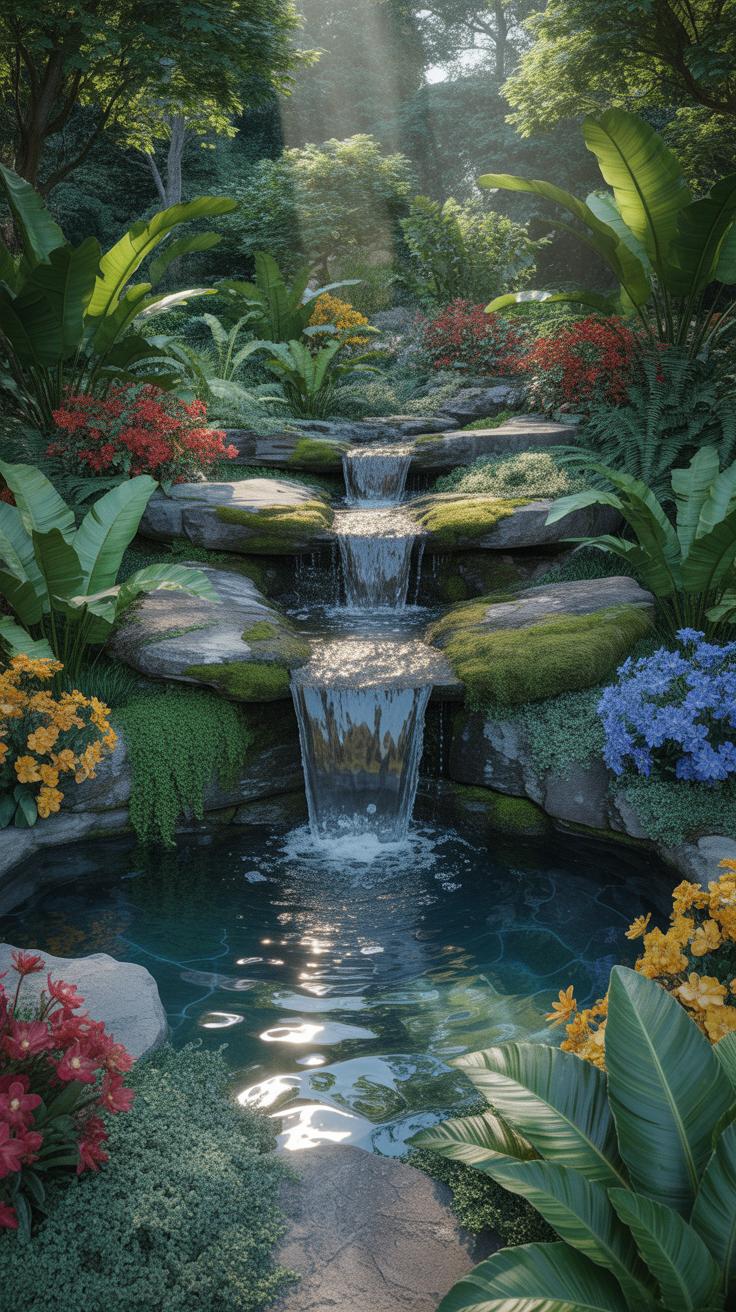
Naturalistic Waterfall Water Feature Styles Using Stone And Native Plants
Naturalistic waterfalls mimic the appearance of a mountain stream or woodland brook. Build these features using local limestone or granite boulders to ensure color consistency. Vary the height and width of the rock ledges to create diverse water sounds. Deep pools at the base slow the water down and reduce splashing. High-quality rubber liners protect the ground from leaks while allowing for flexible rock placement.

Landscape designers incorporate native ferns and mosses around the wet edges of the falls. These plants thrive in high humidity and stabilize the surrounding soil. Use aquatic plants like sedges or rushes to filter the water naturally. This biological filtration reduces the need for harsh chemicals. Place larger boulders at the top of the feature to hide the plumbing. This technique ensures the water appears to emerge from the ground.
Water Fountains As Centerpieces For Outdoor Events
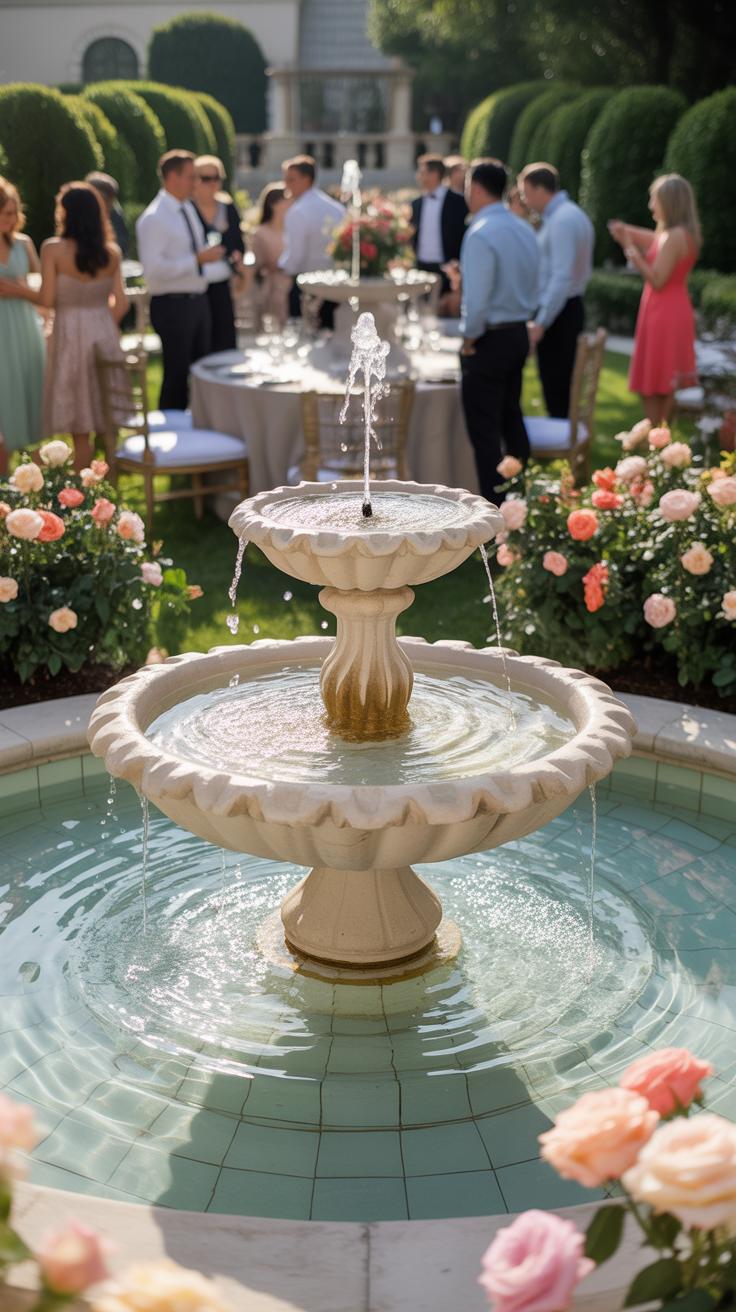
Choosing The Right Water Fountain Scale And Style For Your Garden Space
Scale dictates the visual impact of your water feature. A small fountain disappears in a large garden. A massive tier fountain overwhelms a compact patio. Measure your site boundaries before buying. You must leave three feet of clearance around the base for guest movement. Proper scale ensures the fountain anchors the space without blocking views or foot traffic during events.
Style must follow the existing architecture of your home. Use geometric shapes for modern builds. Choose tiered stone for traditional estates. Material choice affects durability and sound. Cast stone offers permanence and deep resonance. Resin mimics stone but moves easily for seasonal reconfiguration. Match the fountain material to your garden hardware. This creates a cohesive look that feels intentional and high end.
Classical Vs. Contemporary Water Fountains: Which Suits Your Special Occasion
Classical fountains use historical motifs like lion heads or acanthus leaves. These suit formal events like traditional weddings or galas. They signal stability and heritage. These units often use heavy masonry or lead finishes. They produce a consistent splashing sound that masks background noise effectively. Choose a classical design if your event relies on old world elegance and symmetrical garden layouts.

Contemporary fountains focus on clean lines and industrial materials. They use stainless steel, glass, or polished concrete. These fit modern corporate events or minimalist garden parties. They often feature hidden reservoirs and laminar flow tech for a sleek look. The sound profile is usually a soft trickle rather than a loud splash. Select contemporary styles for high tech venues or spaces with sharp architectural angles.
Creative Garden Water Ideas For Weddings And Anniversary Parties
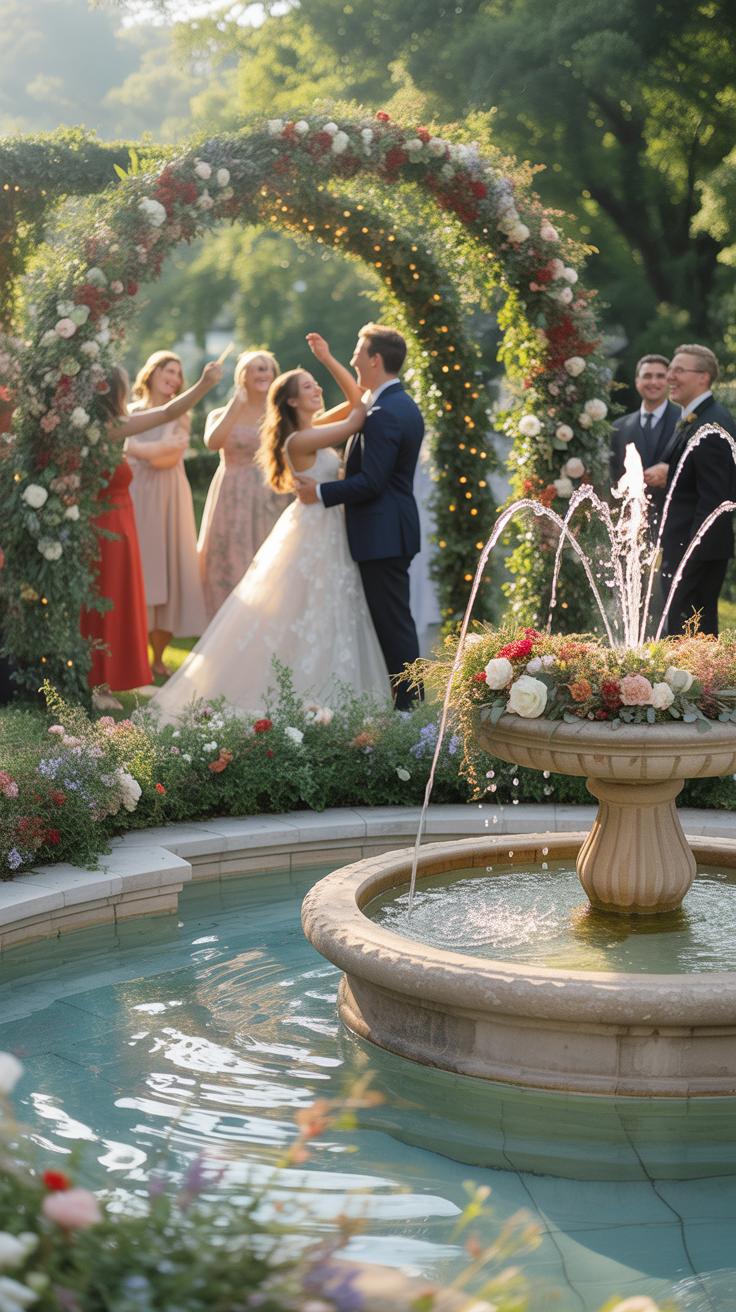
Romantic Pond And Stream Garden Water Ideas To Set The Mood
Design a recirculating stream to provide consistent white noise for private events. Use tiered basalt stone to create small drops. These drops oxygenate the water and mask background traffic sounds. Position the stream near seating areas to define the ceremony boundary. Use EPDM liners for durability and flexibility in custom shapes. Ensure the pump flow rate matches the stream width to prevent stagnant pools or loud splashing.
Incorporate a pond with a flat stone bridge to serve as a photographic focal point. Select large flagstone slabs for stability and grip. Line the pond perimeter with low-profile creeping plants like Scotch Moss or Creeping Jenny. These plants soften hard edges without blocking sightlines. Install low-voltage LED uplighting under the water surface. Direct the light toward rock faces to create architectural shadows and a calm nighttime environment.
Incorporating Floating Candles And Blooms Into Your Garden Water Feature
Utilize the surface tension of still water to support decorative elements. Place large floating candles in glass cylinders to protect flames from wind. Secure these cylinders to submerged anchors to prevent drifting toward skimmers or mechanical filters. Use unscented wax to avoid clashing with natural garden fragrances. This technique adds vertical light and movement to flat water surfaces without requiring permanent electrical installations or complex wiring.

Select heavy-headed flowers like camellias or roses for floating displays. Trim stems to one inch to keep the bloom upright and hydrated. Avoid thin-petaled flowers that saturate and sink quickly. Remove pollen and loose debris before placement to maintain water clarity and prevent pump clogs. For larger basins, use biodegradable foam rings to group flowers into structured rafts. This method ensures consistent density and professional visual scales across the entire water surface.
Backyard Corner Water Feature Solutions For Intimate Celebrations
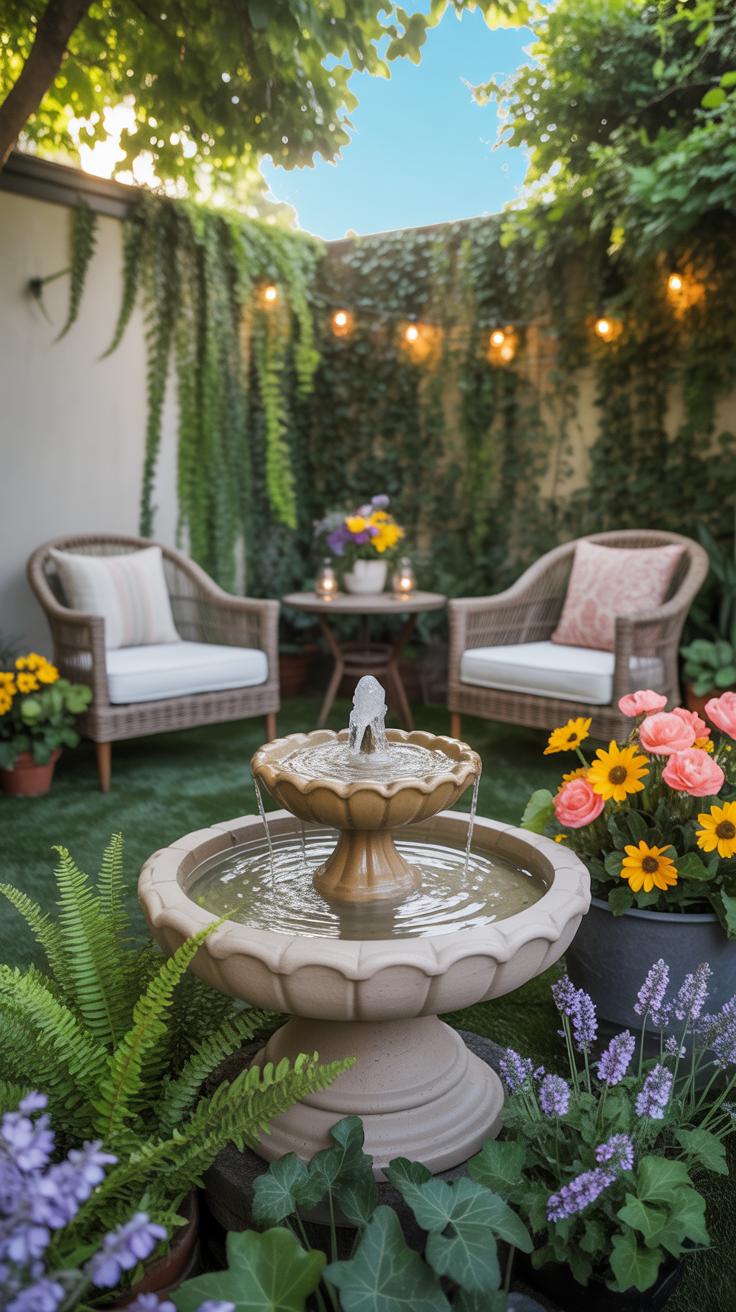
Making The Most Of Small Spaces With A Backyard Corner Water Feature
Corners often sit idle in small garden layouts. Use these dead zones for a tiered stone fountain or a ceramic pot bubbler. This placement pulls the eye toward the edge of the property. It makes the entire yard feel larger during a private event. Professional designers use this trick to maximize floor space for guest seating and walking paths without sacrificing the sensory benefits of moving water.
Install a self-contained basin to avoid complex plumbing work. These units hide the pump and reservoir underground or within the structure itself. This setup keeps the footprint small and the maintenance low. You keep the backyard clear of loose hoses and trip hazards. A corner installation also reflects sound off two walls. This trick amplifies the trickling noise to mask neighborhood traffic and maintain privacy for your guests.
Vertical Wall Mounted Water Features For Compact Garden Corners
Vertical units save the most square footage in a tight garden. You bolt these features directly to a fence or masonry wall. They use gravity to move water down a flat surface into a narrow trough below. This design uses zero floor space in the center of the yard. It allows you to host more people in a small area. Use slate or stainless steel surfaces for a modern look.
Select a model with LED lighting for evening celebrations. Most wall units come with pre-installed waterproof lights. These lights illuminate the water as it falls. This creates a focal point that does not require extra hardware. Ensure the wall can support the weight of the unit when it is full of water. Use heavy-duty anchors for safety. A secure installation prevents accidents during high-traffic social gatherings in the garden corner.
Rock Fountains And Natural Stone Features For Rustic Garden Events
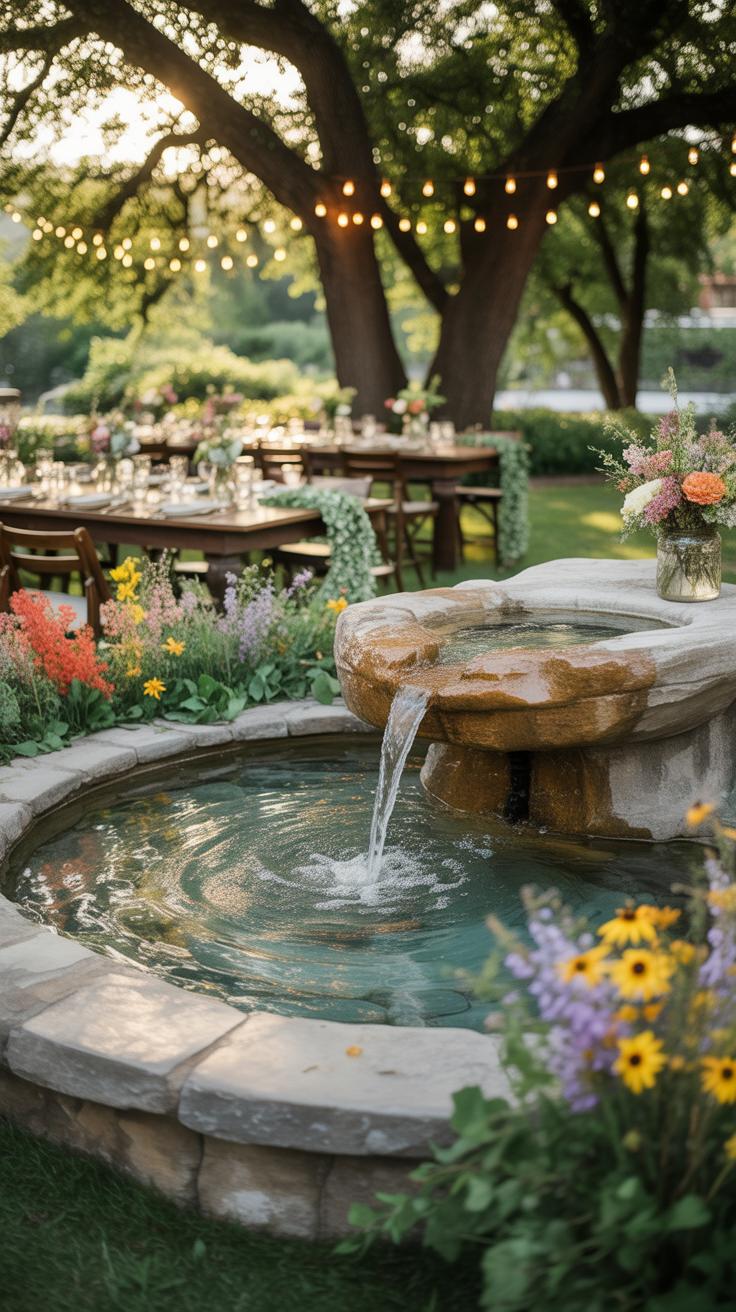
How Rock Fountains Create An Organic Timeless Atmosphere For Garden Gatherings
Rock fountains provide a structural anchor for outdoor events. They ground the landscape using raw materials that look original to the site. This permanence creates a mature aesthetic for weddings or formal gatherings. Unlike plastic or resin alternatives, natural stone does not distract guests with artificial glare. It absorbs light and creates a neutral backdrop that complements floral arrangements and event decor.
The acoustic profile of a rock fountain is superior to smooth surfaces. Water breaks over uneven stone textures to produce a complex white noise. This sound masks nearby traffic or neighborhood sounds during quiet ceremony moments. It establishes a private perimeter for guests without the need for physical walls. The thermal mass of the stone also creates a cool microclimate that benefits visitors during high-temperature outdoor events.
Best Stone Types And Placement Tips For Building A Rock Fountain Feature
Select stone based on regional availability and porosity to ensure long-term durability. Granite and basalt offer extreme density and resist erosion from constant water flow. Softer stones like sandstone or limestone provide a weathered look but require more maintenance to prevent crumbling. Proper placement requires a level, reinforced foundation to prevent soil shifting. Position the feature near power sources to hide unsightly pump cables.
- Basalt Columns: These volcanic pillars offer a modern take on rustic design. They feature a naturally weathered exterior and a smooth sawn top. Use them in groups of three to create a focal point with varying heights for visual interest.
- Granite Boulders: This material provides unmatched durability and weight. Hard granite resists algae growth better than sedimentary rocks. It stays clean during events and requires minimal scrubbing. Drilled granite boulders allow water to plume directly from the stone center.
- Flagstone Layers: Precision stacking of flat stones creates a cascading waterfall effect. This method increases the surface area for water movement. The resulting sound is louder and more rhythmic. It works best for large gatherings where you need to overcome crowd noise.
- River Rock Accents: Use smooth river stones to transition from the fountain base to the surrounding garden. These stones hide the mechanical liner and pump equipment. They provide a polished finish that prevents the feature from looking unfinished or messy.
- Sandstone Basins: These stones offer warm earth tones that match traditional rustic themes. The porous nature of sandstone allows moss to grow over time. This creates a centuries-old appearance for gardens that need a sense of history or established character.

Incorporate the scale of the surrounding architecture when sizing the feature. A fountain that is too small disappears in a large garden, while an oversized feature crowds the guest walkways. Use a recirculating pump with a variable flow valve. This allows you to adjust the water volume based on the event needs. High flow creates energy for parties, while low flow suits intimate dinners.
Fountains Backyard Designs Tailored For Summer Garden Parties
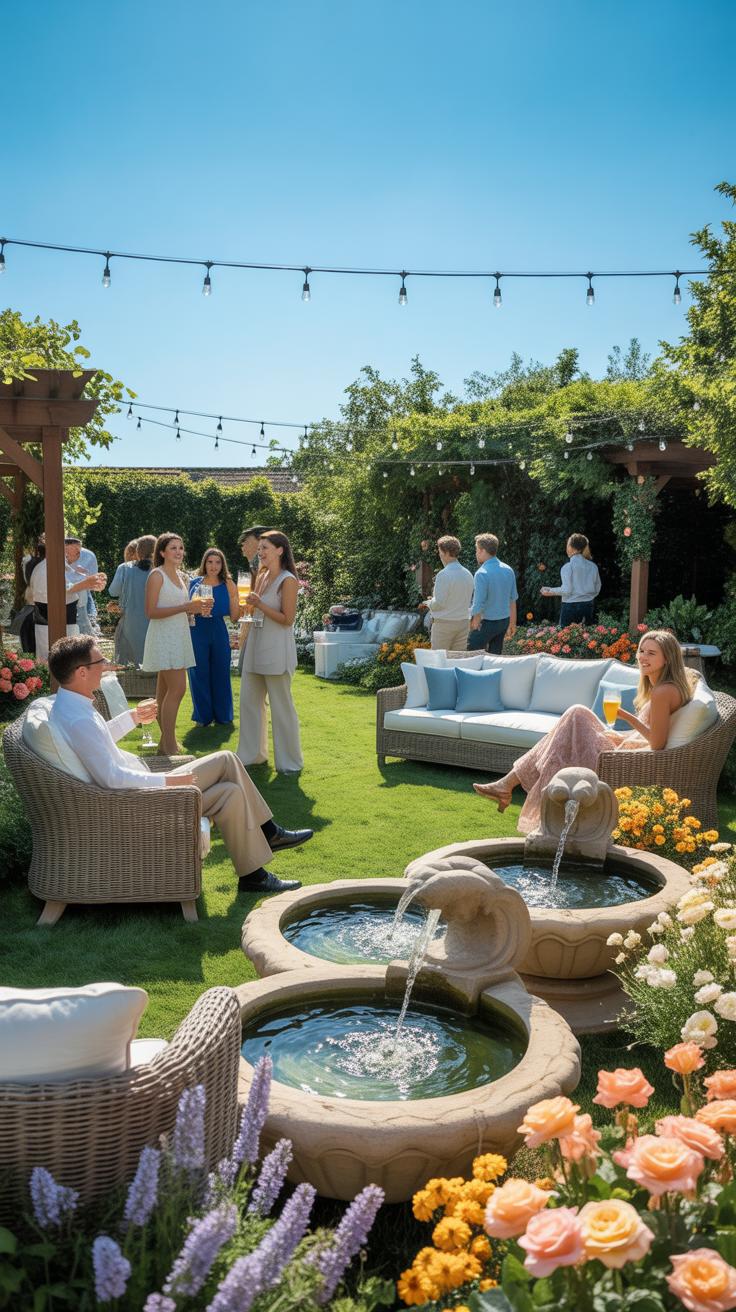
Splash Friendly Fountains Backyard Layouts For Family Oriented Celebrations
Family events require durable water features that prioritize safety and interaction. Low profile bubbling basalt columns or underground reservoirs prevent deep water hazards for small children. Use smooth river stone bases to mask hardware while allowing guests to touch the water safely. These designs eliminate open basins where accidents occur. Position these features in central transition zones to anchor the party flow naturally.
Strategic placement keeps heavy foot traffic away from delicate landscaping. Choose heavy cast stone or reinforced concrete materials to withstand accidental contact during high energy gatherings. Recirculating systems with high flow pumps ensure the water stays cool and oxygenated during peak summer heat. Install wide perimeter paving to prevent mud build up around the splash zone. This layout keeps the ground dry and safe for all guests.
Solar Powered Backyard Fountain Options For Eco Conscious Hosts
Solar powered pumps offer a wireless solution for remote garden corners where electrical lines do not reach. Modern units use lithium ion batteries to store energy for evening operation after the sun sets. Monocrystalline panels provide the highest efficiency for consistent water flow in varying light conditions. This technology allows hosts to deploy temporary water features specifically for a single event without permanent trenching or expensive wiring.
Placement determines performance for these units. Position panels in locations receiving at least six hours of direct sunlight for maximum battery charge. Choose brushless motors for longer life spans and quieter operation during intimate conversations. Use freestanding birdbaths or lightweight resin tiered fountains for easy relocation as the party moves. This flexibility allows for rapid setup and strikes while maintaining a zero carbon footprint for the hosting duration.
Seasonal Garden Water Features For Holiday And Festive Occasions
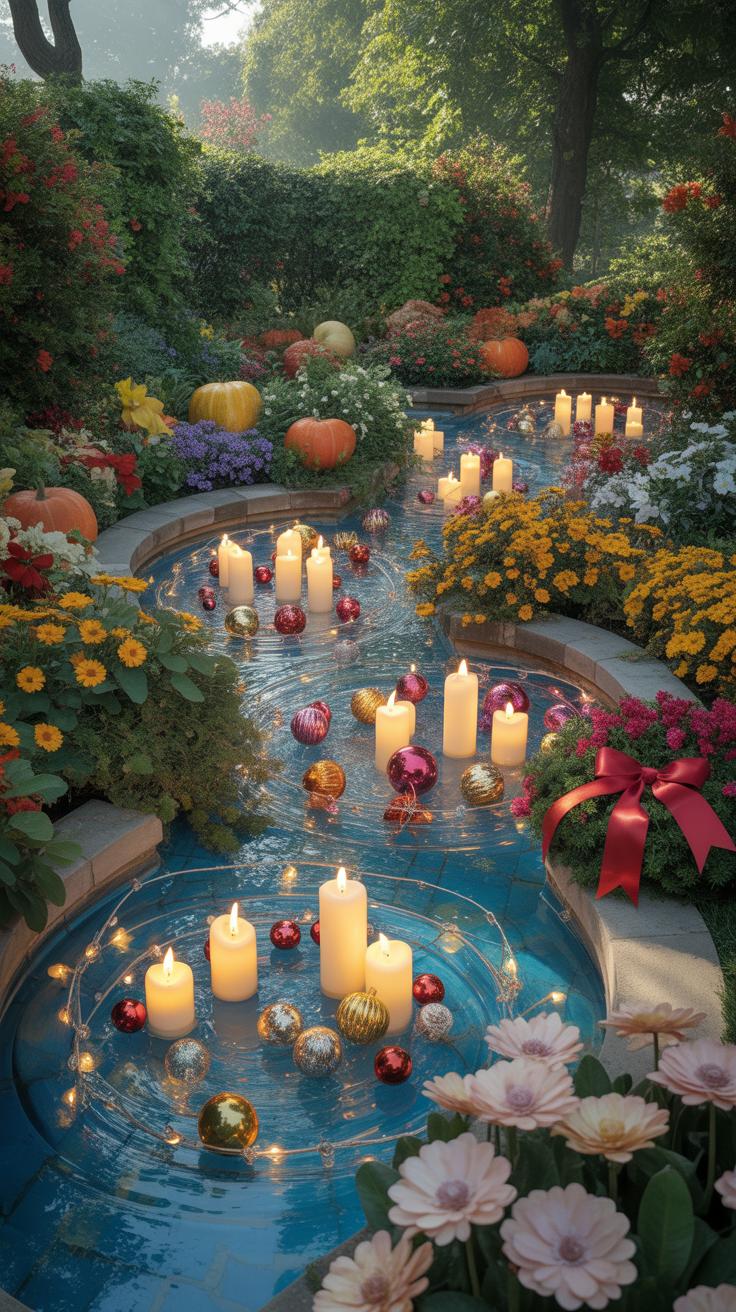
Winterizing And Lighting Garden Water Features For Holiday Gatherings
Frozen pipes destroy water features during winter events. You must install a pond heater or de-icer to keep water moving. Moving water does not freeze as easily as stagnant water. Drain fountain lines if temperatures drop below freezing for long periods. Use submersible pumps rated for cold weather to maintain flow. This prevents ice expansion from cracking stone or ceramic basins.
Lighting provides the primary visual impact for winter gatherings. Use waterproof LED spotlights with a high Ingenious Protection rating. Aim lights at moving water to create shimmering effects on nearby surfaces. Warm white tones highlight stone textures while cool blues emphasize ice forms. Hide all cables in conduit to prevent tripping hazards during night events. Ensure all electrical connections use grounded outlets to prevent shorts.
Autumn And Spring Garden Water Feature Styling For Seasonal Celebrations
Autumn events require constant maintenance to prevent organic decay. Falling leaves clog pump intakes and change water chemistry. Install fine mesh netting over ponds to catch debris before it sinks. This prevents toxic gases from building up during your event. Use submerged LED lights to illuminate the water from below. This highlights the clarity of the water against the dark colors of the season.

Spring celebrations focus on reviving the system after dormancy. Scrub algae from stone surfaces using stiff brushes and eco-friendly cleaners. Check all seals and gaskets for dry rot or cracks. Replace old filters to ensure peak water clarity for guests. Add aquatic plants like water lilies once water temperatures stabilize. These plants provide natural filtration and visual interest. Consistent maintenance ensures the feature operates reliably during spring garden parties.
Planning And Installing Garden Water Features What You Need To Know
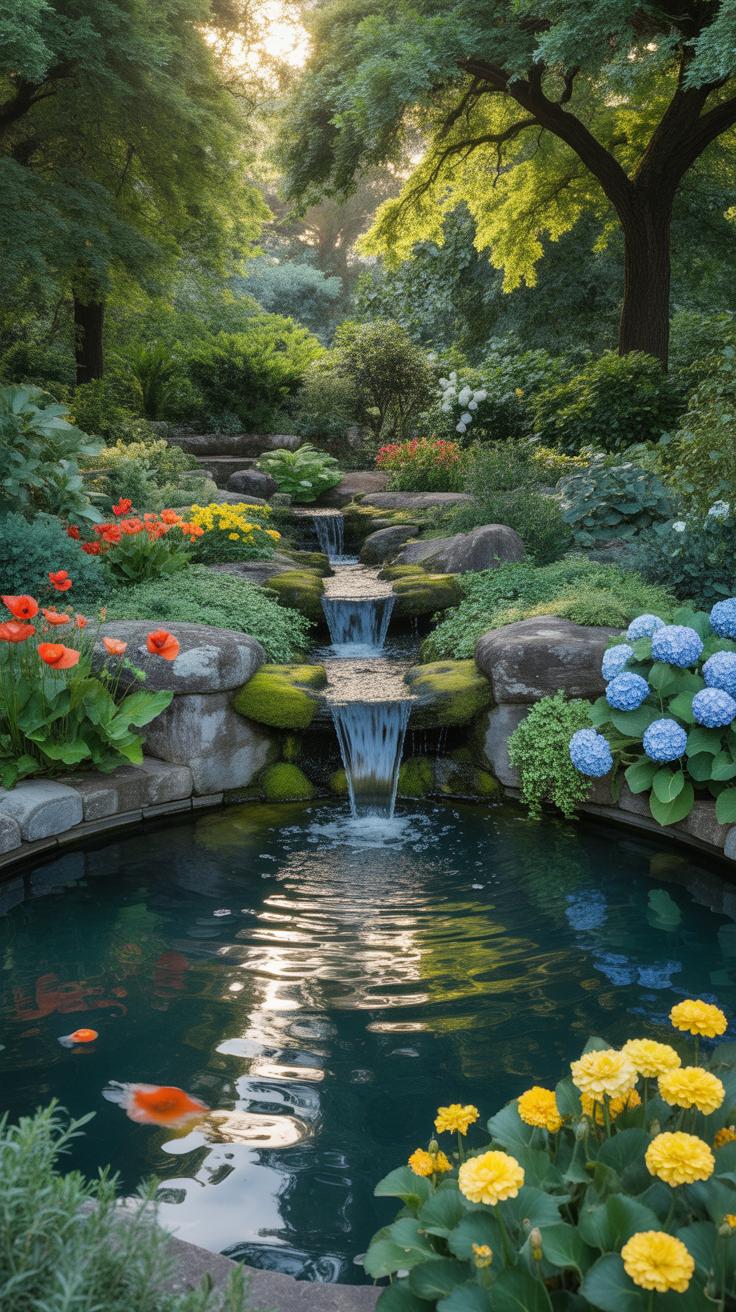
Key Planning Considerations Before Installing A Garden Water Feature
Successful garden water feature ideas require precise site analysis before any digging begins. You must evaluate the topography of your land to manage drainage and safety. Position your feature where people can see it but away from heavy leaf fall. Sunlight exposure determines how fast algae grows in your water. Check for underground utility lines to avoid costly pipe or wire damage.
- Scale and Proportion: Match the size of the feature to your overall garden footprint. A massive fountain overwhelms a small courtyard while a tiny bowl gets lost in a large meadow. Use stakes or rope to outline the footprint on the ground before buying materials.
- Power Accessibility: Most pumps and lights require a dedicated electrical source. You must install a ground fault circuit interrupter outlet near the site. Professional electricians should bury armored cables at correct depths to meet local building codes and ensure long-term safety.
- Water Source Proximity: You need a reliable way to fill and top off the reservoir. Evaporation lowers water levels daily in summer months. Placing the feature near an external faucet simplifies maintenance. Consider an auto-fill valve to prevent the pump from running dry.
- Weight and Foundation: Large stone basins and cast iron fountains weigh hundreds of pounds when filled. You must install a reinforced concrete pad or a stabilized gravel base. Without a solid foundation, the feature will shift over time and cause leaks or structural cracks.
- Style Alignment: Choose materials that reflect the existing architecture of your home. Use clean lines and poured concrete for modern builds. Select weathered stone or brick for traditional settings. Consistency in design ensures the water feature looks integrated rather than like an afterthought.
Noise control is a tactical priority for any installation. A loud waterfall can drown out conversation on a small patio. Adjust the drop height to tune the sound of the water hit. Gentle trickles work best for tight spaces while splashing basins mask traffic noise effectively. Always test the sound levels with a temporary hose setup before finalizing the permanent build.
Understanding Pump Systems, Filtration, And Water Quality For Garden Features
The pump serves as the heart of your water system. You must size the pump based on the total volume of water and the height of the lift. Vertical lift or head pressure dictates how much power you need to move water to the top of a feature. Undersized pumps will fail to create the desired effect. Oversized pumps waste electricity and create excessive splashing.
Filtration maintains water clarity and protects the life of your equipment. Mechanical filters catch large debris like leaves and twigs. Biological filters use beneficial bacteria to break down organic waste and prevent ammonia buildup. Chemical treatments or ultraviolet clarifiers stop algae blooms in their tracks. Regularly cleaning these components prevents clogs and ensures the pump runs cool for several years of service.
Maintaining Your Garden Water Features Between Special Occasions
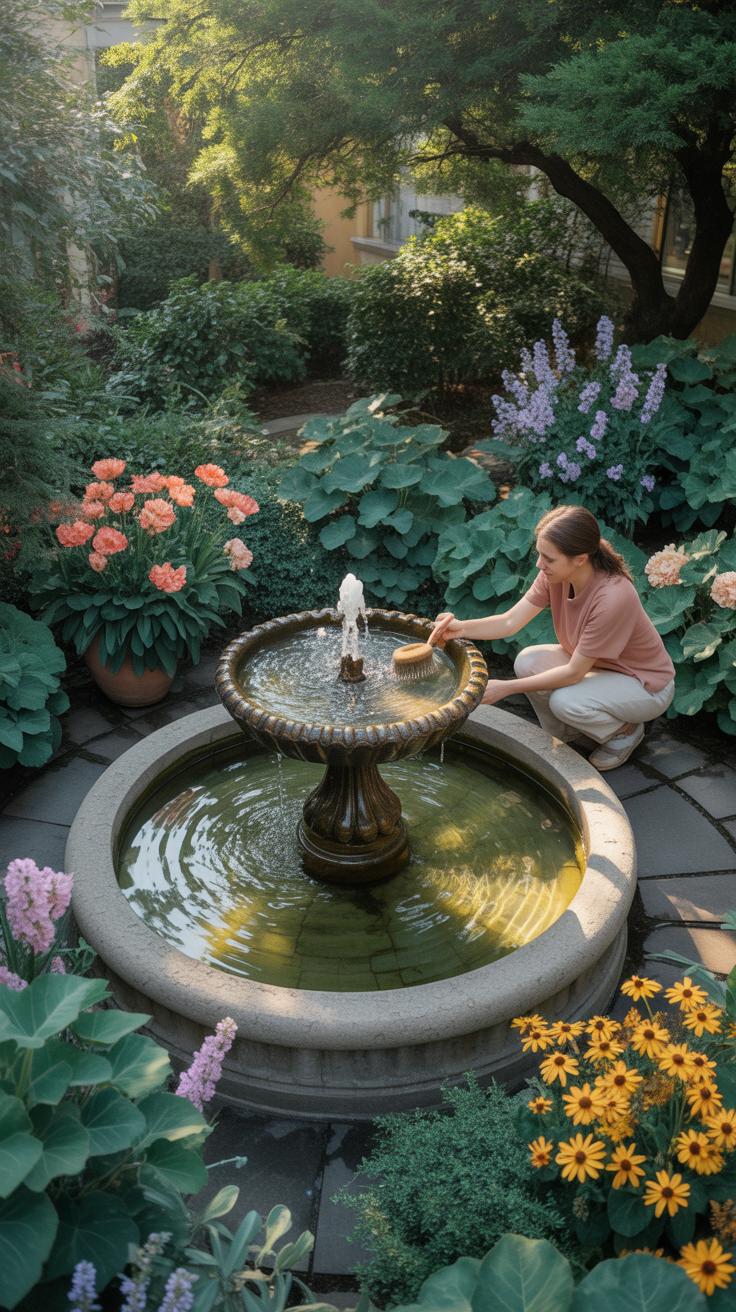
Routine Care Practices That Keep Garden Water Features Looking Their Best
Regular cleaning prevents debris buildup and pump failure. Remove fallen leaves and organic matter every week. This stops the formation of sludge and tannins that discolor the water. Check the water level daily to ensure the pump remains fully submerged. Dry pumps overheat quickly and lead to expensive motor damage. Use a stiff brush to scrub algae from stone surfaces before it spreads.
Maintain the chemical balance to keep the water clear. Use a natural enzyme treatment to break down organic waste. This replaces harsh chemicals that damage stone or liner materials. Check the filter pads and rinse them with garden hose water. Do not use soapy detergents as they harm the ecosystem. Consistent small actions prevent the need for major overhauls before a scheduled garden event.
Common Water Feature Problems And How To Troubleshoot Them Effectively
Mechanical failure often stems from a clogged intake screen. If the water flow drops, inspect the pump housing immediately. Clear out trapped silt or small pebbles that block the impeller. Check the power cord for cracks or wear that cause electrical shorts. Modern pumps use magnetic drives which are reliable but sensitive to mineral buildup. Soak the pump in white vinegar to dissolve heavy calcium deposits.
Cracks in the basin or liner cause silent water loss. Fill the feature and mark the water line with a pencil. Wait twenty four hours to determine the evaporation rate versus an actual leak. Patch rubber liners with specialized adhesive tape designed for underwater use. Seal concrete or stone basins with a clear waterproof masonry sealer. Address these structural issues early to avoid total system failure during a party.
Frequently Asked Questions

What are some simple ways to incorporate water features into a special event?
If you are new to outdoor hosting, start with portable options that provide instant ambiance. Tabletop fountains or a collection of floating candles in a decorative basin serve as excellent garden water feature ideas for beginners. These elements add the soothing sound of trickling water and a sophisticated visual focal point without requiring permanent installation or complex plumbing, making them perfect for temporary celebrations or seasonal garden parties.
How can I temporarily decorate a fountain for a themed celebration?
To elevate your setup for a wedding or anniversary, consider adding waterproof LED puck lights or fresh flower petals to the basin. You can enhance your garden water feature ideas by surrounding the base with potted ferns or lanterns to create a lush, immersive environment. Always ensure that any added decorations, like biodegradable glitter or ribbons, are safe for the pump and won’t clog the filtration system during your event.
Can I create a stunning water feature on a limited budget?
Absolutely! You can craft a beautiful focal point using repurposed items like galvanized steel tubs, wine barrels, or large ceramic pots. By adding a small, solar-powered pump kit, you can transform an ordinary container into a dynamic fountain for under fifty dollars. These DIY garden water feature ideas are both eco-friendly and cost-effective, allowing you to achieve a high-end look and tranquil atmosphere without a professional price tag.