What Is A Cut Flower Garden And Why Every Beginner Should Grow One
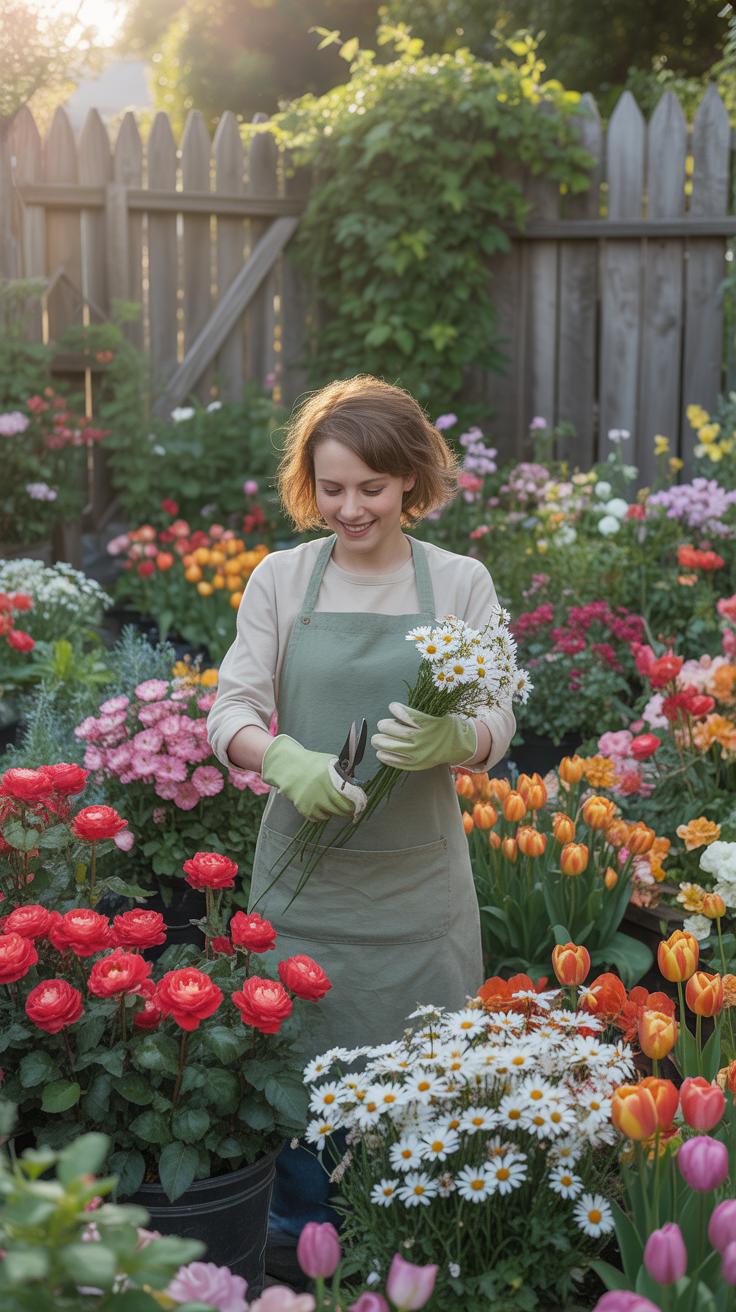
Understanding The Purpose And Joy Of A Dedicated Cut Flower Garden
A cut flower garden serves one specific goal. You grow plants strictly to harvest their blooms for indoor use. Most beginners struggle because they try to balance garden aesthetics with harvest needs. A dedicated space removes this conflict. You prioritize stem length, bloom production, and vase life over how the plant looks in the ground. This focus ensures a high return on your investment.
Growing your own flowers provides total control over your supply chain. Commercial flowers often contain heavy pesticides and travel thousands of miles. Homegrown blooms are fresher and last longer in water. You save money by avoiding expensive retail floral shops. This practice also simplifies gift giving. A handful of fresh stems serves as a high value gesture that requires very little financial overhead.
How A Cutting Garden Differs From A Traditional Decorative Flower Garden
Traditional landscape gardens focus on curb appeal and permanent structure. You arrange these plants by height and color to create a static visual display. Removing flowers from a decorative bed creates gaps and ruins the design. Most home gardeners feel guilty cutting blooms from their front yard. A cutting garden eliminates this guilt. It functions more like a vegetable patch than a park.
Design logic for a cutting garden mimics industrial agriculture. You plant in straight rows and maximize every square inch of soil. Narrow beds allow you to reach the center without stepping on the dirt. You prioritize fast growing annuals that produce more flowers the more you cut them. Function dictates the layout. You manage the space for high yield, easy irrigation, and efficient pest control.

Choosing The Best Cut Flowers To Grow As A First Time Gardener
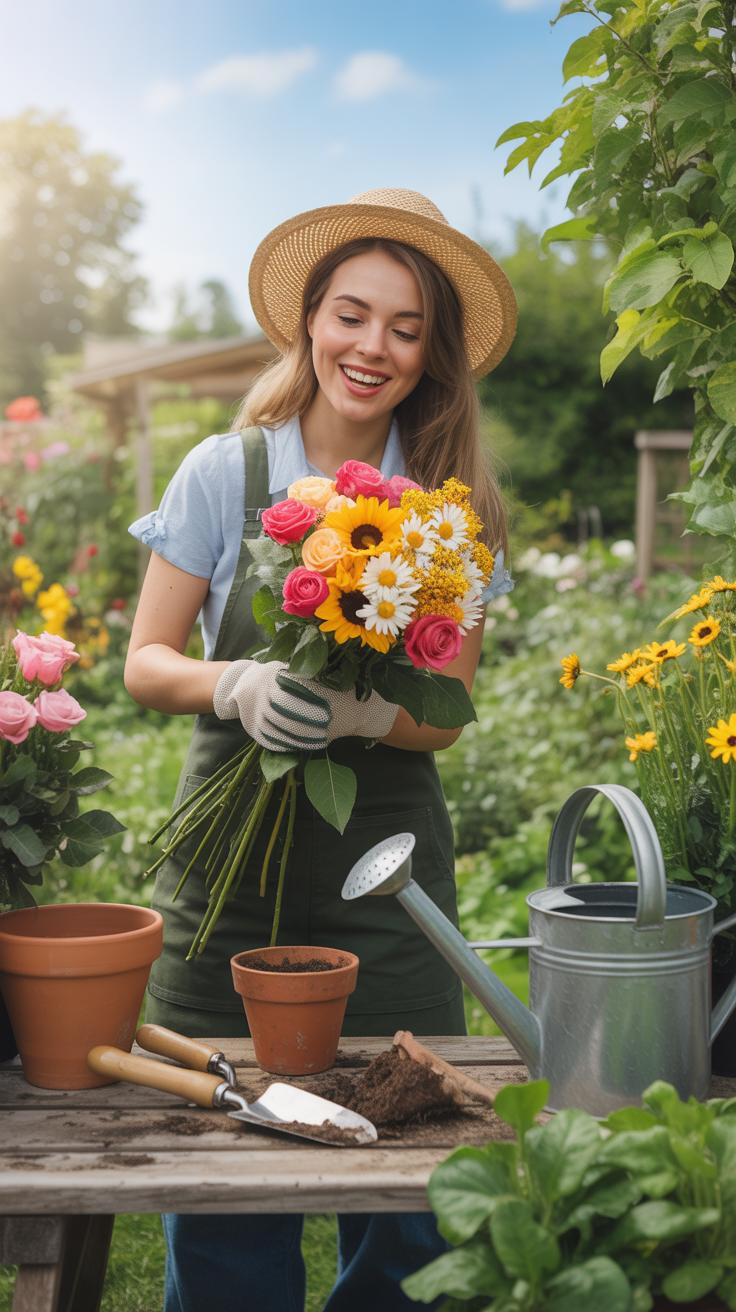
Top Hardy And Reliable Cut Flowers That Thrive With Minimal Experience
Beginners must prioritize “cut and come again” varieties. These plants produce more blooms every time you harvest a stem. Focus on seeds with high germination rates and resistance to common pests. You need plants that tolerate varied soil conditions and minor watering mistakes. Reliable flowers ensure you have a steady supply of indoor arrangements from early summer until the first hard frost.
- Zinnias: These are the ultimate beginner flower. They grow fast from seed and thrive in heat. If you cut the central stem early, the plant branches out to produce dozens of sturdy blooms. They last up to ten days in a vase.
- Sunflowers: Branching varieties are better for cutting than single-stem types. They provide height and structure to your garden. These plants are tough and handle drought well once they are established. They require very little maintenance beyond basic support.
- Cosmos: These plants produce delicate flowers on airy stems. They handle poor soil better than most garden plants. Heavy fertilization actually hurts bloom production. You simply sow them in the ground and harvest stems every few days to keep them blooming.
- Marigolds: Modern African varieties offer long, thick stems perfect for floral design. They act as a natural pest deterrent in the garden. These flowers are incredibly durable and resist wilting after you cut them. They provide consistent color throughout the heat of summer.
- Snapdragons: These cool-season flowers provide vertical interest. They are frost-tolerant and start blooming before many other summer annuals. If you pinch the young plants, they develop multiple flowering spikes. They are the standard for adding architectural lines to your bouquets.
Select varieties based on stem length and vase life. Avoid dwarf types sold for bedding or pots because their stems are too short for bouquets. Look for “tall” or “cut flower” designations on the seed packet. Sturdy stems make arranging easier and prevent flowers from drooping over the edge of the vase. Proper selection at the start eliminates most future maintenance frustrations.
Annuals Vs. Perennials: Which Cut Flowers Make The Most Sense For Beginners
Annuals are the primary choice for new growers because they provide immediate results. These plants complete their entire life cycle in one single season. You get flowers just weeks after planting the seeds. This fast turnaround allows you to experiment with different colors and shapes without a long-term commitment. Annuals typically produce more total flowers per square foot than perennials do.
Perennials return every year but require more patience and planning. Most perennial plants do not produce significant blooms until their second or third year of growth. They have a very short flowering window, often lasting only two weeks. For a beginner, the high upfront cost and slow reward are often discouraging. Stick to annuals for your first two seasons to build your skills and harvest volume quickly.
How To Plan And Design An Easy Cut Flower Garden Layout
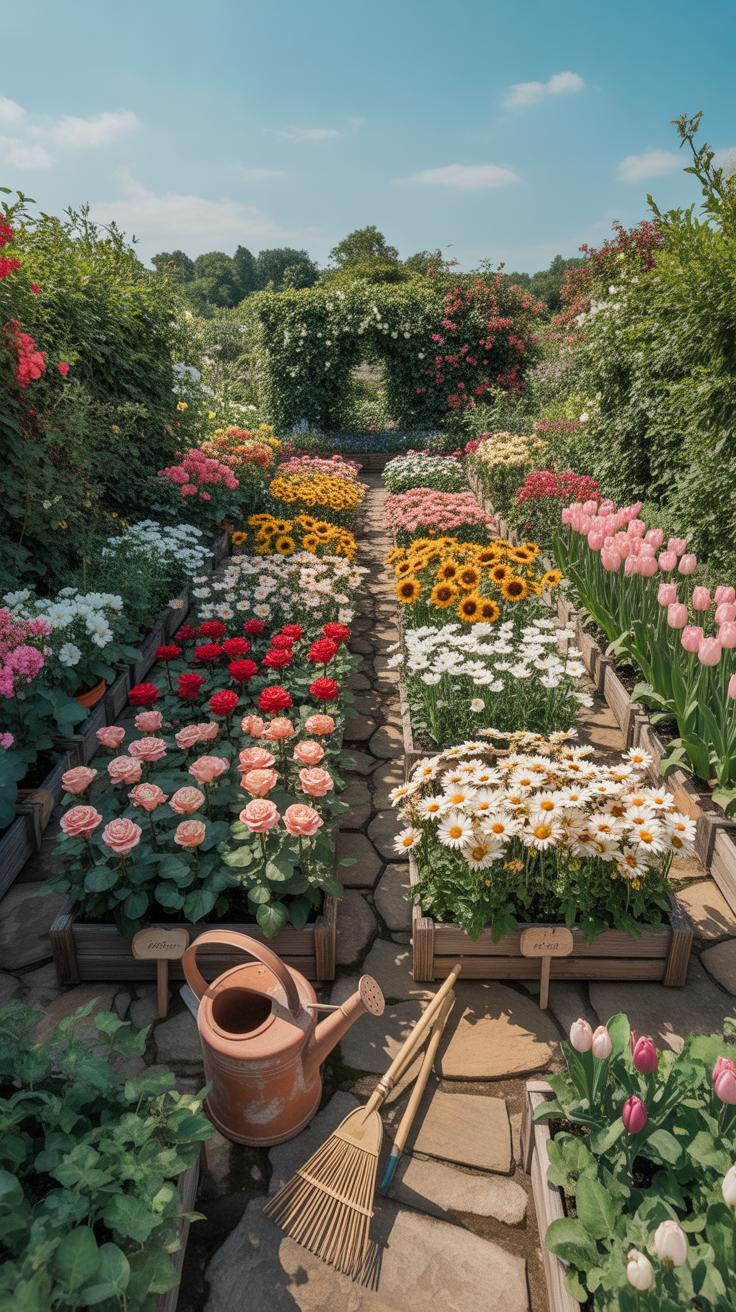
Mapping Out Your Flower Garden Space For Maximum Bloom Production
Efficient layouts prioritize access and high density. Adopt the row system used in commercial flower farming. This method treats flowers like crops rather than ornaments. Arrange plants in narrow beds no wider than four feet. This width allows you to reach the center from either side without stepping on the soil. Compacting the earth destroys the root structure and slows down your yields significantly.
Standardize your spacing to maximize every square inch. Use a grid system based on the mature width of your chosen species. Close planting creates a natural canopy that shades out weeds and keeps the soil moist. It also encourages stems to grow straight and tall as they compete for sunlight. Taller stems are essential for high quality floral arrangements. Always place the tallest varieties on the north side of the plot.
Choosing The Right Garden Size And Location For Your First Cutting Garden
Select a site that receives at least six to eight hours of direct sunlight. Photosynthesis drives flower production and stem strength. Avoid low spots in your yard where water pools after rain. Poor drainage causes root rot and kills young plants quickly. Proximity to a water source is mandatory for success. You will not carry heavy buckets during a mid summer heatwave. Keep the garden close to the house.

Start with a manageable footprint of roughly forty square feet. A small, ten by four foot bed produces hundreds of stems if managed correctly. New growers often fail because they scale too fast and cannot keep up with weeding. High quality soil is the foundation of your garden design. Test your soil and add organic compost before planting. Flat ground is superior to sloped land because it prevents erosion and water runoff.
Soil Preparation And Gardening Tips For Growing Cut Flowers Successfully
How To Prepare And Amend Your Soil Before Planting Cut Flowers
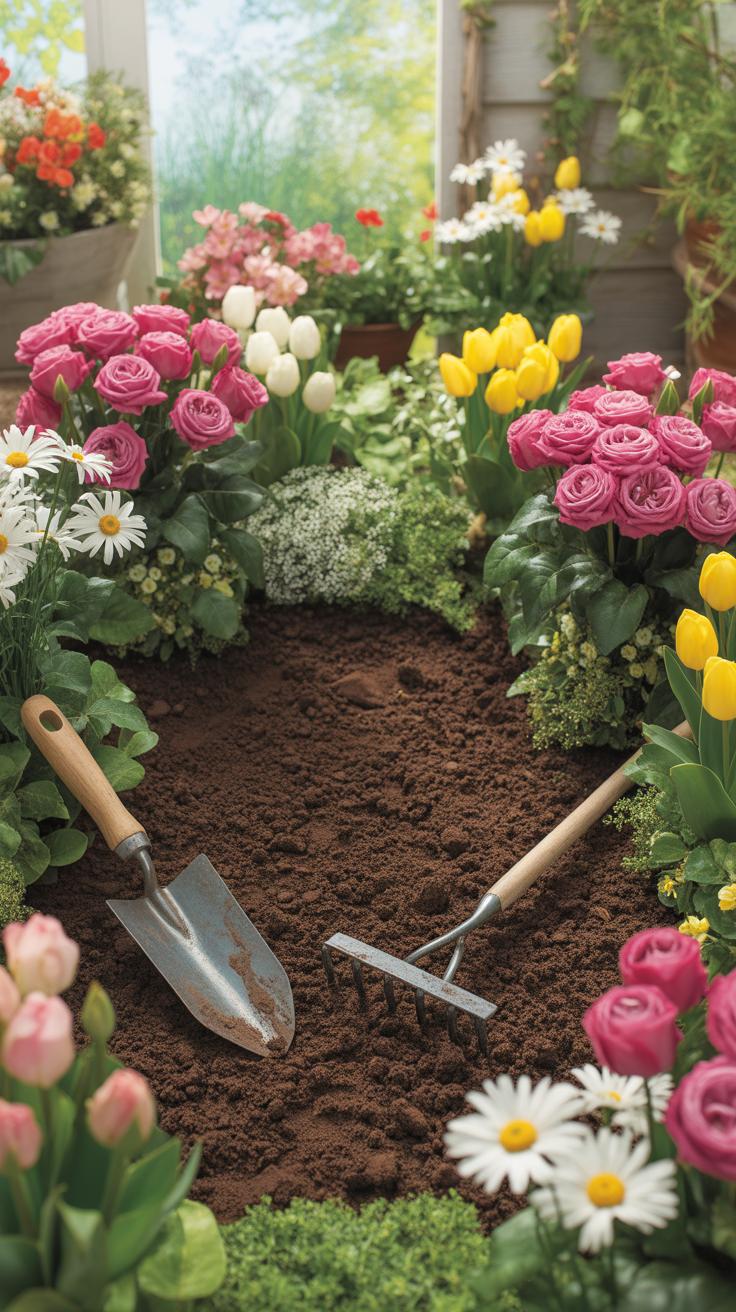
Clear the planting area of all weeds and grass. Established weeds steal nutrients and water from developing flower stems. Turn the top ten inches of soil with a spade or rototiller to break up heavy clumps. Loosening the earth allows young roots to spread quickly. High stem production requires loose soil that does not resist root expansion or trap excessive moisture at the surface level.
Mix four inches of compost into the tilled earth before you plant your seeds. This provides a slow release of nutrients throughout the growing season. If your soil contains high amounts of clay, add coarse sand to improve the texture. Smooth the surface with a metal rake to create an even seedbed. A level surface prevents water from pooling and rotting your flower seeds.
The Role Of Drainage, Ph Balance, And Organic Matter In A Healthy Flower Garden
Drainage determines whether your flowers live or die. Most cut flowers will rot if they sit in standing water. Water must move through the soil steadily to reach the roots without suffocating them. If your ground stays wet for days after rain, build raised beds. These structures use gravity to pull excess water away from the plant crowns and improve oxygen flow.
Soil pH affects how flowers absorb minerals. Most cutting varieties crave a neutral pH between 6.0 and 7.0. Use a home test kit to check your levels before the season begins. Add lime to raise the pH or sulfur to lower it. Organic matter like leaf mold or aged manure builds soil structure. This matter feeds beneficial microbes and helps the ground hold enough water.
How To Grow Cut Flowers From Seed Vs Transplants A BeginnerS Guide
Starting Cut Flowers From Seed Indoors: Timing, Trays, And Basic Techniques
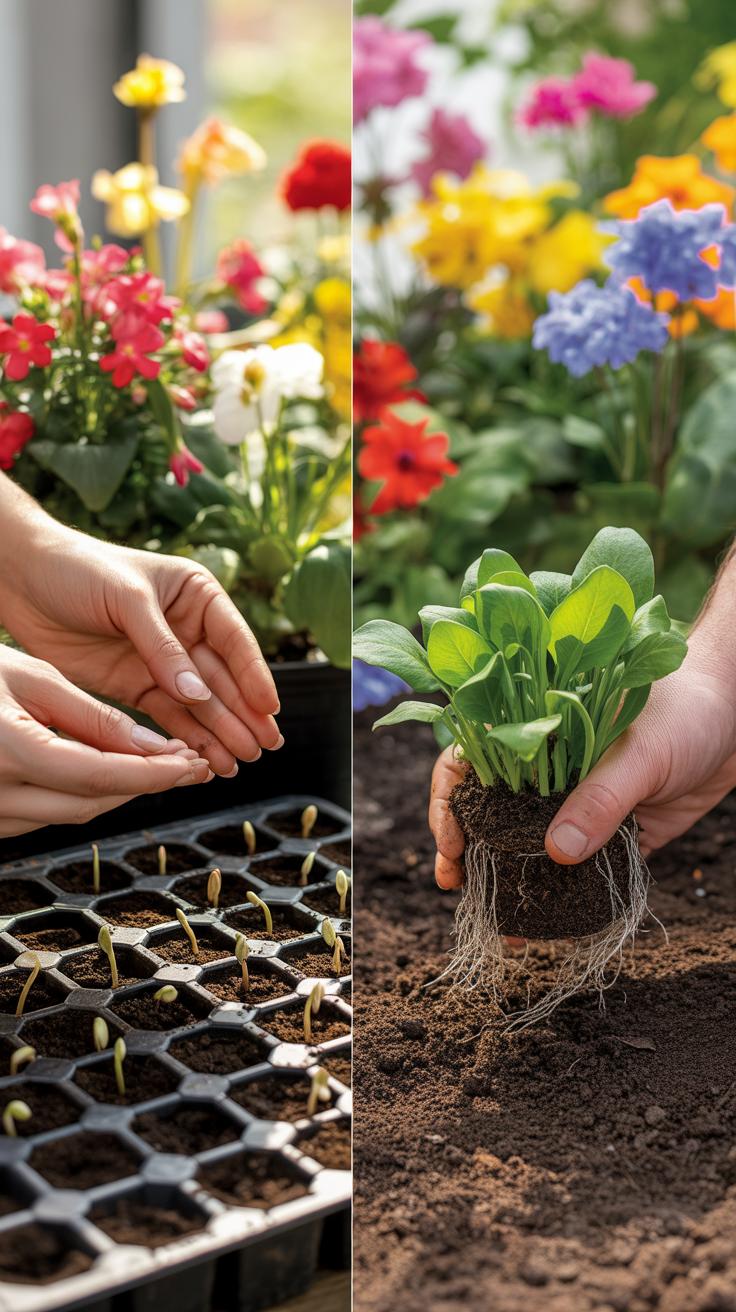
Indoor seed starting gives you control over the growing season. You must start seeds six to eight weeks before the last frost date. Use clean plastic trays and a sterile seed-starting mix. Do not use garden soil because it carries diseases and lacks proper drainage. Keep your trays in a warm spot until the first green shoots appear through the soil.
Supply your seedlings with enough light to prevent weak stems. Hang a shop light two inches above the plants. Move the light up as they grow taller. Water from the bottom to keep the leaves dry. This prevents fungus and rot. You must harden off the plants before moving them to the garden. Place them outside for a few hours daily to build strength.
When To Use Transplants Instead Of Seeds For A More Reliable Cutting Garden
Transplants offer a faster path to a mature cutting garden. Buying started plants from a nursery saves you two months of indoor care. Choose this method if you have a short growing season or missed the spring window. Transplants have established root systems and survive harsh weather better than tiny sprouts. This strategy ensures you have flowers to cut by early summer.
Focus on perennials or slow-growing annuals when buying transplants. Some flowers take too long to grow from seed for beginners. You avoid the risk of poor germination and indoor mold. Ensure the plants are not root-bound in their pots. Healthy transplants should have green leaves and no open flowers yet. Planting them directly into the ground reduces your overall labor and prep time.
Watering Feeding And Essential Gardening Tips For Growing Cut Flowers
How Often And How Much To Water Your Cut Flower Garden For Healthy Stems
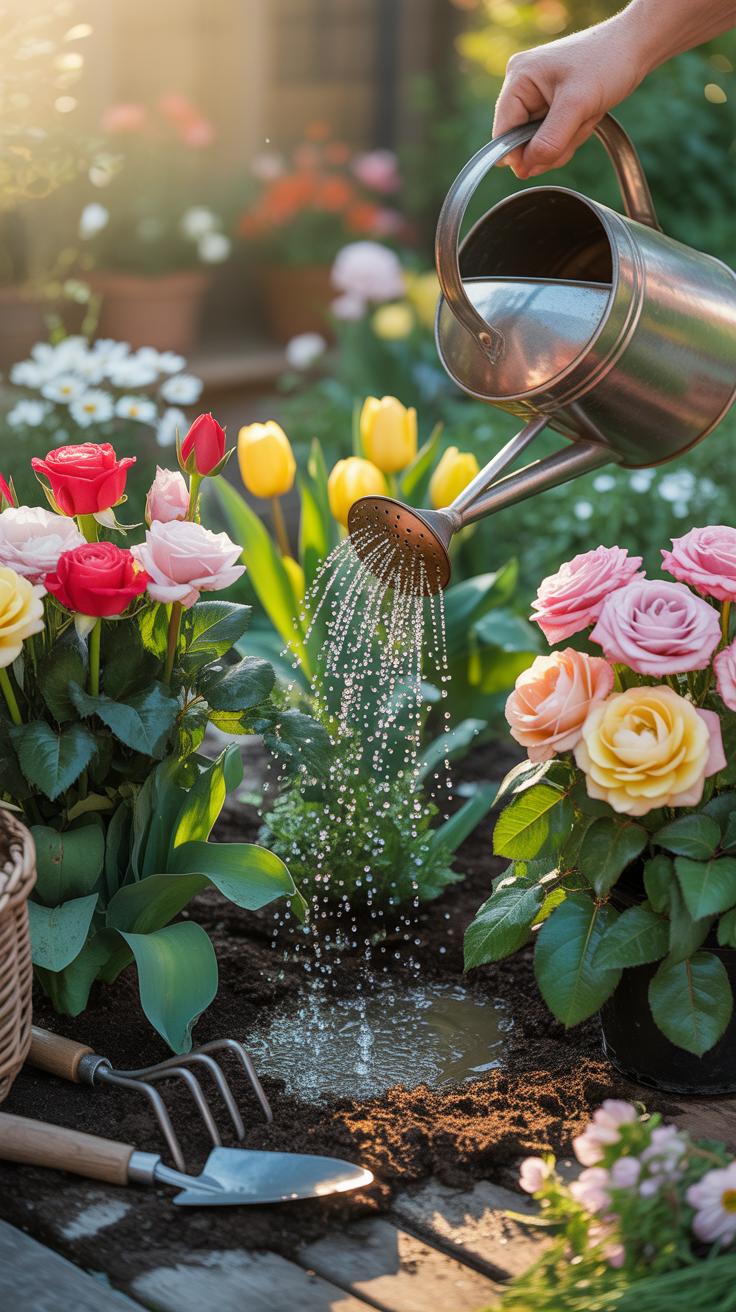
Cut flowers require consistent moisture to produce long and flexible stems. Most varieties need one inch of water per week through rain or manual irrigation. You must water deeply to encourage roots to grow far into the soil. Shallow watering creates weak plants that wilt quickly after you cut them. Check the soil moisture by sticking your finger two inches deep.
Water early in the morning to reduce evaporation and prevent disease. Avoid wetting the foliage or the flower heads directly. Use drip irrigation or soaker hoses to deliver water straight to the base of the plant. Wet leaves often lead to fungal issues like powdery mildew or botrytis. Maintaining steady hydration prevents the stem stress that causes flowers to droop in the vase.
Fertilizing Your Cutting Garden: What Nutrients Cut Flowers Need Most
Nitrogen, phosphorus, and potassium are the primary nutrients your flowers demand. Nitrogen drives leafy green growth early in the season. However, too much nitrogen late in the cycle produces lush leaves but very few blooms. Switch to a fertilizer higher in phosphorus and potassium once buds appear. This shift ensures strong stems and vibrant colors. Proper nutrient balance increases the overall shelf life of your harvest.
Prepare your beds with organic matter like compost before you plant. This provides a slow release of essential micronutrients throughout the growing season. Use a liquid seaweed or fish emulsion every two weeks for a fast acting boost. Always follow the specific application rates on the product label. Over fertilizing can burn delicate roots and attract sap sucking insects like aphids. Test your soil annually to track specific nutrient deficiencies.
How To Grow A Cut Flower Garden That Blooms All Season Long
Succession Planting Strategies To Keep Your Cut Flower Garden Producing
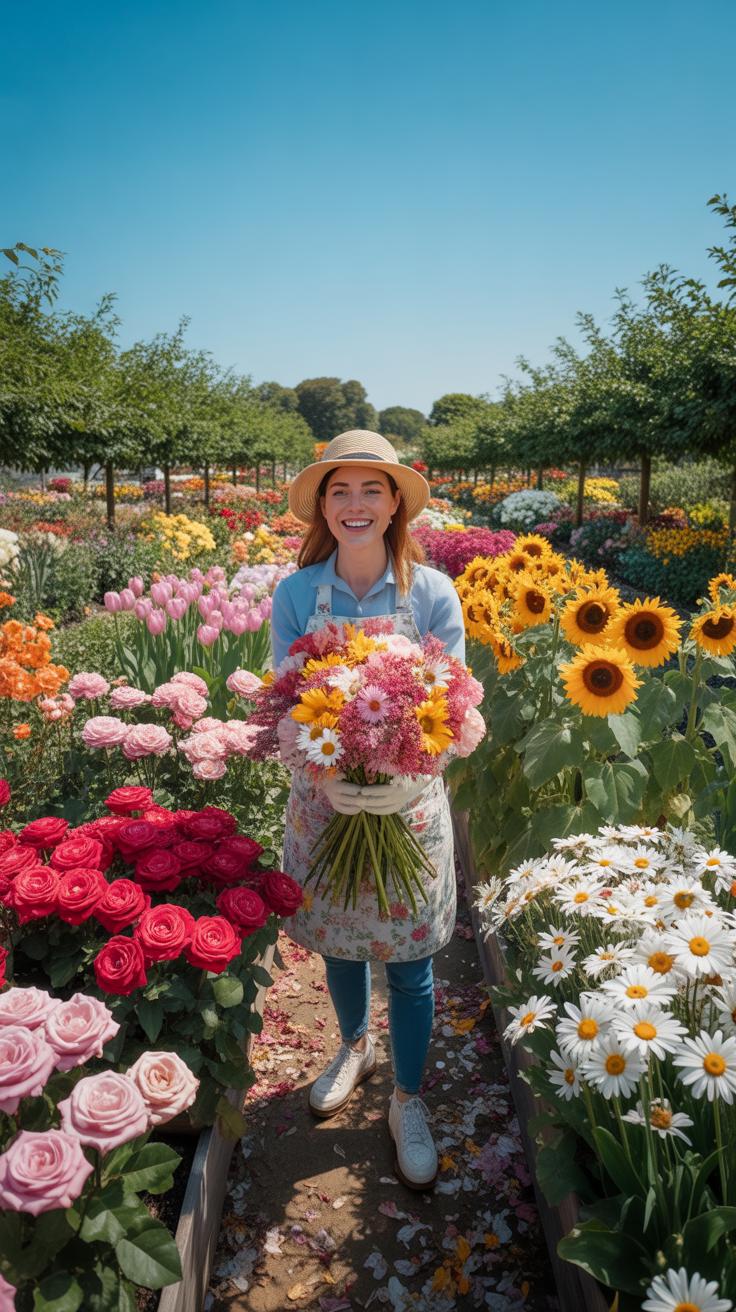
Succession planting prevents a mid-summer garden collapse. You must not plant all your seeds at once. This strategy involves staggered planting intervals every ten to fourteen days. This method ensures that as one crop finishes its peak bloom cycle, the next set of plants reaches maturity. Focus on fast-growing annuals like zinnias, cosmos, and sunflowers to maintain a steady harvest from June until frost.
You must also utilize space-clearing tactics. Once a cool-season crop like sweet peas fades in the heat, remove it immediately. Do not leave unproductive plants in the ground. Replace them with heat-tolerant varieties or a second round of spring favorites. Planning these transitions ahead of time keeps the soil working. Use transplants instead of seeds for later successions to save time during the shorter remaining growing window.
The glory of gardening: hands in the dirt, head in the sun, heart with nature. To nurture a garden is to feed not just on the body, but the soul.
Deadheading And Pinching Techniques That Encourage More Cut Flower Blooms
Pinching is a critical early-season tactical move. You must remove the central growing tip of young plants when they reach six to twelve inches in height. This action breaks apical dominance. It forces the plant to divert energy into lateral buds. This creates a bushier plant with multiple long stems instead of one single thick stalk. This technique works best on branching varieties like dahlias and snapdragons.
- Pinching the Tip: Remove the top two inches of the main stem using clean snips. Do this early in the life cycle to stimulate low branching. This produces more usable stems per square foot of garden space.
- Deadheading Spent Blooms: Cut off old flowers before they drop petals or develop seeds. The plant’s goal is reproduction. Removing dying heads tricks the plant into producing more flowers to try and create seeds again.
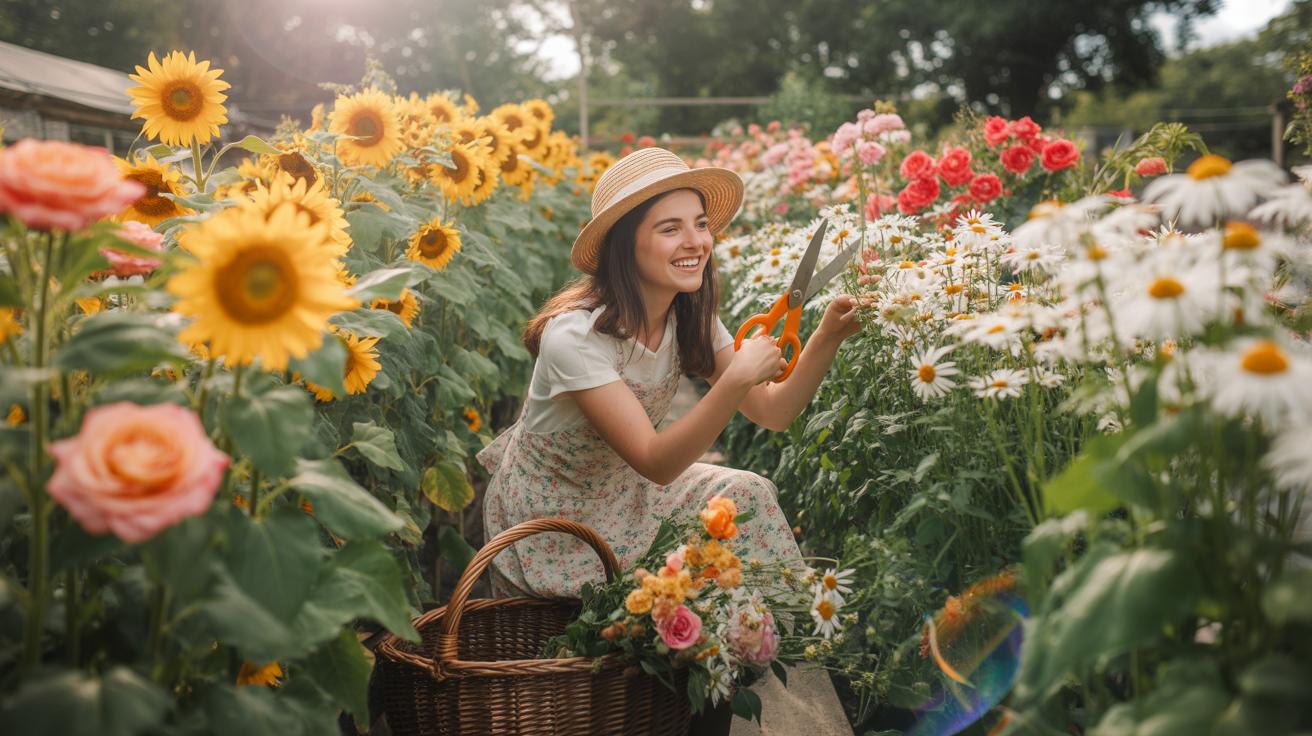
- Deep Cutting: Harvest flowers by cutting deep into the plant near a leaf node. Do not just take the flower head with a short stem. Deep cuts signal the plant to send up new, long, vigorous growth from the base.
- Disbudding for Size: Remove side buds if you want one massive bloom on a single stem. This is common for exhibition-style dahlias. The plant focuses all its nutrients and water into the remaining primary bud for maximum impact.
- Sanitizing Tools: Use isopropyl alcohol to clean your snips between different plants. This prevents the spread of viral and fungal diseases. Disease halts bloom production and can kill your entire crop before the season ends.
Deadheading is the daily maintenance required for continuous production. If you leave fading flowers on the stem, the plant enters its seed-making phase and stops blooming. You must cut flowers often to keep the cycle going. High-production gardens require constant harvesting. Even if you do not need a bouquet, remove the flowers to maintain the hormonal drive for new growth and consistent flower development.
Harvesting And Conditioning Cut Flowers For Longer Vase Life
The Right Time Of Day And Stage Of Bloom To Harvest Your Cut Flowers
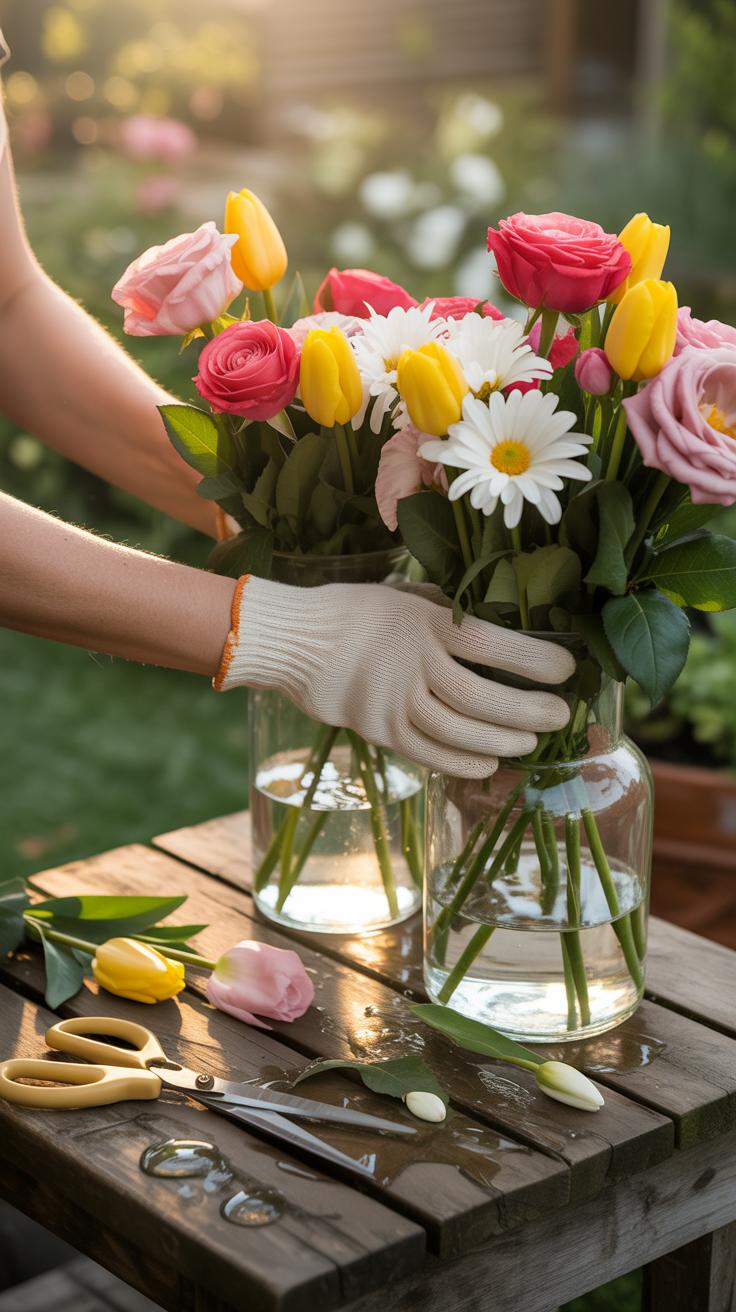
Harvest flowers in the early morning while temperatures are cool. Plants contain the most water at dawn. This turgidity prevents immediate wilting after you cut the stem. Avoid harvesting in the heat of the afternoon. Midday sun depletes moisture and creates heat stress. If you miss the morning window, wait until the sun sets and temperatures drop significantly.
Different species require specific harvest stages for maximum longevity. Roses should feel like a marshmallow and show color at the bud. Lilies must show full color on the first bud before opening. Zinnias require the wiggle test to ensure the stem is stiff and mature. If the flower head flops when shaken, it is too young. Harvest spikes from the bottom up.
How To Condition Freshly Cut Flowers So They Last Longer In The Vase
Conditioning begins with immediate hydration in clean buckets. Use sharp, sanitized shears to prevent crushing the vascular system. Cut stems at a forty five degree angle to increase surface area for water intake. Strip all foliage that falls below the water line. Leaving leaves in the water promotes bacterial growth. Bacteria clog the stems and lead to premature death of the bloom.

Place the prepared stems in a cool, dark room for several hours before arranging. This resting period allows the flowers to drink and stabilize. Use lukewarm water for most varieties to speed up hydration. Add a floral preservative to provide sugar for energy and acid to balance pH levels. Keep the final arrangement away from direct sunlight, drafts, and ripening fruit to prevent ethylene gas damage.
Common Beginner Mistakes When Growing Cut Flowers And How To Avoid Them
Why Overcrowding And Poor Sunlight Kill Most Beginner Cut Flower Gardens
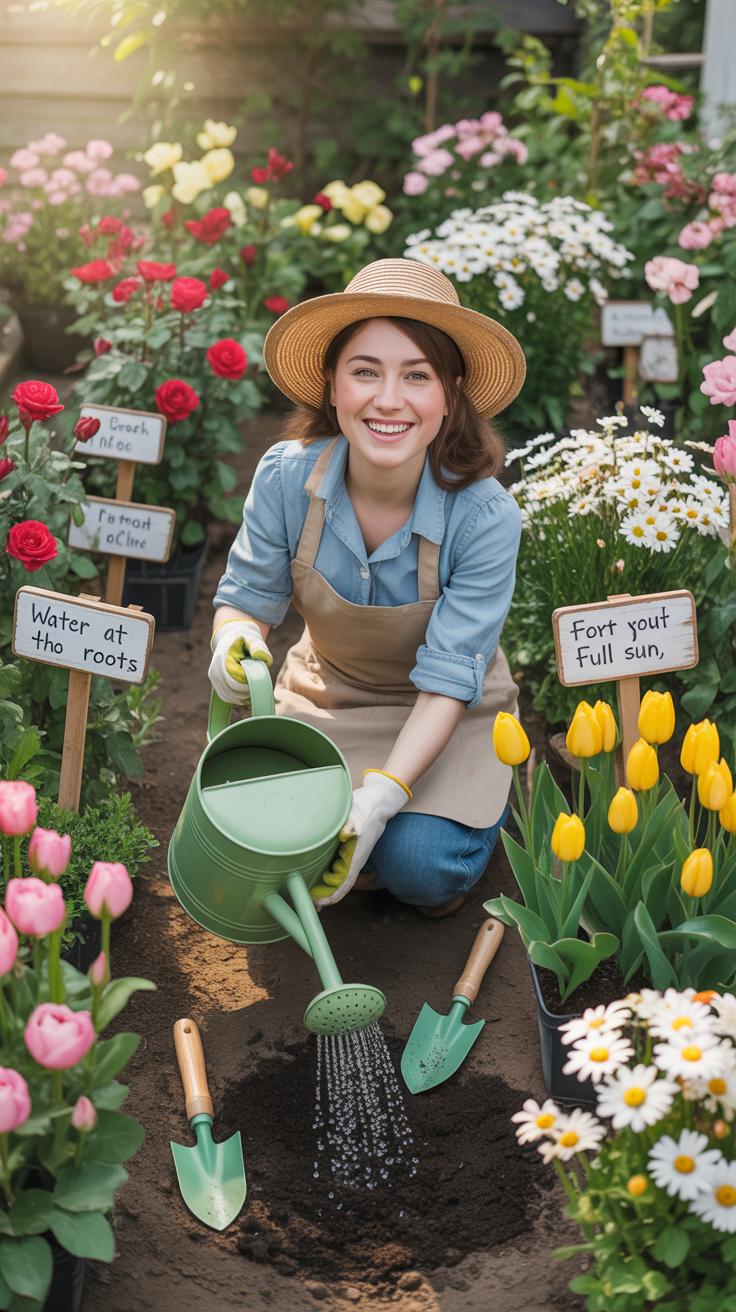
Beginners often plant seeds too close together to maximize space. This mistake stops airflow and creates a damp environment for fungus. Plants compete for limited nutrients and water in the soil. Crowded stems grow thin and weak because they fight for light. These weak stems cannot support the weight of heavy blooms. You must follow spacing guides for every specific flower variety.
Sunlight provides the fuel for flower production. Most cutting flowers require at least six hours of direct sun daily. Shaded plants produce more leaves and fewer buds. Stems will stretch and bend toward the light source. This makes them useless for professional looking floral arrangements. Select a site away from tall trees or large buildings. Track sun patterns before you dig your first garden bed.
Pest And Disease Issues That Affect Cut Flowers And Simple Prevention Methods
Pests like aphids and thrips ruin the appearance of petals. Disease often starts when you water the leaves instead of the soil. Wet foliage at night invites powdery mildew and rust. These issues spread fast in a dense garden. You must inspect your plants every day for early signs of damage. Healthy soil and proper drainage serve as your first line of defense.
Remove any infected plants immediately to save the rest of the crop. Do not put diseased material in your compost pile. Use clean snips to prevent spreading bacteria between stems. Simple physical barriers like row covers block many insects. Encourage beneficial bugs like ladybugs to eat the pests naturally. Clean tools and clear ground minimize the risk of a total garden failure.
Frequently Asked Questions

What are the best low-maintenance flowers to include in a cutting garden for beginners?
When starting a cutting garden for beginners, it is best to choose “cut-and-come-again” varieties that produce more blooms the more you harvest them. Zinnia, cosmos, and sunflowers are excellent choices because they are resilient, germinate quickly, and provide a high yield. These hardy annuals ensure that even a novice gardener can enjoy a continuous supply of fresh, vibrant arrangements throughout the summer without needing professional horticultural skills.
How do I properly harvest my flowers to ensure they last longer in a vase?
To maximize the lifespan of your bouquet, harvest flowers in the cool temperatures of early morning or late evening. Use clean, sharp snips to cut stems at a forty-five-degree angle and immediately place them into a bucket of lukewarm water. Removing any foliage that sits below the water line prevents bacterial growth, ensuring your cutting garden for beginners provides professional-looking displays that remain fresh and beautiful for up to a week.
Can I start a successful cutting garden on a tight budget?
Absolutely! You do not need expensive raised beds or high-end tools to succeed. Starting from seeds rather than buying established nursery starts is the most cost-effective method. You can repurpose household items like egg cartons for seed starting and use existing sunny patches in your lawn. By focusing on affordable, prolific seeds like marigolds and sweet peas, you can create a lush, productive floral haven for just a few dollars.