
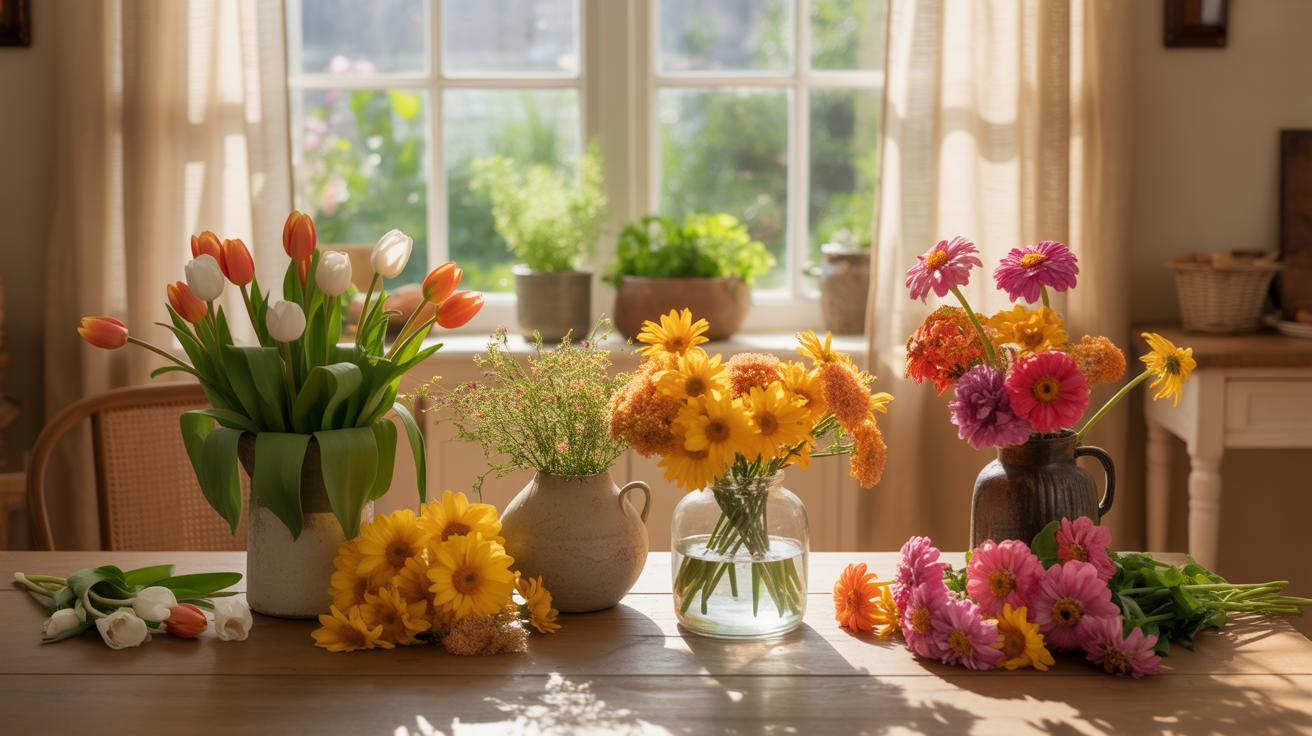
What Is Succession Planting And Why Your Cut Flower Garden Needs It
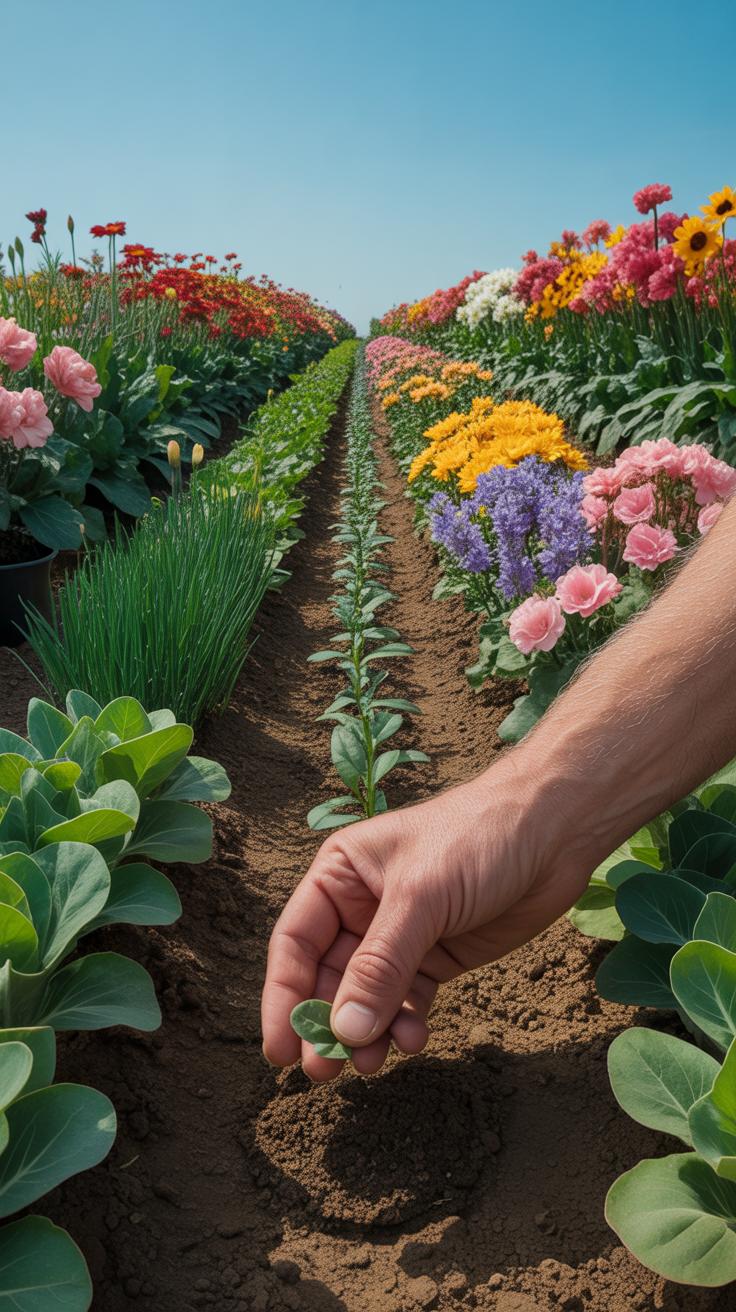
Understanding The Basics Of Succession Planting For Cut Flowers
Succession planting is a production strategy used to maximize yield over time. Instead of planting all seeds at once, you stagger your planting dates every seven to fourteen days. This method ensures that plants reach maturity at different intervals. Commercial growers use this tactic to maintain steady supply chains. Home gardeners use it to prevent a single short bloom window.
You can achieve succession through two primary methods. The first involves planting the same variety in weekly intervals. This replaces spent plants with fresh ones. The second involves planting multiple varieties with different maturation dates at the same time. Both techniques eliminate the boom and bust cycle common in traditional gardens. Consistent planting creates a predictable flow of stems throughout the entire growing season.
Why A Continuous Harvest Transforms Your Cut Flower Garden Experience
A continuous harvest solves the problem of garden exhaustion. Most annual flowers bloom for a limited time before producing seed and dying. Without succession, your cutting garden becomes empty by midsummer. Staggered planting keeps your floral arrangements fresh and vibrant for months. It allows you to design indoor spaces with seasonal varieties as they peak. Proper timing removes the stress of flower scarcity.
Professional floral design requires a steady supply of high quality materials. Succession planting provides stems at their peak aesthetic value. Younger plants produce stronger stems and more vibrant petals than old, stressed plants. By rotating crops, you reduce pest pressure and disease outbreaks. This strategic approach ensures your home always has professional grade flowers available. You gain full control over your garden production and interior styling.

Designing A Cut Flower Garden Layout Built For Succession Planting

Guidance On How To Structure Your Cut Flower Garden Layout In Rows And Blocks
Efficient succession planting requires a grid based layout. Divide your growing space into equal blocks or long rows. This structure allows you to track planting dates for different crops. You can clear one block while the next stays in bloom. Professionals use this method to avoid gaps in harvest. It simplifies the math for seed intervals and crop rotation throughout the season.
Blocks work best for high density crops like zinnias or celosia. Rows allow for better airflow and easier staking of tall varieties like snapdragons. Align rows from north to south to ensure even sun exposure. This prevents tall plants from shading out younger seedlings in adjacent rows. Use a master map to record what goes into each section. This data drives your planting schedule for the next year.
By planting in rhythmic waves, we ensure the soul of the garden always has a seat at the kitchen table. Each new bloom is a gentle reminder that beauty, when nurtured, never truly fades from a home.
Spacing Pathways And Bed Width Considerations For Easy Harvesting
Standardize your bed widths to forty eight inches. This width allows you to reach the center from either side without stepping on the soil. Compaction kills soil health and slows down plant growth. Consistent bed sizes also mean your irrigation lines and frost cloths will fit every section. Efficiency in the layout reduces the time spent on maintenance. It lets you focus on cutting and replanting quickly.

Maintain eighteen inch pathways between your beds. Narrow paths waste less growing space but still allow a harvest bucket or wheelbarrow to pass through. Leave wider headlands at the ends of rows for turning equipment. Proper spacing prevents disease by increasing air circulation around the foliage. This is vital when you plant successions closely together. Rational design ensures you spend less energy on logistics and more on production.
The Best Cut Flowers To Grow For A Reliable Succession Planting Schedule
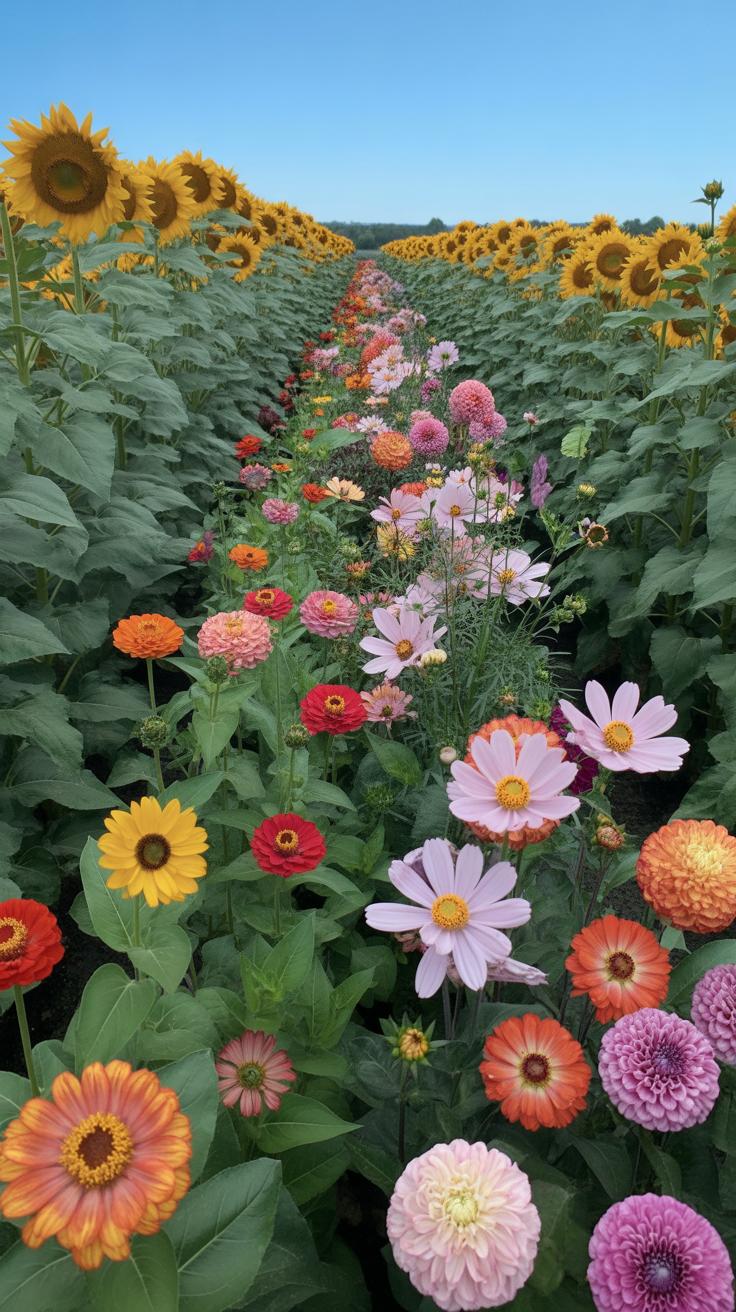
Top Succession Planting Cut Flowers That Bloom In Waves Throughout The Season
Succession planting requires species with predictable maturity dates and reliable regrowth patterns. You must select varieties that respond well to frequent harvesting. This trigger encourages the plant to produce more lateral stems. Without a staggered schedule, your garden will provide a massive harvest once and then remain empty for weeks. Focus on high-yielding annuals that thrive in local temperature shifts to maintain a steady supply.
- Zinnias: These are the backbone of any cutting garden. They mature in about sixty to seventy days. If you cut the central stem early, the plant produces multiple long stems. Sowing every two weeks ensures a constant supply of fresh blooms until the first frost kills the plants.
- Cosmos: These plants produce more flowers the more you harvest them. They take roughly fifty to sixty days to bloom from seed. Their airy foliage and delicate stems work well in modern arrangements. Planting in three-week intervals prevents the older plants from becoming too tall and difficult to manage.
- Sunflowers: Specifically choose branching varieties for a continuous harvest rather than single-stem types. Branching sunflowers produce smaller heads over a longer period. Stop sowing ten weeks before your first frost date. This timing ensures the final crop reaches maturity before the light levels and temperatures drop too low.
- Snapdragons: These are cool-season staples that offer vertical structure. They require early starting but can be pinched to increase stem count. Successive plantings in early spring and late summer provide blooms for two distinct seasons. They tolerate light frosts, which extends your harvest window well into the autumn months.
- Ammi Majus: This lace-like filler flower adds essential texture to bouquets. It matures quickly and prefers cooler temperatures. You should sow seeds directly into the soil every three weeks. This strategy prevents the entire crop from seeding at once. Maintaining a fresh supply of filler is critical for professional looking floral designs.
Strategic selection prevents the mid-season gap often seen in novice gardens. You must track the days to maturity for every variety you plant. Use these numbers to back-schedule your sowing dates from your desired harvest period. Mixing heat-tolerant species with cool-season varieties allows you to pivot as the weather changes. Consistent watering and fertilizing are mandatory to keep these high-production plants healthy through multiple harvest cycles.
Choosing Fast Maturing Varieties To Maximize Your Cutting Garden Output
Speed is the primary factor when selecting seeds for intensive succession. You need varieties that reach harvest stage in under sixty-five days to maximize your square footage. Rapid growth allows you to flip beds three or even four times per year. This high-turnover strategy increases your total stem count without requiring more land. Look for labels indicating early or extra-early maturity to ensure the fastest possible turnaround.

Direct sowing fast-maturing seeds into the garden saves time and reduces transplant shock. Species like bachelor buttons and Calendula thrive with this hands-off approach. You eliminate the weeks spent in a greenhouse and move straight to production. Monitor soil temperatures closely as even fast growers stall in cold ground. By focusing on turn-around time, you maintain a stylish home filled with fresh flowers from spring through the end of autumn.
Building A Flower Farm Aesthetic At Home With Succession Planted Blooms
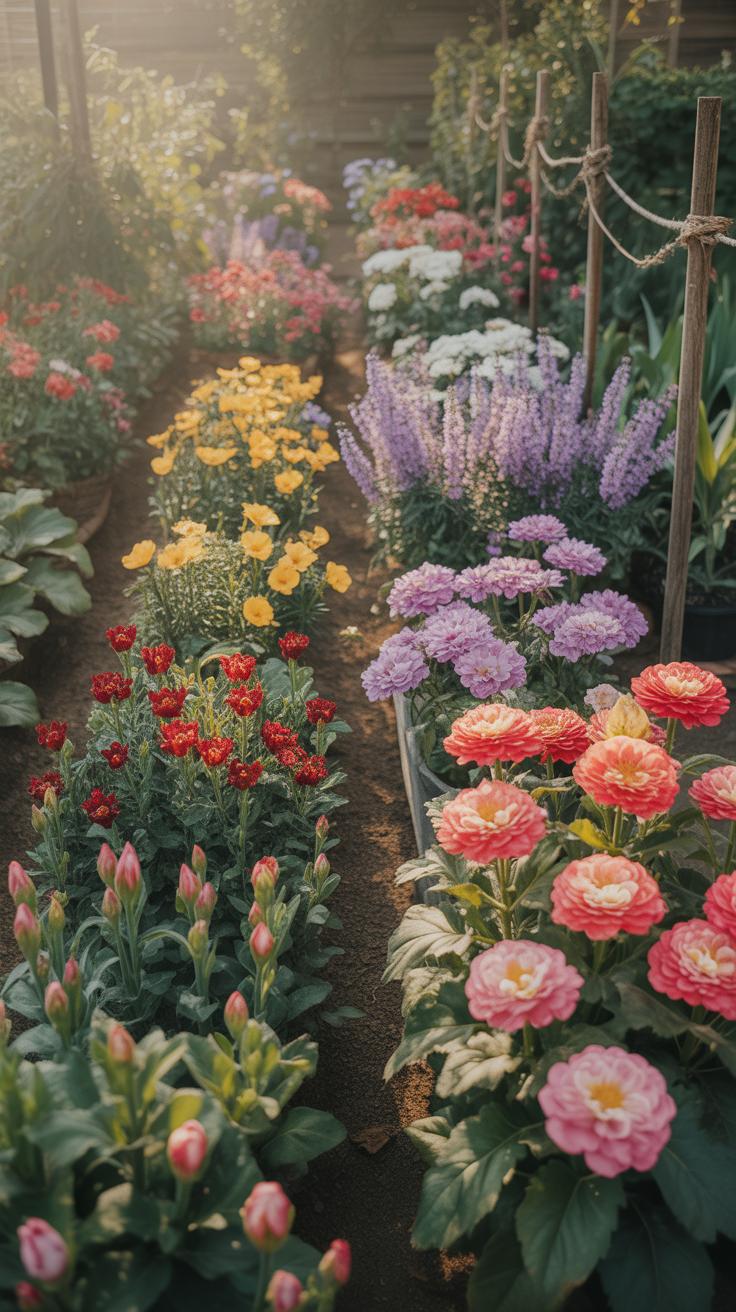
How The Flower Farm Aesthetic Translates Into A Beautiful Home Garden
The flower farm aesthetic prioritizes productivity and utility over traditional landscaping. You organize your growing space into high-density rows or dedicated cutting beds. This methodology ensures you harvest stems without ruining the visual appeal of your primary garden. To achieve this look, you must treat your yard like a production site. Proper spacing and clean paths define this functional style.
Succession planting maintains this aesthetic by preventing empty gaps in your garden beds. As one crop finishes, you immediately clear the space and replant the next round. This cycle keeps the garden looking full and vibrant throughout the season. You avoid the dead patches common in static gardens. Constant turnover creates a professional appearance. This strategy ensures a steady supply of fresh stems for your home.
Blending Colors And Textures Across Succession Plantings For Visual Impact
Effective design requires planning your color palette across multiple planting waves. You should select a primary color theme for each season to ensure visual harmony. Use cool tones in early spring through bulbs and hardy annuals. Shift to warm, saturated hues in mid-summer with heat-loving species. Consistent color palettes make your home arrangements look intentional. Strategic planning prevents clashing between different succession groups.

Texture provides depth to your floral designs and garden beds. You must balance focal flowers with airy fillers and architectural spikes. Succession planting allows you to rotate different structural elements into your harvest schedule. You might follow heavy-headed peonies with delicate cosmos or rigid celosia. This variety creates professional-grade movement in your vases. Proper textural blending ensures your home garden remains sophisticated and visually engaging all year.
Inspiring Flower Farm Ideas You Can Adapt For Succession Planting At Home
Small Scale Flower Farm Ideas That Work In Backyard And Container Gardens
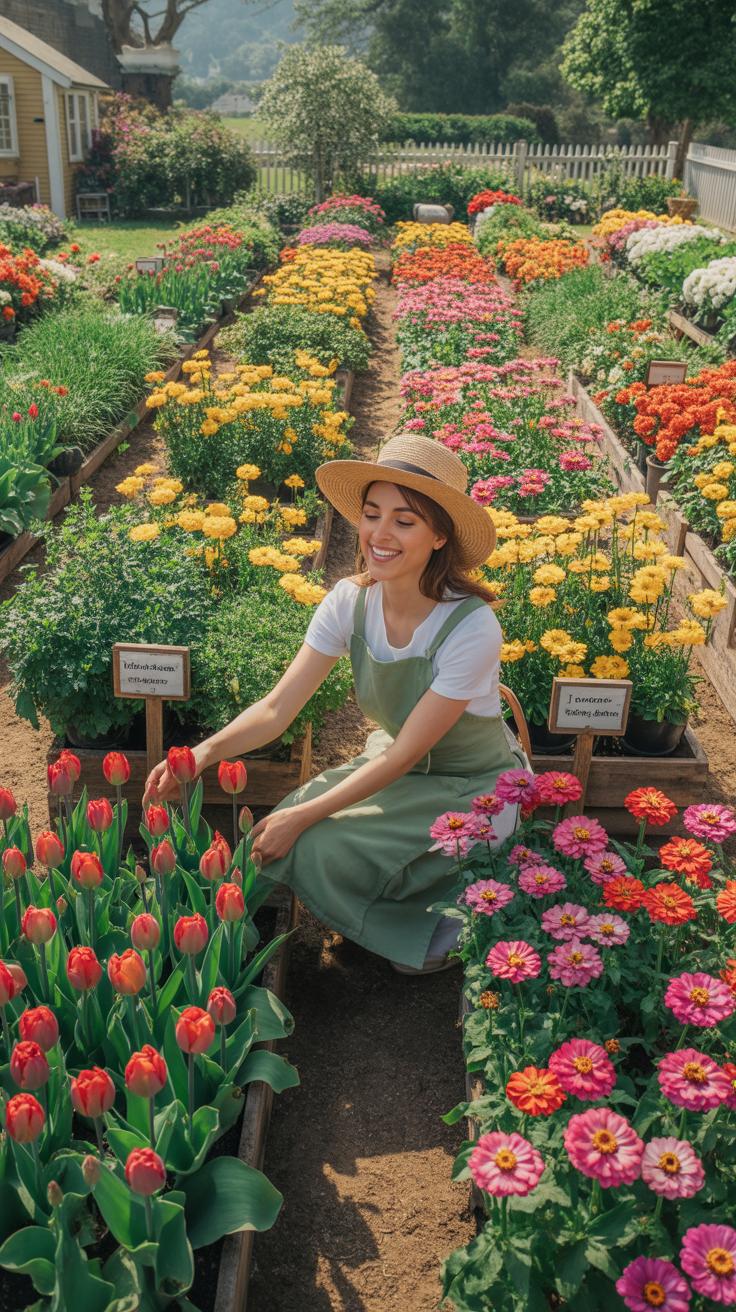
Backyard growers must maximize yield per square foot. High-intensity spacing is the primary tactic. Commercial urban farms plant zinnias and cosmos at close intervals to force upright growth and long stems. You can replicate this in raised beds or large pots. Dense planting shades the soil and reduces weeds. Use grid netting to support stems and keep rows organized for repeated harvests throughout the summer months.
Verticality is another key farm tactic for small spaces. Use trellises for sweet peas or climbing roses to free up ground soil for succession crops. When one row of spring bulbs finishes, pull them and immediately plant heat-loving annuals. This keeps the soil productive and prevents gaps in your cutting garden. Manage your soil health with compost between every planting cycle to ensure the next crop has enough nutrients.
How Commercial Flower Farms Use Succession Planting And What You Can Borrow
Commercial farms rely on precise planting schedules to maintain steady cash flow. They do not plant everything at once. They stagger sowings of the same variety every ten to fourteen days. This method ensures a fresh harvest every week rather than a single massive flush. You can use this calendar-based approach at home to avoid having too many flowers at once followed by weeks of empty vases.

Professional growers also use the stale seedbed technique to prepare for new successions. They clear a patch and water it to trigger weed germination. They kill those weeds before planting the next flower crop. This reduces competition for your new seedlings. Borrow this strategy to keep your succession beds clean and efficient. Rapid turnover and weed management are the secrets to a productive and stylish cutting garden all season long.
Mastering The Succession Planting Timeline Across Your Flower Garden
How To Create A Staggered Sowing Calendar For Your Flower Garden
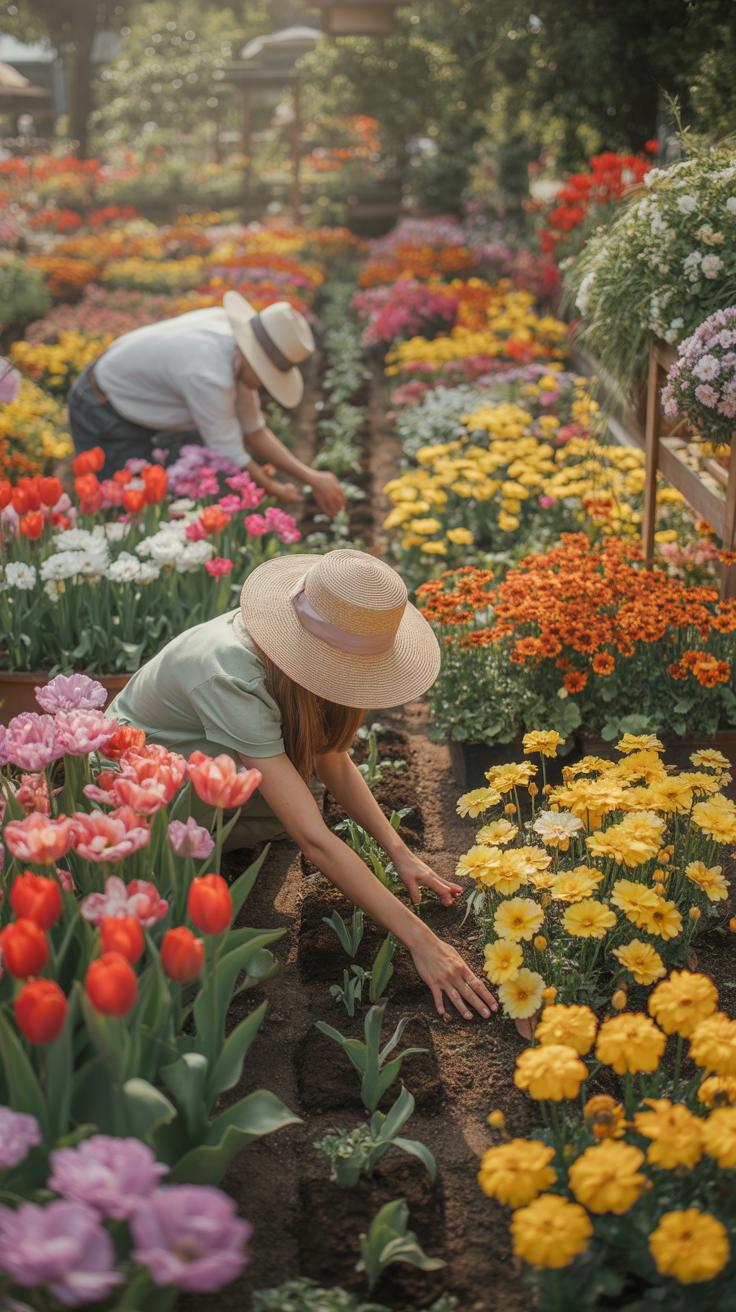
Calculate your first frost date and last frost date before buying any seeds. These two dates dictate your entire production schedule. Use your flower species maturation days to work backward from these freeze events. A successful calendar splits the year into two week blocks. This system ensures constant bloom cycles without overwhelming your workspace. You must track every sowing date to find gaps in your floral supply.
Divide your garden into high turnover zones for fast growing annuals. These beds require fresh transplants every three to four weeks to maintain stem quality. Do not rely on garden memory to manage this rotation. Document the specific variety and transplant date in a central log. This data allows you to adjust future seasons based on actual performance. Accurate records prevent the common error of planting too much at once.
Key Timing Tips For Succession Planting Cut Flowers From Spring To Autumn
Start your earliest successions indoors to gain a head start on the natural growing season. This method bypasses cold soil temperatures that delay germination in the field. You must match your indoor sowing rate with your available outdoor bed space. Oversowing results in root bound plants that fail to produce long stems. Aim for a balance between indoor prep and direct outdoor seeding for consistent yields.
- Interval Sowing: Plant new seeds every ten to fourteen days for crops with short bloom windows like Sunflowers or Gypsophila. This short interval prevents a total harvest gap and ensures a steady supply of fresh stems for your home all summer.
- Variety Selection: Group your flowers by their specific days to maturity rather than just species. Planting early, mid, and late season varieties of the same flower at once creates a natural stagger without requiring multiple planting dates or additional labor.
- Soil Temperature Monitoring: Check soil heat before direct sowing summer annuals like Zinnias or Celosia. These plants require warm earth to grow rapidly. Planting into cold soil stunts growth and ruins your carefully planned succession timeline for the entire autumn season.
- Pinch Timing: Remove the central growing tip on branching varieties to delay the first harvest by two weeks. This technique forces the plant to produce more stems later. It acts as a manual tool to stagger production when you cannot plant new seeds.
- Light Level Awareness: Reduce your planting frequency as days grow shorter in late summer. Plants grow slower with less daylight. You must account for this natural deceleration by increasing the time between your final successions to avoid a bottleneck of small, unusable flowers.

Clear out spent crops immediately to make room for the next scheduled rotation. Leaving dead plants in the ground invites pests and wastes valuable time. Use a quick turnover method by cutting stems at the soil line instead of pulling roots. This preserves soil structure and allows for faster replanting. Maintaining a clean work area keeps your succession schedule on track from spring through the final autumn frost.
Growing And Caring For Cut Flowers On Your Personal Flower Farm
Soil Preparation And Feeding Practices That Support Successive Bloom Cycles
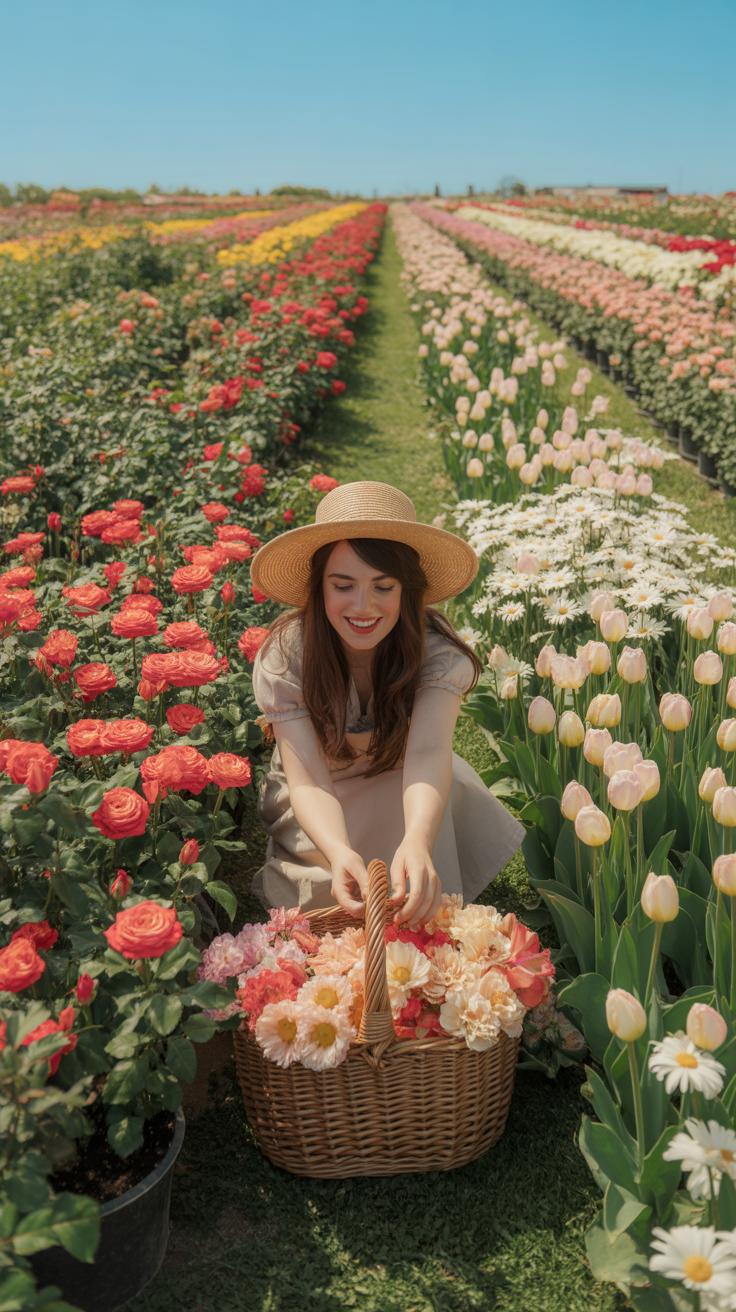
Succession planting drains soil nutrients faster than single-crop cycles. You must replenish the topsoil between every planting rotation. High-intensity flower farming requires a mix of well-rotted compost and balanced organic matter. Test your soil pH to ensure it stays between 6.0 and 7.0 for optimal nutrient uptake. Proper drainage prevents root rot during the frequent irrigation cycles required for new seedlings.
Nitrogen drives early leaf growth while phosphorus and potassium fuel bloom production. Apply a slow-release granular fertilizer at planting time to sustain the crop throughout its life. Use liquid seaweed or fish emulsion every two weeks for a quick nutrient boost. Monitoring soil moisture is critical because dry soil halts flower development. Consistent feeding schedules keep the plant productive and ensure secondary stems meet quality standards.
Harvesting And Conditioning Cut Flowers Correctly To Extend Vase Life At Home
Harvest flowers during the coolest part of the day to maintain turgidity. Early morning is best because plants are fully hydrated. Use clean, sharp bypass pruners to avoid crushing the vascular system of the stem. Cut most varieties when they are in the bud stage or just beginning to open. This timing maximizes the lifespan of the flower once it enters the home.

Place stems immediately into clean buckets of lukewarm water after cutting. Remove all foliage that falls below the water line to prevent bacterial growth. Bacteria clog the stems and stop water uptake. Store the flowers in a cool, dark location for several hours to condition them before arranging. Change the vase water every two days and recut the stems to maintain a clear path for hydration.
Arranging Your Succession Planting Cut Flowers For A Stylish Decorated Home
Simple Styling Principles For Displaying Fresh Cut Flowers In Every Room
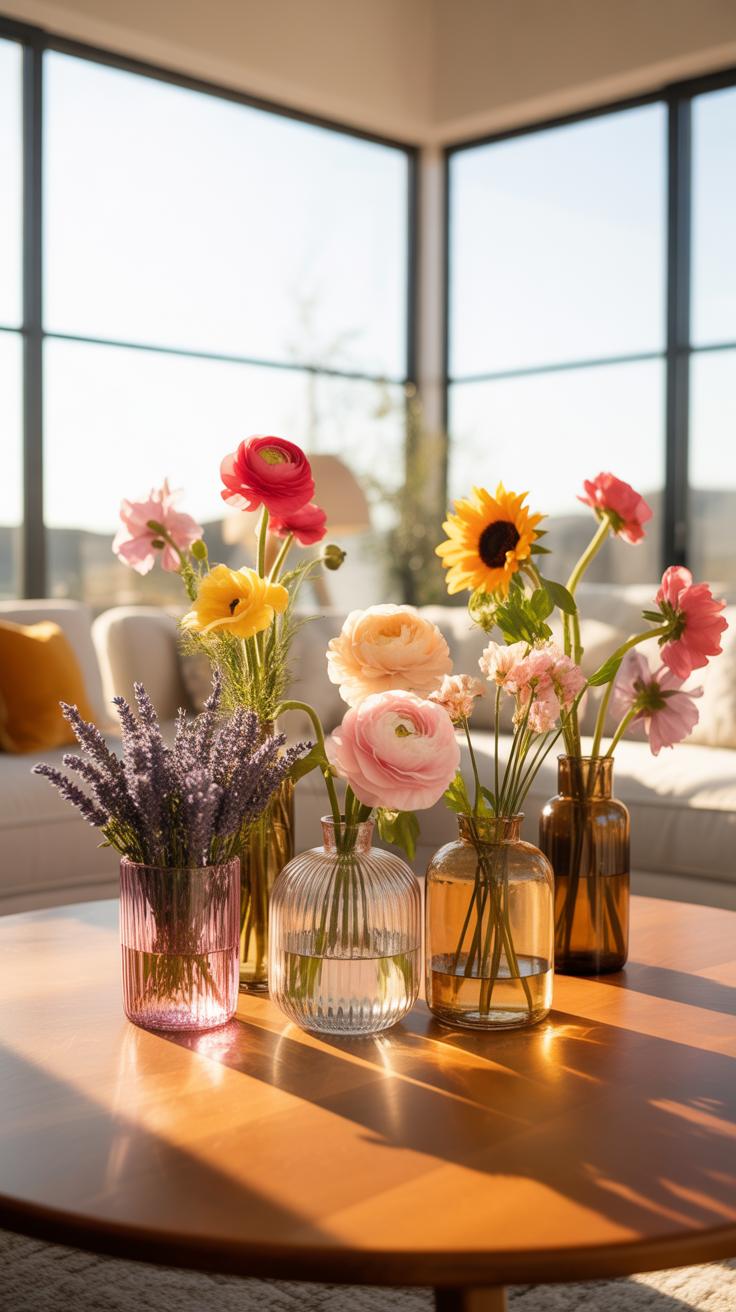
Successful floral styling depends on scale and proportion. Match your vase size to the stem length of your current harvest. Tall flowers like gladiolus or snapdragons require heavy glass or ceramic vessels to prevent tipping. Smaller stems from late-season successions work best in bud vases. Place these on bedside tables or narrow shelves. Proper scaling ensures the arrangement does not overwhelm the furniture or the room.
Color coordination creates a cohesive look throughout the home. Use monochromatic schemes to emphasize the texture of different varieties. Grouping three vases of varying heights creates visual interest without requiring complex design skills. Always strip foliage that sits below the water line. This prevents bacterial growth and keeps the display clean. Change the water daily to extend the life of your succession crops in any environment.
Seasonal Arrangement Ideas That Reflect The Natural Flow Of Your Cutting Garden
Spring successions focus on clean lines and cool tones. Use tulips and narcissus to create structured displays that mimic early growth patterns. These flowers continue to grow after cutting. Leave room in the vase for these height changes. Avoid mixing different species too early. Focus on single-variety bunches to highlight the first successful yields of the year. This approach mirrors the simplicity of the early garden landscape.

Summer and fall harvests provide more volume and warmth. Combine heat-loving zinnias and dahlias to create dense arrangements. Use the spill-fill-thrill method to organize these abundant successions. Place heavy focal flowers first. Add airy fillers like cosmos to provide movement. Finish with trailing vines or tall grasses for height. This layering technique reflects the high density of a mature garden. It brings the full energy of the season indoors.
Frequently Asked Questions

What exactly is succession planting for a cut flower garden?
Succession planting is a strategic gardening technique where you sow seeds at regular intervals rather than all at once. For those interested in succession planting cut flowers, this method ensures a continuous harvest throughout the growing season. Instead of one massive flush of blooms followed by empty garden beds, you receive a steady stream of fresh, stylish stems to decorate your home from early spring until the very first frost of autumn.
How do I determine the best interval for sowing new seeds?
The ideal interval depends on the specific variety, but a general rule is to sow new seeds every 7 to 14 days. To master succession planting cut flowers like Zinnias or Sunflowers, monitor how quickly your previous batch grows. If you want a seamless transition for your indoor floral arrangements, stagger your plantings so that as one group reaches its peak bloom, the next set of seedlings is just beginning to develop buds.
Can I achieve a high-end floral look on a limited budget?
Absolutely! You don’t need expensive equipment to grow a stunning DIY cutting garden. High-impact flowers like Cosmos, Sweet Peas, and Marigolds are incredibly affordable to grow from seed packet displays. By focusing on these prolific bloomers and utilizing simple techniques like pinching back stems for more branches, you can fill your vases with lush, designer-style bouquets all summer long without spending a fortune at a professional florist or luxury nursery.