
Understanding The Basics Of A Cut Flower Garden And Why Maintenance Matters
What Is A Cut Flower Garden And How Does It Differ From A Decorative Garden
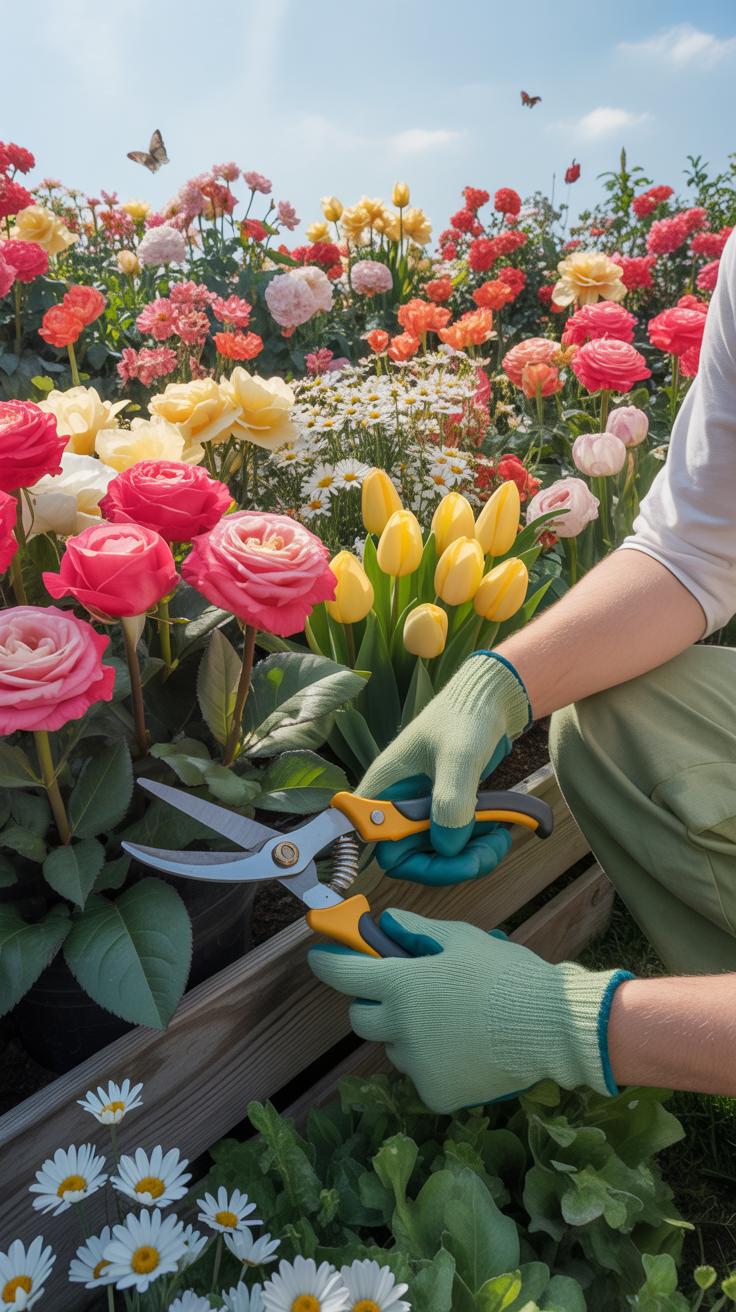
A cut flower garden functions as a production farm rather than a visual landscape. Decorative gardens prioritize curb appeal and year-long aesthetics. Designers arrange these plants to look good in the ground. In contrast, a cut flower garden focuses on high-yield output and stem quality. You plant species specifically to harvest them for indoor arrangements. This shift in intent changes every management decision.
Practicality dictates the layout of a cutting garden. Growers use narrow rows or blocks to make harvesting and weeding easier. You prioritize stem length, vase life, and flower size over the overall shape of the bush. While a decorative garden remains untouched to preserve its beauty, a cutting garden looks best when you strip it bare. Constant harvesting keeps the productivity high and the plants active.
Why Consistent Maintenance Is The Secret To A Productive Cut Flower Garden
Consistent maintenance drives the biological success of a cutting garden. Most annual flowers operate on a simple life cycle. Their primary goal is to produce seeds for reproduction. If you leave dying blooms on the stalk, the plant stops producing new buds. Regular deadheading and harvesting trick the plant into staying in the vegetative state. This maximizes your total yield over the entire growing season.
Neglected gardens quickly fall victim to pests and fungal diseases. Dense foliage and stagnant air create breeding grounds for pathogens like powdery mildew. Maintenance tasks like pruning and thinning improve airflow and light penetration. Strong plants withstand environmental stress better than weak ones. You must monitor water levels and soil nutrients weekly. Sharp attention to these details prevents crop failure and ensures professional grade stems every time.

Planning Your Cut Flower Garden Layout For Easy Long Term Maintenance
How A Thoughtful Cut Flower Garden Layout Reduces Your Weekly Workload
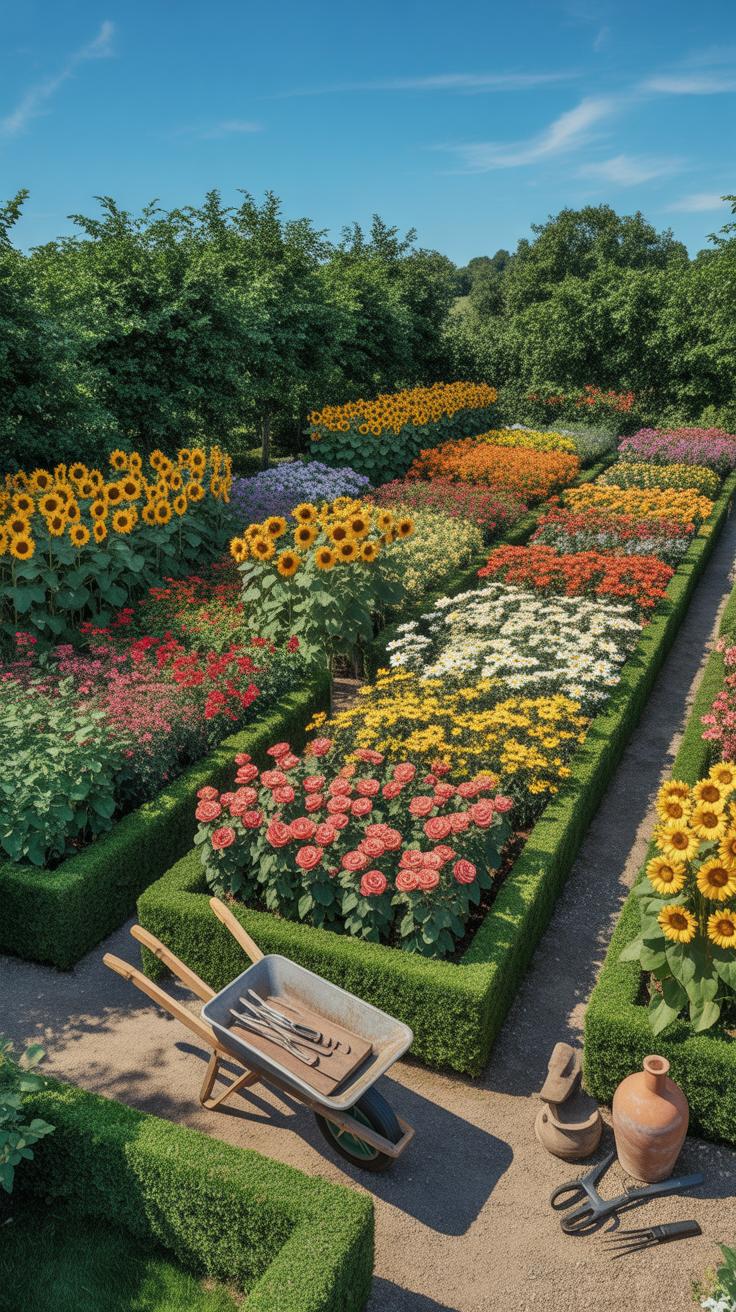
Layout design dictates your total maintenance hours. A grid system allows for standardized irrigation and faster weeding. Grouping plants by water needs prevents overwatering and localized rot. Modern cut flower farming relies on high-density planting to shade out weeds. This reduces chemical use and manual labor. Proper spacing ensures airflow. Good airflow stops fungal diseases before they start. Strategic planning saves hours of troubleshooting later.
Standardize bed widths to match your reach. Most professional growers use thirty-inch beds. This width allows you to weed and harvest from the path without stepping on the soil. Stepping on soil causes compaction. Compacted soil restricts root growth and water drainage. If you ignore soil structure, you will spend more time tilling and fertilizing. A fixed layout protects soil health and simplifies every chore on your weekly list.
Designing Accessible Rows And Pathways Within Your Flower Garden Layout
Pathways are functional tools, not just walking space. Make main paths wide enough for a wheelbarrow or a harvest cart. Professional growers often use twelve to eighteen inches for secondary paths. Narrow paths maximize growing space but limit movement. Use permanent mulch like wood chips or landscape fabric in pathways. This suppresses weeds and provides a dry surface for harvesting during wet weather. Maintenance becomes faster when your feet stay dry.

Orient rows from north to south. This direction ensures equal sunlight for all plants throughout the day. If tall plants shade shorter ones, growth becomes stunted and uneven. Use T-posts and horizontal netting for support systems. Install these supports during the layout phase. Doing it later damages root systems and stems. Early installation keeps flowers upright. Upright flowers are easier to prune and harvest. Proper access prevents physical strain during long work sessions.
Choosing The Right Cut Flowers To Grow For A Low Maintenance Garden
Top Cut Flowers To Grow That Thrive With Minimal Intervention
Low-maintenance cut gardening requires selecting species with high disease resistance and strong stems. You must prioritize plants that produce multiple blooms per stalk. This strategy reduces the time you spend pruning and staking. Selection begins with identifying varieties that tolerate heat and dry spells. These plants stay productive even when your maintenance schedule lapses. Focus on varieties proven to survive without constant chemical inputs or daily irrigation.
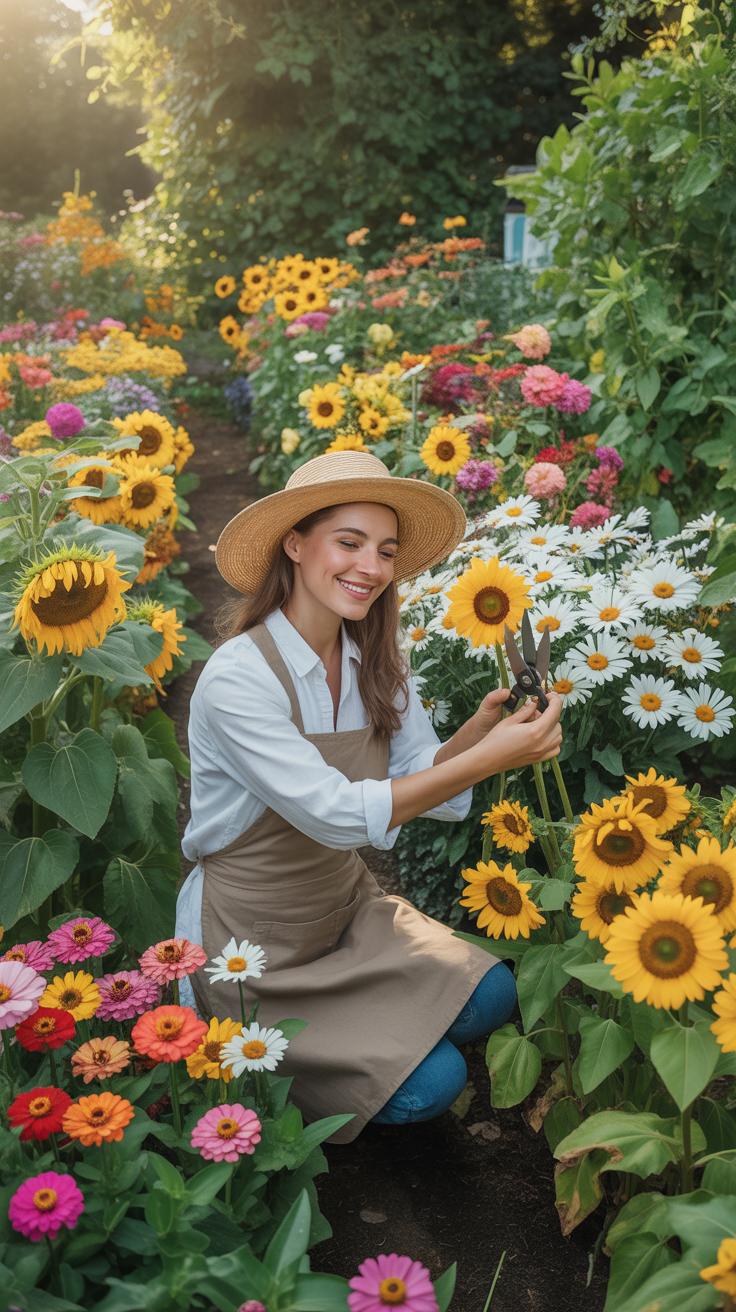
- Zinnias: These annuals offer high yields and tolerate intense summer heat. They require little more than basic deadheading to produce continuous blooms until the first frost. They resist most pests and grow quickly from seed in well-drained soil.
- Sunflowers: Branching varieties provide multiple stems for cutting throughout the season. They have deep taproots that access water deep in the soil profile. These plants require almost no supplemental feeding once they establish a strong root system in the garden.
- Cosmos: These flowers thrive in poor soil and require very little nitrogen. Excessive fertilizer actually reduces bloom production and encourages weak stems. They self-seed easily and provide a delicate texture to arrangements with almost zero effort from the gardener.
- Peonies: As established perennials, these plants produce high-value blooms for decades. They require a one-time planting in a sunny spot with good drainage. Aside from annual cutting back in late fall, they demand very little active labor or seasonal replanting.
- Coneflowers: These hardy perennials tolerate drought and attract pollinators while providing stiff stems for vases. They handle various soil types and do not require staking. Once established, they return every year and expand their footprint without needing frequent division or replanting.
Strategic plant choice eliminates the need for complex support systems. Choose cultivars that naturally resist powdery mildew and rust to avoid spray schedules. You save hours of labor by avoiding temperamental species like hybrid tea roses. Stick to these hardy options to keep your harvest consistent. High-yield plants ensure you have plenty of material for arrangements with very few total inputs.
Matching Cut Garden Flowers To Your Local Climate And Soil Conditions
Successful cut flower production depends on matching plant biology to your specific site. You must test your soil pH before planting any high-volume crops. Most cut flowers prefer a neutral range between 6.0 and 7.0. Heavy clay soils require drainage amendments to prevent root rot in perennials. Sandy soils need organic matter to hold moisture during peak summer heat. Adjust your soil to meet these baseline requirements.

Climate determines your planting windows and your choice of annuals versus perennials. Cold-hardy species like snapdragons thrive in early spring but fail in high heat. Conversely, heat-loving celosia requires warm nights to reach harvestable heights. Analyze your local frost dates to time your successions accurately. This data allows you to plan a garden that works with nature instead of fighting it. Rational planning prevents crop failure and wasted labor.
Soil Preparation And Fertilization Strategies For A Thriving Cut Flower Garden
Guidance On How To Build And Amend Soil To Support Healthy Cut Flowers Season After Season
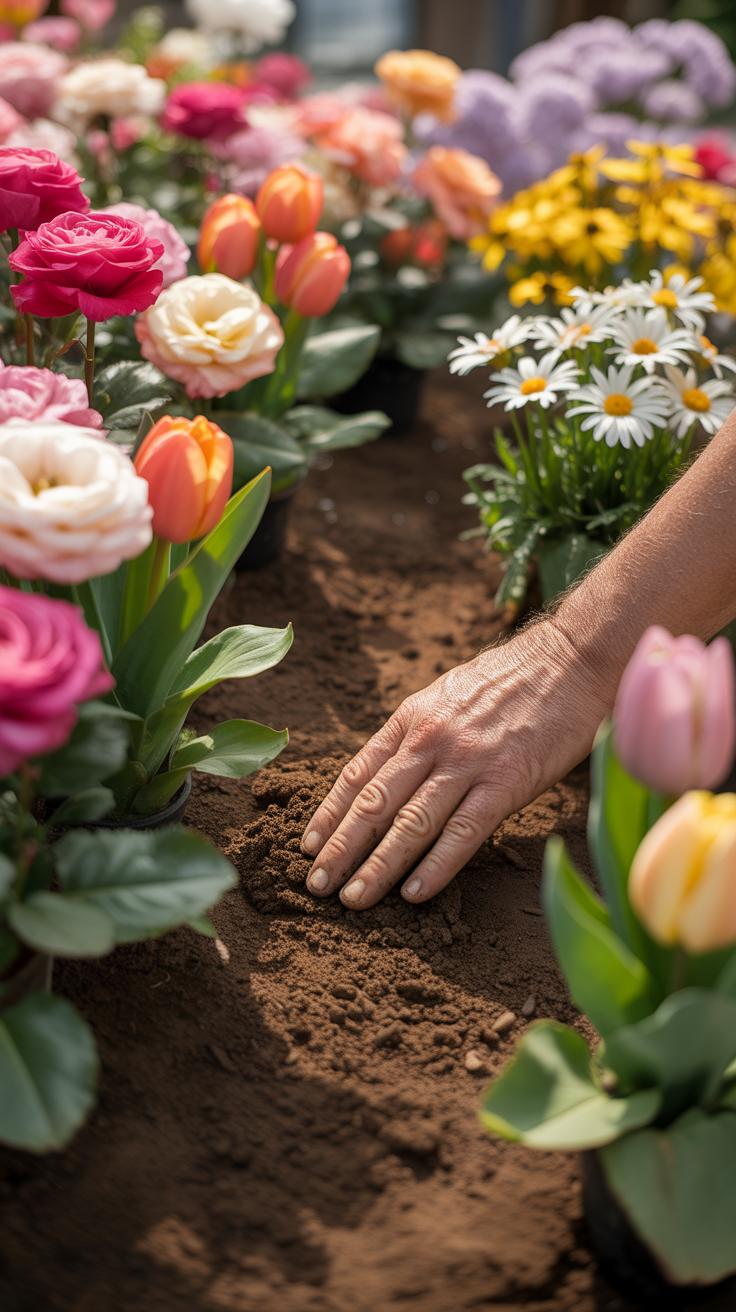
High quality cut flower garden maintenance begins with well drained soil structure. Use organic matter to improve aeration and moisture retention. Mix three inches of mature compost into the top six inches of your garden beds. This practice introduces beneficial microbes and essential nutrients. Test your soil pH every two years. Most flowers thrive in a pH range between 6.0 and 7.0.
Compacted soil kills root systems and limits bloom size. Avoid walking on planting beds to maintain loose soil structure. Add broadforking to your routine to break up deep subsoil without flipping the layers. This preserves the natural soil biome. Apply a thin layer of mulch to prevent surface crusting. Healthy soil reduces the need for heavy chemical intervention throughout the growing season.
Fertilization Schedules That Maximize Bloom Production Without Overfeeding
Timing your nutrient delivery ensures maximum flower yield. Apply a balanced slow release fertilizer during early spring planting. This provides a steady baseline of nitrogen for green growth. Once buds appear switch to a high phosphorus formula. Phosphorus drives flower development and root strength. Avoid high nitrogen late in the season. Too much nitrogen produces lush leaves but very few keepable flowers.

Monitor your plants for signs of nutrient deficiency or burn. Liquid seaweed or fish emulsion provides quick results during peak heat. Use these foliar sprays every two weeks in the early morning. This helps plants recover from the stress of frequent cutting. Proper fertilization maintains stem strength and increases vase life. Consistent feeding prevents the garden from becoming exhausted before the first frost arrives.
Watering Techniques That Keep Your Cut Flower Garden Healthy And Productive
Deep Watering Vs. Surface Watering And Which Method Suits Cut Garden Flowers Best
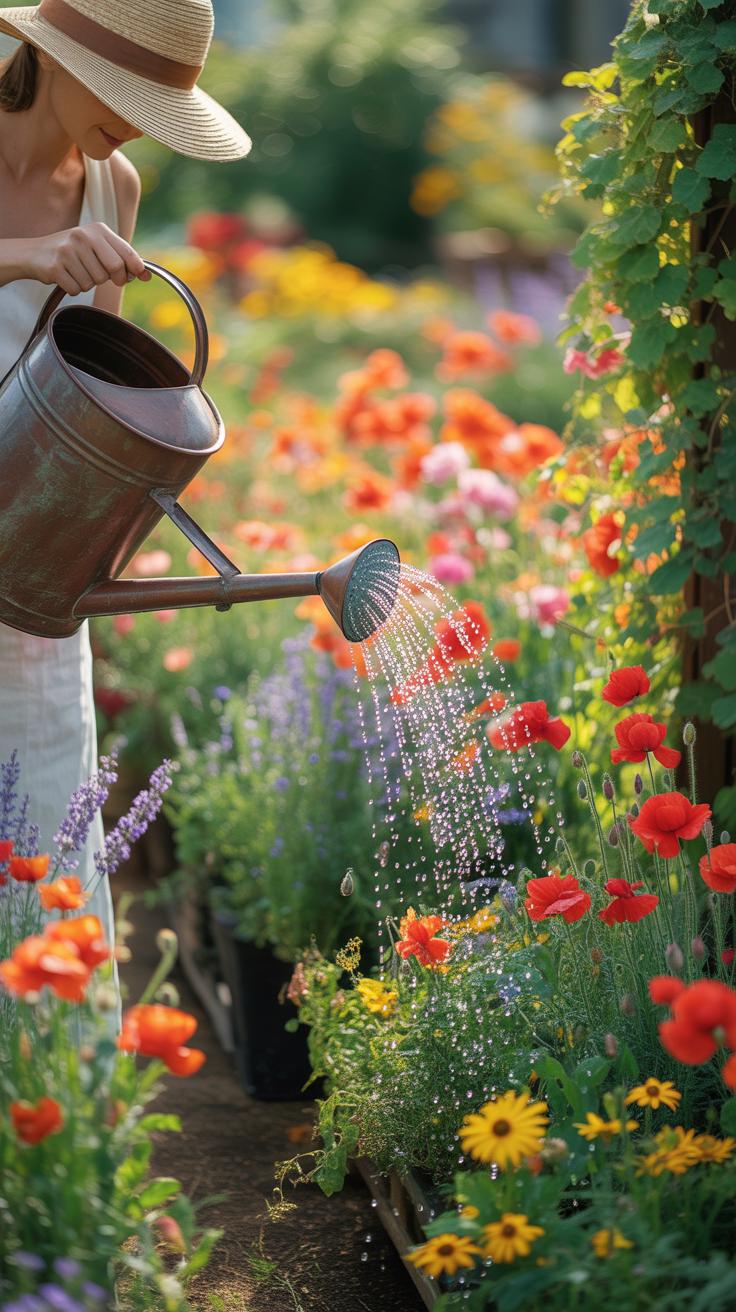
Cut garden flowers require deep watering to build strong root systems. Surface watering only wets the top inch of soil. This encourages roots to stay near the surface where they dry out quickly. Frequent shallow watering also creates salt buildup and attracts pests. You must push water six to eight inches down into the soil profile. This ensures plants can survive high heat and produce long stems.
Deep watering reduces the total frequency of irrigation. You provide a heavy soak and then allow the soil to dry slightly before watering again. This cycle forces roots to grow downward in search of moisture. Stronger roots support heavier blooms and ensure better nutrient uptake from the soil. Use a moisture meter or a finger test to check the depth. Target the root zone and avoid wetting the foliage.
Setting Up A Drip Irrigation System To Simplify Your Garden Maintenance Routine
Drip irrigation is the most efficient method for cut flower gardens. It delivers water directly to the base of each plant. This setup keeps the leaves dry and prevents fungal diseases like powdery mildew. You save time because the system operates on a timer. It also prevents soil erosion and water runoff. A basic kit includes a pressure regulator, a filter, and poly tubing with emitters.

Start by mapping your garden rows to determine the length of tubing needed. Set the emitters twelve inches apart for high density planting. Ensure your timer is set for early morning delivery to maximize absorption. This timing reduces evaporation losses significantly. Conduct monthly checks to clear clogs in the lines and check for leaks. Proper maintenance of this system reduces manual labor and lowers your monthly water bill.
Deadheading Pinching And Pruning Cut Flowers For Maximum Yield
How Deadheading Cut Garden Flowers Encourages Continuous New Blooms
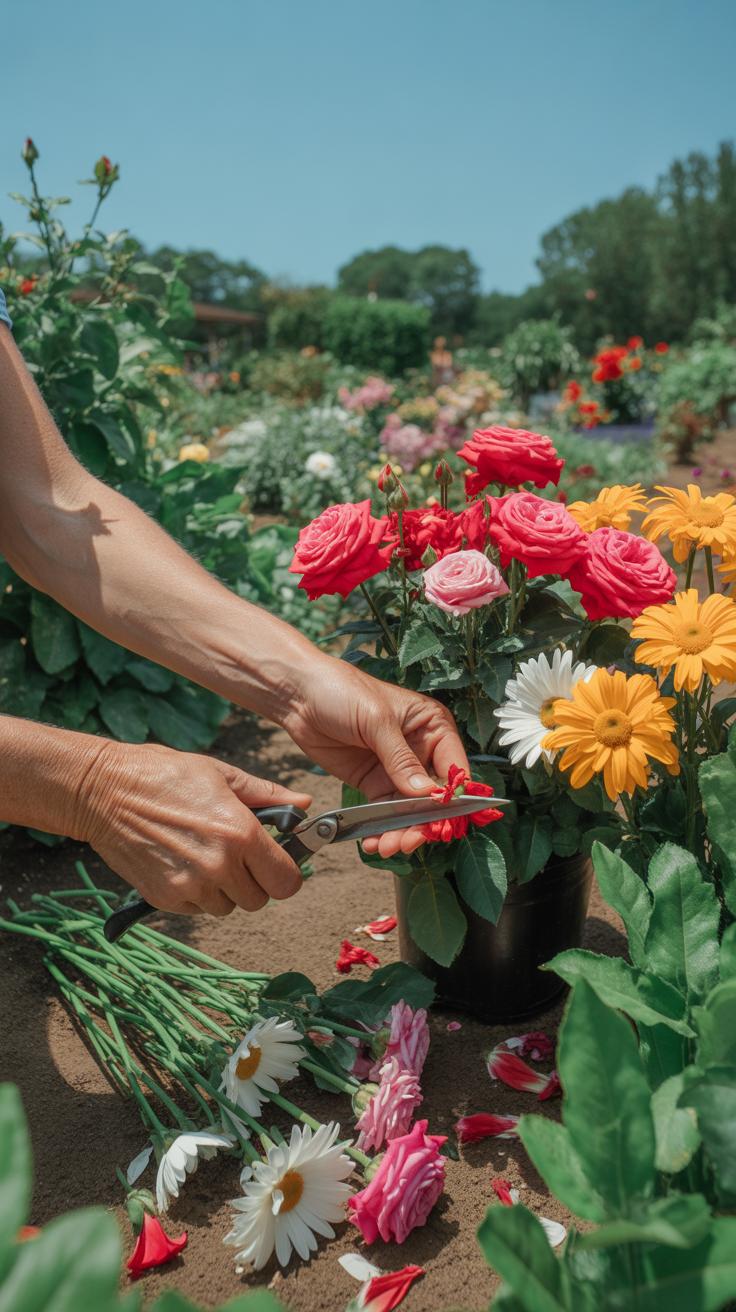
Deadheading removes spent blooms before they develop seeds. This action forces the plant to redirect its energy from reproduction back into vegetative growth and flower production. Plants exist to reproduce by making seeds. When you remove a dying flower, the plant views its biological mission as incomplete. It will immediately push out new buds to try and create more seeds for the next generation.
Standard Cut Flower Garden Maintenance requires checking plants every two days. Use sharp snips to cut the stem back to a strong leaf node or a lateral bud. Do not just pull off the petals. Clean cuts prevent disease and keep the plant healthy. If you leave old flowers on the stem, the plant signals itself to stop flowering. Correct deadheading ensures your garden produces flowers for the entire season.
The glory of gardening: hands in the dirt, head in the sun, heart with nature. To nurture a garden is to feed not just the body, but the soul.
Pinching And Pruning Techniques That Produce Longer, Stronger Flower Stems
Pinching involves removing the main growing tip of a young plant. This disruption of apical dominance forces the plant to send energy to lower axillary buds. These buds grow into multiple lateral branches rather than one single stalk. For crops like zinnias and snapdragons, this results in a higher volume of harvestable stems. You must pinch when the plant is roughly six inches tall with few leaf sets.

Pruning during the harvest phase is also critical for stem quality. Always cut deep into the plant. Cutting deep encourages the plant to regenerate long stems from the base instead of short, weak stems from the top. Use bypass pruners to ensure clean wounds that heal quickly. This technique maintains the structural integrity of the plant. Long stems are essential for professional floral arrangements and increase the overall utility of your harvest.
Cut Flower Garden Ideas For Beginners That Make Maintenance Simple And Rewarding
Practical Cut Flower Garden Ideas That Help Beginners Build Confidence And Consistency
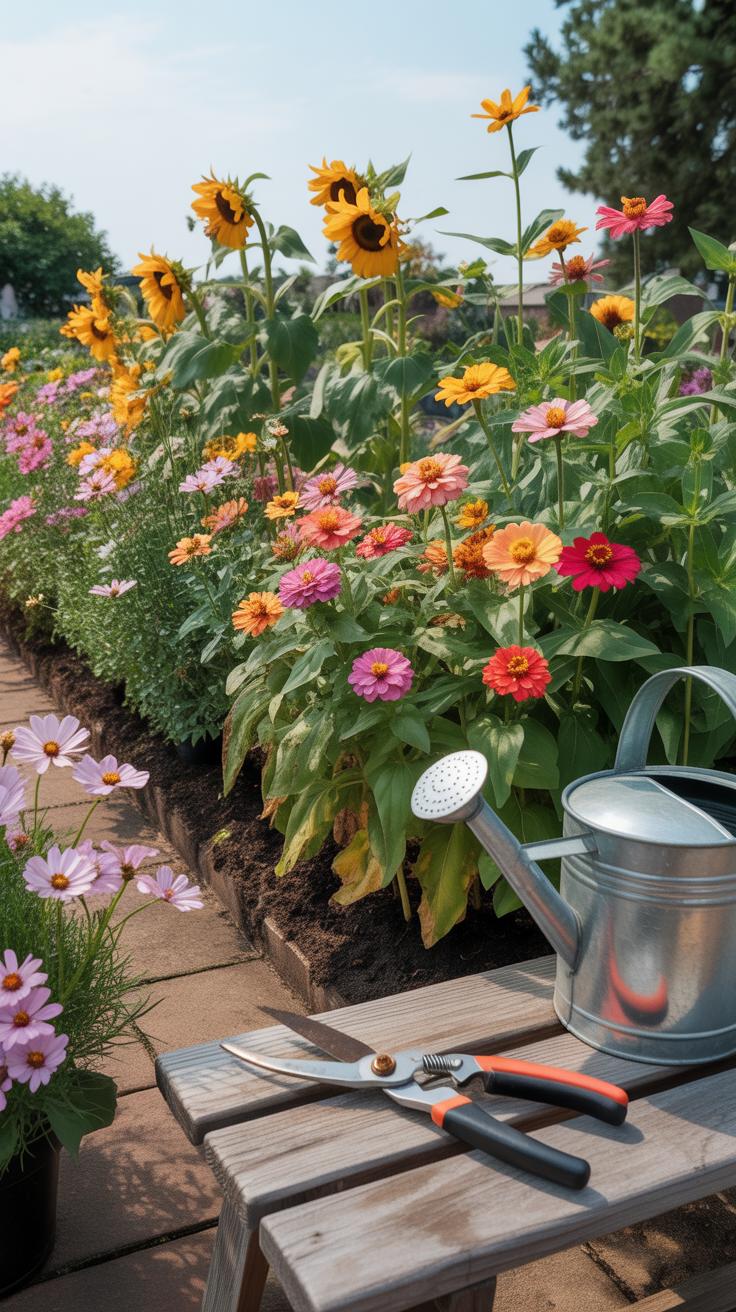
Beginners should start with rectangular raised beds. This layout provides clear boundaries for Cut Flower Garden Maintenance tasks. Straight lines allow you to reach every plant without stepping on the soil. Compacting soil ruins drainage and slows growth. High quality cedar or heat treated lumber creates a durable framework. This setup prevents grass from invading your flower rows and keeps the workspace clean.
Focus on high yield annuals like Zinnias or Cosmos for your first season. These species produce more blooms when you cut them frequently. This feedback loop teaches you the mechanics of harvesting and deadheading. Select varieties known for disease resistance to reduce the need for chemical sprays. Success with these hardy plants builds a routine. You will learn to monitor soil moisture and pest pressure daily.
Essential Maintenance Tips Every Cut Flower Garden For Beginners Should Follow
Routine maintenance prevents small issues from destroying an entire crop. You must establish a schedule for watering, feeding, and pinching. Proper tool care is also mandatory. Dull or dirty shears spread pathogens between plants. Keeping your equipment sharp ensures clean cuts that heal fast. This reduces the risk of fungal infections in your beds. Consistent effort remains the only way to ensure high stem quality.
- Monitor Soil Moisture: Check the top two inches of soil daily. Use drip irrigation to deliver water directly to the roots. This prevents leaf diseases caused by overhead splashing. It also saves manual labor during hot summer months.
- Pinch Early Growth: Remove the top two inches of the main stem when plants reach twelve inches high. This forces the plant to branch out. You get more usable stems per square foot instead of one single bloom.
- Sanitize Cutting Tools: Dip your shears in a ten percent bleach solution or isopropyl alcohol between different plants. This stops the spread of tobacco mosaic virus and other incurable diseases. Clean cuts help the plant recover and push new growth.
- Apply Organic Mulch: Spread two inches of weed free straw or shredded leaves around the base of your plants. Mulch suppresses weed seeds and keeps root temperatures stable. It reduces the frequency of manual weeding and saves significant time.
- Deadhead Spent Blooms: Remove any flowers that start to fade before they go to seed. When a plant makes seeds it stops producing new flowers. Constant removal signals the plant to keep blooming for the rest of the season.
Feed your plants with a balanced organic fertilizer every four weeks. Look for a liquid seaweed or fish emulsion to provide immediate nutrients. Avoid high nitrogen blends once buds appear. Too much nitrogen grows leaves but few flowers. Proper nutrition strengthens the cell walls of the stems. Strong stems hold up better in vases and resist wind damage in the garden.
Managing Pests Disease And Weeds In Your Small Garden Cut Flower Space
Identifying And Treating Common Pests And Diseases That Attack Cut Flowers
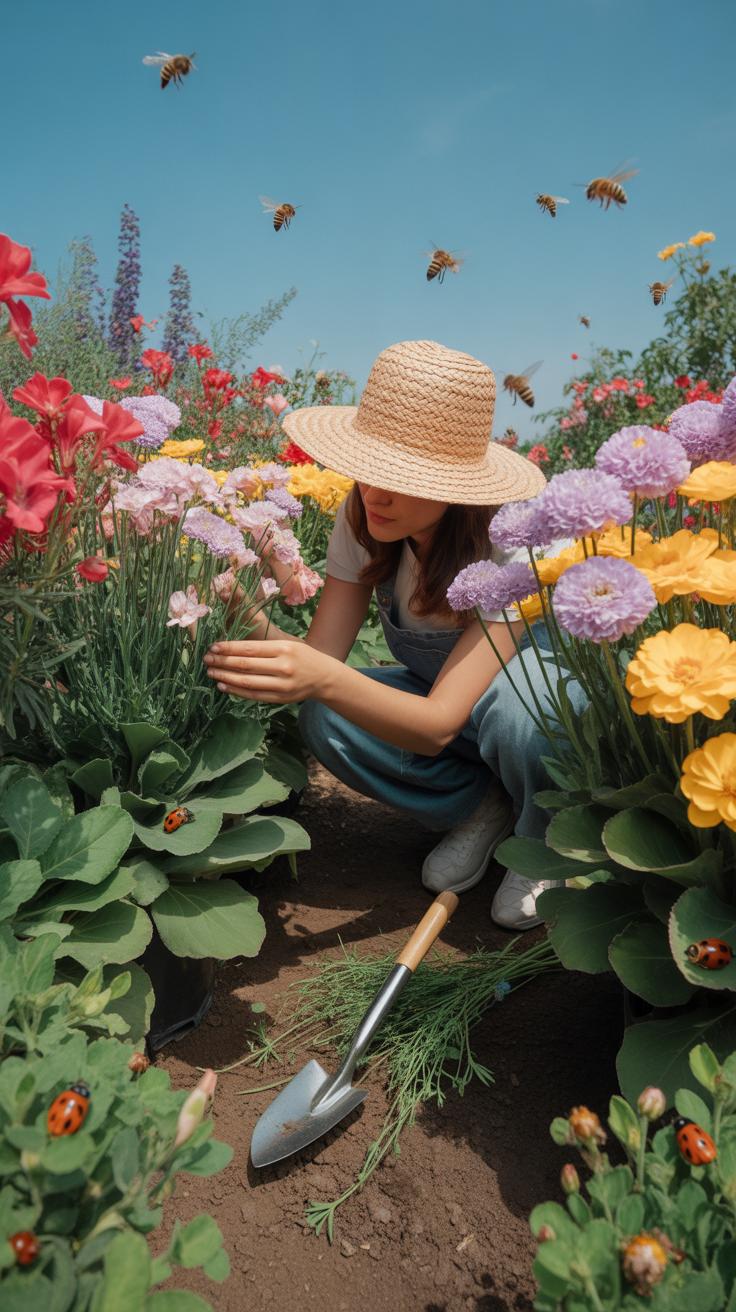
Early detection prevents crop failure. Inspect the undersides of leaves weekly for aphids and spider mites. These pests suck juices from tender stems and distort flower shapes. Use a strong blast of water to dislodge them. For severe infestations, apply insecticidal soap or neem oil during the evening. This timing protects bees and other pollinators that visit your garden during the daylight hours.
Fungal issues like powdery mildew and botrytis thrive in stagnant air. You must space plants correctly to ensure wind flows through the foliage. Water the soil directly rather than spraying the leaves to keep the canopy dry. If you see spotted or fuzzy foliage, remove the infected parts immediately. Do not compost diseased material because most home piles do not get hot enough to kill the spores.
Weed Control Methods That Protect Your Small Garden Without Harming Your Blooms
Weeds steal nitrogen and water from your flowers. Use the stale seedbed technique to reduce the weed seed bank. Prepare your soil two weeks before planting and let weeds germinate. Kill them with a flame weeder or a hoe before you transplant your flowers. This method ensures your starts face less competition. High-density planting also works by shading the soil and preventing new weeds from growing.

Mulching provides a physical barrier against weed growth. Use clean straw or shredded leaves to cover bare soil between rows. This layer suppresses weed seeds and keeps soil temperatures stable. Avoid deep tilling because it brings dormant seeds to the surface. Use a sharp colinear hoe for light surface cultivation. This tool cuts weed roots just below the surface without disturbing your flower root systems or the soil structure.
Harvesting And Post Harvest Care That Extends The Life Of Your Cut Flowers
The Best Time Of Day And Stage Of Bloom To Harvest Cut Garden Flowers
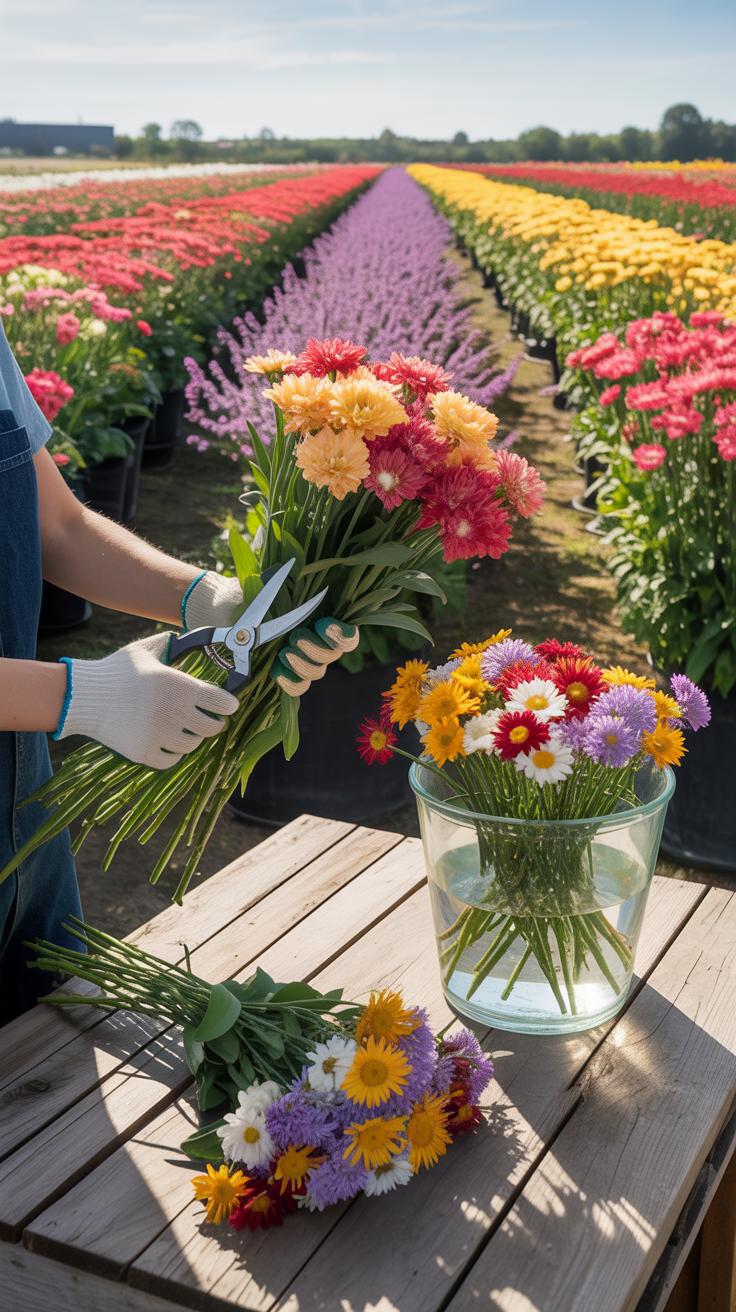
Harvest flowers in the early morning before the sun heats the ground. Plants have the highest water content at dawn. This turgidity prevents wilting and increases the total vase life. Stems cut in the heat of the afternoon lose moisture rapidly. This leads to premature drooping and cell collapse. Choose stems with healthy leaves and no visible insect damage for the best results.
The stage of bloom determines how long a flower lasts after cutting. Harvest most spike flowers when the bottom third of the florets are open. Cut sunflowers and zinnias when they are fully open but before they produce pollen. Peonies should feel like soft marshmallows before you cut them. If you harvest too early, the bud will never open. If you harvest too late, the petals fall fast.
Post Harvest Conditioning Methods That Keep Your Cut Flowers Fresh For Longer
Immediate conditioning prevents air bubbles from blocking water uptake in the stem. Carry a clean bucket of lukewarm water into the garden. Place stems into the water as soon as you cut them. Use sharp bypass pruners to ensure a clean strike. Ragged edges lead to rot and disease. Remove all foliage that falls below the water line. Submerged leaves create bacteria that kill flowers.
Recut stems at a forty-five degree angle once you are indoors. This increases the surface area for water absorption. Use a dedicated floral preservative to provide sugar for energy and acid to balance pH levels. Keep the finished arrangement away from direct sunlight and ripening fruit. Fruit releases ethylene gas which triggers the flowers to die. Change the water every two days to maintain a sterile environment.
Frequently Asked Questions

What are the most important daily tasks for someone starting a flower garden?
For beginners, consistency is the foundation of successful cut flower garden maintenance. Start by checking soil moisture daily and watering deeply at the base of your plants every morning to prevent wilting. You should also keep a close eye on weeds that compete for nutrients. Spending just fifteen minutes each day observing your blooms allows you to catch pests or disease early, ensuring a healthy, productive harvest all season long.
How do I properly deadhead and prune plants to encourage more blooms?
To maximize your yield, effective cut flower garden maintenance requires regular deadheading. When a flower begins to fade, snip the stem just above a fresh set of leaves or lateral buds. This prevents the plant from producing seeds and redirects its energy into creating new buds. For many varieties, cutting the central stem early in the season—a process called pinching—actually encourages the plant to branch out and produce more stems.
Is it possible to maintain a beautiful cut flower garden on a tight budget?
Absolutely! You can keep costs low by starting your flowers from seeds rather than buying expensive nursery starts. Focus your efforts on high-yield annuals like zinnias, cosmos, and sunflowers, which provide an abundance of stems for very little investment. Additionally, making your own compost from kitchen scraps is a cost-effective way to enrich your soil, naturally boosting your garden’s health without relying on pricey store-bought fertilizers or chemical enhancements.