
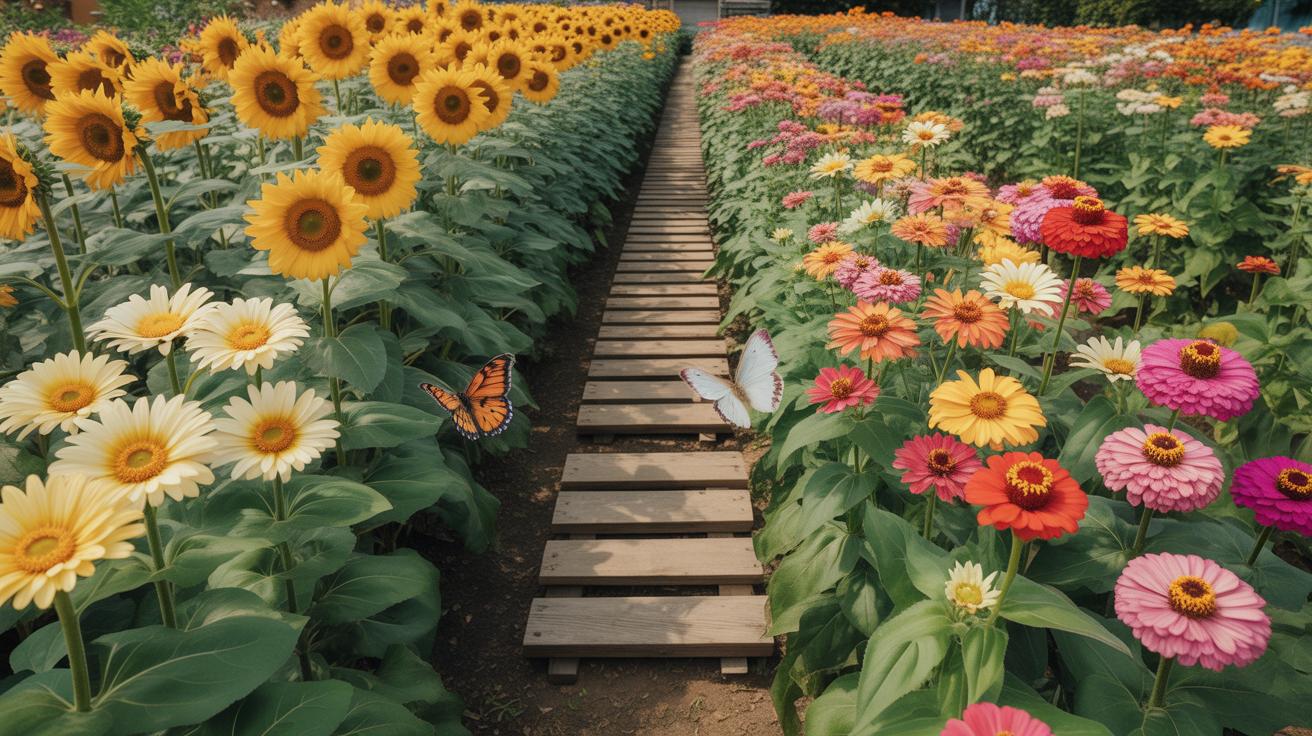
What Is A Cut Flower Garden Layout And Why Does It Matter
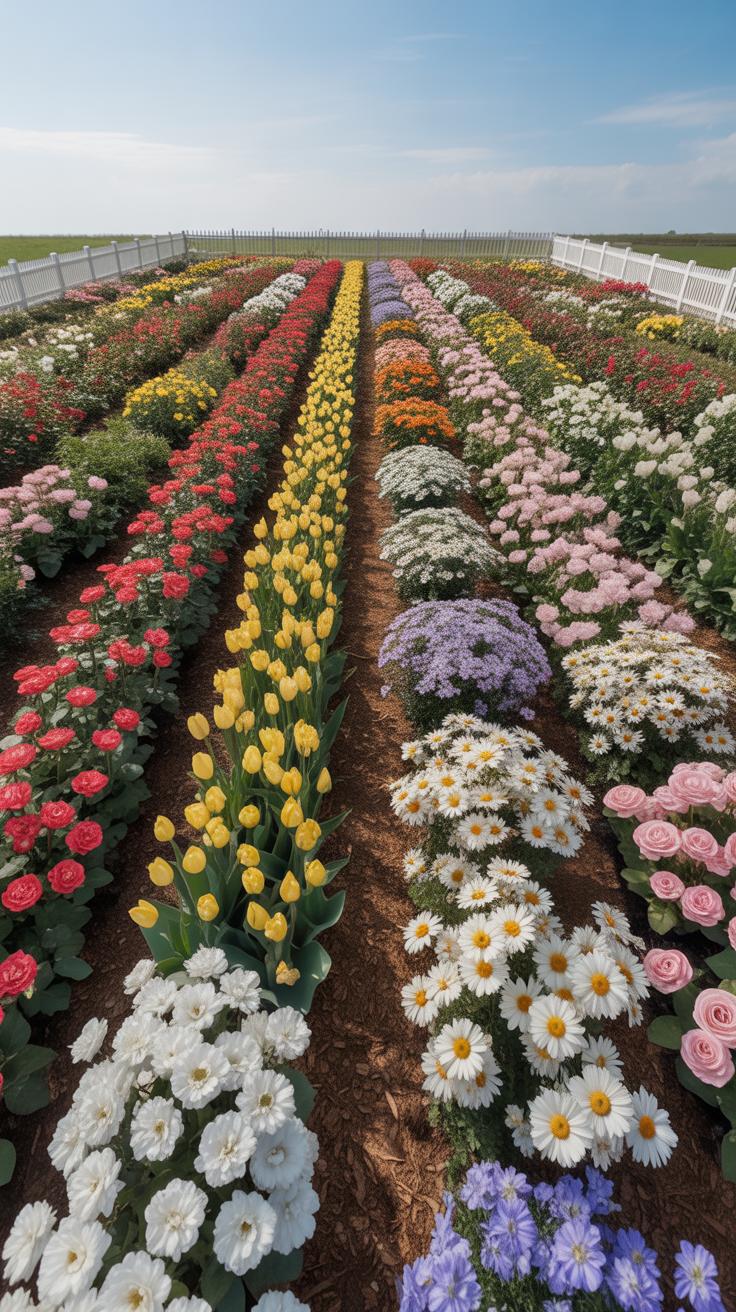
The Difference Between A Cut Flower Garden And A Display Garden
A display garden focuses on visual aesthetics within the landscape. You arrange plants by height, color, and bloom time to create a pleasing view for onlookers. These gardens often use permanent perennials and shrubs. The goal is to keep the flowers on the plant as long as possible. You treat the garden as a finished piece of art to show off.
A cut flower garden functions as a production unit. High yield and stem length are the primary objectives. You treat these beds like a vegetable farm rather than a park. You harvest flowers immediately when they reach the correct stage. Constant cutting encourages the plant to produce more blooms. Performance and efficiency matter more than how the garden looks to your neighbors.
How A Thoughtful Layout Maximizes Your Harvest And Saves Space
Efficient layouts utilize intense spacing to increase total output. You plant in rows or grids to utilize every square inch of available soil. This strategy suppresses weeds by shading the ground quickly. Proper planning ensures you have enough room to move between rows without trampling the soil. Narrow beds allow you to reach the center from either side. This protects the plant stems.
Organized spacing also improves airflow around the foliage. Good ventilation prevents fungal diseases like powdery mildew from destroying your crop. You group plants with similar water and light needs together to streamline daily maintenance. A grit based layout helps you track successions and planting dates easily. This methodical approach ensures a steady supply of blooms throughout the growing season without wasting expensive seeds or space.

How To Choose The Right Spot For Your Cut Flower Garden Plans Layout

Sunlight, Drainage, And Soil Requirements For Cut Flowers
Cut flowers require high energy to produce blooms. You must select a site that receives at least six to eight hours of direct sunlight daily. Photosynthesis drives stem length and bud count. Shaded areas result in weak stems and fewer flowers. Avoid spots near large trees or tall fences that cast long shadows. Prioritize eastern or southern exposures for maximum light penetration.
Proper drainage prevents root rot and fungal diseases. Identify low spots where water collects after rain and avoid them. High quality soil must be loose and rich in organic matter. Compacted clay restricts growth and kills roots. Conduct a soil test to check pH levels and nutrient density. Most cut flowers thrive in slightly acidic to neutral soil. Amend the site before planting anything.
Why Proximity To A Water Source And Pathways Should Influence Your Plan
Distance to water dictates your daily workload. Large flower plots require consistent moisture to thrive during heat waves. Dragging long hoses across your yard wastes time and damages plants. Position your layout near a frost-proof faucet or irrigation main. Efficient watering builds stronger root systems and leads to better yields. Install a dedicated line or drip system to save hours of manual labor.

Workable pathways are essential for harvest and maintenance. You need clear lanes to move wheelbarrows and tools without crushing stems. Keep paths at least two feet wide for basic access. Wider paths allow for easier movement during peak harvest times. Maintain a clear connection between the garden and your staging area. A logical flow reduces physical strain and speeds up the cutting process every single day.
Understanding Flower Garden Layouts Rows Blocks And Beds Explained

Row Style Layouts Vs. Block Planting: Which Works Best For Cut Flowers
Row-style layouts mimic traditional agriculture for maximum efficiency. Growers plant flowers in long, straight lines with consistent spacing between every plant. This setup allows for easy mechanical cultivation and irrigation installation. You can walk between lines to inspect stems and remove pests quickly. Straight rows simplify the harvest process because you move in a linear path without stopping to reach over other plants.
Block planting groups flowers in dense sections to maximize yield per square foot. This method reduces weed growth by shading the soil surface rapidly. It works well for small spaces where every inch of ground must produce a stem. However, high density increases humidity and fungal risks. You must monitor airflow and select disease-resistant varieties. Block layouts require more manual labor during harvest compared to streamlined commercial rows.
How Bed Width And Path Spacing Affect Your Ability To Harvest
Standard cut flower beds measure thirty to forty-eight inches wide. This width allows you to reach the center of the bed from either side without stepping on the soil. Stepping in the bed compacts the earth and damages delicate root systems. Compacted soil prevents water penetration and stunts flower growth. Use a fixed bed width to ensure you can reach every stem during the peak harvest.

Pathways should measure eighteen to twenty-four inches wide for human movement. Professional growers often widen main paths to thirty-six inches to accommodate wheelbarrows or harvest carts. Narrow paths save space but make it difficult to carry buckets of water and flowers. Adequate spacing prevents you from brushing against plants and breaking stems. Correct path dimensions allow for efficient movement during the daily morning harvest routine.
Building A Raised Bed Cut Flower Garden Layout From The Ground Up
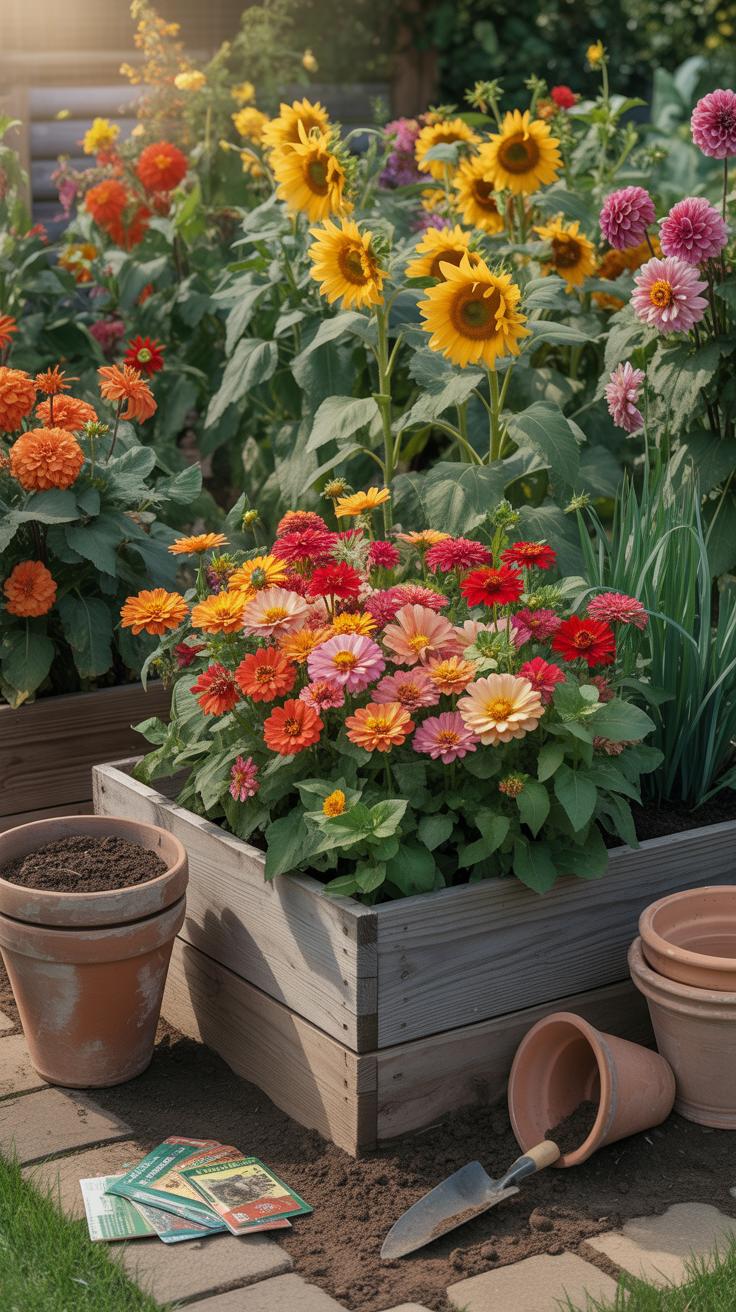
Why Raised Beds Offer Better Drainage, Soil Control, And Early Planting
Raised beds eliminate the struggle against native soil quality or heavy clay. By elevating the planting area, you control the exact ratio of organic matter and minerals. This environment prevents compaction caused by foot traffic in traditional rows. Loose soil allows roots to penetrate deeper without resistance. Stronger root systems produce thicker stems and more blooms for your cut flower arrangements.
Elevated structures provide superior drainage during heavy spring rains. Water moves through the soil profile vertically, preventing root rot in sensitive species like ranunculus or dahlias. Elevated soil also warms up faster in the early spring season. This temperature increase allows you to plant cold-hardy annuals weeks before ground-level plots are ready. You gain an earlier harvest and a longer growing season.
Recommended Dimensions And Materials For A Functional Raised Cut Flower Bed
Standardized dimensions ensure you can reach the center of the bed from either side. A width of four feet is the professional limit for ergonomics. If the bed is wider, you risk stepping on the soil and crushing delicate root networks. Length is flexible based on your available space, but eight to ten feet remains the most efficient for structural integrity and irrigation.
- Untreated Cedar: This wood contains natural oils that resist decay and insects without chemicals. It lasts for many years in wet conditions and keeps the soil safe for organic flower production.
- Galvanized Steel: Metal beds reflect modern industrial design and offer extreme durability. They do not rot or warp over time. Steel walls are thin, which maximizes the actual planting area within the footprint.
- Standard Height: Build walls between twelve and eighteen inches tall. This depth provides enough room for long taproots. It also raises the work surface to reduce back strain during intensive planting and harvesting tasks.
- Hardware Cloth: Install a layer of half-inch poultry wire at the base before filling. This mesh creates a physical barrier against burrowing rodents. It protects expensive bulbs and tubers from being eaten from underground.
- Corner Brackets: Use heavy-duty steel brackets to join the corners. These reinforce the structure against the outward pressure of wet soil. Stable corners prevent the bed from bowing or splitting after a single season of use.

Avoid using pressure-treated lumber manufactured before 2004 due to arsenic concerns. Modern treated wood uses copper-based fungicides which are safer but still controversial for some growers. Choose materials that align with your long-term maintenance capacity and budget. Once the frame is level, fill it with a mix of topsoil, compost, and perlite. This foundation supports the high nutrient demands of a productive cut flower layout.
Small Cut Flower Garden Ideas For Limited Spaces And Tight Budgets
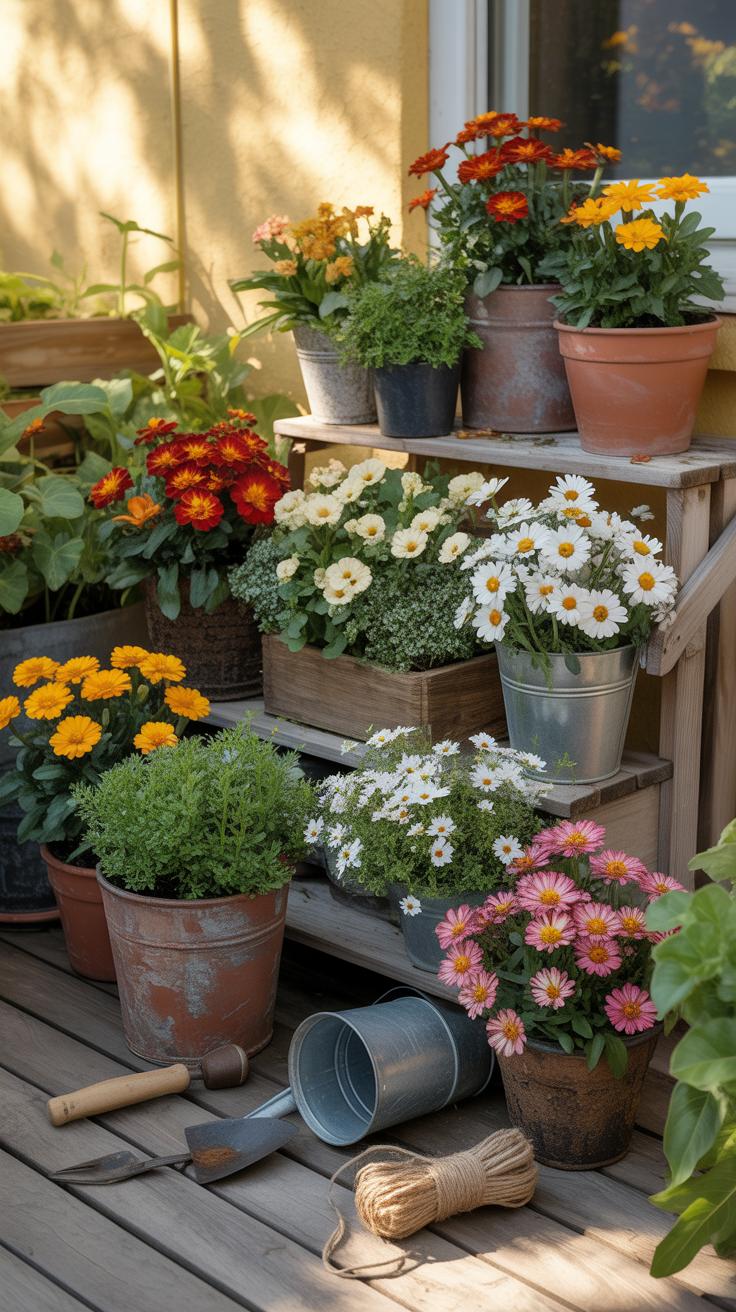
How To Get Big Yields From A Compact Flower Garden Layout
Success in a small footprint requires high plant density and specific species selection. Traditional row farming wastes space on paths. Use the French Intensive method by planting in deep, raised beds. This method places plants in a hexagonal offset pattern. It eliminates gaps and shades the soil to keep moisture in. You get more stems per square foot compared to standard garden rows.
Choose “cut and come again” varieties to maximize your harvest. Zinnias and cosmos produce more blooms every time you harvest them. This creates a continuous cycle of production from a single plant. Focus on high-value stems that are expensive at shops. Do not waste space on plants that only bloom once. Repeat harvesting forces the plant to stay in its reproductive stage all season long.
Container Gardens, Vertical Supports, And Other Space Saving Strategies
Patios and balconies work for flower production if you use deep containers. Use pots that hold at least five gallons of soil to ensure root health. Drainage is the most important factor for container success. Group pots together to create a humid microclimate. This reduces heat stress during summer months. Use high-quality potting mix instead of heavy garden soil to prevent compaction and root rot.

Vertical gardening multiplies your available square footage. Use cattle panels or cedar trellises for climbing plants like sweet peas. This keeps the foliage off the ground and improves air circulation. Better airflow reduces the risk of fungal diseases like powdery mildew. Vertical growth also makes harvesting easier on your back. It organizes the garden into clean zones. This strategy allows you to grow hundreds of flowers in very narrow corridors.
Planning A Cut Flower Garden Layout Zone 5 And Other Challenging Climates
What Zone 5 Means And How Frost Dates Shape Your Planting Schedule
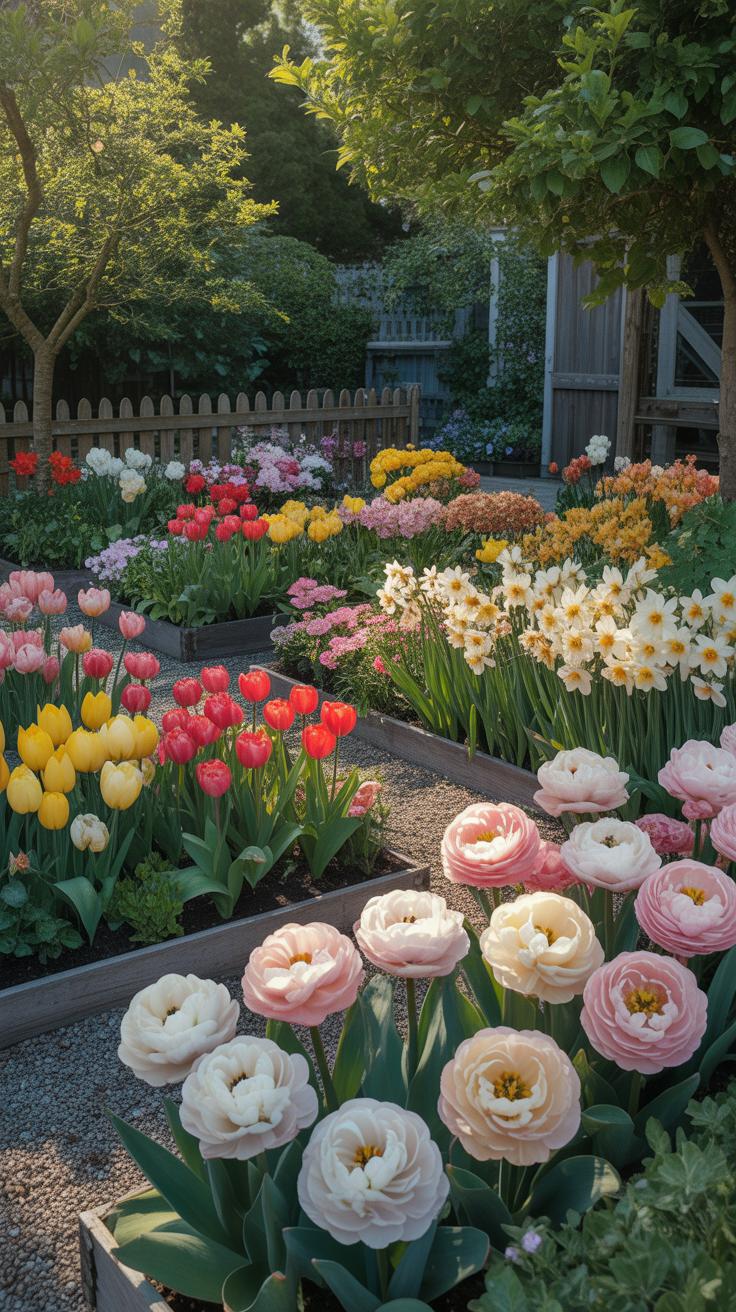
Zone 5 gardeners face a short growing season. Average minimum temperatures drop to negative twenty degrees Fahrenheit. This cold dictates which perennials survive winter and when annuals can safely enter the ground. You must identify your local last frost date in May and your first frost date in October. These dates define your active window for flower production and successive planting cycles.
Timing is the core of your strategy. Start seeds indoors six to eight weeks before the last frost to maximize the season. Use hoop houses or row covers to protect early transplants from late spring chills. A Cut Flower Garden Layout in Zone 5 requires tight scheduling. Do not plant heat-loving varieties too early. Cold soil stunts growth and reduces your eventual stem yield.
The glory of gardening: hands in the dirt, head in the sun, heart with nature. To nurture a garden is to feed not just the body, but the soul.
Best Cut Flower Varieties That Thrive In Zone 5 And Similar Climates
Select plants that handle temperature swings and bloom quickly. Efficiency is critical when frost limits your time. Focus on hardy annuals that tolerate light frost and vigorous perennials that return every year. These choices ensure a reliable harvest from late spring through autumn. Choose varieties with strong stems and long vase lives to validate your investment in the garden layout.
- Peonies: These perennials are the backbone of a Zone 5 garden. They require a winter chill to produce large, high-value blooms in late spring. Plant them in permanent rows where they can grow undisturbed for decades.
- Zinnias: These annuals grow fast and thrive in summer heat. They are easy to start from seed after the last frost. Zinnias provide a high volume of stems in various colors until the first autumn freeze kills them.
- Snapdragons: These flowers tolerate cold better than most annuals. You can transplant them into the garden before the last frost. They offer vertical interest and a wide color range for professional-looking bouquets and floral arrangements.
- Sunflowers: Use pollenless varieties to avoid messy indoor displays. They grow rapidly in the short Zone 5 summer. Stagger your plantings every two weeks to maintain a steady supply of focal flowers for your cut flower arrangements.
- Dahlias: These tubers produce massive blooms from mid-summer until frost. You must dig them up and store them indoors over winter in Zone 5. They provide the highest yield of premium stems per square foot in late summer.

Diversify your planting to mitigate climate risks. Mix early-blooming cool-season crops with heat-tolerant summer varieties. This approach keeps your garden productive if a heatwave or a cold snap occurs. Use mulch to regulate soil temperature and conserve moisture during the dry months. Consistent care and smart species selection will overcome the limitations of a short growing season in cold climates.
Succession Planting And Seasonal Flow In Your Cut Garden Layout
How Succession Planting Keeps Your Vases Full From Spring Through Fall
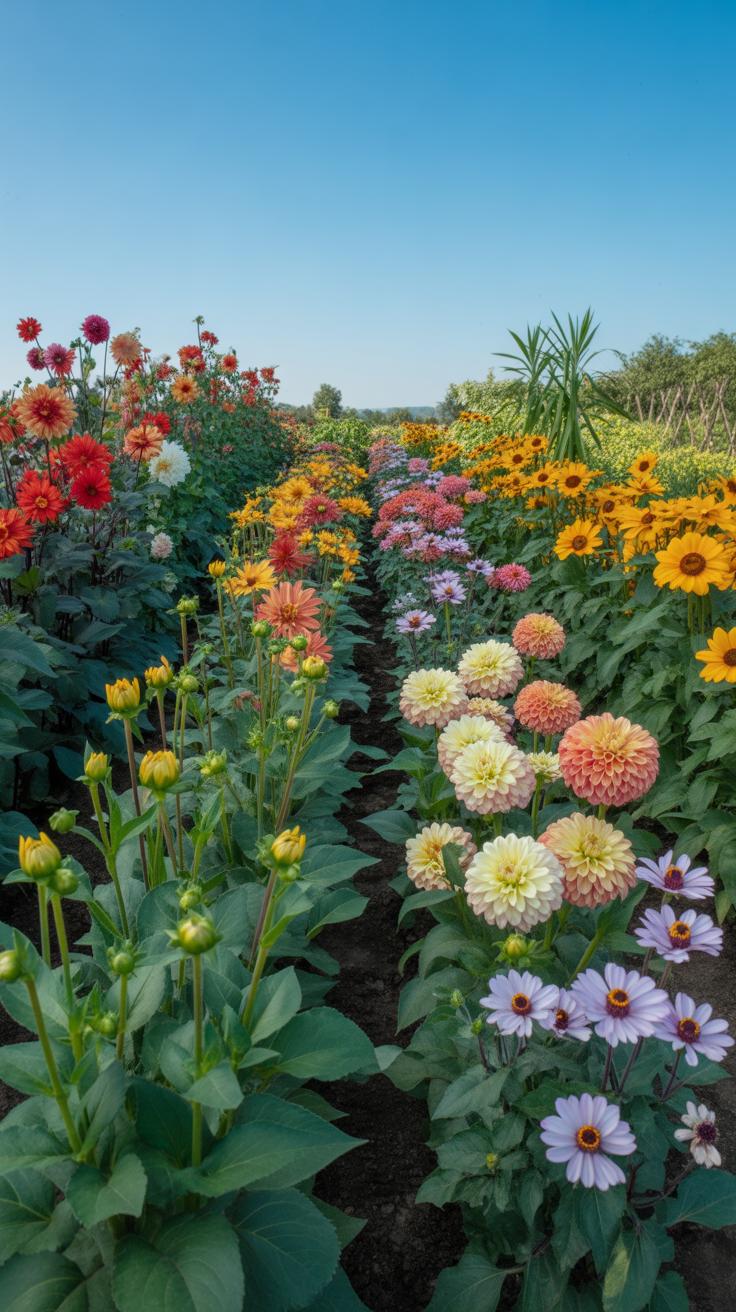
Succession planting prevents the mid summer gap in your flower supply. You must plant new seeds every seven to fourteen days to ensure a steady harvest. This technique maintains production by replacing spent plants with fresh stock. It stops the entire garden from blooming and dying at once. Constant planting keeps your layout productive and your vases full throughout the entire growing season.
Tactical planning requires focus on fast growing annuals. You pull old plants as soon as their peak bloom passes. Direct sow heat loving species in the space left behind by cool season crops. This strategy maximizes yield per square foot. It reduces weed pressure by keeping the soil covered and active. You treat your Cut Flower Garden Layout as a factory floor that never stops moving.
Mapping Out Early Mid And Late Season Bloomers Across Your Garden Layout
Divide your garden layout into specific windows of time. Assign early season bulbs and hardy annuals to your first beds. These plants handle light frosts and provide the first stems of the year. Position mid season perennials and heat loving annuals in central zones. This organization ensures that you always have a dedicated area for picking. Clear zoning helps you manage different water and nutrient needs.

Group plants based on their specific maturity dates. Put ninety day sunflowers behind sixty day zinnias to manage height and light. Late season bloomers like dahlias require their own space to grow without crowding early producers. Use a spreadsheet or map to track which beds need clearing and replanting. Efficient mapping prevents empty spots in your layout. It guarantees a seamless transition from spring tulips to autumn chrysanthemums.
Maintaining And Evolving Your Cut Flower Garden Over Time
Simple Maintenance Habits That Keep A Cut Flower Garden Healthy And Productive
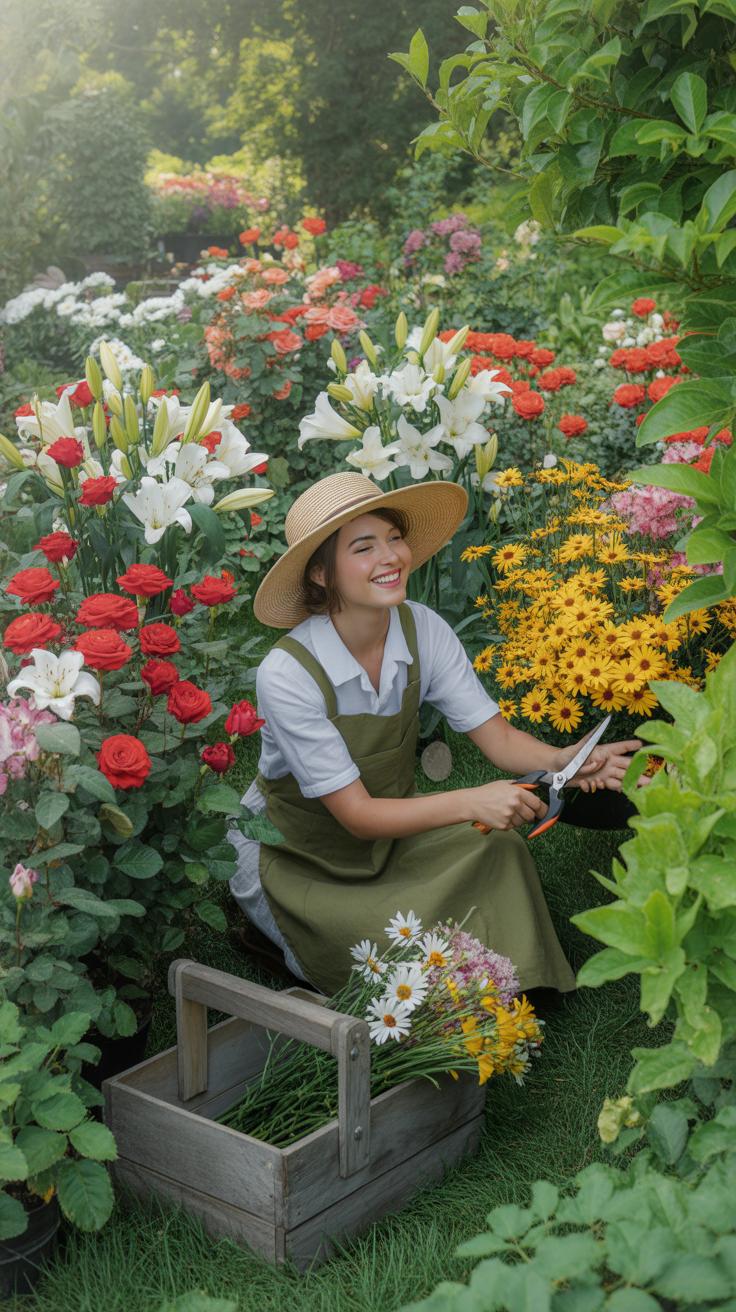
Consistent harvesting is the primary engine of flower production. Most annuals stop producing seeds once they reach maturity. Cutting stems regularly forces the plant to redirect energy into new buds. You must remove spent blooms before they drop petals. This process is called deadheading. It prevents the plant from entering its reproductive phase. Healthy plants require air circulation to prevent fungal disease.
Watering schedules must remain consistent to avoid plant stress. Use drip irrigation or a soaker hose at the soil level. Wet foliage leads to powdery mildew and botrytis. Apply an inch of water per week as a baseline. Check soil moisture daily during peak summer heat. Remove weeds immediately to reduce competition for nutrients. Add a thin layer of compost mid-season to replenish the topsoil.
How To Evaluate Your First Season And Improve Your Flower Garden Layout Next Year
Review the performance of every species at the end of the season. Note which varieties thrived and which succumbed to pests. Evaluate the height of plants relative to the aisle widths. Tall plants often flop over if they lack adequate support or netting. Record the exact bloom dates to identify gaps in your production cycle. This data informs your succession planting schedule for the following spring.

Adjust your spacing based on physical access. Narrow paths hinder harvest efficiency and damage stems. Widening rows by six inches can improve workflow. Consider moving heavy feeders to different beds to prevent soil depletion. If some plants grew too tall and shaded others, rearrange the layout by height next year. Rotate crops to break pest cycles and maintain soil health. Proper planning eliminates repetitive mistakes.
Frequently Asked Questions

What is the easiest way for a beginner to start a cutting garden?
The most approachable strategy for beginners is a rows-based cut flower garden layout. By planting in simple, straight lines, you can easily distinguish between your intentional blooms and invasive weeds. Focus on high-yield annuals like zinnias or cosmos, which thrive in well-drained soil and full sun. This organized structure ensures you have clear paths for walking and harvesting your beautiful stems without accidentally stepping on delicate new growth.
How do I arrange plants in a cut flower garden layout for maximum production?
To maximize your harvest, organize your cut flower garden layout by height and bloom time. Place taller varieties, such as sunflowers or snapdragons, on the north side of your plot to prevent them from shading out shorter species. Grouping plants with similar water and light requirements together makes maintenance much simpler. Remember to leave narrow paths between blocks of flowers so you can easily reach the center for pinching and regular harvesting.
Can I create a functional cutting garden on a very tight budget?
Absolutely! You can design an effective cut flower garden layout using affordable seeds rather than expensive nursery starts. Focus on “cut-and-come-again” varieties that produce more flowers the more you harvest them. For infrastructure, repurpose old untreated lumber for raised beds or simply plant directly into tilled ground. Using recycled cardboard for weed suppression and homemade compost for fertilizer keeps costs low while ensuring your backyard floral retreat remains lush and productive.