What Is A Cut Flower Garden And Why Should You Grow One
Understanding The Purpose And Joy Of A Cut Flower Garden
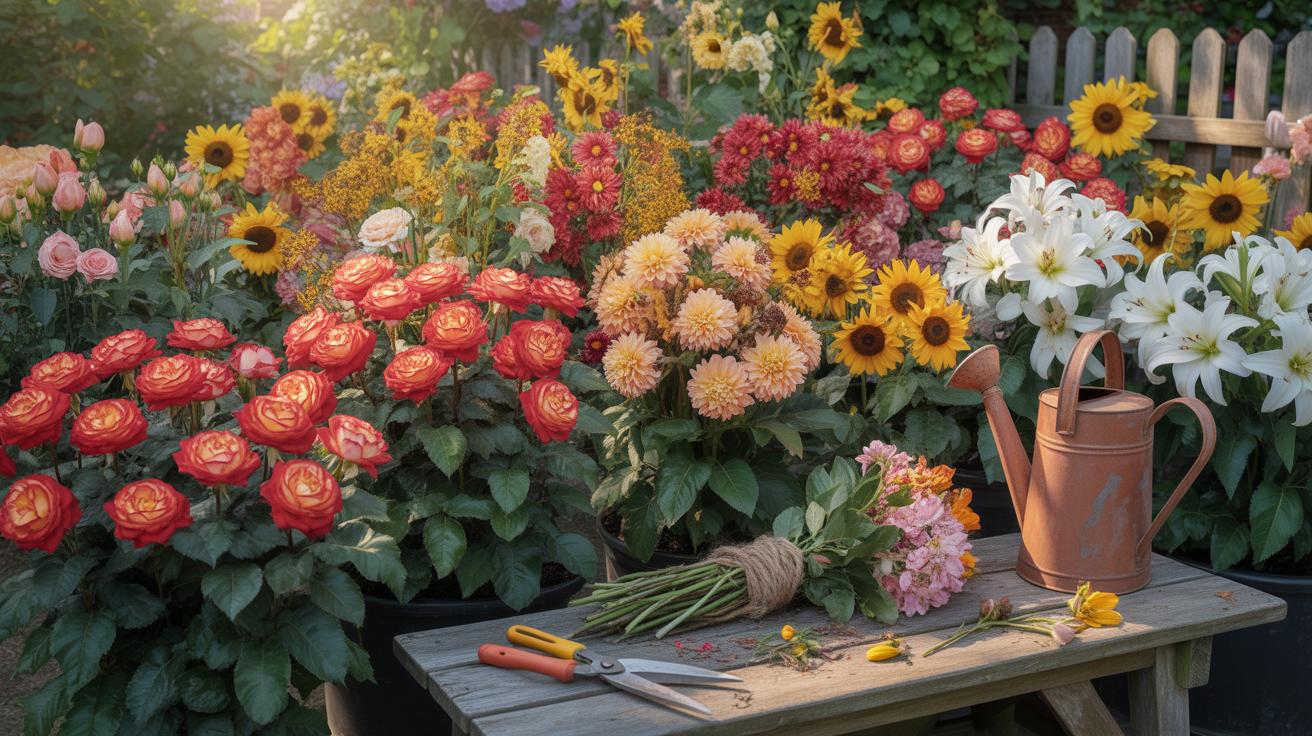
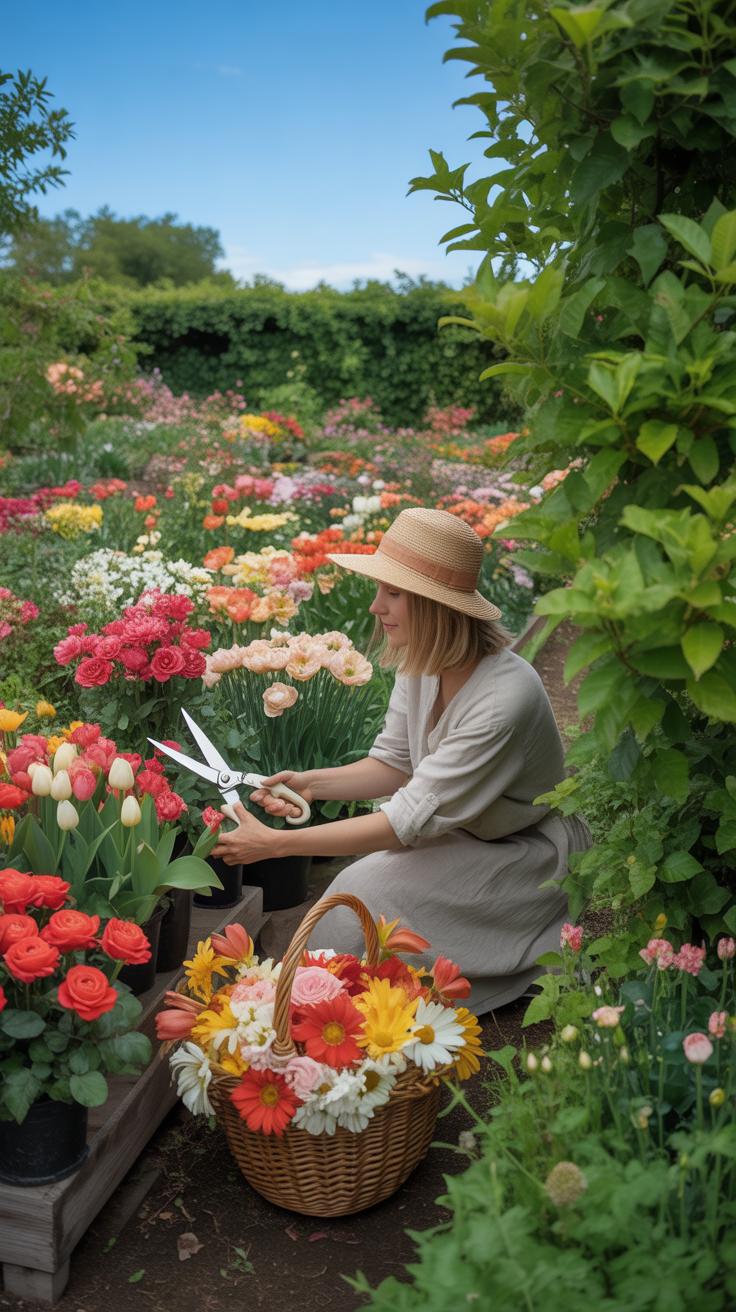
A cut flower garden serves one primary goal. It produces high yields of stems for indoor use. You do not grow these plants for curb appeal. You grow them for harvest. This approach allows you to bring nature inside without ruining your front yard landscape. It provides a steady supply of fresh blooms for your home or for gifting to others.
Growing your own flowers also ensures total chemical control. Commercial flowers often carry heavy pesticide residues and travel thousands of miles. Local production eliminates the carbon footprint of transport. You get fresher products that last longer in a vase. Proper planning allows for a continuous harvest from early spring until the first hard frost of the winter season.
How A Dedicated Cut Garden Differs From A Traditional Ornamental Garden
Traditional gardens focus on aesthetics and permanent structure. You arrange plants by height and color to create a static visual scene. In a cut garden, you treat flowers like a vegetable crop. You plant in straight, narrow rows to make harvesting and weeding easier. This efficiency maximizes the number of stems per square foot. Dense planting also encourages longer stems by forcing plants upward.
Design movements like the English Cutting Garden prioritize productivity over visual balance. You often use support netting to keep stems straight. You also ignore the typical rules of grouping plants by three or five. Instead, you harvest the entire plant once it reaches peak maturity. This means the garden often looks empty or messy. Utility dictates the layout rather than beauty or year round visual interest.

Planning Your Cut Flower Garden For Beginners From The Ground Up
Choosing The Right Location Sunlight And Soil For Your Cutting Garden
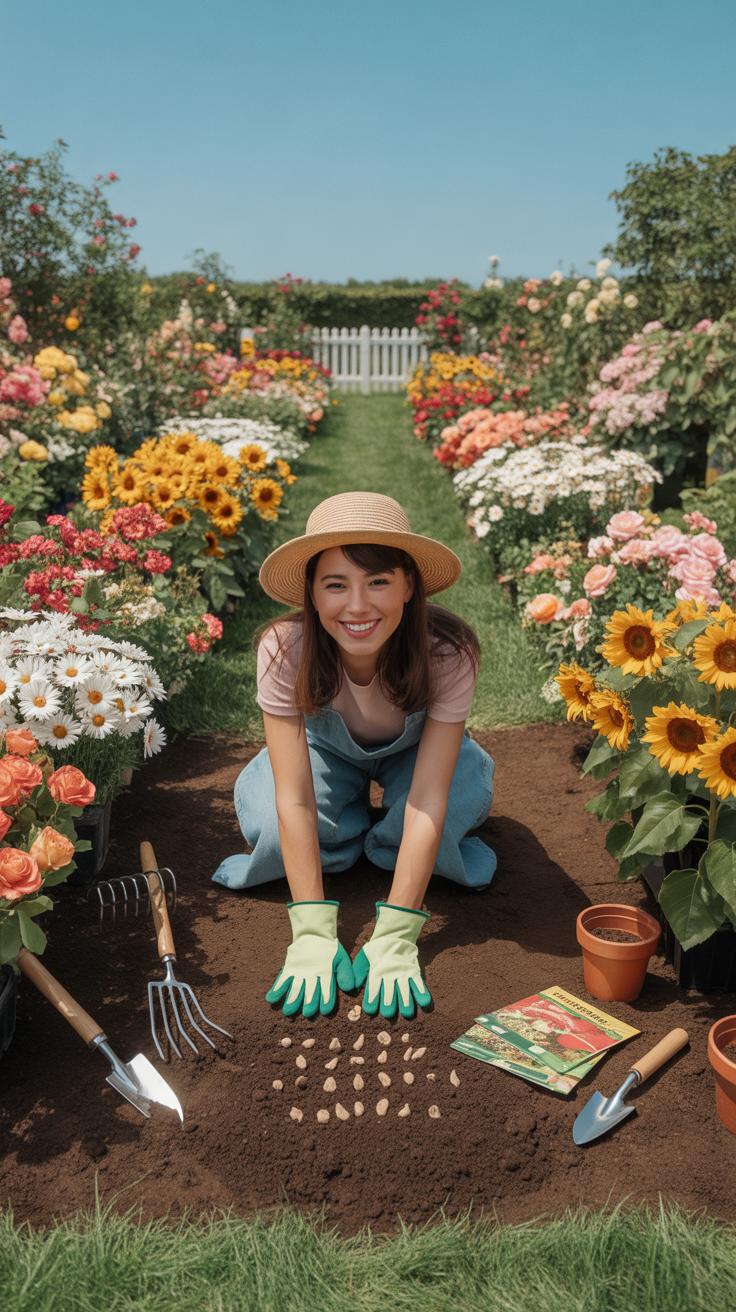
Select a site that receives at least six to eight hours of direct sun daily. Most high-production cut flowers require full sun to develop strong stems and vibrant pigments. Check the drainage by observing the area after heavy rain. Avoid spots where water pools for more than four hours. Standing water rots flower roots and kills your entire investment quickly.
Analyze your soil texture and nutrient levels before planting. Aim for a loamy soil rich in organic matter to support heavy blooms. Test the pH level to ensure it stays between 6.0 and 7.0 for optimal nutrient uptake. Add compost or well-rotted manure to improve drainage in clay or water retention in sand. Good soil structure determines the stem length and flower quality.
How To Set A Realistic Budget And Timeline For Your First Cutting Garden
Calculate costs for seeds, specialized tools, and irrigation components upfront. High-quality seeds and tubers like dahlias represent the largest recurring expense. Do not overlook the cost of physical infrastructure like fencing or support netting. A basic plot requires a few hundred dollars for essential supplies. Detailed record-keeping prevents overspending on unnecessary decorative items. Focus your capital on soil health and productive plant varieties.

Plan your timeline based on local frost dates and crop maturity. Cool-season annuals need a head start indoors or early spring sowing. Warm-season plants require soil temperatures above sixty degrees Fahrenheit to thrive. Dedicate at least five hours per week for weeding, watering, and harvesting. Most cutting gardens reach peak production sixty to ninety days after planting. Success requires consistent attention to the biological clock of each specific flower species.
Best Flower Garden Layouts For Maximum Bloom Production And Easy Harvesting
Row Style Vs. Raised Bed Layouts And Which Works Best For Cut Flowers
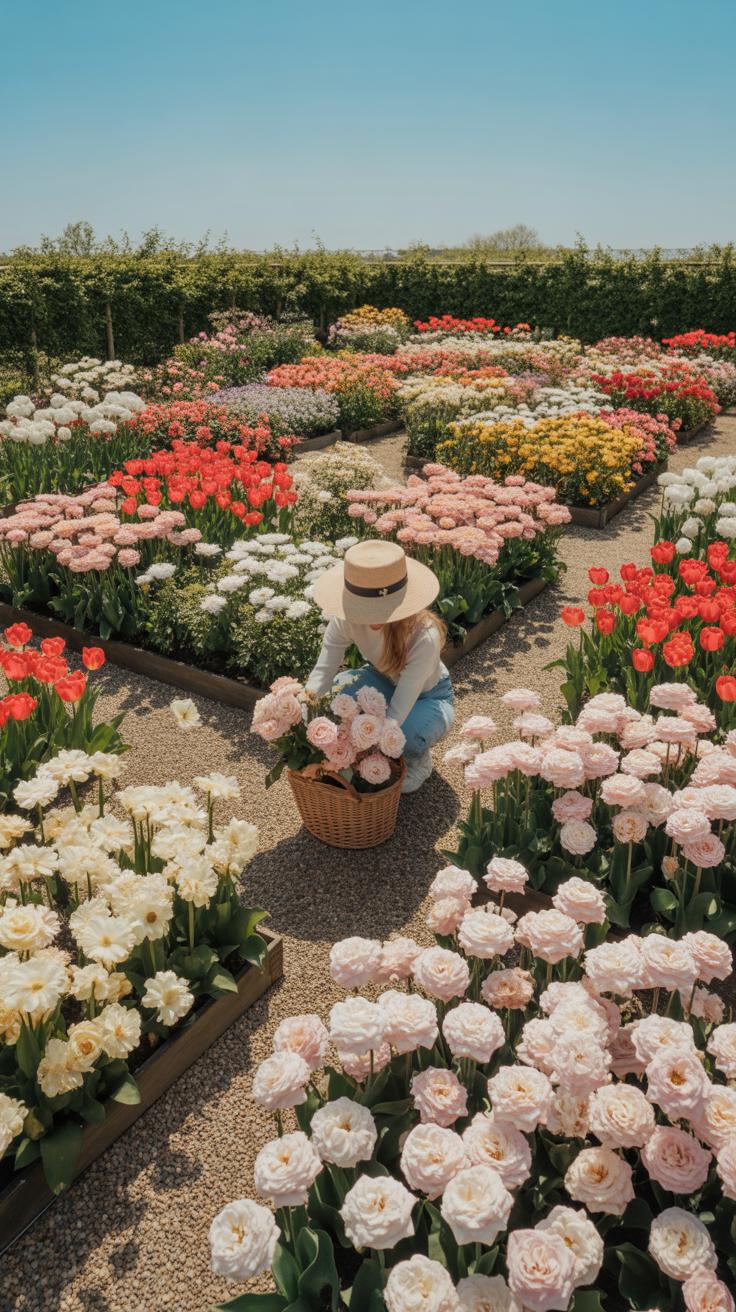
Row planting mimics commercial agriculture and offers the highest efficiency for large harvests. This layout allows for irrigation lines to run straight and simplifies the use of support netting. You can walk between rows to cut stems without stepping on the soil. This prevents soil compaction and protects root systems. Most professional growers choose rows because they make mechanical cultivation much easier.
Raised beds provide better drainage and temperature control for delicate flower species. These structures allow you to tailor the soil mix specifically for bloom production. However, wide beds make reaching the center plants difficult. Keep beds no wider than four feet to ensure you can harvest every stem. This layout works best for small spaces where you need to maximize every square inch of available soil.
The earth laughs in flowers, and a cutting garden is the sweet collection of those joys brought inside to brighten the home.
How To Map Out Succession Planting Zones Within Your Flower Garden Layout
Succession planting requires dividing your garden into specific blocks based on maturity dates. You do not plant the entire garden at once. Instead, you sow a new section every two to three weeks. This strategy ensures a steady supply of fresh stems throughout the season. Without these zones, your entire crop will bloom at the same time. This leads to waste and empty vases later.

Map your zones by grouping plants with similar growth rates and harvest windows. Track the days to maturity for every variety you grow. Place short-season annuals in the most accessible zones for quick turnover. Use a calendar to schedule when to pull spent plants and replant the next wave. Rigorous planning prevents gaps in production. It keeps your cutting garden productive from the first frost to the last.
The Best Cut Flowers To Grow For Long Vase Life And Visual Impact
Top Annual Cut Flowers That Bloom Prolifically All Season Long
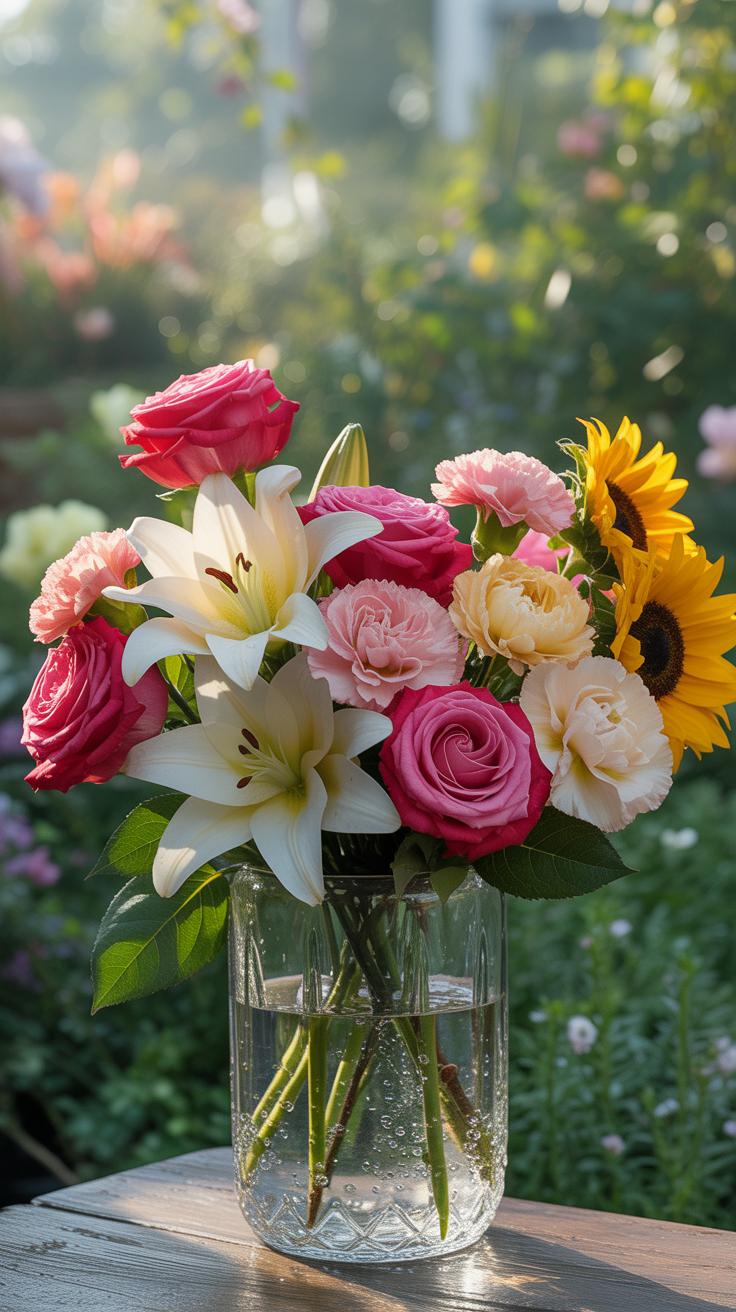
Annuals provide the highest return on investment for any cutting garden. These plants complete their life cycle in one year and focus all energy on flower production. Frequent harvesting triggers the plant to produce more buds rather than setting seed. You must plant these in full sun with well-drained soil to ensure stem strength and high volume throughout the summer months.
- Zinnias: These are workhorse flowers for high-volume production. They offer stiff stems and a wide range of shapes. Most varieties last seven to ten days in a vase. They thrive in heat and resist drought once they are established in the garden bed.
- Cosmos: This species produces delicate foliage and abundant blooms on long stems. The bipinnatus variety is the standard for cutting. They require low nitrogen soil to prevent excessive leaf growth over flower production. Repeated cutting keeps the plant productive until the first hard frost kills it.
- Sunflowers: Specialized branching varieties work best for repeat cutting. Select pollen-free types to avoid making a mess on indoor surfaces. These flowers provide massive visual scale and strong structural support in large arrangements. Harvest them when the ray petals just begin to unfurl for maximum life.
- Snapdragons: These spikes provide essential vertical height and texture to floral designs. They are cool-season annuals that produce best in spring and fall. The stems are sturdy and hold multiple florets that open sequentially. This trait ensures the flower remains attractive in a vase for over a week.
- Sweet Peas: These climbing annuals provide scent and delicate form. They require a trellis for support and cooler temperatures for quality blooms. Early morning harvesting is critical for these flowers. Regular picking prevents the plant from forming seed pods, which would signal the end of the flowering cycle.
Success with annuals depends on a strict harvesting schedule. Use sharp snips to make clean cuts just above a leaf node or lateral bud. This technique encourages the plant to branch out and create even more stems. Implement a bi-weekly fertilization routine with a phosphorus-heavy blend to sustain bloom quality. Remove spent flowers immediately if you do not harvest them for indoor use.
Top Perennial Cut Flowers That Return Year After Year With Minimal Effort
Perennials form the permanent foundation of your cutting garden. These plants require a higher initial investment but yield reliable harvests for many years. Most perennials have a shorter bloom window than annuals. You must select a variety of species that flower at different times. This strategy ensures a steady supply of focal flowers from early spring through the late autumn season.

Proper maintenance involves dividing clumps every few years to maintain vigor. Apply a thick layer of mulch in the fall to protect the root systems during winter. Peonies and Hydrangeas serve as primary focal points due to their large size and high petal count. Coneflowers and Black-eyed Susans provide durable stems that withstand heat. Focus on soil health to keep these long-term producers healthy and productive.
Creative Cut Flower Garden Ideas To Inspire Your Garden Design
Designing A Cottage Style Cutting Garden Bursting With Color And Texture
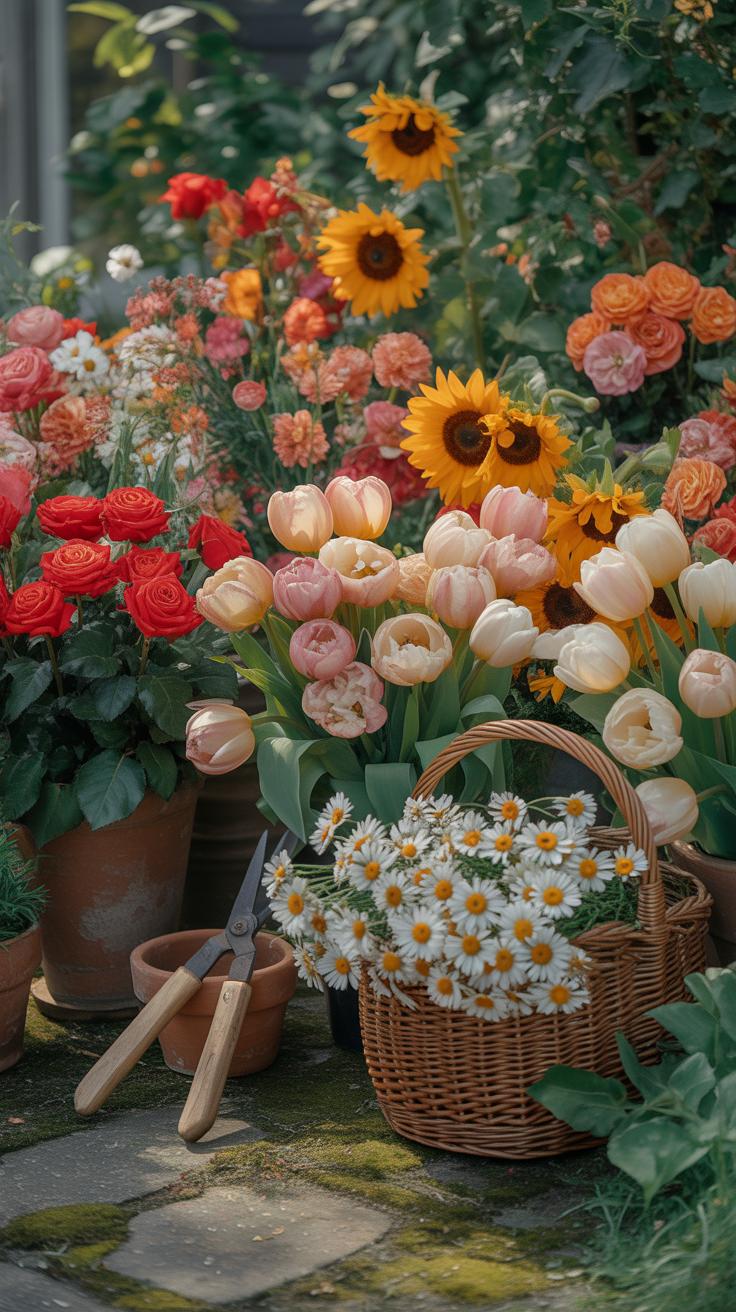
Cottage gardens prioritize high density and natural layering. This design style uses every inch of soil to prevent weed growth and maximize yield. You must select plants with varying heights to create a tiered effect. Place tall foxgloves and delphiniums at the back. Put medium height zinnias in the center. Use low growing sweet peas or pansies to fill the front borders.
Focus on mixing different flower shapes to build visual interest. Use disc shaped sunflowers alongside spiky snapdragons and airy cosmos. This variety ensures your bouquets have professional structural balance. Traditional cottage gardens rely on self seeding annuals to reduce replanting labor. Incorporate organic mulch and compost to maintain the high nutrient levels these crowded beds require for sustained seasonal blooming.
How To Theme Your Cutting Garden Around A Color Palette Or Season
Strategic color grouping simplifies the floral arrangement process. You can design a monochromatic garden using only white blooms like lilies, feverfew, and hydrangeas. This creates a clean look for high end events. Alternatively, a warm palette of oranges and reds works well for autumn harvests. Limit your palette to three or four complementary colors to ensure your cut flowers always match when gathered together.

Seasonal planning extends your total harvest window. Divide your garden into zones based on peak bloom times. Plant bulbs like tulips and narcissus for early spring production. Follow these with heat tolerant dahlias and celosia for late summer cutting. This method prevents production gaps. It ensures you have a steady supply of fresh material from the first frost thaw until the final autumn freeze hits your beds.
How To Build An Easy Cut Flower Garden With Low Maintenance Varieties
Hardy Flowers That Thrive With Minimal Watering And Deadheading
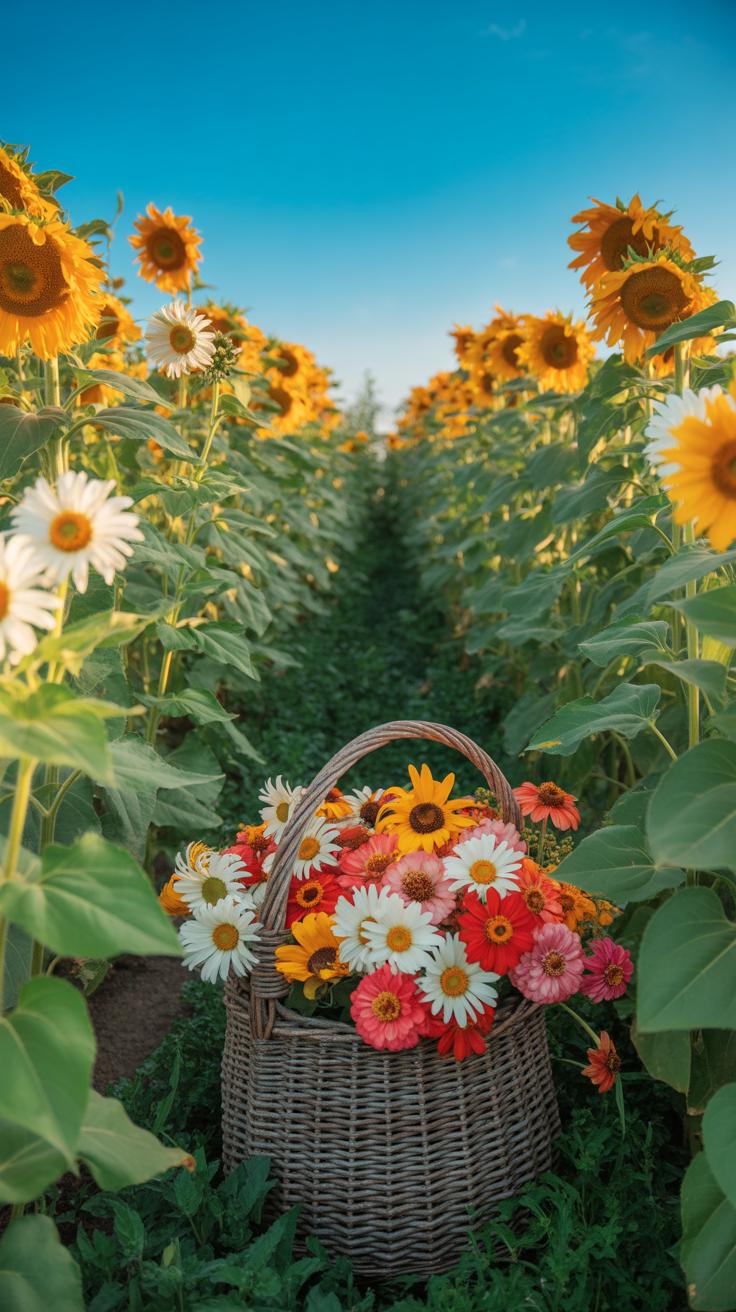
Successful low-maintenance cutting gardens rely on plants with high heat tolerance and sturdy stems. Zinnias and cosmos provide high yields without demanding constant attention. These species tolerate dry soil once their roots establish. They continue to produce blooms even if you miss a few days of harvesting. You spend less time hauling hoses and more time cutting stems for arrangements.
Select cultivars known for self-cleaning traits to reduce labor. Some modern marigolds and sunflowers drop spent petals naturally. This removes the need for frequent deadheading to keep the plot tidy. Choose native perennials like coneflowers or black-eyed Susans for long-term stability. These plants survive harsh winters and return every year. They require zero replanting and minimal supplemental water during the peak summer months.
Using Mulch, Drip Irrigation, And Raised Beds To Reduce Garden Maintenance
Raised beds offer the best control over soil quality and drainage. This setup prevents soil compaction and stops grass from invading your flower rows. You can plant closer together in raised beds to shade out weeds naturally. This dense planting technique creates a microclimate that keeps roots cool. It reduces the physical strain of bending over to harvest your flowers.

Install a drip irrigation system with a basic timer to automate hydration. This delivery method puts water directly at the root zone where plants need it. It keeps foliage dry which prevents fungal diseases like powdery mildew from spreading. Apply a three-inch layer of organic mulch to lock in moisture and block weed seeds. This combination eliminates manual weeding and ensures consistent growth throughout the season.
Soil Preparation And Fertilizing Strategies For A Thriving Flower Garden
How To Amend Garden Soil With Compost And Organic Matter Before Planting
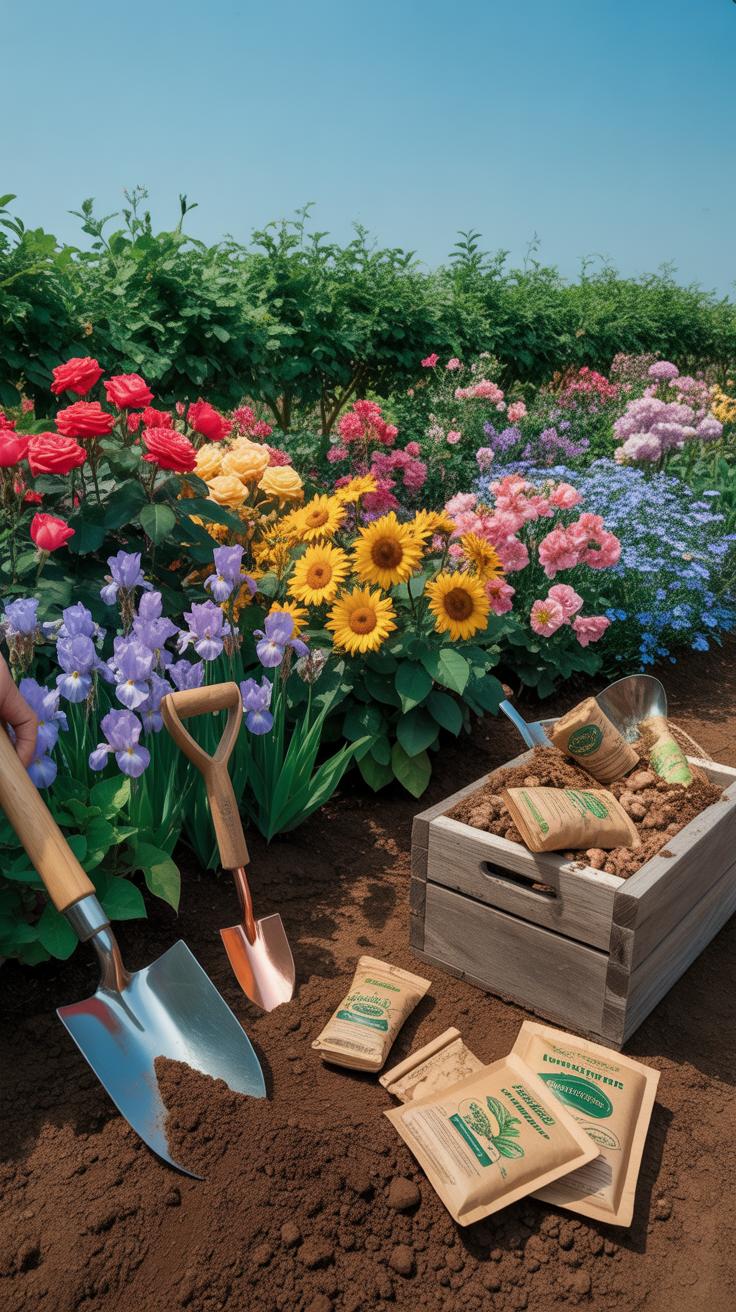
Start with a soil test to identify nutrient gaps and pH levels. Cut-flower crops require well-draining soil with a high percentage of organic matter. Poor drainage rots root systems and kills production. Spread a three-inch layer of finished compost over the planting area. Till or broadfork the compost into the top eight inches of soil. This improves soil structure and water retention.
Organic matter feeds beneficial microbes and fungi. These organisms convert nutrients into forms that plants can absorb. Use aged manure or leaf mold to increase carbon levels. Sandy soils need organic matter to hold moisture. Clay soils need it to prevent compaction and allow root penetration. Do not plant into raw manure. It burns young roots and introduces pathogens. Preparation must happen weeks before planting.
Feeding Schedules And The Right Fertilizers To Maximize Bloom Size And Stem Length
Cut flowers need specific feeding schedules to produce long, rigid stems. Use a balanced fertilizer during the early vegetative stage. High nitrogen levels build the leaf mass needed for energy production. Switch to a high-phosphorus formula once flower buds appear. Phosphorus drives bloom size and petal count. Liquid feeds provide immediate results. Granular fertilizers offer slow-release nutrients over several weeks.
Timing determines harvest quality. Apply fertilizer every two weeks during the growing season. Stop feeding once the plant reaches its peak bloom stage. Excessive feeding late in the season produces soft, weak stems that wilt in vases. Monitor plant foliage for signs of deficiency. Yellow leaves often indicate a lack of nitrogen. Purple tinting suggests phosphorus needs. Consistent moisture is required for the plant to transport these nutrients.
When And How To Harvest Cut Flowers At Their Peak For The Longest Vase Life
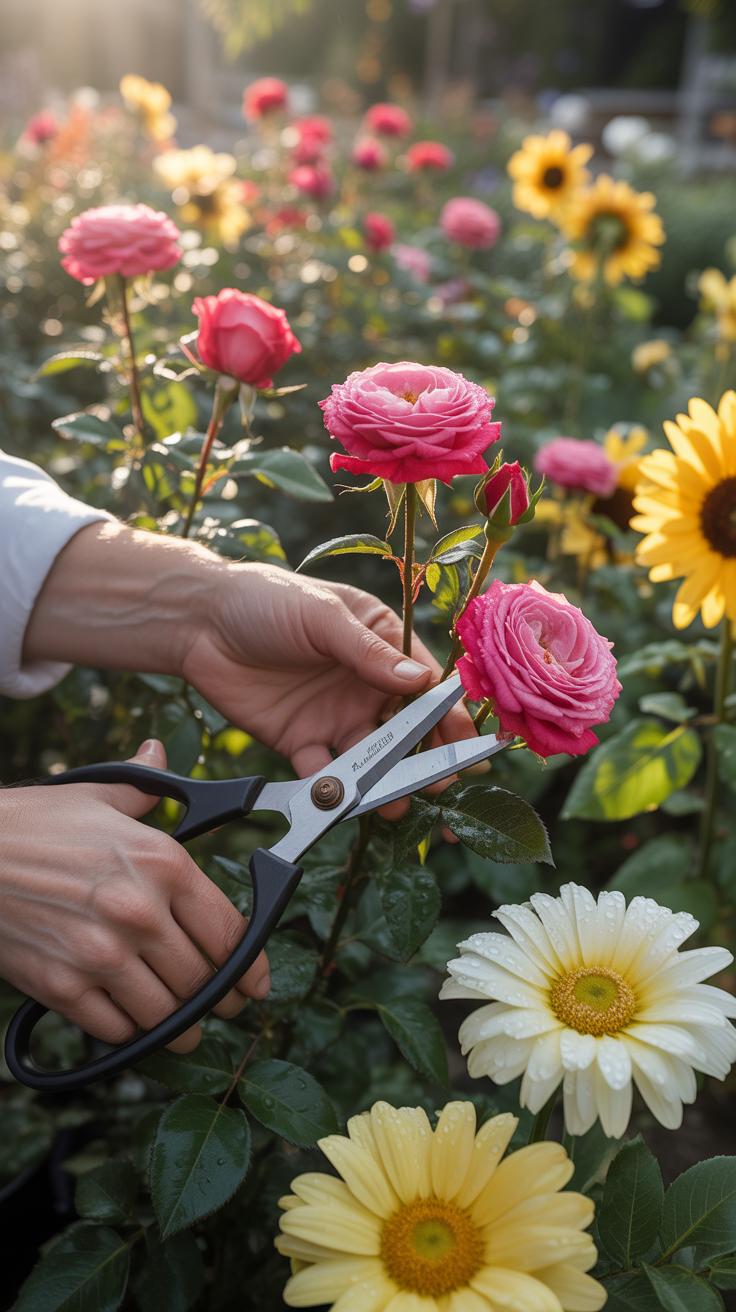
The Best Time Of Day To Harvest Blooms And Why It Matters For Freshness
Harvest your flowers in the early morning before the sun evaporates the dew. This is when stems contain the highest water content. High turgidity prevents the flowers from wilting immediately after you cut them. If you miss the morning window, wait until the late evening. Avoid the heat of midday. High temperatures stress the plants and cause rapid moisture loss through the foliage.
Plants store carbohydrates overnight. These sugars provide the energy the flower needs to stay alive in a vase. Cutting in the morning captures these nutrients at their peak levels. Immediately place your cut stems into a clean bucket of lukewarm water. This prevents air bubbles from entering the vascular system. Air blocks water uptake and shortens the life of your Best Flowers For Cutting Gardens.
Essential Harvesting Tools And Proper Cutting Techniques For Clean Stems
Successful harvesting requires sharp tools and specific mechanical actions to ensure plant health. You must use bypass pruners or specialized floral snips. Anvil pruners crush the stem tissue and block the flow of water. Keep your blades sterile by dipping them in a solution of isopropyl alcohol between plants. This practice stops the spread of soil-borne pathogens and bacteria throughout your entire cutting garden.
- Sharp Bypass Pruners: These tools use two blades that slide past each other like scissors. They create a clean, crisp cut without bruising the stem. Clean cuts allow for maximum water absorption and prevent rot in the vase.
- Clean Five-Gallon Buckets: Fill your buckets with fresh, room-temperature water before you head into the garden. Plastic buckets are easier to disinfect than metal ones. Bacteria in a dirty bucket will clog the stem vessels and kill the flower.
- Floral Preservation Solution: Use a mixture of sugar, acid, and bleach to feed the stems. The sugar provides energy while the acid lowers the water pH. A small amount of bleach keeps the water clear of fungal growth and bacteria.
- Strict Disinfectant: Keep a jar of seventy percent isopropyl alcohol nearby. Wipe your blades after every few cuts to ensure you do not transfer diseases. This simple step protects the long-term health of your perennial plants and ensures future harvests.
- Heavy-Duty Gloves: Protection is necessary when handling thorny varieties like roses or stiff-stemmed shrubs. Leather or nitrile-coated gloves provide the grip you need to maintain control. This ensures you make precise cuts without damaging the main plant or your hands.

Always cut the stem at a forty-five-degree angle. This slanted surface area increases the amount of water the flower can pull into its system. It also prevents the stem from sitting flat against the bottom of the container. Remove all leaves that fall below the water line. Submerged foliage decays rapidly and creates a toxic environment that will destroy your floral arrangements within forty-eight hours.
Succession Planting In Your Cut Garden To Ensure Continuous Blooms All Season
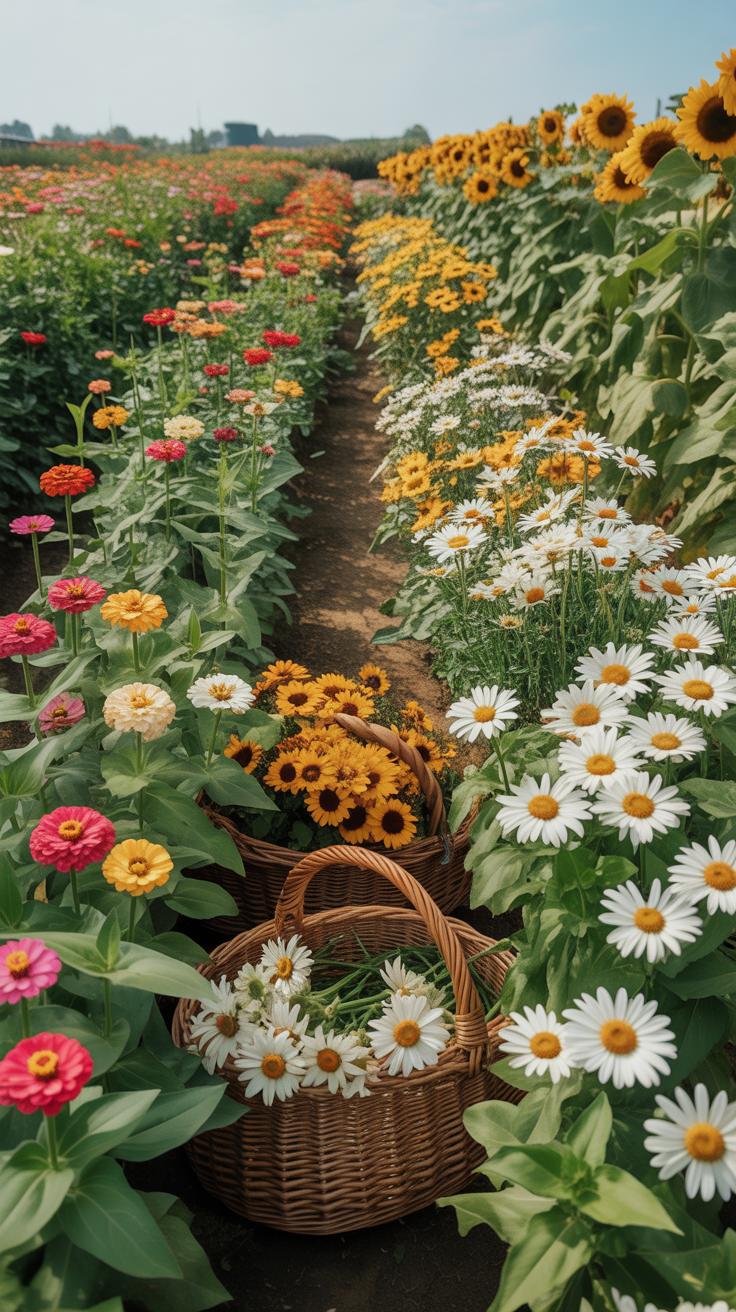
How To Stagger Planting Dates To Avoid Feast And Famine Bloom Cycles
Planting your entire crop at once creates a harvest bottleneck. You will have too many flowers for one week and nothing for the next month. To fix this, use interval planting for fast-maturing annuals like zinnias and sunflowers. Sow a new row every ten to fourteen days. This tactic ensures a fresh supply of stems throughout the summer. Stop planting only when the first frost date approaches.
Calculate your frost dates to build a rigid planting schedule. Short-lived flowers like cosmos focus their energy into a single burst. By staggering your start dates, you keep younger plants coming into production as older ones fade. This constant rotation maximizes your square footage. It also prevents waste. A disciplined schedule is the only way to maintain a steady inventory for your vases or customers without breaks.
Combining Spring Bulbs, Summer Annuals, And Fall Perennials For Year Round Cutting
A productive garden relies on a layered timeline. Start with cold-hardy bulbs like tulips and narcissus for early spring color. These plants utilize the cool soil before heat-loving species can survive. As bulbs finish their cycle, transition to hardy annuals sown in late autumn or early spring. This overlap fills the gap between the winter thaw and the peak summer heat when production usually slows down.
Summer requires heat-tolerant annuals to carry the workload. Dahlias and celosia provide bulk and structure during July and August. As summer heat breaks, shift your focus to late-season perennials like anemones and chrysanthemums. These plants thrive in shorter days and cooler nights. By coordinating these three distinct groups, you ensure the garden stays active. This structural diversity provides a reliable harvest from the first thaw until the hard freeze.
Common Mistakes To Avoid When Growing The Best Flowers For Cutting Gardens
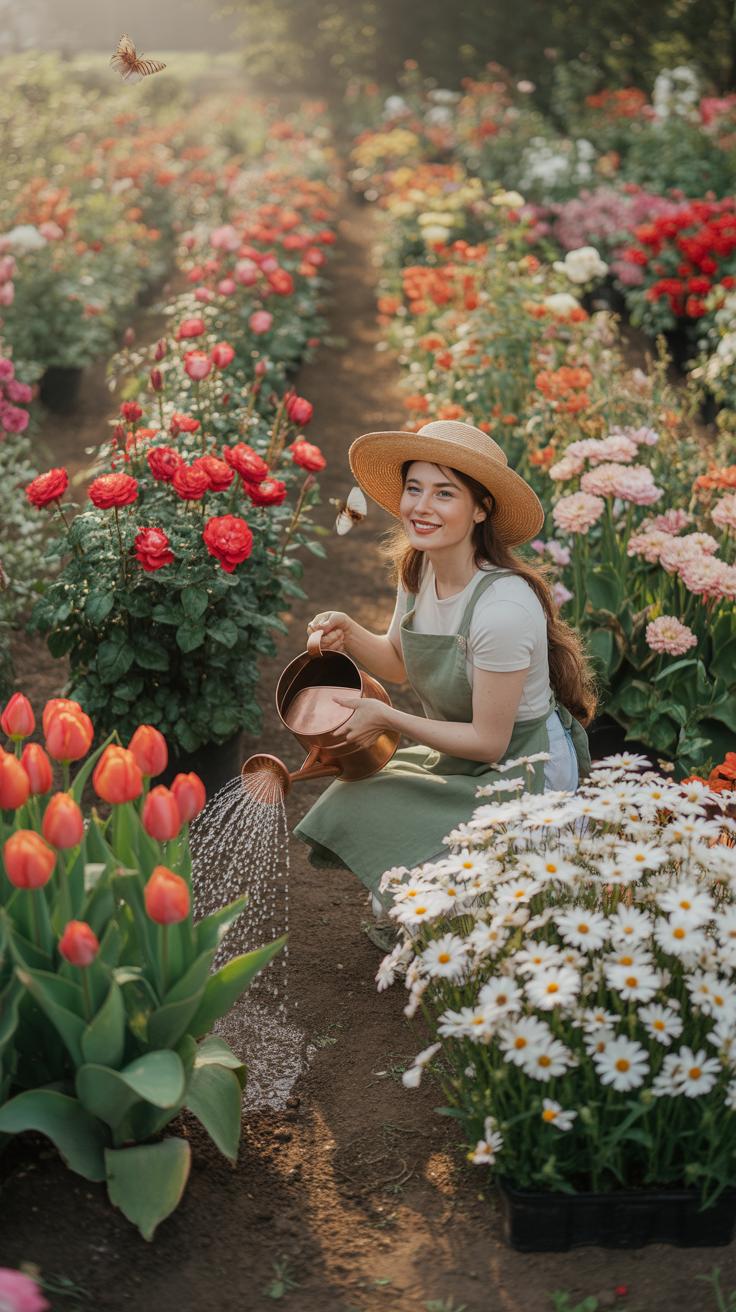
Why Overcrowding And Poor Spacing Reduce Bloom Quality And Stem Strength
Tight spacing causes plants to compete for light and nutrients. This competition produces thin and weak stems that cannot support heavy flower heads. Air cannot circulate through dense foliage. This lack of airflow creates a damp environment where fungal diseases thrive. You will lose your entire crop to mildew or rot if you pack plants too closely together.
Proper spacing ensures each plant reaches its full genetic potential. Professional growers use specific grid patterns to maximize yield without sacrificing health. Strong stems are necessary for long vase life and easy arranging. You must follow the exact spacing requirements found on seed packets. This discipline results in thick woodier stems and larger blooms that stay upright after you harvest them.
How Skipping Deadheading And Neglecting Pest Control Can Ruin Your Cut Garden
Plants exist to produce seeds for reproduction. If you leave fading blooms on the stalk the plant stops making new flowers. It shifts all energy into seed production instead of bud development. You must remove old flowers daily to signal the plant to continue blooming. Regular cutting acts as a growth hormone that extends your harvest season by several weeks.
Pest damage destroys the visual appeal of your cut flowers. Insects like aphids and thrips leave scars on petals and distort stem growth. A single infestation can make a whole harvest unsellable or unfit for display. Monitor your garden every morning for early signs of damage. Use integrated pest management to stop bugs before they ruin the foliage and flowers you worked to grow.
Frequently Asked Questions

What are the easiest flowers for a beginner to grow in a cutting garden?
If you are just starting out, the best flowers for cutting gardens are often heat-loving annuals like Zinnias and Cosmos. These varieties are incredibly forgiving, germinate quickly from seed, and actually produce more blooms the more you harvest them. Sunflowers are another fantastic choice for novices because they grow rapidly and provide a bold, dramatic focal point for your indoor floral arrangements with very minimal effort.
How do I harvest my garden flowers so they last longer in a vase?
To keep your bouquets fresh, harvest during the cool early morning hours when stems are fully hydrated. Use sharp, clean snips to make a diagonal cut, and immediately plunge the stems into a bucket of lukewarm water. When selecting the best flowers for cutting gardens, look for buds that are just beginning to open rather than fully blown blooms, as this ensures the longest possible vase life once brought inside.
Can I start a beautiful cutting garden on a tight budget?
Absolutely! You can create a stunning floral display without spending a fortune by starting your plants from seeds rather than buying expensive nursery starts. Look for “cut and come again” varieties, which offer multiple harvests from a single plant throughout the season. Additionally, incorporating attractive perennial herbs like mint or lavender provides fragrant foliage and fillers for your bouquets year after year, offering great long-term value for any gardener.