
The Art Of Displaying One Flower In A Vase A Timeless Tradition
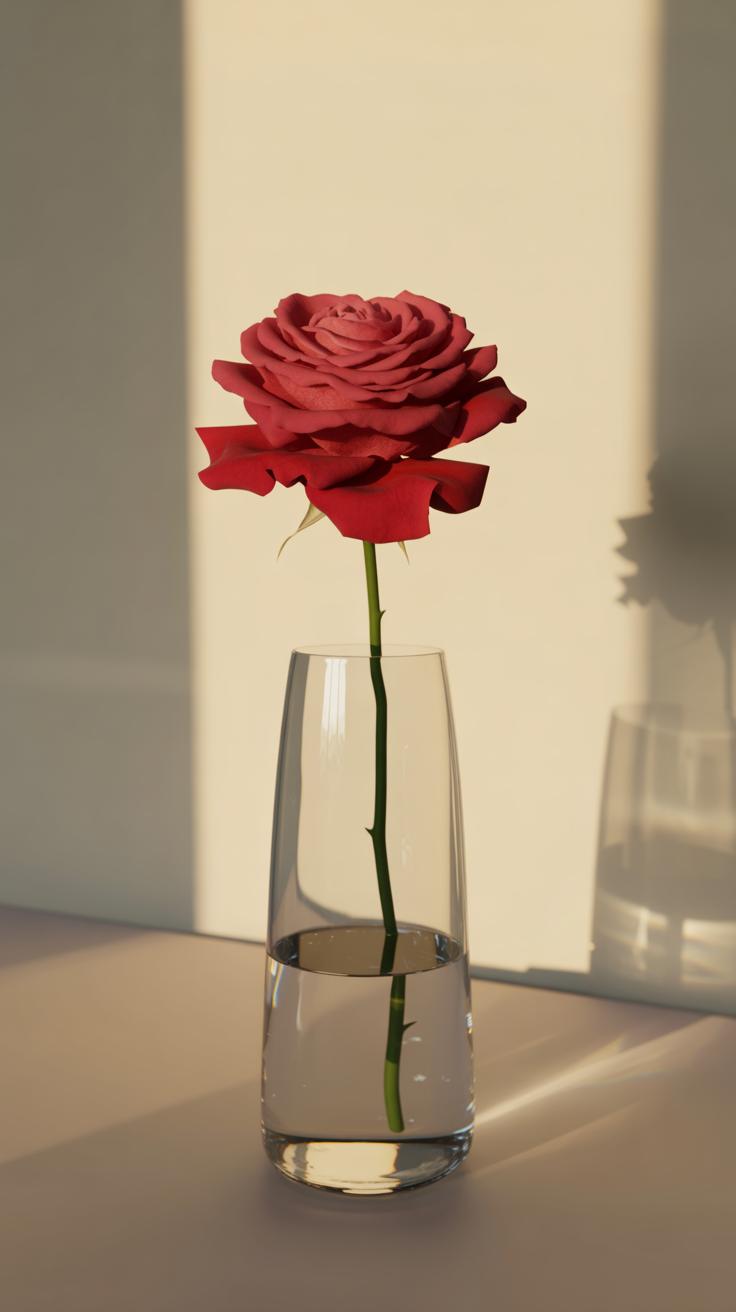
The Cultural History Behind Placing A Single Flower In A Vase
Single flower displays began with early religious ceremonies. Ancient Egyptians used lotus flowers in slim jars for ritual offerings. These displays symbolized life and rebirth. They focused on one bloom to show respect to deities. Later, Chinese scholars during the Song Dynasty popularized the practice. They placed one branch or flower in ceramic vases to spark quiet thought and meditation.
The Japanese transformed this practice into a formal discipline called Ikebana. By the 15th century, the Ikenobo school established strict rules for these arrangements. They valued the space around the flower as much as the flower itself. This style moved away from large clusters. Instead, it used one bloom to represent the entire natural world. European elites later adopted this look during the Renaissance for individual study.
Why One Flower In Vase Displays Have Endured Across Centuries And Cultures
Modern design favors the single flower because it removes visual noise. One bloom forces the viewer to look at specific details. You notice the curve of the stem and the texture of the petals. Minimalist movements like Bauhaus reinforced this idea. Professionals use one flower to create a focal point without cluttering a room. It works well in small urban living spaces today.
Single displays remain popular due to low costs and high impact. You spend less money but achieve a high-end look. It is a practical choice for busy people. It takes seconds to set up and looks clean. This method also reduces waste by using fewer resources. Designers use it to highlight expensive or rare flowers that would get lost in a crowded bouquet.
Ikebana With One Flower The Japanese Philosophy Of Floral Minimalism
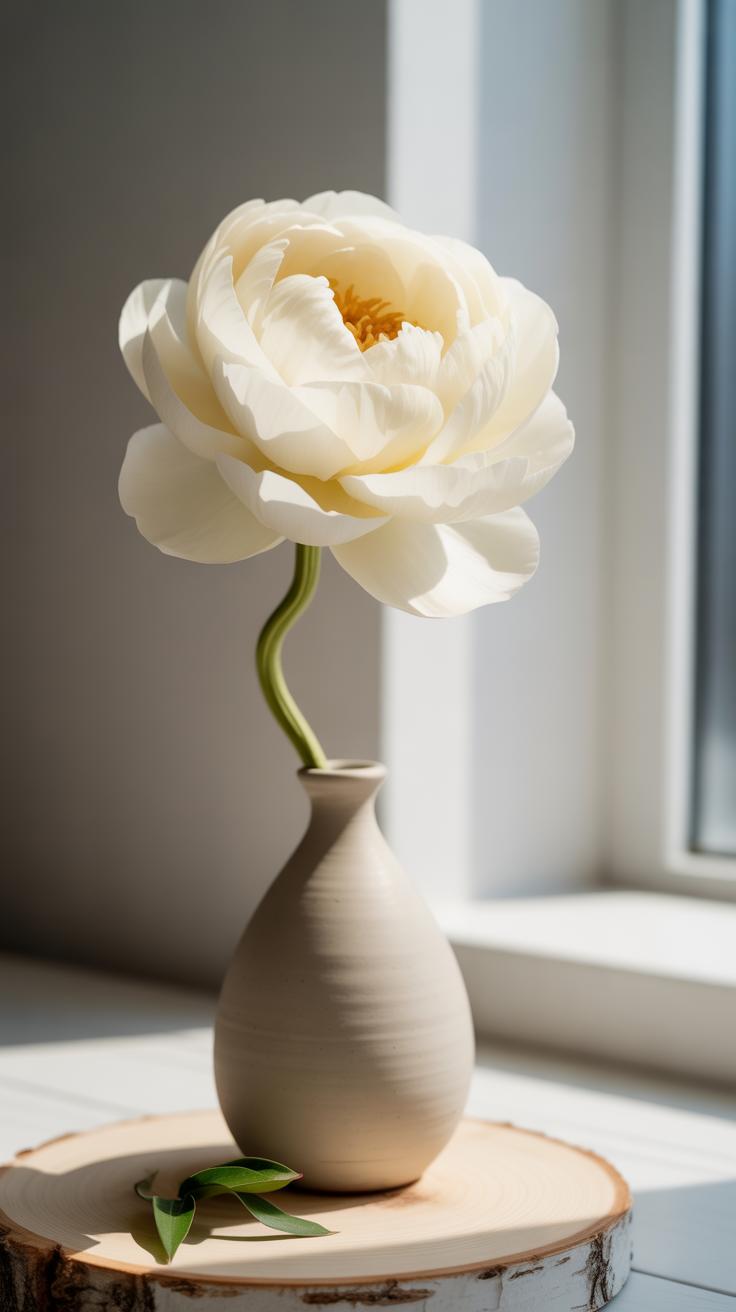
What Is Ikebana And How Does It Approach A Single Stem Display
Ikebana is the disciplined Japanese art of flower arrangement. It originated in the sixth century as Buddhist altar offerings. Unlike Western styles that focus on color and quantity, Ikebana prioritizes line and form. You use a single stem to represent the entire natural world. This practice requires intentionality. You do not just place a flower in a jar. You curate a specific living sculpture.
The single stem approach in Ikebana honors the void. Experts call this Ma, or negative space. By using only one flower, you force the viewer to look at the stem, the leaves, and the water. The vase becomes part of the anatomy, not just a container. You select the branch or bloom based on its natural curve. This method eliminates noise and emphasizes the seasonal transition of the plant.
A single flower is all the garden you need to feel the grace of nature in your home. It speaks more clearly than a whole bouquet.
Core Ikebana Principles You Can Apply To Your Own Single Flower Vase Display At Home
Asymmetry is the first rule you must apply. Nature is rarely perfectly balanced. You should position your Single Flower Vase Display to create an irregular triangle. This reflects the relationship between heaven, man, and earth. Use a kenzan, or needle point holder, to secure the stem at a sharp angle. This tool allows for precise placement that a standard glass neck cannot provide.
Pay close attention to the line of the stem. Remove excess leaves that clutter the silhouette. You want a clean profile that draws the eye upward. Select a vessel that complements the weight of the bloom. A heavy ceramic pot grounds a delicate flower. A thin glass tube elevates a sturdy branch. Focus on the tension between the organic material and the rigid container to create visual impact.
Choosing The Right Small Flower Vases For A Single Stem
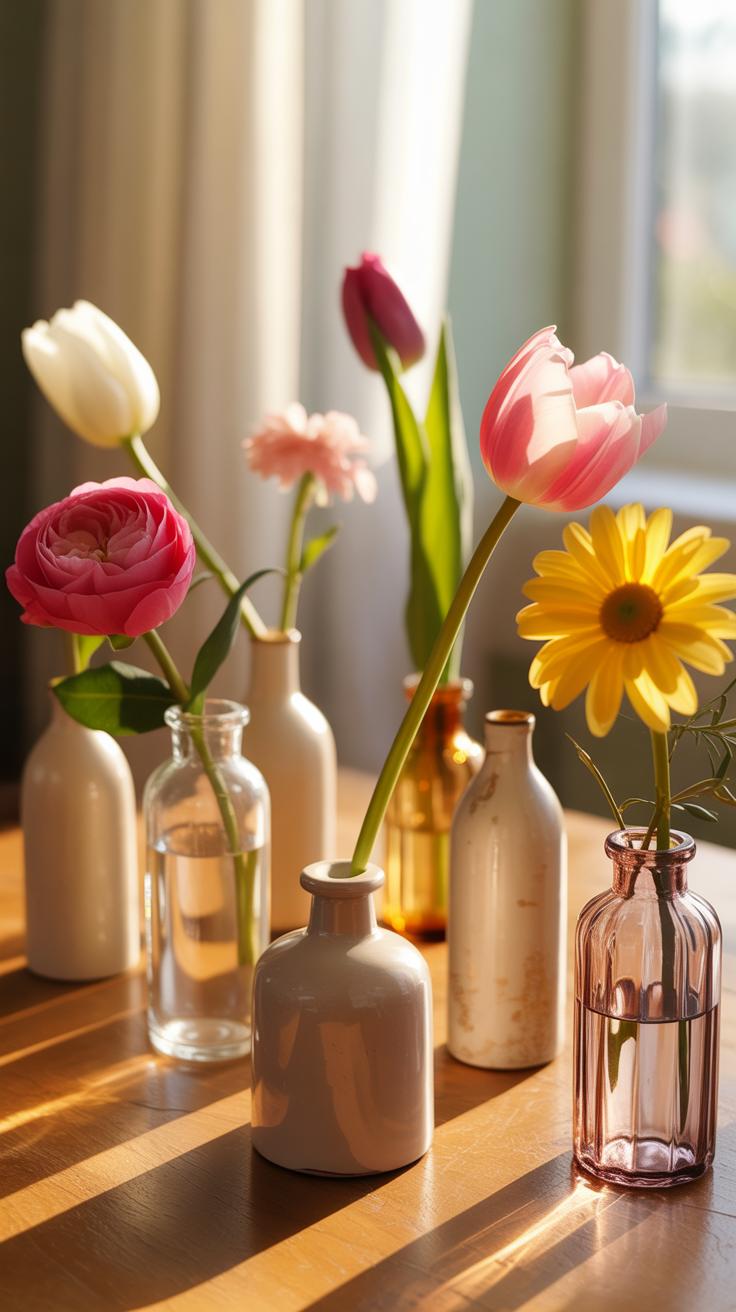
How Vase Shape, Height, And Neck Width Affect Your Single Flower Display
Vase height must correspond to stem length to prevent the flower from toppling. A standard rule requires the vase to cover two-thirds of the total height. If the vase is too short, the center of gravity shifts. This causes the vessel to tip over. If the vase is too tall, it swallows the bloom. Proper height ensures the flower remains the focal point.
Neck width dictates the angle of the stem. A narrow neck holds the stem upright for a formal look. Wide necks allow the stem to lean at a sharp angle. This creates a casual or modern aesthetic. If the neck is too wide for a single stem, use a floral frog. This tool stabilizes the plant. It keeps the flower in a fixed position.
Materials That Work Best For Small Flower Vases: Glass, Ceramic, Brass, And More
Glass is the most common material for single stems. It provides full visibility of the stem and water clarity. In the Mid-Century Modern era, designers used colored glass to diffuse light. Clear glass requires daily water changes. Debris and bacteria show immediately in transparent vessels. Use glass when you want a clean and minimalist look. It fits almost any decor style.
Ceramic and brass offer different benefits for display. Ceramic vases hide the water and the lower stem. This conceals any browning or imperfections. It works well for Ikebana or Japanese inspired designs. Brass and bronze vases provide weight and stability. They will not break if the flower head is heavy. Metal also adds a sharp texture to the overall composition. Choose opaque materials for a bold visual impact.
Single Flower Vase Ideas For Every Room In Your Home
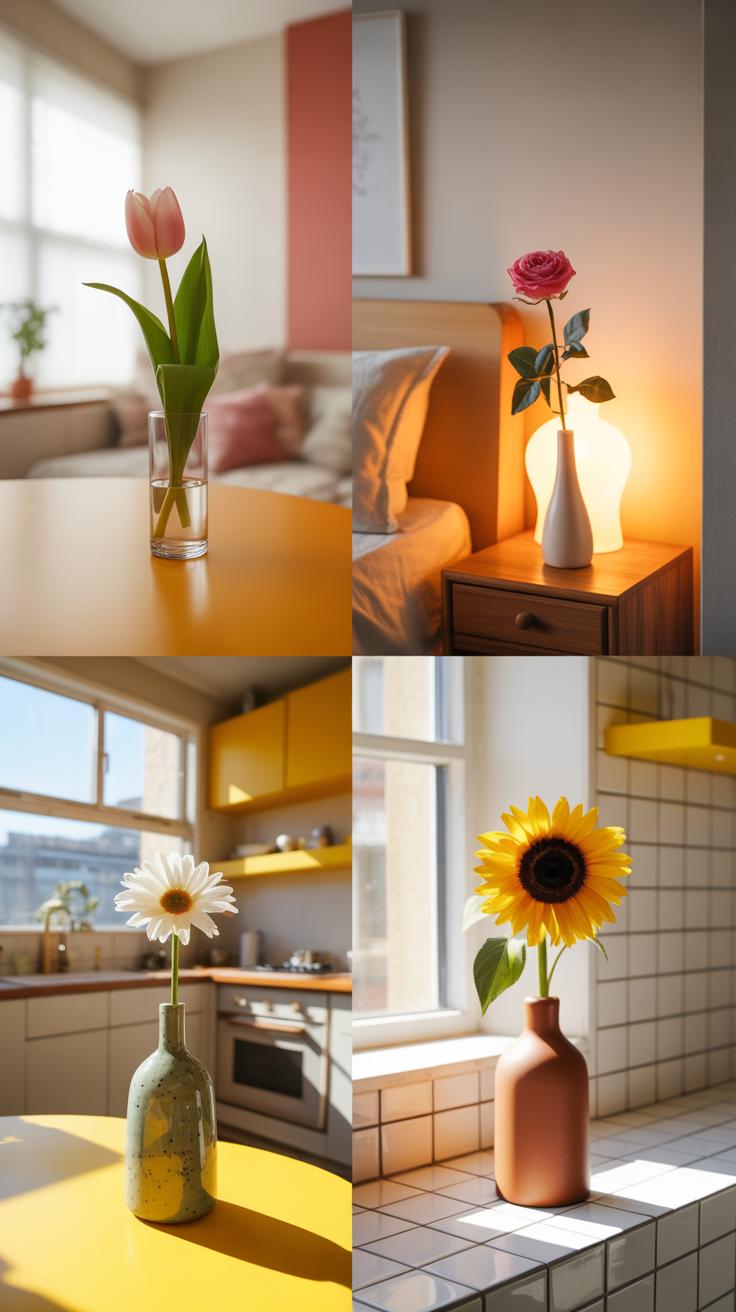
Bedroom, Bathroom, And Kitchen: Placing Single Flower Vase Ideas Where They Matter Most
Maximize limited space in these functional rooms. Bedrooms require calm visuals to promote sleep. Place a narrow glass cylinder on the nightstand. Use a single stem with a neutral scent like a white tulip. This avoids sensory overload in small quarters. Glass reflects light and keeps the surface feeling open. Choose heavy bases to prevent tipping on soft or unstable nightstand surfaces.
Kitchens and bathrooms deal with heat and humidity. Select durable materials like glazed ceramic or thick recycled glass. These withstand moisture and temperature swings better than porous stones. Position the vase away from direct heat sources like stoves or steaming showers. A single sunflower or gerbera daisy provides a bold focal point without cluttering food prep areas or small vanity counters.
Entryway And Living Room Single Flower Vase Ideas That Make A Lasting First Impression
The entryway sets the tone for your entire home. Use a tall floor vase or a substantial console piece. A single blooming branch like cherry blossom or magnolia works best here. These architectural stems fill vertical space without blocking the hallway. Choose a weighted bottom to ensure the vase stays upright during foot traffic. This creates an immediate sense of intentional design.
Living rooms focus on conversation and relaxation. Place a single flower vase on a coffee table or mantel. Keep the height low to avoid blocking sightlines between seated guests. Use a bud vase with a single rose or ranunculus for a minimalist look. This follows the principles of Mid-Century Modern design by emphasizing form and function. Match the vase material to existing metal or wood accents.
Best Flower Arrangements To Highlight A Single Bloom
Which Flower Varieties Work Best In Solo Flower Arrangements And Why
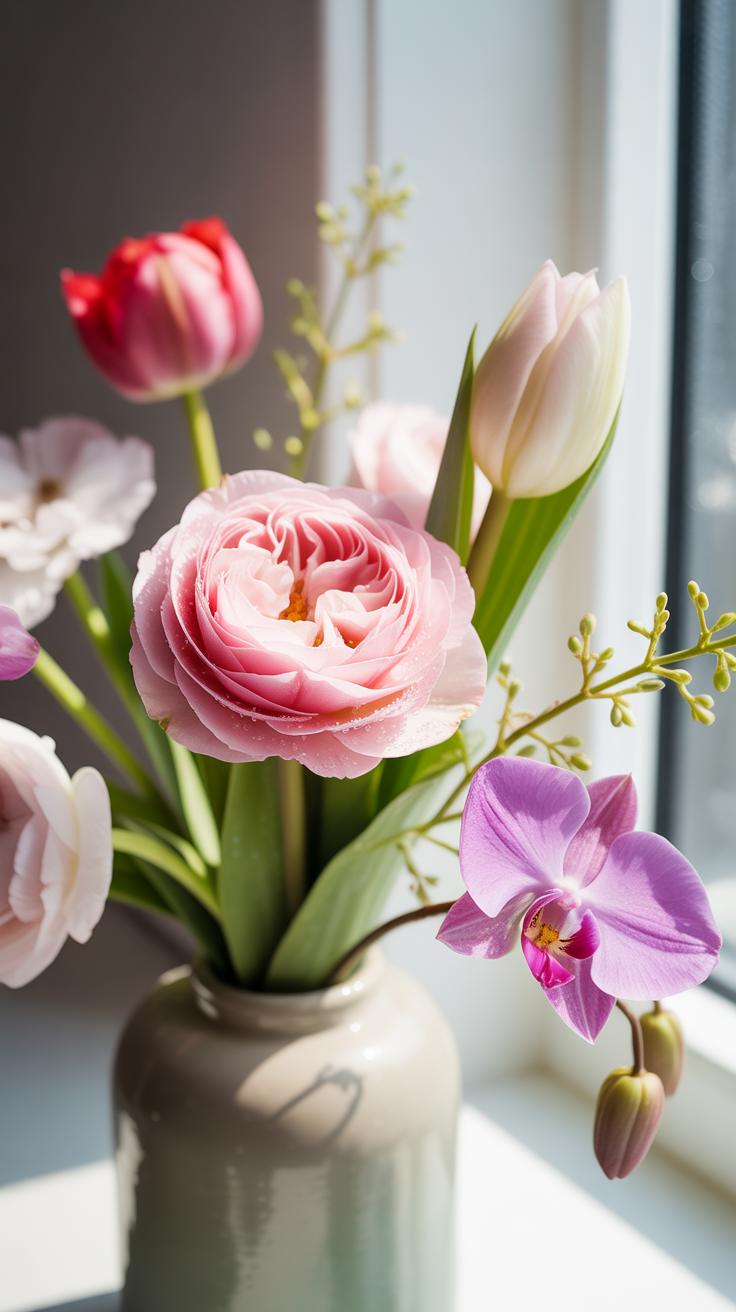
Structural integrity determines the success of a single stem display. Choose flowers with rigid, thick stems like Protea or Amaryllis to ensure the bloom remains upright without external support. Large focal flowers command attention and fill the visual field effectively. These types provide enough visual weight to stand alone. Avoid flimsy stems that wilt quickly or require high maintenance to stay straight.
Strategic selection also depends on the bloom life and geometric form. Orchids and Lilies offer complex shapes that provide visual interest from every angle. This multi-dimensional quality is vital for a solo display. Pick varieties that possess naturally clean lines and minimal debris. A clean silhouette allows the viewer to focus entirely on the anatomical details of the flower. This approach maximizes the impact of the investment.
Using Foliage, Branches, And Negative Space To Elevate Single Stem Flower Arrangements
Negative space acts as a silent frame for the individual bloom. Modern minimalist design relies on the gap between the flower and the vase rim to create tension. Do not crowd the vessel. Air around the petals makes the colors appear more vivid. This technique follows the principles of Japanese Ikebana. Proper spacing highlights the natural curve of the stem and the unique texture of the petals.
Add structural elements like Equisetum or a bare Salix branch to provide scale. These additions must remain secondary to the primary blossom. Foliage should provide a dark or neutral backdrop to push the flower forward visually. Use a single large leaf like Monstera to ground the arrangement. This creates a base that stabilizes the composition. Keep the water clear and the glass clean to maintain the professional aesthetic.
Minimalist Flower Arrangements Designing With Intention And Simplicity
The Design Principles Behind Truly Effective Minimalist Flower Arrangements
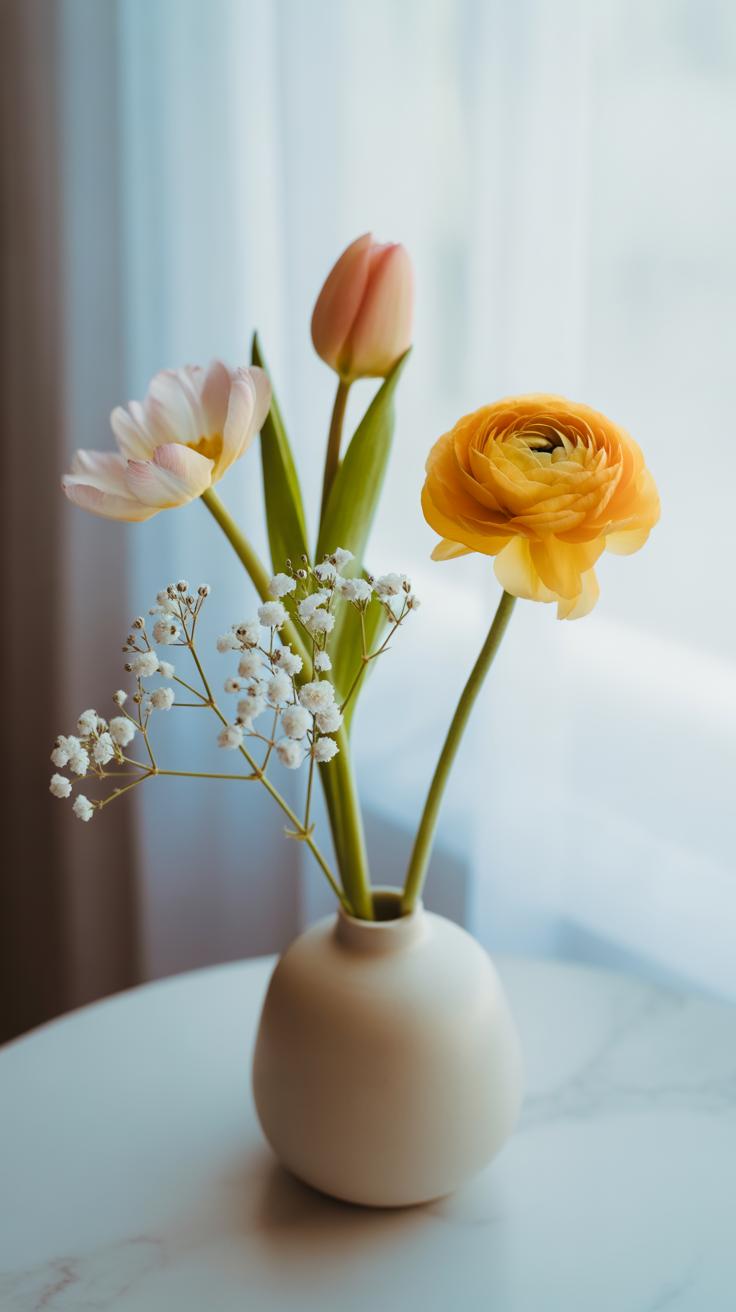
Minimalist design focuses on negative space and structural integrity. You must view the void around the stem as a physical element of the composition. This approach stems from Japanese Ikebana traditons which prioritize line over mass. A single bloom allows the eye to rest on specific botanical details. It forces the viewer to observe the curve of the stem and the texture of the petals.
Effective arrangements rely on the concept of Ma or intentional emptiness. You should select a specimen with a strong natural silhouette to define the surrounding space. Position the flower off-center to create dynamic tension and visual interest. Avoid symmetry as it often feels static and artificial in a minimalist context. Use a heavy base to Ground the display and ensure the stem remains perfectly upright or angled.
Color, Contrast, And Proportion: How To Compose A Simple Flower In A Vase Beautifully
Proportion dictates the success of a single flower display. The Golden Ratio provides a reliable mathematical framework for height. Generally the stem should stand one and a half times the height of the container. This ratio creates a balanced visual weight that prevents the flower from looking clipped or top-heavy. Ensure the neck of the vase supports the stem without restricting the flow of water.
Color selection must create high contrast against the background surface. A white lily against a dark slate wall draws immediate focus to the flower. Use monochromatic schemes to emphasize the shape and form of the bloom rather than the hue. In minimalist setups the texture of the vase material acts as a secondary focal point. Choose matte ceramics or clear glass to complement the organic appearance of the plant.
Minimalist Flower Table Decor Styling Your Dining And Coffee Tables
How To Use A Single Flower Vase Display As A Centrepiece Without Overcrowding Your Table
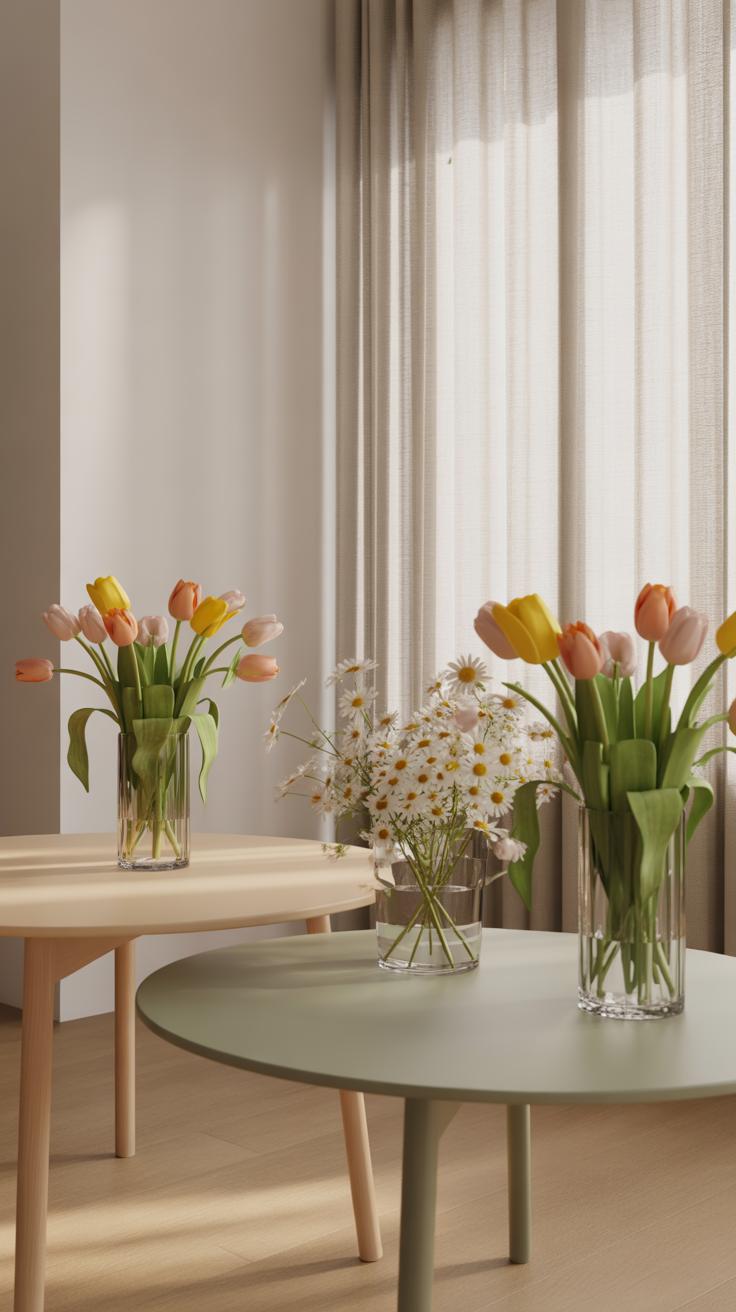
Effective table styling requires managing the ratio between empty space and the object. A single flower vase display creates a clear focal point. This prevents visual clutter on functional surfaces. Choose a vase with a base diameter less than five inches. Place it at the geometric center or the golden ratio point. This leaves room for plates, books, or beverages without forcing a move.
Height is the most critical tactical factor for dining tables. Keep the total display under twelve inches. This ensures guests maintain eye contact during conversation. Use a clear glass vase to minimize the perceived footprint of the arrangement. Heavy ceramic vases work better on coffee tables where you view them from above. Aim for a stem height that balances the weight of the furniture.
Seasonal Minimalist Flower Table Decor Ideas For Year Round Freshness
Seasonal rotation keeps the minimalist aesthetic from becoming stagnant or repetitive. Select flora based on natural bloom cycles to ensure longevity and lower costs. Local sourcing limits the time from harvest to display. This maximizes the lifespan of your single stem. Each season offers specific textures that define the mood of the room. Use these selections to align with historical design shifts.
- Spring Tulips: Use a single parrot tulip in a sleek glass cylinder. The natural curve of the stem follows the organic lines of Art Nouveau design. This flower continues to grow in the vase so keep water levels low to control its height.
- Summer Alliums: Select a tall purple allium for a bold geometric look. Its spherical shape provides a strong contrast to flat dining surfaces. The sturdy stem requires no support and lasts up to two weeks with regular water changes.
- Autumn Dahlias: Choose a single cafe au lait dahlia for its complex petal structure. The large head provides enough visual weight to stand alone. Use a shallow heavy vase to support the weight of the bloom and prevent tipping on low tables.
- Winter Amaryllis: Position a single red or white amaryllis in a heavy stone vase. This tropical bulb flowers in winter and offers thick architectural stems. It reflects the bold lines found in brutalist decor. Its height creates a dramatic vertical element in large rooms.
- Year-Round Eucalyptus: Set a single seeded eucalyptus branch in a ceramic vessel for a permanent minimalist look. The muted green tones complement neutral palettes. It dries well and maintains its shape even after the water evaporates. This creates a low-maintenance long-term display.
Balance your seasonal choice with the material of your vase. Use cool glass or metal for spring and summer to suggest freshness. Switch to warm wood or stoneware during winter months. This adds sensory depth without adding more items to the table. Always trim the stem at a sharp angle to increase water intake. This practice extends the life of your seasonal centerpiece.
How To Keep A Simple Flower In A Vase Looking Fresh For Longer
Water Quality, Stem Cutting Techniques, And Other Care Essentials For A Single Stem
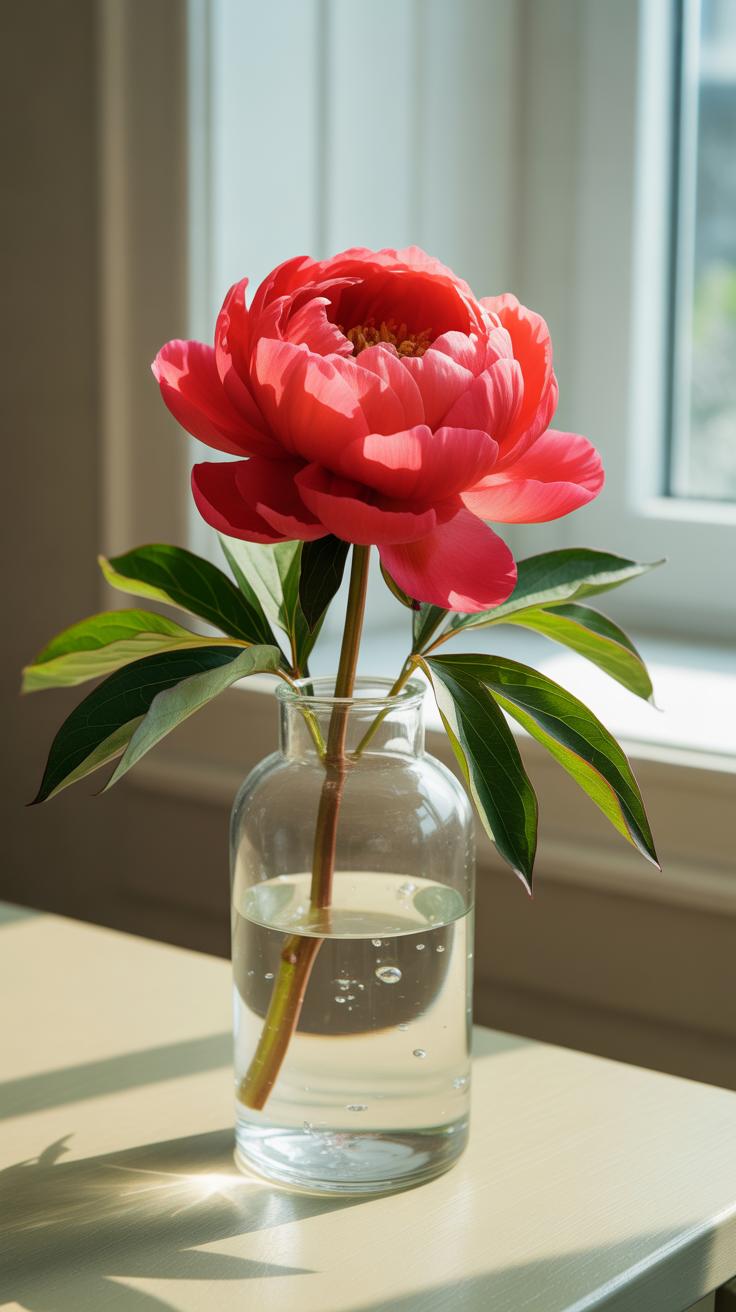
Standard maintenance determines the lifespan of a single stem. You must use clean tools to prevent bacteria transfer. Bacteria block the vascular system of the plant. This blockage prevents water from reaching the head. Always use lukewarm water for most temperate flowers. This temperature allows the stem to absorb moisture quickly. Change the water every two days to maintain a sterile environment.
- Angled Stem Cut: Use sharp shears to cut the stem at a forty-five-degree angle. This technique increases the surface area for water intake. It also prevents the stem from sitting flat against the bottom of the vase. A flat base restricts the flow of essential fluids.
- Water Temperature Control: Fill your vase with room temperature or slightly warm water for most varieties. Warm water molecules move faster and enter the plant cells more easily than cold water. This helps a drooping flower recover its turgidity quickly. Hard water should be filtered first.
- Bacterial Management: Scrub the vase with bleach or soap before use. Bacteria are the primary cause of premature wilting in single stem displays. Even a small amount of residue from a previous arrangement can kill a new flower. Clear water indicates a healthy environment for the plant.
- Foliage Removal: Strip all leaves that fall below the water line. Submerged foliage decays rapidly and creates a breeding ground for microbes. These microbes consume oxygen and release toxins into the water. Clean stems ensure that the plant directs all energy toward the bloom.
- Nutrient Leveling: Add a measured amount of sucrose and citric acid to the water. Professional floral food provides these components in the correct ratios. The sugar provides energy for the bloom to open. The acid lowers the pH level to improve water transport through the stem.
Positioning also affects longevity. Keep the vase away from direct sunlight and heating vents. High temperatures increase the rate of transpiration. The flower loses moisture faster than it can drink. If the environment is too dry, the petals will shrivel within hours. A cool and shaded spot extends the life of the display significantly. Check the water level daily as single stems can be thirsty.
Common Mistakes That Shorten The Life Of Your Single Flower Vase Display
Placing your vase near ripening fruit is a fatal error. Fruit like apples and bananas release ethylene gas. This hormone signals the flower to age and drop its petals. Even a small amount of gas in a kitchen can ruin a display overnight. Keep your single stem in a separate room from food storage areas. This simple change stops chemical aging.
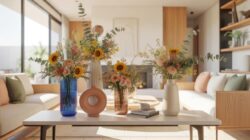
Avoid using dull scissors to trim your flowers. Duly blades crush the vascular tissues instead of slicing them. A crushed stem cannot pull water efficiently. You should also avoid touching the flower head frequently. Oils from your skin can damage the delicate petals. Handle the plant only by the stem. These technical adjustments ensure your single flower display remains vibrant for the maximum possible duration.
Single Flower Vase Display For Special Occasions And Gifting
Why A Single Flower In Vase Makes A Thoughtful And Meaningful Gift
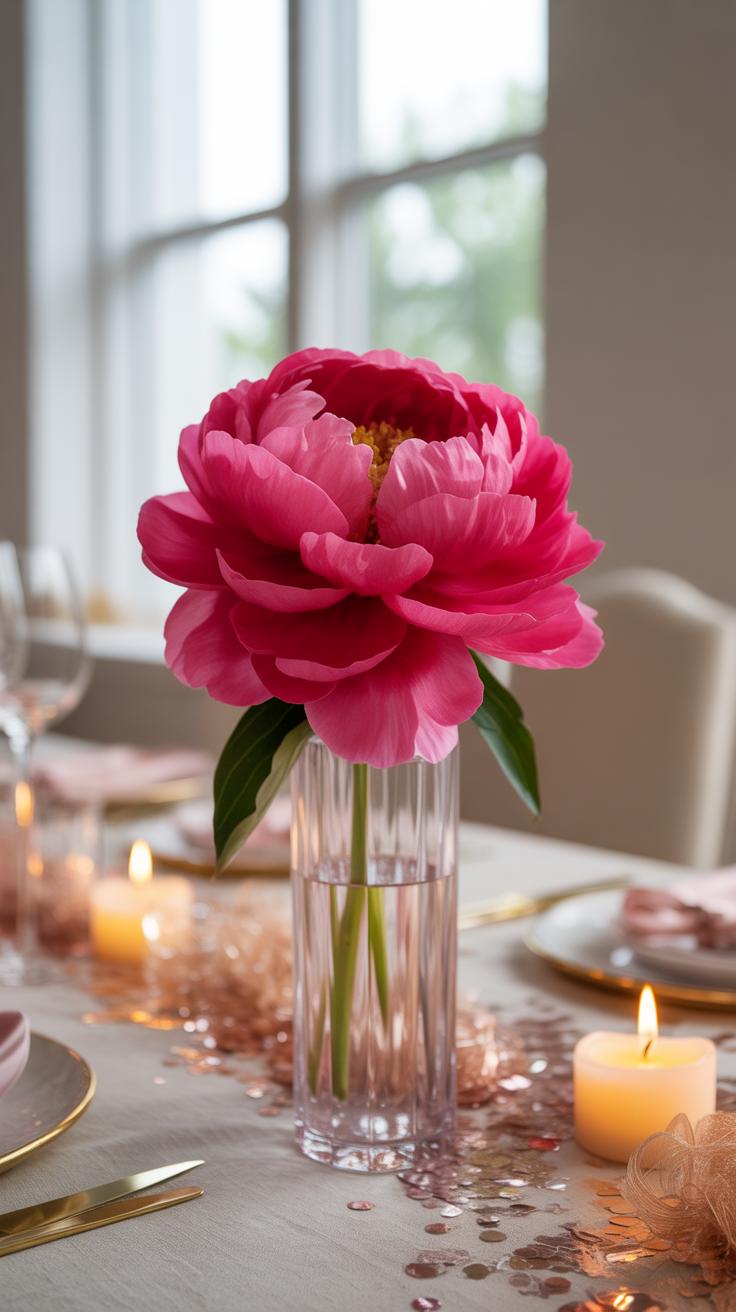
A single flower gift shifts the focus from volume to quality. It highlights the unique anatomy of a specific bloom. This approach demonstrates intentionality and precision. You select one specimen for its perfection and symbolic value. It removes the distraction of filler greens and secondary flowers. The recipient appreciates the clarity of the gesture. It shows you value design over mere bulk.
Traditional Japanese Ikebana principles emphasize the beauty of empty space. A single flower in a vase uses this concept to create a calm focal point. It fits small living spaces where large bouquets feel intrusive. High quality glass or ceramic vessels add permanent value to the gift. The recipient keeps the vase long after the bloom fades. This makes the gift both a temporary joy and a lasting utility.
How To Present A Single Flower Vase Display For Weddings, Anniversaries, And Celebrations
Weddings require repetition to create visual impact. Use narrow bud vases along long banquet tables at regular intervals. This creates a clean line of sight for guests. Select flowers with sturdy stems like Calla Lilies or Orchids. These blooms hold their shape for hours without wilting. Ensure the vase height does not block conversation. Clear glass maintains a modern and open aesthetic across the venue.
Anniversaries demand a focus on premium materials. Pair a rare flower with a hand blown glass or weighted metal vase. Use a heavy base to prevent tipping during busy celebrations. Position the display on a side table or mantelpiece to draw the eye. Clean the water and trim the stem at a sharp angle before presentation. This ensures the bloom stays fresh. Match the metal or glass finish to the room decor.
Frequently Asked Questions
What are the best types of flowers to use for a single stem arrangement?
When starting with a single flower vase display, look for blooms with strong personalities and sturdy stems. Choices like long-stemmed roses, elegant calla lilies, or architectural proteas work beautifully. These varieties command attention on their own without needing filler greenery. Choosing a flower with an interesting shape or a bold color ensures that your minimalist arrangement feels like a deliberate design choice rather than an unfinished bouquet.
How do I choose the right container for a single flower vase display?
The key to a successful single flower vase display is scale and proportion. Ensure the neck of your vessel is narrow enough to keep the stem upright; otherwise, the flower may slouch. For tall, heavy-headed blooms like sunflowers, select a heavy glass or ceramic base to prevent tipping. For shorter stems like ranunculus, a petite bud vase or even a vintage perfume bottle creates a charming and balanced visual impact.
Can I create an elegant floral look if I’m on a strict budget?
Absolutely! One of the greatest benefits of this style is its cost-effectiveness. Instead of purchasing an expensive full bouquet, you can buy a single premium bloom from a local florist for just a few dollars. You can even forage a striking branch or a unique wildflower from your backyard. Simply placing a solitary green leaf or a single daisy in a repurposed glass jar creates a high-end look for free.