
What Is Floral Foam Used For And Why Are People Moving Away From It

The Original Purpose Of Floral Foam In Floral Design
Floral foam entered the market in the mid-1950s to solve two primary problems. First, it acts as a structural stabilizer. It holds heavy stems at precise angles that gravity would otherwise shift. Second, it serves as a continuous water source. The open-cell phenolic plastic absorbs water through capillary action. This keeps cut flowers hydrated for days while held firmly in place.
Designers adopted this material to simplify complex arrangements. It replaced older methods like pin frogs or chicken wire. This foam allows for high-density designs in shallow containers. It revolutionized the industry by making transport safer and setup faster. Every stem stays exactly where the designer puts it. This level of control became the industry standard for weddings and large commercial events for decades.
Environmental Concerns Driving The Shift Away From Traditional Floral Foam
The shift away from foam stems from its chemical makeup. Conventional floral foam is a non-biodegradable plastic made from phenol-formaldehyde resin. It does not break down in landfills. Instead, it crumbles into microplastics. These tiny particles enter water systems and harm aquatic life. Many florists now prioritize sustainability to reduce their long-term environmental footprint. This change reflects a wider move toward eco-friendly business practices.
Human health risks also play a role in this transition. Phenol and formaldehyde are known toxins. Handling the dry foam produces fine dust that designers inhale. Long-term exposure poses respiratory risks for floral workers. Modern consumers now demand foam-free designs to avoid these hazards. Leading industry organizations are currently promoting old-school mechanics like reusable metal supports. This return to traditional techniques eliminates plastic waste and chemical exposure.

Understanding The Full Range Of Floral Foam Uses Before Choosing A Substitute
How Floral Foam Supports Hydration And Stem Placement In Arrangements
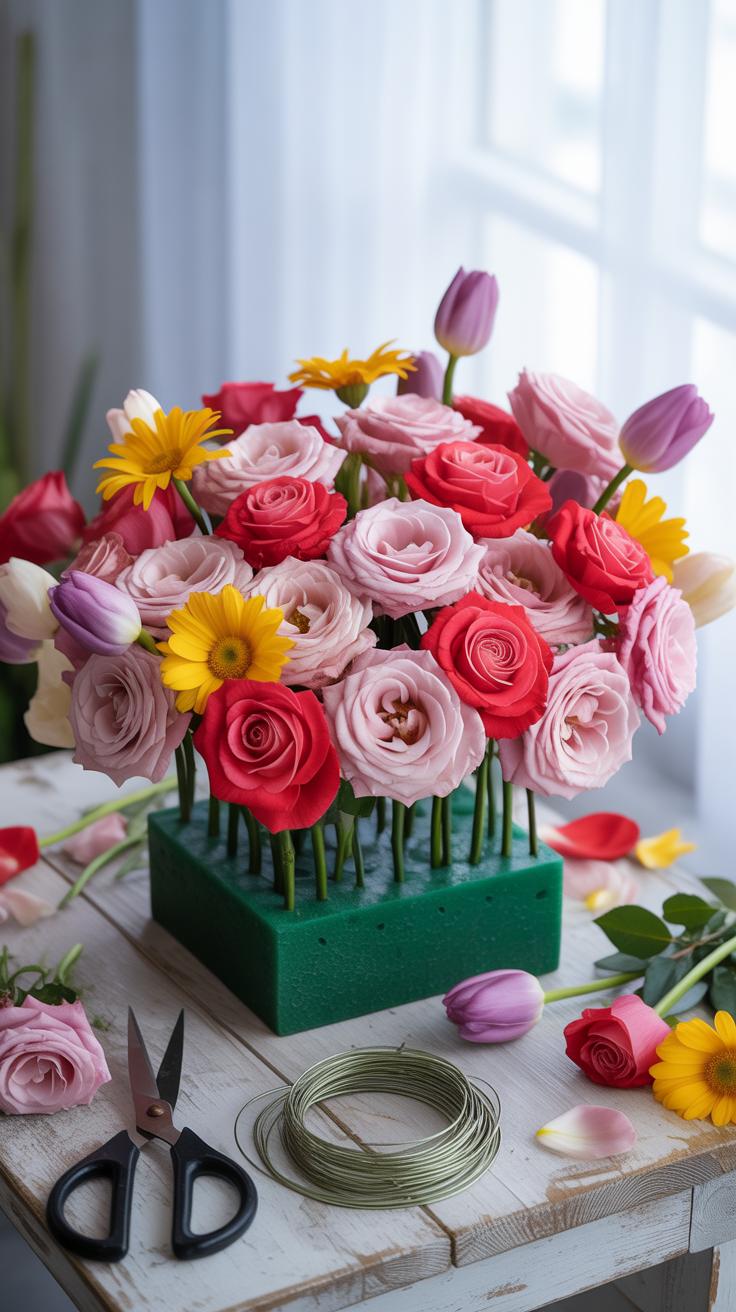
Floral foam acts as a dense physical grid and a dedicated water reservoir. It holds stems at precise angles that gravity would otherwise shift. This material allows designers to place flowers horizontally or upside down without losing water contact. The open-cell structure pulls water into the internal capillaries of the plant. It provides a constant moisture source directly to the cut end of every stem.
Effective mechanics depend on the foam staying saturated throughout the design process. If the foam dries out, it pulls moisture away from the flower and kills it. You must understand how the foam creates structural tension. Each hole poked into the block weakens the overall integrity. Choosing a substitute requires finding a tool that offers similar grip strength while allowing the stem to reach a water source.
Common Floral Design Settings Where Floral Foam Has Traditionally Been Applied
Industry professionals revolutionized large-scale installations using plastic-wrapped foam cages. This method became the standard for wedding arches, hanging installations, and elevated centerpieces. The foam provides a lightweight base that stays put during transport. It eliminated the need for heavy glass vases or sloshing water buckets in high-traffic event spaces. Designers rely on it for complex shapes where traditional vessels fail to provide enough support.

Funeral tributes and sympathy flowers represent another major historical use for this material. Shapes like wreaths, crosses, and hearts require a rigid substrate that holds moisture for several days. These arrangements often sit in harsh outdoor environments or cramped indoor chapels. The foam keeps the flowers turgid without a visible water line. Any alternative must provide this same level of portable hydration and directional control for specialized shapes.
Exploring The Best Alternatives To Floral Foam For Every Arrangement Style
Natural Materials Like Moss Chicken Wire And Twigs As Structural Supports
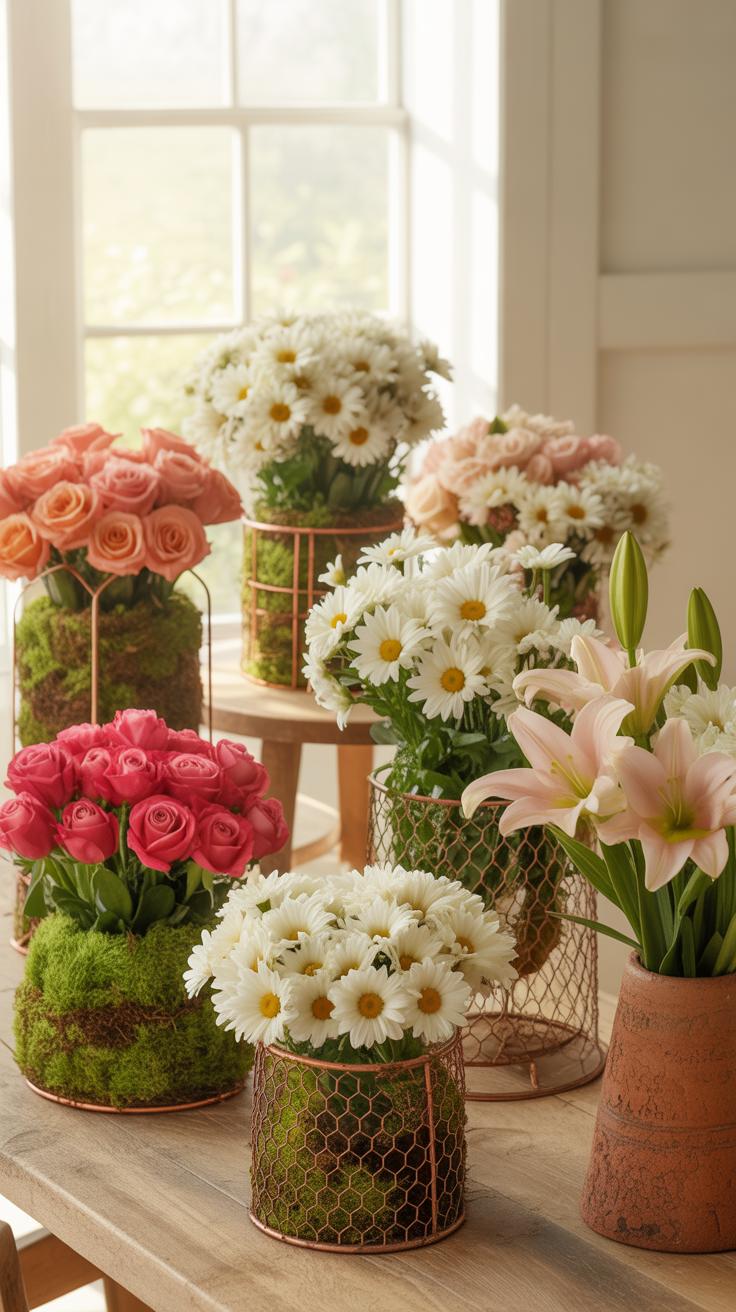
Florists used chicken wire long before plastic foam existed. This metal mesh creates a sturdy grid inside vases. You can bend and shape it to fit any container. It holds heavy stems at precise angles without crumbling. This method allows for easy water flow to the plants. It also supports large installations. You can reuse the wire many times to save money.
Moss and twigs offer internal friction for stem placement. Wet moss provides extra hydration while acting as a natural wedge. You can bundle birch or willow branches to create a tight organic lattice. These materials work best in opaque containers. They decompose naturally after the event ends. Using these items reduces plastic waste significantly. Designers value them for high-end organic styles and sustainable weddings.
Reusable And Biodegradable Products Designed As Floral Foam Replacements
New industry products offer direct replacements for traditional foam blocks. Some brands manufacture bricks from volcanic basalt rock and bio-based binders. These items mimic the soaking and holding properties of plastic foam. However, they do not shed microplastics into the water. You can compost these materials in industrial facilities. They give you the same control as foam with less environmental impact.

Other tools focus on long-term reuse to eliminate waste entirely. Metal pin frogs, known as kenzan, come from Japanese Ikebana traditions. These heavy bases feature sharp brass pins that pierce stems to hold them upright. Flexible silicone grids and plastic cages also provide structural support. You wash these tools after use and store them for the next job. This approach cuts recurring costs for professional floral studios.
How To Use Each Alternative To Floral Foam Effectively In Your Designs
Working With Chicken Wire Armatures To Mimic Floral Foam Structure
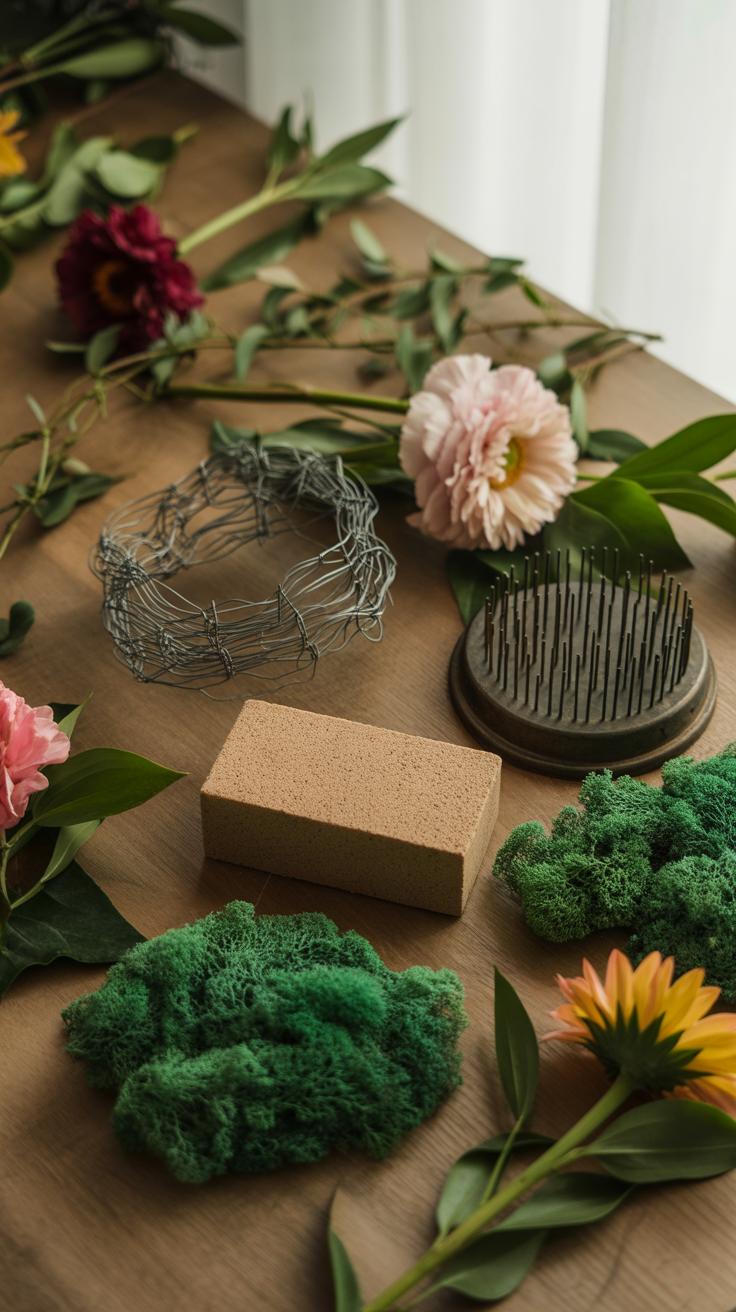
Floral designers used wire armatures long before the invention of synthetic foam in the 1950s. You must select galvanized poultry netting with one inch hexagonal openings. Crumple the wire into a loose ball and fit it tightly into your vessel. The wire creates multiple layers of grid support. This tension holds heavy woody stems and delicate flowers at specific angles without slipping.
Secure the wire to the container rim using waterproof pot tape. Create a cross pattern over the top to prevent the armature from shifting under the weight of wet blooms. This method allows for maximum water volume and easy stem insertion. You can adjust the density of the wire ball to suit different flower types. It provides superior grip for large scale installations compared to foam.
Using Water Tubes And Gel Beads To Keep Stems Hydrated Without Foam
Water tubes deliver hydration to individual stems in large installations or dry structures. Fill the plastic or glass vials with water and seal them with the rubber cap. Insert the stem through the center hole to create a leak proof seal. You can hide these tubes within the foliage of a design. This technique is essential for flowers that wilt quickly when out of water.

Super absorbent polymer beads offer a different hydration path for specific glass vase designs. These beads swell when soaked in water and hold moisture for several days. They provide physical support for the stems while maintaining a clean look. Ensure you hydrate the beads fully before use to prevent them from drawing moisture away from the plants. They work best for short term events or tabletop displays.
DIY Floral Foam Substitute Ideas You Can Make At Home
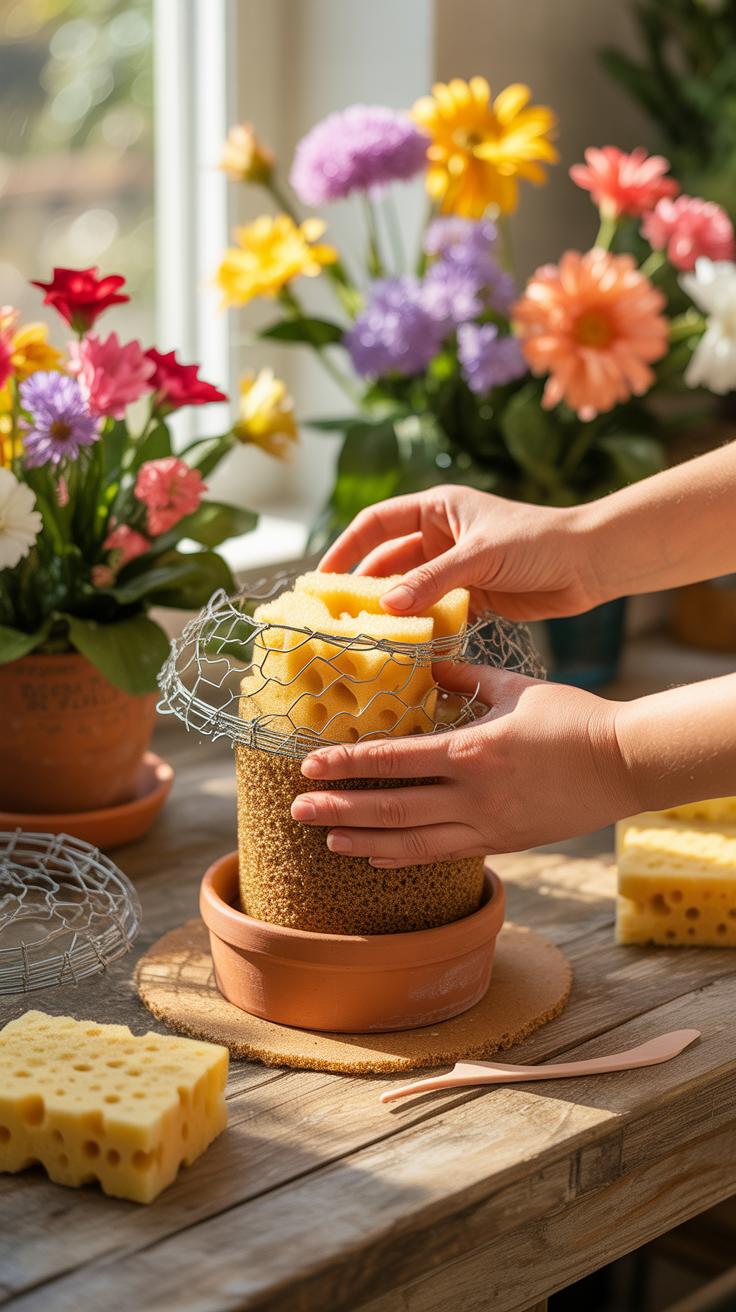
Step By Step Guide To Building A Moss And Wire Grid Floral Base
A moss and wire grid provides a sustainable structure for complex floral arrangements. This method mimics the moisture retention of foam without the toxic microplastics. Designers use untreated sphagnum moss and chicken wire to create a firm internal support system. This technique allows for organic stem placement while maintaining high hydration levels for fresh flowers in shallow or deep containers.
- Mound Preparation: Gather clean sphagnum moss and soak it in water until fully saturated. Squeeze out excess liquid so the moss remains damp but not dripping. Shape the moss into a firm ball or mound that matches the dimensions of your chosen vessel interior.
- Wire Measuring: Cut a piece of galvanized chicken wire or coated floral netting. Ensure the piece is twice the diameter of your container mouth. Use heavy duty wire snips to avoid jagged edges that could puncture your hands or the floral stems during assembly.
- Mound Encapsulation: Place the moss mound in the center of the wire sheet. Fold the wire edges over the moss to create a cage. Secure the moss tightly so it does not shift when you insert heavy woody stems or delicate focal blooms into the grid.
- Vessel Anchoring: Place the wire cage into the container. Use waterproof floral tape to create an X pattern over the top of the cage and the vessel rim. This prevents the entire base from tipping over once you add the weight of the water and flowers.
- Stem Insertion: Use a sharp floral knife to create small pilot holes in the wire if the gauge is too tight. Push stems directly through the wire mesh and into the damp moss. Fill the container with water to ensure the moss stays hydrated throughout the week.
This method excels in seasonal centerpieces where natural aesthetics matter. The moss hides the wire framework, reducing the need for heavy foliage coverage. Professional florists favor this approach for large scale installations because it is reusable and compostable. It provides superior friction for stem stability compared to water alone. You can refresh the water daily to extend the life of the design significantly.
Using Sand Pebbles And Tape Grids As Low Cost Floral Foam Substitutes
Sand and pebbles offer immediate weight and stability for top heavy arrangements. These materials are cheap and provide excellent anchorage for thick stems. You layer the sand or gravel at the bottom of the vessel to create a ballast. This prevents tall glass vases from tipping over. Pour water over the substrate until it covers the material by at least two inches.

A transparent tape grid across the container mouth provides the lateral support needed for precise positioning. Apply thin strips of clear waterproof tape in a crosshatch pattern. This grid holds each flower in its designated quadrant while the submerged sand secures the base of the stem. This dual system works best for modern, minimalist designs where you want to see the clear water and clean lines.
Green Floral Foam Preparation Vs Preparing Eco Friendly Alternatives
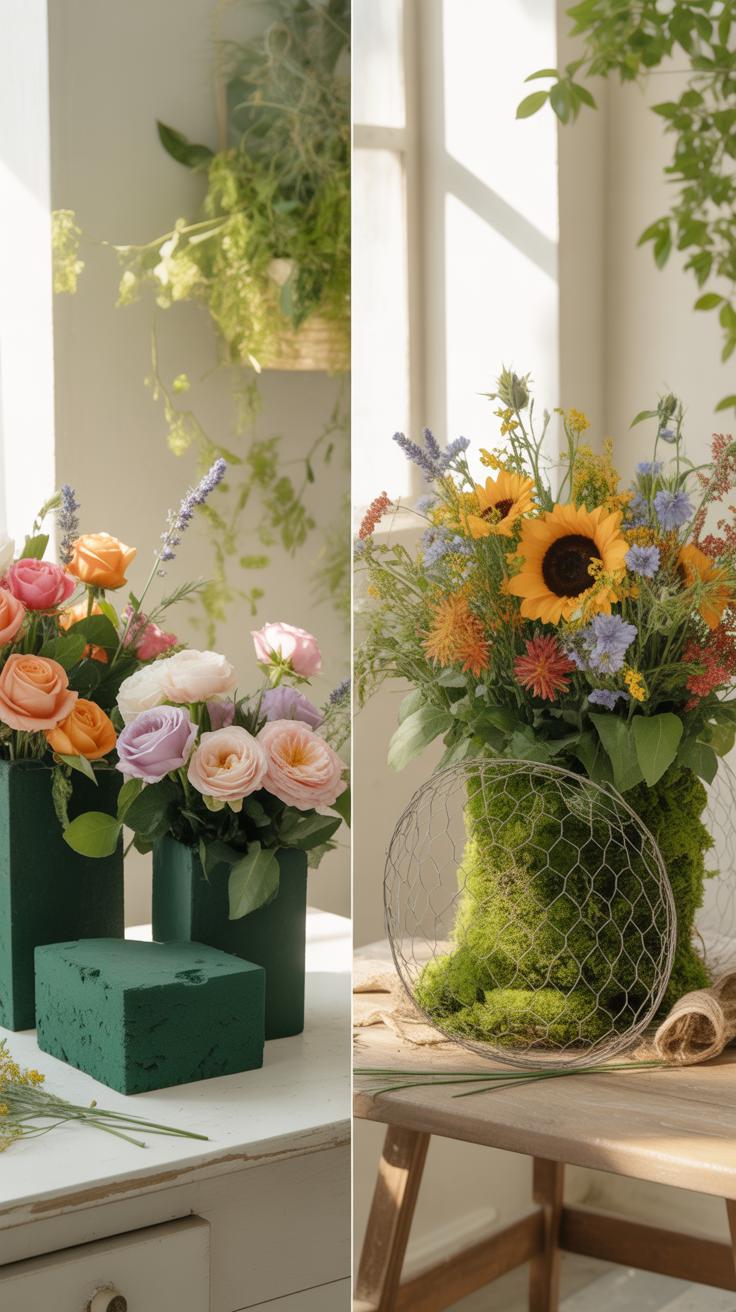
How Traditional Green Floral Foam Is Prepared And Why It Poses Risks
Preparing traditional green foam requires complete immersion in water until it sinks naturally. Forcing the block down creates dry air pockets that kill flower stems. This synthetic material consists of phenol-formaldehyde resin and blowing agents. Users often ignore the microscopic dust released during cutting. This dust enters the lungs and irritates the skin. It is a brittle plastic that does not break down.
The saturation process turns the foam into a reservoir for chemical leaching. Toxic runoff enters the wastewater system when designers empty buckets or vases. This microplastic pollution cannot be filtered out easily. The foam also limits water flow compared to liquid reservoirs. Once it dries out, it loses its structural integrity. It cannot be reused because the physical structure collapses after the first insertion.
Let your arrangements breathe as nature intended by returning to the heirloom wisdom of moss and twigs. In every sustainable stem placed by hand, we honor the timeless beauty of the earth while protecting its future.
Preparing Natural And Biodegradable Alternatives The Right Way For Best Results
Natural alternatives like chicken wire or floral frogs require mechanical preparation. You must secure these armatures to the vessel using waterproof tape or heavy clay. Unlike foam, these tools provide a hollow grid for free water movement. This allows stems to drink without obstruction. You must clean these components after every use to prevent bacterial growth. Proper anchoring ensures the entire arrangement remains stable during transport.

Eco-friendly wool or rockwool blocks require thorough soaking before use. You handle these materials differently than plastic foam. Some compostable options need specific pH balancing to keep flowers fresh. You must also cut stems at sharp angles to maximize contact with the damp fibers. Focus on the structural tension within the vessel. Good preparation relies on gravity and friction rather than chemical suction. This keeps the design secure and safe.
How To Choose Floral Foam Alternatives Based On Your Project Needs

Key Factors To Evaluate When Selecting The Right Floral Foam Alternative
Selecting a mechanical support system requires balancing stem density with water access. Traditional green foam holds water throughout its structure, but most alternatives separate the support from the reservoir. You must calculate the weight of your blooms and the duration of the event. Heavy woody stems require rigid metal armatures. Soft spring bulbs need gentle support to prevent bruising or crushing.
- Stem Gauge and Weight: Large installations with heavy branches require heavy-duty chicken wire or steel armatures. These materials provide the structural integrity needed to prevent collapsing. Lightweight silk or dried flowers work better with smaller wood wool bundles or sustainable fiber blocks that grip thin stems firmly.
- Water Reservoir Depth: Vases and containers must hold enough water to submerge stem ends when not using foam. Chicken wire allows for deep water levels. Kenzans require shallow water but constant refilling. Verify that your chosen alternative fits inside the vessel while leaving enough room for the necessary water volume.
- Design Portability: Transporting finished arrangements without foam requires careful planning. Kenzans are heavy and can slide during transit. Use floral clay or waterproof tape to secure your mechanics to the container. Wood wool and agave fibers offer more stability for moving pieces because they pack tightly and do not shift easily.
- Disposal and Lifecycle: Evaluate whether the material is reusable, compostable, or recyclable. Chicken wire and metal frogs last for decades with proper cleaning. AgraWool and specialized fiber bricks break down in industrial compost settings. Match the material to your client’s sustainability requirements to ensure the project meets environmental goals effectively.
- Visual Transparency: Glass containers expose the mechanics of the arrangement. Use clear waterproof tape grids or decorative stones to hide support structures. If aesthetics demand a clean look, hide chicken wire inside opaque vessels. Choose a mechanic that stays hidden or enhances the design without distracting the viewer from the flowers.
Stability depends on how the mechanic interacts with the container walls. Tension is your primary tool when skipping foam. Chicken wire must be wedged tightly against the sides of the vase to prevent wobbling. For wide-mouthed bowls, use a kenzan fixed with adhesive to the floor of the vessel. Testing the grip before adding flowers prevents structural failure during the design process or the final event.
Matching The Right Alternative To Specific Floral Design Occasions And Budgets
High-volume events like weddings demand cost-effective and fast solutions. Chicken wire is the industry standard for large installations because it is cheap and reusable. It allows designers to place stems at various angles quickly. For high-end bridal bouquets, use a hand-tied technique or a reusable metal holder. These methods eliminate waste while ensuring the flowers stay hydrated in a vase between photo sessions.

Corporate accounts and weekly rotations require low-maintenance mechanics. Kenzans are ideal for minimal, modern designs where precision is key. They cost more upfront but pay for themselves through years of reuse. For budget-conscious daily deliveries, wood wool or straw bundles offer a one-time use option that is fully biodegradable. Match the labor time to the material cost to maintain profitability on every floral project you execute.
Fast Absorbing Floral Foam Alternatives That Keep Flowers Fresh Longer
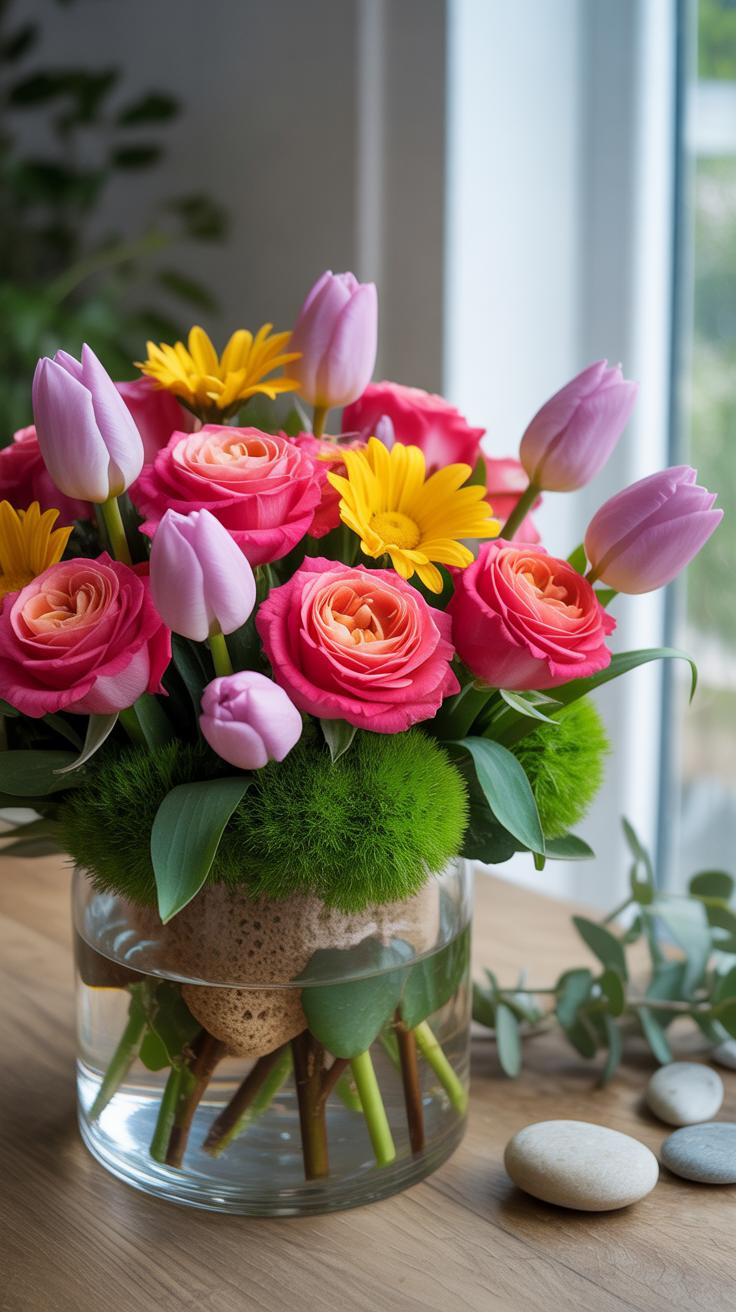
How Fast Absorbing Natural Substrates Like Wet Moss Rival Traditional Foam Hydration
Natural moss substrates function as highly effective capillary systems for cut flowers. Sphagnum moss absorbs several times its dry weight in water. This material holds moisture close to the stem base without the chemical runoff found in phenolic resins. Florists packed moss into wire frames for decades before synthetic foams existed. It provides physical stability and consistent hydration. This method relies on old-world techniques that prioritize plant health.
You must soak the moss thoroughly before use to ensure full saturation. Compressed sheets or loose fibers work best when packed tightly into containers. This density creates enough tension to hold heavy stems in place. Unlike plastic foam, moss allows for better air circulation around the biological tissue. This prevents early rot and bacterial growth. Professionals use this substrate for large installations to keep flowers hydrated in vertical structures.
Tips For Maximizing Flower Longevity When Using Water Based Foam Free Methods
Clean water remains the most effective medium for flower longevity. Foam-free methods like kenzans or chicken wire allow stems to sit directly in a high volume of water. This direct contact facilitates easier nutrient uptake compared to synthetic blocks. You should change the water every two days to prevent bacterial buildup. Bacteria clog stem vessels and cause premature wilting. Fresh water ensures a clear path for hydration.

Temperature control is a critical factor for stem survival. Keep your completed arrangements in cool areas away from direct sunlight or drafts. You should cut stems at a sharp angle to increase the surface area for water absorption. Remove all foliage below the water line to maintain clarity. These two steps reduce the risk of vessel blockage. Precise mechanical support combined with clean water outperforms foam in every measurable longevity test.
Frequently Asked Questions

Why should I consider using floral foam alternatives for my arrangements?
Many enthusiasts are switching to floral foam alternatives because traditional green foam is a non-biodegradable plastic that contributes to microplastic pollution. By choosing sustainable options like floral frogs or sand, you protect the environment while keeping your flowers hydrated. These eco-friendly methods are often reusable, unlike single-use foam, making them a healthier choice for both the planet and your home’s indoor air quality during the design process.
How do I secure heavy flower stems without using traditional foam?
One of the most effective floral foam alternatives for heavy stems is chicken wire. Simply crumple a piece of coated florist wire into a ball and tuck it inside your vase to create a sturdy, three-dimensional grid. This structure provides excellent support for thick branches and top-heavy blooms. You can further secure the wire using waterproof floral tape across the rim, ensuring your stunning arrangement stays perfectly in place all day.
What are the best low-cost DIY options for sustainable floral design?
If you are on a budget, look no further than your kitchen or garden for supplies. You can create a natural grid using waterproof clear tape in a crosshatch pattern over the mouth of your vessel. Alternatively, many designers use pebbles, marbles, or even bundles of twigs to hold stems upright. These accessible solutions prove that you don’t need expensive specialty products to master beautiful, sustainable floral design at home.