What Makes Tall Vase Arrangements A Timeless Home DCor Choice
The Visual Impact Of Height And Scale In Floral Design
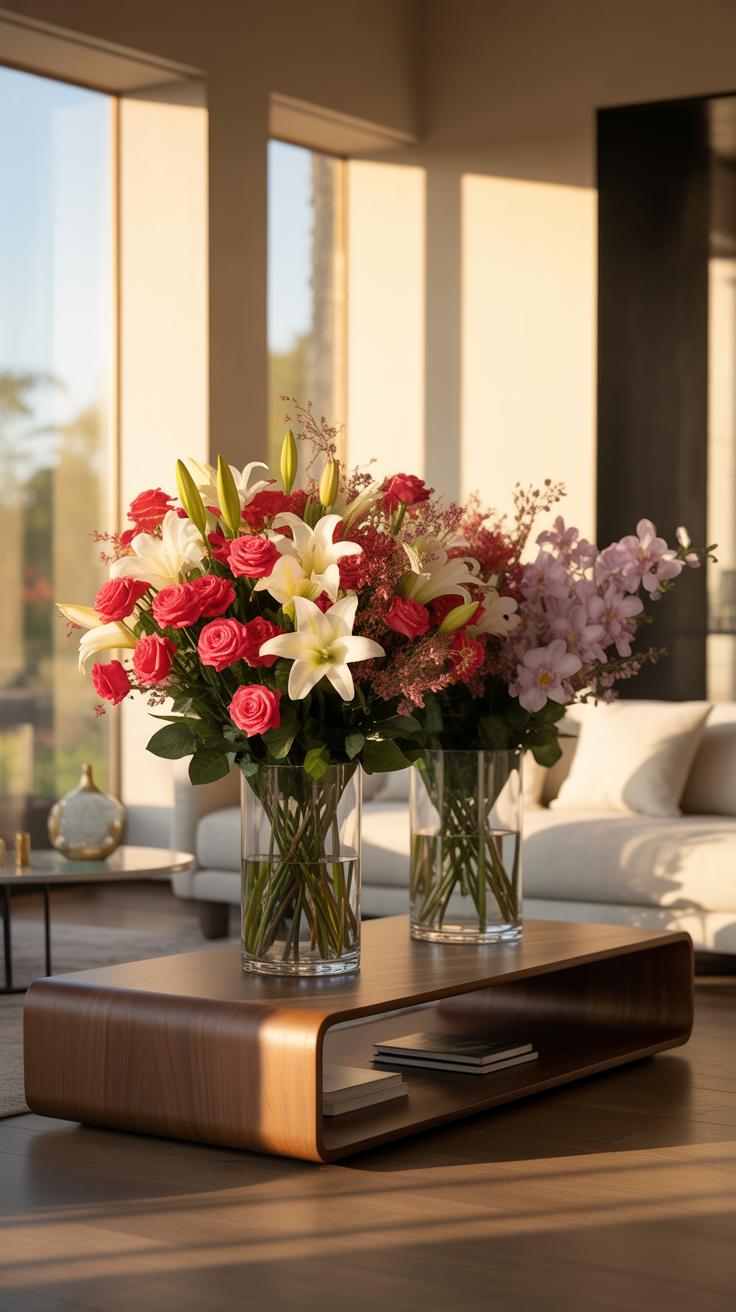
Tall vase arrangements leverage vertical space to change room proportions. Designers use height to draw the eye upward and emphasize ceiling dimensions. Height creates a sense of grandeur that small clusters cannot achieve. Proportional balance requires the arrangement to be at least one and a half times the height of the vase. This rule ensures the silhouette remains dominant and structurally sound.
Scale dictates the emotional weight of a room. Large arrangements fill empty corners or high-ceilinged voids that otherwise feel cold. Proper scaling uses lines to guide movement through a space. Florists select stiff stems like branches or lilies to maintain this vertical integrity. Strong lines provide a clear boundary for the viewer. This technique prevents the design from looking messy or accidental in a formal setting.
How Tall Arrangements Create Focal Points In Any Room
A focal point captures immediate attention and anchors the layout. Tall vase arrangements serve as the primary visual anchor in entryways and dining rooms. They break the monotony of horizontal surfaces like consoles or tables. By placing a tall element in the center, you create symmetry. This strategy forces the viewer to focus on a specific area. It helps define the function of the space quickly.
Strategic placement influences how people move and interact. Tall arrangements act as landmarks in open floor plans. They clearly mark transitions between rooms without using walls. You can use them to hide unsightly architectural features or distract from awkward angles. Consistent use of height establishes a professional look. It signals that the interior design is intentional and well-planned. This method works across modern and traditional styles effectively.

Choosing The Right Vase Shapes Materials And Styles For Large Flower Arrangements Tall Vases
Glass, Ceramic, And Metal Vases: Which Material Works Best For Tall Arrangements
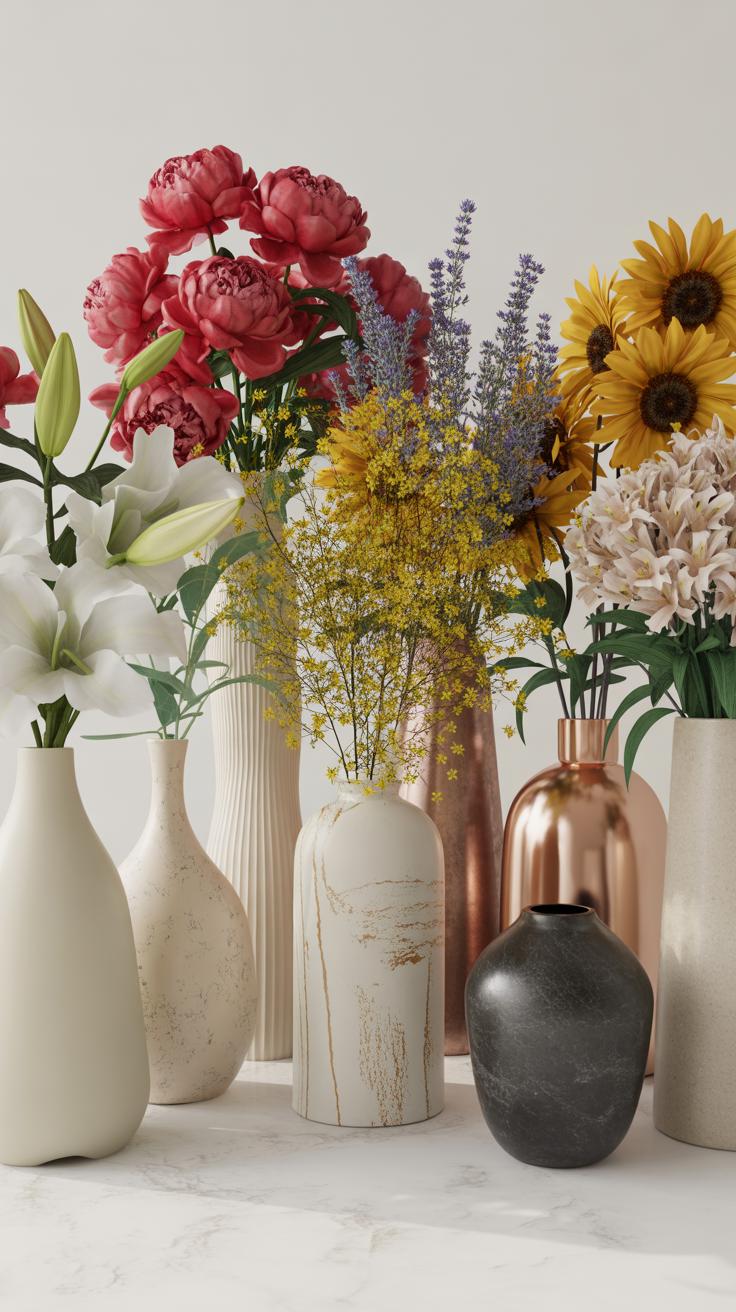
Glass remains the standard for modern tall vase arrangements. It provides structural visibility and shows the water level clearly. Heavy glass bases prevent top-heavy branches from tipping over. Clear glass works well in minimalist and Scandinavian designs. It allows the stems to become part of the visual display. You must keep the water clean because glass hides nothing. Use glass for fresh, high-maintenance floral displays.
Ceramic and metal offer opaque alternatives for different design needs. Ceramic provides a weighted foundation for heavy woody stems. It hides messy stems and murky water from view. Metal vases offer a sharp, industrial look and total durability. These materials do not break as easily as glass. Use opaque vases when you want the focus solely on the blooms. They require less frequent cleaning of the internal vessel.
Cylinder, Trumpet, And Flared Vase Shapes And How They Influence Your Design
Cylinder vases provide a vertical axis for straight stems like gladiolus or bamboo. The uniform width from top to bottom keeps the arrangement tight and organized. This shape limits the spread of the flowers. It forces the viewer to look upward. Use cylinders for modern, architectural designs. They fit well in narrow spaces like hallways or corners. The straight walls provide excellent support for heavy, upright branches.

Trumpet and flared vases widen at the top to allow for a dramatic spread. This shape forces stems to angle outward for a lush look. It works best for large-headed flowers like hydrangeas or lilies. The narrow base provides stability while the wide mouth creates volume. Use these shapes for centerpieces or focal points in large rooms. They create a traditional, luxurious silhouette that fills the surrounding air space effectively.
Best Flowers And Greenery To Use In Long Vase Flower Arrangements
Top Flowers That Naturally Suit Tall Vase Styling From Gladiolus To Delphinium
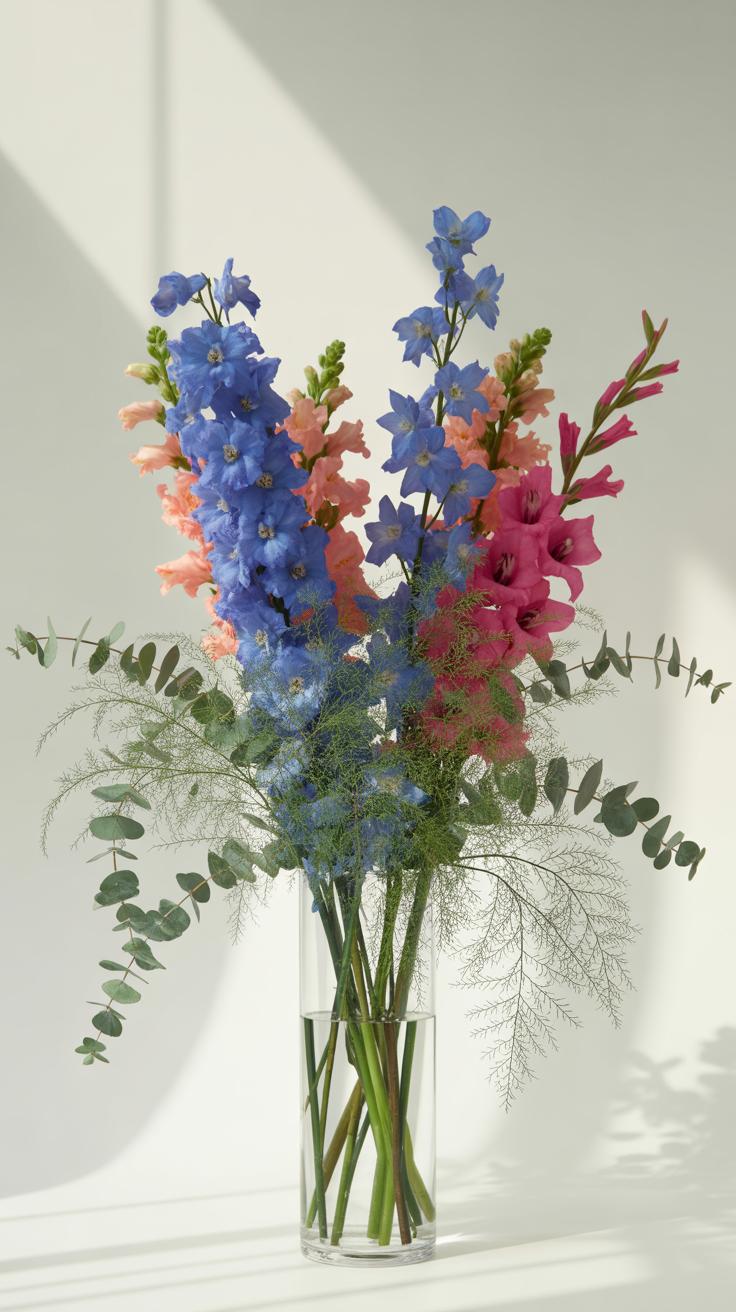
Tall vases require stems with rigid verticality and high bloom density. Choose species that bloom along a central spike to maintain visual momentum from the rim to the tip. These architectural flowers provide the necessary height without leaning or breaking under their own weight. Selecting flowers with heavy wood-like stems ensures the arrangement stays upright in deep water reservoirs without sagging over time.
- Gladiolus: These perennial corms produce long sword-shaped leaves and thick stalks with multiple funnel-shaped florets. They provide immediate vertical impact and reach heights up to four feet. Their stiff stems make them the industry standard for large-scale formal hotel lobby displays.
- Delphinium: Known for their intense pigments and towering racemes, these flowers offer a dense cluster of blooms. They create a lush look while maintaining a narrow footprint. Use them to add structural blue or white tones to high-ceiling rooms where vertical space is abundant.
- Eremurus: Also called Foxtail Lilies, these stems feature hundreds of tiny flowers bunched into a tall spire. They provide a unique texture that differentiates a high-end arrangement from basic supermarket bouquets. Their height and tapered shape guide the eye upward toward the ceiling.
- Snapdragons: These tall stalks offer a variety of colors and a playful shape. While slightly shorter than gladiolus, they work perfectly in mid-sized tall vases. Their multiple blossoms open sequentially from the bottom up, which extends the visual life of the vertical arrangement significantly.
- Calla Lilies: These flowers feature sleek waxy stems and a minimalist trumpet head. They represent the peak of modern clean-line design. Use them when you want to emphasize the shape of the vase rather than distracting the viewer with excessive foliage or complex petal patterns.
Balance these vertical elements by stripping lower leaves that sit below the water line. This prevents bacterial growth and keeps the focus on the upper blossoms. Always cut stems at a sharp angle to maximize water intake. Use odd numbers of these tall species to create a more natural and balanced visual flow. This strategy ensures the arrangement looks intentional and professional.
How To Incorporate Foliage And Branches To Add Structure And Drama
Branches provide the skeleton for any high-end tall arrangement. Woody stems like Forsythia, Magnolia, or Quince create a permanent frame that supports softer flower stems. These elements allow you to extend the width of the display without losing the vertical focus. Use branches to claim space in large rooms. They turn a simple vase into a piece of living sculpture.

Foliage adds necessary volume and covers the mechanics of the arrangement. Eucalyptus and Ruscus are reliable choices for their durability and wax-coated leaves. These plants do not wilt quickly and provide a dark green contrast that makes flower colors pop. Arrange the greenery first to establish the shape. Then insert your primary flowers into the gaps created by the sturdy leaves and branches.
Designing Stunning Tall Floral Arrangements Centerpieces For Dining And Living Spaces
Proportion And Balance: How To Scale Your Arrangement To Your Table Or Surface
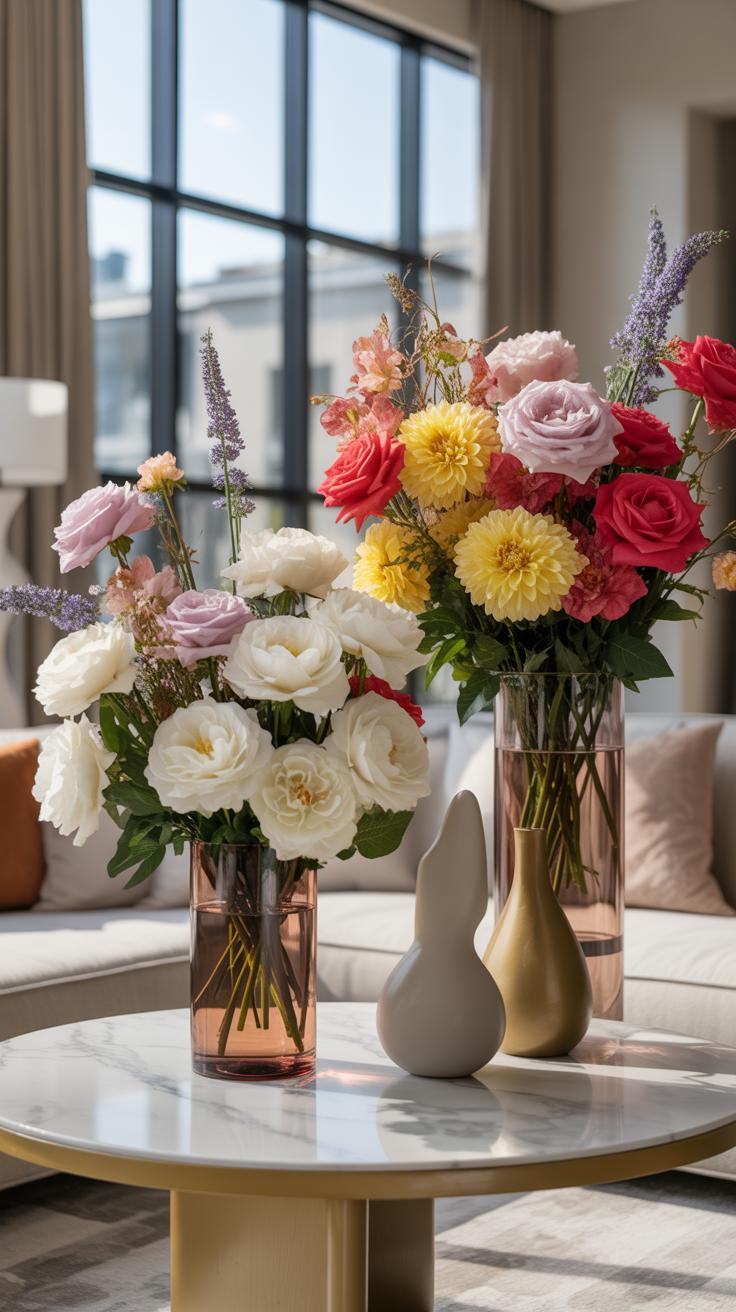
Scale dictates the success of any tall arrangement. Use the Rule of Thirds to ensure architectural stability. The vase should account for one-third of the total height. The floral material should make up the remaining two-thirds. This ratio prevents the display from looking bottom-heavy or unstable. Check the ceiling height before choosing stems. High ceilings require more vertical extension to bridge the empty space.
Surface area determines the base diameter of your vase. A narrow pedestal table requires a slim cylinder to maintain walking paths. A heavy rectangular dining table supports a flared or weighted bottom. Ensure the widest point of the greenery does not obstruct sight lines if people are sitting. For dining, keep the bulk of the foliage either very high or very low. This allows for clear eye contact across the table.
Color Palettes That Work Best For Centerpiece Tall Vase Arrangements In The Home
Apply color theory to match the room function. Monochromatic schemes provide a clean look for modern minimalist spaces. Use different shades of one color to create depth without visual clutter. Analogous colors sit next to each other on the color wheel. These palettes create a sense of calm and work well in bedrooms or quiet sitting areas. Complementary colors offer high contrast for high-energy dining rooms.

Neutral palettes rely on texture rather than hue. White lilies or green eucalyptus stems provide a timeless aesthetic. This approach works in any interior style from Mid-Century Modern to Traditional. Use saturated tones like deep burgundy or navy in rooms with high natural light. These dark colors absorb light and ground large, airy spaces. Always consider the wall color behind the arrangement. High contrast makes the silhouette of the branches stand out.
Fresh Flower Arrangements Keeping Your Tall Vase Display Looking Beautiful Longer
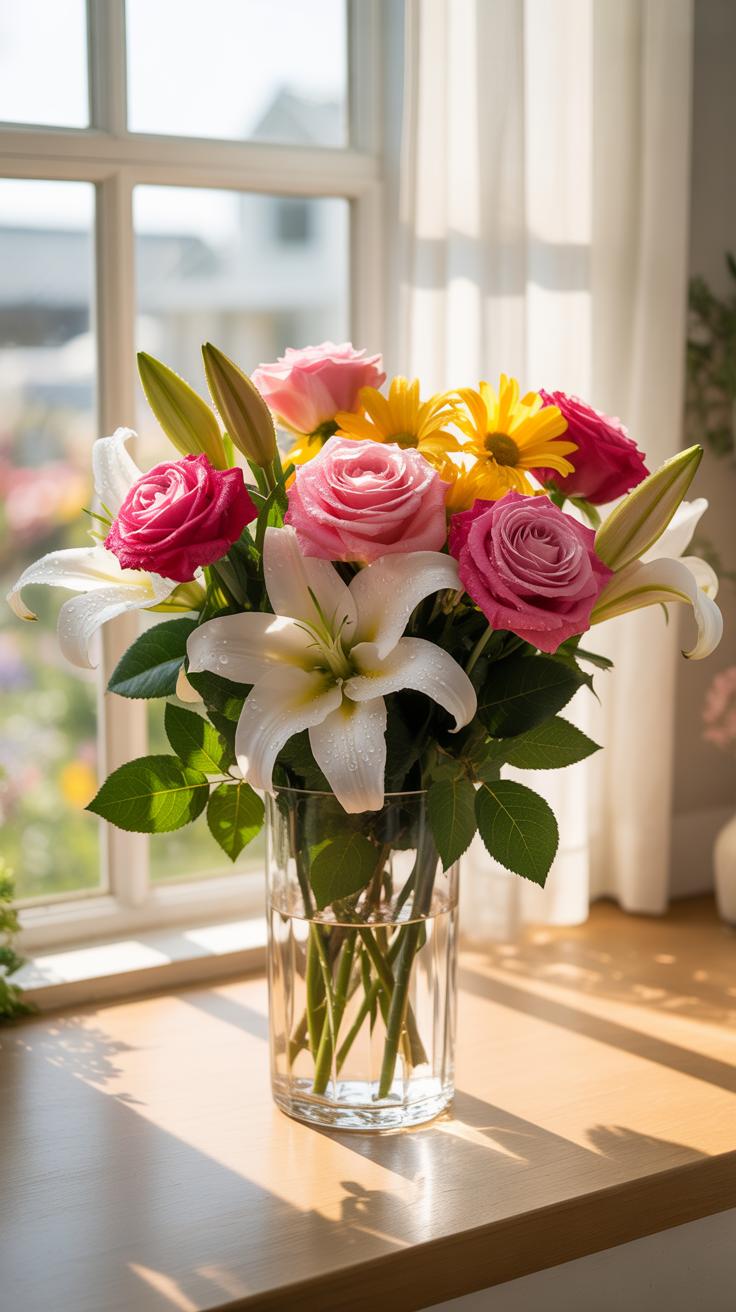
Proven Care Tips To Extend The Life Of Fresh Flowers In Tall Vases
Tall vases present a unique challenge for hydration because water must travel a long distance up the stem. Success hinges on maximizing water uptake and minimizing bacterial growth. You must ensure the vessel is chemically clean before use. Dirty containers harbor microbes that block stem vessels. Use sharp shears to prevent crushing the vascular system of the plant.
- Stem Trimming: Cut stems at a forty-five degree angle to increase the surface area for water absorption. This prevents the stem from sitting flat against the bottom of the vase. Re-cut stems every two days to remove callous tissue.
- Foliage Removal: Strip all leaves that fall below the water line in the tall vase. Decaying organic matter creates a breeding ground for bacteria. This bacteria clogs stems and causes premature wilting of the flower heads.
- Water Temperature: Use lukewarm water for most cut flowers to allow for faster absorption. The heat reduces air bubbles in the stems that can block hydration. Use cold water only for bulb flowers like tulips or hyacinths.
- Floral Preservation: Add a bleach and sugar solution or commercial flower food to the water. Sugar provides energy for the blooms while bleach kills harmful bacteria. This chemical balance is vital for maintaining water clarity in deep glass vessels.
- Placement Strategy: Keep the arrangement away from direct sunlight, drafts, and ripening fruit. Heat causes rapid evaporation and wilting. Ethylene gas from fruit triggers the aging process in flowers and makes petals drop much faster than normal.
Change the water entirely every forty-eight hours to maintain a sterile environment. Scrub the interior of the tall vase during each water change to remove biofilm. For heavy-headed flowers like lilies or sunflowers, ensure the water level reaches halfway up the stem. This provide both necessary weight for stability and a consistent pressure for hydration throughout the long plant structure.
Seasonal Flower Choices That Keep Your Fresh Arrangements Vibrant Year Round
Identify flowers with structural integrity to suit the scale of tall vases. Spring demands branches like Forsythia or Quince because their woody stems support height without drooping. These stems last several weeks and provide a natural vertical line. Select Tulips only if you account for their continued growth toward light sources. Use Ranunculus for lower mass to balance the height of the taller flowering branches.

Summer arrangements require heat-tolerant species like Gladiolus or Sunflowers. These plants feature thick, rigid stems that maintain posture in large containers. Autumn calls for Dahlias and decorative grasses like Miscanthus to add texture. Winter displays rely on Evergreens and Amaryllis. Amaryllis stems are hollow and require internal support sticks if the vase is very tall. Match the flower density to the mouth width of your vase.
Big Flower Arrangements Making A Bold Statement With Oversized Tall Vase Displays
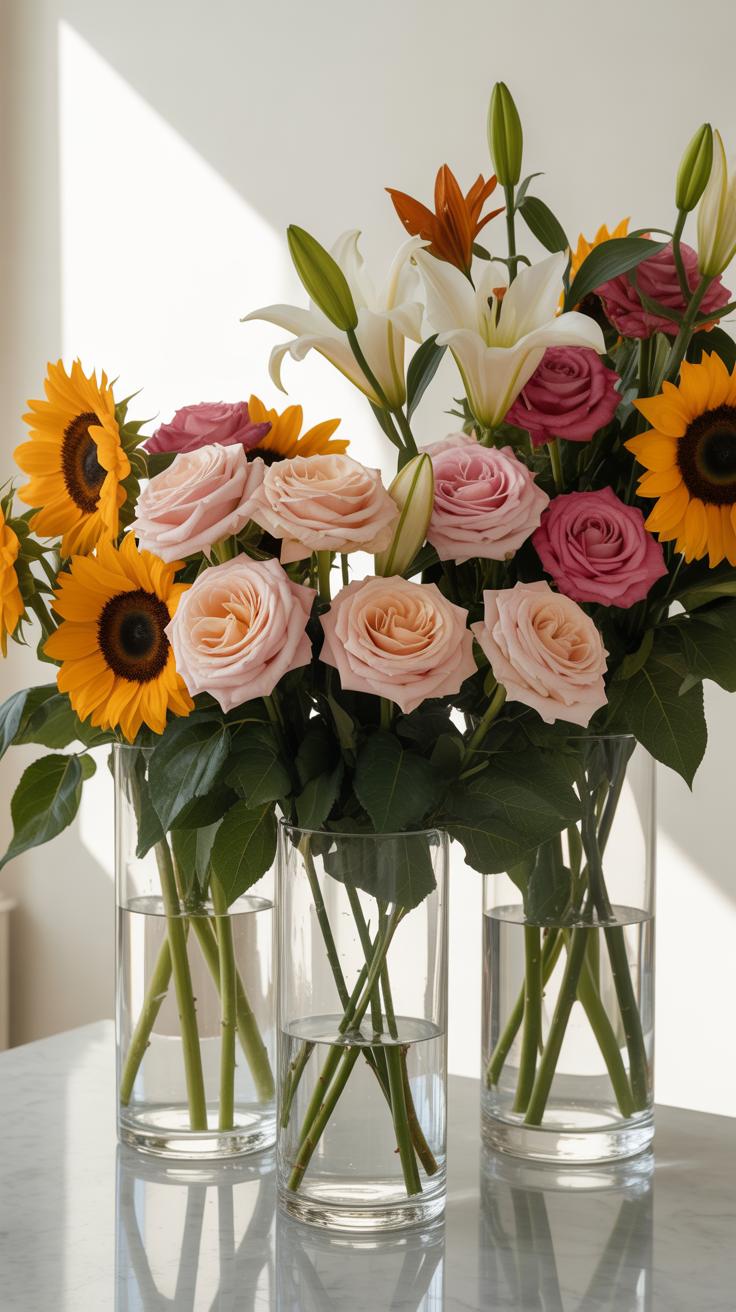
How To Design Big Flower Arrangements Without Overwhelming Your Space
Scale dictates the success of large displays. You must match the vase height to the ceiling height. A common rule uses a one-to-three ratio for the container and the stems. Proper placement prevents the arrangement from blocking sightlines. Use narrow neck vases to control stem spread. This method keeps the profile slim while allowing the height to command the room.
Stability is the next tactical priority. Big arrangements are heavy and can tip easily. Fill the base of the vase with river stones or heavy glass marbles. This lowers the center of gravity. Use clear floral tape in a grid pattern across the mouth of the vase. The grid holds heavy branches in place. It ensures the design maintains its shape over several days.
Using Tropical And Architectural Blooms To Create Eye Catching Large Scale Displays
Tropical plants offer a high visual impact with fewer stems. Use Monstera leaves or Birds of Paradise for immediate structural height. These species have rigid stems that do not wilt quickly. They provide clean lines suitable for modern interiors. Their large surface area fills negative space without clutter. This makes them ideal for minimalist homes that require a sharp focal point.

Incorporate architectural elements like flowering ginger or protea for texture. These blooms hold their form as they dry. This longevity reduces maintenance costs for the homeowner. Focus on the silhouette rather than small details. Bold colors like deep red or bright orange work best in well lit areas. Position these displays against neutral walls to highlight their unique shapes and sharp edges.
Flower Arrangements Large Enough For Entryways Lobbies And Grand Interiors
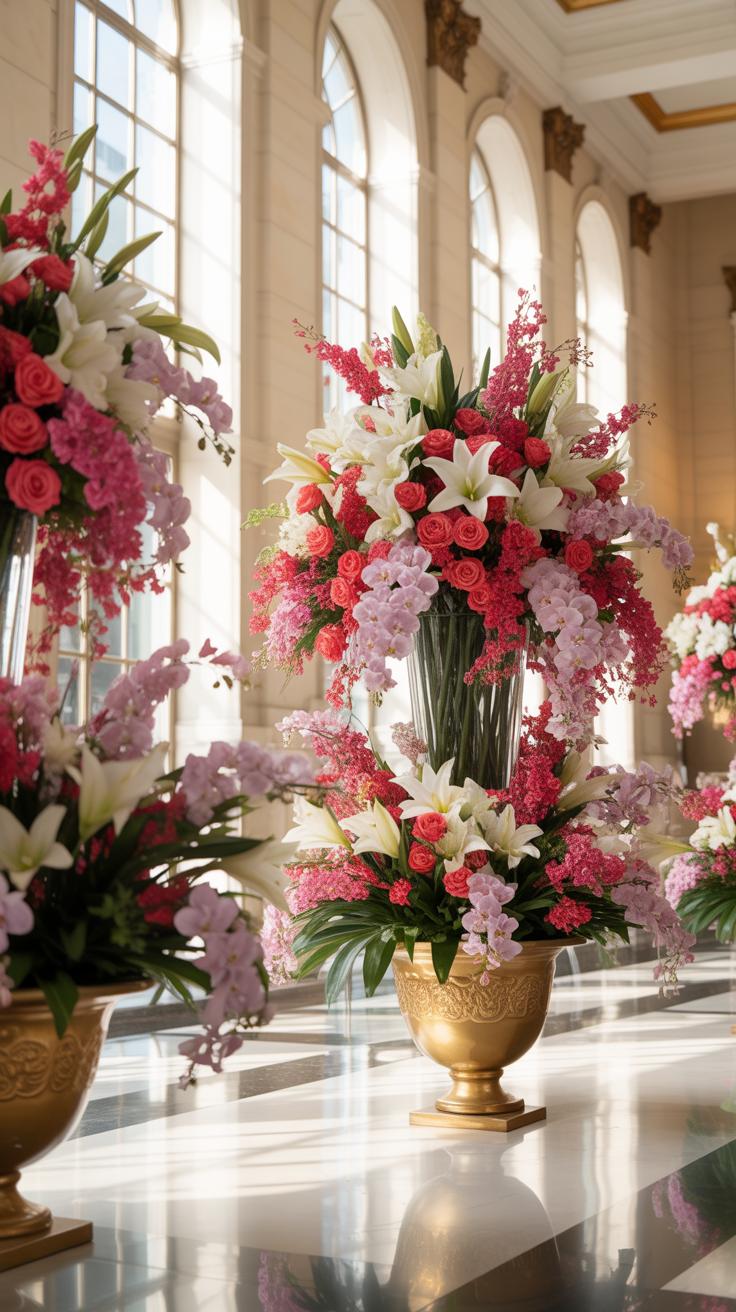
Designing Tall Vase Arrangements That Complement High Ceilings And Open Spaces
Large rooms demand scale. High ceilings make small bouquets disappear. You must use vertical lines to fill the empty volume. Tall Vase Arrangements should reach at least one-third the height of the ceiling in foyer settings. Use heavy glass or ceramic bases to prevent tipping. Architectural branches like Forsthia or Quince provide the necessary height and structural integrity for these massive open areas.
Balance the arrangement with the room’s focal point. In Neo-Classical or minimalist entries, symmetry creates authority. Position the vase on a central pedestal or console table. Use the golden ratio for proportions. The plant material should be one and a half times the height of the container. This math ensures the display looks intentional and professional. Avoid cluttered patterns that distract from the clean lines of the architecture.
To scatter flowers in a tall vase is to bring the simple elegance of an old garden right into the heart of your home. It reminds us that grace always reaches upward, turning a quiet corner into a sanctuary of memories.
Choosing Long Lasting Stems And Filler Flowers For High Traffic Decorative Spaces
High-traffic areas face drafts and temperature changes. You need resilient species that do not drop petals quickly. Tropical stems like Anthurium or Birds of Paradise last up to three weeks. Their waxy surfaces resist dehydration. Use woody perennials for the structure. These stems withstand the air movement caused by opening doors. Avoid delicate blooms like Sweet Peas that wilt within forty-eight hours in entryways.

Filler flowers must provide density without creating mess. Greenery like Ruscus or Eucalyptus provides a thick backdrop and remains fresh for twenty days. Change the water every three days to prevent bacterial growth. Use floral preservative to keep the vascular systems open. This extends the life of the display in professional environments. Trim the stems at a forty-five-degree angle to maximize surface area for hydration in deep water.
Church Flower Arrangement Ideas Adapting Tall Vase Styles For Sacred And Ceremonial Spaces
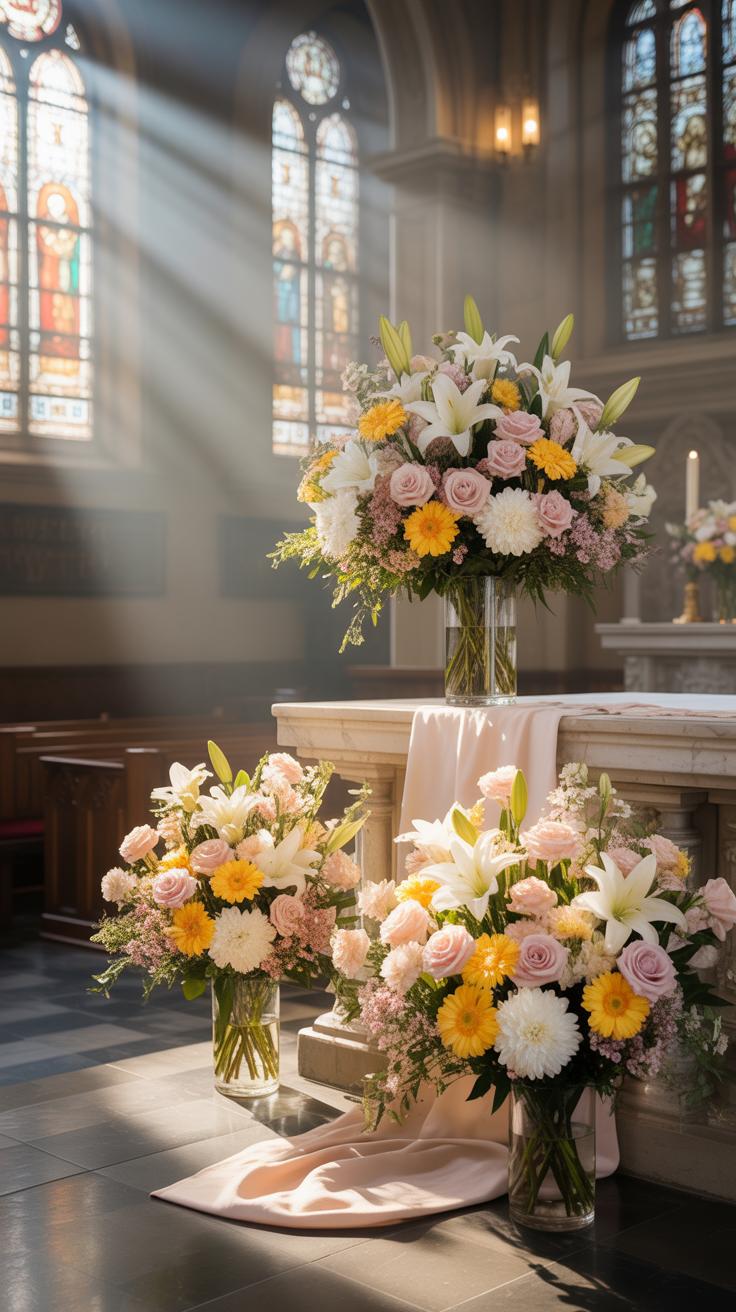
Traditional Vs. Modern Church Flower Arrangements Ideas Using Tall Vases
Traditional church arrangements prioritize symmetry and tiered structures. These designs often use the pedestal style to elevate flowers above the altar or lectern. Classic tall vases provide the necessary height to ensure visibility from the back of the nave. Standard materials include heavy stone or brass vessels. These choices support large volumes of gladioli, lilies, and snapdragons. Precise geometry defines this established aesthetic.
Modern designs shift away from rigid triangles toward organic shapes. Contemporary tall vases use glass or ceramic to create a lighter visual footprint. Designers now focus on negative space and clean lines rather than massing flowers. This approach emphasizes the natural form of the stem. It allows the architecture of the church to remain visible. Modern styles prioritize the structural impact of the vase over traditional floral density.
How Modern Church Flower Arrangements Ideas Are Embracing Contemporary Floral Design
Contemporary church design integrates minimalism and local sourcing. Florists now use architectural branches like curly willow or magnolia to add height without excessive cost. Transparent tall vases create a floating effect for the blooms. This technique suits modern sanctuaries with lots of natural light. Strategic placement replaces the old habit of cluttering the altar. Designers choose one or two focal points to guide the eye effectively.

Technical execution has moved toward sustainable methods. Modern arrangements often avoid floral foam in favor of kenzans or chicken wire. These armatures provide better stability in tall vases. Designers select specific color palettes to match liturgical seasons rather than using generic mixes. Use bold, singular flower choices like anthuriums or calla lilies for maximum impact. This strategic shift ensures the floral display remains relevant and disciplined within a sacred environment.
DIY Tall Vase Arrangements How To Create A Professional Looking Display At Home
Essential Tools And Supplies You Need Before Building Your Tall Arrangement
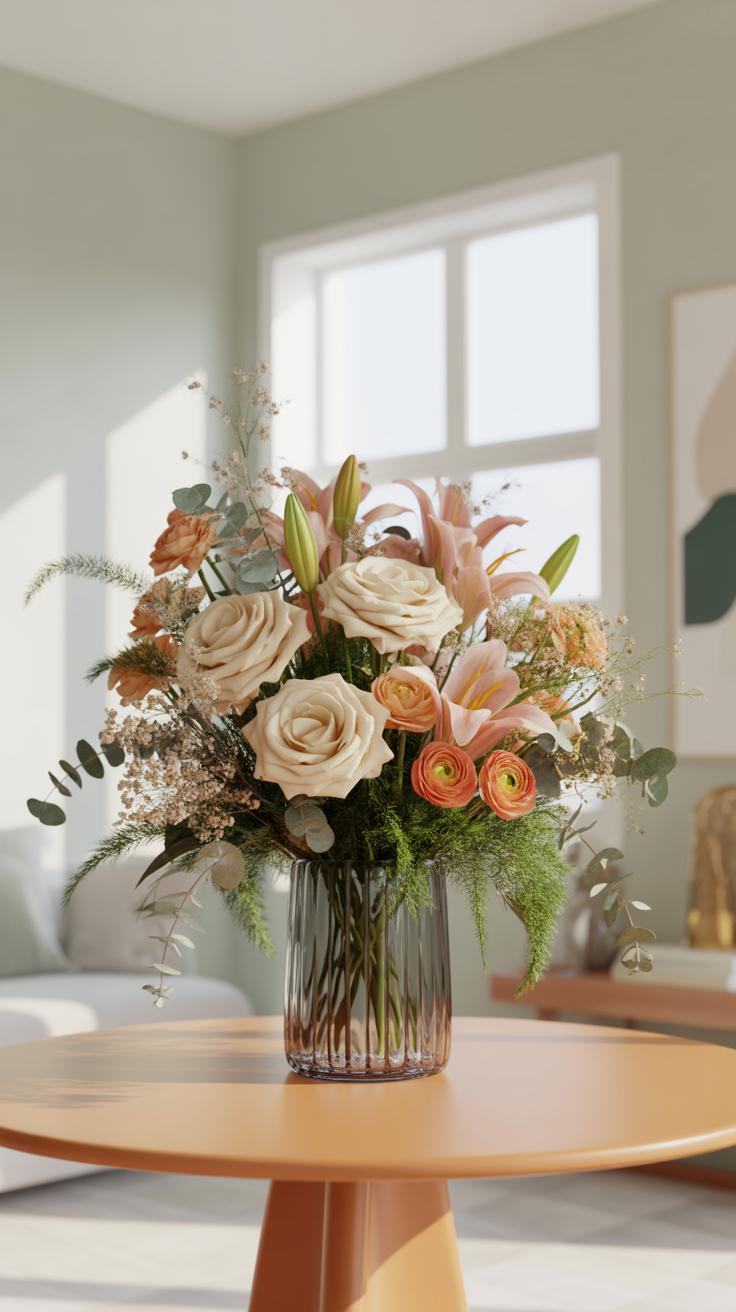
Preparation dictates the quality of the final display. You need sharp floral shears to make clean 45 degree cuts. Standard scissors crush the stems and block water intake. Use clear floral tape to create a grid across the vase opening. This grid supports heavy stems and prevents them from flopping to the sides. Use clean containers and lukewarm water to maximize the life of the stems.
Support materials ensure structural integrity for height. Use floral foam for complex shapes or chicken wire for a more natural look. Chicken wire stays hidden and allows for easy stem repositioning. Add floral preservative to the water to stop bacteria growth. If using branches, hunt for heavy duty pruners. These tools allow you to manage thick woody stems that standard shears cannot cut through effectively.
Step By Step Design Principles For Achieving Balance Texture And Visual Flow
Start with the skeleton of the arrangement. Use tall branches or linear flowers to set the maximum height. The height should typically be one and a half times the height of the vase. This ratio follows the Golden Ratio principle used in classical design. Place these primary stems in the center or back to establish the frame. This step provides the structural boundaries for the rest of your work.
Layer in secondary elements to build mass and texture. Add focal flowers at varying heights to lead the eye through the display. Avoid placing all large blooms at the same level. Use greenery to fill gaps and hide the mechanics of the tape or wire. Maintain balance by checking the arrangement from all angles. Ensure the weight is even so the vase does not tip over during use.
Frequently Asked Questions

What are the best types of flowers to use in a tall vase?
When choosing flowers for tall vase arrangements, look for long-stemmed varieties that provide height and structural integrity. Structural blooms like gladiolus, lilies, and delphiniums are excellent choices because they naturally draw the eye upward. For a more modern look, consider using branches such as cherry blossoms or curly willow. These sturdy options ensure your display remains upright and balanced without drooping over the rim of your vessel.
Can I create an elegant floral display without spending a lot of money?
Absolutely! You can achieve stunning tall vase arrangements on a budget by foraging for natural elements in your own backyard. Look for interesting dried branches, long grasses, or even oversized tropical leaves like monstera, which can stay fresh for weeks in water. A single, dramatic branch or a few stems of eucalyptus often look more sophisticated and high-end than a crowded, expensive bouquet, offering a minimalist yet stylish aesthetic.
How do I keep tall stems from tipping over in a narrow vase?
Top-heavy arrangements in narrow vases can be stabilized by adding a layer of glass beads, marbles, or pebbles to weigh down the base. Crisscrossing clear floral tape across the vase opening also creates a grid that holds each stem in place. For extra security with very tall or heavy branches, choose a vase with a wider base relative to its height.