
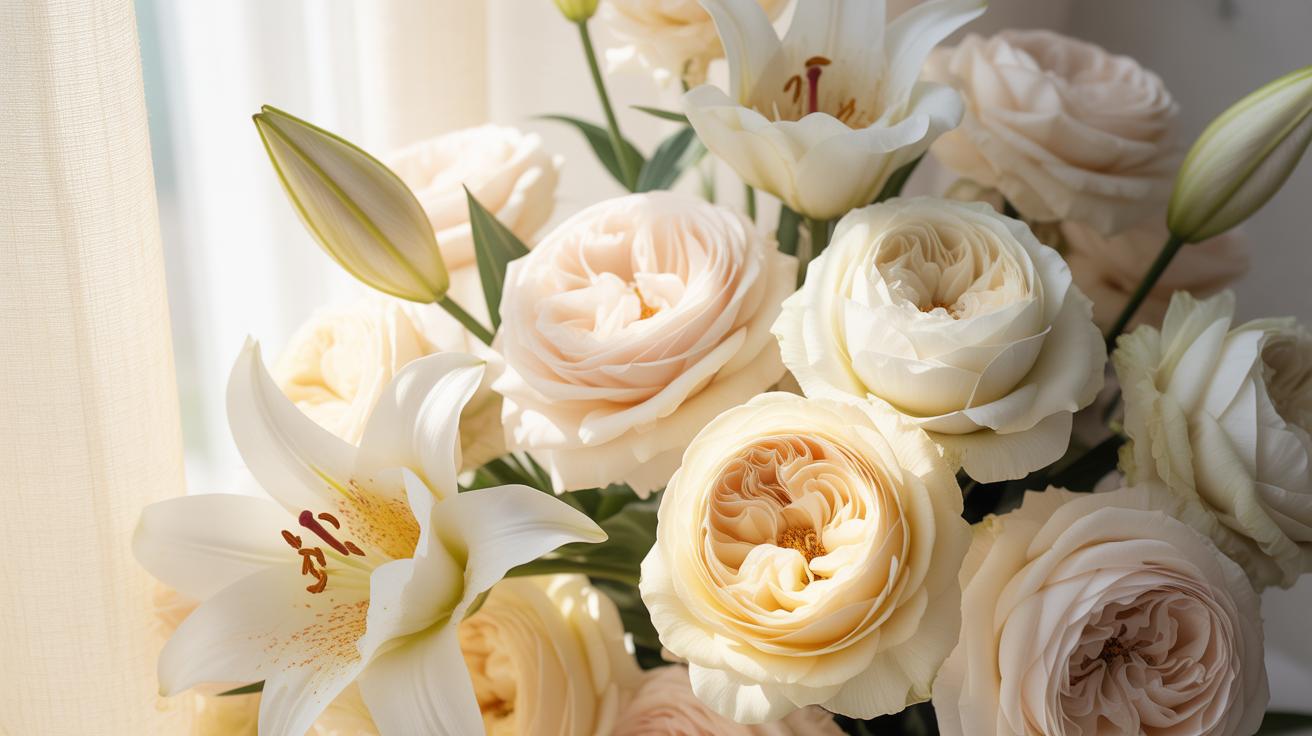
The Enduring Appeal Of Cream Floral Arrangements In Modern DCor
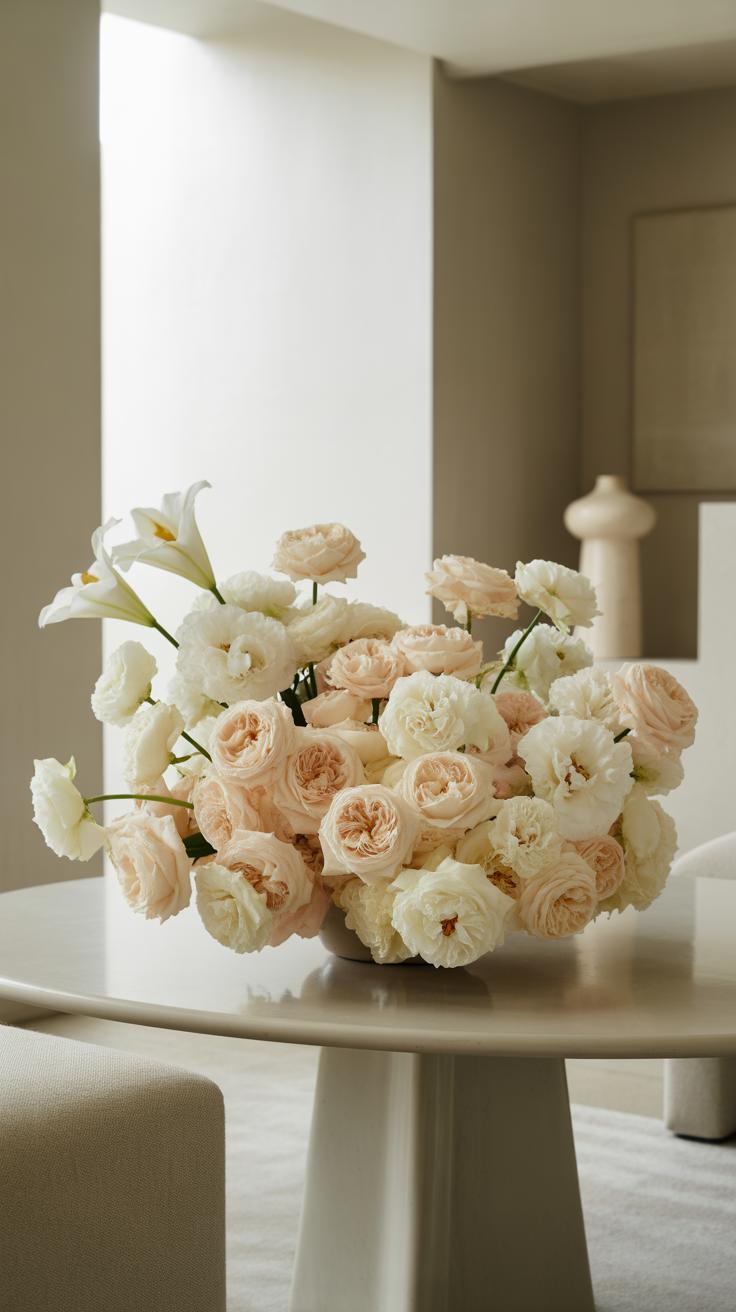
Why Cream Tones Bring Warmth And Sophistication To Any Space
Cream tones provide a neutral base that softens harsh architectural lines. Designers use these hues to bridge the gap between stark white and heavy earth tones. Unlike bright white florals which reflect light aggressively, cream petals absorb and diffuse light. This effect creates a sense of depth in minimalist rooms. You can use these colors to make large spaces feel more intimate.
Sophistication comes from the low-contrast nature of ivory palettes. These arrangements do not fight for attention but rather ground the surrounding decor. This strategy aligns with Scandinavian and transitional design movements. It emphasizes texture over bold color. Use cream florals to maintain a clean aesthetic while avoiding the cold feeling of a sterile environment. They provide a high-end look without needing complex color theory.
The Most Popular Cream Toned Flowers Used In Contemporary Arrangements
Floral designers prioritize specific species for their structural integrity and color consistency. The Quicksand rose serves as a primary choice due to its champagne and berry undertones. Hydrangeas provide bulk and volume in cream varieties like Shooting Star. These flowers offer reliable performance in commercial settings. Their matte finish matches modern interior fabrics. You gain both durability and a professional finish with these specific selections.
Lisianthus and Ranunculus offer necessary detail for close-up viewing. These flowers feature high petal counts that showcase natural shadows within the ivory spectrum. This depth is essential for monochromatic designs. Carnations in cream shades have also regained popularity for their long vase life and dense ruffles. Choose these varieties to ensure your arrangement lasts beyond a single event. Focus on flowers with sturdy stems to maintain the desired shape.
How To Style Cream Flower Arrangements For Every Room In Your Home
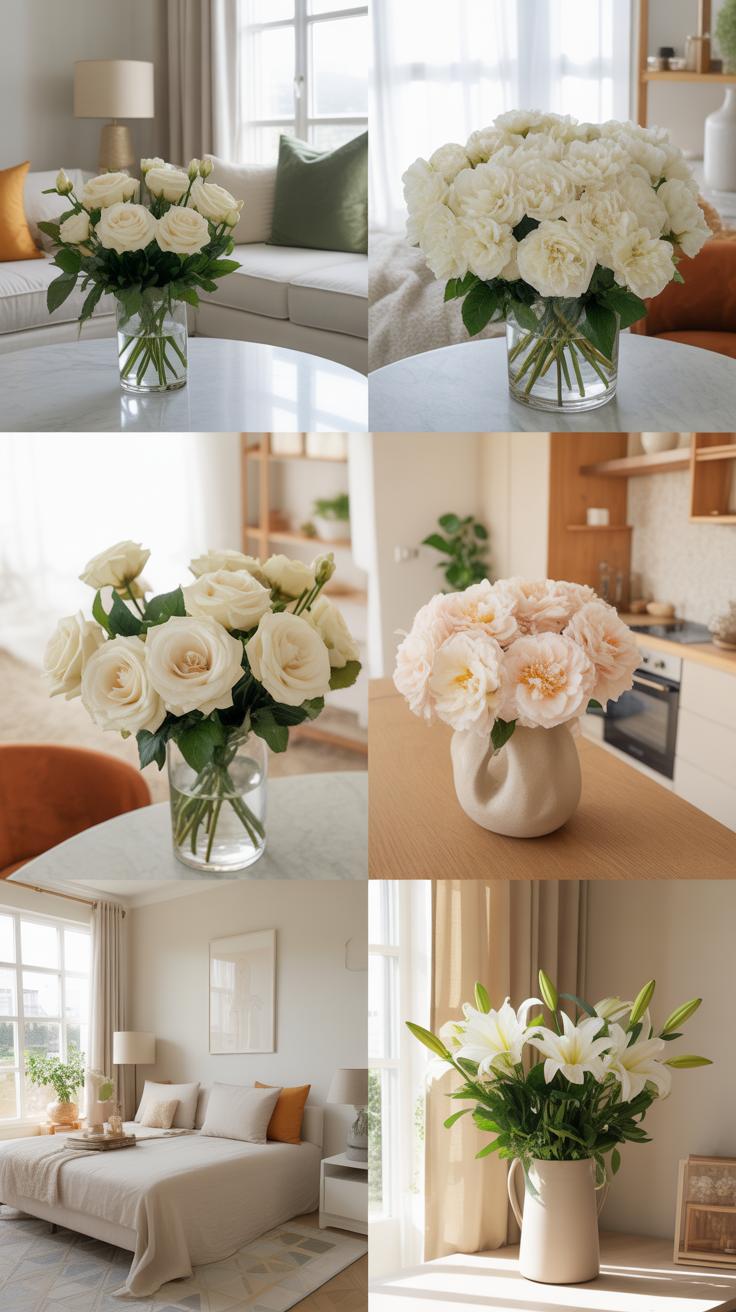
Choosing The Right Vessels And Textures To Complement Cream Blooms
The vessel carries the aesthetic weight of the arrangement. Use matte ceramics to ground cream florals in modern minimalist settings. These non-reflective surfaces absorb light and prevent the flowers from looking washed out. Metal containers like aged brass or copper offer high contrast against light petals. This technique draws the eye to the organic shapes of the flower heads rather than the container itself.
Texture dictates the mood of the display. Pair smooth ivory lilies with rough terra cotta to create a rustic Mediterranean look. Use clear glass only when the water and stems remain perfectly clean. Distorted or frosted glass works better for hiding stem decay while diffusing light around the base. Select ribbed or hammered finishes to add depth. These details provide visual interest without relying on bright colors.
Seasonal Styling Tips For Cream Flower Arrangements Year Round
Cream florals adapt to every season through strategic greenery and filler choices. Use monochromatic schemes to emphasize texture during the colder months. Transition through the calendar by swapping stems to reflect natural growth cycles. This approach ensures your arrangements look intentional rather than out of place. Use the following seasonal shifts to maintain a professional look in any room regardless of the current month.
- Spring Freshness: Integrate pale green buds and thin branches like pussy willow. This adds vertical structure and signals new growth. Use clear glass vessels to emphasize clean water and light. Avoid heavy fillers that overpower the delicate cream petals.
- Summer Abundance: Pair ivory blooms with deep emerald foliage or ferns. The high contrast between the dark leaves and light flowers mimics a shaded garden. This setup keeps the room feeling cool and organized during peak heat.
- Autumn Warmth: Mix cream flowers with dried elements like wheat or bleached ruscus. These tan and brown tones bridge the gap between summer white and winter darks. Use stoneware or wood containers to add necessary visual weight and earthy textures.
- Winter Minimal: Focus on structure by using woody stems and evergreens like cedar or pine. The dark needles provide a sharp backdrop for the cream flowers to pop. This creates a sophisticated holiday look without using traditional red or gold colors.
- Year-Round Basics: Maintain a core selection of cream roses or carnations for consistency. Replace secondary fillers every three months to reflect the outside environment. This method saves money while keeping the home decor current and visually interesting.

Lighting plays a critical role in how ivory tones appear in a room. Natural daylight brings out the yellow undertones in cream petals. This makes the space feel warm and inviting. In the evening, use soft warm bulbs to prevent the flowers from looking gray. Proper placement near light sources ensures the blooms remain the focal point of your interior design strategy.
Neutral Flower Arrangements Centerpieces That Elevate Any Table Setting
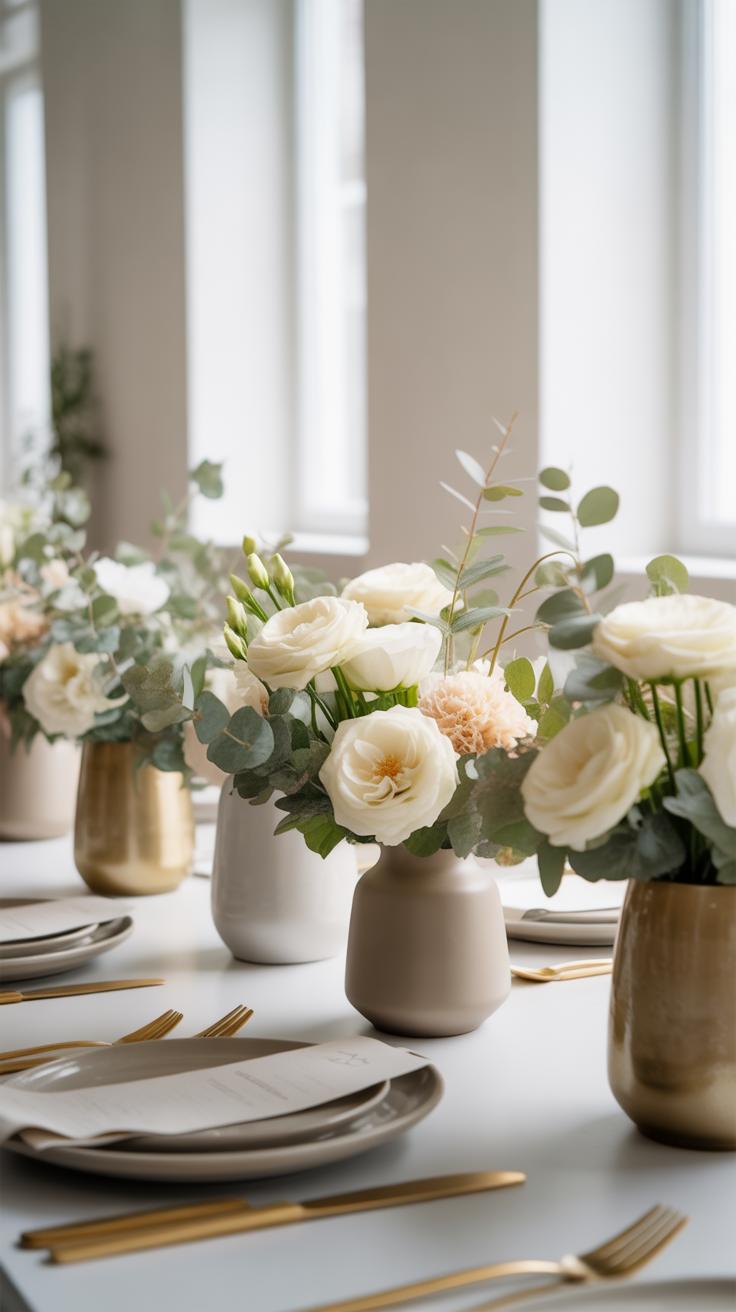
Designing Low And Lush Centerpieces With Neutral Blooms And Foliage
Low centerpieces facilitate conversation by keeping the sightline clear. Use heavy stone or ceramic vessels to support dense groupings of Cream and Ivory Florals. Traditional Dutch Still Life techniques influence this style by mixing textures. Combine smooth petals with matte foliage to create visual depth. Sharp floral shears ensure clean stems for maximum water intake. This keeps the compact arrangement fresh during long events.
Prioritize structural integrity by using chicken wire or floral pin frogs instead of plastic foam. This sustainable method supports heavy blooms like garden roses or ranunculus. Layer those larger white flowers first to establish the base shape. Fill gaps with smaller ivory buds and silver green eucalyptus. Focus on a 360 degree view so every guest sees a balanced design. Keep the height below twelve inches.
Tall And Dramatic Neutral Centerpiece Styles For Formal Occasions
Tall arrangements draw the eye upward and define the scale of large ballrooms. Use clear glass trumpets or narrow metal stands to elevate the Cream and Ivory Florals. This technique leaves the table surface open for place settings and glassware. Professional designers often use sturdy branches like bleached manzanita to provide a frame. This framework supports heavy orchids or cascading delphinium in neutral shades.
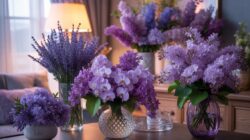
Balance is the primary technical challenge for high designs. Weight the base of the container to prevent tipping. Use long stems of hydrangea or lilies to create a full silhouette at the top. Victorian era formal designs often used these heights to signal status and luxury. Modern applications focus on clean lines and monochromatic palettes. High impact lighting on the ivory petals enhances the texture of the arrangement.
Modern White Floral Arrangements Clean Lines Meet Natural Beauty
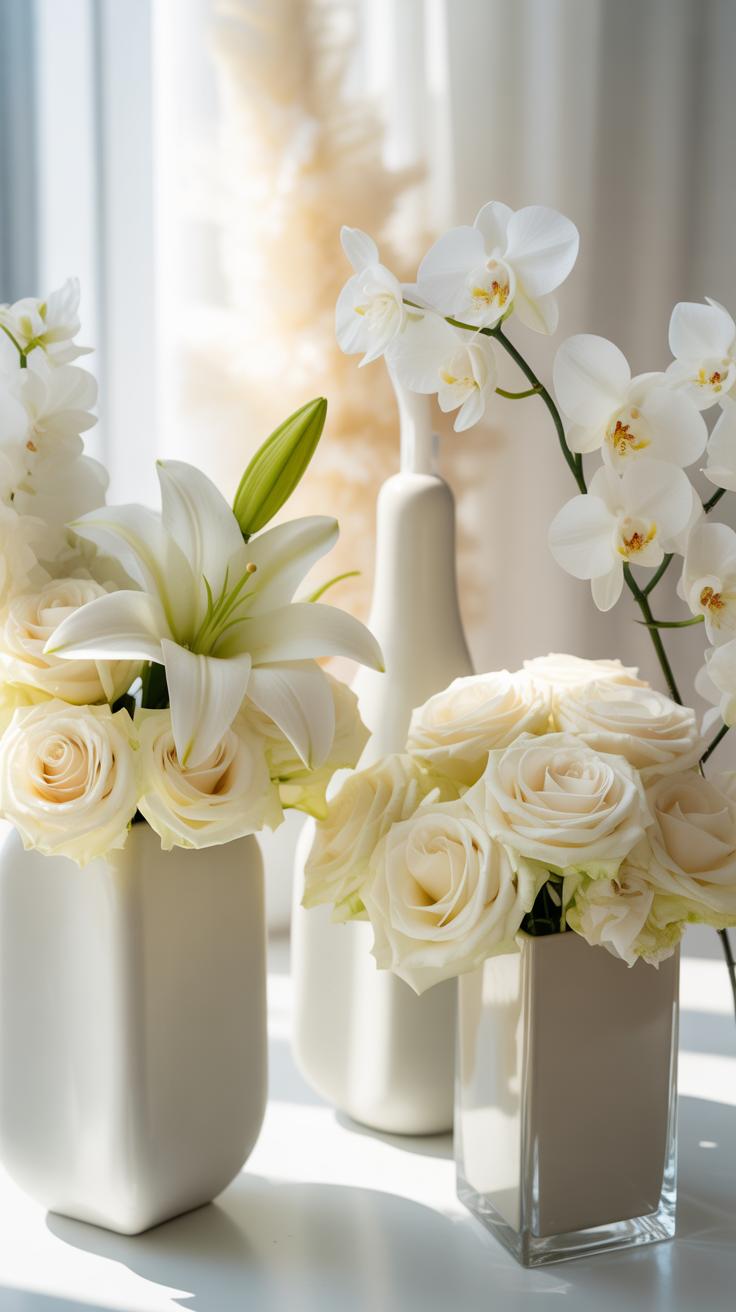
Minimalist Approaches To Modern White Floral Design
Modern minimalism focuses on negative space and architectural form. Designers select fewer stems to highlight the natural shape of each flower. This style uses the Japanese concept of Ma to create balance. It strips away excess foliage and filler. You must use sturdy stems like calla lilies or long-stemmed roses. This creates a sharp profile. Clean lines guide the eye toward a single focal point.
Select vases with geometric shapes to support the structural look. Use clear glass or matte ceramic to keep the focus on the blooms. This approach works best in professional settings or modern homes. It eliminates visual clutter and emphasizes quality over quantity. High-end designers value this method for its efficiency and impact. You save money on bulk materials while delivering a sophisticated final product.
Pairing White And Cream Blooms For A Contemporary Monochromatic Look
Monochromatic design relies on texture rather than color. Mix bright white blooms with ivory or cream tones to add depth. This prevents the arrangement from looking flat or sterile. Use peonies for soft edges and ranunculus for tight petals. The slight shift in hue mimics natural light and shadow. This technique creates a rich and multi-dimensional appearance without using loud colors.

Balance matte petals with glossy leaves to increase visual interest. Use different heights to create a natural flow within the container. Designers often place darker cream shades at the base to ground the arrangement. Lighter whites go at the top to draw the eye upward. This strategic layering mimics how flowers grow in nature. It looks deliberate and high-end. Stick to this palette for timeless and versatile results.
The Ivory Bouquet A Timeless Choice For Weddings And Celebrations
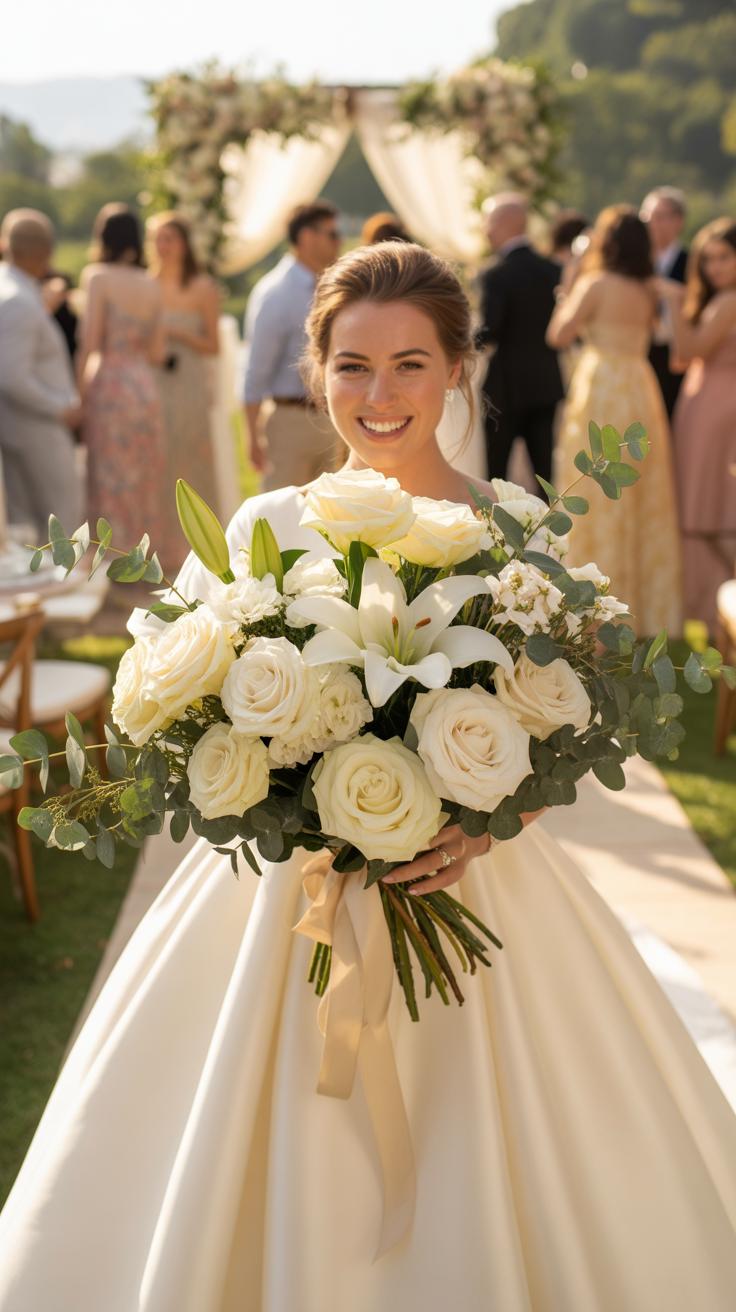
Best Flower Varieties To Include In A Classic Ivory Bouquet
Selecting specific species determines the structural integrity and color temperature of the arrangement. Pure white flowers often appear blue or cold under high-intensity event lighting. Professional florists use ivory and cream cultivars to provide warmth and depth. These tones mimic natural light better and look superior in digital photography. Choosing varieties with high petal counts adds necessary shadow and contrast.
- Vendela Rose: This hybrid tea rose is the industry standard for ivory weddings. It features a consistent warm undertone and sturdy petals that resist bruising during transport. Its classic shape fits formal settings perfectly.
- White Majolica Spray Rose: These small blooms offer a creamy white hue with a hint of pale pink in the center. They provide essential texture and filler capacity. They bridge the gap between larger focal flowers.
- French Tulips: These flowers provide long, elegant stems and large heads. The ivory versions have a translucent quality that catches light. They work well for vertical movement in hand-tied designs and high-end luxury events.
- Hydrangea Macrophylla: The antique white variety offers massive volume and a soft, matte finish. It acts as a structural base for other flowers. Florists use it to maintain the bouquet shape and provide consistent color density.
- Lisianthus: This flower mimics the look of a rose but offers more flexibility. The cream varieties feature ruffled edges and multiple buds per stem. They add a delicate visual layer and improve the overall flow of the piece.
Avoid mixing too many stark white stems with ivory blooms. The contrast makes the cream flowers look dirty rather than intentional. Use greenery with silver or muted green tones to complement the warm pigments. Proper hydration is critical because ivory petals show browning faster than vibrant colors. Strategic layering of these specific species ensures the bouquet looks expensive and stays fresh.
How Bouquet Shape And Size Influence The Overall Ivory Aesthetic
The geometry of the bouquet dictates the visual weight of the cream and ivory tones. A tight, round Biedermeier style concentrates the color and creates a solid block of ivory. This density makes the shade appear more saturated and formal. Larger, cascading shapes allow light to pass through the blooms. This creates a lighter aesthetic that highlights the subtle shifts between cream and bone white.
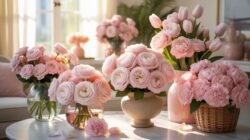
Scale must match the setting and the wearer to maintain balance. A small posy bouquet emphasizes the delicate nature of ivory petals. A large, overstuffed arrangement showcases the luxury of the material. Use architectural shapes like the crescent or pageant style to show off stem lines. These shapes use negative space to make the ivory pop against dark backgrounds. Proper sizing prevents the monochromatic palette from looking like a shapeless mass.
Champagne Wedding Theme Flowers That Add Romance And Warmth
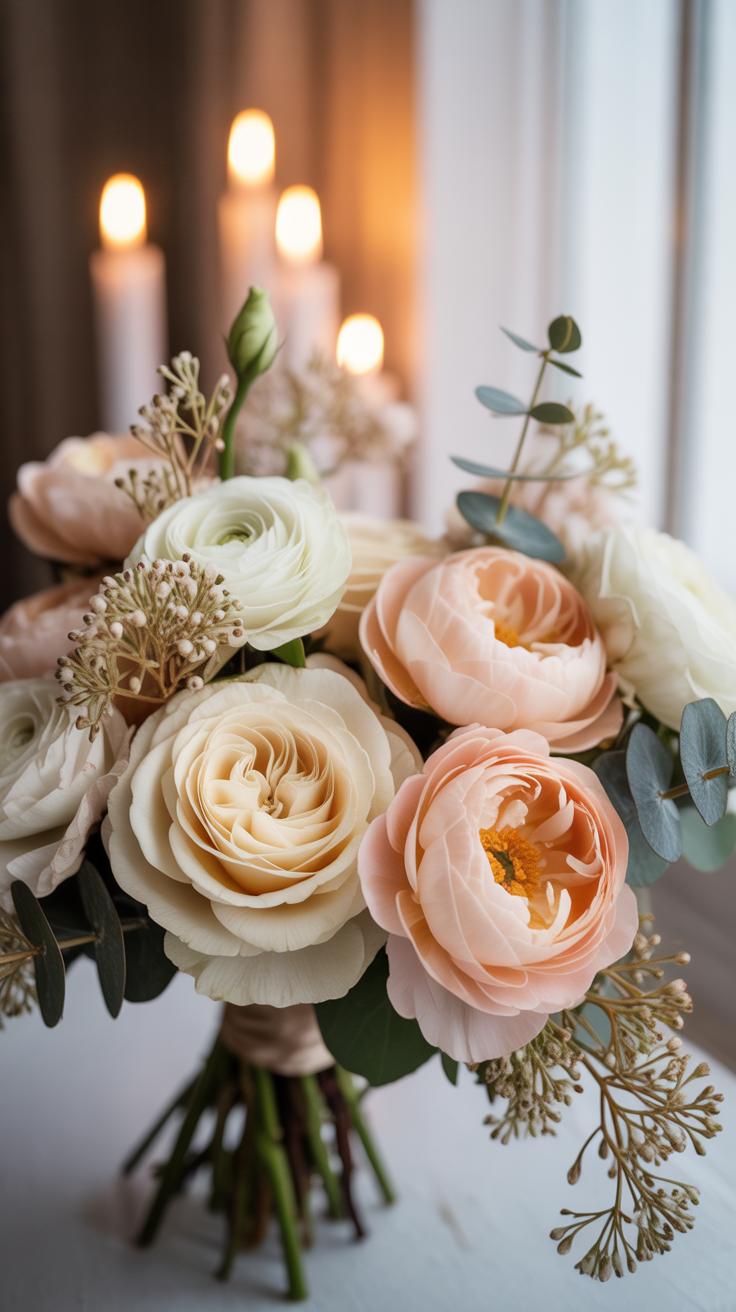
Why Champagne And Ivory Tones Work So Well Together In Wedding Florals
Champagne tones sit between gold and beige on the color wheel. These hues provide a necessary bridge between stark white and warm ivory. This combination adds depth to floral arrangements without using high-contrast colors. Designers use these shades to mimic vintage aesthetics from the Edwardian era. These colors work because they absorb light instead of reflecting it. This creates a soft visual texture.
Ivory flowers often have yellow or green undertones. Champagne accents neutralize these undertones with pink or tan bases. This pairing creates a monochromatic look that feels intentional and layered. It prevents the flowers from looking flat or washed out in professional photography. Strategists choose this palette to ground the wedding design. It provides a stable base for metallic hardware or wooden structures.
Incorporating Champagne Theme Wedding Flowers Into Ceremony And Reception DéCor
Placement determines the impact of neutral florals. Use ivory flowers as the primary mass in ceremony arches. Integrate champagne tones through secondary blooms like Toffee or Quicksand roses. This strategy draws the eye to specific focal points. It creates a sense of movement along the aisle. Large scale installations require different light levels. Champagne tones maintain their color integrity under dim reception hall lighting.

Reception tables benefit from this palette through varied heights. Low centerpieces should feature densly packed ivory hydrangeas. Use taller vessels to display champagne colored orchids or dried pampas grass. This contrast in height and shade defines the guest dining area. It separates the floral decor from white linens. Consistent use of these tones links the ceremony space to the reception room. This creates a unified visual brand.
White Flower Rustic Decor Blending Natural Charm With Soft Elegance
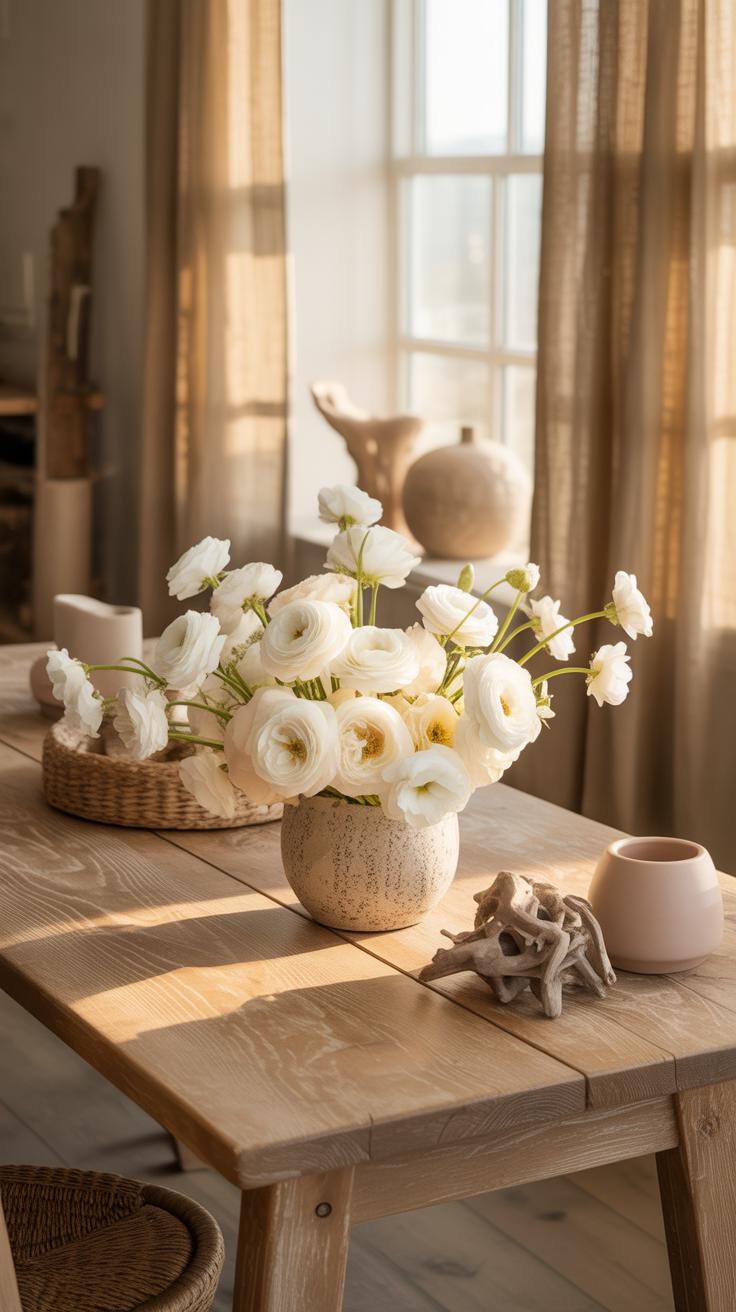
How To Create A Rustic Floral Aesthetic Using White And Cream Blooms
The rustic aesthetic relies on visual tension between rugged structures and delicate plant life. To achieve this, select white blooms with high petal counts like garden roses or ranunculus. These flowers provide a soft texture that contrasts against hard surfaces. Keep the arrangement loose and asymmetrical. This mimics how plants grow in nature. Avoid tight, spherical shapes that look too formal for a rural setting.
Focus on tonal layering to create deep visual interest. Use ivory flowers with yellow undertones alongside stark white varieties to prevent a flat appearance. Integrate dried components like bleached seed pods or tall grasses to add structural weight. Proper spacing is critical for functionality. Ensure the heights vary enough to create shadows and depth. This technique makes simple cream and ivory florals look intentional and grounded in a space.
There is a gentle, timeless grace in ivory and cream that whispers of old-world elegance and quiet sophistication. In a world of fleeting colors, these classic shades remain the ultimate symbol of enduring beauty.
Natural Elements That Pair Beautifully With White Flowers In Rustic Settings
Natural wood serves as the primary base for cream and ivory florals. Dark walnut or weathered oak provides a high-contrast background that makes light petals stand out. Stone and clay also work well as secondary textures. Use terracotta or ceramic vessels to ground the arrangement. These materials reflect the earthiness found in traditional country designs. They provide stability and a neutral color palette.

Textiles add the final layer of detail to the display. Burlap and linen provide a matte finish that does not compete with the bloom’s natural glow. Incorporate greenery like eucalyptus or olive branches to frame the white flowers. The muted green tones bridge the gap between the brown wood and the pale petals. Using metal accents like aged pewter or galvanized steel adds a modern industrial edge to the display.
Neutral Florals As A Versatile Design Foundation For Any Aesthetic
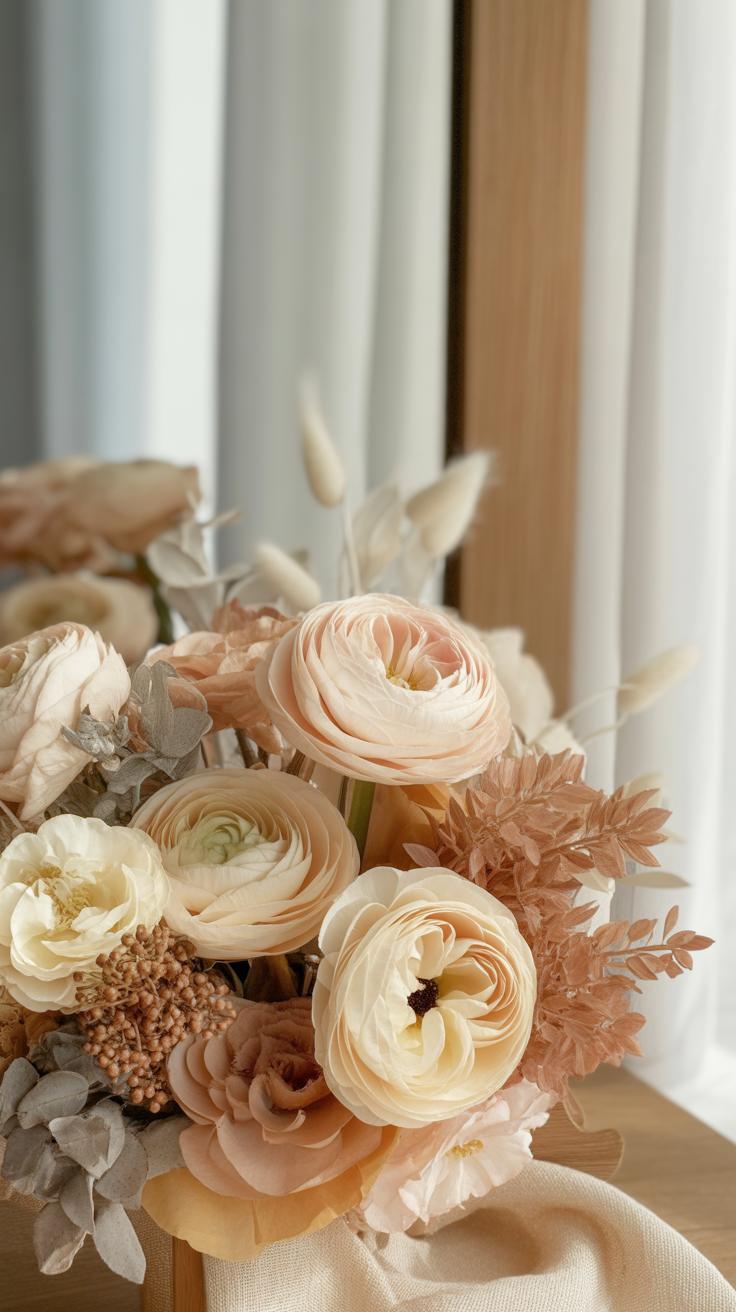
How Neutral Florals Complement Bold Accents Without Competing For Attention
Cream and ivory florals act as a visual buffer in high-contrast designs. These shades absorb light differently than pure white. They bridge the gap between bright colors and dark backgrounds. Use these tones to ground vibrant palettes like emerald green or deep navy. Designers call this color blocking with organic textures. It prevents visual fatigue when using saturated colors in small or large spaces.
Ivory flowers provide a structural base that supports bold accents. Their muted tones allow the human eye to focus on specific focal points. They don’t fight for dominance like bright red or yellow blooms. Use cream roses or lilies to soften the edges of sharp modern furniture. This technique creates balance in any room. It ensures that your main color theme stands out while maintaining a professional look.
Using Neutral Florals In Corporate, Hospitality, And Event Spaces
Professional environments demand a clean and organized look. Cream and ivory florals convey stability and high quality. Corporate offices use these arrangements to create a calm atmosphere for clients. This color choice stays relevant across all seasons. It removes the need for frequent design changes. Hotels use neutral florals in lobbies to signal luxury and cleanliness. This strategy works because these colors feel timeless and expensive.
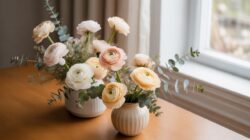
Event planners use neutral flowers to build a cohesive look across different venues. Ivory tones blend with existing wood, stone, or metal finishes. They work well in both historic ballrooms and modern industrial spaces. These florals offer a safe but sophisticated choice for high-stakes business events. They provide a high return on investment by looking fresh for longer periods. Use them to ensure your event design looks polished and deliberate.
Frequently Asked Questions

Why are cream and ivory florals becoming so popular in modern home decor?
These neutral tones are trending because they offer a sophisticated alternative to stark white. Cream and ivory florals bring an organic warmth and tactile softness to a room without clashing with existing color palettes. They create a calming, monochromatic look that feels both timeless and high-end. By choosing these subtle shades, you can add effortless elegance and a sense of “quiet luxury” to any space, making them a staple for minimalist enthusiasts.
How can I style cream and ivory florals to prevent them from looking washed out?
To make cream and ivory florals stand out, focus on mixing different textures and greenery. Pair delicate silk petals with dried pampas grass or eucalyptus to create visual contrast. Using high-quality vases in materials like terracotta or dark stoneware provides a beautiful backdrop that makes the pale blooms pop. Layering various heights and bloom sizes ensures the arrangement looks intentional and lush rather than disappearing against neutral walls or furniture.
Can I achieve a high-end look with neutral flowers on a limited budget?
Absolutely! You can create stunning arrangements by mixing affordable grocery store carnations or roses with foraged greenery from your backyard. Buying in bulk or choosing dried versions of cream and ivory florals often costs less over time since they require no maintenance and last for years. Focus on a few statement stems in a beautiful vessel to create a luxurious focal point that looks expensive without the premium florist price tag.