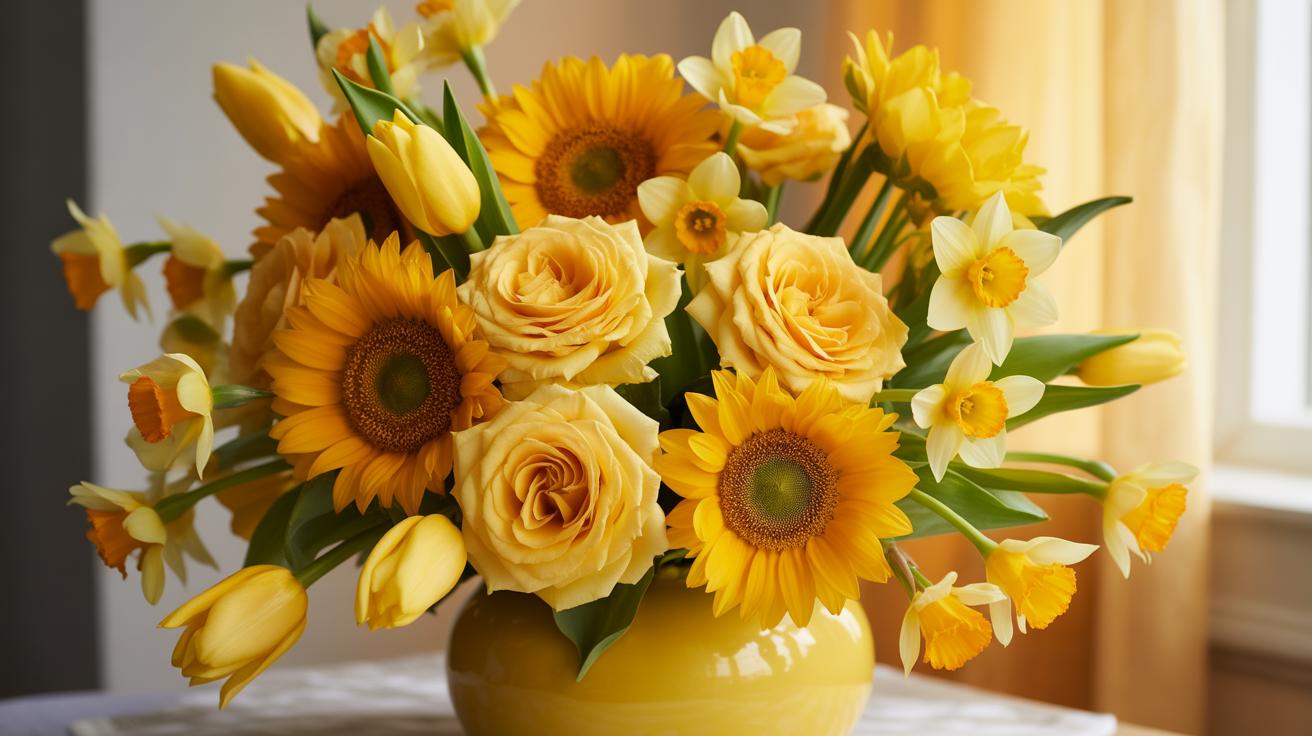
Why Yellow Flowers Arrangements Radiate Warmth And Positivity
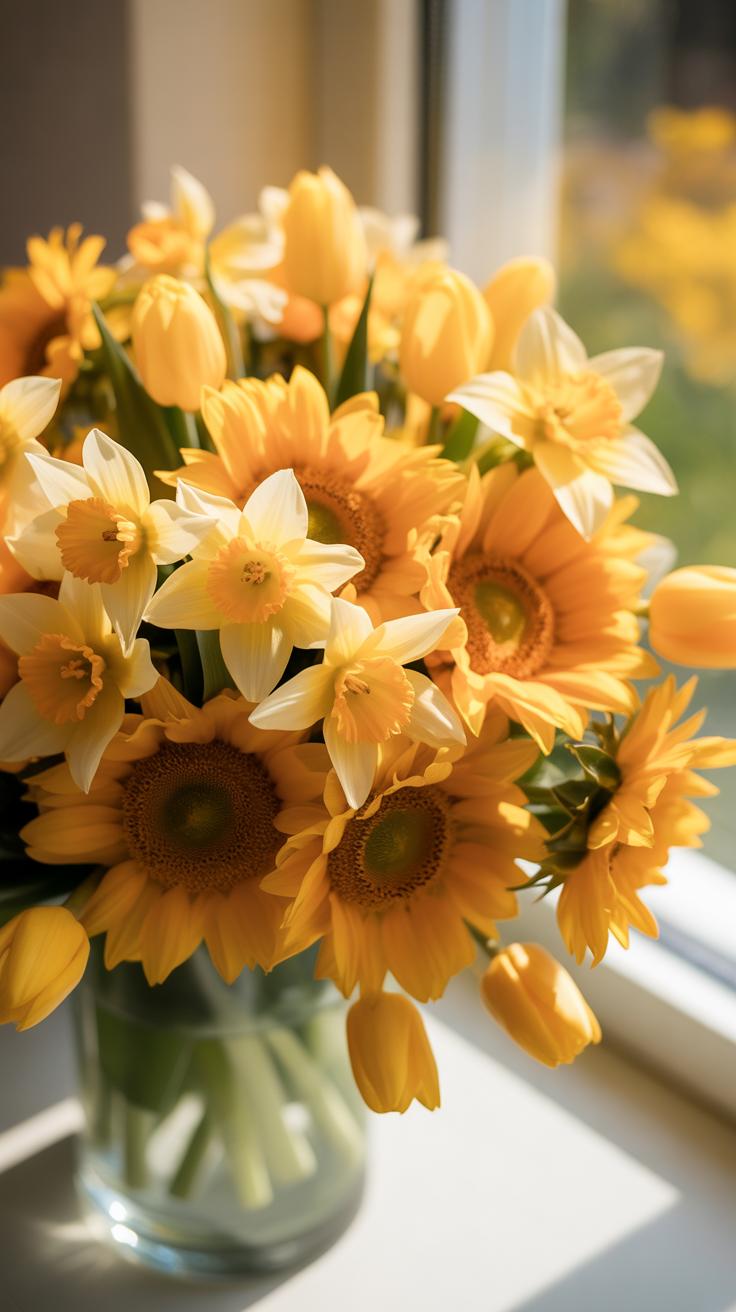
The Symbolism And Emotional Power Of The Color Yellow In Floristry
Yellow sits at the center of the visible spectrum. It commands attention faster than any other color. In floristry, yellow represents the sun and light. Many cultures use yellow blooms to signal friendship and success. You use this color to communicate clarity and energy. It serves as a visual shorthand for optimism and new beginnings in professional and personal settings.
Ancient civilizations used yellow flowers in rituals to represent gold and divinity. Victorians sent yellow roses to signify friendship rather than romantic intent. Modern color theory confirms that yellow stimulates the left side of the brain. This stimulation aids logic and analytical thought. Strategic placement of yellow arrangements can drive focus. Designers use these facts to create spaces that encourage productivity and honest communication.
How Yellow Blooms Influence The Mood And Atmosphere Of Any Room
Yellow arrangements physically brighten a room by reflecting high levels of light. In low-light areas, these flowers act as a natural light source. They eliminate dark corners and make small rooms feel larger. Professionals use yellow to create an inviting atmosphere in entryways. This color choice forces the eye to track movement through a space. It creates a sense of openness and vitality.
The presence of yellow blooms triggers the release of serotonin in the human brain. This chemical reaction improves mood and reduces stress levels. In hospitals, yellow flowers speed up recovery times by fostering a positive mindset. In corporate offices, they spark creative thinking among employees. You manipulate the room’s energy by choosing specific shades. Pale yellows calm guests while bright neons generate high-octane excitement.
Best Flower Varieties To Use In Flower Arrangements Yellow
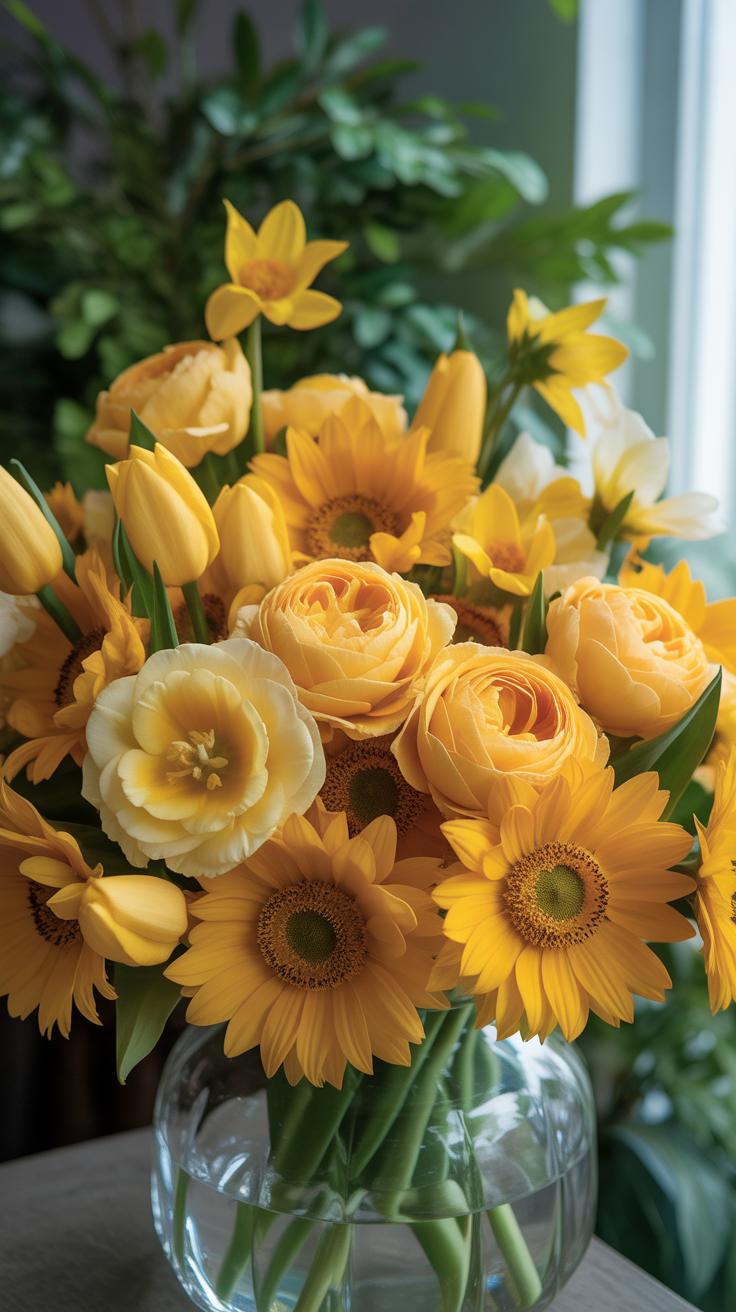
Popular Yellow Blooms From Sunflowers And Daffodils To Roses And Dahlias
Sunflowers provide the structural anchor for large scale designs due to their thick stems and heavy heads. In contrast, yellow roses offer precise geometry and formal elegance for tighter compositions. Use yellow dahlias when you need intricate petal patterns and high density. These primary flowers establish the visual weight of the display. They ensure the arrangement feels substantial and professional rather than sparse or accidental.
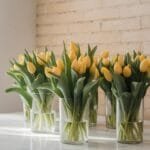
Secondary blooms like narcissus and ranunculus add texture and delicate lines to the work. Daffodils create movement with their trumpet shapes and varying stem lengths. Yellow tulips work well for modern, minimalist designs because their stems continue to grow and curve after cutting. Select these varieties based on the desired shape of the final product. Consistent color saturation across species keeps the monochrome look tight and impactful.
Seasonal Availability Of Yellow Flowers And How To Source Them Fresh
Spring offers the widest variety of yellow bulb flowers like tulips and daffodils. Summer shift focus toward heat tolerant species such as sunflowers, zinnias, and marigolds. Autumn brings deeper golden hues through late season dahlias and chrysanthemums. Winter sourcing relies on hothouse roses or imported acacia and mimosa. You must plan your inventory based on these natural bloom cycles to ensure the highest stem quality.
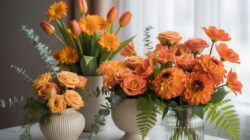
Source your flowers from local growers to reduce transit time and dehydration. Inspect the calyx and stem firmness before purchasing to confirm health. Professional florists use hydration treatments like citric acid to lower water pH and improve intake. Store yellow blooms at thirty four to thirty eight degrees Fahrenheit to slow their metabolic rate. This temperature control extends the vase life and maintains the vibrant yellow pigment longer.
Essential Tools And Materials For Building Yellow Floral Arrangements
The Must Have Supplies Every Floral Designer Needs Before Getting Started
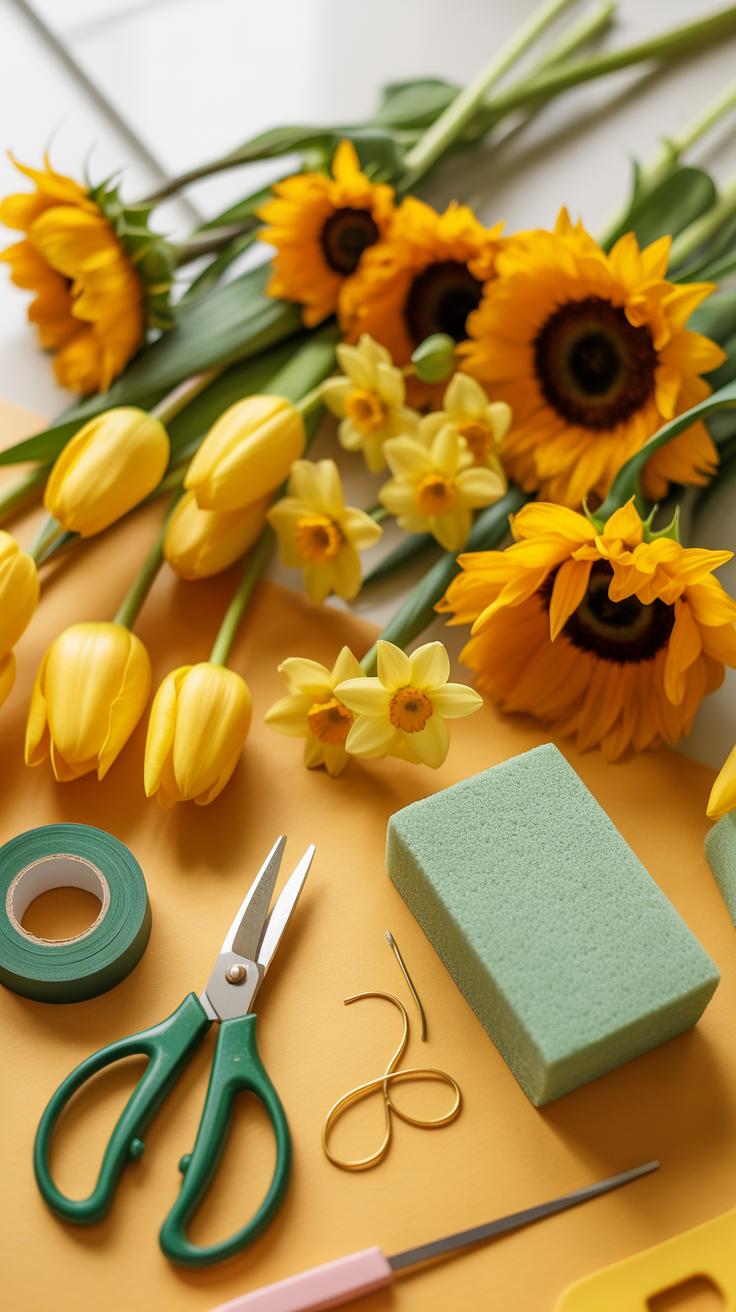
Professional floral design requires specific hardware to maintain structural integrity and flower health. You cannot rely on household scissors for thick stems like sunflowers or woody mimosa branches. Proper tools prevent crushing the vascular system of the plant. This ensures maximum water uptake. High-quality steel blades provide clean cuts that stop bacteria growth. You must gather every item before touching a single stem to maintain an efficient workflow.
- Bypass Pruners: Use these for thick, woody yellow stems like Forsythia or Acacia. The curved blades act like scissors to make clean cuts without crushing the branch. This keeps the water transport system open and functional.
- Floral Snips: These lightweight tools handle delicate yellow blooms like Ranunculus or Sweet Peas. The pointed tips allow for precision trimming in tight clusters. Keep blades sharp to avoid tearing the soft tissue of the stems.
- Stem Stripper: This tool removes thorns and excess foliage quickly. Removing leaves below the water line is critical for yellow arrangements. It prevents rot and keeps the water clear. Use a metal or rubber version based on stem toughness.
- Floral Tape: Green or clear waterproof tape creates a grid across the mouth of the container. This physical grid holds heavy yellow heads like Peonies in place. It provides a structural foundation that loose stems cannot achieve on their own.
- Floral Foam or Frog: These mechanics secure stems at specific angles. Foam holds moisture for complex shapes. Kenzan, or metal pin frogs, offer a sustainable alternative for minimalist designs. Choose based on the weight and density of your chosen yellow flowers.
Organization saves time and prevents damage to expensive inventory. Set up a dedicated workspace with a non-porous surface. Use clean buckets filled with room temperature water and floral preservative. This chemical solution provides carbohydrates and balances pH levels. Proper hydration begins the moment you cut the stems. Maintain a sharp edge on all cutting tools throughout the process. Dull blades destroy the flowers before the arrangement is even finished.
Choosing The Right Vase Shape And Size For Yellow Floral Designs
Yellow flowers carry high visual weight and draw the eye immediately. Your container choice must balance this intensity without competing for attention. Use clear glass to highlight the clean lines of yellow tulips or calla lilies. Use solid ceramic in neutral tones like white or grey to make the yellow pigment pop. Ensure the height of the vase is proportional to the eventual height of the stems.
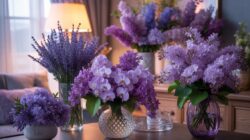
Large-headed flowers like Sunflowers require heavy, wide-based containers to prevent tipping. Minimalist designs using Billy Balls or Craspedia work best in narrow-necked bottles. These narrow openings hold thin stems upright without extra mechanics. Match the scale of the vessel to the volume of the bloom. A vase that is too large makes the arrangement look sparse. A vase that is too small restricts water flow and creates a cramped appearance.
Design Principles Behind Beautiful Yellow Arrangements Flowers
Understanding Proportion, Balance, And Focal Points In Yellow Floral Design
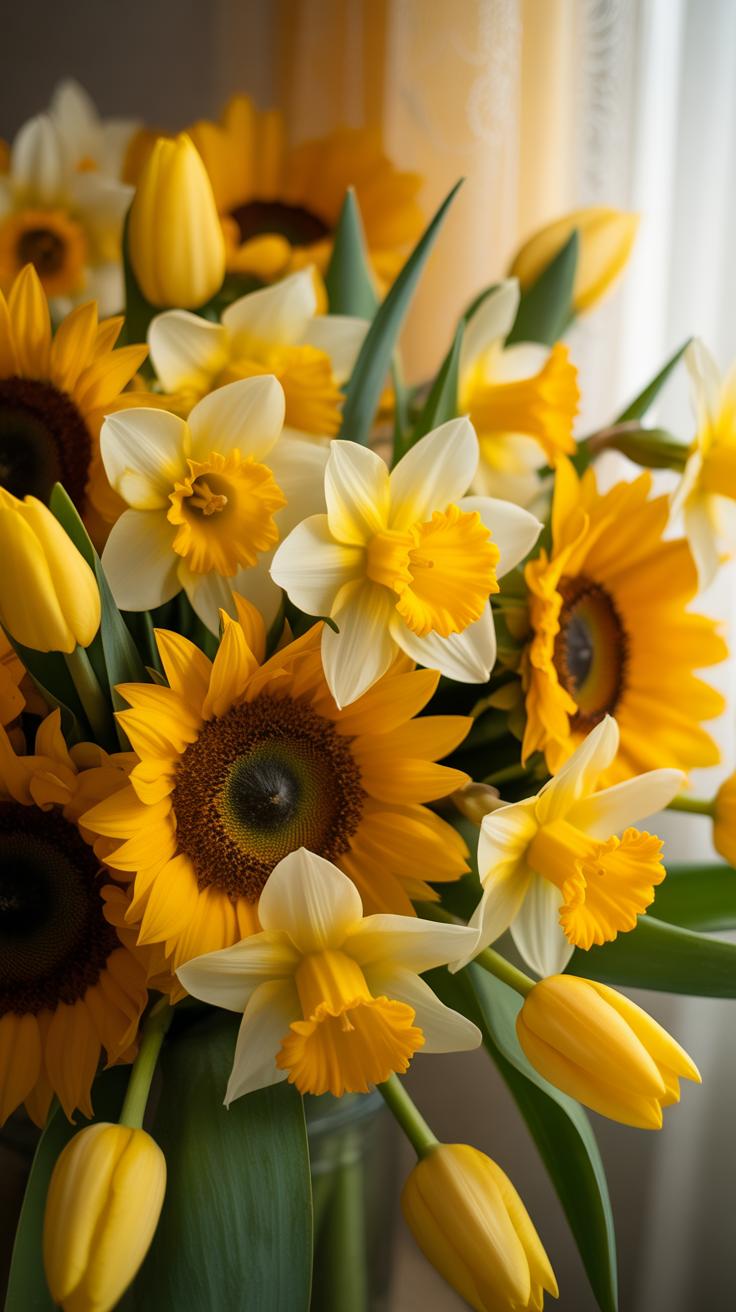
Yellow flowers naturally draw the eye first because they represent the brightest part of the visible spectrum. You must use the Golden Ratio to place your heaviest blooms. This mathematical tool ensures the arrangement height stands one and a half times the container height. Focus on physical and visual weight. Large sunflowers or peonies define the center. Smaller stems belong on the outer edges.
Balance requires even distribution of light and dark yellow tones. Symmetric builds work for formal settings. Asymmetric builds create movement and modern appeal. You must choose a primary focal point to anchor the viewer. Placing a large yellow dahlia at the base creates stability. Use smaller spray roses or solidago to build out the volume. This prevents the arrangement from looking lopsided or top-heavy.
How To Layer Textures And Heights To Add Visual Depth To Your Arrangement
Depth in a monochromatic design comes from tactical layering. Use various petal shapes to create contrast without changing colors. Smooth lily petals should sit near crinkled marigolds. This shift in surface texture tricks the eye into seeing more detail. Place flat-faced flowers at different depths. Some stems should push forward while others sit back. This technique creates a three-dimensional look instead of a flat yellow wall.
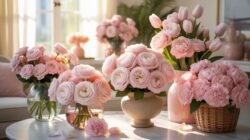
Height variation dictates how the eye travels through the design. Use tall snapdragons to lead the gaze upward. Place low-profile ranunculus at the rim to hide mechanics. Staggering heights prevents a cluttered appearance. You must leave space between layers so light can pass through. This negative space makes each flower stand out. Professional designers use this tiered approach to ensure every individual yellow stem maintains its own visual identity.
Step By Step Guide To Crafting Gorgeous Yellow Arrangements
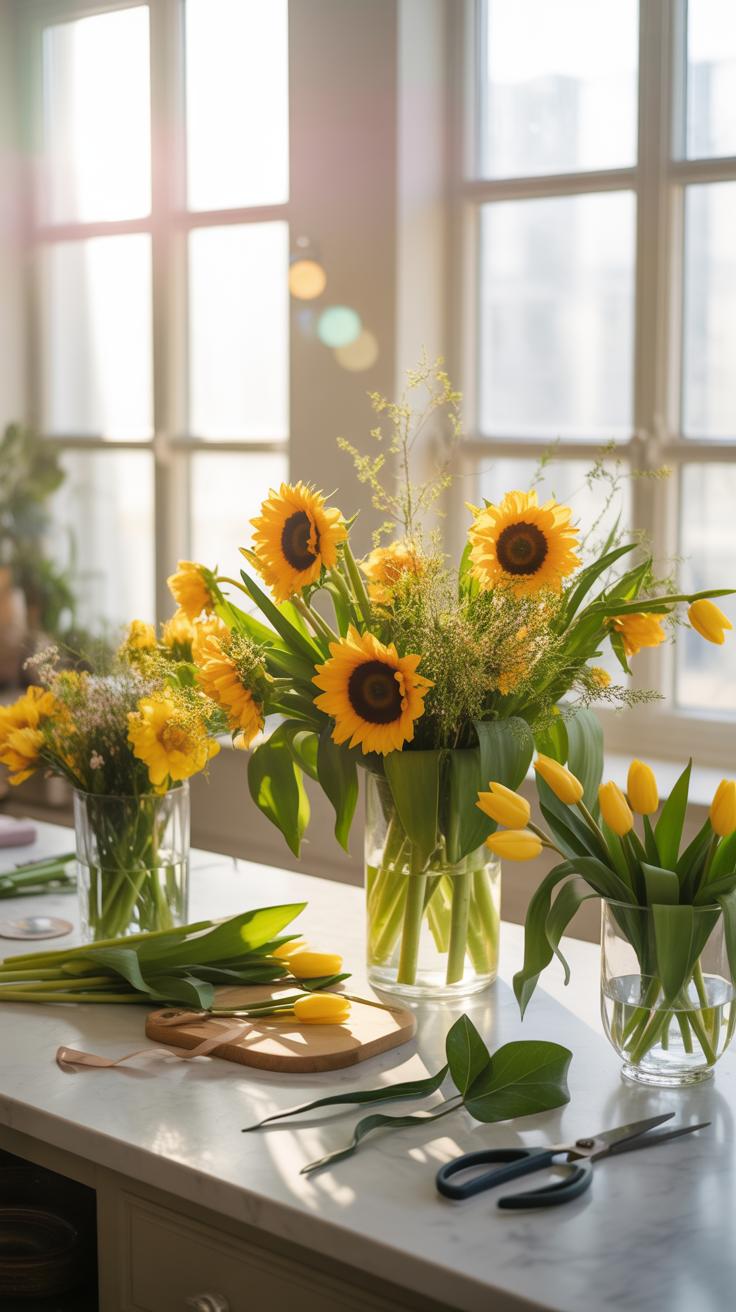
Preparing And Conditioning Your Yellow Flowers Before Arranging
Cut all stems at a forty five degree angle under lukewarm water. This maximizes the surface area for water intake and prevents air bubbles from blocking the vascular system. Remove all leaves that sit below the water line to stop bacterial growth. Bacteria produce ethylene gas which causes yellow petals to drop prematurely. Use clean buckets and sterilized shears to ensure no pathogens enter the fresh cuts.
Hydrate your flowers in a dark cool room for at least four hours before you start building. Use professional hydration solutions to adjust the water pH level. Yellow flowers like sunflowers and marigolds have thick stems that consume high volumes of water. Check water levels daily because these varieties are heavy drinkers. Proper conditioning extends vase life by several days and keeps the yellow pigments vibrant and saturated.
To paint with yellow roses is to capture the very essence of a sun-drenched memory, filling a room with the quiet warmth of a golden afternoon.
Building The Arrangement From Greenery Base To Final Statement Blooms
Start with a solid structural foundation using woody stems or floral foam. Establish the height and width of your arrangement first. Use your foliage to create a mechanical grid that will hold your yellow blooms in place. A strong base prevents the heavy heads of primary flowers from sagging. Ensure the greenery complements the yellow tones without overpowering the monochromatic theme of the final piece.
- Establish Framework: Use sturdy stems like eucalyptus or ruscus to define the outer boundaries of your shape. This skeleton dictates the final size and provides the internal support necessary for softer yellow flower stems to stay upright.
- Add Secondary Fillers: Integrate mid-sized yellow flowers like spray roses or solidago to build bulk within the frame. These elements bridge the gap between the green base and your main focal points while adding texture and depth to the interior.
- Insert Focal Flowers: Place large yellow blooms such as peonies or lilies into the primary optical centers. Position these flowers at varying depths to create visual interest. These statement pieces draw the eye and define the color impact of the entire floral arrangement.
- Layer Delicate Accents: Thread thin or airy yellow blooms like ranunculus or craspedia through the gaps. These additions provide movement and break up the heavy mass of the larger flowers. They add a refined finish that separates professional work from amateur efforts.
- Final Inspection: Rotate the vase to check for holes or exposed mechanics. Add small sprigs of yellow filler to hide any visible foam or tape. Ensure every angle looks full and the yellow color palette remains consistent throughout the entire three dimensional structure.
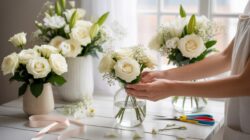
Review the balance of shades from pale lemon to deep gold. Ensure the heaviest flowers sit lower in the arrangement to maintain a low center of gravity. This prevents the vase from tipping over. Tighten the design by removing any damaged petals that may have bruised during the building process. Your final check ensures the arrangement looks clean and remains stable for transport or display on a flat surface.
Creative Yellow Flower Arrangements For Every Occasion And Setting
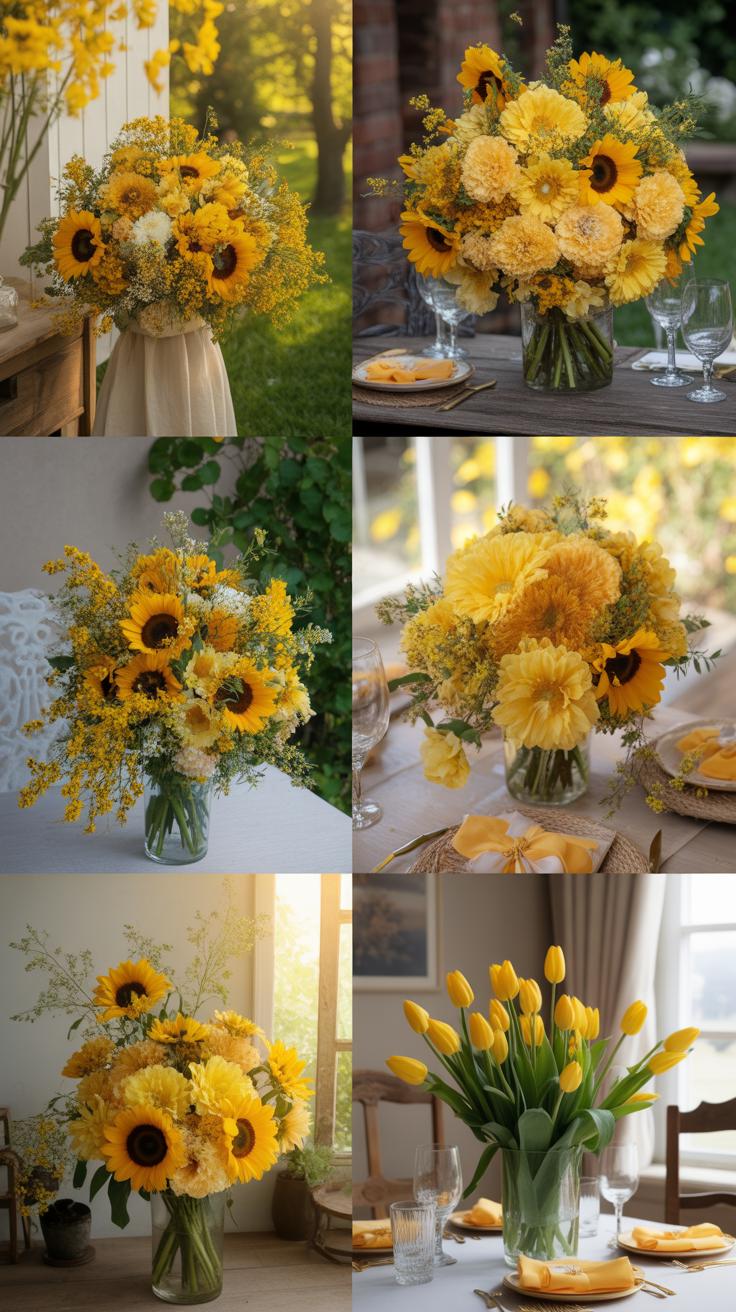
Yellow Wedding Centerpieces, Table Runners, And Ceremony Floral Displays
Yellow wedding designs rely on color theory to create visibility. Use monochromatic schemes to build depth in large ceremony spaces. Marigolds and carnations provide dense texture for heavy floral runners. Large sunflower heads serve as focal points in rustic settings. Place tall arrangements on thin pedestals to keep sightlines clear for guests. Use varying shades of gold and lemon to ensure the flowers do not look flat.
Professional florists use the massing technique for maximum impact. Grouping similar yellow blooms together creates a bold visual block. This strategy works well for altar backdrops and aisle markers. Mix solid yellow roses with spray roses to provide scale variation. Incorporate yellow Billy balls for a modern geometric look. Avoid mixing too many green leaves if you want a pure yellow aesthetic. Focus on flower density to maintain
Casual Everyday Yellow Flower Arrangements For Home And Office Spaces
Home and office settings require low maintenance yellow arrangements. Select long lasting flowers like chrysanthemums or alstroemeria for these spaces. Place narrow vases on desks to save work surface area. Use clear glass to emphasize clean stems and fresh water. Bright yellow blooms improve visibility in dimly lit rooms. Avoid highly scented lilies in small offices to prevent sensory overload. Simple designs work best for daily use.
Effective residential arrangements use the rule of thirds for balance. Combine three different stem heights to create visual movement. Use a single variety of yellow tulip for a minimalist look. Mass produced yellow daisies offer an affordable option for weekly rotations. Trim stems at a sharp angle to increase water uptake. Change the water every two days to prevent bacterial growth. Keep arrangements away from direct heat to extend their life.
Inspiring Yellow Flower Arrangement Decor Styles And Aesthetic Themes
Rustic, Bohemian, And Farmhouse Styles That Shine With Yellow Blooms
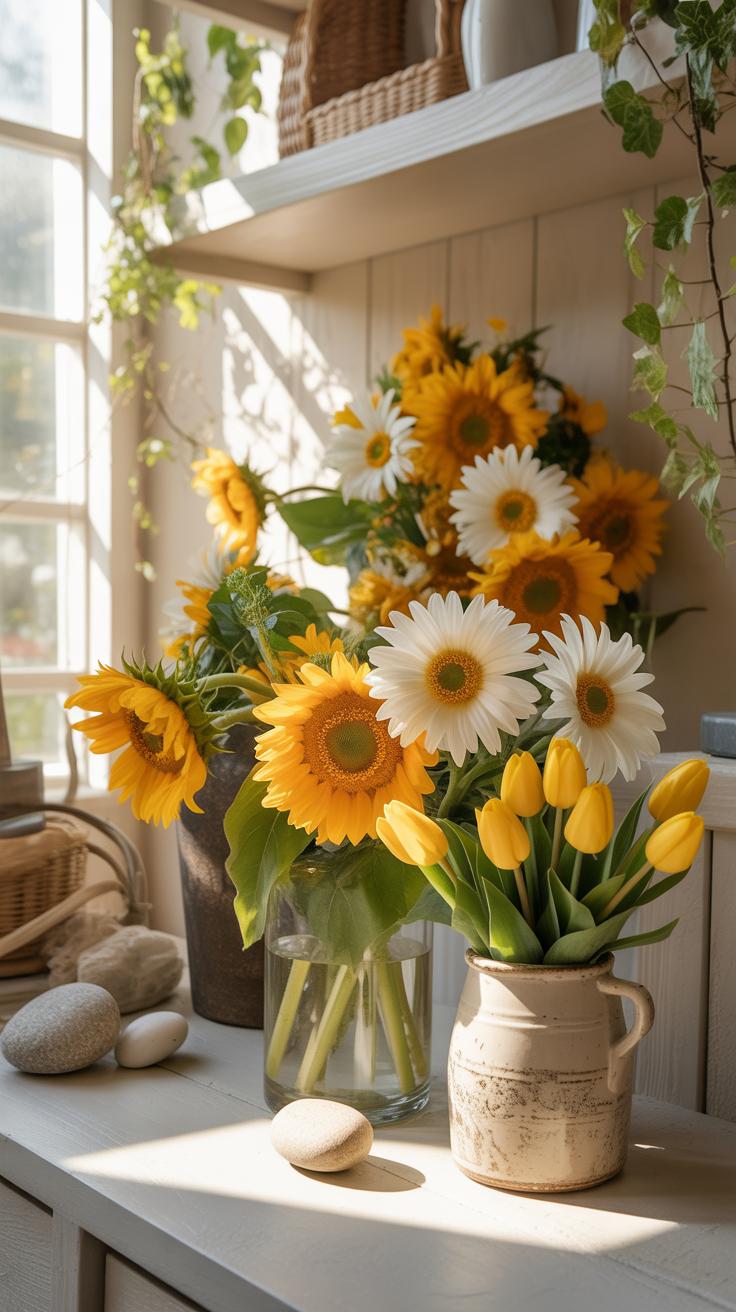
Rustic and farmhouse aesthetics rely on texture and natural materials. Use aged wood, galvanized metal, or stoneware to hold your yellow flowers. Choose wild varieties like goldenrod or sunflowers to create an unrefined look. These styles work best when the arrangement feels gathered rather than designed. Focus on rough textures to balance the bright color of the petals.
Bohemian styles require an eclectic mix of yellow tones and dried elements. Combine fresh yellow billy balls with dried grasses or palm spears. Use amber glass or terracotta vessels to enhance the warmth of the palette. Aim for asymmetrical shapes that flow naturally. This approach mimics the free-form designs found in the late 1960s. High contrast between textures adds visual weight to the arrangement.
Modern Minimalist And Monochromatic Yellow Flower Arrangement Decor Concepts
Modern minimalist design focuses on negative space and clean lines. Select one flower type like tulips or calla lilies to maintain a sharp profile. Use a clear glass or solid black ceramic vase for a strong visual anchor. Group stems closely to create a bold block of color. This technique emphasizes the form of the flower over complex decorative fillers.
Monochromatic arrangements use different shades and heights to create depth. Layer pale primrose with vibrant mustard blooms in a single vessel. This builds a sophisticated look without using other colors. Stay within the yellow family to keep the eye focused on the structure. Professional florists use this method to highlight quality over quantity. Choose architectural stems for a high-end commercial feel.
Pro Tips And Yellow Flower Arrangement Ideas To Elevate Your Design
Guidance On Extending The Vase Life Of Your Yellow Blooms
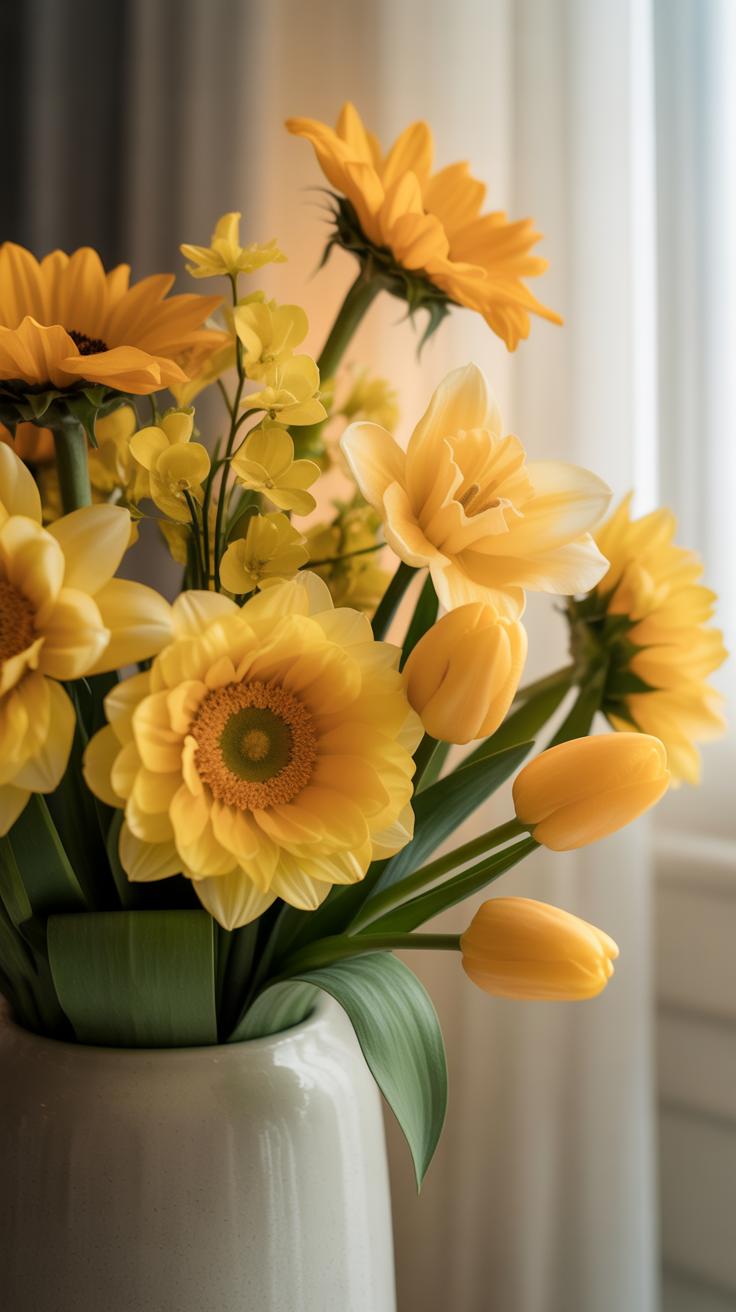
Yellow flowers like sunflowers and tulips require specific biological management to prevent premature wilting. Bacteria growth in the water blocks the stems and stops hydration. You must cut stems at a forty-five-degree angle using sharp shears to maximize surface area for water intake. Direct sunlight and heat sources accelerate transpiration and cause yellow petals to drop. Keep the arrangement in a cool area.
Condition your water with a commercial floral preservative to regulate pH levels and provide sugar for energy. Remove any foliage that sits below the water line to stop decay. For heavy feeders like yellow ranunculus, change the water every two days. Always recut the stems when you change the water. This opens new channels for nutrients. Clean vases with bleach before use to kill lingering microbes.
Budget Friendly Yellow Flower Arrangement Ideas That Still Look Luxurious
Achieving a high-end look with limited funds requires a focus on structural mass and color density. Use inexpensive yellow carnations or chrysanthemums to build a solid base. These flowers last longer than expensive varieties and provide a rich texture. Cluster them tightly together to mimic the look of more costly peonies or hydrangeas. Mono-botanical designs look more expensive than mixed arrangements because they show intentionality.
Look to seasonal local sources for yellow filler materials like goldenrod or acacia to add height and volume for less money. Use architectural containers like simple glass cylinders or ceramic pitchers to elevate the visual value. Group multiple small bud vases in a row to create a large table footprint. This tactic uses fewer stems while making a bold statement. Focus on clean lines and consistent color saturation.
Frequently Asked Questions

What are the best flower varieties for beginners to use in a monochromatic yellow bouquet?
If you are new to floral design, start with hardy and readily available blooms like sunflowers, spray roses, and carnations. These varieties offer sturdy stems and large surface areas, making it easy to build volume. Incorporating different textures, such as the feathery petals of marigolds or the spherical shape of billy balls, ensures your all yellow floral arrangements look professional and intentional rather than flat or one-dimensional.
How do I create depth and visual interest when working with only one color?
The secret to professional-looking all yellow floral arrangements lies in varying the shades, tints, and textures. Mix buttery creams and pale citrons with bold, saturated ambers or neon yellows. Place larger, darker blooms deeper in the arrangement to create natural shadows, and position airy, lighter stems like mimosa or freesia toward the top. This layering technique prevents the display from looking like a solid mass of color and adds sophisticated dimension.
Can I create a high-end yellow floral look on a limited budget?
Absolutely! You can achieve a luxury aesthetic by focusing on “filler” flowers that pack a punch, such as goldenrod or yellow snapdragons, which are often very affordable. Another trick is to use inexpensive supermarket daffodils or tulips but mass them together in a tight, chic cluster. Using monochromatic greenery—like variegated leaves with yellow highlights—is a cost-effective way to add bulk while maintaining that stunning, high-trend sun-drenched palette.