The Enduring Appeal Of Pink Floral Arrangements In Home DCor
Why The Color Pink Resonates So Deeply In Floral Design
Pink operates on a specialized frequency in the visual spectrum. It sits between the aggression of red and the neutrality of white. Designers use pink floral arrangements to trigger a physiological sense of calm. This color reduces heart rates and eases muscle tension in high-traffic environments. It serves a functional purpose by grounding a room without the visual weight of darker hues or cooler tones.
Historical context provides further evidence of this enduring demand. During the Rococo period, pink symbolized luxury and high social status due to the cost of pigments. Modern floral industry data shows pink remains the top-selling color for cut flowers globally. It offers high versatility across different species like peonies, roses, and ranunculus. Professionals select these shades because they bridge the gap between traditional formal styles and modern minimalist aesthetics.
How Pink Tones Create Warmth And Softness In Any Room
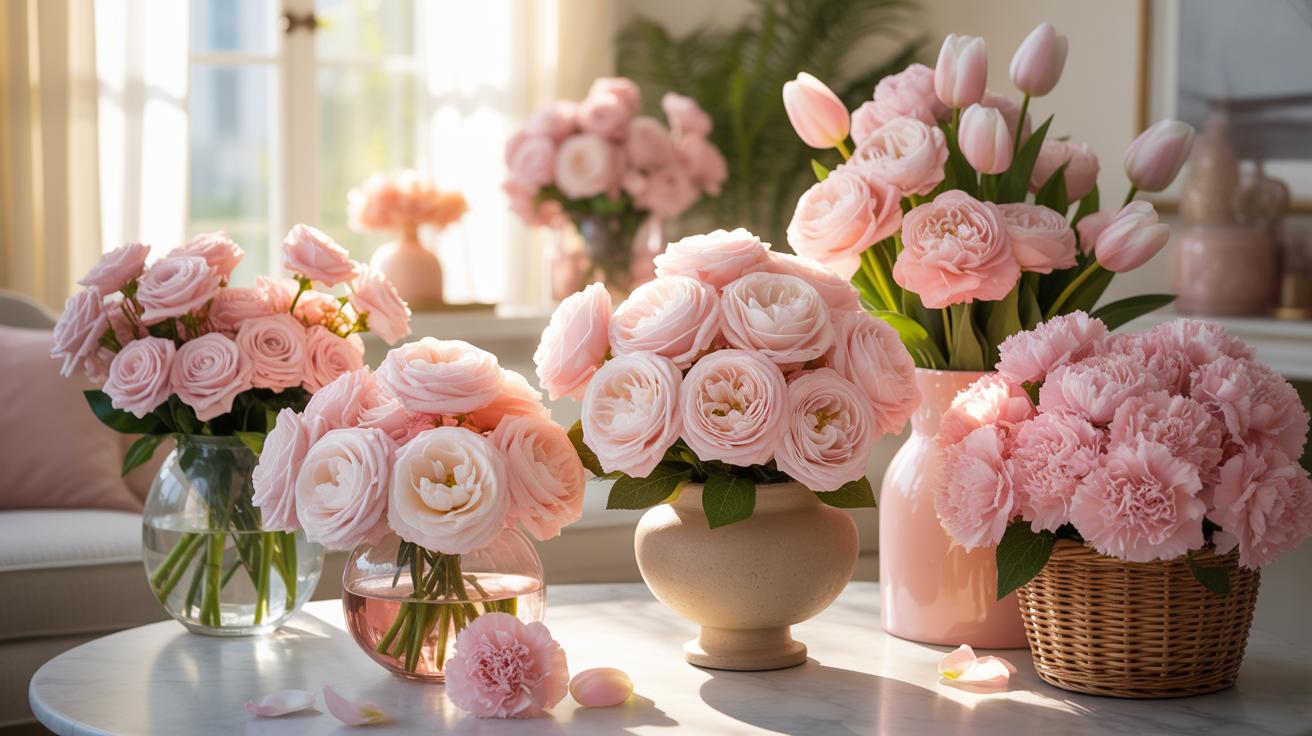
Pink floral arrangements work as a primary tool for light modulation in interior design. Lighter shades reflect ambient light to make small spaces appear larger and more open. Deep magenta or dusty rose tones absorb excess glare in rooms with large windows. This color palette acts as a visual buffer against the harsh lines of modern furniture. It softens the hard edges of metal, glass, and stone surfaces.
Strategically placing pink florals changes the temperature of a room. Cooler blush tones pair with grey or blue walls to balance the atmosphere. Warmer peach-pinks complement wood finishes and brass fixtures. This color family provides a natural focal point that does not overwhelm the existing architectural features. Florists use these variations to guide the eye and create intentional movement within a living space using organic shapes.
Choosing The Right Flowers For A Stunning All Pink Floral Arrangements
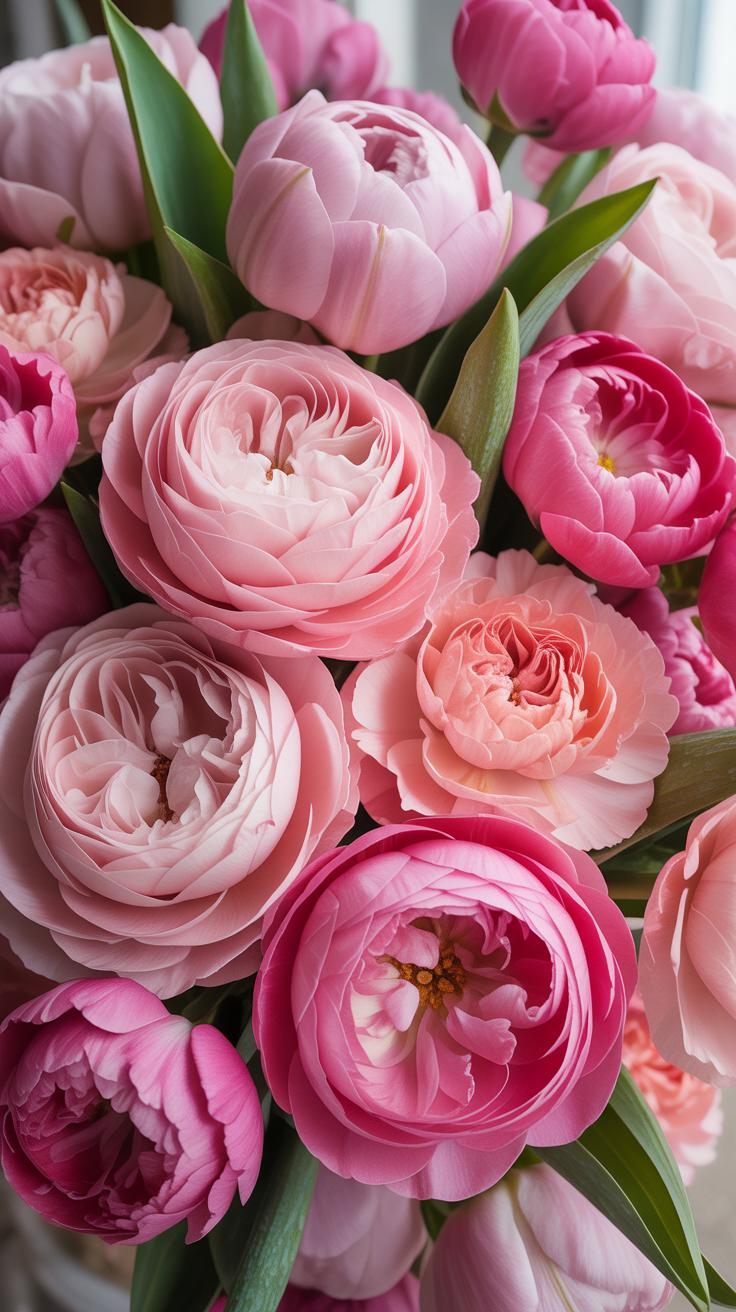
Top Pink Blooms That Anchor A Beautiful Floral Display
Successful all pink floral arrangements rely on structural integrity and petal density. You must select flowers that provide a clear visual focus while maintaining the monochromatic theme. Large-headed varieties serve as primary anchors in professional European floral design. These focal flowers dictate the shape and scale of your entire display. Choosing blooms with high petal counts ensures your arrangement looks expensive and intentional rather than sparse.
- Peonies: These flowers offer massive head sizes and thick layers of petals. They bloom primarily in late spring. Use them to create a high-end focal point in centerpieces. Their natural volume fills large gaps quickly and reduces the total stem count required for a full look.
- O’Hara Garden Roses: This specific variety provides a classic four-hearted center and a strong scent. They mimic the look of peonies but remain available throughout more of the year. The sturdy stems support heavy heads in tall glass vases. They serve as reliable anchors in formal designs.
- Ranunculus: These stems provide tight, circular petal structures that add geometric interest. They work best in the middle layer of an arrangement. Their flexible stems allow for movement and organic shaping. Use them to bridge the gap between large focal blooms and smaller filler elements.
- Hydrangeas: These woody-stemmed plants produce massive clusters of tiny flowers. One stem can fill a significant amount of horizontal space. They provide a structural base that holds other stems in place. Ensure they have constant access to water to prevent wilting in warm indoor environments.
- Snapdragons: These vertical spikes add necessary height to any display. They provide a linear contrast to the rounded shapes of roses and peonies. Place them at the back or center to establish the vertical boundaries of your work. They help direct the eye upward.
Strategic placement of these primary blooms ensures the arrangement has a professional foundation. Use odd numbers of focal flowers to create a natural balance that mimics growth patterns found in nature. Grouping identical varieties together can create a modern high-impact look. Distribute the weight evenly so the vase remains stable. These specific blooms maintain their shape well and provide the best return on your investment.
Mixing Shades Of Pink: Blush, Dusty Rose, Fuchsia, And Hot Pink
Monochromatic design does not mean using only one single tone. You must layer different values of pink to create depth and visual interest. Use light blush tones as a neutralizing base to soften the overall appearance. Add dusty rose for a vintage or sophisticated feel. These muted tones prevent the arrangement from looking like a flat mass of color. Depth comes from the contrast between light and dark.

High-saturation shades like fuchsia and hot pink act as visual accents. Place these brighter colors deeper within the arrangement to pull the eye inward. This technique creates a three-dimensional effect that mimics shadows and highlights. Avoid placing all bright colors on the outer edges. Balanced saturation levels ensure the display looks cohesive. Proper layering of tones distinguishes a professional design from a standard supermarket bouquet.
Rose Flower Photos And Inspiration Why Roses Lead All Pink Arrangements
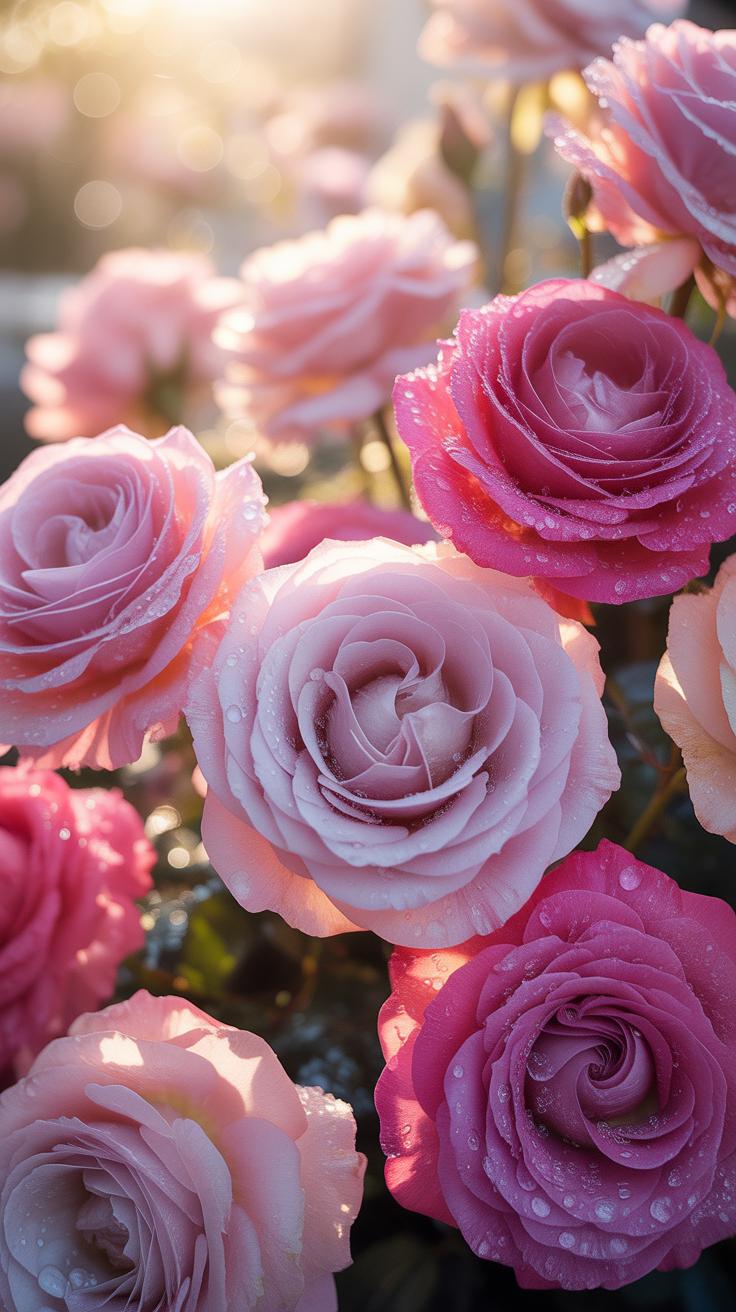
The Rose As The Crown Jewel Of Pink Floral Centerpieces
Roses dominate all pink floral arrangements due to their structural integrity and genetic variety. Growers have bred thousands of pink cultivars ranging from pale blush to deep magenta. These flowers provide a reliable focal point because their dense petal counts create visual mass. This mass allows them to anchor an arrangement without needing excessive filler. They remain the standard for professional floral design.
Designers choose roses for their predictable blooming stages and long vase life. A pink rose provides a clear silhouette that helps define the shape of a centerpiece. You can use large cabbage roses for Victorian styles or tight hybrid teas for modern looks. Their stems are sturdy and hold water well. This makes them the most practical choice for high-end residential and commercial pink displays.
How To Use Rose Flower Photos As A Design Reference For Your Arrangement
High-quality rose flower photos serve as a technical blueprint for color matching and spacing. Use these images to identify the specific shade of pink you need for your environment. Photos reveal how light interacts with different petal textures like velvet or satin. Study the photographic composition to understand where to place primary blooms versus secondary accents. This method ensures your physical arrangement looks professional.
Look at professional photography to master the layering of monochromatic tones. Photos show you how to mix light pinks with dark pinks to create depth. Without this contrast, an all pink arrangement looks flat and cheap. Analyze the leaf-to-bloom ratio in these images to determine how much greenery you should keep. Use these visual references as a guide for stem placement and overall height balance.
Fresh Flower Arrangements Keeping Your Pink Blooms Vibrant Longer
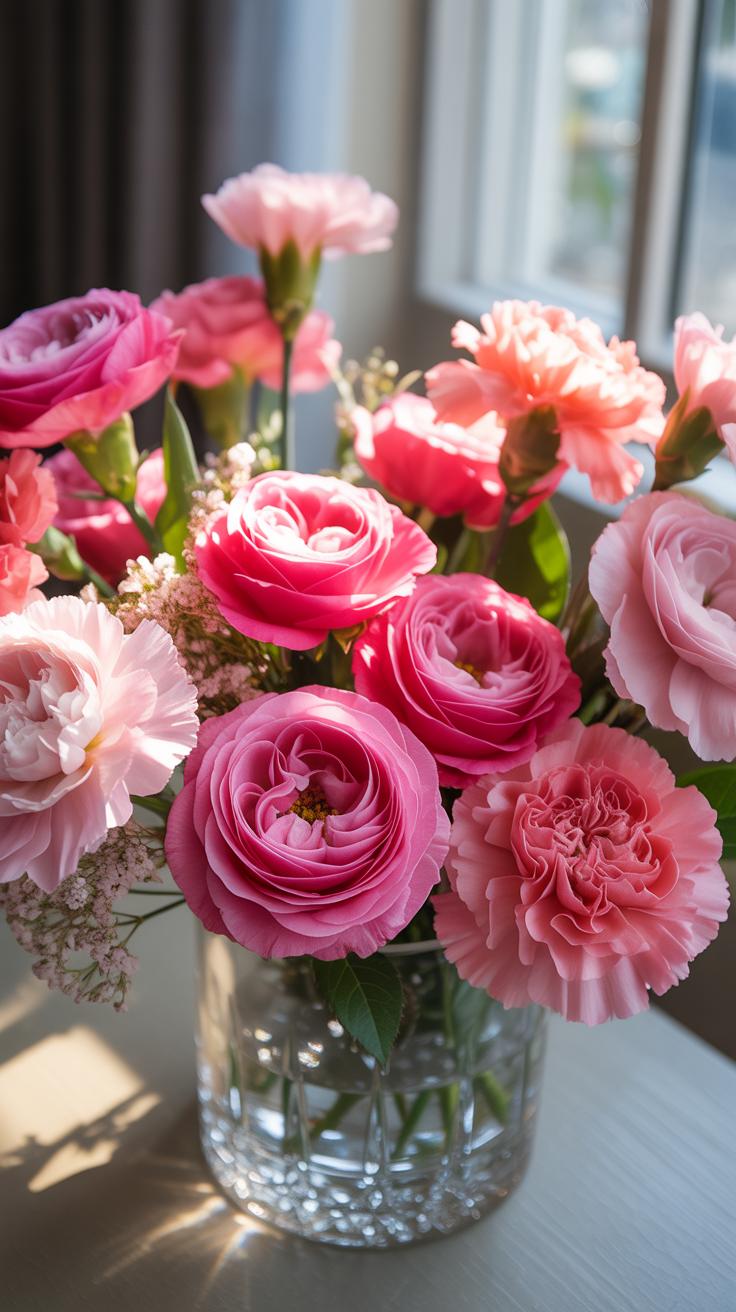
Best Practices For Preparing And Conditioning Fresh Pink Flowers
Clean tools prevent bacterial growth. Use sharp shears to cut stems at a 45-degree angle. This increases the surface area for water intake. Remove all leaves below the water line immediately. Decaying foliage creates gases that kill flowers fast. Place stems in lukewarm water right after cutting. This process reduces air bubbles in the stem. Proper conditioning ensures your pink blooms stay firm.
Use flower food to provide essential nutrients and biocides. Mix the solution according to the package instructions. Incorrect ratios can damage delicate pink petals. Allow flowers to drink in a cool room for two hours before arranging. This stabilizes the bloom structure. Professional florists use this hardening off technique to ensure long vase life. It prepares the flowers for the stress of indoor environments.
Water, Temperature, And Light: The Three Pillars Of Fresh Flower Longevity
Change the vase water every two days. Bacteria clog the vascular system of the stem quickly. Use filtered water if your tap water has high mineral content. Rinse the vase thoroughly with soap during each water change. Fresh water keeps pink pigments bright and prevents wilting. Monitor the water level daily. Large arrangements with many stems drink water faster than you expect.

Keep pink arrangements away from direct sunlight and heat vents. High temperatures accelerate the aging process through rapid transpiration. Place flowers in a cool spot during the night to extend their life. Avoid setting vases near ripening fruit like apples or bananas. These fruits release ethylene gas which causes flowers to drop petals. Maintain consistent air temperature to prevent shock. These tactical steps preserve the color and form.
Designing The Perfect All Pink Flower Arrangement For Your Living Room
Scale, Proportion, And Focal Points In A Living Room Floral Display
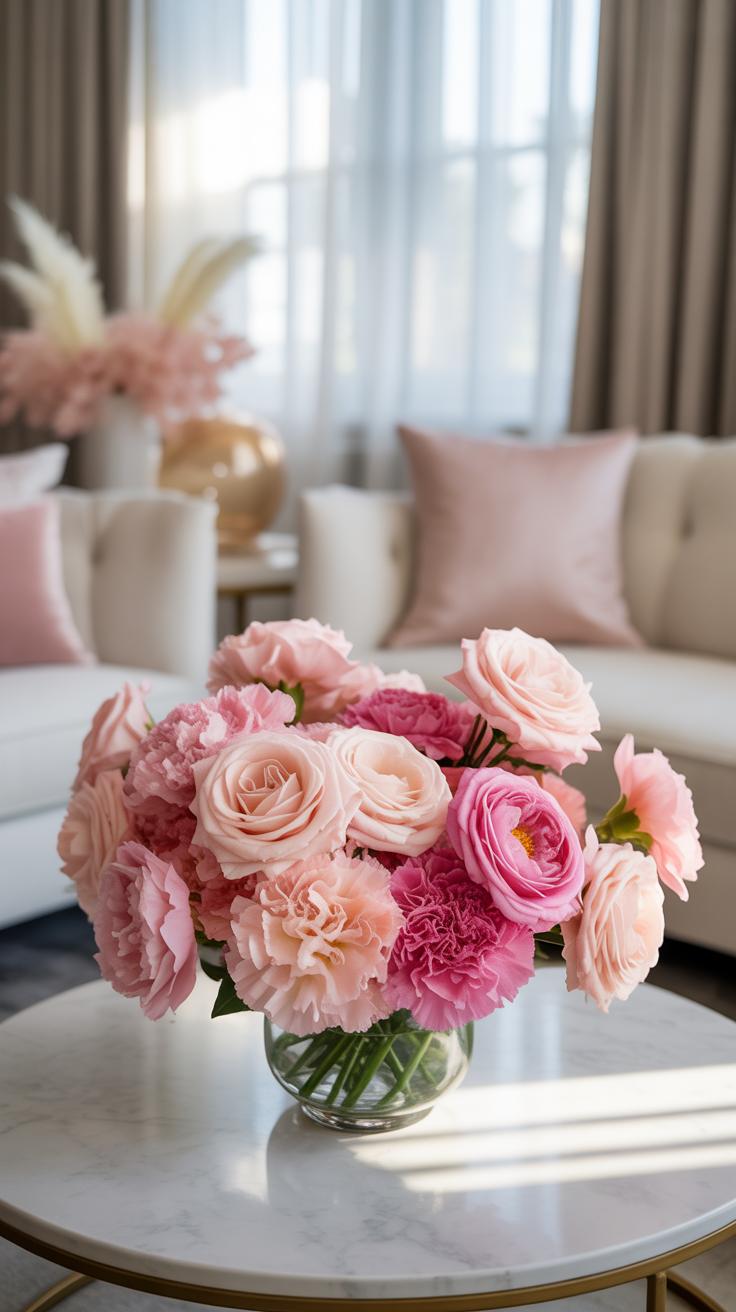
A living room display requires strict attention to the Golden Ratio. This mathematical rule dictates that your flower height should be one and a half times the height of the vase. Proper scale prevents the arrangement from looking lost on a coffee table or a mantel. You must measure the surface area before selecting blooms. Large rooms need dense clusters to maintain visual impact.
Effective focal points use the Fibonacci sequence to guide the eye. Use larger pink blooms like peonies or hydrangeas at the center of the base. Surround these with smaller carnations or spray roses in varying shades. This technique creates a natural spiral of color and texture. Strategic placement ensures the arrangement looks balanced from every angle. It turns a simple bunch into a professional structural piece.
Vase Selection And How It Shapes Your All Pink Flower Arrangement
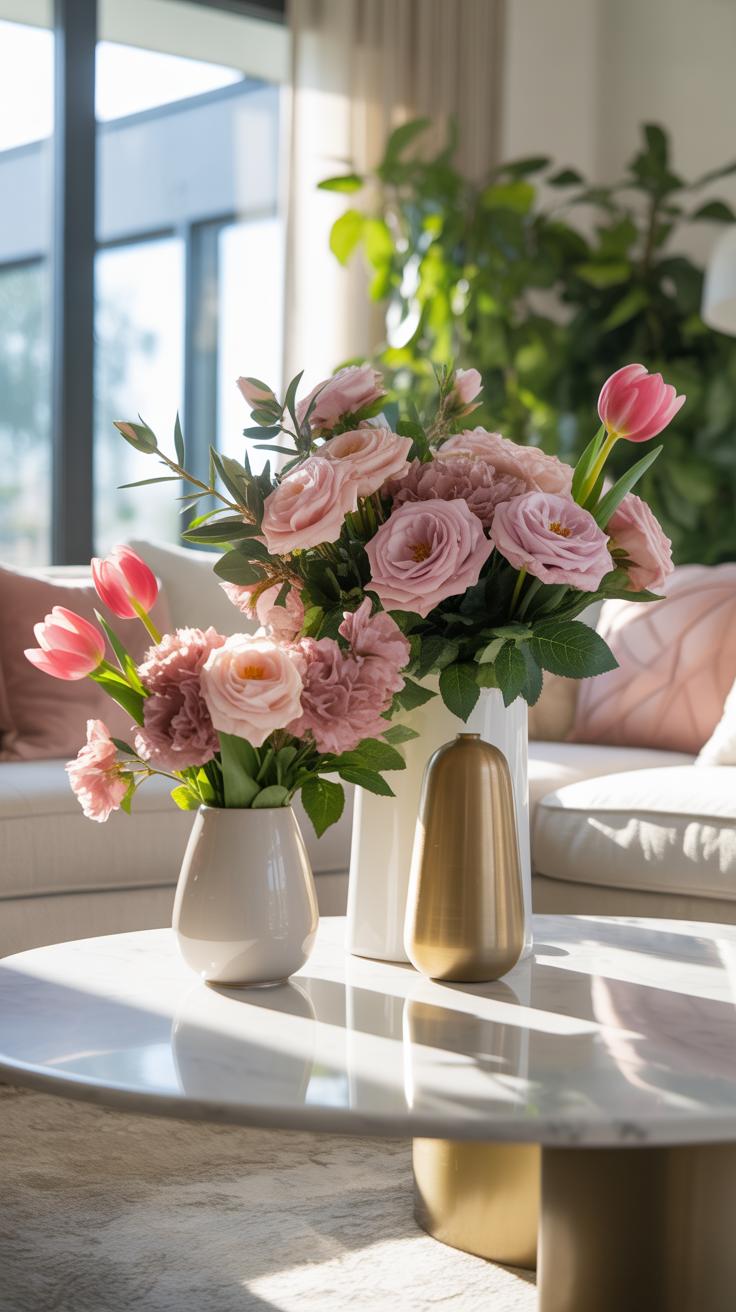
Vase geometry dictates the final shape of your display. A cylinder vase creates vertical lines suitable for long stems like gladiolus or snapdragons. A cube vase forces a low, dense mound of color. This style keeps sightlines clear for conversation across a table. Choose the vessel based on the specific architecture of your furniture. Use heavy glass or ceramic to support the weight of the water.

Material choice affects the visual temperature of your pink tones. Clear glass highlights clean stems and emphasizes fresh water. This creates an airy feeling in a bright room. Opaque ceramic in white or gray offers a neutral backdrop. It makes the pink hues appear more saturated and vibrant. Avoid matching a pink vase with pink flowers. The lack of contrast ruins the definition of the individual blooms.
Spring Pink Floral Arrangement Ideas To Refresh Your Home Seasonally
Signature Spring Blooms That Make Pink Arrangements Come Alive
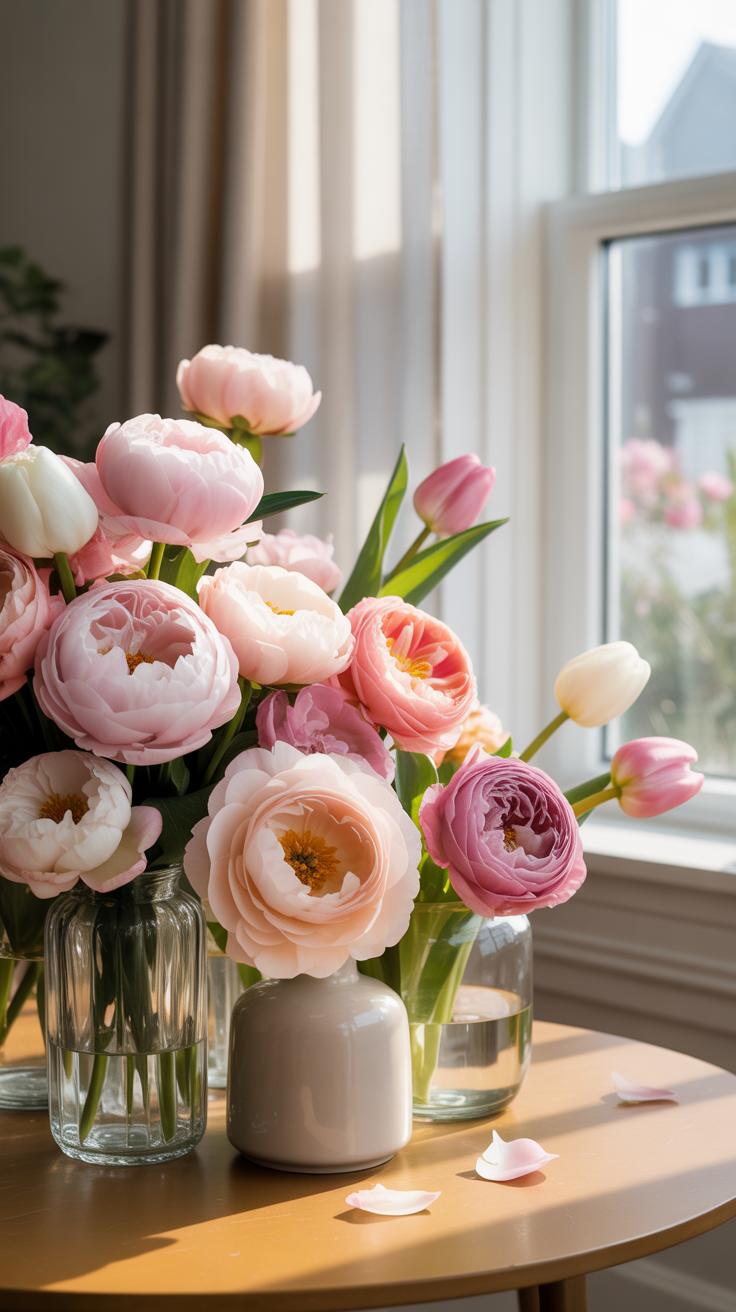
Peonies serve as the primary focal point for spring displays. These heavy headed blooms provide natural mass and texture. Their short blooming window makes them a high value choice for seasonal authenticity. Pair them with ranunculus to add structural variety. The tight circular petals of the ranunculus offer a sharp contrast to the loose form of the peony. This combination creates visual depth.
Cherry blossoms and tulip varieties define the vertical lines of a spring arrangement. Use forced branches to establish height and architectural interest. These woody stems provide a reliable framework for softer flowers. Parrot tulips offer unique fringed edges that break up monochromatic pink schemes. Select different shades of pink to avoid a flat look. This strategy ensures the arrangement looks professional and captures the season.
There is something so nostalgic and sweet about a home filled with pink blossoms, as if every petal holds a memory of a summer garden. Pink flowers are the heart’s way of inviting beauty and warmth into every room.
How To Transition Your Spring Pink Floral Arrangement Into Summer Styles
Shift your focus toward heat tolerant species as temperatures rise. Replace delicate spring bulbs with zinnias and dahlias. These flowers handle direct sunlight better and maintain their shape in warmer rooms. Transition from soft pastel pinks to deeper fuchsia tones. This color shift reflects the intense light of the summer months. It also increases the longevity of your indoor displays as specific spring varieties wilt quickly.
Adapt your foliage choices to maintain a fresh look. Swap soft spring greens for waxy or silver toned leaves like eucalyptus. These materials provide a cooler backdrop for pink petals. Reduce the use of heavy woody branches once the spring season ends. Instead, use local summer grasses to add movement and airiness. This tactical change keeps the arrangement looking current. It also reduces the maintenance required during the peak summer heat.
Pink Arrangements Floral Design Styles From Minimalist To Lush And Romantic
Exploring Garden Style Ikebana Inspired And Classic Pink Floral Designs
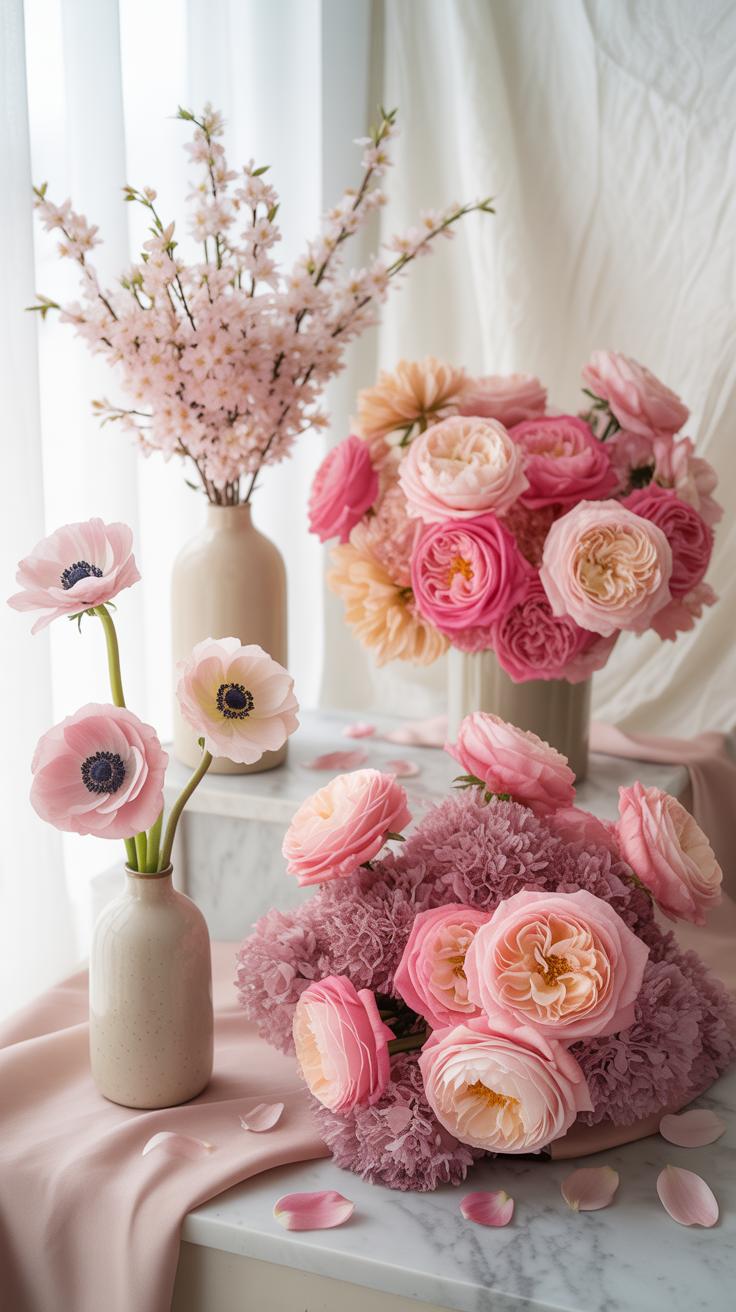
Garden style focuses on the natural growth patterns of flowers. This method uses various heights and textures to mimic a meadow. You use airy stems like pink cosmos or ranunculus. Designers avoid stiff structures in this style. Movement and negative space define the look. It creates a wild appearance that looks gathered rather than forced. Use a low bowl to support the stems.
Ikebana inspired design relies on discipline and minimalist principles. This Japanese art form emphasizes line and form over mass. You use a few select stems like a single pink lily or branch. Focus on the relationship between the flower and the vase. Classic designs use dense clusters of roses or peonies. These arrangements prioritize symmetry and color saturation. They provide a high impact through sheer volume.
How To Choose A Floral Design Style That Matches Your Homes Aesthetic
Your home architecture dictates your floral choices. Modern homes with clean lines require minimalist designs. Use architectural flowers like pink anthuriums or calla lilies in tall glass vases. This keeps the space feeling open and uncluttered. Avoid round bunches in contemporary settings. Sharp angles in furniture pair best with structural stems. Choose a single shade of pink to maintain a monochromatic look.
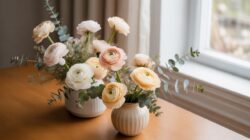
Traditional homes benefit from classic or lush romantic styles. These spaces handle heavy textures and large volumes of petals. Place dense pink hydrangea mounds on wooden surfaces. This adds warmth to the room without clashing with older decor. Choose garden styles for farmhouse or eclectic interiors. The loose stems match a relaxed atmosphere. Always match the scale of the arrangement to the size of the room.
Pink Arrangements For Every Room Bedroom Kitchen And Entryway Ideas
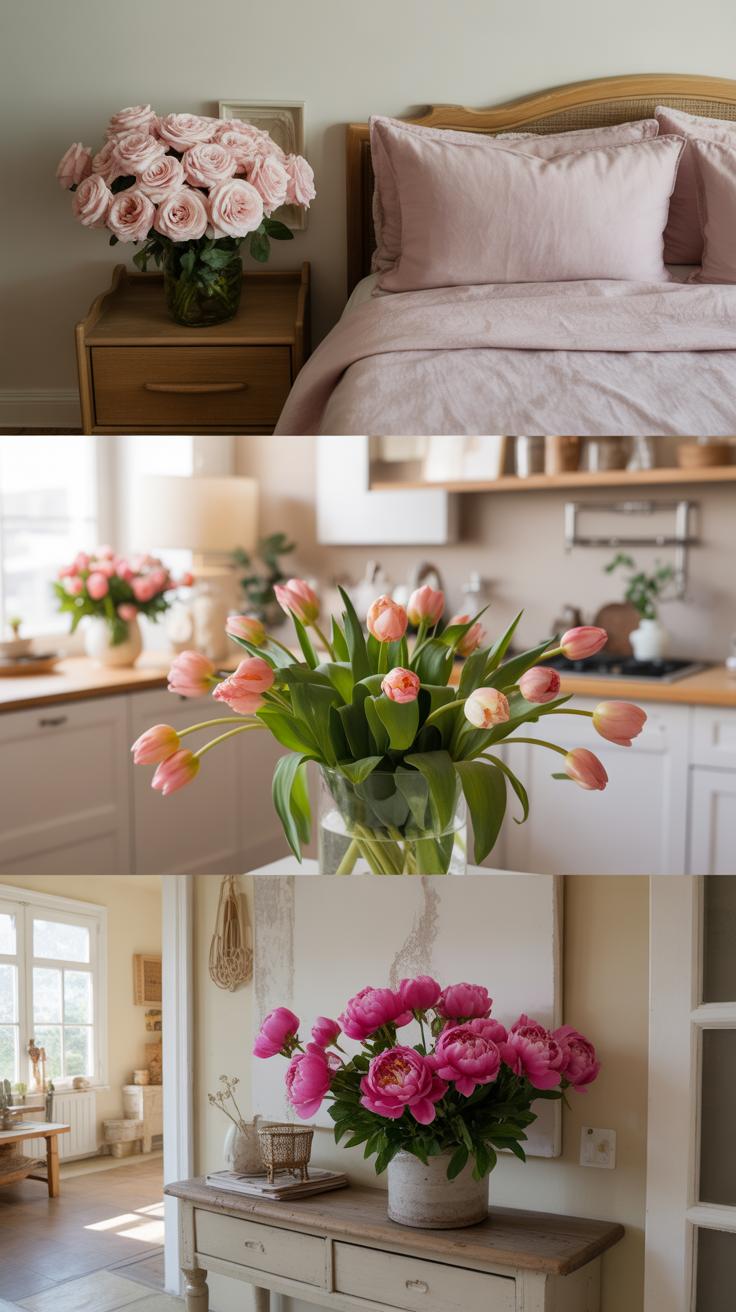
Creating An Intimate And Calming Pink Floral Display For The Bedroom
Select soft pink hues to promote rest and lower blood pressure. Pale peonies or ranunculus work best here. Use low-profile ceramic vessels to keep the sightline clear from the bed. Avoid highly fragrant lilies that disrupt sleep cycles. Stick to matte finishes on vases to absorb light rather than reflect it. This creates a grounded atmosphere suitable for recovery and sleep.
Position the arrangement on a nightstand or dresser away from direct heating vents. Heat wilts delicate petals and shortens the life of the display. Strip all foliage below the water line to prevent bacterial growth and unpleasant odors. Change the water every two days to maintain clarity and health. High-quality shears ensure a clean cut for maximum water uptake. These technical steps ensure the display remains fresh.
Making A Bold First Impression With Pink Arrangements In The Entryway
The entryway requires height and architectural structure to command attention. Use long-stemmed varieties like gladiolus or snapdragons to draw the eye upward. These flowers withstand the temperature fluctuations common near front doors. A heavy glass or stone vase provides necessary stability for tall stems. Choose vibrant hot pinks to contrast against neutral walls. This creates an immediate focal point for any visitor.
- Cherry Blossoms: Use tall wooden branches for structural height and a nod to Japanese minimalist design. These branches provide a natural framework that fills vertical space without requiring hundreds of individual blooms.
- Protea: Select these prehistoric looking flowers for their incredible durability and thick stems. They handle drafts better than softer petals and maintain their shape for weeks. Their unique texture adds immediate visual interest.
- Anthuriums: Utilize these waxy heart-shaped flowers for a modern and sleek aesthetic. Their plastic-like coating makes them resistant to dust and dehydration. They work perfectly in contemporary homes with clean lines and hard surfaces.
- Hydrangeas: Group these large heads together to create a massive wall of color with minimal effort. They fill wide vases quickly and provide a dense texture. Ensure they have constant access to water to prevent wilting.
- Tulips: Arrange these in a heavy bunch to take advantage of their natural phototropism. They will move and grow toward the light source over time. This creates a dynamic and changing display that feels alive and energetic.
Balance the arrangement by following the rule of thirds. The height of the flowers should be roughly one and a half times the height of the vase. Use clear water and a drop of bleach to keep the presentation professional. Remove spent blooms immediately to maintain the high-end look. Proper placement on a sturdy console table prevents accidental tipping in high-traffic areas. This strategy ensures a lasting professional impression.
Budget Friendly Ways To Create Beautiful Pink Floral Arrangements At Home
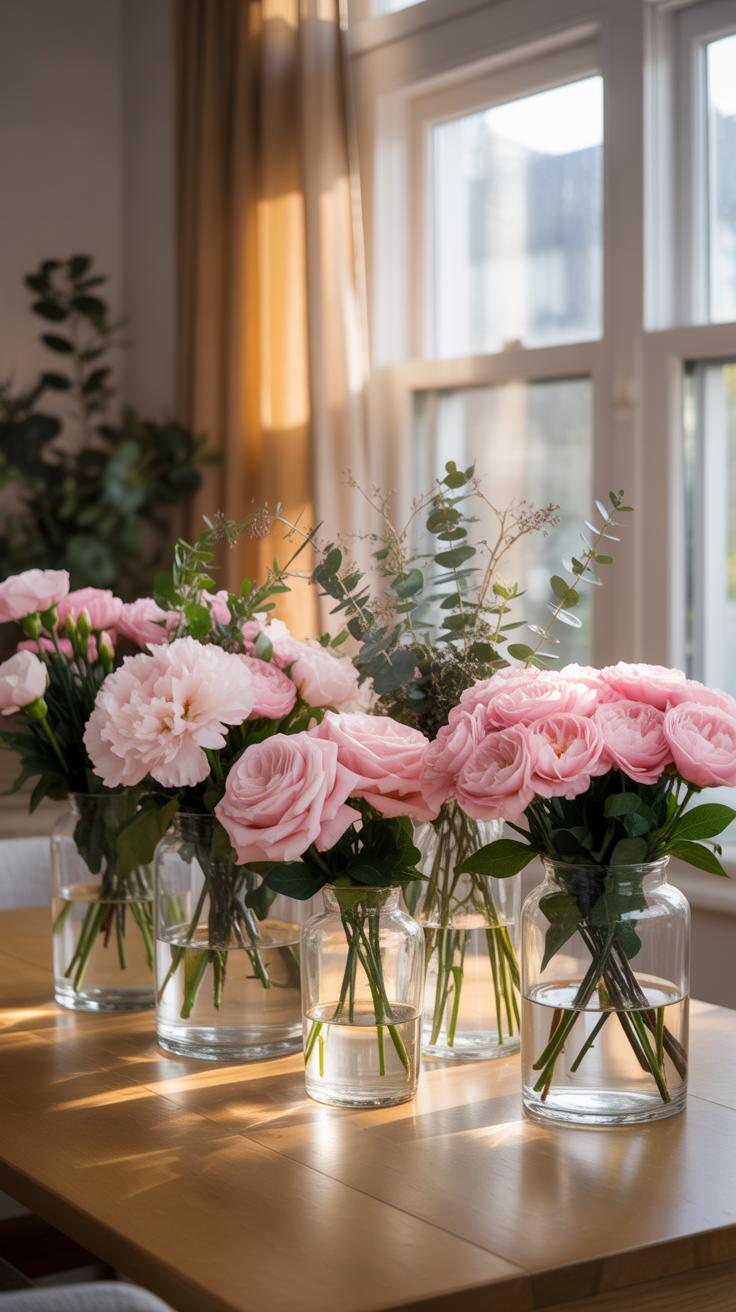
How To Source Affordable Pink Blooms From Local Markets And Garden Centers
Buy pink flowers during their natural peak seasons to reduce costs. Spring offers low prices on pink tulips and peonies. Summer provides abundant zinnias and celosia. Local farmers markets often sell stems at wholesale prices because they skip long shipping routes. Look for vendors who sell by the bunch rather than individual stems. This bulk buying method lowers the price per flower for your home displays.
Check garden centers for clearance perennials in pink shades. You can harvest blooms from these plants for less than the cost of a florist bouquet. Use high-volume blooms like carnations or spray roses to fill your vases. These varieties have long shelf lives and offer high visual impact for a low investment. Focus on hardy stems that stay fresh for two weeks. This reduces the need for frequent and expensive replacements.
Stretching Your Pink Arrangement Further With Greenery And Filler Flowers
Use structural foliage to take up physical space in the vase. This technique requires fewer expensive pink flowers to create a full look. Eucalyptus and ruscus provide a neutral backdrop that makes pink tones stand out. Use the three-to-one ratio for your design. Place three stems of greenery for every one pink focal bloom. This strategy maintains the pink theme while keeping your total budget low.
Incorporate affordable pink filler flowers to add density and texture to the arrangement. Waxflower and statice are durable options that cost very little. These fillers occupy the gaps between larger focal flowers like roses or lilies. Use clear glass vases with narrow necks to support fewer stems. This trick makes a small number of pink blooms look like a lush and expensive professional centerpiece.
Gifting And Styling Pink Floral Arrangements For Special Occasions At Home
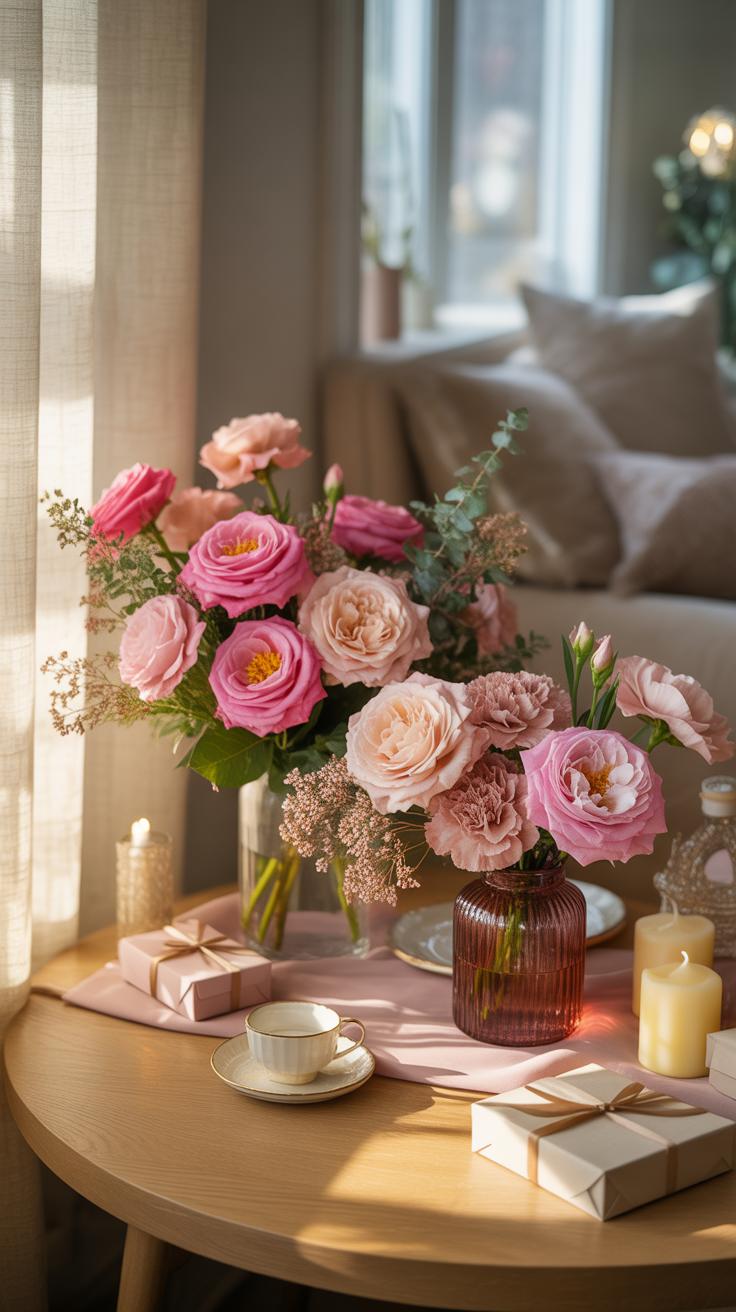
Occasions That Call For An All Pink Floral Arrangement As A Centerpiece Gift
Pink floral arrangements serve specific roles in traditional and modern gift giving. You use them to mark major life milestones like baby showers or engagement parties. Pink symbolizes grace and classic femininity in Western floral design. Choose these monochromatic displays for Mother’s Day or breast cancer awareness events. These settings require a cohesive color palette to maintain a professional and intentional visual theme throughout the room.
Select all pink arrangements for housewarming gifts in spring and summer. Pink flowers like peonies and ranunculus reflect the seasonal bloom cycle. These arrangements work well for romantic anniversaries when red feels too aggressive. Strategic planners use various pink shades to communicate different meanings. Pale pink shows admiration while deep magenta expresses gratitude. This versatility makes pink the standard choice for social gatherings that require a balance of warmth and formality.
Presentation Tips For Gifting And Displaying Pink Arrangements With Elegance
Presentation dictates the perceived value of your gift. Use clear glass or white ceramic vessels to let the pink hues dominate. Avoid busy patterns on containers that distract from the petals. Remove all submerged leaves to prevent bacterial growth and keep the water clear. Use florist wire to support heavy heads like hydrangeas. Proper structural integrity ensures the arrangement looks professional from every angle during a dinner or event.
Place pink arrangements against neutral backgrounds like grey, white, or navy walls. These colors provide high contrast and make the pink tones pop. Use direct lighting to highlight the texture of the petals. Keep the height below eye level for table centerpieces to allow for easy conversation. Professional stylists group different textures together but keep the color consistent. This monochromatic technique creates a high-end look that mimics luxury hotel lobby designs.
Frequently Asked Questions

What are the best flower varieties for creating a monochromatic pink bouquet?
To design stunning all pink floral arrangements, start by selecting flowers with various textures and heights. Popular choices include romantic peonies, classic roses, delicate ranunculus, and fluffy hydrangeas. For a modern twist, consider adding pink carnations or snapdragons. Mixing different shades—from soft blush to vibrant fuchsia—adds depth and visual interest, ensuring your monochromatic display looks sophisticated and professionally curated rather than one-dimensional.
How can I make my pink floral display look professional and balanced at home?
Achieving a professional look requires layering your blooms. Start with larger “focal” flowers in the center, then tuck in secondary blossoms to fill the gaps. To elevate your all pink floral arrangements, use varied shades of pink to create a gradient effect. Don’t forget to include pink-tinged greenery or waxflowers for texture. Always cut stems at an angle and remove any leaves below the waterline to keep your display fresh.
Is it possible to create a beautiful pink floral look on a tight budget?
Absolutely! You can achieve a high-end aesthetic without overspending by choosing seasonal blooms or buying in bulk from local markets. Carnations and alstroemeria are affordable, long-lasting options that come in many rosy hues. You can also supplement your arrangement with foraged greenery or dried elements like bunny tails. Using a unique thrifted vase or repurposing glass jars can add charm and character to your décor without costing a fortune.