What Are Mixed Vase Centerpieces And Why Are They So Popular
The Simple Appeal Of Grouping Different Vases Together
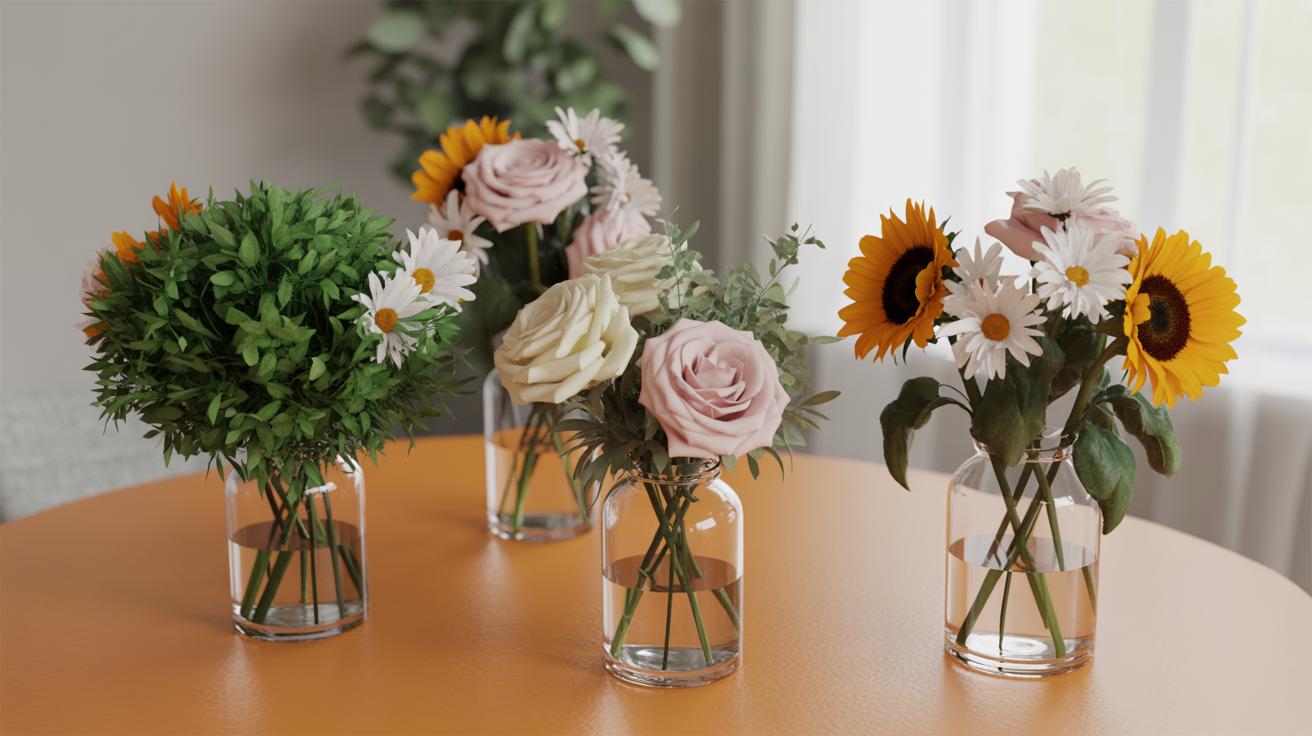
Mixed vase centerpieces rely on the principle of grouping. Designers place multiple vessels of varying heights and shapes in a single cluster. This method builds visual weight without requiring one massive container. It allows you to use small remnants or single stems effectively. You create a focal point by repeating materials like glass or ceramic across the entire table surface.
This strategy draws heavily from the Dutch Still Life tradition and modern minimalist movements. It emphasizes the silhouette of each individual bottle or jar. By choosing different sizes, you control the eye movement across the display. You do not need expensive floral foam or complex structural armatures. The arrangement stays stable because the weight is distributed across several heavy bases rather than one narrow point.
Why Mixed Vase Centerpieces Work For Every Skill Level
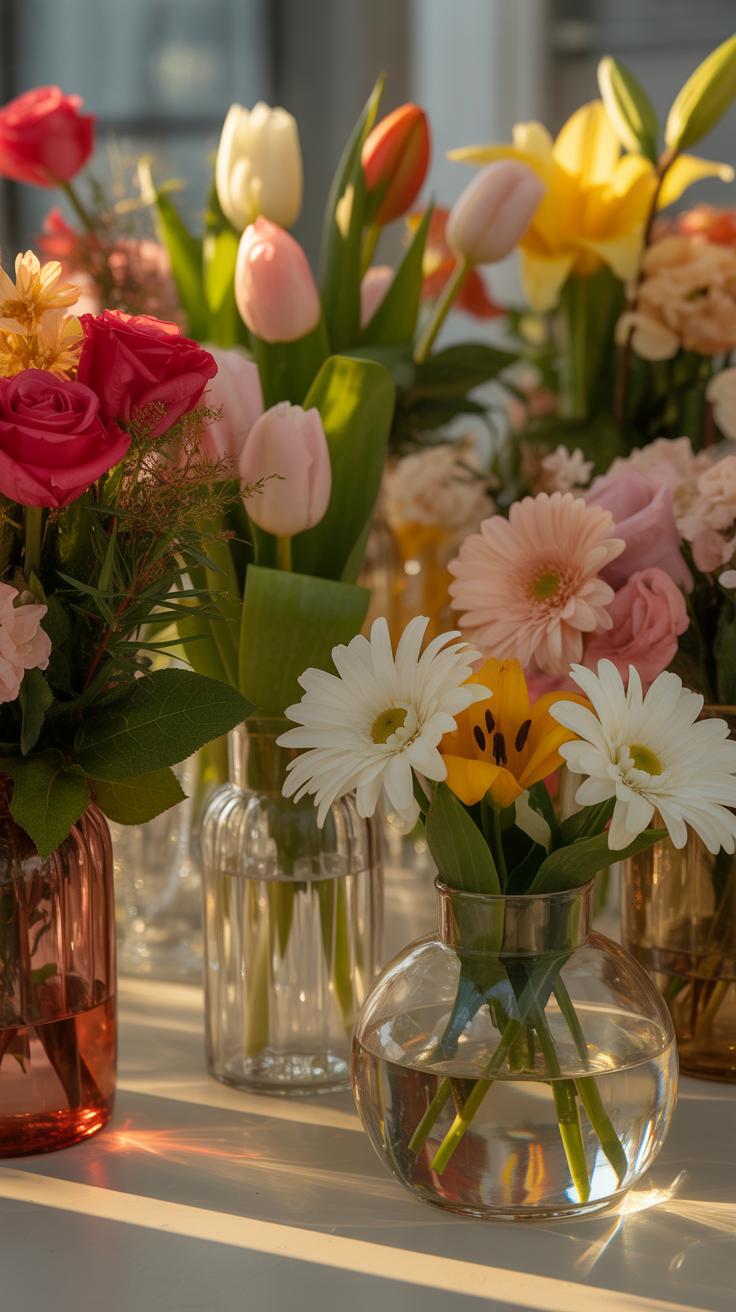
This technique removes the technical barrier of traditional floristry. Standard centerpieces require knowledge of balance and stem placement within a single mouth. Mixed sets allow you to place one or two stems per vase. This isolation makes it easy to spot and fix mistakes instantly. You can adjust the spacing between vessels to fill different table sizes without starting the design over.
Novices succeed because the variety of the containers hides lack of experience. Differences in texture and color provide built-in visual interest. You do not need to master complex mechanics like chicken wire or floral tape grids. If one flower wilts, you replace a single vase instead of rebuilding a whole display. This modular approach saves time and reduces waste during the setup phase of any event.
Choosing The Right Flowers For Table Displays That Last
Which Flower Varieties Hold Up Best In Vase Arrangements
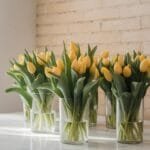
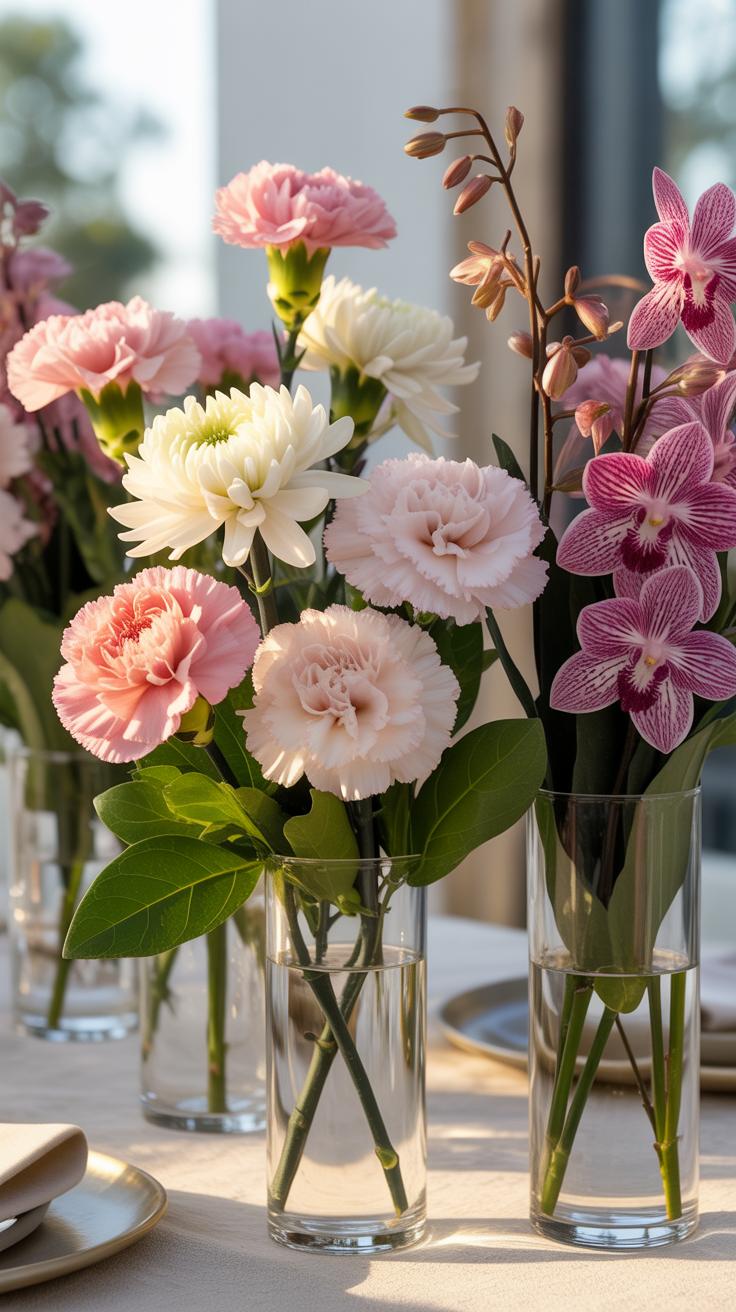
Select flowers with woody or thick stems to ensure longevity. Alstroemeria and carnations offer the best return on investment because they last up to two weeks. Avoid soft stem varieties like tulips if you need the display to remain upright for several days. Choose lilies and chrysanthemums for structural integrity. These blooms resist wilting even in warmer indoor environments or under direct lighting.
Hydration capacity determines the lifespan of Mixed Vase Centerpieces. Roses remain a standard choice but require clean cuts and immediate water submersion to prevent drooping heads. Remove all foliage below the water line to stop bacterial growth. Bacteria kill flowers faster than lack of water. Use floral preservative packets to maintain clear water and provide necessary nutrients. This tactical approach extends the display life significantly.
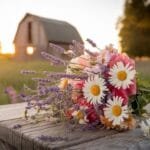
There are always flowers for those who want to see them, gathered simply to bring the beauty of the wild indoors.
Seasonal Flower Selection To Keep Costs Low And Freshness High
Buying flowers in their natural growing season reduces transport time and cost. Local peonies and sweet peas peak in spring and offer maximum fragrance and size. Heat tolerant varieties like zinnias and sunflowers thrive in summer months. These flowers handle the stress of shipping better when temperatures rise. You get larger blooms for less money when you follow the natural calendar of the floral crop.

Winter and fall require different strategies to maintain freshness. Focus on evergreen branches and berries during cold months to add volume without high costs. Combine these with greenhouse staples like orchids or ranunculus for a high end look. Imported flowers cost more due to fuel surcharges and logistics. Stick to what grows nearby to ensure the stems were cut recently. Fresh stems absorb water more effectively and last longer.
How To Select Vases For Centerpieces That Complement Each Other
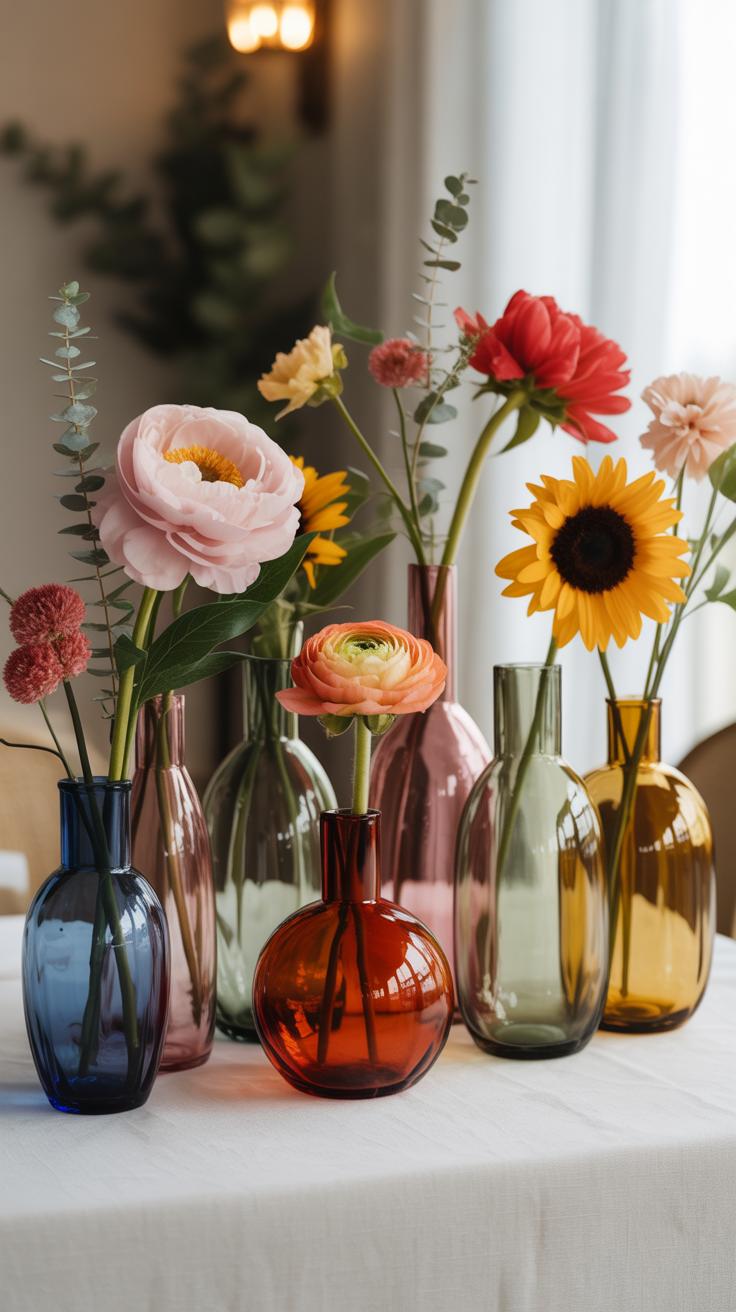
Mixing Vase Heights Shapes And Materials For Visual Depth
Effective mixed vase centerpieces rely on the rule of three to create balance. You must select vessels with varying heights to prevent a flat profile. Use a tall cylindrical lead glass vase as your primary anchor. Surround it with shorter bud vases or wide bowls. This height variation forces the eye to move across the table. It creates depth without requiring expensive floral fillers.
Contrast different textures to build interest. Pair smooth glazed ceramic vessels with rougher terracotta or frosted glass. Do not match every finish. Geometry plays a critical role here. Place a round fishbowl vase next to a sharp rectangular pillar. This juxtaposition prevents the arrangement from looking like a pre-packaged set. Use a single common color or material thread to keep the disparate shapes unified.
Where To Source Affordable Vases Without Sacrificing Style
Lower your costs by sourcing glass from commercial floral supply wholesalers. These outlets sell bulk glass cylinders and cubes at a fraction of retail prices. Look for thick-walled pieces that mimic high-end crystal. Avoid thin glass that breaks under the weight of water and stems. Professional florists use these basic vessels because they provide a clean foundation for any design style or era.
Visit estate sales and thrift stores for secondary pieces. You can find mid-century modern milk glass or vintage stoneware for low prices. These unique items add character to more modern clear glass pieces. Scour local restaurant supply stores for carafes and glass pitchers. These items function well as vases and cost very little. Focus on cleaning them thoroughly to remove hard water stains before use.
Colorful Simple Wedding Decor Using Mixed Vase Arrangements
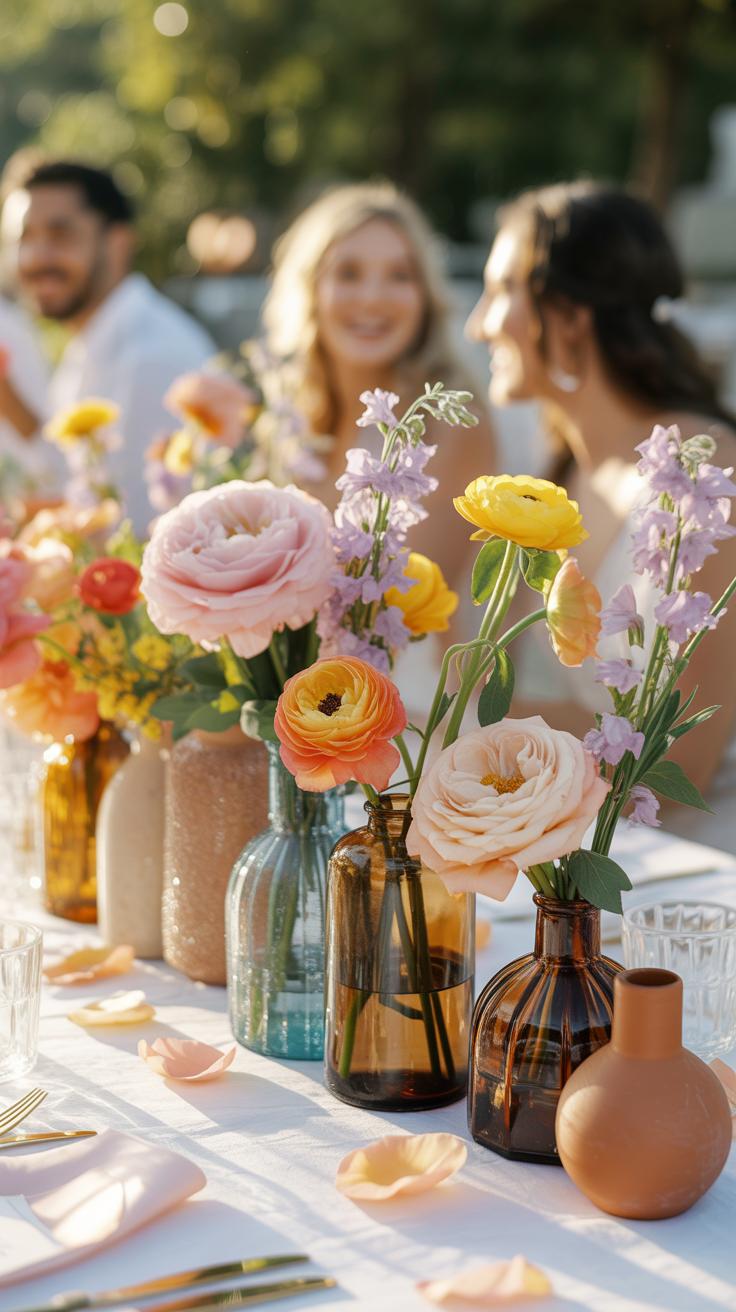
How To Build A Color Palette That Feels Intentional Not Chaotic
Select a primary anchor color to ground the arrangement. Use the 60-30-10 rule for color distribution across the table. 60 percent represents your primary hue. 30 percent covers a secondary supporting shade. 10 percent acts as a sharp accent color. This ratio prevents visual clutter. It ensures the eye knows where to land first. Professional designers use this method to maintain order in varied containers.
Apply the color wheel to choose your shades. Monochromatic schemes use different tones of one single color. These produce a clean and modern look. Analogous schemes use three colors sitting next to each other on the wheel. These offer more depth but remain easy on the eyes. High contrast complementary pairs create energy. Stick to one of these three systems. Deviation leads to a messy aesthetic.
Pairing Bold Blooms With Neutral Filler Flowers For Balance
Identify your focal flowers first. These are larger stems like peonies or standard roses. They carry the visual weight and the primary color. Limit these to two or three per vase to avoid crowding. Overloading the arrangement hides the unique shape of each bloom. Strategic spacing allows each petal to show its form clearly. High density in small vessels looks cheap and disorganized.
Use neutral fillers to bridge the gaps between bolds. White Queen Anne lace or green seeded eucalyptus serve this purpose well. These elements provide structural support and negative space. They prevent the bright colors from clashing directly against each other. The neutral tones soften the transition between different heights. This technique creates a professional finish. It ensures the centerpiece looks balanced from every viewing angle.
Wild Flower Centerpieces Wedding Simple Enough For DIY Brides

Common Wildflower Varieties That Are Easy To Arrange In Vases
Successful wildflower arrangements require stems with natural structural integrity. DIY brides should select blooms that do not wilt immediately after cutting. These varieties provide distinct heights and textures needed for a balanced mixed vase centerpiece. Focus on hardy plants that mimic the meadow aesthetic without requiring professional floral foam or complex wiring techniques. Use local or seasonal options to ensure the freshest results.
- Queen Anne’s Lace: These flat white clusters provide essential filler volume and a delicate texture. They act as a natural grid to hold other stems in place. The sturdy stems make them easy to position in narrow neck bottles or wide jars.
- Cosmos: These flowers offer a soft appearance with thin but resilient stems. They come in various shades and provide eye catching movement in a mixed vase. Their height makes them perfect for creating the necessary vertical lines in a wildflower design.
- Goldenrod: Use this for bold yellow color and dense texture. It adds significant weight to the base of an arrangement. The woody stems are very durable and survive well in various water temperatures throughout a long wedding day.
- Cornflowers: These provide a rare blue pigment and a button like shape. They are highly drought tolerant and maintain their form even in heat. Use them as focal points among lighter grasses to create a striking visual contrast in the vase.
- Bachelor’s Buttons: These hardy blooms feature fringed petals and stiff stems. They are easy to harvest and do not drop petals quickly. They remain upright in water and work well for adding pops of saturated color without overcrowding the other delicate wildflowers.
Balance your selection by mixing airy fillers with solid focal blooms. Place heavier stems like goldenrod in the center to anchor the arrangement. Surround them with lighter stems like Queen Anne’s Lace to create a soft perimeter. This method ensures the centerpiece looks full from every angle. Keep stem lengths varied to mimic how these plants grow in a natural field setting.
How To Keep Wildflower Arrangements Looking Fresh Through The Reception
Hydration is the most critical factor for wildflower longevity. Professionals use the sear method for woody stems to improve water uptake. Cut all stems at a sharp forty five degree angle under cool running water. Remove every leaf that sits below the water line in the vase. Rotting foliage creates bacteria that will kill the blooms before the reception dinner even begins.
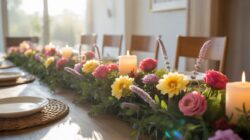
Temperature control prevents premature wilting in outdoor settings. Keep finished vases in a cool, dark room until the event starts. Avoid placing centerpieces in direct sunlight or near air conditioning vents. Check water levels two hours before the ceremony. Some wild varieties consume water much faster than standard roses. Top off each vase with clear water to ensure every stem remains fully submerged.
Colorful Wedding Flowers Bud Vases As Accent Pieces On Tables
How To Style Bud Vases Alongside Larger Mixed Vase Groupings
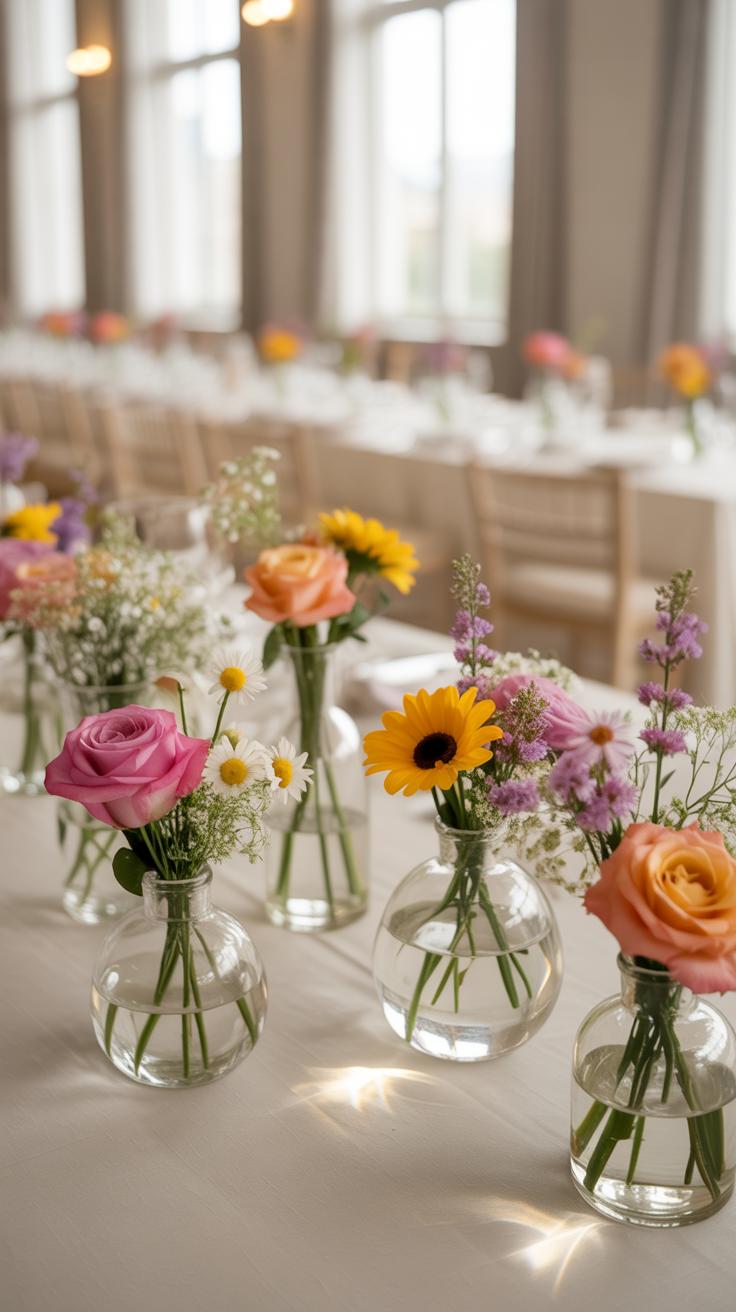
Use bud vases to bridge the gap between large floral arrangements. These small vessels extend the visual line of a centerpiece across a long table. Place them at varying distances to create a rhythmic flow. This technique prevents the table from looking cluttered while maintaining a cohesive look. Select glass or ceramic materials that match the primary central containers for consistency.
Vary the heights of your bud vases to add depth to the table. Position taller bud vases near the main centerpiece and shorter ones toward the ends of the table. This staggering method directs the eye through the entire display. Keep the spacing intentional to allow room for glassware and plates. Small vases also allow you to highlight specific expensive blooms without increasing your total flower budget.
Single Stem Flower Ideas That Make A Big Impact In Small Vases
Select flowers with strong architectural shapes for small vases. A single ranunculus or anemone provides a clear focal point because of its high petal count and defined center. These blooms hold their shape well and do not require support from other stems. Darker colors create a sharp contrast against light tablecloths. High-impact stems ensure the small display does not disappear on the table.
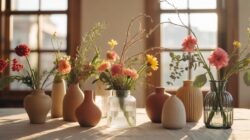
Focus on stems with natural curves to add movement to the arrangement. Sweet peas or poppies have flexible stems that drape over the edge of a small vase. This creates a dynamic look that feels less rigid. Trim the stems to twice the height of the vase for the best proportions. Hardier flowers like carnations or zinnias also work well for events lasting several hours.
Wildflower Wedding Flower Arrangements Inspired By Nature

Using Foliage, Grasses, And Greenery To Add Texture To Arrangements
Foliage provides the structural foundation for mixed vase centerpieces. Professional designers use greenery to create depth and movement within the vessel. For a natural look, select stems with varying leaf shapes and shades. Eucalyptus and ruscus offer reliable height and durability. These elements mask the mechanics of the arrangement. They also separate focal flowers to prevent a crowded visual appearance.
Grasses introduce a sense of motion to wildflower designs. Seeding grasses like fountain grass or oats add fine details that mimic fields. Tuck these stems into the arrangement at different angles to break the symmetry. This technique mirrors the randomness found in nature. Ensure you strip leaves below the water line to prevent bacterial growth. Clean stems maintain water clarity and extend the life of the display.
How To Recreate A Bright Wildflower Wedding Look On A Budget
Recreating a high-end wildflower look requires strategic flower selection. Choose cost-effective blooms that provide large volumes of color. Zinnias and cosmos grow easily and offer vibrant tones for a lower price point. Use these as primary colors in your mixed vases. To maximize your budget, source flowers from local growers during their peak blooming season. Local flowers stay fresh longer and reduce shipping costs.
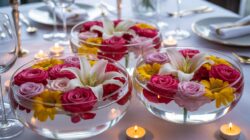
Incorporate filler flowers like waxflower or Queen Annes Lace to add density without high costs. These smaller blooms occupy space and bridge gaps between larger focal points. Use thrifted or mismatched glass vases to save on hardware expenses. Varied heights and shapes in your glassware create visual interest. Simple glass bottles and mason jars work well for this style. This approach produces a professional result while keeping expenditures low.
Minimalist Centerpieces That Still Feel Warm And Inviting
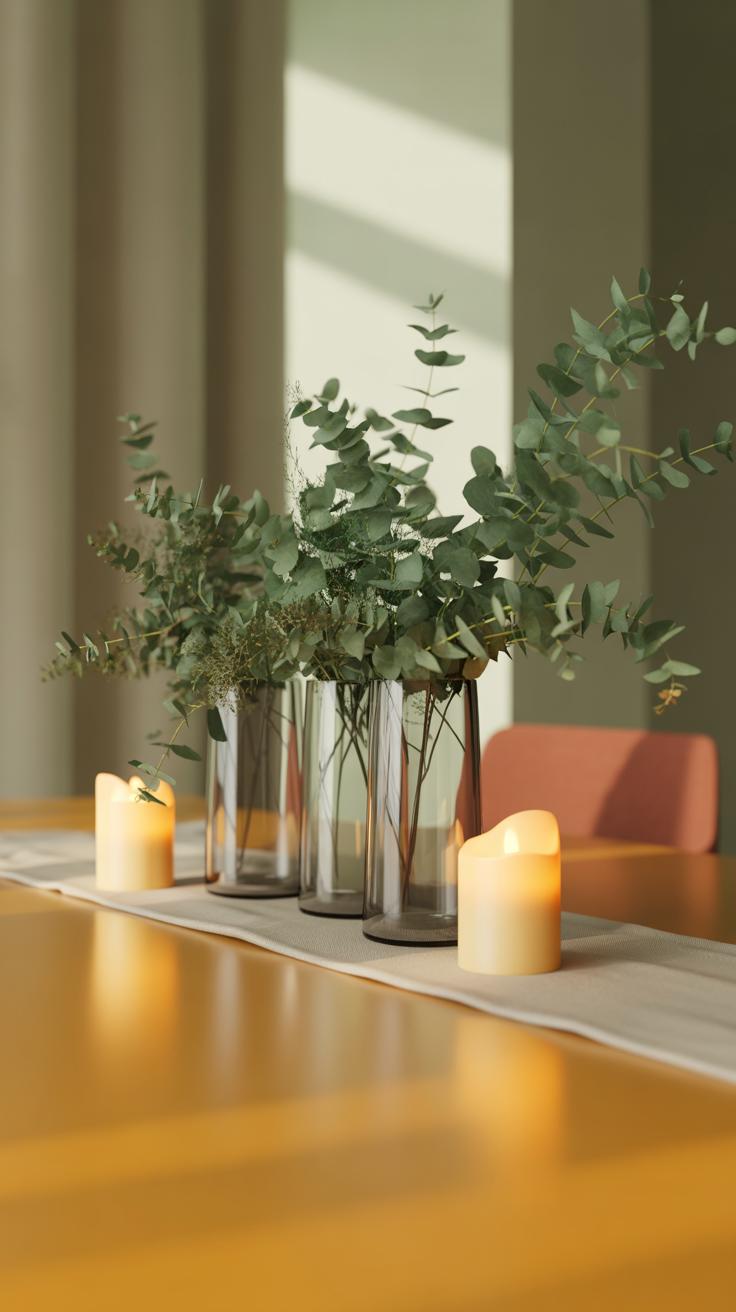
The Less Is More Approach To Mixed Vase Styling
Minimalist design relies on the concept of negative space to create visual impact. High-end arrangements use this strategy to prevent clutter on a dining surface. You must select vases with strong geometric profiles and neutral tones. This approach mirrors the Mid-Century Modern movement which prioritized function and form over excessive decoration. Every vessel in the group must have a clear purpose.
Warmth in minimalism comes from texture rather than quantity. Use organic materials like stone, matte ceramic, or wood to break up the coldness of glass. Place these items in tight clusters of three to maintain focus. Avoid symmetrical patterns because they feel rigid and artificial. Odd numbers create a natural flow that guides the eye across the table without overwhelming the viewer.
Step By Step Guide To Assembling A Clean Minimalist Vase Grouping
Successful minimalist groupings require a structural foundation built on height and material contrast. Begin by choosing three vessels that share one common trait like color or texture. This consistency ensures the arrangement looks intentional and professional. You do not need expensive materials to achieve this look. Focus on the spatial relationship between each vase to create a sense of balance.
- Select Your Vessels: Choose three vases of varying heights. One should be significantly taller than the others to create a vertical anchor. Ensure the shapes are distinct but use a unified color palette like charcoal, cream, or terracotta to maintain a cohesive look.
- Establish Focal Point: Place the largest vase slightly off-center on the table. This positioning adheres to the rule of thirds used in professional photography and design. It creates a dynamic visual tension that makes the arrangement look modern and more interesting to the eye.
- Add Linear Greenery: Insert a single structural branch or tall leaf into the tallest vessel only. Choose something with a strong silhouette like eucalyptus or a monstera leaf. Keeping the other vases empty highlights the shape of the containers and prevents the design from looking messy.
- Adjust Spatial Gaps: Position the two smaller vases close to the base of the taller anchor. Leave a small gap between them to show the table surface. This negative space is a tactical tool that makes the individual forms of the vases stand out more clearly.
- Review Sightlines: Sit down at the table to ensure the centerpiece does not block views. Minimalist design must remain functional for guests. If the branch is too wide, trim any excess growth to keep the lines sharp. Accuracy in pruning ensures the final product looks polished.

Finalize the arrangement by checking the light reflections on each surface. High-gloss finishes can cause glare, while matte textures absorb light and feel warmer. Adjust the placement until the shadows fall naturally across the group. This attention to detail separates a basic setup from a professional design. Keep the surrounding table clear to let the mixed vase centerpieces dominate the space.
Vibrant Wildflower Wedding Centerpieces Beyond The Wedding Day
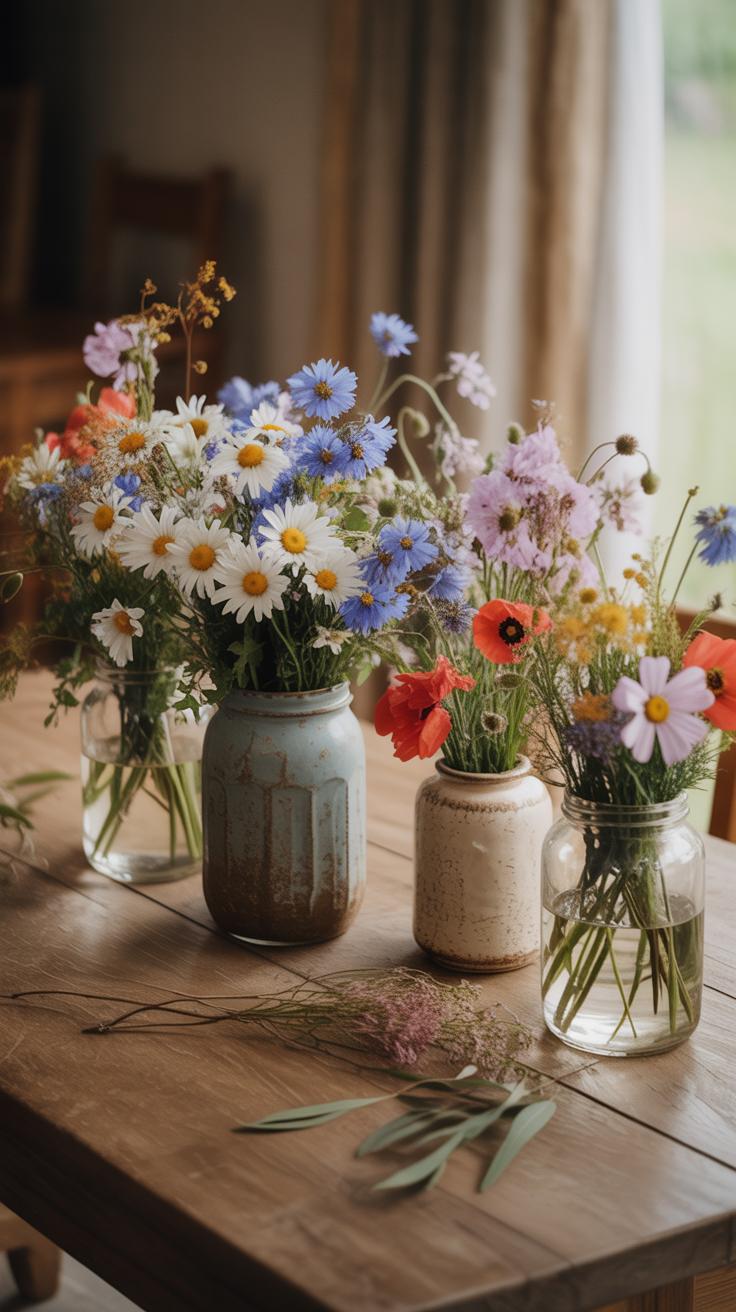
Adapting Wildflower Mixed Vase Centerpieces For Everyday Home Decor
Wildflower arrangements rely on a loose and organic structure. To bring this aesthetic into the home, you must prioritize scale and vessel selection. Large wedding clusters often overwhelm standard dining tables or mantels. Break these massive displays into smaller groupings. Use ceramic pitchers or stoneware crocks to ground the airy stems. These materials offer a rustic contrast to the delicate floral textures.
Proper maintenance extends the life of these informal designs. Wildflowers often have thin stems that clog easily with bacteria. Change the water daily and trim one half inch off the bottom of each stem. Remove any leaves below the water line to prevent rot. Place the vases in cool areas away from direct sunlight. This tactical care keeps the field gathered look fresh for days.
How To Repurpose Wedding Centerpiece Flowers After The Event
Repurposing event flowers requires immediate action to preserve quality. Assign a team to collect vases as soon as the reception ends. Sort the stems by their condition and hydration needs. Robust flowers like sunflowers or zinnias survive well in gift bouquets for guests. Delicate varieties like Queen Annes lace may require immediate pressing or drying. This maximizes the financial investment made for the wedding day.
Professional drying techniques transform temporary centerpieces into permanent decor. Hang sturdy stalks upside down in a dark and dry room with good airflow. This method preserves the color and shape of the petals. Alternatively, use silica gel for more fragile blooms to maintain their dimensional form. These dried elements work well in shadow boxes or seasonal wreaths. Strategic preservation keeps the memories active without the waste.
Frequently Asked Questions
What are mixed vase centerpieces and how do I start making one?
Mixed vase centerpieces are curated arrangements that use a variety of containers in different shapes, heights, and materials to create a visual narrative on your table. To start, simply gather three to five vessels that share a common element, like color or texture. This approach is perfect for beginners because it relies on the collective impact of the grouping rather than the complex floral design skills needed for a single large arrangement.
How do I arrange different heights to make the display look professional?
The key to professional mixed vase centerpieces is achieving a balanced “staircase” effect. Place your tallest vessel slightly off-center to act as an anchor, then layer medium and small vases around it to draw the eye across the table. Use varying stems, like a tall branch in the highest jar and shorter blooms in the smaller ones, to ensure the arrangement feels organic and intentional rather than cluttered or flat.
Can I create a beautiful table display without spending a lot on new vases?
Absolutely! You can craft stunning mixed vase centerpieces using everyday household items like mason jars, vintage perfume bottles, or even painted pasta jars. Scouring local thrift stores is another affordable way to find unique glass pieces with character. By mixing high and low elements, you create an eclectic, high-end look that feels personalized and chic without the premium price tag of a matching designer set from a boutique.