
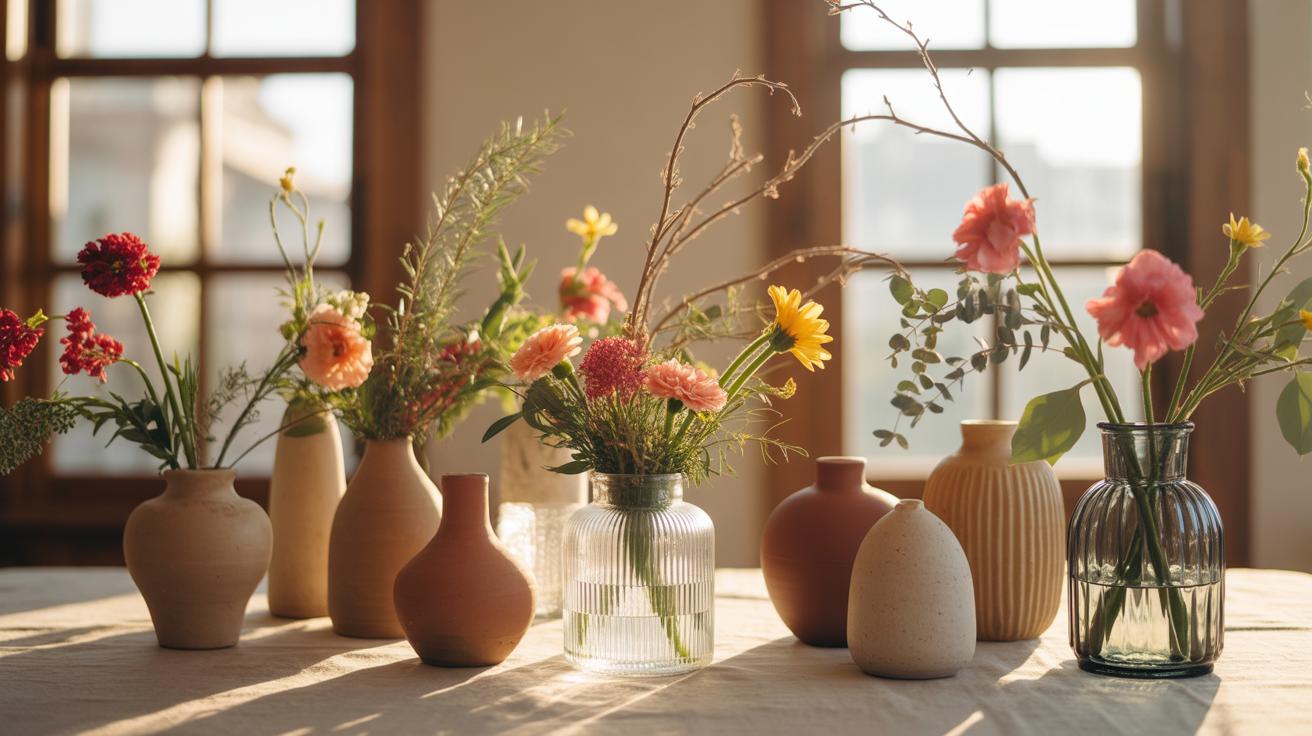
What Are Branch Flower Arrangements And Why Are They So Popular
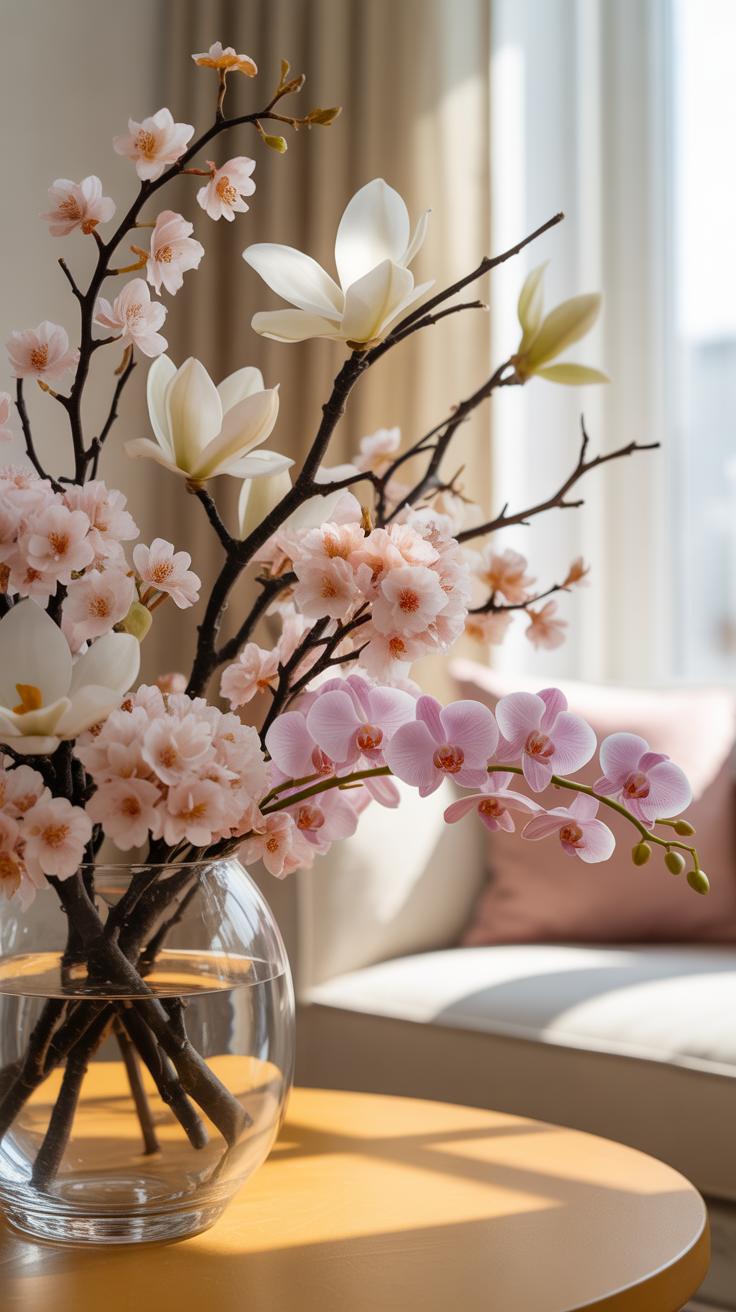
The Natural Appeal Of Combining Branches And Blooms In Home DéCor
Branch and flower centerpieces combine rigid woody structures with soft floral tissues. This pairing creates a high internal contrast that anchors a room. Branches provide vertical scale and architectural depth that standard stems lack. Designers use these elements to mimic natural growth patterns. This technique brings a sense of structural integrity to interior spaces. It forces the eye to move upward and outward.
Woody stems serve as a sustainable framework for heavy blossoms. They replace the need for synthetic floral foam or plastic supports in large displays. This method follows the principles of Ikebana, where line and negative space matter more than mass. Modern decorators favor this approach because it lasts longer than traditional bouquets. Bare branches continue to provide visual interest even after the primary flowers fade or drop.
How Branch Flower Arrangements Suit A Wide Range Of Interior Styles
These arrangements adapt to diverse design movements through material selection. Minimalist spaces benefit from the clean lines of single branches like cherry blossoms or quince. Rustic and farmhouse styles use thick, textured boughs to create a rugged atmosphere. In mid-century modern settings, the sculptural shape of a branch complements geometric furniture. The organic form breaks up the hard edges of contemporary residential architecture.
Material choice dictates the stylistic outcome of the piece. Smooth barked branches like birch reflect Scandinavian utility. Dark, gnarled wood creates a traditional or Victorian feel. Professionals select specific species to match the visual weight of the room. This flexibility makes branches a primary tool for staging. You can change the entire mood of a space by simply swapping the type of wood or flower species used.

Choosing The Right Branches For Your Branches Centerpiece
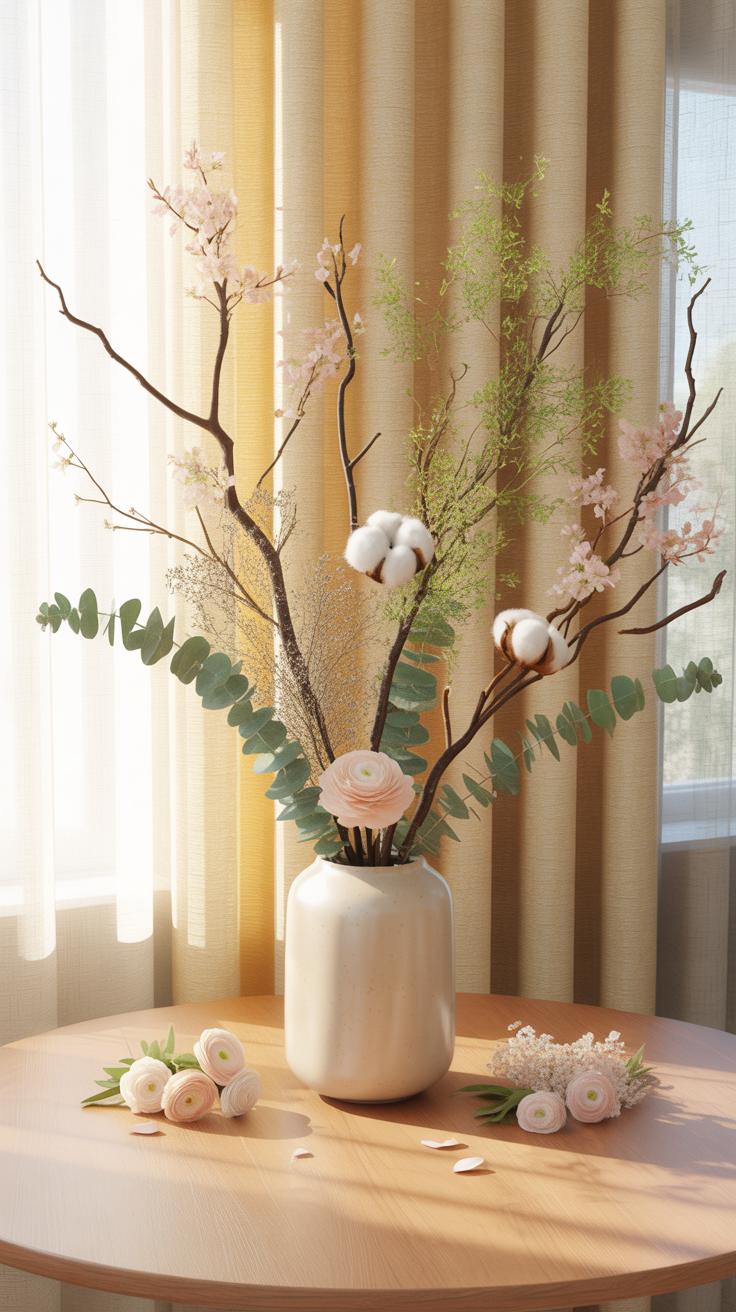
Best Types Of Branches To Use: From Cherry Blossom To Birch And Willow
Structural integrity dictates your choice of wood for any arrangement. Birch branches provide a solid white vertical element that supports heavy floral additions. Willow offers flexibility for organic curves and movement in modern designs. Hardwoods like oak or maple provide long lasting stability for large scale installations. Select your base based on the weight of the flowers you plan to attach to the wood.
Flowering branches like cherry blossom or forsythia provide natural color and texture. These branches require water to keep blooms fresh for multiple days. Fruit wood branches like apple or pear offer a thick bark texture that contrasts well with delicate petals. Always inspect wood for pests or rot before bringing it indoors. Healthy wood ensures the structural safety of your centerpiece and prevents any unwanted debris.
Essential Materials And Tools Needed To Build A Stunning Branch Centerpiece
Professional results require the correct hardware to secure heavy wooden elements. You must stabilize the base to prevent the arrangement from tipping over. Heavy ceramic or metal vases provide the necessary counterweight for tall branches. Use floral foam for light branches and rock or gravel for heavier stems. Proper mechanics allow you to build height without risking a collapse during your event.
- Heavy Duty Pruners: High quality steel blades cut through thick wood without crushing the stem. This keeps the branch healthy and allows for better water intake. Clean cuts prevent the wood from fraying or splintering.
- Floral Wire: Use gauge 22 or 24 wire to lash branches together or secure flowers. The wire provides a hidden structural bond that tape cannot achieve. It allows for precise placement of every floral element.
- Weighted Base: A heavy container prevents the centerpiece from falling under its own weight. Use marble, cast iron, or thick glass to lower the center of gravity. This is critical for safety in high traffic areas.
- Floral Adhesive: Waterproof cold glue secures small delicate flowers directly to the bark. It creates a bond that survives temperature changes and moisture. This tool is standard for intricate Ikebana or modern sculptural designs.
- Buckets and Bleach: Clean vessels and a small amount of bleach prevent bacterial growth in the water. This extends the life of flowering branches by days. Clean water is the most important factor for long term freshness.

Stability remains your primary goal when assembling these large focal points. Check every connection point for movement before adding your final flowers. Use zip ties for hidden structural support if the branches are exceptionally heavy. Hide all mechanical parts with moss or stones to maintain a clean appearance. Rigorous testing ensures your design stays upright and looks professional for the duration of its display.
The Art Of Japanese Floral Arrangements And Their Influence On Branch Centerpieces
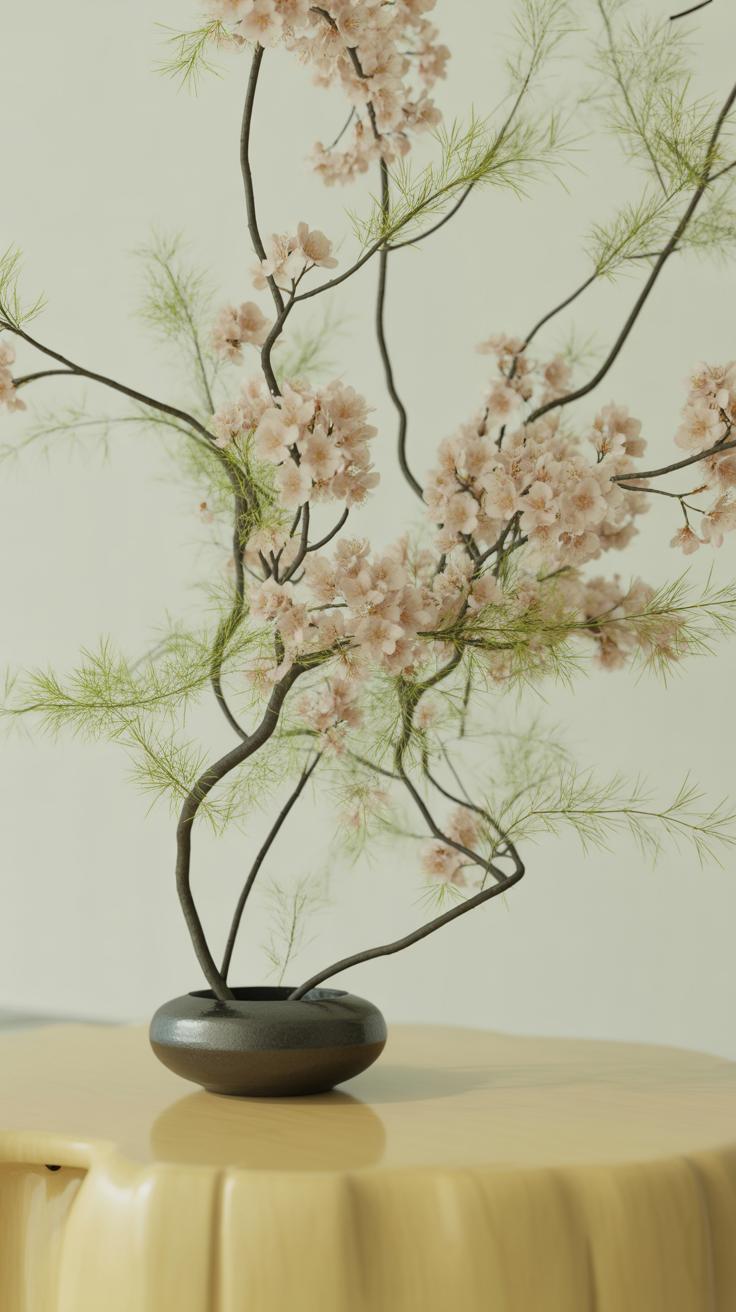
Understanding Ikebana: The Japanese Philosophy Behind Minimalist Branch And Flower Design
Ikebana began in the sixth century as a Buddhist ritual. It prioritizes the shape and line of branches over the volume of flowers. This discipline values negative space as a physical element in the design. Designers use this empty space to draw attention to specific curves or buds. You must view the stems, leaves, and branches as equal parts of the final work.
The practice focuses on the relationship between nature and humanity. It uses a triangular structure to represent heaven, earth, and mankind. This specific geometry creates a sense of tension and movement. Unlike Western styles that favor symmetry, Ikebana relies on asymmetry for visual impact. You select every branch for its specific angle and historical meaning. This approach ensures every centerpiece tells a clear story.
How To Apply Ikebana Principles To Create A Balanced And Meaningful Centerpiece
Start by selecting one primary branch to serve as the structural anchor. This piece sets the height and direction of the entire arrangement. Trim any small twigs that clutter the main line. You want a clean silhouette that leads the eye toward the Focal flower. Keep your material count low to maintain a minimalist look. Use heavy metal pin frogs called kenzan to secure branches.

Focus on the angles of your branches to create depth. Set the tallest branch at a fifteen degree tilt to suggest growth toward the sun. Add a second branch at a forty five degree angle to provide width. Place the flowers at the base to ground the design. These layers build a three dimensional form that looks different from every side. Strict adherence to these proportions ensures a professional and stable result.
Creative Ideas For Floral Arrangements With Branches For Every Room
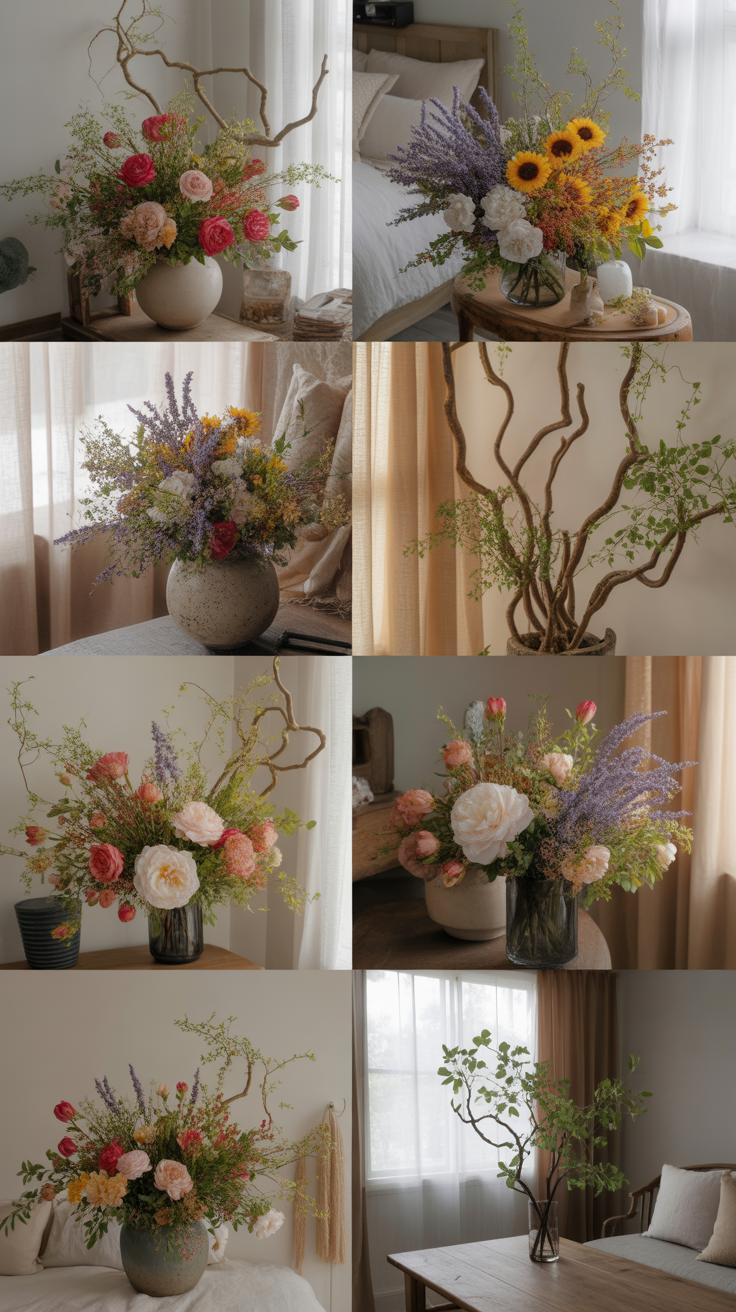
Dining Table Centerpieces Using Branches And Seasonal Flowers For Year Round Charm
Dining tables require low sightlines to allow conversation. Select horizontal branch structures like grapevine or birch to keep height manageable. Secure these bases using heavy pin frogs or floral wire hidden within a shallow trough. Use seasonal flowers to update the look throughout the year. Spring calls for cherry blossoms while winter suits pine and amaryllis. Firmly anchor each stems to prevent tipping during meal service.
Scale remains the most critical factor for table success. A centerpiece should occupy no more than one third of the table surface area. Leave exactly twelve inches of clearance for place settings on all sides. Use water tubes for delicate blooms when the branch structure is dry. This preserves the flowers without requiring a full vase. This method allows for a more architectural and minimalist aesthetic that suits modern homes.
A few blossoms and a single green branch are enough to bring the living spirit of the seasons into the heart of your home.
Living Room And Entryway Displays That Make A Bold First Impression
Entryways demand height and vertical impact to fill the volume of a foyer. Use tall, woody branches like curly willow or dogwood to establish a structural frame. These materials support their own weight and reach several feet high. Place them in heavy ceramic or stone vessels to prevent top heavy arrangements from falling. This creates a permanent sculptural element that defines the room regardless of the season.

Living rooms benefit from integrated designs that match the furniture scale. Place large arrangements on side tables or mantels to draw the eye upward. Use the Japanese Ikebana principle of heaven, man, and earth to balance the branch lengths. Cut stems at sharp angles to maximize water intake and increase longevity. Replace fading flowers while keeping the primary branch structure in place for several months to reduce cost.
How To Design Beautiful Floral Arrangements That Elevate Your Home Aesthetic
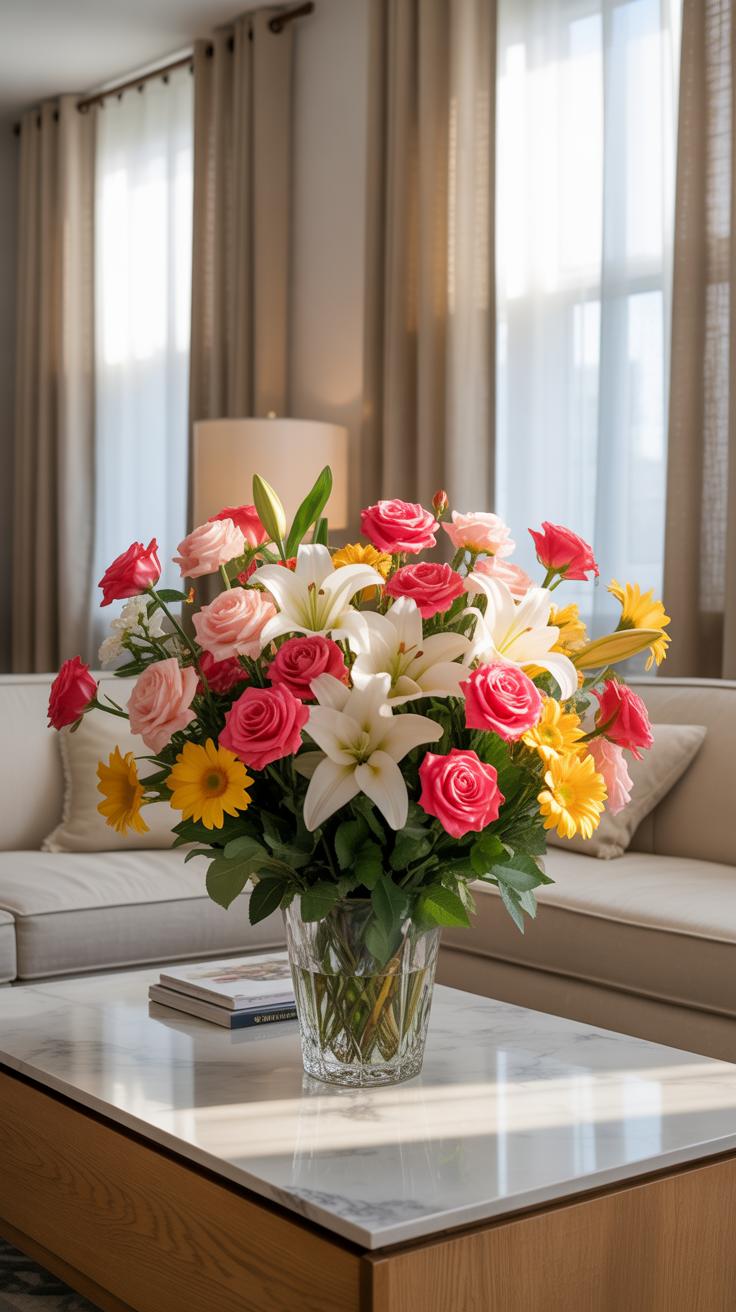
Color Harmony And Proportion: Key Design Principles For Beautiful Floral Arrangements
Effective design relies on the Golden Ratio to achieve visual balance. Use a height ratio of 1.5 to 1 between the branches and the container. This creates a stable base for your Branch and Flower Centerpieces. Place heavy branches at the bottom to lower the center of gravity. Distribute weight evenly to prevent tipping. Use monochromatic color schemes for sophisticated modern aesthetics.
Select secondary colors based on the color wheel to create visual interest. Analogous colors provide a calm feel for dining areas. Complementary colors offer high contrast for foyers and large entries. Maintain three distinct heights within your arrangement to guide the eye. Use the tallest branch as the central axis. Space flowers around this axis to fill negative space without crowding the lines.
Seasonal Flower Pairings That Work Best With Decorative Branches
Spring offers the best window for flowering branch designs. Force blooms from forsythia or cherry branches by placing them in warm water. Pair these with heavy-headed flowers like peonies or tulips to ground the tall stems. Use dogwood branches for structural integrity in taller vases. Their stiff wood supports delicate blooms and provides a natural architectural framework for any room in the house.

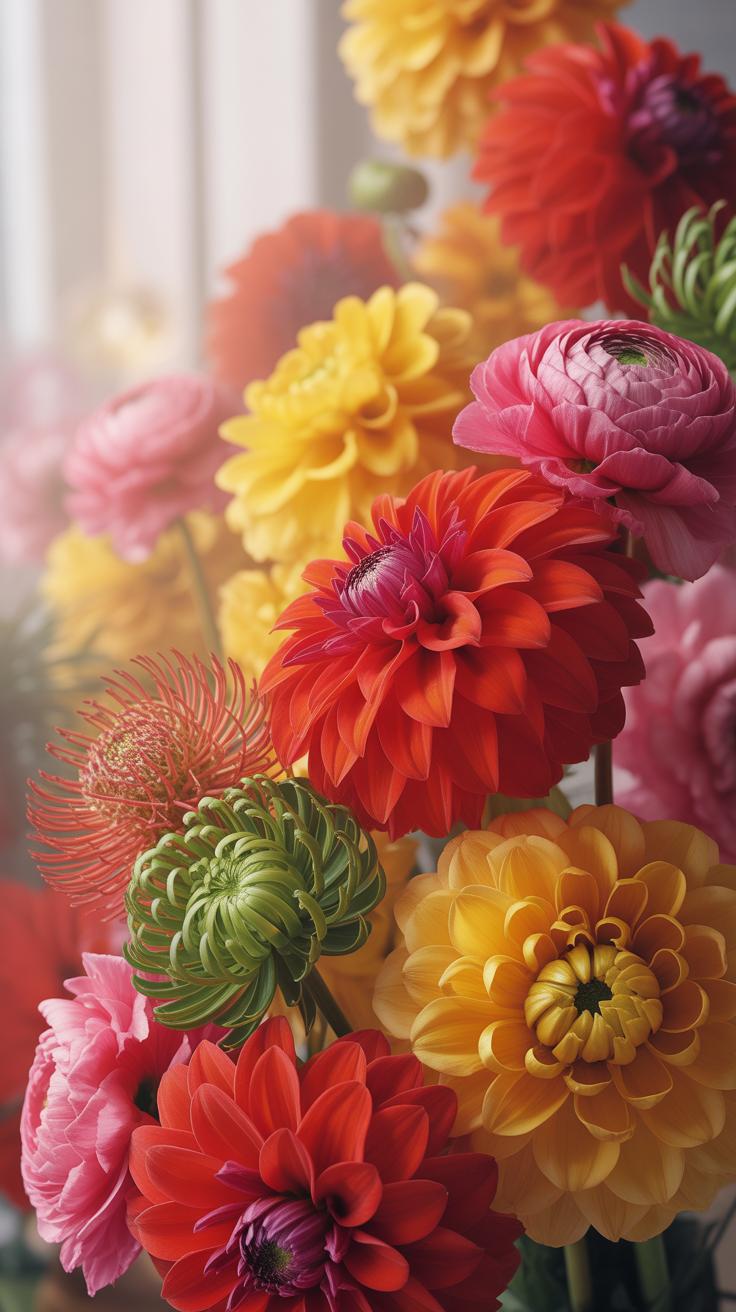
Autumn designs require woody branches and dried materials. Use curly willow or oak branches as the primary skeleton. Pair these with dahlias or chrysanthemums to match the harvest aesthetic. Ensure you strip leaves below the water line to prevent bacterial growth. Replace water every two days to maintain woody branch health. These pairings work because they mimic natural growth patterns found in local ecosystems.
Exploring Artistic Floral Arrangements Sculptural And Statement Making Styles
Using Twisted, Dried, And Painted Branches To Create Artistic Floral Arrangements
Twisted branches like Harry Lauder’s Walking Stick or corkscrew willow provide natural structural tension. These materials allow for vertical growth without heavy support systems. Designers use these skeletal frames to dictate the movement of the entire piece. You must choose branches based on their tensile strength and bark texture. Clean the wood thoroughly to prevent debris from falling into the water reservoir or onto the tabletop.
Dried branches offer longevity and a minimalist aesthetic rooted in mid-century modern design. Painting these elements with liquid gold leaf or matte black acrylic transforms organic shapes into synthetic silhouettes. This technique hides natural imperfections and shifts the focus to the branch’s outline. Use high-quality spray primers to ensure the pigment sticks to the wood grain. This creates a high-contrast backdrop for fresh floral inclusions.
Top Tips For Designing A Sculptural Branch Floral Arrangements As A Focal Point
Sculptural arrangements rely on the principle of negative space to create visual impact. You should treat the branch as the primary architecture rather than a secondary filler. A single, well-placed branch can anchor a large room if the proportions are correct. Ensure the heavy base of the branch sits deep in the vessel to prevent tipping. Mechanics like lead frogs or heavy stones provide necessary stability.
- Identify the Primary Axis: Choose one dominant branch to set the height and direction of the design. This piece dictates where the viewer’s eye goes first. All secondary flowers must follow or complement this established line to ensure the arrangement looks intentional and professionally composed.
- Establish Counterbalance: Balance the weight of a leaning branch by placing dense floral clusters at the opposite base. This prevents the arrangement from looking lopsided or structurally weak. Use heavy blooms like hydrangeas or garden roses to provide the necessary visual and physical weight at the container’s edge.
- Leverage Negative Space: Leave intentional gaps between the branches and flowers to highlight unique shapes. Dense packing ruins the sculptural effect and hides the natural beauty of the wood. Space allows each individual stem to stand out and creates a sense of airiness within a large-scale centerpiece.
- Integrate Textural Contrast: Pair rough, bark-covered branches with soft, delicate petals for maximum sensory interest. The juxtaposition between the rugged wood and the fragile flowers emphasizes the characteristics of both materials. This technique adds depth to the arrangement without requiring an excessive number of expensive floral stems.
- Scale for the Environment: Measure the ceiling height and table width before selecting your branches. An arrangement that is too small disappears in a large hall, while one that is too large disrupts conversation. Aim for a height that either sits below eye level or towers safely above the guests’ heads.

Lighting plays a critical role in how a sculptural centerpiece appears to your guests. Pin spots or directed track lighting can cast shadows that extend the reach of the branches. These shadows create a second, ethereal layer of the arrangement on nearby walls. Positioning the light source at an angle highlights the ridges and textures of the wood. This turns a simple table decoration into an immersive installation.
Orchid Arrangement On Wooden Branches A Sophisticated And Timeless Display
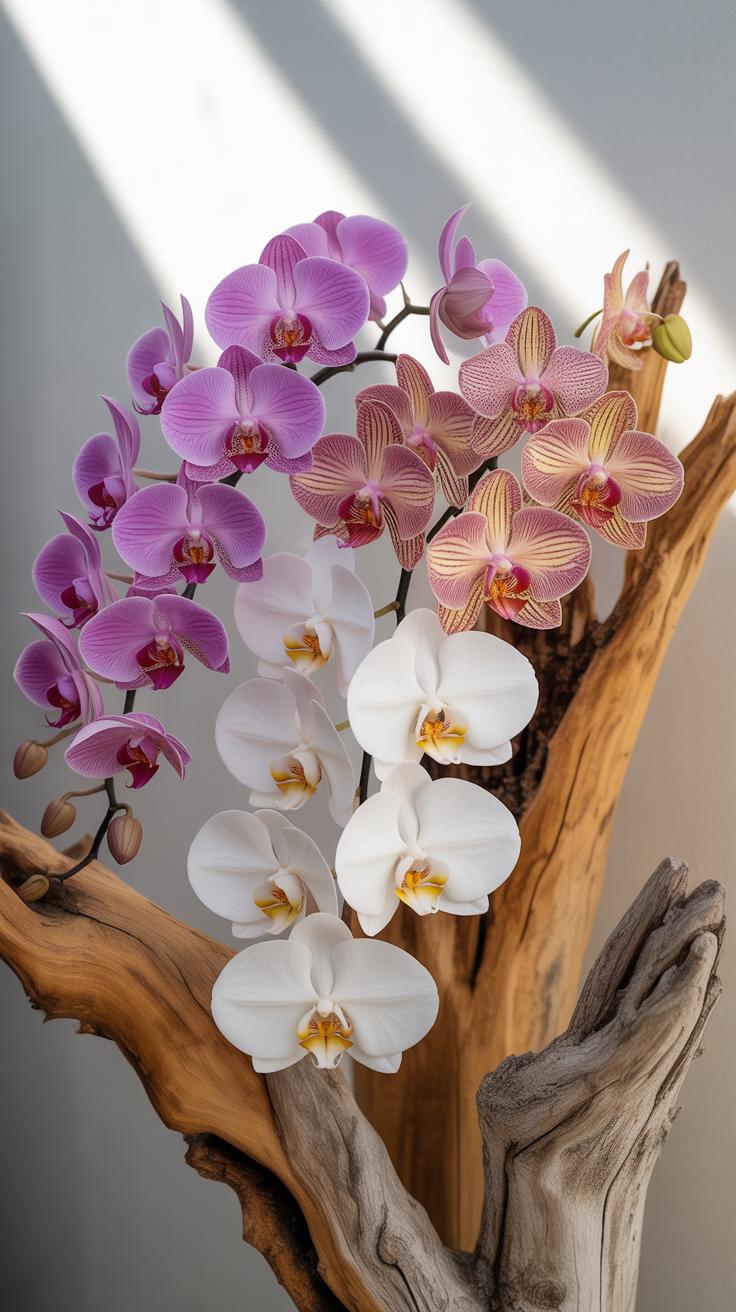
Why Orchids And Wooden Branches Are A Natural And Elegant Pairing
Orchids are epiphytes in nature. This means they grow on trees and branches instead of in soil. Combining orchids with wooden branches mimics their actual habitat. This creates a balanced look that is both stable and visually grounded. The hard texture of the wood contrasts with the soft petals of the flower. This tension makes the centerpiece stand out in any room.
Designers use this pairing to achieve a high-end look with minimal materials. The wooden branch provides a structural skeleton for the delicate blooms. This method follows principles found in Japanese Ikebana. It focuses on line, shape, and negative space. Using real wood adds organic weight to the display. It ensures the arrangement looks intentional and permanent rather than temporary or flimsy.
Step By Step Guide To Mounting And Styling An Orchid Arrangement On Wooden Branches
Start with a sandblasted grapevine or ghostwood branch for maximum stability. These woods have interesting turns and can support weight. Clean the wood to remove debris. Position your orchid so the roots wrap naturally around a junction in the branch. Use clear floral wire or fishing line to secure the plant. Do not tie it too tight or you will strangle the stem.

Hide the attachment points with live green moss or dried sphagnum. This keeps the roots moist and hides the wire. Mist the roots daily to maintain the plant. If using cut orchids, use water tubes hidden behind the wood. Arrange the blooms to follow the natural curve of the branch. This creates a sense of movement. Place the final piece in a heavy stone or ceramic base.
Caring For And Maintaining Your Branch Centerpiece Over Time
How To Preserve Fresh And Dried Branches To Extend The Life Of Your Centerpiece
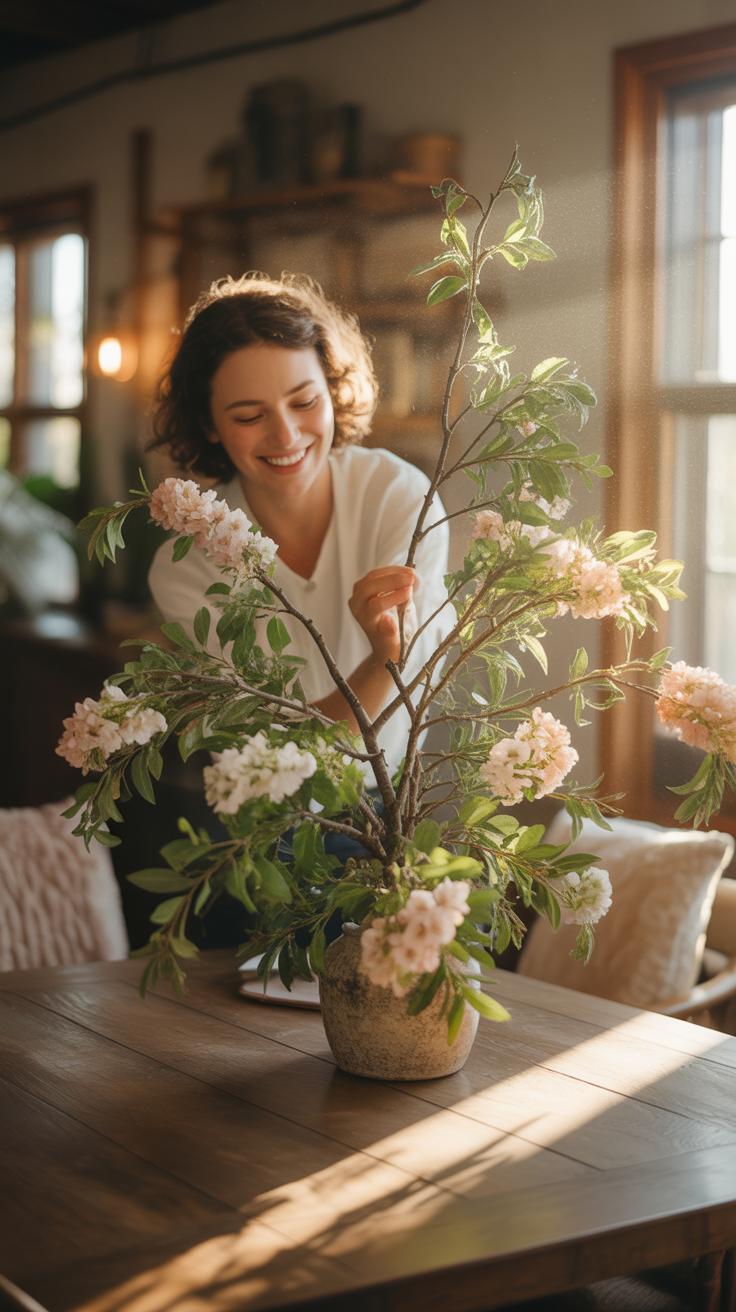
Preserving fresh branches requires immediate hydration and clean cuts. Use sharp shears to cut stems at a forty-five-degree angle. This increases the surface area for water intake. Change the water every two days to prevent bacterial growth. Bacteria clog the vascular system of the branch and cause early wilting. Keep the display away from direct sunlight and heat sources to slow down the evaporation process.
Dried branches require different tactics to ensure longevity. Apply a clear matte sealant or unscented hairspray to prevent brittle tips from breaking. This coating also locks out moisture that causes mold in humid climates. Dust the branches weekly using a soft brush or compressed air. Avoid using water or liquid cleaners on dried materials. Proper sealing and cleaning keep the structural integrity intact for several years of use.
Refreshing And Updating Your Branch And Flower Centerpiece With Each New Season
Seasonal updates keep the centerpiece relevant without replacing the primary branch structure. Remove dead floral elements as they fade. Replace them with species that thrive in the current temperature. Use bulbs and forced Forsythia in the spring for color. Transition to green foliage and bright lilies during the summer months. This method saves money because you only buy small amounts of fresh flowers to accent the existing wood.

Redesign the base of the centerpiece to reflect seasonal changes. Use pine cones or dried berries during the winter months to add texture. Incorporate autumn leaves or wheat stalks when the weather cools. Check the stability of the branches during each transition. Ensure the weight of new additions does not tip the vessel. Strategic swapping of minor details keeps the display looking professional and current throughout the entire calendar year.
Frequently Asked Questions

What are the best types of branches to use for a floral arrangement?
When starting out, look for branches with interesting silhouettes and sturdy stems. For spring, flowering branches like cherry blossoms, dogwood, or forsythia are iconic choices. If you want something architectural, curly willow or birch offer fantastic height and texture. These structural elements provide a natural framework, making it much easier for beginners to tuck in delicate blooms and create stunning branch and flower centerpieces that feel professionally styled.
How do I secure heavy branches in a vase without them tipping over?
To keep your branch and flower centerpieces stable, start with a heavy-bottomed vessel like a ceramic crock or a thick glass vase. Use a floral frog or create a grid with waterproof floral tape across the rim to lock stems in place. For extra-large branches, adding decorative river stones or polished pebbles to the bottom of the vase provides essential counterweight and prevents the arrangement from leaning or tipping over unexpectedly.
Can I create a beautiful centerpiece using branches found in my own backyard?
Absolutely! Foraging from your own garden is the most cost-effective way to design unique decor. Look for branches with interesting bends, moss growth, or seasonal berries to add character. Before bringing them inside, shake them gently to remove insects and trim the ends at an angle to improve water absorption. This DIY approach allows you to curate seasonal displays that bring the organic beauty of the outdoors directly onto your dining table.