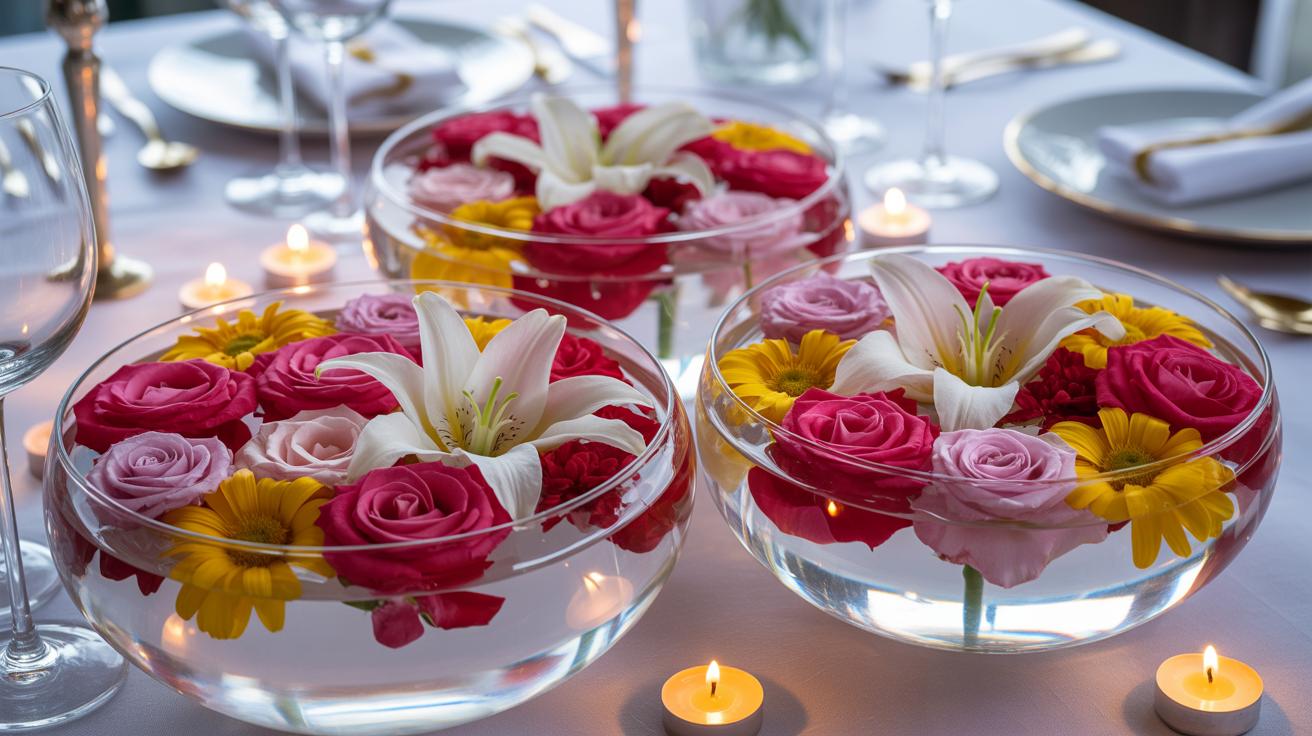
The Timeless Beauty Of Floating Flowers In Event DCor
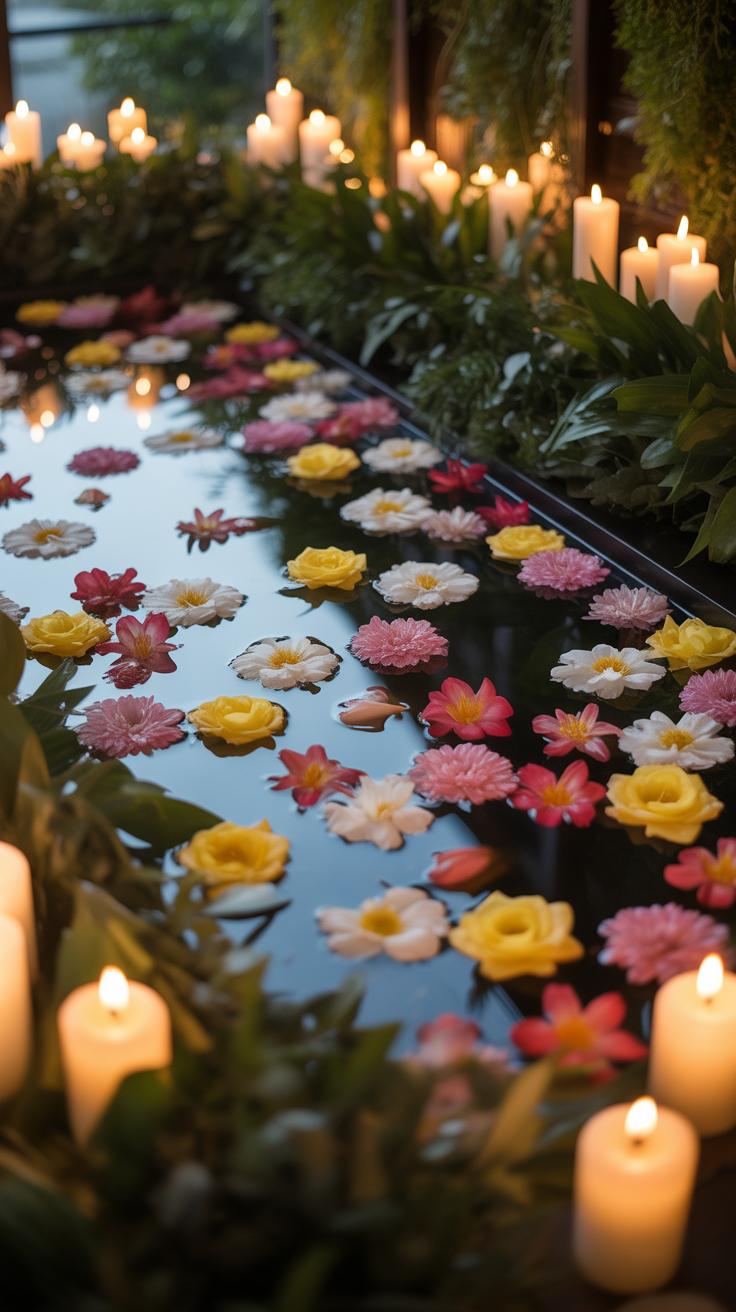
What Makes Floating Flowers So Visually Captivating
Floating flower centerpieces work because they use water to amplify light. Water acts as a natural lens. It reflects overhead lighting and catches the glow from nearby candles. This effect makes small spaces look larger and brighter. Designers use this technique to create depth without adding physical bulk to a table. It keeps sightlines clear for guests while maintaining a high visual impact.
The Physics of buoyancy keeps the blooms at the surface. This creates a clean horizontal plane that draws the eye. Water also hydrates the stems directly through the calyx in some species. This maintains freshness longer than traditional floral foam. You get a crisp look that stays vibrant throughout the event. It is a tactical choice for planners who need reliable and durable decor for long receptions.
A Brief History Of Using Flowers In Water Based Arrangements
Water-based floral design has deep roots in ancient civilizations. Egyptian records show lotus blossoms placed in bowls of water for rituals. This was a practical choice because the lotus grows in water naturally. The Greeks followed with similar practices using rose petals in basins during feasts. They used the water to scent the air and keep the venue cool. These early methods focused on utility and sensory appeal.
The Japanese art of Ikebana refined these techniques through the centuries. It emphasizes the space between elements and the cooling presence of water. During the Victorian era, European hosts used low glass troughs to keep flowers fresh on dinner tables. Modern floating arrangements evolved from these traditional styles. Today, designers use these historical concepts to create minimalist looks. The core goal remains the same: use water to preserve and highlight nature.
Choosing The Right Flowers For Floating Flower Centerpieces
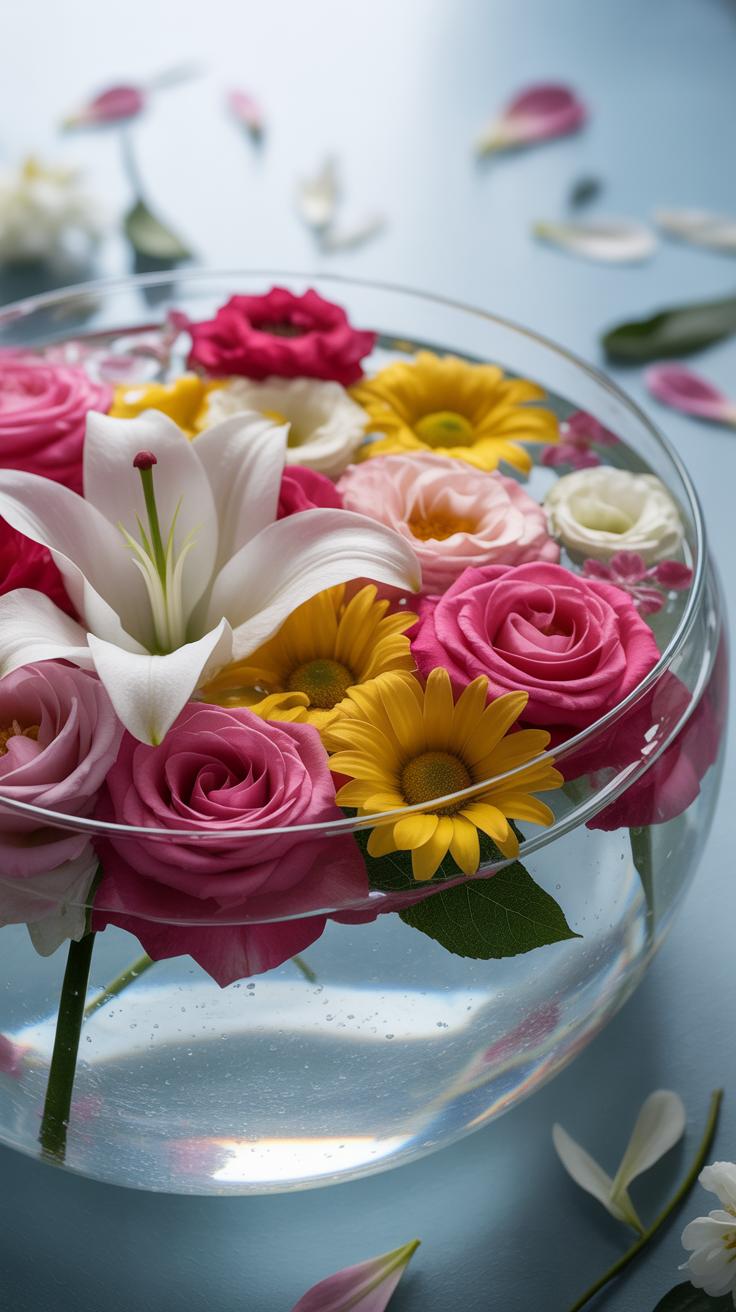
Best Flower Varieties That Float Well And Last Longer
Selecting the right species determines the lifespan of your display. You must choose blooms with high oil content or waxy petals to resist water saturation. Soft-petaled flowers like sweet peas fail quickly because they absorb moisture and sink. Stick to hardy varieties that maintain their shape when disconnected from a primary water source. These flowers provide the best return on investment for long events.
- Gardenias: These blooms feature thick waxy petals that naturally repel water. They emit a strong scent even when floating and maintain their white color without spotting for several hours.
- Orchids: Dendrobium and Cymbidium varieties are ideal due to their lightweight structure and durable skins. They stay hydrated through surface contact and can float for days without wilting or losing their structural integrity.
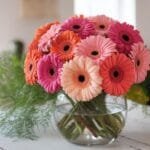
- Gerbera Daisies: These flowers have flat wide heads that create a large surface area for buoyancy. Their sturdy petals resist curling when wet making them a reliable choice for colorful and modern glass bowl arrangements.
- Camellias: These heavy-headed flowers possess a natural symmetry and glossy foliage. Their petal density allows them to sit high on the water surface without tipping over or submerging the central disk of the flower head.
- Roses: Fully opened roses work best when you trim the sepals properly. The layered petal structure traps air pockets which helps the bloom stay afloat while the outer petals act as a stable base against the water.
Durability is the primary metric for professional floral designers. You must test your specific batch of flowers before the event starts. Some hybrids may have thinner petals than standard varieties. Check for browning edges after two hours of submersion. Consistent quality control ensures your Floating Flower Centerpieces do not turn into soggy debris midday. High-quality blooms keep the water clear and the aesthetic sharp.
How Petal Structure And Stem Length Affect Buoyancy And Presentation
Petal architecture dictates how a flower interacts with surface tension. Cup-shaped blooms trap air underneath their base which provides natural lift. Flat flowers rely on surface area to spread their weight across the water. If the petals are too thin they will capsize as they absorb liquid. You need a wide base to prevent the flower from rolling onto its side during the event.

Weight distribution requires a precise stem cut for maximum stability. Cut the stem to a quarter inch or less to remove unnecessary downward weight. A long stem acts as a keel and will pull the flower head under the surface. Use a sharp blade to create a clean horizontal cut. This technique prevents the flower from drinking too much water too fast which causes the head to become heavy and sink.
Floating Flower Centerpieces Bowls Selecting The Perfect Vessel
Glass, Crystal, And Ceramic Bowls: Which Works Best For Your Event
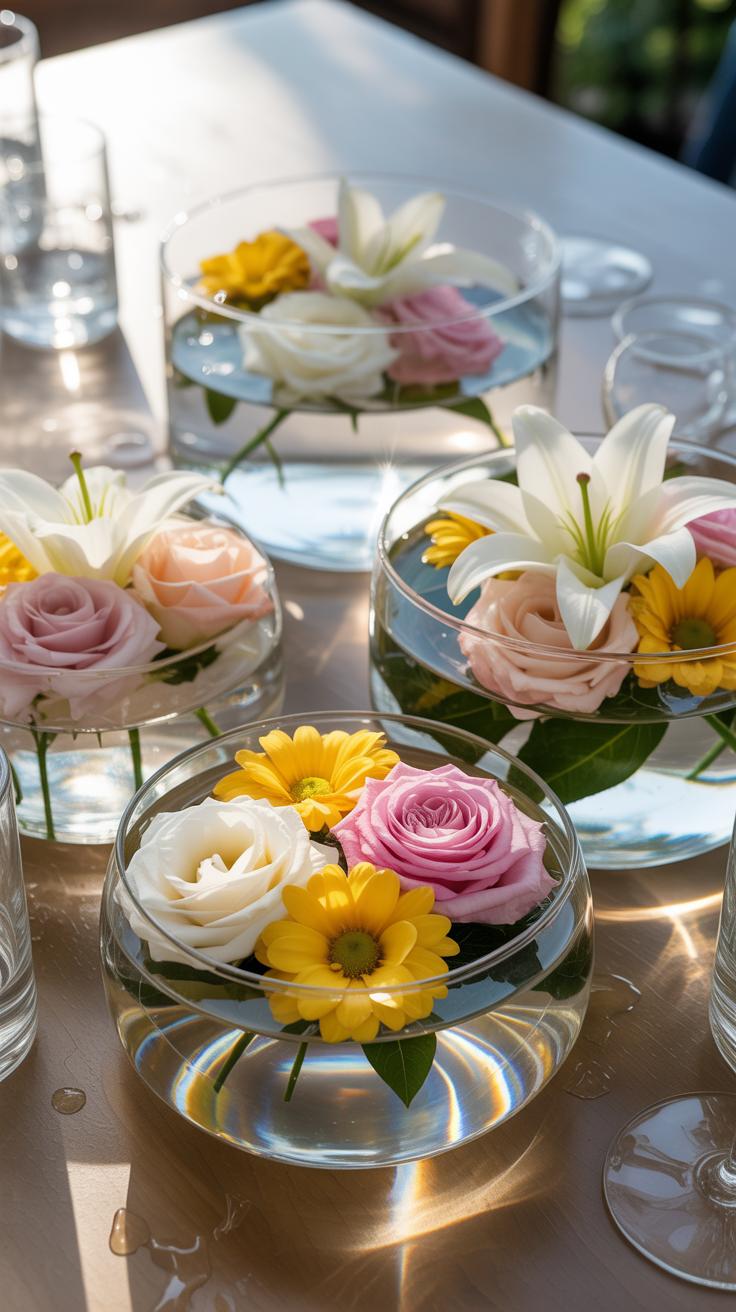
Glass bowls offer the most utility for floating flower centerpieces. Clear glass allows guests to see the stems and the water level from any angle. This material supports modern and minimalist aesthetics. You must use distilled water with glass to prevent mineral spots. Tempered glass handles weight better than thin soda-lime glass. This choice ensures the vessel remains stable during high-traffic events.
Crystal vessels provide high refractive indices that bend light through the water. This effect creates a brilliant shimmer suitable for formal or evening ceremonies. Heavy lead crystal adds significant weight to the base for tall arrangements. Ceramic bowls offer a different strategy by hiding the water line and stems. Opaque ceramic works well for rustic or traditional themes. It focuses all visual attention on the floating petals.
Like a dream drifting upon the water, these floating blooms remind us that beauty is found in the stillness of the moment. They are the soft echoes of a garden party that never truly ends.
How Bowl Size And Shape Influence The Overall Centerpiece Design
Bowl diameter dictates the quantity and type of blooms you can use. High surface area vessels allow for multiple large flowers like Peonies or Gardenias. Wide bowls prevent crowding which stops petals from becoming waterlogged. Shallow depths work best for low-profile tables where guests need to maintain eye contact. You must balance the blossom diameter against the bowl width to maintain a clean visual ratio.
Shape controls the movement of the water and the flowers. Round bowls naturally pull blooms toward the center due to surface tension. Square or rectangular vessels create a linear path that fits long banquet tables. Deep cylinders allow for submerged elements beneath the floating surface. Use tall narrow vessels to save table space while maintaining height. Short wide bowls provide more stability and reduce the risk of tipping.
Floating Flower Centerpieces DIY A Step By Step Guide For Beginners
Essential Materials And Tools You Need Before You Start
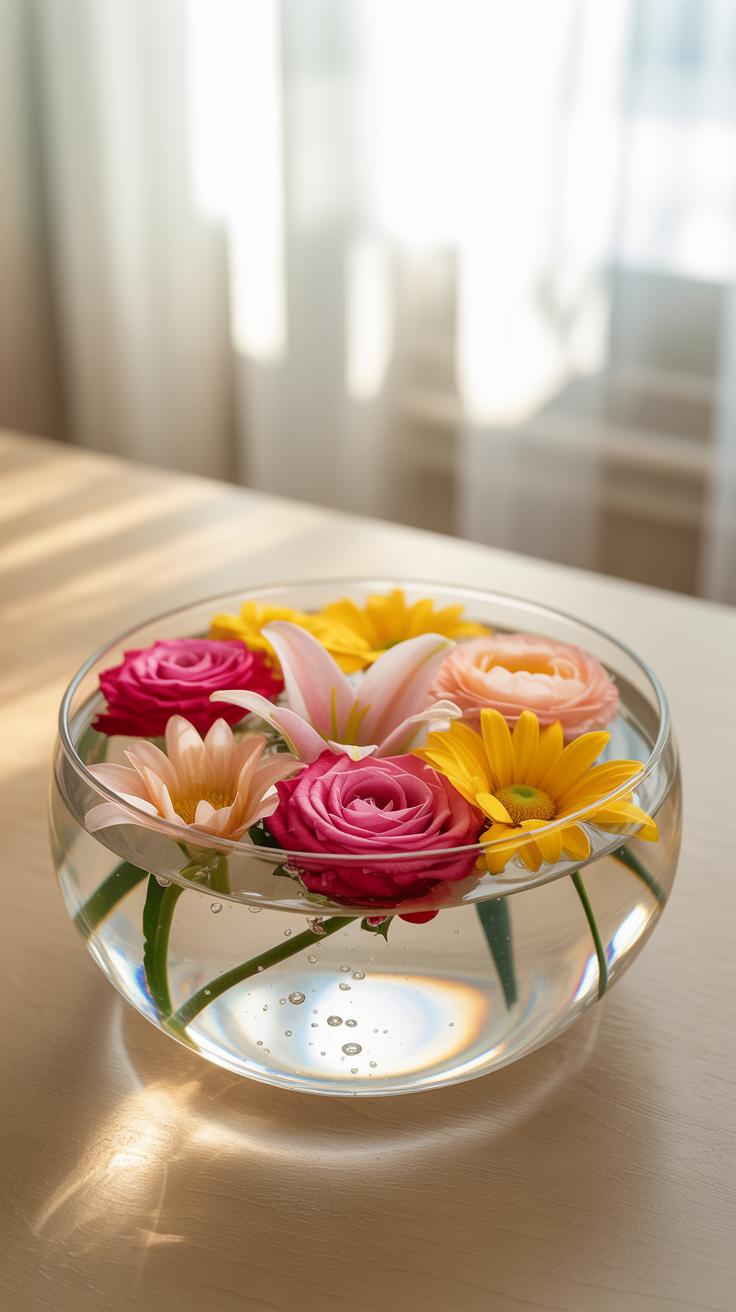
Beginners must secure specific supplies to ensure floral longevity and structural integrity. Selecting the right vessel determines the displacement of water and the visual scale of the arrangement. Glass containers provide the best clarity for underwater views. You must also consider the weight and stem length of your chosen blooms. High-quality tools prevent damage to delicate plant tissues during the preparation phase.
- Clear Glass Vessels: Select cylinders or bowls with smooth rims to minimize visual distortion. High-quality lead-free glass offers the best transparency. Ensure the opening is wide enough for your largest bloom to float without touching the sides tightly.
- Fresh Floral Selections: Choose heavy-headed flowers with natural buoyancy like roses, gardenias, or gerbera daisies. Avoid woodier stems that sink or delicate wild flowers that wilt instantly. Check for firm petals and vibrant color to ensure the display lasts throughout your event.
- Sharp Floral Snips: Use bypass shears rather than standard kitchen scissors to prevent crushing the water-conducting vessels in the stems. Clean cuts allow the flower to hydrate properly even when detached from a long stem. Dull blades lead to premature browning and drooping.
- Distilled Water: Utilize purified or distilled water to prevent unsightly mineral deposits and bubbles on the glass walls. Tap water often contains chlorine and minerals that cloud the display over time. Room temperature water helps the blooms open fully and stay vibrant.
- Floating Disc Inserts: Attach small clear plastic discs to the base of stems if your flowers lack natural buoyancy. These tools keep the bloom upright and prevent it from tipping over or sinking. They are essential for heavier varieties like large hydrangeas or orchids.
Prepare your workspace by cleaning all glass surfaces with a streak-free solution. Dirt or oil on the glass will ruin the aesthetic once you add water. Gather all items in one place to avoid interrupting the assembly process. Keep a dry cloth nearby to manage spills and fingerprints. Organization at this stage ensures a professional result and prevents wasted time during the delicate assembly.
Step By Step Instructions For Assembling A Stunning DIY Centerpiece
Clean your glass vessel with a mix of vinegar and water to remove all residue. Fill the container with room temperature distilled water, leaving two inches of space at the top. This gap prevents overflow when you add the flowers. Trim the flower stems to one inch using a 45-degree angle cut. This angle increases the surface area for water intake and helps the bloom sit flat.
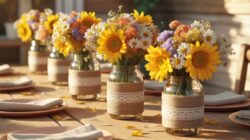
Gently place the largest flower on the water surface first. Let it find its natural balance before adding smaller accent pieces or floating candles. If the flower tips, trim the stem shorter to lower the center of gravity. Add any decorative elements like glass stones to the bottom before the flowers. Finalize the arrangement by misting the petals lightly to maintain moisture levels throughout the day.
Floating Candle Ideas That Elevate Your Floral Displays
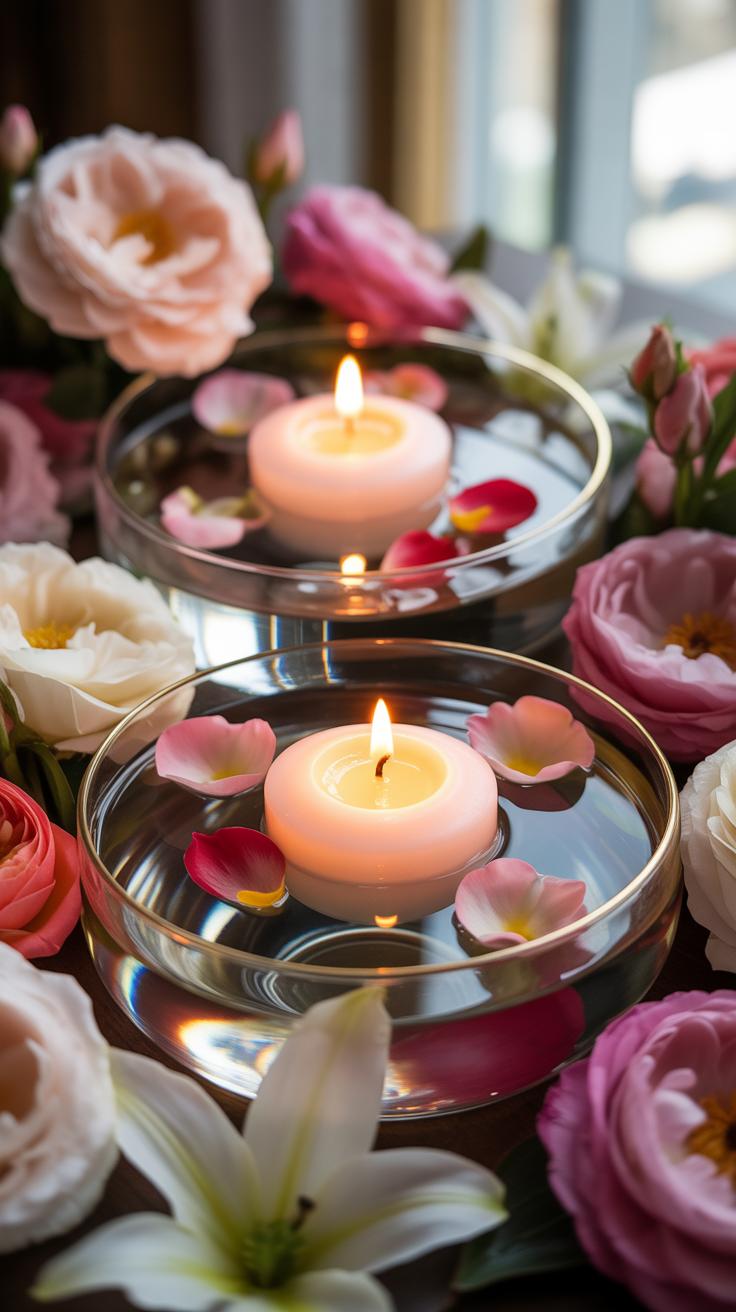
Why Pairing Candles With Flowers Creates An Unforgettable Ambiance
Candles and flowers interact to change the mood of a room. Light from a flame reflects off the water surface. This doubles the visual impact of the centerpiece. Candles provide a warm glow that hits the petals from a low angle. This contrast defines the shape of each bloom. It makes the arrangement stand out even in a dark event space.
Thermal energy from the flame helps release the scent of the flowers. This creates a stronger sensory experience for guests. Moving water and flickering light add life to static tablescapes. You create a focal point that draws people in. Using fire and water together creates a classic balance. Modern event designers use this method to achieve high impact with a limited budget.
Creative Floating Candle Placement Techniques Around Blooms
Placement dictates the flow of your design. Large blooms like peonies or hydrangeas require central positioning. You must surround these heavy flowers with smaller tea lights. This keeps the vessel balanced and prevents tipping. Place candles at least one inch away from petals. Heat will wilt fresh flowers if they are too close. Proper spacing ensures the display lasts through the entire event.
Vary the height of your candles to create depth. Use different sizes of floating discs to break up the surface area. High quality wax candles burn for up to eight hours. This duration covers most formal dinners. For a clean look, match the candle color to the flower species. For a bold look, use white candles to highlight bright tropical flowers. Strategic placement turns a simple bowl into a professional installation.
Floating Flower Candles Combining Two Elements For Maximum Impact
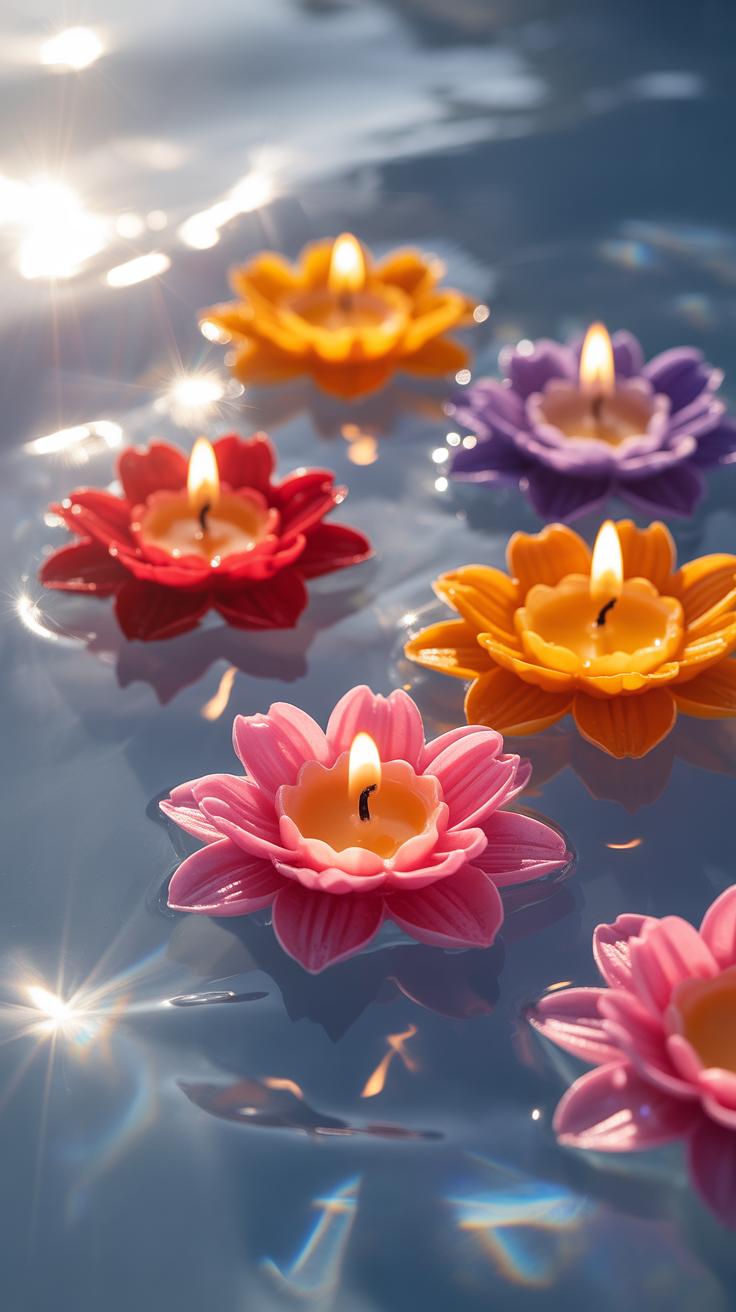
How To Safely Use Floating Flower Candles At Indoor Events
Surface tension keeps both the flower and the candle afloat. Use distilled water to prevent mineral buildup on glassware. Ensure the flower petals do not touch the candle flame. Trim flower stems to less than one inch. This prevents the bloom from tipping over. Steady water is essential for safety. Do not place these centerpieces near air vents or high traffic paths where bumping might occur.
Fire safety requires constant monitoring of the water level. As candles burn, weight decreases and they sit higher in the water. Keep a fire extinguisher within reach of event staff. Never leave open flames unattended in a public venue. Use wide mouthed vessels to allow heat to dissipate. This prevents the glass from cracking under thermal stress. Place centerpieces on heat resistant surfaces to protect table linens from potential spills.
Choosing The Right Candle Size And Burn Time For Event Longevity
Match the candle diameter to the vessel width. Floating candles need at least one inch of clearance from the glass walls. This gap prevents the flame from overheating the container. Small tealight sized floaters typically last two to four hours. Larger three inch discs can burn for eight hours or more. Calculate your total event duration before purchasing supplies. Always test one candle at home first.
Quality wax blends are necessary for a clean burn. Parrafin wax provides a bright flame but drips more frequently. Soy wax burns slower and cleaner for indoor air quality. Check the wick material for lead free certifications. Disc shaped candles offer the best stability in water compared to novelty shapes. Heavy flowers require larger candles to maintain visual balance. Ensure the candle outlasts the floral freshness to maintain a professional look.
Floating Candles Bowl Arrangements For Weddings And Receptions
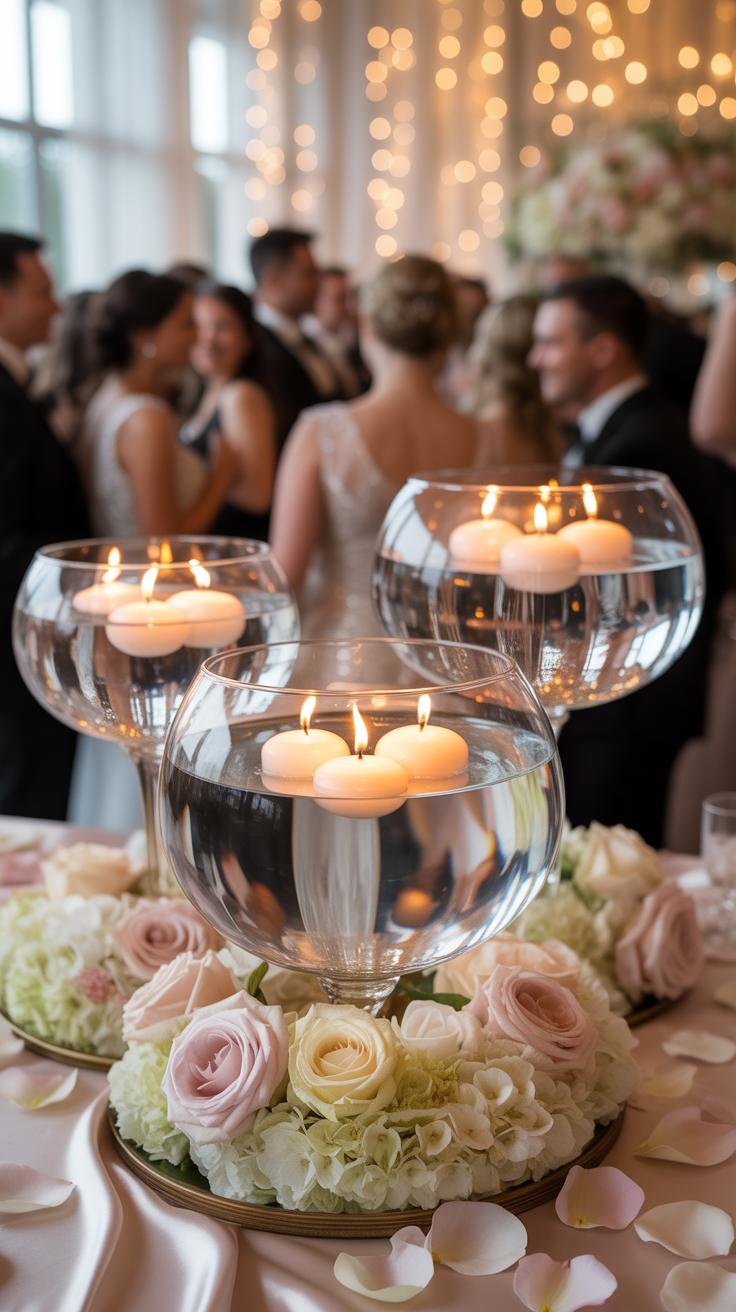
How To Design A Romantic Floating Candles Bowl Centerpiece For Weddings
Select a wide glass vessel to allow for heat dissipation. Fill the bowl with distilled water to prevent mineral spots on the glass. Place the flowers first to establish the visual base. Choose blooms with flat undersides like gardenias or open roses. These species stay upright and do not tip over easily. Seal stems with floral adhesive if you need to prevent waterlogging.
Add the floating candles last to keep the wicks dry. Ensure the candles have a diameter smaller than the bowl opening to prevent glass cracking from heat. Position candles in the center of the arrangement away from the petals. The flame creates a reflective effect on the water surface. This technique increases the perceived light in low light reception halls without adding extra electrical fixtures.
Color Palettes And Flower Pairings That Work Best For Wedding Tables
Monochromatic palettes provide the most professional look for formal weddings. White roses paired with white candles create a clean and classic aesthetic. Use clear glass beads at the bottom of the bowl to catch the light. This setup hides the flower stems while adding weight to the vessel. The lack of color contrast keeps the focus on the texture of the petals.
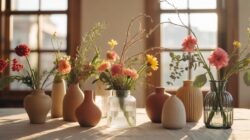
Complementary colors work best for high energy receptions. Pair purple orchids with yellow tinted candles to create visual pop. Blue hydrangeas work well when you submerge the bulk of the bloom and float a single candle on top. Avoid heavy greenery in these bowls because it stains the water. Stick to thick petaled flowers like ranunculus or orchids. These varieties last longer in water than delicate field flowers.
Floating Flower Arrangements For Seasonal And Holiday Celebrations
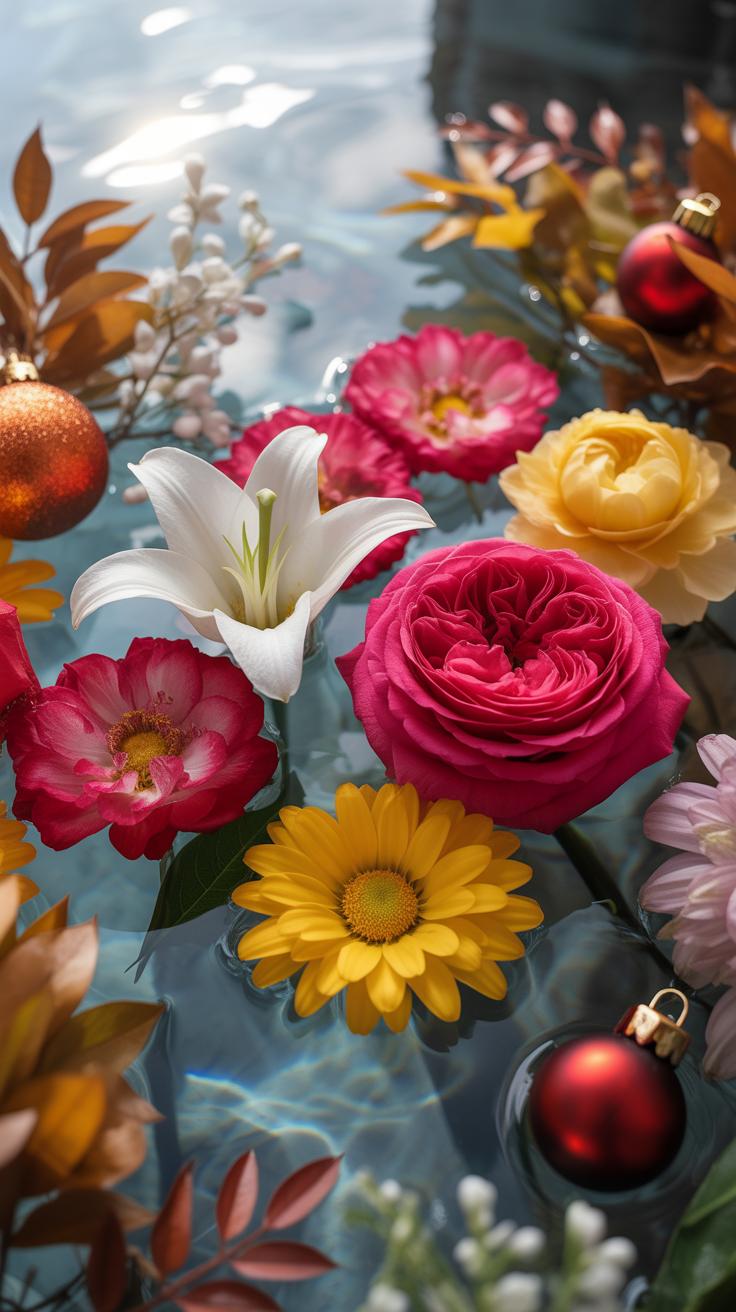
Adapting Floating Flower Arrangements To Different Seasons And Themes
Seasonal shifts dictate water temperature and light levels. These factors impact how long Floating Flower Centerpieces stay fresh. Use closed blooms like ranunculus in spring to resist moisture damage. Summer requires hardy tropicals like frangipani that handle high heat without wilting. Cold autumn air allows for heavier textures like chrysanthemums. Match the vessel material to the season. Use clear glass in summer and metallic bowls in winter.
Theme alignment requires precise botanical choices. A Zen theme uses single lotus blooms to create focal points. A Victorian theme needs dense rose heads and floating candles. Modern designs work best with submerged stones and single orchids. Do not mix disparate textures. High contrast between the flower and the water surface improves visibility. Keep the water clear. Cloudy water ruins the visual impact of any seasonal theme you choose.
Holiday Specific Flower And Color Combinations That Feel Authentic
Holiday designs rely on accurate color theory. Traditional Christmas arrangements use deep red carnations and dark green holly leaves. Remove berries to prevent water staining. New Year designs prioritize metallic accents and white narcissus. For Valentine events, use red roses with trimmed stems to keep them upright. Each holiday has a specific botanical language. Use it to trigger immediate recognition. Do not overcomplicate the color palette.

Authenticity comes from using period-accurate materials. Lunar New Year designs often feature peony heads in shallow ceramic basins. This mimics historical Eastern display methods. For Halloween, use dark purple calla lilies or black baccara roses. Avoid fake dyes that bleed into the water. Ensure the flower weight matches the displacement of the vessel. Proper balance prevents the bloom from flipping. Use distilled water to maintain a professional appearance.
Floating Flowers Centerpiece Ideas For Corporate And Formal Events
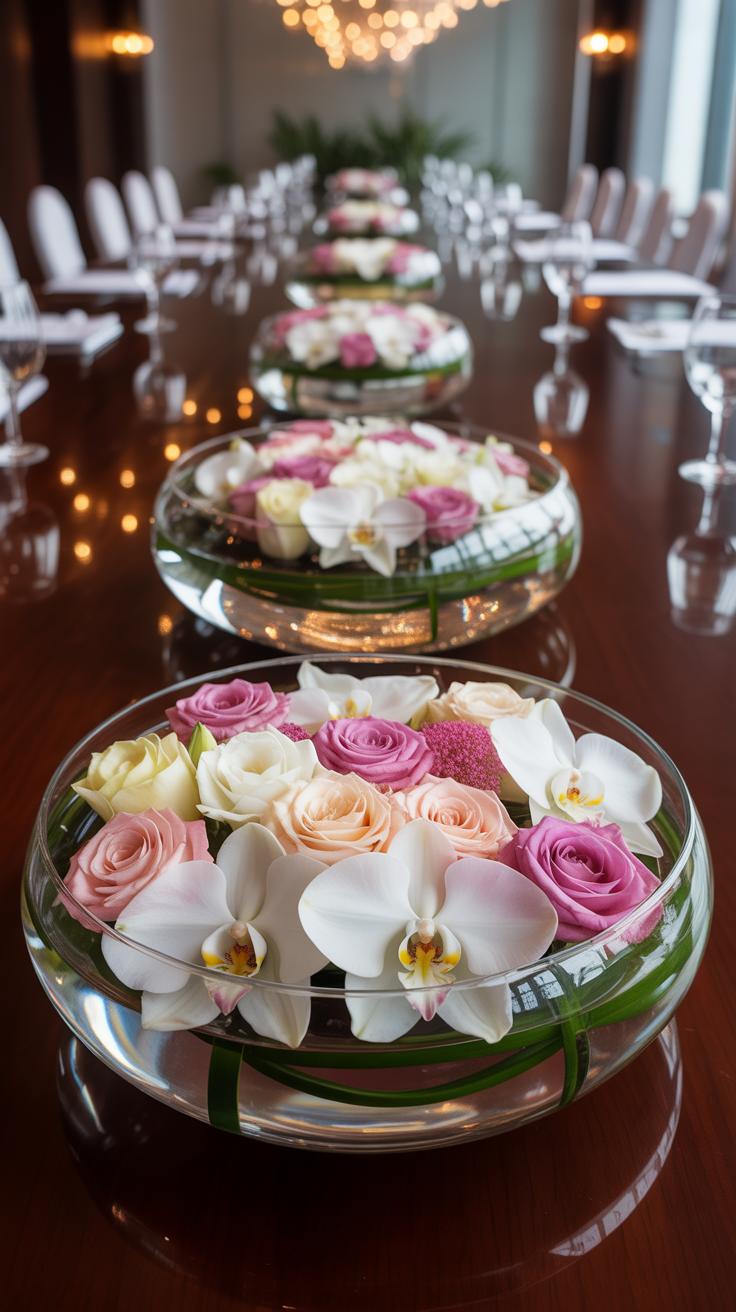
Designing Elegant And Understated Floating Centerpieces For Professional Settings
Professional environments require clean lines and minimal distractions. Use clear glass cylinders or shallow bowls to maintain line of sight across the table. Select single, high-quality blooms like orchids or gardenias. These flowers stay afloat without bulky support. Focus on symmetry and repetition to create a sense of order. Avoid complex color palettes. Stick to monochrome or neutral tones to match corporate branding.
Water quality is a critical technical factor in formal settings. Use distilled water to prevent bubbles from forming on the glass walls. This keeps the display crisp and clear under bright venue lights. Trim stems at a sharp angle to prevent fraying. Add a small drop of bleach to the water to stop bacterial growth. This ensures the water stays clear for the duration of a multi-day conference.
How To Scale Floating Flower Displays For Large Venue Tables And Buffets
Large venues swallow small decorations. Scalability requires varying the heights of your glass vessels. Group three or five cylinders of different altitudes to create visual impact. For long buffet tables, repeat this grouping every three feet. Use larger blooms like open roses or hydrangeas for these displays. These flowers provide more surface area and greater visibility from a distance in high-ceiling halls.
Stability is the main priority for high-traffic buffet areas. Use heavy-bottomed glassware to prevent tipping if a guest bumps the table. Increase the density of the flowers in larger bowls to fill the negative space. Use submerged LED lights to highlight the water from below. This adds depth without taking up physical space on the tabletop. Consistent spacing ensures the design looks intentional rather than cluttered in massive rooms.
Caring For And Maintaining Floating Flower Centerpieces Throughout An Event
How To Keep Flowers Fresh And Vibrant In Water For Extended Periods
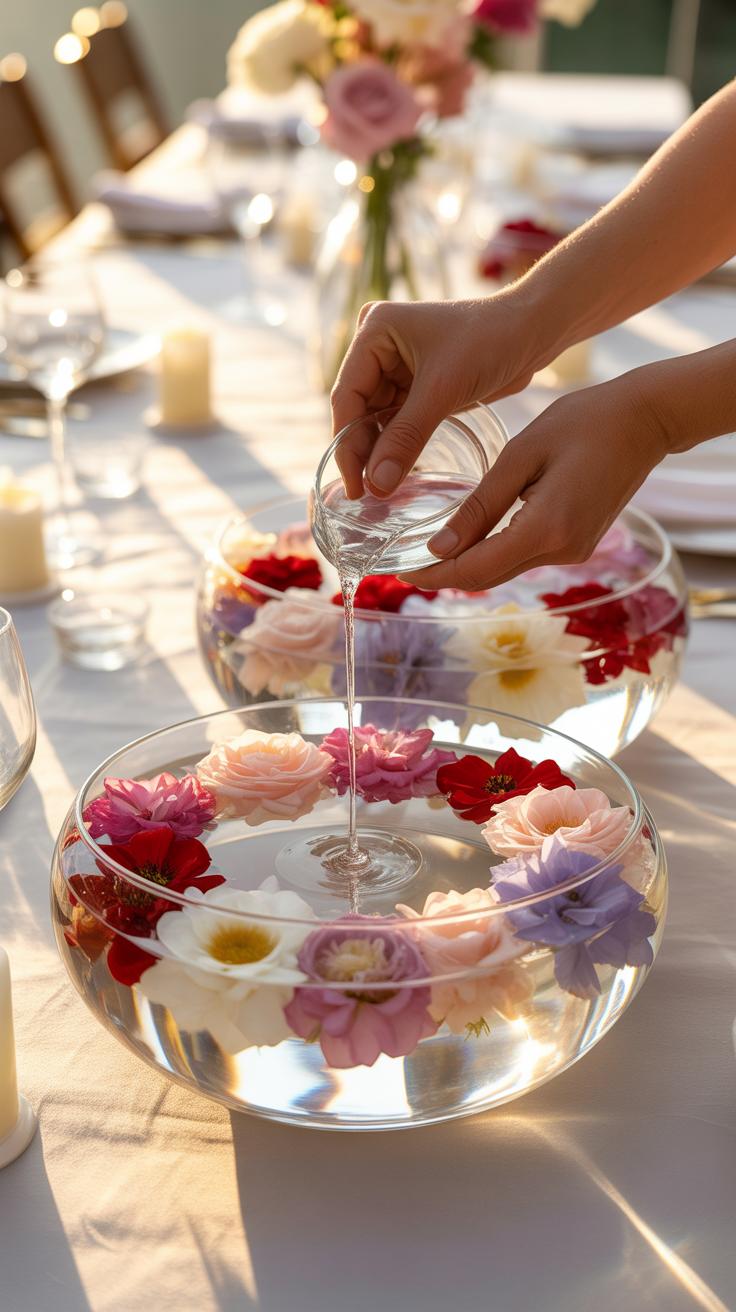
Floating flowers die faster when bacteria grows in the water. Use distilled or filtered water to reduce mineral buildup and cloudiness. Add a professional floral preservative to the water before placing the blooms. Ensure you cut the stems at a forty-five degree angle with sharp shears. This increases the surface area for water intake. Keep the water temperature cool to slow down the metabolic rate of the plants.
Monitor the water levels throughout the event as evaporation occurs. Floating designs often lose water to the dry air of climate-controlled venues. Remove any fallen petals or debris immediately to prevent rot. If using candles, keep the flame away from the petals to avoid heat damage and wilting. Direct sunlight accelerates decay, so place these arrangements in shaded areas. Proper prep work ensures the flowers look crisp from start to finish.
Post Event Tips For Repurposing Or Composting Your Floral Arrangements
Maximize your investment by moving healthy blooms into smaller bud vases after the event ends. Remove the flowers from the water and trim the stems again. Store them in a cool refrigerator overnight to extend their life for home use. If the flowers show signs of wilting, discard them immediately. Do not leave organic matter in the centerpiece containers for more than twelve hours. Stagnant water creates odors and stains the glassware.
Compost the organic remains to reduce event waste. Separate the flowers from any plastic trays, metal wires, or foam bases. These non-biodegradable materials belong in the trash or recycling bin. Green waste should go to a local composting facility or a garden pile. Shredding the stems before composting speeds up the breakdown process. This transition from decor to fertilizer supports sustainable event practices and reduces the carbon footprint of your floral choices.
Frequently Asked Questions

What are floating flower centerpieces and why are they popular for events?
Floating flower centerpieces are elegant floral arrangements where blossoms drift on the surface of water in glass vessels. They are incredibly popular for weddings and parties because they offer a sophisticated, ethereal look while remaining low-profile. This style allows guests to see across the table easily. By utilizing the reflective properties of water and glass, these centerpieces create a tranquil, spa-like atmosphere that enhances any special occasion decor.
How do you keep the flowers from sinking or wilting too quickly?
To keep your floating flower centerpieces looking fresh, start by choosing naturally buoyant blooms like gardenias, camellias, or open roses. If a flower feels heavy, you can discreetly tuck a small circle of bubble wrap under the petals to provide extra lift. Always use room-temperature distilled water to prevent bubbles from forming on the glass, and trim the stems entirely to ensure the flower sits flat and stays hydrated throughout your event.
Can I create beautiful floating floral displays on a tight budget?
Absolutely! One of the best things about this decor style is its cost-effectiveness. Since you only need the flower heads rather than full long-stemmed bouquets, you can often use “seconds” from a florist or pick blossoms from your own garden. For affordable floating flower centerpieces, simply repurpose mismatched glass bowls or mason jars. Adding a few inexpensive tea lights or decorative river stones to the bottom can make a budget-friendly arrangement look high-end.