
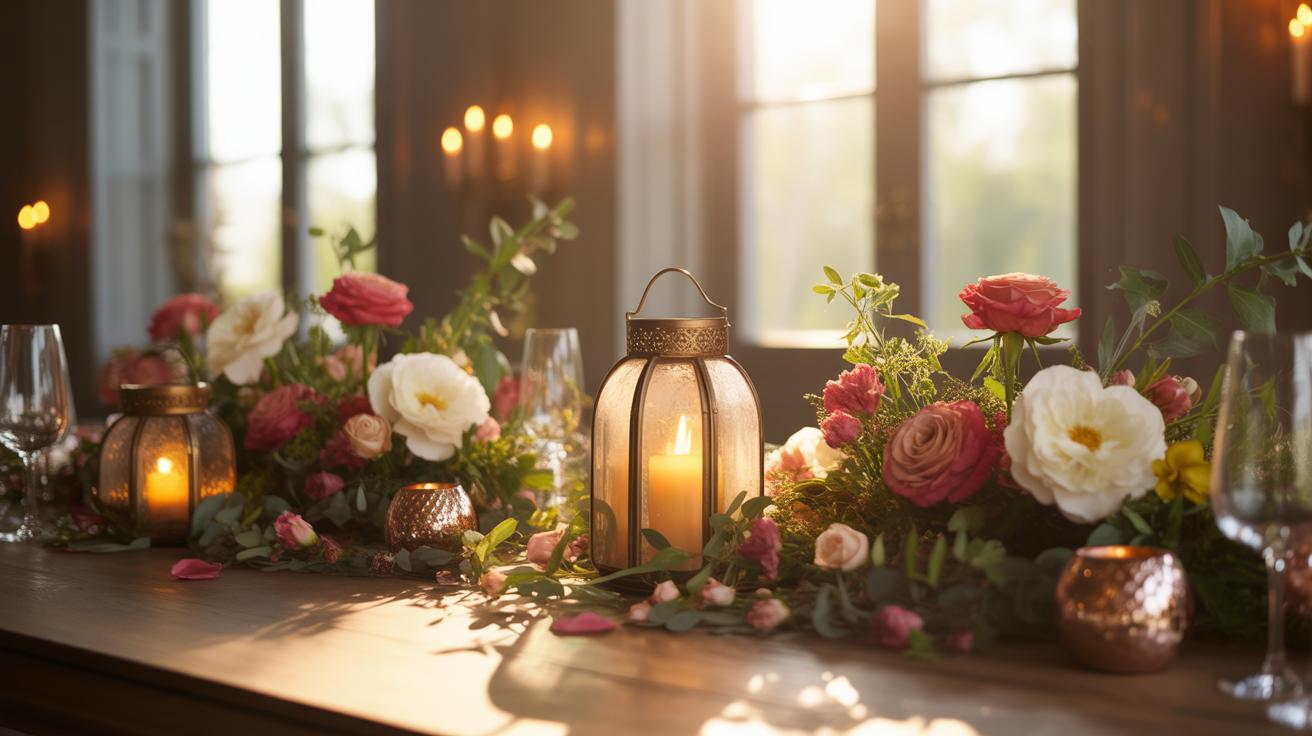
Why Lantern Centerpieces Are A Timeless DCor Choice
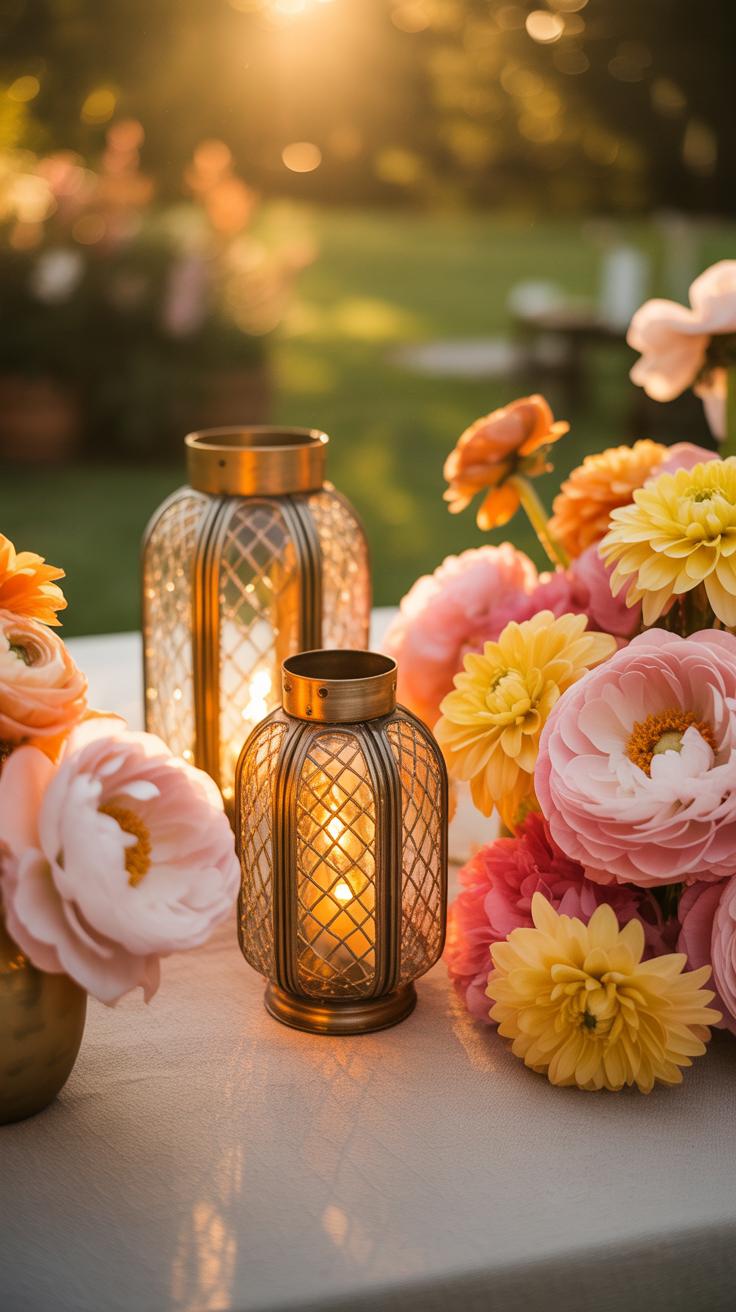
The Enduring Appeal Of Lanterns In Interior And Event DéCor
Lanterns offer a structural versatility that other centerpieces lack. Their design originates from functional maritime and 19th-century street lighting. This history gives them a grounded, architectural presence in modern spaces. They utilize geometric frames to anchor a table setting. Most designs use metal, wood, or glass to create a durable focal point. These materials withstand outdoor conditions better than delicate floral arrangements.
Designers prioritize lanterns because they scale easily across different themes. A black iron frame fits an industrial look. A weathered wood frame suits a rustic environment. This flexibility saves money and reduces waste. You can reuse a quality lantern for multiple seasons by changing the internal elements. Its physical height provides visual depth without blocking lines of sight between guests.
How Lantern Centerpieces Set The Mood For Any Occasion
Lantern centerpieces control light to dictate the energy of a room. The glass panes diffuse light and protect open flames from drafts. This ensures a steady glow that creates a calm atmosphere. In psychological terms, warmer light temperatures help people relax and focus. You use lanterns to transition an event from day to night effectively.
Practicality drives the choice of lanterns for event lighting. They house traditional wax candles or modern LED pillars safely. This containment prevents wax spills and fire hazards on expensive linens. The frame also casts distinct shadows that add texture to plain walls or floors. By choosing specific glass finishes like frosted or seeded, you manipulate how much light reaches your guests.

Choosing The Right Lantern Style For Your Centerpiece Ideas
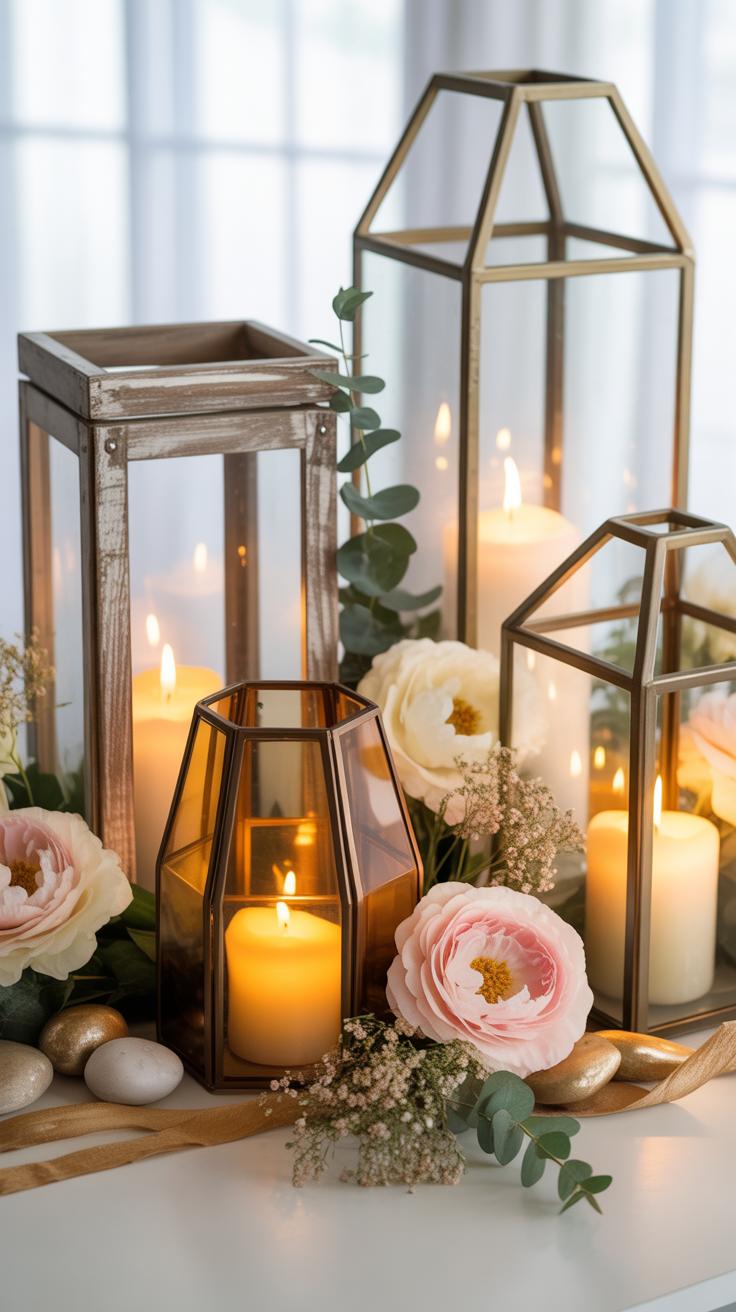
Comparing Metal, Wood, Glass, And Rustic Lantern Styles
Metal lanterns offer structural durability and align with industrial or modern aesthetics. Steel and iron frames handle high heat from real wax candles without warping. These materials provide sharp lines and thin profiles that do not block sightlines across a table. Choose powder-coated finishes to prevent rust if using them for outdoor events. Brass and copper options add warmth through metallic reflection rather than painted color.
Wood lanterns draw from traditional carpentry and Craftsman design movements. These frames usually feature thicker pillars that create a heavier visual weight. Use wood for farmhouse or coastal themes to add organic texture to the table. Glass panels are essential in any material choice to protect the flame from drafts. All-glass hurricane styles remove the frame entirely. This allows for maximum light output and a minimalist footprint in contemporary settings.
How To Match Lantern Size And Shape To Your Table Dimensions
Table diameter dictates the lantern footprint. A standard sixty-inch round table requires a single central lantern no wider than eight inches. This leaves enough room for place settings and shared glassware. Tall, thin lanterns work best on round tables to keep the center of gravity stable. Avoid wide bases that consume valuable plate space. Keep the total height under twelve inches so guests can see each other clearly.

Rectangular banquet tables require a linear strategy. Use a series of smaller lanterns or one large focal point flanked by shorter units. Long tables allow for rectangular or square lanterns that mirror the table shape. Ensure the lantern width does not exceed one-third of the table width. This ratio maintains balance and prevents the centerpiece from looking cramped. Measure the overhead clearance if hanging lanterns from low floral bridges or structures.
Essential Materials For DIY Wedding Centerpiece Ideas Using Lanterns
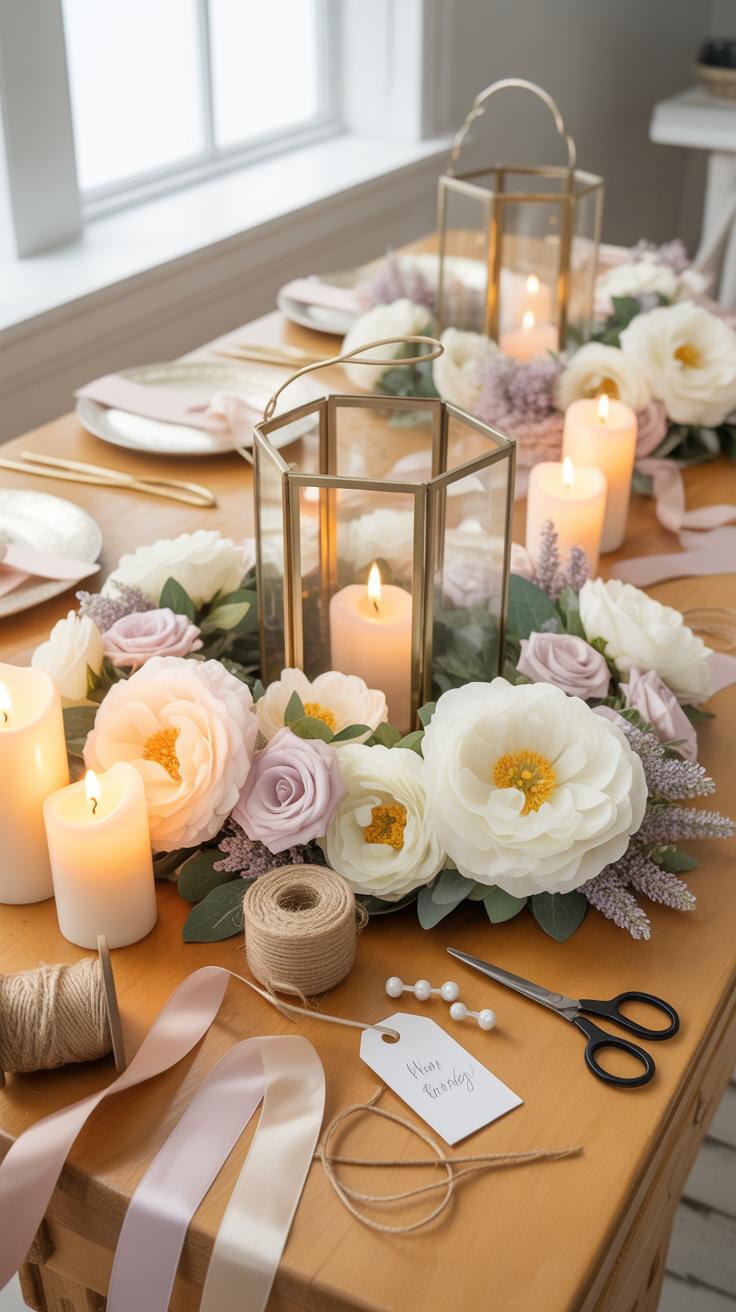
What You Need To Build A DIY Lantern Centerpiece From Scratch
Building a professional centerpiece starts with a structural base. You must select a lantern that matches your table scale. Most setups require a solid foundation like a wood slice or mirror to protect linens. Proper lighting is the tactical priority. Choose between traditional pillar candles or modern LED versions based on venue fire safety codes. Gather these supplies before you begin assembly.
- Lantern Housing: Select metal, wood, or glass frames. Metal suits industrial styles while wood fits rustic themes. Ensure the door latch functions smoothly for easy access to the light source during the event.
- Light Source: Use wax pillar candles for classic heat or LED flicker candles for safety. Battery-operated tea lights work well for smaller frames. Check the run time on batteries to ensure they last eight hours.
- Floral Foam or Putty: Secure internal elements with adhesive putty or small trays of floral foam. This prevents decor from shifting when guests bump tables. Keeping items stationary is critical for maintaining the intended design throughout the night.
- Filler Materials: Use moss, river rocks, or sand to cover the base of the candle. These materials hide wires and provide a clean finish. Scale the filler size to the lantern height to avoid overcrowding the visual space.
- External Greenery: Wrap the lantern base with eucalyptus, ruscus, or ivy. Fresh greenery provides texture and breaks up harsh geometric lines. Secure these stems with thin floral wire to prevent them from sliding off the table surface.
Select your toolkit for assembly. You need wire cutters for silk stems and long-reach lighters for wax candles. Precision matters when placing internal decor. Do not overstuff the lantern or you will block the light. Test your lighting setup in a dark room to verify the glow meets your expectations. Consistent materials across all tables create a professional and unified look.
Where To Source Affordable Lanterns And Decorative Supplies
Smart sourcing reduces costs without sacrificing quality. Commercial wholesalers offer the best rates for bulk orders of ten or more units. Check liquidators and restaurant supply stores for heavy-duty glass options. These outlets provide durable goods meant for high-volume use. Thrift stores often hold vintage brass lanterns that fit eclectic designs. Scour these locations during seasonal transitions for the deepest discounts.

Digital marketplaces allow for easy price comparisons. Use search filters to find bulk lots on auction sites or craft-specific platforms. Local wedding groups on social media are gold mines for second-hand decor. Many couples sell their entire inventory immediately after their event. Buying used saves money and reduces waste. Verify the condition of glass panes and hinges before you finalize any private purchase.
Stunning Lantern Centerpieces With Flowers For Every Season

Best Floral Varieties That Pair Beautifully With Lantern Centerpieces
Select flowers based on structural integrity and hydration needs. Hydrangeas and garden roses provide high volume and classic Victorian aesthetics. Peonies pair well with large metal frames due to their heavy heads. For height and vertical movement, use snapdragons or stock. These varieties offer strong stems that hold up against the weight of the lantern glass. Choose blooms that match the metal finish of your lantern.
Seasonal choices dictate the longevity of your centerpiece. Use tulips or ranunculus for spring displays because they thrive in cooler temperatures. Select dahlias or sunflowers for late summer to manage heat. In winter, pair evergreen boughs with hardy hellebores. Proper selection ensures the flowers do not wilt against the lantern surface. Match the floral texture to the lantern style for a cohesive professional design.
In the right light, at the right time, everything is extraordinary.
How To Arrange Flowers Around And Inside A Lantern For Maximum Impact
Create a base using floral foam or a low-profile tray around the lantern. Position the lantern first to establish the center of gravity. Build a wreath effect by tucking greenery into the base. Distribute primary blooms at three points to create a visual triangle. This technique draws the eye around the entire piece. Use fillers like baby’s breath or waxflower to bridge gaps between larger floral heads.

Placing flowers inside requires caution regarding heat and space. Use flameless LED candles to prevent scorched petals or fire hazards. Place a small water vial inside the lantern to keep internal blooms fresh. Focus on a single, bold statement flower or a small cluster at the base of the candle. Ensure the glass remains clean for clear visibility. This dual-layer approach adds depth to the overall centerpiece design.
Creating An Elegant Candle Centerpiece With Lanterns
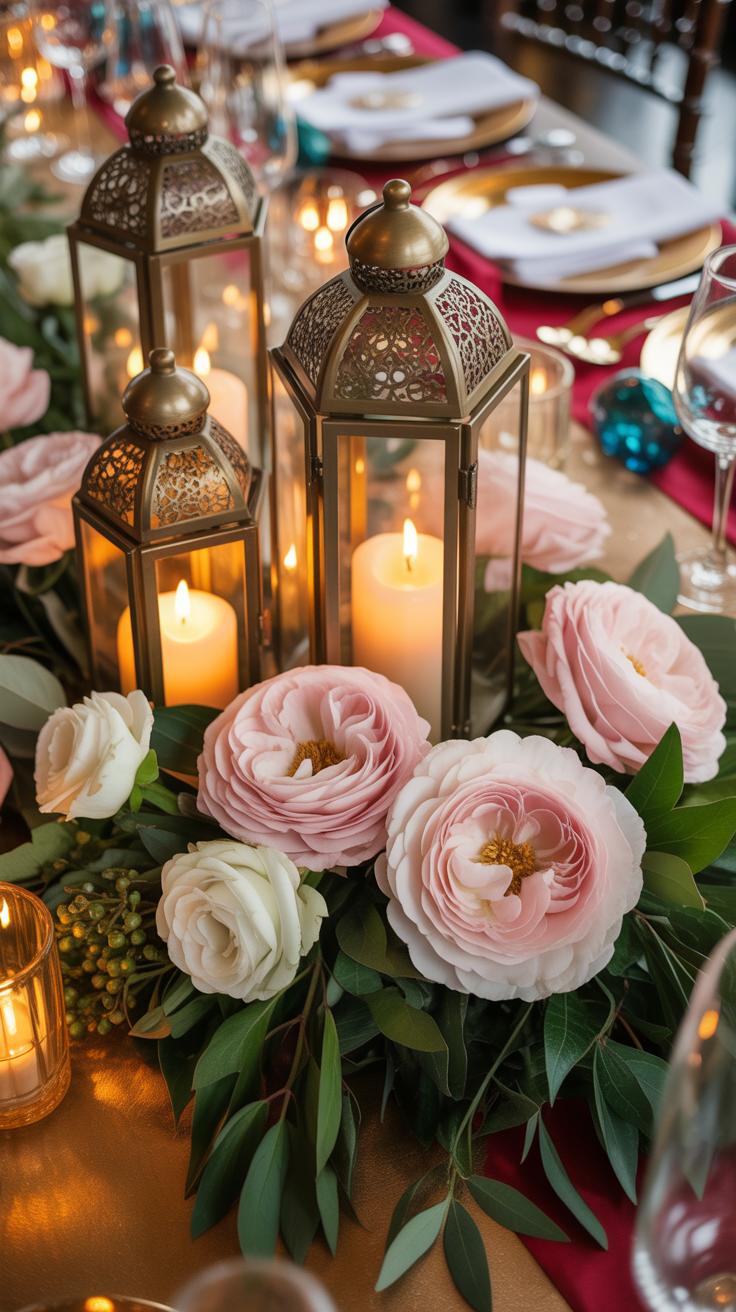
Choosing Between Real Candles And LED Alternatives For Safety And Ambiance
Real wax candles offer authentic heat and a flickering light pattern that LED bulbs cannot perfectly replicate. Open flames create a traditional atmosphere suitable for formal events and historical aesthetics. However, real fire poses a combustion risk near dry greenery or lace runners. You must monitor real candles to prevent soot buildup on the glass panes. Check local fire codes before using open flames in public venues.
Battery-operated LED candles provide a safer solution for long events and high-traffic tables. Modern flameless options use resin or wax coatings to mimic the look of real pillars. These devices offer programmable timers and remote control features for efficiency. LED technology eliminates heat damage to the lantern frame and prevents wax spills on expensive linens. Choose LEDs with a warm color temperature to maintain a soft glow.
Step By Step Guide To Styling A Candle Lit Lantern Centerpiece
Effective styling requires a logical order of operations to ensure stability and visual balance. Start with a clean lantern to maximize light output. Place the largest candle first to anchor the design. This foundational step prevents the centerpiece from looking cluttered or disorganized. Use a level surface to ensure the lantern does not tilt. Align the lantern with the table center for symmetry.
- Surface Preparation: Clean the interior glass panels with a lint-free cloth. Dust and fingerprints deflect light and reduce the clarity of your centerpiece. Use a mixture of vinegar and water for a streak-free finish on glass surfaces.
- Candle Placement: Position the primary candle in the dead center of the lantern floor. If using multiple candles, vary the heights to create visual depth. Ensure the wick sits at least three inches below the top vent for proper airflow.
- Base Layering: Add a thin layer of sand, pebbles, or moss around the candle base. This material stabilizes the candle and catches any dripping wax. Ensure the filler stays away from the flame or heat source to prevent smoke or melting.
- Glass Integration: Close the lantern door securely after placing the candles. Check that the latch functions properly to prevent accidental opening. If the lantern has open sides, ensure no flammable decor items lean against the heat source during the event.
- External Accents: Surround the lantern base with seasonal greenery or silk ribbons. Keep these external decorations tight to the frame to save table space for place settings. Modern minimalist designs often skip this step to focus on the clean lines of the lantern.

Finalize the arrangement by checking the sightlines from every seated position. Ensure the lantern height does not block conversation between guests across the table. Adjust the brightness of LED candles or the wick length of real candles for a consistent look. Proper height management ensures the centerpiece remains functional throughout the meal. A well-styled lantern serves as a focal point without creating a physical barrier.
Lantern Wedding Centerpiece Designs That Wow Every Guest
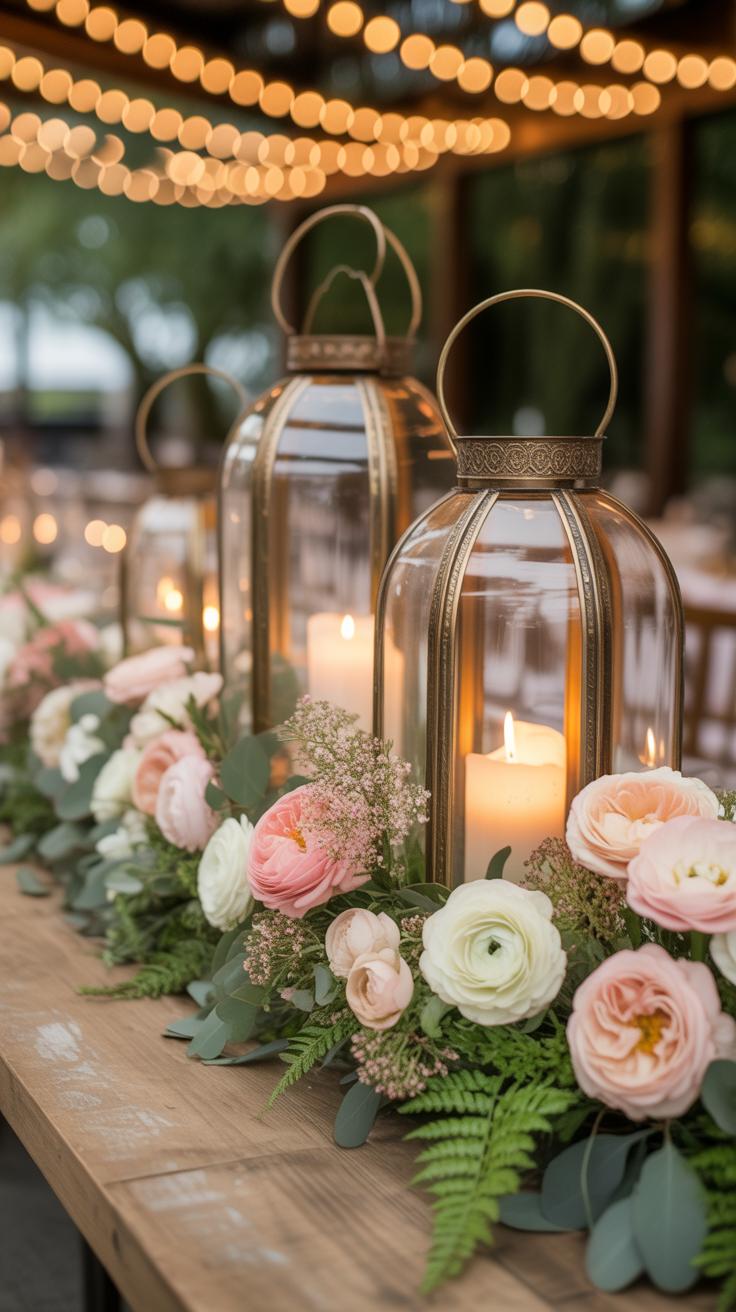
Romantic And Whimsical Lantern Wedding Centerpiece Themes To Explore
Industrial chic themes use matte black metal lanterns with clean lines. Pair these with Edison bulbs or thick white pillars. This look draws from mid-century factory aesthetics. It works best in lofts or converted warehouses. Use geometric shapes to maintain a modern feel. Avoid clutter by using one large lantern per table. This creates a focal point that feels grounded and intentional.
English garden themes require distressed wood or white filigree lanterns. Incorporate organic elements like ivy or moss around the base. This approach mirrors the Romantic movement of the nineteenth century. Place tea lights inside to create a soft glow. Add pastel silk ribbons to the handles for a vertical design element. The goal is to make the lighting feel integrated with the natural floral environment.
How To Coordinate Your Lantern Wedding Centerpiece With Your Overall Color Palette
Match lantern metal finishes to your wedding jewelry and hardware. Gold lanterns complement warm tones like burgundy, cream, and terracotta. Use silver or chrome for cool palettes involving blue, grey, or white. Brass fits vintage or bohemian styles. Consistency in metal creates a cohesive visual flow across the venue. This prevents the centerpieces from clashing with existing architectural details like door handles or light fixtures.

Select candle colors that reinforce your secondary accent hues. Dark green or navy candles provide high contrast inside glass panes. Neutral off-white candles remain the safest choice for high-visibility light. Use colored sand or stones at the lantern base to tie in specific palette shades. Ensure the chosen colors do not overwhelm the light source. Proper color coordination directs the guest eye toward the center of the table.
Lantern Centerpieces Wedding Table Decor Tips For A Cohesive Look
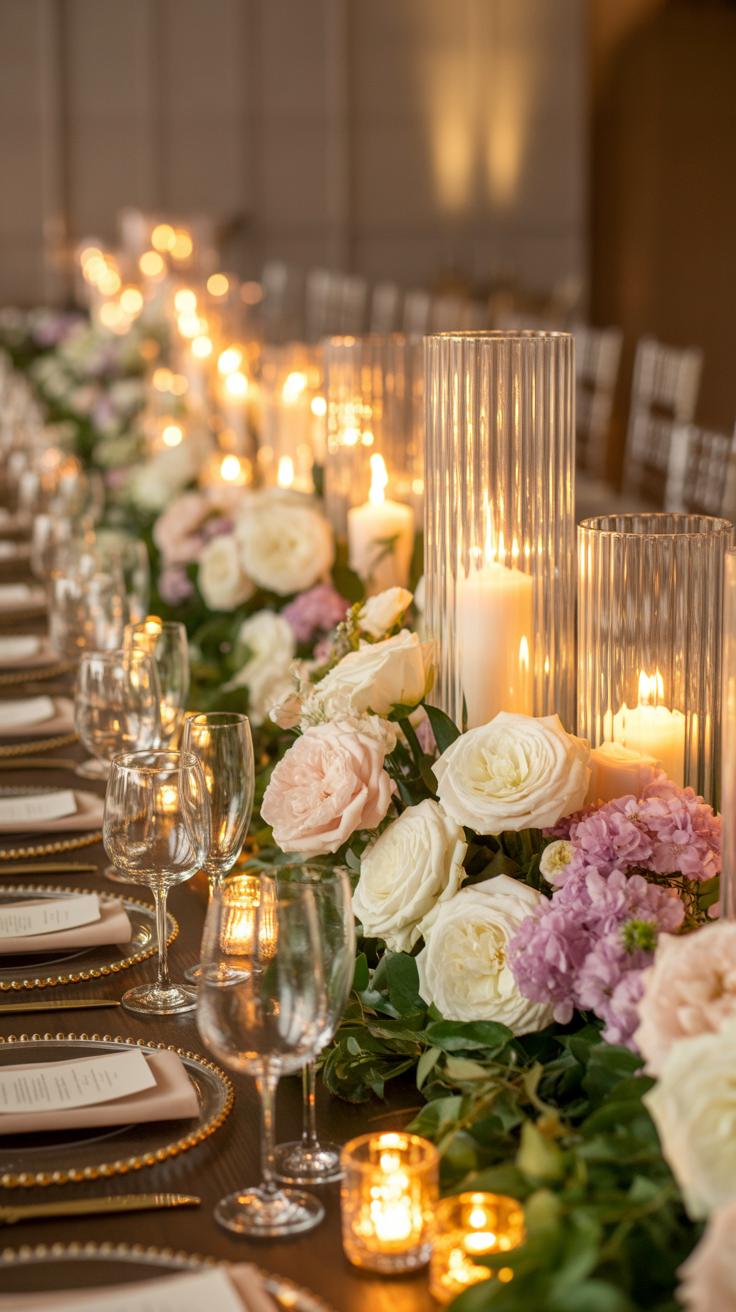
How To Layer Lanterns With Table Runners Candles And Greenery
Layering builds visual depth on a flat table surface. Start with a solid or textured table runner to define the design boundary. Place your primary lantern in the center. Surround the base with fresh greenery like eucalyptus or ruscus to hide hard edges. This technique mimics the English Garden style. It provides a structured foundation for the rest of the decorative elements.
Add secondary light sources to eliminate dark spots. Use tea lights or taper candles in glass holders near the lantern. Vary the distance between these items to create a natural flow. Keep the color palette tight to ensure a cohesive look across the venue. Use metal finishes that match your wedding hardware. Effective layering prevents the centerpiece from looking sparse or unfinished.
Balancing Height And Scale When Mixing Lantern Sizes On Reception Tables
Successful table design requires a clear focal point. Use three different lantern heights to create a visual triangle. A tall central piece provides the necessary verticality for high-ceiling venues. Pair it with mid-sized and small lanterns to lead the eye downward. This tiered approach follows the rule of three. It ensures the arrangement looks intentional rather than cluttered or random.

Scale must respect the comfort of your guests. Do not use lanterns so wide that they crowd the place settings. Ensure the tallest lantern sits above or below the eye level of seated guests. This allows for clear sightlines during conversation. Measure your table diameter before selecting lantern sizes. Balanced proportions keep the table functional while maintaining a professional and high-end aesthetic.
Budget Friendly Lantern Centerpieces Ideas For Any Event
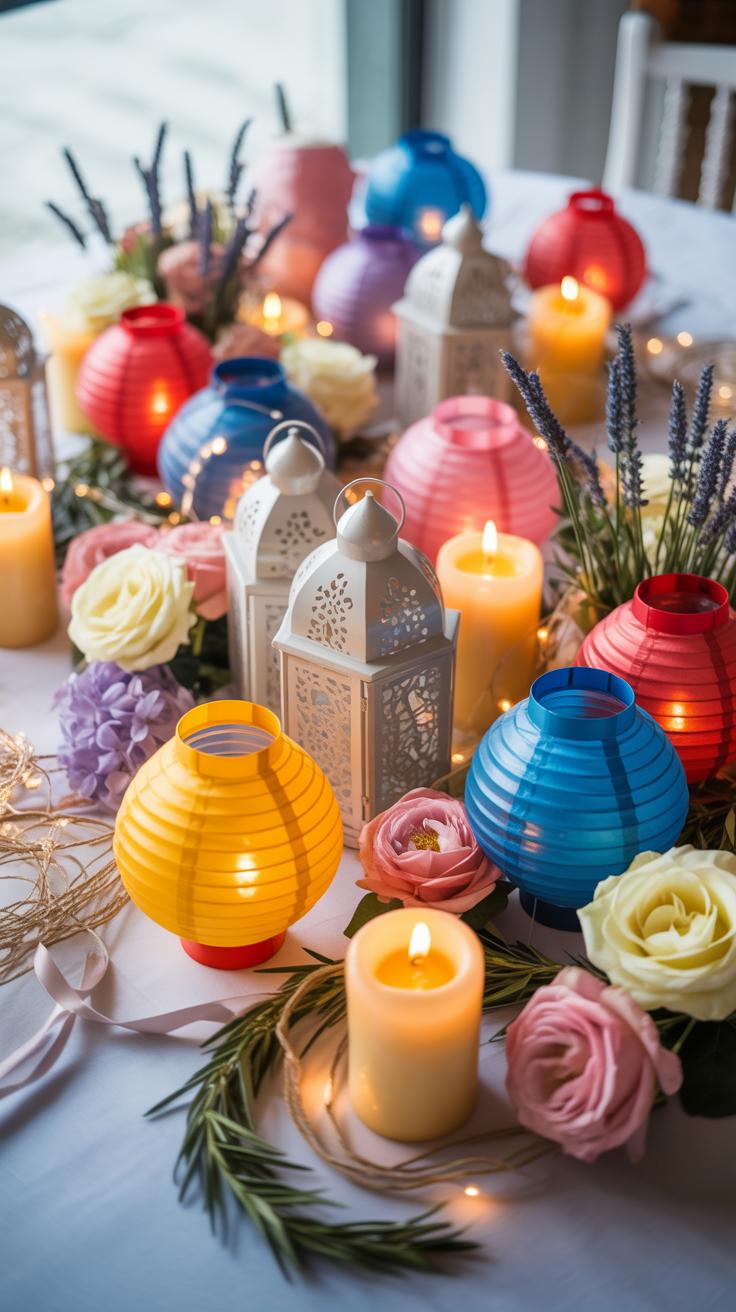
How To Repurpose And Upcycle Everyday Items Into Lantern Centerpieces
Upcycling starts with salvageable glass containers. Clean large pickle jars or sauce bottles to remove labels and adhesive. These glass vessels serve as the core structure for DIY lanterns. Wrap the exterior with wire or twine to create a rustic handle. Use matte black spray paint on the lids to mimic expensive cast iron finishes. This technique provides a high-end look at a low cost.
Insert flameless LED candles to prevent heat damage to non-tempered glass. Line the bottom with natural elements like river rocks or dry sand to stabilize the candle. For a vintage aesthetic, use tea or coffee to stain white paper into faux parchment. Wrap this paper around the glass to diffuse light. These modifications turn ordinary household waste into functional lighting pieces for any formal or casual event.
Smart Shopping Strategies To Build Beautiful Lantern Centerpieces On A Budget
Strategic sourcing requires visiting thrift stores and estate sales during the off-season. Metal lanterns often sit in the outdoor section at reduced prices due to minor rust or chipped paint. Buy these units regardless of color. Use a wire brush to remove oxidation and apply a rust-inhibiting primer. Re-coating with metallic spray paint restores the item to its original retail quality for a fraction of the price.

Bulk purchasing of fillers reduces the cost per table. Buy large bags of salt or white sand from hardware stores instead of decorative stones from craft shops. Source LED tea lights in packs of fifty from industrial wholesalers to drive down unit costs. Renting remains a viable option for high-quantity needs. Many event supply companies offer plain frames that you can customize with seasonal greenery to match your specific theme.
Frequently Asked Questions

What are the best materials to place inside a lantern for a beginner?
If you are new to decorating, start with high-quality LED flameless candles and a simple ring of faux greenery or eucalyptus. These basic lantern centerpiece ideas are foolproof because they eliminate fire hazards while providing a warm, inviting glow. You can also add seasonal elements like pinecones in the winter or seashells in the summer to easily customize your tabletop display without needing advanced floral arrangement skills.
How do I layer different elements to create a professional-looking lantern display?
To achieve a designer look, start with your largest anchor item, such as a pillar candle, in the center. Surround the base with a textured filler like moss, sand, or river stones to hide the candle bottom. Finally, weave in delicate accents like fairy lights or small silk blooms. Utilizing various heights and textures ensures your lantern centerpiece ideas look multidimensional and polished rather than flat or cluttered.
Can I create beautiful lantern centerpieces on a tight budget?
Absolutely! You can find affordable lanterns at thrift stores or discount retailers and give them a fresh look with a quick coat of spray paint. For the interior, use budget-friendly natural elements gathered from your backyard, such as dried branches or colorful autumn leaves. These cost-effective lantern centerpiece ideas prove that you don’t need to spend a fortune to create a sophisticated and stylish focal point for your dining table.