
What Are Mixed Garden Bouquets And Why Are They Perfect For Home DCor
Defining The Mixed Garden Bouquet Style
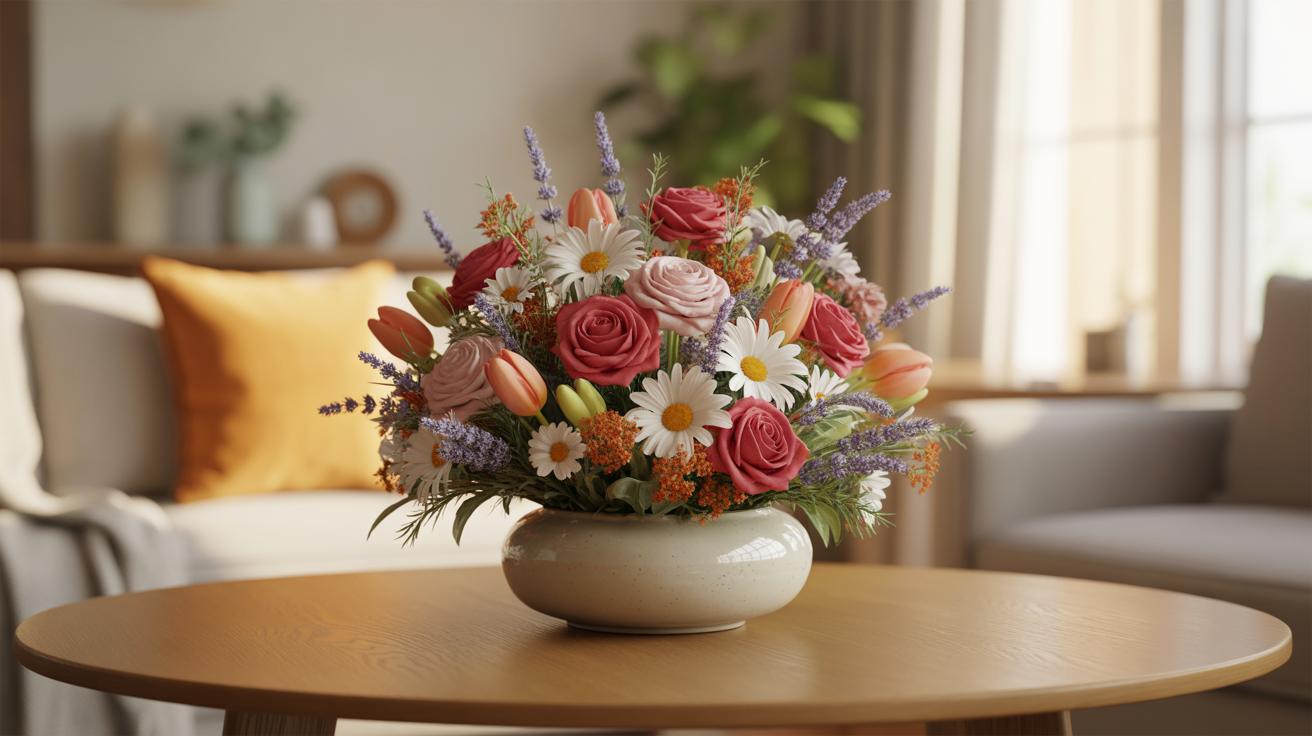
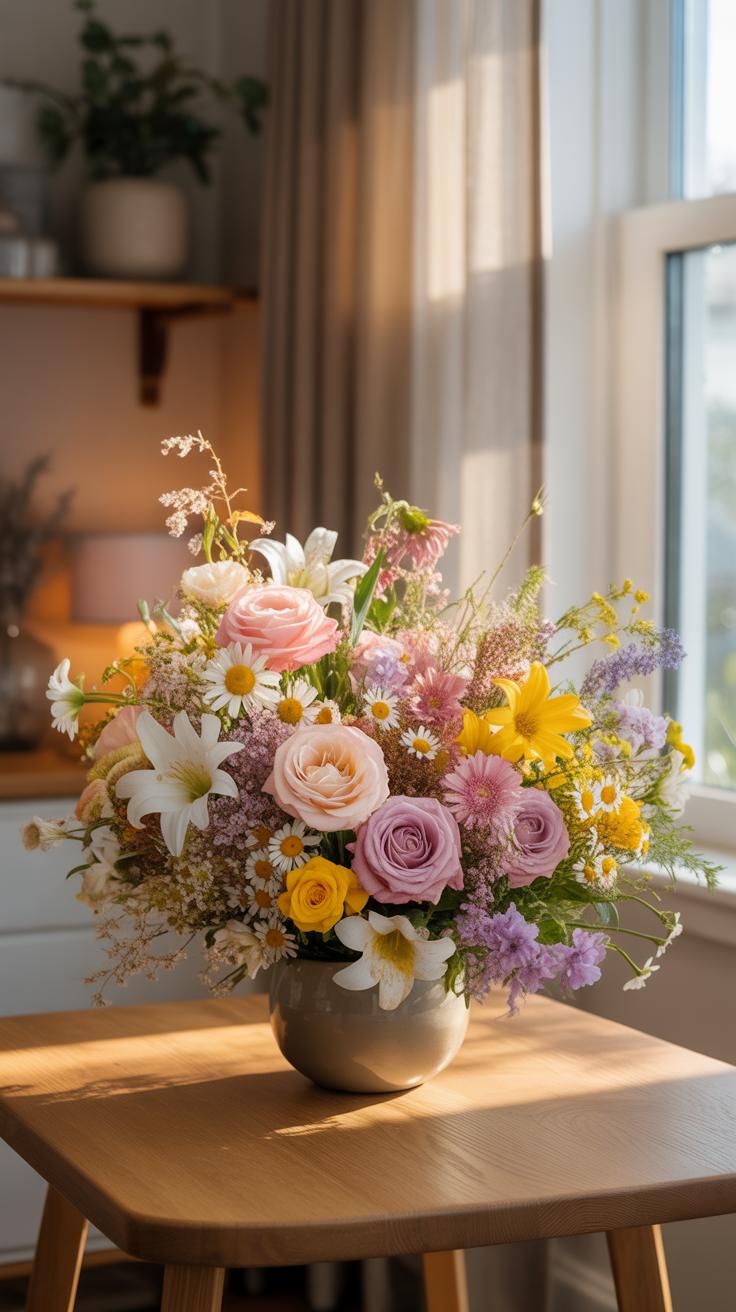
A mixed garden bouquet mimics the look of a natural flower bed. It combines different species, shapes, and sizes into one cohesive unit. This style avoids the stiff look of formal shop flowers. Designers use various textures to create visual depth within the arrangement. You see many Heights and colors gathered together. The goal is a relaxed and organic appearance for the room.
Florists draw inspiration from the English Cottage movement. This movement values variety and abundance over strict order. You should use seasonal stems to keep the look authentic. Focal flowers lead the design while smaller filler blooms close the gaps. Greenery acts as a frame to hold the structure. This approach brings the outdoors inside the home effectively. It provides a raw and fresh aesthetic.
How Flower Combinations Bouquets Differ From Single Stem Arrangements
Single-stem arrangements focus on one flower type for a uniform look. They offer simplicity but lack architectural complexity. Mixed bouquets provide a more dynamic experience for the eye. They use specific layers to build a heavy visual impact. Different bloom times and leaf shapes create movement that a single species cannot match. This complexity makes the arrangement look more expensive and thoughtful.
Strategic mixing allows for better longevity in home décor. When one flower species wilts, others remain strong to keep the display full. Single-source vases fail as soon as the primary bloom dies. You can swap out individual stems to refresh the look without starting over. This versatility saves time and money. Technical layering ensures the bouquet stays balanced even as the composition changes over several days.

The Art Of Choosing The Right Flower Combinations Bouquets For Your Home
Pairing Flowers By Color, Texture, And Scale For A Cohesive Look
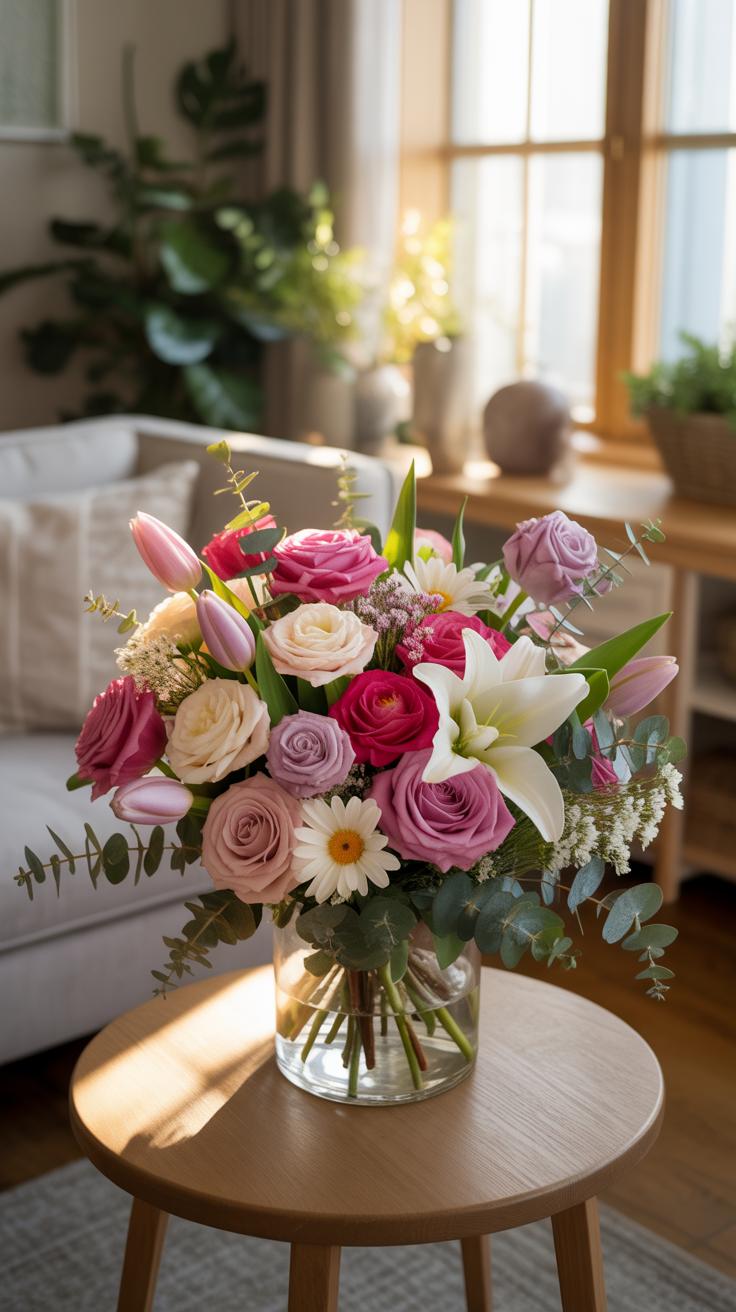
Color theory dictates the visual success of mixed garden bouquets. Complementary colors sit opposite each other on the color wheel and create high contrast. Analogous colors sit next to each other and provide a calm look. Use a primary focal flower to set the palette. Build around it with secondary blooms that support the main hue. This method ensures your arrangement looks intentional and organized.
Texture and scale provide necessary depth to any arrangement. Mix smooth petals like tulips with rough textures like eryngium or celosia. Vary the size of the blooms to prevent a flat appearance. Large focal flowers require smaller filler flowers to balance the visual weight. Use spiked flowers or trailing vines to break the rounded shape of standard bouquets. These variations guide the eye through the entire design.
Seasonal Flower Pairings That Work Best In Mixed Garden Arrangements
Seasonal availability determines the quality and longevity of your flowers. Spring arrangements rely on bulb flowers like narcissus and ranunculus. These soft stems require specific handling to prevent drooping. Summer offers hardier options like zinnias and dahlias that withstand higher indoor temperatures. Matching flower types by their natural blooming season ensures they share similar water and light requirements. This alignment results in a longer vase life.

Autumn and winter require a shift in material choices. Fall bouquets utilize dried elements and woody stems like hydrangea or hypericum berries. These provide structural integrity and earthy tones. Winter designs often incorporate evergreens and forced bulbs like amaryllis. Use the natural growth patterns of the season to dictate your bouquet structure. Following the natural cycle reduces cost and improves the overall health of the cut stems.
Nothing But Flowers Embracing A Minimalist Yet Lush Bouquet Aesthetic
Why An All Flower Arrangement With No Filler Can Feel Bold And Intentional
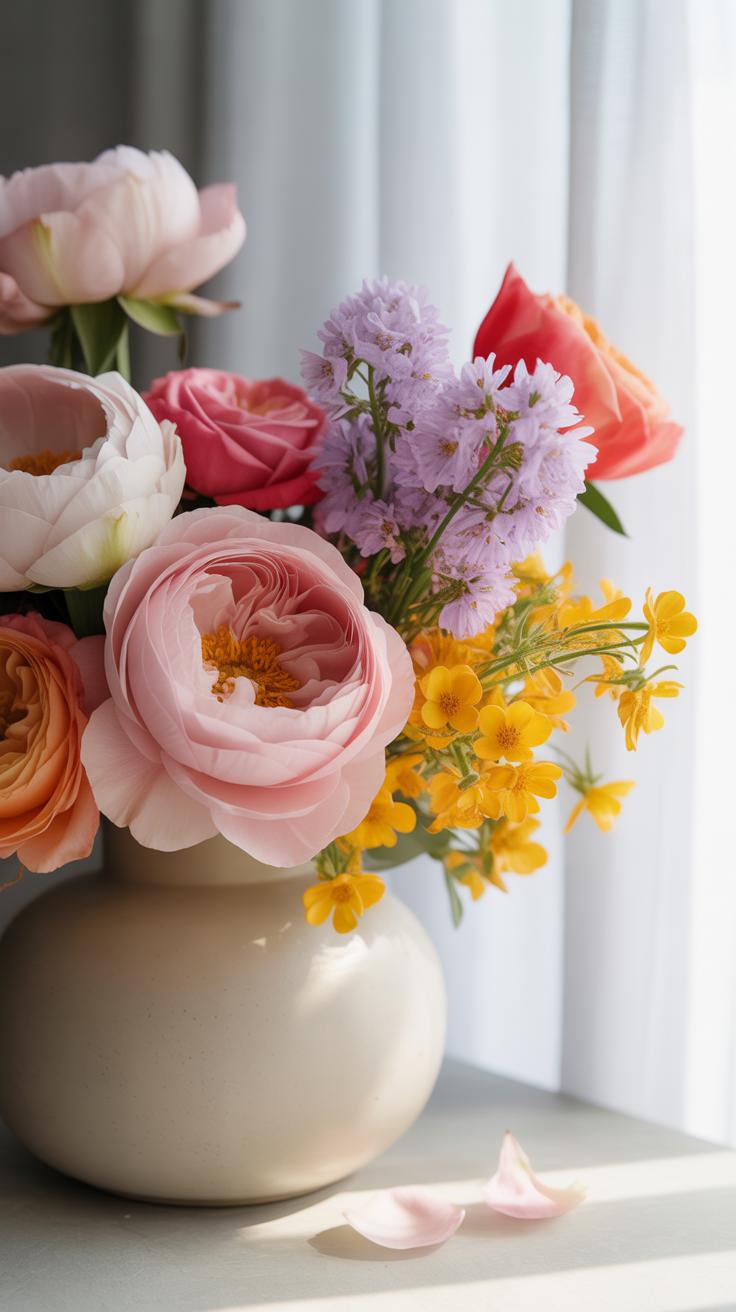
Traditional floristry relies on greenery to hide mechanics and provide volume. Removing these secondary elements forces the eye to focus on the primary blooms. This approach creates a dense and high impact look. It signals a conscious design choice rather than a budget constraint. Modern minimalist movements value this clarity. You create a focal point that commands attention without distraction from cheaper foliage.
This technique uses mass and texture to create structure. Without greens to provide space, flowers must support each other. You achieve a premium look by using high stem counts of high quality flowers. This method eliminates the visual noise common in grocery store bouquets. It emphasizes color saturated planes and architectural shapes. It works best in clean environments where you want the floral color to pop against neutral walls.
Best Flower Varieties To Use When Going Filler Free In A Mixed Bouquet
Select flowers with strong stems and large heads to ensure structural integrity. Hydrangeas and Peonies work well because they take up significant volume. Their broad clusters provide natural landing spots for smaller blooms. Ranunculus and Anemones add detail without requiring leaf support. Use a mix of round forms and spikes like Snapdragons. These combine to create a solid mass that maintains its shape within the vessel.

Focus on hardy species that do not wilt quickly without stem protection. Zinnias and Dahlias offer a diverse range of sizes and rigid stalks. These varieties withstand the weight of a dense arrangement. Avoid delicate wildflowers that need foliage for physical support. By choosing blooms with different surface textures, you create depth through contrast. Velvet petals next to waxy surfaces keep the arrangement from looking flat or two dimensional.
Flower Therapy The Emotional And Wellness Benefits Of Keeping Fresh Bouquets At Home
How Exposure To Fresh Flowers Positively Impacts Mood And Mental Well Being
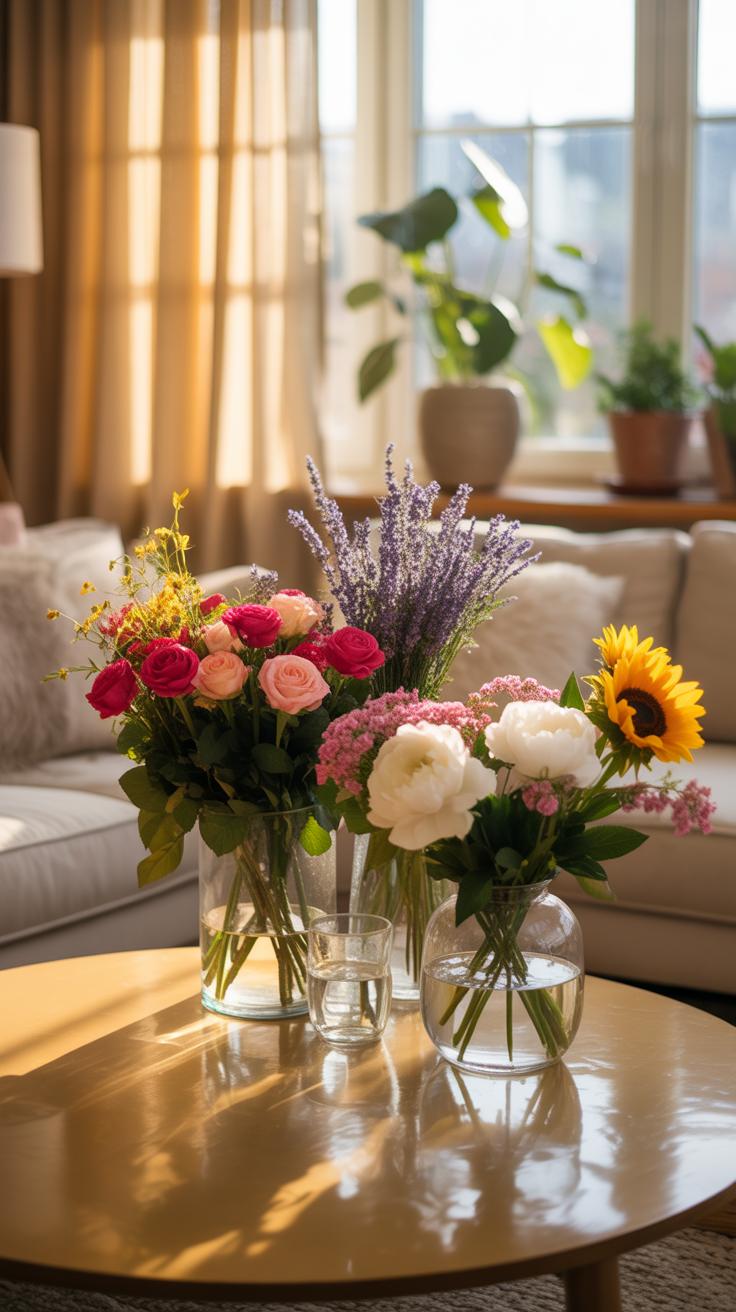
Natural visual stimuli trigger immediate dopamine and serotonin release in the human brain. Biological research confirms that viewing Mixed Garden Bouquets reduces cortisol levels and lowers blood pressure. This physiological response acts as a buffer against daily stress. Bright colors and organic shapes provide a sensory break from digital screens. These effects are not subjective. They are measurable neurological reactions to color and scent.
Maintaining fresh flora in a living space increases perceived quality of life. Botanical scents like lavender and rose directly influence the limbic system to improve sleep and concentration. Strategic placement of flowers in common areas fosters social connection and reduces feelings of isolation. This practice serves as a low-cost tool for behavioral activation. Users report higher energy levels simply by starting their day near living plants.
Designing A Flower Therapy Corner At Home Using Mixed Garden Bouquets
Select a high-traffic area with natural light to build your wellness station. The Biophilic Design movement emphasizes integrating nature into daily routines to boost productivity. Choose a neutral background to make the colors of the Mixed Garden Bouquets pop. Use varied heights in your arrangement to create visual interest. This setup serves as a dedicated focal point for mindfulness and mental decompression.
Vary the textures of your floral selections to increase the sensory impact. Combine soft petals with rigid eucalyptus or woody stems. This tactile variety encourages groundedness and presence. Ensure the area remains clutter-free to avoid sensory overwhelm. Rotate the bouquets every seven days to maintain visual novelty. A clean and organized therapy corner maximizes the psychological benefits of the blooms while reinforcing a disciplined home environment.
Creating A Beautiful Bouquet Of Flowers Step By Step Design Principles
The Golden Rules Of Floral Composition Every Home Decorator Should Know
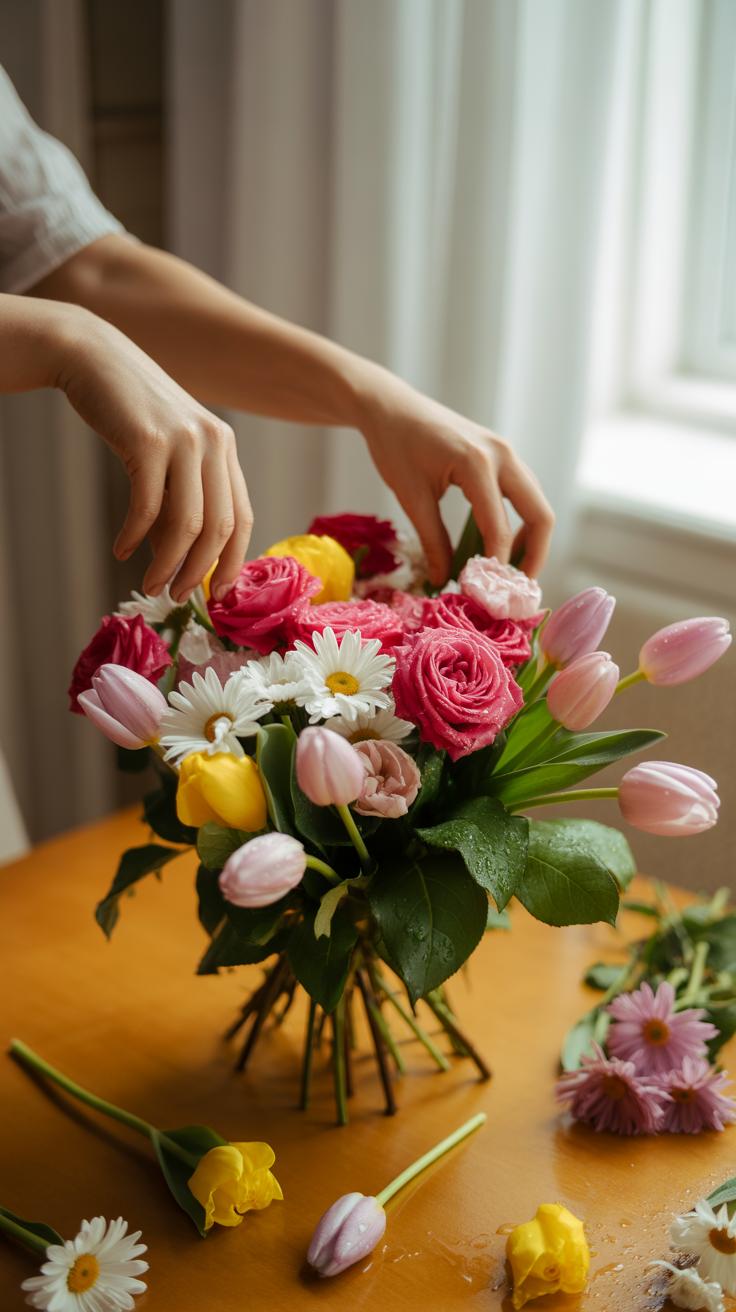
Professional floral design relies on the Golden Ratio and the Rule of Thirds to ensure balance. You must establish a clear focal point to draw the eye immediately. Use primary flowers that have the most visual weight or brightest colors. Surround these with secondary blooms and foliage to create depth. Maintain a height of approximately one and a half times the height of your container.
Symmetry creates a formal look while asymmetry provides a modern feel. You must consider the negative space between stems to prevent a cluttered appearance. Use odd numbers of main flowers like three or five to avoid rigid patterns. Scale your arrangement to fit the room. Large rooms require bold stems. Small tables need compact designs. Proper proportions ensure the bouquet complements the surrounding home decor.
Essential Tips For Arranging A Stunning Mixed Garden Bouquet At Home
Start by prepping your tools and environment. Use sharp floral shears to make clean 45 degree cuts on every stem. This increases the surface area for water intake and prevents crushing the vascular system. Remove all foliage that falls below the water line in your vase. Rotting leaves create bacteria that kill flowers quickly. Use a clean vessel to start.
- Geometric Grid: Use waterproof floral tape to create a grid across the mouth of the vase. This structural technique holds stems exactly where you place them. It allows for precise placement of heavy blooms and prevents the arrangement from collapsing toward the outer edges of the container.
- Foundation Foliage: Build a base layer of greenery before adding any flowers. Use leather leaf fern or eucalyptus to establish the overall shape and width. This green structure supports the floral stems and hides the internal mechanics of the arrangement from view. It provides a professional backdrop for color.
- Water Management: Fill your vase with lukewarm water and professional floral preservative. Warm water moves faster through the stem than cold water. The preservative contains sugar for food and bleach to control bacterial growth. Change the water every two days and trim the stems again to maximize the vase life.
- Color Theory: Apply the color wheel to select your palette. Use complementary colors like purple and yellow for high contrast and energy. Choose analogous colors like pink and red for a harmonious and calm appearance. Limit your palette to three main colors to keep the design focused and sophisticated for the home.
- Internal Support: Use chicken wire or floral foam if a tape grid is not sufficient. Scrunch a piece of chicken wire into a ball and place it inside the vase. This provides multiple anchor points for stems at various angles. It allows you to create wilder designs with more movement and natural flow.
Focus on the height and placement of secondary flowers to fill gaps. Use fillers like baby’s breath or waxflower to add texture. Place the heaviest blooms near the rim of the vase to ground the composition. Gradually add taller and lighter stems toward the top and center. Rotate the vase constantly while working to ensure the bouquet looks balanced from every single angle in the room.
Flower Pictures As Inspiration How To Source And Recreate Stunning Mixed Bouquet Ideas
Using Flower Pictures From Botanicals, Magazines, And Social Media As A Design Reference
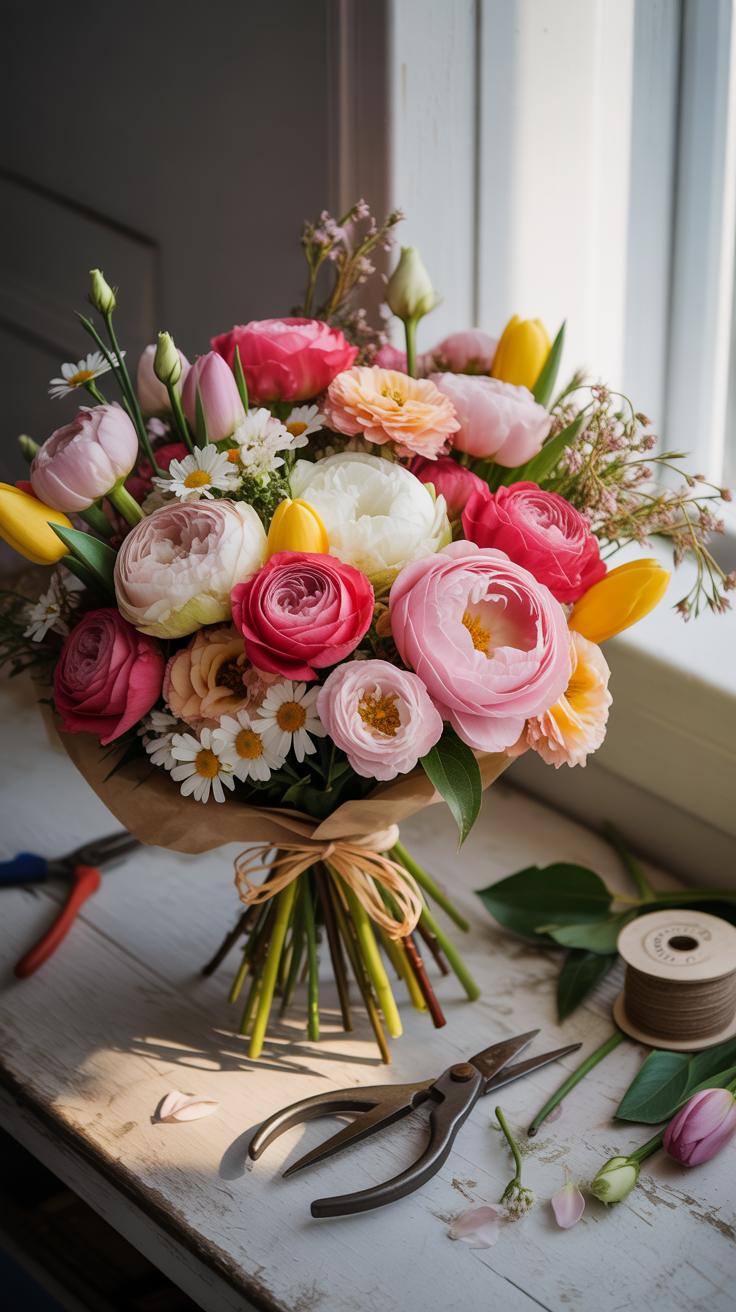
Digital and print imagery provides a blueprint for Mixed Garden Bouquets. Professional florists use Dutch Still Life paintings to study color depth and shadows. These historical works show how to layer dark and light blooms. Social media platforms offer modern trends in texture and scale. Use these sources to identify specific flower species. Look for shapes like spikes, globes, and sprays to understand structure.
Treat a magazine tear sheet as a technical map. Analyze the focal point of the image to see where the eye lands first. Note the ratio of foliage to flowers in successful designs. High-end botanical prints often highlight seasonal pairings that naturally thrive together. Use these references to determine which stems fit your specific vase height. Visual research prevents expensive mistakes during the actual sourcing process.
How To Translate An Inspiring Floral Image Into A Real Life Home Arrangement
Deconstruct the reference photo into four basic components. Identify the primary focal flowers like peonies or roses first. Find secondary filler plants that bridge the gaps between large heads. Locate the greenery that provides the skeletal frame of the work. Note any airy accents like Queen Anne’s Lace that add movement. This structural breakdown allows you to substitute expensive stems with cheaper, local alternatives.

Select a container that matches the proportions shown in your source image. A tall cylindrical vase requires different mechanics than a low compote bowl. Use floral tape or wire mesh to mimic the exact placement of stems. Do not mimic the photo exactly. Use it as a guide for color balance and height. Cut stems at varying lengths to create the three-dimensional depth seen in professional photography.
Love Flowers The Most Romantic Blooms To Include In A Mixed Garden Bouquet
A Guide To Flowers That Carry Romantic Symbolism And Timeless Appeal
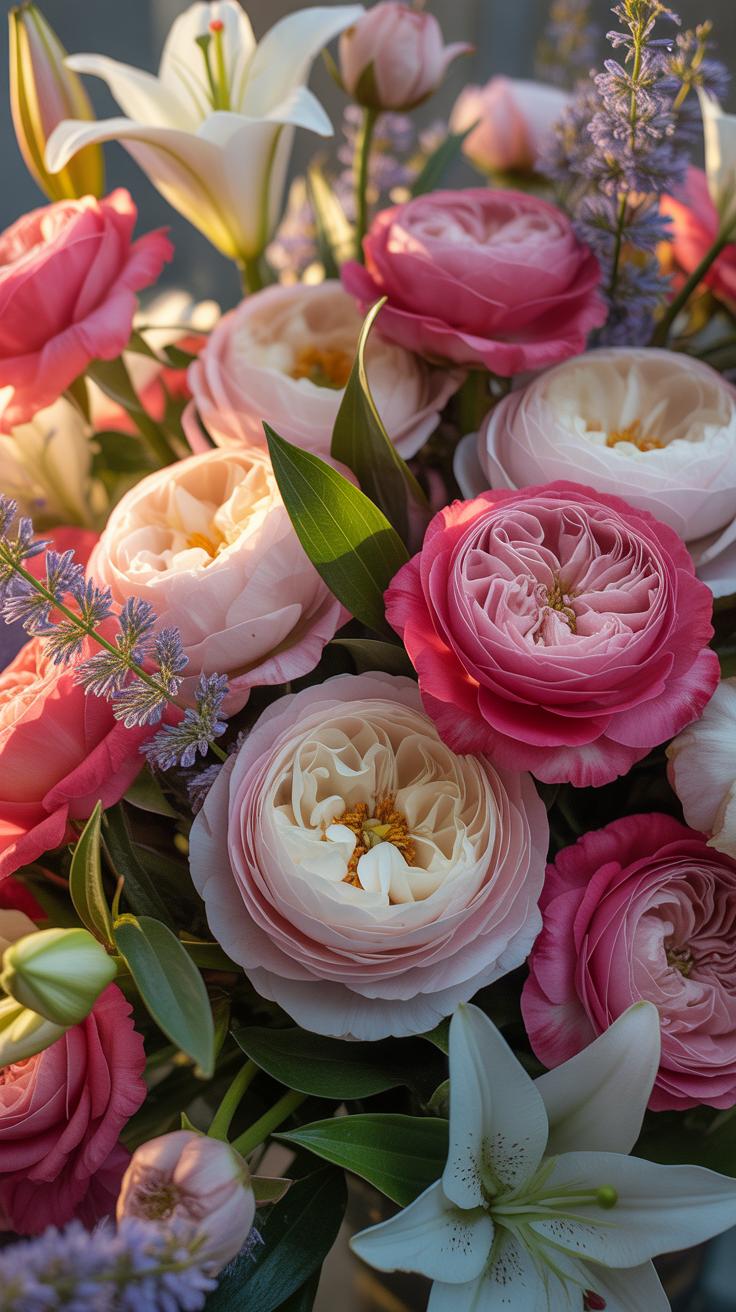
Red roses serve as the primary standard for romantic intent. They signify deep passion and historical devotion across many cultures. Use dark varieties like Black Baccara for a sophisticated look. Peonies represent prosperity and a happy marriage in many Eastern traditions. They provide massive volume and soft textures. These flowers work well in mixed garden bouquets because they anchor the visual weight of the arrangement.
Bleeding hearts offer a literal heart shape that fits romantic themes. They bloom in spring and add a delicate touch to seasonal displays. Sweet peas denote lasting pleasure and provide a strong fragrance. Designers often pair them with ranunculus for a dense petal count. These choices prioritize structural variety and recognizable shapes. Selecting flowers with historical meaning ensures the bouquet communicates a specific message to the viewer.
How To Style A Love Inspired Mixed Bouquet For Bedrooms And Intimate Spaces
Bedrooms require low-pollen flowers to ensure air quality remains high during sleep. Avoid lilies if allergies are a concern. Use small or medium vessels to save space on nightstands. Position the light source to highlight the soft edges of the petals. A compact arrangement prevents the bouquet from overwhelming a small room. Keep the color palette tight to maintain a calm and focused atmosphere.
Focus on fragrance to enhance the sensory experience of the space. Jasmine and garden roses release natural scents that promote relaxation. Trim stems at a forty-five degree angle to maximize water intake. Change the water every two days to prevent bacterial growth and odor. Place the bouquet away from direct heat or air vents. Proper placement extends the life of the blooms and maintains the visual appeal of the room.
Colorful Bridal Bouquet Trends That Translate Beautifully Into Home Floral DCor
How Modern Colorful Bridal Bouquet Styles Are Influencing Everyday Floral Design
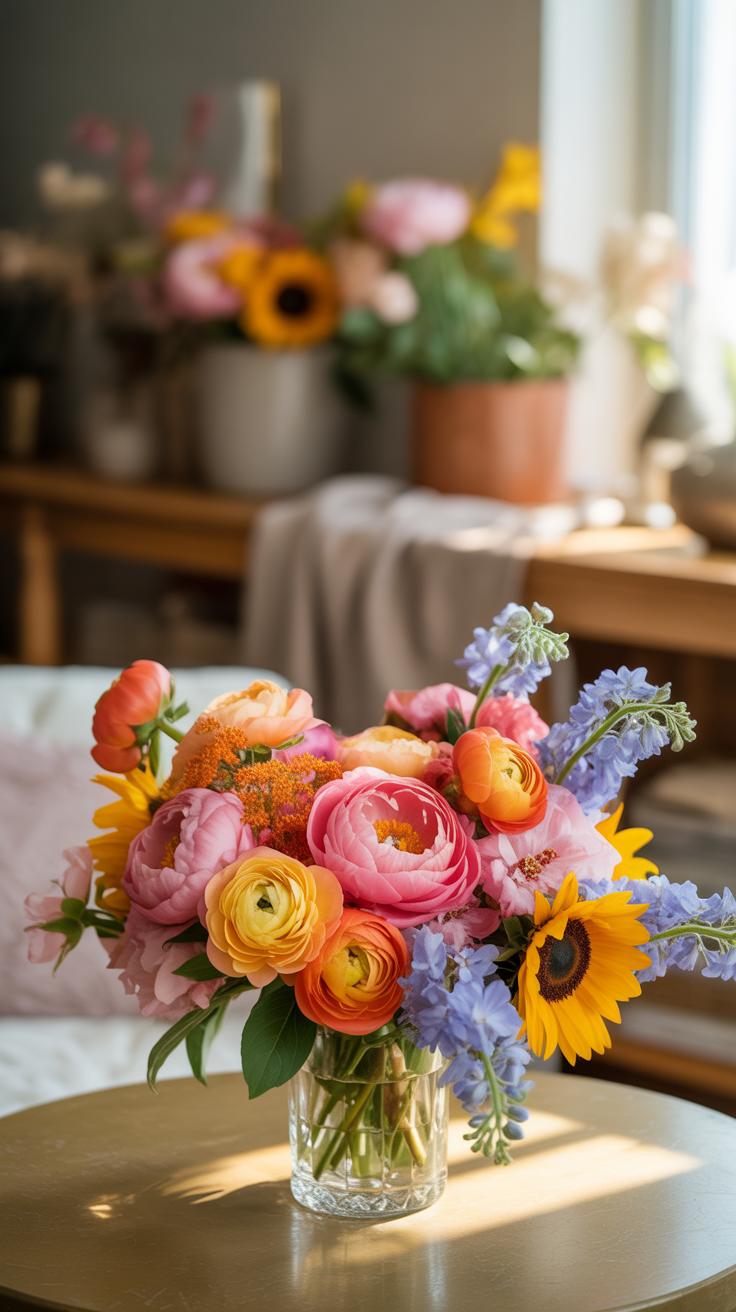
Modern bridal aesthetics now favor the Dutch Masters style. This movement uses high contrast and deep shadows. Designers use garden roses and ranunculus to create depth. Homeowners adopt this look to make bold statements in entryways. This shift moves away from tight, round clusters. It focuses on irregular shapes and asymmetrical lines. Natural movement is now the standard for high-end home floral arrangements.
Current trends prioritize seasonal local stems over imported uniform flowers. Brighter palettes replace the muted blush tones of previous decades. Professionals use architectural foliage like eucalyptus or ferns to add structure. These elements provide a framework for vivid focal flowers. This tactical approach ensures the bouquet looks intentional from every angle. Using these techniques at home creates a professional look without requiring expensive florist services.
Adapting Bridal Mixed Garden Bouquet Palettes For Living Rooms And Dining Tables
Bridal palettes often use a sixty-thirty-ten color rule. Sixty percent is a primary hue. Thirty percent is a secondary supporting color. Ten percent is a sharp accent. You can apply this to living room decor easily. Use blue delphiniums as the primary color. Add white spray roses for contrast. Use yellow Billy balls for a pop of color. This method creates visual balance in any room.
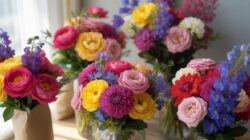
Dining tables require lower profiles than bridal hand-tied bouquets. Cut stems short to keep sightlines open for guests. Use mass-grown flowers like hydrangeas for the base. Insert delicate stems like sweet peas for texture. This creates a garden-style look that feels organic. Avoid high-fragrance lilies in eating areas. Stick to scentless varieties to keep the focus on food. Proper stem placement ensures the arrangement looks full and expensive.
Wildflower Wedding Theme Flowers That Double As Gorgeous Everyday Home Bouquets
What Defines A Wildflower Aesthetic And Why It Works So Well In Mixed Bouquets
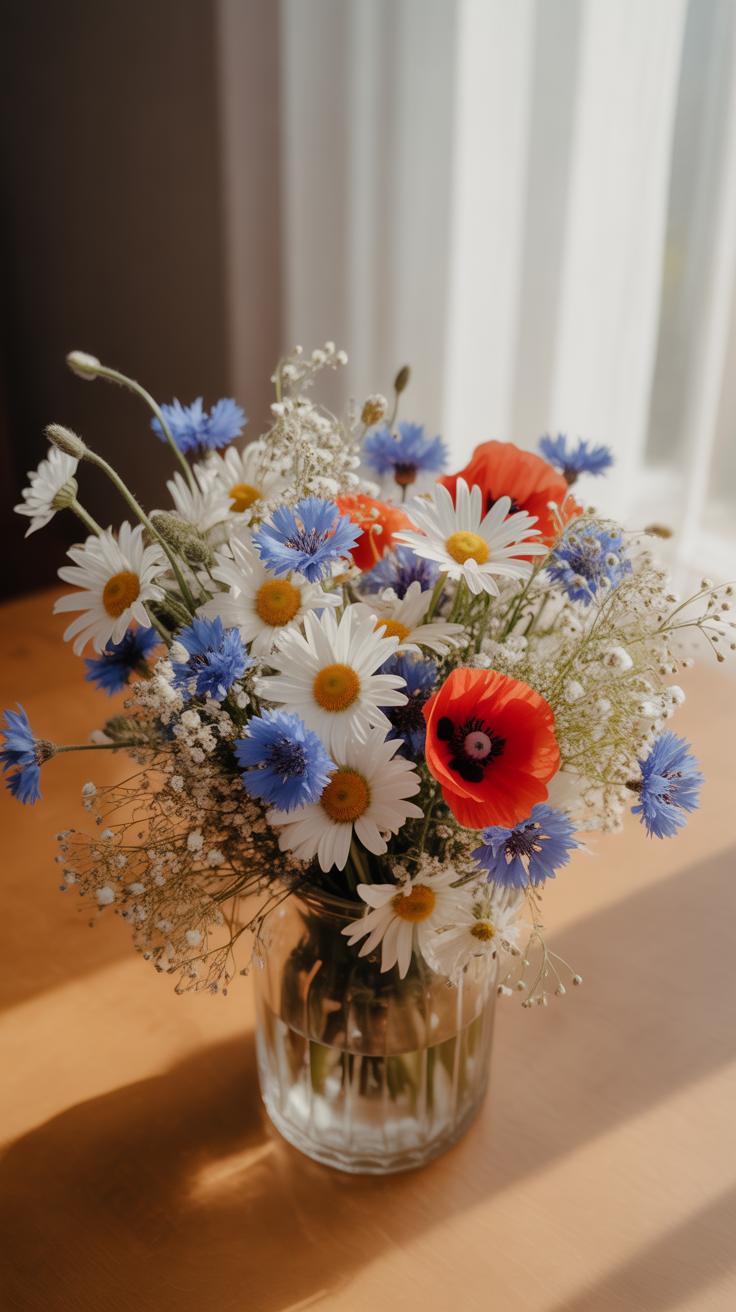
The wildflower aesthetic relies on intentional asymmetry and varied textures. It rejects the rigid structure of formal round bouquets. This style mimics how plants grow in nature. It uses different heights and stem thicknesses to create depth. You achieve this look by mixing focal blooms with airy fillers. This approach makes mixed garden bouquets feel unforced. It brings a sense of the outdoors into any living space.
This design movement works because it prioritizes movement and local seasonality. Strategic gaps between flowers allow the eye to rest. It uses negative space to highlight individual stems. Traditional arrangements often pack flowers too tightly. The wildflower method creates more air circulation. This helps stems stay healthy and last longer in a vase. It fits modern home decor because it appears casual yet highly curated and sophisticated.
The best mixed bouquets are like a home filled with old friends, each bloom bringing its own story and color to the room. A garden in the house is a souvenir of summer that keeps the heart forever warm.
Top Wildflowers To Incorporate Into Your Mixed Garden Bouquet At Home
Select flowers based on their durability and stem strength. Most wild varieties have thin stems that require support from sturdier plants. Choose a mix of disk-shaped heads and vertical spires. This creates a professional look without needing expensive floral foam. Focus on species that bloom at different times to ensure a year-round supply for your home. Proper hydration is critical for these varieties.
- Queen Annes Lace: This plant provides a flat, lace-like canopy that serves as an excellent filler. It creates a bridge between larger focal flowers and smaller accents. Its neutral white color complements any palette and adds immediate structural volume to the base of your vase.
- Common Yarrow: Yarrow features tight clusters of small flowers on stiff, reliable stems. It is highly drought-tolerant and lasts a long time after cutting. The flat-topped clusters provide a distinct geometric shape that contrasts well against rounder blooms like roses or peonies in mixed garden bouquets.
- Bachelor Buttons: These flowers provide intense blue pigments rarely found in other garden plants. They have a shaggy, informal texture that defines the meadow look. Their slender stems allow them to poke through the top of an arrangement, adding necessary height and a pop of saturated color.
- Cosmos: Cosmos offer delicate, feathery foliage and simple, open petals. They are prolific producers throughout the summer season. Their stems are flexible, which allows the flowers to dance and move naturally within a bouquet. They provide a soft, airy feel that softens more rigid floral elements.
- Purple Coneflower: Echinacea provides a bold, central cone and swept-back petals. These are sturdy focal points that stand up well to heat. The thick stems make them easy to position. They add a rugged, architectural element that helps anchor a loose, wild arrangement and prevents it from looking messy.
Clean all bottom leaves off the stems before placing them in water. Foliage sitting in water creates bacteria that kills flowers quickly. Change the water every two days to maintain clarity. Use sharp shears to prevent crushing the water-conducting veins in the stems. These tactical steps ensure your wildflower arrangement looks fresh for a full week. Consistent maintenance is the secret to a high-end home floral display.
Pretty Flowers Pictures And The Rooms They Suit Placing Mixed Bouquets Around Your Home
Room By Room Guide To Displaying Mixed Garden Bouquets For Maximum Visual Impact
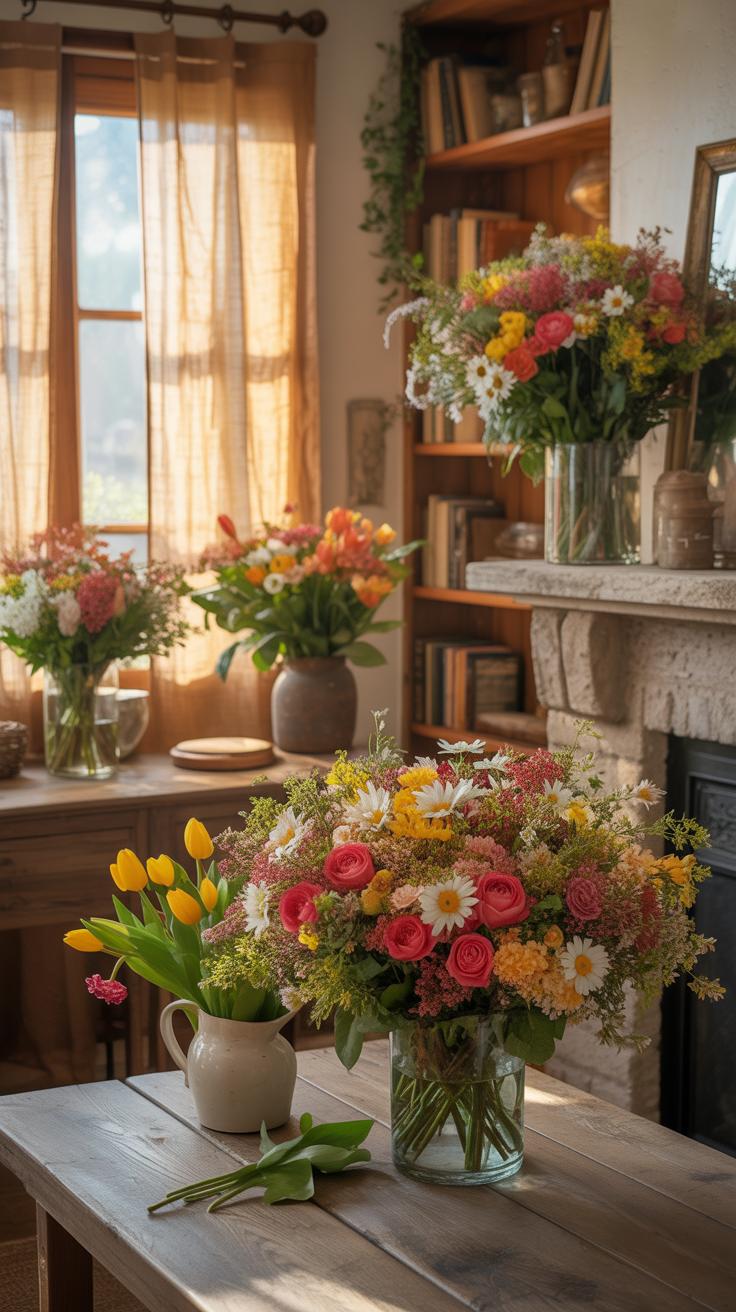
Entryways require bold arrangements to establish a strong first impression. Use height and structure to fill the vertical space usually found in foyers. Kitchens demand shorter bouquets to avoid blocking sightlines across counters or islands. Select hardy stems like zinnias or marigolds that withstand heat and humidity. These choices ensure the flowers remain vibrant despite the active environment of a modern food preparation area.
Living rooms benefit from central focal points on coffee tables. Lower profiles allow guests to see each other across the furniture. Bedrooms need smaller and scented arrangements to promote a calm atmosphere. Avoid huge bouquets in narrow hallways where people might brush against them. Scale the arrangement to the furniture it sits upon. Proper scaling prevents the bouquet from overwhelming the room or getting lost in the decor.
Vase Selection, Lighting, And Placement Tips To Make Your Bouquets Look Their Best
Vase material dictates the visual weight of the arrangement. Clear glass highlights the stems and water, requiring frequent cleaning to maintain a sharp look. Opaque ceramic or metal vases hide floral foam and messy stems. Choose a vessel height that is roughly half to two thirds the height of your floral stems. This ratio follows traditional design principles to ensure stability and proper visual balance.
Lighting determines how colors appear to the eye. Natural side-lighting reveals the texture of petals and leaves. Avoid direct sunlight near windows because heat speeds up wilting and water evaporation. Position bouquets away from air vents and ripening fruit to extend their lifespan. Ethylene gas from fruit causes flowers to drop petals prematurely. Consistent temperatures and indirect light keep mixed garden bouquets looking fresh for several days.
Frequently Asked Questions

What are mixed garden bouquets and how do they differ from standard floral arrangements?
Mixed garden bouquets are eclectic floral arrangements that prioritize a “just-picked” aesthetic over stiff, traditional formality. Unlike supermarket single-variety bunches, these displays combine various textures, colors, and foliage to mimic the natural diversity of a thriving backyard. By blending focal flowers with airy fillers and greenery, you create a dynamic focal point that brings a relaxed, organic sense of style and seasonal charm directly into your living space.
How can I arrange professional-looking mixed garden bouquets at home?
To master mixed garden bouquets, start with a clean vase and sturdy greenery to create a structural base. Place your largest “focal” blooms, like peonies or dahlias, at varying heights first. Next, tuck in secondary flowers and delicate fillers to bridge the gaps. For a stylish finish, ensure some stems spill over the rim and others reach upward, capturing that effortless, whimsical movement found in a real garden setting.
Can I create beautiful mixed garden bouquets on a limited budget?
Absolutely! You don’t need an expensive florist to enjoy high-end style. You can supplement a small store-bought bunch with foraged elements from your own yard, such as hosta leaves, fern fronds, or flowering herbs like rosemary and mint. Using unique thrifted vessels instead of standard vases also adds character. This approach allows you to curate lush, textured arrangements that look luxurious without the premium price tag of designer floral shops.