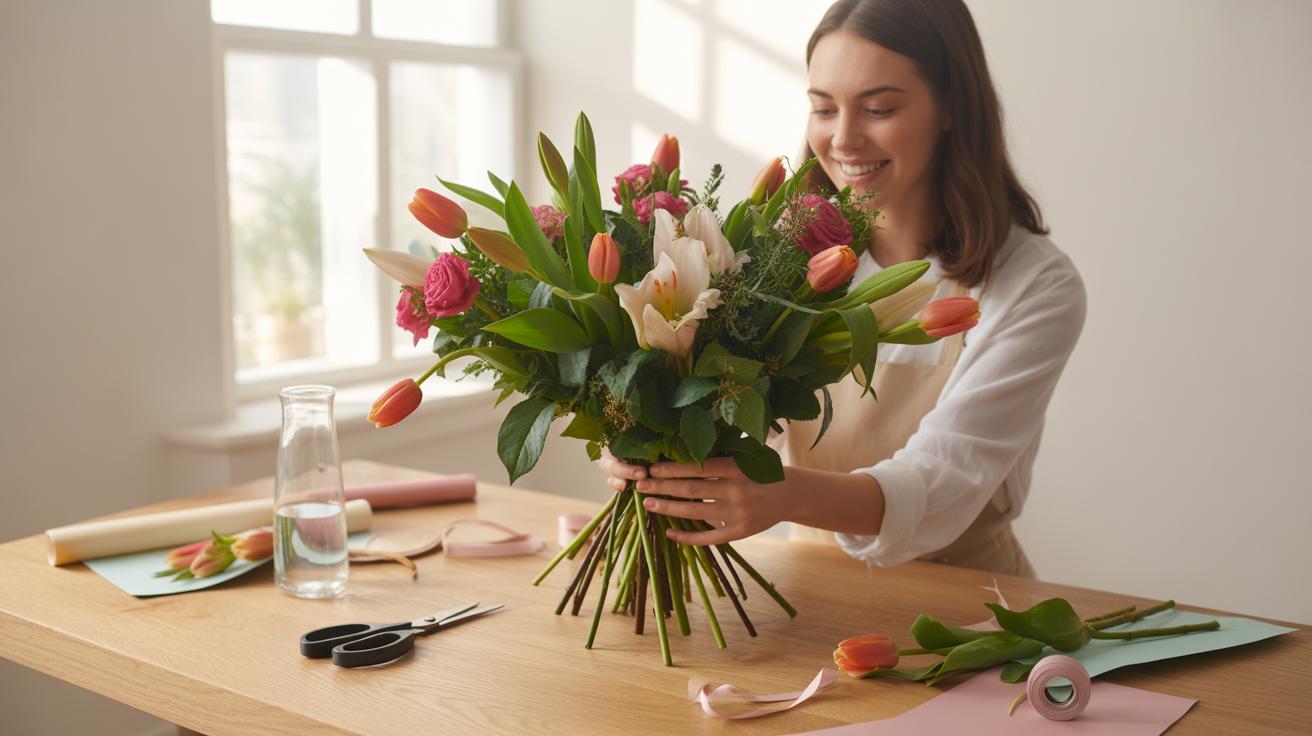
What Makes Long Stem Bouquet Styling So Timeless And Elegant
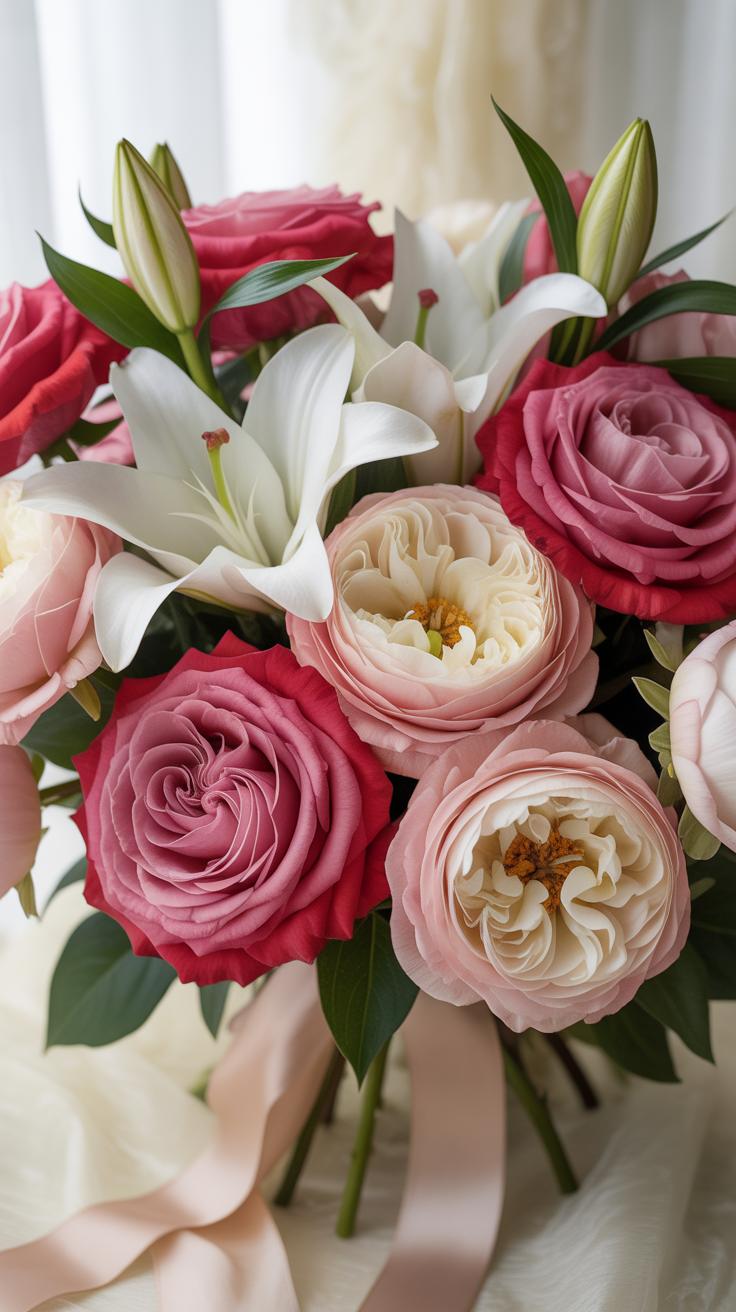
The Visual Appeal Of Length Why Long Stems Create Natural Drama
Long stems draw the eye upward and create immediate vertical impact. This height establishes a clear focal point in any room. Designers use these lines to guide the viewer through a space. Lengthening the silhouette changes how people perceive the arrangement. It moves away from compact shapes toward a more architectural form. This height commands attention without requiring extra bulk or filler.
The physical length offers superior balance in tall vessels. Short stems often get lost in larger containers but long stems provide structural support. This length allows for natural curves and movements. It mimics how flowers grow in the wild. Professionals rely on this height to create negative space. This space makes each bloom stand out. It ensures the bouquet looks clean and refined rather than cluttered.
How Long Stem Wedding Flowers Have Shaped Modern Bridal Aesthetics
Wedding designers prioritize long stems to enhance the bride’s silhouette. These arrangements create a slimming effect by drawing the gaze along the vertical line of the dress. This technique emerged as a staple in high-end floral design. It replaces the round and dense bouquets common in previous decades. Modern brides choose this style for its clean and sophisticated profile. It conveys luxury through simplicity and form.
Recent trends focus on the presentation of individual stems rather than massed groups. This approach highlights the quality of the specific flower variety. It requires less material to achieve a high-impact look. Florists use this method to emphasize the natural stem texture and color. This style fits minimalist and contemporary wedding themes perfectly. It proves that fewer flowers can create a more powerful visual statement when styled with deliberate length.
Choosing The Right Flowers For Wedding Bouquets Long Stem Arrangements
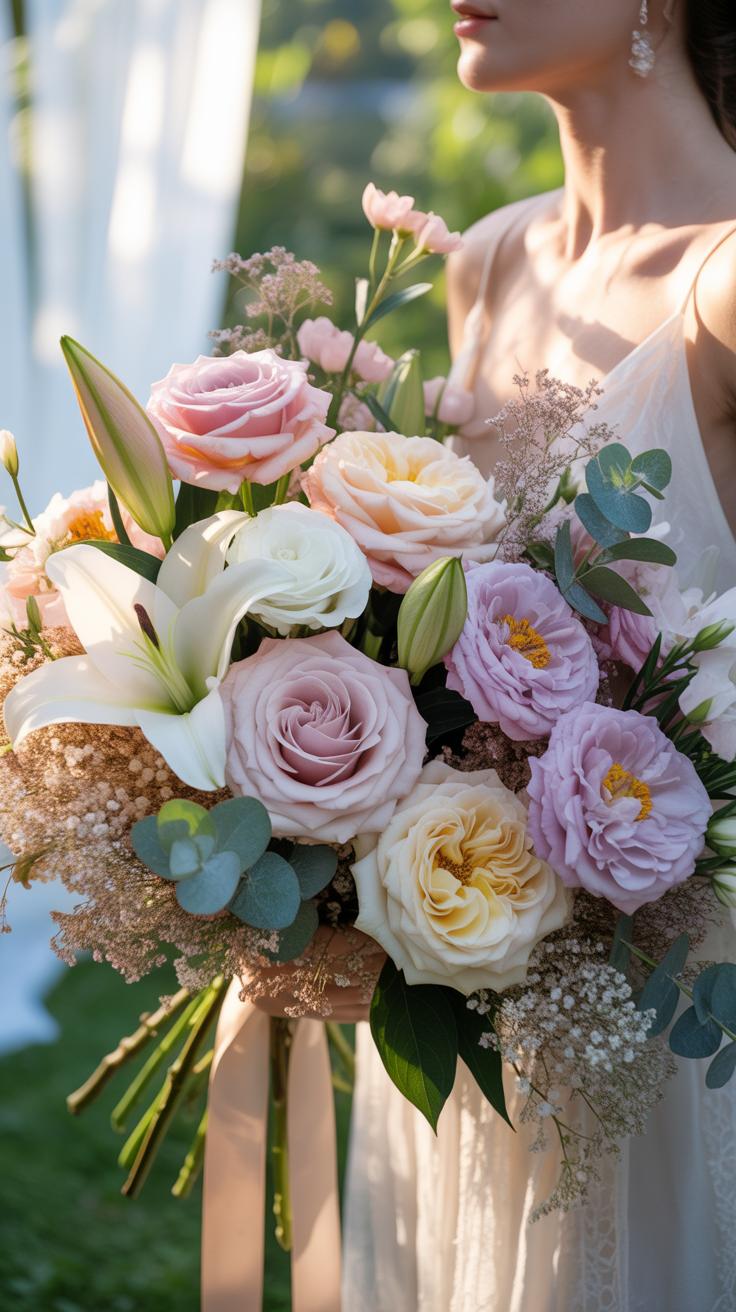
Best Flower Varieties That Naturally Grow On Long Stems
Select flowers with rigid and durable stalks. Long stem arrangements fail if the necks of the flowers droop under their own weight. Proper selection ensures the bouquet maintains its architectural height throughout the event. You must choose species bred for vertical growth. These varieties provide the structural integrity needed for hand tied designs. They resist gravity and maintain a clean profile.
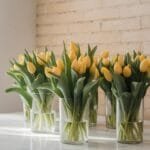
- French Tulips: These flowers differ from standard tulips because they have much longer and stronger stems. They continue to grow toward light even after being cut. This movement adds a dynamic quality to the arrangement. Their thick stalks support heavy heads without snapping or bending easily.
- Delphiniums: These provide natural height and a strong vertical line. Their stems are hollow but exceptionally sturdy once hydrated properly. They offer a spike formation that adds texture and scale to a long bouquet. Designers use them to establish the primary height of the display.
- Calla Lilies: Known for their smooth and thick stems. These flowers are highly flexible but hold their shape once positioned. They lack foliage on the stem which creates a minimalist look. Their durability makes them a primary choice for modern wedding styles.
- Long Stem Roses: Specifically grown for length and straightness. These roses have woody stems that provide excellent support for large blooms. They are the industry standard for traditional high end bouquets. You must strip the thorns to ensure the handle remains comfortable for the bride.
- Eremurus: Also called Fox Tail Lilies. These serve as a dramatic focal point due to their extreme length and taper. They carry hundreds of small flowers on a single robust stalk. Use these when you need to maximize the vertical impact of the design.
Woody and fibrous stems are easier to handle during construction. Herbs and soft stemmed field flowers usually lack the necessary height for this specific style. Prioritize varieties that offer at least eighteen to twenty four inches of usable length. Clean the bottom two thirds of every stem before you start. This prevents rot and keeps the water clear. Proper preparation leads to a professional finish.
Seasonal Considerations When Selecting Long Stem Blooms
Flower availability changes with the seasons and affects stem strength. Spring offers bulbs like tulips that have high water content and flexible stalks. Summer brings heat that can wilt tall flowers quickly if they are not hydrated. You must match your flower choice to the climate of the wedding date. Temperature and humidity dictate how long a tall arrangement stays upright and fresh.

Winter and autumn provide hardier varieties with thicker stems. These seasons favor roses and lilies that survive longer out of water. Always source locally when possible to reduce transit stress on the plants. Long stems are prone to snapping during shipping. Freshness directly impacts the structural success of the design. Evaluate the harvest schedule of your chosen blooms to ensure they reach peak height for your event.
How To Build A Simple Modern Bouquet From Scratch
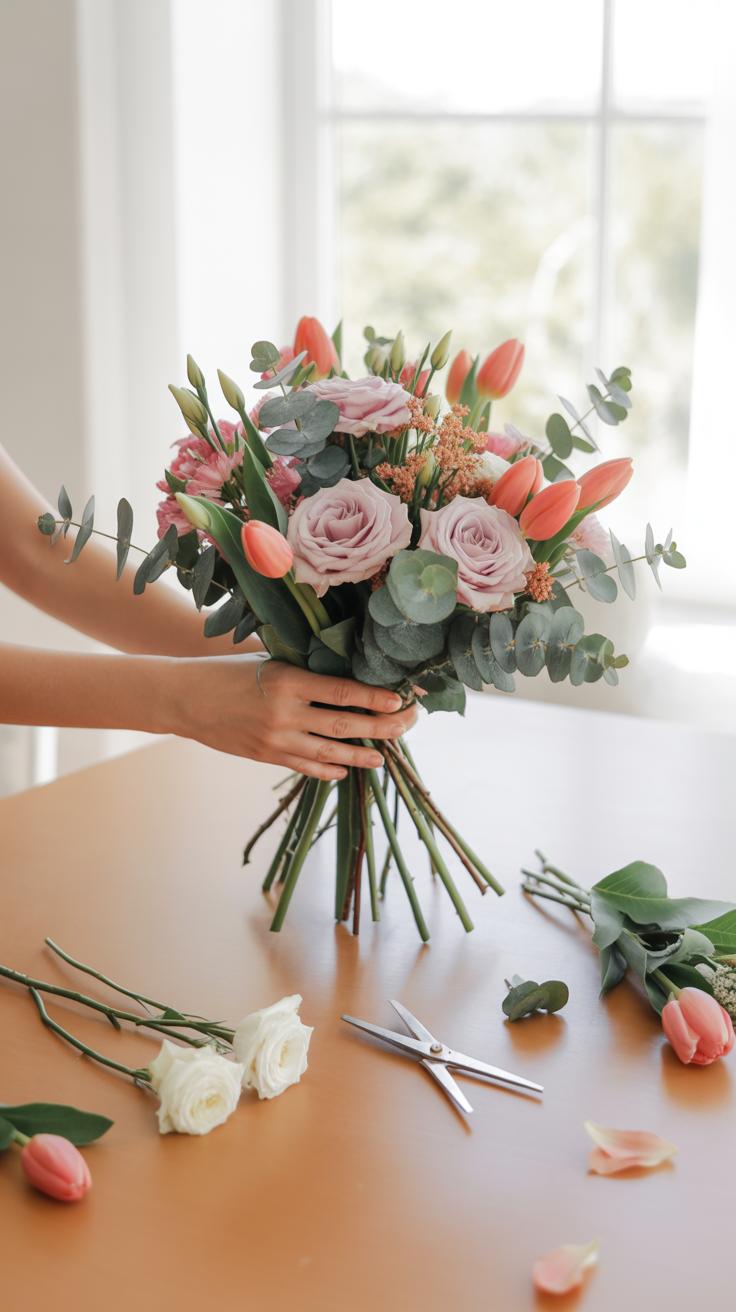
The Spiral Stem Technique: A Beginner Friendly Foundation Method
The spiral technique provides the structural framework for professional long stem bouquet styling. Hold the first stem vertically in your non-dominant hand. Place the second stem across the first at a slight angle. Add every subsequent stem in the same direction. Rotate the entire bundle as you work. This creates a stable mechanical core. It prevents stems from crushing each other while maintaining a broad shape.
A correct spiral allows you to adjust stem heights without pulling the whole arrangement apart. This method originated in European floral schools to ensure symmetry and volume. The crossing point of the stems is your fulcrum. Keep your grip loose to avoid snapping delicate fibers. Once finished, the bouquet should stand upright on its own stems. This confirms the balance and structural integrity of your build.
Balancing Proportion And Stem Length For A Polished Clean Look
Effective long stem bouquet styling requires strict adherence to the Golden Ratio. This mathematical principle dictates that the height of the flowers should be approximately one and a half times the height of the vase. Modern minimalist designs often push this further for dramatic effect. However, excessive length without support lead to drooping. You must match the stem thickness to the weight of the flower head.
Trim all foliage from the bottom half of every stem. Any leaves left below the water line will rot and spread bacteria. This keeps the water clear and extends the life of the blooms. Use sharp shears to make a forty five degree cut. This maximize the surface area for water intake. Consistent stem lengths create a level base. A clean finish communicates intent and technical skill.
Calla Lily Bouquet A BeginnerS Guide To Styling This Iconic Flower
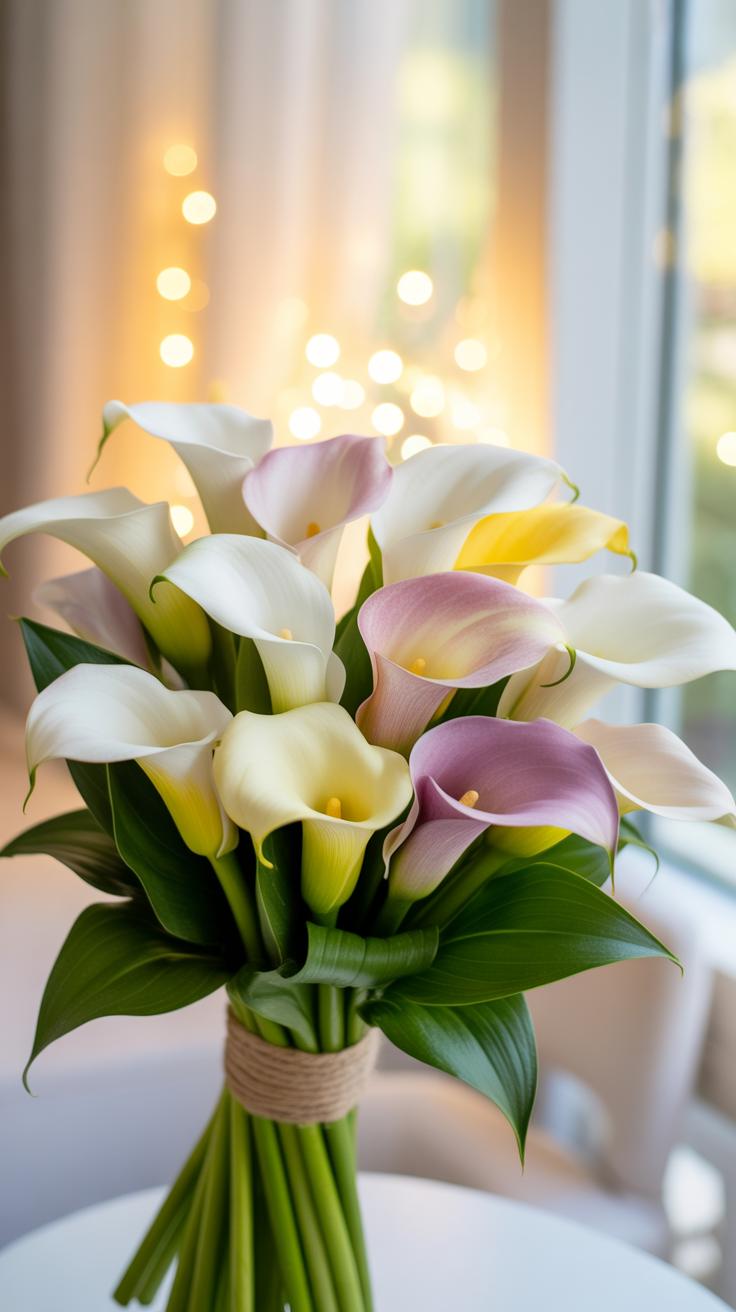
What Makes The Calla Lily A Standout Choice For Bridal Bouquets
Calla lilies dominate bridal design due to their unique structural form. Unlike most flowers with multiple petals, the calla lily consists of a single spathe that wraps around a central spadix. This simple anatomy creates a clean line that fits Art Deco and Modernist styles perfectly. Designers value the stem for its thick, succulent nature, which holds water well and maintains its shape during long ceremonies.
The flower offers high visual impact with very few stems. Its verticality streamlines the bride’s silhouette and provides a sophisticated alternative to round, crowded arrangements. Because the stems are flexible yet strong, they allow for architectural shaping that other flowers cannot handle. This botanical durability makes the calla lily a reliable choice for professional florists and beginners who need a flower that does not wilt easily.
How To Arrange A Classic Calla Bridal Bouquet With Minimal Effort
Efficiency is the priority when styling calla lilies. Start by hydrating the stems in deep water for several hours to make them pliable. Hold the stems at a single binding point about six inches below the blooms. Align the heads so they face the same direction or stagger them at slightly different heights to create a tiered look. This technique emphasizes the natural curves of the individual stems.
Secure the bundle tightly using waterproof floral tape to prevent the smooth stems from shifting. Wrap the handle with a heavy silk or satin ribbon to cover the tape, leaving the bottom two inches of the stems exposed. Cut the ends straight across with a sharp blade for a clean finish. This minimalist approach ensures the bouquet remains light and easy to carry throughout the wedding day without losing its structural integrity.
Brides Bouquet Ideas Styling Long Stems To Suit Every Wedding Theme
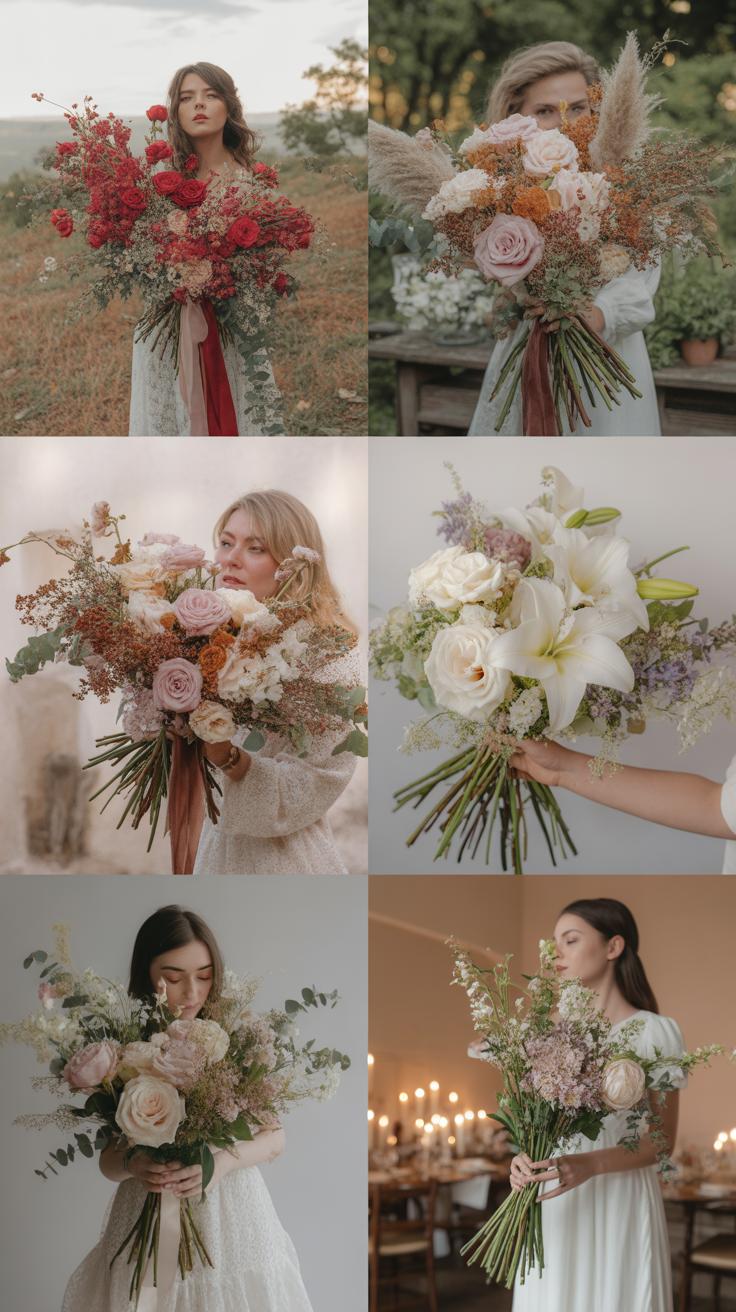
Romantic, Rustic, And Contemporary: Matching Bouquet Style To Wedding Vibe
Romantic themes require soft lines and movement. Use French tulips or long-stemmed peonies for this look. Keep the stems bound loosely with silk ribbon to allow natural swaying. This technique emphasizes the vertical growth of the flowers. It mimics the effortless gardens found in English estate designs. Focus on flowers that have a natural curve in their stems to avoid a stiff appearance.
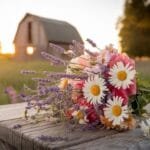
Rustic styles focus on raw textures and outdoor settings. Use sunflowers or gladiolus to achieve this effect. Leave the lower stems exposed to show the natural green color. Wrap the handle tightly with twine or burlap to provide a secure grip. This style works best with wildflowers that have thick stems. It fits barn or field weddings because it looks gathered rather than heavily manufactured.
Color Palette Tips For Long Stem Bridal Bouquets That Photograph Beautifully
Choose colors based on light contrast to ensure the bouquet stands out against the dress. White dresses pair best with deep greens and bold primary colors. Darker stems like calla lilies provide a sharp silhouette in photos. Avoid using only pale colors if the wedding is outdoors in bright sun. High contrast prevents the flowers from looking like a white blur in digital images.
Camera lenses flatten depth so use varying shades of one color to create dimension. Mix light pinks with dark burgundies to show the shape of each petal. The long stems act as a visual lead-in for the camera. Darker stem wraps can slim the appearance of the grip. Always test the colors under the specific lighting of your venue to ensure the hues remain accurate.
Embracing The Minimalistic Bouquet Less Is More In Modern Floral Design
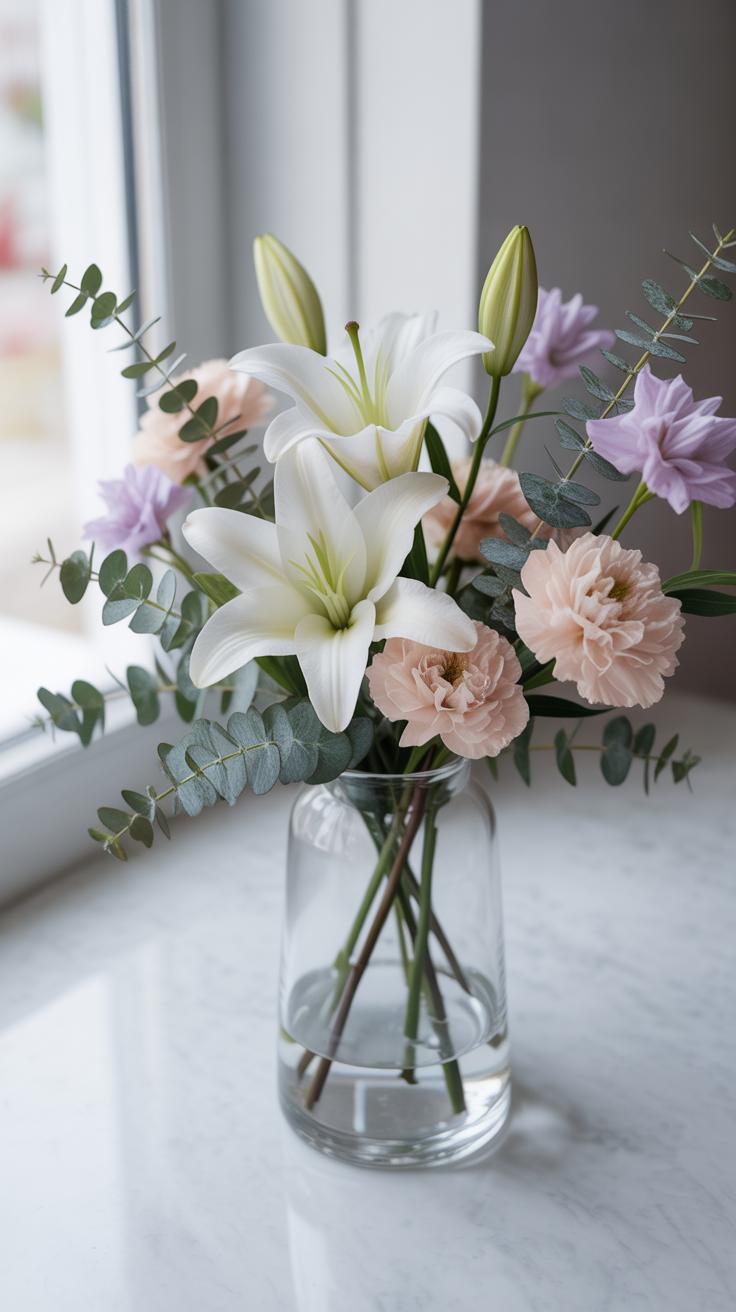
Why Minimalist Styling Continues To Dominate Wedding Floral Trends
Modern weddings now prioritize architectural lines over bulk. This trend stems from the Dutch Still Life movement and Japanese Ikebana. Designers focus on the individual form of each flower. Long stems create a visual path for the eye to follow. This approach highlights the natural curve of the plant. It eliminates the need for expensive fillers. Clean lines match the current demand for sleek and contemporary aesthetics.
Minimalism reduces physical weight for the person carrying the arrangement. Heavy bouquets cause fatigue during long ceremonies. A lighter design allows for easier movement and better posture. Professionals use this style to showcase high quality blooms. You cannot hide poor petals in a sparse arrangement. This forces a focus on premium sourcing. It also lowers the total stem count. Managers use this strategy to control costs while maintaining high impact.
Earth laughs in flowers, and arranging them simply is like capturing a piece of childhood summer in a tall glass jar.
How To Add Texture And Interest Without Overcrowding A Minimalistic Arrangement
Texture comes from varied surface materials rather than more flowers. Use stems with different skin types like smooth tulip stems against woody branches. Contrast a soft petal with a rough seed pod or a waxy leaf. This creates depth through tactile variety. The goal is to stimulate the eye through diversity of shape. Keep the color palette tight to ensure the focus remains on these structural differences.
Negative space acts as a design element itself. Leave gaps between stems to define their silhouettes. Use height to your advantage by staggering the placement of each head. This prevents a flat appearance. Incorporate dried elements like bleached ferns or grasses for a matte finish. Place these near glossy live foliage. This juxtaposition provides visual interest without adding bulk. Mastery of these small details ensures the final product looks intentional.
The One Stem Bouquet Making A Bold Statement With A Single Bloom
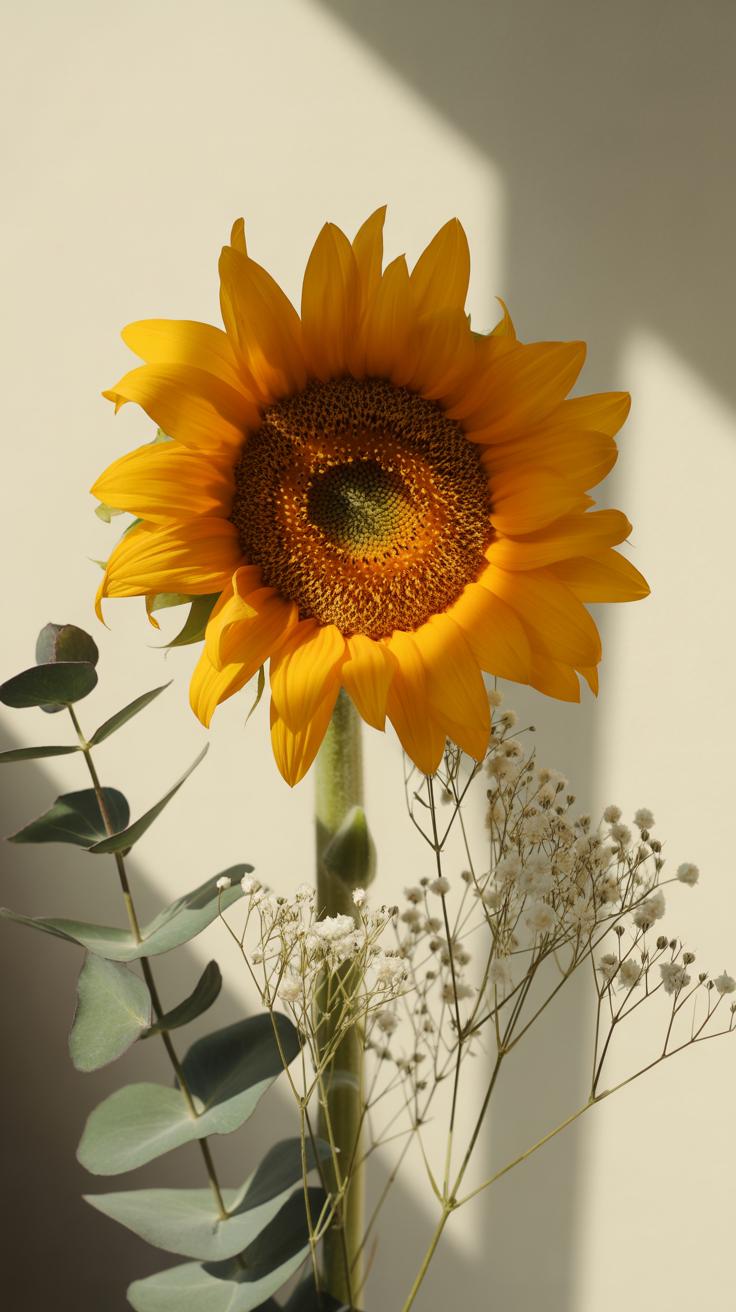
When A Single Stem Says Everything: Occasions Suited For One Flower Bouquets
The single stem bouquet functions as a sharp, minimalist statement in modern floral design. It removes the clutter of filler greens to focus on the geometric form of a solitary bloom. This style aligns with Japanese Ikebana principles where negative space holds as much value as the plant itself. Use this approach for formal architectural events or professional settings where visual noise is a distraction.
Highly structured flowers like the Calla Lily, Protea, or long-stemmed Rose perform best in this format. These blooms carry enough visual weight to stand alone without looking sparse. Select the single stem for intimate gestures like first dates or refined corporate gifts. It conveys a specific message of singular focus and intentionality. The strategy relies on the quality of the individual specimen rather than bulk quantity.
Styling And Wrapping Techniques That Elevate A Single Stem Into Something Special
Success with a single stem depends on the structural support and the exterior wrap. You must treat the stem as a vertical sculpture. Use heavy-gauge wire if the neck of the flower needs reinforcement for a straight profile. The wrap provides the necessary bulk to make the gift feel substantial. Choose high-quality materials like heavy kraft paper or stiff linen to create a crisp architectural frame.
- Spiral Paper Fold: Use a square of thick paper and fold it asymmetrically. Place the stem in the center crease to create a sharp diagonal line. This technique mimics the professional presentation found in high-end Parisian flower shops.
- Internal Water Tube: Attachment of a plastic water phial is mandatory for long-term freshness. Conceal this tube within the wrapping layers. It allows the recipient to display the bloom immediately without an immediate need for a vase.
- Monochromatic Ribbon Tie: Use a wide grosgrain or velvet ribbon in a color that matches the bloom exactly. Tie a flat knot rather than a traditional bow. This keeps the look modern and prevents the design from appearing too feminine or dated.
- Stem Sculpting: Remove every leaf and thorn from the bottom two-thirds of the stem. A clean, polished stalk is essential for the minimalist aesthetic. Any remaining foliage must be pristine and free of brown spots or insect damage.
- Corrugated Cardboard Guard: Wrap a thin strip of corrugated cardboard around the base of the stem. This provides a rigid handle and protects the flower from heat transfer from the hand. It adds a professional, industrial texture to the final presentation.
Precision is your only tool when working with one flower. Check the petals for any bruises or irregularities under bright light. One flaw destroys the entire impact of the design. Ensure the wrap height reaches exactly two-thirds up the stem for proper visual balance. This ratio follows the Golden Thread rule of design. It creates a silhouette that looks deliberate and expensive rather than unfinished.
Modern Minimalist Bouquet Styling Clean Lines Intentional Choices
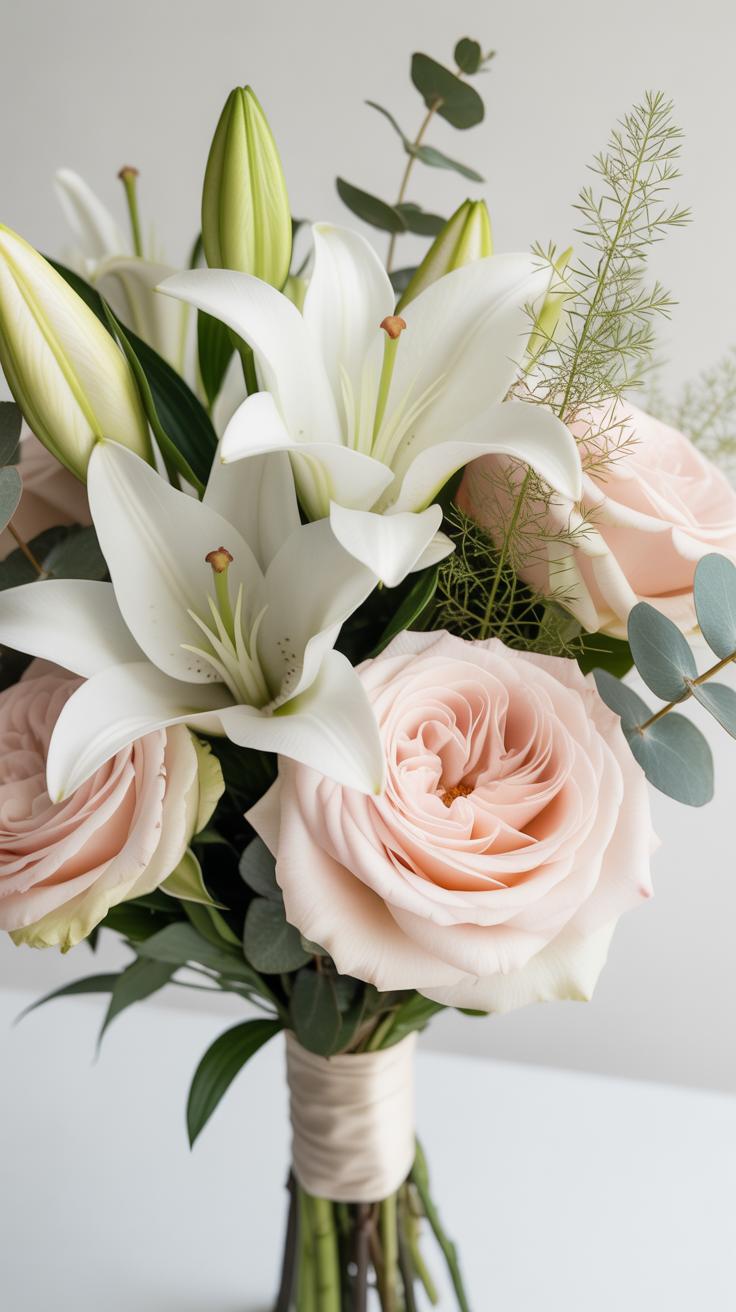
Understanding The Design Principles Behind A True Modern Minimalist Bouquet
Modern minimalism stems from the mid-twentieth century schools of design. This style rejects excess and decorative clutter. In floral work, you focus on the structural integrity of every stem. You must choose flowers with strong, straight lines. Minimalist styling relies on the concept of “less but better.” You treat each bloom as a sculptural object rather than a filler component.
Precision is the primary requirement for this technique. You must align stems parallel to one another or at exact angles. Avoid the traditional rounded mound shape. Instead, create asymmetrical heights that guide the eye toward a single focal point. Use monochromatic color schemes to reduce visual noise. This approach highlights the natural texture of the petals and the architecture of the long stems.
Greenery, Negative Space, And The Art Of Restraint In Long Stem Arrangements
Negative space is the empty area between stems. It is a physical design element, not just a gap. In minimalist long stem styling, you use space to define shape. Too many flowers ruin the effect. You must allow air and light to pass through the arrangement. This creates a sense of calm and order. Empty space makes the included stems look more powerful.
Greenery should be structural rather than lush. Select hard-leafed varieties like Monstera or Eucalyptus that hold their form. Avoid soft, trailing vines that break the clean vertical lines. Limit your selection to two or three types of material maximum. Restraint requires you to remove any leaf that distracts from the silhouette. Cut stems at varying lengths to create depth without adding bulk to the bouquet base.
Essential Tools And Finishing Touches For Long Stem Bouquet Styling
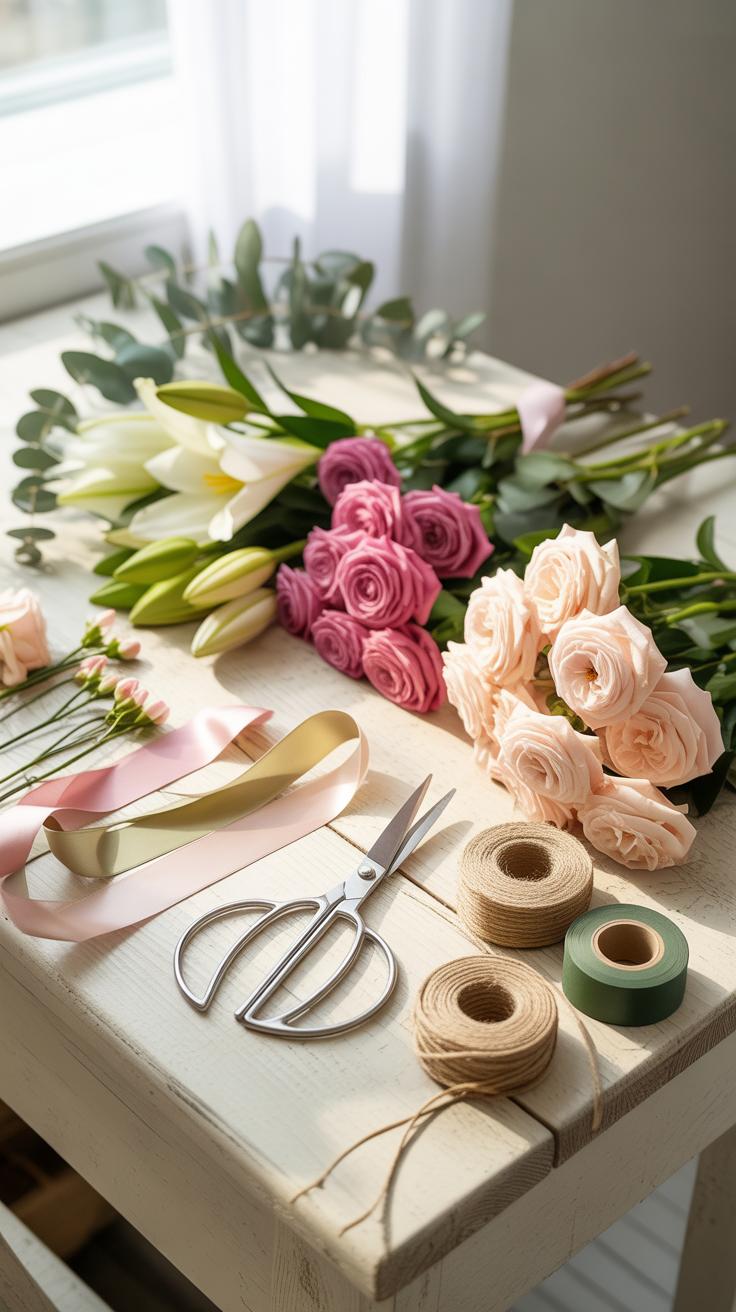
Stem Wrapping, Ribbon Tying, And Securing Methods Every Beginner Should Know
Professional mechanics start with waterproof floral tape. Bind the stems at the natural binding point to keep the structure rigid. Do not wrap too low or you will block water intake. Use high-quality shears to cut all stems to a uniform length. This creates a clean base for the final wrap. Ensure the tape is tight enough to prevent stem rotation during movement.
Choose silk or grosgrain ribbon for the finished look. Secure the ribbon end with a pearl-headed pin pushed upward into the stems. This prevents the pin from scratching the person holding the bouquet. Wrap the ribbon tightly to avoid slippage. Leave the bottom inch of the stems exposed. This allows the flowers to breathe and drink water when sitting in a vase during the event.
How To Keep Long Stem Bouquets Fresh From Styling Through The Wedding Day
Proper hydration is the most critical factor for long stems. Cut stems at a forty-five degree angle under lukewarm water. This increases the surface area for water absorption. Use professional floral food to provide glucose and prevent bacteria growth. Store the finished bouquet in a cool, dark room away from fruit or ripening plants. These items release ethylene gas which kills flowers quickly.
Use a hydration spray on the flower heads to lock in moisture. This is vital for thin-petaled varieties like sweet peas or lilies. Keep the stems in a clean glass vase until the exact moment of use. Mist the bouquet lightly every three hours. Avoid high-traffic areas where drafts could dry out the foliage. Consistent temperature control ensures the bouquet looks crisp for the entire wedding ceremony.
Frequently Asked Questions

What are the most important things for a beginner to know about long stem bouquet styling?
The foundation of long stem bouquet styling is understanding proportions and support. Beginners should start by selecting a tall, heavy-bottomed vase to prevent tipping. Always remove any foliage that sits below the water line to keep the stems healthy. Focus on creating a stable framework by crisscrossing your primary stems first. This simple structural technique provides the support needed to keep your taller blooms standing upright and looking professionally arranged.
How do I keep my long stems from drooping or falling over in the vase?
To master long stem bouquet styling, use the “grid method” or the “spiral technique.” You can create a grid across the mouth of your vase using clear floral tape to hold each stem in place. Alternatively, adding sturdy greenery like eucalyptus or branches creates a natural nest that supports heavier flowers. These methods ensure your arrangement maintains its height and elegant silhouette without the stems splaying outward or drooping over the edge.
Can I achieve a high-end look with long stems on a limited budget?
Absolutely! You can create a stunning luxury look by choosing a single variety of inexpensive long-stemmed flowers, such as carnations or gladiolus, rather than a complex mix. Using monochromatic colors creates an intentional, high-design feel. Additionally, foraging for long branches or tall grasses from your own backyard can add impressive height and architectural interest to your display without spending a dime on extra fillers from a professional florist.