What Makes A Wildflower Bouquet So Uniquely Charming
The Natural Appeal Of An Unstructured Wild Flower Bouquet
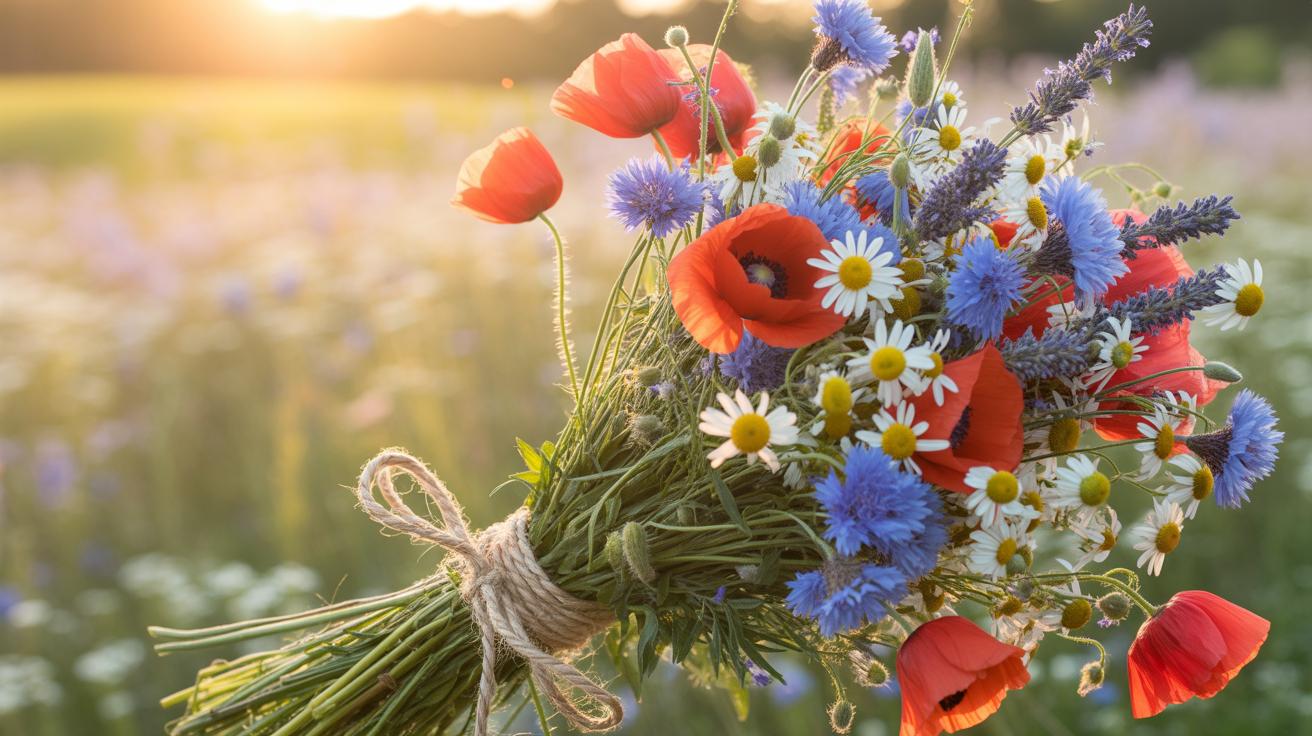
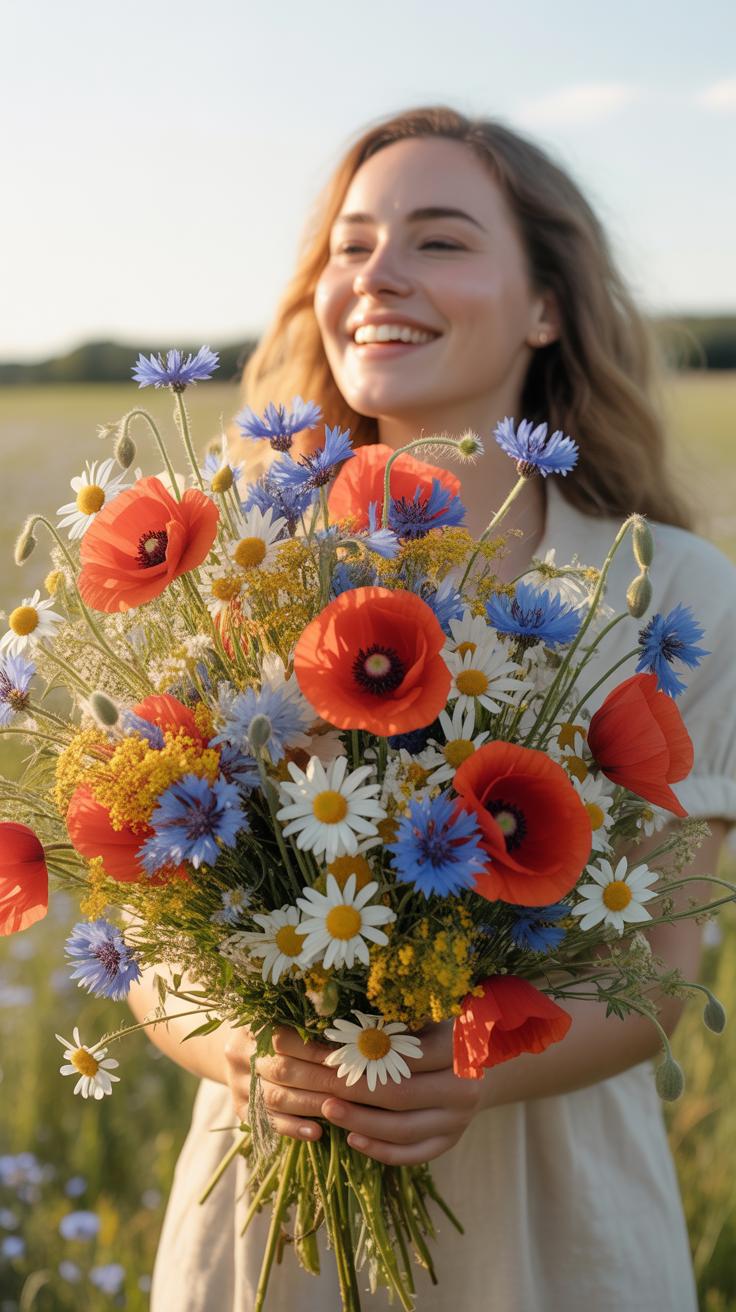
Unstructured wildflower bouquets find their roots in the English cottage garden movement. This style rejects the rigid geometric shapes of formal Victorian displays. It focuses on the natural growth patterns of plants. You prioritize movement and varied stem lengths over symmetry. This approach creates a sense of place. It suggests the flowers were gathered directly from a local field or meadow.
Tactical appeal lies in the intentional use of negative space. These bouquets do not look crowded or dense. Air flows between the blooms. This allows the eye to see individual flower heads and delicate stems. You choose plants based on their seasonal availability. This makes each arrangement time-sensitive and authentic. The lack of a central focal point encourages the viewer to explore the whole design.
How Wildflower Bouquets Differ From Traditional Floral Arrangements
Traditional floral arrangements rely on specific tiers. Designers use primary focal flowers, secondary fillers, and foliage. They often use floral foam to lock stems into static positions. These designs prioritize a 360-degree perfect view or a flat back for wall placement. They use uniform bloom sizes and consistent colors. This creates a predictable and controlled aesthetic suitable for formal events and commercial sales.
Wildflower styling ignores these rigid tiers. You use the spiral hand-tied technique to allow for organic movement. Stems cross at a single point to create a natural flare. You combine varying textures like prickly seed heads and soft petals. Traditional floristry often strips all leaves. In wildflower styling, you keep some foliage to maintain a raw look. The result is a dynamic arrangement that changes as buds open.

Best Wildflowers To Include In Your Wild Flowers Bouquet
Common Wildflower Varieties That Work Well Together In A Bouquet
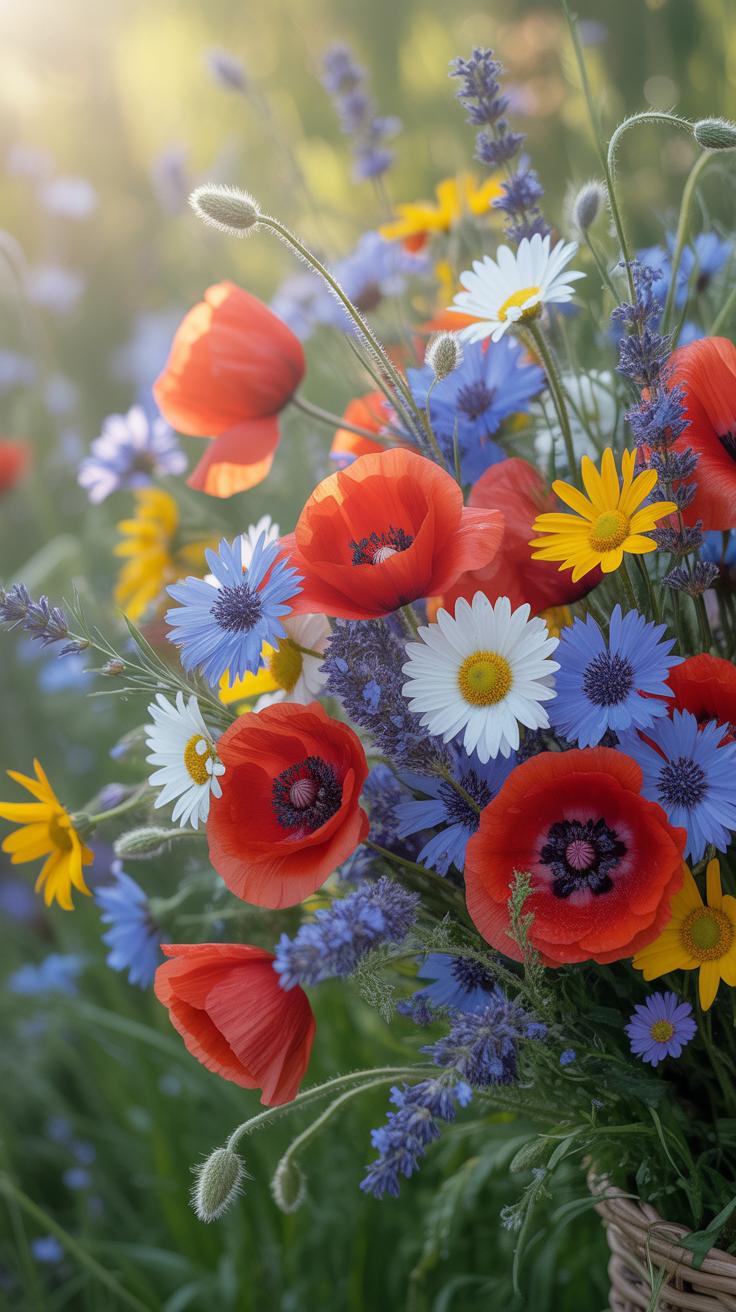
Effective wildflower bouquet styling requires a mix of focal points, fillers, and textures. You must select species that share a similar water uptake rate to prevent premature wilting. Combine thick-stemmed flowers with airy grasses to create structural integrity. Successful arrangements mimic natural meadow growth by layering different heights and shapes. Use primary blooms to establish the visual weight before adding delicate supporting elements.
- Queen Anne’s Lace: These flat white umbels provide essential lace-like texture and act as a structural filler. The sturdy stems support smaller flowers while filling large gaps in the arrangement. They create a neutral backdrop that makes colorful primary blooms stand out.
- Black-Eyed Susans: These bright yellow flowers serve as bold focal points due to their dark centers and high contrast. They come from the Rudbeckia family and possess rugged stems that withstand heavy handling. Their golden petals provide warmth and visual weight to any rustic display.
- Wild Bergamot: Also known as Bee Balm, these shaggy purple flowers add an unconventional shape to your bouquet. They provide a distinct lavender hue and a pleasant herbal scent. The unique petal structure introduces a wild, unrefined aesthetic that breaks up standard floral patterns.
- Goldenrod: This plant offers dense clusters of tiny yellow flowers that provide vertical movement and volume. It acts as a natural plume to extend the reach of your bouquet. The stiff stems make it an excellent choice for stabilizing floppier species in the vase.
- Common Yarrow: This hardy perennial features flat-topped flower heads that come in white, yellow, or pink. Its feathery foliage adds a secondary green texture without the need for extra greenery. The clusters are extremely durable and hold their shape long after they are cut.
Balance these varieties by placing the heaviest heads near the center of the bunch. Use the Yarrow and Queen Anne’s Lace to lock thinner stems in place. This technique prevents the arrangement from shifting during transport or display. Always remove leaves that sit below the water line to stop bacterial growth. Proper selection of these common species ensures the bouquet remains fresh and visually cohesive.
Choosing Flowers Based On Season, Color, And Stem Strength
Seasonal availability dictates the lifespan and local authenticity of your arrangement. Spring wildflowers like Bluebells have soft stems that require gentle handling and frequent water changes. Summer species such as Coneflowers offer much higher heat tolerance and rigid stalks. Select flowers that are currently in bloom in your specific hardiness zone to ensure they have reached full maturity and maximum nectar strength.

Stem strength determines how you must build the foundation of the bouquet. Woody stems support the weight of the entire bunch and prevent the arrangement from collapsing. Pair high-contrast colors like purple and yellow to create immediate visual impact. Focus on monochromatic schemes for a more modern and curated look. Always test the rigidity of the neck before cutting to ensure the flower head will not droop immediately.
Essential Tools And Materials For Wildflower Arrangements At Home
What You Need Before You Start Assembling Your Arrangement
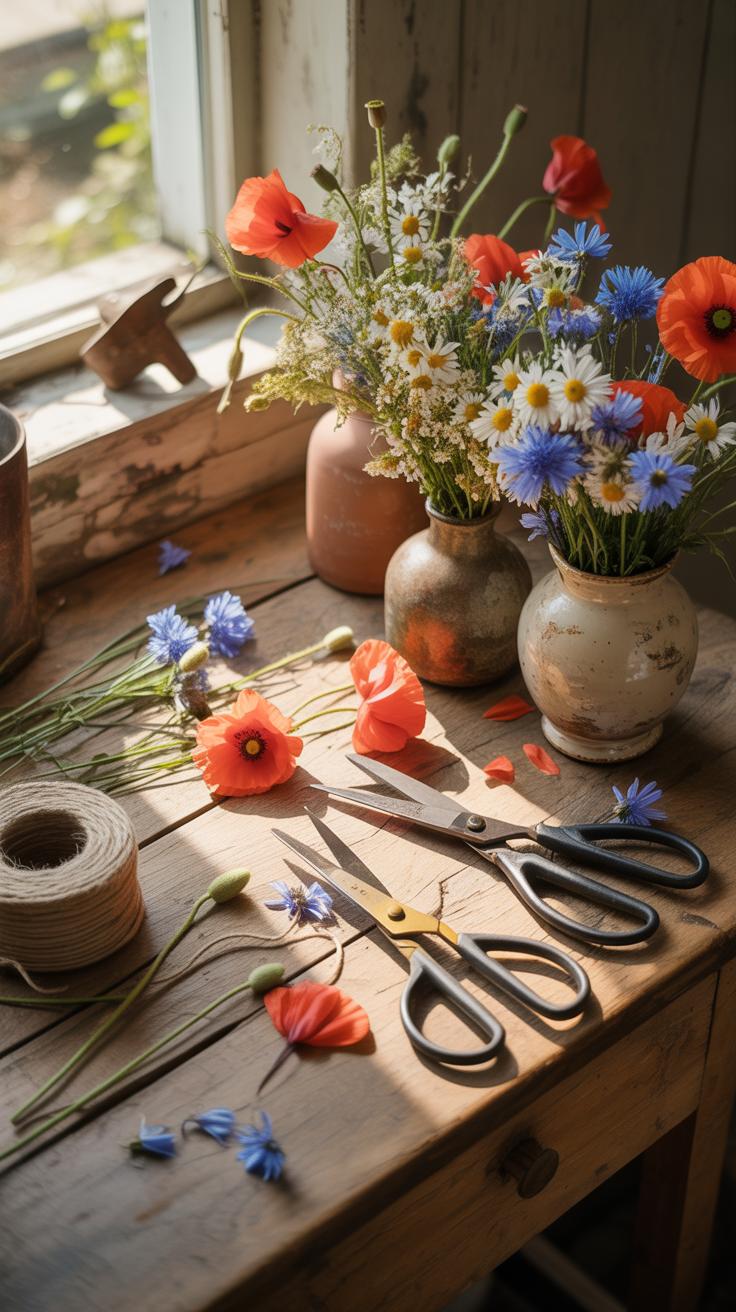
Successful wildflower styling requires sharp tools and clean vessels to prevent rapid decay. Raw stems from the field often carry more debris than greenhouse flowers. You must gather items that handle thick stalks and delicate petals with equal precision. High carbon steel blades provide the cleanest cuts without crushing the vascular tissue. Preparation ensures the arrangement stays upright and hydrated after assembly.
- Floral Shears: Use bypass shears rather than anvil styles to ensure a clean snip. This prevents crushing the stem and blocking water intake. High quality steel maintains a sharp edge for repeated use on woody wildflower varieties.
- Clean Vessel: Select a glass or ceramic container scrubbed with bleach to kill residual bacteria. Bacteria clog stem vessels and cause premature wilting in wild species. The neck size should dictate the volume of your bouquet for proper support.
- Floral Tape: Waterproof green tape creates a grid across the mouth of the vase. This grid holds thin wild stems in place and allows for precise directional placement. It provides structural integrity for top-heavy blooms like queen anne’s lace or goldenrod.
- Chicken Wire: Fold a small piece of coated wire into the vase as a sustainable alternative to floral foam. It offers better mechanical grip for heavy branches and allows for easy water changes. This technique follows traditional floristry methods used before synthetic foams existed.
- Stripping Tool: A dedicated stem stripper or a clean rag removes lower foliage quickly. Removing leaves that sit below the water line prevents rot and foul odors. This simple step keeps the water clear and expands the life of the arrangement.
Organization of these materials prevents damage to the delicate flora during the build process. Place your heavy tools on a flat surface away from your water source to avoid rust. Keep your workspace cool and out of direct sun while you prepare the mechanics. Having everything within reach allows you to focus on the balance and height of the wildflower stems.
How To Condition Your Stems For A Longer Lasting Wildflower Display
Conditioning is the process of hydrating stems to maximize their shelf life inside a home. Immediately after cutting wildflowers, you must plunge the stems into lukewarm water. This temperature helps the plant absorb moisture faster than cold water. Remove all foliage that falls below the water level to stop bacterial growth. Bacteria are the primary cause of flower death in home arrangements.

Recut the stems at a forty five degree angle while they are submerged or under running water. This prevents air bubbles from entering the stem and creating a blockage. For woody stems, a vertical slit at the base increases the surface area for water intake. Keep the prepared flowers in a cool, dark room for several hours before styling them. This rest period hardens the blooms and strengthens the stems for use.
Step By Step Guide To Styling A Cottage Bouquet With Wildflowers
How To Build The Shape And Structure Of A Loose Cottage Bouquet
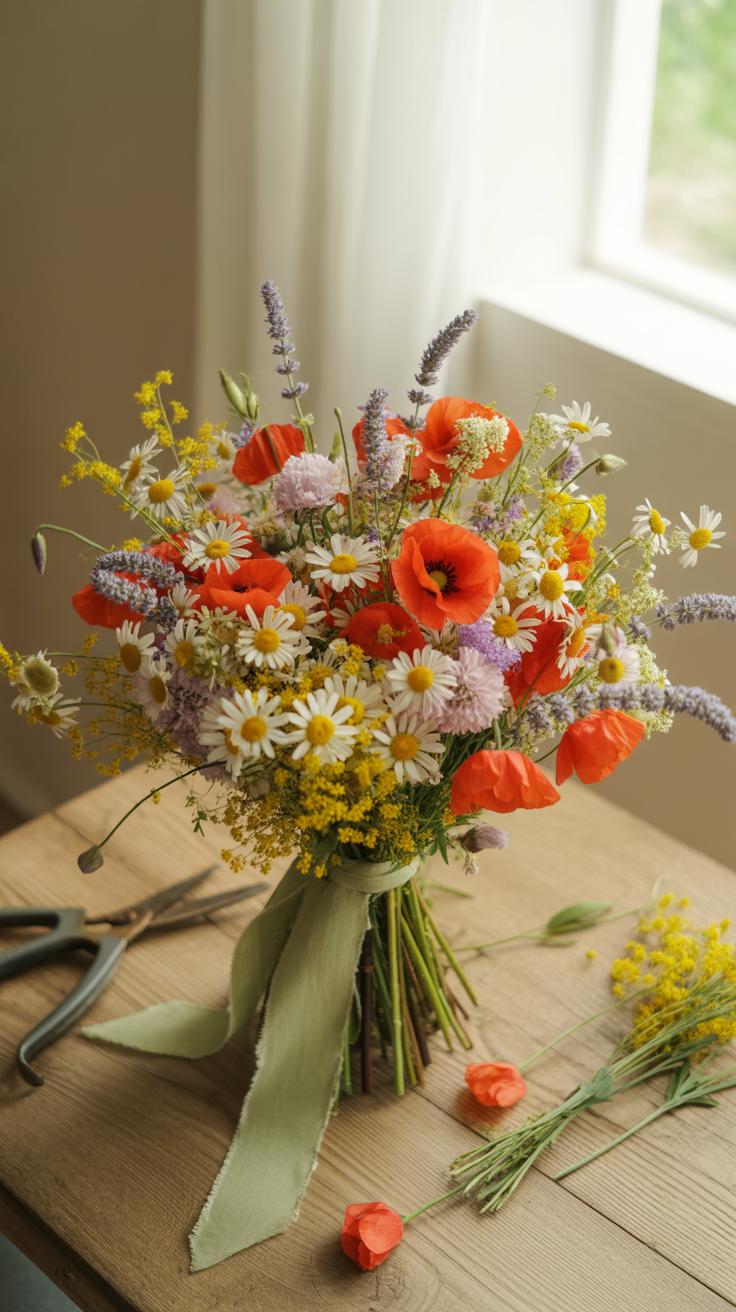
Effective Wildflower Bouquet Styling relies on a solid structural foundation rather than random placement. Start by creating a grid or tripod using woody stems or sturdy greens. Use branches like willow or stiff grasses to define the boundary of the arrangement. This frame supports the softer stems of field flowers. Keep the center open to avoid a dense and cluttered core.
Position your primary focal flowers next within this established frame. Place these blooms at varying depths to create three-dimensional movement. Traditional cottage styling avoids strict symmetry. Aim for a triangular or asymmetrical silhouette to mimic natural growth. Ensure every stem reaches the water source directly. Secure the base with twine or floral wire to maintain the intended shape during transport or display.
Layering Textures And Heights To Create A Full, Garden Gathered Look
Texture drives the visual interest in a garden-style arrangement. Mix fine textures like Queen Anne’s Lace with solid, round forms like Zinnias or Daisies. Contrast helps the eye move across the bouquet. Use airy fillers to bridge the gaps between heavy blooms. This technique creates a sense of depth and volume without requiring a high stem count. It ensures the bouquet looks professional.
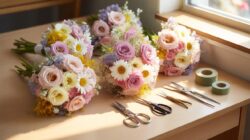
Vary the height of each stem to achieve a gathered aesthetic. Avoid cutting all flowers to the same length. Taller, spindly elements should break the top line of the arrangement. Lower, heavier blooms provide a visual anchor near the rim of the vase. This staggered height approach mimics a meadow. It allows each individual species to stand out. Proper layering prevents the bouquet from looking flat or artificial.
Styling Wildflower Bridal Bouquets For A Romantic Wedding Day
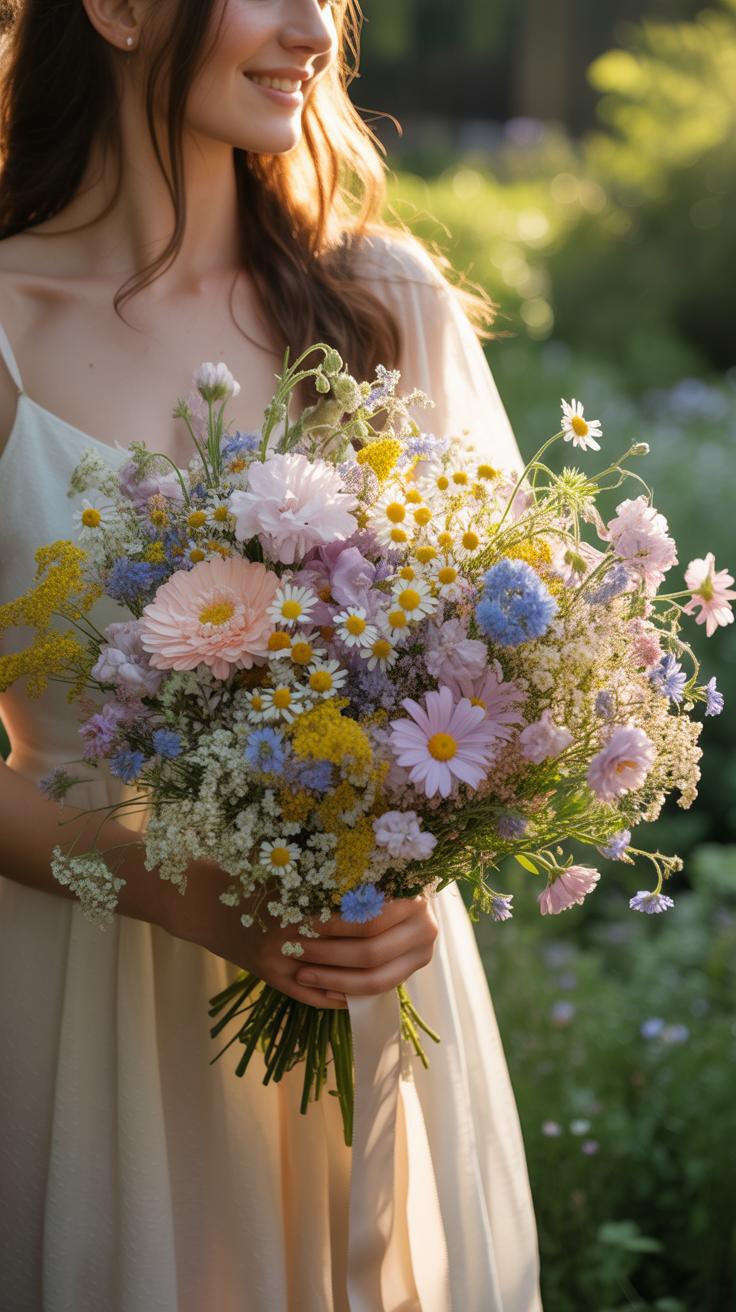
Why Brides Are Choosing A Bridal Bouquet Wildflower Style Over Formal Designs
Modern brides reject the stiff geometry of traditional formal bouquets. These rigid designs often use excessive floral foam and wire. Wildflower styling offers a natural movement that matches current outdoor and rustic wedding trends. This approach prioritizes the individual character of each stem. Brides value the authenticity of local blooms over mass-produced imports. The shift reflects a desire for sustainability and personality.
Tactically, this style allows for more diverse textures and colors. Formal arrangements often stick to one or two flower types. Wildflower bouquets utilize varying heights and shapes to create visual depth. This diversity makes the bouquet look better in high-definition photography. It also lowers costs by using seasonal plants instead of forced hothouse flowers. Choosing this style demonstrates a strategic focus on natural aesthetics over synthetic perfection.
How To Keep Wildflower Bridal Bouquets Fresh From Morning To Reception
Wildflowers lack the hardy lifespan of commercial roses or lilies. They require immediate hydration to prevent drooping before the ceremony. Cut stems at a forty-five-degree angle using sharp shears. This increases the surface area for water intake. Store the bouquet in a cool, dark place until the moment you walk down the aisle. Use a clean vessel with room-temperature water mixed with floral food.
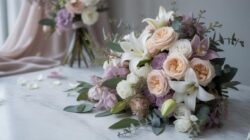
Control the environment during the wedding day to extend bloom life. Keep the bouquet away from direct sunlight and heat vents. Mist the petals lightly with a fine spray bottle if the air is dry. Re-cut the stems by half an inch before placing them in water at the reception table. These simple mechanical steps ensure the flowers remain turgid and vibrant. Practical maintenance saves the bouquet for the final photographs.
Creating A Beautiful Summer Wildflower Wedding Aesthetic On Any Budget
Sourcing Affordable Blooms For A Summer Wildflower Wedding Celebration
Low costs require strategic timing and local sourcing. Select flowers that peak during your wedding month. Queen Anne’s Lace and Bachelor’s Buttons grow rapidly in summer heat. These varieties cost less because they require fewer resources to cultivate. Contact local flower farms instead of traditional wholesalers. Many farms offer buckets of loose stems at a flat rate. This method eliminates high markup fees.
Combine premium stems with foraged greenery to balance your budget. Focus on sturdy filler plants like Goldenrod or Yarrow. These species provide structural support and volume for very little money. Avoid delicate imports that require overnight shipping and refrigeration. Transport expenses drive up prices and kill margins. Source your materials within 50 miles of your venue. Local flowers stay fresh longer and survive the summer humidity.
Pairing Wildflower Bouquets With Rustic And Bohemian Wedding DéCor
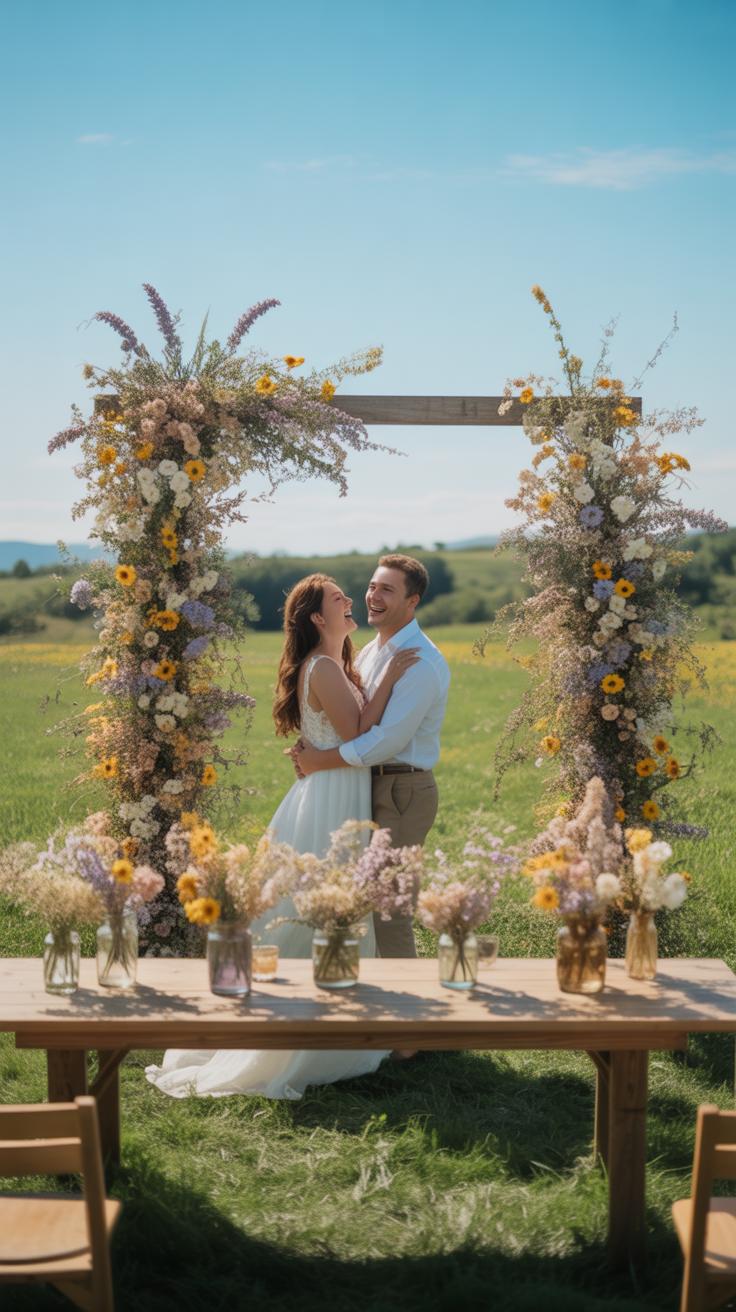
Successful styling matches textures across the entire venue. Use raw materials like linen, wood, and galvanized metal. These elements reflect the natural origins of wildflowers. Do not use plastic or high-shine finishes. They clash with the organic shape of the blooms. Neutral tones allow the various colors in the bouquet to stand out. Keep the containers simple to avoid distracting guests from the flowers.

Position your arrangements in clusters to maximize visual impact. Place larger bundles at focal points like the altar or entrance. Use smaller stems in vintage glass jars for table settings. This creates a cohesive look without extra effort. Ensure the height of the flowers does not block sight lines. Tactically placing wildflowers near natural light sources enhances their appearance. Stick to a consistent color palette to maintain a professional look.
How To Style Fresh May Flower Bouquets For Spring Occasions
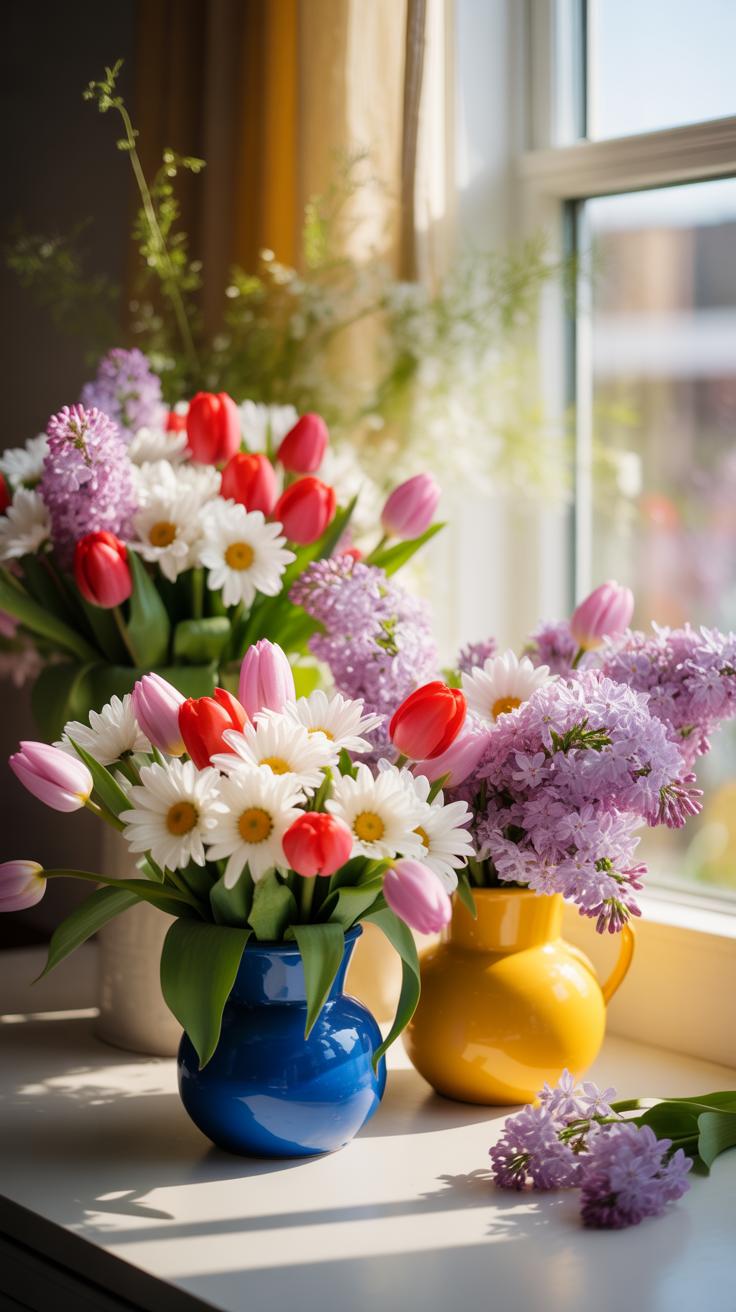
Which Spring Blooms To Pair Together In May Flower Bouquets
Select May blooms based on stem strength and water uptake compatibility. Pair focal flowers like Ranunculus and Peonies with airy fillers like Ammi majus. These species peak in late spring across temperate zones. Ensure you strip leaves that fall below the water line. This prevents bacterial growth that kills delicate spring petals. Maintain a balance between heavy heads and fine textures for structural integrity.
Integrate woody stems such as Lilac or Mock Orange to provide a natural scaffold. These flowering shrubs offer height and a strong base for softer wildflowers. Use the radial construction technique to cross stems at a central point. This creates a stable frame for smaller species like Forget-Me-Nots. Proper pairing ensures the bouquet holds its shape without external support. Focus on species that bloom simultaneously to guarantee freshness.
Earth laughs in flowers, and any hand can gather that joy into a simple jar.
Displaying And Gifting May Flower Bouquets For Seasonal Celebrations
Choose heavy glass or ceramic vessels to support top-heavy spring arrangements. Use the Dutch Still Life method by placing the largest blooms first at the rim. This lowers the center of gravity and prevents tipping. For outdoor events, avoid direct sunlight and wind. High temperatures cause rapid wilting in thin-petaled May flowers. Fresh water changes every twenty-four hours will extend the display life significantly.
Use wet brown paper or reusable glass jars for gifting transport. Avoid plastic wraps that trap heat and accelerate decay. Secure the stems with natural twine or raffia to maintain the design during movement. Provide clear care instructions regarding stem trimming and water needs. Gifting local wildflowers supports sustainable practices and reduces transport damage. Proper presentation ensures the recipient receives a healthy and structurally sound arrangement for their celebration.
Wildflower Bouquet Styling Tips For Beginners And Everyday Use
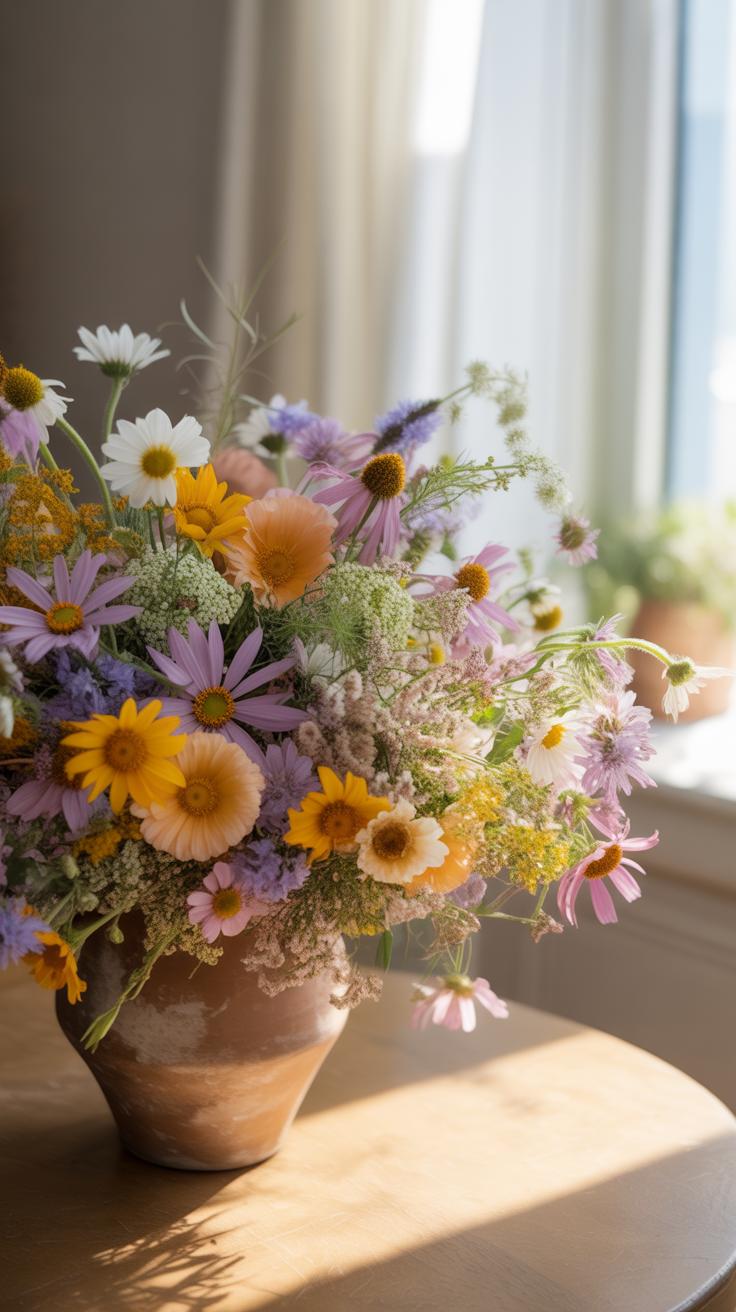
Simple Everyday Styling Habits That Elevate Any Wild Flower Bouquet
Mastering wildflower bouquet styling starts with structural integrity. Always strip foliage from the bottom two thirds of every stem. Submerged leaves rot quickly and breed bacteria that kill flowers. This habit keeps the water clear and extends the life of the arrangement. Use clean shears to cut stems at a sharp angle. This increases the surface area for water intake and prevents the stem from sitting flat.
Proper vessel selection dictates the final look of your bouquet. Use a narrow neck bottle to support thin or flimsy stems. This prevents the arrangement from splaying outward and looking messy. If you use a wide mouth jar, create a grid with clear florist tape across the opening. This technique mimics the Japanese Ikebana style by holding individual stems in place. It ensures the bouquet maintains a balanced and intentional shape.
Common Mistakes To Avoid When Arranging Wildflowers At Home
Overcrowding stems is a frequent error that ruins the natural aesthetic. Wildflowers need air circulation to prevent mold and petal drop. Cramming too many flowers into a small vase crushes delicate stems and obscures unique textures. Strategic spacing allows each specimen to stand out. Leave room for the eye to move through the arrangement. This creates a sense of depth and mimics how these plants grow in nature.
Inconsistent stem lengths create a flat and amateur appearance. Avoid cutting all flowers to the same height. This mistake hides smaller blooms and removes visual interest. Vary the heights to create a tiered effect. Place heavier, larger blooms lower in the vase to establish a visual center of gravity. Position lighter, airy fillers and grasses at the top. This vertical layering ensures every flower remains visible and the bouquet looks dynamic.
Frequently Asked Questions

How can a beginner make a hand-picked bunch look professional?
The secret to professional wildflower bouquet styling is focusing on varied heights and textures. Start by stripping any leaves that will sit below the waterline to keep the display clean. Arrange your sturdiest stems first to create a structural framework, then tuck in delicate blooms at different angles. This layered approach creates an effortless, “just-gathered” aesthetic that looks curated rather than cluttered, even if you are a total novice.
What is the best way to arrange wildflowers in a vase?
For successful wildflower bouquet styling, use the “criss-cross” method. Place your stems into the vase at diagonal angles to create a natural grid that supports the flowers. Always place larger focal flowers near the center and allow wispy fillers or grasses to spill over the edges. This technique ensures the arrangement feels airy and organic, mimicking how these beautiful blossoms actually grow together in an open meadow.
Do I need expensive tools or designer vases to style wildflowers?
Not at all! One of the best parts of working with local blooms is their rustic charm. You can achieve beautiful results using repurposed items like mason jars, vintage milk bottles, or even ceramic pitchers found at thrift stores. Since the flowers are often free or forageable, you can focus your small budget on a simple pair of floral shears to ensure clean cuts, which helps your natural arrangement stay fresh longer.