What Is Flower Petal Confetti And Why It Matters For Wedding Confetti Traditions
The Origins And History Of Throwing Petals At Celebrations
Ancient civilizations used grain and seeds to symbolize fertility during marriage rituals. Romans threw wheat to ensure a prosperous union between couples. This practice transitioned into tossing rice during the Victorian era. Over time, society shifted toward flower petals to signify a more refined celebration. This change prioritized visual impact and softer physical contact during the traditional exit walk.
Petal tossing grew popular as formal garden weddings became a standard in the twentieth century. Cultivated roses provided the primary source for these materials. Communities viewed the act as a way to bestow good fortune on the newlyweds. Today, the tradition remains a central part of the ceremony. It creates a specific visual moment for photography while honoring centuries of cultural evolution regarding marital blessings.
How Flower Petal Confetti Differs From Paper And Synthetic Alternatives
Flower petal confetti uses biological material that breaks down naturally after use. Paper and plastic alternatives often require manual cleanup and can harm local wildlife. Many modern venues now ban non-biodegradable options to protect their grounds. Real petals offer a weight and air resistance that paper cannot replicate. They fall slower, which allows photographers more time to capture the movement during the event.
Synthetic confetti often contains dyes that stain surfaces when wet. Dried or fresh petals use natural pigments that generally do not bleed into stone or fabric. Petals also provide a varied texture and shape that looks better than uniform machine-cut circles. Using organic matter eliminates the environmental footprint of the celebration. It serves as a practical choice for outdoor locations where sweeping is not a viable option.
Choosing The Best Blooms For Your Flower Confetti Display
Which Flower Varieties Hold Up Best As Confetti Petals
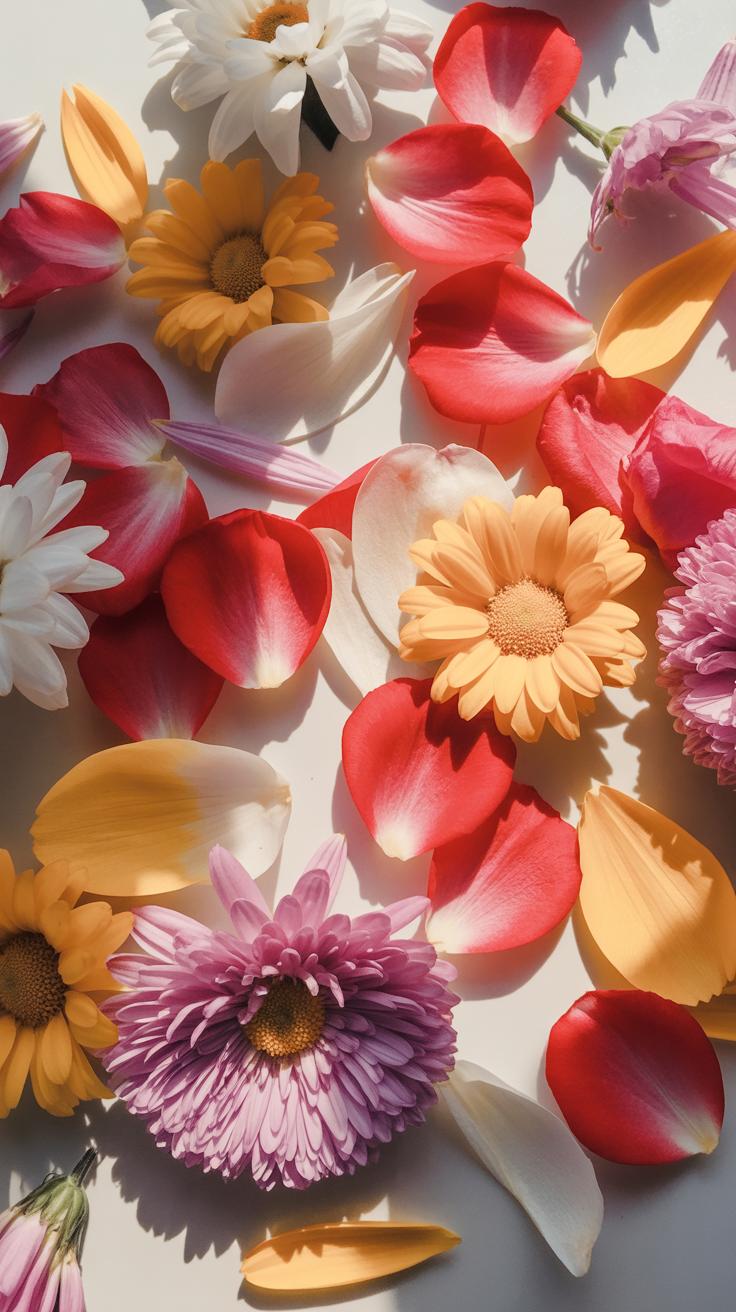
Select flowers based on structural integrity and moisture content. Roses remain the industry standard because their petals are thick and resilient. They survive the drying process without losing their shape. Robust petals resist bruising during handling and transport. Delphiniums and hydrangeas provide excellent results due to their small size and lightweight nature. These varieties create a floating effect when tossed into the air.
Avoid thin or high-moisture flowers like lilies or tulips. These blooms turn brown or transparent quickly after harvest. Marigolds and lavender offer high durability and scent retention. Lavender buds add weight and density to a blend. This ensures the confetti falls at different speeds for better visual impact. Always prioritize varieties that maintain their skeletal structure once dehydrated. This prevents the confetti from clumping or turning into dust.
Matching Petal Colors And Textures To Your Event Theme
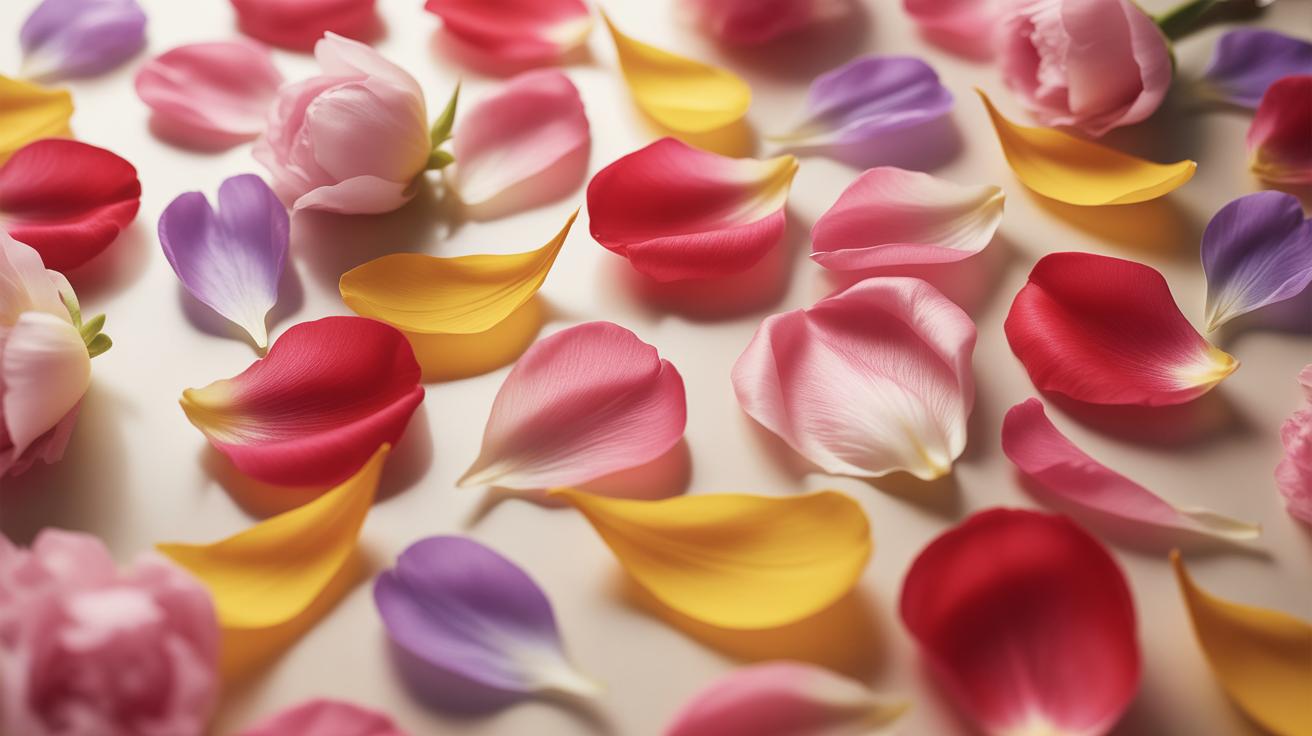
Color selection dictates the mood and visibility of the display. High-contrast colors show up best in photographs against outdoor backgrounds. Deep reds and vibrant yellows provide a sharp look for traditional ceremonies. Use monochromatic schemes to align with minimalist design movements. Pale pinks and creams suit classic aesthetics but require dark backgrounds to be visible. Always test how petal colors change after they dry.

Texture influences how the light hits the confetti during the toss. Smooth rose petals reflect light evenly for a clean look. Grainy textures from dried herbs or small buds create a rustic feel. Mix different shapes to add depth to the visual display. Large petals provide broad strokes of color while small grains fill the gaps. Consider the venue floor when choosing colors to ensure easy cleanup and visibility.
Step By Step Guide To DIY Wedding Flower Petals At Home
How To Dry And Preserve Fresh Petals For Long Lasting Confetti
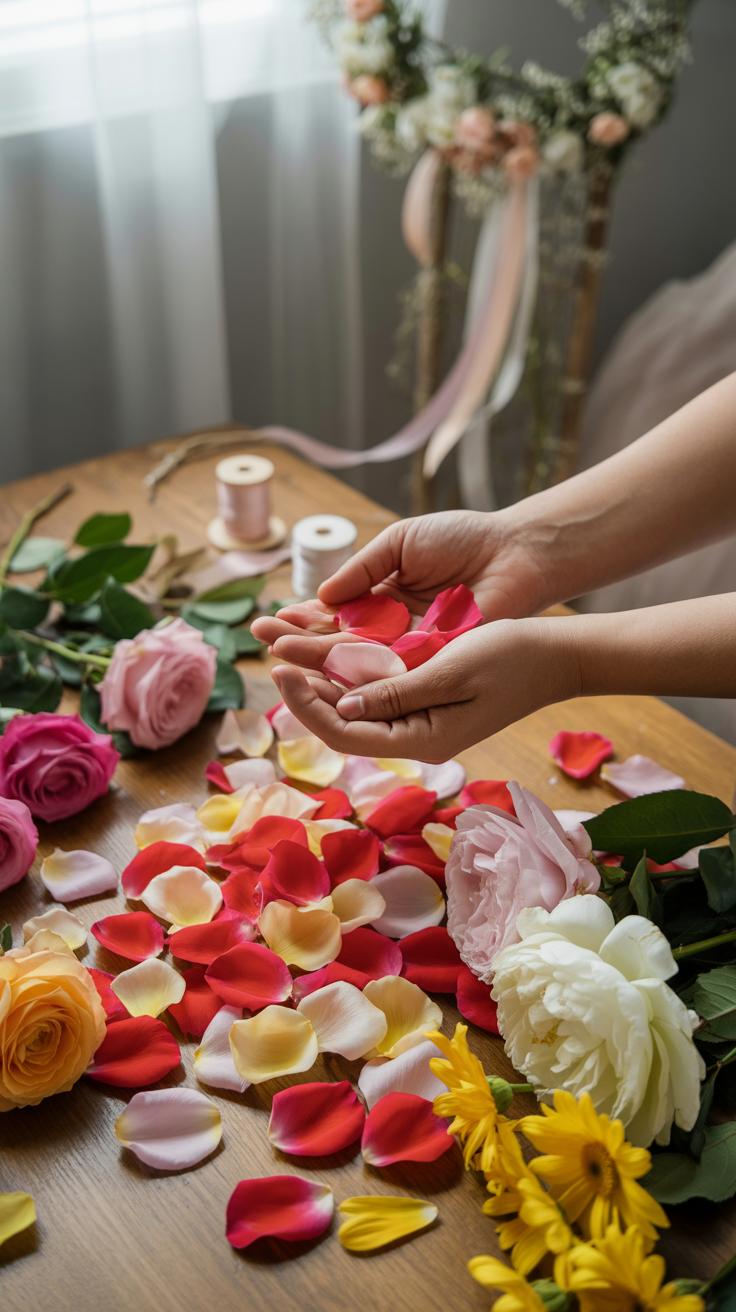
Drying petals requires removing moisture without causing rot or excessive browning. Air drying is the standard method for high quality results. Spread the petals in a single layer on a flat mesh screen. Place them in a dark and dry room with good airflow. Avoid direct sunlight because UV rays bleach the natural pigments. Turn the petals every twenty-four hours to ensure every surface dries evenly and prevents sticking.
Preservation protects the structural integrity of the dried material. Once the petals feel like high quality paper, move them into an airtight container. Keep these containers in a cool and dark environment until the event date. Store different flower types in separate bins to prevent scent mixing or color bleeding. Properly dried Flower Petal Confetti remains stable for months. This method ensures the petals stay light enough to float during the throw.
Essential Materials And Tools You Need To Make DIY Petal Confetti
Efficiency in production depends on having the right hardware ready before you begin. You need tools that manage airflow and moisture levels effectively. Using the wrong surfaces leads to mold and ruins your entire petal stock. Professional setups prioritize space and speed to handle large volumes of flowers. These materials ensure your confetti stays vibrant and biodegradable while meeting strict venue requirements for outdoor wedding celebrations.
- Mesh Drying Racks: These screens provide the necessary ventilation for the top and bottom of each petal. Proper airflow stops the growth of mold and mildew during the critical first forty-eight hours of the drying process.
- Airtight Storage Bins: Use plastic or glass containers with rubber seals to keep moisture out after drying. Total exclusion of humidity prevents the petals from becoming limp or losing their crisp texture before the wedding day.
- Standard Paper Punches: Round or heart shaped punches allow you to create uniform shapes from larger leaves or wide petals. This creates a consistent look for your Flower Petal Confetti and helps the material fall more slowly.
- Natural Desiccants: Silica gel packets accelerate the moisture removal process without damaging the delicate petal fibers. These are useful if you live in a high humidity climate where air drying takes too much time to complete.
- Parchment Paper: Use this as a clean barrier if you choose to use a low heat oven method. It prevents the petals from sticking to metal trays and ensures an even distribution of heat across the floral material.

Select your flowers based on their moisture content and petal thickness. Roses and delphiniums are industry favorites because they retain color well and dry quickly. Avoid flowers with high water content like lilies because they turn brown and mushy instead of drying crisp. Check your local venue rules to confirm they allow real petals. Most outdoor sites require biodegradable materials to protect the environment and simplify the post-event cleanup.
Planning The Perfect Petal Toss Moment At Your Wedding
Timing And Coordination Tips For A Seamless Petal Toss Exit
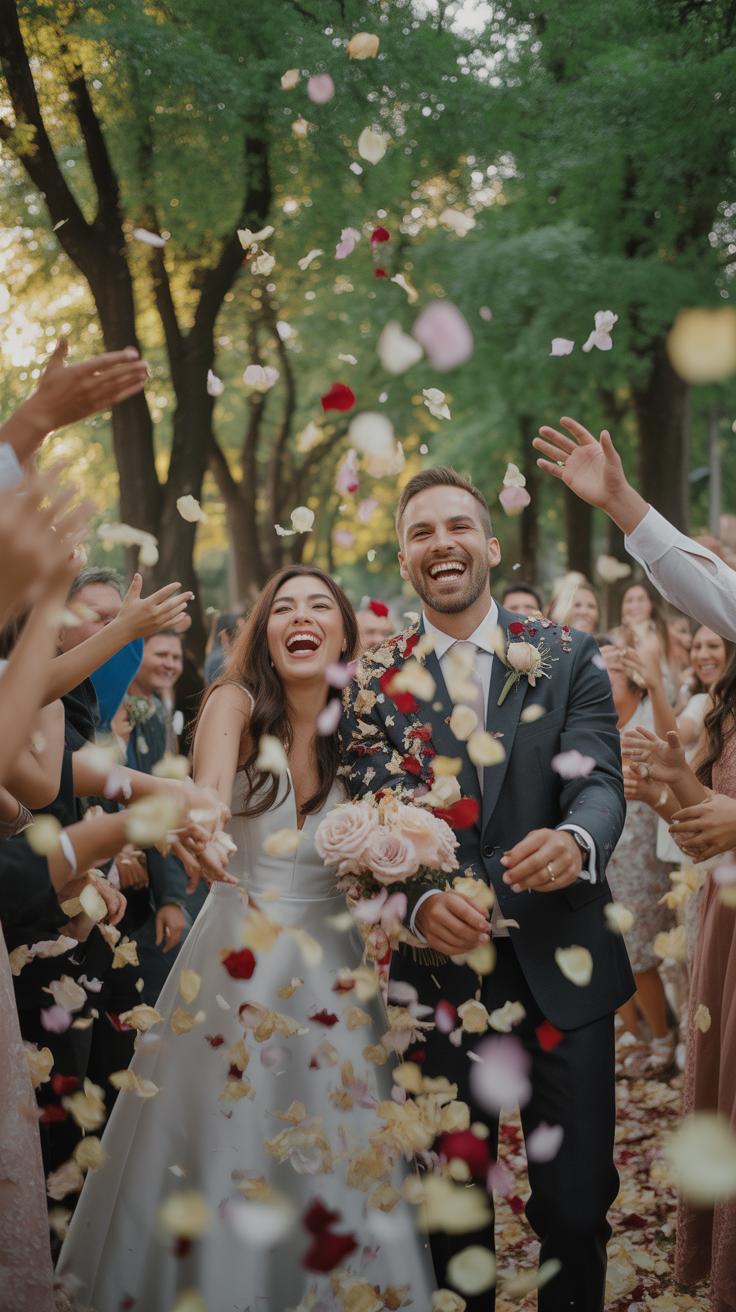
Precise timing prevents logistical failures during the exit. Station your ushers at the exit doors five minutes before the ceremony ends. They must hand out the Flower Petal Confetti as guests transition from their seats to the outdoor aisle. This prevents a bottleneck and ensures everyone has material ready. Do not distribute petals too early or they will wilt or spill during the service.
Coordinate directly with your officiant and photographer before the processional begins. The officiant must give a clear verbal cue to the guests once the couple starts their walk. This signal ensures the crowd stands in position and prepares their aim. The photographer needs this lead time to find the best angle for the shot. Synchronization between these three parties guarantees a dense visual effect for the camera.
How To Instruct Your Guests For A Full And Photogenic Confetti Shower
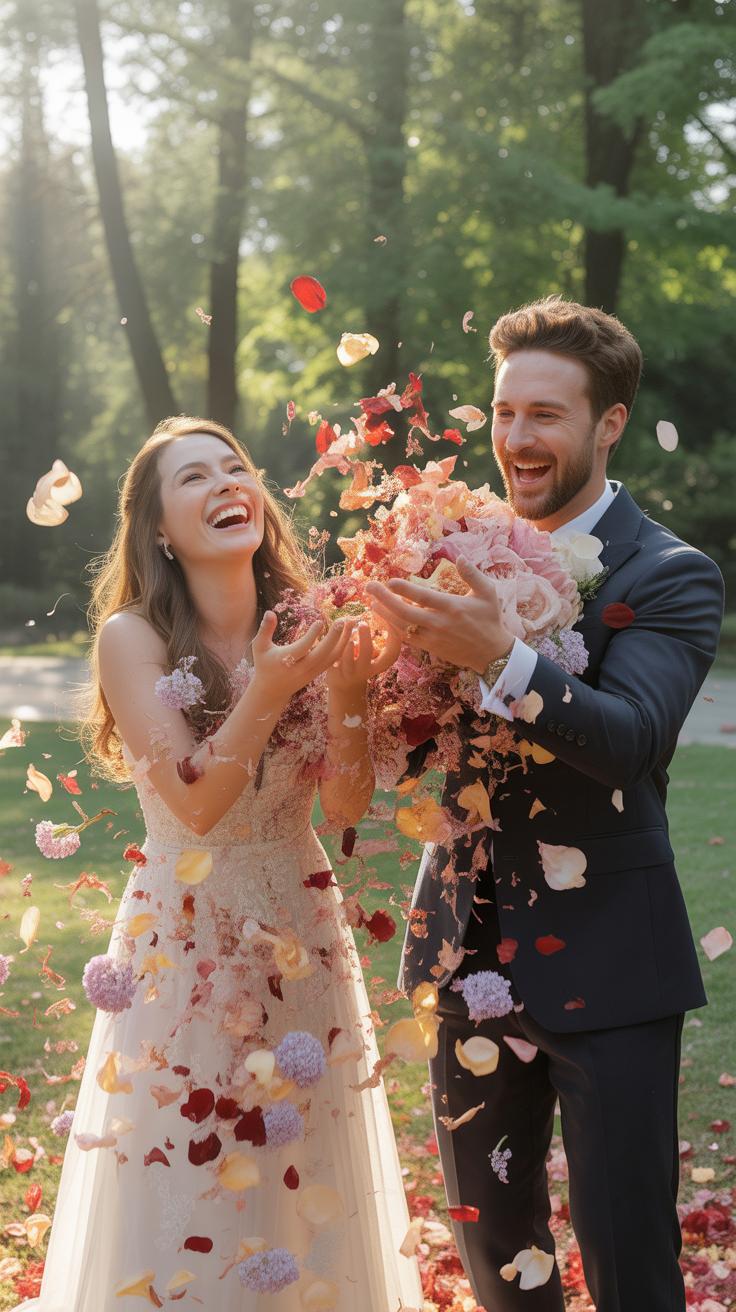
Guests often throw petals too early or too low. Use your wedding program or a small sign to provide clear throwing instructions. Tell guests to throw the Flower Petal Confetti upward rather than directly at your faces. An upward arc creates a slow fall and a better visual frame. This technique keeps the petals in the air longer for the photographer to capture the movement clearly.

Designate your bridal party to lead the action by example. They should stand closest to the exit and initiate the toss with high energy. When guests see the bridal party throwing high, they will follow that trajectory. This creates a wall of color rather than a few scattered pieces. Consistent height across the entire group is the only way to achieve a professional-looking confetti shower.
Rose Petal Confetti Wedding Ideas That Never Go Out Of Style
Why Roses Remain The Most Popular Choice For Wedding Petal Confetti
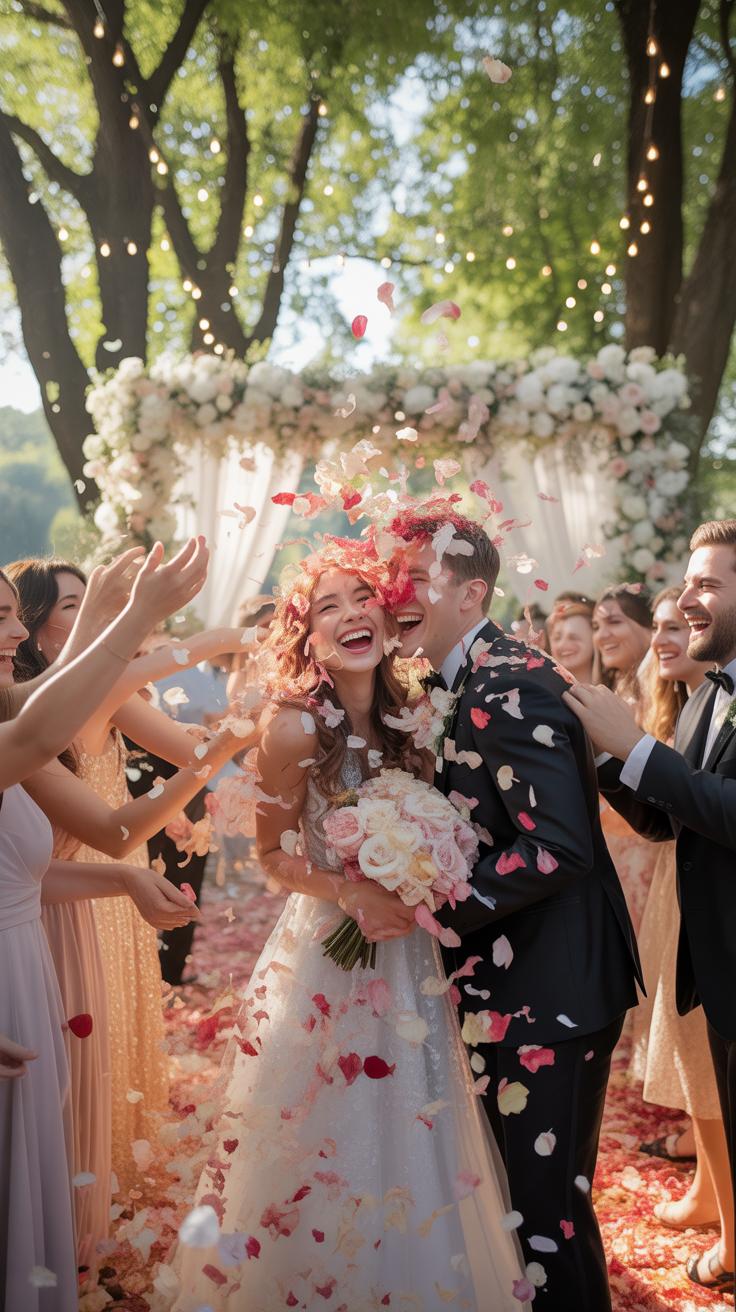
Roses dominate the market because they provide the best weight and surface area for throwing. Large petals fall slowly through the air. This creates a better visual effect for photography than smaller seeds or grains. History shows that ancient Romans used roses to symbolize celebration and high status. This tradition persists because the flowers are widely available in every climate and season.
The petals also offer superior durability compared to thinner blossoms. They hold their color after drying and do not wilt immediately when handled by guests. Natural rose petals are fully biodegradable and satisfy strict venue requirements for eco-friendly materials. Most estates and churches now ban plastic or paper. High moisture content in fresh petals keeps them from blowing away too rapidly in high winds.
Creative Ways To Display And Package Rose Petal Confetti For Guests
Presentation determines how well the confetti works during the ceremony. Avoid large communal baskets because they cause delays and uneven distribution. Use small individual parchment cones or glassine bags instead. These materials keep the petals dry and prevent bruising before the toss. Clear containers allow guests to see the colors. This adds to the visual decor of the seating area before the event begins.

Strategic placement is vital for a clean execution. Place individual portions on every other chair or hand them out during the recessional. Use wooden crates or vintage trays to hold the packets. This keeps the entrance clear of clutter. Ensure the packaging opens easily so guests do not miss the moment while struggling with seals. Simple labels help guests understand exactly when to throw the petals for the camera.
Eco Friendly Flower Confetti Wedding Options For The Conscious Couple
Why Biodegradable Petal Confetti Is A Responsible And Beautiful Choice
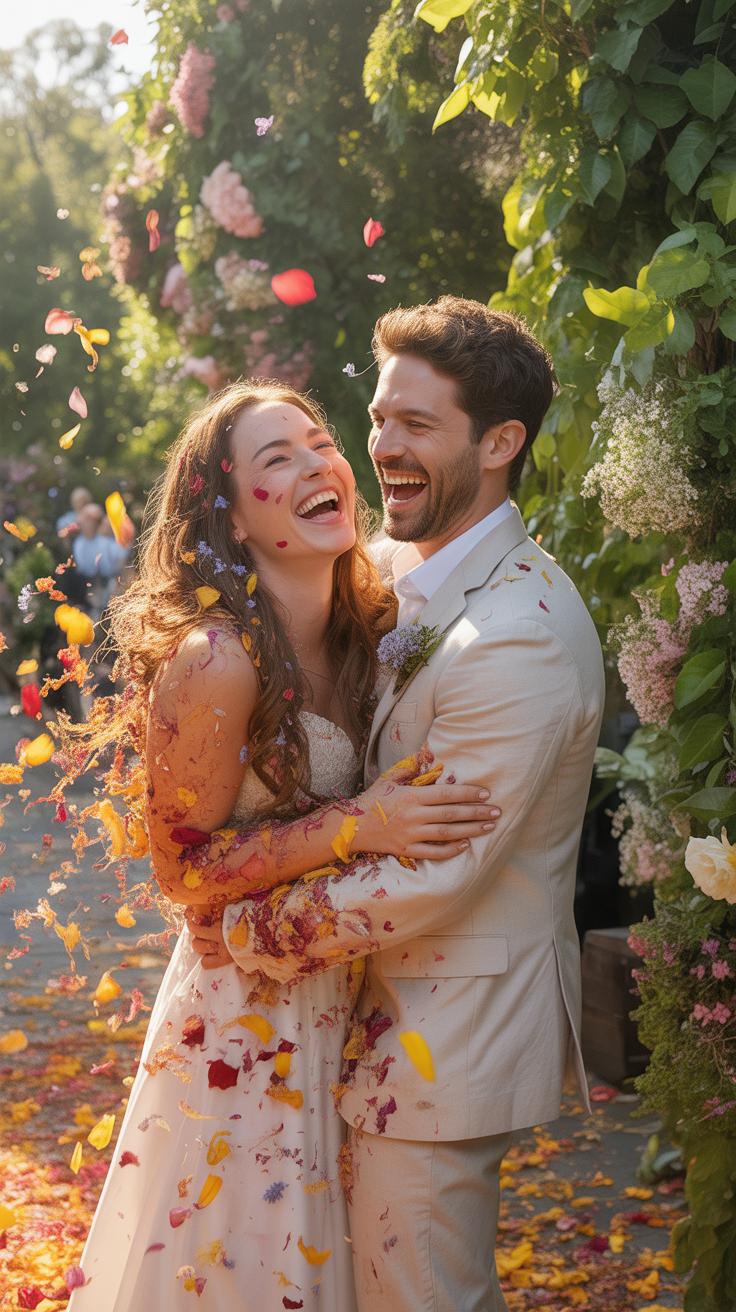
Traditional confetti often utilizes plastics or metallic foils. These materials do not break down in the natural environment. They pose significant risks to local bird populations and aquatic life through ingestion. Natural flower petals provide a direct solution to this environmental hazard. Petals consist of organic matter that decomposes rapidly when exposed to rain and soil microbes. This makes them the primary choice for outdoor events.
Dried flower petals offer a high-performance alternative to synthetic products. They provide consistent flight times and vivid colors without chemical dyes. You ensure your event leaves zero footprint by using real plant material. This choice supports sustainable land use by sourcing from flower farms instead of plastic factories. It eliminates the need for professional cleaning crews to vacuum outdoor lawns. You prioritize ecological health while maintaining the visual standard.
Venue Regulations And What To Check Before Choosing Your Confetti Type
Venues increasingly prohibit any non-organic materials on their grounds. Historical sites and public parks have strict rules against plastic or paper litter. You must verify the specific confetti policy before purchasing supplies. Ask the venue manager for a list of approved materials. Many locations only permit real petals because they disappear naturally within days. Failure to follow these rules often leads to heavy cleanup fees or security deposit loss.
Check if the venue allows fresh or only dried petals. Some indoor locations ban fresh petals because they can bruise and stain expensive carpets. Dried petals are usually safer for indoor use because they lack moisture. Also inquire about specific color restrictions to prevent stone staining. Dark red or purple petals can leave marks on light masonry when wet. Get these details in writing to protect your budget. Tactical planning prevents logistical failures during the event.
Incorporating Wedding Petals Into Dream Wedding Decorations Beyond The Aisle
Using Scattered Petals To Elevate Table Settings And Reception Spaces
Strategically scattered Flower Petal Confetti transforms standard table linens into high-end design elements. Use freeze-dried petals to avoid staining fabrics or wilting under warm venue lighting. Focus placement around centerpieces and along the spine of rectangular feasting tables. This technique adds depth and color without blocking guest sightlines. Match petal hues to the overall wedding palette to ensure visual consistency across the entire room.
Reception spaces benefit from targeted petal placement on secondary surfaces like cake tables and guest book stations. Do not over-saturate the area. Aim for a deliberate drop pattern that looks natural but controlled. For white linens, use darker rose petals to create sharp contrast. For dark wood surfaces, lighter hydrangea or delphinium petals provide better visibility. This simple tactical addition bridges the gap between floral arrangements and plain furniture.
In the sweetness of friendship let there be laughter, and sharing of pleasures. For in the dew of little things the heart finds its morning and is refreshed.
Petal Pathways, Floral Arches, And Other DéCor Ideas Featuring Loose Petals
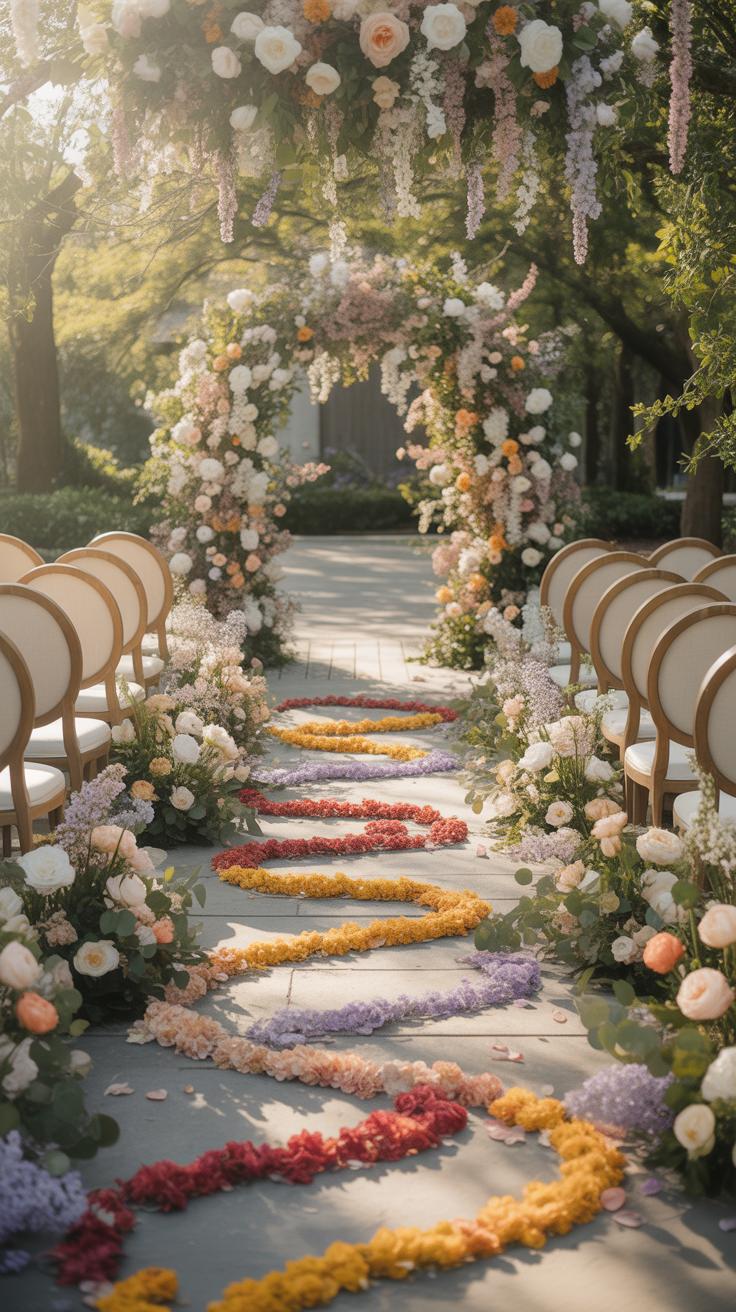
Loose petals serve as a primary material for defining movement through a venue. Create dense borders along guest pathways to guide foot traffic toward the main event space. Thick clusters of Flower Petal Confetti hide uneven flooring or unsightly cables at the base of floral installations. Use high contrasts to make these borders visible in low-light environments. This application proves highly effective for outdoor transitions between the ceremony and cocktail hour.

Integrate petals into structural elements like floral arches or hanging installations by nesting them into wire mesh or foam. This creates a textured look that simulates organic growth. At the base of an arch, a heavy carpet of loose petals anchors the structure to the ground. This technique mirrors high-end European garden designs from the nineteenth century. Use durable varieties like marigolds or roses to ensure the display lasts the entire event window.
Buying Vs Making Your Wedding Flower Confetti What You Need To Know
What To Look For When Purchasing Pre Made Flower Petal Confetti
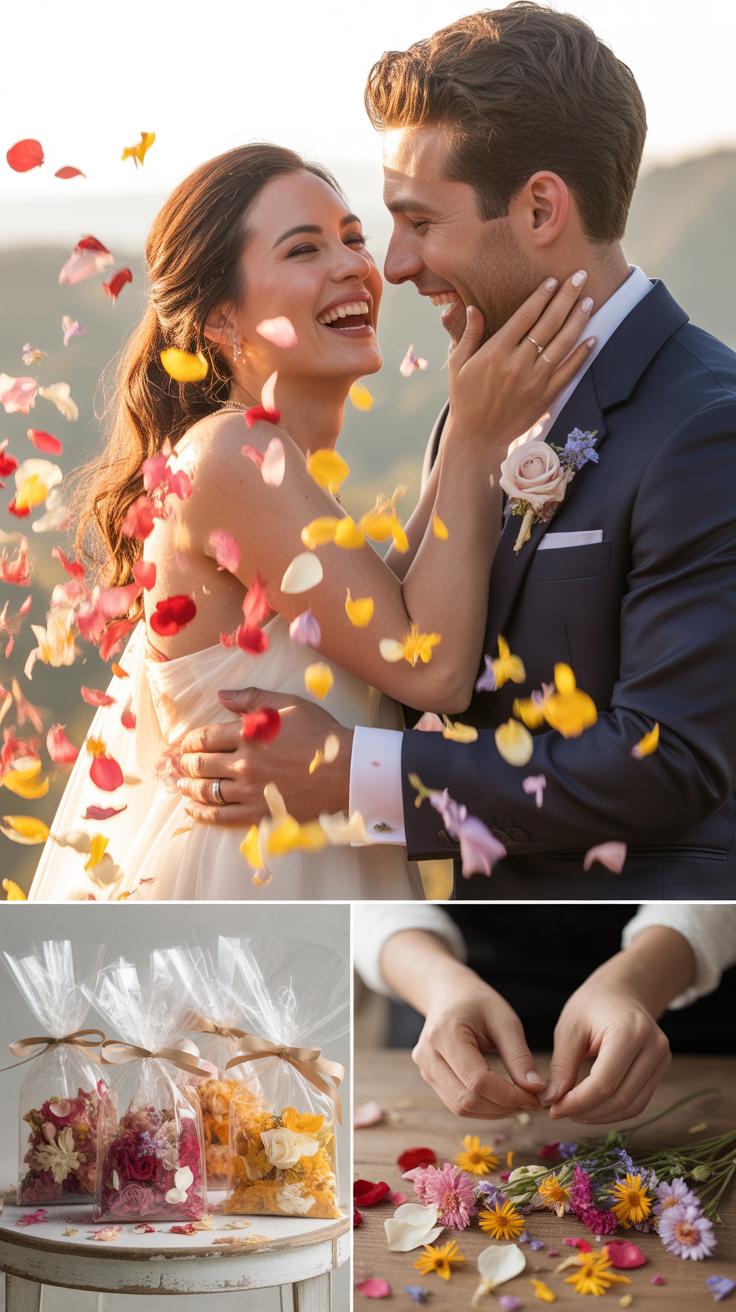
Purchasing pre-made confetti saves time but requires strict quality control. You must verify the drying method used by the supplier. Freeze-dried petals retain their shape and color better than air-dried alternatives. Check the shelf life of the product before committing. Natural petals will degrade if stored in humid or bright conditions. Ensure the vendor uses biodegradable materials to meet modern venue requirements.
- Biodegradability Certification: Verify the petals are 100% natural and compostable. Most modern wedding venues ban plastic or metallic confetti. Ask for proof that the product breaks down quickly without harming local soil or wildlife.
- Drying Technique: Distinguish between air-dried and freeze-dried petals. Freeze-drying preserves the structural integrity and pigment of the flower. Air-dried petals often look shriveled and dark. Choose the method based on your visual expectations and budget constraints.
- Dye Consistency: Confirm the petals have no artificial dyes added. Synthetic colors can leak when wet and ruin expensive wedding attire. Professional suppliers provide colorfast guarantees. Stick to natural pigments found in the original plant species.
- Litre Measurements: Suppliers sell confetti by the litre rather than weight. One litre typically provides ten handfuls for guests. Calculate your guest count precisely to avoid over-ordering. High-quality petals have less dust and debris at the bottom of the bag.
- Storage Specifics: Check the packaging for airtight seals. Petals must stay in a cool, dark, and dry place. Exposure to UV light causes immediate fading. Ensure the supplier provides instructions on how to maintain the product until the event date.
Compare different flower species for their flight time. Small, light petals like delphiniums or cornflowers stay in the air longer than heavy rose petals. This flight duration is critical for photography. Look for mixes that combine various sizes for a layered visual effect. Read recent customer reviews to confirm the color matches the website photos. Accurate color representation is a frequent issue in this industry.
Cost Comparison And Time Investment Between Buying And DIY Petal Confetti
DIY confetti reduces direct costs but increases labor requirements. You must source bulk flowers months in advance. Air-drying takes roughly two weeks depending on humidity levels. You need significant flat space to spread petals for even drying. If you skip steps, the petals will rot or mold. Factor in the cost of drying racks and storage containers when calculating your total budget.
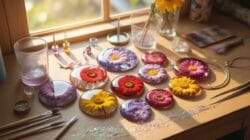
Buying pre-made confetti is more expensive but guarantees results. Professionals use industrial kilns or freeze-dryers that individuals cannot access. These machines lock in color and prevent wilting. You pay for the convenience of immediate delivery and quality assurance. Evaluate your schedule before choosing the DIY route. Most couples find that the time spent processing flowers is better spent on other logistical wedding tasks.
Flower Petal Confetti Ideas For Special Occasions Beyond Weddings
How Petal Confetti Adds A Romantic And Festive Touch To Birthdays And Anniversaries
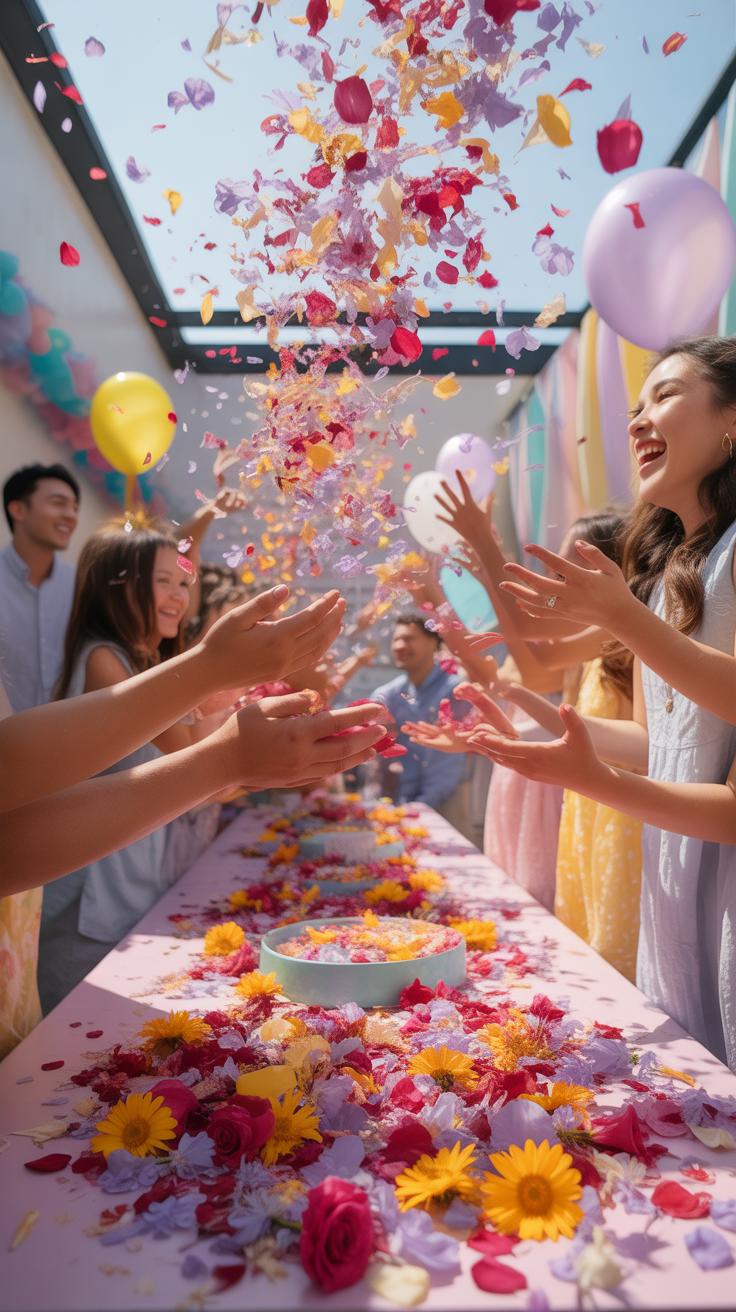
Flower petal confetti creates a high-impact visual for milestone celebrations. It signals luxury and intent without requiring complex logistics. Use deep red rose petals for landmark anniversaries to symbolize long-term commitment. These petals hold their shape and color during the throw. This technique emphasizes the importance of the event. It turns a standard dinner or party into a formal ceremony of recognition.
Tactical placement ensures maximum effect during the key moment. Scatter petals across tables to replace synthetic plastic decor. This move reduces waste and improves the sensory experience for guests. For birthdays, select bright colors like yellow or pink marigolds to drive energy. Fresh petals provide scent while dried petals offer longevity for outdoor setups. Choose high-contrast colors that stand out against the venue flooring for better photography.
Using Flower Confetti For Baby Showers, Graduation Parties, And Seasonal Celebrations
Apply flower petal confetti to baby showers to maintain a natural and safe environment. Avoid dyed paper that bleeds color when wet. Use soft lavender or blue cornflowers to match specific color schemes. Large petals work best for walkway paths. They provide a clear visual guide for guests. This application keeps the event grounded in organic materials. It also simplifies the cleanup process compared to plastic glitter.
Graduations require high-volume confetti for the transition moment. Use dried petals because they are lightweight and catch the air easily. This creates a longer hang time for photos. For seasonal events, align the petal choice with local bloom cycles. Use orange marigolds for autumn festivals or white jasmine for spring events. This strategy ensures the decor feels timely and deliberate. It connects the celebration to the immediate environment through botanical facts.
Frequently Asked Questions

What are the benefits of using flower petal confetti instead of traditional paper options?
Choosing flower petal confetti is a beautiful way to embrace sustainability while adding a touch of natural luxury to your celebration. Unlike metallic or plastic alternatives, real petals are completely biodegradable and eco-friendly, making them ideal for outdoor venues and heritage sites. Beyond their environmental impact, they provide a stunning, soft aesthetic and a delicate natural fragrance that enhances the sensory experience for both the hosts and the guests.
How can I dry my own blooms to create DIY flower petal confetti at home?
To make your own flower petal confetti, start by selecting fresh, vibrant blooms like roses or hydrangeas. Gently pull the petals away and spread them in a single layer on a drying rack or a parchment-lined tray. Leave them in a warm, dry place away from direct sunlight for about a week. For a faster result, you can use a microwave or a low-heat oven to preserve the colors quickly and effectively.
Is flower petal confetti an affordable option for large events like weddings?
Absolutely! You can keep costs low by sourcing flowers from your own garden or asking local florists for “day-old” blooms that are no longer suitable for bouquets. Bulk-buying dried petals is another cost-effective strategy. This approach allows you to achieve a high-end, editorial look on a budget. Using natural elements ensures your celebration remains sophisticated and photogenic without the expensive price tag associated with custom-made synthetic decor.