Why Pressed Flower Stationery Is Having A Major Revival
The Return To Handcrafted And Botanical Aesthetics
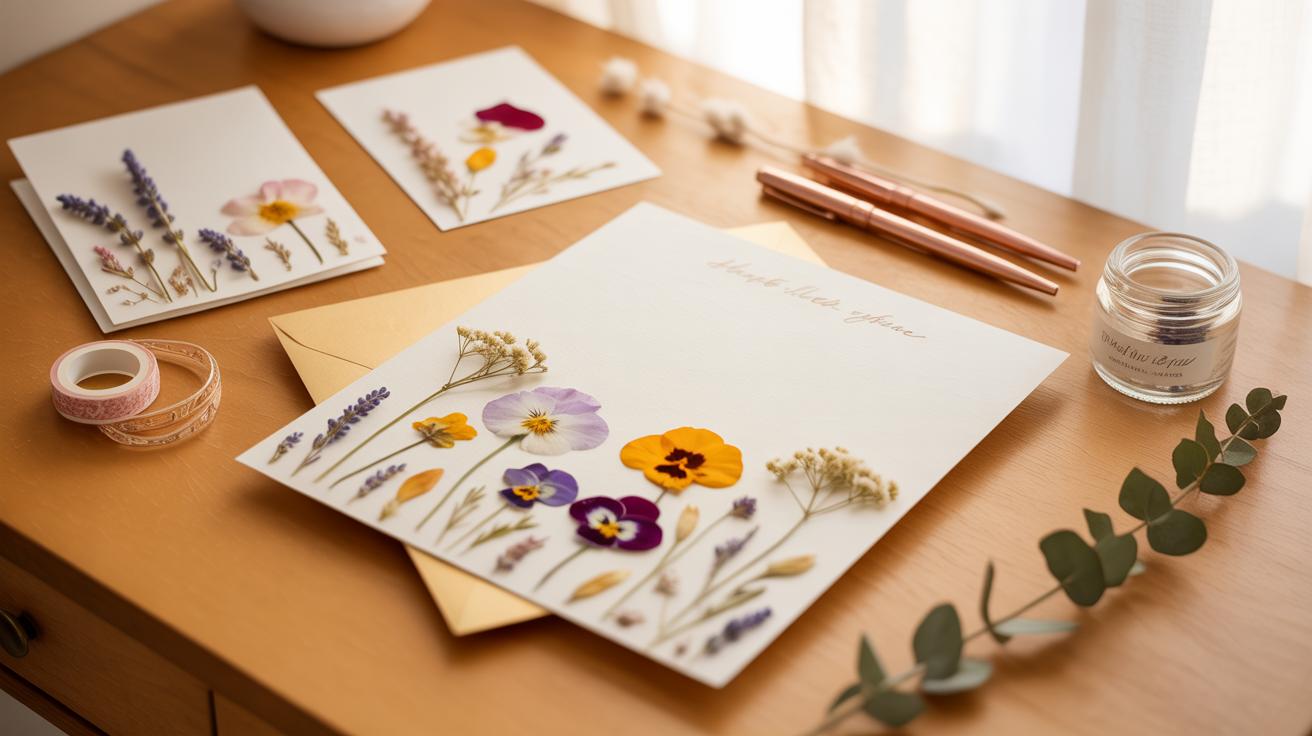
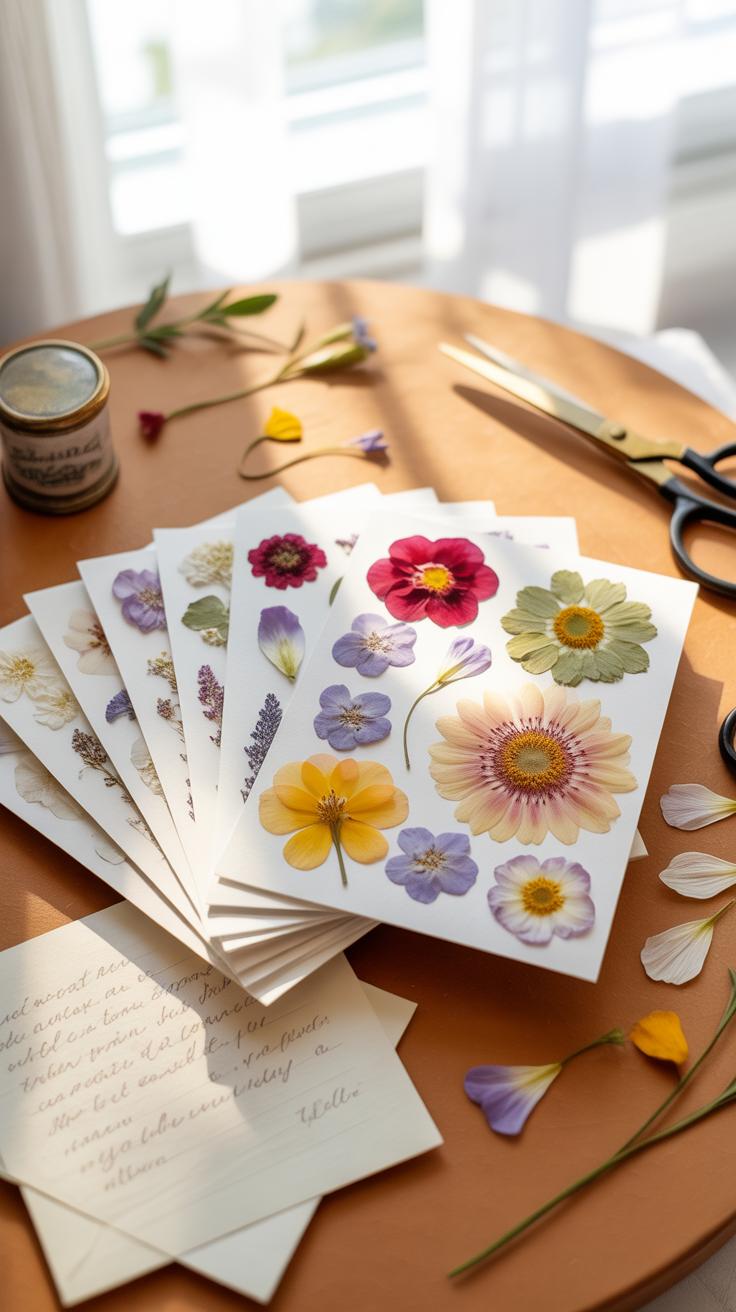
Consumers now favor tangible goods over digital messages. Pressed flower stationery offers a physical connection to nature through real botanical specimens. This movement mirrors the Victorian era obsession with floriography and plant preservation. Modern buyers value the unique texture of dried petals on heavy cardstock. They want items that mass production cannot replicate. Each piece functions as a one-of-a-kind specimen.
Artisans use specific tools to ensure quality results. They apply heavy wood presses and acid-free blotting paper to preserve pigment and structural integrity. Using archival-grade glue prevents yellowing over time. This technical precision appeals to collectors who want longevity. The aesthetic focuses on raw organic shapes and natural color palettes. It rejects the artificial look of standard printed graphics for actual biological material.
How Social Media Fueled The Pressed Flower Stationery Boom
Visual platforms changed how artists market their work. Short videos now show the entire production process from garden to paper. This transparency builds trust and interest in the craft. Users share unboxing videos that highlight the delicate nature of the petals. These viral moments turn simple cards into luxury status symbols. Modern creators use digital reach to find a global audience.
Online aesthetic trends like cottagecore drive high demand for botanical themes. These movements prioritize rural life and traditional skills. Social media algorithms reward high-contrast photos of bright flowers against neutral paper. This visibility allows small cottage industries to compete with major paper brands. Data shows that users engage more with handmade content. Digital spaces provide the necessary exposure for this ancient tactile art form.
Stunning Pressed Flower Cards DIY Trends For Every Occasion
Layered Botanical Compositions On Handmade Greeting Cards
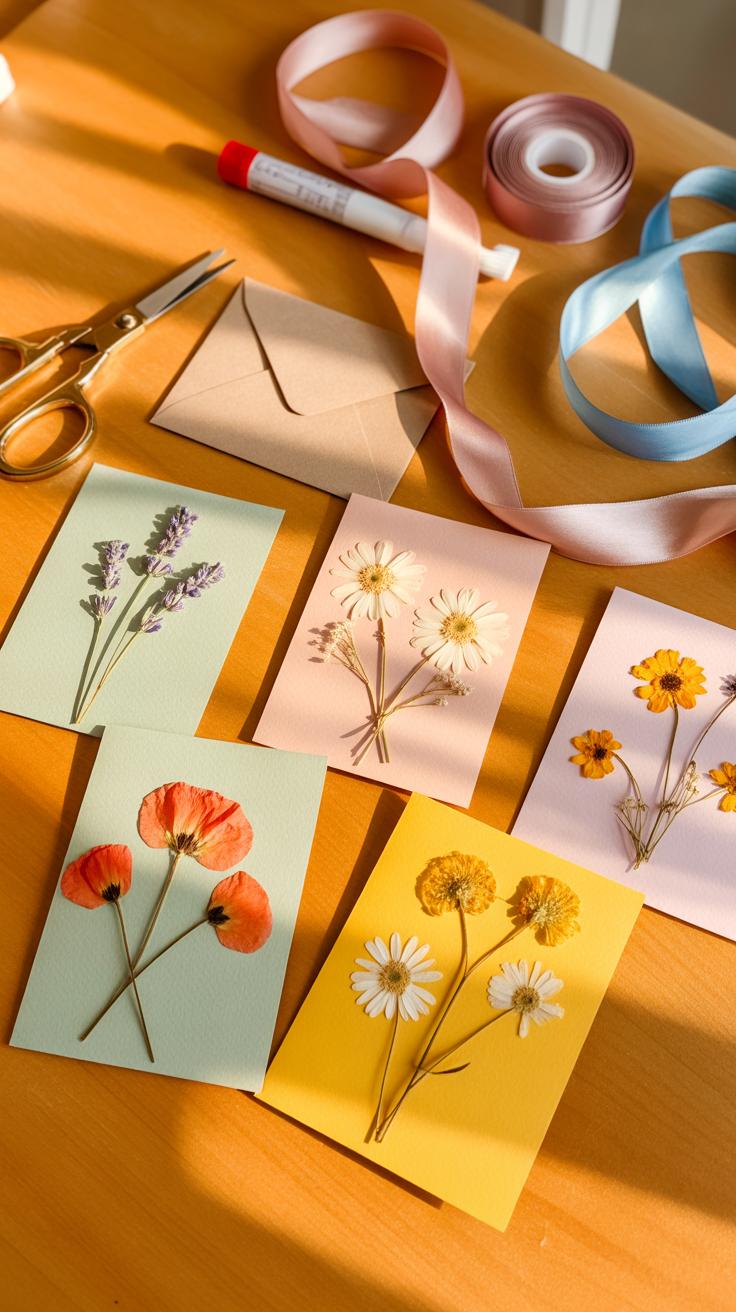
Modern collectors value depth and dimension in their pressed flower stationery. You achieve this by layering flat botanicals over textured handmade paper. This technique mirrors the Victorian era botanical scrapbooks. Designers now place heavy flowers at the base and light fillers on top. This creates a 3D effect without adding bulk. Use different plant species to provide contrast in color and shape for maximum visual impact.
Proper placement requires a clear strategy. Start with the largest petals to anchor your design. Layer smaller elements like Queen Annes Lace or ferns to create movement. This method mimics natural growth patterns found in wild meadows. Use archival glue to secure each layer. Applying a final sealant protects the delicate pigments from oxygen exposure. This ensures your card remains vibrant and intact for years of storage.
Flowers are a proud assertion that a ray of beauty outvalues all the utilities of the world. Capturing their timeless spirit on paper turns a simple message into a cherished keepsake.
Essential Materials You Need To Start Your Pressed Flower Cards DIY Journey
Professional results depend on high quality tools and materials. You cannot use standard glue or cheap paper for these projects. Acid free components prevent the organic matter from turning brown over time. You need a dedicated flower press to remove moisture quickly and evenly. This preserves the structural integrity of the bloom. Investing in precision tweezers allows you to handle fragile petals without causing tears or oil transfers.
- Acid Free Cardstock: Normal paper contains lignin which yellows over time. Acid free or pH neutral cardstock protects the flowers from chemical degradation. This choice ensures the card remains a museum quality keepsake for the recipient.
- Professional Flower Press: Traditional presses use wood plates and wing nuts to apply even pressure. This tool extracts moisture much faster than thick books. Rapid drying is the only way to lock in bright natural colors before they fade.
- Precision Tweezers: Human fingers carry oils that damage delicate plant tissues. Fine tip tweezers allow you to place tiny seeds and thin petals with exact accuracy. This tool is mandatory for creating complex layered designs without breaking the specimens.
- pH Neutral Adhesive: Standard glues can shrink or discolor thin petals as they dry. Specialized neutral glues remain clear and flexible. This prevents the flower from lifting off the card surface when the paper bends or moves.
- Fine Tip Glue Applicator: Large drops of glue ruin the clean look of stationery. A fine tip applicator lets you apply microscopic dots to the back of stems. This keeps the adhesive invisible while providing a permanent bond to the paper.
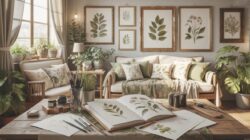
Select your botanicals during the peak of their bloom cycle. Freshness at the time of pressing dictates the final color quality. Remove any damaged or thick parts from the back of the flower to ensure it lays flat. Flatness prevents the card from bulging and allows it to fit inside a standard envelope. Mastery of these materials turns a basic hobby into a professional grade production process.
The Art Of Designing Elegant Pressed Flower Cards
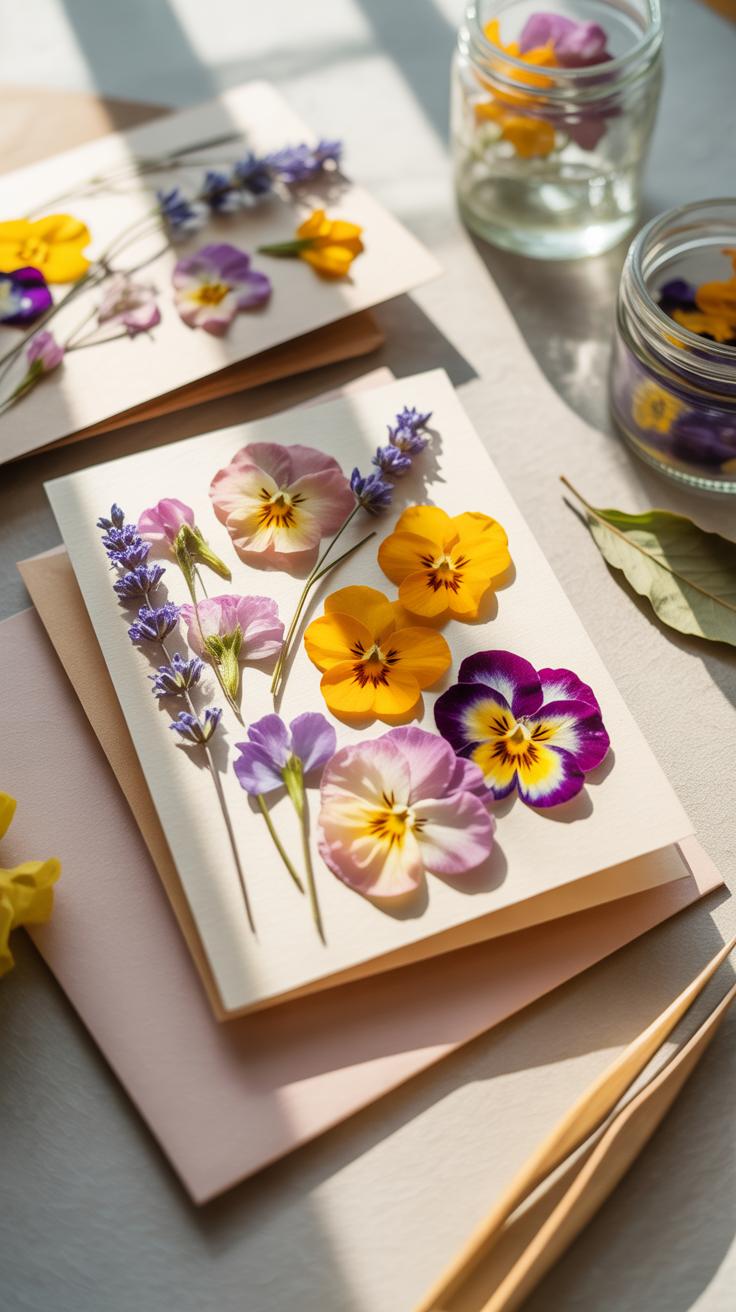
Choosing The Right Paper Weight And Texture For Pressed Flower Cards
Select cardstock with a minimum weight of 80lb or 216gsm. Thin paper buckles under the moisture of adhesives and the weight of the flora. Heavy paper provides a rigid foundation that prevents the dried specimens from cracking. Use acid-free and lignin-free paper to ensure the botanical pigments do not degrade over time. This standard ensures long-term preservation of the organic material.
Texture dictates how the adhesive bonds with the surface. Cold-pressed watercolor paper offers a toothy texture that grips the glue and provides a natural aesthetic. Avoid glossy finishes as they repel most adhesives and create a chemical barrier. Matte, fibrous surfaces allow the glue to penetrate both the paper and the flower. This creates a permanent bond and prevents the dried petals from shearing off.
Color Harmony And Floral Placement Techniques That Make Cards Pop
Utilize the color wheel to select flowers that contrast with your paper choice. Complementary colors create high visual impact while analogous colors offer a subtle appearance. Place darker, heavier blooms at the bottom of the design to create a stable visual base. This prevents the card from appearing top-heavy or unbalanced. Use small filler flowers like Queen Anne’s Lace to bridge gaps between larger petals.
Apply the Rule of Thirds to guide the placement of the focal bloom. Positioning the main flower off-center draws the eye across the entire composition. Use the natural curves of stems to create movement and lead the viewer toward the center. Ensure no botanical elements overlap the fold line of the card. This prevents mechanical stress on the brittle specimens when the recipient opens the stationery.
Flower Pressed Invitations A Growing Trend In Event Stationery
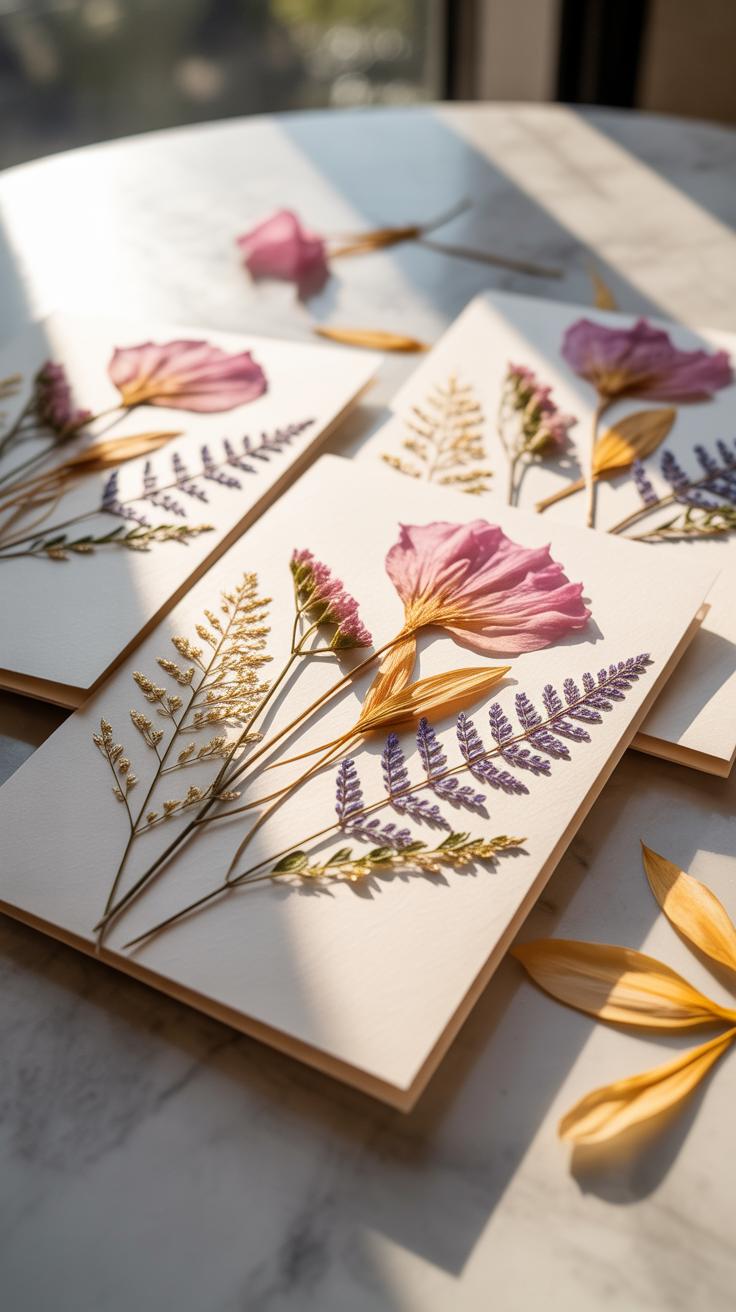
Why Couples Are Choosing Flower Pressed Invitations For Weddings And Events
Modern couples prioritize tactile experiences over digital notifications. Pressed flower stationery offers a physical connection that standard printing lacks. This trend follows the rise of the slow design movement. It emphasizes craft and intentionality. Buyers want items that look handmade rather than mass-produced. They choose these invitations to signal a high level of personalization and luxury to their guests.
Sustainability also drives this market growth. Consumers now demand eco-friendly alternatives to traditional plastic-coated papers. Real botanicals allow for biodegradable designs. These materials align with the current shift toward outdoor and garden wedding themes. Most hosts utilize pressed flowers to create a cohesive bond between the event location and the invitation itself. This choice reinforces a commitment to natural aesthetics and minimal environmental waste.
How Floral Species Choice Affects The Overall Invitation Aesthetic
Botanical selection dictates the visual weight of the invitation. Thin petals like those on Larkspur or Cosmos press flat without creating bulk. This allows for standard mailing without extra postage or protection. Bold colors remain vibrant after the drying process. Darker flowers like Violas provide high contrast against cream or white paper. The anatomy of the plant determines the layout and the spacing of the text.
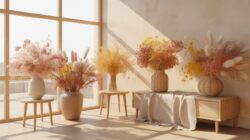
Structural integrity varies between species. Delicate ferns and Queen Anne’s Lace provide fine lines for a minimalist look. Thick-stemmed plants like roses require specialized pressing to avoid mold or bruising. Designers select species based on their ability to retain pigment over time. Professional stationery makers avoid plants with high water content because they turn brown. Choosing the right species ensures the invitation survives the shipping process and the archival period.
Exploring Pressed Flower Crafts Beyond Traditional Cards
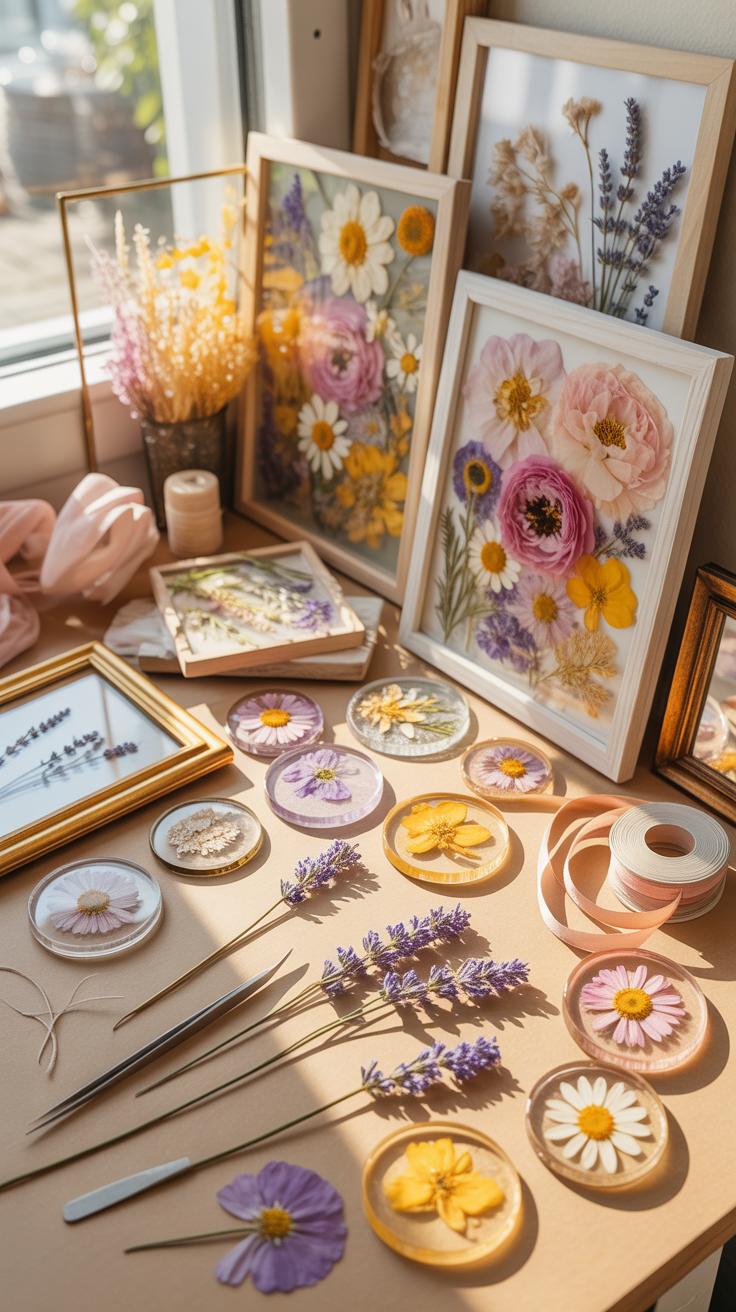
Pressed Flower Crafts Expanding Into Journals Bookmarks And Gift Wrap
Pressed flower stationery now targets utility items like journals and bookmarks. Makers use acid-free adhesives to bond biological specimens to heavy cardstock or vellum. This shift mirrors the Victorian era tradition of herbarium mounting for scientific study. Today, consumers demand functional art. Strategy dictates using thin-petal flowers like pansies or larkspur to ensure these items remain flat and functional during daily use.
Custom gift wrap represents a high-margin opportunity for stationery brands. Designers secure dried flora to butcher paper or handmade rag paper using pH-neutral glue. This technique provides a tactile experience that mass-printed patterns cannot replicate. Focus on high-contrast pairings to maximize visual impact. Ensure the flowers undergo a full desiccation process first. Moisture trapped under seals causes browning and ruins the physical integrity of the paper.
Resin And Laminate Techniques Elevating Pressed Flower Crafts To New Levels
Resin casting provides a permanent barrier for delicate botanical specimens. This technique prevents oxidation by sealing the flower from oxygen exposure. Manufacturers use UV-resistant epoxy to stop yellowing over time. This method turns fragile pressed flower stationery into durable goods. Strategists use this for premium bookmarks and heavy-duty journal covers. It preserves colors that typically fade when exposed to air and light for long periods.
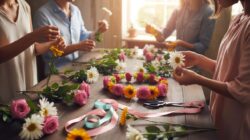
Lamination serves as a cost-effective alternative for high-volume production. It uses heat and plastic film to encase the flora. This protects the plant material from physical friction and moisture. It is a vital tool for items handled frequently. Modern cold-press lamination avoids heat damage to heat-sensitive pigments in certain petals. Use this method to maintain the structural stability of thin paper products without adding significant weight or bulk.
Pressed Flower Art As A Foundation For Statement Stationery
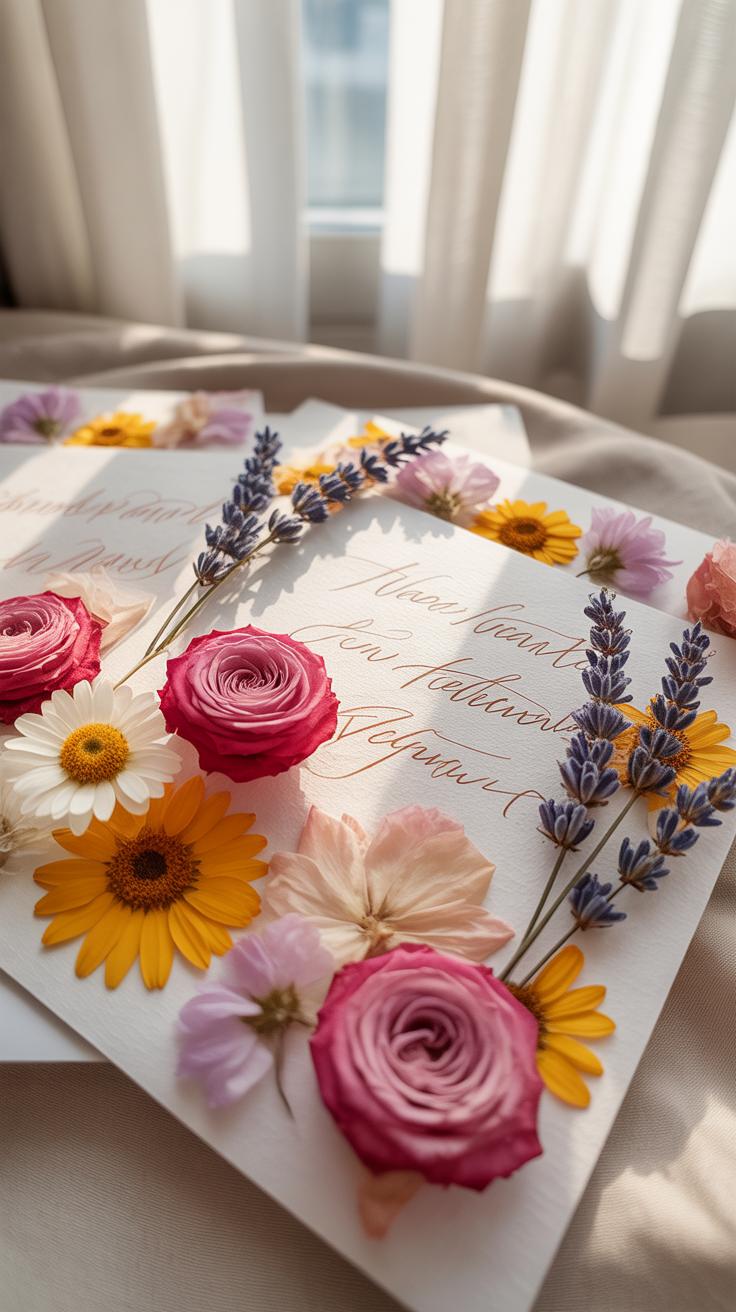
The Historical Roots Of Pressed Flower Art And Its Influence On Modern Design
Botanical pressing holds deep roots in Victorian England. During this era, herbariums served as vital scientific records. Collectors meticulously dried plants to preserve their structural details. This practice moved from science to home decor as a refined hobby. Women often placed these specimens in scrapbooks. This established the first link between preserved nature and paper goods. These early methods prioritize specimen integrity over simple decoration.
Modern designers study these Victorian techniques to ensure archival quality. Historical standards dictate how to maintain color and prevent rot. You see this influence in the shift toward scientific layouts. Designers now use taxonomic spacing on cards and invitations. This look mimics old museum sheets. It provides a grounded, authentic feel that digital prints cannot replicate. Knowledge of these roots allows makers to create durable, high-end products today.
How Pressed Flower Art Principles Are Being Applied To Contemporary Stationery
Contemporary stationery uses pressing principles to create physical texture. Designers focus on the anatomy of the plant. They use thin specimens to keep the paper flat. This allows for easy mailing. Glue choice is critical here. Professionals use acid-free adhesives to prevent yellowing over time. This technical focus ensures the stationery remains a keepsake. It turns a simple card into a lasting piece of art.
Designers also apply color theory based on natural fading. They select species that hold pigment well after drying. Examples include larkspur and violas. These choices dictate the overall palette of the stationery line. Makers often pair the real petals with minimalist typography. This creates a sharp contrast between organic life and clean design. The result is a high-impact product. It appeals to consumers who value raw, tactile materials in a digital world.
Fresh Pressed Flowers Ideas Reshaping The Stationery Landscape
Minimalist Single Stem Designs Taking Center Stage In Modern Stationery
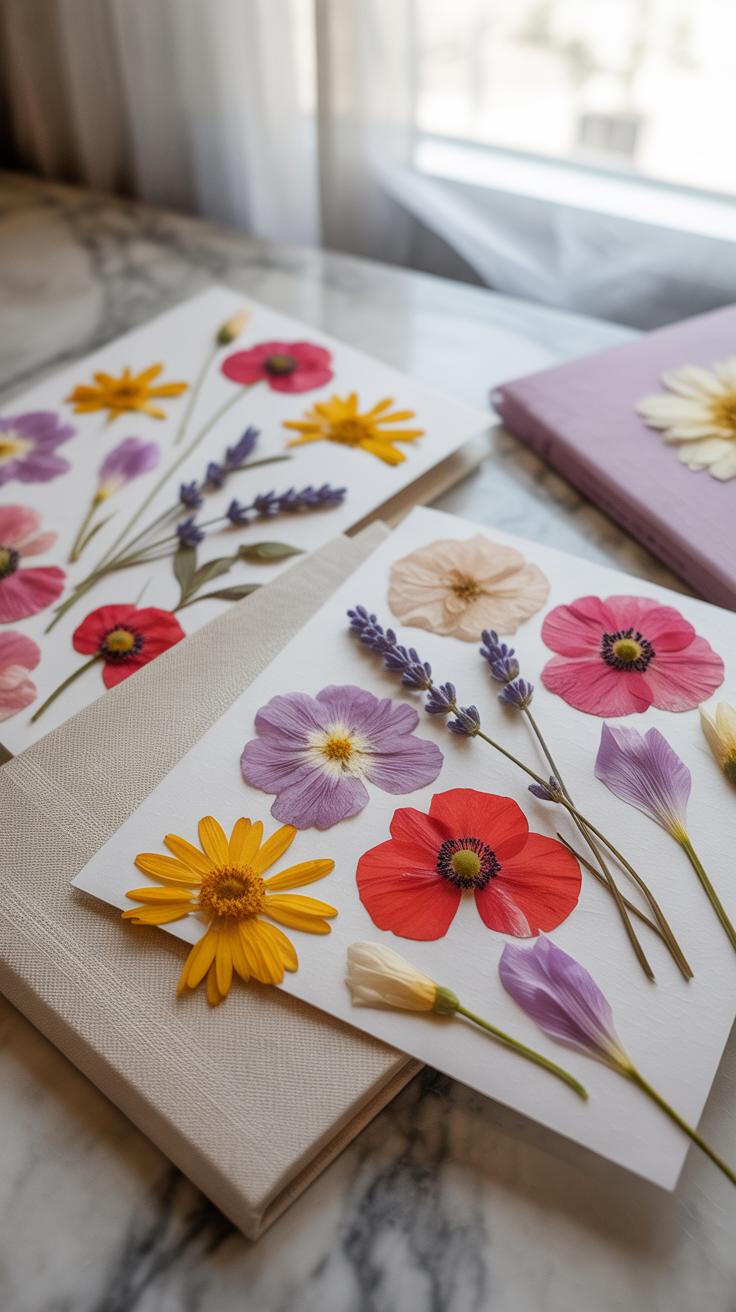
Modern design favors negative space to highlight technical precision. Designers now place a single, structurally sound stem like a fern or larkspur on heavy white cardstock. This approach mimics the botanical herbarium specimens of the nineteenth century. It removes visual clutter and forces the viewer to focus on the organic geometry of the plant. High-end brands use this method to signal luxury through restraint.
This trend relies on the quality of the specimen and the paper weight. You must use acid-free materials to prevent the plant oils from staining the paper surface. Securing the stem requires a neutral pH adhesive applied with a fine-point tool. This prevents visible residue from ruining the clean aesthetic. Minimalist stationery works because it aligns with contemporary interior design and professional branding standards.
Seasonal And Wildflower Themes As Trending Pressed Flowers Ideas For Cards
Consumers now demand authenticity and local sourcing in their paper goods. Designers are moving away from imported hothouse flowers. They use indigenous wildflowers like Queen Anne Lace or buttercups to create a sense of place. This shift honors the natural growth cycle of the region. It creates a stronger emotional connection for the recipient. Using local flora also preserves the natural color of the petals better.
Seasonal collections allow for tactical marketing throughout the calendar year. Spring sets feature delicate blossoms while autumn sets utilize dried leaves and darker tones. This rotating inventory keeps the product line fresh for repeat buyers. You should harvest plants at their peak moisture content for the best results after pressing. Proper timing ensures the pigment remains vibrant for months. This strategy builds a sustainable and scalable stationery business.
Pressed Flowers Invitation Styles Dominating The Wedding Industry
Vellum Overlay Trends Paired With Pressed Flowers Invitation Designs
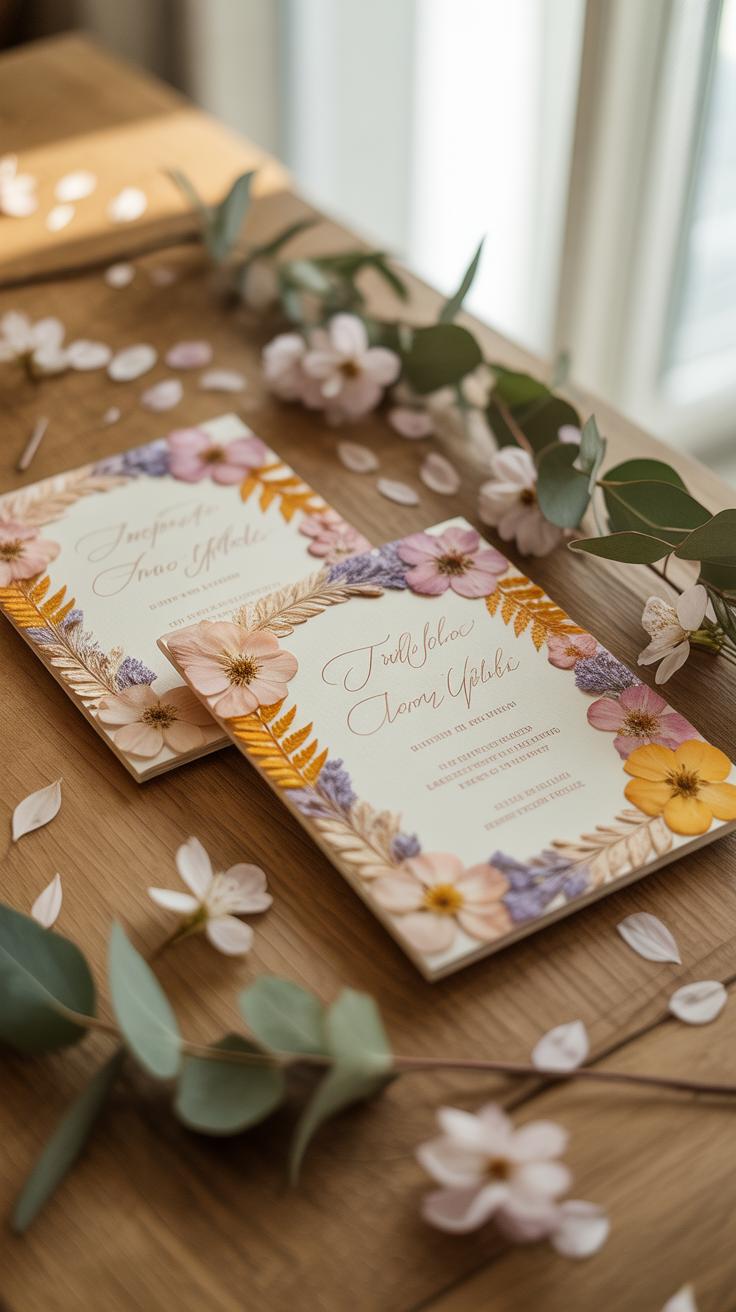
Vellum overlays provide a functional solution for protecting delicate botanical elements. Modern designers place a translucent sheet over the primary cardstock to prevent friction damage. This layer acts as a barrier against moisture and oils during postal transit. Industry data shows that vellum helps maintain the structural integrity of thin petals. It also allows for clear typography without obscuring the organic textures underneath the paper.
Tactical use of vellum enhances the three-dimensional quality of the suite. Secured with a wax seal or eyelet, the overlay creates a professional finish. Designers currently prefer a weighted vellum between 27 and 30 pounds for durability. This thickness supports the weight of the floral material without tearing. Clear or frosted options remain the standard. These materials ensure the Pressed Flower Stationery meets high-end production expectations.
Step By Step Tips For Assembling A Pressed Flowers Invitation Suite At Home
Assembling a professional-grade botanical suite requires precision and the right adhesive. Successful home assembly relies on speed and cleanliness to avoid staining the paper. You must dry all botanical specimens completely before starting the layout process. Moisture trapped beneath an adhesive layer causes browning or rot over time. Organization of materials prevents common errors during high-volume production. Use fine-tipped tweezers to handle fragile flower heads.
- Moisture Check: Ensure all flowers have zero residual moisture. Press specimens for at least two weeks between acid-free blotting paper. Damp flowers will discolor the invitation cardstock and attract mold within the envelope during the mailing process.
- Adhesive Selection: Use a pH-neutral acid-free glue or specialized botanical adhesive. Apply small dots to the thickest part of the flower using a toothpick. Avoid heavy liquid glues that warp paper or cause the delicate petals to become transparent.
- Placement Strategy: Arrange your floral layout before applying any glue to the card. Start with the largest leaves as a base and layer smaller blossoms on top. This method builds visual depth and ensures the most important text remains clearly visible to guests.
- Weighted Drying: Place a flat weight or heavy book over the finished invitations for twelve hours. This step bonds the plant material firmly to the paper and prevents edges from curling. Use parchment paper between layers to prevent the glue from sticking to other cards.
- Mailing Protection: Use a rigid outer envelope or a bubble-lined mailer to prevent crushing. Pressed flowers are brittle and can shatter under the pressure of standard postal sorting machines. Consider hand-canceling at the post office to bypass heavy mechanical rollers and equipment.
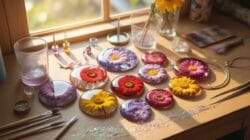
Final inspection ensures every element meets quality standards. Check each bond by gently tilting the card to see if petals lift. If edges are loose, apply a microscopic amount of glue to the underside. Store finished suites in a cool, dark environment until the day of mailing. Light exposure causes vibrant pigments in natural flowers to fade. Proper storage preserves the original colors of your Pressed Flower Stationery.
What Makes Flower Pressed Cards So Uniquely Collectible
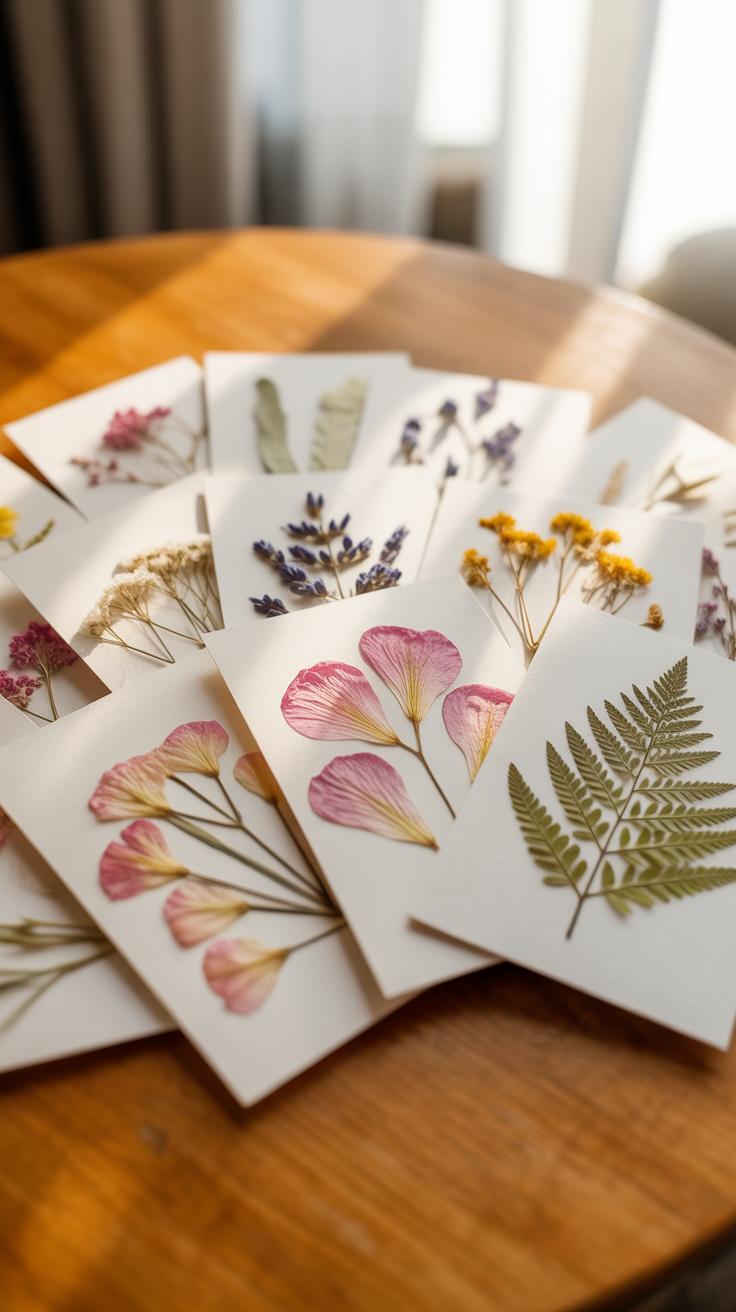
The Sentimental And Keepsake Value Behind Flower Pressed Cards
Pressed Flower Stationery serves as a physical record of a specific time and place. Unlike mass-produced digital prints, these cards contain actual biological matter. This organic connection creates a high archival value for collectors. Owners often frame these cards as miniature botanical specimens. The preservation of the flower represents a captured moment that outlasts the fleeting life of a fresh bouquet.
The rarity of specific blooms adds to the collectible nature of the medium. Some flowers only grow in certain climates or seasons. Collectors look for specific pressing techniques that retain color and structural integrity over years. Professional pressing removes moisture while maintaining the cellular wall of the plant. This technical precision ensures the card remains a high-quality artifact rather than a decaying piece of organic waste.
How Independent Artists And Small Businesses Are Driving The Flower Pressed Cards Market
Small businesses dominate the Pressed Flower Stationery market through specialized vertical integration. These artists often grow their own raw materials to ensure quality control. They bypass industrial supply chains to produce small-batch runs that appeal to niche collectors. This scarcity drives demand and increases the resale value of the stationery. Independent makers also experiment with modern UV-resistant glues and acid-free papers to improve longevity.
Artisans leverage direct-to-consumer platforms to educate buyers on the technical labor involved in pressing. They focus on transparency regarding the sourcing of every petal. This manual labor makes each card a unique piece of art. High-end stationery shops prioritize these makers over large manufacturers because customers want authentic craftsmanship. Small-scale production allows for rapid design shifts that follow current botanical and interior design trends without the lag of factory production.
How To Preserve And Display Your Pressed Flowers Cards Long Term
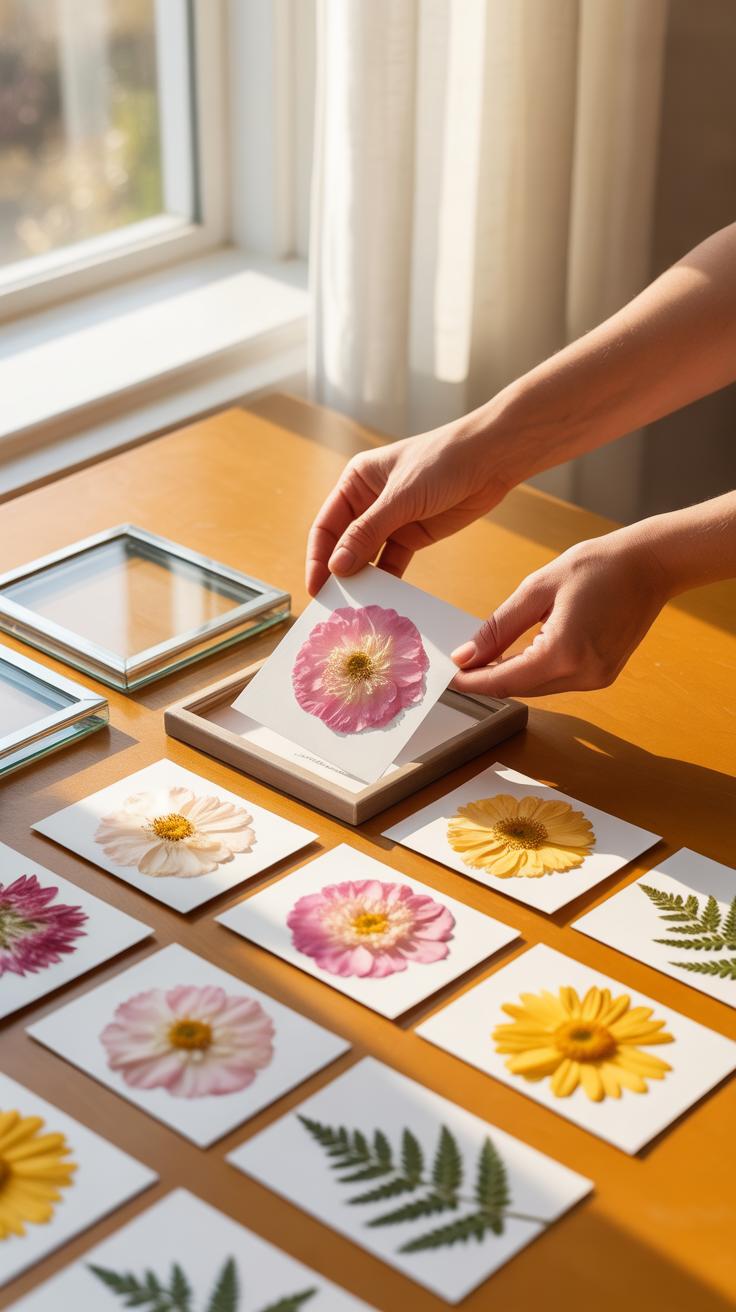
Best Practices For Storing Pressed Flowers Cards To Prevent Fading And Damage
Ultraviolet light poses the greatest threat to botanical specimens. Direct sunlight breaks down organic pigments and causes rapid color loss in petals. To prevent fading, store these cards in cool and dark environments. Use acid-free archival boxes to stop paper yellowing. Humidity also matters because moisture triggers mold growth on organic matter. Keep storage areas dry to maintain the structural integrity of the delicate flower fibers.
Physical protection prevents brittle petals from shattering. Avoid stacking heavy objects on top of your stationery. Use pH-neutral glassine paper sleeves to wrap each card individually. This barrier stops oils from your skin from touching the plants. If you plan to archive cards for decades, use lignin-free materials. These professional-grade supplies stop the chemical reactions that cause browning. Proper storage ensures your pressed flower stationery remains vibrant for many years.
Creative Display Ideas That Turn Pressed Flowers Cards Into Home DéCor
Traditional framing offers the most reliable way to display botanical cards. Use UV-filtering glass to block harmful rays while showing the art. Float frames are a popular minimalist choice for these items. They suspend the card between two panes of glass to highlight the natural edges of the paper. This technique mimics the Victorian style of herbarium mounts. It creates a clean look that fits modern and classic interiors.
Shadow boxes provide extra depth for cards with thick botanical elements. These frames prevent the glass from pressing directly against the dried flowers. This gap protects the delicate parts from crushing or sticking to the surface. You can also use archival adhesives to mount cards on acid-free mat board. Rotating your displayed cards every few months reduces total light exposure. This practice keeps your home decor fresh and protects your collection from permanent damage.
Frequently Asked Questions

What exactly is pressed flower stationery and why is it becoming so popular?
Pressed flower stationery features real, dehydrated blooms and foliage artfully arranged on paper products like greeting cards and journals. This trend has surged in popularity because it offers a tactile, three-dimensional connection to nature that digital alternatives simply cannot replicate. Each piece is entirely unique, allowing people to share a small, preserved piece of the garden with loved ones, making everyday correspondence feel like a cherished, timeless keepsake.
How can I ensure my DIY pressed flower stationery lasts without the flowers falling off?
To create lasting pressed flower stationery, always ensure your blooms are completely moisture-free before application. Use a pH-neutral clear-drying glue applied with a small toothpick to the sturdiest parts of the plant. For professional results, many artists follow the trend of sealing the arrangement with a thin layer of acid-free vellum or a botanical-grade sealant. This protects the delicate petals from friction and air exposure, preserving their vibrant colors.
Is high-end pressed flower stationery affordable for small events like bridal showers?
While bespoke artisan sets can be pricey, there are many budget-friendly ways to embrace this aesthetic. You can find beautiful, mass-produced botanical designs that mimic the look of hand-pressed petals at a fraction of the cost. Alternatively, purchasing wholesale dried flowers and plain cardstock allows you to create elegant pressed flower stationery yourself. This DIY approach is highly accessible and adds a thoughtful, personalized touch to your event without overspending.