Understanding The Beauty Of Autumn Garden Bouquets And Fall Colored Flowers
What Makes Autumn Garden Bouquets Unique Compared To Other Seasons
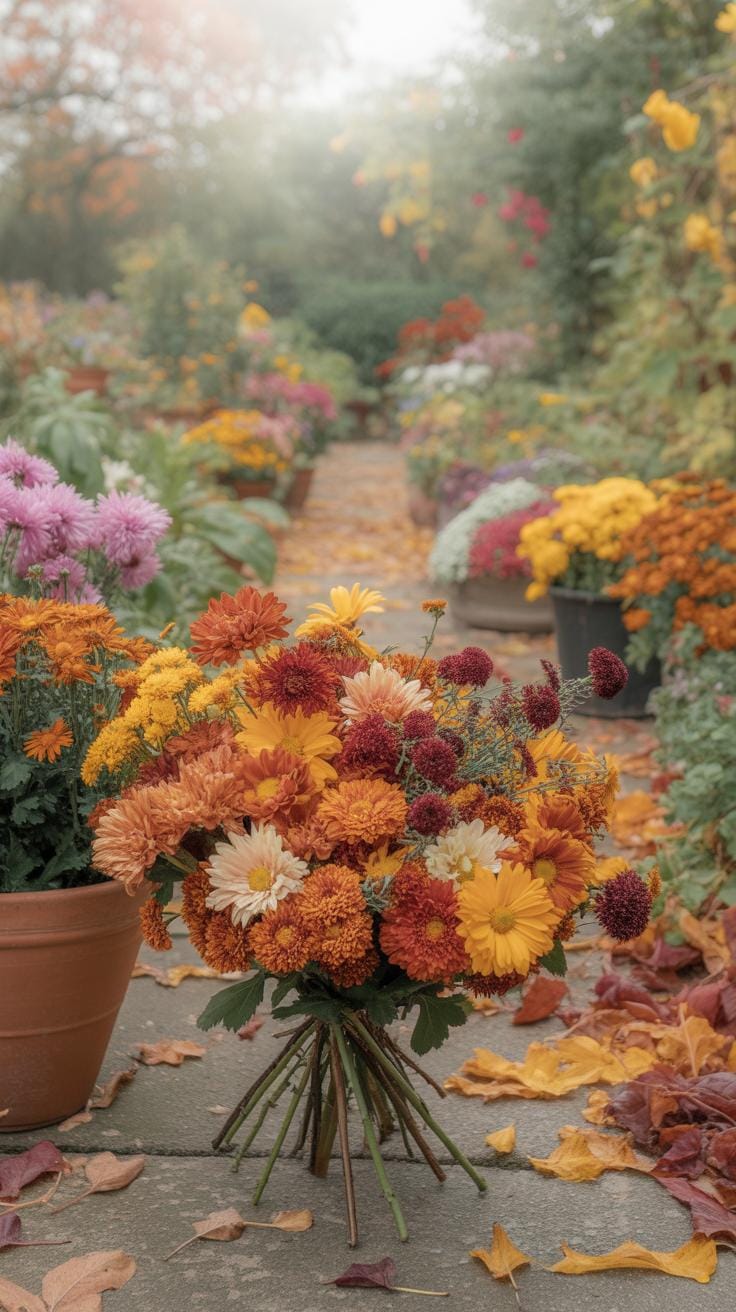
Autumn garden bouquets differ from spring arrangements because they prioritize texture and maturity. Spring flowers focus on soft petals and rapid growth. Fall stems represent the end of the life cycle. You use woody branches, dried seed heads, and ripening berries. These elements provide a structural density that summer flowers lack. This shift creates a bouquet that feels substantial and grounded.
Hardiness is another practical factor. Cold-weather blooms like dahlias and chrysanthemums have thicker stems and petals. They withstand lower temperatures and last longer in vases than delicate early-season anemones. You also incorporate non-floral elements like curly willow or turning leaves. This integration of foliage and fruit makes the arrangement a reflection of the harvest. It moves beyond simple decoration into functional seasonal art.
The Color Palette Of Fall Colored Flowers And Why It Works So Well
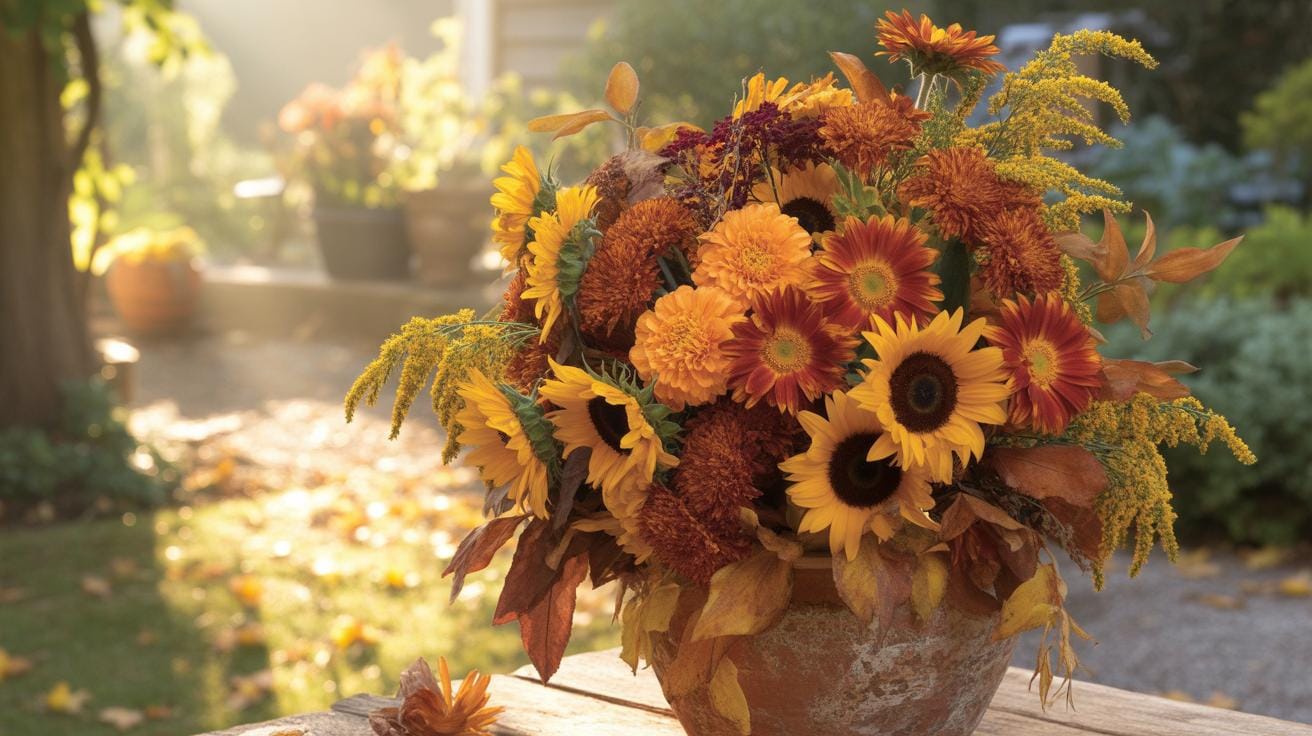
The fall palette works because it uses warm, saturated tones that create high contrast. Designers rely on the natural transition from green to shades of amber, bronze, and deep burgundy. These colors sit close to each other on the color wheel. This proximity creates a sense of visual harmony. Deep jewel tones provide a heavy base that grounds the overall design.
Light behaves differently during the autumn months. The sun sits lower in the sky, creating more golden light. Flowers in shades of burnt orange and gold catch this late-season light effectively. Designers use these tones to draw the eye to specific focal points. Darker hues like plum or chocolate create depth and shadows. This strategic use of warmth mimics the natural environmental changes occurring outside the garden.

The Best Flower Autumn Varieties To Grow Or Source For Your Bouquets
Hardy Perennials And Annuals That Thrive As Flower Autumn Choices
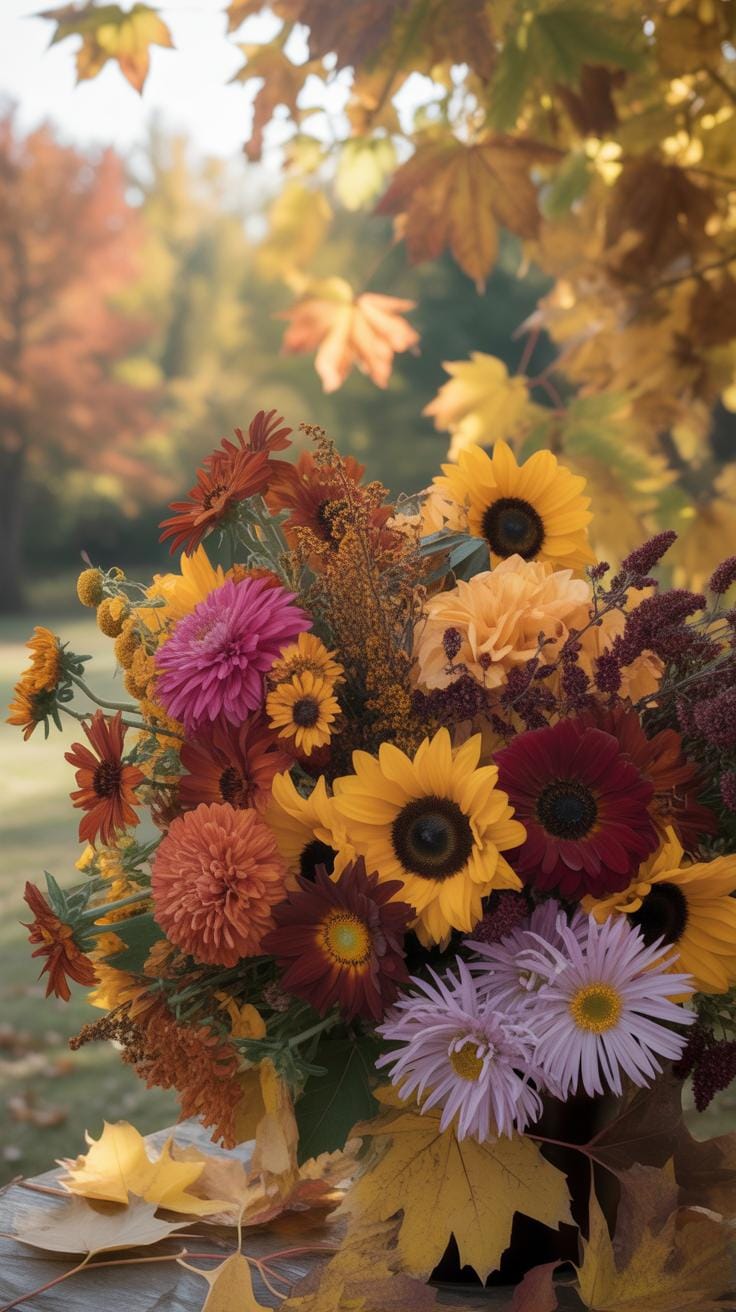
Successful autumn bouquets require plants that tolerate cooling soil and shorter days. Choose late blooming species like Dahlias and Chrysanthemums for primary structure. These plants offer high petal counts and rigid stems. They withstand early frost better than summer annuals. Focus on varieties known for their vase life. Select cultivars with strong necks to support heavy flower heads. Proper selection ensures your arrangements stay upright and fresh.
Integrate woody perennials and seed heads to add structural integrity. Sedum Autumn Joy provides a dense umbrella shape and transitions from pink to copper. Rudbeckia and Echinacea offer dark centers that ground your color palette. These species thrive with minimal intervention during the late season. Harvest when the blooms are half open to maximize longevity. Focus on plants that provide both vibrant color and textural contrast in your designs.
Where To Source Fresh Autumn Blooms When Your Garden Falls Short
Local flower farms serve as the primary resource when your garden fails. These growers cultivate varieties that mass market wholesalers often ignore. You get access to specialty zinnias and celosia that do not travel well. Seek out local hubs through slow flowers movements or regional agricultural directories. Buying direct ensures the stems were cut within forty eight hours. Short transport times reduce plant stress and extend your bouquet life.

Wholesale floral markets provide the volume necessary for large scale projects. Use these hubs to find imported stems like Protea or Banksia that complement local autumn textures. Foraging offers a secondary source for wild elements like oak branches or dried grasses. Always verify land ownership before cutting. Combine commercial purchases with foraged bits to create a professional look. This strategy balances cost and aesthetic variety during the late season transition.
How To Design A Stunning Autumn Floral Arrangement From Your Garden
Core Design Principles Behind A Balanced Autumn Floral Arrangement
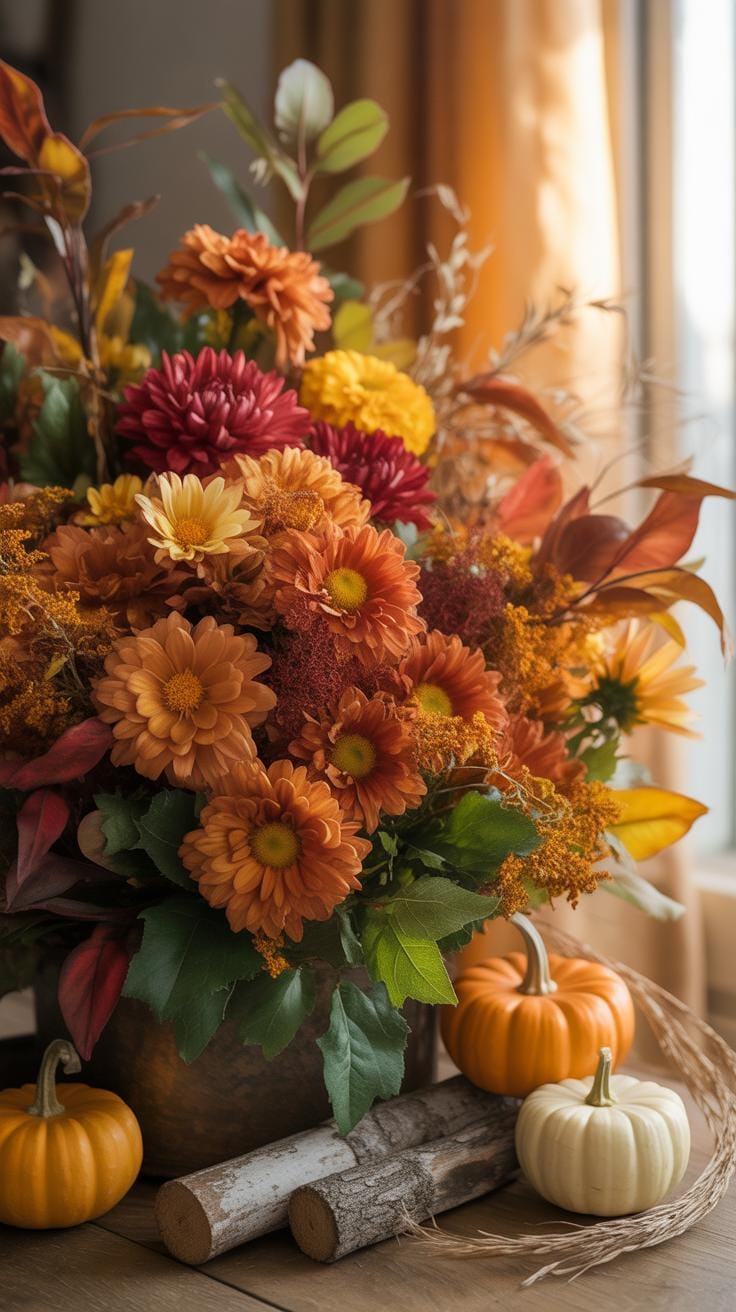
Effective design relies on the Golden Ratio to achieve visual stability. Use the rule of thirds to determine the height of your stems. Most arrangements require a height 1.5 times the height of the container. This creates a natural focal point that draws the eye without overwhelming the space. Proper tension between light and dark colors defines the overall shape.
Balance stems by weight and volume. Place heavy, dark blooms like dahlias near the base of the vase to provide a physical and visual anchor. Use lighter, airy stems like cosmos or grasses at the top and edges to create movement. This mimics how plants grow in nature. Strategic placement prevents the arrangement from looking top heavy or cluttered.
Choosing The Right Vessels Foliage And Fillers For Your Autumn Display
Select a vessel that supports the weight of woody stems. Heavy stoneware or thick glass works best for autumn branches. Use narrow-necked vases to hold stems upright without the need for floral foam. Ensure the container material complements the earthy tones of the season. Clean vessels with bleach to remove bacteria and extend the life of your garden cuts.

Foliage provides the mechanical structure for your design. Use oak leaves or Ninebark to build a framework first. Fillers like Amaranth or goldenrod bridge the gaps between large focal flowers. These elements add texture and depth to the display. Choose fillers that are in their peak harvest stage to avoid premature wilting. Strong foliage ensures the arrangement maintains its shape.
The Dahlia Flower Bouquet AutumnS Most Celebrated Garden Bloom
Why Dahlias Are The Star Of Any Dahlia Flower Bouquet Wedding Or Garden Display
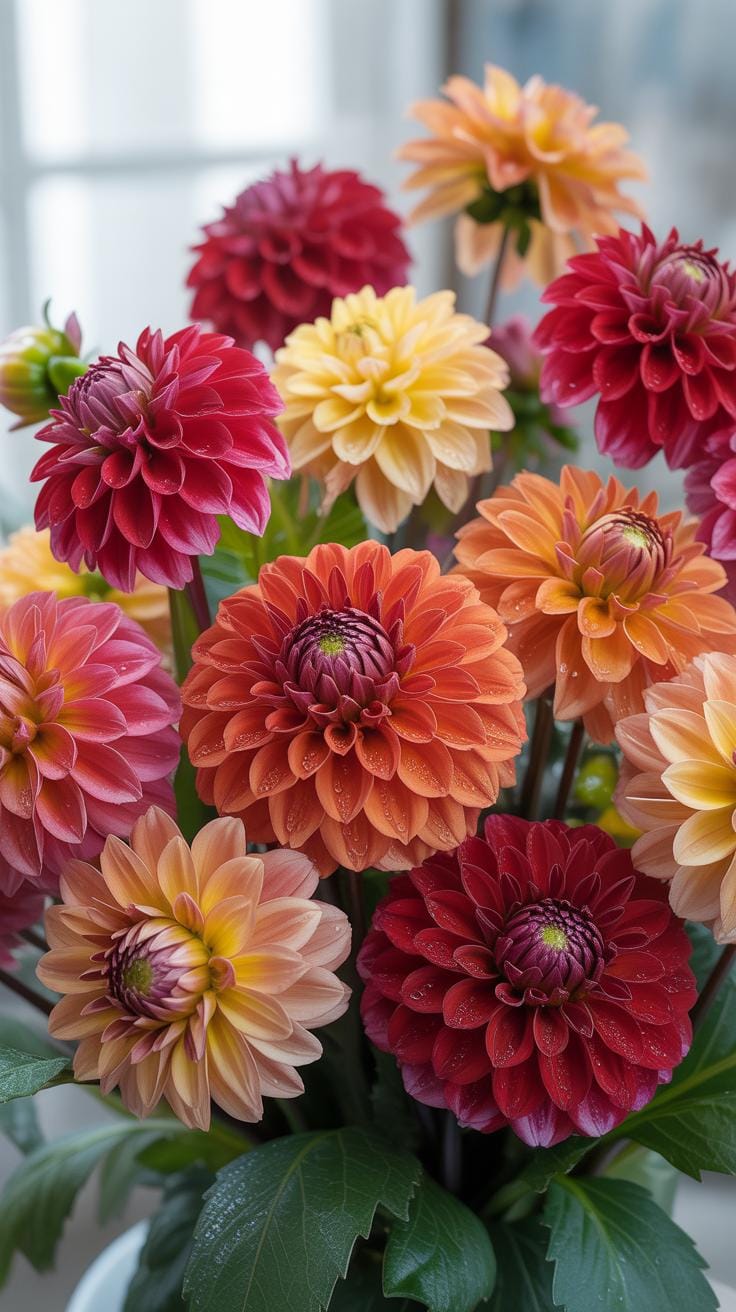
Dahlias dominate autumn garden bouquets because of their massive diversity in form and color. These plants provide high yields during the fall months when other perennials fade. Designers value them for their structural impact. You can choose from dinnerplate varieties for focal points or pompons for texture. Their geometric petal arrangements create natural visual interest without needing complex fillers or expensive additions.
Professional florists rely on dahlias for wedding work because they offer a high perceived value. They bridge the gap between summer brightness and winter deep tones. Dahlias provide specific shades like burgundy, burnt orange, and cafe au lait that match autumn color palettes perfectly. Their sturdy stems support heavy flower heads in large installations. No other seasonal bloom offers this specific combination of scale and durability.
Design your bouquet to capture the fading glow of the season, for autumn is a second spring where every leaf is a flower.
How To Cut, Condition, And Style Dahlias For Maximum Vase Life
Cut dahlias in the cool hours of early morning or late evening. Choose blooms that are nearly fully open because they do not open significantly after cutting. Use sharp, clean shears to make a clean diagonal cut. Place stems immediately into deep, warm water to prevent air bubbles from blocking hydration. Remove all foliage that sits below the water line to stop bacterial growth.

Conditioning dahlias requires temperature control. Place the stems in a cool, dark area for several hours before arranging. Change the vase water every two days to keep the flowers fresh for up to a week. When styling, use a grid of floral tape or a heavy frog to support the weight of the heads. This prevents the heavy blooms from sagging or flipping over in low containers.
Early Fall Wedding Flowers Transitioning Your Garden Into Bridal Ready Blooms
Which Early Fall Wedding Flowers Peak Between Late August And September
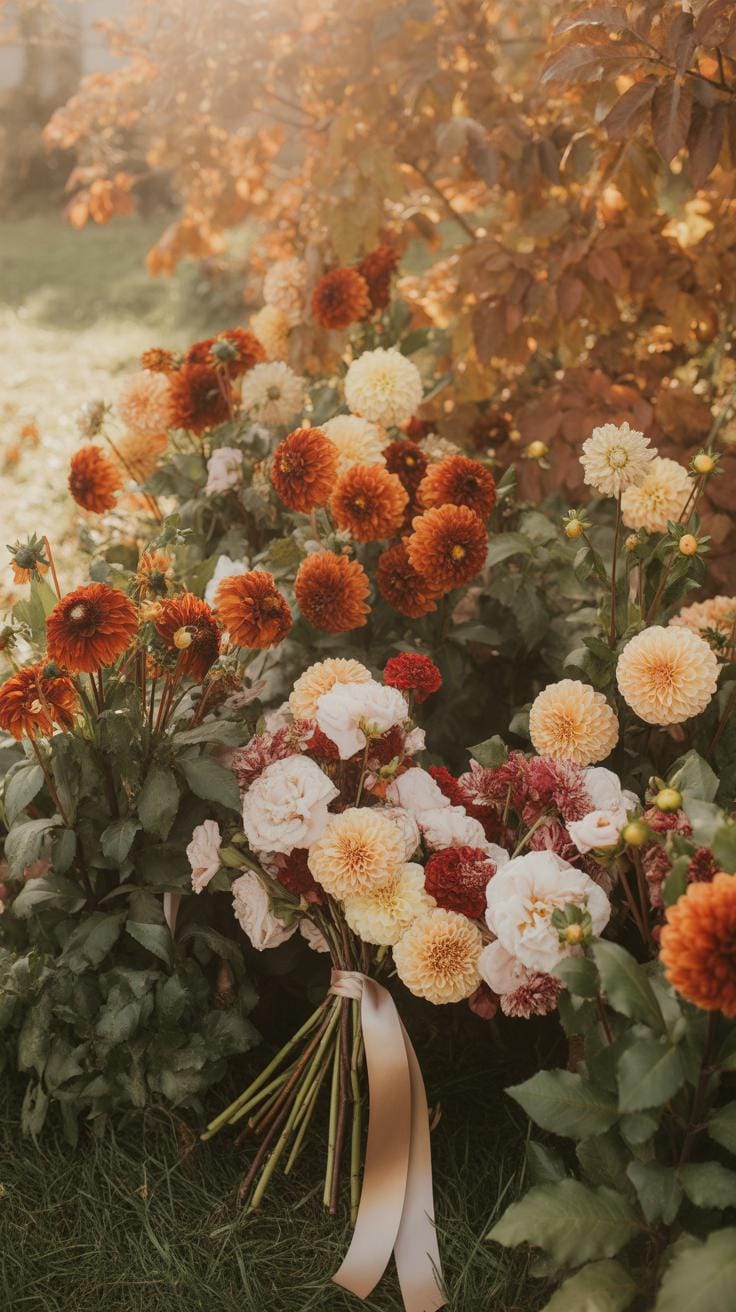
Late August and September mark the height of the Dahlia season. These flowers provide bulk and structural integrity to bridal arrangements. Dinnerplate varieties offer the scale needed for focal points in large bouquets. Zinnia and Cosmos also peak during this window. They offer smaller shapes that fill gaps between larger blooms. You must harvest these flowers in the cool morning hours to ensure maximum hydration throughout the event.
Farmers and florists focus on Cafe au Lait Dahlias for their neutral tones. These fit the heavy demand for muted wedding palettes. Phlox and Scabiosa add delicate textures that contrast with heavy sun-loving perennials. Sedum begins to show color now and offers a sturdy base for handheld designs. Monitor water levels closely during this transition. Heat spikes can cause petal wilt in these soft-stemmed varieties if they lack proper hydration.
Pairing Early Season Blooms With Foliage For An Elegant Bridal Look
Successful bridal designs require a balance between primary blooms and structural greenery. Use Ninebark or Heuchera leaves to ground the bright colors of late summer flowers. These darker foliage types create a frame that makes pastel flowers pop. Avoid over-using bright green stems which can look cheap in professional photography. Aim for bronze or burgundy tones to signal the seasonal shift. This choice adds immediate sophistication to any garden-sourced bouquet.

Incorporate texture through dried elements like seed pods and grasses. Scabiosa pods and Nigella provide visual interest without adding significant weight. These materials bridge the gap between summer vivacity and autumn maturity. Place heavier foliage at the base of the bouquet to support the more fragile flower heads. Using diverse leaf shapes creates depth within the arrangement. Proper sorting of materials ensures the final product looks curated and intentional rather than cluttered.
Bridal Bouquet Ideas Fall Crafting A Romantic Autumn Garden Arrangement
Popular Bridal Bouquet Ideas Fall Brides Are Choosing Right Now
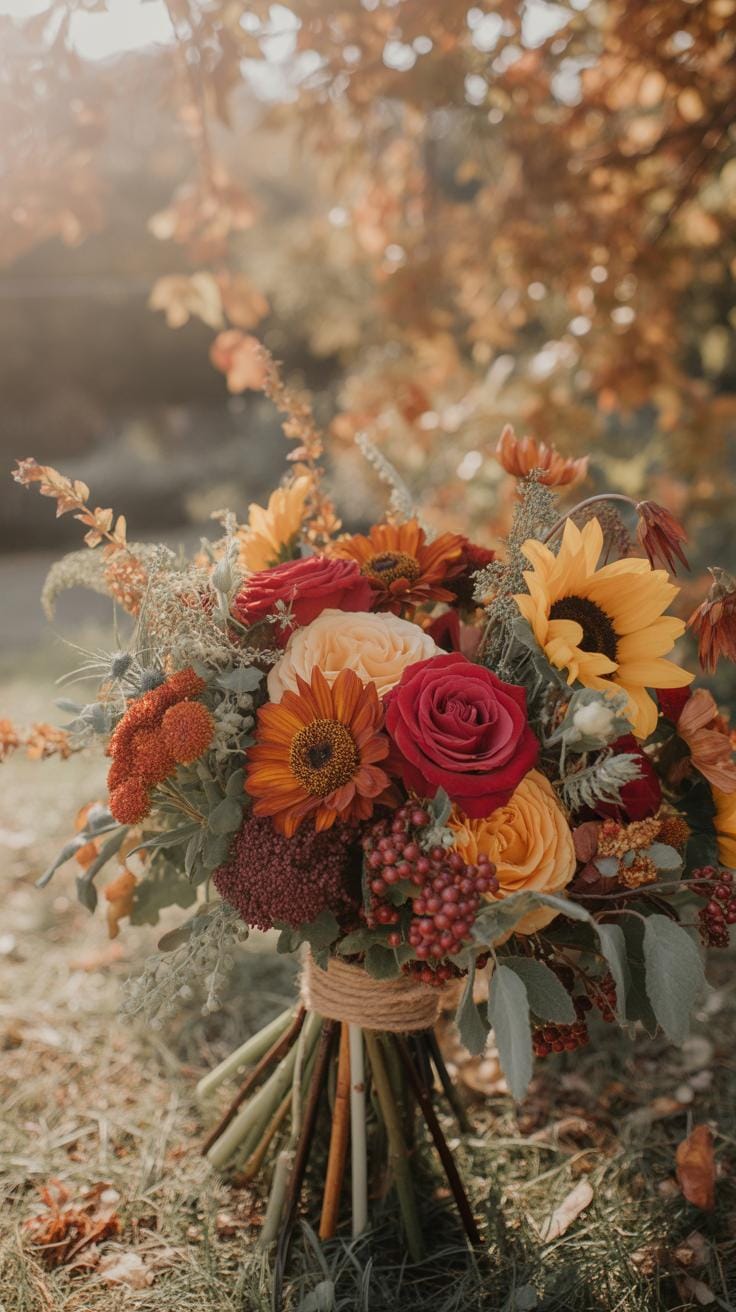
Modern fall brides prioritize texture and depth over simple color matching. They move away from standard red roses toward complex garden varieties with high petal counts. Current trends favor a deconstructed look that mimics a natural garden setting. Designers use structural elements like dried grasses and architectural seed pods to add visual interest. These components provide a sturdy foundation for delicate seasonal blooms.
- Muted Earth Tones: Brides select palettes consisting of terracotta, sand, and taupe. These colors reflect the natural drying cycle of autumn gardens. They provide a neutral base that allows specific focal flowers like Cafe au Lait dahlias to stand out without clashing with the landscape.
- Textural Foliage: Designers integrate eucalyptus, agonis, and smoke bush to create movement. These plants offer varied leaf shapes and deep purple or silver hues. They break up the density of the bouquet and provide a framework for the softer floral elements.
- Dried Elements: Incorporating pampas grass or bleached ruscus adds a vintage feel. These materials are durable and hold their shape throughout long ceremonies. They introduce a matte texture that contrasts sharply with the waxy finish of live autumnal greenery and berries.
- Monochromatic Deep Tones: Some arrangements focus entirely on deep burgundy or plum shades using scabiosa and ranunculus. This creates a bold visual impact against white or ivory bridal gowns. The lack of color variety forces the eye to notice differences in flower shape and size.
- Foraged Accents: Using local items like acorns, bittersweet vines, or hypericum berries adds a sense of place. These additions connect the bouquet to the specific outdoor environment. They provide small details that make the arrangement look authentic rather than mass-produced in a shop.
Reliable construction is essential for these heavy arrangements. Use floral wire to reinforce weak stems on heavy-headed flowers like chrysanthemums. This prevents the blooms from drooping during the event. Finish the stems with silk or velvet ribbons in copper or gold tones. These materials pull the entire color story together while providing a comfortable grip for the bride during the ceremony.
How Bouquet Shape And Size Affect The Overall Bridal Aesthetic In Autumn
Large and cascading shapes dominate the autumn garden style. These oversized arrangements communicate a sense of abundance and harvest. A wide horizontal shape covers more of the bridal gown and creates a dramatic silhouette. This style works best for outdoor settings where the wind adds movement to dangling vines. It requires a mix of stiff branches and flexible trailers to maintain its structural integrity.

Smaller nosegay bouquets offer a more traditional and controlled look. These compact designs focus on the perfection of individual blooms like Dutch carnations or anemones. A tight round shape prevents delicate autumn petals from bruising against the dress. Use these smaller sizes for formal indoor weddings where space is limited. They provide a clean focal point without overwhelming the bride or hiding the intricate details of her attire.
Fall Wedding Flowers October Blooms That Are At Their Peak Mid Autumn
The Best Fall Wedding Flowers October Gardens Reliably Produce
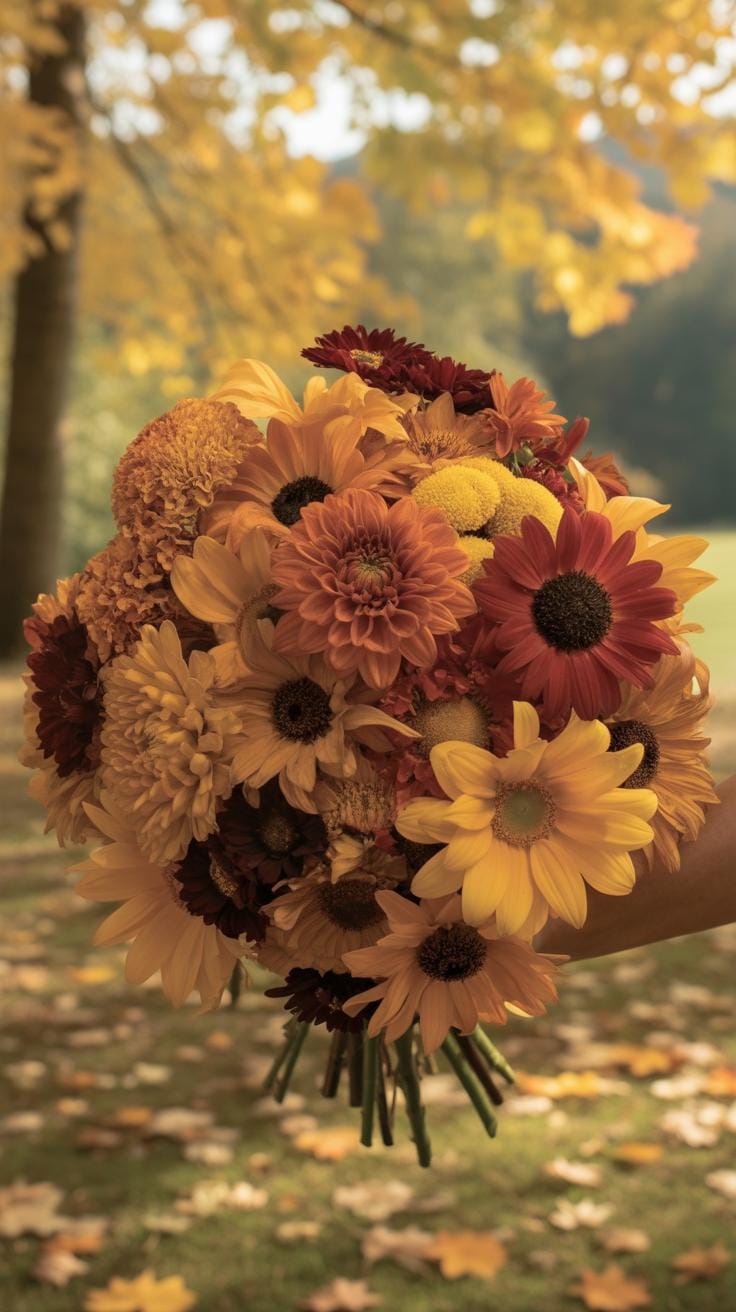
October gardens offer robust plants that handle cooler nights. Dahlias provide the primary structural focus for bouquets during this window. These plants reach their peak size and color intensity just before the first frost. Choose dinnerplate varieties for focal points or ball dahlias for texture. They offer a diverse color range from deep burgundy to burnt orange. These shades define the mid-autumn aesthetic.
Reliable secondary blooms include heirloom chrysanthemums and late-season anemones. Chrysanthemums provide dense petals that resist wilting in dry air. Anemones offer a stark contrast with dark centers and delicate white petals. You should also look for Japanese anemones as they thrive in October shade. These flowers provide height and movement to arrangements. They fill gaps between larger blooms while maintaining a sophisticated look for garden weddings.
How To Keep October Cut Flowers Fresh From Garden To Ceremony
Harvest flowers during the coolest part of the day to ensure stem hydration. Early morning is the best time for cutting garden stems. Use sharp and sanitized shears to prevent crushing the vascular system of the plant. Immediately place cut stems into deep buckets of lukewarm water. This step prevents air bubbles from blocking the water intake. Allow the flowers to rest in a cool dark space.
Conditioning stems for at least twelve hours increases their vase life significantly. Remove all foliage that falls below the water line to prevent bacterial growth. Bacteria clog stems and cause premature wilting in bridal bouquets. Change the water daily if you harvest days before the event. Use a floral preservative to provide necessary sugars and acidifiers. This keeps the metabolic processes of the flowers stable until the ceremony begins.
Building A Colorful Wedding Bouquet Fall Style With Garden Grown Stems
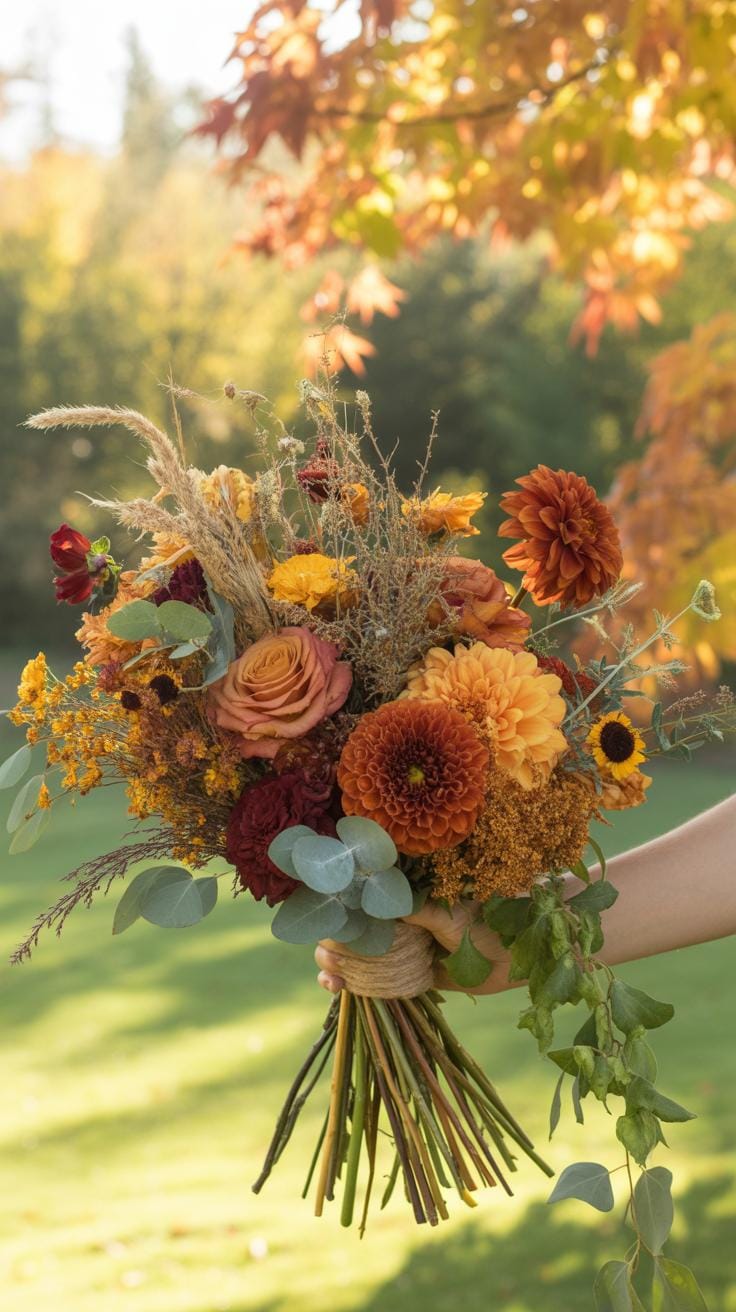
How To Layer Colors And Textures For A Striking Colorful Wedding Bouquet Fall Look
Successful fall bouquets depend on color depth and contrast. Use the split-complementary color scheme to create visual impact. Pair deep burgundies with golden yellows and muted oranges. This palette reflects the natural decay and maturity found in autumn gardens. Balance these saturated tones with muddy neutrals like parchment or dusty rose. This prevents the arrangement from looking flat or overly aggressive.
Texture provides the necessary structural interest in garden-sourced bouquets. Mix smooth floral surfaces with jagged seed heads and rough foliage. Place velvet-textured celosia next to delicate, airy grasses. This contrast mimics the complexity of a natural landscape. Use different heights to create a three-dimensional appearance. Avoid tight, round shapes. Instead, allow stems to jut out at varied angles to capture light and shadow effectively.
Essential Tools And Techniques For Assembling Fall Flower Bouquets Autumn Brides Will Love
Professional assembly requires specific hardware to maintain flower health and structural integrity. You must prepare all stems before starting the build. Strip all foliage that will sit below the water line to prevent bacterial growth. Use clean, sharp bypass pruners to ensure vascular tissues remain open for hydration. Working in a cool environment extends the life of these fresh garden cuts.
- Bypass Pruners: Use these for clean cuts on soft and woody stems. Compressed stems cannot take up water. Sharp blades prevent crushing the tissue and ensure the flower stays hydrated throughout the event.
- Floral Tape: Wrap this around the stems to secure the structure. This adhesive stretch tape provides a firm grip without cutting into the plant material. It allows you to position heavy fall blooms precisely.
- Stem Wire: Reinforce weak or top-heavy stems with gauges between twenty and twenty-six. This technique prevents heavy dahlias or zinnias from drooping. It gives the designer total control over the direction of the bloom.
- Buckets of Conditioned Water: Place stems immediately into room temperature water with floral preservative. This step removes field heat and keeps the cells turgid. Proper conditioning is the only way to prevent wilting during a long wedding day.
- Silk or Velvet Ribbon: Use these materials to finish the handle and cover the mechanics. Choose colors that complement the floral palette. Proper pinning ensures the ribbon stays secure while the bride carries the heavy bouquet.
Master the spiral hand-tied technique to create a balanced weight. Hold the stems at a central binding point and add new material at an angle. Rotate the bouquet constantly to check for gaps and symmetry. This method allows the stems to spread out at the base while staying tight at the handle. Finish by trimming all stems to a uniform length for a professional look.
Caring For And Preserving Your Autumn Garden Bouquets After Arrangement
Post Arrangement Care Tips To Extend The Life Of Your Autumn Bouquet
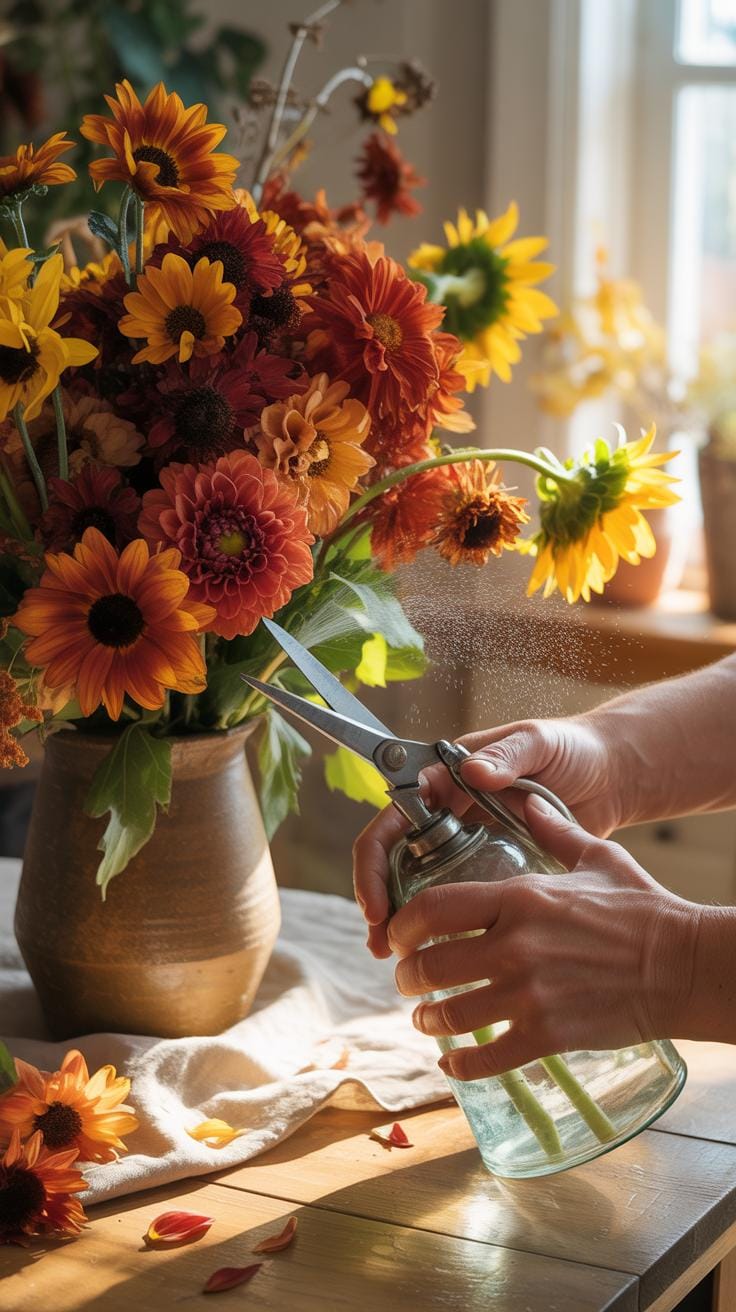
Temperature control remains the primary factor in bouquet longevity. Keep your arrangement in a cool location away from direct sunlight and heating vents. High heat accelerates transpiration and causes petals to wilt fast. Remove any leaves that sit below the water line immediately. Decaying foliage creates bacteria that clog the stems and prevent water uptake. Clean water is the most vital asset for flowers.
Change the water every two days to prevent bacterial growth. Use sharp shears to re-cut stems at a forty-five-degree angle during every water change. This exposes fresh tissue and increases the surface area for hydration. Use a commercial flower food or a DIY mixture of sugar and bleach. Sugar provides energy while bleach kills harmful microbes. Consistency in these maintenance tasks will double the lifespan of your garden stems.
How To Dry And Preserve Autumn Blooms As A Lasting Keepsake
Air drying is the most effective method for sturdy autumn varieties like Hydrangea and Celosia. Strip all foliage from the stems and gather them into small bundles. Use twine to hang the bundles upside down in a dark and dry room with good airflow. Darkness prevents the pigments from fading under UV light. Gravity keeps the stems straight as they lose moisture over two to three weeks.
Silica gel offers a faster alternative for delicate flowers like Dahlias or late season Roses. Place the flower heads in an airtight container and cover them completely with the desiccant crystals. This material pulls moisture out rapidly while maintaining the original shape of the bloom. Check the progress after four days to avoid making the petals too brittle. Once dry, spray the flowers with a light coat of unscented hairspray for protection.
Frequently Asked Questions

What are the best flowers for a beginner to use in fall arrangements?
If you are new to floral design, start with hardy, reliable blooms like zinnias, marigolds, and sunflowers. These flowers provide sturdy stems and vibrant colors that define classic autumn garden bouquets. Complement these focal points with textured elements like dried seed heads or ornamental grasses. This combination is incredibly forgiving for novices, allowing you to focus on color coordination rather than complex structural techniques while still achieving a professional look.
How do I make my fall floral arrangements last longer indoors?
To extend the life of your autumn garden bouquets, always harvest your flowers in the cool morning hours and use sharp, clean snips to prevent stem damage. Strip any foliage that would sit below the waterline to avoid bacterial growth, which causes wilting. Replace the water every two days and add a pinch of sugar or floral preservative to provide essential nourishment, ensuring your seasonal display remains fresh and vibrant.
Can I create a beautiful autumn bouquet without buying expensive flowers?
Absolutely! You can craft stunning displays by foraging directly from your own backyard or local landscape. Look for colorful oak leaves, rose hips, or even dried hydrangea tawny heads to add depth and volume. Incorporating branches with berries or interesting bark provides an architectural element that mimics high-end floral designs. This sustainable approach helps you create unique arrangements that celebrate the natural beauty of the season without spending a dime.