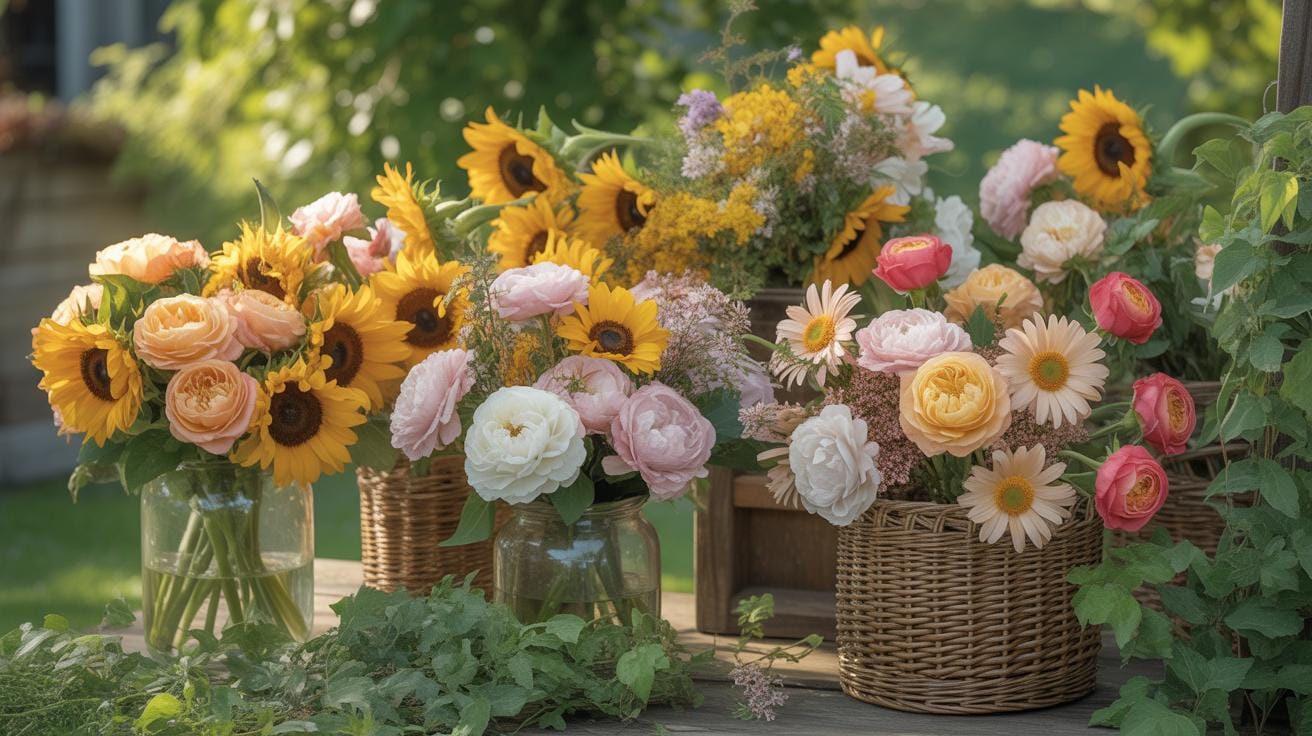
Why Summer Garden Bouquets Are Having A Major Moment Right Now
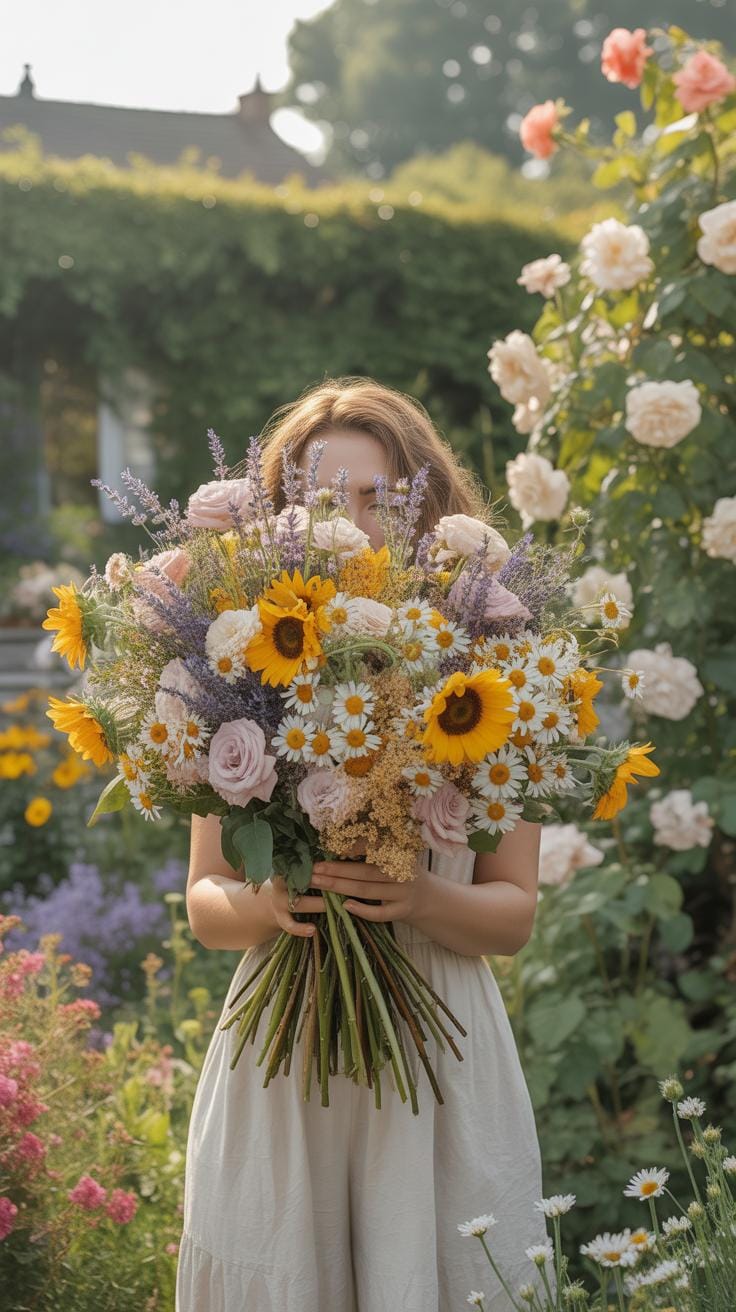
The Seasonal Surge: Why Summer Is Peak Season For Fresh Garden Blooms
Summer provides the highest light levels and longest days of the year. This environment triggers rapid growth in photoperiodic plants. Heat-loving species like Dahlias and Zinnias reach maturity during this window. These plants require warm soil temperatures to produce high stem counts. Short nights allow for continuous nutrient uptake. This natural cycle creates a surplus of local material for floral designers.
Logistics favor summer sourcing because transit times decrease. Local farms harvest and deliver blooms within hours. This proximity keeps the cold chain short and maintains vascular pressure in the stems. Freshly cut garden flowers last longer than imports because they skip heavy industrial processing. Seasonal availability forces a shift toward resilient, sun-hardy varieties. These flowers handle high temperatures better than spring or winter crops.
How Gardening Culture And Floral Design Are Influencing Each Other In 2024
Home gardening has moved from a hobby to a primary source of floral material. People now plant specific cultivars for their cutting potential. This shift changes what designers offer to the public. Consumers demand the irregular shapes and unique colors found in private gardens. Professional florists now adopt the naturalistic style of the New Perennial Movement. This design style emphasizes how plants actually grow.
Floral arrangements now highlight the full life cycle of the plant. Designers include seed pods, berries, and varying stages of bloom. This movement mimics a garden bed rather than a traditional round bouquet. It reflects a growing desire for transparency and ecological connection. Strategic planting for biodiversity influences these design choices. The result is a more rugged and authentic aesthetic. This style prioritizes texture over perfect symmetry.

The Rise Of The Wildflower Bouquet In Modern Floral Design
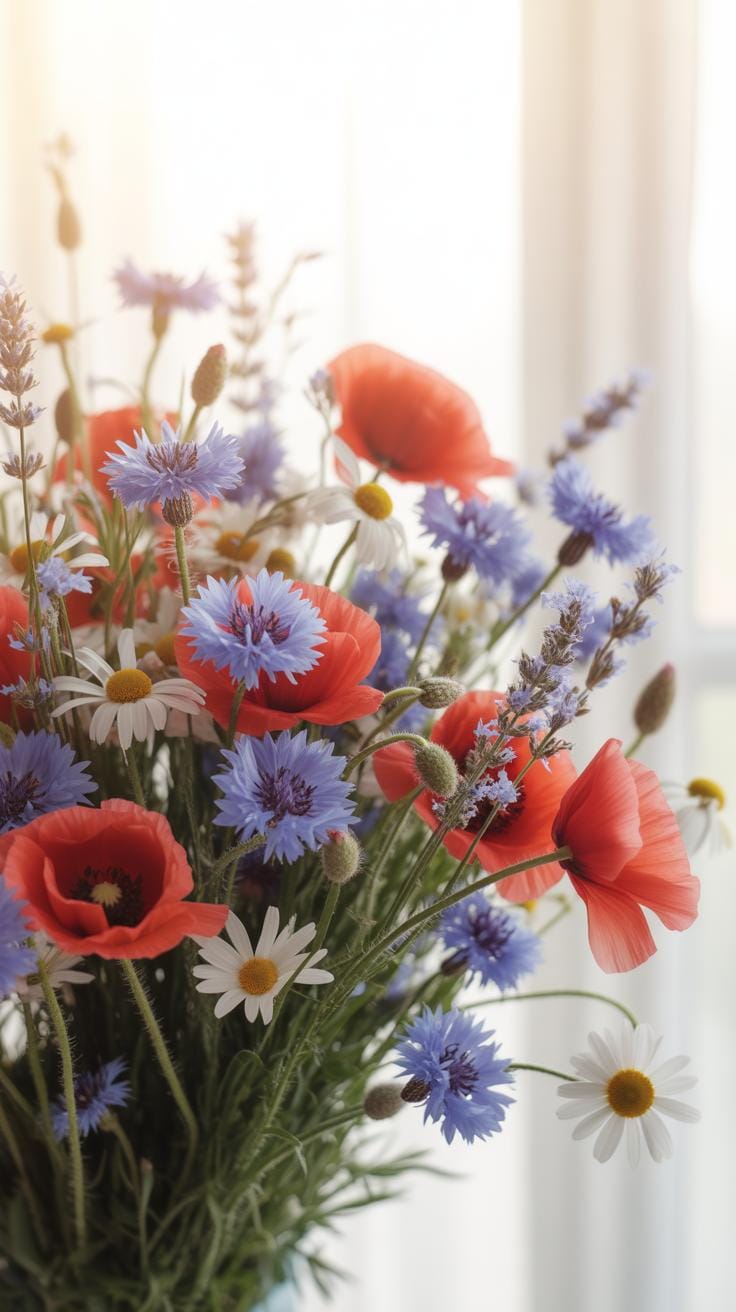
What Makes A Wildflower Bouquet Unique Compared To Traditional Arrangements
Wildflower bouquets reject the rigid symmetry of formal floristry. Traditional designs rely on tight dome shapes and heavy focal flowers like roses. Wildflower arrangements use varying stem lengths to mimic how plants grow in nature. This approach creates a sense of movement and airiness. Designers call this the naturalistic style. It focuses on the specific architecture of every individual stem.
This style uses more greenery and filler than standard shop bouquets. You see more texture from grasses and seeds. Traditional floristry often hides these elements. Modern garden designs highlight them. Technicians use the spiral hand-tied method to keep the look loose but stable. This technique ensures the bouquet maintains its shape without looking forced or overly stiff during events.
Top Wildflower Varieties Dominating Summer Garden Bouquets This Year
Cosmos and Queen Annes Lace lead the current market demand. Cosmos provide a soft petal texture and strong stems for height. Queen Annes Lace acts as a structural filler with its flat white clusters. These species grow well in many climates and offer a reliable harvest. They provide the delicate look that customers want. Florists value these plants for their vase life.

Zinnias and Echinacea provide the necessary weight to the center of the bouquet. Zinnias come in high-saturation colors that stand up to summer heat. Echinacea adds a distinct cone shape that creates visual interest once the petals fall. Professional growers select these varieties for their pest resistance. They represent the core of the sustainable floral movement. These plants work best when cut early in the morning.
Wildflower Wedding Bouquet Styles That Are Redefining Bridal Florals
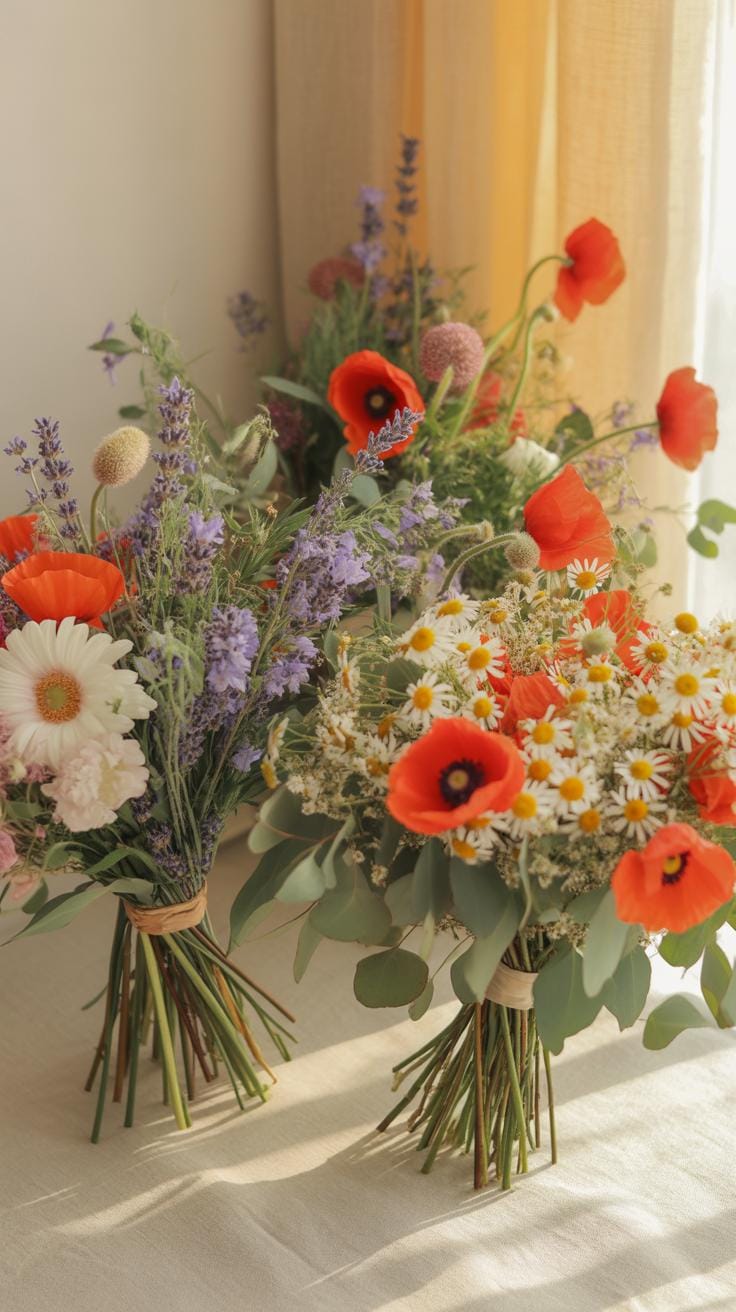
Loose And Romantic: The Unstructured Wildflower Wedding Bouquet Aesthetic
Unstructured designs break away from the tight spheres of traditional floristry. These Summer Garden Bouquets prioritize negative space and varying stem lengths. Florists use a focal point but allow secondary blooms to extend outward at different angles. This technique mimics how flowers grow in nature. It creates a sense of movement that rigid, wire-heavy arrangements often lack. You achieve this look by avoiding floral foam and tight tape wraps.
The loose aesthetic relies on sturdy seasonal stems like Queen Anne’s Lace, Larkspur, and Cosmos. These species provide the necessary height and airy texture. Designers often leave stems exposed to show the raw material. This style reduces the weight of the bouquet for the bride. It also allows the flowers to breathe and last longer throughout the event. Proper mechanics involve a hand-tied spiral technique to ensure structural integrity without bulk.
How To Match Your Wildflower Wedding Bouquet To Your Bridal Style And Venue
Your bouquet must align with the architectural lines of your venue. Industrial spaces or modern halls require wildflower clusters with sharp color contrasts to stand out. Rural settings allow for more muted tones and local weeds that blend with the landscape. Select your color palette based on the actual blooming cycle of your region. This ensures the flowers look fresh and relevant to the specific time and location of the ceremony.

Bridal attire also dictates the size and shape of the arrangement. A heavy lace dress pairs well with dense wildflower textures like Yarrow or Echinops. Minimalist silk gowns require cleaner lines and a few standout stems like Sunflowers or Zinnias. Scale is the most important factor here. A massive bouquet hides the detail of the garment. A small arrangement disappears against a full skirt. Match the volume of the flowers to the silhouette of the dress.
Summer Wedding Bouquets The Most Requested Flower Combinations
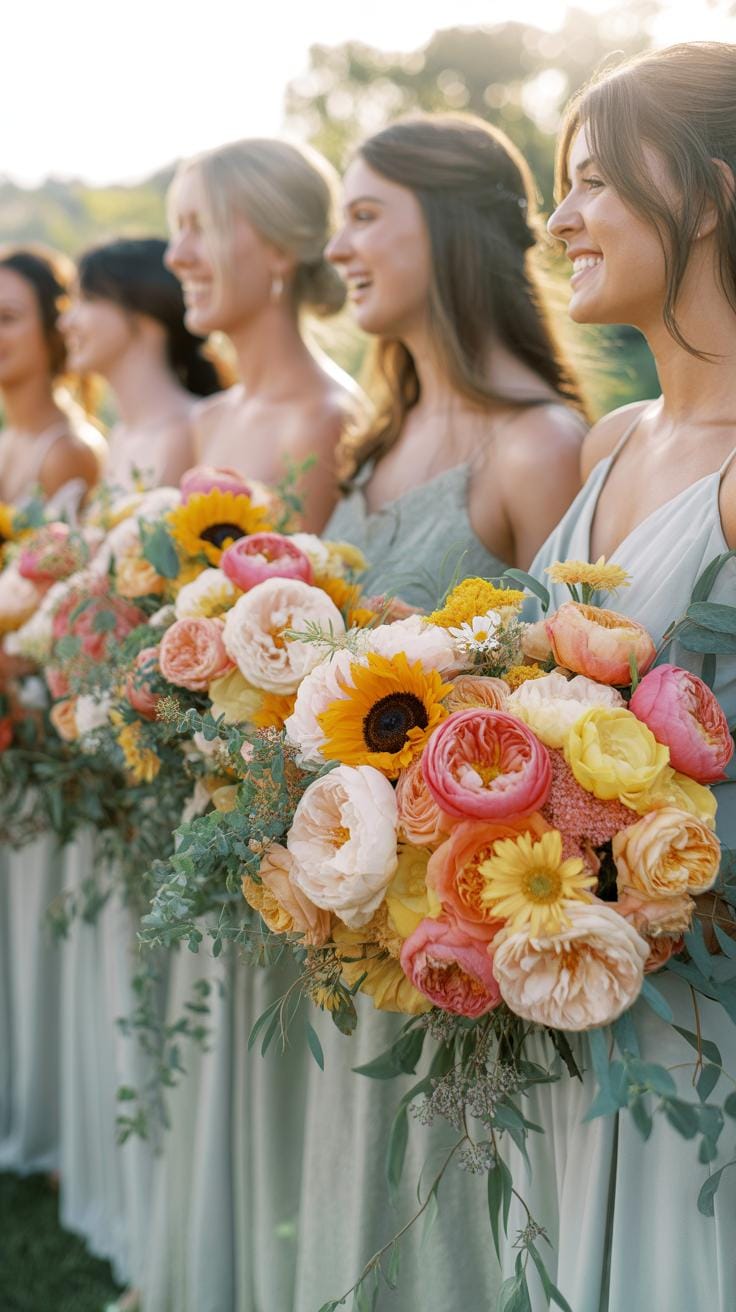
Sun Drenched Pairings: Sunflowers, Dahlias, And Zinnias In Summer Wedding Bouquets
High-heat resilience dictates flower choice for outdoor summer ceremonies. Sunflowers provide structural stability and scale for large arrangements. Large-form Dahlias, specifically Dinnerplate varieties, offer dense petal counts that fill space without adding significant weight. Zinnias contribute a wide spectrum of saturated pigments that do not wash out under direct midday sun. These three species share similar water requirements and stem rigidity.
Successful designers use these flowers to create high-contrast visual depth. Sunflowers act as the primary focal point due to their dark centers and thick stems. Dahlias add complex texture and transitional colors between the bright yellow of sunflowers and the sharp hues of zinnias. This combination resists wilting better than delicate spring bulbs. It ensures the bouquet maintains its shape from the ceremony through the evening reception.
Essential Tips For Keeping Summer Wedding Bouquets Fresh On Your Big Day
Heat and dehydration kill cut flowers rapidly during summer events. You must manage the temperature of the stems from the moment of arrival. Professional florists use hydration sprays to seal the stomata of the petals. This slows down the rate of transpiration. Keep all arrangements in a climate-controlled environment until the exact moment the bridal party needs them for photographs or the walk.
- Hydration Chambers: Store finished bouquets in a refrigerated environment set to 34 or 38 degrees Fahrenheit. This temperature range slows the metabolic rate of the flowers. It prevents premature blooming and keeps the petals turgid for several hours before the event starts.
- Stem Recutting: Submerge stems in water and cut one inch off at a sharp angle. This removes air bubbles trapped in the xylem. It creates a fresh surface area for maximum water uptake. Use sharp, sanitized shears to prevent crushing the delicate vascular tissue.
- Vase Water Management: Use clean glass containers filled with cool water and floral preservative. This solution contains carbohydrates for energy, biocides to kill bacteria, and acidifiers to balance pH levels. Change the water if it becomes cloudy to prevent stem rot and blockage.
- Anti-Transpirant Sprays: Apply a clear wax-based coating to the foliage and flower heads. These commercial products create a thin film that locks moisture inside the plant cells. This serves as a vital barrier against the drying effects of wind and low humidity.
- Strategic Placement: Avoid placing floral arrangements in direct sunlight or near air conditioning vents. Direct sun causes rapid moisture loss through evaporation. AC vents create drafts that pull moisture out of the petals quickly. Position the bouquets in shaded, still areas whenever the camera is off.

Final preparation requires a mechanical check of the binding materials. Moisture often causes silk or satin ribbons to slip or discolor. Use waterproof floral tape to secure the structure before applying decorative wraps. Check the water levels in holding jars every two hours. If a flower shows signs of flagging, mist the underside of the head. This targeted hydration can often revive a wilting bloom within minutes.
Pastel Bouquet Trends Soft Tones That Steal The Summer Spotlight
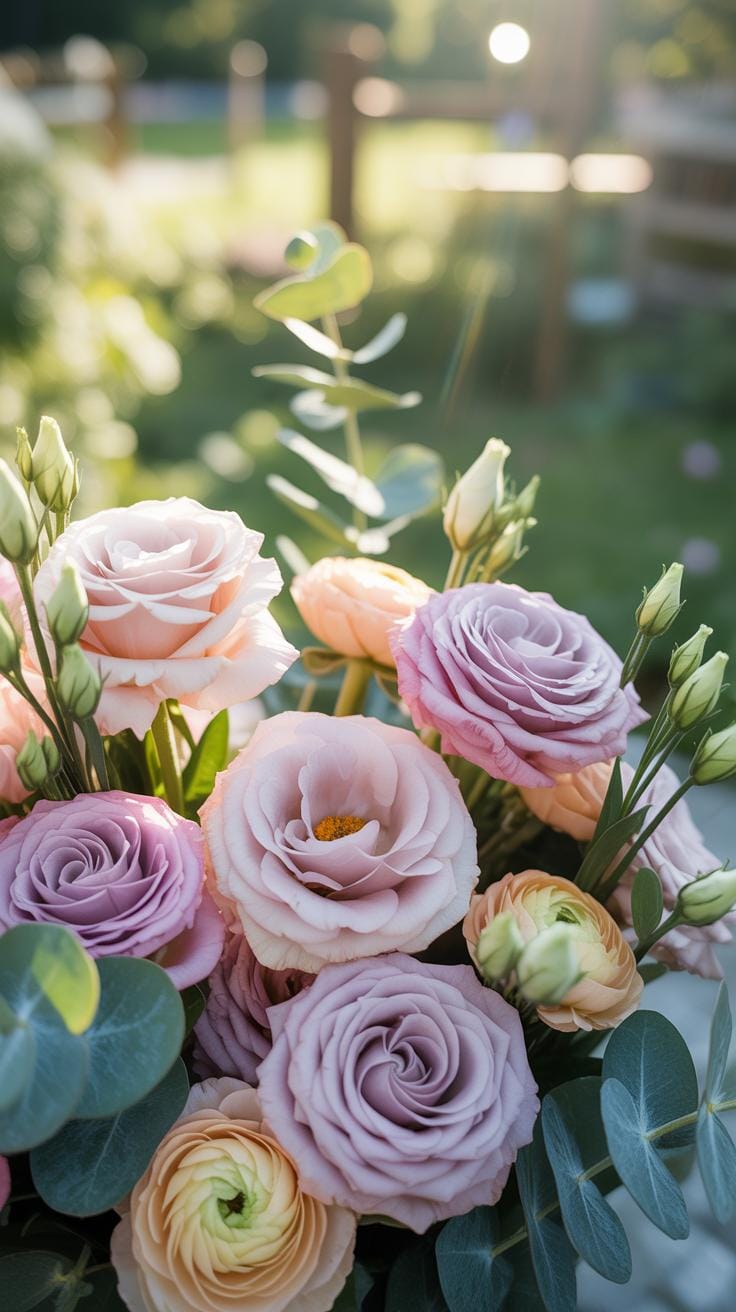
Why Pastel Bouquets Pair So Naturally With Summer Garden Settings
Pastel colors manage high light levels better than saturated tones. Intense summer sun washes out dark purples and deep reds. Light pinks, baby blues, and pale yellows reflect sunlight. This makes the flowers appear crisp and visible from a distance. These shades also mimic the natural fading of wild meadows under the heat. This creates a cohesive look for outdoor garden events.
Low contrast palettes reduce visual heat in a landscape. Soft colors offer a cooling psychological effect during high temperature months. Designers use these tones to bridge the gap between green foliage and bright skies. A pastel arrangement integrates with traditional garden elements like stone paths and wooden fences. This strategy ensures the flowers complement the environment rather than competing with the sun for attention.
Best Pastel Flower Choices For A Dreamy Summer Garden Bouquet Look
Peonies and garden roses serve as the structural base for these designs. Their high petal counts create the volume needed for a lush appearance. Use Sarah Bernhardt peonies for a reliable pale pink focal point. These varieties bloom heavily in early summer. Their dense structures hold water well in heat. They provide the physical weight required to anchor a large garden style arrangement.

Add blue tweedia or laceflower to provide texture and movement. Fine textures prevent the bouquet from looking heavy or stagnant. Pale blue tones offer a rare color contrast that softens green stems. Incorporate scabiosa for a more natural look. These plants feature slender stems that sway in the wind. This creates a dynamic feeling. It replicates the look of a growing garden rather than a stiff centerpiece.
Colorful Wedding Bouquet Ideas Inspired By The Summer Garden
Bold And Vibrant: How Colorful Wedding Bouquets Are Replacing Minimalist Florals
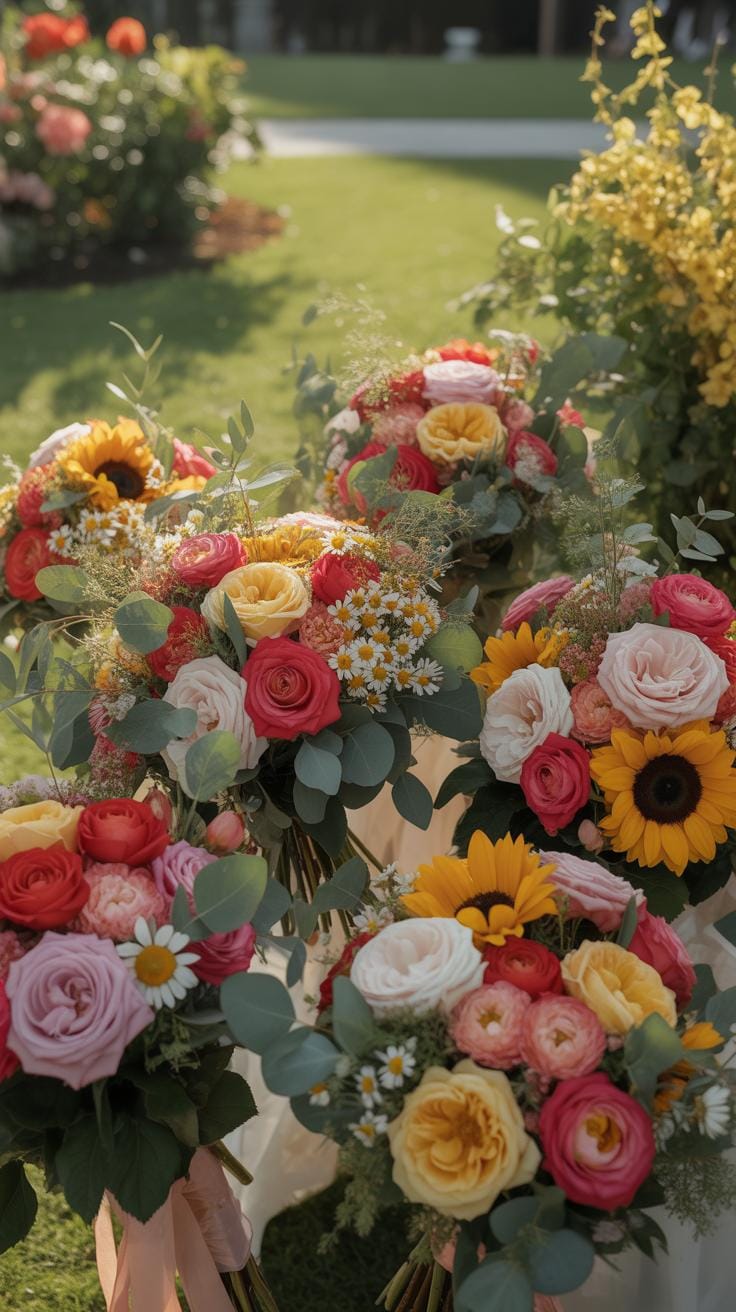
Minimalism dominated bridal design for years with white roses and eucalyptus. This trend is fading. Couples now choose high-saturation colors that mimic a wild summer garden. These palettes use Zinnia, Dahlia, and Cosmos to create visual impact. Strategic gardeners plant these species specifically for their intense pigments. Vibrant bouquets create better contrast against white gowns. This shift reflects a move toward maximalism in modern event design.
Designers use height and texture to replace the flat look of traditional greenery. They utilize Snapdragons and Delphinium to add structural variety. This approach ensures the bouquet stands out in digital photography. Strong colors like hot pink, orange, and deep yellow command attention. Clients value these hues because they signal energy and life. The current market prefers these authentic garden aesthetics over curated, sterile arrangements.
A garden should be a place where the soul findeth rest and the eye findeth beauty in every bloom. To gather a summer bouquet is to capture the very essence of sunshine and memory.
Mixing Hues Thoughtfully: Color Theory Behind Stunning Summer Bouquet Combinations
Successful color combinations rely on the color wheel. Strategists use complementary colors like purple and yellow to create high contrast. This technique forces the eye to move across the entire arrangement. Analogous schemes use colors next to each other, like orange and red. This creates a harmonious feel that looks natural. Professional florists balance bright tones with neutral bridge flowers to avoid visual clutter.

Light plays a critical role in how garden colors appear. Late afternoon summer sun flattens pale colors but makes saturated tones glow. Designers select specific varieties like ‘Coral Charm’ Peonies for their ability to shift color as they open. This adds a dynamic element to the wedding day. Using various stages of bloom also adds depth. This tactical layering ensures the bouquet looks dense and professional from every angle.
Embracing A Wildflower Wedding Theme From Ceremony To Reception
Extending The Wildflower Flower Bouquet Look Into Your Table Centerpieces And DéCor
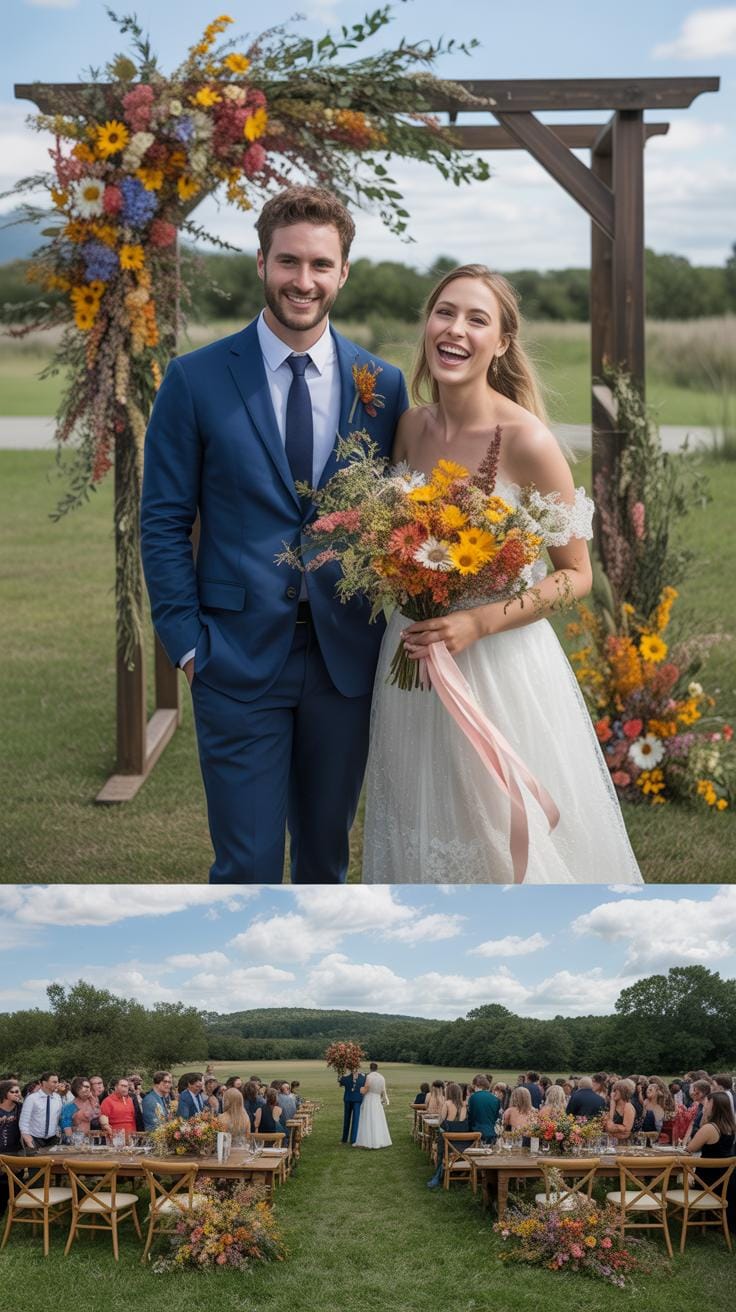
Move the wildflower aesthetic from the bridal bouquet to the tables by focusing on height and scale. Use recycled glass vessels or stoneware to mimic a natural meadow layout. Avoid formal symmetrical arrangements. Place stems at varying heights to create a sense of movement. This technique creates a cohesive visual bridge between the bridal party and the venue space.
Tactical decor requires restraint. Combine focal flowers like zinnias with airy filler plants such as Queen Anne Lace. Use low-profile containers to ensure guest sightlines remain clear. Select table linens in neutral tones like flax or linen to ground the vibrant colors. This design strategy emphasizes the raw textures of the plants. It keeps the focus on the organic form of the floral material.
Real Wildflower Wedding Inspiration: Venues And Settings That Elevate The Theme
The physical environment dictates the success of a wildflower theme. Coastal meadows and restored barns provide the best backdrops for these arrangements. They offer a natural context that makes the floral design look intentional. Avoid overly modern or industrial settings. These spaces often clash with the relaxed geometry of summer garden bouquets. Stick to locations with existing greenery and natural light.

Select venues that feature outdoor transition spaces. Porches and terraces allow you to place potted wildflowers along perimeter lines. This tactic guides the eye and defines the event space without rigid structures. Use native species that grow in the local area to ensure the plants stay hydrated and vibrant during high heat. Strategic placement in these settings reinforces the rugged and unpolished beauty of the theme.
How To Build Your Own Summer Bouquet Sourcing Styling And Sustainability
Where To Source Seasonal Summer Garden Flowers: Local Markets, Farms, And Florists
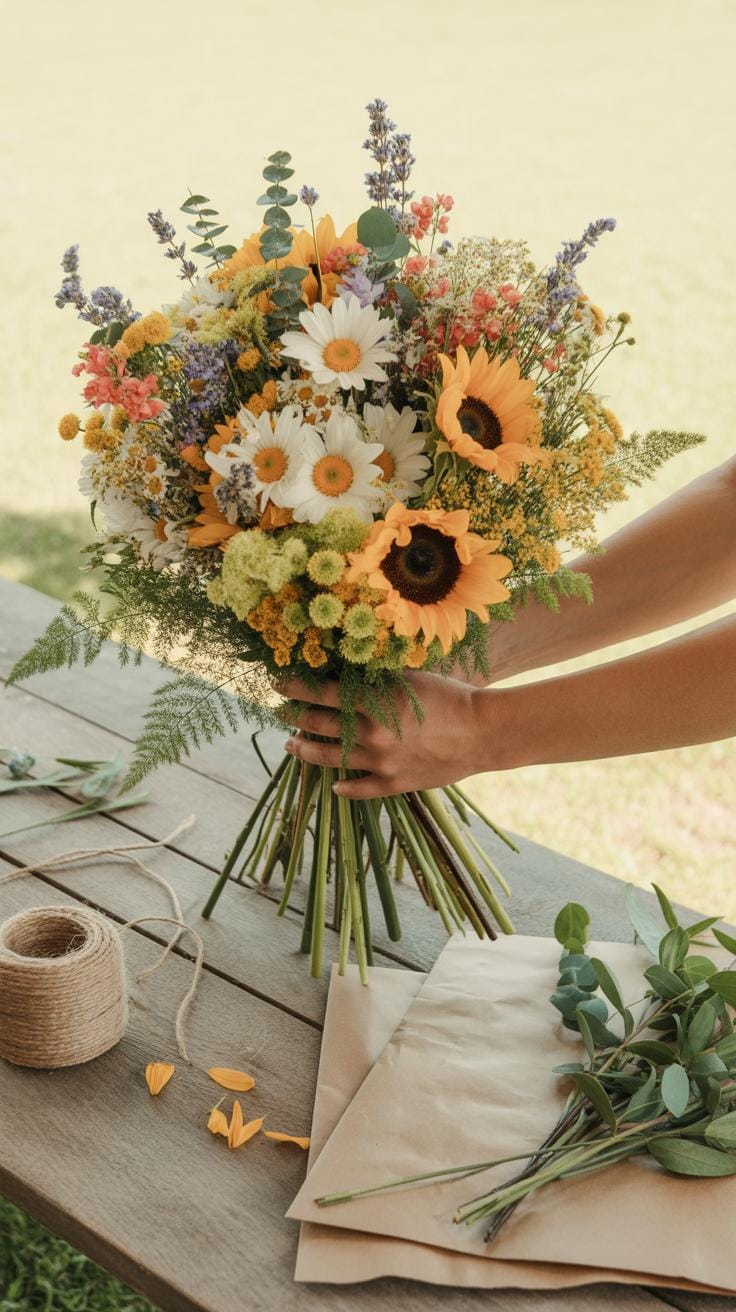
Reliable sourcing starts with proximity. Local farmers markets offer the freshest stems because they skip long-distance transport. Buy from vendors who harvest within twenty-four hours of sale. This ensures maximum hydration and vase life. Look for firm stems and vibrant green leaves. Check for pests or wilting under the blooms. High-quality inventory appears early in the morning before heat causes damage.
Specialty flower farms allow you to pick your own stems. This method gives you total control over stem length and bloom stage. Professional florists remain the best source for technical focal flowers like high-end dahlias or garden roses. These experts have access to cold chain logistics that keep flowers stable. Ask for locally grown options to reduce the carbon footprint of your arrangement.
Sustainable Choices To Consider When Designing Your Summer Bouquet
Sustainable design requires a shift away from traditional industry waste. Stop using green floral foam. This plastic-based material does not biodegrade and releases microplastics into water systems. Switch to reusable mechanics like chicken wire or metal pin frogs. These tools provide structural support without toxic chemical runoff. They also allow for better water uptake than foam, extending the life of your flowers.
- Reusable Support Structures: Use coated chicken wire or stainless steel kenzans instead of single-use foam. These materials last for years and provide better airflow around stems. They keep heavy summer blooms like sunflowers and zinnias upright without collapsing.
- Locally Grown Stems: Purchase flowers grown within a fifty-mile radius of your home. This practice eliminates the need for refrigerated air freight and heavy plastic packaging. Local blooms naturally sync with your environment and last longer than imported varieties.
- Natural Twine Ties: Secure your bouquets with hemp, jute, or cotton string. Synthetic ribbons and plastic tape often end up in landfills where they persist for centuries. Natural fibers break down in compost bins along with your spent flower clippings.
- Organic Pest Management: Select growers who use integrated pest management instead of harsh synthetic pesticides. These chemicals harm pollinators like bees and butterflies necessary for garden health. Toxic residues can also irritate your skin during the bouquet assembly process.
- Compostable Waste Streams: Process all stem trimmings and expired blooms in a backyard compost pile. Returning organic matter to the soil creates nutrients for next year’s crop. This closed-loop system eliminates the need for chemical fertilizers in your personal garden space.

Water management is the final pillar of sustainable bouquet building. Use clean, room-temperature water to prevent shocking the stems. Avoid chemical preservatives that contain bleach or silver nitrate. A drop of vinegar and a teaspoon of sugar provide similar antibacterial and feeding benefits. Change the water every two days. Trimming the stems during water changes maintains the hydraulic pressure needed for peak turgidity.
Frequently Asked Questions

What are the most popular flower varieties for summer garden bouquets this year?
This season, the trend focuses on a “gathered-from-the-meadow” aesthetic. Large, billowy blooms like cafe au lait dahlias and hydrangeas are taking center stage, supported by delicate fillers like cosmos and queen anne’s lace. To capture the quintessential look of summer garden bouquets, designers are also incorporating vibrant zinnias and sunflowers, which provide that cheerful, sun-drenched palette that homeowners love during the warmer months.
How can I make my fresh summer garden bouquets last longer indoors?
To extend the life of your summer garden bouquets, harvest your stems in the early morning while they are still hydrated from the cool night air. Use sharp, sterilized shears to cut stems at a forty-five-degree angle and immediately place them in lukewarm water. Remove any foliage that sits below the water line to prevent bacterial growth, and remember to change the water every two days for maximum freshness.
Can I create professional-looking summer arrangements on a tight budget?
Absolutely! You don’t need expensive imports to create stunning decor. The secret to budget-friendly styling is utilizing “greenery fillers” from your own backyard, such as hosta leaves, ferns, or even aromatic herbs like mint and rosemary. These provide lush texture and volume for free. By focusing on high-impact, easy-to-grow perennials, you can enjoy luxurious seasonal displays without the premium florist price tag throughout the entire summer.