
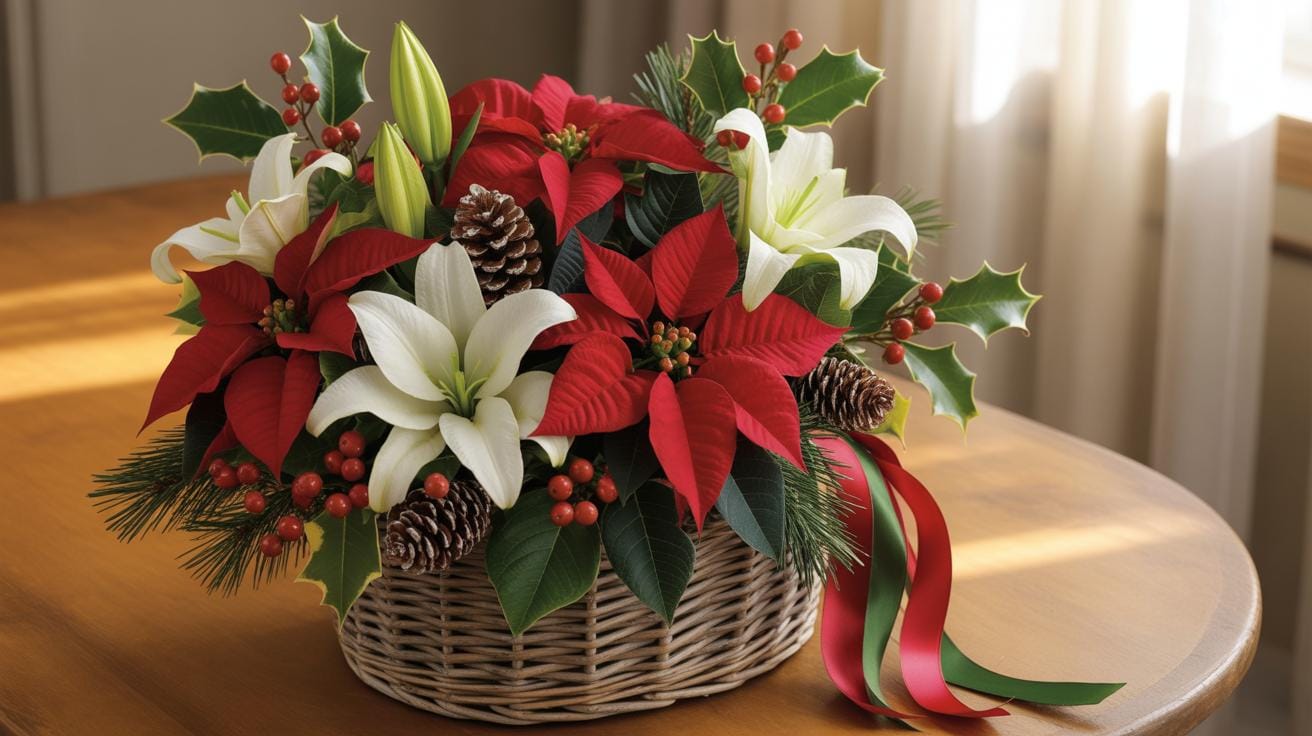
The History And Tradition Behind Christmas Floral Arrangements
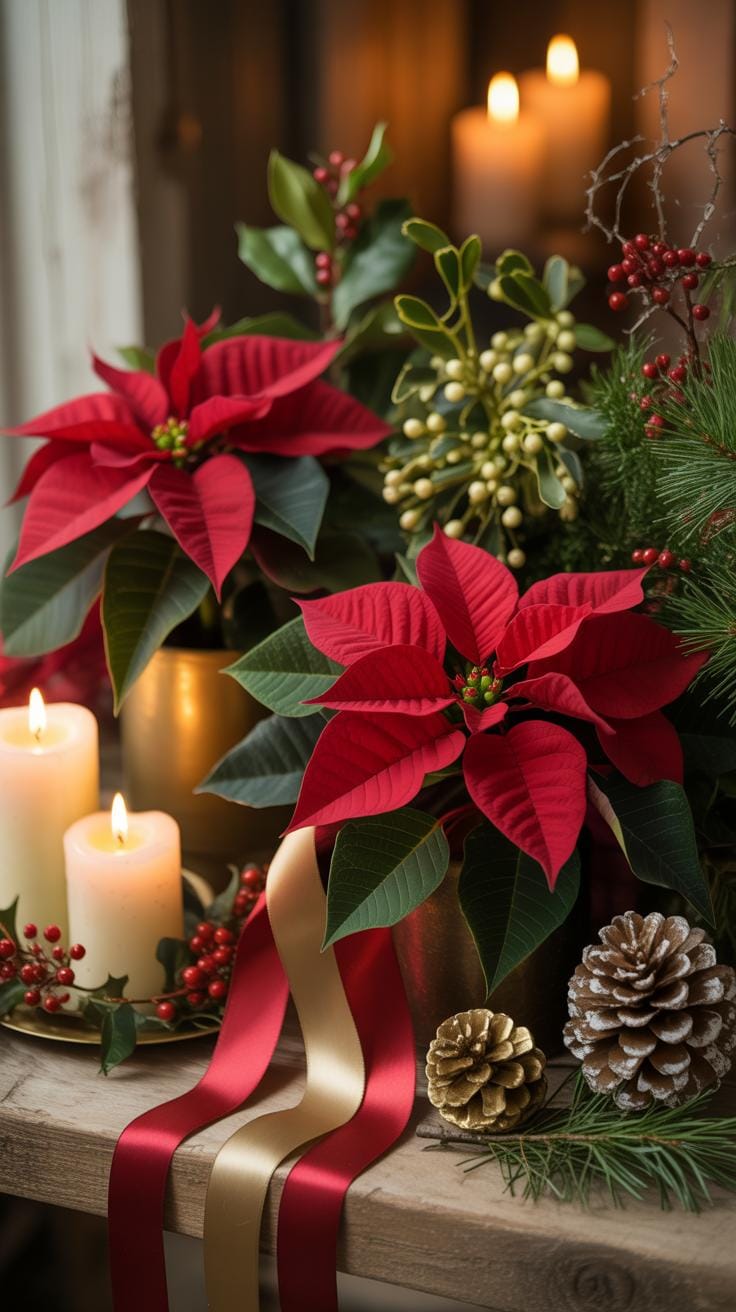
How Flowers Became A Symbol Of The Christmas Holiday Season
Ancient civilizations used evergreens to celebrate the winter solstice. These plants represented life during cold months when other flora died. Romans decorated temples with greenery during Saturnalia to honor their gods. Early Christians eventually adopted these customs to celebrate the birth of Jesus. They shifted pagan symbols into religious ones to help new converts transition. This created a lasting link between nature and the winter holiday.
The Victorian era solidified the use of flowers in Christmas decor. Advancements in greenhouse technology allowed people to grow blooms during winter. Middle class families began using floral centerpieces to show status and holiday spirit. They favored structured arrangements that featured symbolic colors like red and white. Modern designs still rely on these Victorian standards. We use these plants today because they provide contrast against the bleak winter landscape.
Traditional Blooms And Greenery That Have Defined Christmas Florals For Centuries
Poinsettias are the most recognizable Christmas flower. They originate from Mexico and gained popularity in the United States during the early 1900s. Joel Roberts Poinsett brought the plant north because of its bright red leaves. Many people mistake these bracts for petals. Holly and ivy also have deep roots in tradition. People used them for centuries because they stay green and hardy in freezing temperatures.
Mistletoe and Amaryllis provide additional structure to seasonal arrangements. Mistletoe was a symbol of peace in Norse mythology before becoming a holiday staple. Amaryllis bulbs are popular because they bloom indoors during December. These plants offer height and bold color for table displays. Designers select these specific materials for their durability. They survive the dry heat found inside modern homes. Choosing these items ensures your arrangement lasts through the entire season.
Essential Flowers And Greens To Know For Christmas Floral Arrangements
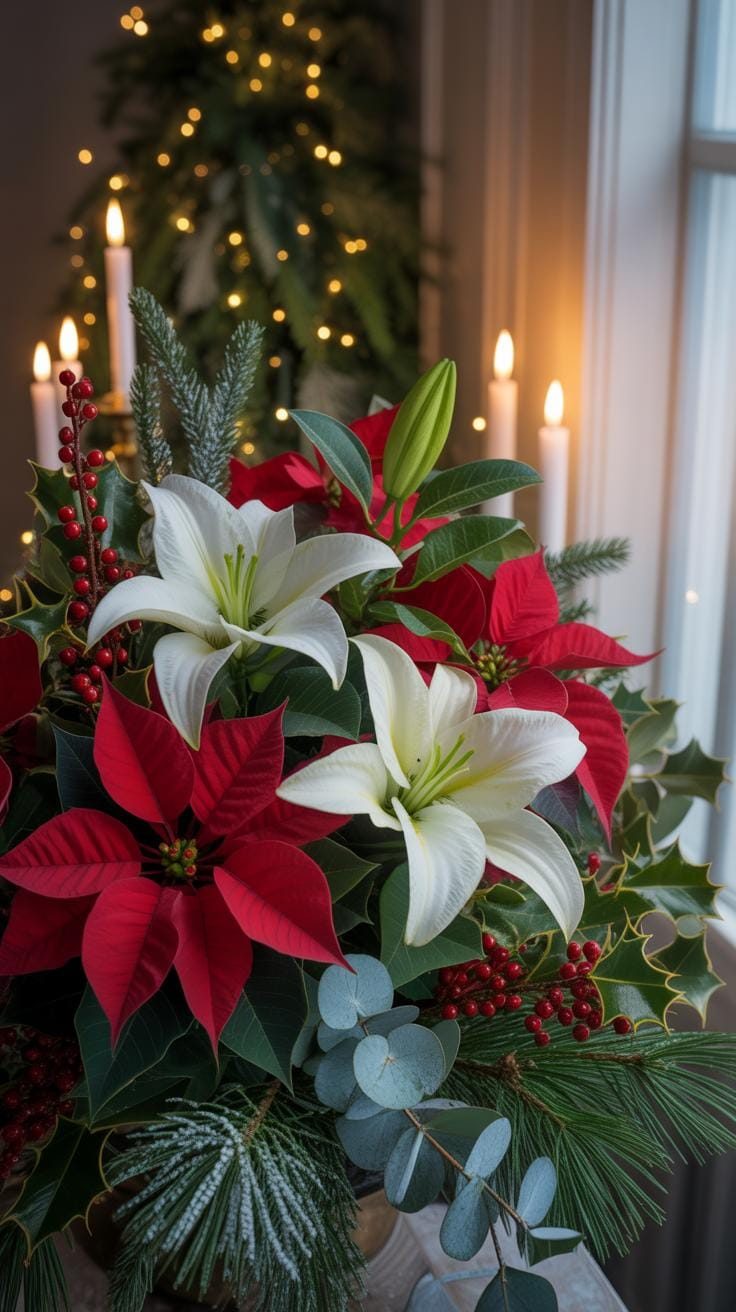
The Most Popular Christmas Flowers: Poinsettias, Amaryllis, And Holly Explained
Poinsettias dominate the market due to their bright red bracts. Joel Roberts Poinsett introduced this Mexican shrub to the United States in the 1820s. These are not actually petals but modified leaves. Designers use them as focal points in large displays. They require consistent moisture and warmth. Most professionals keep them in their original pots to ensure they survive the holiday season transition successfully.
Amaryllis bulbs provide height and drama in modern arrangements. Their thick stems support massive trumpet shaped blooms that last for weeks. Holly offers a sharp texture and deep green color. Its red berries provide a natural contrast. Ancient cultures used holly to symbolize eternal life during winter. Today, decorators use it to build structural foundations in wreaths and table sprays. It adds immediate weight to any design.
Must Have Foliage And Fillers That Complete Any Christmas Floral Centerpiece
Strategic foliage choices determine the longevity and shape of your centerpiece. Heavy evergreens provide the necessary structure to hold heavy blooms like amaryllis. Pine and cedar offer different textures and scents. You must use sharp shears to cut these Woody stems at an angle. This maximizes water intake. Mixing various needle lengths creates visual depth without adding expensive flowers. It fills space efficiently and cheaply.
- Noble Fir: This evergreen provides stiff branches and a bluish tint. It acts as the primary skeleton for heavy arrangements. Its needles stay attached even after the branch dries out completely.
- Berried Juniper: This filler adds fine texture and soft blue berries. It breaks up the solid green blocks of traditional fir. Designers use it to soften the edges of formal geometric displays.
- Incense Cedar: The flat scales and yellow pollen cones offer a unique drape. It creates a cascading effect in mantle pieces or tall vases. It provides a strong fragrance that defines holiday scents.
- Boxwood: These small round leaves create a dense and manicured look. Gardeners have used boxwood in formal winter designs since the colonial era. It works best for tight floral foam constructions.
- Eucalyptus: Modern designers use silver dollar eucalyptus for a muted color palette. It contrasts sharply against traditional dark greens. The round leaves add a contemporary feel to classic winter floral themes.

Fillers close the gaps between focal flowers and structural greenery. Common choices include hypericum berries or pinecones on wires. These elements hide the mechanics like floral foam or plastic grids. They create a professional finish by masking the stems. Always place your fillers last to balance the overall weight of the piece. Proper distribution prevents the arrangement from looking cluttered or leaning to one side.
Tools And Supplies You Need To Build Beautiful Christmas Flower Arrangements
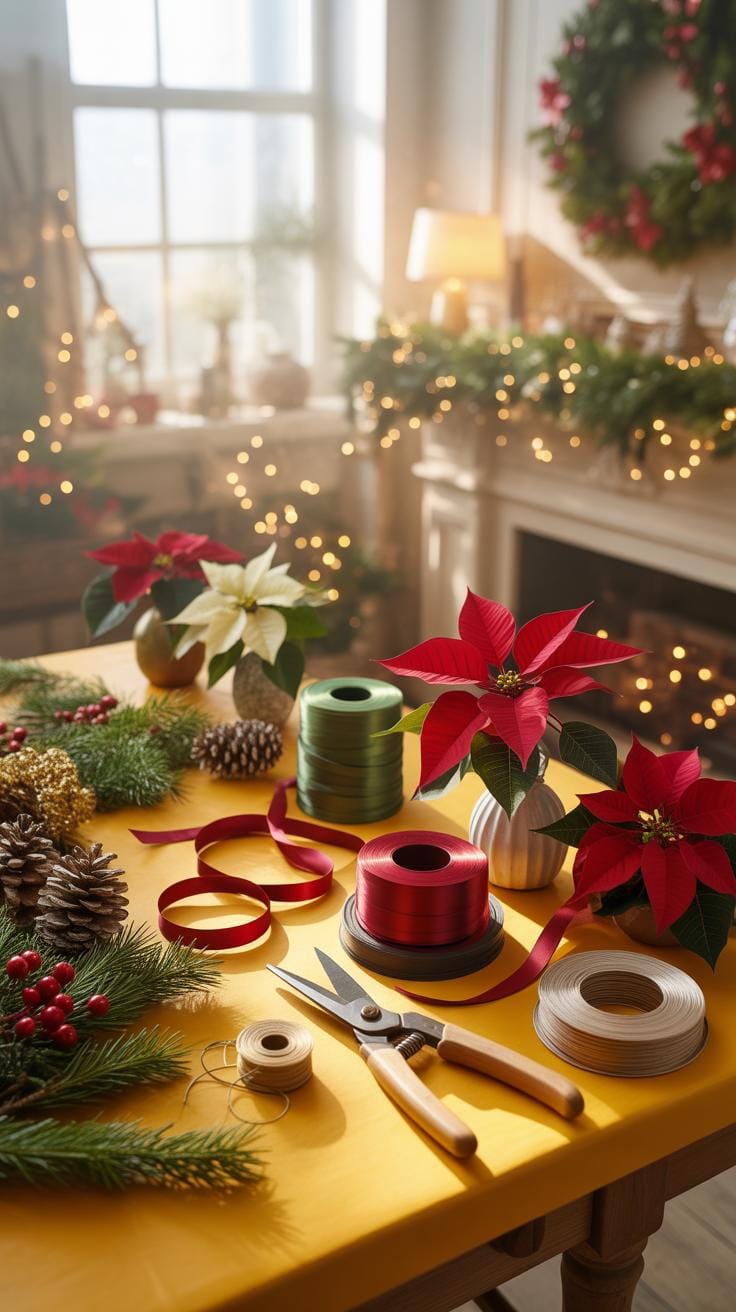
Basic Floral Tools Every Beginner Should Have Before Starting
Floral design requires precision instruments to maintain plant health and structural integrity. Using standard kitchen scissors crushes the vascular system of the stem. This prevents the flower from drinking water. Professional tools ensure clean cuts that extend the life of your holiday display. You must organize these tools before handling any live greenery or delicate winter blooms to prevent waste.
- Floral Snips: Use these for soft stems and delicate flowers. They offer high precision for fine detailing in tight arrangements. High carbon steel blades provide the cleanest cuts without bruising the plant tissue during the assembly process.
- Heavy Duty Pruners: Christmas greenery like pine, fir, and cedar has woody stems. These stems require bypass pruners to cut through thick fibers. Standard scissors will dull or break when attempting to slice through these dense evergreen branches and boughs.
- Floral Tape: This waterproof tape secures foam or creates grids across vessel openings. Use it to support heavy holiday stems like amaryllis or lilies. It sticks to itself when stretched and stays functional even when submerged in cold water overnight.
- Floral Foam: This dense material holds water and keeps stems in exact positions. Use green foam for fresh arrangements and brown foam for dried displays. Soak the foam fully before inserting stems to ensure the flowers stay hydrated throughout the season.
- Wire Cutters: Never use your floral snips to cut decorative wire or holiday picks. Dedicated wire cutters handle the gauge of florist wire without damaging blade edges. Use them for securing pine cones, ornaments, and ribbons into your various festive displays.
Safety and efficiency depend on the quality of your equipment. Sharp blades require less force and reduce the risk of accidents. Keep a clean workspace to avoid cross-contamination of bacteria which kills flowers fast. Proper maintenance includes wiping tools dry after use to prevent rust. Investing in these core items allows you to execute professional techniques used by florists for decades.
Choosing The Right Vases, Vessels, And Containers For A Polished Look
The container dictates the scale and stability of your floral work. Heavy stoneware or ceramic vessels provide the necessary counterweight for tall evergreen branches. Shallow bowls work best for centerpiece designs that allow guests to see each other across the table. Select a vessel with a neck width that matches your stem count. A wide mouth requires more filler to look full.
Classic holiday designs often utilize mercury glass or metallic tins for historical accuracy. Victorian era styles favored ornate silver while mid-century modern looks use simple geometric ceramic. Ensure your container is 100 percent waterproof before adding life. Use plastic liners for baskets or wooden crates to prevent leaks and wood rot. The vessel should disappear or complement the flowers without distracting from the natural color palette.
Christmas Flower Arrangements Ideas For Every Style And Space
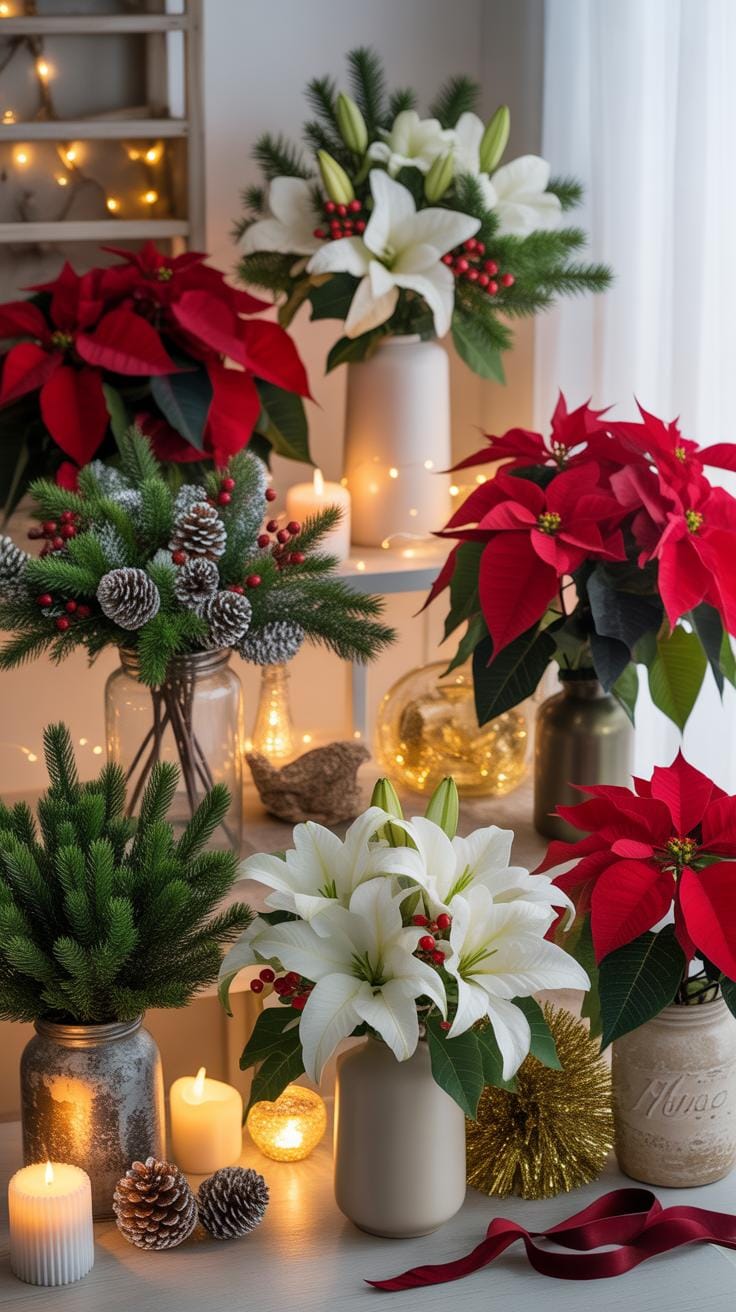
Rustic, Modern, And Traditional Christmas Arrangement Styles Broken Down
Rustic style relies on natural textures and raw materials. Designers use burlap, pinecones, and birch bark to create a woodland feel. This style prioritizes asymmetry and foraged elements like dried berries or weathered branches. It reflects the Arts and Crafts movement’s focus on hand-crafted goods. You should use wooden crates or galvanized buckets as containers. These choices provide a sturdy base for heavy evergreen branches and cedar sprigs.
Modern arrangements focus on minimalism and clean lines. You must use a limited color palette and structured shapes. Mid-century modern designs often feature single blossom types in geometric glass or ceramic vases. Negative space is a critical component of this look. Traditional styles use the red and green color scheme established in the Victorian era. These arrangements utilize roses, carnations, and lilies. They usually follow a tight circular or triangular shape.
The best way to spruce up your home for the holidays is to simply pull a few evergreens from the backyard and place them in a glass of water. There is something so magical about bringing the outdoors in during Christmas.
How To Match Your Christmas Floral Arrangement To Your Home’S Existing DéCor
Your floral choices must complement your room color temperature. Cool-toned rooms with blue or gray walls benefit from silver dollar eucalyptus and white anemones. Warm rooms with beige or wood tones require rich reds and deep greens. Match the scale of the arrangement to your furniture. A massive centerpiece overwhelms a small bistro table. A tiny bud vase disappears on a large dining surface. Choose containers that mirror your hardware.

Consistency in material selection ensures a professional look. If your home features industrial metal accents, use zinc or steel containers. Homes with traditional crown molding and antique furniture require porcelain or crystal vases. You should repeat shapes found in your architecture. Vaulted ceilings allow for vertical, tall birch poles. Low, flat surfaces work best with horizontal mantle runners. High-contrast colors grab attention in neutral spaces. Subdued tones create a cohesive and calm environment.
How To Create A Stunning Christmas Floral Centerpiece For Your Dining Table
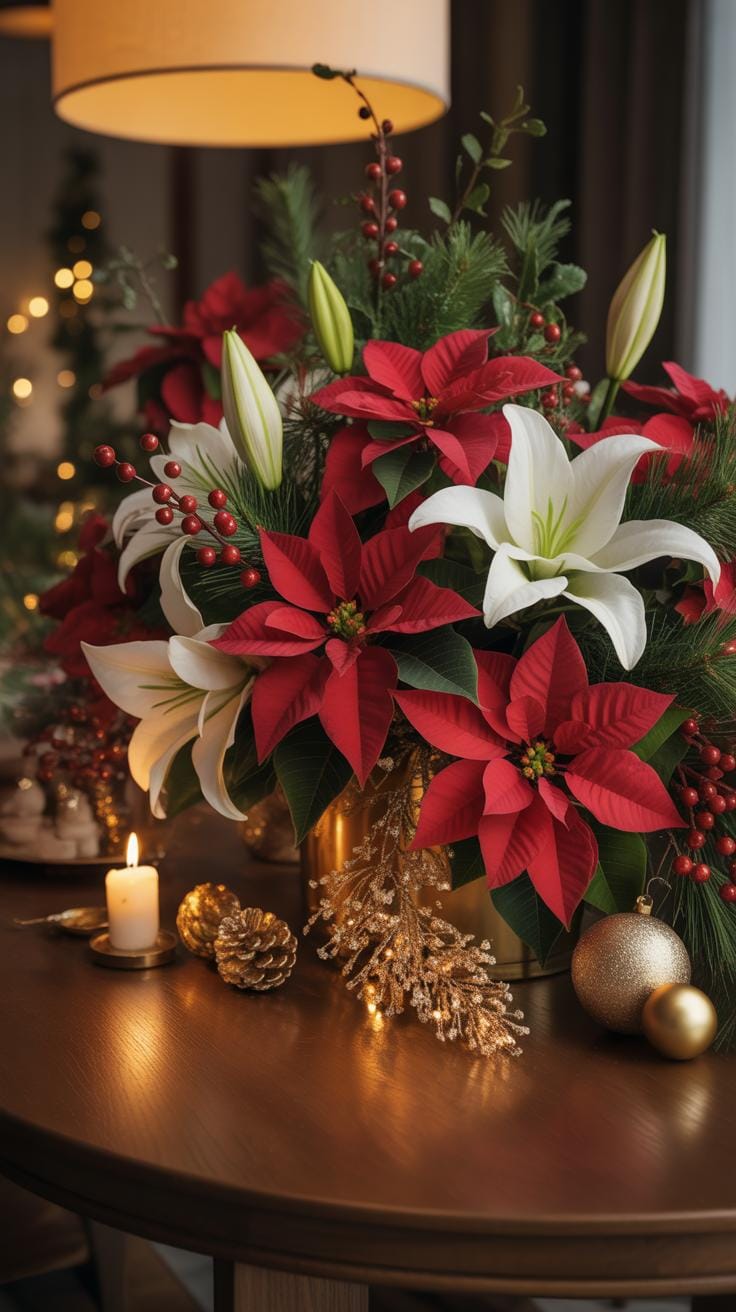
Step By Step Guide To Building A Balanced And Eye Catching Table Centerpiece
Start with a low container to maintain sightlines across the table. Place soaked floral foam inside the vessel to secure your stems. Insert heavy evergreen branches first to establish the width and height of the arrangement. Use Noble Fir or Western Red Cedar for a sturdy base. These woody stems provide the structural skeleton needed to support softer flowers and decorative elements later.
Add focal flowers next by grouping them in the center of the greenery. Use an odd number of blooms like red roses or white lilies to create a natural look. Fill the remaining gaps with secondary flowers and textures like pinecones or berries. Angle your stems outward to create a rounded shape visible from all sides. Check for holes in the design and finish by misting the foliage.
Color Palette Tips For A Cohesive And Festive Christmas Floral Centerpiece
Stick to a three-color limit to ensure a professional look. The traditional palette uses deep red, forest green, and metallic gold. This combination draws from Victorian era holiday decor which popularized these specific tones. Red comes from roses or carnations while greens come from natural conifers. Use gold sprayed leaves or ribbons to add light and contrast to the dark organic materials.
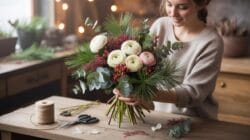
Try a monochrome white palette for a modern aesthetic. Mix different textures like white ranunculus, roses, and hydrangea to build depth without changing hues. Pair these with silver-toned greenery like Eucalyptus or Dusty Miller. This cold color scheme mimics winter landscapes and fits minimalist interiors. Ensure your chosen colors match your existing table linens and dinnerware to maintain a unified visual theme throughout the room.
Christmas Centerpieces DIY Budget Friendly Ideas You Can Make At Home
How To Source Affordable Flowers And Greenery For Your DIY Christmas Centerpiece
Sourcing floral materials requires a tactical approach to minimize costs. Skip the boutique florist and visit local grocery store chains early in the morning. These retailers receive fresh shipments and mark down older stock daily. Look for hardy varieties like carnations or chrysanthemums. These flowers last longer and cost less than roses. Focus on volume and durability to ensure the arrangement stays fresh throughout the holiday season.
Forage for greenery in your own backyard or local wooded areas. Evergreen branches like pine, fir, and holly provide a professional base for free. Cut stems at a forty five degree angle and soak them in cool water immediately. This hydration step extends the life of the foliage. Always check local regulations before removing plants from public land. Using native greenery ensures your centerpiece matches the natural local winter environment.
Creative DIY Christmas Centerpiece Designs Using Everyday Household Items
Repurpose glass jars and bottles found in your pantry. Clean and group them in the center of your table to create a tiered effect. Fill these containers with clear water or white sand to stabilize stems. Use twine or ribbon to tie the jars together for a cohesive look. This method focuses on minimalist design principles. It allows the natural colors of the flowers to stand out without expensive vases.

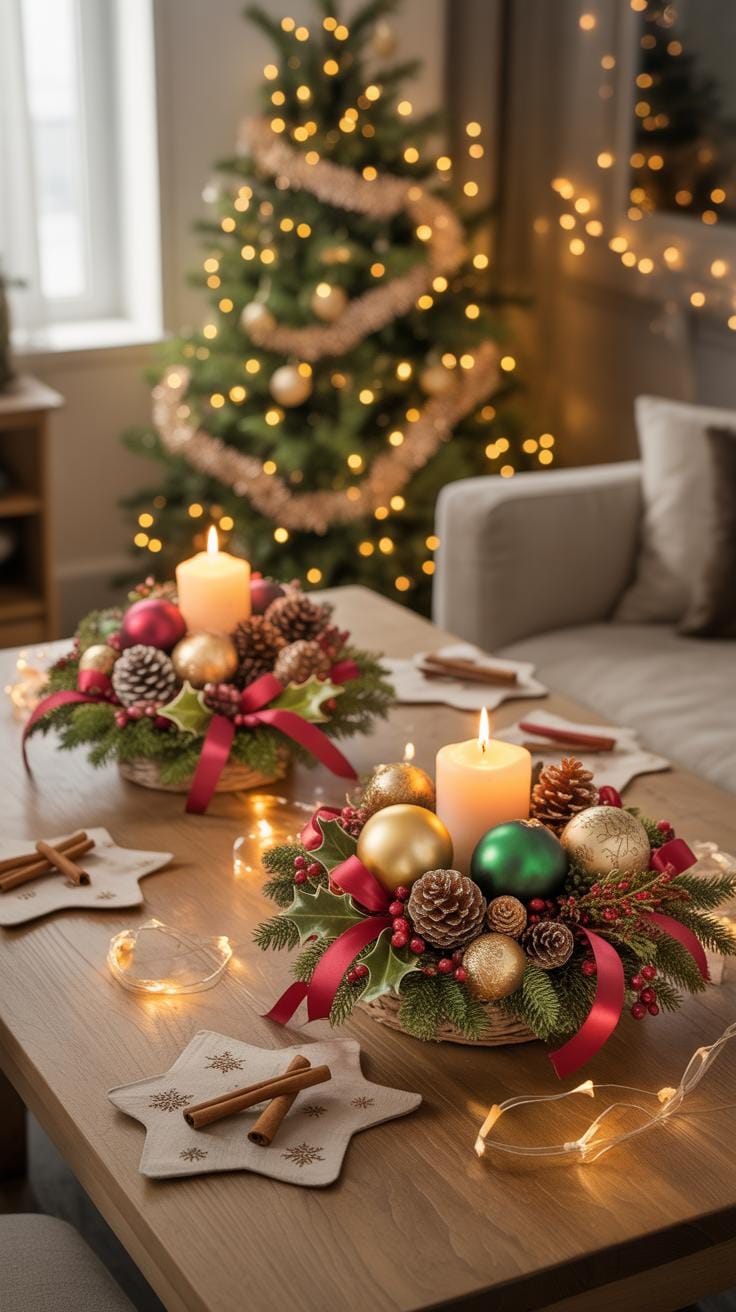
Incorporate dry goods like cinnamon sticks, nuts, or cranberries for texture. Place a small glass inside a larger one and fill the gap with these items. Use flat wooden boards or mirrors as a base to reflect light and add depth. Traditional designs often use candles to provide a focal point. Ensure all flammable materials stay away from open flames. Simple household items provide structural integrity and visual interest for any Christmas arrangement.
Elegant Christmas Floral Arrangements For Formal Holiday Entertaining
Luxury Blooms And Design Techniques That Elevate Elegant Christmas Floral Arrangements
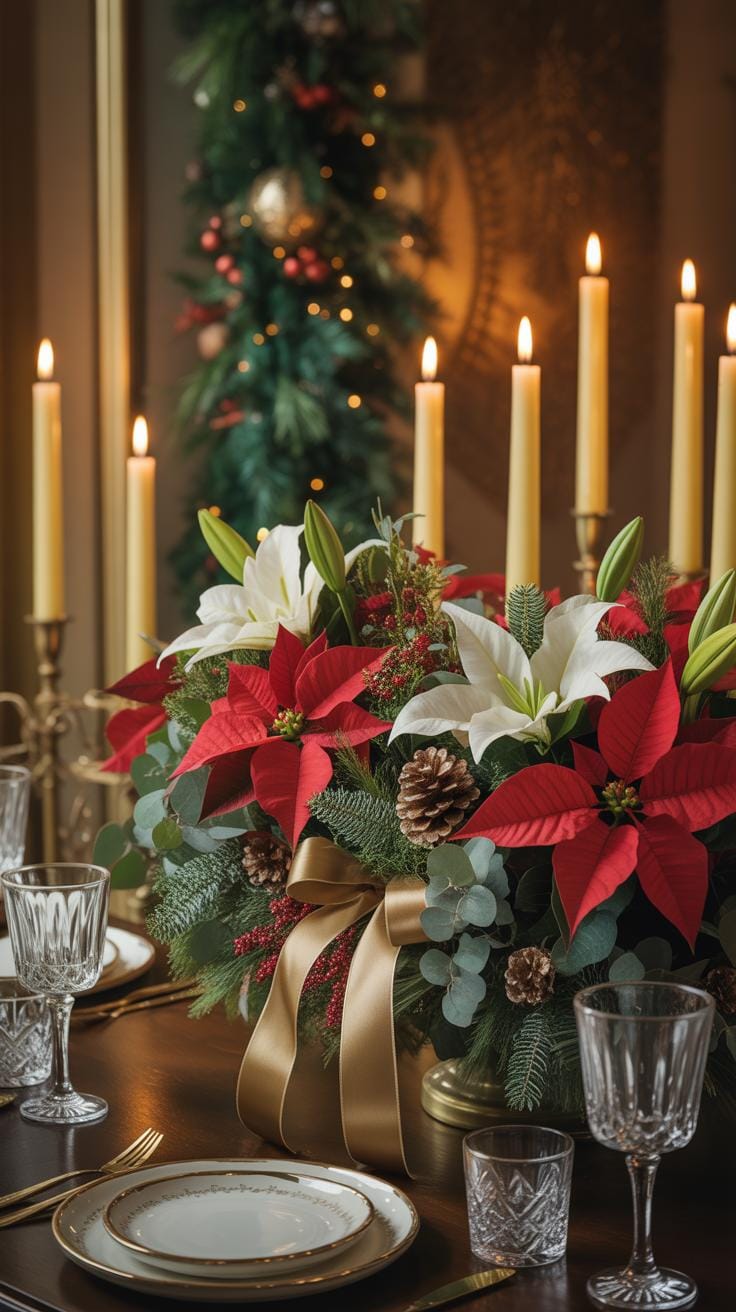
Professional luxury designs prioritize high petal counts and structural integrity. Select premium flowers like Amaryllis, Hellebores, and Ranunculus. These species offer dense textures that signify quality. Avoid cheap fillers like standard carnations. Use deep jewel tones or monochromatic white palettes to maintain a high-end look. Monochromatic schemes focus the eye on the varying textures of the petals and foliage rather than distracting color shifts.
Apply the grouping technique to create impact. Cluster similar flower types together instead of scattering them. This method mimics high-end floral trends seen in five-star hotels. Use floral foam for precise placement or a chicken wire grid for sustainable structure. Always clean stems of all foliage below the water line. This prevents bacterial growth and keeps the water clear for glass vessels used in formal settings.
How To Style Tall And Grand Floral Displays For Entryways And Mantelpieces
Scale determines the success of a grand display. Ensure the arrangement height reaches at least one and a half times the height of the container. Use heavy branches like Magnolia or Birch to provide a sturdy skeleton. Secure these primary lines first to define the shape. For entryways, use a 360-degree design. Mantelpieces require a front-facing construction with a lower profile to avoid blocking visual lines.

Balance the visual weight to prevent the display from looking top-heavy. Place larger, darker blooms near the base of the arrangement. Use airy elements like dried grasses or sprayed metallic branches at the top. This creates a natural gradient that draws the eye upward. Always check the stability of the vessel. Use museum wax to secure the base of the vase to the mantel for safety during busy parties.
How To Keep Your Christmas Floral Centerpieces Fresh Throughout The Holiday Season
Proven Care Tips To Extend The Life Of Cut Flowers In Winter Arrangements
Temperature control determines the lifespan of winter blooms. Central heating strips moisture from petals and leaves. Keep arrangements away from fireplaces, radiators, and forced air vents. Cold drafts also damage tropical varieties like amaryllis. Choose a cool spot for display to slow the aging process. If possible, move the centerpiece to a cold basement or garage overnight to preserve the cellular structure of the plants.
Hydration requires more than just topping off the water. Bacteria bloom rapidly in heated homes and clog the stems. You must change the water and trim the stems every two days. Use a sharp knife for a clean 45 degree angle cut. This increases the surface area for water intake. Remove any foliage that sits below the water line. Decaying leaves create ethylene gas which kills the flowers prematurely.
When To Use Faux Or Dried Botanicals As A Long Lasting Alternative To Fresh Christmas Florals
Fresh flowers fail in high traffic or high heat environments. Use high quality silk or real touch polymers for mantels and entryways. These areas experience extreme temperature swings that wilt live roses and lilies within hours. Faux pieces offer structural stability for heavy ornaments that soft stems cannot support. Select these materials when you need a display to last from late November through the New Year.
Dried elements provide the best texture for rustic winter aesthetics. Incorporate preserved eucalyptus, pinecones, and dehydrated citrus slices for lasting color. These materials do not require water or light. They work best in guest rooms or high shelves where regular maintenance is difficult. Combine dried grains with sturdy evergreens like cedar. The cedar will dry in place and maintain its shape even after the moisture evaporates.
Inspiring And Beautiful Christmas Flower Arrangements From Around The World
How Different Cultures Incorporate Local Flowers Into Their Christmas Floral Traditions
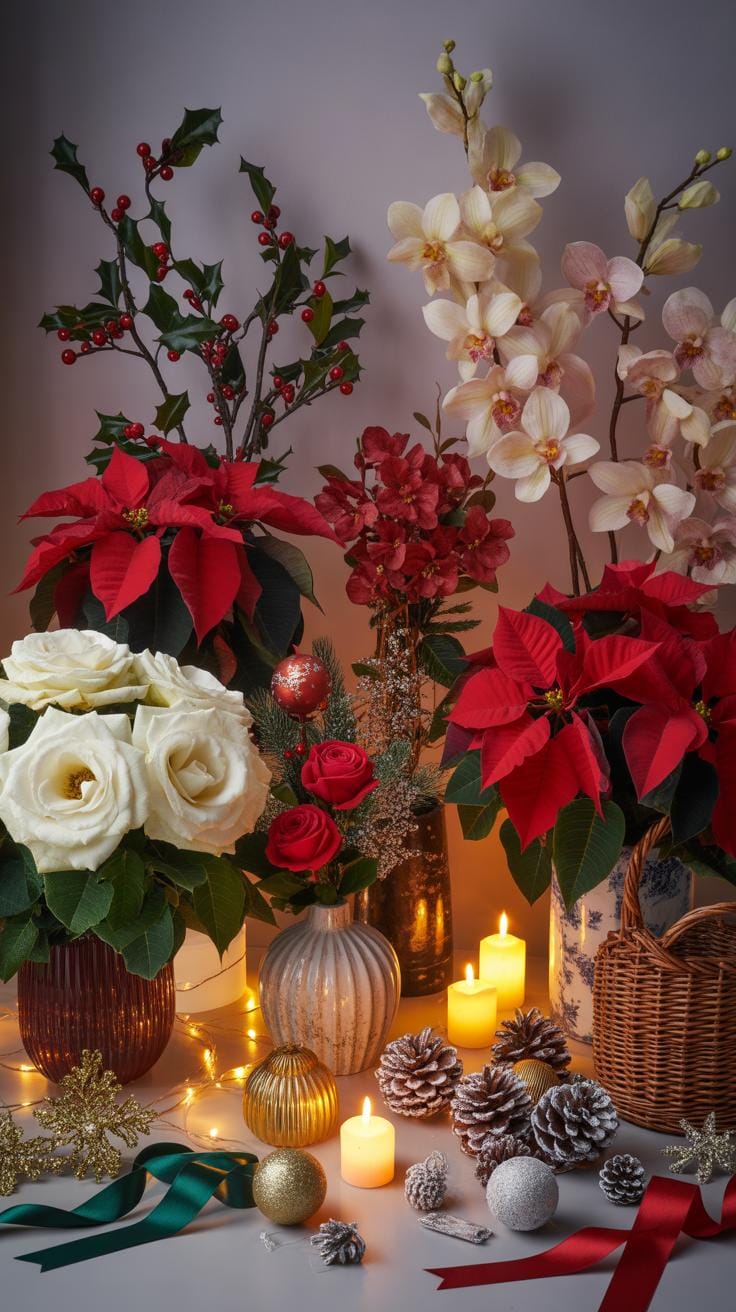
Mexico utilizes the poinsettia as a primary holiday symbol. This plant grows naturally in Central America and became a global staple during the twentieth century. People call it the Nochebuena flower. In many European nations, designers prioritize holly and mistletoe. These plants have deep roots in ancient winter festivals. They provide high contrast against the snow. Modern floristry mixes these classic greens with red berries for visual impact.
Tropical regions use bird of paradise and ginger flowers for December decor. Australia often features the Christmas Bush. This plant has fine green leaves and reddish flowers. Traditional English designs rely on ivy and evergreen boughs. These choices reflect local availability and seasonal survival. Every culture adapts its floral work to the raw materials on hand. Builders should choose local flora to ensure freshness and reduce environmental transport costs.
Global Floral Trends That Are Shaping Modern Beautiful Christmas Flower Arrangements
The Scandinavian minimalism movement dominates current global design. This style emphasizes bare branches and monochromatic tones. Designers use white amaryllis and eucalyptus to create clean lines. This approach moves away from cluttered, multi-colored displays. It focuses on the structural shape of the bloom. Professional florists now integrate natural wood and stone elements into their bases. This creates a grounded and tactical look for modern high-end interiors.
Sustainability now drives the choice of materials in floral arrangements. Designers have removed non-biodegradable floral foam from their workflows. They use chicken wire or pin frogs to hold stems in place. There is a shift toward using dried elements like oranges and cinnamon sticks. These items add texture without requiring water. Global trends favor longevity and reusable components. This shift makes arrangements more practical and easier to maintain throughout the entire holiday season.
Frequently Asked Questions

What are the best flowers for a beginner to use in a holiday display?
If you are new to DIY Christmas flower arrangements, start with hardy and long-lasting varieties like carnations, chrysanthemums, or classic red roses. These blooms are forgiving for novices and pair beautifully with seasonal evergreens like pine or cedar. For a festive touch without the stress, focus on a simple color palette of red, white, and green to ensure your centerpieces look professional and cohesive with minimal effort.
How can I keep my festive floral centerpieces fresh throughout the holiday season?
To extend the life of your Christmas flower arrangements, always trim the stems at a 45-degree angle before placing them in water. Use lukewarm water mixed with floral preservative and change it every two days to prevent bacterial growth. Keep your display away from direct heat sources like fireplaces or radiators, and mist any evergreen branches daily to maintain their vibrant green color and fresh, wintry scent.
Is it possible to create a beautiful holiday bouquet on a tight budget?
Absolutely! You can create stunning displays without spending a fortune by using foraged greenery from your backyard, such as holly, pinecones, or spruce branches. Supplement these natural elements with affordable grocery store blooms or a few dried cinnamon sticks and orange slices. Using a simple mason jar or a repurposed tin can as a vessel adds a charming, rustic aesthetic while keeping your seasonal decorating costs very low.