
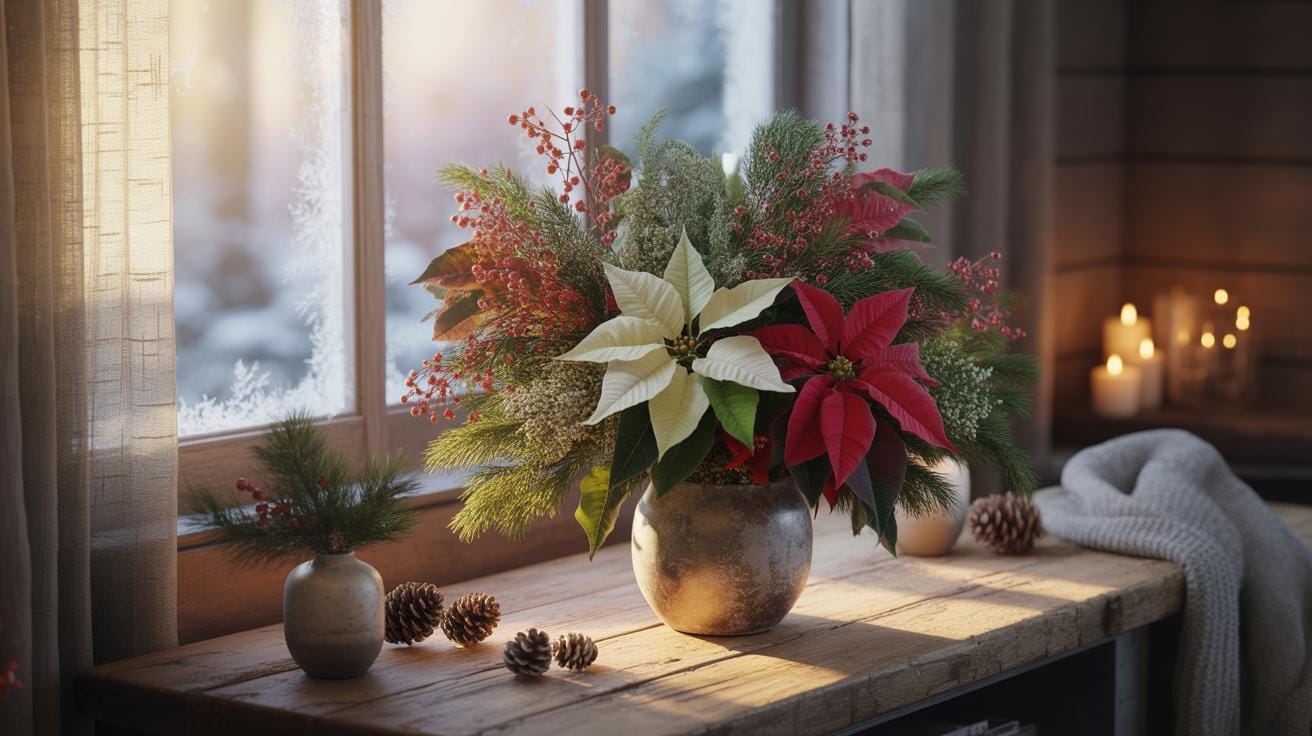
Why Simple Winter Floral Arrangements Can Transform Your Living Space
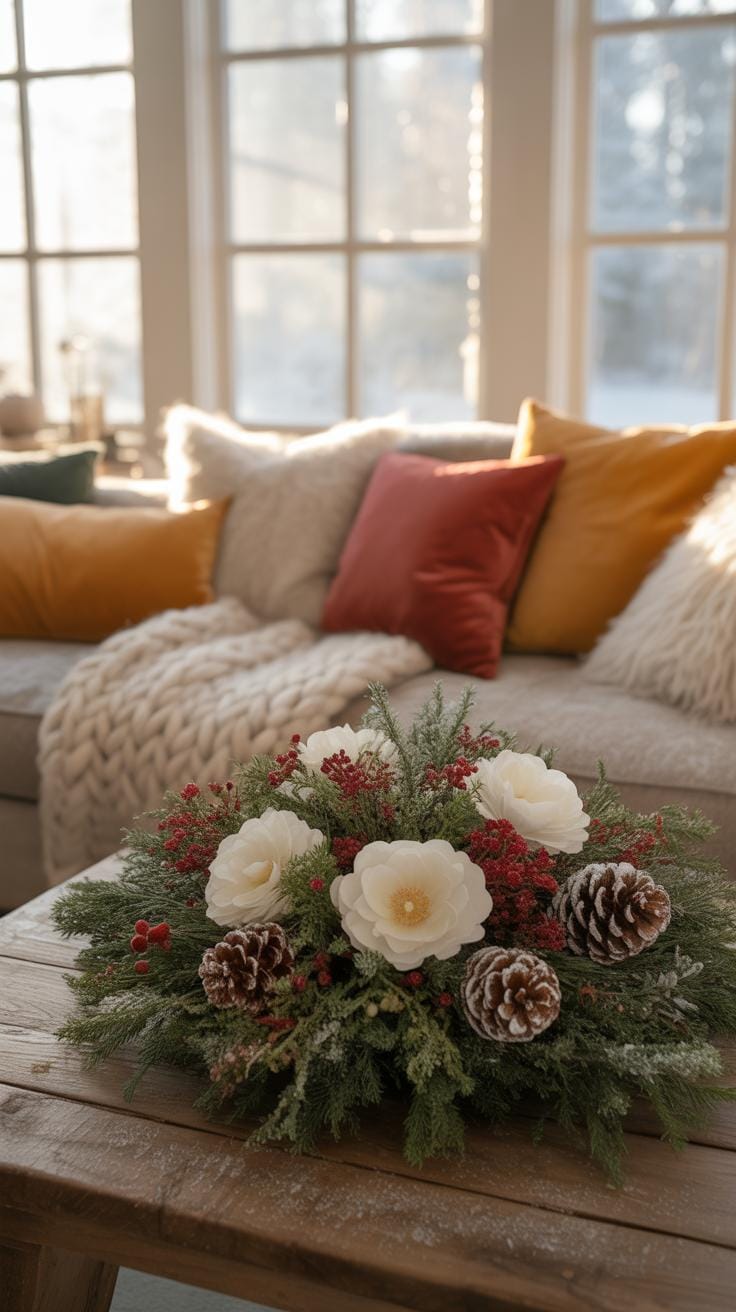
The Mood Boosting Power Of Fresh Flowers During Cold Months
Short winter days reduce natural light in homes. This loss of light often triggers seasonal affective disorder in many people. Real flowers provide a biological connection to nature that synthetic decor lacks. Living plants release small amounts of moisture into dry indoor air. This process improves humidity levels during peak heating months. Fresh blooms also provide a visual break from the gray outdoor landscape.
Strategic placement of flowers increases productivity and lowers stress levels. Humans respond to the organic shapes and colors found in fresh flora. These natural elements help regulate circadian rhythms by providing a sense of time and growth. Use vibrant stems to counteract the monotony of winter weather. This tactic works well in entryways and focal points. Proper floral choices make a room feel alive when exterior gardens stay dormant.
How Minimalist Floral Styling Suits The Winter Aesthetic
Modern winter design favors clean lines and open space. Minimalist arrangements use fewer stems to create high visual impact. A single branch or three blooms prevent a room from feeling cluttered. This approach mirrors the stark look of the outdoors. It aligns with the Scandinavian concept of hygge where function meets comfort. Simple designs highlight the structural beauty of individual stems rather than hiding them in mass.
Focus on texture and form rather than excessive color. Use architectural elements like bare branches or pine needles for height. These materials last longer and require less maintenance than soft petals. Minimalist styling also cuts costs by using high-quality single stems. It emphasizes the quality of the vase and the negative space around it. This method ensures your home feels sophisticated and calm during the busy holiday season.

Understanding Winter Arrangements Floral Design Principles And Styles
Key Design Principles Behind A Well Balanced Winter Floral Arrangement
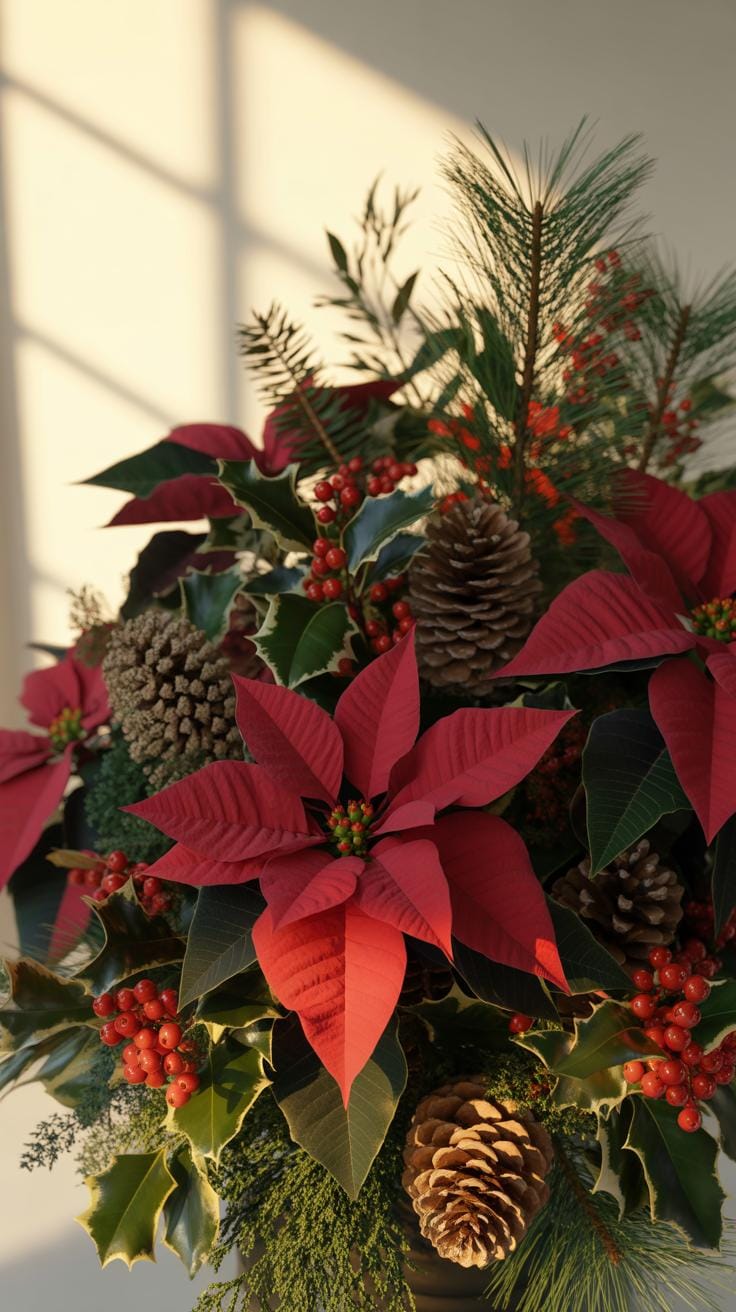
Balance dictates how you distribute visual weight in your winter display. Use heavy evergreens at the base to create a physical and visual anchor. This foundation supports lighter blooms or berries positioned higher up. Symmetrical balance provides a formal look for holiday tables. Asymmetrical balance offers a modern feel for entryways. Proper weight distribution prevents the arrangement from tipping or looking messy.
Scale ensures the arrangement fits its environment. Large rooms require tall branches like birch or willow to fill the space. Contrast plays a vital role in winter design. Pair rough woody stems with smooth petals to create visual interest. Use color theory to ground your work. Deep greens and whites provide high contrast. This strategy draws the eye to specific focal points within the structure.
Popular Floral Design Styles That Work Best In Winter Settings
The Flemish style emphasizes abundance and rich colors. It uses negative space very little. This historical method incorporates fruits or nuts alongside seasonal flowers. It works well for large winter gatherings because it looks lush and expensive. It relies on a strong central axis. Designers often use mass flowers like amaryllis to fill the core. This creates a dense and impactful visual presence.

Minimalist winter design focuses on line and form. This style often uses the Japanese Ikebana approach. It highlights the stark beauty of bare branches and single stems. Use this style to showcase unique textures like dried seed pods. It demands high quality materials because every element is visible. This clean look suits modern interiors. It reduces clutter while maintaining a sophisticated seasonal touch for any home.
January Flower Arrangements Fresh Ideas To Brighten The New Year
Flowers That Are Naturally In Season During January
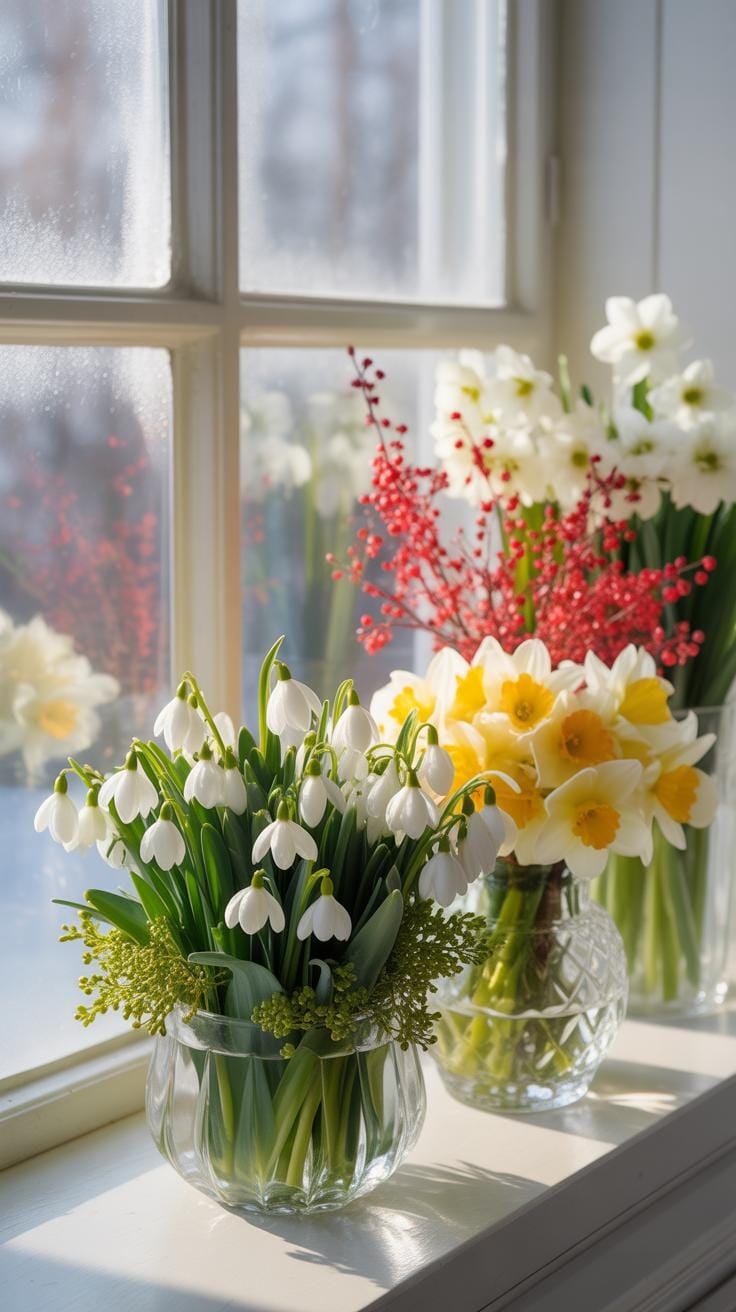
January flower availability relies heavily on bulbs and resilient cool-weather stems. Anemones and ranunculus thrive in lower temperatures and enter their peak production period now. Hellebores, often called Lenten roses, bloom during the winter months and provide a sturdy structural element. Dutch tulips also hit the market in bulk during January. These varieties withstand the dry indoor air common in most modern heated homes.
Sourcing these flowers requires a focus on greenhouse-grown crops and southern hemisphere imports. Seasonal foliage like eucalyptus and waxflower adds necessary volume without the high cost of premium blooms. Amaryllis remains a viable option as it transitions from the festive season into the early year. Use these specific stems to ensure your Winter Flower Arrangements last longer. Proper hydration and cool placement extend the life of these January varieties significantly.
To garden in winter is to believe in a coming spring, bringing the warmth of nature’s quiet beauty into every room of your home.
Color Palettes That Work Beautifully For January Floral Displays
January palettes shift away from traditional holiday reds and golds. Designers now focus on crisp whites, icy blues, and deep violet tones. This selection reflects the natural winter landscape while providing a clean visual break after December. Use stark white lilies or carnations to establish a neutral base. Add dusty miller or silver brunia to introduce metallic textures. These cool tones create a sophisticated look for any room.

Pairing muted tones with deep jewel accents creates a strong visual impact. Deep plum or burgundy stems offer a necessary contrast against pale backgrounds. This contrast mimics the dark bark of trees against winter snow. Avoid using warm oranges or bright yellows as they clash with the seasonal light. Stick to a tight range of three colors to maintain a professional appearance. This strategic approach ensures your arrangements look modern and intentional.
Winter Flower Arrangements For Home Room By Room Styling Guide
Best Flower Arrangement Placements For Living Rooms And Entryways
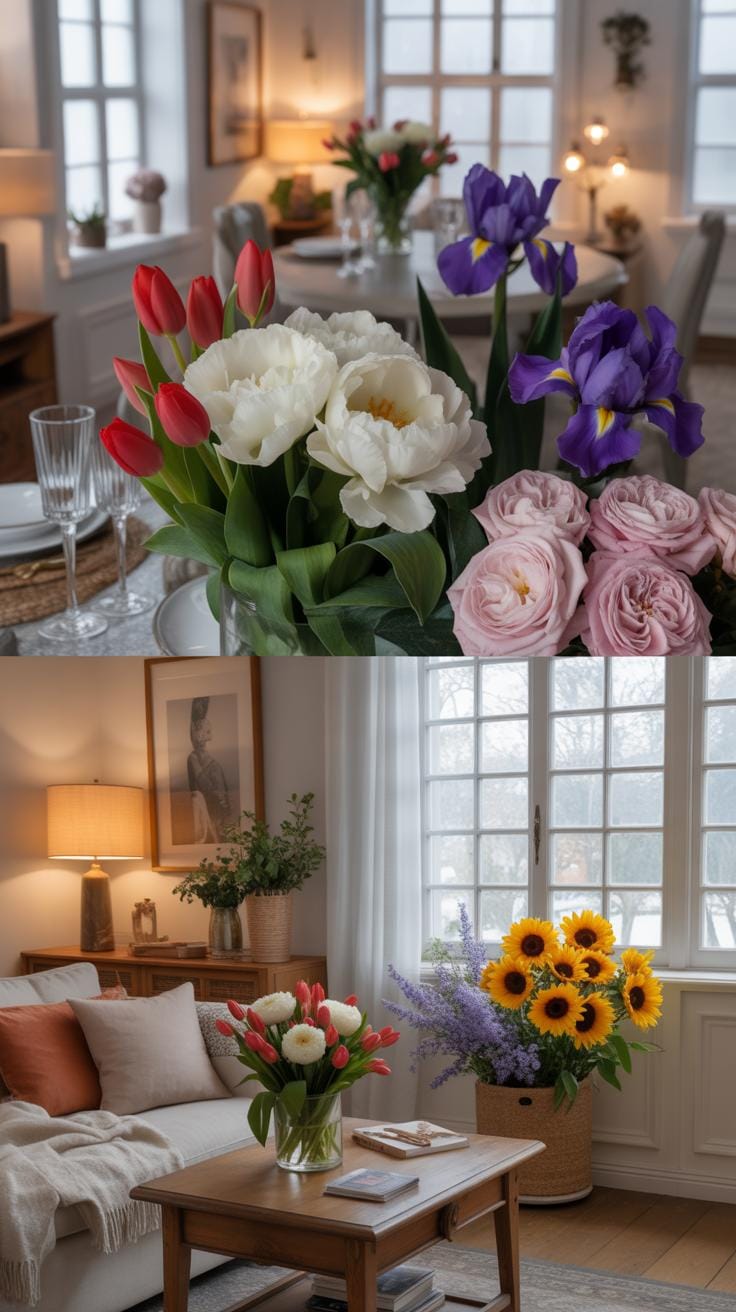
Entryways require bold structures that handle temperature shifts from opening doors. Use sturdy woody stems like ilex berries or willow branches in heavy stoneware. These materials withstand cold drafts better than soft-stemmed flowers. Position them on console tables to create a vertical focal point. This draws the eye upward and makes small foyers feel larger. Use height to command immediate attention from guests.
Living rooms benefit from low-profile arrangements on coffee tables to maintain sightlines. Use the Biedermeier style for a compact and formal look. This German-origin technique uses concentric circles of flowers to create density. Focus on long-lasting blooms like amaryllis or carnations. Place larger vessels on mantels but keep them away from direct heat sources. Heat kills cut flowers quickly and dries out evergreen foliage.
Bedroom And Kitchen Floral Ideas That Feel Cozy And Seasonal
Kitchens need functional Winter Flower Arrangements that do not crowd workspace. Place small bud vases on windowsills or islands. Use edible elements like dried citrus slices or rosemary sprigs for a practical touch. Avoid highly fragrant lilies near food prep areas as they overwhelm kitchen scents. Stick to clean-smelling greens like eucalyptus or cedar. Use heavy glass or metal containers to prevent tipping on slick surfaces.

Bedrooms require calming visuals to promote rest. Select muted tones like white hellebores or pale ranunculus. Place these on nightstands in small ceramic pots to keep the scale intimate. Avoid large or messy arrangements that drop pollen on bedding. Use the Dutch minimalist approach by showcasing a few high-quality stems. This reduces clutter and focuses on the natural form. Keep water fresh to prevent stagnant smells in small spaces.
Choosing The Right Winter Bouquet Flowers For Your Arrangements
Top Winter Blooms To Look For At Your Local Florist Or Market
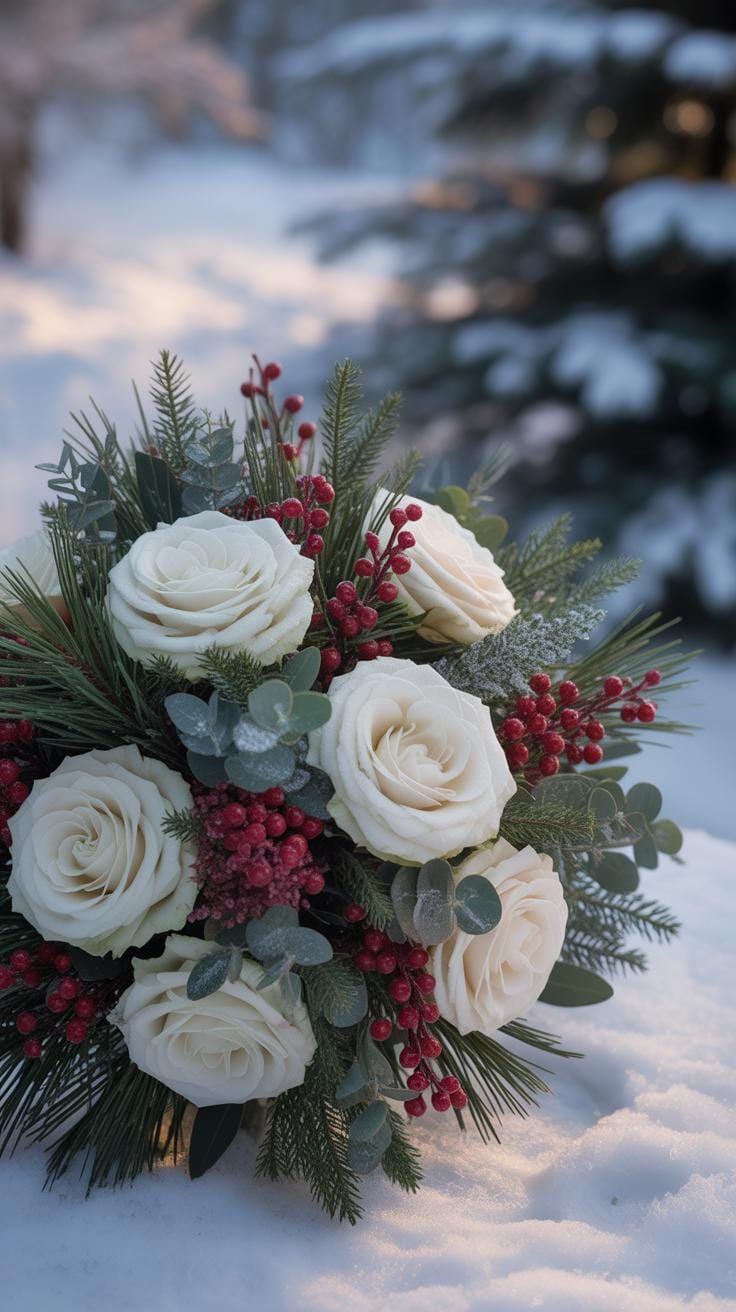
Winter floristry relies on species that tolerate cold or bloom during low light months. You must select flowers with thick stems and high petal counts to ensure longevity. Avoid delicate spring varieties that wilt in dry indoor heating. Professional designers choose flowers that provide structural density. These specific blooms offer the best return on investment during the winter season because they naturally resist dehydration.
- Amaryllis: These large bulbs produce thick, tubular stems and massive trumpet flowers. They serve as a primary focal point due to their scale. Most commercial varieties come in deep red, white, or striped patterns. Support the hollow stems with sticks to prevent snapping under the weight of the heavy blooms.
- Hellebores: Often called Christmas Roses, these flowers bloom in late winter. They offer muted tones like dusty green, burgundy, and plum. They provide a sophisticated transition between different color palettes. Keep them in cool water to prevent the soft petals from drooping prematurely in warm rooms.
- Anemones: These flowers feature a dark central eye that creates a strong visual contrast. The white variety with a black center is a staple for modern winter designs. They add a graphic element to any arrangement. Clean the stems thoroughly to prevent bacterial growth and extend their short vase life.
- Ranunculus: These blooms contain dozens of paper-thin petals that form a dense, circular head. They are hardier than they look and last up to two weeks in a vase. Their tight structure complements the coarser textures of winter evergreen branches. Red and gold varieties are standard for seasonal color palettes.
- Paperwhites: These small bulbs produce clusters of fragrant white flowers on tall stems. They grow quickly and provide height to flatter arrangements. Professional florists often use them for their intense scent and clean lines. Use pebbles to anchor the bulbs if you are forcing them to grow indoors for display.
Sourcing these flowers requires checking for freshness at the stem base. Ensure the water in the florist bucket is clear and free of debris. Cold weather blooms often arrive from warmer climates or greenhouses, so acclimate them slowly to room temperature. This prevents the flower heads from dropping due to thermal shock. Proper selection at the market determines the entire lifespan of your winter flower arrangements.
How To Combine Textures And Foliage With Winter Bouquet Flowers
Contrast is the most important pillar of winter design strategy. You must pair the soft petals of your primary flowers against hard, rugged elements. Combine glossy broadleaf evergreens like magnolia with needle-based greens like cedar or pine. This creates a multi-layered look that mimics a natural winter landscape. Use dark foliage to make the colors of your main flowers pop against the background.

Incorporate non-floral elements to add tactile interest to the arrangement. Use woody branches like birch or curly willow to provide vertical structure and architectural lines. Dried seed pods and pinecones add a matte finish that offsets the shine of satin ribbons or glass vases. These materials do not require water and stay stable for weeks. Proper texture layering ensures the arrangement looks full and professional even with fewer expensive flowers.
How To Create Winter Flower Arrangements Step By Step At Home
Essential Tools And Materials You Need Before You Begin
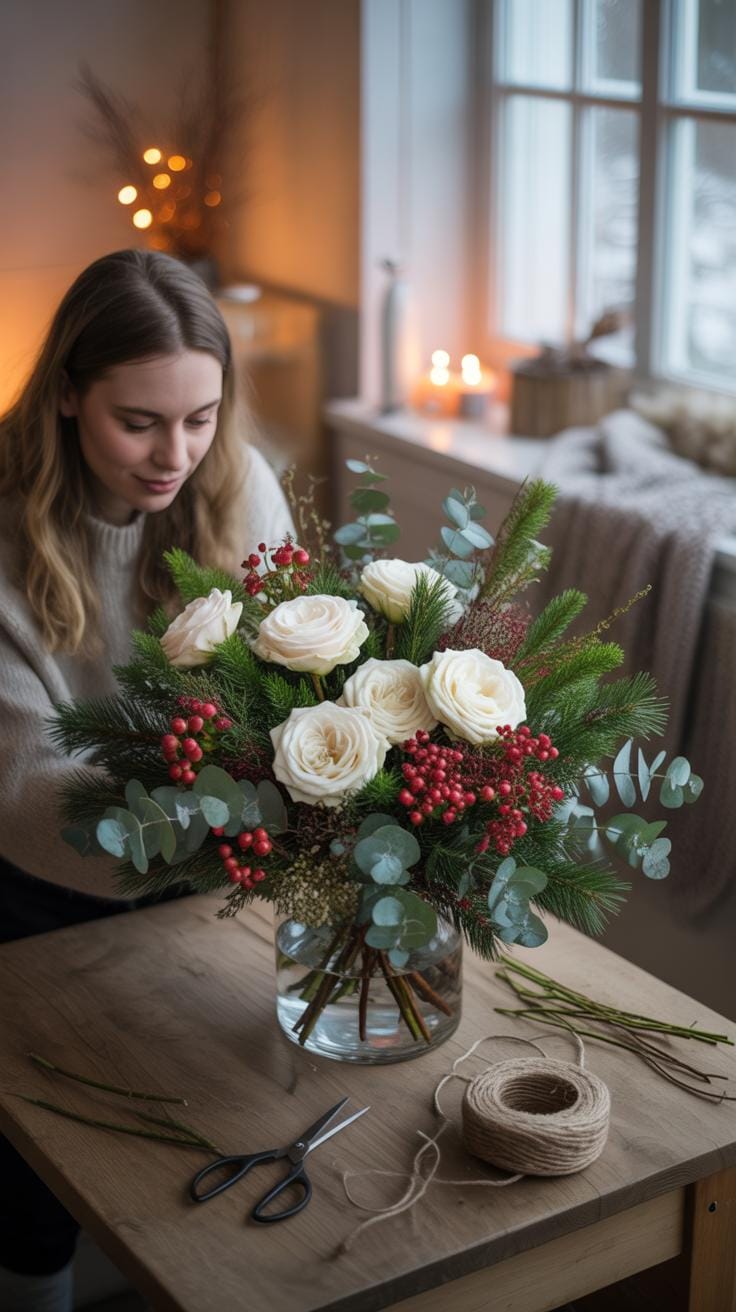
Preparation determines the structural integrity of your floral design. You must gather high-quality tools to ensure clean cuts and proper hydration. Quality shears prevent crushing the delicate vascular systems of winter stems. Use heavy-duty containers that can support the weight of dense evergreens and woody branches. Organization speeds up the assembly process and reduces damage to your expensive live materials.
- Floral Shears: Use sharp bypass pruners for woody winter stems and precision snips for soft flower stalks. Clean blades ensure bacteria do not enter the fresh cuts. Dull tools tear the plant tissue and cause premature wilting.
- Floral Foam or Frog: Secure your stems using water-absorbing foam or a metal pin frog. These anchors provide the necessary tension to hold heavy branches in specific angles. Choose the stabilization method based on your vessel transparency and weight requirements.
- Floral Tape: Use waterproof green tape to create a grid across the mouth of your vase. This grid manages the distribution of stems and keeps the arrangement balanced. It is essential when working with top-heavy winter foliage like pine or cedar.
- Preservative Solution: Mix commercial floral food with lukewarm water to extend the life of your blooms. Winter air is dry and strips moisture from petals quickly. Proper chemistry inhibits bacterial growth and provides necessary nutrients to the cut flowers.
- Support Wire: Keep 22-gauge floral wire on hand to reinforce weak stems or manipulate branch curves. Wrap wire around brittle stems to prevent snapping under the weight of decorative elements. This adds structural reliability to taller, more ambitious winter displays.
Select your botanical elements based on longevity and seasonal availability. Hardier greens like Frasier fir or boxwood provide a reliable base that lasts for weeks. Incorporate focal flowers such as amaryllis or hellebores for visual impact. Balance these with textural fillers like dried lotus pods or berried juniper. Checking the freshness of every stem ensures your final product remains vibrant throughout the holiday season.
Step By Step Techniques For Building A Cohesive Winter Floral Display
Start by building a structural foundation with your heavy foliage. Place your largest evergreen branches into the container first to establish the height and width. Angle the stems outward to create a natural radiating pattern from the center. This greenery hides your mechanics and provides a dense backdrop for the flowers. Ensure the base is wide enough to balance the visual weight of the blooms.

Insert your primary focal flowers into the gaps within the greenery. Cluster these blooms at different heights to create depth and movement within the piece. Add secondary flowers and textural accents like pinecones or willow branches to fill remaining voids. Rotate the vase frequently to check for holes and maintain symmetry. Finish by misting the arrangement with water to combat dry indoor heating and preserve the petal moisture.
Winter Flower Arrangements Centerpieces For Dining Tables And Mantels
How To Design A Show Stopping Winter Centerpiece For Your Dining Table
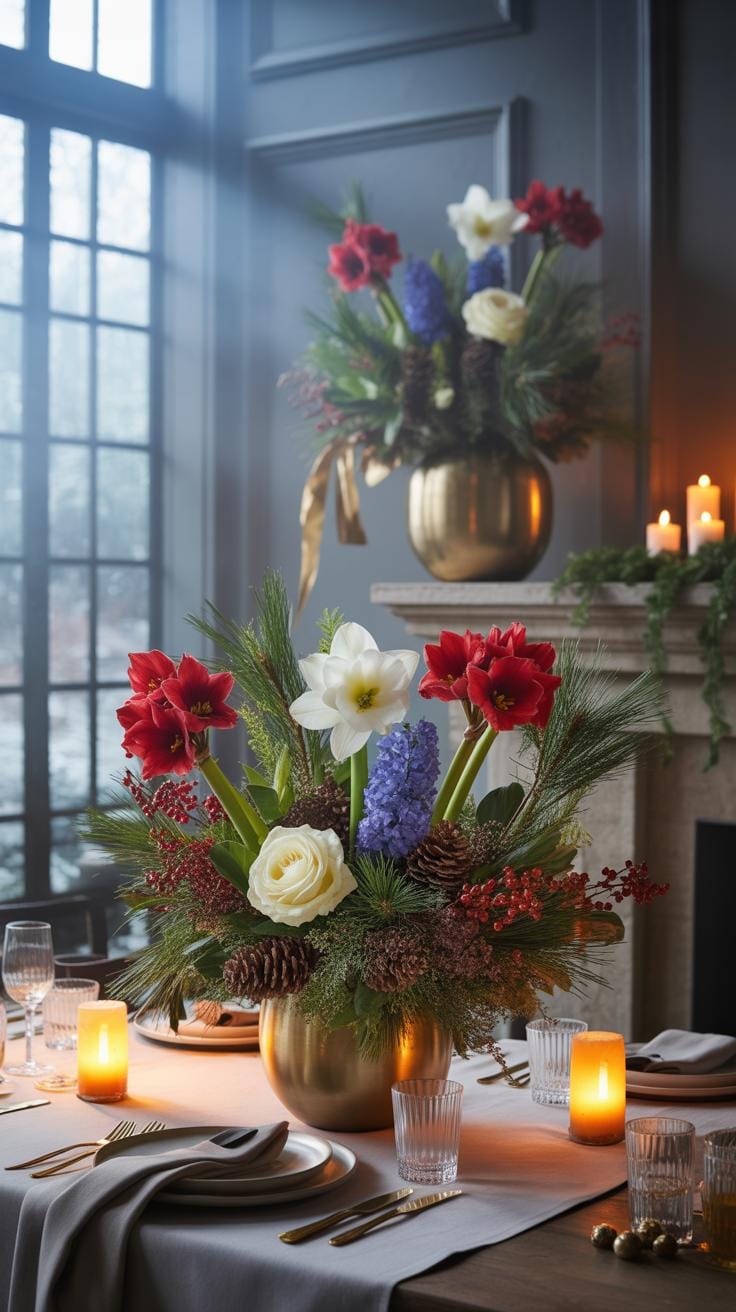
Dining table centerpieces require a low profile to facilitate eye contact across the surface. Use a heavy ceramic or metallic vessel to ground the arrangement. Use the grid technique with waterproof florist tape to secure stems. Start with a base of woody evergreens like hemlock or cedar. These provide the structural matrix needed to hold heavier winter blooms in place.
Select focal flowers with high petal counts such as ranunculus or amaryllis. Position these at various angles to create depth and visual interest from every seat. Integrate texture using hypericum berries or dried seed pods. Maintenance is critical for longevity in heated indoor environments. Change the water every two days and trim stems at a forty-five degree angle to maximize hydration.
Mantel Centerpiece Ideas That Blend Florals With Seasonal DéCor
Mantel arrangements prioritize height and linear flow. Utilize the length of the shelf by creating an asymmetrical design. Place a primary focal point on one side and trail greenery across the mantel. Secure your materials using floral foam or weighted kenzans to prevent tipping. Incorporate dried elements like magnolia leaves for a matte contrast against glossy fresh foliage and polished wood surfaces.

Balance your floral work with non-botanical elements like brass candlesticks or glass hurricanes. Use varying heights to draw the eye upward and across the display. Ensure no flammable materials sit near the chimney opening or open flames. Use pine cones and birch logs to bridge the gap between delicate flowers and heavy interior architecture. This creates a cohesive look that lasts throughout the season.
Caring For Your Winter Floral Arrangements Home Display To Make Them Last
How Indoor Heating And Low Humidity Affect Cut Flowers In Winter
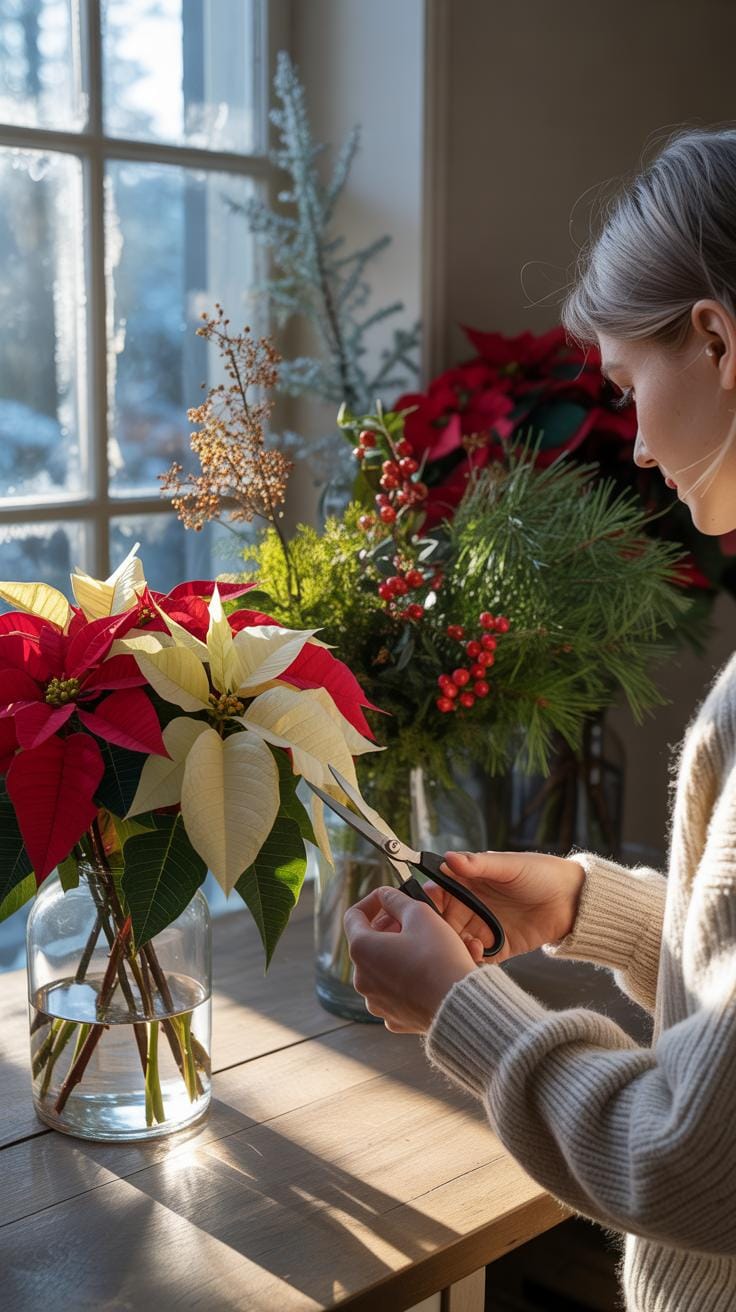
Central heating systems strip moisture from the air during cold months. Cut flowers lose water through their petals and leaves in a process called transpiration. When indoor humidity levels drop below forty percent, plants lose water faster than they can drink it. This causes premature wilting and petal drop. High heat also speeds up the metabolic rate of the blooms.
Warm air creates a stressful environment for delicate winter species. Placing a vase near a radiator or fireplace vent will kill the arrangement within days. Forced air acts like a vacuum on plant cells. It collapses the cellular structure and prevents nutrients from reaching the flower head. You must monitor the room temperature to ensure it stays below seventy degrees Fahrenheit for longevity.
Practical Tips For Extending The Life Of Your Winter Floral Arrangements
Clean your vase with bleach before use to kill lingering bacteria. Bacteria clog the stems and stop water flow. Cut stems at a sharp angle under running water. This prevents air bubbles from forming in the veins of the plant. Change the water every two days. Use lukewarm water rather than ice cold water to help the stems drink more efficiently.
Remove all foliage that sits below the water line immediately. Decaying leaves create toxic gases and fuel bacterial growth. Use the floral preservative packets provided by the florist. These contain sugar for energy and acid to balance pH levels. Keep the arrangement in a cool room overnight to slow down the aging process. These tactical steps double the lifespan of winter blooms.
Frequently Asked Questions

Which flowers are best for beginners to use in winter floral displays?
If you are new to floral design, look for hardy blooms that thrive in cooler temperatures. Amaryllis, paperwhites, and Hellebores are classic choices that offer elegance with minimal effort. To create professional-looking winter flower arrangements, simply pair these focal blooms with textured evergreens like cedar or pine. These seasonal greens provide a sturdy structure for your stems while filling your home with a refreshing, natural holiday fragrance.
Can I create beautiful winter decor on a budget without buying expensive roses?
Absolutely! You can design stunning displays by foraging for natural elements in your own backyard or local park. Look for pinecones, interesting bare branches, holly berries, or dried seed pods to add architectural interest. Combining these free, found items with affordable grocery store carnations or sprigs of eucalyptus creates sophisticated winter flower arrangements that look high-end. This sustainable approach is both budget-friendly and perfectly captures the rustic charm of the snowy season.
How long do winter floral arrangements typically last indoors?
Most winter arrangements last one to two weeks with proper care, thanks to the naturally cooler indoor temperatures of the season. Keep displays away from direct heat sources like radiators or fireplaces, which speed up wilting. Amaryllis and paperwhites tend to have the longest vase life, while evergreen accents like cedar or pine can last even longer, letting you refresh just the blooms as needed.