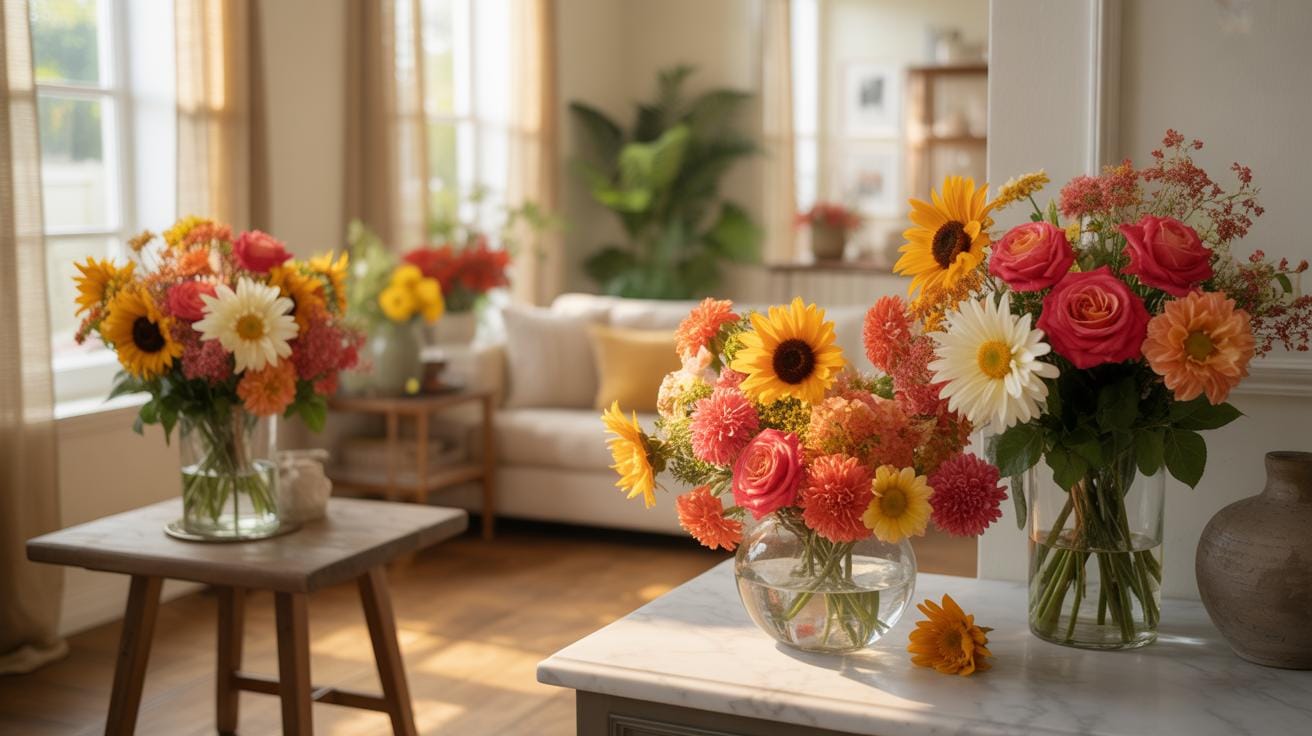
What Makes Summer Flower Arrangements Uniquely Vibrant And Long Lasting
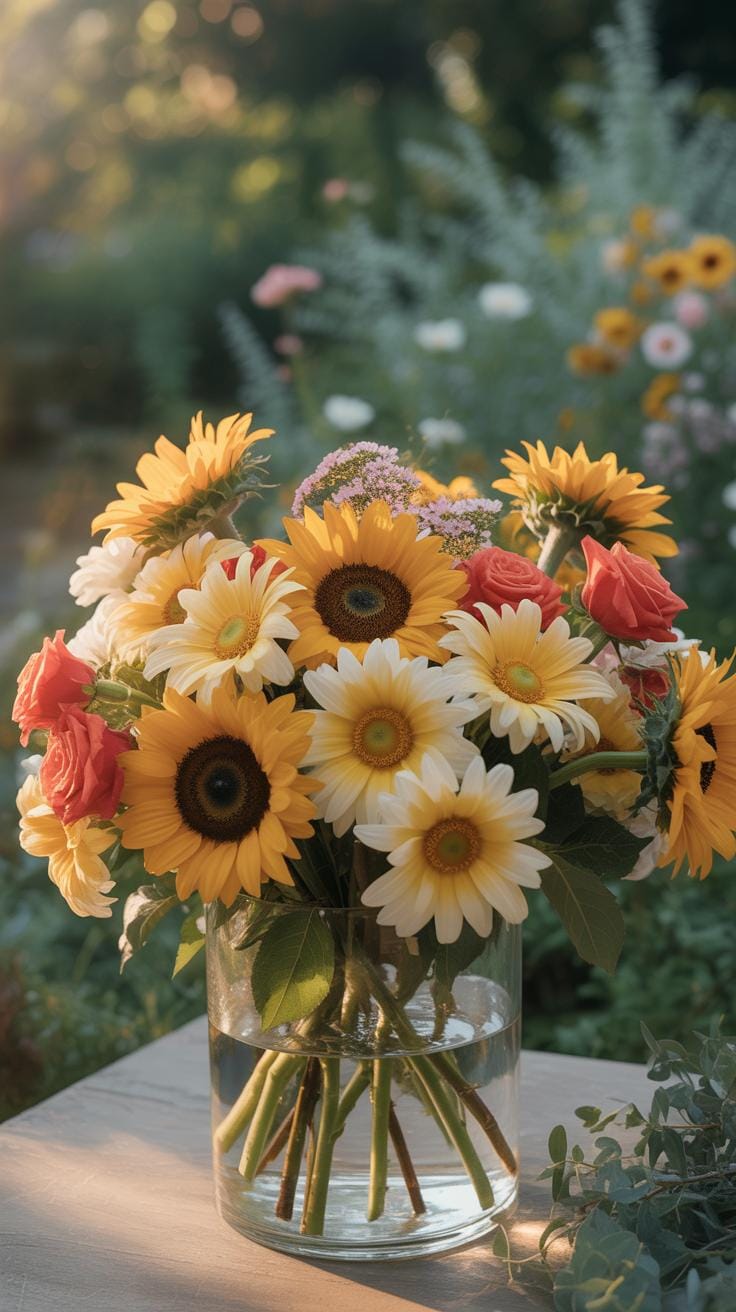
The Science Behind Why Summer Blooms Are So Colorful And Resilient
Summer flowers produce high levels of anthocyanins and carotenoids. These pigments protect plant tissues from intense ultraviolet radiation. Higher light intensity triggers more pigment production. This creates the saturated reds, oranges, and purples seen in zinnias and sunflowers. The deep colors serve a functional purpose by attracting pollinators during peak breeding cycles. These blooms are chemically built to withstand high heat levels.
Botanical resilience in summer stems from thickened cuticles and stronger cell walls. Species like dahlias and celosia possess structural adaptations to prevent rapid moisture loss. They maintain turgor pressure even when temperatures rise above ninety degrees. This structural integrity makes them ideal for cut arrangements. They do not wilt as quickly as spring bulbs. Their cellular makeup resists the bacterial decay common in warm vase water.
How Seasonal Warmth And Longer Daylight Hours Influence Flower Growth
Photoperiodism dictates the growth cycle of summer perennials and annuals. Longer daylight hours provide more energy for photosynthesis. This extra energy fuels the production of large, complex flower heads. Plants allocate more resources to reproductive growth during these months. This results in thicker stems and more numerous petals. These physical traits provide a sturdy foundation for structural floral design and heavy arrangements.
Rapid metabolic rates characterize summer plant growth. Warm soil temperatures speed up nutrient uptake and enzyme activity. This acceleration produces flowers with higher carbohydrate reserves. These reserves act as a fuel source once you cut the stem. Proper hydration allows the flower to continue its life cycle in a vase. The combination of heat and light creates a reliable supply of durable, high impact floral material.
Stunning Floral Arrangements With Hydrangeas That Work In Any Room
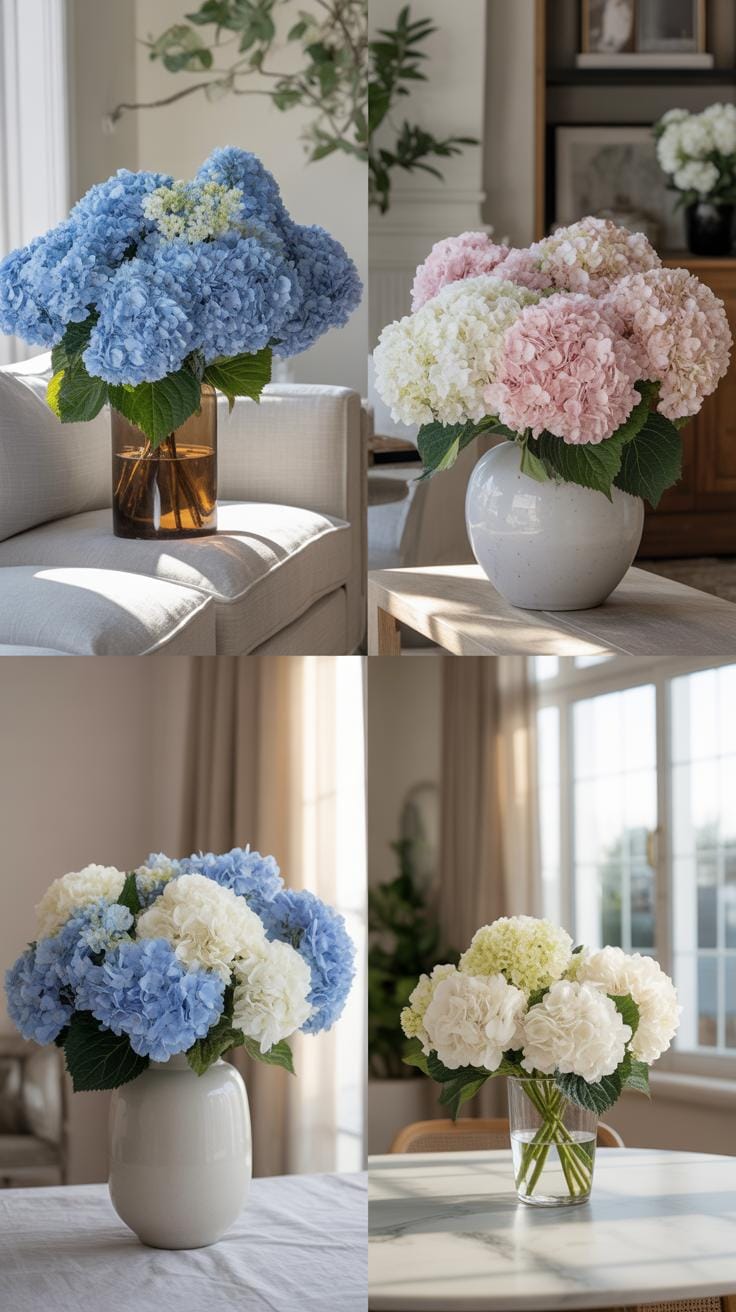
Why Hydrangeas Are A Go To Summer Bloom For Full, Lush Arrangements
Hydrangeas dominate summer floral design because of their massive scale. A single head contains hundreds of small fertile and sterile florets. This structural density allows a few stems to fill a large vase quickly. Their woody stems provide a rigid base for architectural designs. They naturally bridge the gap between structural greenery and focal flowers. Designers use them to create mass and volume.
These blooms offer a versatile color palette that shifts based on soil pH levels. High acidity produces blue tones while alkaline soil creates pink flowers. This chemical trait allows the plant to fit into diverse interior color schemes. The broad leaves add a deep green texture that contrasts with the soft petal clusters. Professionals rely on this plant to provide immediate visual impact with minimal effort.
How To Keep Hydrangea Arrangements Fresh And Hydrated Longer At Home
Hydrangeas derive their name from the Greek words for water vessel. They lose moisture rapidly through their large petals and leaves. To stop wilting you must maximize water intake directly through the stem. Use a sharp knife to cut the stems at a forty five degree angle. This increases the surface area for water absorption. Remove all leaves that sit below the water line.
The most effective professional tactic involves using alum powder or boiling water. Dip the bottom inch of a freshly cut stem into alum powder before placing it in a vase. This prevents the sap from clogging the vascular system. If a head wilts submerge the entire flower head in cool water for thirty minutes. This allows the plant to hydrate through its petals and restores turgidity fast.
How To Create A Beautiful Wildflower Flower Bouquet With Garden Fresh Blooms
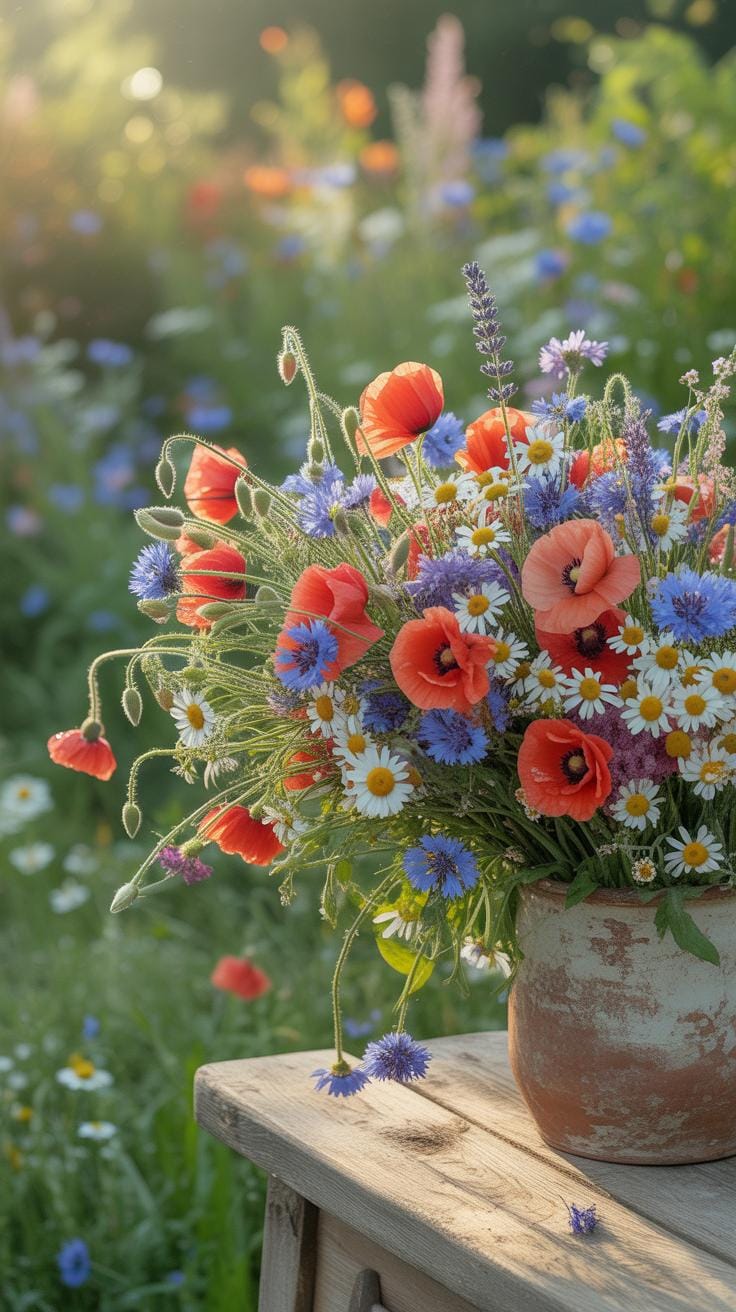
Best Wildflower Varieties To Include In A Casual Cottage Style Bouquet
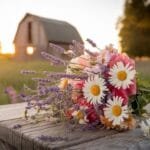
Cottage style design relies on high diversity and varying textures. You must choose plants that bloom simultaneously during the peak summer months. Focus on species with sturdy stems to support the weight of the flower heads. Select a mix of focal flowers and secondary fillers. This creates a dense visual profile typical of traditional 19th century English garden displays.
- Zinnias: These blooms offer rigid stems and high heat tolerance. They provide the bold primary colors necessary for a vibrant summer palette. Their flat-topped shape creates a strong visual landing point in any casual arrangement.
- Cosmos: Use these for their airy foliage and delicate petals. They add movement to the bouquet because their thin stems sway easily. They fill empty gaps without adding excessive bulk or weight to the glass container.
- Queen Annes Lace: This biennial plant acts as the perfect structural filler. The flat white umbels provide a lacy texture that softens the appearance of larger blooms. It mimics the look of wild meadows found in rural landscapes.
- Echinacea: Also known as coneflowers, these perennials provide a distinct central disc and drooping petals. They are hardy and last a long time after cutting. Their architectural shape anchors the arrangement and provides a rustic feel.
- Black Eyed Susans: These flowers introduce a bright yellow contrast with dark centers. They are rugged and survive well in high temperatures. Their presence ensures the bouquet looks like it was gathered directly from a sun-drenched field.
Proper harvesting ensures these varieties stay fresh. Cut stems early in the morning when moisture levels are highest. Use sharp shears to prevent crushing the water-conducting tissues. Strip all leaves that will sit below the water line to prevent bacterial growth. This basic maintenance extends the life of your flowers. It keeps the cottage look clean and professional for several days.
Simple Styling Techniques That Give Wildflower Bouquets A Natural Effortless Look
Stop trying to force symmetry in your wildflower arrangements. Natural looks require an asymmetrical balance. Start by placing the largest blooms at different heights. Do not line them up horizontally. Use the “rule of three” to group similar colors together but vary their depth. This mimics how plants grow in a wild garden bed. It draws the eye through the entire design.

Incorporate greenery with varying leaf shapes to build a structural base. Crisscross the stems in the vase to create a natural grid. This grid holds the flowers in place without using floral foam. Leave some stems longer so they spill over the rim of the container. This breaks the hard line of the vase. It makes the bouquet look relaxed and unstudied. Short stems should stay near the center for stability.
The Charm Of A Wildflower Bouquet Blue Styling Cool Tones For Summer DCor
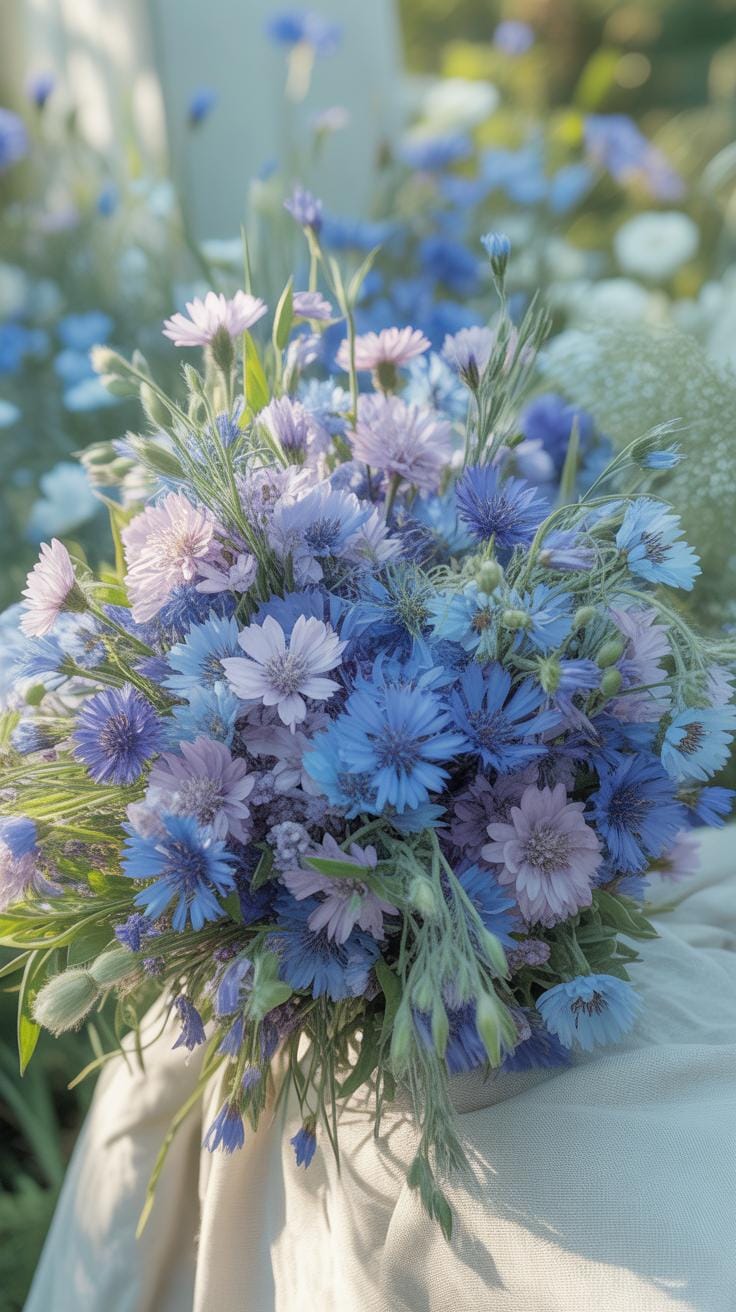
Blue Wildflowers That Thrive In Summer And Make A Strong Visual Impact
Blue flowers provide a cooling effect during peak summer heat. Delphiniums offer vertical height and intense saturation. Cornflowers provide a true blue pigment rarely found in nature. Eryngiums add structural interest with their prickly texture and silver-blue hues. These varieties maintain their color under direct sunlight. Professional florists use these specific stems to create depth and contrast against green foliage.
Hydrangeas serve as the bulk filler for large arrangements in coastal regions. Their massive heads occupy significant space and reduce the need for secondary stems. Scabiosa provides a softer visual with its pincushion shape and thin stems. Selecting these flowers ensures the arrangement lasts longer in high temperatures. Choose stems with firm petals and hydrated leaves to guarantee a five-day vase life.
How To Pair Blue Wildflowers With Neutral Or Earthy Vases For A Cohesive Look
The container choice dictates the final aesthetic of the arrangement. Ceramic vessels in sandstone or terracotta balance the cool tones of blue petals. These earthy materials ground the airy nature of wildflowers. Avoid gloss finishes to maintain a rustic and authentic appearance. Unfinished clay absorbs heat and keeps the water temperature lower. This technical detail extends the life of the cut stems.
Wooden bowls or baskets work well for wide and low displays. Use a hidden glass liner to hold water and support the structure. Stone vases add weight and prevent tall arrangements from tipping over. These natural textures mimic the outdoor environment where wildflowers grow. Neutral tones like beige and charcoal allow the blue pigments to stand out. Simple shapes prevent the design from looking cluttered or disorganized.
Blue Yellow Flowers A Classic Color Combination That Brightens Any Space
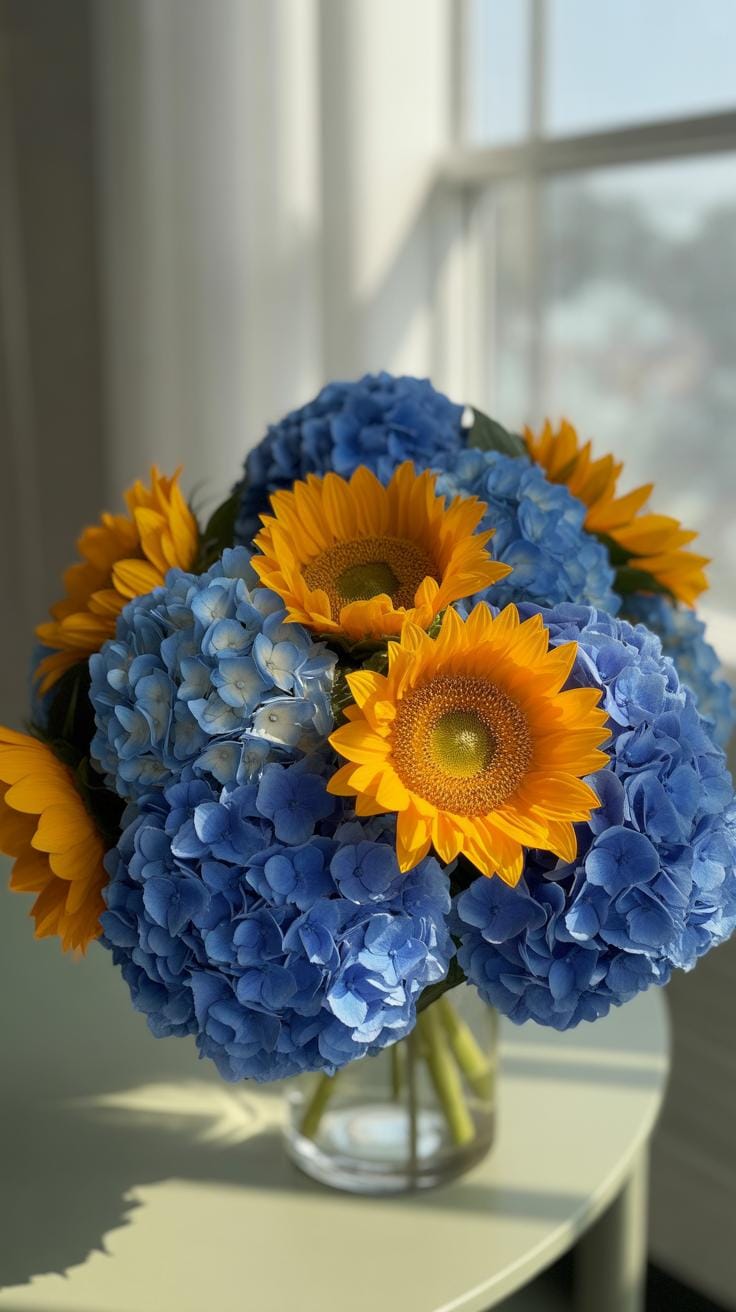
Why Blue And Yellow Flowers Work So Well Together In Floral Design
Blue and yellow sit opposite each other on the color wheel. Designers call this a complementary color scheme. This pairing creates high visual contrast. The yellow appears brighter against the cool blue tones. This combination Mimics the natural look of a summer sky and sun. Professional florists use this duo to grab attention without clashing. It provides a balanced energy in any residential room.
This color strategy traces back to French Impressionist gardens. Artists like Monet used these colors to capture natural light. In floral design, yellow flowers often represent focal points. Blue flowers provide depth and recede into the arrangement. Use these colors to create a sense of space in small rooms. This specific palette works best with white containers. It keeps the focus on the vibrant natural pigments of the petals.
Top Blue And Yellow Flower Pairings To Use In Summer Centerpieces
Select flowers with similar water needs to ensure longevity. Start with sturdy yellow stems as your primary structure. Blue flowers are rarer in nature so they often serve as premium accents. This pairing works well for outdoor dining and bright kitchens. Mix different textures to keep the arrangement from looking flat. Use mass flowers for yellow and spray or spike flowers for blue.
- Sunflowers and Delphinium: Large yellow sunflower heads provide a massive focal point. Tall blue delphinium spikes add vertical height and structural drama. This pairing suits large foyers or entryway tables where scale matters most.
- Yellow Roses and Blue Hydrangea: Use yellow roses for a traditional and formal appearance. Blue hydrangeas provide a dense cloud like base that supports the rose stems. This combination offers a lush and full look for centerpieces.
- Billy Balls and Cornflowers: Craspedia globosa provides a hard spherical texture in bright yellow. Blue cornflowers offer a delicate and ruffled contrast. These flowers dry well and maintain their color long after the water is gone.
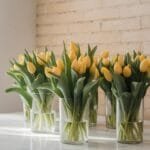
- Yellow Tulips and Grape Hyacinth: These stems work best for low profile arrangements. The bright yellow tulip petals contrast with the deep purple blue clusters of the muscari. Use these in small glass cubes for a modern and clean desk display.
- Goldenrod and Sea Holly: Solidago provides a feathery yellow texture that fills gaps easily. Eryngium adds a metallic blue architectural element with spiky bracts. This pairing creates a rugged and naturalistic aesthetic for casual summer gatherings.
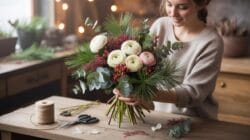
Balance the ratio of colors based on the desired mood. Use more yellow for a high energy and cheerful atmosphere. Use more blue to create a calm and cooling sensation during hot months. Always strip the leaves from the bottom of the stems. Clean water prevents bacterial growth and keeps these vivid colors from fading prematurely. Match the vessel size to the stem weight for a stable centerpiece.
Natural Flower Arrangements Bringing The Outdoors Into Your Living Space
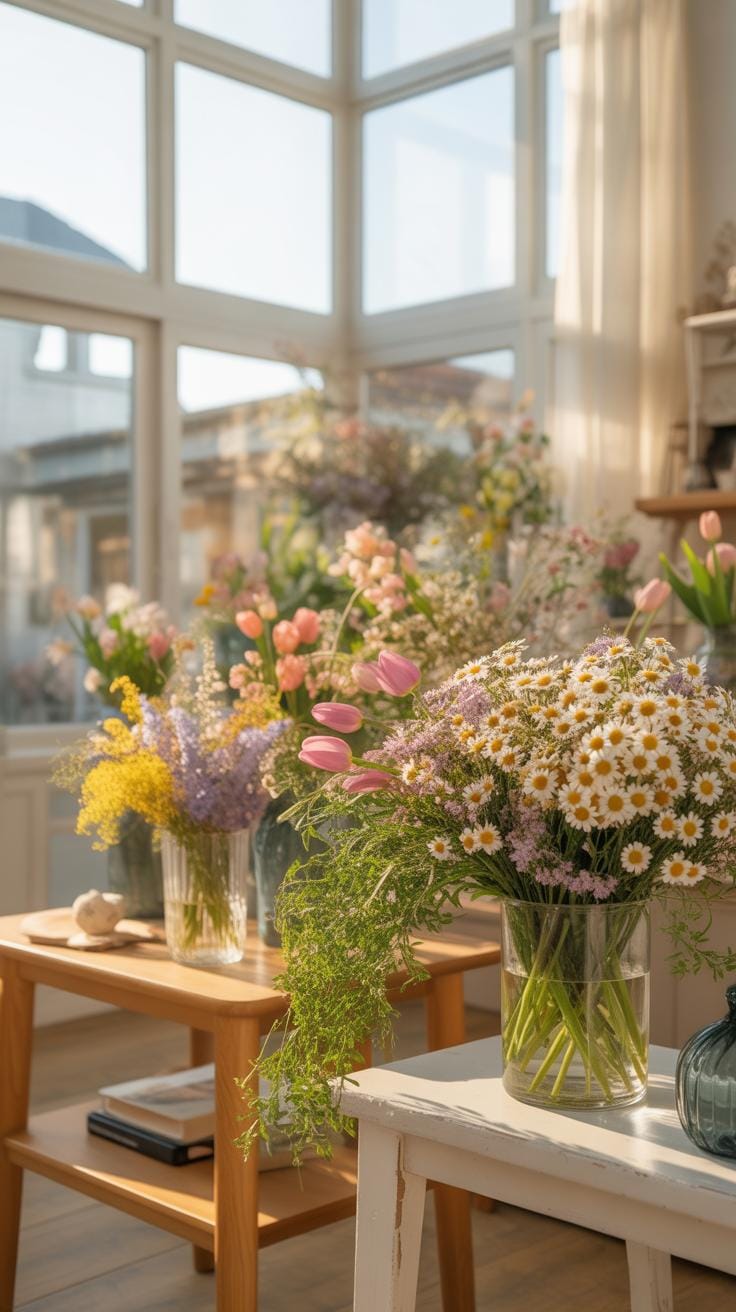
What Defines A Natural Flower Arrangement And How It Differs From Structured Designs
Natural designs prioritize the inherent growth patterns of plants. This style rejects the rigid geometric shapes found in traditional French or English formal styles. You do not force stems into tight spheres or triangles. Instead, you mimic how flowers appear in a field. This approach emphasizes negative space and asymmetrical balance. It allows each stem to breathe and move freely within the vessel.
Structured designs rely on heavy manipulation and floral foam to hold exact positions. Natural arrangements move away from these artificial constraints. They often use sustainable mechanics like chicken wire or kenzans. You choose flowers with interesting curves and varying heights. This technique creates a sense of rhythm and depth. The goal is a relaxed look that feels effortless but remains grounded in solid composition principles.
Earth laughs in flowers. Bringing these vibrant summer arrangements into your home invites a piece of nature’s joy to rest upon your table.
Using Foliage, Branches, And Dried Elements To Enhance Natural Floral Compositions
Foliage provides the structural framework for natural arrangements. Greenery defines the shape and volume before you add a single bloom. Use local branches to create height and extend the visual reach of the piece. Oak, maple, or fruit tree clippings work well in summer. These woody elements add texture that soft stems cannot provide. They anchor the design and offer a realistic forest or garden silhouette.
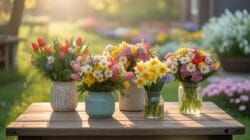
Dried elements introduce contrast and longevity to fresh summer displays. Incorporate dried grasses, seed pods, or preserved ferns to add a muted color palette. These materials provide a tactile quality that balances the moisture of fresh petals. Mixing textures creates visual interest and mimics the natural life cycle of plants. This hardware approach ensures the arrangement looks full even as individual fresh flowers begin to fade over time.
Colorful Wildflower Arrangements In Vases Easy Ideas For Every Corner Of Your Home
How To Choose The Right Vase Shape And Material For Wildflower Displays
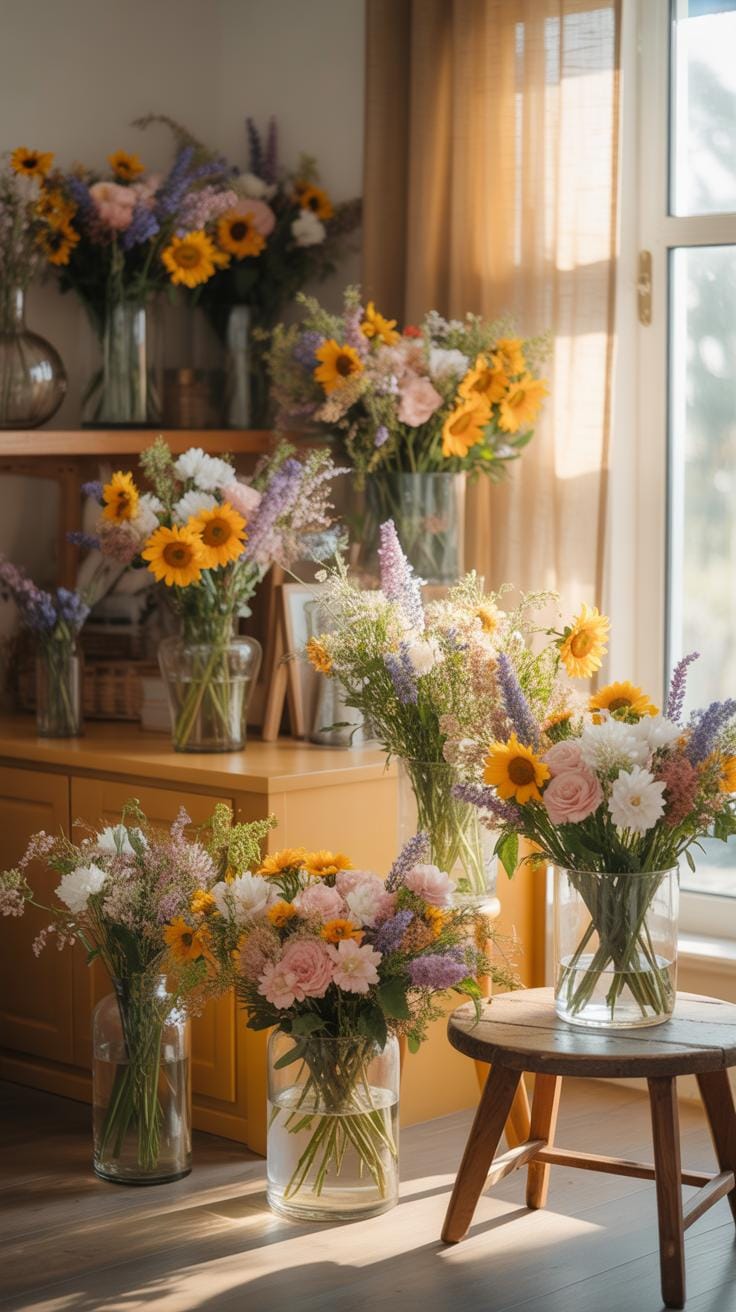
Wildflowers have thin, flexible stems and varied head sizes. Select a cylindrical glass vase to support tall species like Queen Anne’s Lace or Chicory. Glass provides a clean look and allows you to monitor water clarity. Opaque ceramic pitchers offer a rustic aesthetic that hides messy stem ends. Choose a narrow neck to keep clusters upright and prevent the arrangement from splaying outward.
Material choice impacts the lifespan of your summer flower arrangements. Zinc and galvanized steel buckets evoke the French country style but can react with flower preservatives. Use a plastic liner in metal containers to prevent corrosion and bacterial growth. Clear glass helps you see when debris falls into the water. Clean water prevents vascular blockages in the stems. Always match the vessel weight to the flower height.
Room By Room Guide To Placing Colorful Wildflower Vase Arrangements At Home
Place large, multi-species arrangements in the entry hall to set a seasonal tone. Use heavy stoneware vases on sturdy console tables to prevent tipping. Kitchen windowsills require small, heat-resistant glass jars. Avoid placing flowers near ripening fruit, as ethylene gas causes wildflowers to wilt rapidly. Entryways benefit from high-visibility colors like yellow Goldenrod or purple Ironweed. These bright hues survive well in high-traffic areas.

Bedrooms and bathrooms need low-fragrance wildflowers like Bachelors Buttons or Daisies. Strong scents can disrupt sleep or overwhelm small enclosed spaces. Use bud vases on nightstands to keep surfaces functional. Place arrangements out of direct sunlight to extend their freshness. Heat from south-facing windows dries out delicate petals quickly. Move vases to cooler spots at night to preserve the blooms. Consistent temperature management ensures your flowers last longer.
Elegant Flower Arrangements Elevating Summer Blooms For Sophisticated Interiors
Key Design Principles That Separate Elegant Arrangements From Everyday Bouquets
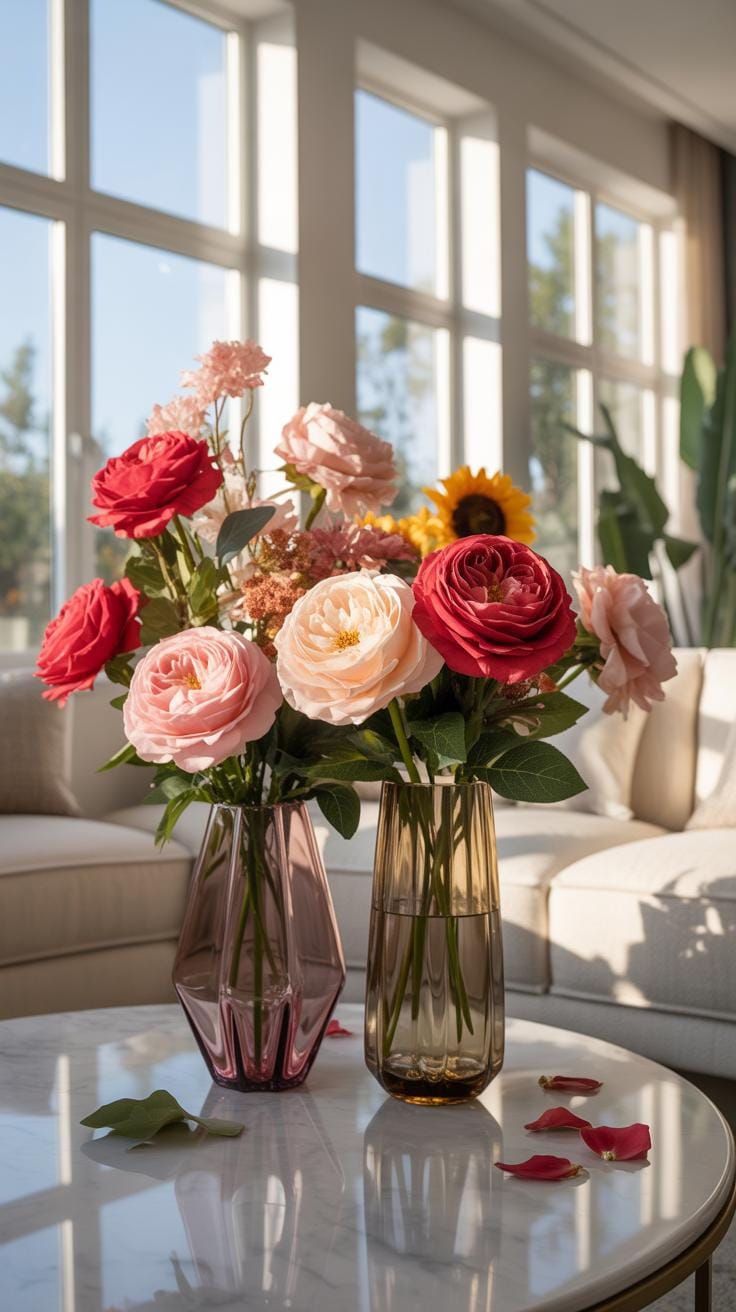
Elegant design relies on intentional restraint. Use the rule of thirds to place your main visual weight off-center. This creates a natural movement that mimics growth in the wild. Avoid round, symmetrical shapes found in grocery store bundles. Professional designers use negative space to highlight individual stems. Proper spacing prevents the arrangement from looking cluttered or cheap. Every stem must have a specific purpose.
Focus on a limited color palette to maintain sophistication. Analogous colors like blue, violet, and green provide a calm look. Monochromatic schemes using different shades of white or cream work best for modern interiors. Use high-quality vessels like heavy glass, ceramic, or stone. The container should weigh more than the flowers to provide physical and visual stability. Clean water and trimmed stems prolong the professional appearance.
How To Use Height, Texture, And Focal Flowers To Create An Upscale Summer Display
Establish a strong vertical axis using tall stems like delphinium or gladiolus. These lead the eye upward and add architectural value. Use Focal flowers like dinnerplate dahlias or garden roses at the base of your design. These large blooms pull the viewer in and ground the arrangement. Place them slightly above the rim of the vase. Distribute smaller filler flowers around them to bridge the gaps.
Vary textures to add depth without adding bulk. Combine smooth petals with rough foliage or seed pods. Scabiosa pods provide a tactile contrast to soft peonies. Use trailing greens like jasmine vine to create a sense of fluidity. This technique breaks the rigid lines of the vase. Keep the tallest stems approximately one and a half times the height of the container. This ratio ensures a balanced and professional silhouette.
Floral Arrangement With Colorful Flowers Mixing Hues For A Joyful Summer Display
Understanding Color Theory Basics To Build A Harmonious Multi Flower Arrangement
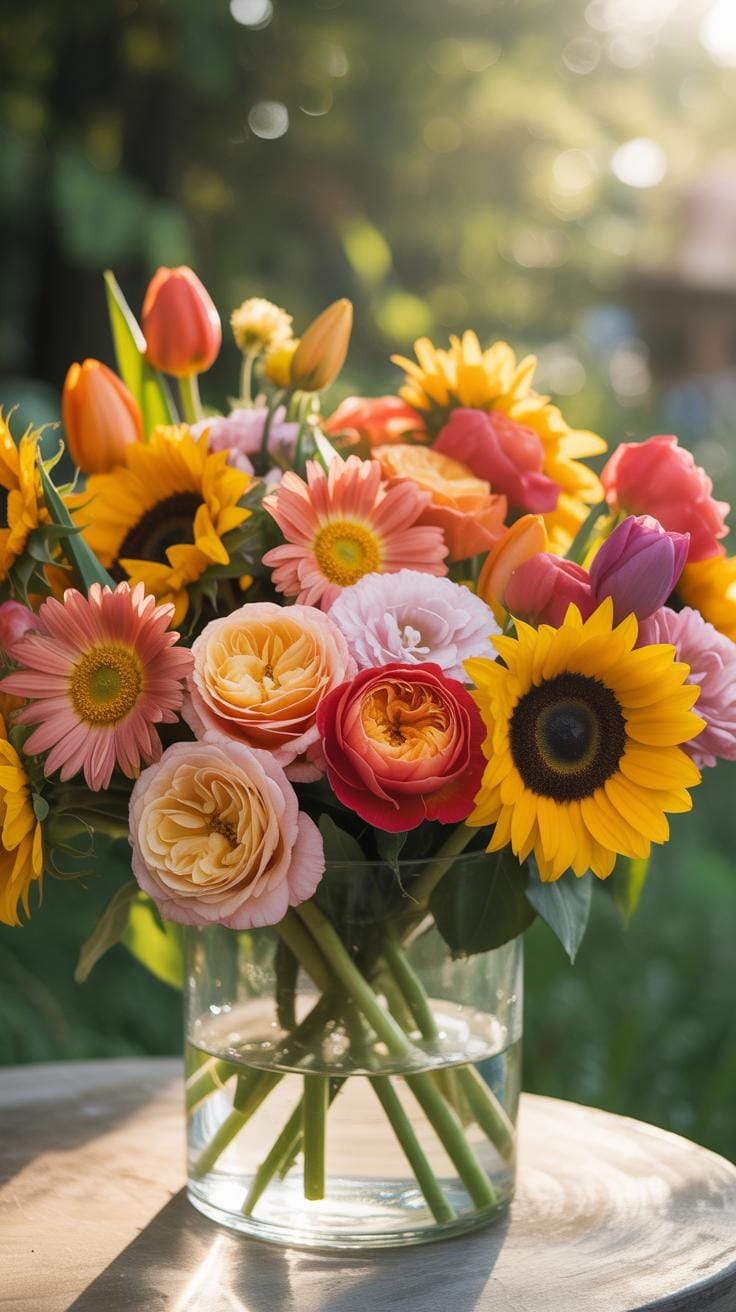
Effective color theory relies on the color wheel to manage visual weight. Use complementary colors like orange and blue to create high contrast. These direct opposites provide energy and focus. For a softer look, select analogous colors located next to each other. This creates a cohesive flow that mimics natural growth patterns. Always ground your design with a primary focal color to prevent visual chaos.
Balance your saturation levels to maintain professional standards. High-intensity colors like bright red can overwhelm delicate pastels if used incorrectly. Apply the rule of thirds by dedicating sixty percent to a dominant hue. Use thirty percent for a secondary color and ten percent for a sharp accent. This mathematical approach guarantees a stable composition. It ensures the arrangement remains structured and readable to the human eye.
How To Rotate And Refresh Colorful Floral Arrangements As Blooms Change Through The Season
Heat and bacteria shorten the lifespan of cut stems. You must trim stems at a forty-five-degree angle every two days to improve water intake. Remove any foliage submerged in water to prevent rot. Replace the water entirely when it appears cloudy. Fresh water reduces ethylene gas production and keeps flowers upright. This maintenance routine ensures your arrangement remains vibrant and safe from early decay.
The mix of flowers changes as the summer heat intensifies. Early season peonies give way to mid-season zinnias and late-season dahlias. Remove individual dying stems immediately to protect the remaining healthy flowers. Replace these gaps with fresh seasonal fillers or greenery to maintain the shape. Monitoring your arrangement daily allows you to swap aging blooms. This keeps the display looking intentional and fresh throughout the entire month.
Frequently Asked Questions

Which flowers are best for beginners to use in summer floral designs?
If you are just starting out, sunflowers, zinnias, and hydrangeas are excellent choices. These hardy blooms have sturdy stems and large heads, making them incredibly easy to manipulate. They naturally fill space, allowing you to create stunning summer flower arrangements without needing professional florist tools. Their vibrant colors instantly capture the essence of the season, helping novices achieve a professional look with very little effort or technical skill.
How can I keep my summer flower arrangements looking fresh during hot weather?
To extend the life of your summer flower arrangements, start with a clean vase and lukewarm water mixed with flower food. Trim the stems at a forty-five-degree angle to maximize water absorption and remove any leaves below the waterline to prevent bacterial growth. Keep your display away from direct sunlight and drafts. For the best longevity, change the water every two days and give the stems a fresh snip each time.
Can I create beautiful seasonal floral displays on a tight budget?
Absolutely! You don’t need to spend a fortune to enjoy greenery in your home. Foraging from your own backyard or local fields for wildflowers, Queen Anne’s Lace, and interesting leafy branches is a cost-effective way to source materials. Using simple glass jars or repurposed vintage pitchers as vessels adds rustic charm. With a little creativity, you can assemble high-end looking displays using affordable grocery store bundles mixed with found natural elements.