
A Relaxing Yoga Routine for Daily Workouts and Weight Loss
Yoga offers a gentle way to stay active every day. A relaxing yoga routine can fit easily into your daily workout plan. Many people use yoga to lose weight while improving their flexibility and reducing stress. The key is in the routine you follow and the poses you choose.
This article looks at a relaxing yoga routine made for daily use and weight loss. You will learn what yoga does for your body, why it matters in weight control, and how to build your routine from simple steps. By the end, you will have clear directions to start your yoga practice with confidence.
Yoga Routine
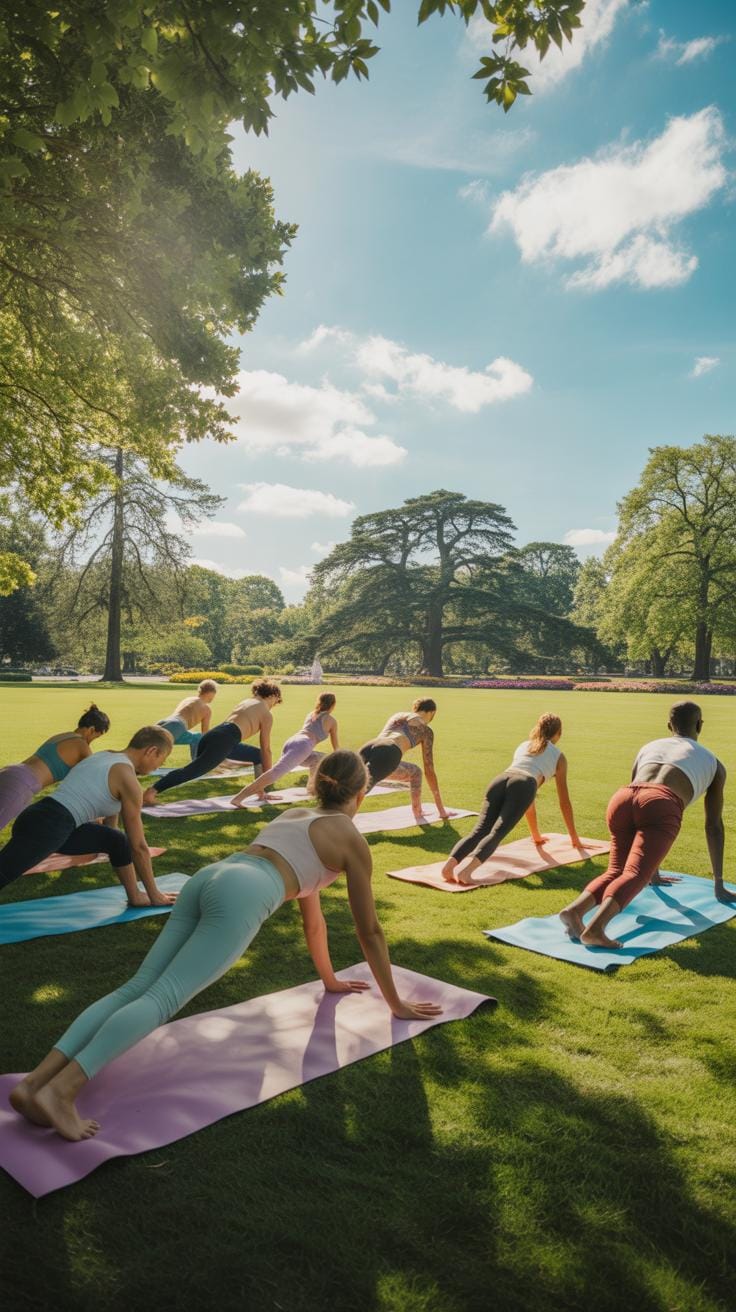
When you think about starting a yoga routine, it helps to keep things simple at first. A good daily yoga routine doesn’t have to be long or complicated. Just 20 to 30 minutes can bring noticeable changes over time. You could start with some gentle stretches to wake up your body, like cat-cow or child’s pose, which help loosen your spine and calm the mind.
Then, move on to poses that build strength and flexibility. For example, Warrior poses strengthen your legs and improve balance, while Downward Dog stretches your hamstrings and calves. Try repeating each pose slowly and hold it for a few breaths. It might feel challenging at the beginning, but that’s okay—just listen to your body.

Integrating breathing exercises, or pranayama, is also key. Imagine focusing on your breath while holding poses—this can help you stay present and calm, even if the pose feels tough. Many people find that this mindfulness eases tension and distractions.
- Start with easy warm-up poses like seated stretches or gentle twists.
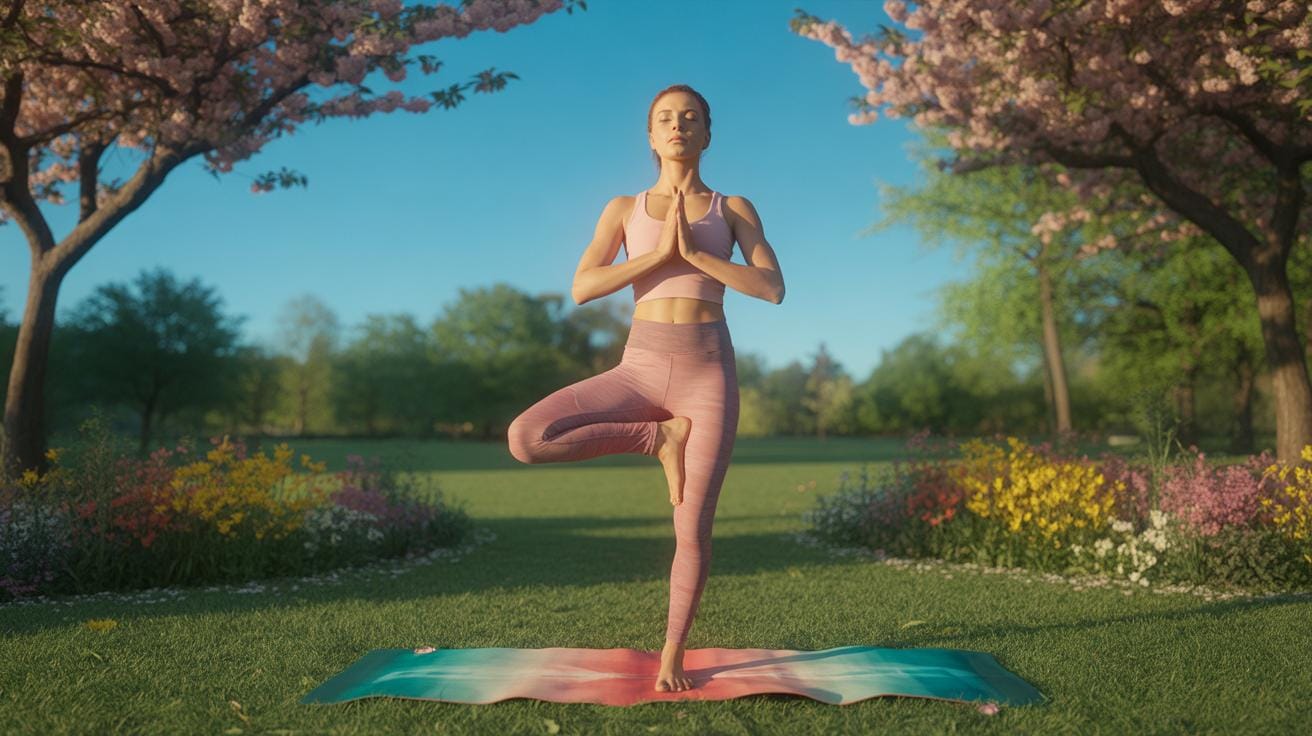
- Add standing poses to build strength and balance, like Tree Pose or Warrior II.
- Include stretching postures to improve flexibility, such as Forward Fold.
- Finish with relaxation poses like Savasana to calm your body and mind.
- Focus on slow, deep breathing throughout to enhance mental clarity.
Over time, this routine becomes less about exercise and more about connecting with yourself. You might notice you’re standing taller, moving more freely, or feeling less overwhelmed during your day—these little wins make the effort worth it. Have you ever felt that moment when a simple stretch shifts your mood? That’s the kind of feedback a yoga practice can give you daily, if you keep it consistent and kind to yourself.
Why Yoga Helps With Weight Loss
Yoga works in a few interesting ways when it comes to weight loss. First, it can give your metabolism a gentle boost. While it’s not like a sprint or heavy lifting, holding poses and flowing through sequences fires up muscles, which in turn nudges your metabolism upward. Over time, this slight increase adds up.
Then there’s muscle building. Yoga may seem slow and calm, but many poses require strength and balance, which helps build lean muscle. More muscle means your body burns more calories even when you’re just sitting or resting. It’s like having a small furnace running all day.

And don’t underestimate stress. Stress often leads to eating when you’re not hungry—what some call stress-related eating. Yoga calms the mind, lowers stress hormones, and helps curb those urges to snack out of anxiety or tension. So, yoga supports weight loss both physically and mentally, which is kind of impressive for something that feels so relaxing.
Calorie Burning Vs Stress Reduction
Yoga burns calories, yes—but not at the same rate as jogging or cycling. The physical movement increases your heart rate modestly and uses energy, but the calorie count is usually modest. For example, you might burn about 150-200 calories in a 30-minute gentle yoga session, less than a typical cardio workout.
But here’s the twist: yoga’s stress reduction could actually have a bigger impact on weight. When stress goes down, your likelihood of overeating or craving junk food often drops. Imagine coming home after a tense day and rolling out your mat instead of raiding the fridge. Over time, you avoid extra calories without even trying.
Role Of Muscle Building In Weight Control
Building muscle through yoga isn’t like pumping iron in the gym, but don’t let that fool you. Poses like plank, warrior, and chair pose engage muscles deeply. This slow, controlled movement builds strength and muscle tone.
More muscle means your resting metabolic rate goes up—so you burn more calories even when you’re not exercising. Think of it as your body’s baseline calorie burn getting a little bump. It’s not dramatic overnight, but consistent yoga can definitely help keep your metabolism humming at a higher level.

Have you noticed that after a period of regular yoga practice, you feel stronger and maybe even a bit leaner? That’s probably why. Yoga’s quiet power is worth considering alongside other workout types when thinking about weight control.
Choosing Yoga Poses For Your Goals

Yoga Poses Suited for Beginners Aiming to Lose Weight and Relax
Starting with gentle yet effective poses can set a good pace. For beginners focused on weight loss and relaxation, consider these:
- Mountain Pose (Tadasana): Stand tall, feet together, arms at your sides. Inhale and raise arms overhead. This pose improves posture and gently wakes the body, preparing for movement.
- Downward Dog (Adho Mukha Svanasana): From hands and knees, lift hips toward the ceiling, forming an inverted V. It strengthens arms and legs while stretching the back and hamstrings.
- Warrior II (Virabhadrasana II): Step one foot back, bend the front knee, stretch arms wide, gaze over the front hand. This pose builds leg strength and stamina, helping increase calorie burn.
- Cat-Cow Stretch (Marjaryasana-Bitilasana): From hands and knees, alternate arching and rounding the back. It increases spinal flexibility and relaxes the mind.
These poses engage large muscle groups and boost circulation, which can contribute to calorie burning and calming the nervous system at the same time. They offer a balance that beginners will find manageable yet rewarding.
Best Poses To Increase Calorie Burn
Some poses are more dynamic, demanding more from your body. Here are a few that can help burn more calories when done with proper alignment:
- Chair Pose (Utkatasana): Stand with feet hip-width apart, bend knees, and lower hips as if sitting in a chair. Raise arms overhead. This pose works the legs and core intensively, raising heart rate.
- Plank Pose (Phalakasana): Hold yourself in a straight line from head to heels, supported by your hands and toes. It strengthens the entire body, focusing on core muscles and building endurance.
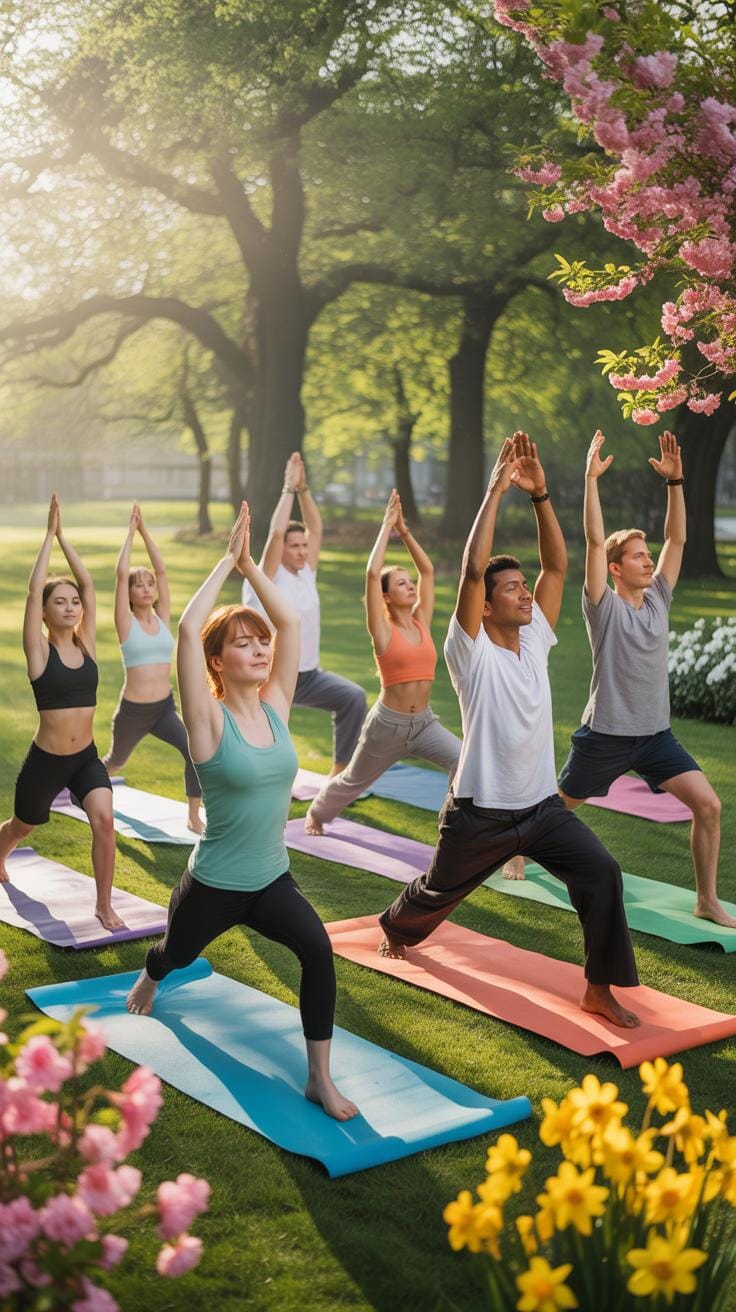
- High Lunge (Crescent Pose): Step one foot forward, bend the front knee, keep the back leg straight, and raise arms overhead. This pose improves balance while engaging leg muscles actively.

Doing these poses repetitively in a flow increases intensity. You may notice your breathing deepens and your muscles heat up—signs that calories are being burned. It feels a bit like strength training without equipment.
Poses That Help Relax And Recover
Recovery is essential, especially if you’re starting out or feeling sore. Here are some gentle poses to soothe your body:
- Child’s Pose (Balasana): Kneel on the floor, sit back on your heels, and stretch your arms forward while lowering your chest. It relaxes the spine and calms the mind.
- Legs-Up-the-Wall (Viparita Karani): Lie on your back and extend your legs vertically against a wall. It promotes circulation and eases tired legs.
- Savasana (Corpse Pose): Lie flat on your back with arms and legs comfortably spread. This final relaxation pose eases tension, aiding overall recovery.
Using these poses at the end of your routine or on rest days supports muscle recovery and reduces stress. Sometimes, just lying quietly in Savasana feels incredibly restorative—and perhaps, that’s the best part of yoga for weight loss.
How To Build A Daily Yoga Routine

Step By Step Setup For Daily Practice
Creating a daily yoga routine starts with organizing your space. Pick a quiet corner with enough room for a yoga mat and freedom to stretch. Try to keep it clutter-free; distractions can sneak in unexpectedly. As for equipment, a comfortable yoga mat is key, maybe some blocks or straps if you plan to deepen poses. Timing matters: morning sessions energize, evenings calm. For beginners, 15–30 minutes daily is a good stretch—not too long to feel daunting, yet enough to notice changes.
Tracking Progress And Staying Consistent
Tracking yoga progress doesn’t need to be complicated. A simple journal recording your poses, duration, and how you feel afterward can reveal patterns and improvements. Setting small goals like mastering a pose or increasing session length keeps motivation alive. Expect ups and downs—some days flow better, others less so. Also, mixing poses occasionally or following varied guided routines can stop boredom creeping in. Persistence often depends on accepting the journey, not racing ahead.
Building Your Sequence
Start with gentle warm-ups: neck rolls, shoulder shrugs, cat-cow stretches. Move onto foundational poses such as Downward Dog, Warrior I and II, and Child’s Pose. These work different muscle groups and improve balance. Cotinuing with seated poses for flexibility, and breathing exercises like pranayama can wrap up your practice. The sequence doesn’t have to be rigid—listen to your body. If a pose feels too tough, modify it or skip it. Over time, as your comfort grows, you might add more challenging postures.
Yoga Vs Other Workouts For Weight Loss


Yoga stands apart from common workouts like running or gym training in several ways. When it comes to weight loss, yoga generally burns fewer calories per session than high-intensity exercises such as running or weight lifting. Still, it contributes to weight management through improved mindfulness, stress reduction, and muscle toning.
Joints often bear the brunt of strenuous activities like running or heavy gym workouts. Yoga, with its low-impact stretches and mindful movements, tends to be gentler on joints. For those with joint pain or issues, yoga offers a less risky option that’s easier to sustain over time.
As for accessibility, yoga wins for most people—it requires minimal equipment and can be done almost anywhere. Running only needs space, but gym workouts require access to specialized equipment and sometimes a membership. Yoga also fits diverse environments, from living rooms to parks, making it more inviting to many.
- Pros of Yoga: Low-impact, improves flexibility, accessible to many, supports mental wellness
- Cons of Yoga: Burns fewer calories, slower pace for weight loss
- Pros of Running/Gym: Higher calorie burn, faster gains in muscle and endurance
- Cons of Running/Gym: Higher joint stress, potential need for equipment or memberships
So, is yoga enough if you’re mainly looking to lose weight? It depends—perhaps as a foundation or complement to more intense workouts. Or, for some, yoga alone might foster the right healthy habits and gradual progress.
Calories Burned In Yoga Compared
Calorie burn varies with style and intensity. On average, a yoga session burns roughly 150 to 400 calories per hour. Contrast that with running, which can burn around 600 to 800 calories per hour depending on speed. Weight training might burn 300 to 500 calories, though muscle gain affects longer-term metabolism.

What this means is yoga’s calorie burn is modest but steady. Flow or power yoga styles push toward the higher end, while restorative or gentle yoga burns fewer. Yoga might not torch calories like running, yet it supports weight loss through other channels like hormonal balance and stress management.
Suitability For Different Fitness Levels
Yoga welcomes everyone—from complete beginners to seasoned athletes. Beginners appreciate its gentle pace and ability to build confidence without pressure. Experienced exercisers find benefits in yoga’s focus on balance, flexibility, and recovery, often adding it to their routine.
Compared to some workouts that demand higher fitness to start or carry injury risks, yoga holds few barriers. Still, some intense gym training or running programs might outpace yoga for rapid physical gains. Yet, yoga’s adaptability lets you adjust poses and intensity, scaling up or down as needed.
In sum, yoga fits diverse fitness levels well, especially if you want a sustainable, low-risk option that nurtures body and mind together. It may not replace all workouts for weight loss but stands as a powerful, complementary route for many.
Common Mistakes And How To Avoid Them

Skipping Warm-Up And Cool-Down
Many beginners often overlook the warm-up and cool-down phases, perhaps thinking they’re not essential. But skipping these parts can actually hinder your progress. Warm-up prepares your body by increasing blood flow and loosening muscles, reducing the risk of strains. Without it, your muscles can feel stiff, making some poses uncomfortable or even painful.

Likewise, cool-down helps your body transition back to a resting state. It aids in reducing muscle soreness and prevents dizziness that could occur from abruptly stopping intense movement. If you don’t spend a few minutes cooling down, you might notice stiffness later or a feeling of breathlessness.
So, consider simple stretches or slow, deep breathing exercises before and after your main practice. It’s a small commitment that really makes a difference.
Incorrect Pose Alignment Problems
Pose alignment is another common pitfall. You might think you’re doing a pose correctly just because you can hold it, but slight misalignments can cause discomfort or injury, especially over time. For example, in Downward Dog, placing hands too close or too far apart can stress wrists. Similarly, locking your knees during standing poses strains joints.
One handy tip is to think about your body’s natural lines—keep joints stacked and muscles engaged but not tense. Use a mirror or ask for feedback from a more experienced yogi if you can. It’s easy to overlook these details until pain appears.
Don’t rush through the poses; approach each slowly and with intention to ensure you’re aligned properly. Remember, yoga isn’t about perfect shapes but safe, mindful movement.
Using Yoga Props And Tools
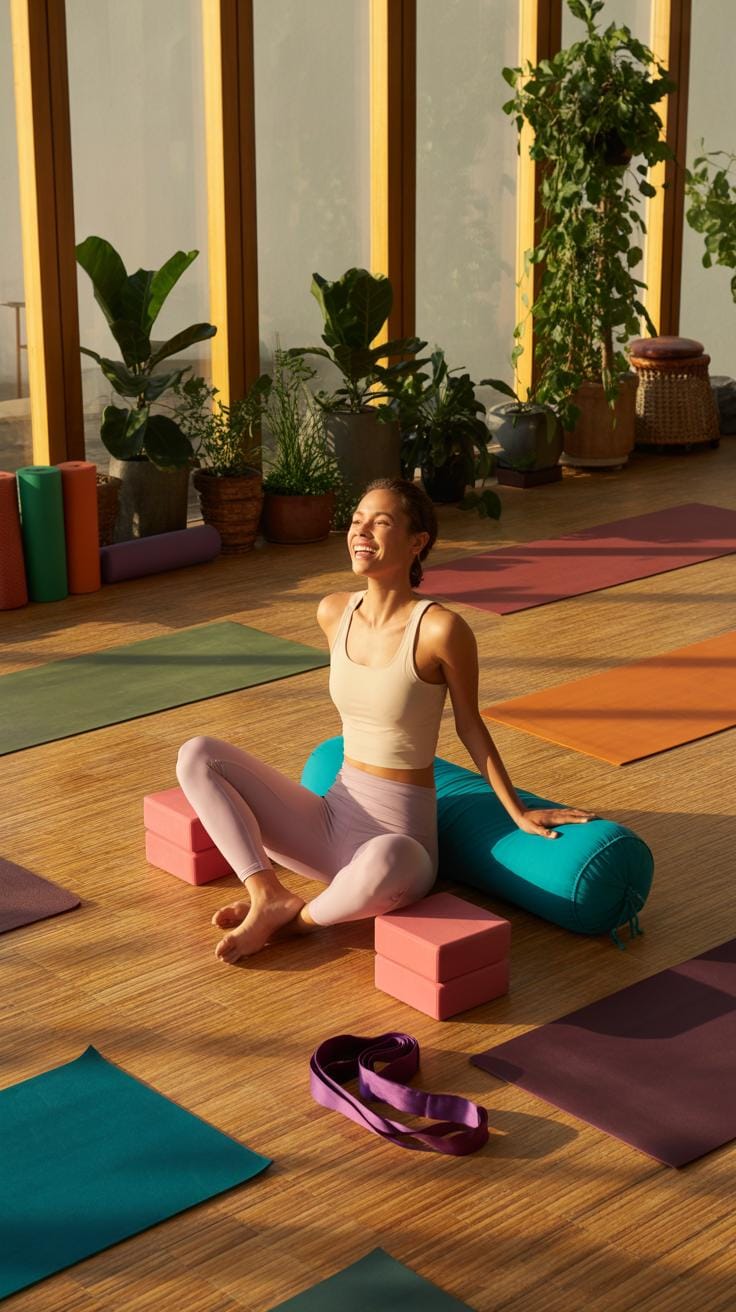

When starting yoga, props like mats, blocks, and straps become quite handy. They aren’t just accessories; these tools actually help you perform poses more comfortably and protect against strain or injury. For example, yoga blocks can act as an extension of your arms or legs, which is especially useful when you find it hard to reach the floor or maintain balance. Straps, on the other hand, help in stretching and holding poses longer by bridging the gap between your hands and feet or encouraging better posture alignment.
Mats, the foundation of your practice, prevent slipping so you can focus on the flow without worrying about grip. When you use blocks and straps, the practice becomes more accessible—the poses feel less intimidating. In a way, these props adapt the yoga postures to your body rather than forcing your body into rigid shapes. They also provide stability and support, making it easier to explore flexibility without pushing too hard and risking injury. So, if you’ve been hesitant about trying certain poses, using these tools might just change your experience for the better.
Choosing The Right Yoga Mat
Picking a yoga mat can feel more complicated than it needs to be. Thickness is a key factor to consider; thicker mats offer more cushioning, which is great if you have sensitive joints or like to stay in seated or reclining poses longer. But thicker mats can be heavier and pricier, so you might want to balance comfort with portability. Grip is another important aspect — some mats provide a tacky surface that helps keep your hands and feet firmly planted, which is essential if you practice sweaty styles like Vinyasa or Hot Yoga.
Price can be a little confusing too. You don’t necessarily have to splurge on the most expensive mat, but extremely cheap mats might wear out quickly or lack decent traction. Maybe try a mid-range mat that feels sturdy without being overwhelming on your budget. I once bought a very cheap mat that got slippery quickly — not the best choice! Ultimately, your mat should feel comfortable underfoot, support your practice, and last a reasonable amount of time.
Props That Improve Flexibility And Support
Blocks, straps, and bolsters often get overlooked, but they really help improve flexibility safely. Blocks can be stacked or placed under hands, hips, or your back to provide extra reach or support, especially in standing or balance poses. Straps help when your hamstrings or shoulders feel tight — you can loop them around your foot or arm to gently stretch muscles without overstraining. It’s kind of like having an extended arm to inch closer to the ideal alignment.
Bolsters add comfort and support mainly in restorative or Yin Yoga poses, helping you hold stretches for longer while staying relaxed. They can be placed under the knees, back, or neck to reduce tension and aid relaxation. These props encourage you to listen to your body rather than push beyond its limits, which ironically often leads to better flexibility over time. Are you curious how a simple block might change how you hold a pose? It’s worth trying; small aids can make a big difference in feeling balanced and supported throughout your practice.
When To Expect Weight Loss Results
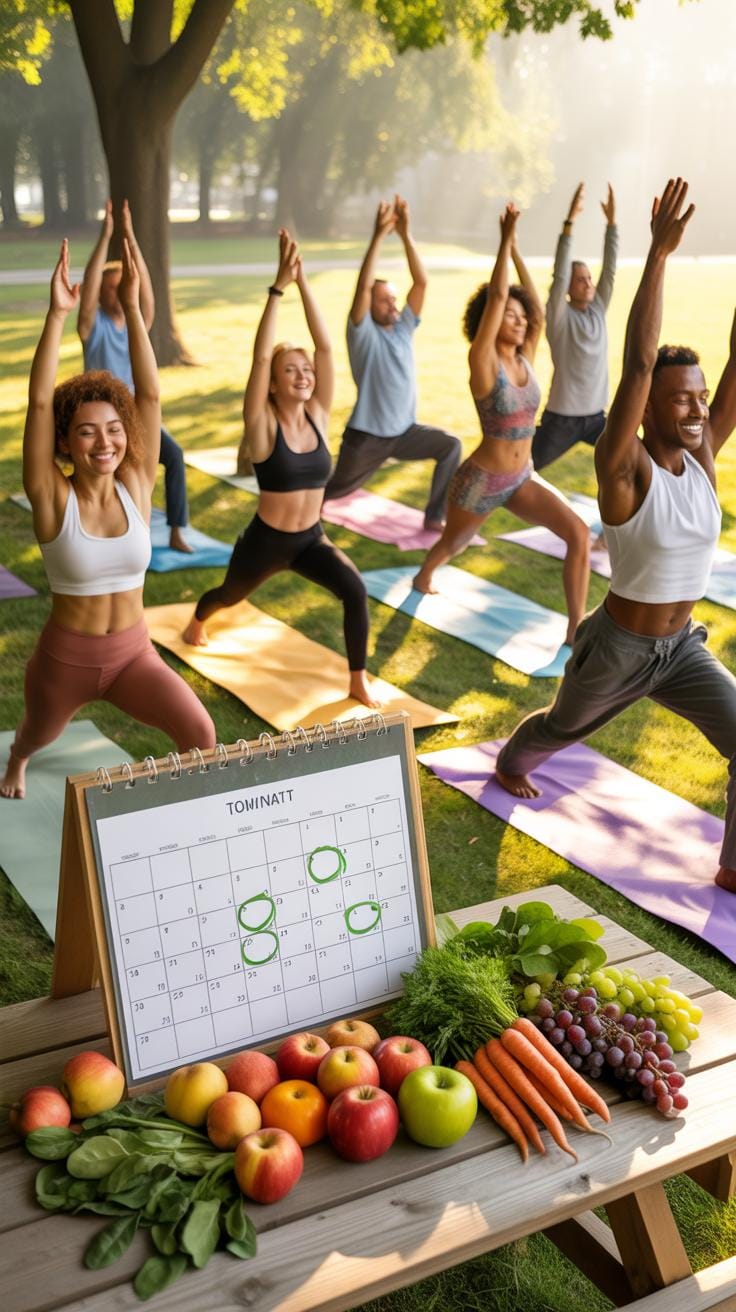
Weight loss from yoga isn’t instantaneous, and it’s something you need to be patient with. You might wonder when the pounds will start to shed, but it’s not just about doing yoga alone. How often you practice definitely matters — daily sessions help more than once-a-week stretches. Still, frequency alone isn’t the whole story.
Your diet plays a big role. If you’re eating without paying attention to calories or nutrition, yoga’s impact can be slow. Body type and metabolism vary too — some people might see changes sooner, while others take longer or lose weight differently across their bodies.
It’s a bit of a mix, really. You can’t expect dramatic weight loss overnight, but small consistent efforts will make a difference. Thinking about your routine holistically, including diet and lifestyle, is key to realistic expectations.
Typical Timelines For Visible Changes
If you’re new to yoga and aiming to lose weight, you might start noticing small physical changes after about 4 to 6 weeks of regular practice. These changes might be subtle at first—like improved muscle tone or better posture—rather than scale drops.
Noticeable fitness improvements, such as increased flexibility, stamina, and a stronger core, often appear around the 2-month mark. For visible weight loss, it often takes a bit longer—perhaps 8 to 12 weeks—depending on how dedicated you are to your sessions and other habits.
Don’t rush or get discouraged if progress seems slow. It’s often gradual and sometimes those early efforts get underestimated. Have you noticed feeling more energetic or less stressed? Those can be signs you’re on the right track.
Factors That Affect Your Weight Loss Speed
Weight loss speed with yoga isn’t just about the moves you do. Several outside factors affect it:
- Diet: A balanced diet with controlled portions can accelerate weight loss.
- Sleep: Poor sleep affects hormones and metabolism, potentially slowing down results.
- Stress: Chronic stress raises cortisol, which can lead to weight gain or make weight loss tougher.
- Hydration: Drinking enough water supports metabolism and recovery.
- Activity level: Other physical activities besides yoga can help burn more calories.
- Consistency: Irregular practice won’t have the same effect as steady, daily routines.
One day you might practice yoga daily but neglect sleep or eat poorly, and the weight won’t budge much. Another time, all factors line up, and it feels like progress is quick. This ups and downs pattern is normal, so keep adjusting and listening to your body as you go.
Tracking Your Yoga And Weight Loss Progress

Effective Ways To Monitor Yoga Practice
Keeping track of your yoga progress might sound a bit tedious, but it can really help you notice small changes that often go unnoticed day to day. One simple approach is to keep a daily log. Note how long you held each pose, what felt easier compared to last time, or where you found challenges. Recording your flexibility improvements, increased strength, or stamina gains—aspects like being able to stretch further or hold a plank pose longer—makes your progress tangible.
Using apps designed for yoga practice can also be handy. They often have features to log sessions, track poses practiced, and even suggest improvements. Journals work equally well if you prefer writing by hand; they provide a personal touch and space for reflecting on how you feel after practice. The key, perhaps, is consistency rather than perfection. Even brief notes every day add up.
Measuring Weight Loss Safely And Honestly
When it comes to tracking weight loss alongside your yoga routine, balance matters. It’s tempting to step on the scale daily, but that might lead to unnecessary stress or obsession. Weighing yourself once a week, at the same time of day and under similar conditions, gives a more reliable picture. Also, consider measuring body parts like waist, hips, or arms. Sometimes the scale doesn’t tell the full story, especially if you’re gaining muscle through stronger poses.
It’s good to remind yourself that numbers are just data points, not judgments. If the scale fluctuates, it doesn’t mean failure—water retention, digestion, and other factors play a role. Try to focus on how your clothes fit, your energy levels, or how you feel physically and mentally. Keeping measurements in a simple spreadsheet or journal can help keep track without turning it into a fixation. What matters most is steady, healthy progress and well-being.
Sample Relaxing Yoga Routine To Follow

Starting your day with a gentle yoga flow can set a calm and focused tone for hours. Here’s a simple morning sequence designed to gradually awaken your body and mind. Take about 10 to 15 minutes, breathing deeply, and move with intention.
- Cat-Cow Pose (2 minutes): Alternate arching and rounding your spine to warm up the back.
- Downward Dog (2 minutes): Stretch the spine and legs, engage the core gently.
- Low Lunge with Side Stretch (3 minutes): Opens hips and side body, boosting circulation.
- Seated Twist (3 minutes): Releases tension along the spine, preparing you mentally.
- Mountain Pose with Breath (3 minutes): Stand tall and focus on grounding your energy.
This routine should not rush you. It encourages you to feel your body waking up slowly but surely, promoting clarity and calm before the day begins.
Morning Sequence For Energy And Calm
If you’ve got just 10 minutes, try to start seated or upright to avoid jolting your system awake too harshly. Follow the breath; inhale as you stretch and expand, exhale to lengthen and soften. Morning yoga isn’t about exertion but gentle activation. You might not feel energized immediately, but persistent practice builds a subtle inner strength. Wondering if you should push further or just keep it light? That tension itself is a sign—listen more than act.
Evening Sequence To Unwind And Recover
Evening yoga is a different animal. It should help you let go of the day’s tension, not prod you into action. Spend 15 to 20 minutes moving through poses that release tight muscles and calm your nervous system.
- Child’s Pose (3 minutes): Softens the lower back and calms the mind.
- Seated Forward Fold (4 minutes): Lengthens the spine and hamstrings while encouraging relaxation.
- Reclined Twist (5 minutes): Helps detoxify and ease hip and back stiffness.
- Legs Up the Wall (5 minutes): Encourages circulation and soothes tired legs.
- Savasana (5 minutes): Final resting pose to absorb benefits and prepare for sleep.
In the evening, it’s less about form and more about feelings. Don’t be surprised if some nights you just want to lie still in Savasana longer, or maybe skip the twist. Your body’s signals are worth honoring as you aim for true recovery.
By weaving these sequences into your days, you may notice small shifts in how you carry weight—both physically and mentally. The routine is a foundation; feel free to adapt it as you grow more familiar with your body’s rhythms and needs.
Conclusions
Yoga is a practical tool for improving your physical health and managing your weight. By practicing regularly, you can build strength, burn calories, and calm your mind. The routine you choose should be easy to follow and fit your daily schedule.
Start small and be consistent. Yoga’s effects grow over time when done with care and patience. Follow the steps and recommendations shared here to create a yoga habit that supports your wellness and weight loss goals. Your body and mind will thank you for the effort.