
Introduction
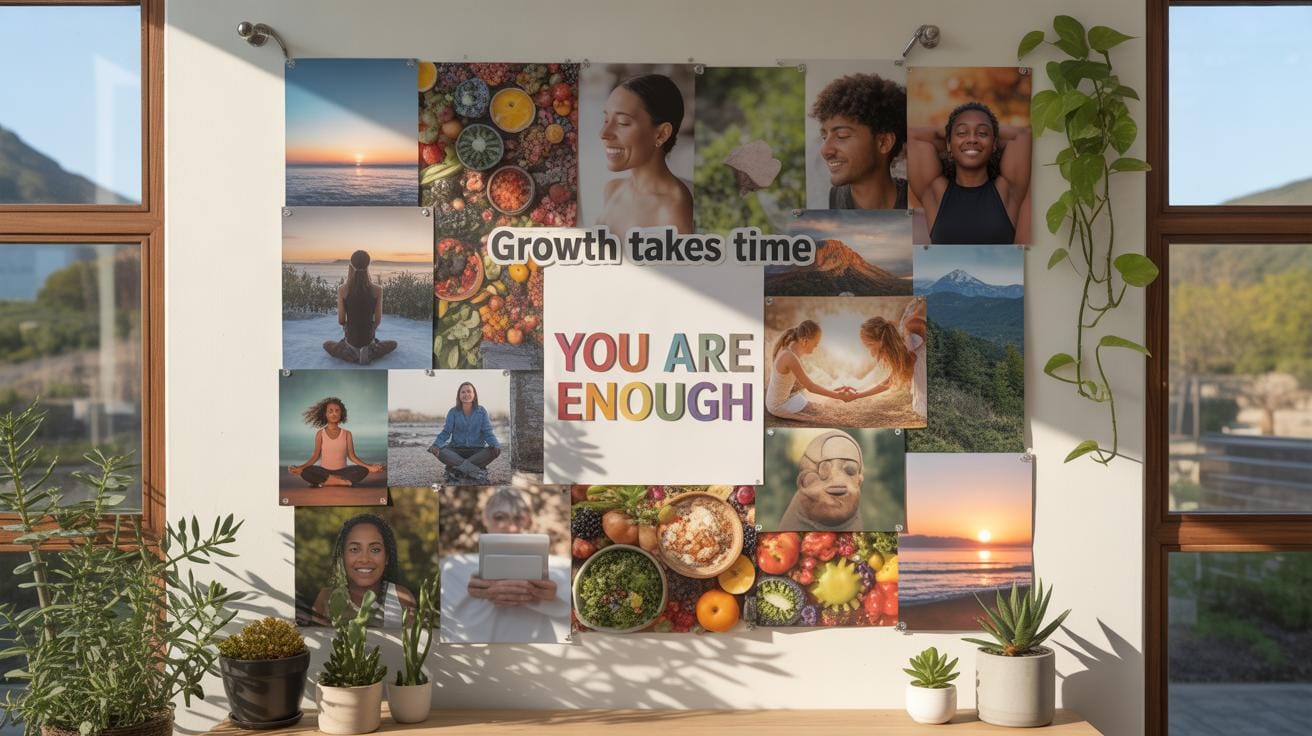
Manifesting vision board ideas can play a practical role in building a healthy mindset. A healthy mindset involves emotional, psychological, and social well-being. It helps you manage stress, make better decisions, and build self-respect. A vision board contains images and affirmations that represent your goals and dreams. It works as a visual reminder of the positive mindset you aim to develop.
This article looks at how you can use vision boards to shape a healthy mindset. You will learn what a healthy mindset is, why it matters, and how to make your own vision board to support it. Clear steps and examples will help you put this tool into practice. The goal is to help you take control of your thoughts and emotions, encouraging positive thinking and mental strength.
What Is A Healthy Mindset

A healthy mindset means your mind is in good shape emotionally, psychologically, and socially. It’s about feeling okay inside most days, handling stress without falling apart, making choices that work for you, and having decent relationships with others. Think of it like how you’d feel after a good night’s sleep – calm, focused, and a bit more confident. When tough stuff comes up, a healthy mindset helps you not get stuck in worries or anger. For example, if you get a bad grade, instead of thinking, “I’m a failure,” you might think, “I can learn from this and do better.” That attitude shapes how your day goes, how you talk to friends or family, and how you solve problems. It doesn’t mean you’re perfect or never feel bad, but you bounce back more easily.
Key Features Of A Healthy Mindset
Here are some parts that make up a healthy mindset:
- Resilience: When things go wrong, you keep trying instead of giving up. Like when you fall off your bike but try again until you ride.
- Positive Thinking: You look for good in situations, even small things. For instance, instead of saying, “This homework is awful,” you might say, “At least I’m learning something new.”
- Self-Respect: You treat yourself kindly and believe you deserve good things. This means not letting others make you feel bad or ignoring your own needs.

These features aren’t always easy to maintain. Sometimes you feel strong in one but shaky in another, and that’s okay. What matters is trying to keep a balance.
Benefits Of Cultivating A Healthy Mindset
Having a healthy mindset can really change your life for the better. Here’s why it matters:
- Better Stress Control: When your mind is healthy, stress feels more manageable. You don’t get overwhelmed as quickly, and you can think clearly.
- Improved Relationships: You listen more and argue less. When you respect yourself, others are more likely to do the same.
- Smarter Decisions: You can see options more clearly and don’t rush into choices that hurt you later.
Sometimes, it feels easier said than done. I’ve noticed when I’m stressed, my mindset slips, and I make choices I regret. But when I work on my mindset, those tough days become fewer. So, maybe ask yourself: what’s one small thing you could think differently about today? It’s a tiny step, but it can lead somewhere good.
How Vision Boards Aid Mindset

What is a Vision Board and How Does It Work?

A vision board is a simple, visual tool that collects images, words, or symbols representing your goals and dreams. It can be a physical board with magazines cutouts or a digital collage. The idea is to keep these visual reminders in your sight regularly. This helps your mind focus on what matters most. It’s like giving your brain a clear target to aim for, which can be surprisingly motivating. For example, someone wanting to improve health might pin photos of fresh foods or fun exercise activities. Looking at these images can spark feelings of excitement or determination to make changes.
Vision Boards and Mental Health
Vision boards can help mental health in ways you might not expect at first. By focusing on hopeful and positive images, you can start feeling more motivated and less stuck. This simple act of seeing your goals daily may encourage feelings of hope and purpose. Some people feel calmer and more optimistic just from this consistent positive reminder. It’s not magic, but it nudges your mind toward a healthier perspective. Imagine someone going through a tough time. Having a vision board with comforting or inspiring pictures might be a small but meaningful boost.
Positive Thinking Through Visualization
Visualization means imagining yourself achieving what’s on your vision board. When you see a goal as already reached, your brain starts to accept it as possible. This can change how you think about challenges and setbacks. For example, if your board shows a picture of a confident public speaker, visualizing that moment can reduce anxiety before a real presentation. This process shapes your mindset by encouraging positive, goal-oriented thoughts rather than doubts or fears. It’s not always easy to keep this perspective, but vision boards make it a bit more tangible. Can you picture your own goals this way?
Creating Your Healthy Mindset Board
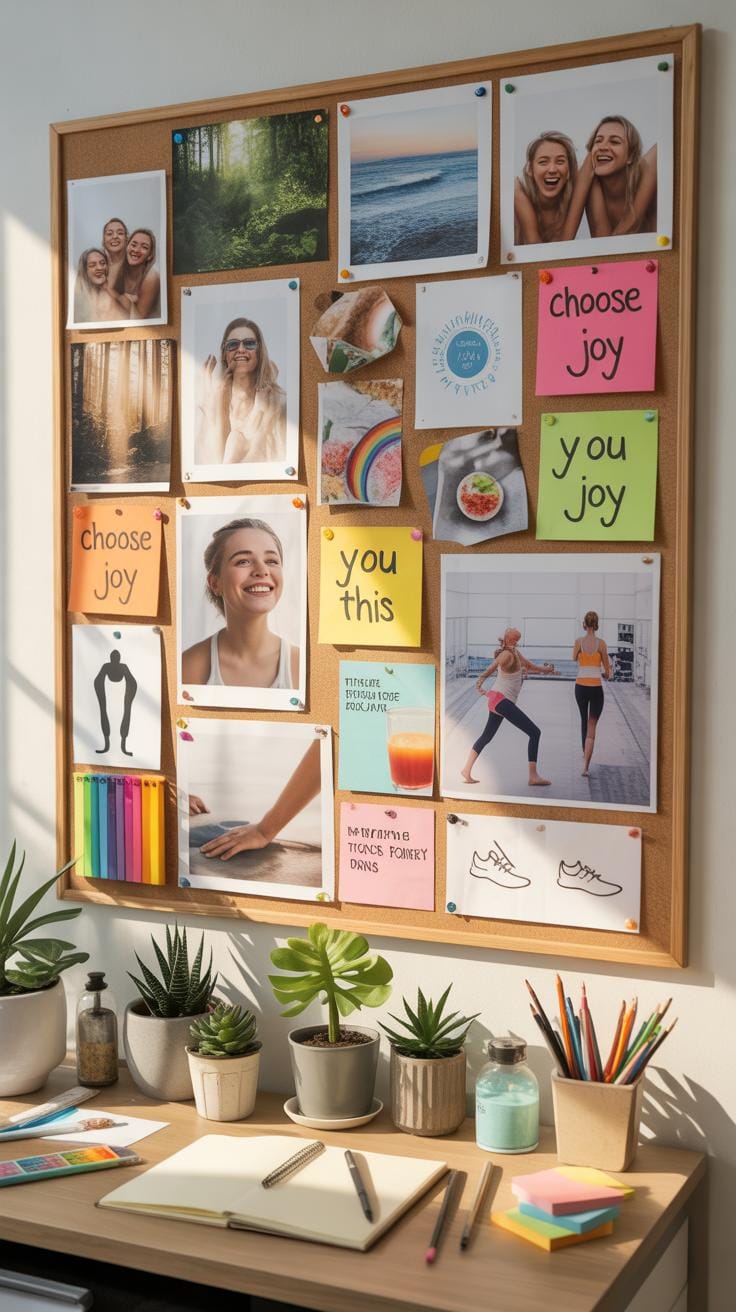
Crafting a vision board centered on a healthy mindset can be surprisingly straightforward, yet deeply personal. To start, gather some magazines, printed images, or even personal photos. Think about what mental wellness means to you—what images or words almost pull you in? Cut out pictures that evoke feelings of calm, strength, or joy. Sometimes, an image of a peaceful landscape or a person smiling genuinely can say more than words.

Next, words hold power. Jot down affirmations or inspiring phrases that resonate with how you want to feel daily. These don’t have to be long or complicated—simple statements like “I am calm,” or “I can handle challenges” work well.
Arrange everything on a poster or corkboard. Try grouping images and affirmations by themes like resilience or positivity to keep your goals clear. Remember, this board is for you, so trust what feels motivating, even if it’s a bit unconventional.
Choosing Images For Mindset Goals
Picking the right images is more intuitive than scientific. For resilience, you could look for symbols of strength like mountains or trees standing firm through storms. Calmness might be captured with serene water scenes, soft clouds, or people meditating. Positivity could come through bright colors, smiling faces, or uplifting nature images like sunrises. The key is to find pictures that evoke an emotional response aligning with your mental goals—sometimes a certain shade or texture might do the trick, not necessarily a direct symbol.
Often, personal photos of meaningful moments or loved ones add a layer of authenticity. They remind you why cultivating a healthy mindset matters in the first place. Don’t worry too much about “perfect” images; the imperfect, the raw, often feels more real and grounding.
Adding Affirmations And Words
Words shape thoughts. Craft affirmations that are clear and encouraging. Phrases like “I am worthy of peace,” or “Every day I grow stronger,” are simple but impactful. Place them where they catch your eye frequently, maybe near images that support those messages.

Try to keep affirmations present tense and positive; this helps the brain accept them as truth rather than distant goals. It’s okay if some words don’t resonate immediately—over time, they might grow on you or shift slightly. The fluidity here mirrors how minds evolve. The aim is a gentle nudge toward optimism and motivation, not pressure to be perfect.
How To Use Your Vision Board Daily

Interacting with your vision board every day can feel surprisingly grounding. It’s not just about glancing at pretty pictures; it’s about making those images and words part of your mental routine. Try to set specific moments—morning and evening work well—to really engage with your board.
In the morning, a brief look at your vision board can set the tone for your day. It nudges you towards your goals and slowly shifts your mindset toward positivity and focus. Maybe while you’re sipping your coffee or brushing your teeth, take a moment to really see the board—consider what each image means for you personally.
Evening reflection is just as useful. Before bed, revisiting your vision board helps you review progress or just remind yourself of what you’re working toward. It can calm a restless mind and reinforce motivation in a way that’s more subtle but deeply effective.

Updating the board is another key part of keeping the practice alive. As your mindset grows or your goals change, your vision board should evolve, too. Maybe every few weeks or months, make time to refresh images or words that no longer feel inspiring. This keeps your board relevant, making it easier to connect and stay motivated.
The question is, what will your daily interaction look like? Will you be thorough, or just glance? Either way, the habit is what shapes your mindset, step by step, hour by hour. It’s not magic—just consistent, small nudges toward your healthier mindset.
Pitfalls To Avoid When Using Vision Boards

Vision boards are powerful tools, no doubt, but they can lose their punch when certain mistakes creep in. One common issue is leaning too heavily on daydreaming. Imagining your goals vividly feels good—it feels like progress—but without real action, those images stay locked in your head. Picture this: someone wants to write a book and keeps adding photos of typewriters to their board, yet never actually sits down to write. The board inspires, but writing is what turns dreams into pages.
To sidestep this trap, pair your visions with specific next steps. Maybe your board can include reminders like “write 300 words daily” or “join a writing group.” These nudge you beyond fantasy. Otherwise, you risk stalling, stuck hoping for change instead of making it happen.

Another mistake involves your board’s tone. Filling it with all positive images sounds smart, but if those affirmations aren’t grounded, they might backfire. Saying “I am a millionaire by next month” feels exciting but can set you up for disappointment. Keeping statements realistic, like “I am improving my financial habits,” nurtures confidence without setting you up for a crash.
Try asking yourself whether your goals, images, and affirmations feel doable. If your vision board feels like a wish list from another world, it might be time to tone things down and recalibrate. After all, a steady climb feels more sustainable than a leap into the impossible.
Measuring Progress In Mindset Change

Tracking changes in your mindset after using vision boards doesn’t need to be complicated. Simple tools like mood tracking or keeping a journal of your thoughts offer a window into how your mental landscape shifts over time.
Journaling Thoughts And Feelings
Keeping a daily journal to jot down emotions and reflections related to your vision board practice can be revealing. Some days you might notice a surge in positive thoughts; others, a struggle to stay optimistic. Writing it down helps capture these nuances and makes it easier to spot patterns you might otherwise miss. Maybe a quote or image from your board sparked an uplifting idea one morning, or perhaps a setback gave rise to frustration. Over weeks, these entries become a record of your evolving mindset.
Recognizing Improvements In Behavior
Positive changes often creep in through daily choices and actions, sometimes subtle enough to go unnoticed unless you pay attention. Perhaps you’re more patient during a tough conversation or more willing to take small risks that align with your goals. You might catch yourself declining negativity or seeking out inspiring company more frequently. These shifts are practical signs your mindset is growing healthier, reflecting the influence of your vision board in real life.
Comparing Vision Boards With Other Tools

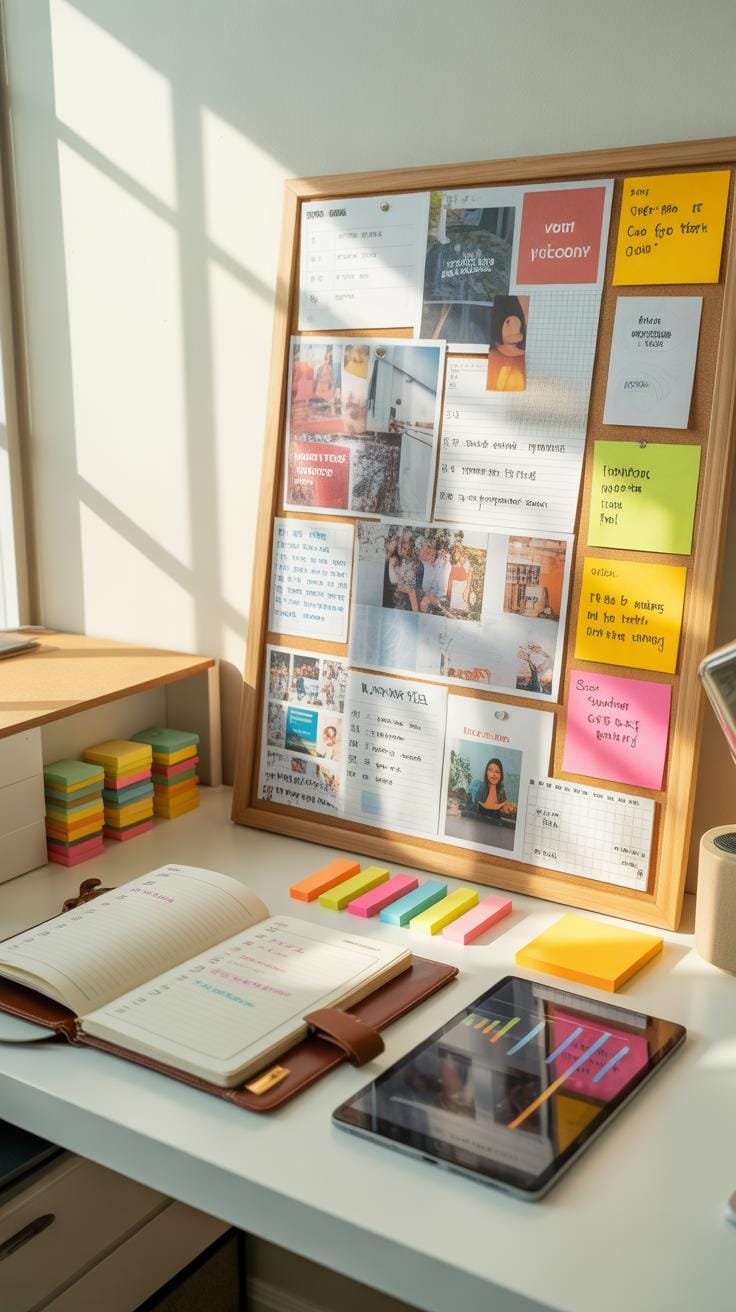
Vision boards stand out for their visual impact, helping people see their aspirations daily. Unlike strict goal setting, which demands precise targets and deadlines, vision boards invite broad imagination. You might pin an image of a happy family or a dream vacation without breaking it into steps. Goal setting, on the other hand, drives action through clear benchmarks—say, “save $2,000 by June” instead of just “travel more.” These approaches overlap in their focus on future desires, but vision boards lean on feelings, while goals hit the logical part of your brain.
When you add meditation or therapy to vision boards, something interesting happens. Meditation calms restless thoughts, allowing vision-focused desires to sink in deeper. Therapy can uncover hidden doubts behind your goals, making your vision board images more resonant or realistic. Still, vision boards alone sometimes lack the push to turn dreams into gritty plans, which goal setting offers, while therapy and meditation provide emotional support that’s harder to find in visuals alone.
Using vision boards with other tools feels, well, more complete. Imagine meditating on a board’s images to spark calm motivation, then crafting exact goals from that inspiration. A counselor might help you adjust your vision when old fears creep in. So, while vision boards have limits—they aren’t the full package—they create a valuable emotional anchor when paired with more concrete or introspective practices.
Examples Of Vision Board Ideas
Images That Represent Calmness And Strength

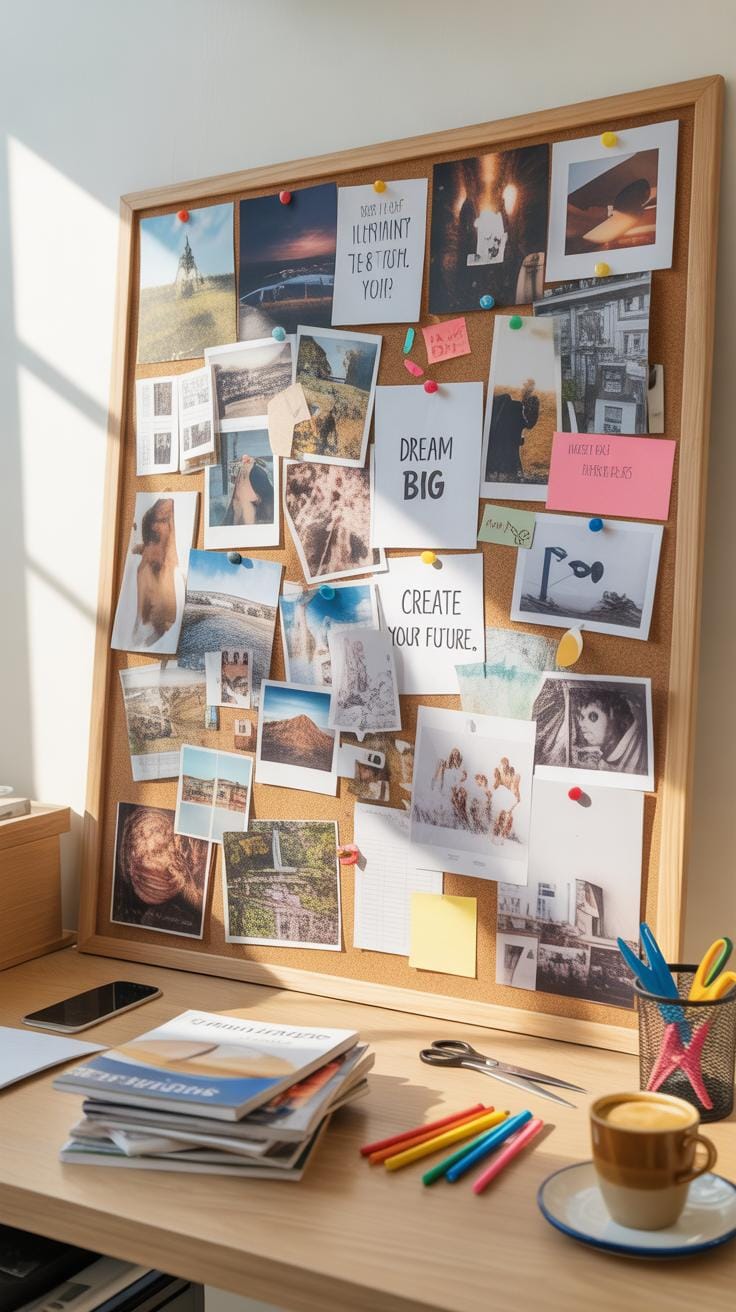
When you choose images for your vision board, consider pictures that evoke calmness and inner strength. For calmness, tranquil nature scenes work well—think of still lakes, gentle waterfalls, or sunrises over quiet mountains. These scenes aren’t just pretty; they symbolize peace and emotional balance, which your mind can latch onto when stress arises. On the other hand, strong animals like lions, elephants, or eagles represent resilience and confidence. They remind you that you have inner power, even if it’s not always visible at first glance. You might wonder whether these images will truly influence your mindset, but there’s something about seeing them regularly that nudges your thoughts toward steadiness and courage.
Sample Affirmations For Positivity
Affirmations are brief, positive statements that you repeat to yourself to reinforce a healthy mindset. Some simple phrases you can try putting on your vision board include:
- “I handle challenges with calm.”
- “I grow stronger every day.”
- “Peace begins with me.”
- “I am capable of change.”
Affirmations can feel strange at first, maybe even a bit forced. But over time, they help rewire how you think about yourself and your situation. Placing them visually near inspiring images can build a sense of alignment between your thoughts and your feelings, supporting a more positive outlook day by day. Perhaps not everyone experiences this, but many find these small, repeated reminders have a subtle effect on mindset health.
Checklist For Setting Up Your Board

Materials And Preparation
Before diving into vision board creation, gather your essentials: a sturdy board—corkboards or poster boards work well—old magazines with vibrant images, scissors, glue sticks, and markers for notes or doodles. You might want a designated space clear of distractions to set up. Skimming through magazines beforehand helps pinpoint images that really resonate with your goals; it’s tedious, sure, but preparing this way makes the process smoother.
Daily Use And Maintenance
Engaging with your board doesn’t end once it’s assembled. Each day, glance at it—just a few moments—to remind yourself of your focus. Consider these steps:
- Place your board where you’ll see it naturally—near your desk or bedside, for example.
- Spend five minutes reflecting on at least one image or affirmation, letting it inspire your day.
- Update your board monthly by adding new images or shifting priorities as they evolve; this keeps it alive and relevant.
- Remove items that no longer fit your mindset or goals to avoid clutter and confusion.
Keeping this practice consistent isn’t just about motivation; it quietly reshapes your mindset over time. Still, don’t pressure yourself to engage if it feels tedious some days—that’s part of the ebb and flow of maintaining motivation.
Conclusions
Using vision boards for cultivating a healthy mindset is a straightforward way to focus on your mental and emotional well-being. By regularly viewing and updating your board, you supply your mind with positive messages. This practice encourages habits that support resilience and stress management.
A healthy mindset influences how you think, handle challenges, and connect with others. With the vision board ideas shared here, you have practical tools to guide your mindset in a positive direction. Taking these steps can improve your quality of life and help you meet your personal and mental health goals.