
Introduction
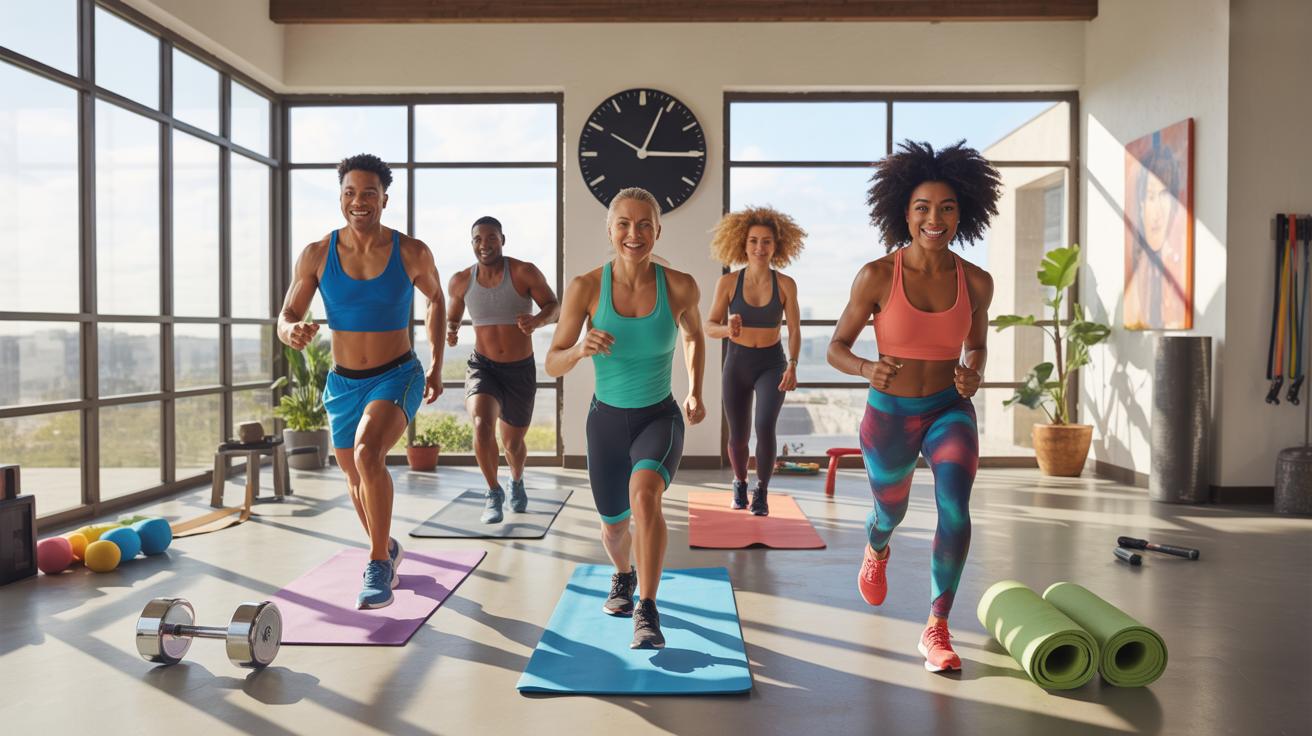
Many people find it difficult to fit exercise into busy schedules. An effective full body workout plan can solve this problem. By targeting all major muscle groups in one session, you can get the benefits of exercise without spending hours in the gym. This approach simplifies your routine and makes fitness more accessible.
This article covers practical ways to build and maintain a full body workout plan suitable for tight schedules. It highlights how focused workouts can deliver strong results, balance muscle training, and keep you energized throughout your day.
Benefits Of Full Body Workouts
Why Choose Full Body Workouts
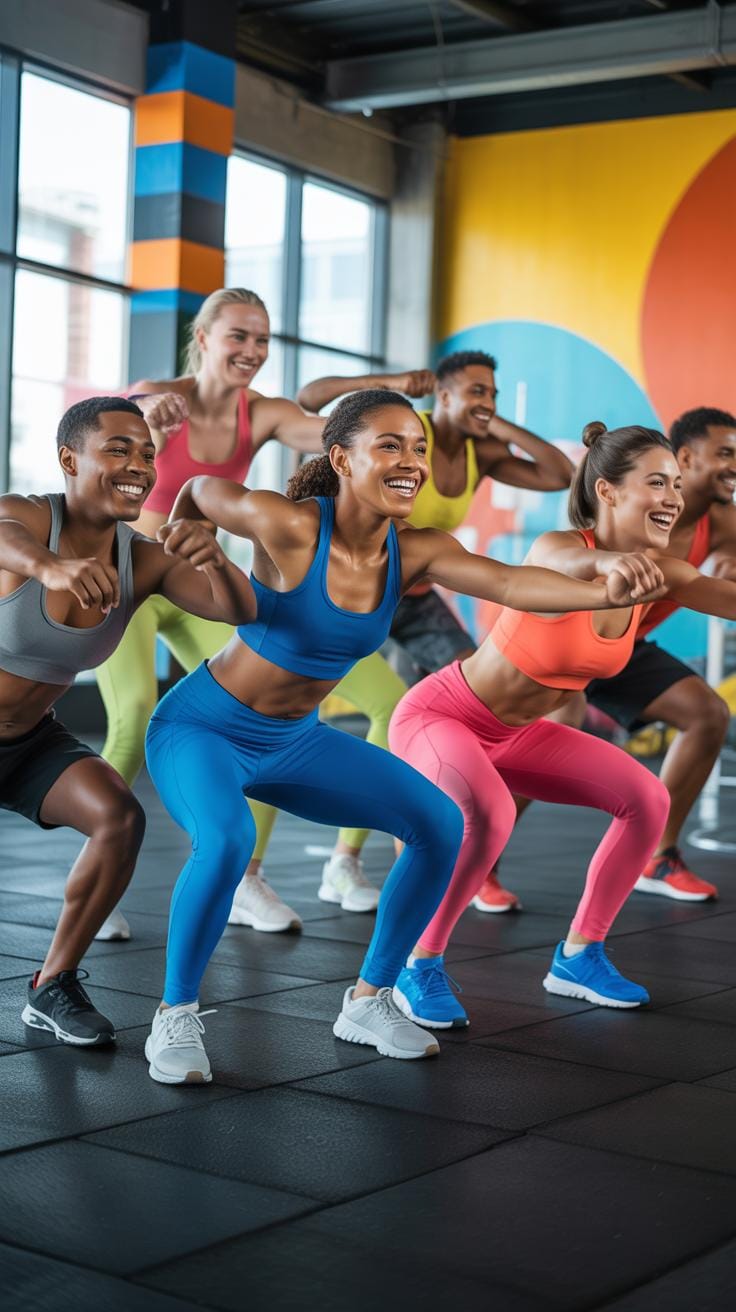
Full body workouts often stand out because they hit all the major muscle groups in a single session. You don’t have to worry about splitting muscle groups over multiple days or missing a day and feeling like you’ve lost progress. For people with tight schedules, this can be a lifesaver. Imagine squeezing in one solid workout instead of three or four separate sessions each week. That’s quite a time saver.

Another reason to prefer full body routines is the balanced nature of the training itself. Instead of focusing heavily on just your arms or legs, the entire body gets some attention, which can prevent muscle imbalances or overuse injuries. It’s not perfect for specialized athletes, sure, but for most people looking for practical fitness, the balance makes a lot of sense.
Sometimes I’ve found that concentrating on all muscles at once keeps things fresh. You’re less likely to feel bored or burnt out compared to sticking to one muscle group at a time. I don’t know if that’s true for everyone, but it’s been my experience.
How Full Body Workouts Save Time
The idea behind saving time with full body workouts isn’t just about fewer workouts per week, though that’s part of it. It’s also about how the structure allows you to do more in less time during each session. Combining exercises—like squats with presses or deadlifts with rows—means you’re targeting multiple areas efficiently.
Fewer gym visits mean you spend less time warming up, commuting, or planning workouts. And when workouts are shorter yet comprehensive, it’s easier to stay consistent. If you think about typical split routines, you might spend 45–60 minutes per session over 4 or 5 days. With full body workouts, you can do 30–40 minutes per session about 3 times a week and still get good results.
It’s almost like you’re packing everything into a tighter slot, which fits better with busy days. Plus, you might realize that pushing yourself 3 times with full body sessions gives you more overall activity than spreading out half-hearted sessions across the week.
Common Full Body Exercises To Try


Compound Movements For Efficiency
Compound exercises engage multiple muscle groups at once, unlike isolation exercises that target a single muscle. This means you get more done in less time, which is why they’re often recommended for those with busy schedules. When you do a compound movement, like a squat, your legs, core, and even your arms get activated. That’s a lot packed into one exercise. Some people find it challenging at first because it requires coordination and strength across several areas, but that’s also what makes them so practical. Instead of hitting the gym for hours, you hit a few key moves and cover more ground.
Examples Of Full Body Exercises
Here are some straightforward moves you can try, especially if you’re just starting out or strapped for time:
- Squats: They work your quads, hamstrings, glutes, and core. Squats build strength and help with balance. You can do them anywhere—no equipment needed.
- Push-ups: They hit your chest, shoulders, triceps, and core. You might think of them as upper-body focused, but because you brace your core, they actually engage your whole body. Plus, there are plenty of variations depending on your level.
- Deadlifts: These target your hamstrings, glutes, back, and core. They’re a bit trickier but incredibly effective for building functional strength. You can start with lighter weights or even just a kettlebell.
You might wonder if doing just a few exercises like these is enough. For beginners and busy folks, it’s often a smart way to go. These moves keep things simple but still cover all the bases. It’s not about complexity, but about what you can stick with regularly.
Scheduling Your Workout For Results

Getting your full body workouts on the calendar can feel tricky when time is tight. But carving out consistent sessions, even short ones, makes a real difference. For most people, aiming for three full body workouts per week strikes a good balance. That frequency sparks progress without overwhelming busy schedules—or risking burnout.

If you’re just starting out, two sessions per week might be enough to build a habit and avoid soreness that interrupts your routine. On the other hand, if you want to speed up strength gains or fat loss, four sessions could push results faster—but it demands more planning and recovery. The key? Listen to your body and adjust as you go.
Try to pick fixed times during your day—morning, lunch break, or evening—and stick to them. I’ve noticed workouts feel less daunting when they become part of a predictable rhythm. And when you’re pressed for time, short, intense sessions work surprisingly well. High-intensity intervals or supersets can trim your workout to 20-30 minutes, yet still challenge all major muscle groups.
What time of day feels best for you? Morning energy may vary, and evenings might bring tiredness. Testing different slots helps you find a window that doesn’t constantly compete with other demands. Sometimes, even splitting your session into two brief bursts—say 10 minutes of strength in the morning and 10 minutes of quick cardio later—keeps the momentum alive without overwhelming your day.
Tracking Progress And Adjusting Plan

Keeping track of your progress with full body workouts isn’t just about checking off days on a calendar. It can be a bit more nuanced. You might notice your clothes fitting differently, or that you’re not as tired after your sessions as before. These subtle cues matter. But to get a clearer picture, you’ll want some concrete markers to watch.
Metrics To Watch

Here are a few key indicators that can help you gauge how well your workouts are working:
- Strength gains: Can you lift more weight or do more reps than before? Tracking this regularly shows if you’re getting stronger.
- Endurance: How long can you sustain activity without feeling wiped out? Whether it’s longer runs or more continuous reps, endurance growth counts.
- Body measurements: Changes in waist, hips, arms, or even body fat percentage—these provide a physical snapshot of progress.
- Energy and recovery: Feeling less sore or bouncing back quicker might mean your fitness is improving, even if the scale doesn’t budge.
It’s tempting to focus on the scale or one metric alone, but a combination tells a better story.
When To Modify Your Routine
At some point, your current workout may feel too “easy” or just stale. Maybe you’re no longer pushing yourself hard, or the results have plateaued. These are signs to switch things up. Sometimes it’s about increasing intensity—more weight, shorter rest, or extra sets.
Other times, adding variety is key. Trying new movements or different equipment can shock your muscles in a good way. If workouts become boring or you dread them a bit, your body probably isn’t getting the challenge it needs.
Listen to your body. Are you still excited or just going through the motions? If progress stalls or motivation dips for weeks, it’s a clear sign to reconsider your plan. Adjusting doesn’t mean starting over—it’s about tweaking to keep moving forward.
Equipment For Full Body Workouts

Essential Gym Tools

Dumbbells are probably the most versatile piece of equipment you’ll find in any gym. You can use them for everything from goblet squats to shoulder presses, working multiple muscle groups at once. I’ve always liked how easy it is to adjust the weight, making them suitable whether you’re just starting or already comfortable lifting heavier loads.
Resistance bands are another staple. They’re compact and come in various tensions, perfect for adding extra challenge without bulky machines. For example, placing a band around your thighs during squats can engage your glutes more effectively. Plus, they’re great for rehab exercises if you’re recovering from an injury, which is why I keep a set handy even outside of full-body sessions.
Kettlebells might feel a bit intimidating at first. But once you get the hang of swings or deadlifts, they offer a unique blend of strength and cardio training. The way their shape challenges your grip and balance is something dumbbells don’t fully replicate, at least not in the same dynamic way. You might find them useful if your goal includes improving explosive power along with strength.
Home Workout Alternatives
If you don’t have access to gym gear, you can still get a solid full body workout at home with minimal or no equipment. Bodyweight exercises like push-ups, planks, and lunges cover a surprising amount of muscle groups. Sometimes, I underestimate how tough just squats and push-ups can be without added weight.
Household items can stand in for equipment too. Filled water bottles or backpacks with books can serve as dumbbell substitutes for curls or rows. I once did a full circuit with just a sturdy chair for step-ups and tricep dips—nothing fancy but it left me sore the next day.

Resistance bands can also fit well in a home setup. Even just a single band can add resistance to movements like glute bridges or shoulder raises, making those exercises feel more challenging than they would with bodyweight alone. It’s interesting how something so simple can make a big difference.
Avoiding Common Full Body Workout Mistakes

Skipping Warm-Up Or Cool-Downs
Many people think warming up is optional—just a few stretches, maybe—and rush straight into the workout. But skipping a proper warm-up can easily lead to muscle strains or joint pain. Your body needs time to adjust before jumping into intense movements. A good warm-up increases blood flow, loosens stiff muscles, and prepares your nervous system. Most warm-ups don’t have to be long, maybe 5 to 10 minutes of light cardio or mobility work can make a real difference.
Cool-downs often get ignored even more. After pushing your body, easing into slower movements or gentle stretches helps remove waste products from muscles and can reduce soreness the next day. Skipping this step might leave you feeling tighter or more fatigued than necessary. So, if you’re short on time, try to at least include some kind of brief warm-up and cool-down—it can change how you feel immediately and tomorrow.
Overtraining And Poor Form
Sometimes motivation runs high, and that’s great, but doing too much too soon is a common trap. Pushing yourself to lift heavier or add more reps without building proper technique can mess you up. Poor form not only limits your progress but can cause injuries. You might feel fine during a session but pay the price days later with pain or setbacks.

Listen to your body, even if it’s frustrating. It’s tempting to race forward, but establishing the right posture and movement pattern matters more than numbers. Take extra time to learn correct form, maybe even record yourself or ask for feedback. Drop the weight if you need to. It’s better to go slow and steady than to push recklessly. Balancing effort with control helps you avoid burnout and stay consistent over time.
Full Body Workout Comparison

Full Body Vs Split Routine
Full body workouts hit every major muscle group in one session. Split routines break workouts into specific body parts across multiple days. The full body approach usually means fewer workouts per week but longer sessions. Split routines often demand more gym days but shorter workouts each time.
Muscle recovery can be a bit tricky. With full body workouts, you give each muscle group some rest between sessions—maybe 48 hours or so. Split routines usually allow more targeted recovery since you’re working different muscles on different days. That said, some find full body sessions more tiring overall, even if they do them less often.
Which Workout Fits Your Schedule
If you can squeeze in three or fewer workouts weekly, full body might fit you better. It covers the essentials without daily gym trips. But if you have more time and enjoy focusing on one area per session, splits allow detailed attention and variety. Think about your goals: building strength fast might favor splits, while maintaining general fitness often works well with full body.
Ask yourself: how many days can I consistently train? What kind of energy do I have each day? Your answers guide the choice. I once tried full body workouts while juggling a busy job and found it convenient, though sometimes exhausting. Later, switching to splits on lighter workweeks felt more manageable but required more planning.
Sample Full Body Workout Plan For Beginners
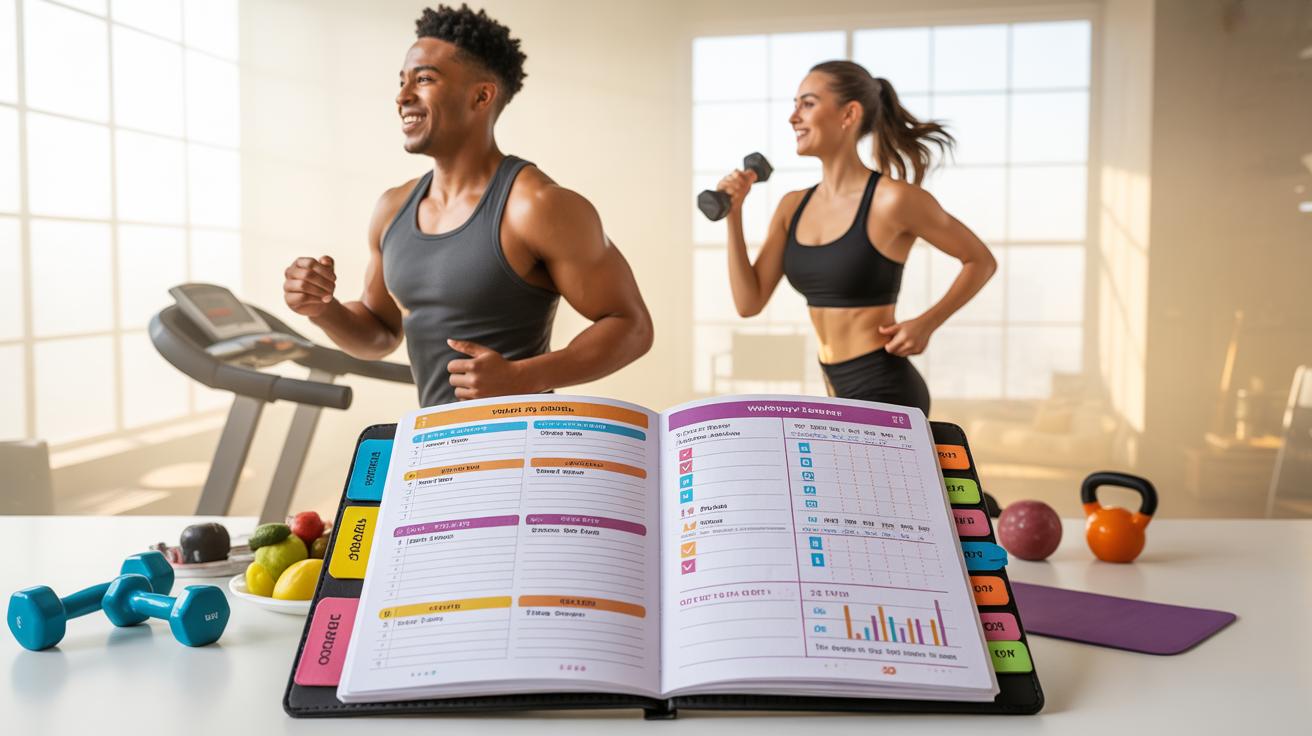

If you’re just getting started and barely have time, this simple plan might work for you. It covers the basics without taking up too much of your day—say, 20 to 30 minutes per session. The idea is to hit all major muscle groups with just a handful of exercises, so you feel like you’ve done enough without sweating time away.
Weekly Workout Schedule Example
Try this schedule: three days a week, like Monday, Wednesday, and Friday. That spacing gives your body time to recover, which is often overlooked but crucial when you’re new.
- Monday: Squats, push-ups, bird-dogs
- Wednesday: Lunges, bent-over rows (using light weights or resistance bands), planks
- Friday: Glute bridges, overhead presses, dead bugs
Each exercise for about 2 sets of 10 to 12 reps, except planks and dead bugs, which you could hold for 20 to 30 seconds.
Exercise Details And Tips
Take squats—stand with feet shoulder-width apart. Lower your hips like you’re sitting on a chair, but don’t let your knees go past your toes. Many beginners lean too far forward or let knees collapse inward; try to keep your chest up and knees aligned with your feet. If that feels tricky, lean on a wall to stabilize or hold onto a chair.
For push-ups, starting on your knees helps if a full push-up is too tough. Keep your hands below your shoulders and your body straight from knees to head, avoiding sagging hips. Holding a plank is harder than it sounds; if your lower back aches, drop to your forearms or knees to modify.
These small adjustments make a difference. Not every day is perfect—maybe you miss a rep or struggle with form. That’s okay; listening to your body matters more than anything.
Conclusions
Full body workouts offer a balanced, time-efficient way to stay fit. You work all key muscle groups in every session, which supports strength, flexibility, and overall health. This fits well with busy lives since fewer gym visits are needed. Consistency and focus on technique ensure steady progress.
By choosing the right exercises and planning your workouts, you make the most of limited time. Full body training supports improvements in muscle tone and endurance. This approach fits into your lifestyle and helps build a foundation for long-term well-being.