

Introduction
Effective full body workout at home for quick results offers a practical way to stay fit without needing a gym. It targets multiple muscle groups in a single session, helping you save time and work your entire body efficiently. This method mixes strength, cardio, and flexibility exercises that you can do with minimal equipment.
In this article, you will learn the benefits of full body workouts, how to create a home routine, the essential exercises to include, and tips to maintain motivation. By following this guide, you will be equipped to gain strength, boost endurance, and improve your health within your own space.
Benefits Of Full Body Home Workouts

Doing full body workouts at home offers some clear advantages that many people overlook. One of the biggest perks is time savings—since you’re targeting multiple muscle groups in one session, your workout tends to be shorter without losing effectiveness. This means you can fit exercise into a busy day more easily, even if you just have 20 or 30 minutes.

Another benefit is the way full body workouts engage your muscles differently than isolated exercises. When you train several muscles together, you mimic real-life movements better, which can improve your overall coordination and strength. You might notice that your balance, posture, or even day-to-day mobility gets better over time.
And let’s not forget about the convenience of working out at home. Skipping the commute to a gym saves time and removes that mental hurdle some people face before heading out. Plus, you control the environment—privacy is there if you want it, with no watching eyes or waiting for equipment. It’s also easier to stick to a flexible schedule, which can make taking care of your fitness feel less like a chore.
Cost is another factor. You can often do these workouts using just your body weight or simple gear at home, which means you avoid monthly gym fees or pricey classes. For many, this practical setup makes exercise more sustainable in the long run.
Planning Your Home Workout Routine
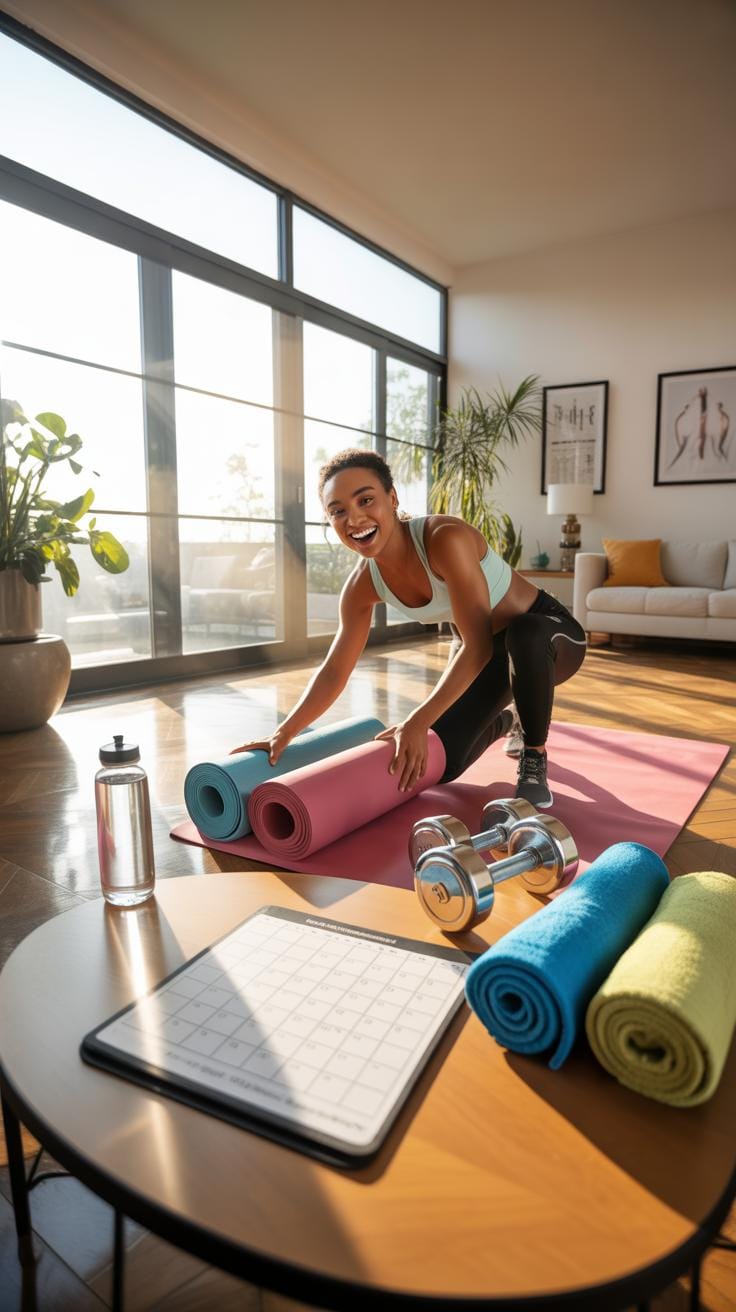
Creating a full body workout schedule that fits your lifestyle isn’t as straightforward as it seems. You want to balance effectiveness with what your time and energy allow. Maybe you have 30 minutes some days and only 15 on others. It’s fine; flexibility here is key.

Start by mapping out how many days a week you can realistically commit. Three to four days usually work well for most people and still let muscles recover. But if you’re just beginning, two full sessions might be enough to spark progress without feeling overwhelmed.
Think about tailoring intensity and duration based on your current fitness level. If you’re new to exercising, lighter exercises with more focus on form and range of motion are better than pushing heavy weights or fast-paced cardio right away. I found that adding basic bodyweight moves like squats, push-ups, and planks, done slowly and carefully, made a big difference early on.
Set goals for strength, endurance, and flexibility that match your starting point. For example, aiming to hold a plank for 30 seconds, or complete 10 squats without fatigue. As you improve, you can adjust these targets. The trick is keeping goals reachable so you stay motivated but challenged.
Scheduling workout days often happens in two ways—either fixed days or flexible blocks. Some people feel more consistent sticking to Mondays, Wednesdays, and Fridays. Others prefer to work out ‘every other day’ depending on how they feel. Both have merits. The key is to avoid skipping too often—consistency comes from routine but also from forgiving yourself when life interrupts.
Try using simple reminders on your phone or calendar. I’ve seen people succeed by pairing workouts with existing habits—like exercising right after brushing their teeth or before dinner. Small cues can nudge you back on track when motivation dips.
Essential Exercises For Full Body Workouts


When working out at home, focusing on compound movements can really speed up progress because they engage several muscle groups at once. Think about squats—simple, but they target your quads, hamstrings, glutes, and even your core to some extent. They’re easy to modify, too, depending on your fitness level.
Push-ups are another staple many overlook. They work your chest, shoulders, triceps, and core. Not having fancy gym gear is no excuse here—you can adjust your hand placement or do them on your knees to make it work.
Don’t skip lunges; they challenge balance and strength in your legs and glutes, and because you do them one leg at a time, they also help spot muscular imbalances. You might find them a bit awkward at first, but they’re worth persevering with.
For those open to a little equipment, resistance bands offer a lot for a small price and minimal space. They add constant tension, which means your muscles do extra work even during the easier parts of movements. Dumbbells, if you have them, can also boost your routine, making moves like goblet squats or weighted lunges tougher.

Really, it’s about choosing exercises that hit multiple areas—the more you engage, the quicker your routine feels worth it. What’s your favorite move so far? Maybe try combining a couple and see how your body reacts.
Nutrition Basics To Support Workouts

Protein’s Role In Muscle Repair
After a full body workout, your muscles are a bit torn and tired. That’s where protein steps in—it acts like a repair crew, helping those muscle fibers rebuild stronger. You might have heard that protein is essential for muscle growth, and yes, that’s true, but it’s also about timing and quantity. Eating protein soon after exercise can speed up recovery, reducing soreness. Think of sources like chicken, eggs, or even plant-based options like lentils. It’s not only about gulping protein shakes, but spreading intake throughout the day helps your body keep that repair going. The amount? Well, it depends on your size and goals, but roughly 20-30 grams post-workout is a decent target for most.
Balanced Meals For Energy And Health
Your body runs on more than just protein. Carbohydrates fuel your workouts—they replenish glycogen stores and keep your energy steady. Fats, often overlooked, support hormone regulation and brain function. And don’t forget vitamins and minerals from fruits and veggies; they play roles in everything from muscle contraction to immune defense. Meals that mix these nutrients help sustain performance and recovery at once. For example, a dish with rice, salmon, and steamed spinach offers carbs, protein, fats, and micronutrients in a single plate. Finding this balance can feel tricky, but listening to your body’s response after meals can guide you. Ever noticed your energy crash after a heavy carb meal or feeling sluggish without enough fat? Those signals matter.
Tracking Progress For Quick Results

Keeping track of your workout progress can make a real difference when you’re aiming for quick results. It’s easy to lose motivation if you’re not seeing anything concrete, so having some way to measure improvements keeps things tangible. But what’s the best way to do this at home without fancy equipment?

One simple approach is to use a workout journal or an app. You could jot down the exercises you did, how many sets and reps, or how long you exercised. Apps help too—they often provide reminders and even charts showing your progress over weeks or months. Sometimes, I find writing it down feels more immediate, more in touch with my routine, even if it’s just a quick note after finishing.
To see if you’re actually getting stronger, try testing your maximum reps for a certain move every couple of weeks. For endurance, time yourself during cardio exercises or see how many rounds of a circuit you can complete without breaking. It might seem small, but these self-checks show you exactly where you’re improving and where you might want to switch things up.
Ultimately, tracking isn’t just about numbers. It’s about noticing subtle changes, like feeling less tired during workouts or how your balance improves. When you capture those moments, staying motivated feels a bit easier.
Common Mistakes To Avoid At Home

Skipping Warm Ups And Cool Downs
One of the most common errors people make with home workouts is jumping straight into intense exercise without warming up. You might think, “I’m just saving time,” but your muscles and joints actually need a bit of preparation first. Warming up increases blood flow, loosens stiffness, and helps your body get ready for the demands of the workout. Without it, you’re more likely to pull a muscle or strain something.

Just as skipping warm ups is risky, neglecting cool downs can backfire too. After a full body workout, your heart rate drops too quickly if you stop abruptly, which might cause dizziness or cramps. Taking five minutes to stretch or do light movements lets your muscles relax and prevents stiffness later. Honestly, it’s a simple step, yet often overlooked.
Overtraining And Inadequate Rest
Pushing yourself every single day without breaks sounds like dedication, but it can actually stall your progress. Overtraining stresses your muscles and nervous system, increasing the chance of injury and burnout. You might feel sore longer or hit a plateau where results just disappear.
Rest days aren’t just for the lazy—they give your body a chance to rebuild stronger. Skipping rest often leads to fatigue, poorer performance, or even mental burnout. Maybe you think more is better, but sometimes, less is actually more. Try spacing out your workout days or including light activity days to keep moving without strain.
Motivation Tips For Staying Consistent

Sticking to full body workouts at home can be tough, especially when distractions creep in. You might start strong but then notice your drive slipping. One way to keep yourself going is to mix things up a little. Try shifting your workout times or switching between exercises now and then. It’s surprising how even small changes can make your routine feel less like a chore.
Also, keep reminders visible. Seeing a sticky note on the fridge or an alert on your phone isn’t glamorous, but it helps. You might feel a bit resistant at first. That’s normal. The trick is to just start moving—even when motivation feels low, because that often leads to actually feeling better afterwards.
Setting Short Term Challenges

Breaking your goals into smaller chunks makes them feel more manageable. Think about it: rather than aiming to be in great shape in six months, focus on increasing your squat count or improving your plank hold over the next week. Sometimes I find it helps to challenge myself like this, even if the gains seem small. It keeps things interesting and gives a sense of achievement regularly.
Try things like:
- Completing 10 push-ups a day for five days.
- Adding 30 seconds more to your plank each session.
- Doing a mini circuit three days in a row without skipping.
These short bursts build momentum. And when you hit a challenge, you want to raise the bar slightly. It’s like feeding a quiet fire.
Creating A Dedicated Workout Space
Having a specific spot just for exercising at home can really shift your mindset. It signals to your brain, “This is workout time.” You don’t need much—just enough room to move freely, maybe a mat and a couple of dumbbells or resistance bands. I’ve noticed that when I work out in the same spot, I get into the zone quicker than when I’m just wandering around the living room.
If space is tight, you might rearrange furniture temporarily or put away items to clear a corner. Lighting counts too. Natural light or a good lamp helps keep energy up. Don’t underestimate how much your environment can support your routine. It’s subtle but effective.
Comparing Full Body Workouts Vs Split Routines
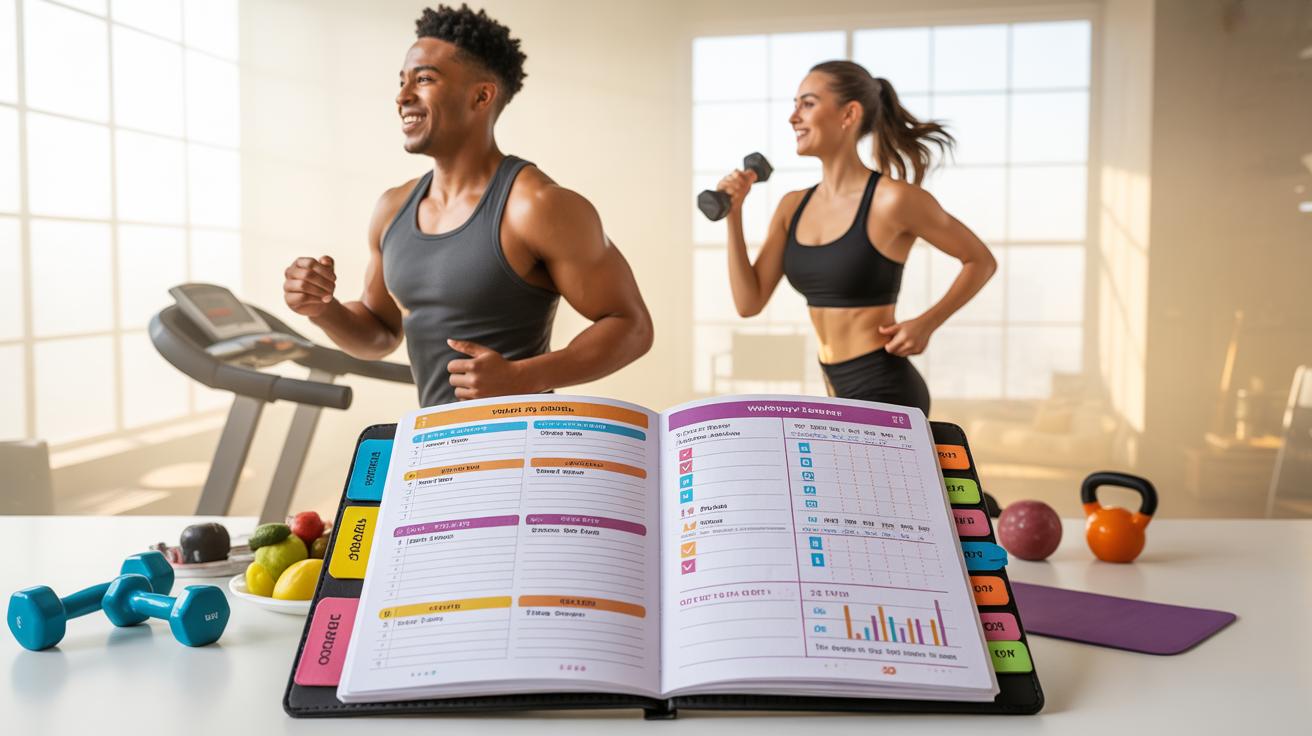

When deciding between full body workouts and split routines at home, it’s easy to feel torn. Each approach has its own merit and some drawbacks, especially when space and time are limited. Full body workouts let you hit most major muscle groups in one session, which is great if you’re juggling a busy schedule or prefer fewer workout days. You get the convenience of working everything out regularly without needing a ton of equipment or endless time.
Split routines, on the other hand, focus on different muscle groups each day. This can be appealing if you want to zero in on specific areas, like arms or legs, and push those harder. But, it also means you need more days in the week to cover everything. For many home exercisers, that’s tricky, since staying consistent day after day can be challenging. Plus, without gym machines, isolating muscles may feel a bit limited.
Personally, I’ve found that full body plans tend to keep momentum going. Yet, grouping muscle work in splits sometimes feels less overwhelming, like small achievable chunks. It really boils down to what fits your life better — do you want shorter sessions but more total days, or longer sessions with fewer days? Both can work; it’s the commitment that counts.
Who Benefits Most From Full Body Workouts
Full body workouts suit beginners well because they build a base of strength and improve overall coordination. Instead of overwhelming yourself with complicated splits, covering all muscles a few times weekly helps to learn movement patterns better. People aiming for general fitness or fat loss also find full body routines helpful. The repeated engagement of large muscle groups can support calorie burn more effectively.
If you’re pressed for time, full body workouts offer the chance to hit everything without needing a five-day commitment. Those pressed for convenience also benefit, because it reduces planning and keeps variety high—which helps avoid boredom. Yet, if your goal is muscle isolation or sculpting a particular area, full body might feel a bit broad. Still, for most home exercisers starting out or looking to stay active, it’s a solid, straightforward choice.
Advantages Of Split Training For Specific Goals
Split routines are handy when you want to dive deep into certain muscle groups. For example, focusing a session solely on back and biceps means you can push those muscles with more volume and varied exercises. This extra focus tends to help with building size and muscle definition over time.
Advanced trainees often use splits because their muscles need more recovery time after intense, targeted workouts. Splits also allow flexibility in balancing workload, so you can avoid overtraining and strategically rest parts of your body. Plus, as you progress, splits help keep adapting your routine, preventing plateaus by adding more complexity.
But at home, split training sometimes runs into practical limits. Without all the gym tools, isolating muscles fully can be tricky. Plus, if you miss a day, your weekly routine might feel off balance, since each day targets a different area. Still, if you’re precise about goals like strength gains or muscle size in certain regions, splits might be the better path in the long run.
Example 14 Day Full Body Workout Plan

Here’s a straightforward two-week full body workout plan you can do at home. The idea is to hit all major muscle groups without overdoing any single one, spreading effort throughout the week to keep you moving without burning out.
Week 1
- Day 1 – Strength Focus: Push-ups (3 sets of 12), Bodyweight squats (3 sets of 15), Plank (3 rounds, 30 seconds hold)
- Day 2 – Cardio & Core: Jumping jacks (4 sets of 30 seconds), Bicycle crunches (3 sets of 20), Mountain climbers (3 sets of 30 seconds)
- Day 3 – Rest or Light Stretching
- Day 4 – Lower Body Focus: Lunges (3 sets of 12 each leg), Glute bridges (3 sets of 15), Calf raises (3 sets of 20)
- Day 5 – Upper Body & Core: Tricep dips using a chair (3 sets of 12), Superman hold (3 rounds, 30 seconds each), Side planks (2 sets each side, 30 seconds each)
- Day 6 – Active Recovery: Easy walking or yoga for 20-30 minutes
- Day 7 – Full Body Circuit: 2 rounds of: 10 push-ups, 15 bodyweight squats, 20 jumping jacks, 30-second plank
Week 2 repeats a similar pattern but aims to increase reps slightly or add an extra set on days one, four, and five to build endurance.
Weekly Workout Breakdown
Each day serves a specific purpose. The strength days focus on muscle groups like legs, chest, and arms without equipment, keeping it manageable but effective. Cardio days help burn calories but also improve your stamina. Rest days aren’t just for naps—they’re opportunities to reduce soreness and prepare mentally. Light stretching is a great way to aid recovery and maintain flexibility, which often gets overlooked.
The full body circuit day ties everything together, testing your progress and endurance. Don’t rush through exercises; quality beats quantity here. If something feels off or overly painful, adjust reps down or swap the move for a gentler version.
Rest And Recovery Tips
Recovery deserves as much attention as training. When you rest, your muscles repair and grow stronger, though it might not feel happening until later. Hydrate regularly; water plays a key role in muscle function and reduces fatigue. If you’ve never tried it, a simple stretching routine post-workout can decrease stiffness and might help you sleep better too.
On rest days, consider gentle activities like walking or yoga. They boost blood flow without straining your system. Listen to your body—if soreness persists or energy dips, give yourself permission to rest more. It’s easy to push through discomfort when you want quick results, but that can backfire. Pace yourself, and the results will come.
Conclusions
A full body workout at home combines convenience with effective training. By focusing on exercises that engage various muscle groups, you maximize your workout in less time. This approach helps you build strength, lose fat, and improve your fitness steadily.
Staying consistent is key. Use the routines and tips provided to plan sessions that fit your schedule. With no need for special equipment and effective exercises, you can achieve quick results and maintain a healthy lifestyle right at home.