

Introduction
Starting a workout routine at home can be a great way to improve your health without the need to visit a gym. Beginner workouts focus on simple exercises that do not require special equipment or much space. These routines help you build strength, improve flexibility, and increase your energy levels gradually and safely.
In this article, you will find easy-to-follow exercises that fit any beginner’s lifestyle. You will also discover the benefits of working out at home, including saving time and money, and how these workouts can positively impact your overall well-being. This guide will help you take your first steps in home fitness with confidence.
Choose Exercises That Fit Your Space
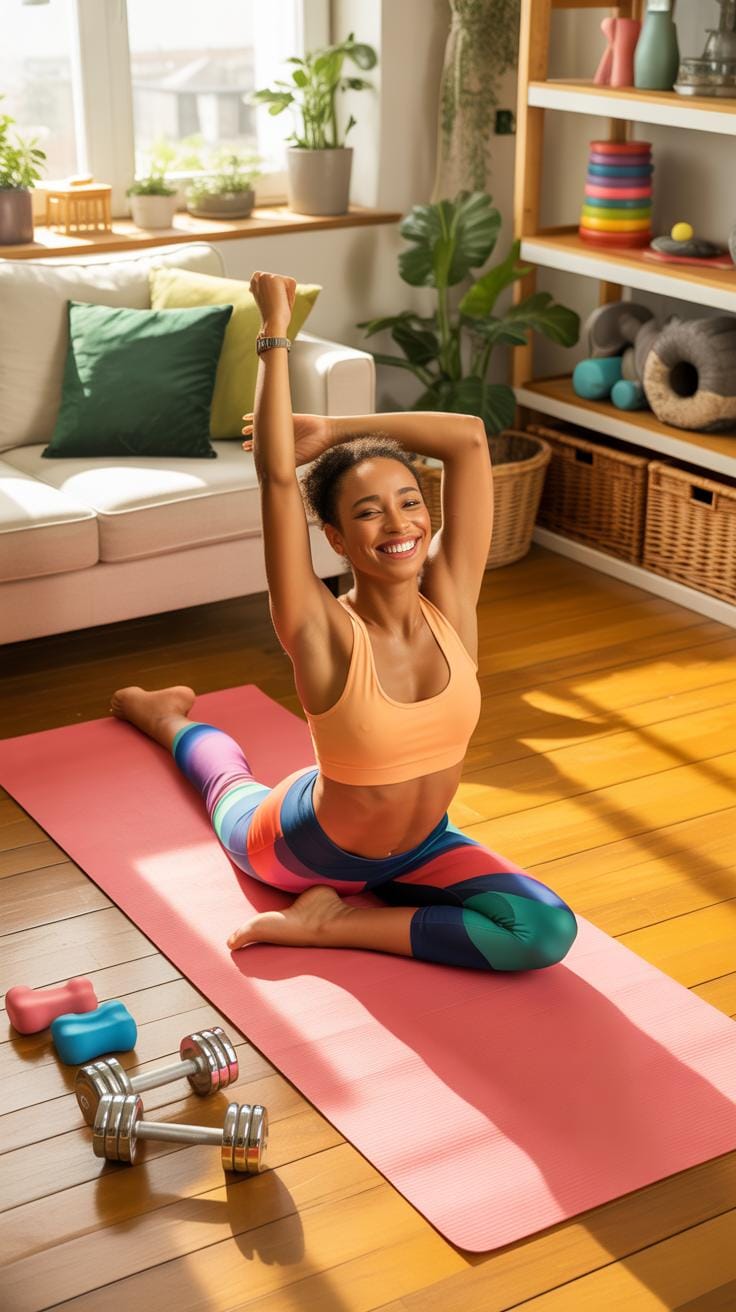
Picking exercises that match your available space can make or break your home workout routine. If your living room is small—maybe just enough room for a yoga mat—you’ll want to avoid moves that need a lot of back-and-forth or jumping. On the other hand, bigger spaces allow for a bit more movement but don’t feel pressured to fill all the room. The goal is convenience, so that working out feels doable, not like setting up a game of indoor football.

Since equipment can clutter things, sticking to bodyweight exercises often works best. They need almost no gear and require limited space. You don’t want your workout area turning into an obstacle course. Consistency matters more than fancy gear, after all. What good is a perfect setup that’s annoying or impractical every day?
Top Low Space Exercises For Beginners
Some exercises fit small areas well, so starting with these might help you keep momentum. For example:
- Bodyweight Squats: Stand with feet shoulder-width apart and sit back as if lowering into a chair. Keep knees behind toes and chest open. This moves large muscles without needing extra room.
- Lunges: Step one foot forward and lower your hips until both knees bend at about a 90-degree angle. Switch legs. This requires just a little space and can be done along a hallway.
- Stretches: Simple stretches like hamstring or shoulder stretches need almost no space but help prevent injury when combined with your routine.
Doing these with control and proper form beats quantity. If your technique is shaky, reduce reps or slow down. It’s okay to take it easy, especially early on.
Create A Comfortable Workout Area
Setting up your space can feel like a tiny project, but it’s worth it. Find a spot where you won’t easily get distracted—maybe a corner of a room or beside a window. Good ventilation matters, too. Fresh air or even a fan can change how motivated you feel.
Keep things tidy by storing any equipment in bins or shelves nearby. Having your weights, yoga mat, or resistance bands ready means less friction before starting. And don’t chase silence obsessively; sometimes background music or ambient noise helps focus more than complete quiet.

Comfort here isn’t about luxury, but about making the place feel inviting enough that you look forward to exercising there, even if just a little bit.
Build Strength With Bodyweight Training

Bodyweight training offers a straightforward way to build strength and endurance at home without needing any equipment. For beginners, it can feel both approachable and surprisingly effective. Your own body becomes the tool, so no fitness gear is necessary, which simplifies things a lot when space or budget is limited. Plus, it trains multiple muscles at once, which helps in developing balanced strength.
Some key exercises to focus on include push-ups, planks, and glute bridges. These target major muscle groups and are gentle enough for those just starting out. The great part is that you can modify each move based on your current fitness level, making them adaptable as you improve.
Let’s break down how to do these correctly:
- Push-ups: Start in a high plank position with hands just wider than shoulder-width. Keep your body straight from head to heels. Lower yourself slowly until your chest almost touches the floor, then push back up. If this feels too challenging, drop your knees to the floor first.
- Planks: Begin on your forearms and toes, keeping your body in a straight line. Engage your core without letting your hips sag or lift. Hold as long as you can while maintaining good form.
- Glute Bridges: Lie on your back with knees bent and feet flat on the floor. Push through your heels to lift hips off the ground until your body forms a straight line from shoulders to knees. Pause briefly, then lower back down.

As your strength improves, you might wonder how to keep challenging yourself. Increasing the number of reps or sets is a logical step, but it’s a good idea to do this gradually—perhaps adding one or two reps each session or an extra set every week. Feel your body; if you notice persistent soreness, fatigue, or form slipping, it’s a sign to slow down. Rest days are crucial to avoid injury and encourage muscle recovery.
Starting this way not only builds strength but also teaches you how to listen to your body. That’s a key skill as you continue your fitness journey at home.
Follow A Simple Weekly Routine
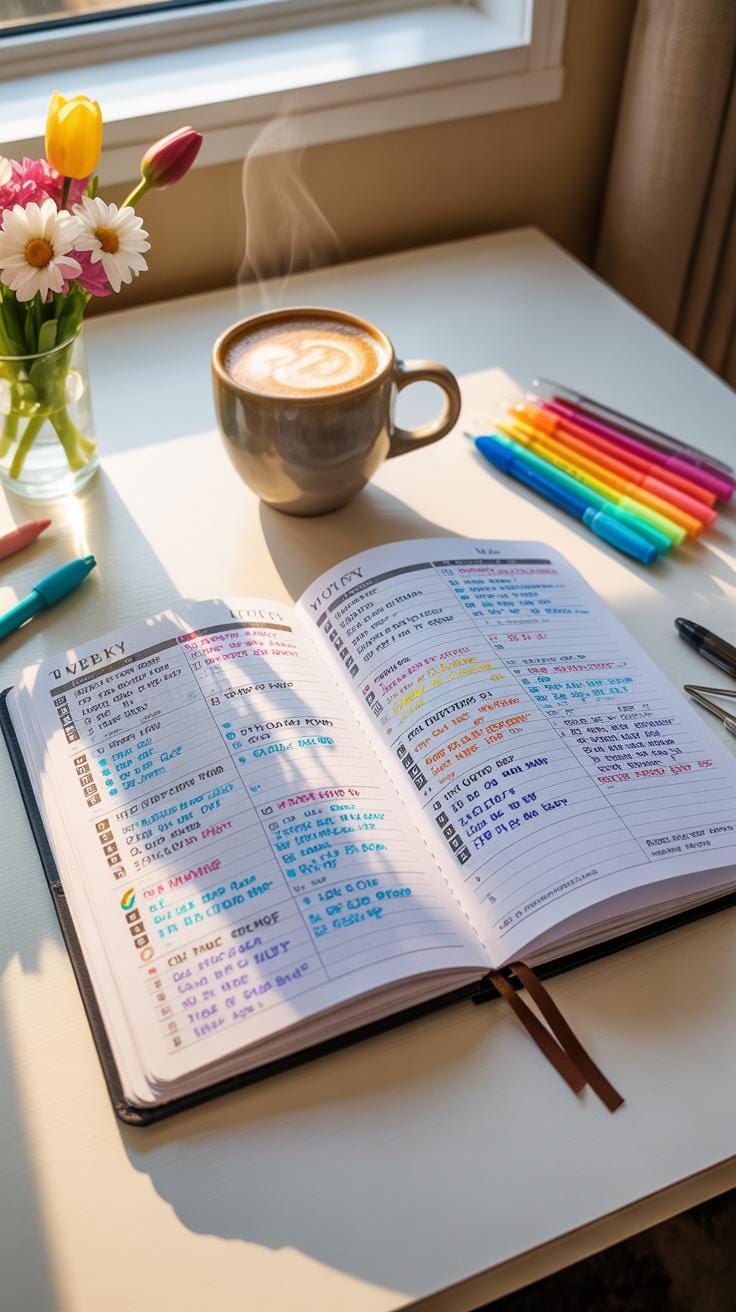
Having a plan can make all the difference, especially when you’re just starting out. A basic weekly routine doesn’t need to be complicated or time-consuming. Think about mixing things up a little—maybe some bodyweight exercises one day, light stretching or yoga the next, and then gentle cardio. Variety keeps things interesting and helps different muscles recover. You don’t have to push every day either; rest days are just as important to avoid burnout and injury.
Try fitting workouts into consistent time slots, so it feels more like a habit than a choice. But don’t beat yourself up if life gets hectic—flexibility is key to sticking with it long-term. Finding a balance between effort and rest means your body has a chance to heal and get stronger over time.
Sample Week Plan For Starters

Here’s something you might try: a simple 5-day workout schedule with 2 days off. For example:
- Monday: Lower body strength moves like squats and lunges.
- Tuesday: Light cardio, a brisk walk or jumping jacks for 15-20 minutes.
- Wednesday: Upper body exercises—push-ups, wall presses, or light dumbbell work.
- Thursday: Rest or gentle stretching.
- Friday: Core exercises like planks and abdominal crunches.
- Saturday: Rest again or some easy yoga.
- Sunday: Active recovery—walking, light dancing, or any movement you enjoy.
You can tweak this plan depending on how your body feels or your schedule. Don’t hesitate to swap rest days or reduce intensity if needed. Sometimes less is more, especially at the beginning.
Tips To Stay On Track Every Week
Sticking with a routine isn’t always easy. What helps me most is setting small, clear goals—like “I’ll do 10 minutes today” instead of aiming for a full workout. Celebrating these little wins can shift your mindset. It’s normal to feel lazy or distracted now and then; try to accept that without guilt.
Tracking progress, even casually, keeps motivation alive. Maybe a calendar checkmark or a quick note on how you felt after each session. Also, reminding yourself why you started can pull you back when motivation dips. Sometimes you won’t feel like moving, but just doing something—even half of what you planned—often leads to more momentum. What about you? What would make sticking to a routine easier in your case?
Use Household Items As Workout Tools

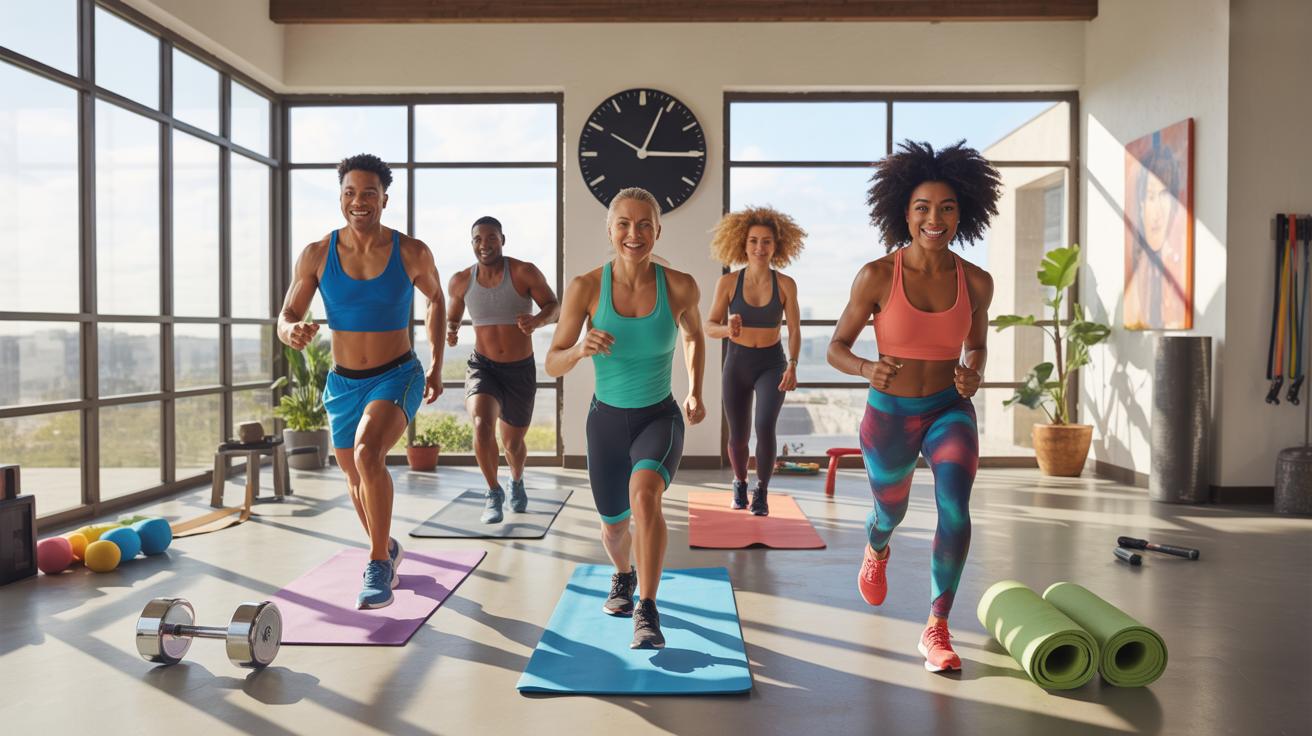
You might not have weights or fancy gear at home, but that doesn’t mean you can’t add some resistance or challenge your balance during workouts. Actually, everyday household objects can serve this purpose quite well. It’s a bit surprising how effective simple items like water bottles or canned goods can be if you hold them right or move with intention.
Items You Can Use For Resistance
Think about grabbing a couple of water bottles, maybe filled or empty, or even canned foods from the pantry. Holding these while doing arm curls, shoulder raises, or squats adds weight that your muscles have to work against. It’s not heavy like gym weights, but enough to feel it, especially when you repeat the motion several times.
You can also try a backpack filled with books for squats or lunges. Just be careful not to overload it—start light and check you can keep good form. The idea is to have a manageable challenge, not risk injury. It might feel odd at first, holding what’s meant for drinking or eating, but it works surprisingly well.
Balance Tools From Your Home
Now, when it comes to improving balance, towels and cushions are useful little tools. Folding a towel and standing on it while doing simple moves like single-leg stands or gentle squats can make your stabilizer muscles engage much more. It’s subtle but effective, especially for beginners who want to build core strength without complicated equipment.
Cushions work similarly. Standing or sitting on one brings slight instability that your body naturally tries to correct. This effort helps develop better overall balance. Oddly enough, it sometimes feels harder than lifting heavier objects. You might notice your posture improving without even trying very hard.
Have you ever tried balancing on a pillow just for a moment? It’s a small thing, but that tiny shake can wake up muscles you didn’t realize were sleeping. Maybe give it a shot—it’s a simple change that can add variety and benefit to your routine.
Measure Progress With Simple Metrics


Tracking your workout progress doesn’t need to be complicated. For beginners, keeping it simple often works best. Think about basic numbers you can count easily without overthinking it—like reps and sets. You don’t need fancy tools or devices. A small notebook, a piece of scrap paper, or even a note app on your phone will do the job. Write down how many repetitions you complete for each exercise and how many rounds or sets you finish. Over days and weeks, this record will show if you’re improving or if you need to slow down and focus on form.
Don’t rush. Consistency beats speed. Doing ten good push-ups today feels better than twenty sloppy ones. How long each workout lasts is another simple metric. You could time yourself with a watch or phone and jot down that duration. Sometimes, noticing you stayed active 15 or 20 minutes longer than usual is a big win, even if reps feel the same.
Besides numbers, take a moment to observe your body. Do your muscles feel stronger? Can you climb stairs without getting winded as fast? Those little changes in endurance or energy might surprise you. Some days, you’ll feel energized. Others, maybe a bit tired. Both are signals worth paying attention to. Has your mood improved after workouts? That’s another subtle but real sign of progress.
What simple metric do you think you could track most easily right now? Could you spot small wins just by noticing how your body feels and moves? Sometimes, the best progress isn’t on paper but in how you feel each day.
Avoid Common Workout Mistakes

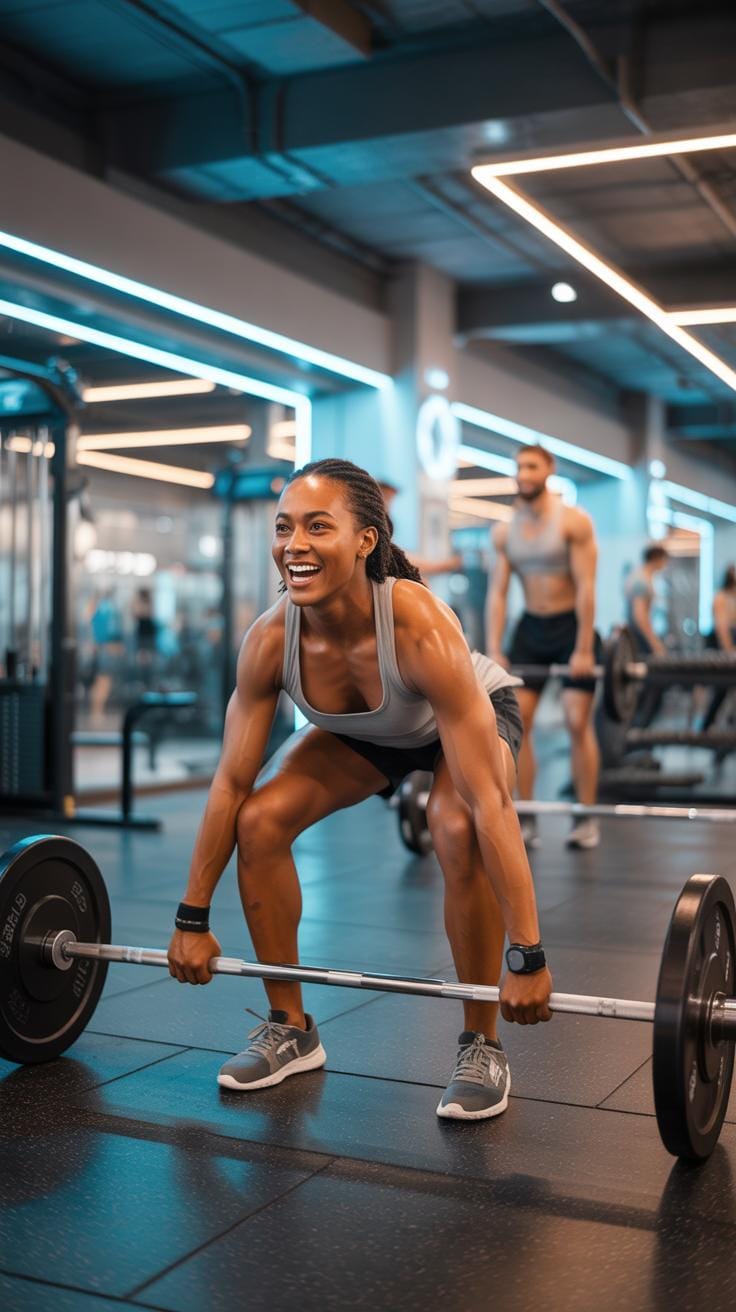
You might think starting a workout at home is simple—just move and sweat, right? But actually, many beginners hit the same stumbling blocks without realizing it. Skipping warm-ups, for example, is a surprisingly common mistake. That part where you get your body ready? It might feel unnecessary when you’re eager to jump in, but ignoring it can lead to strains or slower progress.
Another frequent error is poor form. It’s tempting to rush through exercises to tick them off your list, but this often leads to injuries. Think about a squat—if your knees track too far forward or your back rounds, your chances of hurting yourself go up. Try working slowly, focusing on how you move. Record yourself or use a mirror. It’s better to do fewer reps with good technique than many with bad habits.
Also, don’t skip the cool down. Stretching and gentle movement afterward help your muscles recover. Without it, you might wake up the next day feeling unusually sore, and that can kill motivation.
So, what should you do? Start every session with at least five minutes of light activity—marching in place, arm circles, or gentle lunges. When exercising, pay attention to your posture: keep your core tight, shoulders relaxed, and movements controlled. End with some slow stretches, focusing on muscles you’ve worked most. It might sound basic, but over time, these small steps really add up.
Find Motivation To Keep You Moving
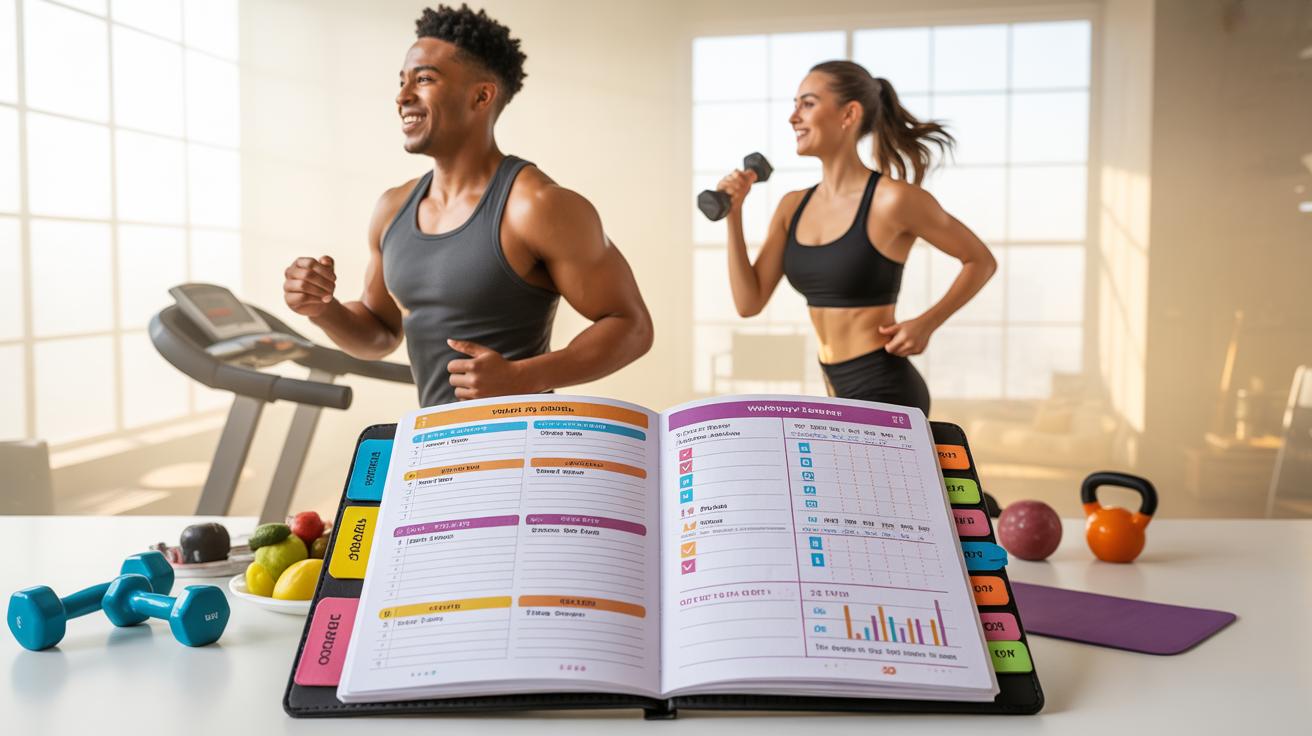

Sticking with a beginner workout at home can feel tricky, especially when the initial excitement fades. Often, motivation dips—not because you don’t want to exercise, but because momentum slips away in the daily shuffle. Setting realistic, short-term goals helps keep your focus sharp. For example, aiming to complete three 15-minute sessions a week is more doable than promising an hour every day. These small targets can build confidence, creating positive feedback to push you forward.
Celebrating small wins is crucial. Did you manage to hold a plank for 20 seconds longer than last time? That’s progress worth noticing. Maybe you added an extra rep or two to your routine. Recognizing these mini victories keeps you connected to your growing strength, even when overall results feel slow.
Set Short Term Fitness Goals
Start with clear, manageable goals that make exercise feel less daunting. Something like “I’ll try three workouts this week” sets expectations you can meet. Once achieved, those wins encourage daily habits. Gradually, you can increase the challenge without feeling overwhelmed. The trick is to keep goals flexible—life happens, and some days workouts won’t fit. That’s okay. Reset and keep moving forward.
Use Family Or Friends Support
Sharing your fitness journey with others adds a layer of accountability that’s hard to ignore. Maybe your friend wants to try a home workout too. Schedule sessions together, swap tips, or even just check in regularly. When workouts become social, they feel less like a chore and more like a shared experience. If no one nearby is interested, online communities can offer similar support. Sometimes, knowing someone else is tackling the same challenges makes all the difference.
What motivates you more: quiet, solitary progress, or upbeat encouragement from others? There’s no single answer, and that’s fine. Experiment with different approaches to find what keeps you coming back to your mat, time and again.
Compare At Home Workouts Versus Gym Visits

Working out at home and going to the gym both have their places, especially for beginners, but they feel quite different, right? At home, you control the environment completely. No waiting for machines, no dealing with crowds — that’s a huge plus if you’re just starting and maybe a bit unsure about exercising around strangers.
Home workouts offer convenience you can’t really beat. You can jump into a quick routine whenever you want, no schedule conflicts. Plus, privacy means you can fumble through moves, take breaks, or try something new without feeling judged. Also, beginners often save money—no gym memberships or travel costs.
On the flip side, gyms come with resources that are hard to match at home. Access to various equipment lets you try different exercises. Professional trainers can guide beginners to avoid bad habits or injury, which can be reassuring if you’re unsure where to start. Yet, getting to the gym means fitting into their hours and paying fees that might feel steep at first.
Which fits you better? Maybe it depends on your personality, budget, and goals. Some people even mix both—home workouts during busy weeks and gym sessions when they want extra motivation or variety. You might find that balance too, or start one and shift to the other later on.
Track Your Progress With A Workout Journal
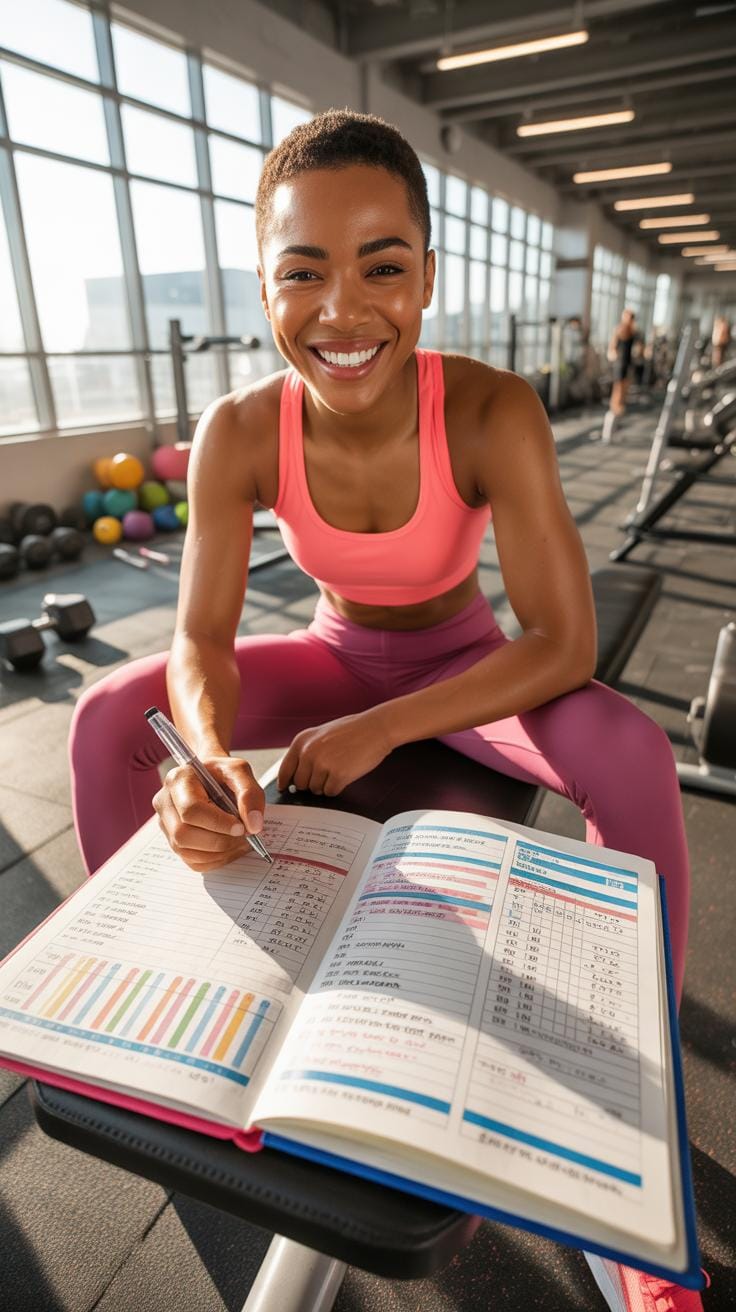
Starting a workout journal might feel like an extra step, but it’s one that can really keep you on track during your home fitness journey. The idea is simple: write down what you do, how long you do it, and how it makes you feel. It’s not about perfection or having a neat log every single time. Sometimes you might forget or just want to jot a quick note like “felt tired today” or “easy session.” That’s fine. The point is to create a habit of reflection.
Keeping this journal helps you notice patterns you might otherwise miss. Did your energy dip when you skipped breakfast? Are you managing more reps or longer durations from week to week, or stuck at the same level? Writing it down slices through the fog of vague memory.
What To Write In Your Journal
Not sure what to put in there? Try entering these things:
- Types of exercises you did (squats, push-ups, stretches)
- Duration of each activity or total workout time
- Repetitions and sets, if applicable
- How you felt during or after (tired, strong, sore, motivated)
- Any challenges you faced (bad form, distractions, aches)
- Small wins, like holding a plank a few seconds longer
Sometimes your reflections can explain your progress or reasons for slowing down. For example, noting “hard to focus today” might help explain a less intense session.
Review And Adjust Your Plan Regularly
Try looking back at your entries every week or so. This review lets you spot trends—you might find some workouts always leave you energized, while others drain you too quickly. Use these insights to slightly tweak your routine. If something feels too easy now, add a few more reps or an extra minute. If you’re always tired afterward, maybe scale back.
Don’t forget to pause and celebrate those moments when you’ve improved. Recording progress—even small improvements—keeps motivation alive. It’s easy to overlook how far you’ve come if you don’t see it written down. So yes, keep tracking, keep tweaking, and keep going. Your journal can become your best workout companion.
Conclusions
Regular beginner workouts at home can lead to noticeable improvements in your physical and mental health. By following simple exercises, you can build a solid foundation for a healthier lifestyle without spending money on gym memberships or special equipment.
You are encouraged to start small, stay consistent, and listen to your body’s needs. Soon, you will experience the benefits of home workouts, including better mood, more energy, and increased strength. Your journey to fitness starts with one step, and you have all you need right in your home.