
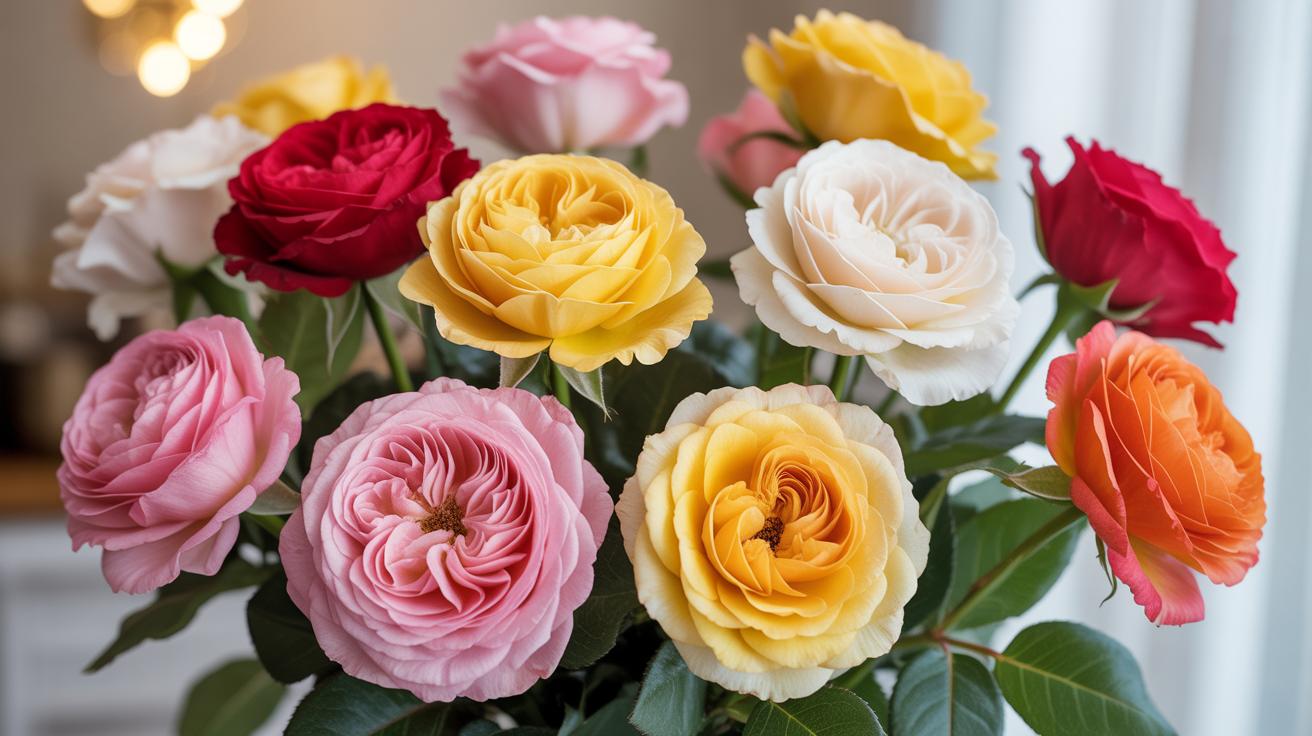
The History Behind Rose Color Meanings And Why They Still Matter Today
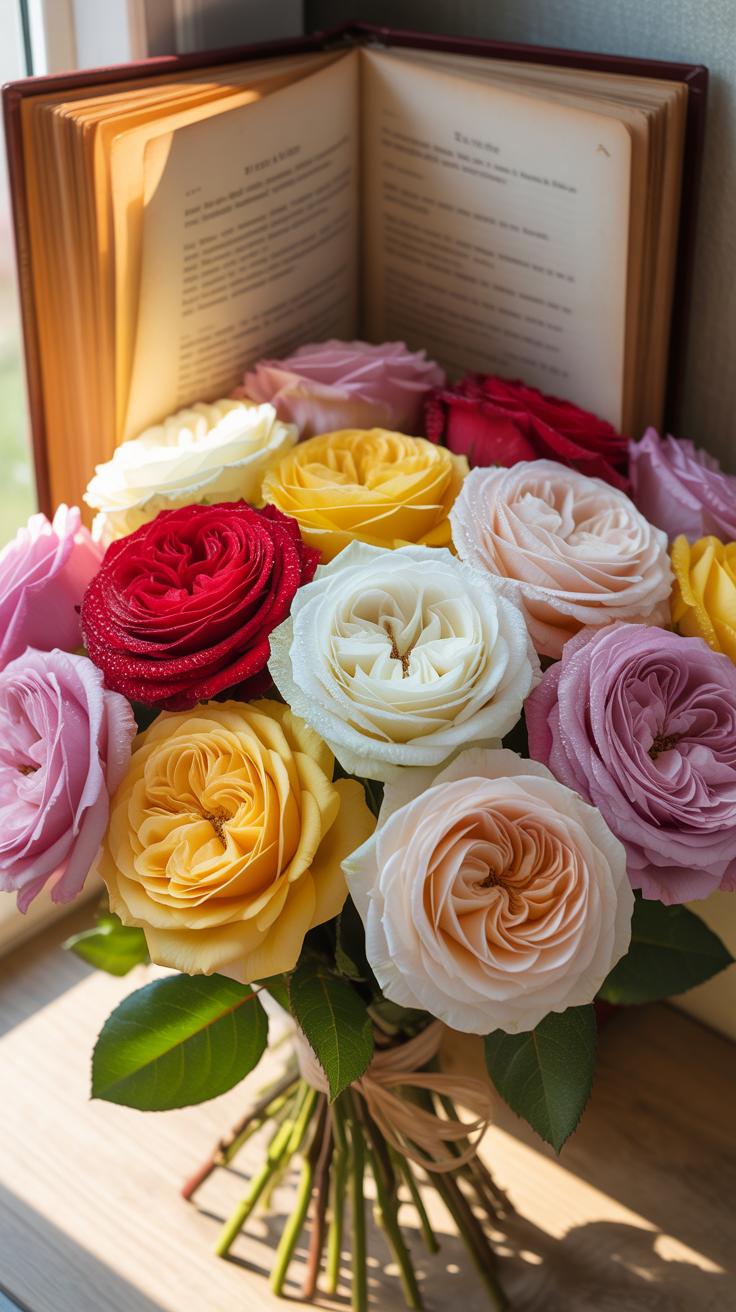
How The Victorian Era Shaped The Language Of Flowers And Rose Symbolism
The Victorian Era turned floral arrangements into a complex communication system known as floriography. Rigid social codes prevented direct speech about emotions or intentions. People used roses to send coded messages that bypassed strict etiquette. Every shade carried a specific definition. A mistake in color choice could signal the wrong intent. This period standardized the meanings we use in modern floral design today.
Floriography dictionaries became essential tools for high society during the nineteenth century. These books defined the precise sentiments behind specific rose colors. Red meant love while yellow often suggested jealousy or infidelity in that era. This systematic approach moved rose symbolism from vague folklore into a structured floral language. This history provides the foundation for all modern rose color associations and commercial marketing strategies.
Why Rose Color Meanings Have Endured Across Centuries And Cultures
Rose color meanings endure because they simplify complex human emotions. People need reliable shortcuts to express feelings without using words. The consistency of these meanings creates a universal standard for gift giving. Businesses rely on these established definitions to drive sales during holidays like Valentine’s Day. The psychological impact of specific colors remains a powerful tool for visual and emotional communication in every culture.
Cultural longevity also comes from the physical properties of the roses themselves. Deep red pigments naturally suggest heat and intensity. Bright whites reflect purity and clarity. These biological cues align with the psychological associations developed over centuries. Because the human brain links color to mood, these meanings stay relevant. You cannot ignore the strategic advantage of knowing what a specific rose color communicates to your recipient.

Red Roses And Their Meanings The Timeless Symbol Of Love And Passion
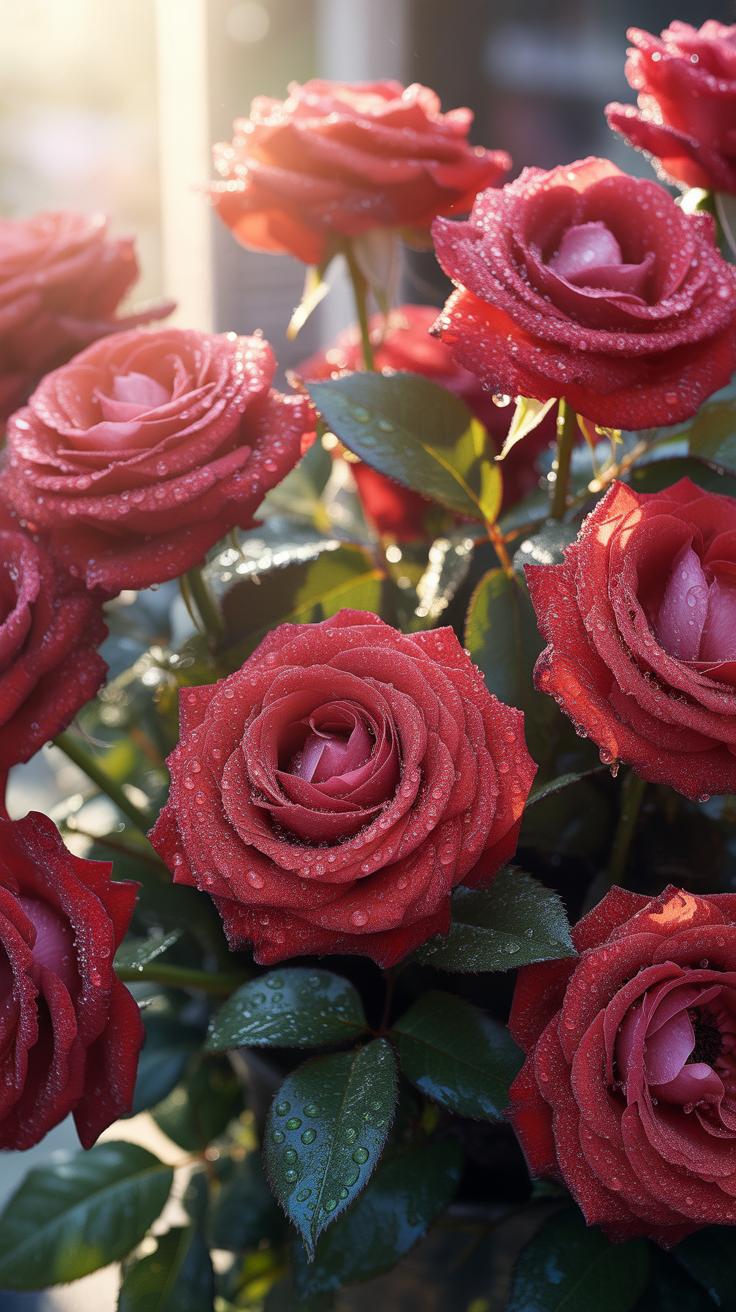
What A Red Rose Communicates Beyond Romantic Love
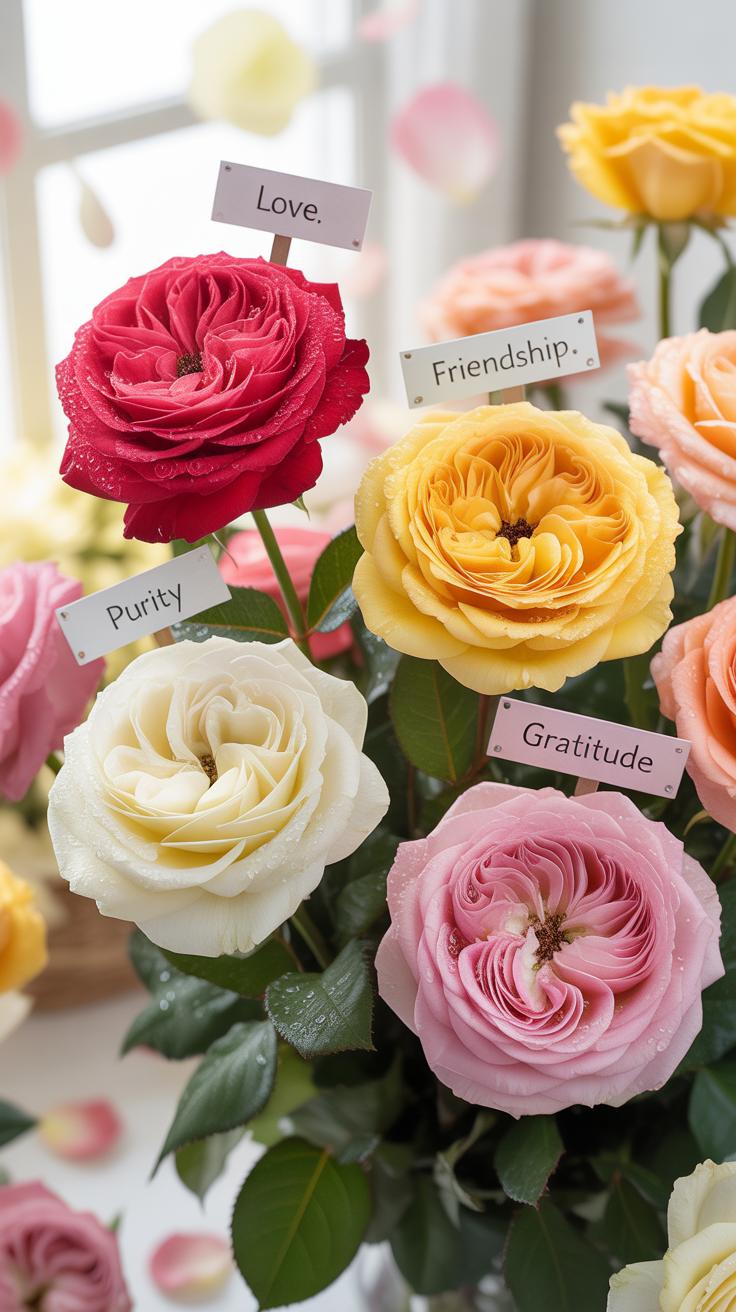
Red roses signify respect and admiration outside of romantic contexts. This floral color historically represents courage and sacrifice. In professional or civic settings, giving a red rose acknowledges a significant achievement or a display of bravery. It serves as a visual signal of high regard. The intensity of the red pigment directly correlates with the depth of the intended sentiment.
In many political and historical movements, the red rose symbolizes social justice and solidarity. It appears on heraldry and party crests to represent strength and unity. Using this flower in a non-romantic way requires clear context to avoid confusion. Proper presentation ensures the recipient understands the gesture as one of honor or shared values rather than an intimate advance.
When And How To Give Red Roses For Maximum Emotional Impact
Timing dictates the effectiveness of a red rose gift. For romantic purposes, delivery during significant milestones or anniversaries reinforces a long-term commitment. In a professional capacity, send them immediately following a major victory or public recognition. Speed ensures the message connects directly to the event. Do not wait for holidays if the goal is to acknowledge a specific personal success.

Presentation matters as much as the flower itself. Use high-quality stems with vibrant petals and no bruising. Pair red roses with minimal greenery to keep the focus on the primary message. Avoid over-decorating the arrangement with excessive ribbons or filler plants. A clean look communicates confidence and seriousness. Choose deep crimson shades for formal respect and bright scarlet for high-energy celebrations or new passion.
Different Color Roses Meaning White Pink And Yellow Roses Explained
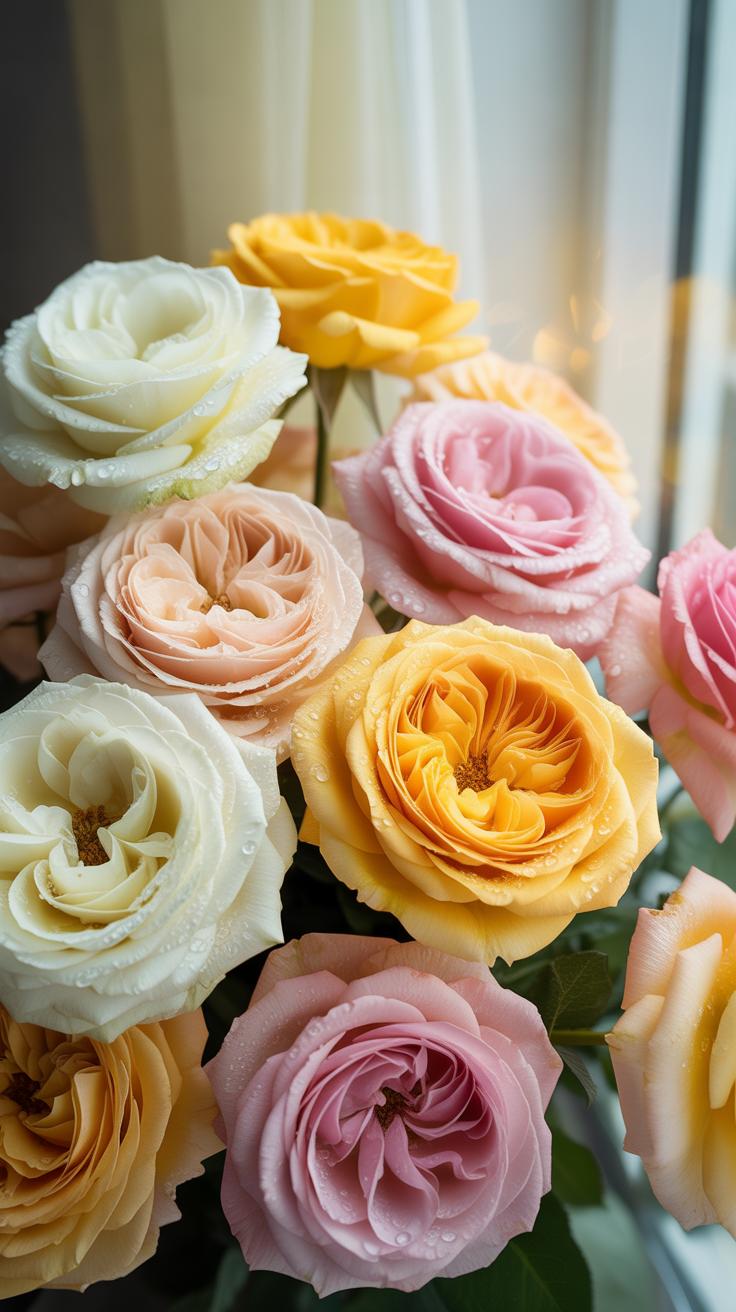
White Roses: Purity, New Beginnings, And Their Role In Weddings And Memorials
White roses represent the absence of color and symbolize total honesty. These flowers signify clean slates and pure intentions. In historical contexts, people tied them to the Virgin Mary to show devotion. This link established the rose as a staple for formal ceremonies. Modern event planners select them to establish a neutral and high-end atmosphere. They work well for any serious life transition.
Bridal parties use white roses to signal a new start in life. The bloom represents loyalty and a bond that remains unbroken. In funeral settings, these flowers offer respect and silence. They honor the deceased without adding unnecessary emotional weight. Strategic use of white roses focuses on the concept of remembrance. They provide a calm visual cue in high-stress environments like weddings or memorial services.
Pink And Yellow Roses: From Gentle Admiration To Friendship And Joy
Pink roses communicate gratitude and recognition without the intensity of red. Light shades indicate grace or sympathy. Deep pink tones show appreciation or a job well done. Use these to acknowledge a person’s character or a specific achievement. They serve as a middle ground for professional and personal relationships. This color avoids the risk of overstepping boundaries while still delivering a positive message.

Yellow roses stand for platonic friendship and joy. In the Victorian era, they represented jealousy, but that meaning changed completely over time. Now, they symbolize warmth and a bright outlook. They carry no romantic heavy lifting. Place them in office settings or hospital rooms to improve the mood instantly. These flowers focus on the intellect and the sun. They celebrate social bonds and shared success among equals.
Rose Colors And Meanings Orange Lavender And Blue Roses Decoded
Orange Roses: Enthusiasm, Desire, And The Energy Between Friendship And Romance
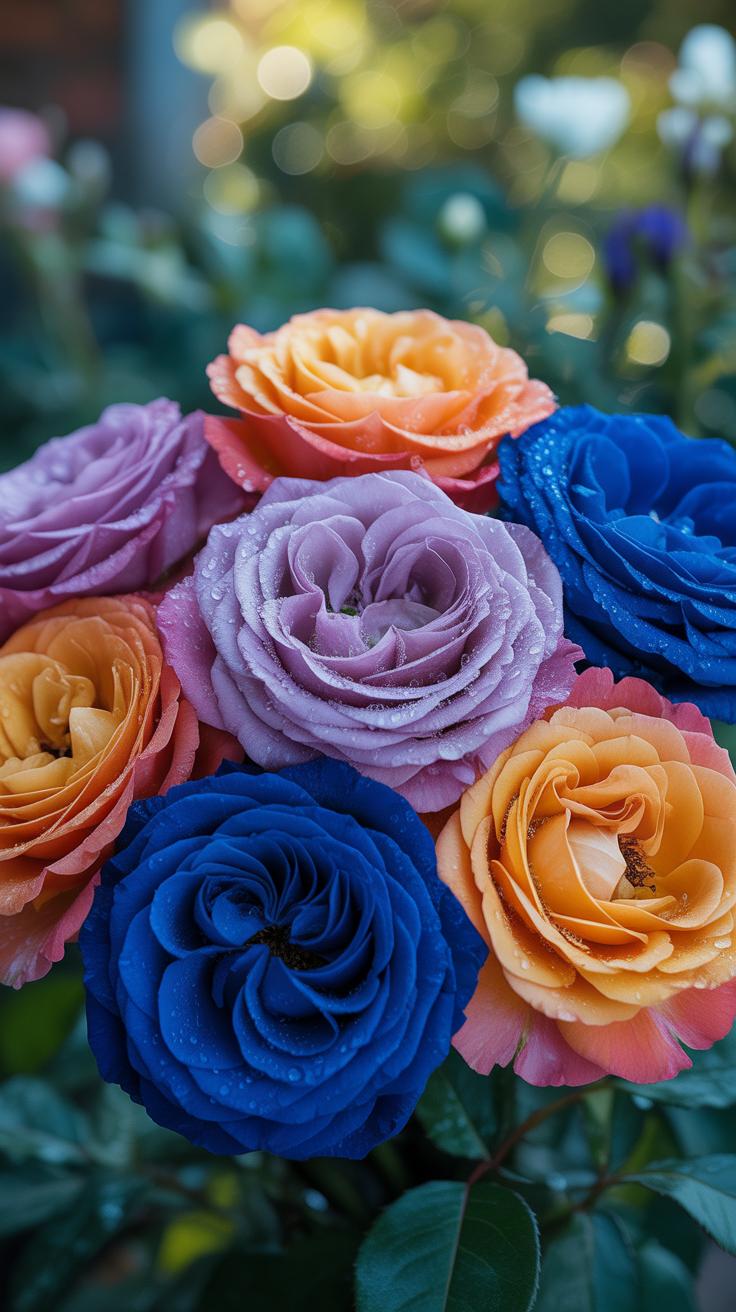
Orange roses represent a bridge between the friendship of yellow and the love of red. They signal intense energy and growing passion. Florists use these blooms to show excitement about a new deal or relationship. The color indicates a shift from platonic Interest to physical desire. It conveys a message of pride and fierce support for the person receiving the arrangement.
Cultivators create orange roses by crossing red and yellow varieties. This hybrid origin dictates their tactical use in communication. Use these flowers when you want to show enthusiasm without the heavy commitment of deep red. They work best for celebrating milestones or expressing urgent interest. The bright hue commands attention and projects confidence. Use them to stand out in a crowded market or social setting.
Lavender And Blue Roses: Enchantment, Mystery, And What Makes Them Truly Rare
Lavender roses signify enchantment and love at first sight. They suggest a sense of wonder and royal elegance. Historically, purple shades were expensive to produce and belonged to the elite. These flowers carry that legacy today. Use them to show deep respect or to mark a special, unique occasion. They imply that the recipient is one of a kind and highly valued.

Blue roses do not exist in nature. They lack the specific pigment gene required to produce a true blue color. Scientists use genetic engineering or silver dyes to create these blooms. Because they are unnatural, they symbolize the impossible or the unattainable. Use blue roses to represent mystery or a goal that is hard to reach. They make a strong statement about seeking the unreachable.
Roses And Meanings Black Green And Multicolored Roses Uncovered
Black Roses: Myth, Farewell, And The Truth About Their Existence In Nature
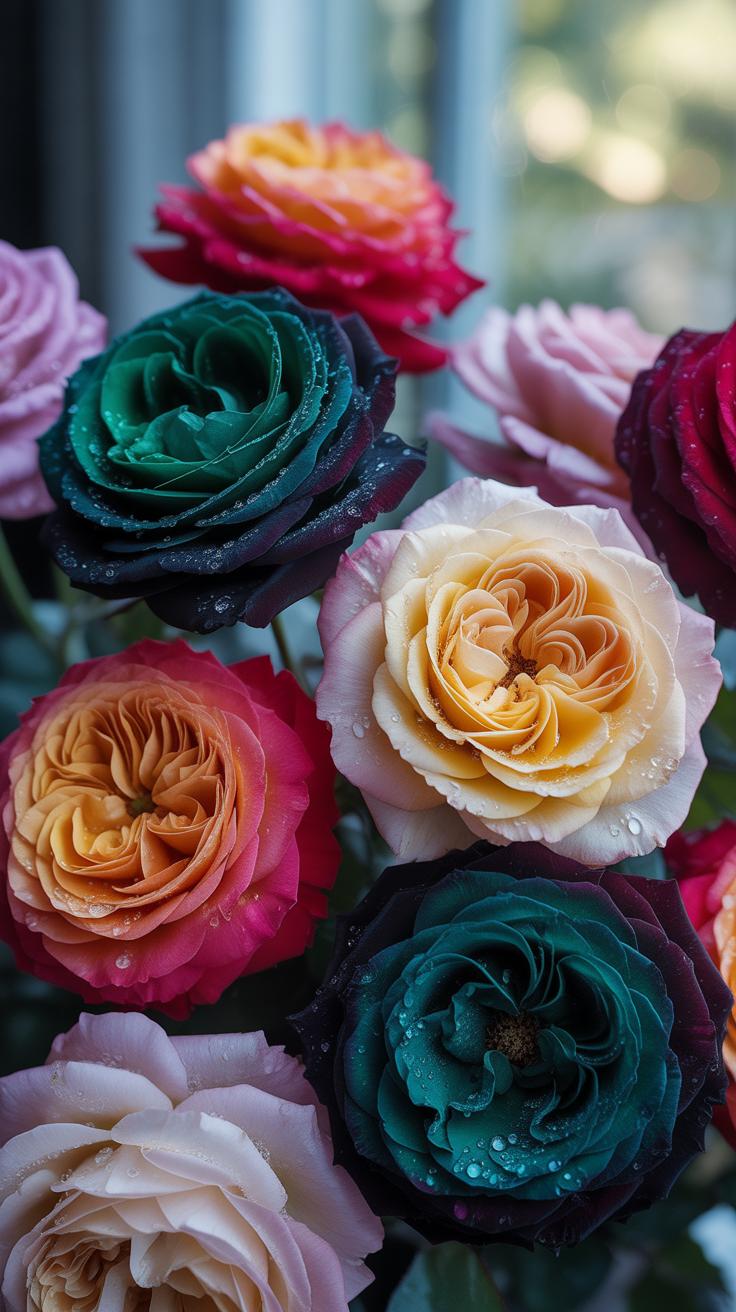
True black roses do not exist in nature. Botanists have never found a rose that produces pure black pigment. Most flowers sold as black are actually very deep shades of purple or dark red. The Black Baccara and Black Magic varieties are prime examples. These roses look black under low light but show their red base in the sun.
Culturally, these dark blooms represent major endings and deep changes. People use them to signal the death of a relationship or a significant life phase. In Victorian times, they often symbolized hatred or revenge. Today, the meaning has shifted toward rebirth and the start of something new. They provide a bold visual statement in modern floral design and high fashion.
Green And Rainbow Roses: Harmony, Growth, And The Art Of Dyed Blooms
Natural green roses exist but they look different from standard florist varieties. The Viridiflora rose features green sepals instead of petals. It lacks a traditional floral scent and looks like a leafy cluster. These flowers symbolize constant growth, abundance, and balance. Modern florists also use white roses treated with green dye to achieve a more vibrant and uniform appearance.

Rainbow roses are purely a product of human engineering and specialized techniques. Florists split the stem of a white rose into several channels. They place each channel into water mixed with different colored dyes. The rose draws the liquid up into the petals through capillary action. This creates the multicolored effect. These roses represent joy and celebration. They work well for pride events or birthdays.
Different Rose Color Meaning By Number What The Quantity Of Roses Signals
Single Stem To A Dozen: How The Number Of Roses Changes The Message
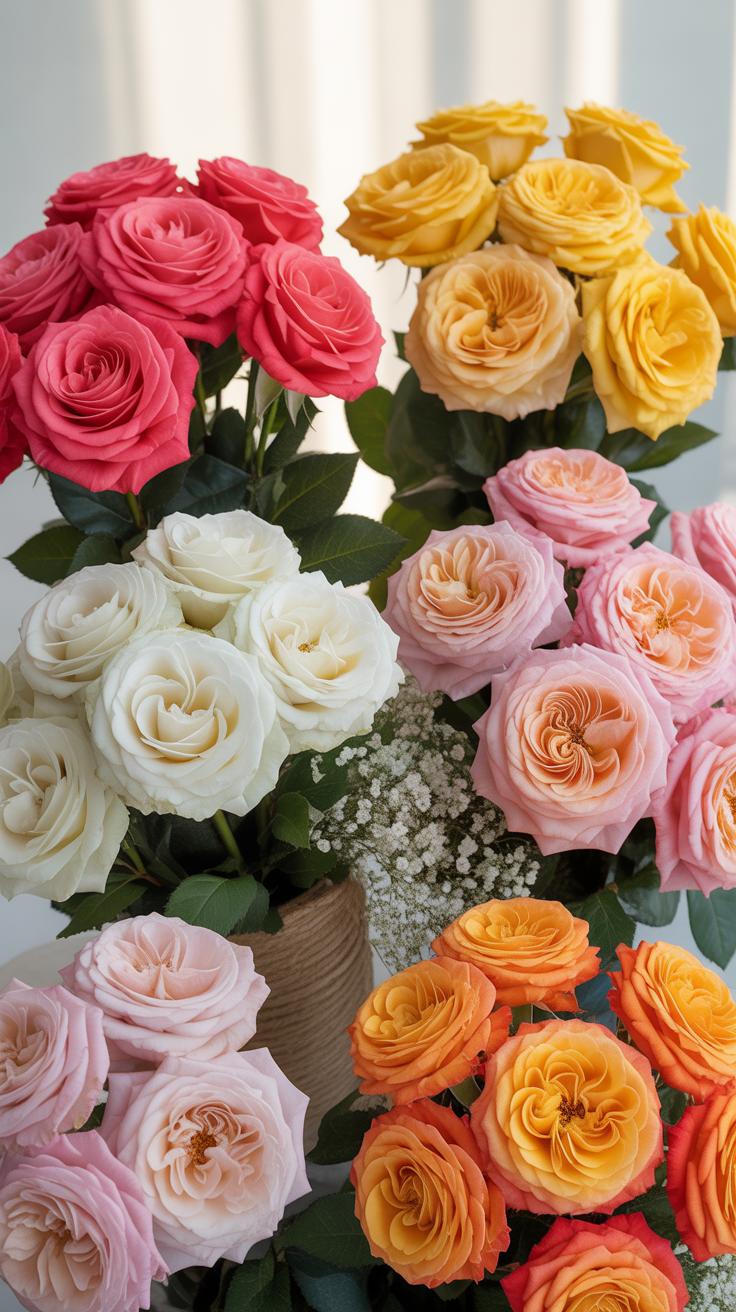
A single rose serves as a baseline for romantic intent. It signals devotion or “love at first sight” without the weight of a larger arrangement. Two roses represent shared affection or a mutual bond between two people. By sending three roses, you provide a traditional numerical code for the three words “I love you.” This quantity remains a standard for early-stage relationships.
Moving to six roses indicates a desire for commitment or a “need to be loved.” It pushes the message beyond casual interest. A full dozen roses remains the most recognized industry standard. It functions as a complete declaration of love and seasonal appreciation. This specific count originates from historical cycles of twelve, such as months in a year or hours on a clock face.
25, 50, And 100 Roses: Grand Gestures And What They Traditionally Represent
Increasing the count to twenty-five roses shifts the message from simple romance to congratulations. People often use this quantity for anniversaries or major life achievements. It communicates a high level of respect and substantial effort. The volume of the arrangement demands physical space. This ensures the recipient recognizes the magnitude of the occasion. It serves as a tactical move to show absolute dedication to the relationship.

A fifty-stem arrangement signifies unconditional love or a love that has no bounds. Florists view this as a premium tier for major milestones. Sending one hundred roses represents total devotion and a singular focus on the recipient. This quantity creates a massive visual impact that removes any doubt regarding the sender’s intentions. It functions as a definitive statement of loyalty and long-term investment in the partnership.
Color Meanings Of Roses Across Different World Cultures And Traditions
How Rose Color Symbolism Differs Between Eastern And Western Traditions
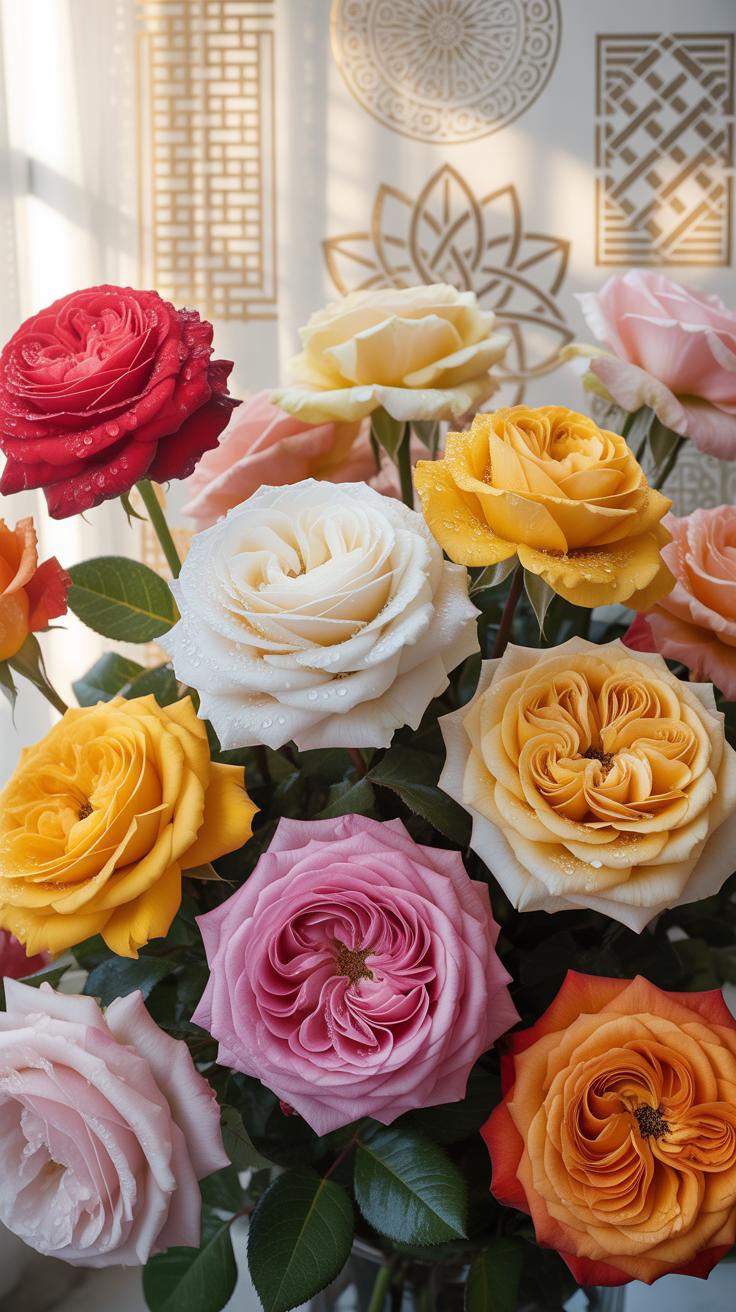
Western cultures view the red rose as the primary symbol of romantic love and passion. This tradition stems from Greek and Roman mythology. In most Western countries, white roses represent purity or sympathy. These meanings dictate floral choices for weddings and funerals across Europe and North America. Global trade now standardizes many of these meanings, but regional variations still exist in private social settings.
Eastern traditions often prioritize different color values based on ancient heritage. In China, red symbolizes luck and prosperity rather than just romance. Yellow roses may carry positive meanings of power in some Asian contexts, unlike the Western association with friendship or jealousy. Differences in color theory affect how people gift roses during holidays. Understanding these shifts prevents cultural misunderstandings during international business dealings or formal social events.
Every flower is a soul blossoming in nature, expressing through its hue what the heart often feels but cannot speak.
Religious And Ceremonial Uses Of Rose Colors Around The World
Religions use rose colors to signal specific spiritual states or events. The Catholic Church often links the red rose to the blood of martyrs. White roses frequently represent the Virgin Mary and symbolize innocence during religious rites. These associations determine which colors decorate altars during specific liturgical seasons. Floral arrangements in these settings follow strict rules to maintain the intended theological message for the congregation.

Ceremonial uses extend to national and state functions globally. Many nations use the rose as a political symbol during official ceremonies. In Mexico, the Day of the Dead utilizes specific floral tones to honor the deceased. Middle Eastern cultures often use rose water from various species in purification rituals. These practices show that rose color choice is rarely accidental. It serves as a visual code for tradition and respect.
Roses Meaning Color How To Choose The Right Rose For Every Occasion
Matching Rose Colors To Life Events: Birthdays, Anniversaries, Funerals, And More
Standard protocols dictate specific colors for major life transitions. For funerals and memorials, white or deep crimson roses are the baseline. Families use white to signal reverence and purity for the departed. Deep red indicates intense sorrow or enduring love. Avoid bright yellow or orange in these settings. These colors clash with the somber tone of a traditional service and may appear disrespectful to mourners.
Romantic milestones require clear visual cues. Red roses remain the primary choice for anniversaries because they signal passion and long-term commitment. For birthdays, pink or yellow roses are more appropriate. Pink symbolizes gratitude and appreciation. Yellow represents friendship and joy. If you give flowers for a promotion or graduation, choose orange. This color conveys energy and pride in a professional or academic achievement.
Top Tips For Combining Rose Colors To Create A Meaningful Mixed Bouquet
A mixed bouquet allows you to send a complex message. You must balance the dominant color with supporting hues to avoid confusion. Victorian floriography relied on these combinations to communicate secret intents. Today, florists use color theory to blend different rose meanings. A base of white roses creates a neutral background. This makes the secondary color stand out more clearly to the recipient.
- Red and White: This combination signifies unity and structural balance. It is a traditional choice for weddings or long-term partnerships. The white softens the intensity of the red roses while representing a shared future together between two people.
- Yellow and Orange: Use this mix to celebrate energetic milestones or new beginnings. The yellow focuses on the joy of the friendship. The orange adds a layer of excitement and enthusiasm. It works well for coworkers who have achieved a major goal.
- Pink and White: This pairing creates a message of gentle admiration and grace. It lacks the heavy romantic weight of deep red. It is the tactical choice for mothers, mentors, or close friends. It shows respect without implying any romantic feelings or intentions.
- Lavender and Pink: This set communicates enchantment and growing interest. Lavender symbolizes love at first sight in historical contexts. Combining it with pink suggests that your initial attraction is now turning into genuine appreciation. Use this for someone you have recently started dating.
- Red and Yellow: This mix represents a transition from friendship to romantic love. The red signifies passion while the yellow honors the existing bond of friendship. It is an effective way to signal a change in the status of a relationship.

Select your primary message before adding secondary colors. A bouquet with too many colors loses its impact and becomes visual noise. Focus on two or three colors maximum to keep the message sharp. Ensure the colors do not have conflicting historical meanings. For example, mixing yellow and deep red can signal both friendship and intense passion, which might confuse the person receiving the roses.
Color Of Roses Meaning In Modern Gifting Trends Etiquette And Common Mistakes
Common Misconceptions About Rose Color Meanings That Could Send The Wrong Message
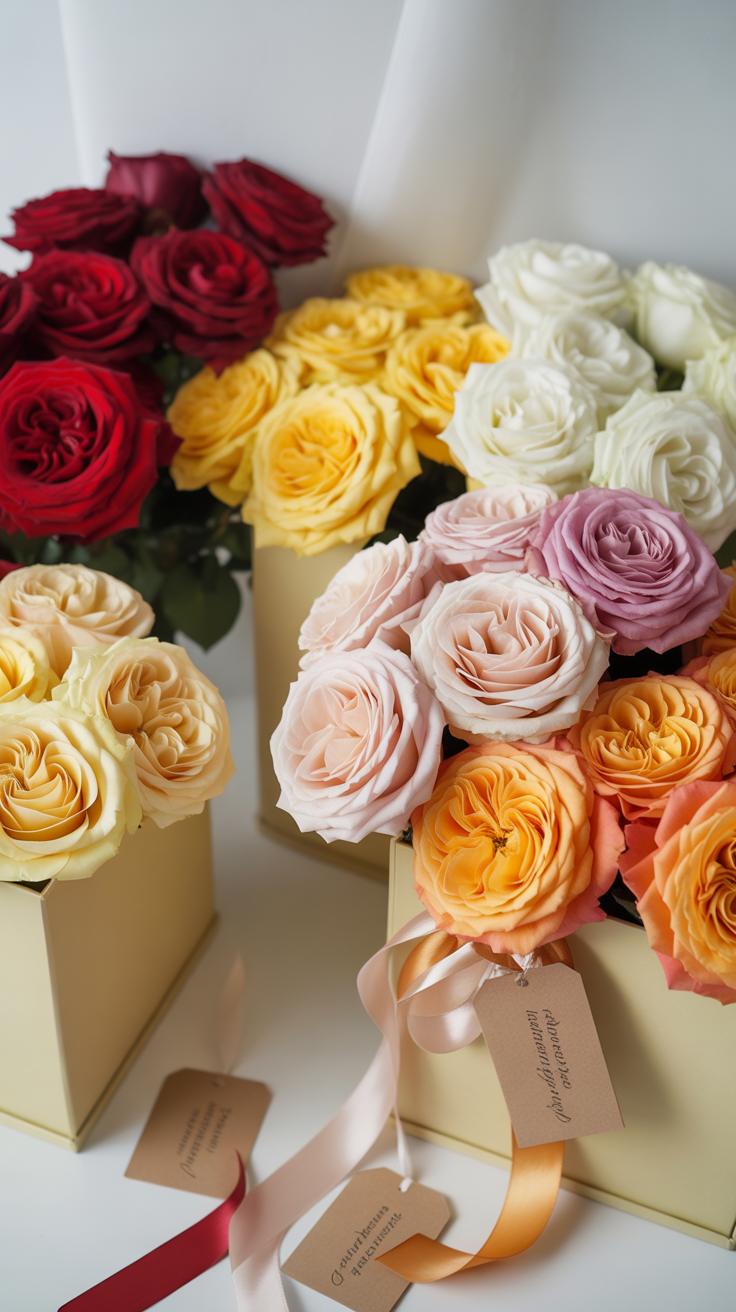
Misinterpreting rose color meanings leads to social friction. Most people rely on vague cultural tropes rather than established floral history. Giving yellow roses to a romantic partner can signal a desire to end the relationship or move into the friend zone. You must understand the specific intent behind each hue. Sending the wrong shade creates confusion and undermines the purpose of your gift.
- Yellow Roses: Modern recipients often view yellow as a symbol of joy and friendship. However, traditional Victorian floriography linked yellow roses to jealousy and infidelity. Using them in a romantic context can unintentionally signal a lack of serious commitment or trust issues within the partnership.
- White Roses: People frequently associate white with purity and weddings. In many Eastern cultures, white remains the primary color for mourning and funerals. Sending a pure white bouquet to a business associate from these regions can signify death rather than a fresh start or new professional beginning.
- Dark Crimson Roses: Deep red or burgundy shades represent intense passion and unconscious beauty. Many senders mistake them for standard red roses used for general appreciation. These dark tones carry a much heavier emotional weight. They are inappropriate for casual acquaintances or early dates where the relationship lacks deep roots.
- Lavender Roses: These roses symbolize enchantment and love at first sight. Senders often mistake them for simple variations of pink or purple intended for friendship. Using lavender communicates a specific romantic spark. Do not send these to platonic colleagues if you want to maintain a strictly professional and clear boundary.
- Orange Roses: Orange signifies energy and pride. It sits between the friendship of yellow and the passion of red. Senders often use orange as a safe neutral choice. In reality, orange expresses strong physical desire and excitement. It is too aggressive for formal apologies or quiet gestures of sympathy.
Avoid mixing too many conflicting colors in a single arrangement without a clear theme. A chaotic mix dilutes the primary message and leaves the recipient guessing your intentions. Stick to monochromatic or complementary schemes to ensure clarity. Research the cultural background of your recipient before choosing a palette. Precision in color selection prevents awkward explanations and ensures your tactical goals are met.
How Modern Florists And Senders Are Redefining Rose Color Traditions Today
Modern floral design prioritizes personal branding and interior aesthetics over rigid Victorian rules. Florists now use muted tones like dusty rose and sand to fit minimalist home decor trends. These neutral palettes strip away traditional romantic baggage. Senders choose these colors to show sophistication rather than specific emotional states. This shift focuses on the physical environment where the flowers will sit for a week.
Producers now develop hybrid colors like “free spirit” roses that blend orange and pink. These bicolors allow senders to bypass old singular meanings entirely. Modern etiquette encourages including a card that explicitly states the intent of the gift. This documentation overrides any historical color subtext. Professional senders use high quality textures and unique petal shapes to communicate value. Quality and presentation now matter more than the specific hue.
Frequently Asked Questions

What are the most common rose color meanings for gifting?
Understanding rose color meanings helps you communicate exactly how you feel without saying a word. Traditionally, red roses symbolize deep romantic love and passion, while yellow roses represent friendship and joy. Pink roses are perfect for expressing gratitude or admiration, and white roses often signify purity or new beginnings. Choosing the right hue ensures your floral gift perfectly aligns with the specific occasion and your relationship with the recipient.
How do I combine different rose color meanings in a single bouquet?
Mixing shades is a wonderful way to create a layered message. For example, a bouquet of red and white roses symbolizes unity, making it a popular choice for weddings. When combining colors, consider the dominant emotion you want to convey. By blending various rose color meanings, you can create a personalized arrangement that tells a complex story, such as pairing orange for energy with yellow for the happiness of a long-term friendship.
Are there affordable ways to use rose color meanings in home decor?
You don’t need expensive premium long-stem roses to enjoy their symbolism. Budget-friendly spray roses or even high-quality silk stems offer the same visual impact and emotional resonance. Mixing affordable greenery with a few intentional colored blooms allows you to refresh your living space’s energy. Whether you choose calming lavender or cheerful peach, selecting flowers based on their traditional significance is a cost-effective way to enhance your home’s overall mood and aesthetic.