
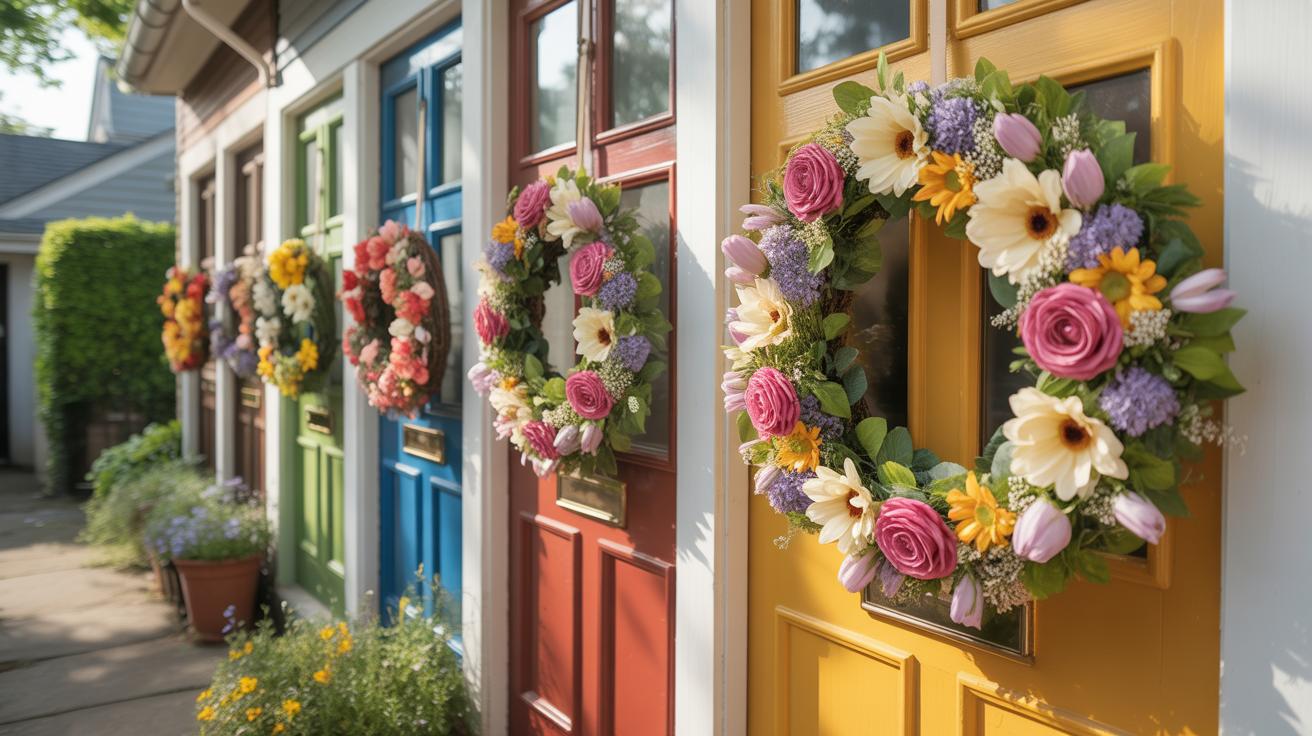
What Are Floral Door Wreaths And Why Every Home Should Have One
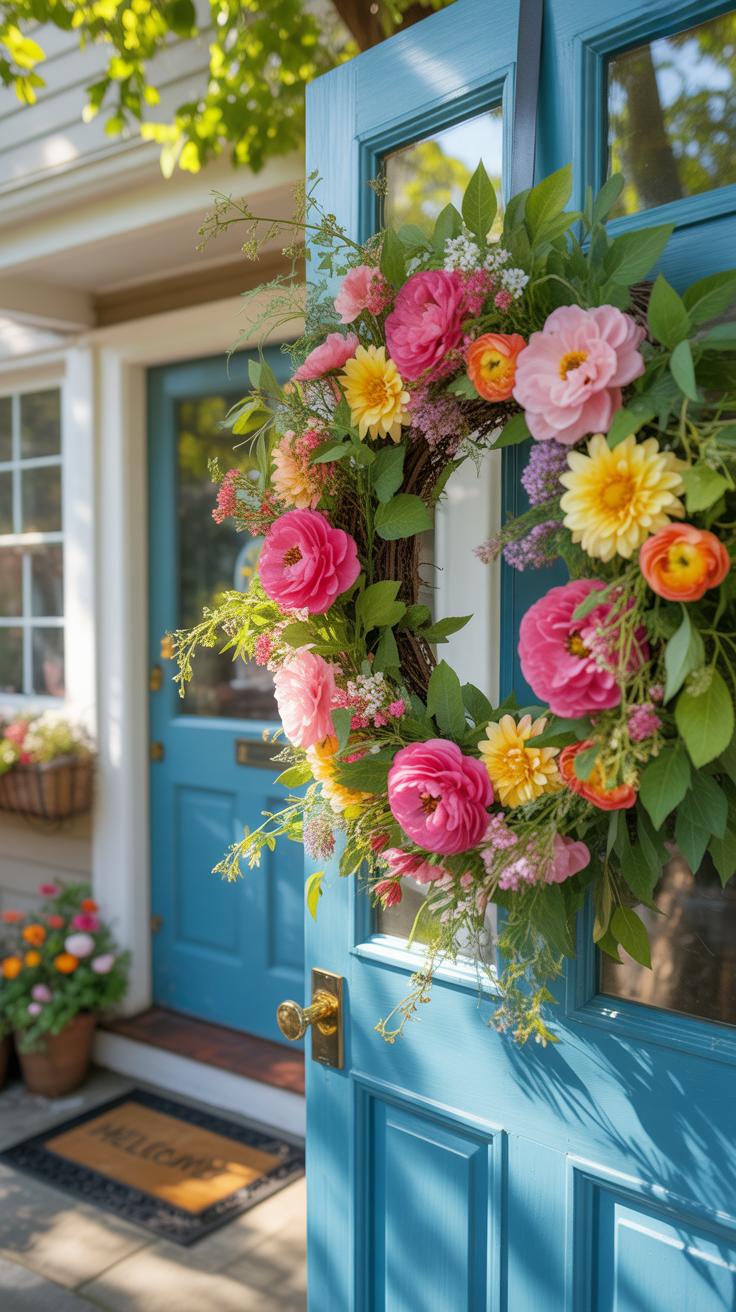
The History And Tradition Behind Door Wreaths
The use of circular door decorations dates back to ancient Greece and Rome. These societies used wreaths made of laurel, ivy, and parsley to represent status and victory. In these cultures, the circular shape symbolized eternity and the continuous cycle of life. Placing these items on a door notified the public of a person’s rank or a recent achievement within the household.
During the sixteenth century, the tradition transitioned into a seasonal custom in Europe. People began using evergreen branches to signify endurance through harsh winters. This practice eventually evolved to include dried flowers and silk stems for year-round use. Today, these items serve as a primary tool for home identification. They provide a clear visual signal that a property is maintained and occupied by the owner.
How Floral Door Wreaths Instantly Boost Your Home’S Curb Appeal
A door wreath functions as a central focal point for a building’s exterior. It draws the eye of the viewer directly to the entrance. This strategy masks architectural flaws and highlights the front door as the main entry point. Real estate experts use these items to create a positive first impression. A well-placed wreath suggests that the interior of the home receives equal care.
Strategic color selection changes how people perceive the entire front of the house. Bright floral colors contrast against neutral siding to create visual depth. This simple addition increases the perceived value of the property without expensive renovations. Manufacturers now use UV-resistant materials to ensure these decorations last through various weather conditions. Homeowners use these tools to achieve a polished look with minimal financial investment or technical skill.

Best Spring Floral Wreath Inspiration To Welcome The New Season
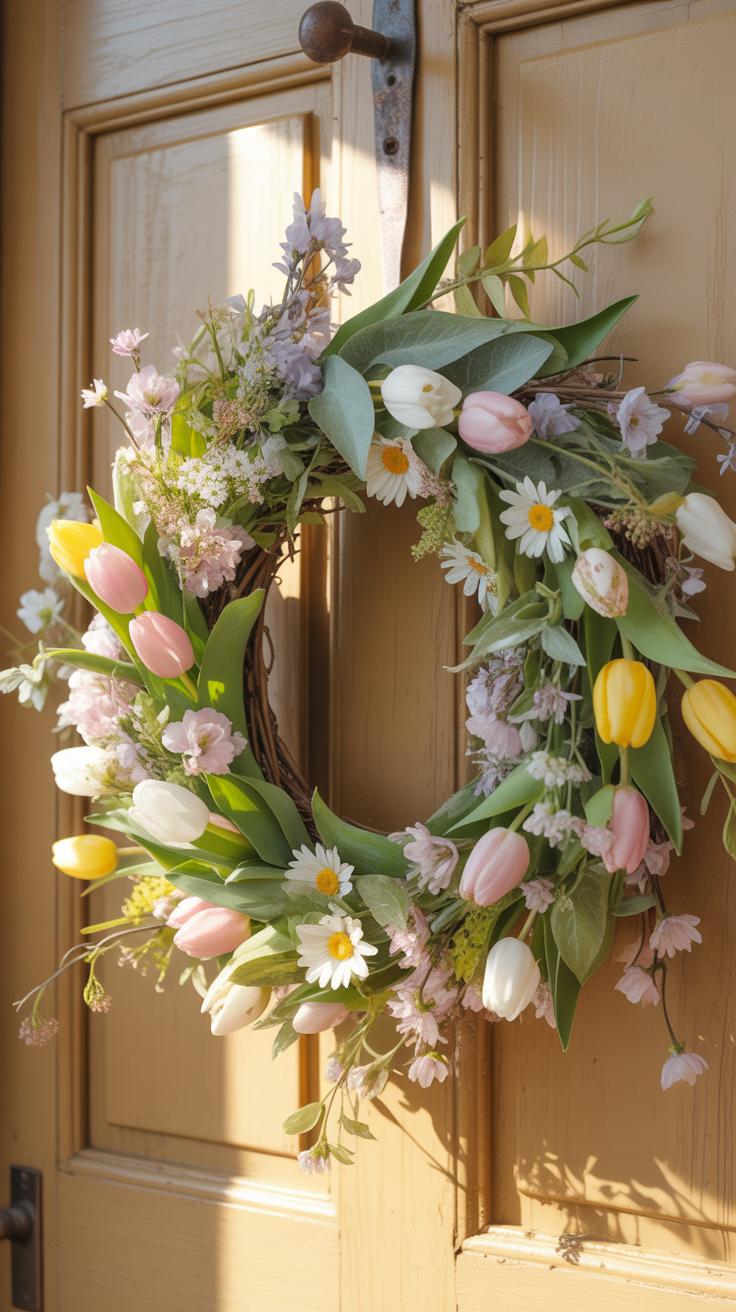
Choosing The Right Spring Blooms For A Fresh And Vibrant Wreath
Select flowers based on their durability and stem structure. Early spring blooms like tulips and daffodils have high water content in their stems. These bulbs require specific handling to prevent drooping. Use floral wire to reinforce soft stems before attaching them to the frame. Combine focal flowers with smaller secondary fillers like waxflower or baby’s breath to ensure structural density and longevity in outdoor conditions.
Focus on the local climate and sun exposure of your front door. Silk or high quality poly silk flowers provide better results for doors with direct afternoon sun. Natural dried elements like lavender or pussy willow offer texture without the risk of wilting. Avoid using thin petaled flowers like poppies if the wreath sits behind a glass storm door. The trapped heat will degrade the organic material within hours.
Popular Floral Spring Wreath Styles That Capture The Season’S Spirit
Traditional spring wreath design relies on the grapevine base as a structural foundation. This style emphasizes an asymmetrical layout where one third of the circle remains exposed. It mimics the look of a wild garden. Use greenery like eucalyptus or boxwood to create a base layer. Add seasonal accents like Forsythia branches to provide height and a sense of movement that mirrors natural spring growth patterns.

Minimalist designs utilize metal hoops or thin wooden frames for a modern look. This style focuses on negative space and a single focal point rather than a full circle of flowers. It works best for contemporary homes with clean lines. Secure your floral elements using thin gauge florist wire or waterproof adhesive. This method keeps the profile slim and prevents the wreath from interfering with the door handle or frame.
Essential Materials And Tools For Crafting Beautiful Floral Door Wreaths
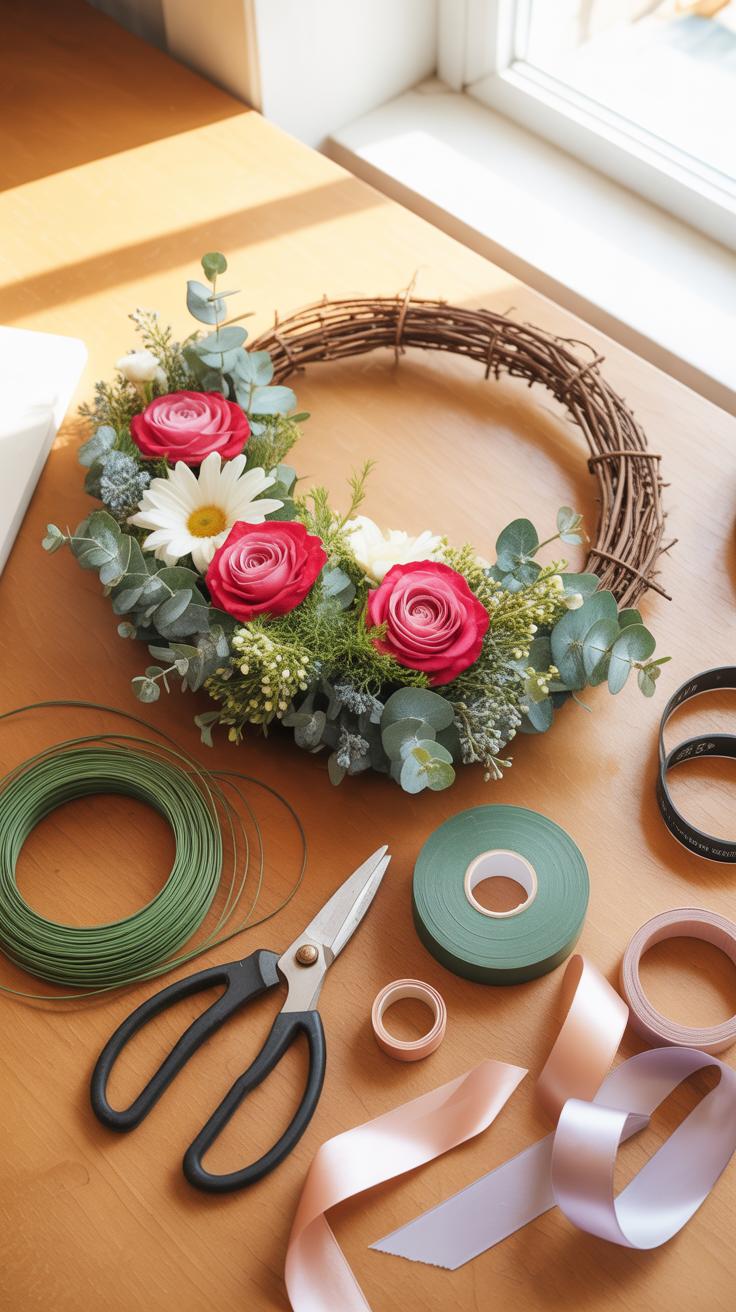
Natural Vs. Artificial Flowers: Which Works Best For Your Wreath
Natural flowers offer authentic textures and scents rooted in classical European gardening traditions. Fresh stems require high moisture levels to prevent wilting. This limits their lifespan to roughly seven days without a water source. Use fresh materials for short events or seasonal celebrations. Selection depends on local climate and humidity. Dry heat kills natural blooms quickly. Choose hardy species like eucalyptus or dried lavender for longevity.
Artificial flowers utilize silk, polyester, or plastic to mimic real botany. Modern manufacturing creates realistic textures that resist sun damage and rain. High quality silk flowers handle repeated handling better than organic counterparts. They offer cost efficiency over time because you can reuse them every year. Use artificial stems for permanent outdoor displays. They do not attract insects or drop debris on your entryway floor.
A wreath on the door is a silent invitation to the heart, turning every homecoming into a beautiful embrace.
Must Have Supplies To Get Started On Your Floral Door Wreath
Building a professional wreath requires specific hardware to ensure structural integrity. You must secure every component to a solid base. Weak attachments lead to sagging and lost materials. Proper tools reduce hand fatigue and speed up the assembly process. Use industrial grade cutters for thick wire stems. Avoid using kitchen scissors for heavy duty floral tasks. Sharp blades ensure clean cuts for better stem insertion.
- Wreath Base: Choose a wire frame, grapevine, or high density floral foam. Wire frames provide the most stability for heavy designs. Grapevine bases offer a natural aesthetic for rustic styles. Foam holds moisture for fresh stem arrangements.
- Floral Wire: Use 22-gauge paddle wire to secure large branches and heavy focal flowers. Thinner wire works for delicate accents. This material creates a mechanical bond that glue alone cannot provide. It prevents components from falling off when doors slam.
- Floral Tape: This wax-coated paper tape becomes sticky when stretched. Use it to bundle multiple stems together or to hide exposed wire. It blends with green foliage to create a seamless professional look. It provides grip for slick plastic stems.
- Wire Cutters: Invest in hardened steel cutters rather than standard scissors. Artificial stems contain thick metal cores that ruin regular blades. These tools provide the leverage needed to snap through gauges quickly. Clean cuts allow for easier placement into tight wreath bases.
- Hot Glue Gun: A high-temperature glue gun creates permanent bonds for small decorative elements. Use it for securing berries, pinecones, or silk petals that wire cannot hold. High-temp glue resists outdoor heat better than low-melt versions. It ensures decorations stay fixed.

Organize your workspace before starting any floral project. Keep all cutting tools on your dominant side for efficiency. Clear a flat surface at least twice the size of your intended wreath. This prevents petal damage and allows you to view the overall balance. Constant perspective checks ensure the design remains symmetrical. Proper preparation eliminates mistakes during the final assembly phase.
Stunning Summer Flower Wreath Ideas To Brighten Your Front Door
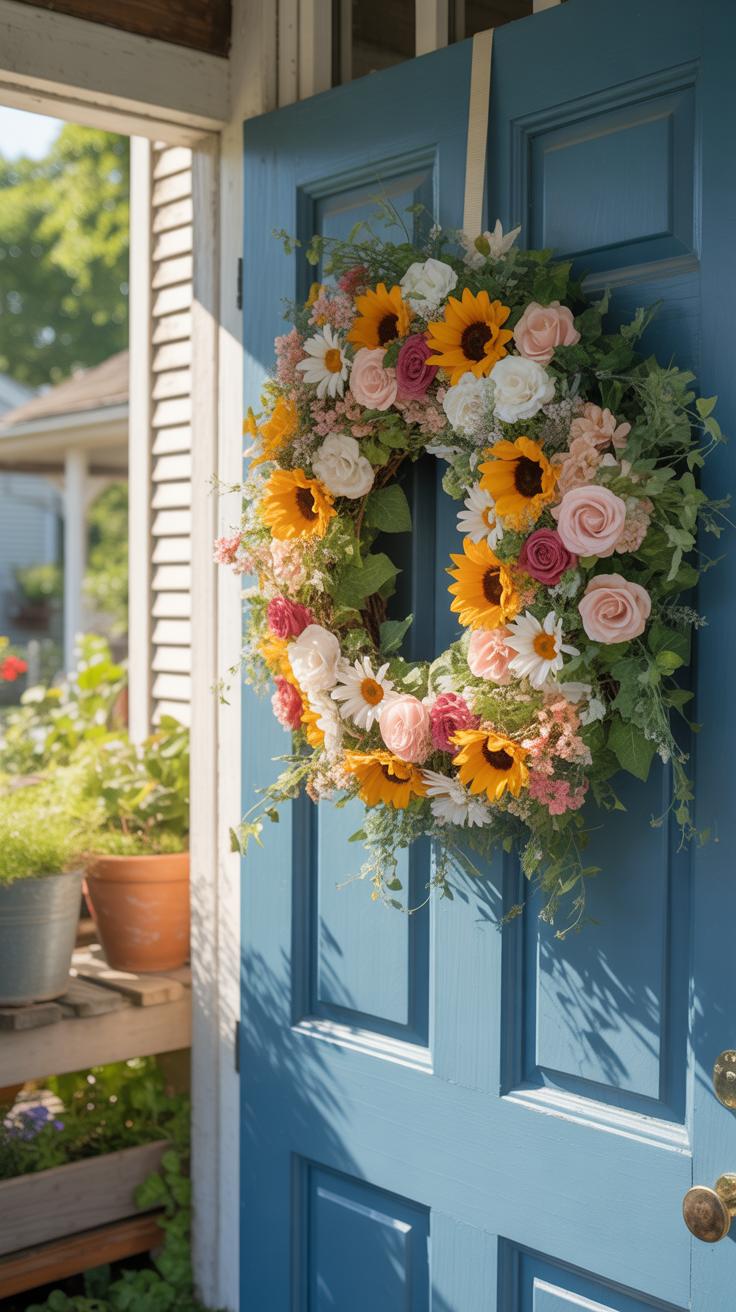
Sun Loving Flowers That Thrive In Summer Wreath Designs
Zinnias and sunflowers dominate summer wreath construction due to their rigid stems and heat tolerance. These species originated in warm climates and maintain their structural integrity better than soft-stemmed spring bulbs. Professional designers use these flowers because they do not wilt quickly when exposed to direct sunlight. Their bold shapes provide a clear focal point. Selecting these varieties ensures the design remains visible from the street.
Hydrangeas and lavender represent the French Country design movement often used in summer decor. These plants dry well while staying on the wreath frame. You can mix these with dried wheat or eucalyptus for a textured look. These materials resist fading even in high UV zones. Choosing flowers with low moisture content prevents rotting in humid summer air. Use these hardy options to build a base that lasts all season.
How To Keep Your Door Wreaths Summer Ready Through The Heat
Direct sunlight destroys natural flower pigments and makes organic fibers brittle. Shift your wreath to a shaded area or under a porch roof to extend its lifespan. Heat causes rapid evaporation in fresh floral foam. You must check moisture levels daily if using live cuttings. High temperatures also melt common hot glue. Use floral wire or high-temperature adhesives to prevent heavy flower heads from falling off the frame.

UV resistant sprays provide a chemical barrier against sun damage. These clear coatings help the petals keep their original color for weeks. Apply these sprays in a well-ventilated area before hanging the wreath. If you use silk flowers, look for the UV-rated label during purchase. This rating proves the manufacturer used stabilizers in the fabric. Proper placement and material choice reduce the need for frequent and expensive summer replacements.
Colorful Floral Wreath Ideas That Make A Bold Statement
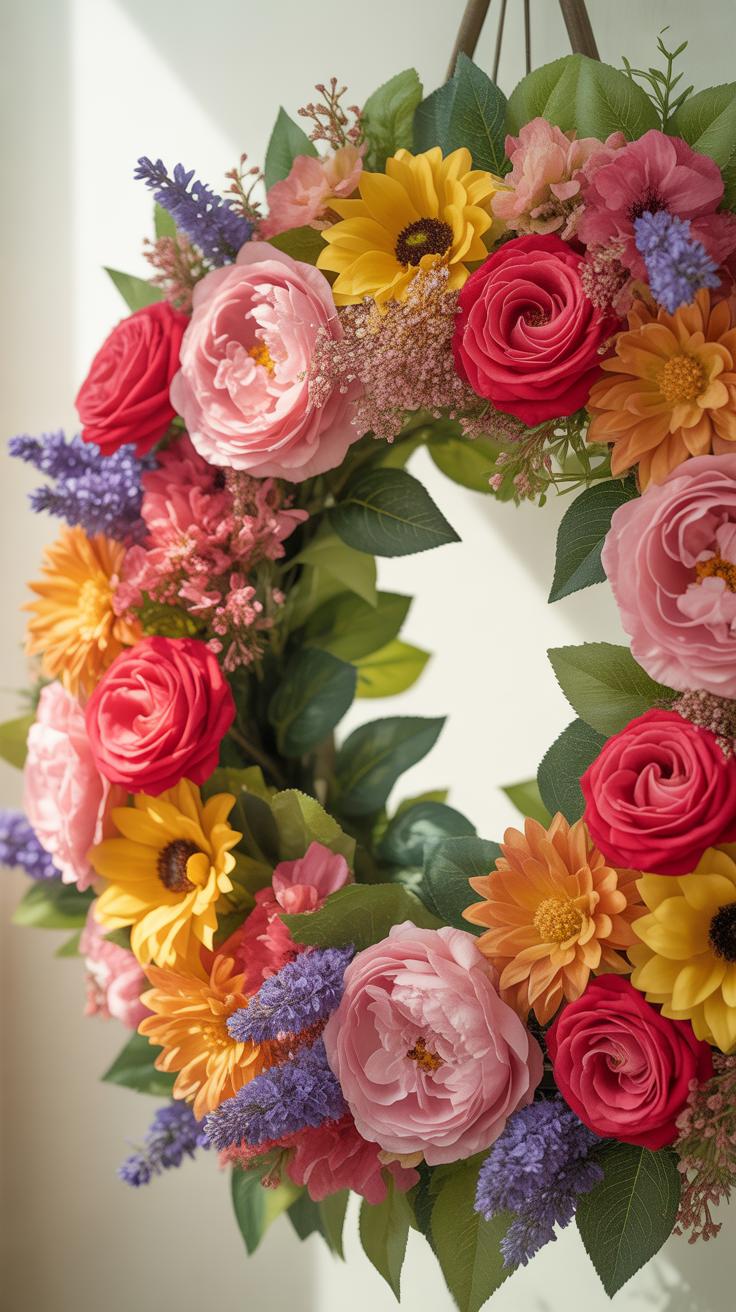
Understanding Color Theory To Create A Colorful Floral Wreath Arrangement
Color theory dictates how human eyes perceive wreath designs. High contrast creates visual energy for street visibility. Use complementary colors like orange and blue for maximum impact. These colors sit opposite each other on the color wheel. This technique makes the wreath pop against flat door surfaces. Proper color balance prevents the arrangement from looking messy. Use a primary dominant color to anchor the design.
Analogous color schemes offer a sophisticated look. Use three colors located next to each other on the color wheel. Examples include red, red-orange, and orange. This method provides visual harmony and flows naturally. Professional designers follow the sixty-thirty-ten rule. Sixty percent is your main color. Thirty percent is a secondary shade. Use ten percent for small bold accents. This ratio guarantees a balanced and professional appearance.
Top Colorful Floral Wreath Ideas By Home Style And Door Color
Match wreath colors to your door paint for the best results. Deep blue doors benefit from yellow or white flowers. This creates a crisp and clean look. White doors provide a neutral canvas for bright pinks and purples. Dark wood doors require warm tones like gold and burnt orange. These colors highlight the wood grain. Always consider the architectural style of the home before selecting a specific floral color palette.

Victorian homes support rich jewel tones like emerald and ruby. Modern minimalist homes require monochromatic or dual-tone arrangements. Use dried Billy balls or blue thistles for distinct textures. These materials maintain their color longer than soft petals. Industrial style homes work well with high-contrast primary colors. Red poppies or yellow sunflowers provide a sharp focal point. Choose weather-resistant silk flowers for high-traffic entryways to maintain vibrant colors over time.
Spring Wreaths For Every Design Aesthetic From Rustic To Modern
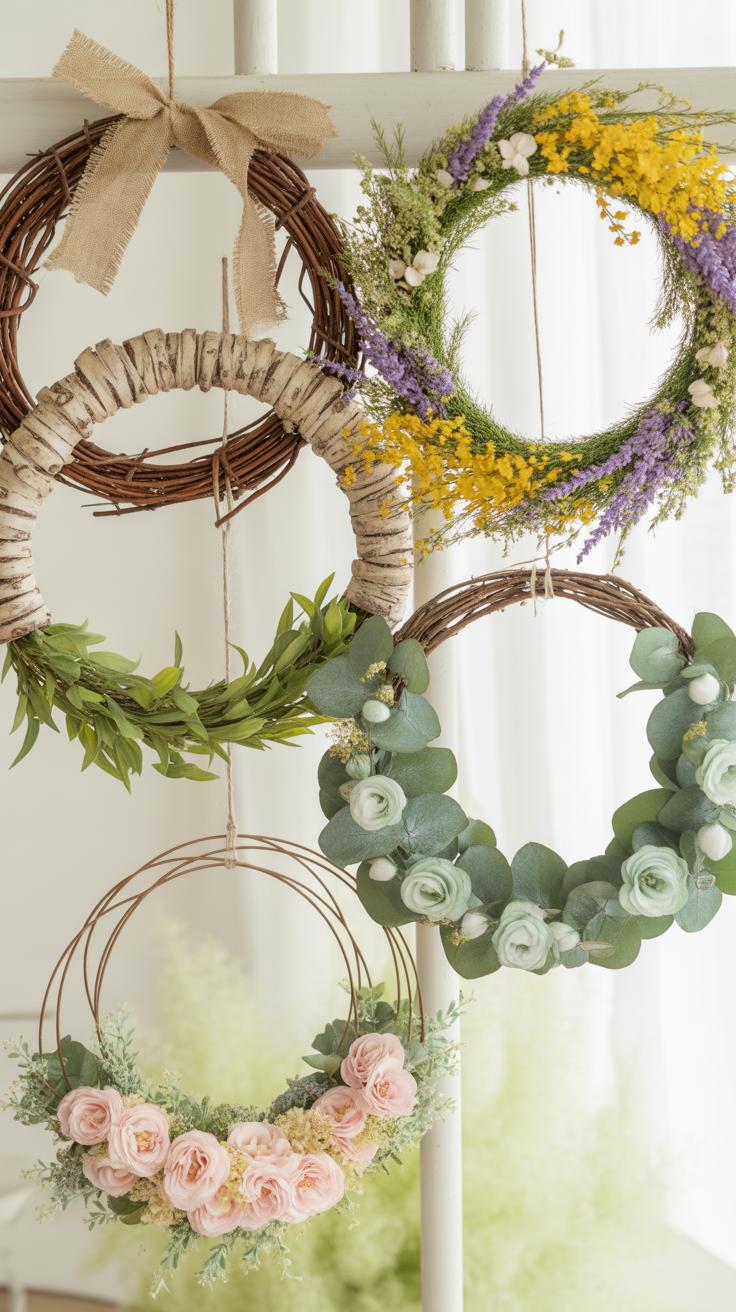
Rustic And Farmhouse Inspired Spring Wreath Designs Using Wildflowers
Rustic design relies on raw materials and informal structures. Use a grapevine base to provide texture and structural support. This foundation mimics the natural growth patterns found in rural environments. Incorporate dried wildflowers like baby’s breath or lavender to achieve the farmhouse look. These plants hold their shape and color over time. Focus on asymmetry to simulate a hand-picked meadow aesthetic.
Bind stems with natural jute twine or burlap ribbon rather than synthetic adhesives. These materials reinforce the organic theme and withstand outdoor moisture better than glue. Select muted tones like cream, sage, and pale yellow. Avoid overly bright dyes to keep the focus on natural textures. Ensure the arrangement looks dense at the bottom and thins toward the top for a balanced visual weight.
Minimalist And Modern Spring Wreaths With Clean Floral Arrangements
Modern spring design prioritizes negative space and industrial materials. Use a thin brass or matte black hoop as the frame. This creates a sharp contrast against the door surface. Unlike traditional wreaths, modern versions only cover one third of the circumference with greenery. This restraint highlights the geometry of the circle. Choose structured plants like eucalyptus or single-stem peonies for a clean focal point.

Security and precision are vital for minimalist styles. Use thin florist wire to attach components so the mechanics remain invisible to the viewer. Maintain a monochromatic color palette or limit the design to two contrasting shades. This approach eliminates visual clutter and fits contemporary architectural lines. Place the floral cluster at the bottom or the side to break traditional symmetry without losing balance.
How To Style And Hang Flower Wreaths For Maximum Visual Impact
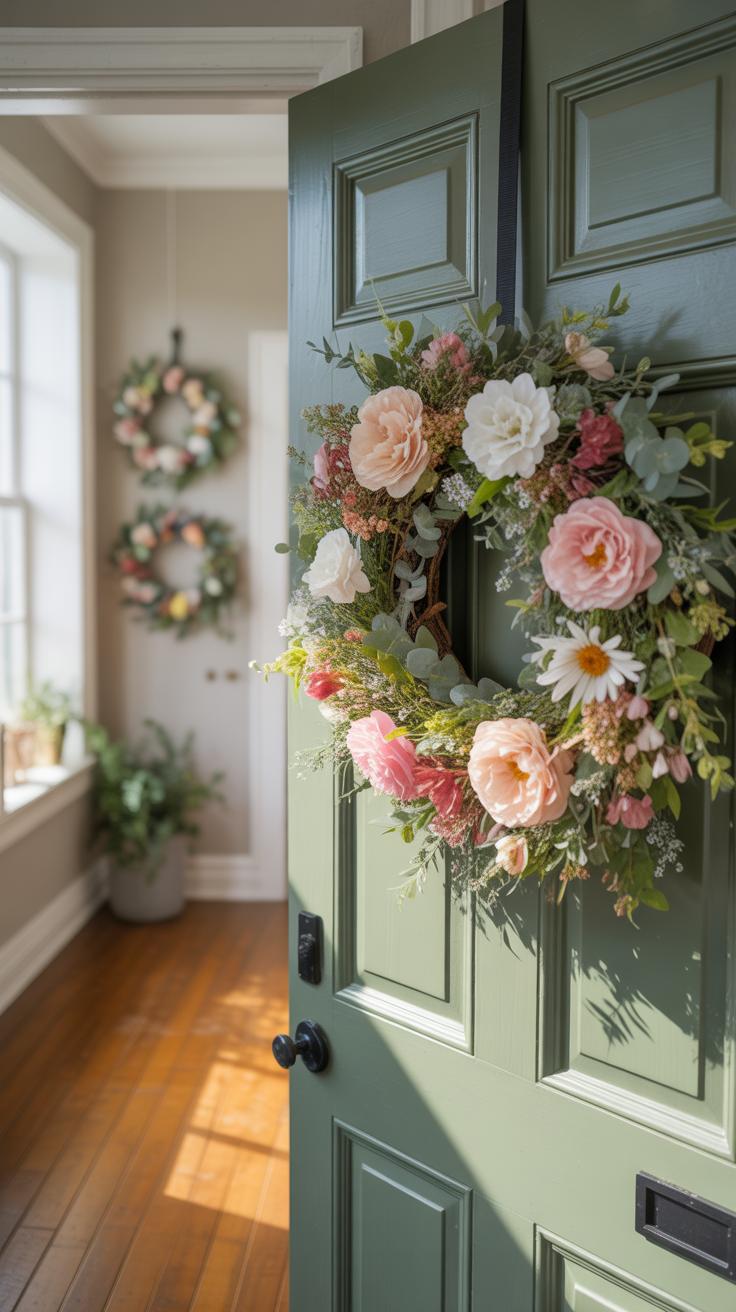
The Right Way To Hang Flower Wreaths Without Damaging Your Door
Protecting the door surface requires the correct hardware choice. Over the door hooks offer a drill free solution but can scratch paint or damage weather stripping. Magnetic hangers provide a secure hold for steel doors. Adjustable tension rods work well for recessed entryways or storm doors. Always place felt pads on the back of the wreath frame. These pads prevent the wreath from scuffing the door surface during wind.
The height of the wreath determines its visual effectiveness. Positioning the center of the wreath at eye level, roughly 57 to 60 inches from the ground, ensures balance. Specialized suction cups support lightweight wreaths on glass. For heavy wooden or grapevine frames, use screw in hooks only on the interior side of a wooden door. This hides the structural hardware while providing the necessary weight capacity for complex floral arrangements.
Styling Tips To Pair Your Wreath With Seasonal Porch Decor
Coordinate your wreath with secondary porch elements to create a unified design. Match the primary flower species in your wreath to the foliage in your planters. This replication of color and texture builds a professional look. Use varying heights of lanterns and pots to draw the eye toward the door. Consistent lighting enhances the visibility of the wreath after sunset and highlights the floral details.
- Visual Anchoring: Place large planters on both sides of the door to frame the wreath. This symmetry directs the viewer’s focus to the center of the entryway. Choose containers that match the wreath’s base material for consistency.
- Layering Textures: Combine natural wood or stone elements with soft floral fabrics. Mixing hard and soft materials creates depth. Use a textured doormat that shares a secondary color found in the flower petals of your door wreath.
- Color Blocking: Select porch accessories in a single dominant color from the wreath. Using a monochromatic palette for chairs or pillows prevents visual clutter. This technique makes the wreath stand out as the primary focal point of the home.
- Scale and Proportion: Ensure the size of your porch furniture does not dwarf the wreath. Small wreaths need minimal surrounding decor to remain visible. Large wreaths require substantial accents like tall topiaries to maintain a balanced and intentional appearance.
- Seasonal Transitioning: Swap small accent pieces like ribbons or pumpkins to match the changing wreath. Using a neutral base for permanent furniture allows for quick updates. This strategy keeps the entryway relevant as you rotate your floral door wreath ideas.

Symmetry remains a core principle in traditional porch design. Align the wreath with the door handle and any glass panes for a centered look. Use a secondary ribbon to connect the wreath to other hanging baskets on the porch. This physical link creates a flow that guides the visitor’s gaze across the entire space. Simple adjustments to placement significantly improve the perceived value of your home exterior.
How To Care For And Preserve Your Floral Door Wreaths Year After Year
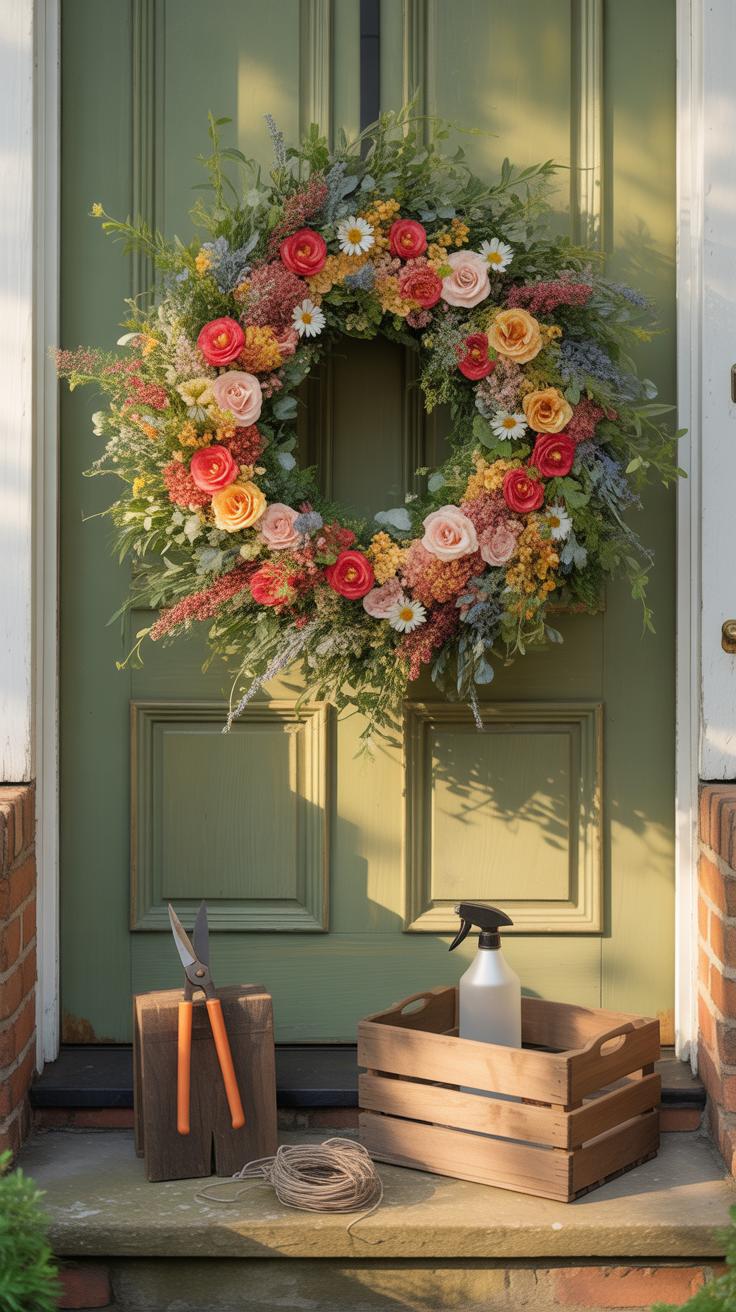
Proper Storage And Maintenance Tips To Extend The Life Of Your Wreath
Sunlight and moisture destroy wreath materials. UV rays bleach silk and dried flowers quickly. You must apply a clear UV-resistant spray to the floral components before hanging them. This creates a chemical barrier against solar fading. Use a soft-bristled brush or a can of compressed air every two weeks to remove dust. Dust particles attract moisture and promote mold growth on natural fibers.
Store your wreaths in hard-shell plastic containers rather than flexible bags. Suspension is the optimal storage method. Secure the wreath frame to a hook inside the container so it does not touch the bottom. This prevents the flattening of delicate petals and prevents wire deformation. Keep the storage unit in a climate-controlled area. High heat in attics will melt hot glue and cause adhesives to fail.
When To Refresh Or Replace Your Floral Door Wreath Each Season
Inspect your wreaths at the start of every season for structural integrity. Natural grapevines and wood frames become brittle over time. If the base snaps when you apply light pressure, the wreath is at risk of falling. Check for pest infestations in natural materials like pinecones or dried berries. Moths and beetles often colonize these items during storage. Discard any item showing signs of larvae or webbing immediately.

Update individual floral elements when they lose their shape or color. Low-quality polyester flowers often fray at the edges after one season of wind exposure. Trim these frayed threads or pull out the damaged stems. Replace them with high-quality poly-silk or foam alternatives to keep the arrangement full. If more than thirty percent of the wreath shows faded color, the entire unit requires a full teardown and rebuild.
Frequently Asked Questions

How do I choose the best floral door wreath ideas for my home’s style?
Selecting the right design begins with your front door’s color and architectural style. For a modern look, consider minimalist hoops with asymmetrical greenery. If you prefer a traditional aesthetic, lush, full-circle arrangements featuring peonies or hydrangeas work beautifully. Always consider the season and your exterior paint color to ensure your floral door wreath ideas create a welcoming contrast that stands out and boosts your home’s overall curb appeal.
How can I securely hang a floral wreath without damaging my front door?
To protect your door, use a padded over-the-door hook or a high-quality magnetic hanger if you have a metal door. If you are exploring seasonal floral door wreath ideas for a glass door, clear suction hooks are an excellent, invisible solution. For extra protection, glue a small piece of felt to the back of your wreath frame to prevent scratches or scuffs caused by the wind moving the arrangement against the surface.
Are there budget-friendly ways to create high-end floral wreaths at home?
Absolutely! You can achieve a luxury look on a budget by starting with a simple grapevine or straw base from a craft store. Instead of buying expensive pre-made sets, purchase individual silk flower stems during clearance sales or use dried wildflowers from your own garden. Mixing different textures like eucalyptus leaves and faux berries can make inexpensive materials look professional, allowing you to refresh your entryway decor frequently without overspending.