
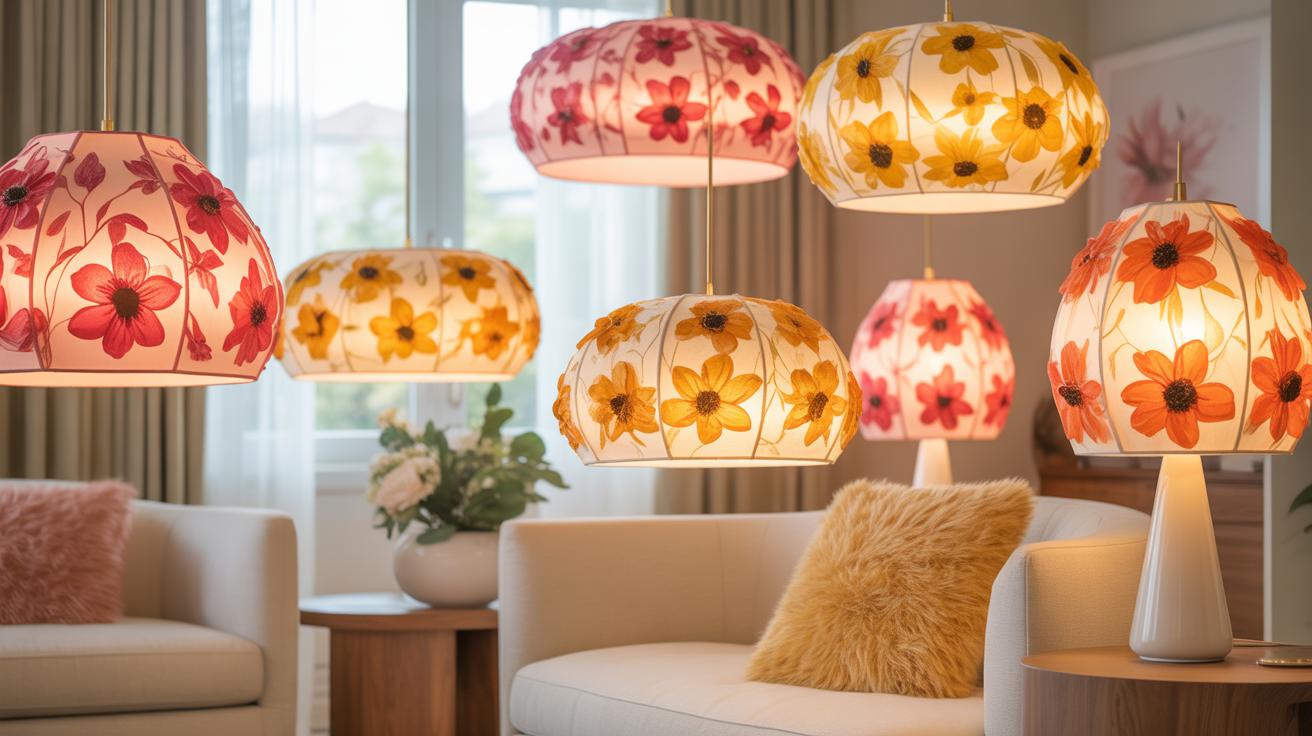
Why Floral Lamp Shade Ideas Are Dominating Home DCor Trends
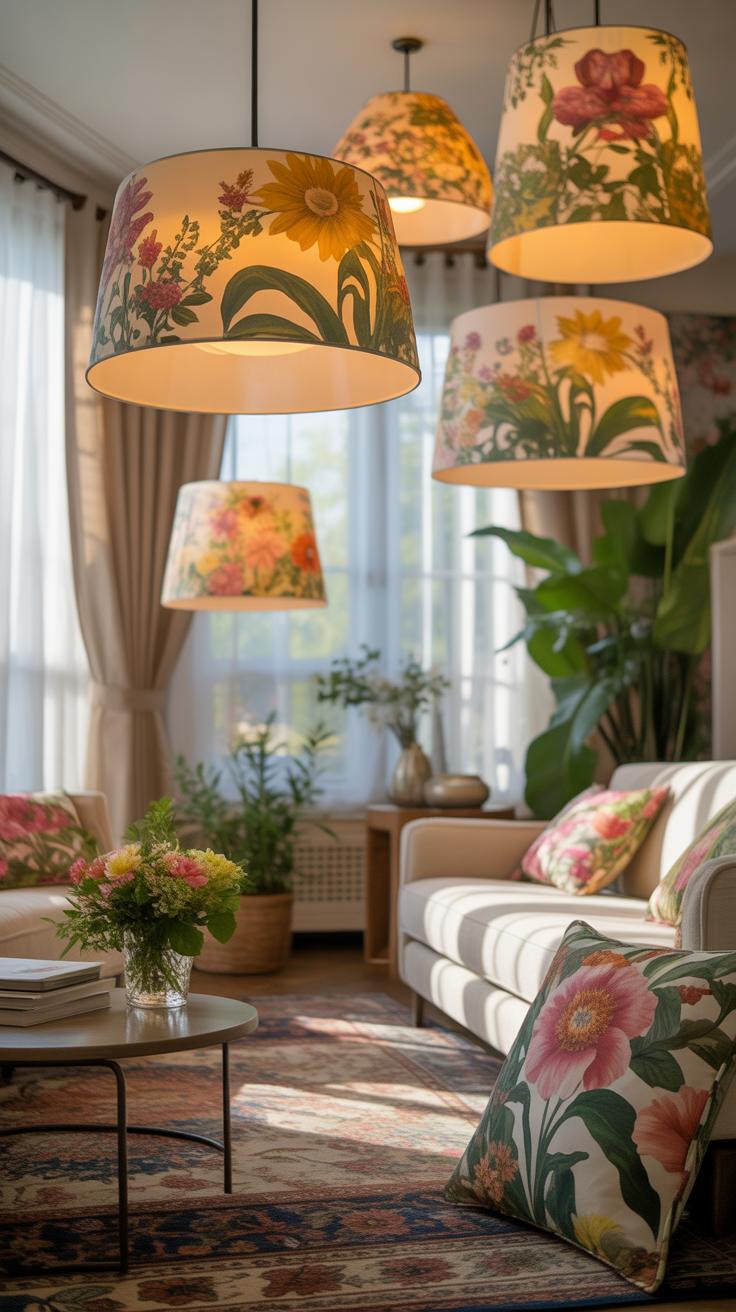
The Resurgence Of Botanical Aesthetics In Interior Design
Modern design is moving away from cold minimalism. Biophilic design principles drive this change. Homeowners want to bring nature indoors to improve mental well-being. Botanical patterns provide a direct link to the natural world. This trend follows the Arts and Crafts movement philosophy. That movement valued organic forms over industrial shapes. Today consumers use floral patterns to break up flat digital textures.
Fabric production technology has improved significantly. High definition printing allows for realistic floral details on linen and silk. These textiles capture complex petal structures and leaf veins. Designers now use these patterns to create focal points in neutral rooms. Floral lamp shades act as functional art pieces. They satisfy the demand for maximalism without requiring a full room renovation. This makes them a cost effective design tool.
How Floral Lamp Shades Add Warmth And Character To Any Room
Lighting serves two purposes. It provides illumination and sets the mood. A floral lamp shade changes how light enters a space. The pattern filters the bulb and creates soft shadows. This mimics the dappled sunlight found in nature. Plain shades often feel institutional or sterile. Floral designs add layers of visual interest. They introduce organic lines that soften the hard angles of modern furniture.
Designers use these shades to bridge different color palettes. A multi colored floral print can tie together mismatched furniture. It acts as a visual anchor for the entire room. Choosing specific flowers also communicates a theme. Chintz patterns evoke traditional English country styles. Bold tropical prints suggest a modern global aesthetic. This versatility allows owners to update their style quickly. Tactical placement of these shades enhances room depth instantly.

Getting Creative With Painted Lamp Shades DIY Projects
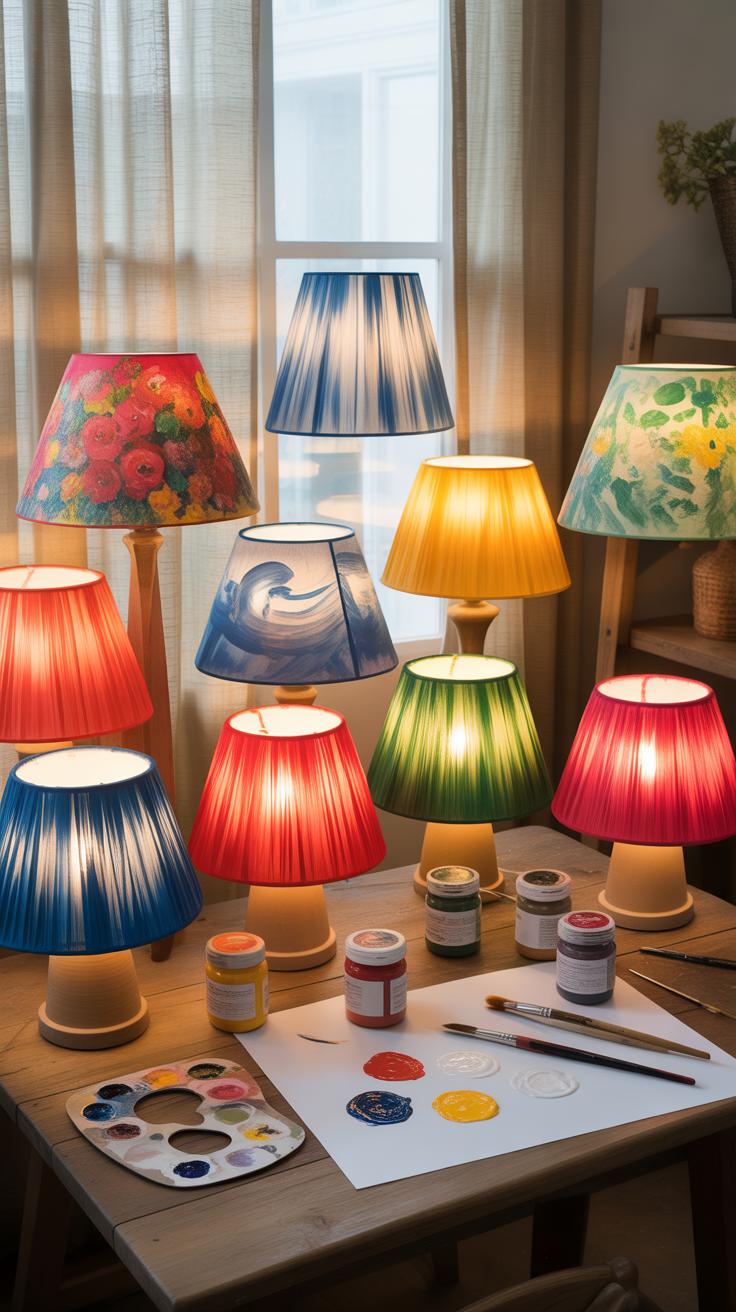
Choosing The Right Paint And Surface For Your DIY Lamp Shade
Successful floral designs require the correct pairing of medium and substrate. Fabric shades made of linen or cotton absorb liquid quickly. You must use textile paints or acrylics mixed with a fabric medium to prevent cracking. These specialized paints maintain the flexibility of the fibers. Avoid heavy oil paints because they emit odors when the light bulb heats the shade surface.
Paper and parchment shades offer a smoother surface for intricate floral details. Use high quality acrylic paint for these materials. Acrylic dries fast and stays opaque. Professional designers often select watercolor for a translucent effect on paper shades. This technique mimics the soft look found in Chinoiserie styles. Ensure the shade has no plastic coating if you plan to use water based pigments.
Essential Materials You Need To Start Your Painted Lamp Shade DIY
Gathering the correct tools prevents errors and ensures a clean finish on your floral project. You need specific brushes to execute different botanical shapes. Synthetic bristles work best for acrylics because they hold their shape under pressure. Natural hair brushes are better for thin washes of color. Always test your paint on a hidden interior section of the shade before you start the main design.
- Fabric Medium: This liquid additive mixes with standard acrylic paint to ensure the pigment bonds to cloth fibers. It prevents the paint from becoming brittle or flaking off when the shade expands from heat.
- Angled Brushes: These tools allow you to create sharp petal edges and thin stems with precision. The specific taper helps you navigate the curved surface of a round lamp shade without smudging previous work.
- Stencil Film: Use low tack adhesive film if you lack freehand drawing skills. This material allows you to block out specific floral patterns accurately. It ensures clean lines and repeatable motifs across the entire circumference.
- Micron Pens: Archivally safe ink pens help you add fine details like stamens or leaf veins after the paint dries. These pens do not bleed into the fabric and provide a professional illustrative finish to the project.
- Heat Tool: A basic craft heat gun sets the paint quickly and cures fabric mediums. Using a tool to dry each layer prevents colors from muddying together. This step is vital when layering different floral elements at once.
Prep your workspace with adequate lighting and a stable base for the shade. Use a rotating turntable to access all sides of the lamp without touching wet paint. Keep a damp cloth nearby to wipe away mistakes immediately. Professional results depend on your ability to maintain a clean surface throughout the process. Mark your layout lightly with a heat erasable pen before applying any pigment.
The Art Of Hand Painted Lampshades DIY Techniques And Styles
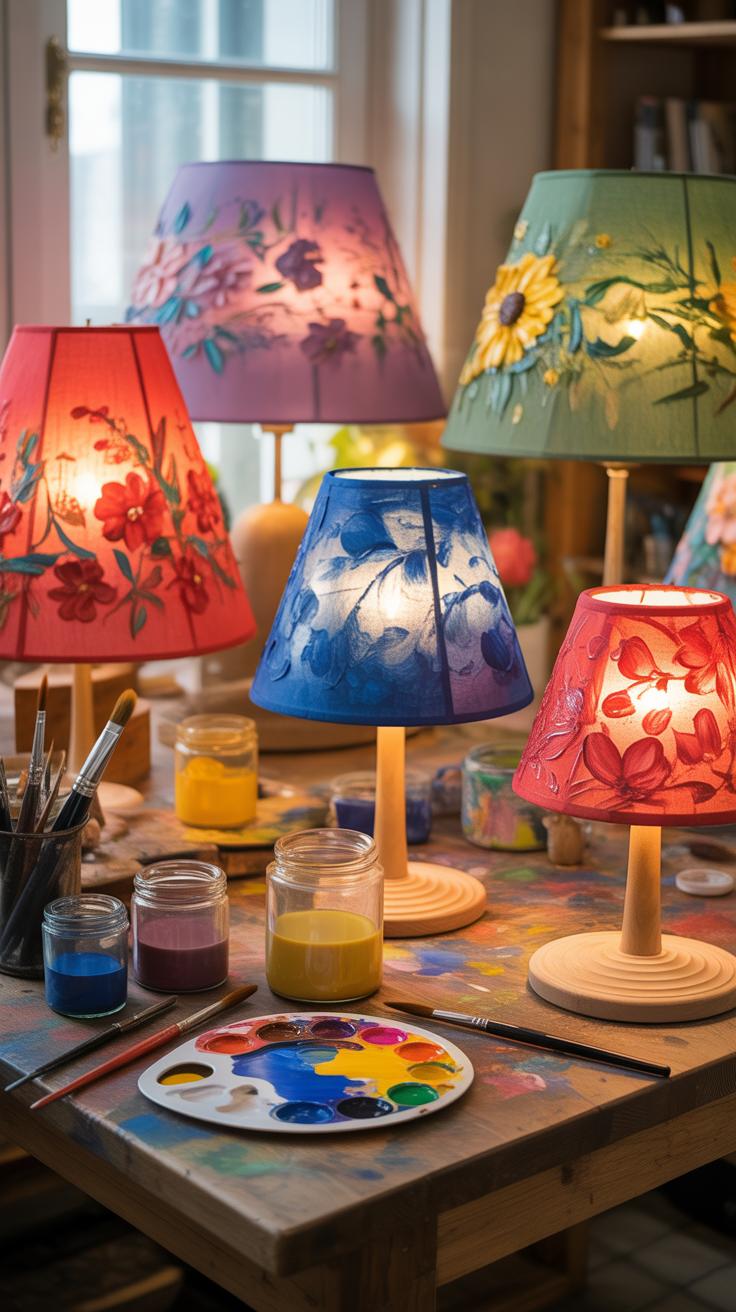
Popular Brush Techniques Used In Hand Painted Lampshade Designs
Hand painting requires specific brushwork to manage the curved surface of a lampshade. The dry brush technique works best for creating textured petals. You load minimal paint onto a stiff bristle brush and apply light strokes. This method mimics the natural veins found in floral leaves. It prevents the paper or fabric from overstaying and buckling during the application process.
The wet-on-wet technique allows for soft color transitions. You apply a thin layer of water or extender to the shade before adding pigment. This creates the blurred edges seen in Impressionist style floral designs. Artists must control the moisture level to avoid drips. Proper tension on the lampshade frame ensures the paint stays where you place it without pooling in the center.
To plant a garden is to believe in tomorrow, and bringing those blossoms into our home lighting keeps that promise alive in every corner.
How To Seal And Protect Your Hand Painted Lampshade For Longevity
Finished paintings require a protective coating to resist dust and UV damage. Use a clear acrylic archival spray rather than a brush-on varnish. Sprays provide an even layer without disturbing the underlying paint. Apply two thin coats in a ventilated area. This creates a barrier against heat generated by the light bulb. Heat can cause unsealed paint to crack.

UV resistant finishes prevent the floral colors from fading over time. Sunlight coming through windows strips the pigment from natural dyes and many acrylics. A matte or satin finish preserves the original look of the paper or silk. Avoid high gloss sealants as they create harsh glare when the lamp is on. These steps ensure the artwork remains crisp for years of use.
Flower Lampshade Styles That Make A Bold Statement In Any Space
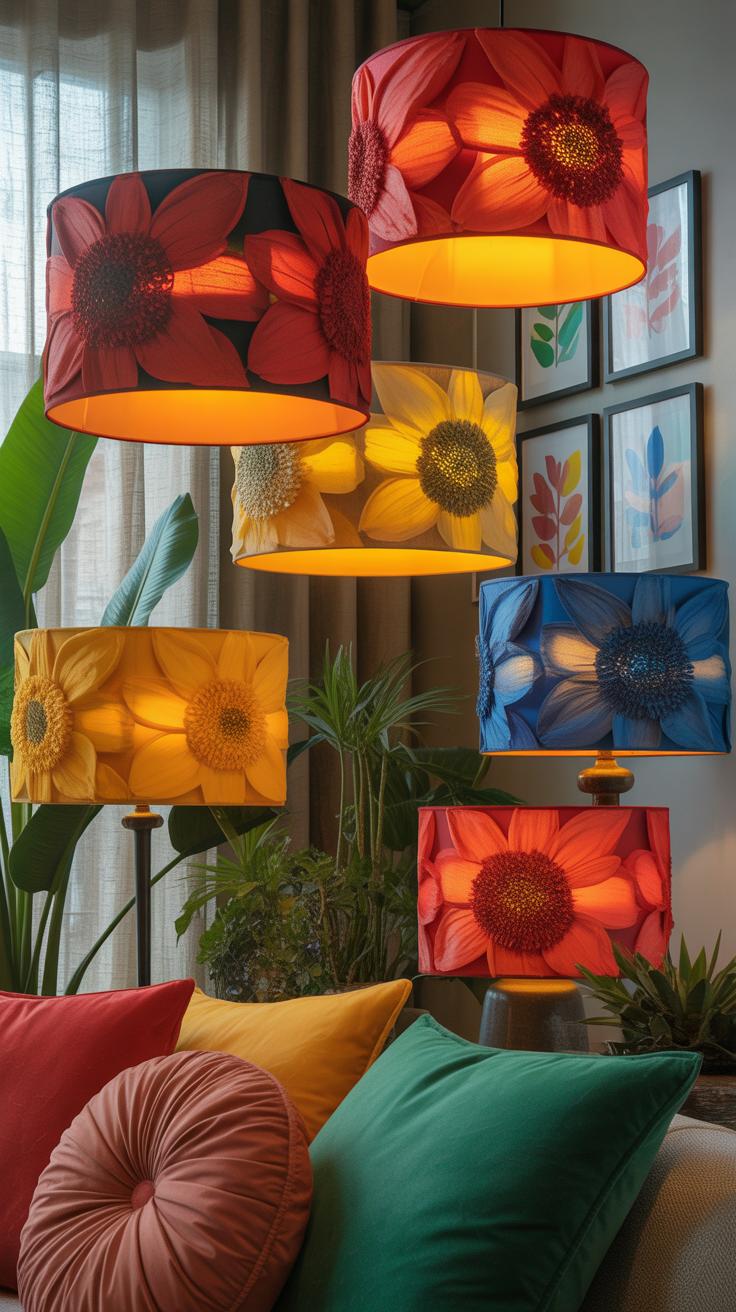
Fabric Flower Lampshades: Texture, Color, And Visual Impact
Fabric lampshades use textiles like cotton, linen, and silk to display floral patterns. Traditional production involves stretching fabric over a wire frame. This method allows for diverse prints ranging from large botanical scales to small calico patterns. Designers select specific fabric weights to control light diffusion. Heavier fabrics provide directional light, while thinner weaves create a warm glow across the room.
Tactical placement of fabric shades changes a room’s mood. Bold floral prints serve as a focal point in neutral spaces. Modern styles often use pleated or gathered fabric to add three-dimensional texture. This technique creates shadows that emphasize the floral design when the lamp is on. You must match the fabric type to the lamp base for a balanced look. Use high-quality liners to prevent heat damage.
Pressed Flower Lampshades: A Nature Inspired Decorating Tradition
Pressed flower lampshades utilize real botanical specimens preserved between decorative layers. This technique dates back to Victorian era craft traditions. Makers dry flowers and leaves to remove moisture before bonding them to parchment or handmade paper. The heat from the bulb can enhance the organic appearance of the flora. These shades work best with low-wattage LED bulbs to prevent the biological material from fading over time.

Construction requires a clear adhesive or a secondary protective film. Translucent backing materials like rice paper or vellum allow the skeletal structure of the plants to show through. This creates a natural silhouette effect when illuminated. Position these shades away from direct sunlight to maintain the original pigment of the petals. High-quality versions use UV-resistant coatings to extend the life and color of the embedded plant matter.
Going Big Giant Flower Lamp Designs For Dramatic Interior Spaces
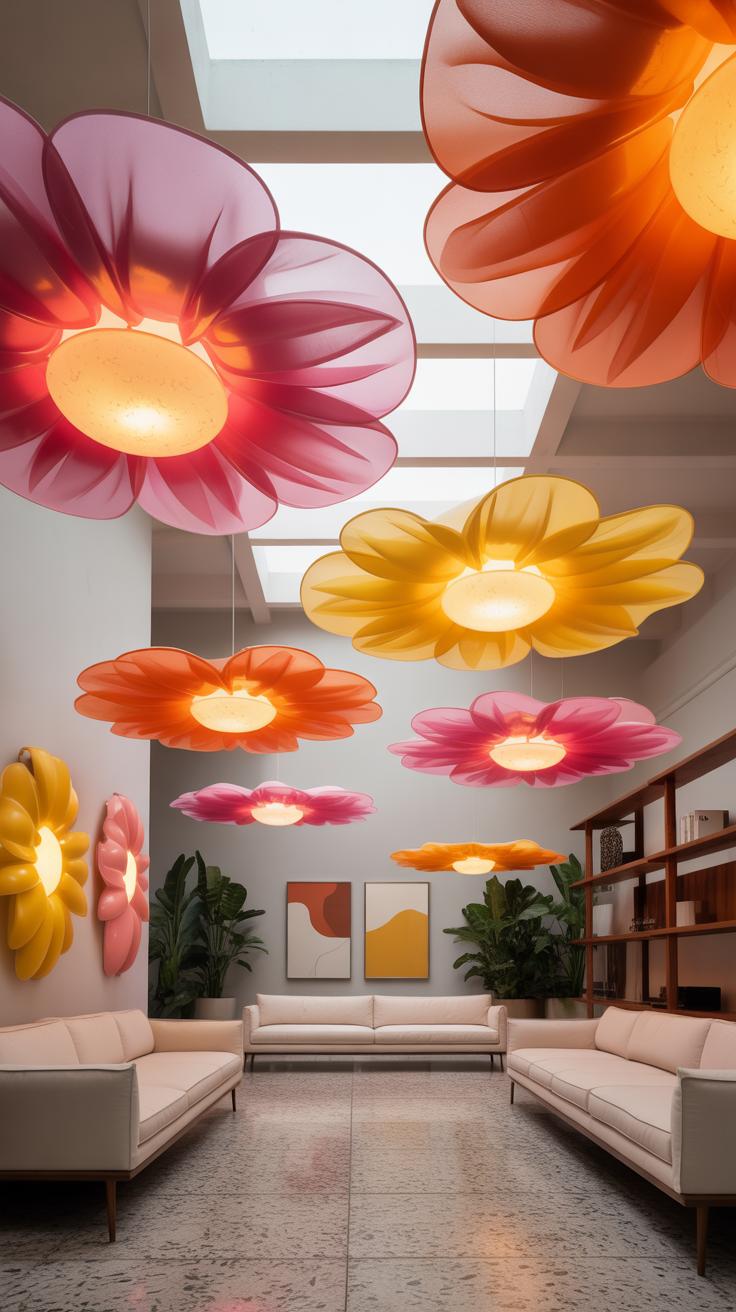
Where To Place A Giant Flower Lamp For Maximum Visual Effect
Giant flower lamps function as focal points rather than secondary light sources. Positioning them in entryways immediately dictates the design narrative of a home. Scale is critical here. These large fixtures require high ceilings to avoid crowding the vertical space. Placing a floor-based floral lamp in a corner creates a dedicated reading nook while providing necessary structural balance to the room layout.
Avoid placing these oversized items in high-traffic walking paths. They occupy significant floor area and can obstruct movement. Instead, center them over dining tables or seat them next to low-profile sofas. This placement uses the light to define specific zones within open-concept floor plans. Proper spacing ensures the fixture stands out as a sculptural element without overwhelming the functional utility of the furniture.
Materials Commonly Used To Construct Large Scale Floral Lamp Installations
Large floral lamps require lightweight but rigid materials to maintain their shape. High-grade polymer resins and thermoplastic sheets allow designers to mold realistic petal curves that do not sag over time. Many modern manufacturers use laser-cut acrylic for a clean and sharp aesthetic. These materials handle heat from internal bulbs well. They also provide the necessary surface area for even light diffusion across the petals.

Structural integrity comes from internal metal skeletons made of powder-coated steel or aluminum wire. These frames support the weight of fabric coverings like pleated silk or heavy-duty linen. In industrial contexts, designers often choose perforated metal or copper mesh to create a permanent botanical form. These metals offer durability and a steady base. Choosing the right material ensures the lamp remains safe and upright in a busy environment.
DIY Flower Light Projects That Brighten Up Your Home DCor
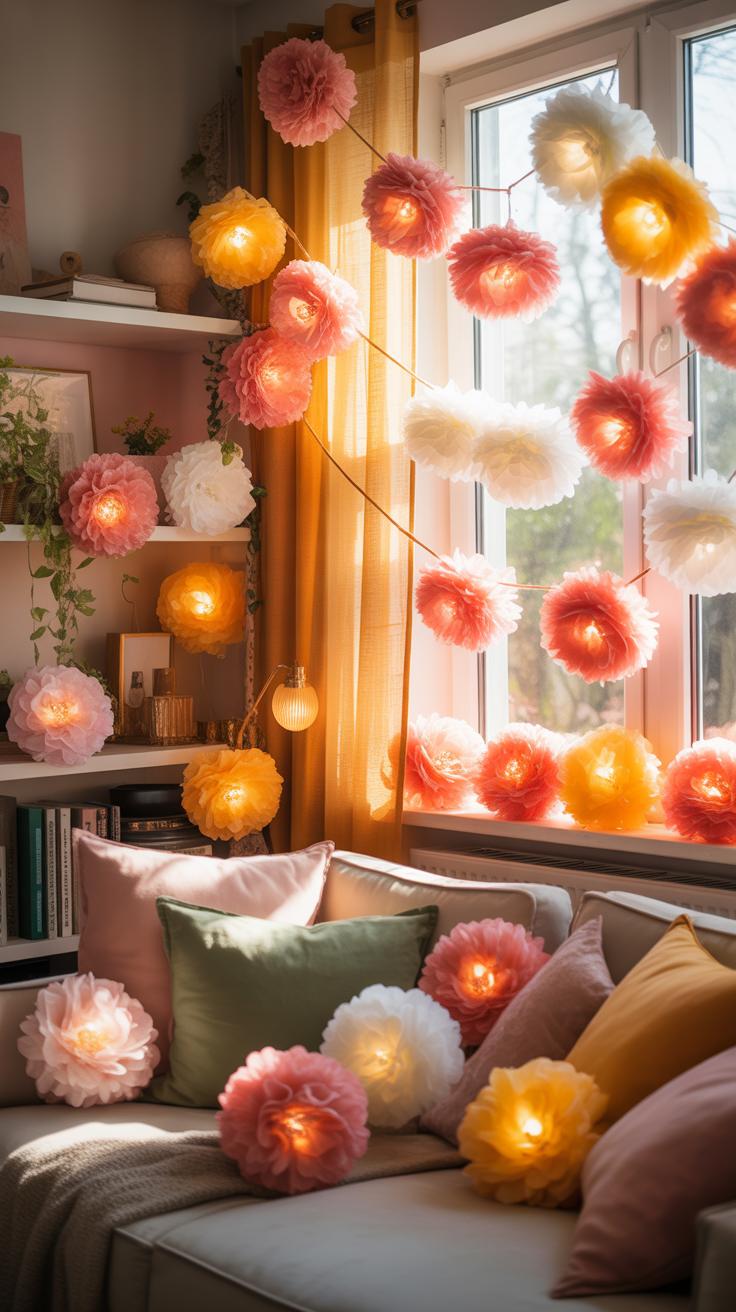
How To Create A Simple DIY Flower Light Using Everyday Craft Supplies
Transform a standard drum shade using basic fabric bonding techniques. Select a high-quality cotton or linen base to ensure the adhesive grips the surface properly. Use a fabric glue that dries clear to avoid visible residue. Position pressed silk petals or laser-cut fabric flowers in a repeating pattern. This method mirrors the Arts and Crafts movement focus on hand-applied botanical motifs.
Proper spacing prevents the design from looking cluttered. Start at the bottom rim and work upward to create a layered effect. Ensure each petal lies flat to prevent heat damage from the bulb. Check the shade material for heat resistance before starting. Using LED bulbs reduces heat risks and protects your craft materials. This project offers a cost-effective way to customize generic lighting.
Step By Step Guide To Building A Hanging DIY Flower Light Fixture
Hanging flower lights require a sturdy wire frame to maintain their structural integrity. You must secure a central pendant kit to a metal hoop or basket. This serves as the skeleton for your floral arrangement. Use floral wire to attach artificial stems or dried botanicals to the frame. Balance the weight evenly around the circumference to ensure the fixture hangs straight.
- Metal Wire Frame: Select a circular or tiered frame made of galvanized steel. This provides the necessary tension to support the weight of the floral elements without bending over time.
- Pendant Light Kit: Use a UL-rated cord set with a threaded socket. This part ensures the electrical components are safe and allows you to lock the frame securely to the light source.
- Artificial Florals: Choose silk or high-grade plastic flowers that mimic real species like peonies or hydrangeas. These materials provide durability and maintain their color under the light of an internal bulb.
- Floral Tape and Wire: Use green floral tape to conceal the mechanical wire connections. This creates a seamless look where the flowers appear to grow directly from the structural frame of the lamp.
- Low-Wattage LED Bulb: Install a cool-to-the-touch LED bulb to prevent the decorative elements from melting or scorching. Warm white tones enhance the natural colors of the floral petals during use.

Test the stability of the fixture before final installation. Trim excess wire and secure any loose petals to prevent them from falling onto the bulb. Adjust the height of the cord to match your room proportions. A well-constructed hanging light acts as a focal point in cottagecore or eclectic interiors. Regular dusting keeps the fabric flowers looking vibrant and extends the life of the light.
Paper Flower Lamp Designs Delicate Affordable And Strikingly Beautiful
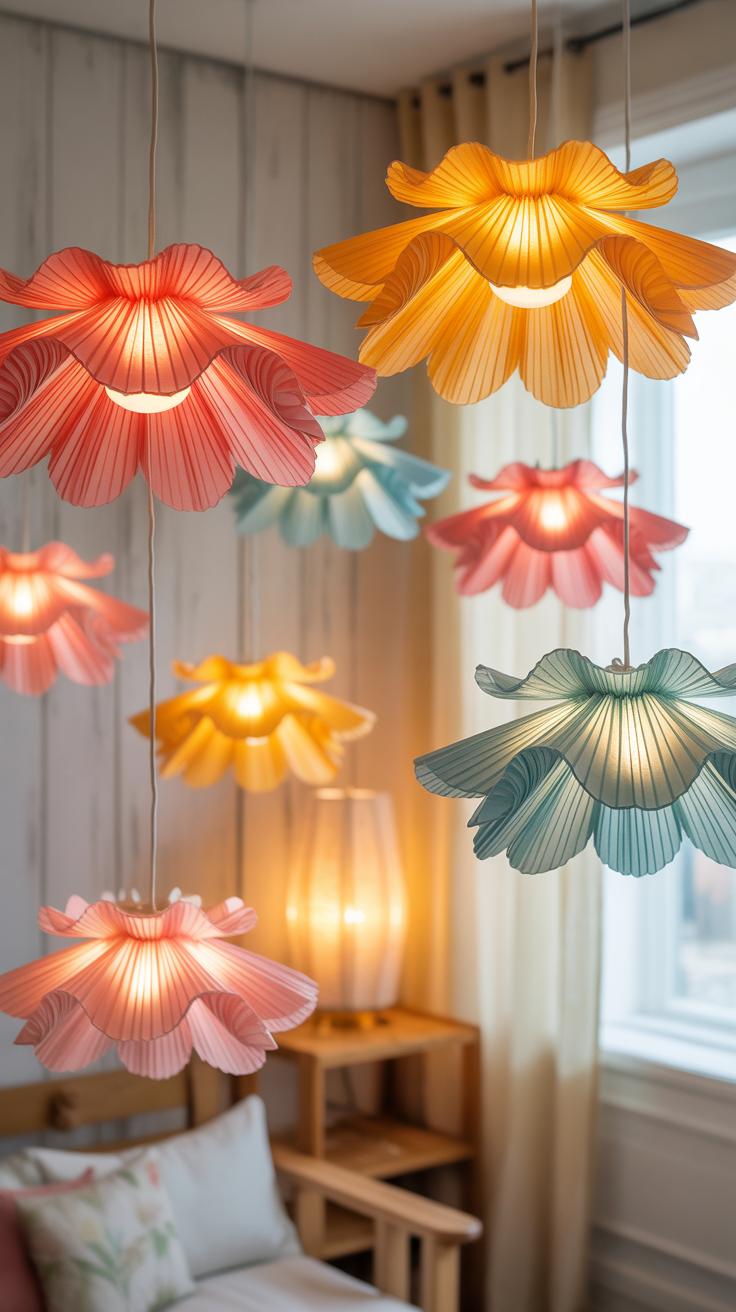
Types Of Paper Best Suited For Crafting A Paper Flower Lamp
Crepe paper serves as the industry standard for realistic floral textures. Its elastic nature allows you to stretch and shape petals into organic forms. Choose double-weighted crepe for structural integrity or fine crepe for delicate translucency. These papers hold their shape without collapsing under their own weight. This ensures your floral designs remain upright and distinct over long periods of use.
Cardstock provides the rigid foundation necessary for larger architectural floral elements. Its thickness supports geometric cutouts and sharp folds inspired by origami techniques. Vellum offers a frosted aesthetic that diffuses light effectively across a room. Mixing these materials creates depth through varying opacity levels. High-quality mulberry paper adds visible fibers for a craftsman look. Use acid-free options to prevent yellowing or degradation from light exposure.
Safety Considerations When Using Paper Near Light Bulb Heat Sources
Heat management is the primary concern when combining paper with light fixtures. Paper has a low ignition temperature and can scorch if placed too close to a heat source. Use only LED bulbs for paper flower lamps. LEDs produce minimal heat compared to incandescent or halogen options. This thermal control prevents the paper from drying out or catching fire during extended operation.

Maintain a physical air gap between the paper petals and the light source. Airflow allows heat to dissipate quickly and prevents localized hot spots on the shade. Use fire-retardant sprays on the paper to add an extra layer of protection. Ensure the base frame is stable to prevent the paper from touching the bulb. Regular inspections help you spot any discoloration that indicates excessive heat buildup.
Floral Painted Glass Lampshade Elegance Meets Artistic Craftsmanship
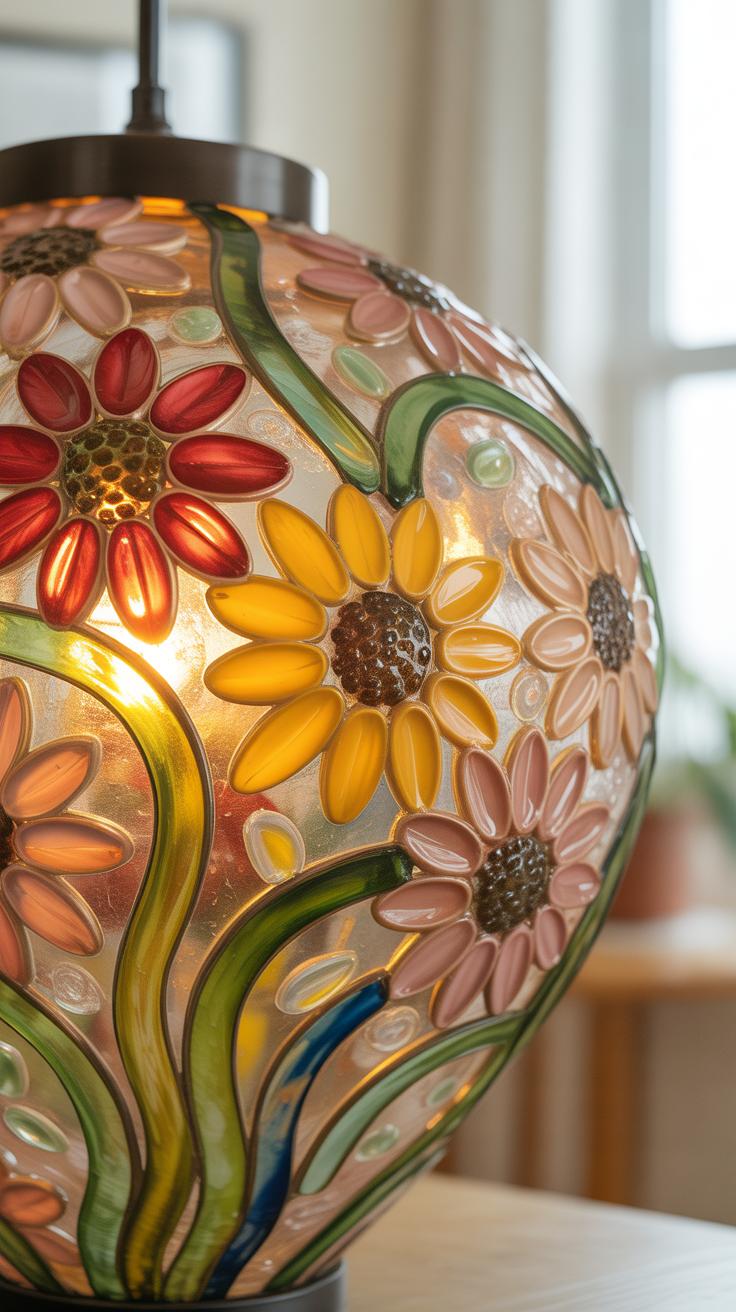
The History And Appeal Of Painted Glass Lampshades In Home Decoration
Reverse painting on glass became a standard decoration technique during the nineteenth century. Artisans applied pigments to the interior surface of the glass shade. This method protected the paint from heat and physical wear. Companies like Handel and Pairpoint popularized these floral designs. They transitioned from simple oil lamps to electric fixtures. Collectors still prize these original pieces for their durability.
Hand-painted glass shades offer a unique texture that fabric cannot match. The glass acts as a stable canvas for detailed botanical illustrations. These shades fit well in Victorian, Art Nouveau, and Mission style homes. They represent a shift toward mass-produced art during the Industrial Revolution. Modern versions use heat-set enamels to ensure the floral patterns stay vibrant over many years of use.
How Light Interacts With Floral Painted Glass To Create Stunning Room Ambiance
Light physics determines how these shades function in a room. When the bulb glows, it pushes light through the translucent paint layers. This process creates a stained effect on nearby walls. The glass diffuses the harsh glare of the bulb. It turns a standard light source into a soft glow. The colors in the floral pattern change based on the bulb wattage.
The thickness of the paint impacts light transmission. Heavier paint layers block more light and create deep shadows. Thinner layers allow more brightness to fill the space. You must choose a bulb with the correct color temperature. Warm white bulbs enhance red and yellow floral tones. Cool white bulbs make blue leaf patterns stand out. Strategic placement near mirrors can double the visual impact of the glass.
Hand Painted Mushroom Painted Lamp Shade A Whimsical DCor Trend
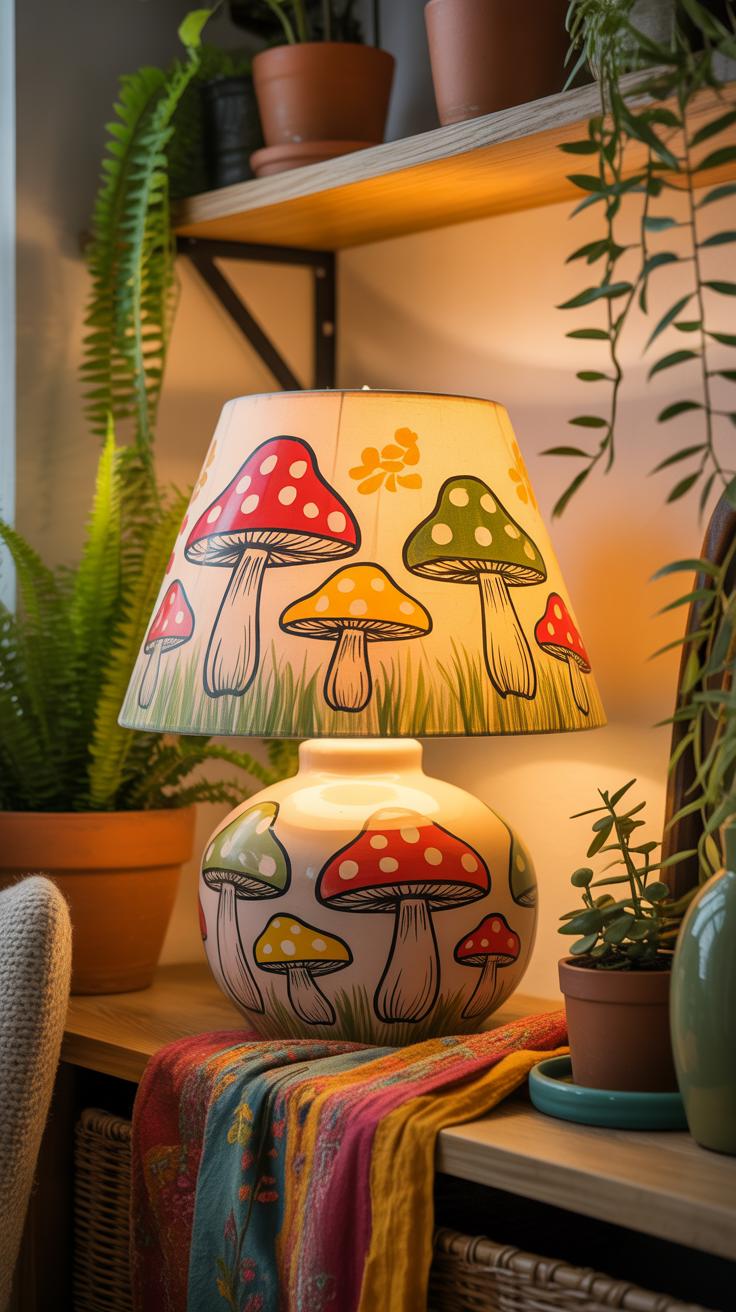
Why Mushroom And Botanical Motifs Are Trending In Modern Home DéCor
Mushroom and botanical designs dominate current trends because they bridge the gap between organic nature and indoor living. This movement draws heavily from the Arts and Crafts period. It prioritizes hand-crafted aesthetics over mass-produced goods. Modern homeowners want unique items that signal a connection to the earth. Mushroom silhouettes provide a geometric yet natural look. They fit well within maximalist and eclectic interior design styles common in today’s housing market.
Botanical elements provide a grounding effect in digital-heavy environments. Research shows that natural imagery reduces stress and improves mood. People choose mushroom motifs to create a soft and organic atmosphere. These designs often use earthy color palettes like moss green and terracotta. These shades work well with warm lighting from lamps. The trend reflects a shift toward artisanal quality and personal storytelling. It allows for a specific and distinct design identity.
Tips For Painting Detailed Mushroom Designs Onto A Lamp Shade At Home
Successful lamp shade painting requires the right materials. Select a plain linen or paper shade for the best surface adhesion. Use acrylic paints mixed with a fabric medium to prevent cracking. Trace your mushroom designs lightly with a pencil first. This ensures proper placement and proportion before you apply permanent color. Keep your paint layers thin. Too much paint blocks light and makes the final product look heavy or uneven.
Detailed work requires fine brushes for the gills and stalks. Focus on building depth with varying shades of red and brown. Apply a base coat and let it dry completely. Then add highlights and shadows to create a three-dimensional effect. Work in a well-lit area to see how the paint reacts to light. Avoid using metallic paints as they can flake off over time. A clear matte sealant protects the finished design from heat and dust.
House Decor Unique Floral Lamp Shade Combinations To Inspire Your Next Project
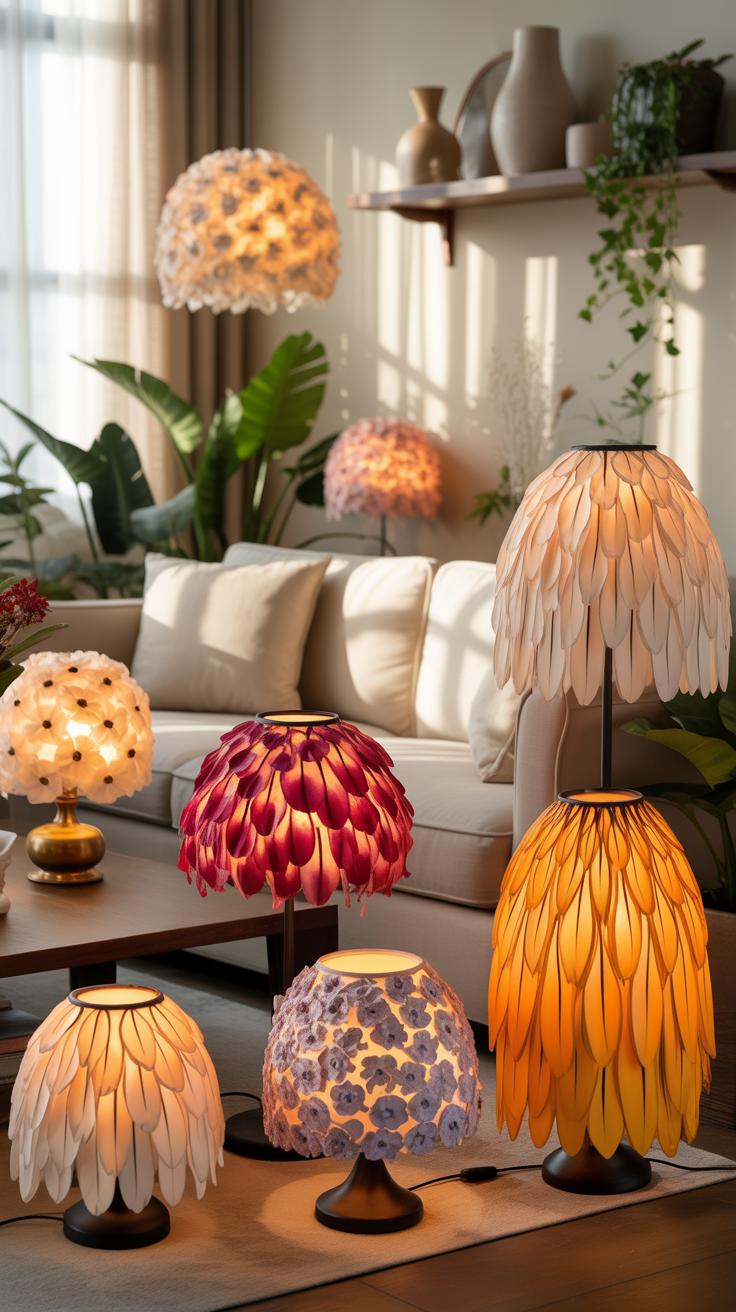
Mixing Floral Lamp Shade Styles With Different Interior Design Themes
Pair Chinoiserie floral patterns with traditional interiors to maintain historical accuracy. These designs often feature hand-painted silk and botanical motifs from the 18th century. Use dark wooden furniture to ground the intricate floral details. This combination creates a formal look without cluttering the room. High-contrast colors in the fabric help the lamp stand out as a focal point in a quiet study.
Modern minimalist rooms require geometric or abstract floral prints. Avoid high-density patterns that create visual noise. Select a neutral base color like white or cream with a single bold floral element. This approach aligns with Scandinavian or contemporary styles. Ensure the lamp base matches the shade in simplicity. Metal or glass bases work best to highlight the clean lines of the fabric.
How To Choose The Right Floral Lamp Shade Size And Scale For Your Room
Measure the lamp base height before selecting a floral shade. The shade must be at least twice as wide as the base to look balanced. It should cover the light bulb and internal hardware completely. A shade that is too small looks cheap and unfinished. Large rooms can handle oversized floral prints on wide drum shades. Small rooms require petite patterns to avoid overwhelming the floor space.
Apply the rule of thirds to achieve the correct vertical scale. The shade should represent one-third of the total height of the lamp. Deep floral patterns draw the eye, so proximity to other furniture matters. Keep the shade edges at least six inches away from walls or curtains. This prevents shadows from distorting the pattern. Correct scaling ensures the lighting fixture serves its intended functional and aesthetic role.
Frequently Asked Questions

What are the best ways to incorporate floral patterns into my current home decor?
Integrating floral lamp shade ideas into your home is all about balance. Beginners should start small by pairing a botanical print with neutral furniture to avoid overwhelming the space. Consider the scale of the pattern; large, moody blooms work beautifully in vintage-inspired rooms, while delicate, small-scale wildflowers suit a cottagecore aesthetic. By matching one secondary color from the shade to your throw pillows, you create a cohesive and professional look.
How do I choose the right floral lamp shade for different lighting needs?
When browsing floral lamp shade ideas, consider the material’s opacity and the room’s purpose. For ambient mood lighting, choose dark fabrics with heavy embroidery that cast a warm, patterned glow. If you need task lighting for reading, opt for a translucent linen or paper shade with a light-colored floral print. This ensures the design remains visible when the light is switched off while providing enough brightness to illuminate your workspace effectively.
Can I update my lighting with floral designs without spending a lot of money?
Absolutely! You can achieve a high-end look on a budget by using DIY techniques like decoupage or fabric remnants. Simply find an inexpensive plain shade and apply floral paper cutouts or wrap it in a vintage scarf. Alternatively, thrift stores are treasure troves for unique bases that just need a fresh floral topper. This approach allows you to experiment with bold trends and seasonal styles without committing to an expensive designer piece.