
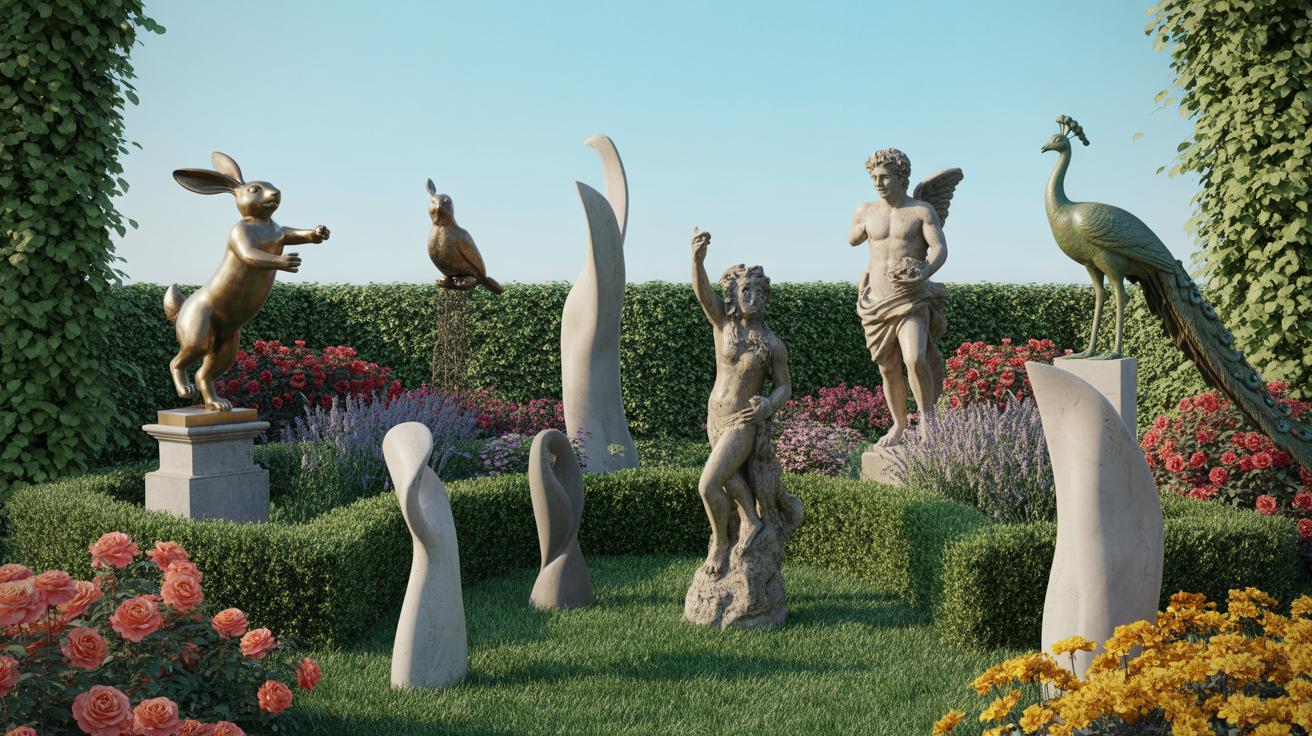
Why Garden Sculpture Ideas Are The Ultimate Way To Elevate Your Outdoor Space
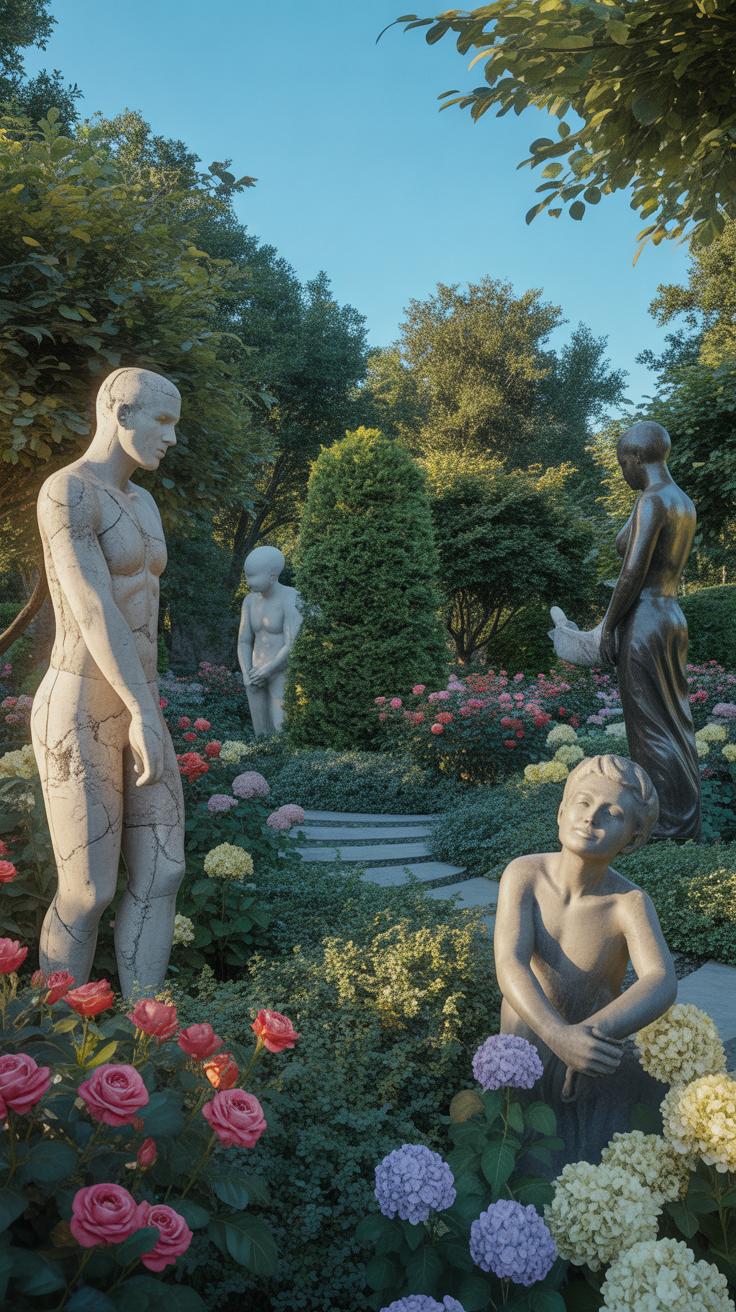
The Role Of Sculpture In Landscape Design History
Ancient civilizations used garden sculpture to signal power and mark territory. Egyptian estates featured stone sphinxes to guard entrances and please gods. Roman villas utilized marble statues of deities to create sacred spaces. These early examples prove that sculpture has always served a political and social function. It transformed wild land into a structured environment that reflected the status of the owner.
The Renaissance shifted the focus toward geometry and humanism. Italian gardens used topiary and bronze figures to create symmetrical balance. Later, the English Landscape Movement replaced stiff formal statues with classical ruins to evoke a sense of history. Modernist designers now use industrial materials like steel and concrete. They prioritize abstract forms over traditional figures to match contemporary architecture and minimalist plant choices.
How Sculpture Creates Focal Points And Visual Flow In A Garden
Sculpture directs the eye toward specific areas of the property. A large vertical piece acts as an anchor in an open lawn. It stops the gaze and provides a sense of scale. Designers place these objects at the end of paths to encourage movement through the space. Without these markers, a large garden feels aimless and lacks a clear structural hierarchy.
Visual flow depends on the strategic placement of secondary objects. Smaller pieces tucked into foliage create a sense of discovery. They lead the viewer from one zone to the next without overwhelming the senses. Contrast between the sculpture material and the surrounding plants enhances texture. Smooth stone stands out against jagged leaves. These tactical choices turn a random collection of plants into a cohesive outdoor room.

Large Yard Art Ideas That Make A Bold Statement In Spacious Gardens
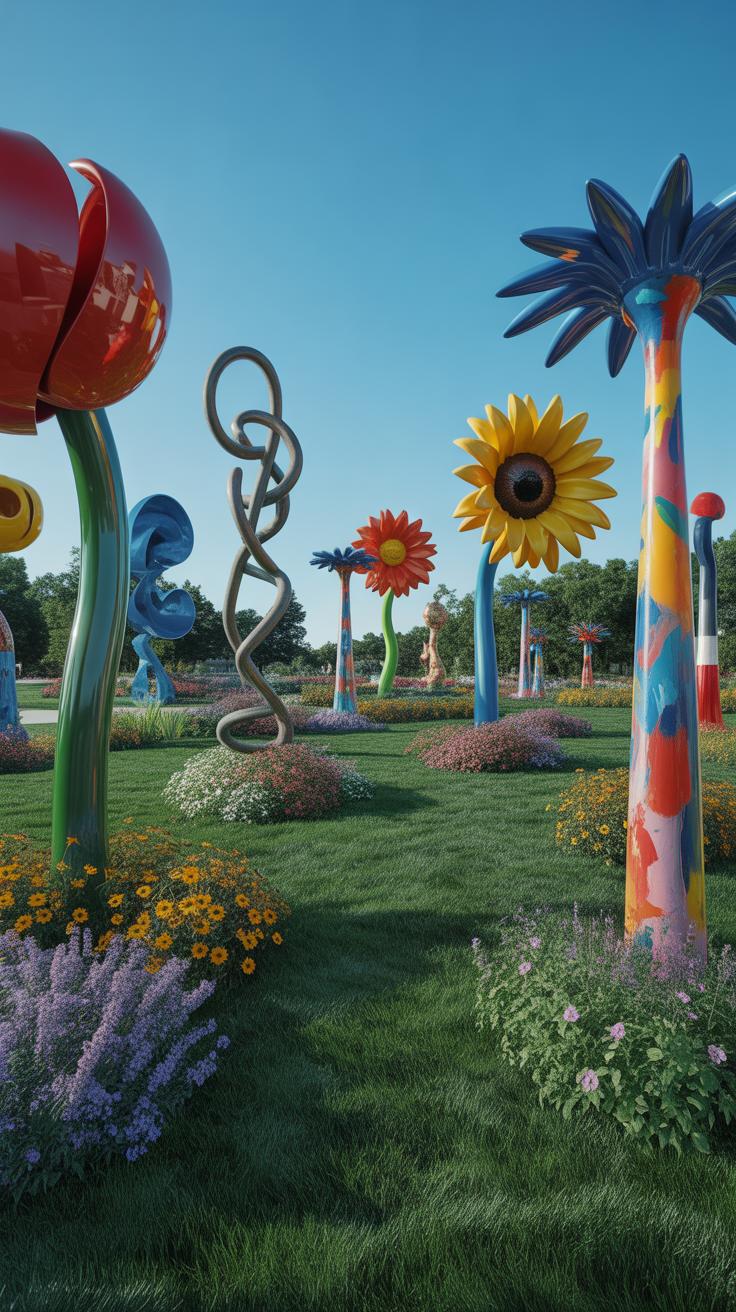
Choosing The Right Scale: Matching Large Sculptures To Your Yards Proportions
Large gardens require substantial focal points to prevent pieces from disappearing into the landscape. A small statue in a massive field fails to command attention. You must measure the distance from the primary viewing point to the sculpture site. Professional landscapers follow the rule of thirds to determine height. A sculpture should occupy a significant vertical slice of the horizon to balance high tree lines.
Strategic placement relies on negative space. Leave ample room around a large installation to allow the eye to rest. Encroaching plants or structures diminish the perceived size of the art. Use sightlines from windows or patio doors to ground the piece. A bold sculpture acts as an anchor for the surrounding vegetation. It creates a sense of order in an otherwise sprawling outdoor environment.
A garden should be a place where the soul finds rest and the hand of man celebrates the beauty of nature. Every sculpture is a memory shaped in stone, reflecting the quiet joy of a home well-loved.
Best Materials For Large Outdoor Sculptures Built To Last All Seasons
Material selection determines the lifespan and maintenance requirements of your investment. Large scale works face high wind loads and temperature shifts. You must choose dense substrates that resist UV degradation and moisture penetration. Each material reacts differently to oxidation and environmental stress. Selection depends on your local climate and the desired patina over time. High quality materials ensure structural integrity for decades.
- Corten Steel: This weathered steel alloy creates a protective rust layer that stops further corrosion. It offers high structural strength for tall vertical designs. The deep orange hue provides a sharp contrast against green foliage and requires zero maintenance after installation.
- Cast Stone: Manufacturers mix cement with crushed natural stone to mimic carved rock. It is heavier and more durable than hollow resin alternatives. This material handles freeze-thaw cycles well if you treat it with a high quality silane-based water repellent sealer.
- Bronze: Foundries use the lost-wax casting method to create museum quality pieces. Bronze is a copper-based alloy that develops a classic green or brown patina. It is the most durable option for high-end gardens because it resists impact and survives extreme weather.
- Granite: This igneous rock is one of the hardest natural materials available for carving. It resist scratches and chemical erosion from acid rain. Large granite monoliths provide an ancient aesthetic and will remain unchanged for centuries without any specialized cleaning or sealing.
- Powder Coated Aluminum: This metal provides a lightweight alternative for large scale kinetic art. The factory-applied powder coating creates a hard finish that resists chipping and fading. It is ideal for coastal environments because aluminum does not rust when exposed to salt air.

Consider the weight of these materials before finalizing the location. Heavy stone or steel pieces require a reinforced concrete pad to prevent sinking or leaning. Engineering the foundation is as important as the sculpture itself. Proper drainage around the base prevents water from pooling and damaging the material. Specialized hardware secures the piece against high winds and potential theft in open areas.
Front Yard Sculpture Ideas That Create An Unforgettable First Impression
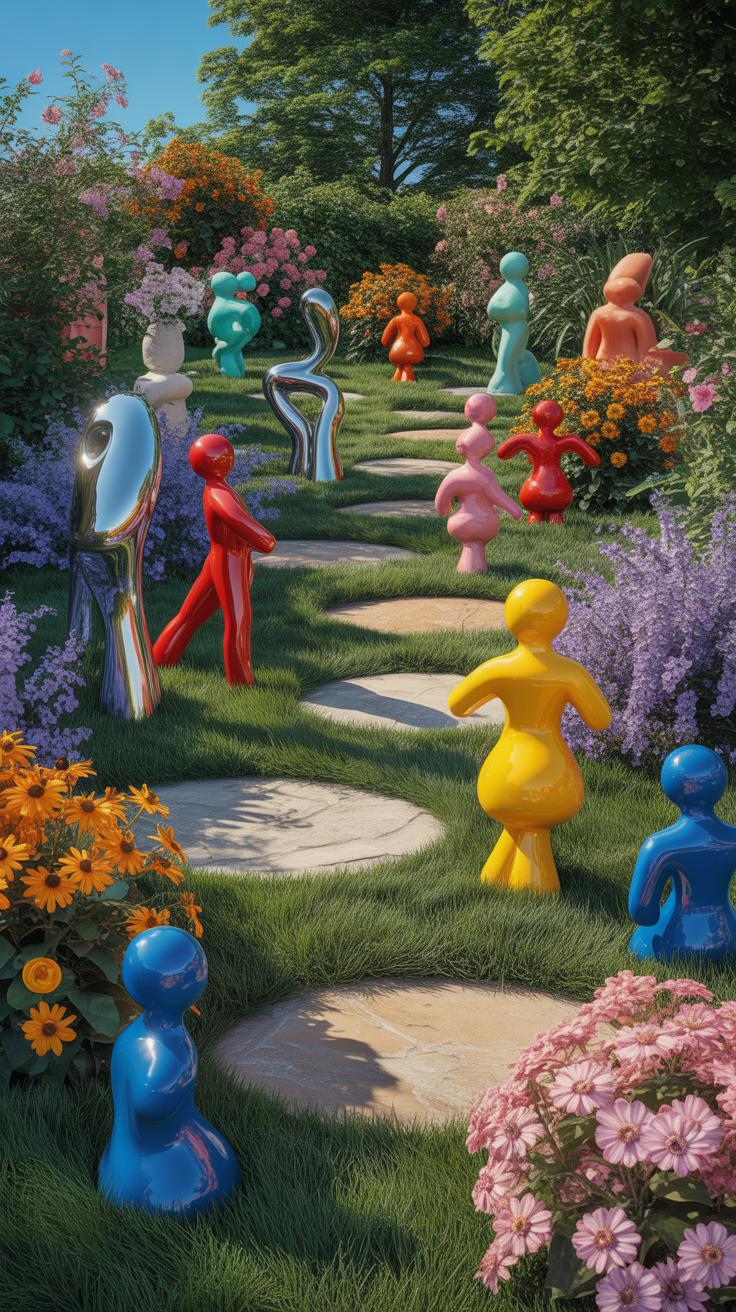
Welcoming Entryway Sculptures: Styles That Complement Your Home’S Architecture
Select sculptures that mirror the lines of your house. Modern homes require geometric shapes and industrial metals like Corten steel. This material develops a stable rust coating that protects the base metal from weather damage. Traditional builds benefit from classical stone or resin figures positioned in pairs. Symmetry creates a formal look. Proper scaling ensures the art does not overwhelm the front door area.
Place art according to the sightlines of your driveway and walkway. A focal point should sit at the end of a path or at a natural turning point. This placement guides visitors toward the entrance. Use heavy materials like concrete or granite to prevent theft and resist high winds. Secure all pieces to a poured concrete pad for permanent stability. Consistent materials create a unified professional appearance.
How To Use Lighting To Showcase Front Yard Sculptures After Dark
Position light fixtures to avoid glare while highlighting texture. Uplighting creates dramatic shadows and emphasizes height on tall abstract pieces. Use LED bulbs with a warm color temperature to keep the yard looking inviting. Cross-lighting involves two beams from different angles to eliminate flat spots and show three-dimensional depth. Directional spotlights work best for specific details. Hide the light sources behind low shrubs or rocks.
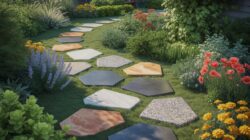
Choose low voltage systems for ease of installation and safety. Solar lights often fail to provide enough intensity for large sculptures. Wired systems allow for timers and dimmers that grant full control over the visual impact. Position the lamps at a thirty-degree angle to the sculpture surface. This technique reveals the surface grain of stone or the shine of polished metal. Regular maintenance keeps the lenses clear of dirt.
Backyard Sculpture Ideas And Inspiration For A Private Outdoor Retreat
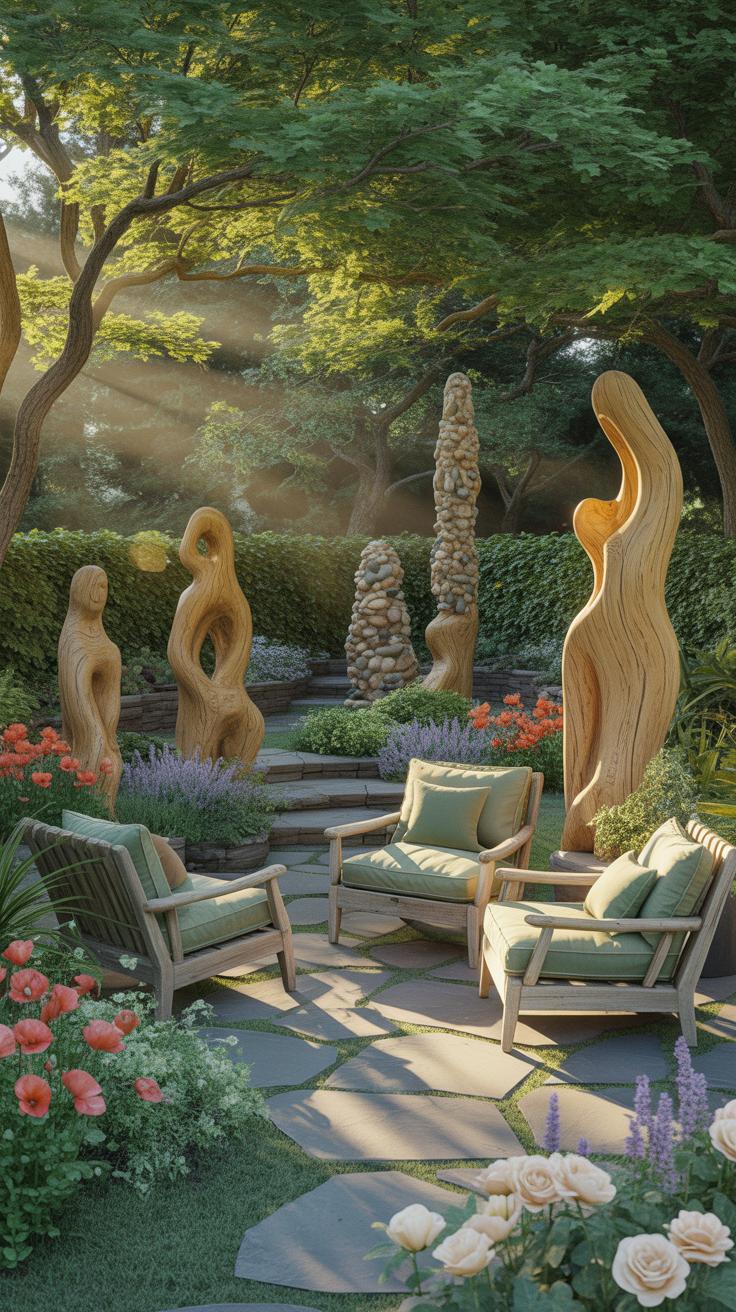
Backyard Sculpture Inspiration: Integrating Art With Water Features And Garden Beds
Water features provide a focal point for sculpture placement. Placing a bronze or stone piece near moving water creates a visual anchor. Reflective surfaces like polished stainless steel enhance the light from a pond or pool. Strategic placement ensures the sculpture interacts with the natural elements. Choose materials that resist corrosion and mineral buildup. Proper installation requires a stable, level base to prevent sinking or shifting in wet soil.
Balance sculpture scale with plant height in garden beds. Tall, vertical pieces provide structure among low-lying perennials and groundcover. Use heavy materials like cast iron or granite to withstand seasonal soil shifts. Position art where the foliage frames the piece without swallowing it. This technique draws the eye through the garden depth. Use neutral tones to avoid clashing with bright floral colors. Maintain a clear line of sight from primary viewing angles.
Secluded Garden Nooks: Using Sculptures To Define Intimate Outdoor Spaces
Sculptures define the boundaries of small garden rooms. A single large piece acts as a wall or gateway. This creates a sense of enclosure in open backyards. Use figurative or abstract forms to set a specific mood. Stone statues offer a sense of permanence and history. Position these items at the end of a path to signal a destination. Clear structural definition makes small spaces feel intentional and organized.
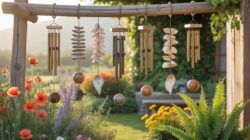
Scale is critical when selecting art for tight spaces. Oversized pieces overwhelm a nook and restrict movement. Choose mid-sized works that sit at eye level when seated. Weathered wood or terracotta works well in shaded areas. These materials blend with the natural environment. Ensure the sculpture does not block paths or access points. Proper spacing allows for maintenance and cleaning. Strategic lighting extends the utility of the space into the evening hours.
DIY Garden Sculpture Inspiration For The Creative Homeowner
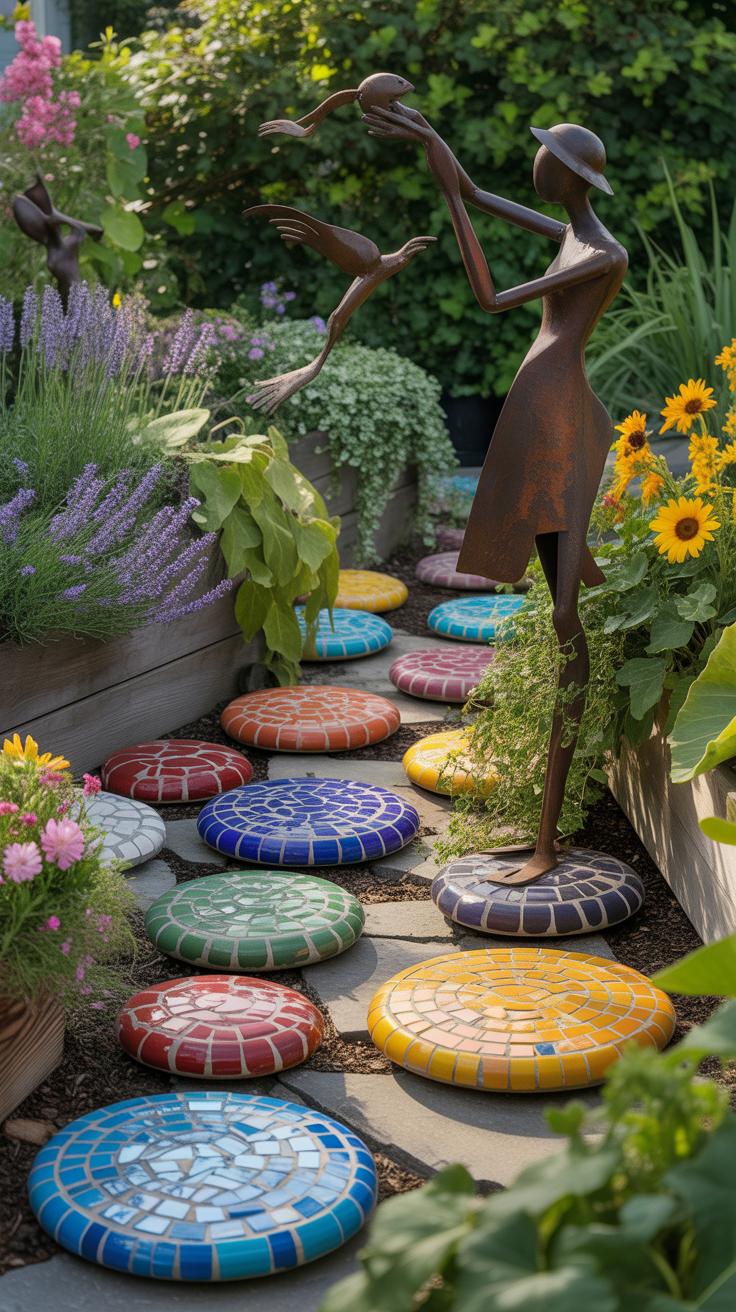
Beginner Friendly DIY Sculpture Projects Using Repurposed And Natural Materials
Start with stone stacking or cairns for immediate results. Use flat river rocks and gravity to create vertical forms. This technique dates back to prehistoric periods for trail marking. Look for stones with rough textures to increase friction between layers. Avoid using adhesives on natural stone if you want to rearrange the site later. Balance and weight distribution provide the primary structural integrity for these pieces.
Incorporate salvaged industrial metal for a brutalist aesthetic. Old gears, wrenches, and scrap steel offer high durability. Secure these items using cold connection methods like bolting or wire wrapping if welding is not an option. Repurposed materials resist environmental decay better than untreated wood. Focus on geometric shapes to maintain a clean appearance. These projects turn waste into structural focal points without requiring specialized heavy machinery.
Step By Step Tips For Finishing And Weatherproofing Your Homemade Yard Sculpture
Raw materials require specific sealants to survive moisture and UV exposure. Unprotected surfaces will oxidize, rot, or crack within one season. Select a finish based on the chemical composition of your sculpture. Apply coatings in thin, even layers to prevent peeling. Proper preparation ensures the bond between the substrate and the protective layer remains intact over several years of temperature fluctuations.
- Marine Grade Polyurethane: Use this clear coating for wooden sculptures. It provides high resistance to water and sun damage. Apply at least three coats for maximum protection. Sand lightly between each layer to ensure a smooth and professional finish on the wood.
- Zinc Cold Galvanizing Spray: Apply this to steel components to prevent rust. The high zinc content creates a sacrificial anode layer. This chemical process stops oxygen from reaching the base metal. It is highly effective for any ferrous metal projects placed in humid climates.
- Silane penetrating Sealer: Use this for stone or concrete works. It penetrates deep into the pores rather than sitting on top. This prevents freeze-thaw damage by keeping water out of the material. It does not change the color or the natural look of the stone.
- UV Resistant Clear Coat: Protect painted or plastic elements with a dedicated UV spray. Sunlight breaks down chemical bonds in pigments and polymers. This coating reflects harmful rays and maintains color vibrancy. It is essential for any DIY project involving bright colors or resin components.
- Outdoor Grade Epoxy: Seal joints and cracks with weather-rated adhesives. Standard indoor glue will fail under thermal expansion. This material stays flexible and holds tight during extreme weather events. It creates a waterproof barrier at the most vulnerable points of your garden sculpture.

Maintenance schedules are mandatory for long term sculpture survival. Inspect your work every spring for signs of coating failure. Reapply sealants before the base material sustains permanent damage. Clean the surface with a soft brush to remove organic debris before treating. Consistency in care extends the lifespan of DIY art significantly. Sharp attention to these technical details prevents the climate from destroying your creative labor.
Modern Garden Sculpture Ideas For Clean Contemporary Outdoor Aesthetics
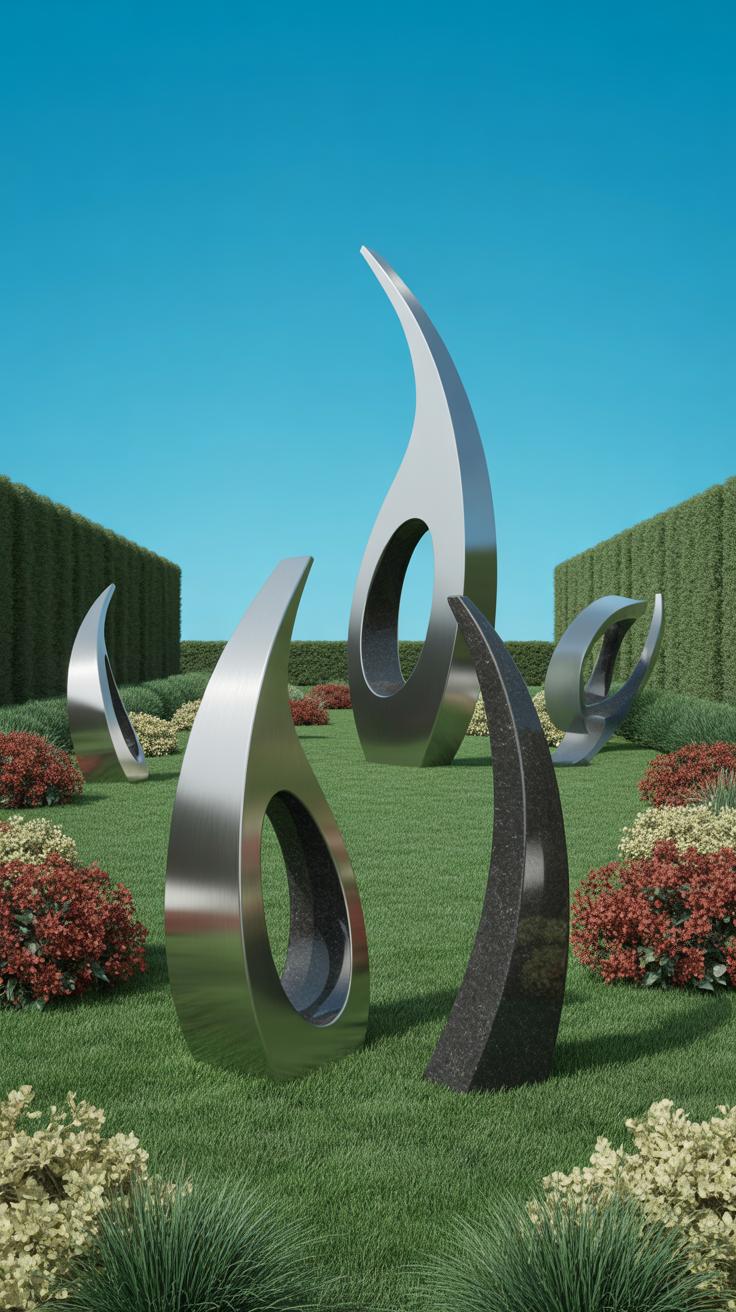
Geometric And Abstract Forms: Defining The Modern Yard Sculpture Look
Modern yard sculptures rely on Euclidean geometry and non-representational shapes. These forms focus on spheres, cubes, and sharp angles to create visual tension. Designers use these objects to ground a space. They provide a fixed point of interest that does not mimic nature. Instead, they contrast with organic plant life. This contrast forces the eye to recognize the deliberate structure of the landscape design.
Material choice defines this aesthetic. Artists often select weathering steel, brushed aluminum, or cast concrete for these pieces. These materials provide high durability and industrial textures. They withstand harsh environmental conditions while maintaining their structural integrity. Placing an abstract piece at the end of a sightline creates a powerful focal point. It draws the viewer through the garden. This technique improves the overall flow of the outdoor area.
How Minimalist Sculpture Styles Pair With Contemporary Landscaping Trends
Minimalism in sculpture aligns with current landscaping trends that favor simplicity and low maintenance. Modern gardens often feature mass plantings of single species and monochromatic color palettes. Minimalist sculptures complement these choices by adding architectural weight without creating visual clutter. They serve as silent anchors in the yard. Precise placement ensures that the sculpture enhances the existing spatial geometry rather than competing with it.
Strategic lighting is essential for integrating minimalist pieces. Harsh shadows emphasize clean lines and smooth surfaces during the evening. This extends the utility of the art into the night hours. Industry experts suggest using sculptures to define transitions between different garden zones. A single bold piece can mark the shift from a patio to a lawn. This functional approach turns art into a navigational tool within the contemporary outdoor floor plan.
Unique Outdoor And Art Garden Concepts That Go Beyond The Ordinary
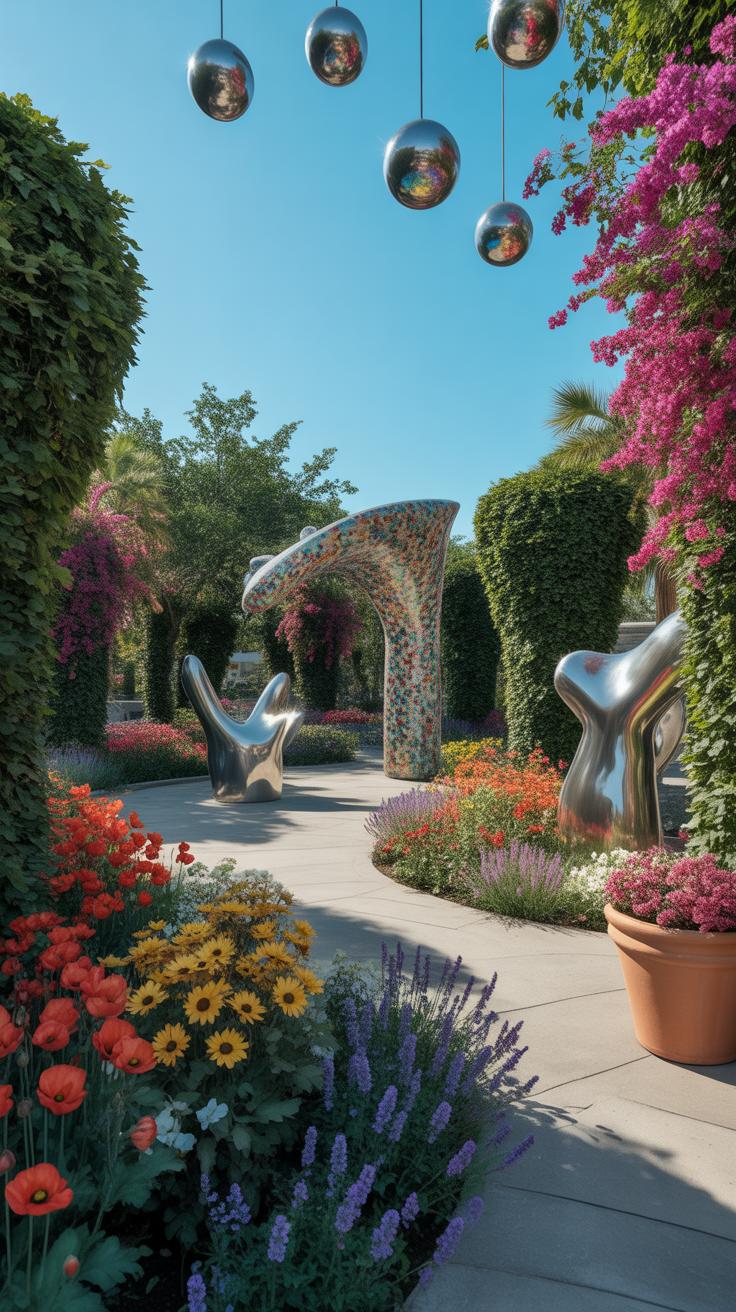
Unconventional Sculpture Materials: From Reclaimed Metal To Mosaic Ceramic
Industrial leftovers and reclaimed metals offer high durability for outdoor environments. Corten steel develops a protective rust layer that prevents further corrosion. This material suits modern landscapes due to its deep orange hue. Scrap metal artists use welding techniques to build structural forms from automotive parts or hardware. These pieces withstand extreme weather while providing a rugged aesthetic that contrasts with soft plant textures.
Mosaic ceramic techniques allow for vibrant color integration in shaded areas. Artists apply glazed tile fragments over concrete or stone bases to create weather-resistant surfaces. This method dates back to ancient Mediterranean cultures. It provides a permanent solution for adding saturated tones where flowers cannot grow. Proper grout selection ensures the piece survives freeze-thaw cycles. Choose high-fired stoneware for maximum longevity in cold climates to prevent cracking.
Theme Based Art Gardens: Curating A Cohesive Sculptural Narrative In Your Yard
Effective art gardens follow a specific design movement or historical period. A Zen garden relies on granite basins and stone lanterns to create a meditative space. These elements must align with minimalist principles. Use singular focal points rather than cluttering the view. This approach forces the eye to rest on specific textures. Consistency in material choice creates a professional look. Repeat bronze or stone throughout to build a unified visual language.

Modernist landscapes require geometric shapes and clean lines. Use abstract forms made of polished steel or cast resin to reflect contemporary architecture. Positioning these pieces requires a focus on sightlines from inside the home. Strategic placement creates a sense of movement across the lawn. Avoid mixing unrelated styles like classical marble busts with pop art installations. Stick to one narrative to ensure the garden feels like a curated outdoor gallery.
Practical Tips For Placing Maintaining And Rotating Garden Sculptures Year Round
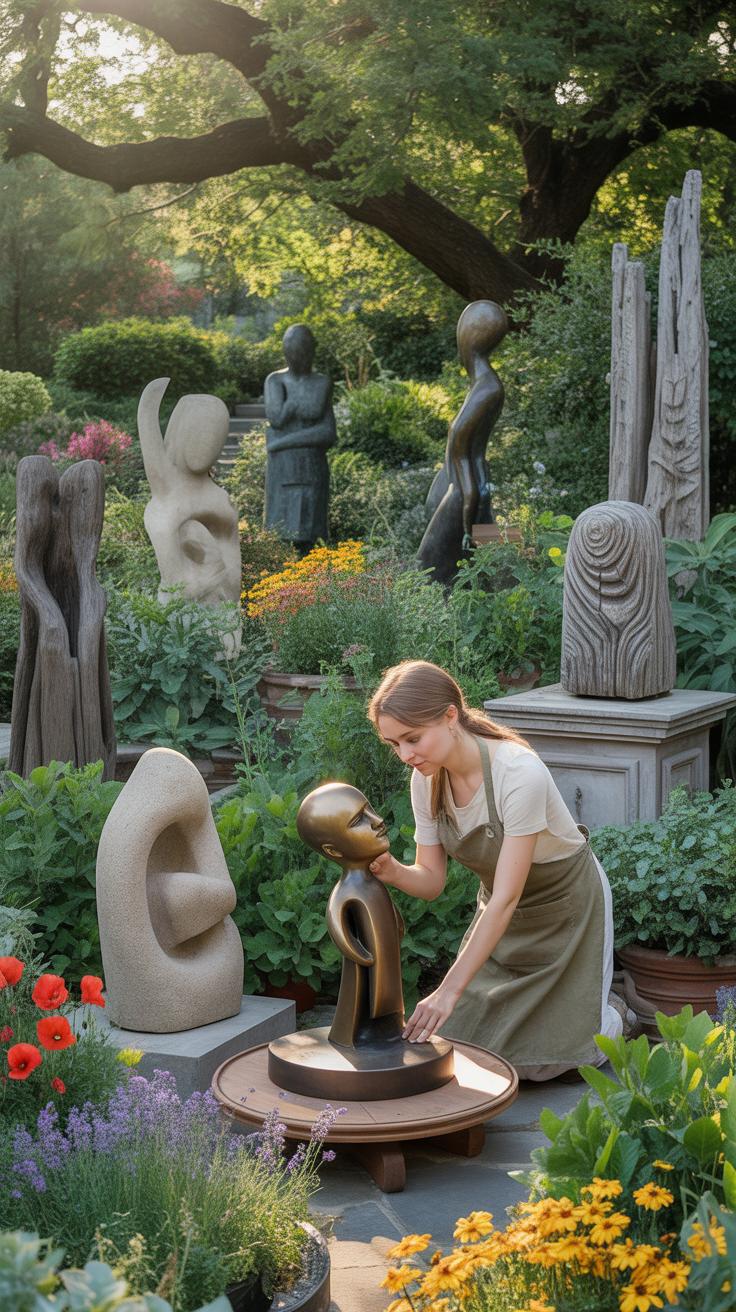
Seasonal Care Guide: Protecting Your Garden Sculptures From Weather And Wear
Material properties dictate your maintenance schedule. Stone and concrete sculptures absorb moisture. In winter, this water freezes and expands, causing cracks or surface spalling. You must apply a silane-based water repellent annually to stone. Cover porous pieces with breathable, waterproof fabric bags if you live in freezing climates. This prevents ice from splitting the structural layers and ruining the finish.
Metal sculptures react to oxidation differently. Bronze develops a green patina naturally, which many collectors value. Use a clear paste wax twice a year to maintain the original shine. This creates a physical barrier against acid rain and bird droppings. Move resin and fiberglass pieces out of direct summer sun. High UV exposure breaks down the chemical bonds in plastics, leading to fading and brittle surfaces.
Placement Principles: Using Garden Design Rules To Position Sculptures Effectively
Strategic placement relies on the Rule of Thirds and sightlines. Do not place a sculpture in the dead center of an open lawn. Use off-center positions to draw the eye through the landscape. Sculptures serve as terminal points for garden paths. When a guest walks a trail, the art should provide a clear destination. This creates a logical flow and gives the viewer a reason to move.

Scale must match the surrounding plant life. Small figures disappear next to large hedges or mature trees. Match the sculpture size to the largest nearby foliage. Use lighting to extend the visual impact at night. Up-lighting creates dramatic shadows, while wash lighting highlights texture. Rotate your collection every season. Moving art to new spots prevents visual fatigue and allows different plants to frame the work.
Frequently Asked Questions

How do I choose the right garden sculpture for my outdoor space?
Selecting the perfect piece begins with assessing your yard’s overall style and scale. If you are exploring garden sculpture ideas for the first time, consider a focal point that complements your architecture. A minimalist home pairs beautifully with abstract metal pieces, while traditional cottages suit classic stone statues. Start small to ensure the art enhances your greenery rather than overwhelming it, creating a harmonious balance between nature and man-made design.
What is the best way to secure and maintain a garden sculpture?
To protect your investment, ensure its longevity by anchoring it to a stable base like a concrete pad or heavy paving stone. Maintenance largely depends on the material; for example, wood requires annual sealing, while stone needs gentle scrubbing to prevent algae buildup. Implementing these garden sculpture ideas correctly ensures your art remains safe during high winds and maintains its aesthetic appeal throughout the changing seasons and harsh weather conditions.
Can I incorporate artistic decor into my garden on a limited budget?
Absolutely! You don’t need a massive budget to create a stunning outdoor gallery. Look for affordable options like upcycled metal pieces, resin reproductions, or even DIY driftwood arrangements. Local thrift stores and craft fairs are goldmines for unique finds that add personality without the high price tag. Creative placement and thoughtful lighting can make even the most modest piece look like a premium feature in any landscape design.