
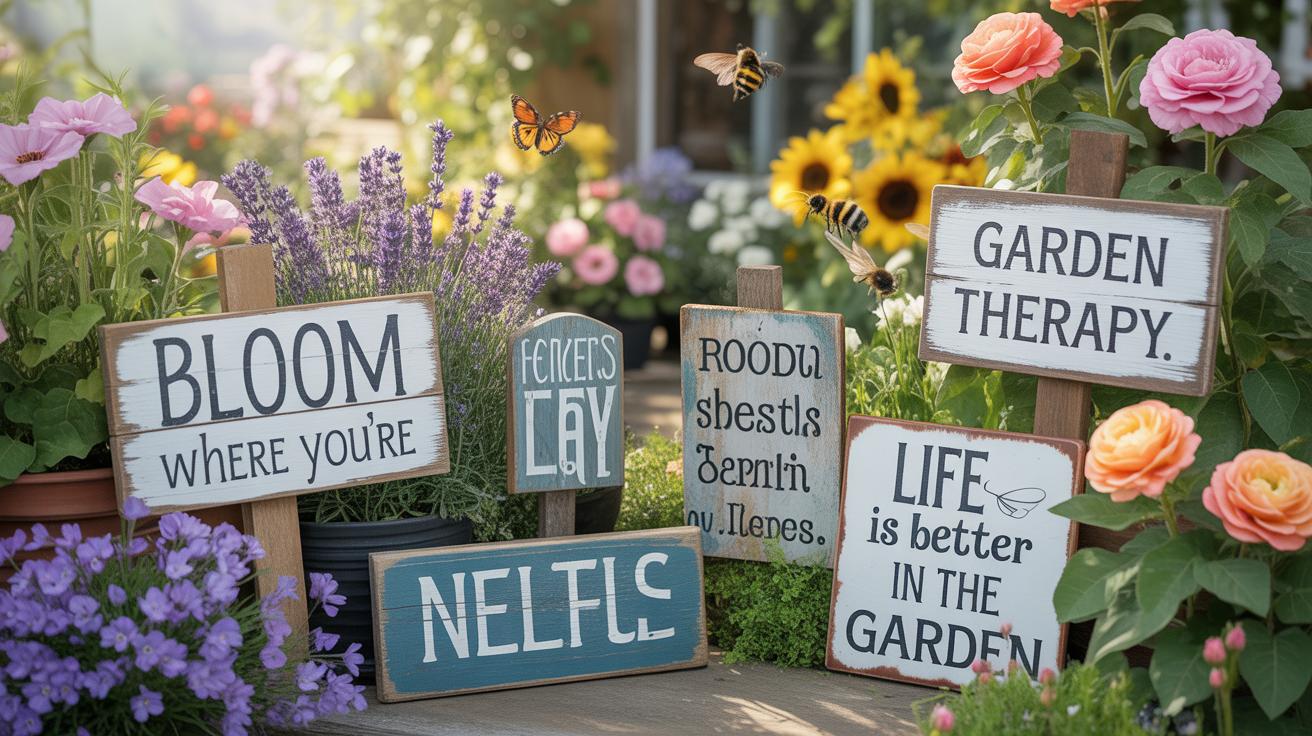
Why Garden Sign Ideas Are Taking Over Outdoor DCor In 2024
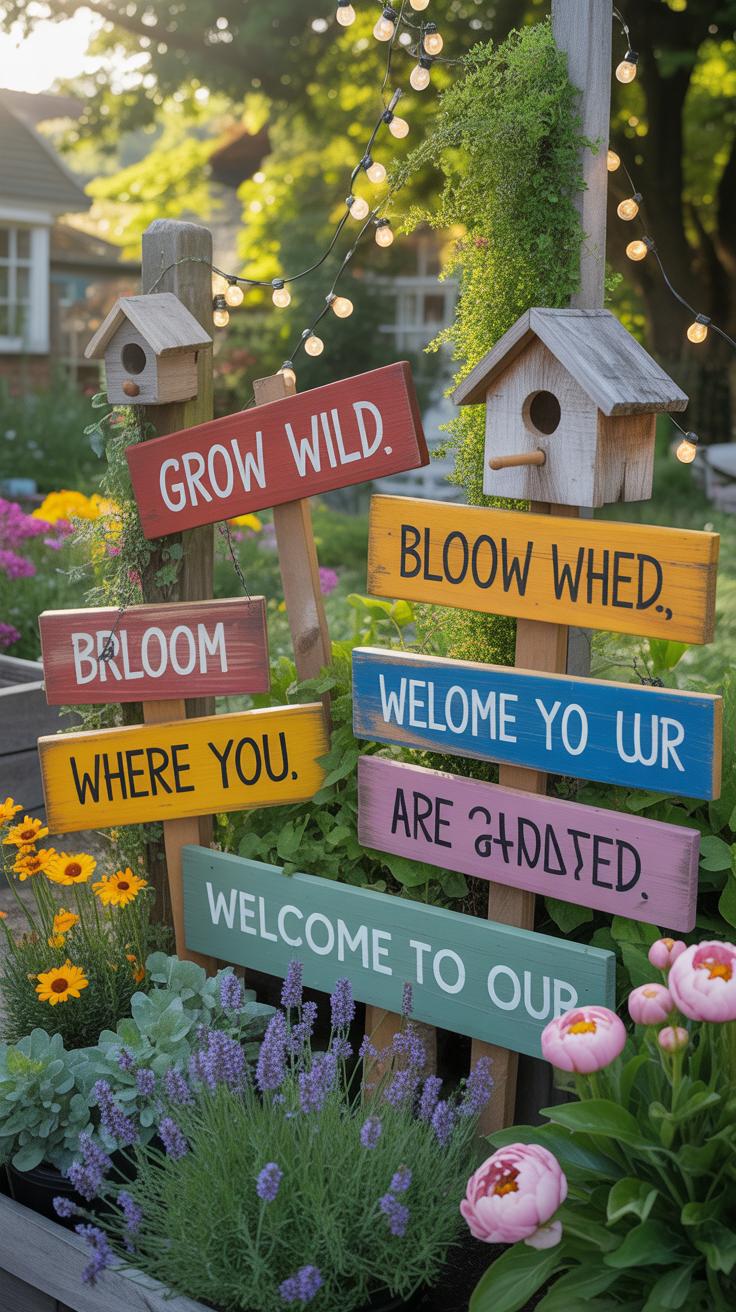
The Growing Popularity Of Personalized Outdoor Spaces
Homeowners now treat backyards as functional extensions of their living rooms. This shift toward outdoor living drives the demand for custom signage. People want to mark specific zones like outdoor kitchens, fire pits, or reading nooks. Custom signs serve as clear markers for these functional areas. They provide a sense of order and personal ownership over the landscape.
Current design trends move away from cookie-cutter yard layouts. Data shows high interest in DIY and bespoke elements that reflect individual identity. Metal laser-cutting technology and affordable wood engraving make custom signs accessible. Property owners use these tools to create unique focal points. This personalization increases the emotional value of the home. It also differentiates a property in a crowded real estate market.
How A Simple Garden Sign Can Completely Change Your Yard’S Character
A garden sign acts as a visual anchor for your landscaping layout. It directs the eye to specific plants or architectural features. Without signage, a yard often looks like a collection of random objects. Adding a sign creates a sense of intent and professional design. It tells the viewer that every plant choice was deliberate. This small addition elevates the overall perception of the space.
Materials dictate the mood and style of the entire garden. A weathered steel sign suggests a modern or industrial aesthetic. Hand-painted wooden signs lean toward a rustic or farmhouse feel. Choosing the right material aligns the garden with the home architecture. This creates a cohesive look from the front curb to the back fence. Professionals use signs to fix design gaps without expensive construction or planting.

Best Materials For Garden Signs Diy Projects At Home
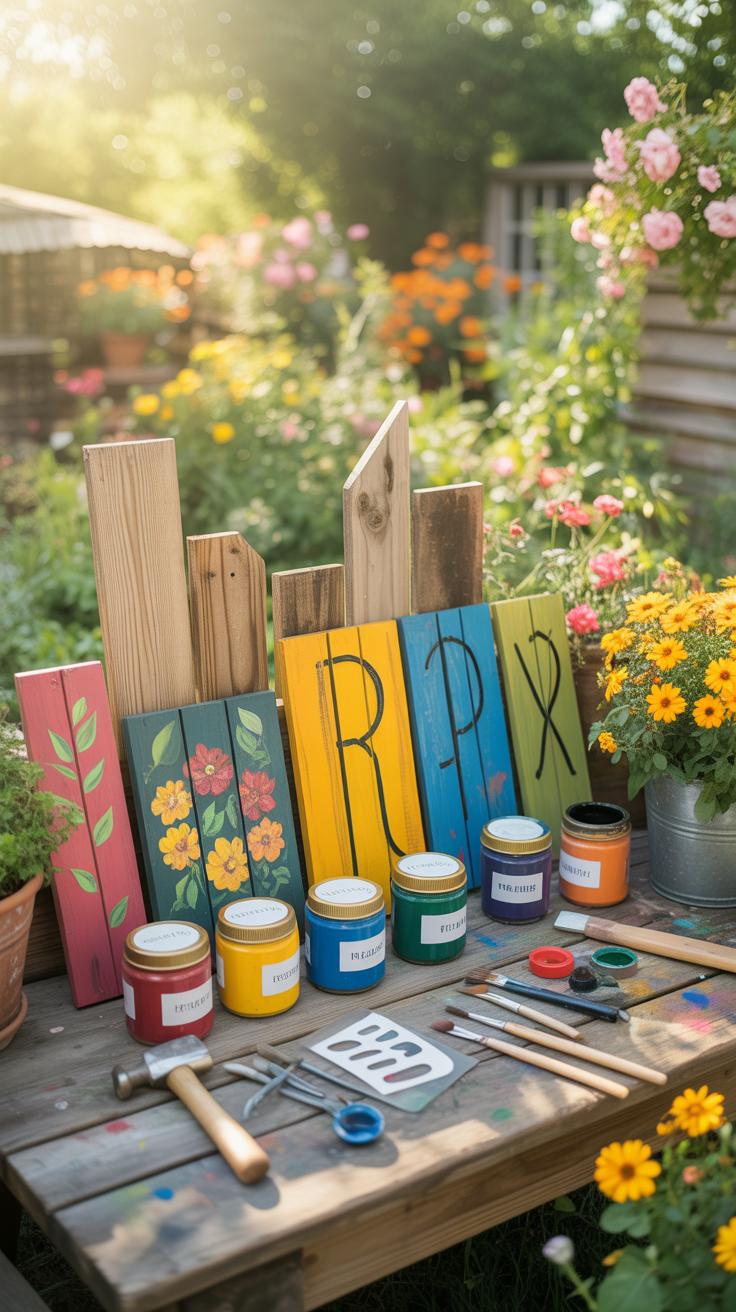
Choosing Between Wood, Metal, Stone, And Resin For Your DIY Sign
Material choice dictates the lifespan and maintenance requirements of your garden signage. Wood remains the standard for DIY projects because it is easy to cut and paint with basic home tools. Metal offers a modern look but requires specialized equipment for cutting or engraving. Stone provides the highest level of permanent weather resistance. Your choice must balance your skill level with the environment.
- Pressure Treated Wood: This material resists rot and insects for many years in outdoor settings. It is the most affordable option for beginners. You must use galvanized fasteners to prevent corrosion from the chemical treatments.
- Aluminum: This metal does not rust when exposed to rain or humidity. It is light and takes paint well if you prime the surface first. Use it for sleek labels that need to stay legible for decades.
- Natural River Stone: Stone requires no chemical treatment and lasts indefinitely. You can use a rotary tool with a diamond bit to engrave names directly into the surface. It is the most sustainable option available for any garden.
- Cast Resin: Resin allows you to create custom shapes and textures that mimic natural materials. It is waterproof and lightweight. You must use UV-resistant formulas to prevent the sign from turning yellow or cracking in direct sunlight.
- Slate: This material splits into flat layers naturally. It provides a dark contrast for white paint or chalk markers. Slate resists frost and heat effectively making it ideal for regions with extreme seasonal temperature changes every year.
Resin and stone require more specialized tools but offer superior durability against high moisture. Wood costs less upfront but demands regular sealing to prevent decay and warping. Evaluate the sunlight and rain levels in your specific garden location before buying supplies. Selecting the wrong material results in faded text and structural failure. Match the material density to your intended mounting hardware for safety.
Why Reclaimed And Natural Materials Are A Top Choice For Durability And Charm
Reclaimed lumber like cedar or redwood contains natural oils that stop rot without added chemicals. Old barn wood or pallet slats often have a tight grain structure that modern lumber lacks. These materials have already survived decades of outdoor exposure proving their physical resilience. Using salvaged items reduces solid waste and keeps your project costs near zero. You only need a sander and a drill.

Natural materials blend into the landscape instead of clashing with the plants. Traditional English gardens have used oak and stone markers for centuries because they age gracefully. Bark-on wood rounds offer a rustic look but require deep sealing to keep the edges intact. When you choose organic materials you ensure the sign looks better as it weathers. Practical gardeners prioritize these options for their proven track record in harsh climates.
Creative Diy Garden Sign Techniques For Beginners And Beyond
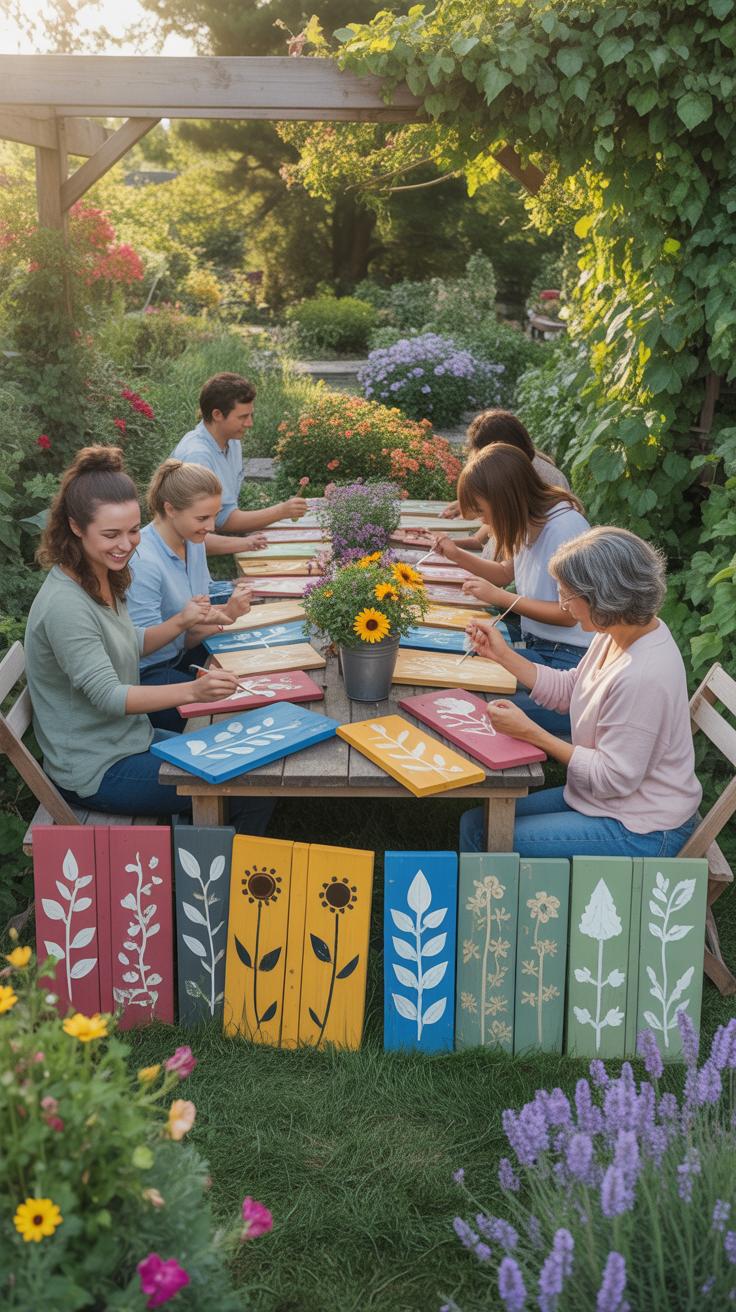
Hand Lettering Stenciling And Burning Which Technique Suits Your Style
Hand lettering offers total creative control but requires a steady hand and practice. Use oil based paint pens for the best results on wood or metal surfaces. This method allows for unique fonts that reflect a personal brand or garden theme. Beginners should sketch designs in pencil first to ensure proper spacing. Mistakes are harder to fix once the ink sets into the grain.
Stenciling provides a clean and professional look with minimal effort. It works best for those who want repeatable patterns or high legibility. Wood burning or pyrography creates a permanent and rustic mark by charring the surface. This technique dates back to ancient civilizations and resists fading better than paint. Use a variable temperature tool to control the depth and shade of the burn marks.
How To Seal And Weatherproof Your Diy Garden Sign For Long Lasting Results
Raw wood decays quickly when exposed to moisture and UV rays. You must apply a protective coating to prevent rot and peeling. Spar urethane is the industry standard for outdoor wood projects. It contains UV blockers and expands with the wood during temperature changes. Apply at least three thin coats for maximum durability. Sand lightly between each layer to ensure a smooth and even finish.

Water based polyurethanes dry fast but may crack in extreme heat. Oil based options offer better protection but take longer to cure. For metal signs use a clear enamel spray to stop oxidation and rust. Always seal the edges and back of the sign to block moisture from entering the material. Proper sealing extends the life of your garden sign by several years in harsh outdoor conditions.
Cute Garden Signs That Add Personality And Charm To Any Yard
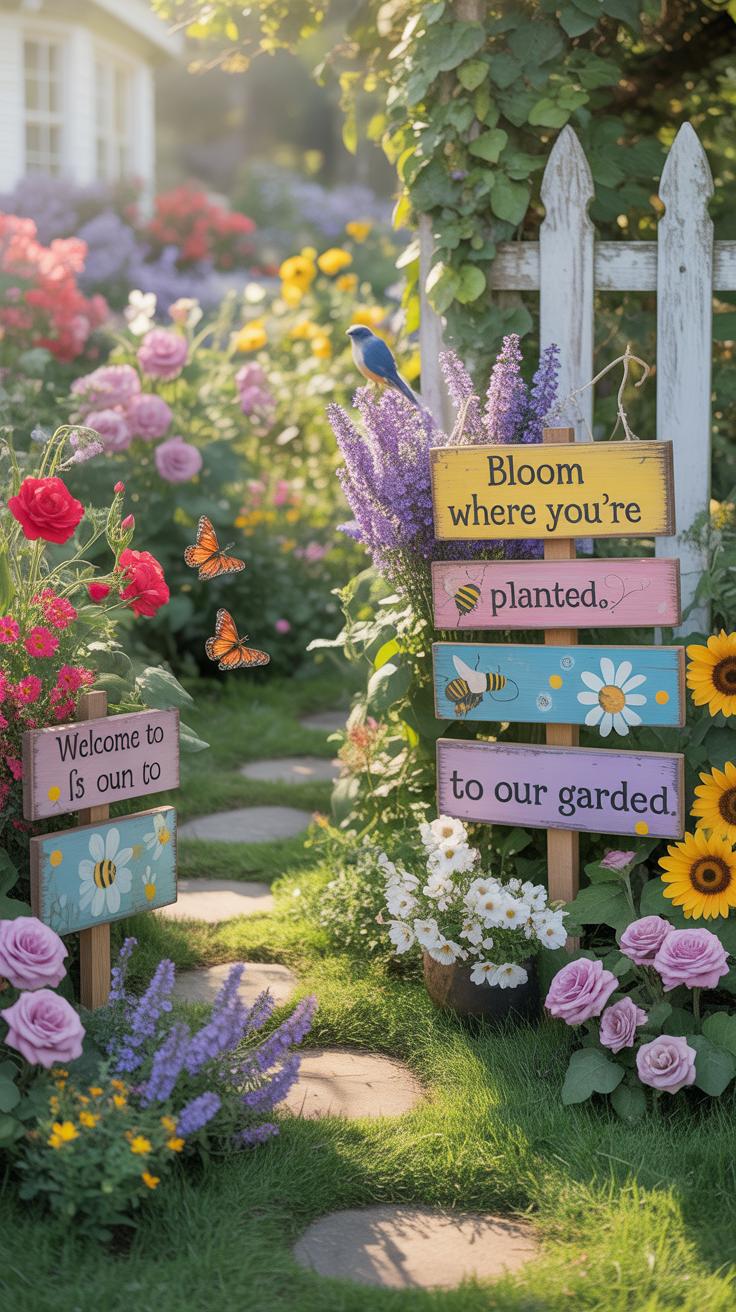
Playful Quotes, Fun Phrases, And Whimsical Designs That Spark Joy
Tactical garden signage uses humor to break the visual monotony of landscape design. Short, punchy phrases create an immediate emotional connection with guests. These signs often feature serif or handwritten fonts to imply a relaxed atmosphere. Builders typically use pressure-treated wood or weather-resistant acrylic for longevity. Precise placement near high-traffic walkways or seating areas ensures the message reaches the intended audience without cluttering the view.
Designers select specific color palettes to reinforce the mood. Pastel tones suggest a soft and welcoming environment. Bright primary colors draw focus to specific plant beds or garden zones. Using UV-resistant paint prevents premature fading from direct sun exposure. High-contrast lettering improves readability from a distance. These signs serve as low-cost focal points that define the space and reflect the personality of the gardener through specific cultural references.
Animal And Nature Themed Cute Garden Signs Perfect For Family Gardens
Animal-themed signs create educational opportunities in family gardens. Metal silhouettes of birds, hedgehogs, or insects designate specific wildlife habitats. This strategy teaches children about local ecosystems and biodiversity. Manufacturers often use powder-coated steel to prevent rust in damp outdoor conditions. Realistic depictions or stylized icons help identify bird feeders and pollinator stations. These markers turn a simple yard into an interactive learning environment for all ages.
Nature-themed motifs integrate seamlessly with natural surroundings. Wooden plaques shaped like leaves or flowers blend into the foliage. Etched stone markers offer a permanent solution that resists wind and rain. Strategically placing these signs along paths encourages exploration and movement throughout the property. Homeowners use these elements to guide foot traffic away from sensitive planting areas. This functional approach protects the garden while adding visual interest to the landscape.
Garden Signs Diy Outdoors Weather Resistant Ideas Built To Last
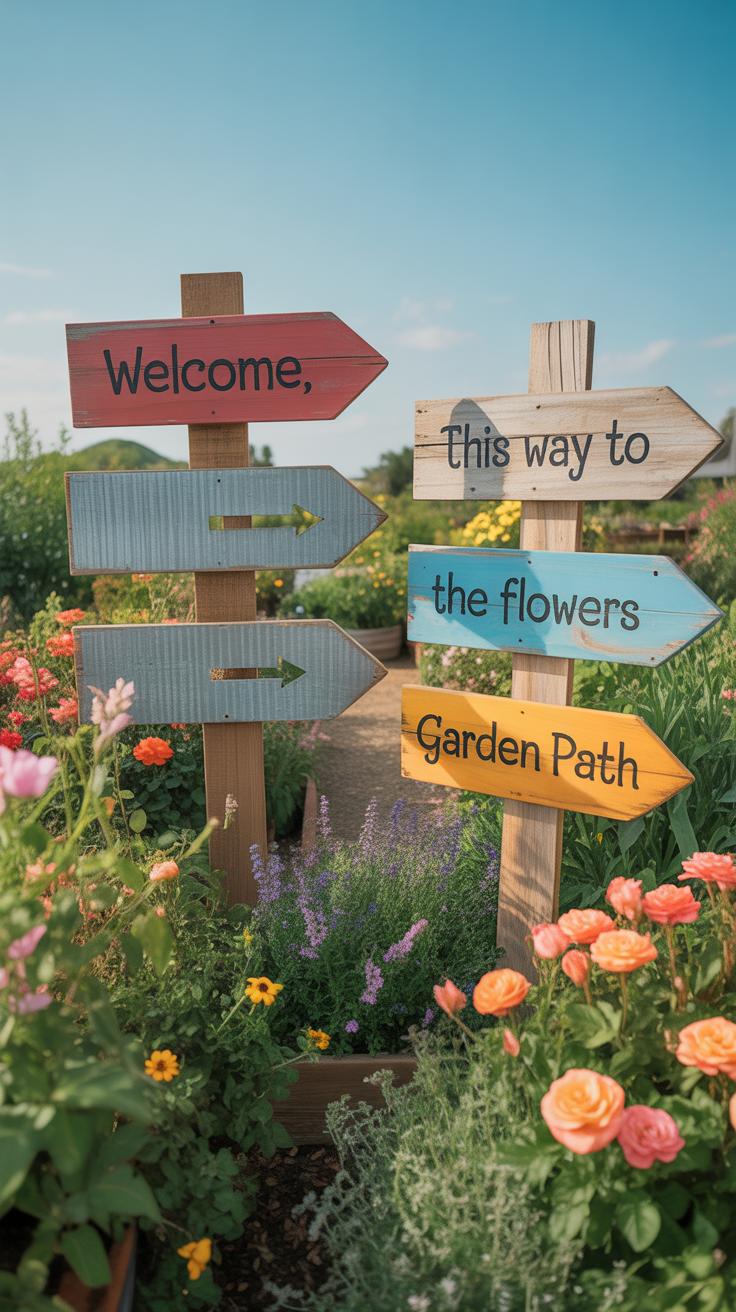
Top Paints And Finishes That Hold Up Against Rain, Sun, And Frost
Select exterior grade acrylic latex paints for your DIY projects. These paints expand and contract with temperature changes. This prevents cracking on wood and metal surfaces. Use oil-based enamels for a harder finish on high-traffic signs. These coatings resist moisture penetration better than standard craft paints. Always verify the paint contains UV inhibitors to prevent pigment fading from direct sun exposure.
Apply a clear topcoat to seal your work. Marine-grade spar urethane provides the best protection against water and humidity. It contains drying oils and resins that block ultraviolet rays. Apply three thin coats rather than one thick layer. Sand lightly between applications to ensure proper adhesion. This professional finishing technique prevents peeling and extends the life of your garden signage by several years.
Outdoor Safe Hardware And Mounting Solutions For Permanent Garden Displays
Choose stainless steel or galvanized hardware for all mounting needs. Standard steel screws rust quickly when exposed to soil and rain. Rust causes structural failure and stains your sign material. Use 304 or 316 grade stainless steel for maximum corrosion resistance. These materials withstand wet environments without degrading. Hex bolts and washers provide a more secure grip for heavy wooden signs mounted on posts.

Secure signs to any pressure-treated wood posts using pilot holes. This step prevents the wood from splitting during installation. For hanging signs, use heavy-duty galvanized chains or nylon coated wire. These materials do not stretch or snap under wind pressure. Concrete footings offer the most stability for permanent ground stakes. A small amount of pourable gravel or concrete keeps the sign level and upright during storms.
Wood Yard Art Elevating Your Garden With Carved And Painted Wooden Signs
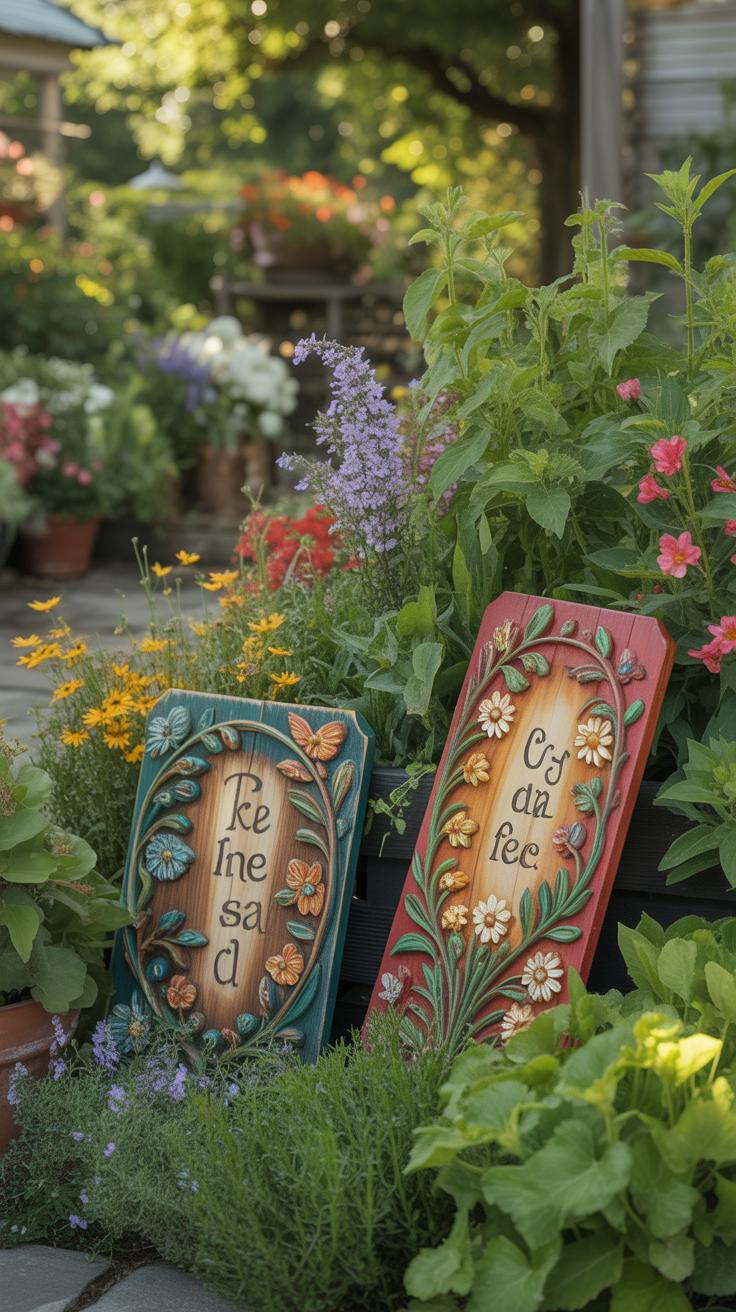
The Timeless Appeal Of Wood Yard Art In Rustic And Cottage Gardens
Wooden signs provide a structural anchor for informal garden styles. Rustic and cottage designs rely on organic materials to blend markers into the landscape. Wood achieves this better than plastic or metal because it weathers over time. These signs signal specific zones like herb patches or seating areas. They create a sense of order without breaking the natural aesthetic of the space.
Strategic placement of wooden art improves site navigation. Hand-painted lettering offers a traditional look that mirrors 19th-century folk art styles. Carved signs provide depth and survive harsh sun better than flat surface paint. Using wood maintains a consistent texture throughout the outdoor environment. It links the signage to existing features like fences, gates, and pergolas. This creates a unified visual identity for the garden.
Best Wood Types For Outdoor Signs: Cedar, Teak, And Pressure Treated Pine
Material choice dictates the lifespan of your garden signage. Cedar contains natural oils that repel insects and prevent rot. It remains stable in high humidity and resists warping. This makes it the standard choice for carved markers. Teak offers superior durability due to its high silica content. It is expensive but lasts for decades even when left untreated in wet climates.
Pressure-treated pine is a cost-effective alternative for structural yard art. Chemical treatments protect the wood from ground contact and fungal decay. However, you must seal it correctly to prevent the chemicals from leaching into soil near edible plants. Hardwoods like white oak also perform well but require significant labor to carve. Always select heartwood over sapwood for maximum weather resistance and long-term structural integrity.
Garden Signage Ideas For Vegetable Patches Herb Gardens And Flower Beds
Practical Plant Markers And Row Labels That Are Both Useful And Decorative
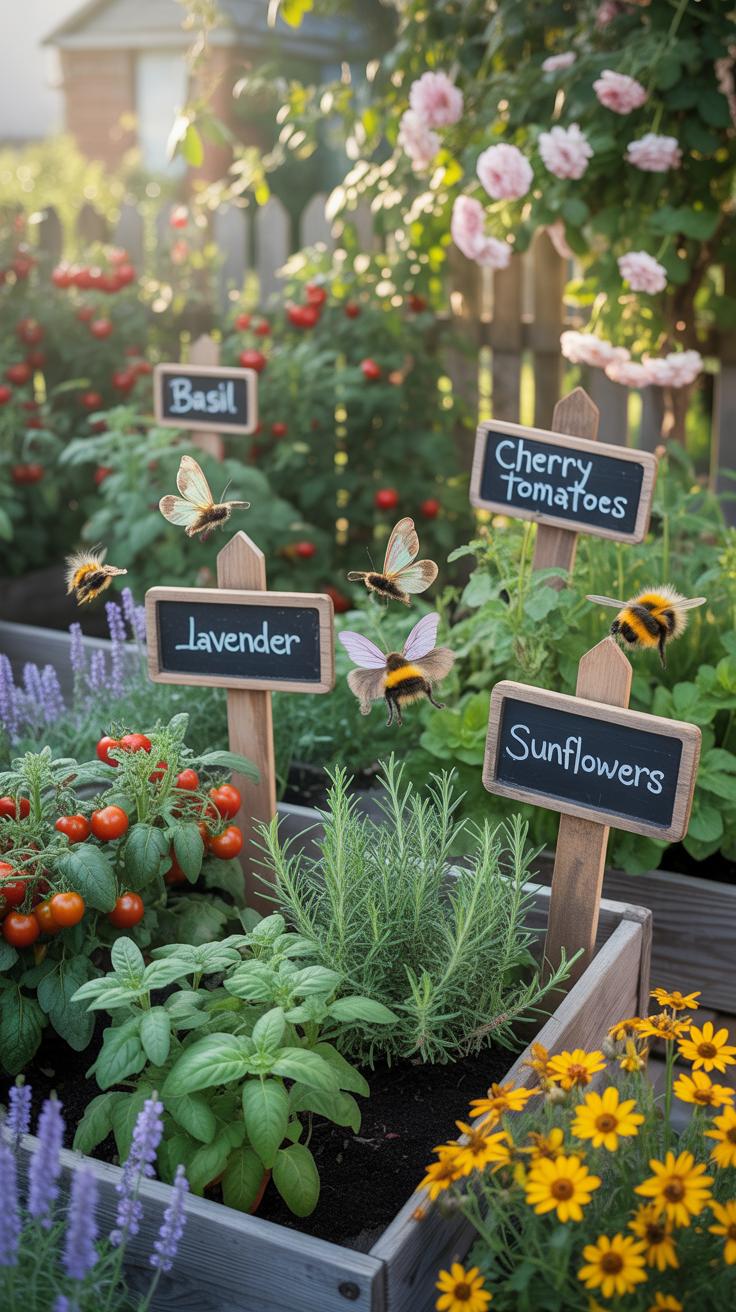
Gardeners use markers to track crop locations and planting dates. Proper labeling prevents accidental weeding and ensures specific watering needs are met. Functional markers must withstand UV exposure and moisture. Wood, metal, and ceramic provide the best longevity in outdoor environments. Choose materials that contrast with the soil for better visibility. Dark labels with light lettering often remain readable longer than light surfaces with dark ink.
- T-Label Stakes: These markers feature a flat horizontal surface atop a vertical spike. They provide ample space for botanical names and sowing dates. Sturdy plastic or aluminum versions resist rot and rust throughout the growing season. Use permanent paint pens for durability.
- Slate Hanging Tags: Heavy slate resists wind and rain damage effectively. You can hang these from metal shepherd hooks at the end of garden rows. Use soapstone pencils or white acrylic markers to write on the dark surface for high contrast and easy reading.
- Copper Embossed Strips: Soft copper tape or strips allow you to indent plant names using a stylus. This method creates a permanent physical record that never fades under sunlight. Over time, the copper develops a green patina that blends naturally with garden foliage and stems.
- Ceramic Herb Spoons: Artisans kiln-fire these markers to ensure they do not crack during temperature shifts. They work best in herb containers or small raised beds. The glazed surface prevents moisture absorption. These signs offer a clean look while identifying individual plant varieties in dense clusters.
- Laser Cut Wood: Plywood or bamboo stakes provide a temporary and biodegradable option for seasonal crops. Laser engraving burns the text into the wood for a precise finish. These markers suit organic gardeners who prefer natural materials that eventually return to the earth after the harvest.
Decorative plant markers bridge the gap between utility and aesthetics. They help organize the garden into distinct zones without creating visual clutter. High quality signs reduce the need for constant replacement. Focus on legibility and weather resistance when selecting materials. Consistent labeling improves the management of complex garden layouts. Better organization leads to higher yields and easier maintenance for any home gardener or professional grower.
Designing A Cohesive Signage Theme Across Your Entire Vegetable Garden
A cohesive signage theme relies on material consistency and uniform typography. Use the same font style and color palette for every sign in the patch. This creates a visual rhythm that guides the eye through the space. Select a primary material like weathered steel or cedar to ground the design. Uniformity signals that the garden is a managed system rather than a random collection of plants.

Strategic placement reinforces the overall design theme. Install larger signs at the entrance of the garden and smaller markers at ground level. Match the height of the signs to the expected mature height of the crops. This prevents foliage from obscuring important information. A structured signage plan improves navigation for visitors and maintenance crews. It turns a functional vegetable patch into a professionally curated landscape with clear boundaries and purposes.
How Garden Works Inspired Functional Signage For Everyday Gardeners
Watering Schedules Tool Zones And Composting Signs That Keep Gardens Organized
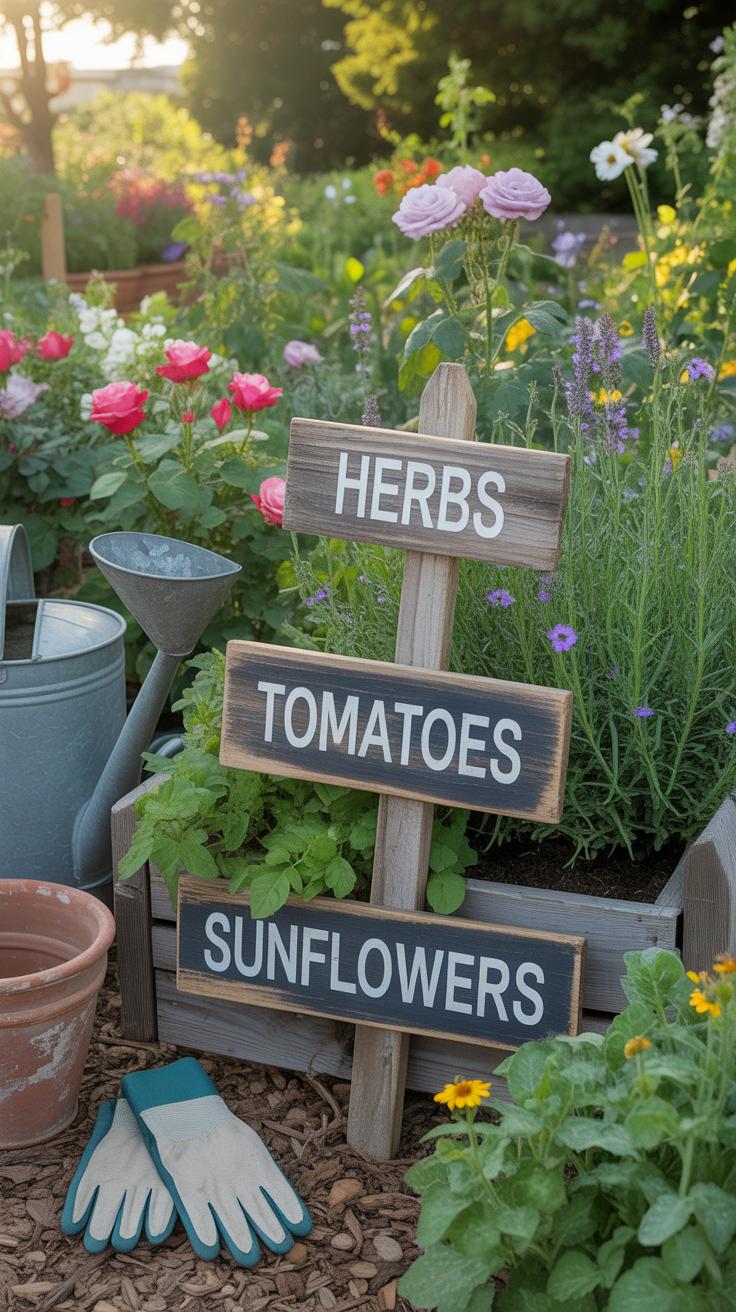
Functional signage turns a chaotic plot into a high-output workspace. Professional growers use these markers to track critical data. Signs indicating specific watering zones prevent over-saturation of drought-tolerant species. Proper labeling of tool stations ensures gear returns to the correct spot after use. This logic reduces wasted time and improves plant health. Clear markers for compost stages help manage heat cycles and nutrient breakdown.
Tactical signage uses durable materials like slate or coated steel to resist weather damage. Use bold lettering to ensure readability from a distance. Organization signs work best when they provide immediate instruction. Labeling a bin for green waste versus brown waste speeds up the decomposition process. Precision in signage removes guesswork for multiple users. Active management through signs leads to more efficient resource use and higher yields.
Blending Practical Garden Works Signage With Decorative Outdoor Design
Successful garden design integrates function and aesthetics without conflict. Industrial styles use raw metals and clean lines to provide a modern look. Traditional gardens often use wood or ceramic markers that match the landscape. The goal is to make a sign look like a planned part of the architecture. High-contrast colors improve visibility while maintaining a professional appearance. Good design ensures that utility does not disrupt visual flow.

Material choice dictates the lifespan and style of your Garden Sign Ideas. Weathered steel offers a rustic patina that suggests longevity. Aluminum provides a sleek finish for contemporary settings. Mounting techniques like post-driving or wire-hanging affect how the sign interacts with the space. Use consistent fonts and colors to create a unified brand for your property. Professional gardeners use these visual cues to maintain order while enhancing property value.
Unique Garden Sign Ideas For Entryways Gates And Garden Paths
Welcoming Entry Signs That Set The Tone Before Guests Step Inside
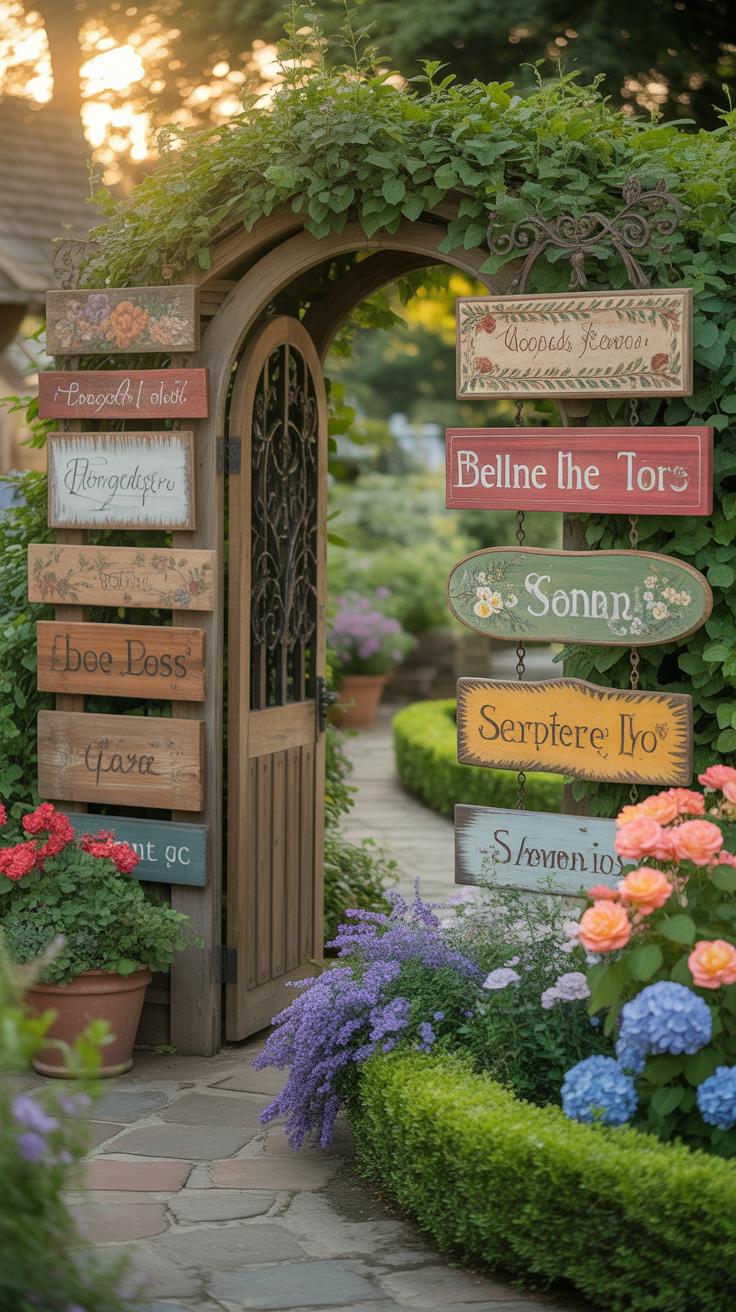
Entryway signs establish the boundary between public space and private property. High-quality materials like slate, cast iron, or seasoned oak provide durability against harsh weather. Historically, gate signs served as legal markers or family crests. Today, they communicate the garden style and intent immediately. Position these signs at eye level on the gate or a sturdy pillar for maximum visibility. Metal signs resist rot and maintain legibility over decades.
Select typography that matches the architectural era of the home to ensure visual cohesion. Sandblasted wood signs offer a textured look that ages naturally with the surrounding landscape. Use stainless steel hardware to prevent rust streaks on the mounting surface. Clear and bold lettering ensures visitors can read the message from a distance. Proper placement prevents confusion and guides guests toward the intended entrance. Well-chosen materials reduce long-term maintenance costs for the owner.
The glory of gardening, hands in the dirt and head in the sun, is beautifully completed by the signs that tell our garden’s story.
Pathway And Directional Garden Signs That Add Function And Visual Interest
Pathway signs solve the problem of navigation in sprawling or complex landscapes. Directional markers use arrows or simple text to point toward specific zones like the patio or vegetable plot. Low-profile signs made of stone or weather-resistant metal work best along walkways. These markers prevent guests from trampling delicate plants by clearly defining transit routes. Vertical stakes allow for easy relocation as the garden grows or changes seasonally.
Tactical placement at path junctions improves flow and reduces decision fatigue for walkers. Modern minimalist gardens often use powder-coated aluminum for a sharp and clean aesthetic. For a traditional look, finger-post signs provide a classic European botanical garden feel. Ensure the sign height does not obstruct the view of the plants behind it. Contrast the sign color with the foliage to make the information stand out. Durable signage prevents the need for seasonal replacements.
Seasonal And Holiday Garden Signage Ideas To Refresh Your Outdoor Space Year Round
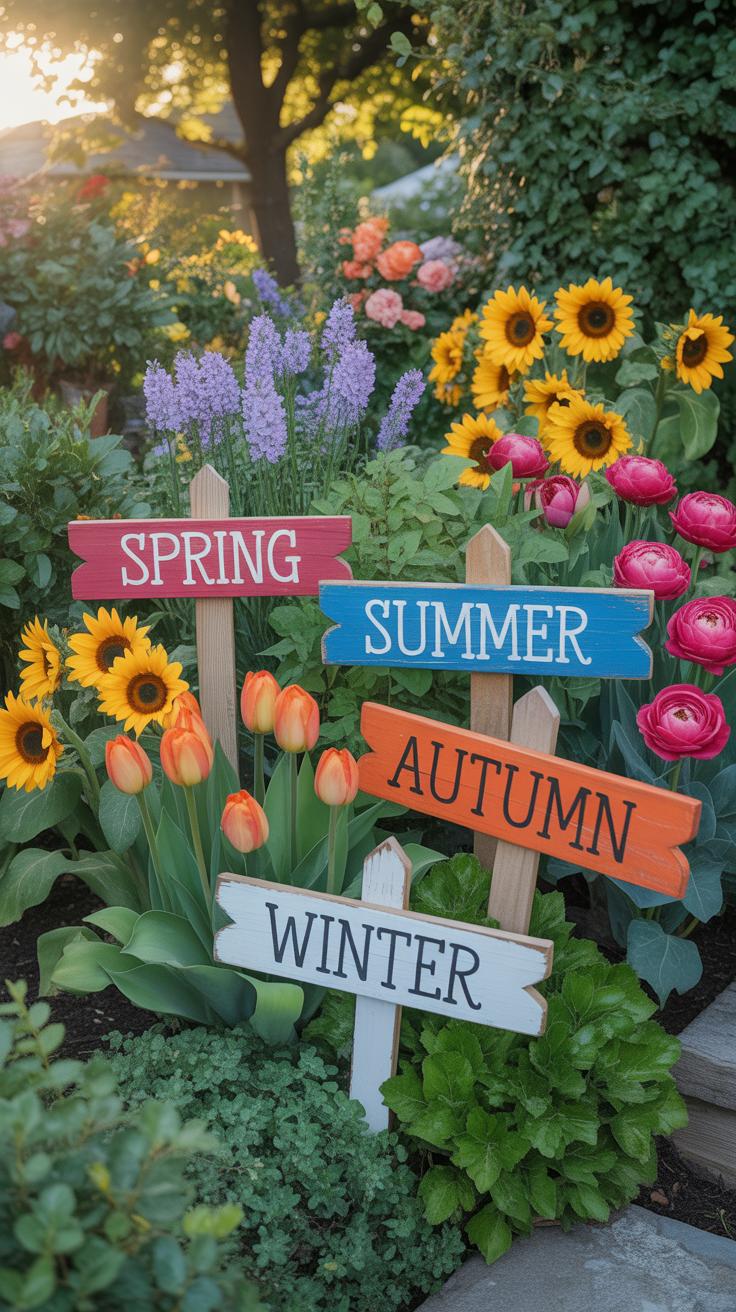
Spring And Summer Garden Signs That Celebrate Color, Growth, And Warmth
Spring signs prioritize function and planting schedules. Use slate or powder-coated metal markers to identify emerging perennials. Historical victory gardens utilized simple wooden stakes for organization. You should install legible signage that marks seed rows before growth hides the soil. High-contrast colors like white text on black backgrounds improve visibility during bright midday sun. These tools help track your planting cycles accurately.
Summer signage focuses on durability and UV resistance. Intense sun exposure fades cheap ink and low-grade plastics. Select acrylic or ceramic materials that withstand high heat without warping. Tactical signage in summer directs foot traffic toward shaded areas or water features. Reflective lettering helps people navigate garden paths during late evening gatherings. Choose sturdy mounting hardware to prevent signs from falling during seasonal thunderstorms or high winds.
Autumn And Winter Seasonal Signage Ideas That Keep Your Garden Looking Inviting
Autumn signage transitions to weathered materials like brass and copper. These metals develop a natural patina that complements the changing foliage. Replace bright summer colors with deeper tones to match the environment. Use signage to mark dormant plants that require protection from the first frost. This prevents accidental damage during fall cleanup. Clear labels identify where you planted bulbs for the following spring season.
Winter signage must endure freezing temperatures and moisture. Wood signs require heavy sealant or marine-grade varnish to prevent rot. Metal signs need rust-resistant coatings to survive snow and ice. During months with low light, use bold typography for maximum visibility. Signage provides structural visual interest when plants are dormant. Focus on permanent installations that define the garden layout. Strong mounting ensures signs remain upright despite frozen ground.
Frequently Asked Questions

What are the best materials for someone just starting with garden signs?
If you are new to decorating your outdoor space, the best garden sign ideas often involve durable yet easy-to-handle materials like cedar wood or lightweight aluminum. Cedar is naturally rot-resistant and provides a classic rustic look that ages beautifully. For a more modern aesthetic, powder-coated metal signs are excellent because they withstand harsh weather conditions without fading, ensuring your greenery remains the focal point of the backyard.
How can I ensure my DIY garden signs last through different seasons?
To make your garden sign ideas last, always start by sanding your wood and applying a high-quality outdoor primer. Use acrylic paints for your lettering and designs, as they offer great flexibility and pigment. Most importantly, finish your project with at least two coats of a UV-resistant clear sealer or exterior spar urethane. This protective layer prevents moisture from warping the wood and stops the sun from bleaching your vibrant colors.
Are there any stylish garden sign options that won’t break the budget?
Absolutely! You can create stunning displays using upcycled materials like old pallet wood, smooth river stones, or even terracotta pots. Hand-painting slate shingles or using vintage silverware as plant markers are incredibly affordable ways to add personality to your flower beds. These budget-friendly garden sign ideas allow you to customize your landscape with unique, artisanal touches without the high price tag of custom-ordered boutique signage or expensive wrought iron installations.