
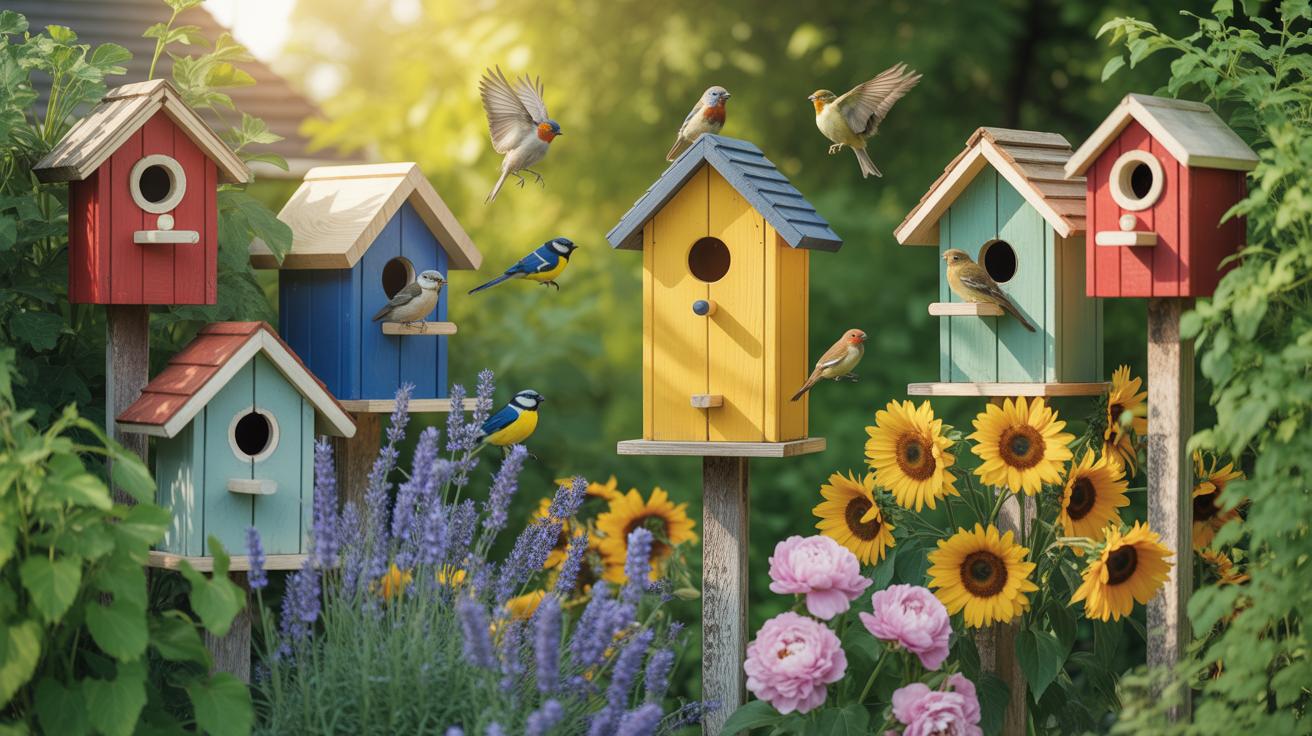
Why Garden Birdhouse Ideas Are Taking Over Outdoor DCor In 2024
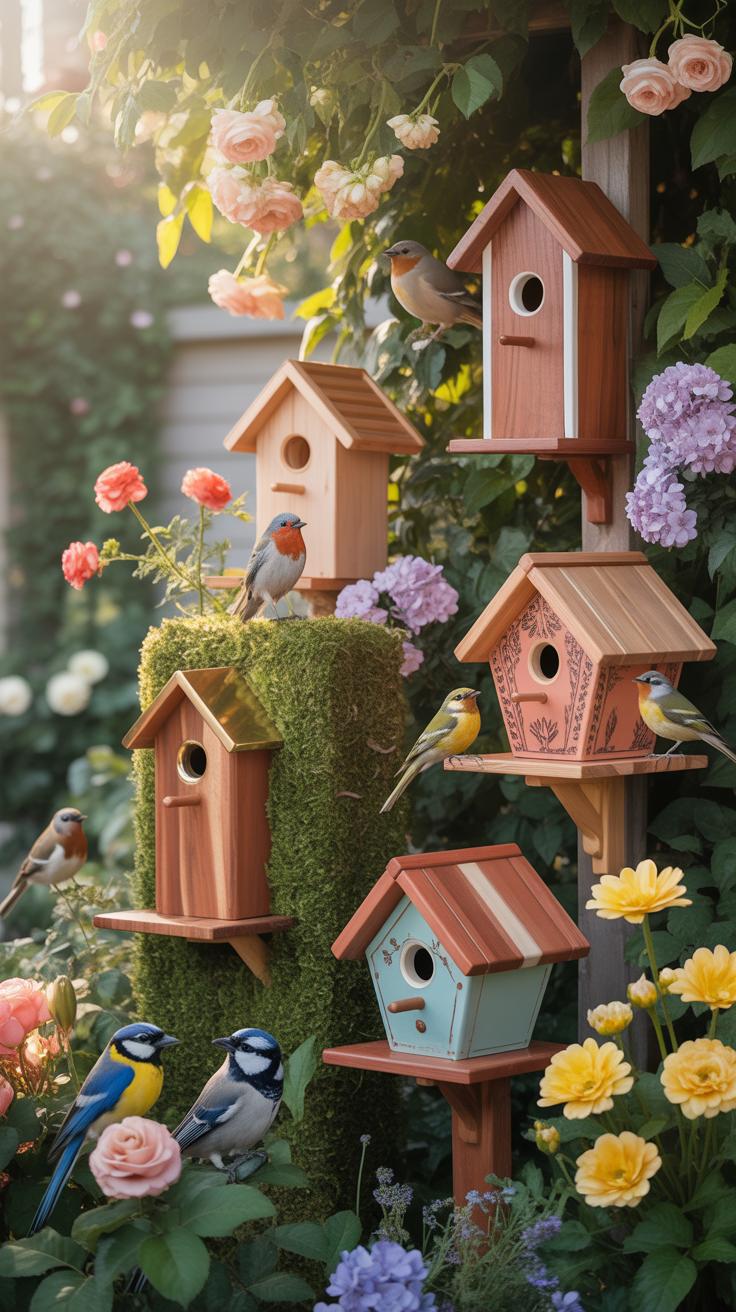
The Growing Popularity Of Backyard Birdwatching And Habitat Support
Backyard birdwatching is a top hobby in North America and Europe. People now view their gardens as vital ecological corridors. Habitat loss in urban areas drives this shift. Homeowners want to support local biodiversity by providing safe nesting sites. Proper birdhouse placement offers birds protection from predators and harsh weather. This trend focuses on conservation and measurable environmental impact.
Interest in citizen science fuels the demand for birdhouses. People track migratory patterns and nesting success from their patios. Data collection groups encourage fixed nesting boxes to monitor species like bluebirds and martins. This shift moves beyond simple decoration. It emphasizes the survival of native bird populations. Providing a reliable water source and nesting box turns a yard into a functional sanctuary.
How Birdhouses Have Evolved From Functional Shelters To Garden Focal Points
Birdhouses once served only basic utility. Farmers used them for pest control near crops. Today, they function as primary design elements in landscape architecture. Modern materials like corten steel and reclaimed wood allow these structures to match house exteriors. They bridge the gap between architectural art and wildlife management. This evolution reflects a desire for cohesive and high-end outdoor living spaces.
Designers now integrate birdhouses into structured garden plans. The Mid-Century Modern and Scandinavian movements influence current shapes. Clean lines and geometric forms replace the old rustic look. These units act as statues or sculptures while maintaining strict biological standards. Proper ventilation and drainage remain priority features. The result is a structure that satisfies both aesthetic requirements and the specific needs of the birds.

Creative Birdhouses That Double As Stunning Garden Art
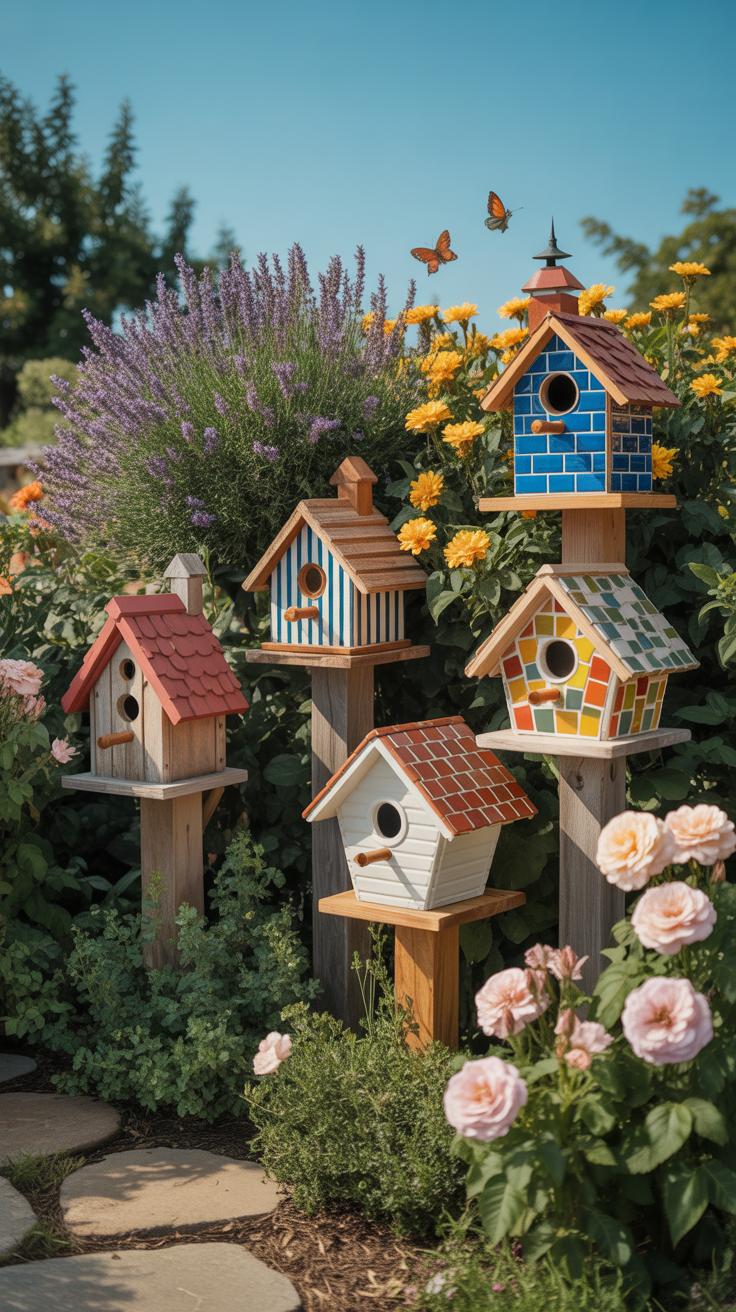
Sculptural Birdhouse Designs That Complement Modern Landscape Aesthetics
Modern landscapes prioritize clean lines and geometric shapes. Sculptural birdhouses utilize materials like weathering steel and brushed aluminum to match these environments. These designs focus on minimalist forms such as spheres or cubes. They serve as focal points while functioning as viable habitats. Proper ventilation and drainage remain integrated into these sleek forms. High quality materials ensure the structures resist corrosion over time.
Strategic placement of these structures enhances the visual flow of a garden. Architects often align these birdhouses with existing hardscape elements like stone walls or patios. This creates a cohesive look that blends art with nature. You must ensure the mounting hardware matches the aesthetic of the house. Secure steel poles provide stability without distracting from the design. Choose heights that suit both the bird species and your sightline.
Painted And Hand Crafted Birdhouses That Add Color To Any Outdoor Space
Hand-crafted birdhouses allow for high customization in traditional and eclectic gardens. Makers often use cedar or redwood for natural durability against moisture and rot. Painting these structures requires non-toxic water-based paints to protect the inhabitants. Bright colors can attract attention but should remain limited to the exterior. Solid construction techniques like tongue-and-groove joints prevent light leaks and drafts. These details ensure a long lifespan.
Color choice impacts the birdhouse temperature and its visual weight in your yard. Light colors reflect heat and keep the interior cool during summer months. Darker tones work well in shaded areas but absorb more thermal energy. Use a clear outdoor sealant to prevent the paint from peeling or fading. Contrast the house color against your garden greenery to create a pop of visual interest. Maintenance involves an annual cleaning and paint touch-up.
Popular Bird House Designs Inspired By Architecture And Nature
Cottage And Farmhouse Style Birdhouse Designs That Feel Timeless
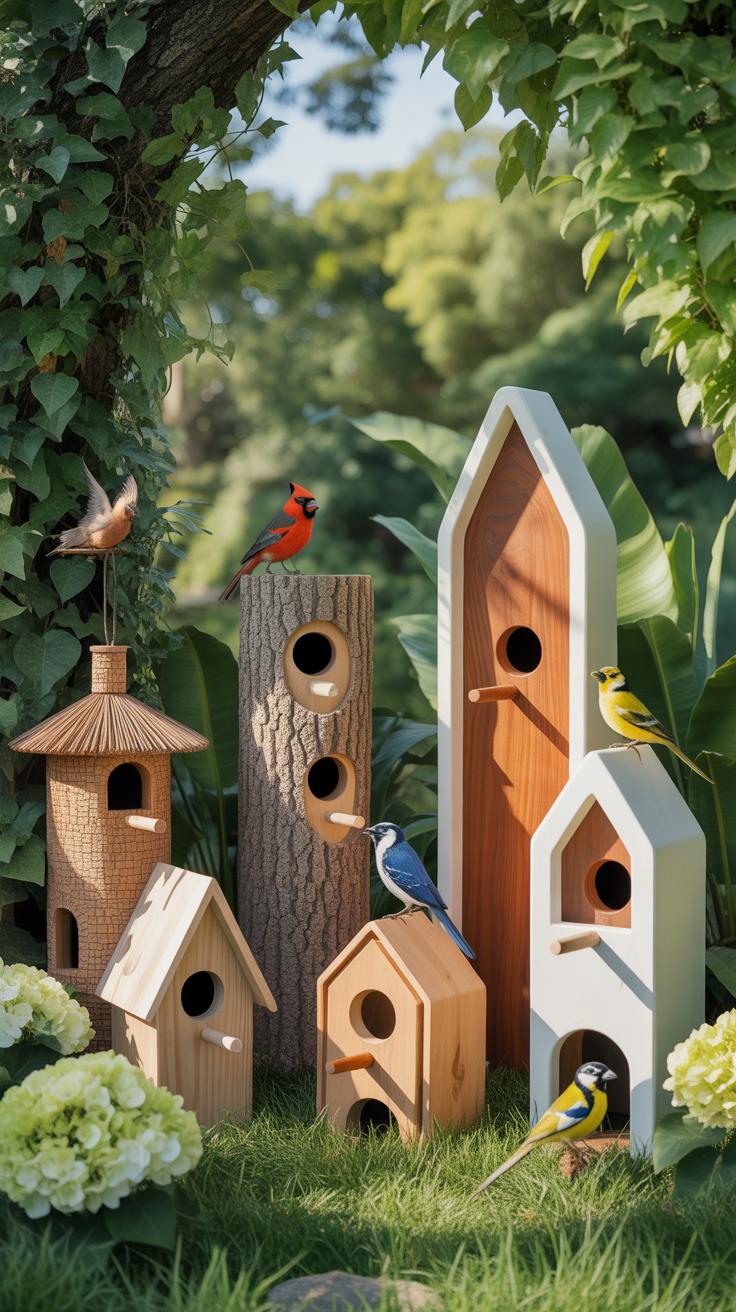
Cottage and farmhouse designs use traditional American architectural elements to provide functional shelter. These structures often feature steep gabled roofs and reclaimed wood siding. Designers prioritize cedar or cypress for durability against rot and insects. This style mimics residential buildings from the late nineteenth century. The heavy roof overhang protects the entrance hole from rain. Proper ventilation holes at the top remain a standard requirement.
White paint and metal roofing characterize the modern farmhouse look. Use galvanized steel or copper for the roof to reflect heat and keep birds cool. Avoid lead-based paints to prevent toxicity in chicks. Ensure the interior remains unpainted to allow the birds to grip the walls. Strategic placement on wooden posts or fences integrates these houses into traditional garden layouts. Proper sizing of the entrance hole determines which species will nest.
Nature Inspired Organic Forms Including Log, Bark, And Gourd Birdhouses
Organic forms use raw materials to blend into the environment and reduce predator visibility. Hollowed logs are a primitive but highly effective design. They mimic natural tree cavities where many birds naturally nest. Keep the bark intact to provide insulation and a textured landing surface. These houses work best for woodpeckers and nuthatches. Use thick walls to maintain a stable internal temperature during fluctuating spring weather.
Dried gourds offer a lightweight and historically accurate alternative used for centuries. Native American tribes used bottle gourds to attract purple martins for insect control. Drill drainage holes in the bottom to prevent moisture buildup and rot. Hang gourds on wires to make them harder for climbing predators to reach. Scrub the exterior with a mild bleach solution annually to kill bacterial growth. Organic materials eventually decompose and must be replaced every few years.
Smart Bird House Garden Ideas For Small And Large Outdoor Spaces
Positioning And Mounting Strategies That Attract The Right Bird Species
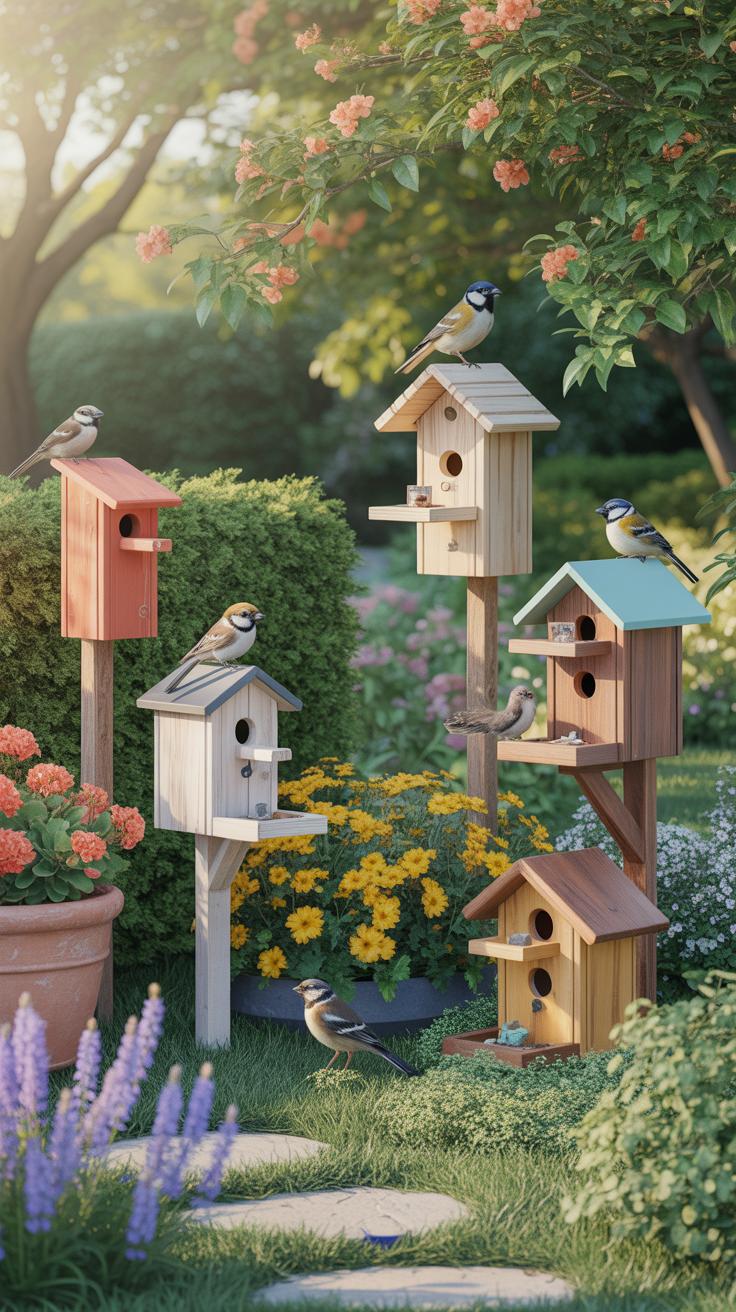
Mounting height determines which species will occupy the box. Small songbirds like wrens prefer houses placed six to ten feet above the ground. Bluebirds require open spaces with clear flight paths. Do not mount houses near thick brush where cats or raccoons can hide. Face the entrance hole away from prevailing winds to keep the interior dry and regulated.
Use metal poles rather than wooden fence posts to stop predators. Metal makes it harder for snakes and squirrels to climb. Attach a baffle below the house for extra security. Ensure the house tilts slightly forward to prevent rain from entering the hole. Proper spacing matters too. Most birds are territorial and will not nest within twenty feet of another occupied birdhouse.
Pairing Birdhouses With Native Plants To Create A Thriving Bird Habitat
Locate birdhouses near native shrubs that produce berries or seeds. These plants provide a natural food source and cover for fledglings. Avoid invasive species that disrupt the local ecosystem. Choose plants like Serviceberry or Elderberry to attract fruit eaters. Native oaks and maples host caterpillars which provide the protein needed for growing chicks. Birds prioritize nesting sites with high insect populations.
Structure your garden with vertical layers to mimic a natural forest edge. Place low growing perennials near the base of mounting poles. Use taller screen plants to create a windbreak twenty feet away. This layout offers protection from hawks while keeping the flight path clear. Avoid using synthetic pesticides or fertilizers in these areas. Clean water sources like birdbaths should sit within sight of the house.
Best Materials To Use When Planning Bird Houses In Garden Settings
Why Cedar, Pine, And Untreated Wood Remain The Top Choices For Birdhouses
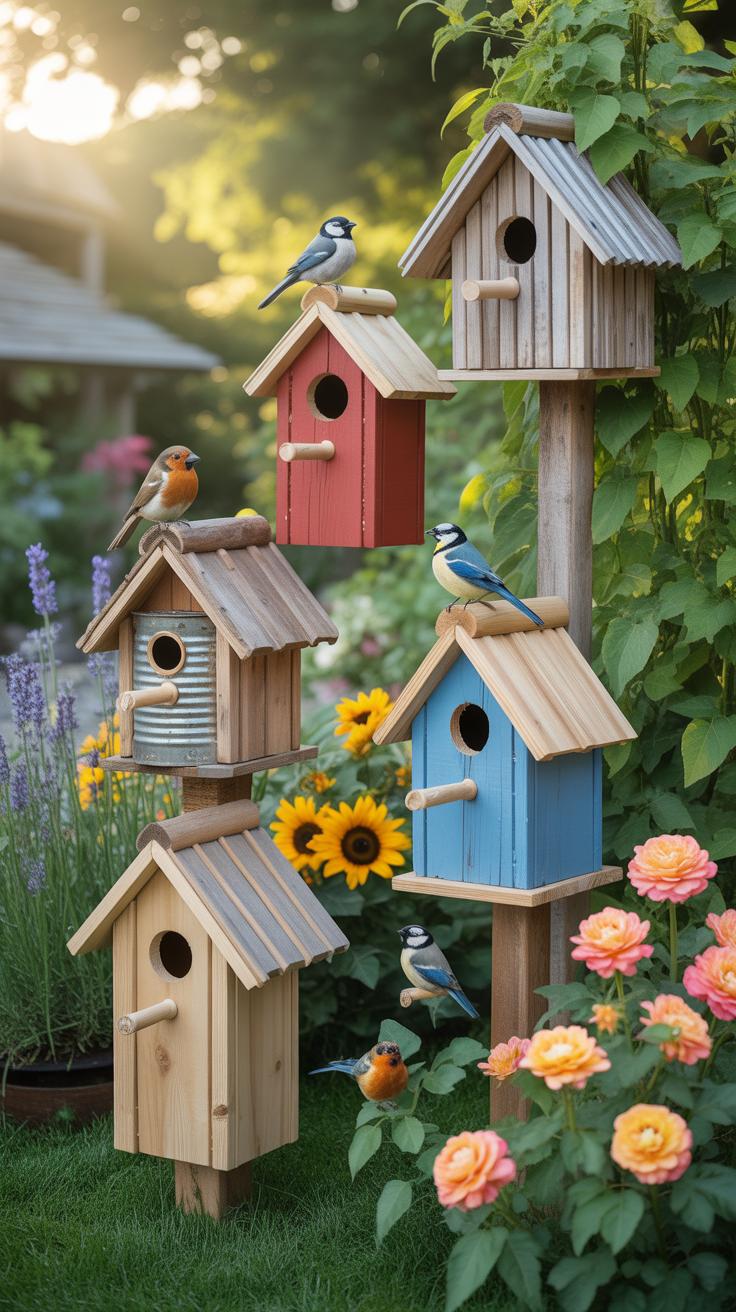
Natural timber offers superior thermal regulation for nesting birds. Cedar stands as the industry standard because it resists rot and insect damage without chemical treatments. Its porous structure allows moisture to escape, which keeps the interior dry. Pine is a cost-effective alternative that provides adequate insulation. These woods mimic the hollow trees birds choose in the wild. Avoid pressure-treated lumber because the chemicals leach into the nest.
Proper ventilation and thickness are critical when using softwoods. Walls should be at least three-quarters of an inch thick to prevent overheating during summer months. Raw wood surfaces allow fledglings to grip the interior walls when they prepare to exit the box. Do not apply paint or stain to the inside of the house. Fumes from finishes can harm avian respiratory systems. Stick to rough-sawn lumber for the best results.
Durable And Eco Friendly Material Alternatives For Long Lasting Garden Birdhouses
Modern synthetic materials solve the problem of wood decay in high-moisture environments. Recycled plastic and specialized stone compounds offer extreme longevity without requiring regular maintenance. These materials do not warp, crack, or peel over time. They provide a strategic advantage for gardeners who want a permanent installation. High-density polyethylene is the most common choice for these durable structures. Ensure any synthetic house features proper air vents to compensate for lower breathability.
- Extended Life Polymer: This material uses recycled milk jugs to create dense boards. It resists UV damage and keeps its color for decades. It is easy to sanitize between nesting seasons because the surface is non-porous and stands up to light bleach solutions.
- Polyvinyl Chloride Piping: Heavy-duty PVC provides a slick exterior that deters predators like raccoons and snakes. Use thick-walled tubes to ensure stable internal temperatures. White surfaces reflect solar heat, making this a tactical choice for gardens located in hot, southern climates.
- Aluminum Shingling: Using metal only for roof accents protects the wood underneath from heavy rain. Do not build an entire house from metal because it creates a heat trap. A metal-topped roof increases the lifespan of the wooden base by several years.
- Fiber Cement Board: This mixture of sand, cement, and cellulose fibers offers total fire resistance and durability. It mimics the look of wood but never rots or attracts termites. It requires specialized tools for cutting but provides a stable environment for long-term use.
- Natural Bamboo: Large diameter bamboo stalks serve as excellent ready-made cavities for smaller bird species. Bamboo is a rapidly renewable resource with high silica content for weather resistance. It integrates seamlessly into organic garden designs while providing a sturdy nesting site.
Select these alternatives when your garden conditions are too harsh for standard pine. Performance varies based on local humidity and sun exposure levels. Always prioritize the safety of the birds over the aesthetic of the material. Check that all assembly hardware consists of stainless steel or galvanized metal to prevent rust streaks. These upgrades ensure your birdhouse remains a functional asset in your landscape for many years.
A Unique Bird House Idea For Every Garden Style And Personality
Rustic And Vintage Birdhouse Ideas That Bring Old World Charm To Your Yard
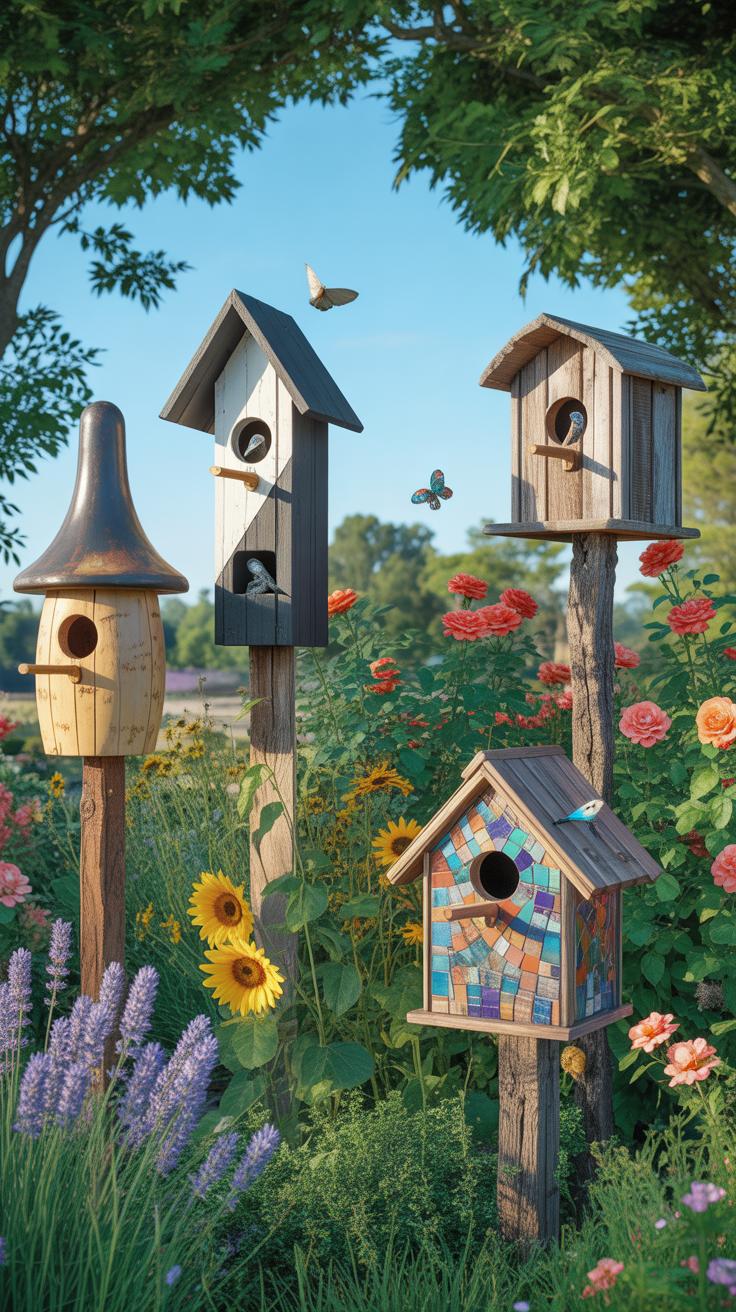
Rustic birdhouses prioritize reclaimed materials to mimic natural environments. Use weathered cedar, barn wood, or rusted corrugated metal for roofs. These materials provide excellent insulation and blend into tree lines. Avoid lead-based paints found on old salvage. Focus on functional history by repurposing milk crates or wooden toolboxes. Natural textures offer birds better grip when entering or exiting the cavity.
Choose hardware that matches the vintage aesthetic. Use hand-forged nails or cast iron brackets for mounting. Rough-sawn lumber provides a tactile surface for fledglings to climb. Ventilation is critical in dense wooden structures. Drill holes near the roofline to prevent heat trap. Ensure the wood is at least three-quarters of an inch thick. This thickness regulates internal temperature during cold spring nights.
Minimalist And Contemporary Birdhouse Ideas For The Modern Garden Enthusiast
Modern birdhouse design focuses on geometric precision and clean lines. Architects often use sustainable materials like bamboo, marine-grade plywood, or powder-coated aluminum. These structures use slanted roofs to shed water effectively. High-contrast colors like black, white, or slate grey provide a sharp visual profile. Ensure the internal dimensions still meet the specific biological needs of your target species despite the abstract exterior.
Strategic mounting is essential for the minimalist look. Use thin steel poles or hidden wall mounts to create a floating effect. Avoid decorative perches which allow predators to grip the house. Contemporary designs often feature easy-access panels for seasonal cleaning. Look for models with recessed entry holes to protect against wind and rain. This style works best in structured landscapes with limited organic clutter.
DIY Bird Houses Ideas You Can Build At Home With Basic Tools
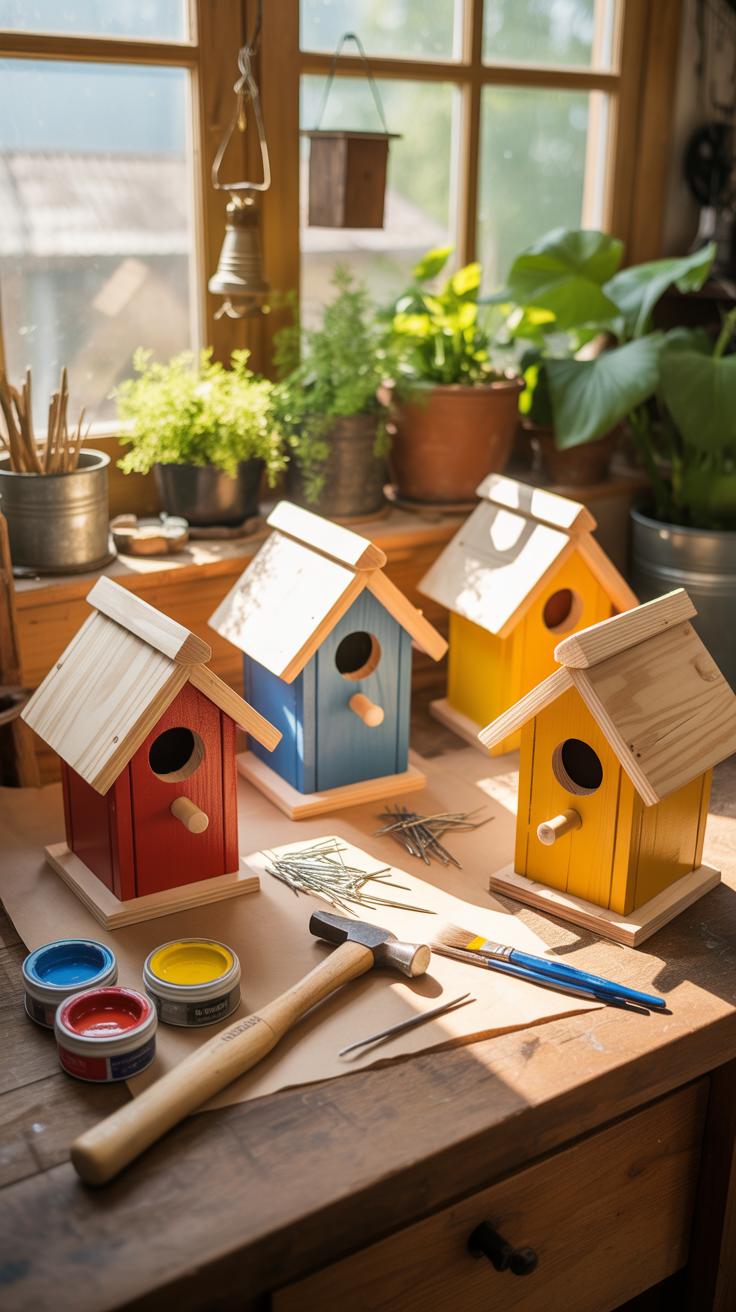
Step By Step Overview Of Building A Simple Functional Birdhouse From Scratch
Building a functional birdhouse requires precise dimensions to ensure bird safety. Start with a single cedar board measuring six feet long. Cedar resists rot and weather naturally without toxic chemicals. Cut the board into a floor, two sides, a front, a back, and a roof piece. Use a two-inch hole saw for the entrance to attract specific local songbirds while keeping predators out.
- Cut the Lumber: Measure and cut the cedar board into six distinct pieces. Precise 90-degree cuts ensure the box stays square. Proper alignment prevents gaps that cause drafts during cold spring nights.
- Drill the Entrance: Select a drill bit size based on the target species. A one-and-one-half inch hole works best for bluebirds. Place the hole at least six inches above the floor to protect chicks.
- Assemble the Walls: Use galvanized nails or exterior screws to join the sides to the back and front. Galvanized hardware prevents rust streaks and maintains structural integrity. Avoid using wood glue because it can trap moisture.
- Attach the Floor: Inset the floor piece one-quarter inch from the bottom edge. Drill four small drain holes in the corners of the floor. This allows any accidental moisture to exit the nesting area quickly.
- Mount the Roof: Fix the roof at an angle to allow water runoff. Ensure the roof overhangs the entrance by two inches to block rain. Use a hinge on one side of the roof for easy cleaning.
Dry fit all pieces before final assembly to verify the fit. Use a square to check every corner is true. Do not paint or stain the interior of the house because fumes can harm developing birds. Leave the exterior raw or use a light-colored water-based stain. A light color reflects heat during the peak summer months to keep the interior cool.
Upcycled And Repurposed DIY Birdhouse Projects Using Everyday Household Items
Repurposing household objects offers a sustainable way to increase nesting sites. Metal coffee cans, dry gourds, and old wooden crates serve as excellent raw materials. Ensure all materials are clean and free from sharp edges. Metal containers require extra insulation or shade to prevent overheating. Wood remains the superior material for temperature regulation because it mimics the natural cavities found in forest trees.
Modify found objects by adding specific entry points and drainage. A vintage teapot or ceramic pot can function if you mount it securely. Always prioritize the safety of the birds over the aesthetic of the garden. Avoid using plastic containers that trap heat and lack ventilation. Successful upcycling focuses on providing a dry, secure space that replicates a natural hollow while withstanding local environmental conditions.
Creating A Bird Home That Supports Local Wildlife And Biodiversity
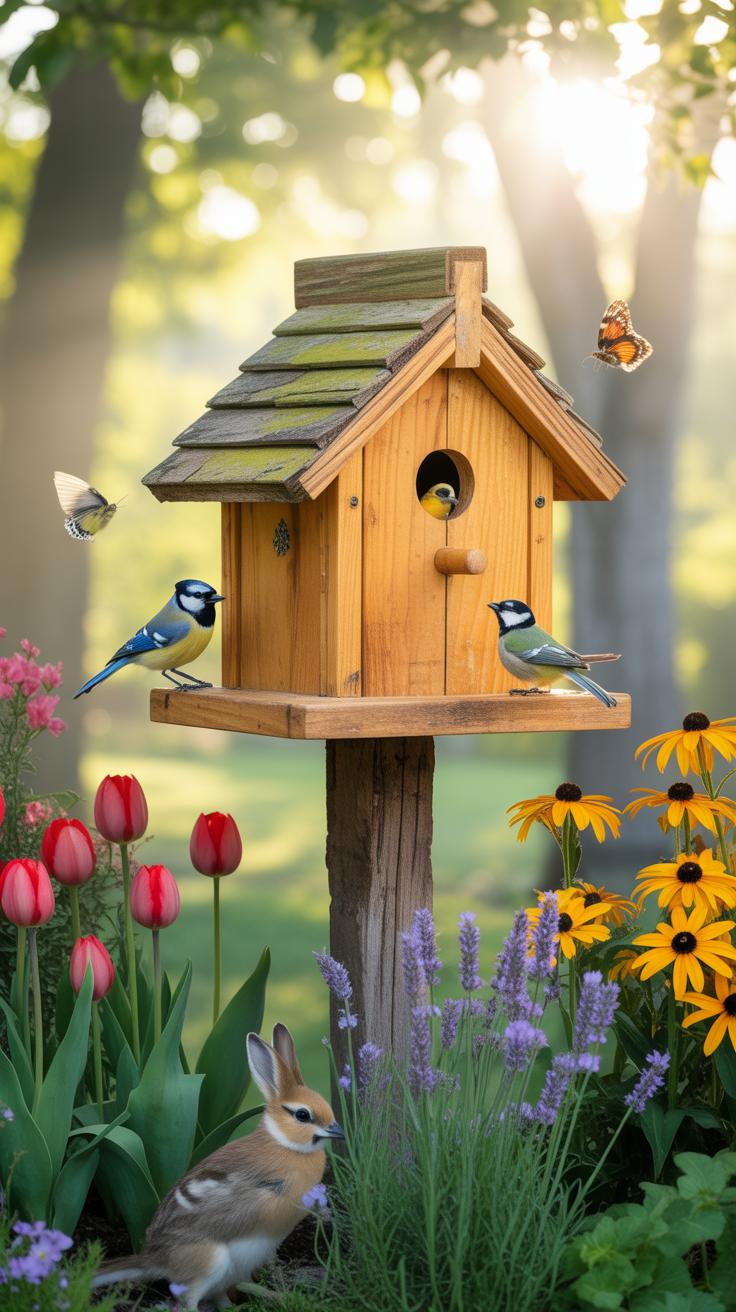
Understanding Cavity Nesting Birds And What They Look For In A Safe Bird Home
Cavity-nesting birds seek specific structural features to protect their young from predators and weather. These species include bluebirds, chickadees, and nuthatches. They require thick wood walls for insulation against heat and cold. The entrance hole diameter is the most critical factor. It must match the target species exactly. A hole that is too large allows invasive birds like house sparrows to take over.
Safety from predators determines nesting success. Avoid birdhouses with perches. Perches provide a landing spot for cats and hawks to reach inside the box. Use deep nesting chambers to keep eggs out of reach. Ensure the roof has a generous overhang to keep rain out. Proper ventilation holes near the top prevent overheating. Drainage holes in the floor keep the nest dry and free from mold.
A bird does not sing because it has an answer, it sings because it has a song. May your garden always be a sanctuary for those melodies.
Seasonal Maintenance Tips To Keep Your Bird Home Safe, Clean, And Inviting
Sanitation prevents the spread of avian diseases and parasites. Clean birdhouses every year after the brood departs. Remove all old nesting material immediately. This prevents mite infestations and blowfly larvae from harming future chicks. Scrub the interior with a solution of one part bleach to nine parts water. Let the box dry completely in the sun before you close it.

Monitor the structural integrity of the house every autumn. Replace warped boards or rusted hardware. Check the mounting post to ensure it remains stable and level. Apply a fresh coat of water-based stain to the exterior only. Never paint or stain the interior of the box. Ensure the drainage holes remain clear of debris. These steps ensure the birdhouse lasts for several seasons and remains a healthy environment.
Decorative Birdhouses That Elevate Your GardenS Visual Appeal Year Round
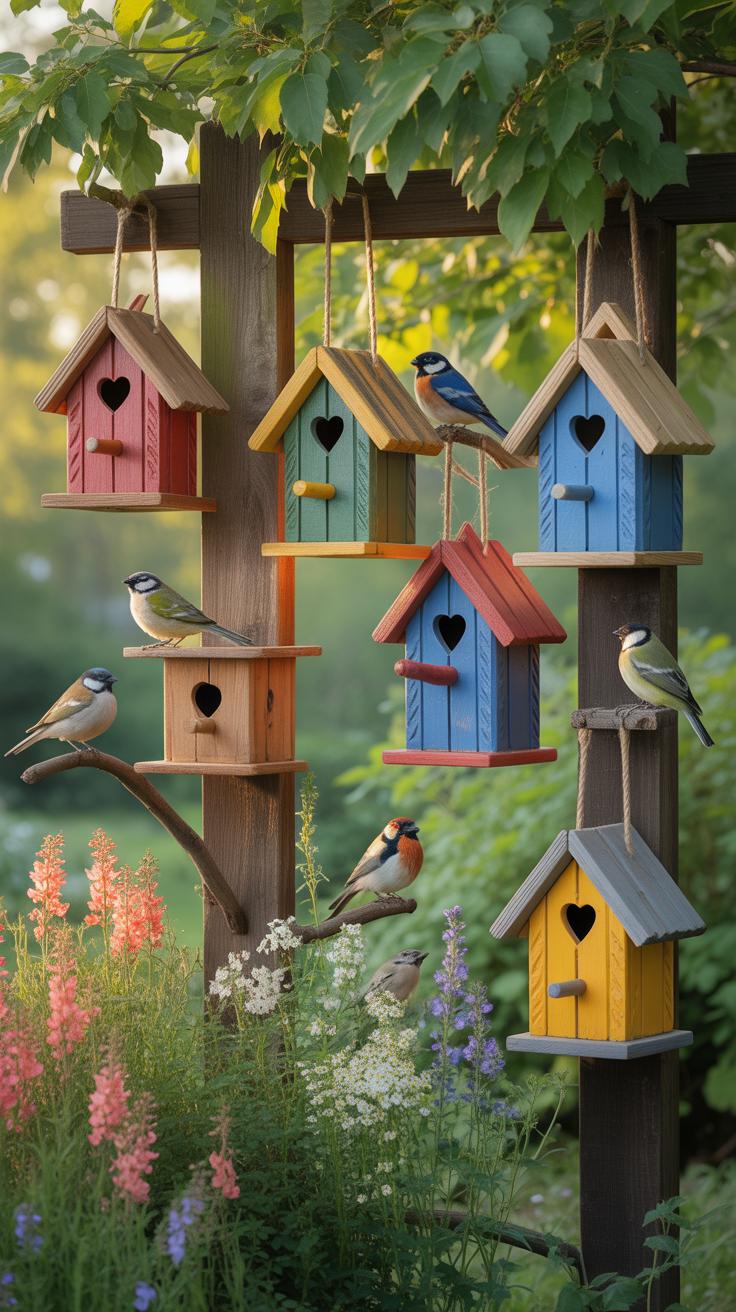
Trending Decorative Birdhouse Themes From Whimsical Villages To Geometric Shapes
Modern garden birdhouse ideas now focus on architectural movements like Mid-Century Modern and Brutalism. These designs use sharp angles and flat roofs to mimic high-end residential homes. Minimalist shapes appeal to property owners who want birdhouses that complement contemporary landscapes. High-quality materials like cedar or weathered steel ensure these structures age well against the elements. Clean lines replace the cluttered look of traditional crafts.
Whimsical village themes create a sense of scale by grouping multiple small units together. These clusters often draw inspiration from Victorian cottages or Dutch row houses with steep gables and narrow profiles. Strategic grouping allows for different hole sizes to attract various species in a single area. Designers focus on muted paint palettes rather than bright colors to maintain a professional look. This shift ensures the birdhouses remain sophisticated focal points.
How To Style And Display Decorative Birdhouses As Part Of A Cohesive Garden Design
Effective styling requires placing birdhouses at varying heights to create depth in the landscape. Use black iron poles or natural timber posts to secure these units in garden beds. Position them near shrubs to provide birds with immediate cover from predators. Align the architecture of the birdhouse with your home style to create a unified aesthetic. Proper placement ensures the birdhouse functions as both art and habitat.
Seasonal visibility is the primary goal for year-round appeal. Place decorative houses where they remain visible after deciduous trees lose their leaves. Use evergreen backdrops like boxwoods or yews to make light-colored birdhouses pop during winter months. Avoid placing houses in high-traffic areas where human activity might deter nesting birds. Tactical placement balances the needs of local wildlife with the desire for a clean and curated garden look.
Frequently Asked Questions

What are the best garden birdhouse ideas for beginners looking to attract local wildlife?
When starting out, the best garden birdhouse ideas prioritize functionality and safety over complex designs. Focus on choosing houses with the correct entrance hole size for local species, such as chickadees or bluebirds. Ensure the materials are untreated wood to provide natural insulation. Placing your birdhouse in a quiet, elevated spot away from predators will encourage birds to move in quickly while adding a charming, rustic touch to your outdoor landscape.
How do I properly maintain and clean my birdhouse to keep it safe for nesting?
Maintenance is a practical necessity for any successful nesting season. You should clean out old nesting material each autumn once your feathered guests have departed. Use a solution of one part bleach to nine parts water to scrub the interior, ensuring all parasites are removed. Good garden birdhouse ideas always include features like easy-open side panels or removable floors, which make this essential deep-cleaning process much simpler and more efficient for homeowners.
Are there stylish ways to incorporate birdhouses into my garden on a limited budget?
Absolutely! You can achieve a high-end look without spending a fortune by repurposing vintage items like old teapots, wooden crates, or sturdy gourds. Painting inexpensive, craft-store birdhouses with outdoor-safe, muted colors can also create a cohesive designer feel. These budget-friendly options allow you to experiment with different heights and textures, proving that beautiful bird-friendly spaces are accessible to everyone regardless of their total renovation budget or gardening experience.